Tag Archives: hiking

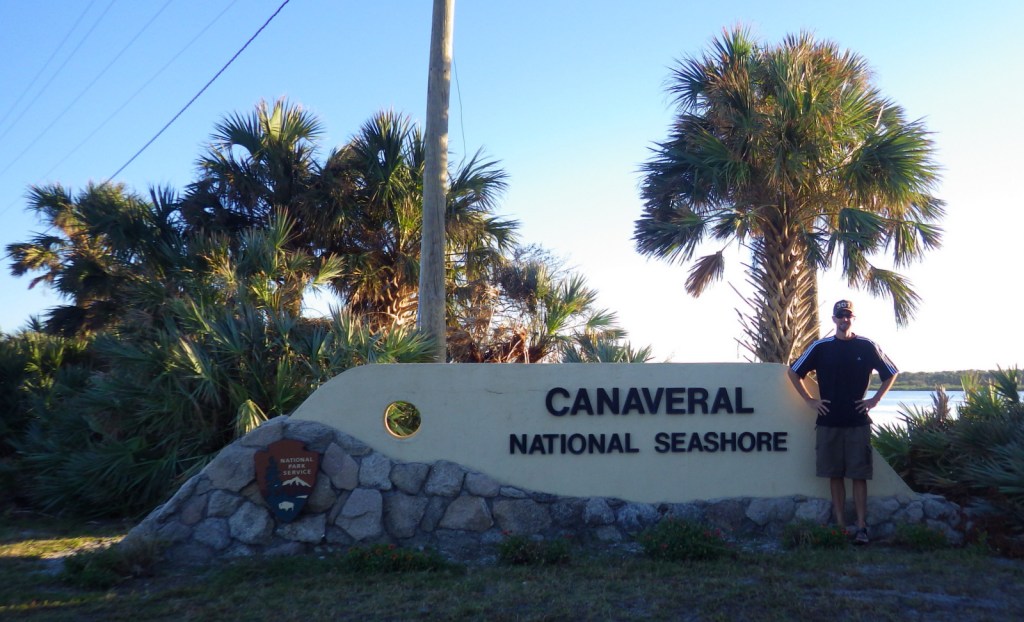
Canaveral National Seashore

Overview

When NASA (National Aeronautics and Space Administration) prevented this portion of Florida coast from development in the 1950s, surely they did not imagine it would soon become one of the last long stretches of wild coastline left on the Atlantic seaboard.  The area north of John F. Kennedy Space Center was set aside as Canaveral National Seashore (in 1975) and Merritt Island National Wildlife Refuge (in 1963).

Highlights

Eldora State House, shell mounds, wildlife, fishing, kayaking, beaches

Must-Do Activity

About 310 avian species have been spotted in Merritt Island National Wildlife Refuge.  Other than birds, we were excited to see our first living armadillo and manatee outside of a zoo.  Despite its unappealing name, Mosquito Lagoon is a nice spot for fishing and paddling.  We hope someday to return to witness a rocket launch from John F. Kennedy Space Center.

Best Trail

Human activity in Canaveral National Seashore is evident in Timucuan shell mounds that date back thousands of years, with a separate trail to Eldora State House preserving more recent history.  At the southern end of the park in Merritt Island National Wildlife Refuge, you will find Oak and Palm Hammock Trails, as well as Cruickshank Trail that leads to an observation tower.

Instagram-worthy Photo

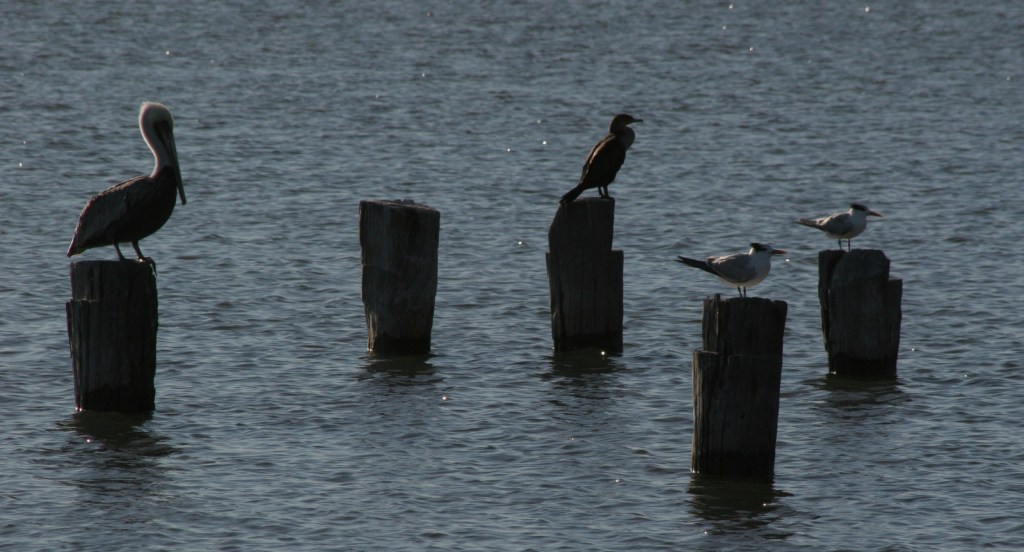
The park ranger told us the most likely place to see a West Indian manatee was at the boat launch in New Smyrna Beach, Florida just north of the park boundary.  There were also dolphins, great blue herons, anhingas, great egrets, ospreys, brown pelicans, and royal terns.

Peak Season

Summer

Hours

https://www.nps.gov/cana/planyourvisit/hours.htm

Fees

$20 per vehicle day use or America the Beautiful pass

Road Conditions

The main access roads are paved, but the six-mile Black Point Wildlife Drive and some boat launches are not.  Unlike at other National Seashores, there is no driving on the beach allowed, but you can bicycle or walk to remote Klondike Beach.

Camping

Inside the park boundaries there are no campgrounds, but backcountry camping is allowed with a permit.

Related Sites

Castillo de San Marcos National Monument (Florida)

Cumberland Island National Seashore (Georgia)

Fort Caroline National Memorial (Florida)
Explore More – What did engineers build in the 1950s to limit the breeding area for saltmarsh mosquitoes?

Walnut Canyon National Monument

Walnut Canyon National Monument

Arizona

Managed by National Park Service

Established 1915

3,529 acres

Website: nps.gov/waca

Overview

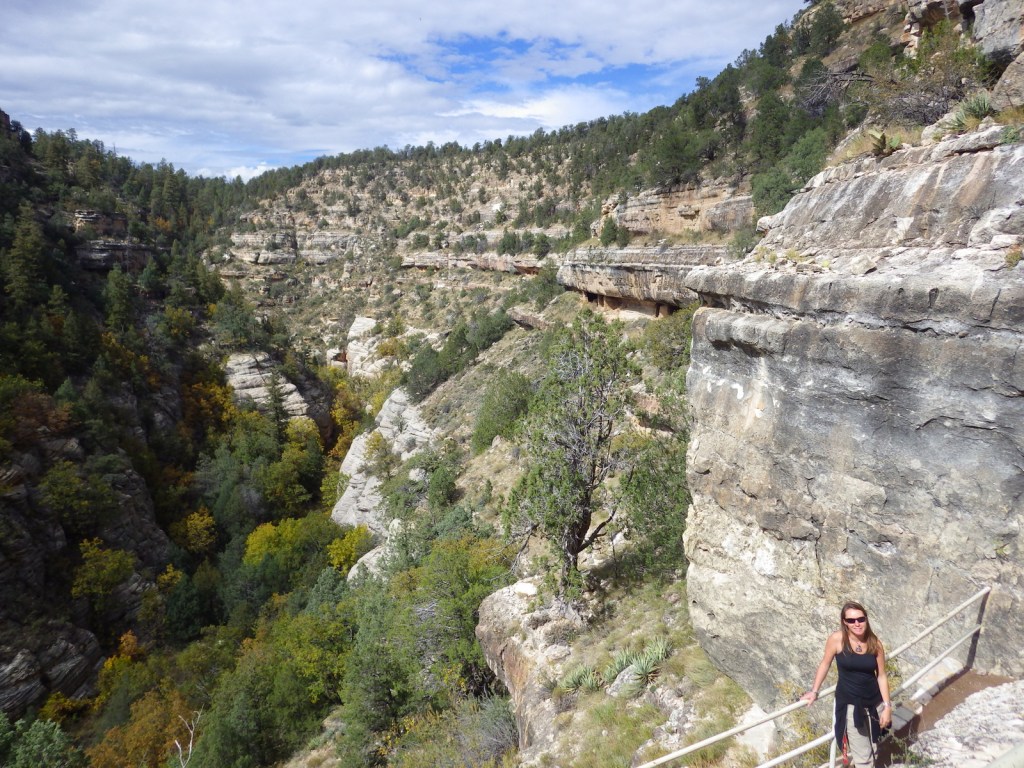
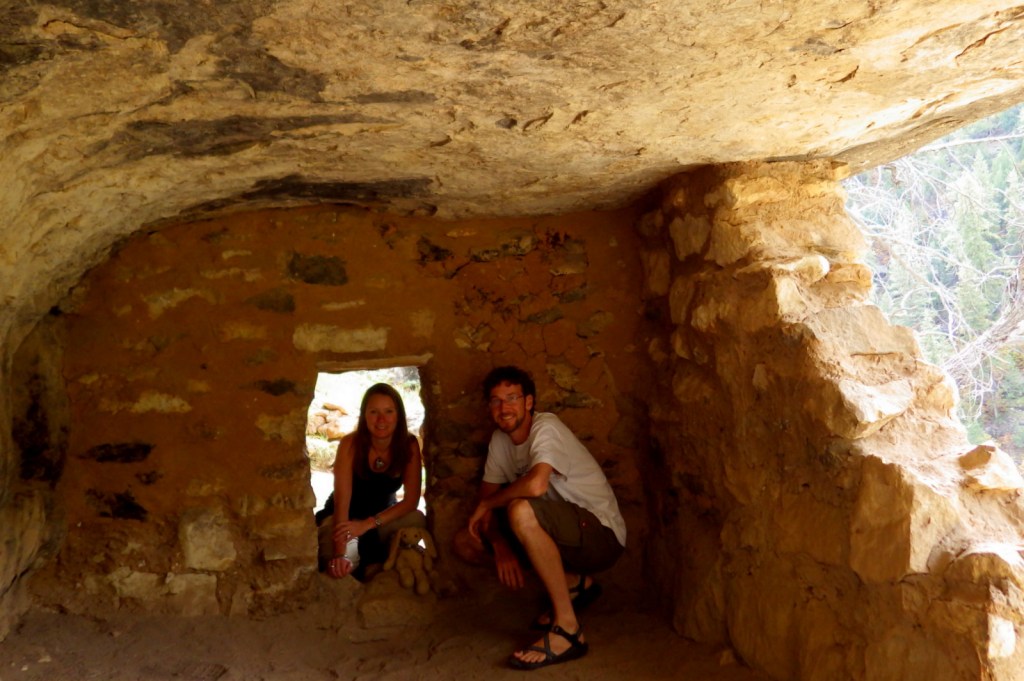
Cliff dwellings were built in Walnut Canyon around the same time another group of Sinagua was living at nearby Wupatki National Monument.  These cliff dwellings were only occupied for about a hundred years and abandoned by AD 1250.  For over a century, they have been protected within Walnut Canyon National Monument, a 3,541-acre park on Interstate 40 east of Flagstaff, Arizona.

Know someone who loves exploring new National Monuments? Gift them our book Monumental America: Your Guide to All 138 National Monuments that is available for sale on Amazon.com.
Highlights

Museum, ruins, scenic views

Must-Do Activity

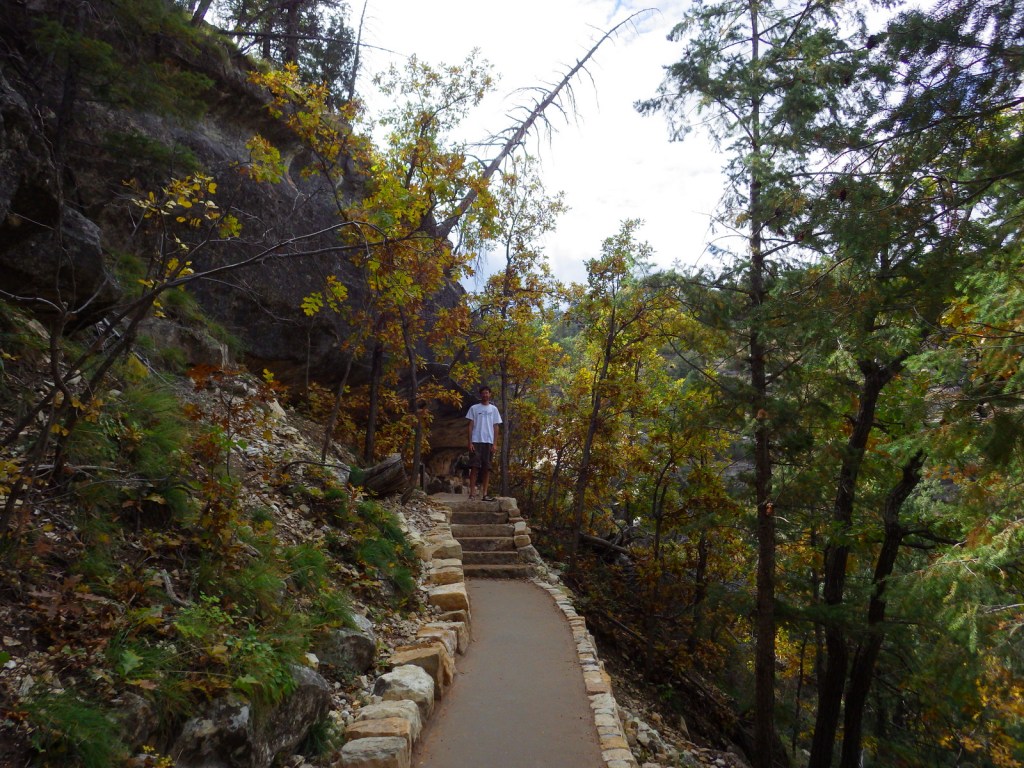
To get up close with the ruins requires a hike down 200 stairs on the one-mile Island Trail loop.  At 6,690 feet in elevation, downhill is easy, but getting back up is another matter entirely.  It is well worth the effort to get a feeling for a life spent inside the shallow limestone recesses in the canyon walls.

Best Trail

The paved Island Trail drops 185 feet and takes you right up to the 25 rooms built into the cliffs.  Above the canyon, 0.75-mile Rim Trail is handicap accessible and provides views of the ruins.

Instagram-worthy Photo

October is a great time to visit to see changing leaves in Walnut Canyon, especially the bigtooth maple trees.

Peak Season

Summer

Hours

https://www.nps.gov/waca/planyourvisit/hours.htm

Fees

$15 per person, $25 per vehicle, or America the Beautiful pass

Road Conditions

Access road is paved

Camping

There is not a campground at the site, but dispersed camping is allowed down the dirt road that turns off to the left just before entering the National Monument.

Related Sites

Sunset Crater Volcano National Monument (Arizona)

Montezuma Castle National Monument (Arizona)

Tuzigoot National Monument (Arizona)

Nearest National Park

Grand Canyon

Explore More – There are multiple Arizona sites in the National Park Service system dedicated to the vanished Sinagua people; what does their name mean in Spanish?
Learn more about the other 137 National Monuments in our book Monumental America: Your Guide to All 138 National Monuments

Top 10 NPS Sites for Hiking

Some of the best places to hike in the entire United States of America lie within our National Park Service (NPS) system.  We already ranked the best places to hike within the 63 National Parks, so in this Top 10 list we focus on the best of the rest.  We decided to leave off the 2,185-mile Appalachian National Scenic Trail that runs from Maine to Georgia (one of three long trails managed by the NPS).  Click here to see all of our Top 10 Lists.

10. Cumberland Gap National Historical Park (Kentucky-Tennessee-Virginia)

85 miles of trails lead to Tri-State Peak, Wilderness Road, Hensley Settlement, and Gap Cave

9. Mojave National Preserve (California)

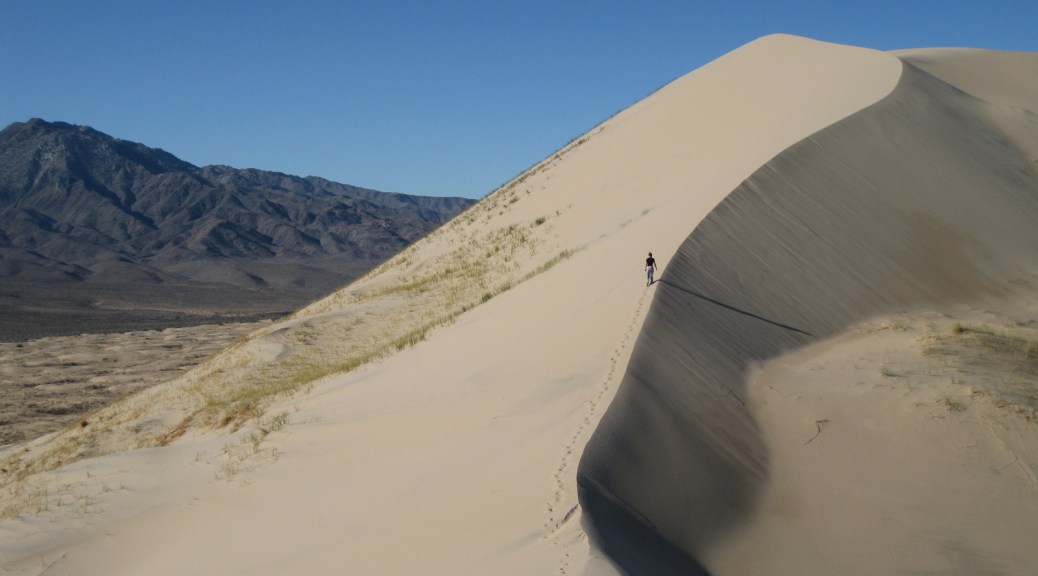
Rings Loop Trail requires metal handholds to navigate a narrow canyon, plus climb Kelso Dunes

8. Delaware Water Gap National Recreation Area (Pennsylvania)

Short hikes lead to Raymondskill and Dingmans Falls, or summit Mt. Minsi on the Appalachian National Scenic Trail

7. Natural Bridges National Monument (Utah)

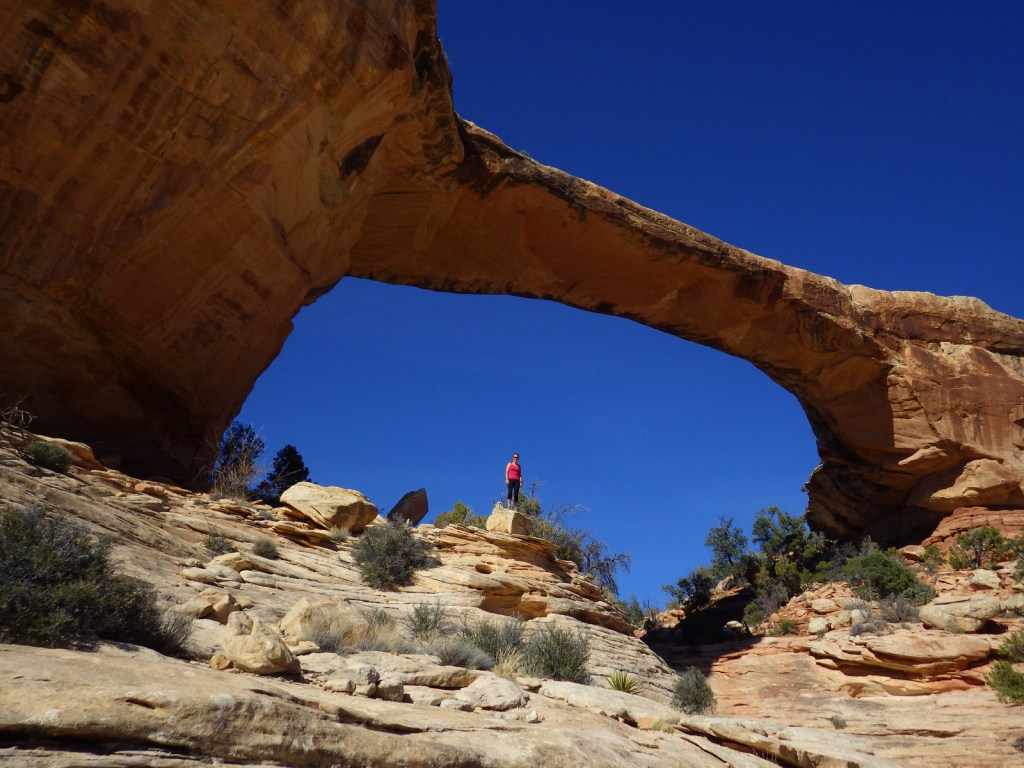
A nine-mile loop hike connects all three natural bridges, also accessible individually by shorter trails

6. Navajo National Monument (Arizona)

Canyon hiking (or backpacking) is required to access the Ancestral Puebloan ruins protected here

5. Craters of the Moon National Monument and Preserve (Idaho)

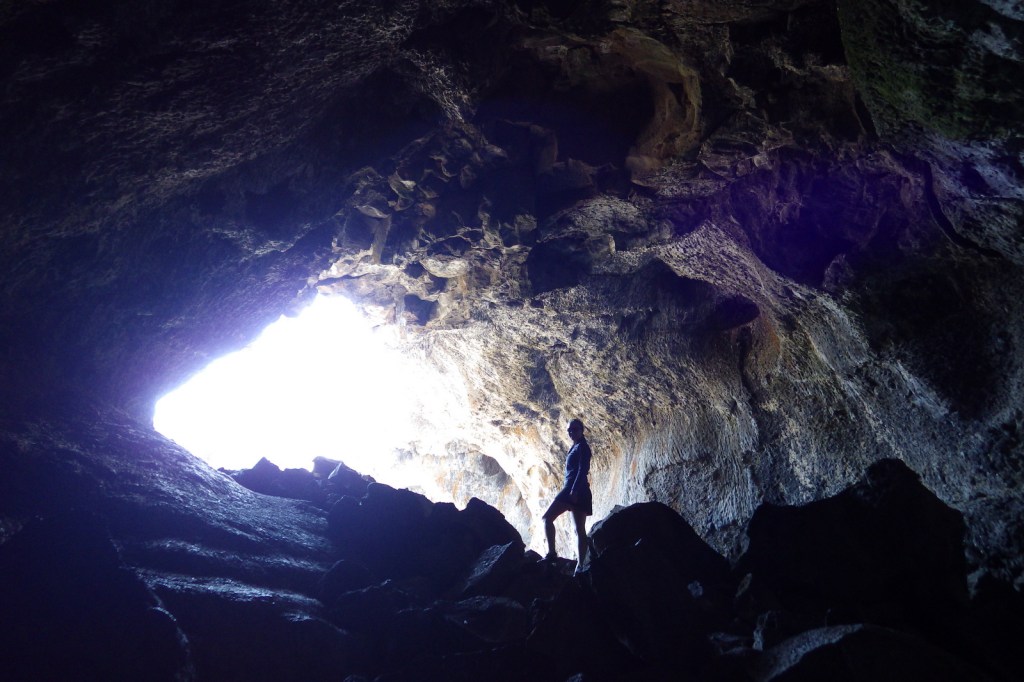
There is no shade in this stark yet beautiful landscape, except inside the lava tubes

4. Oregon Caves National Monument and Preserve (Oregon)

After a cave tour continue on the Cliff Nature Trail and hike the Big Tree Trail up to the largest diameter Douglas-fir tree in Oregon

3. Colorado National Monument (Colorado)

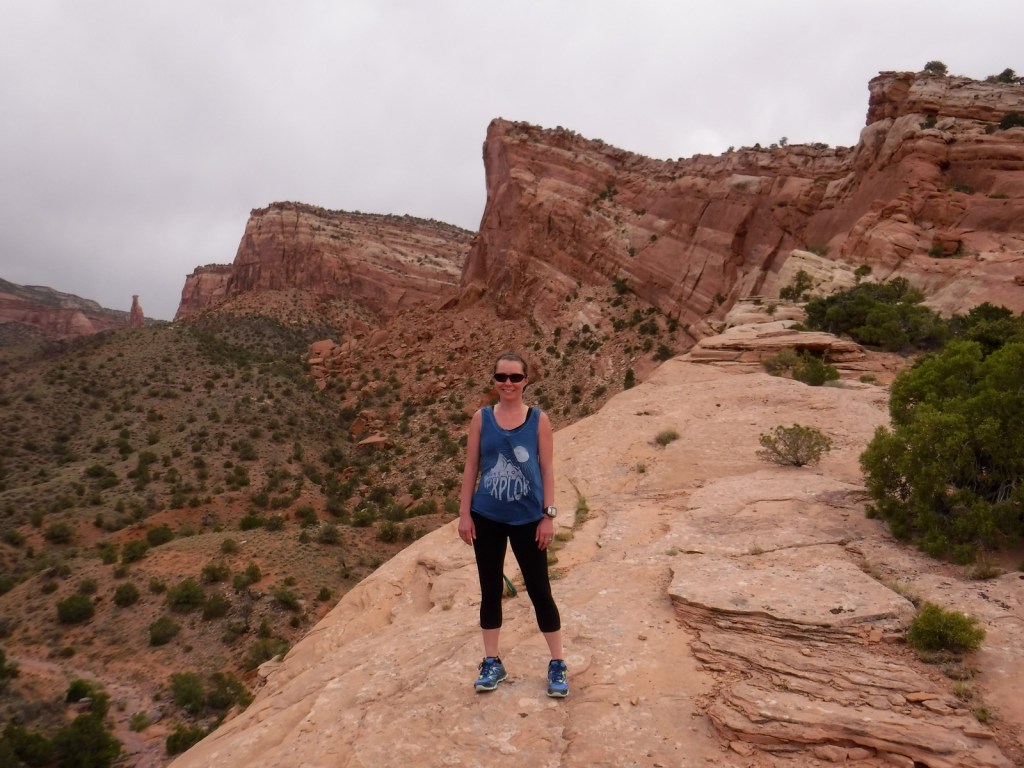
Many colorful canyon hikes, plus the Serpents Trail once known as the “Crookedest Road in the World”

2. Lake Chelan National Recreation Area (Washington)

The Pacific Crest National Scenic Trail is just one scenic option through here and adjoining North Cascades National Park

…and finally the #1 NPS site for hiking:

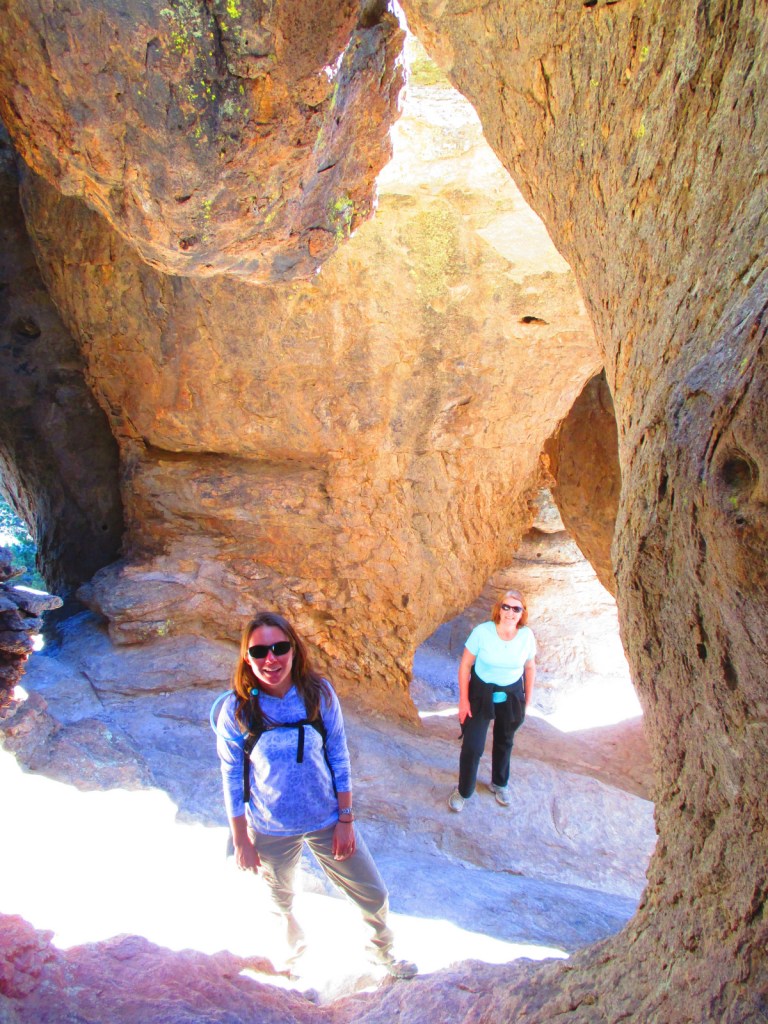
1. Chiricahua National Monument (Arizona)

We recommend an all-day loop hike through Echo Canyon to the Heart of Rocks Loop

Honorable Mentions

Devils Tower National Monument (Wyoming)

The volcanic plug looks different from every angle on the Joyner Ridge, Red Beds, and Tower Trails

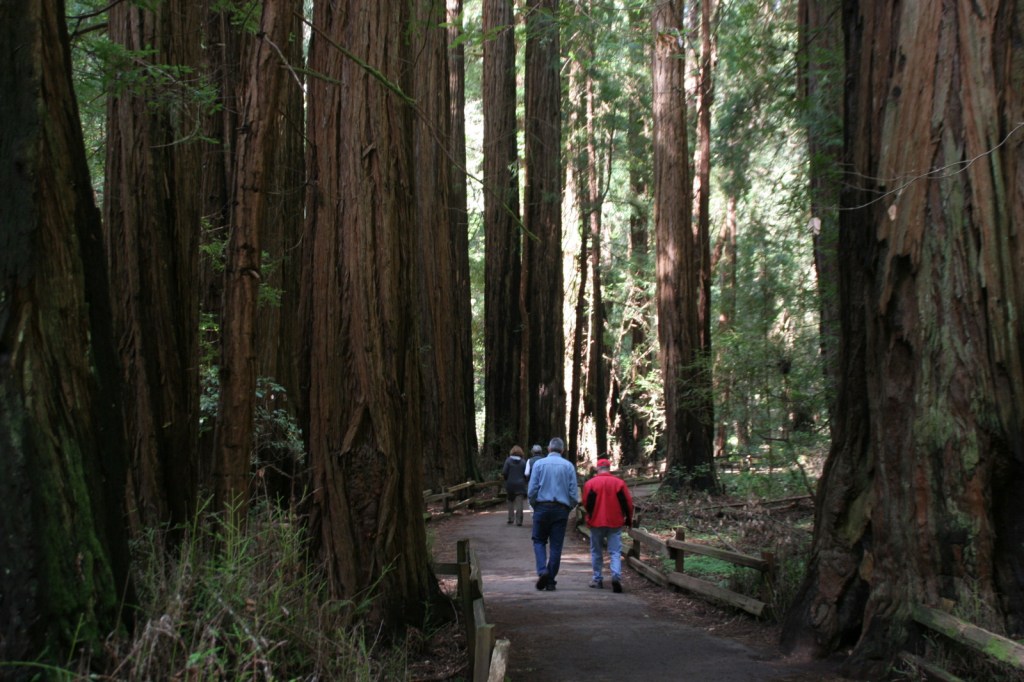
Muir Woods National Monument (California)

Only six miles of trails through towering coast redwoods, but they connect with Mount Tamalpais State Park

Buffalo National River (Arkansas)

Not just for canoeing, trails access Hideout Hollow, Hawksbill Crag, and Hemmed-In-Hollow

Top 10 of the 63 National Parks for Hiking

Some of the best places to hike in the entire United States of America lie within our 63 National Parks.  When we wrote our guidebook, A Park to Yourself: Finding Adventure in America’s National Parks (available on Amazon), we had a hard time choosing only two favorite trails for each park.  So in this Top 10 list we are simply going to list all of the hikes we like in each of the selected National Parks (with roundtrip mileage in parentheses).  We also ranked the best places to hike within the other National Park Service sites (click here to see all our Top 10 Lists).

Know someone who loves National Parks? Gift them our travel guidebook A Park to Yourself: Finding Solitude in America’s 63 National Parks

10. Shenandoah (Virginia)

Old Rag (7.1 miles) Dark Hollow Falls (1.4) Little Stony Man Cliffs (0.9) Jones Run Falls (3.4) Cedar Run-Whiteoak Circuit (8.2) Appalachian National Scenic Trail

9. Pinnacles (California)

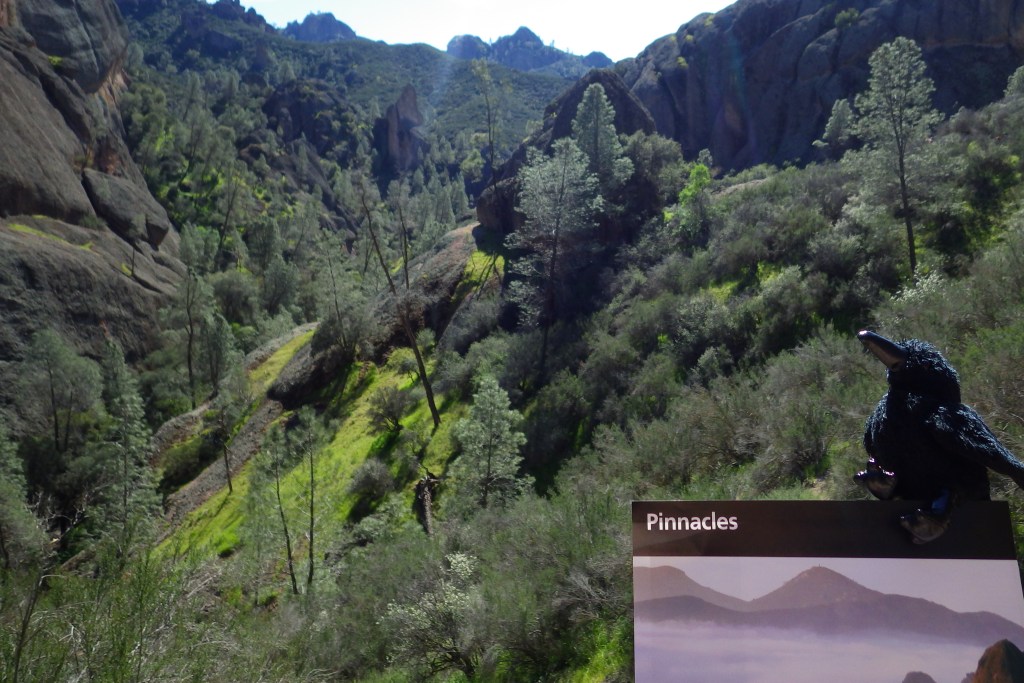
Bear Gulch (2.2) High Peaks Trail (5.3) Balconies Cave (2.4) North Chalone Peak (9.0) North Wilderness (9.3)

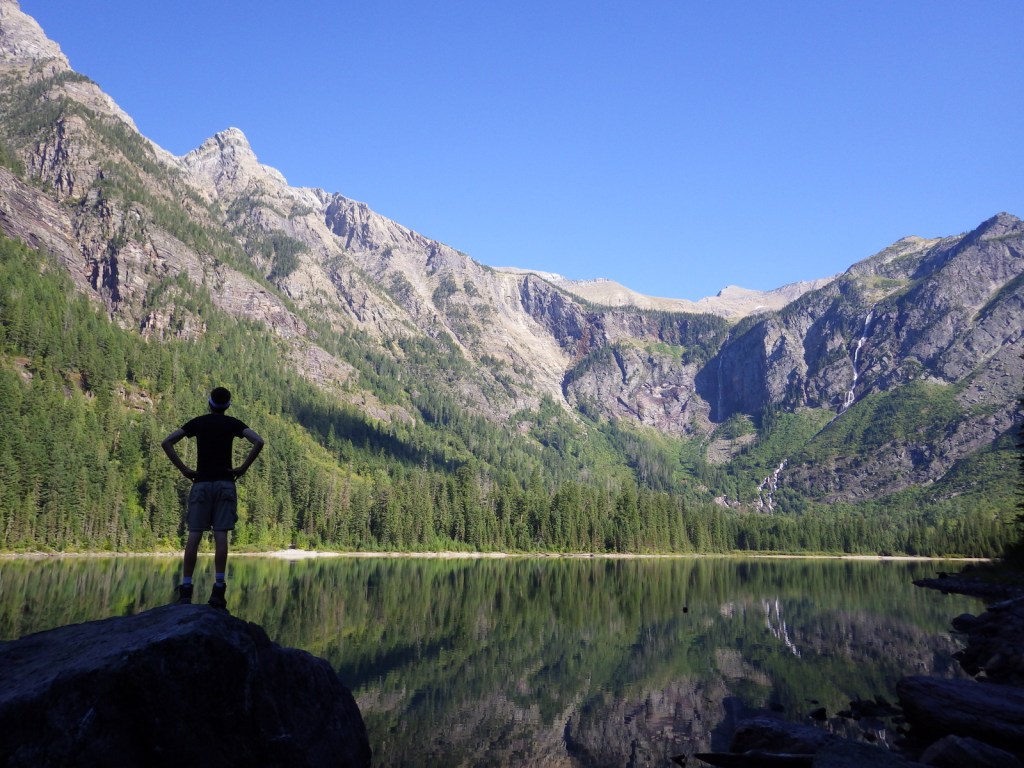
8. Glacier (Montana)

Avalanche Lake (4.0) Hidden Lake Overlook (3.0) Iceberg Lake (9.6) Grinnell Lake (6.8) Two Medicine Loop (21.0) Continental Divide National Scenic Trail

7. Isle Royale (Michigan)

Stoll (5.0) Suzy’s Cave (7.4) Mt. Franklin (4.0) Greenstone Ridge (42.2) Minong Ridge (9.4)

6. Zion (Utah)

Observation Point (8.0) Angels Landing (5.4) The Narrows (4.0+) Canyon Overlook (1.0) Kolob Arch (14.0)

5. Yosemite (California)

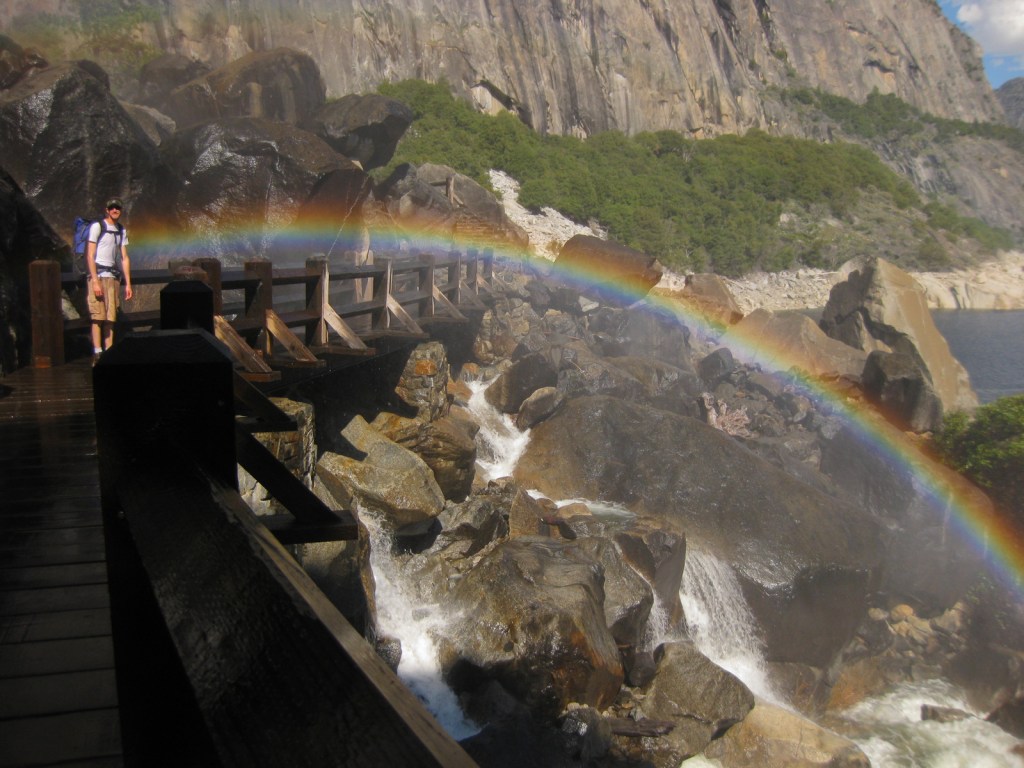
Mariposa Grove (6.9) Upper Yosemite Falls (7.2) Nevada Falls (5.0) Tuolumne Grove (2.5) Wapama Falls (5.0) Pacific Crest National Scenic Trail

4. Big Bend (Texas)

Mariscal Canyon Rim (6.6) Santa Elena Canyon (1.7) Window (4.0) Hot Springs (1.0) Grapevine Hills (2.2)

3. Rocky Mountain (Colorado)

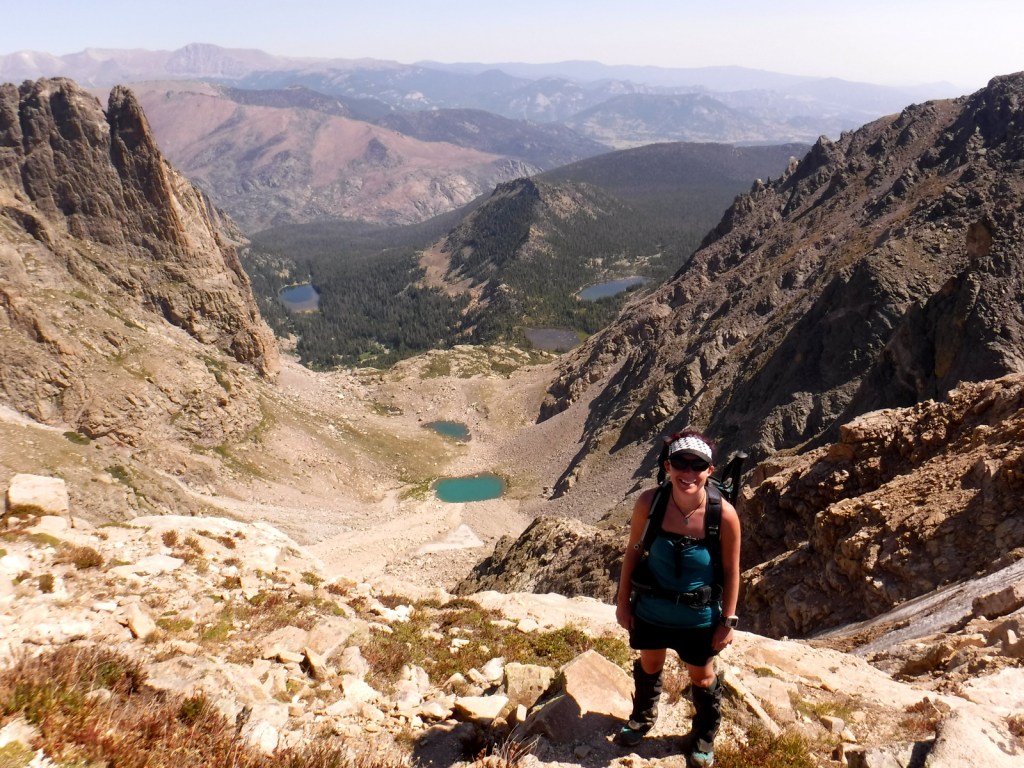
Adams Falls (0.6) Mt. Ida (10.0) Dream Lake (2.2) Sky Pond (9.8) Ouzel Falls (5.4) Spectacle Lakes (11.0) Lost Lake (15.6) Continental Divide National Scenic Trail

2. Great Smoky Mountains (Tennessee-North Carolina)

Ramsey Cascades (8.0) Look Rock (1.8) Laurel Falls (2.6) Clingman’s Dome (0.5) Hen Wallow Falls (4.4) Alum Cave (4.4) Chimney Tops (10.0) Appalachian National Scenic Trail

…and finally the #1 National Park for hiking:

1. Yellowstone (Wyoming-Montana-Idaho)

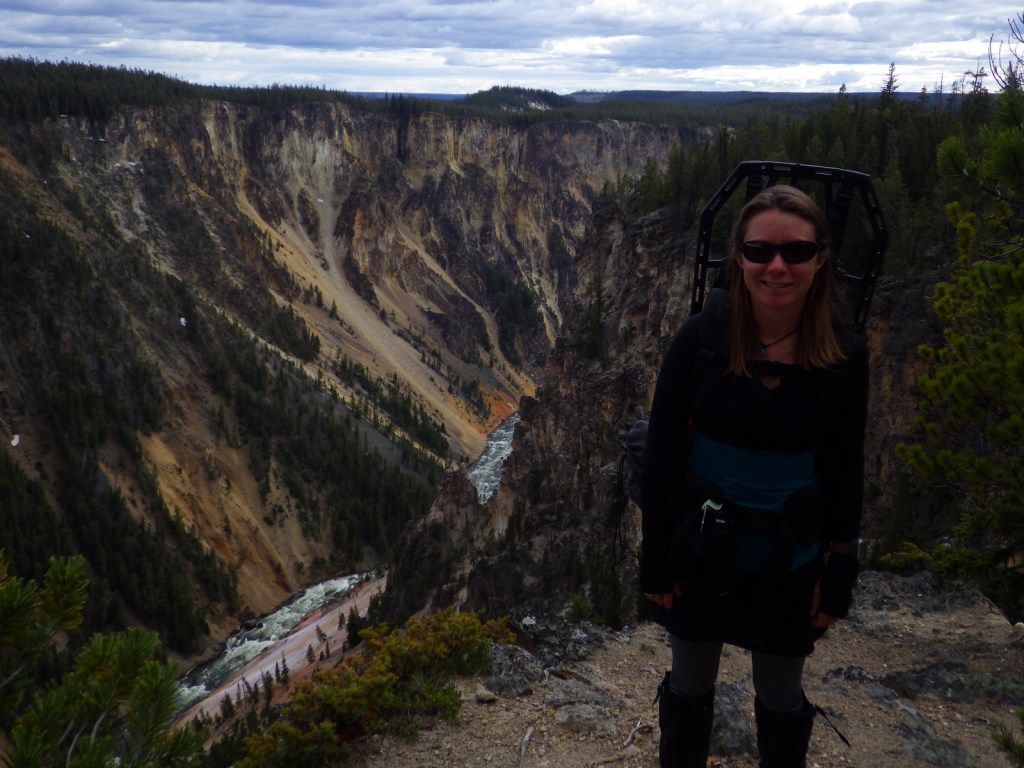
Upper Geyser Basin (2.0+) Brink of Lower Falls (0.8) Mt. Washburn (6.2) Lone Star Geyser (4.8) Fairy Falls (7.0) Sky Rim (16.0) Continental Divide National Scenic Trail

Honorable Mentions

Acadia (Maine)

Precipice (2.5) Beehive (1.6) Jordan Pond (3.2) Ocean Path (4.4) Beech Mountain (1.1) Schoodic Head (2.5)

Arches (Utah)

Delicate Arch (3.0) Double Arch (0.5) Devils Garden (7.2) Broken Arch (1.3) Tower Arch (3.4)

Lassen Volcanic (California)

Bumpass Hell (3.0) Lassen Peak (5.0) Devils Kitchen (4.2) Cinder Cone (4.0) Pacific Crest National Scenic Trail

Know someone who loves National Parks? Gift them our travel guidebook A Park to Yourself: Finding Solitude in America’s 63 National Parks

Pinnacles National Park

Overview

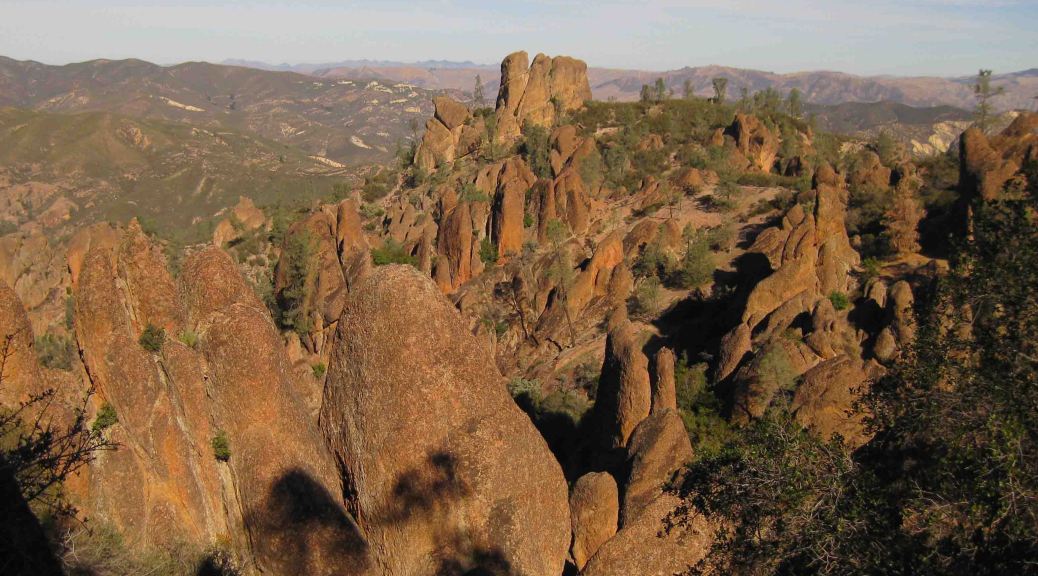
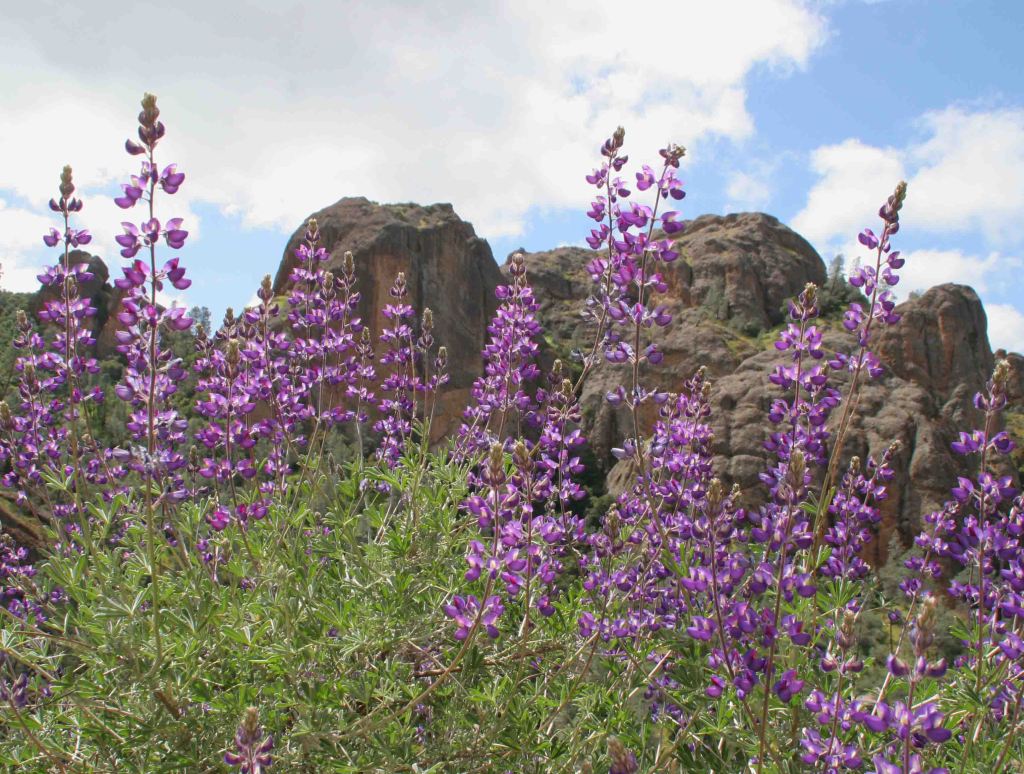
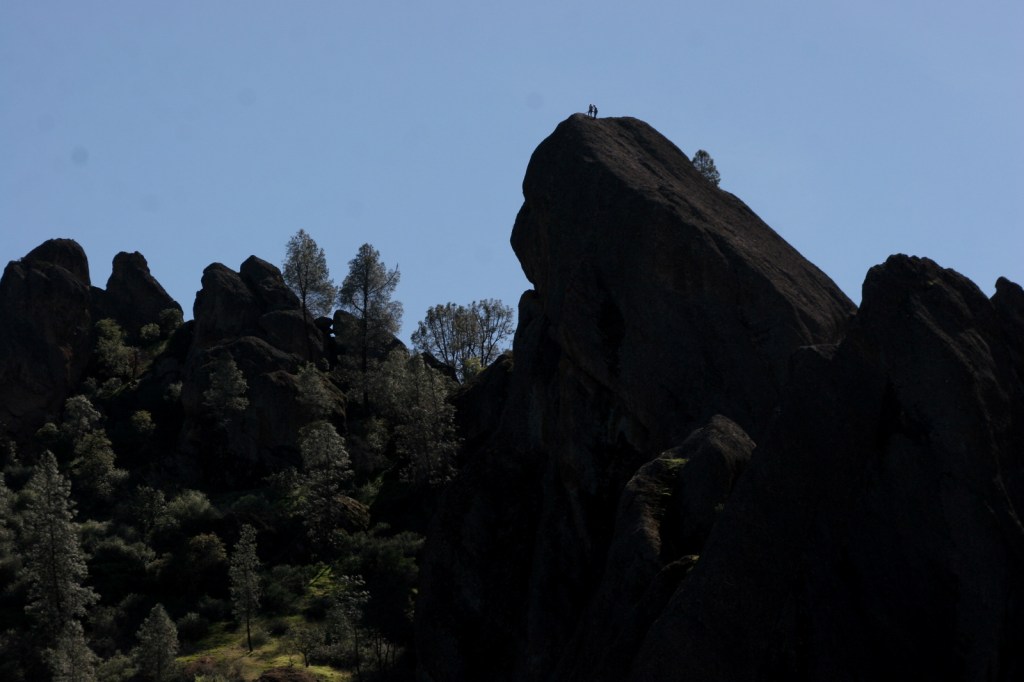
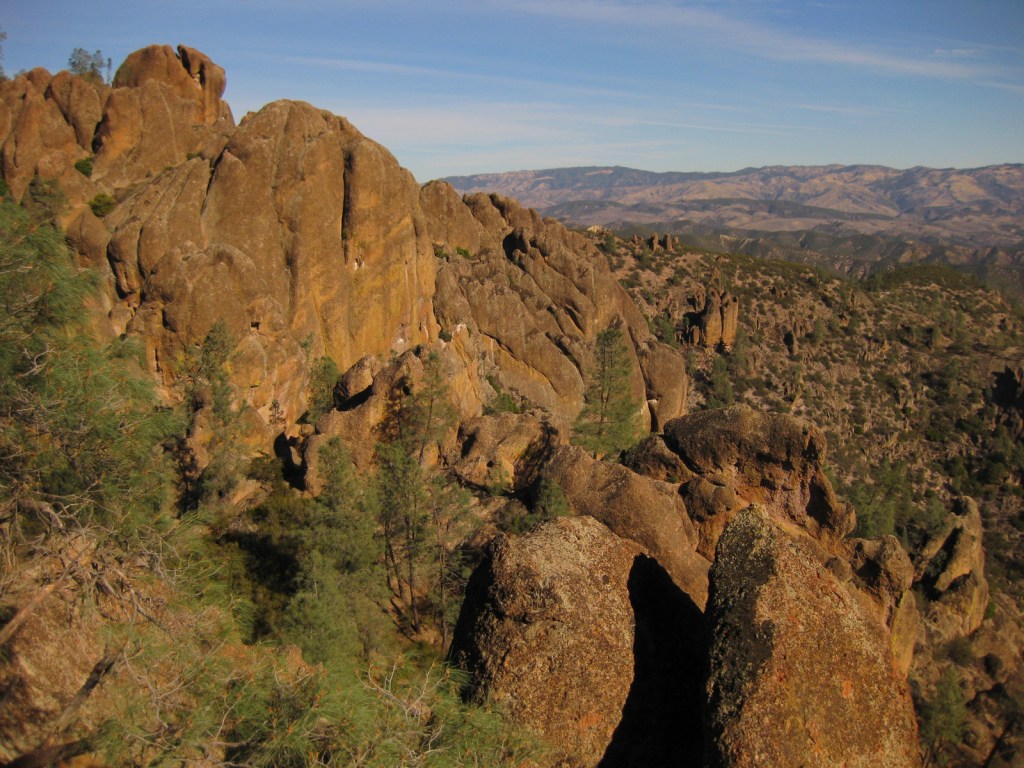
California has nine National Parks, which is more than any other state, including Alaska.  The newest is Pinnacles National Park, upgraded from a National Monument in 2013.  Rising above the agricultural Salinas Valley, it does have quite a long history, going back even before President Theodore Roosevelt officially recognized its significance in 1908.  The park’s West Entrance is accessible from Highway 101 and the East Entrance is closer to Interstate 5 and the Central Valley.  It is actually faster to hike from one side to another, than to drive two hours around. 

Learn more in our guidebook to the National Parks, A Park to Yourself: Finding Adventure in America’s National Parks (available on Amazon).

Highlights

Scenic views, talus caves, rock climbing, endangered California condors

Must-Do Activity

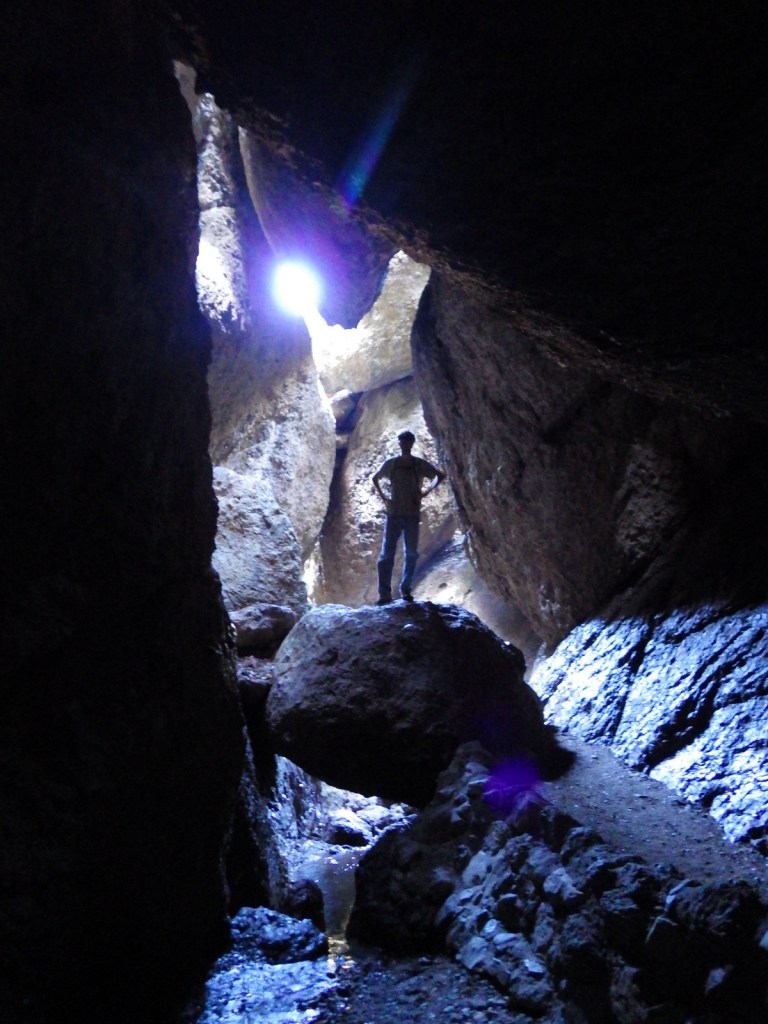
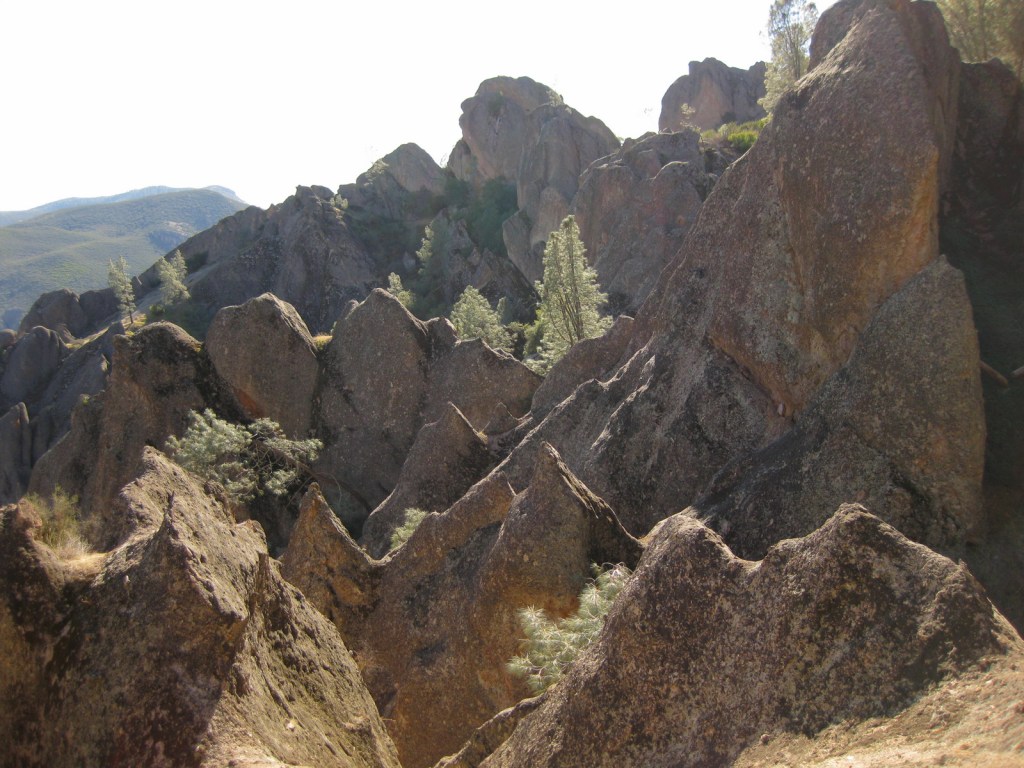
In addition to its striking rock spires, the park is known for talus caves, which are tunnels formed by boulders falling and catching between narrow canyon walls.  Flashlights are necessary to navigate through them, although small gaps in the chaotic ceiling often allow shafts of light through in picturesque fashion.  You might spot a bat flying through the caves, which are seasonally closed for their protection.

Best Trail

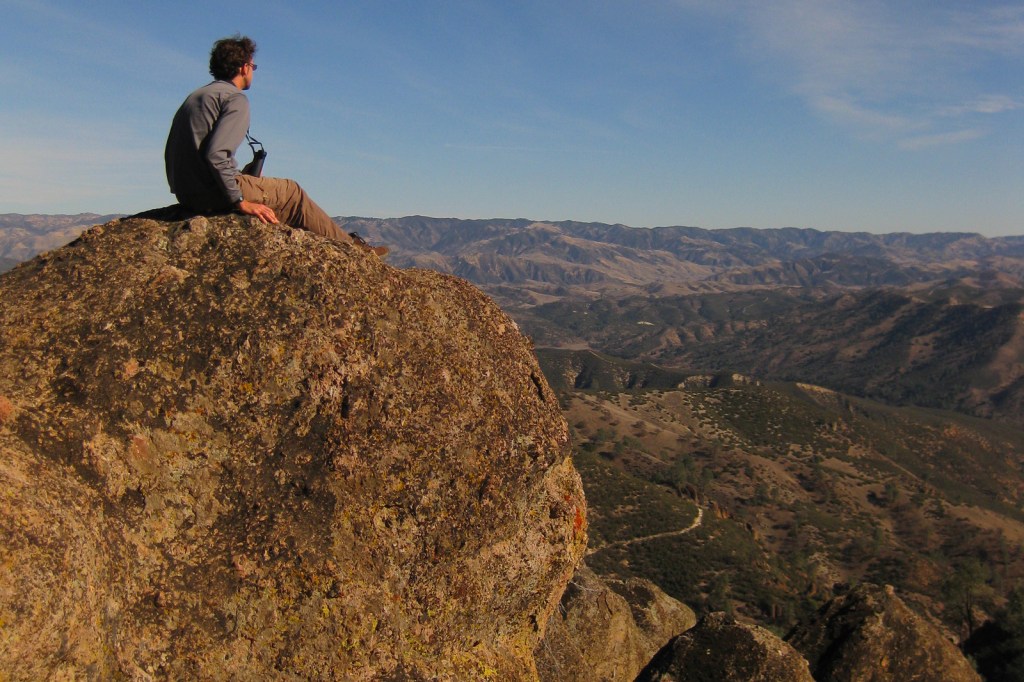
Mild temperatures make this a park for hiking in all seasons.  Just be sure to hold onto the chains while navigating the Steep and Narrow section of the steep High Peaks Trail.

Instagram-worthy Photo

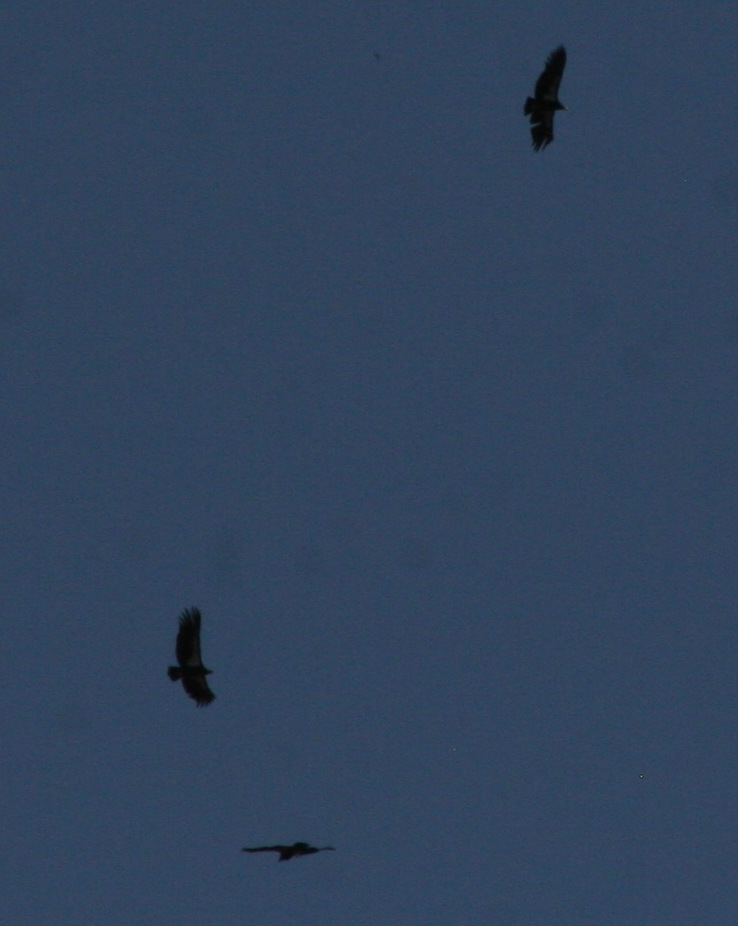
While you may not see a bat in the talus caves of Pinnacles National Park, it is likely you will spot the nine-foot wingspan of a California condor slicing the blue sky outside the caves.  This is perhaps the most successful of all release sites for this species teetering on the brink of extinction.

Peak Season

Summer

Hours

https://www.nps.gov/pinn/planyourvisit/hours.htm

Fees

$30 per vehicle or America the Beautiful pass

Road Conditions

All roads are paved, but there is not a road connecting the East and West Entrances, which are about a two-hour drive apart.

Camping

The West Entrance gate is locked every night as it is day use only, but there is a campground that takes reservations at the East Entrance.  No backcountry camping is allowed.

Related Sites

Yosemite National Park (California)

Channel Islands National Park (California)

Sequoia National Park (California)

This design we created to celebrate Joshua Tree National Park is available on a variety of products at Cafe Press and Amazon.

Explore More – Accessible by a nine-mile roundtrip hike with more than 2,000 feet of elevation gain, how tall is North Chalone Peak?

We are a participant in the Amazon Services LLC Associates Program, an affiliate advertising program designed to provide a means for us to earn fees by linking to Amazon.com and affiliated sites.