Tag Archives: camping

Missouri National Recreational River

Overview

Forming the border of Nebraska and South Dakota, the Missouri National Recreational River was originally designated in 1978, but only 300 of its 34,128 acres are managed by the National Park Service (NPS).  Its lower segment runs 59 miles from the Gavins Point Dam to Ponca State Park.  More than a decade later, a 39-mile stretch was added from the Fort Randall Dam to Niobrara State Park, and includes 20 miles of the Lower Niobrara River (which is itself designated a National Scenic River upstream).  The section of river in between is a 29-mile long reservoir known as Lewis and Clark Lake, named for the explorers that led the Corps of Discovery up this section of river in August-September 1804.

Highlights

Lewis and Clark Visitor Center, Gavins Point National Fish Hatchery and Aquarium, boating, fishing

Must-Do Activity

Most visitors come for the boating and fishing opportunities along the Missouri River.  If you are well-prepared, canoeing can be a fun way to experience these two relatively free-flowing sections of river.  The NPS and U.S. Army Corps of Engineers (COE) manage the Lewis and Clark Visitor Center near Yankton, South Dakota, which, in addition to dam tours, offers the Gavins Point National Fish Hatchery and Aquarium.

Best Trail

The 4,400-mile long Lewis and Clark National Historical Trail tracks through here, but since the Corps of Discovery used the Missouri River as their path, there is no hiking trail to follow.

Instagram-worthy Photo

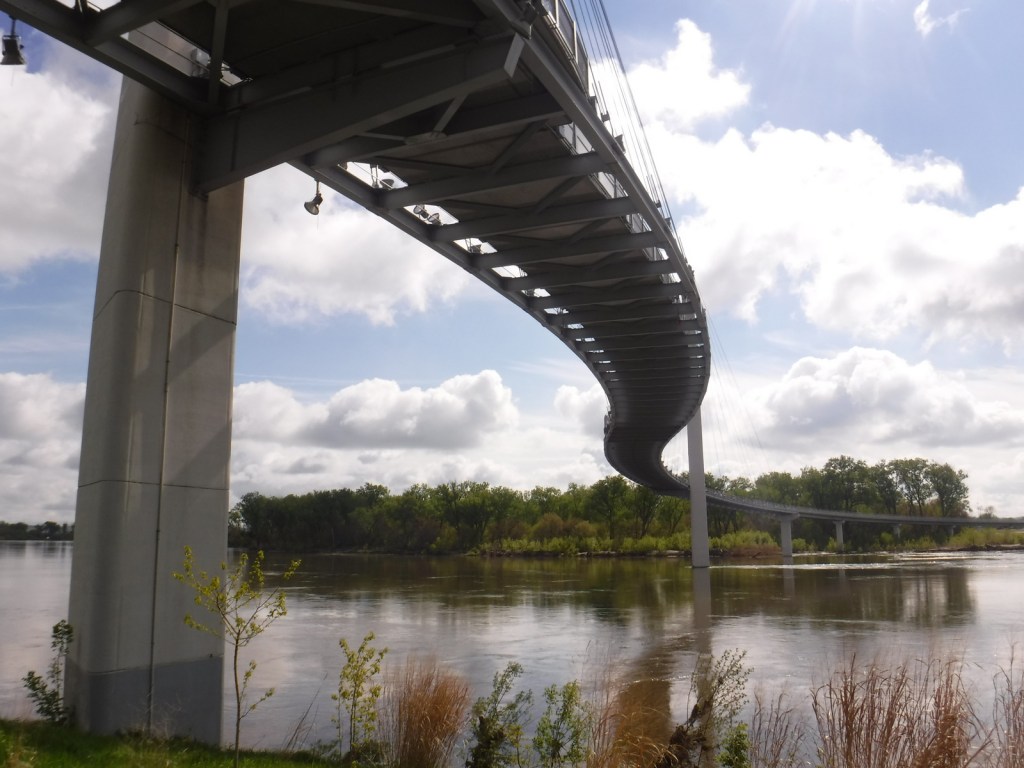
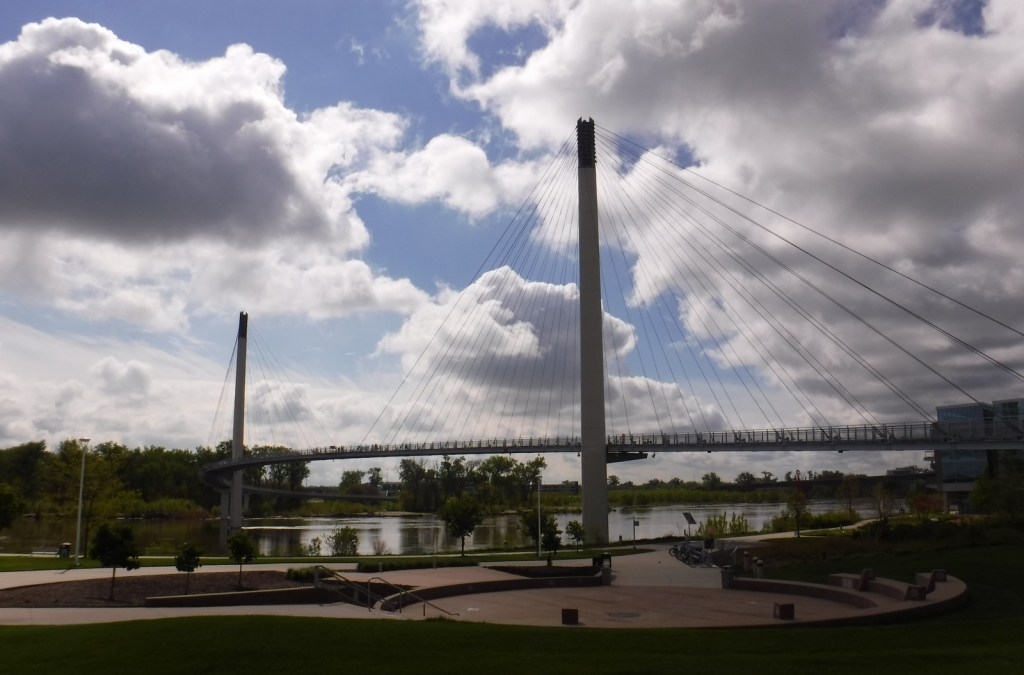
There are several great museums along the Missouri River section of the Lewis and Clark National Historical Trail.  Our favorite is the NPS headquarters for the trail in Omaha, Nebraska, which has the beautiful Bob Kerrey Pedestrian Bridge across the river connecting to Iowa.  If you drive over to Council Bluffs, do not miss the free museum at the Western Historic Trails Center.

Peak Season

Summer

Hours

https://www.nps.gov/mnrr/planyourvisit/hours.htm

Fees

None for the NPS unit, but the state parks charge admission.

Road Conditions

Roads to the state parks and visitor centers are paved, but there are many dirt roads that access boat launches along the river.

Camping

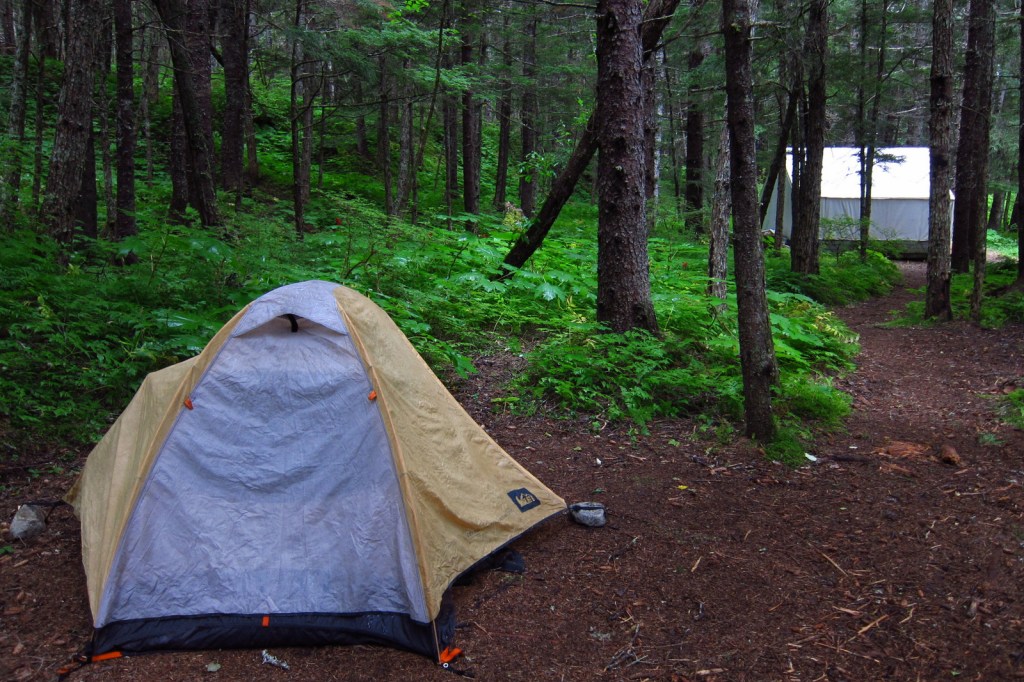
Niobrara State Park and Ponca State Park both have more than 100 campsites with running water.  The COE also operates campgrounds near its dams.

Related Sites

Niobrara National Scenic River (Nebraska)

Knife River Indian Villages National Historic Site (North Dakota)

Lewis and Clark National Historical Park (Oregon-Washington)

Explore More – In the aftermath of several devastating floods, when did Congress enact the Flood Control Act to construct five dams along the Missouri River?

Top 10 National Parks with Designated Backcountry Campsites

We love backpacking and America’s National Parks are some of the most scenic places for it.  We previously posted our Top 10 National Park Service units that allow dispersed backpack camping, so this is our corollary list.  These are some of our favorite spots to spend a night in the backcountry.  They nearly all require permits (some take reservations), so check the regulations before you go.  Remember to practice Leave No Trace principles, as not all of these backcountry campsites offer toilets.

10. Rocky Mountain National Park (Colorado)

Campsites are mostly in the forest and not very scenic, but there is a great trail system connecting them.

9. Canyonlands National Park (Utah)

Backcountry permits are expensive and hard to get in the lottery, which indicates they are worth it.

8. Isle Royale National Park (Michigan)

Backpacking is the main attraction to this large island surrounded by Lake Superior; come prepared for bugs.

7. Big Bend National Park (Texas)

There are multiple ecosystems to explore from the Rio Grande and the Chihuahuan Desert all the way up to the pine forest.

6. North Cascades National Park (Washington)

Expect to gain (and lose) elevation on the trails in this mountainous wilderness park.

5. White Sands National Park (New Mexico)

With no campground, this is the only way to spend the night in America’s newest National Park.

4. Apostle Islands National Lakeshore (Wisconsin)

A sea kayak is recommended to access the island campsites dispersed in Lake Superior.

3. Yellowstone National Park (Wyoming)

While the campgrounds are full all summer, you can typically get a walk-in permit to backpack.

2. Everglades National Park (Florida)

Paddle your way to spend the night atop a chickee and you will never forget the experience.

…and finally our #1 park with designated backcountry campsites!

1. Klondike Gold Rush National Historical Park (Alaska)

Climbing the Golden Stairs up the Chilkoot Trail is a bucket list-worthy endeavor.

Honorable Mentions

Voyageurs National Park (Minnesota)

There are many boat-in campsites on the lakes and also the 28-mile Kab-Ash Trail on the mainland.

Glacier National Park (Montana)

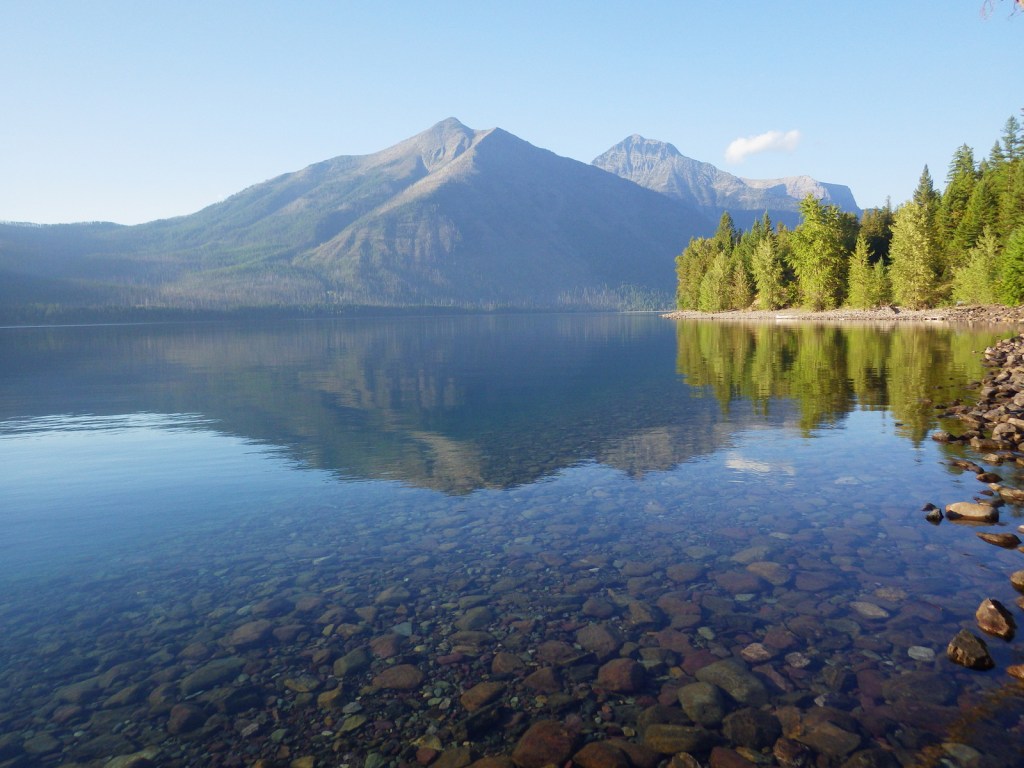
Most trails gain significant elevation, but that is not a problem if you camp on the shores of Lake McDonald.

Guadalupe Mountains National Park (Texas)

The steep hike up to Guadalupe Peak is popular, but much of this park is not as well-traveled.

Lewis and Clark National Historical Park

Overview

In the wake of the Louisiana Purchase in 1803, President Thomas Jefferson was anxious to know what he had just bought from France and find out if it provided an easy route to the Pacific Ocean.  He tapped his secretary Captain Meriwether Lewis as leader of the Corps of Discovery, who in turn named his former colleague Captain William Clark co-commander.  Lewis and Clark National Historical Park celebrates the wet winter of 1805-06 that the expedition spent on the coast of Oregon at the mouth of the Columbia River.

Highlights

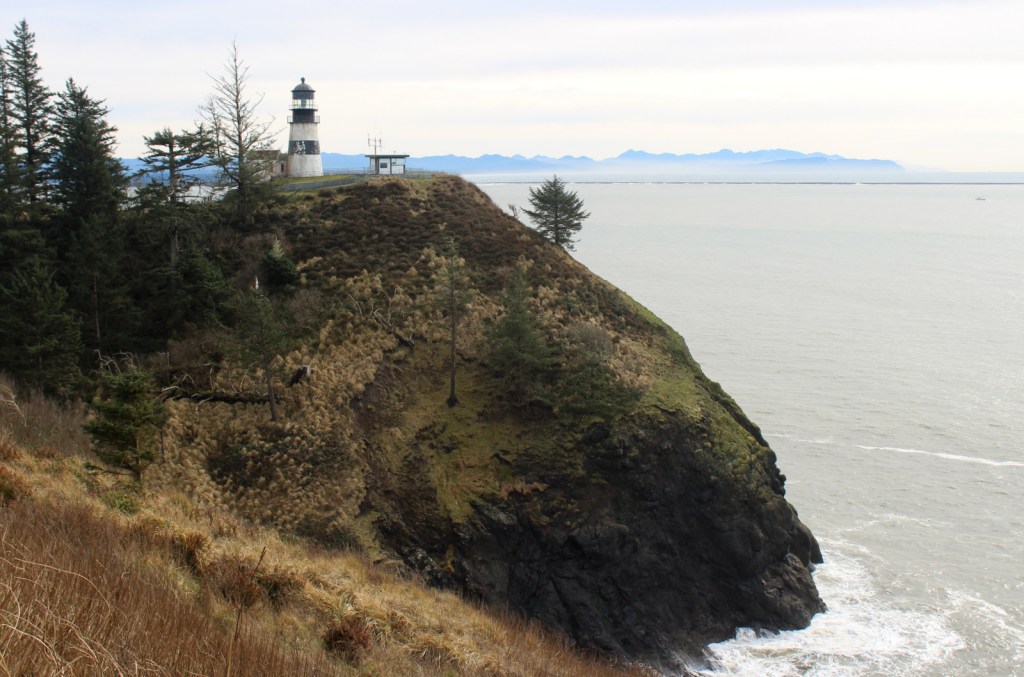
Fort Clatsop, Fort to Sea Trail, Cape Disappointment State Park, Fort Stevens State Park

Must-Do Activity

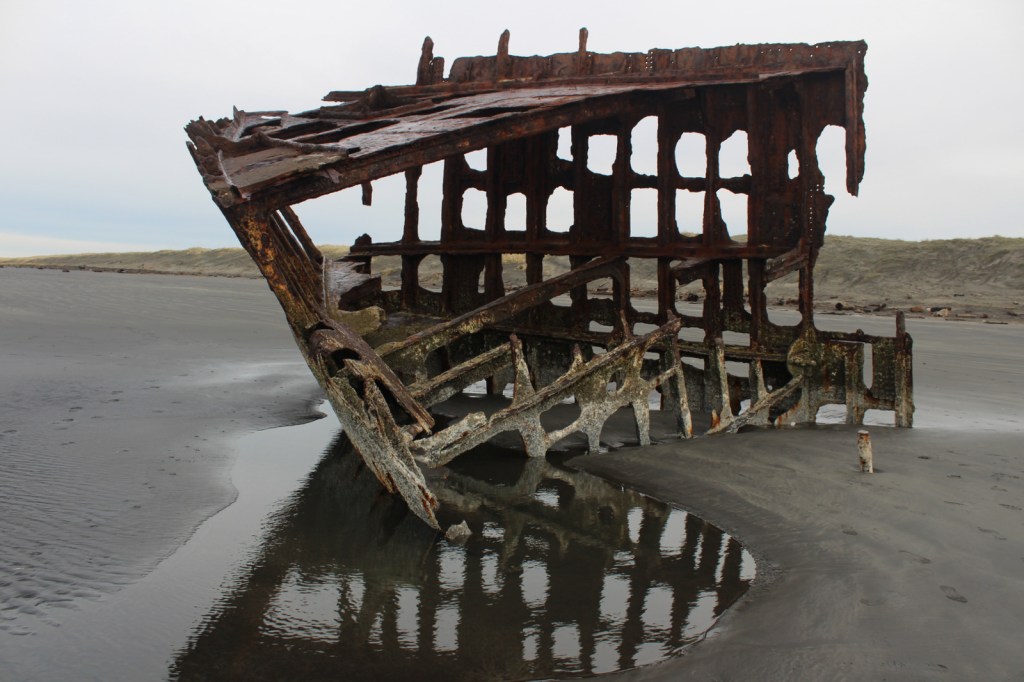
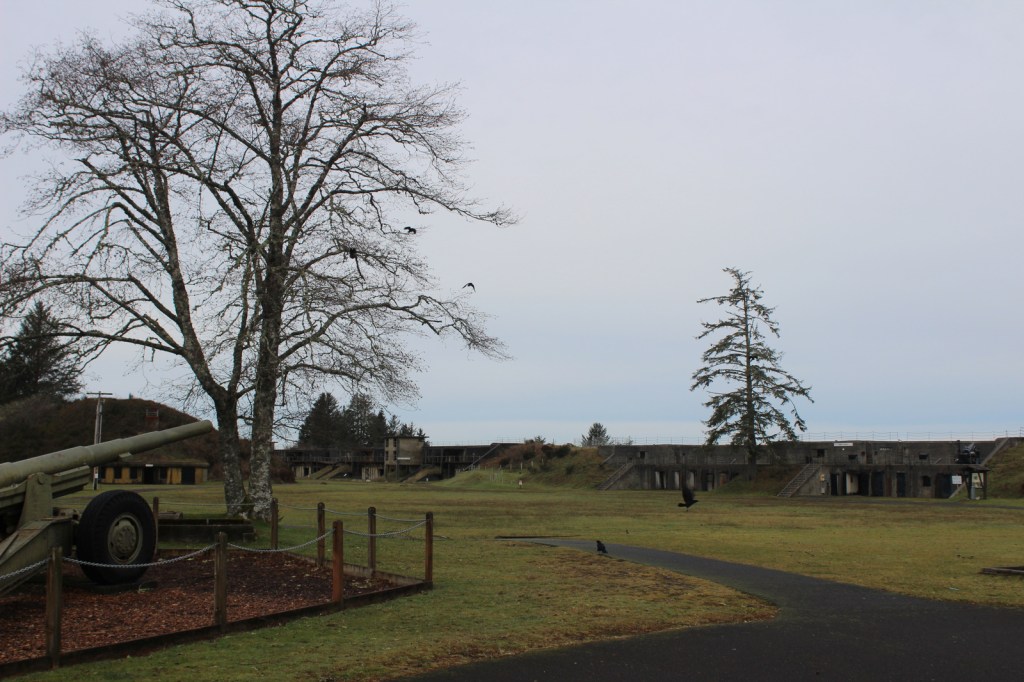
The park is spread across multiple sites, including scenic Cape Disappointment State Park in Washington, plus Fort Clatsop and Fort Stevens State Park in Oregon.  Fort Clatsop was named a National Memorial in 1958 and still serves as the primary National Park Service (NPS) visitor center with exhibits and a film.  Other points of interest include the spot Sacagawea visited to see a beached whale and the salt works where seawater was boiled to produce the necessary commodity for the return trip.

Best Trail

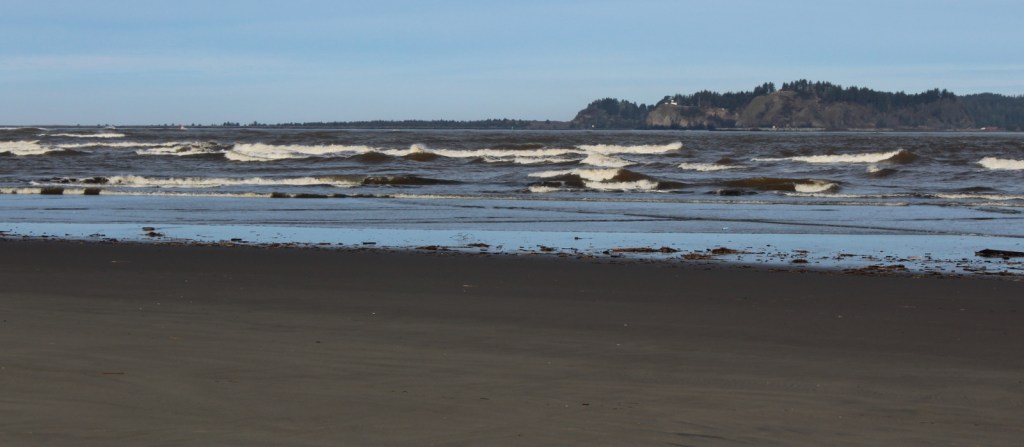
When the Corps of Discovery finally saw the Pacific Ocean on November 7, 1805, Clark journaled, “Ocian in view! O! the joy.”  You can follow in their footsteps by starting at Fort Clatsop then hiking the 6.5-mile one-way Fort to Sea Trail, which marks the terminus of the 4,900-mile long Lewis and Clark National Historic Trail (which is mostly a driving route).

Instagram-worthy Photo

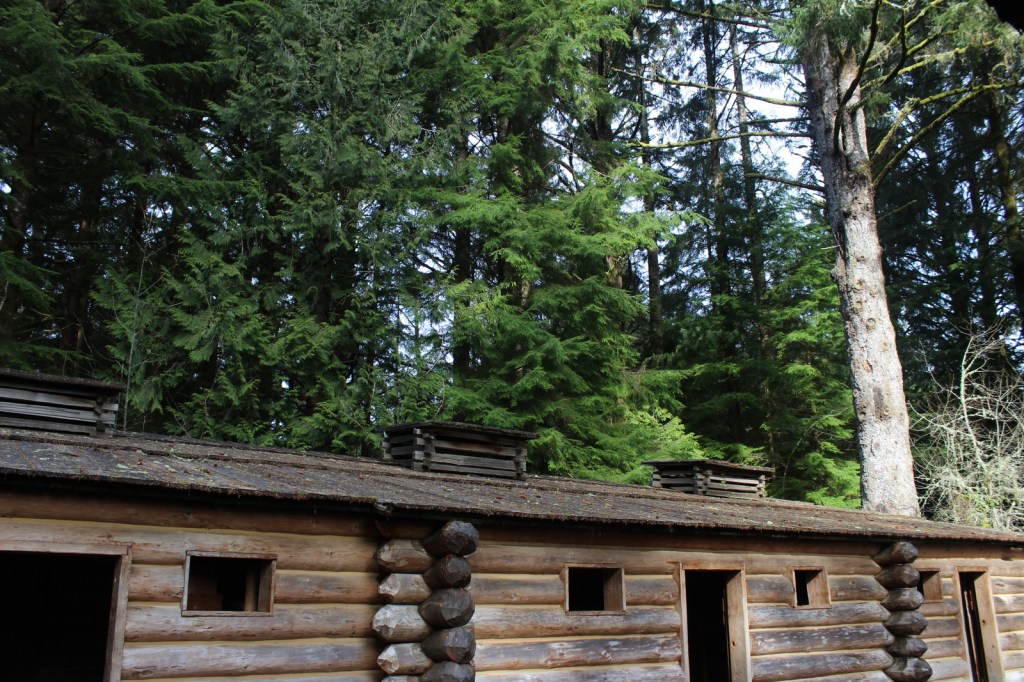
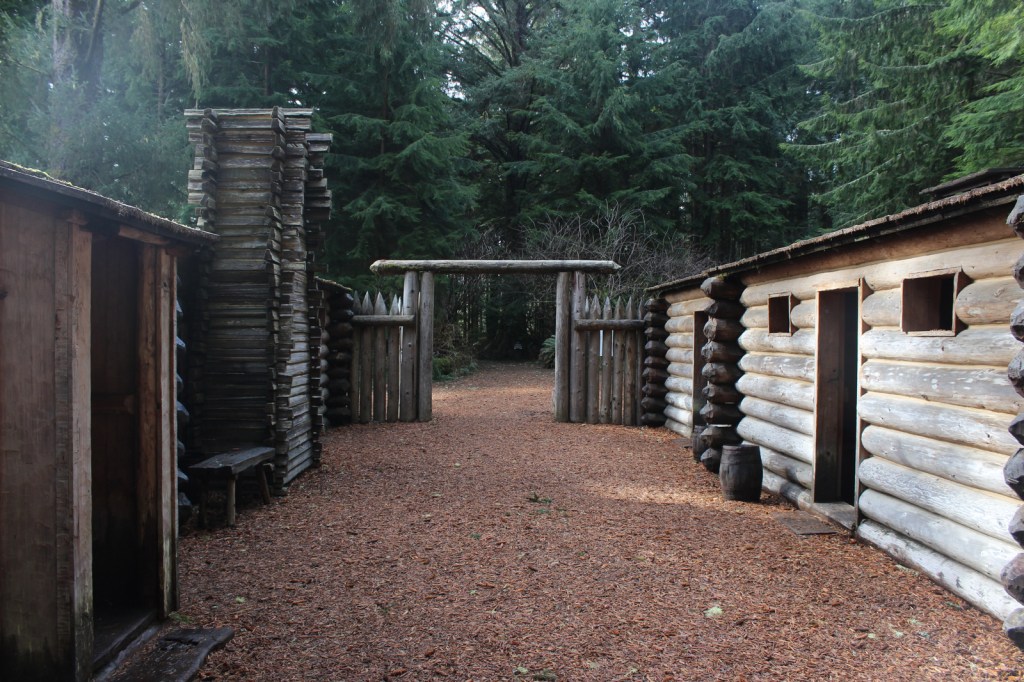
Fort Clatsop is a well-made replica of the small structure where Lewis and Clark spent the winter of 1805-06 and inside you will find rustic furniture similar to that built in 1805.

Peak Season

Summer for costumed demonstrations, though a winter visit would be more historically accurate.

Hours

https://www.nps.gov/lewi/planyourvisit/hours.htm

Fees

$10 per person to visit Fort Clatsop (or America the Beautiful pass) and each State Park has a separate entry fee

Road Conditions

Access roads are paved

Camping

Fort Stevens State Park on the Oregon coast has hundreds of campsites for tents and RVs, and there is also camping available at Cape Disappointment State Park in Washington.

Related Sites

Knife River Indian Villages National Historic Site (North Dakota)

Nez Perce National Historical Park (Idaho-Oregon-Washington)

Missouri National Recreation River (Nebraska-South Dakota)

Explore More – Where did the Corps of Discovery spend the winter prior to Fort Clatsop and first meet Sacagawea?

We are a participant in the Amazon Services LLC Associates Program, an affiliate advertising program designed to provide a means for us to earn fees by linking to Amazon.com and affiliated sites.

Cumberland Gap National Historical Park

Overview

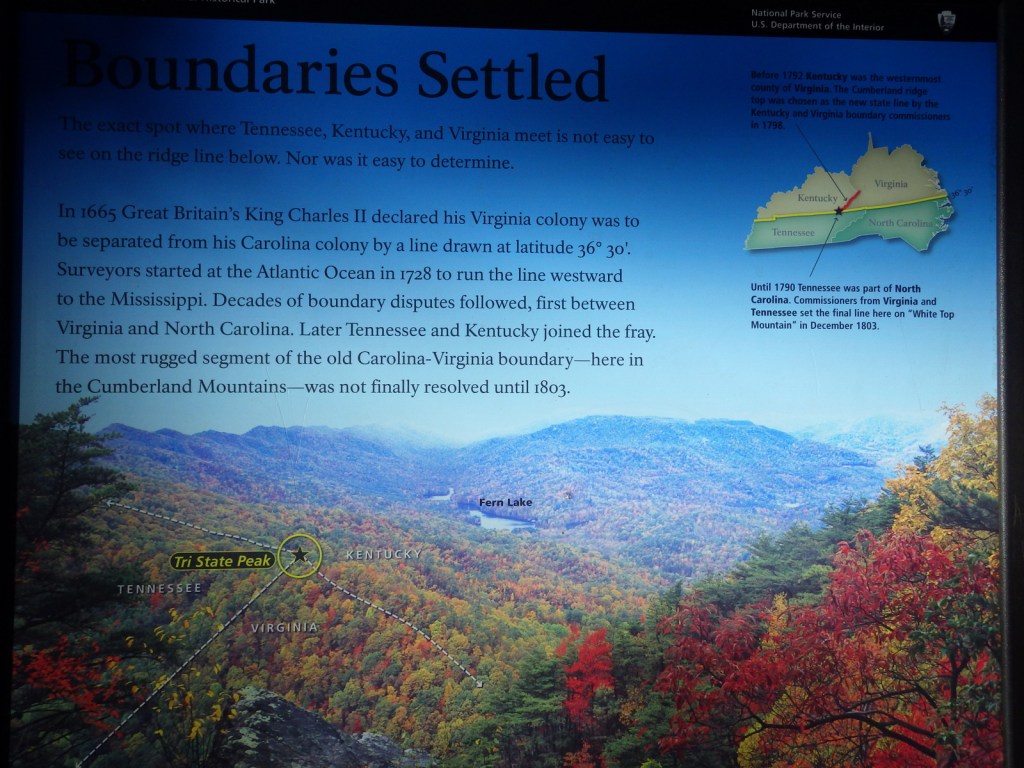
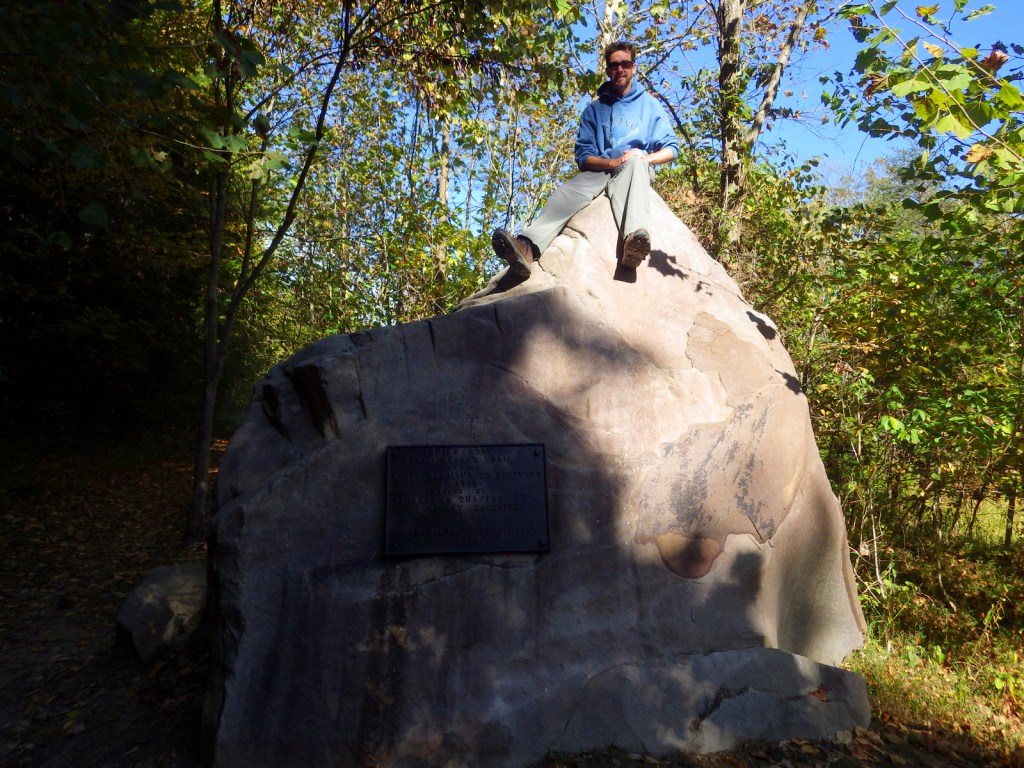
As one of the easiest crossings of the Alleghany Mountains, Cumberland Gap saw steady foot traffic from 1775 to 1810 as American settlers moved west then sent their trade goods and livestock east.  It later became the corner where the states of Kentucky, Tennessee, and Virginia all converge.  Today there is a tunnel on Highway 25E, maintaining the park’s quiet and its appearance of centuries ago. 

Highlights

Pinnacle Overlook, Tri-State Peak, Wilderness Road Trail, Hensley Settlement, Gap Cave

Must-Do Activity

All visitors will want to drive the steep four-mile long Pinnacle Road, along which trailheads lead to scenic overlooks and earthen forts dating to the 1860s.  Reservations are recommended if you want to take a tour of the Hensley Settlement or Gap Cave, which typically sell out.  Even if you cannot make it on a tour, there are 85 miles of shady trails through the park’s 24,000 acres of forest to make your visit worthwhile.

Best Trail

At Cumberland Gap National Historical Park you can follow in the footsteps of salt-seeking bison, Shawnee and Cherokee warriors, hundreds of thousands of pioneers, and Civil War soldiers from both sides.  Hike the Wilderness Road Trail to the saddle of the official Cumberland Gap, which is marked by a sign.  You will also pass the same Indian Rock that was seen by frontiersman Daniel Boone when he helped blaze the Wilderness Trail in 1775.

Instagram-worthy Photo

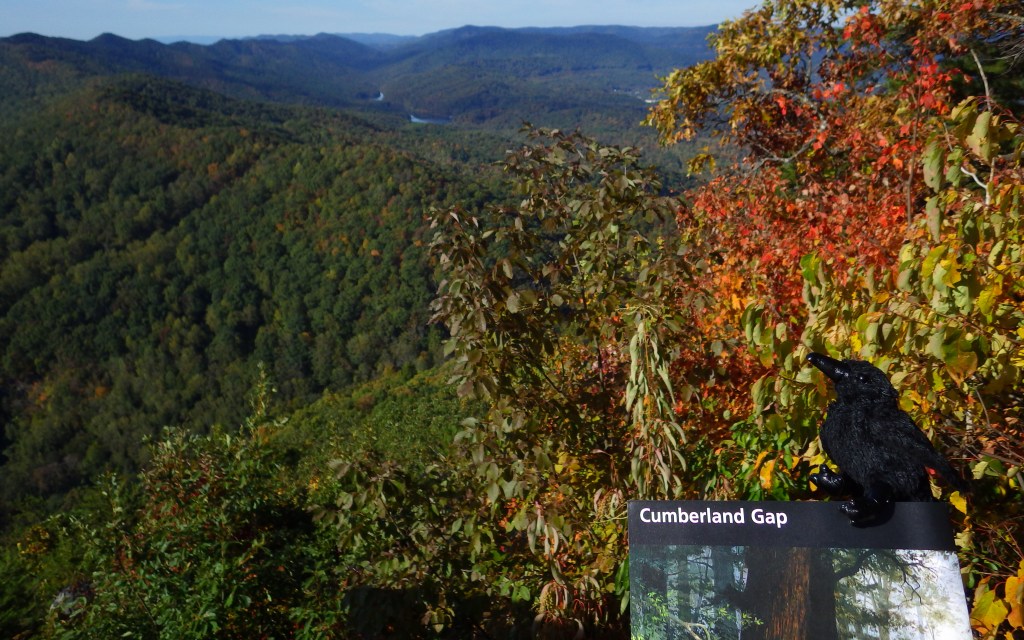
You can see parts of Kentucky, Virginia, and Tennessee from Pinnacle Overlook at 2,440 feet in elevation.  With its commanding views, you can see why both sides found the Cumberland Gap strategic during the Civil War.

Peak Season

Summer

Hours

https://www.nps.gov/cuga/planyourvisit/hours.htm

Fees

None, except for the separate tours of Hensley Settlement and Gap Cave (reservations recommended).

Road Conditions

The four-mile long road up to Pinnacle Overlook is paved but steep enough to be closed to all trailers and vehicles over 20 feet in length.

Camping

The park’s Wilderness Road Campground is large and open year round.  Free permits are available for backcountry campsites.  Black bears are common in the park, so proper food storage is required.

Related Sites

Mammoth Cave National Park (Kentucky)

Big South Fork National River and Recreation Area (Tennessee-Kentucky)

Great Smoky Mountains National Park (Tennessee-North Carolina)

Explore More – Who was the Virginian who first “discovered” and named the Cumberland Gap in 1750?

We are a participant in the Amazon Services LLC Associates Program, an affiliate advertising program designed to provide a means for us to earn fees by linking to Amazon.com and affiliated sites.

Bryce Canyon National Park

Overview

Bryce Canyon is not really a canyon at all, but instead a cliffside amphitheater eroded away into extravagant creamsicle-colored hoodoos.   Your first view from Sunrise or Sunset Point will surely take your breath away and not just because you are standing above 7,000 feet in elevation.  A portion of the main park road is only open during the busy summer season, but seeing the amphitheater under a fresh carpet of white snow makes the effort worthwhile to get here in the winter.  Learn more about the logistics of a winter visit in our first travel guidebook to the National Parks (available on Amazon).

Highlights

Sunrise Point, Sunset Point, Navajo Loop Trail, Queens Garden Trail, Natural Bridge, Rainbow Point

Must-Do Activity

The amphitheater is beautiful from the overlooks, but to really experience this park you have to hike down from the rim.  Peakaboo Loop is a strenuous four-mile hike with approximately 1,700 feet cumulative elevation gain that offers up close views of the hoodoos.  It is accessed from Sunset Point or Bryce Point.  You could easily spend your whole trip in this northern section of the park and not be disappointed, but be sure to take a slow drive south with stops at Natural Bridge and Rainbow Point to complete the experience.

Best Trail

It is four miles out and back on the Under-the-Rim Trail from Bryce Point to the Hat Shop, in the quiet backcountry area where hoodoos are topped with boulders (like they are wearing hats).  Ask a park ranger about the “I Hiked the Hoodoos” program to earn a prize.

Instagram-worthy Photo

Douglas-fir trees snake their way to the light in the narrow Wall Street section of the Navajo Loop Trail.  A photograph of Tiff walking into a snowy Wall Street made the cover (see below) of our first travel guidebook to the National Parks (available on Amazon). 

Peak Season

Summer due to long, snowy winters at this elevation.

Hours

https://www.nps.gov/brca/planyourvisit/hours.htm

Fees

$35 per vehicle or America the Beautiful pass

Road Conditions

The main park road is paved, but there are dirt roads that access the lower elevations of the park, though we have been warned that they are in rough shape.

Camping

The National Park Service has a campground that is open year round, but we prefer camping along the dirt roads in adjacent Dixie National Forest.  A free permit is required to camp in Grand Staircase-Escalante National Monument.

Related Sites

Cedar Breaks National Monument (Utah)

Zion National Park (Utah)

Capitol Reef National Park (Utah)

This design we created to celebrate Bryce Canyon National Park is available on a variety of products at Cafe Press and Amazon.

Explore More – Who described Bryce Canyon as “a hell of a place to lose a cow?”

We are a participant in the Amazon Services LLC Associates Program, an affiliate advertising program designed to provide a means for us to earn fees by linking to Amazon.com and affiliated sites.