Tag Archives: architecture

Steamtown National Historic Site

Overview

In downtown Scranton, Pennsylvania, 52 acres have been turned into a dreamscape for railroad enthusiasts by the National Park Service (NPS).  Specifically, the site is dedicated to steam engines, which truly got started in 1830 with the South Carolina Railroad and lasted more than century before being fully replaced by diesel locomotives.  A unique opportunity at this park is the chance to take one of several steam train excursions (additional fee) that leave from the site.

Highlights

Museum, film, turntable, tours, steam train excursions

Must-Do Activity

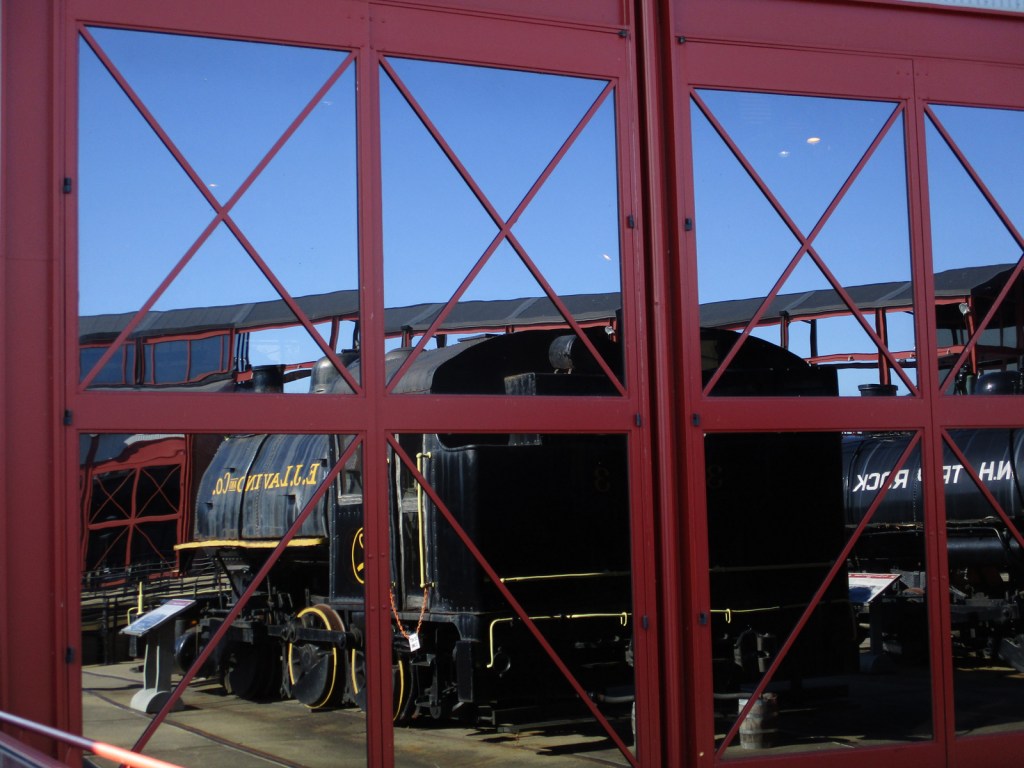
Steamtown National Historic Site is located on the grounds of the Delaware, Lackawanna & Western Railroad, which relied on the region’s cleaner-burning anthracite coal.  The park includes a theater, multiple museums, a 90-foot-diameter operating turntable, restoration shops, locomotives, and a collection of railroad cars.  A highlight is one of the few Union Pacific “Big Boys” built to haul freight trains through the mountains of Utah and Wyoming.  Guided tours are included with your admission fee, although there is enough to read and watch in the extensive museums to keep you busy all day long.

Best Trail

There is no trail, but you will get your daily steps if you tour the entire facility.

Instagram-worthy Photo

The turntable is surrounded on one half by the glass-fronted NPS visitor center and history museum, which makes for some cool photographs.

Peak Season

Summer

Hours

https://www.nps.gov/stea/planyourvisit/hours.htm

Fees

None

Road Conditions

All roads are paved and ample parking is available.

Camping

See our blog post on Delaware Water Gap National Recreation Area for a list of State Parks and State Forests with campgrounds in the area.

Related Sites

Allegheny Portage Railroad National Historic Site (Pennsylvania)

Upper Delaware Scenic and Recreational River (New York-Pennsylvania)

Cuyahoga Valley National Park (Ohio)

Explore More – What year was the park’s oldest locomotive built for the Chicago Union Transfer Railroad Company?

Keweenaw National Historical Park

Overview

The Keweenaw Peninsula juts north into Lake Superior from Michigan’s Upper Peninsula and is home to the richest copper ore (97% pure) on the planet.  American Indian artifacts made from this region’s copper have been found at several other National Park Service (NPS) sites, such as Georgia’s Ocmulgee Mounds National Historical Park and Ohio’s Hopewell Culture National Historical Park.  In the 1840s, immigrants representing 38 ethnic groups flooded this area to work as miners.  More recently, the NPS led a project to recreate historic buildings and archaeological sites within the digital world of Minecraft (click here for an article).

Highlights

Adventure Mine Tours, Quincy Mine, Delaware Copper Mine, downtown Calumet, Laurinium Mansion

Must-Do Activity

The NPS does not have much of a presence in this park, but rather relies on its partners to preserve the heritage sites.  We highly recommend the Miner’s Tour guided by the Adventure Mining Company in Greenland, Michigan.  In addition to getting a great history lesson, we rappelled down an 80-foot deep mine shaft and walked across a swinging bridge without handrails.  They also offer a less intense tour for all ages.

Best Trail

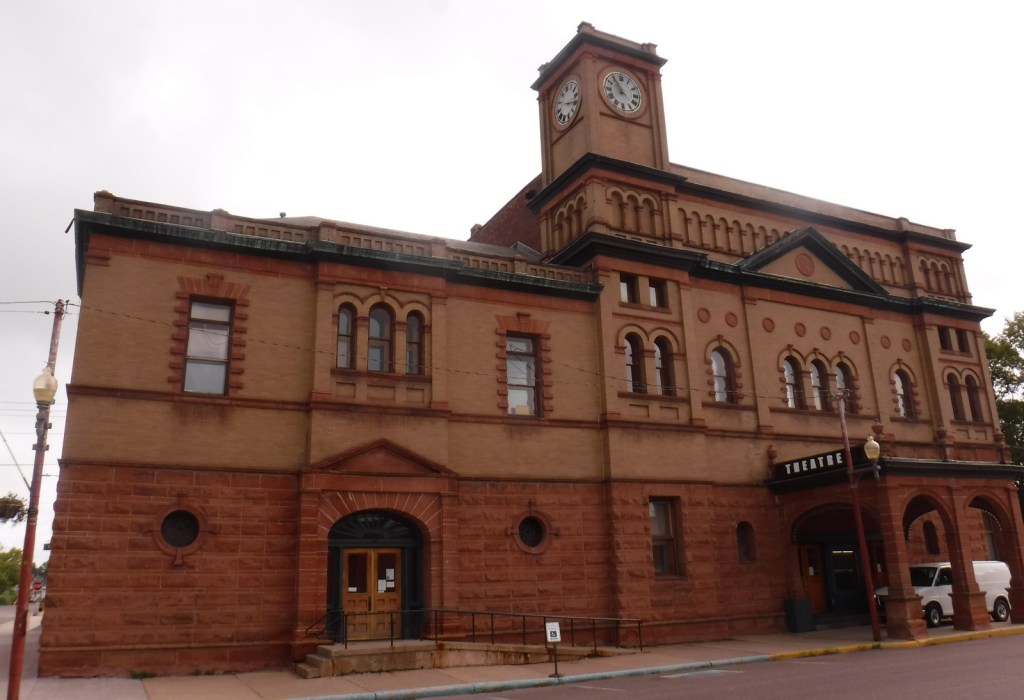
We walked the streets of Calumet, Michigan while doing our laundry across the street from the historic Calumet Theatre.  The NPS visitor center was closed, but we still got to see the Copper Country Firefighters History Museum and the Keweenaw Heritage Center inside St. Anne’s Church.  We also recommend a stop at the quirky vintage consignment store in the three-story Vertin Building built in 1885.

Instagram-worthy Photo

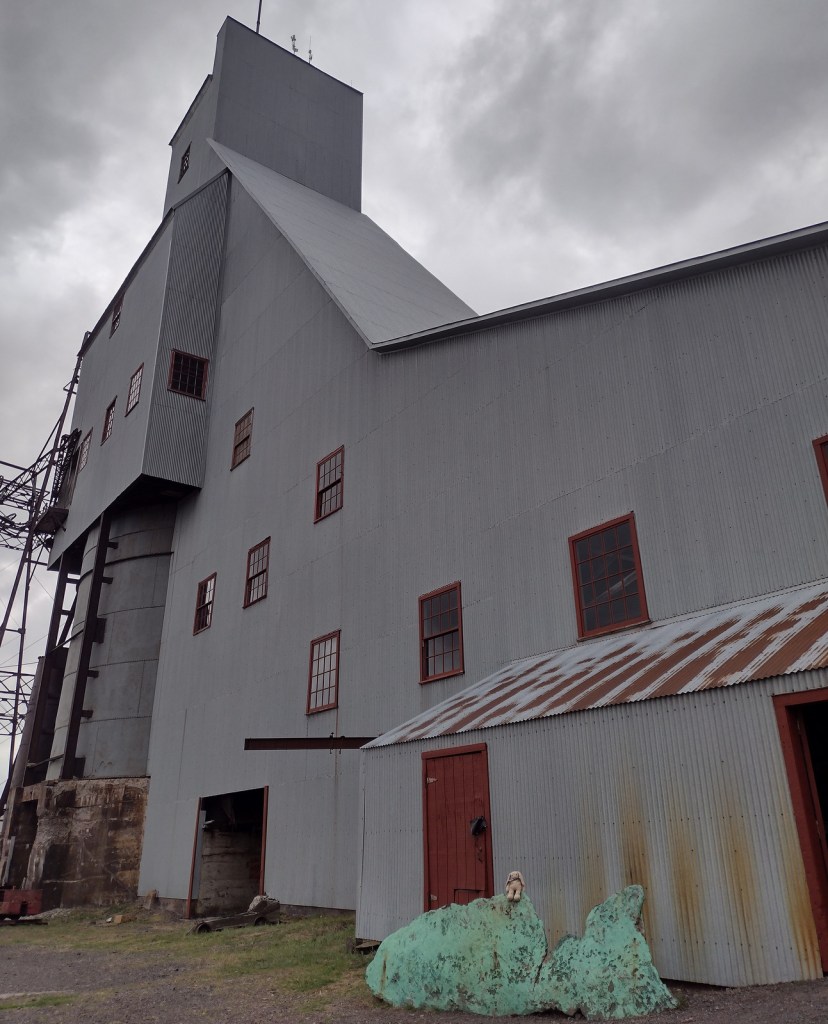
Quincy Mine is the most tourist-friendly part of Keweenaw National Historical Park offering a museum, tram ride, and underground mine tours.

Peak Season

Summer

Hours

https://www.nps.gov/kewe/planyourvisit/hours.htm

Fees

No NPS fees, but each heritage site charges its own admission with one of the cheapest being the $1 donation per person requested at the Copper Range Historical Museum in South Range, Michigan.

Road Conditions

Most roads are paved, with the exception of the short gravel road to the Adventure Mining Company.

Camping

Fort Wilkins and McLain State Parks both have campgrounds and dispersed campsites can be found in parts of Ottawa National Forest.  Backpacking is popular in Porcupine Mountains Wilderness State Park.

Related Sites

Pictured Rocks National Lakeshore (Michigan)

Isle Royale National Park (Michigan)

Effigy Mounds National Monument (Iowa)

Explore More – How deep was the shaft dug at Quincy Mine before it was closed in 1945 and allowed to fill with water?
Reconstruction Era National Historical Park

Overview

Like Freedom Riders National Monument in Alabama, President Obama established Reconstruction Era National Monument in 2017.  The park is located about an hour south of Charleston, South Carolina and is still under development, but they already have a Junior Ranger program.  The Reconstruction Era took place following the Civil War when the U.S. military helped freed African-American slaves integrate into southern society.  It was a complicated and mostly failed social experiment with long-lasting repercussions within American culture.

Highlights

Old Beaufort Firehouse, Robert Smalls Memorial, Camp Saxton, Penn Center, Brick Baptist Church

Must-Do Activity

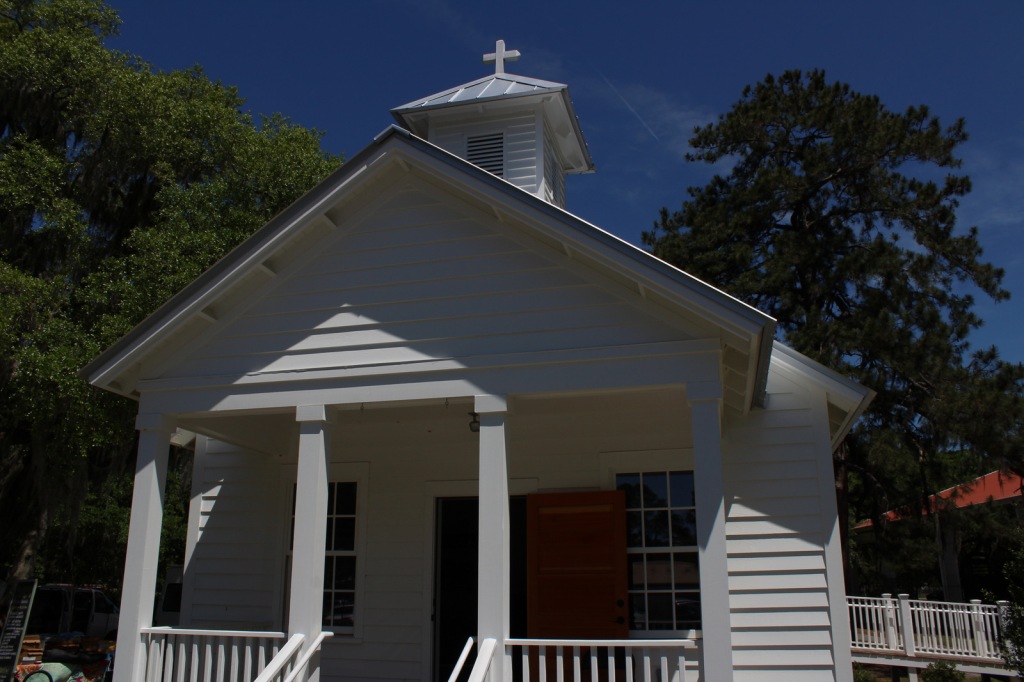
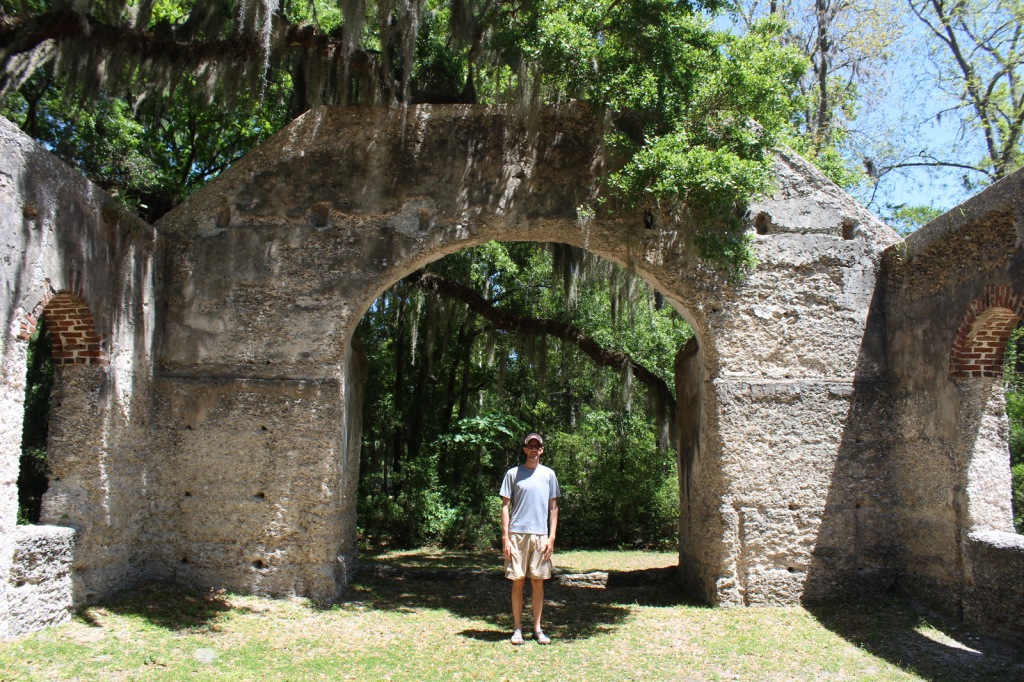
We recommend the ranger-guided tour of Camp Saxton that leaves from the National Park Service (NPS) operated Porter’s Chapel, next to the skate park in Port Royal, South Carolina.  Following the loss of Fort Sumter, the Union Army occupied this area by late-1861, eventually training former slaves to serve as soldiers.  There is nothing left to see of the camp, but there are tabby walls from old Fort Frederick.  After a short walk, the park ranger will help you imagine what the scene would have looked like when the black soldiers were officially freed on Emancipation Day, January 1, 1863.

Best Trail

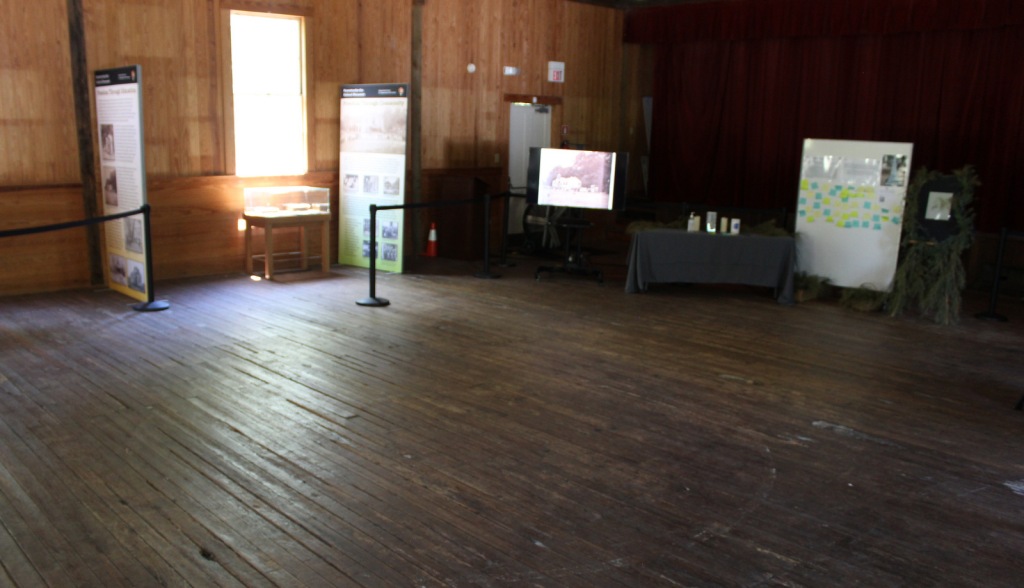
You can walk around the historic Penn Center (guided tours offered) where the NPS maintains a visitor center in Darrah Hall, a donated part of this National Historic Landmark that has a long history of African-American education. 

Instagram-worthy Photo

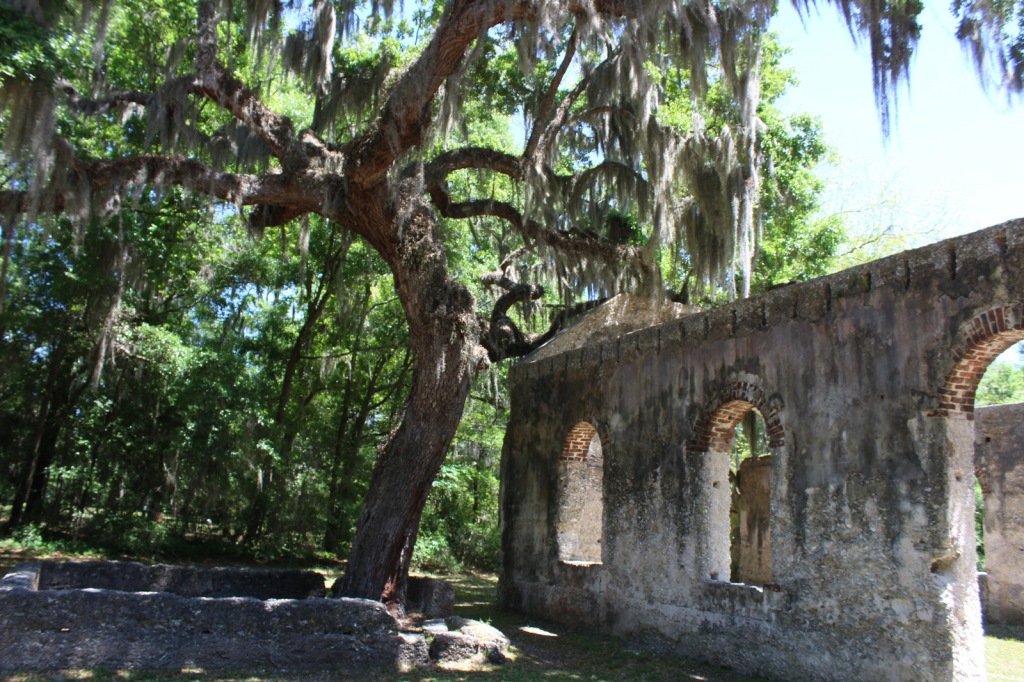
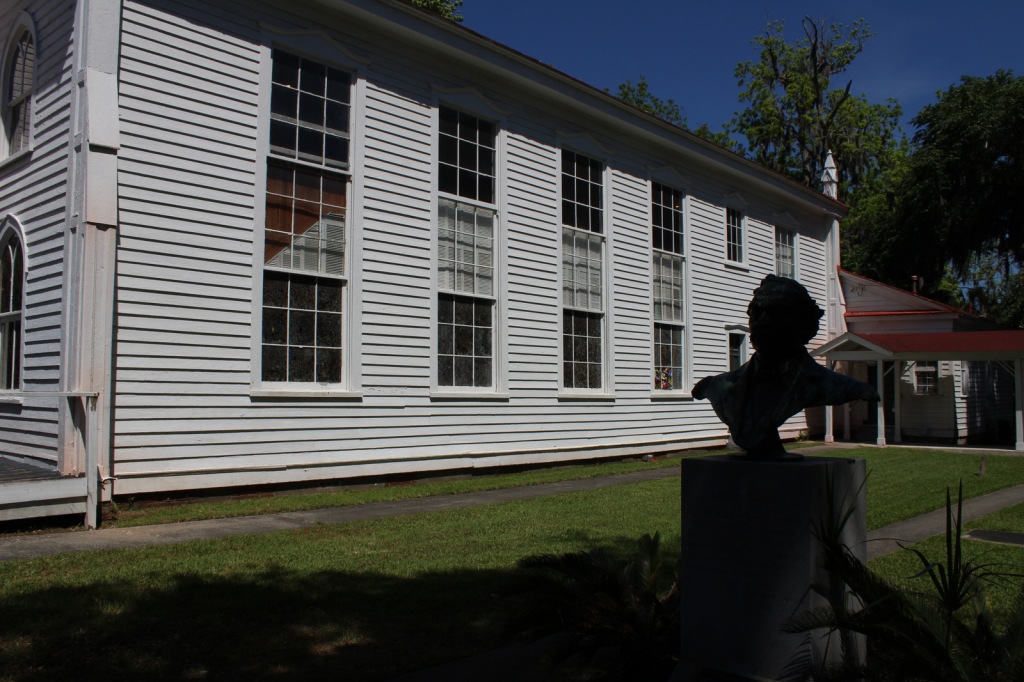
The Old Sheldon Church Ruins are not technically part of the park, but they are located just down the road from the Penn Center.  The Parrish Church of St. Helena outside Beaufort is also very photogenic.

Peak Season

Summer

Hours

https://www.nps.gov/reer/planyourvisit/hours.htm

Fees

None

Road Conditions

All major access roads are paved, although parking can be scarce around Port Royal during the farmers’ market.

Camping

Hunting Island and Edisto Beach State Parks both take camping reservations, so book early.  There are also campgrounds and backcountry campsites north of Charleston, South Carolina in Francis Marion National Forest.

Related Sites

Fort Sumter and Fort Moultrie National Historical Park (South Carolina)

Camp Nelson Heritage National Monument (Kentucky)

Fort Monroe National Monument (Virginia)

Explore More – How did future U.S. Congressman Robert Smalls escape slavery during the Civil War?

Hot Springs National Park

Overview

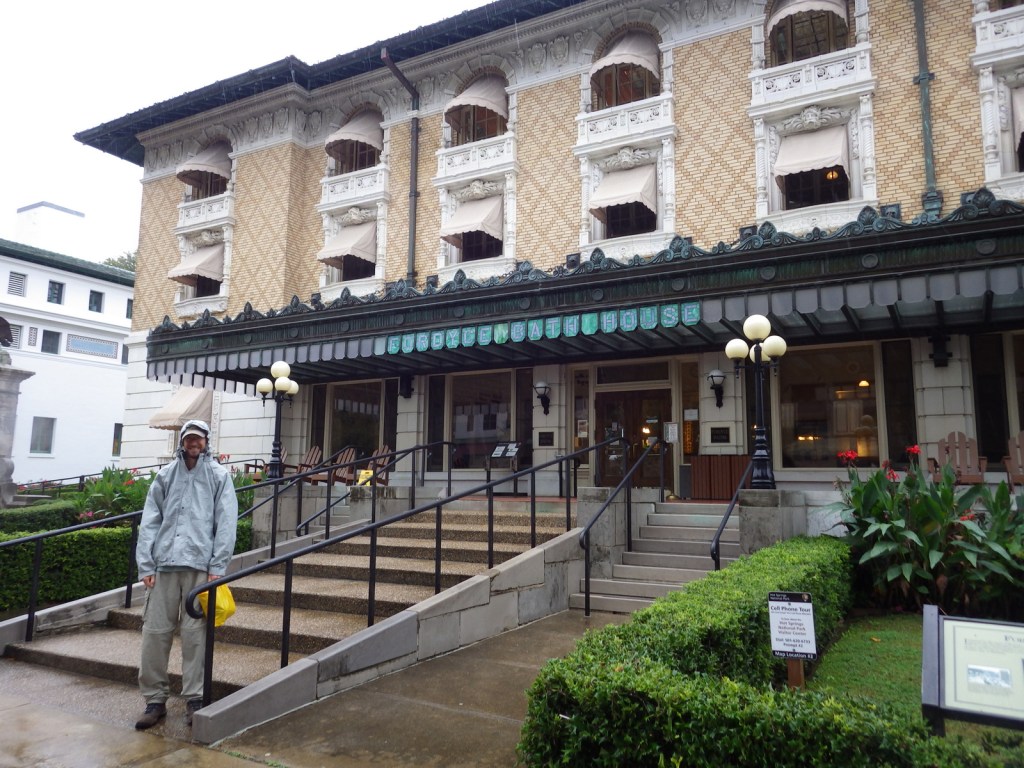
The hot springs that give this Arkansas town its name were the first site ever set aside by the federal government for protection way back in 1832.  That was forty years before Yellowstone National Park came into existence, and is the reason Hot Springs National Park was commemorated as the first minted of the America the Beautiful Coin Collection in 2010.  It is also the reason that Hot Springs is unlike any other National Park in the system, checking in at only 5,550 acres on either side of a bustling downtown lined with historic bathhouses.

Hot Springs National Park is not one of the 50 covered in great detail in our guidebook to the National Parks (available on Amazon), but as one of the 63 National Parks it is included with a photo.

Highlights

Fordyce Bathhouse, West Mountain Scenic Drive, Goat Rock, Hot Springs Mountain Tower, Balanced Rock

Must-Do Activity

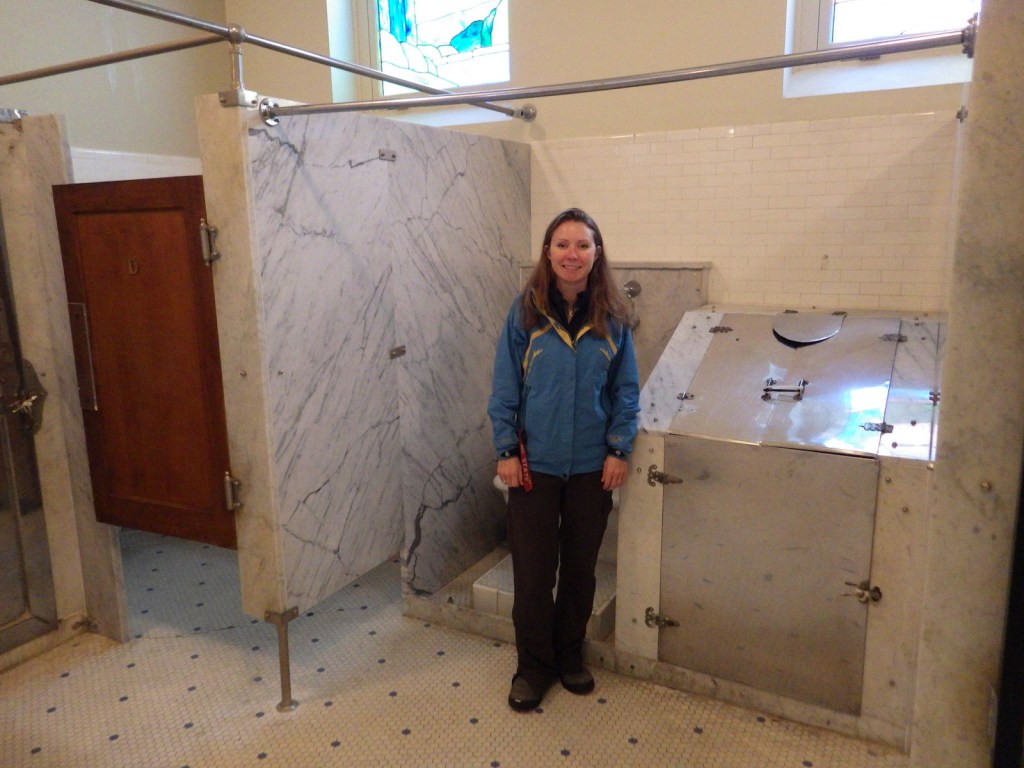
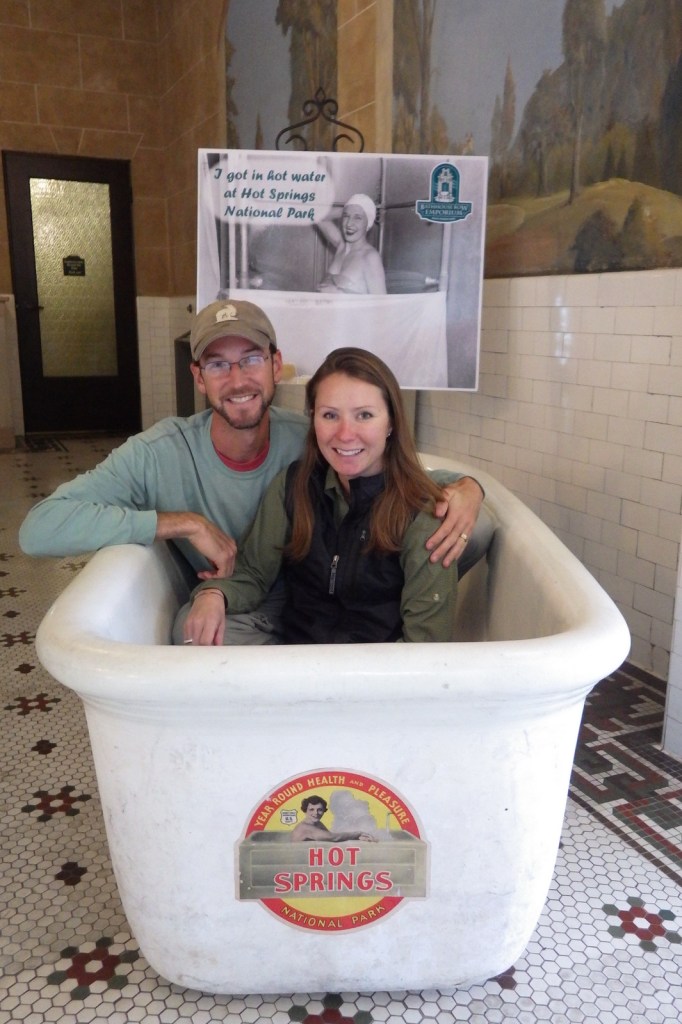
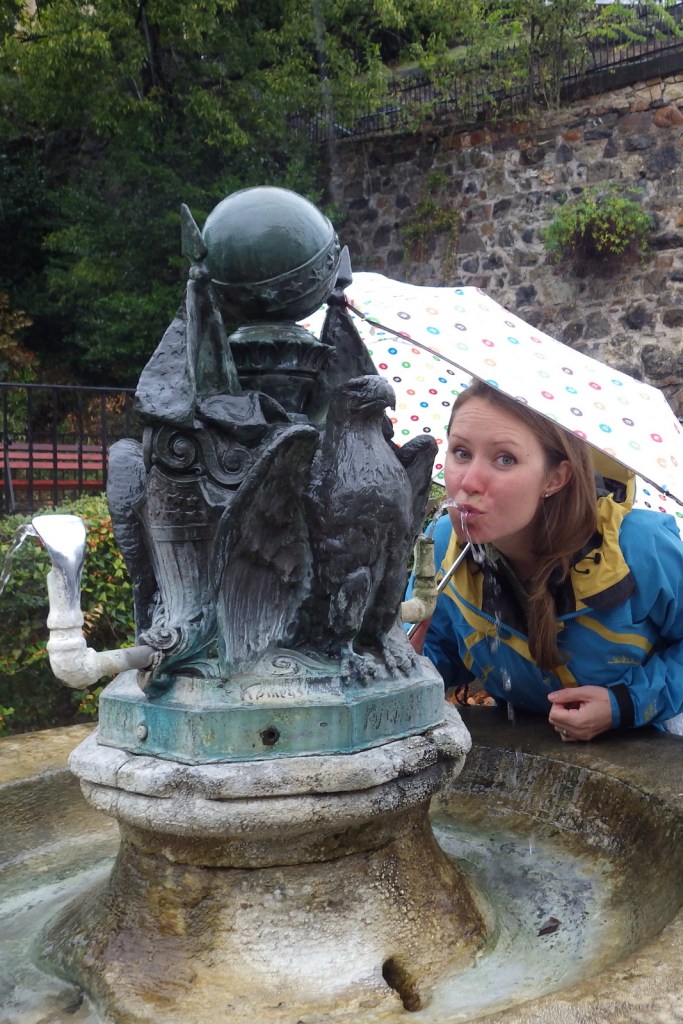
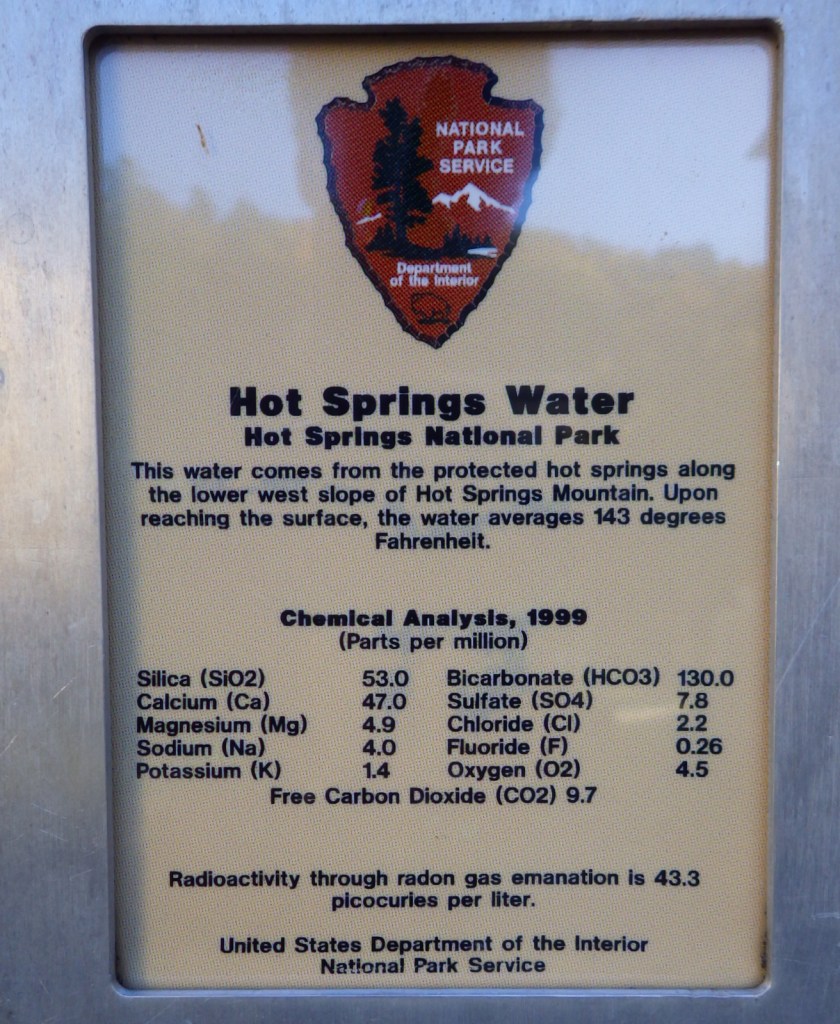
When you visit, it is best to start at the National Park Service (NPS) museum within the former Fordyce Bathhouse, where you will learn that the water is heated not by volcanic activity but by gravitational compression.  Whether or not you pay to soak in the non-sulfurous waters at a privately-owned bathhouse, be sure to fill up a bottle at one of several mineral rich drinking fountains around town.  Then you too can “quaff the elixir” the same way tourists have been doing here for nearly 200 years.

Best Trail

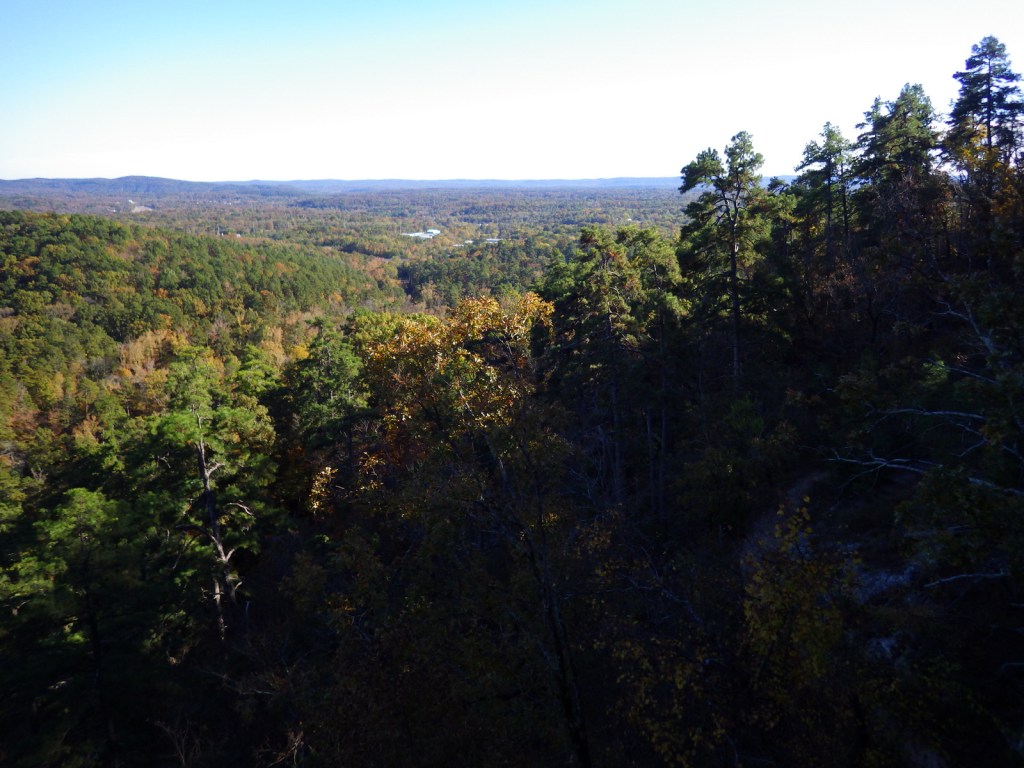
There are several hiking options in the forested hills around the town, including the 17-mile long Sunset Trail that provides access to Balanced Rock.  The Gulpha Gorge Trail leaves from the NPS campground up to vistas at Goat Rock or you can also park at the top of North Mountain and hike down to it on the Goat Rock Trail.

Instagram-worthy Photo

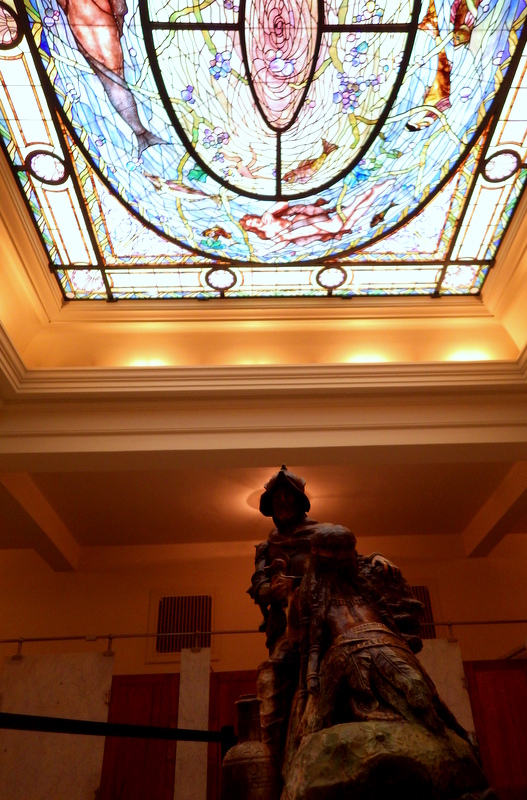
Inside the men’s locker room, a beautiful stained glass ceiling lets in light on the sculpture of Spanish conquistador Hernando de Soto who came to the hot springs in 1541.

Peak Season

Summer

Hours

https://www.nps.gov/hosp/planyourvisit/basicinfo.htm

Fees

None to visit the NPS museum in Fordyce Bathhouse, but there is a charge to climb Hot Springs Mountain Tower or visit one of the privately-owned bathhouses (like Buckstaff Baths or Quapaw Baths and Spa).

Road Conditions

All roads are paved, but there are some tight curves on the scenic drive up Hot Springs Mountain.

Camping

The NPS run Gulpha Gorge Campground offers sites with or without electrical and water hookups.

Related Sites

Chickasaw National Recreation Area (Oklahoma)

Little Rock Central High School National Historic Site (Arkansas)

Buffalo National River (Arkansas)

Explore More – In the roaring 1920s, Hot Springs, Arkansas was like the original Las Vegas attracting athletes, politicians, and which famous mobsters?

We are a participant in the Amazon Services LLC Associates Program, an affiliate advertising program designed to provide a means for us to earn fees by linking to Amazon.com and affiliated sites.

Cane River Creole National Historical Park

Overview

In colonial Louisiana, the word “Creole” referred to any New World product, from architecture to livestock to human beings (and was not specific to any ethnicity).  South of Natchitoches, Louisiana the Cane River National Heritage Area follows an abandoned meander of the Red River, with two antebellum cotton plantations protected as Cane River Creole National Historical Park.  This National Park Service (NPS) site was authorized in 1994 and continues to be developed; meanwhile it provides an interesting perspective on a unique culture and excellent photographic opportunities.

Highlights

Oakland Plantation, Magnolia Plantation, historic buildings, pecan picking

Must-Do Activity

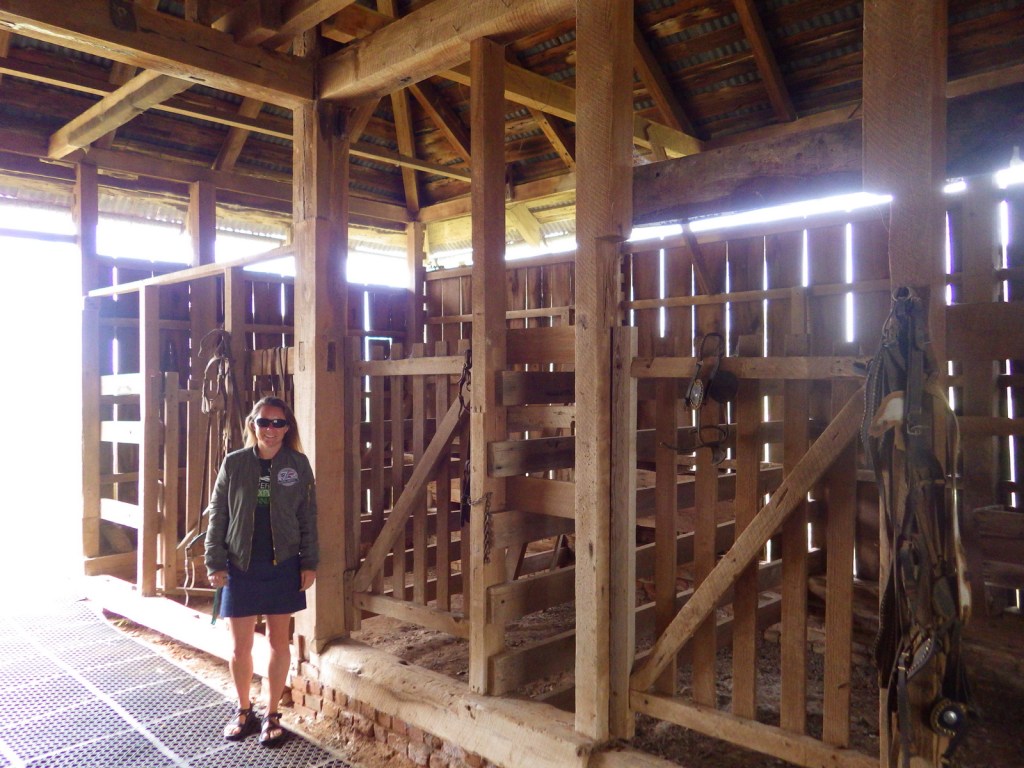
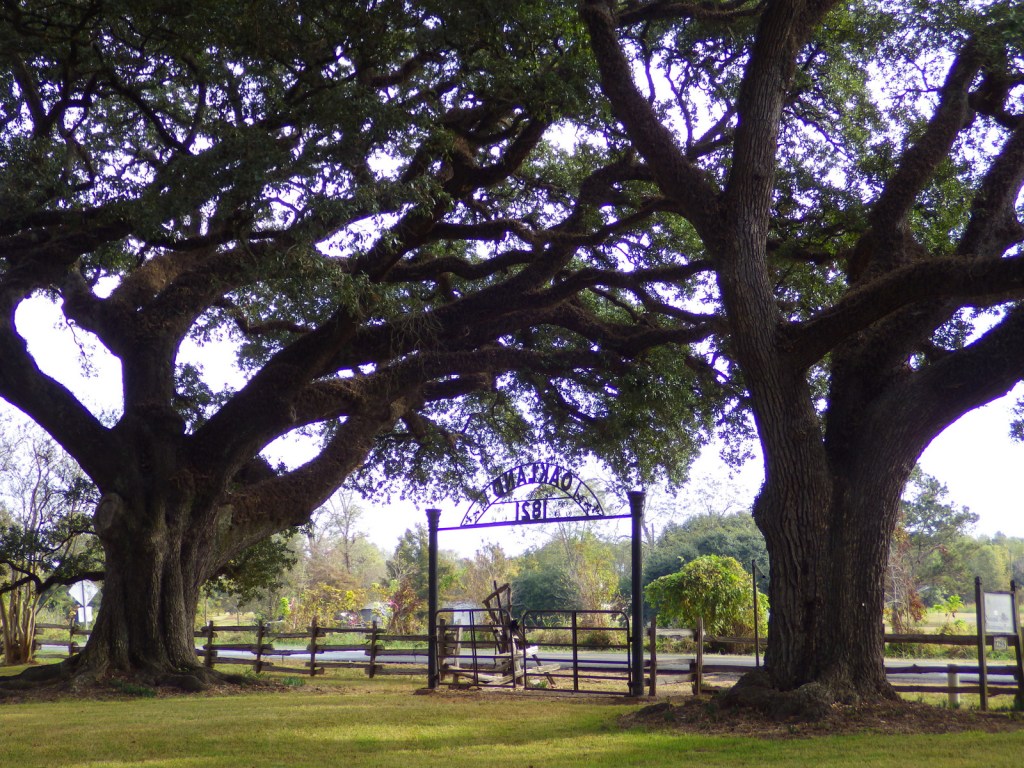
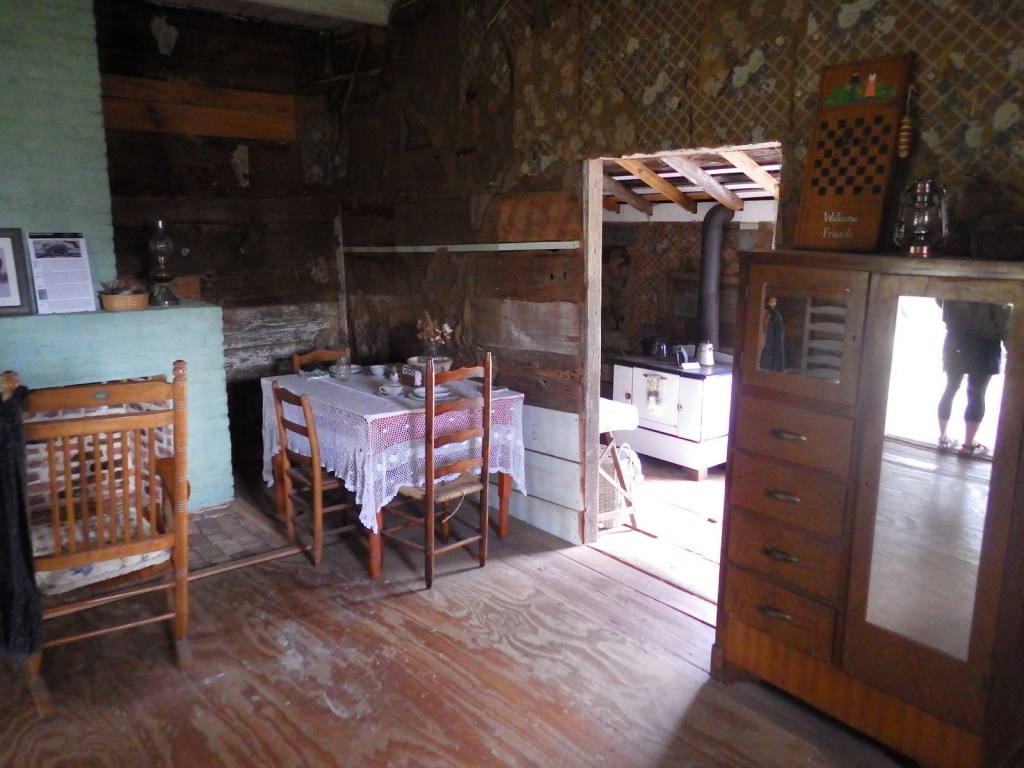
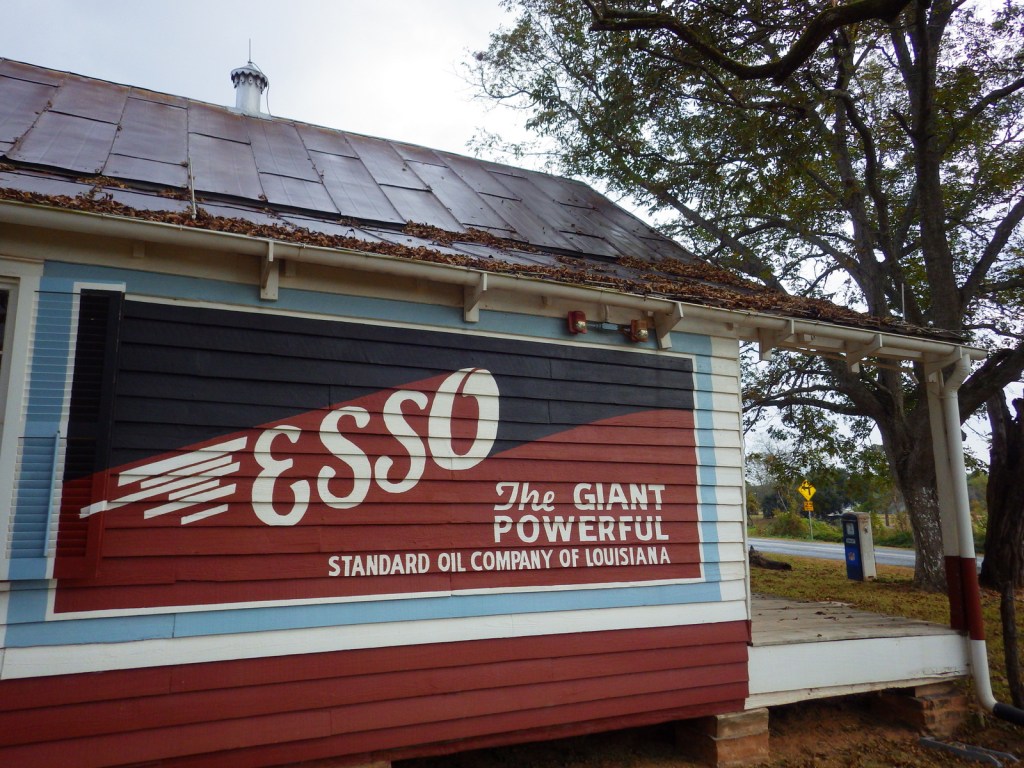
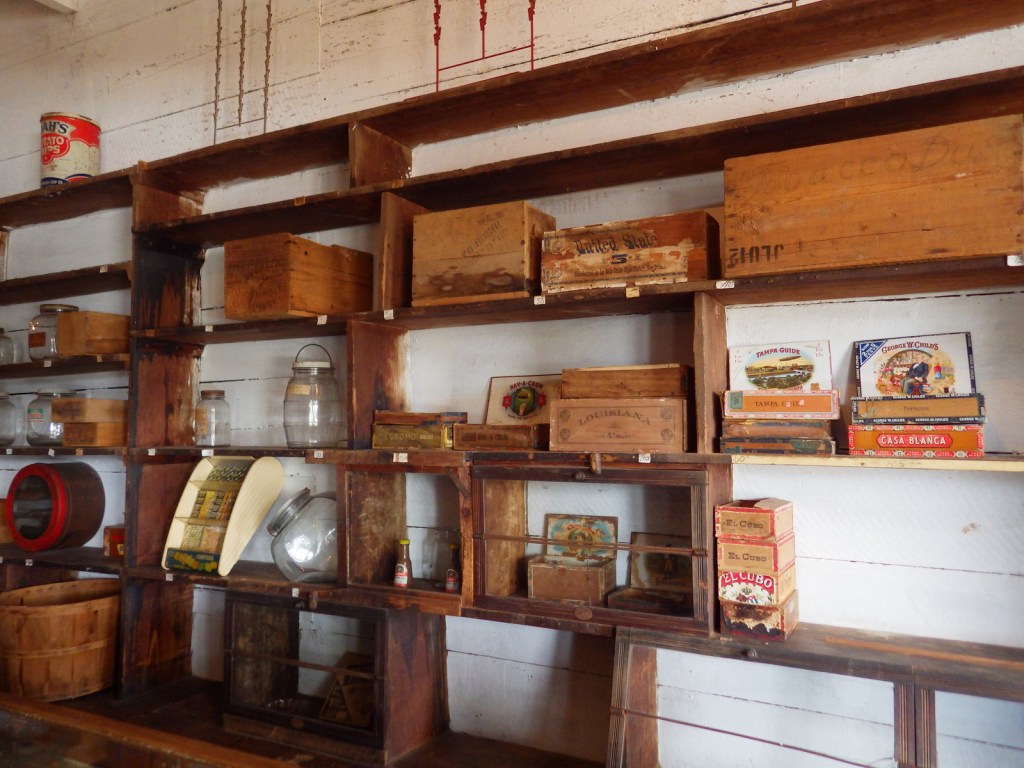
Oakland Plantation dates back to the late 1700s and survived the Civil War intact, but in the wake of Reconstruction tenant farming created a new form of indentured servitude.  Self-guided tours of the site take you through the mule barn, general store, and several cottages.  When we visited in November 2016, park volunteers were only offering one tour per day, but were happy to spend time talking with us inside the old general store.  Slave/tenant quarters are also preserved at Magnolia Plantation downstream, but the main house (which was burned during the Civil War and rebuilt) is privately owned and closed to the public. 

Best Trail

None

Instagram-worthy Photo

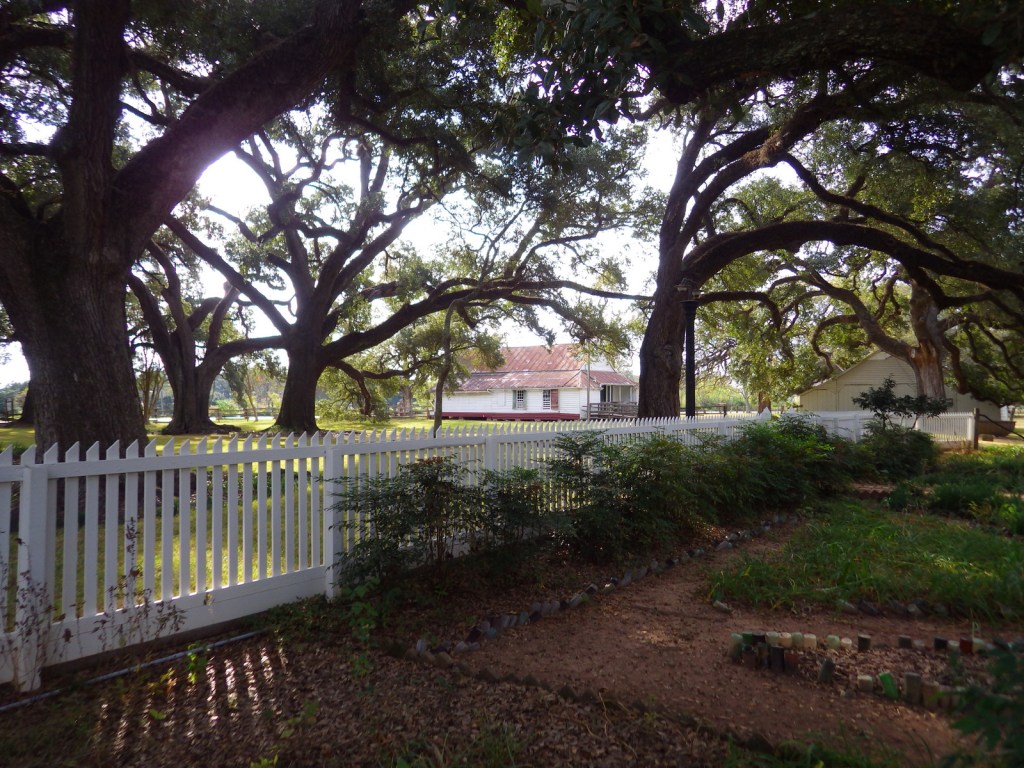
Nothing says you are in the South like the crooked branches of live oak trees.  Live oaks drape over the bottle-lined garden at the Oakland Plantation main house.

Peak Season

Fall

Hours

https://www.nps.gov/cari/planyourvisit/hours.htm

Fees

None

Road Conditions

All roads paved

Camping

Kisatchie National Forest has a small campground three miles north of Natchitoches off State Road 117.

Related Sites

Natchez National Historical Park (Mississippi)

Jean Lafitte National Historical Park and Preserve (Louisiana)

Poverty Point National Monument (Louisiana)

Explore More – Cane River National Heritage Area covers 40,000 acres, but how large is Cane River Creole National Historical Park?