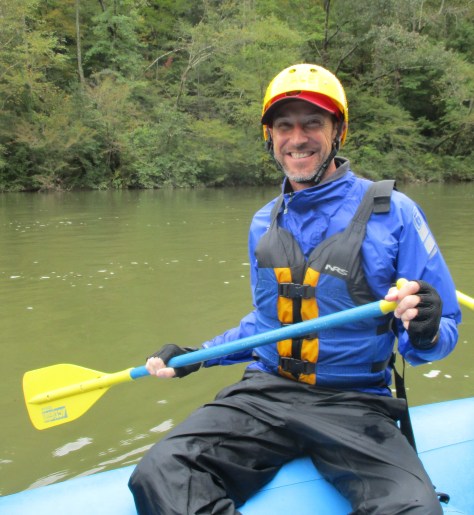
I am currently in West Virginia on a road trip and do not have my blog post for Gauley River National Recreation Area completed yet. On Monday, I did a guided whitewater rafting trip down the Upper and Lower Gauley, 26 miles that they call the Marathon featuring some of the most famous Class V rapids in the U.S. That was National Park Service site 418/433 for me. And our raft only flipped once!
I have finished writing my latest travel guidebook American History 101: National Park Service Sites That Made the U.S.A. I am doing the final edits and will have it available on Amazon in early November. I will offer a discount for early purchasers, so keep an eye on this blog for its release. I think it is the best written of my five guidebooks and certainly required the most reading for research. I learned so much about my country.
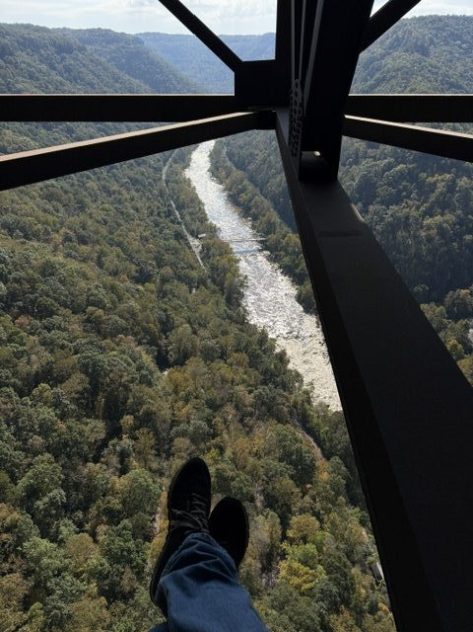
I spent some time in Kentucky last week, which helped with the Kentucky Road Trip Itinerary post. I went to the Churchill Downs Museum and kayaked underground in a limestone mine. I have also added some new photos to the New River Gorge National Park and Preserve post after doing the Bridge Walk tour. Bridge Day is this weekend when they shut down Highway 19 for BASE jumping.
I am looking forward to more fun on my road trip and finishing up the two guidebooks. Thanks for reading.
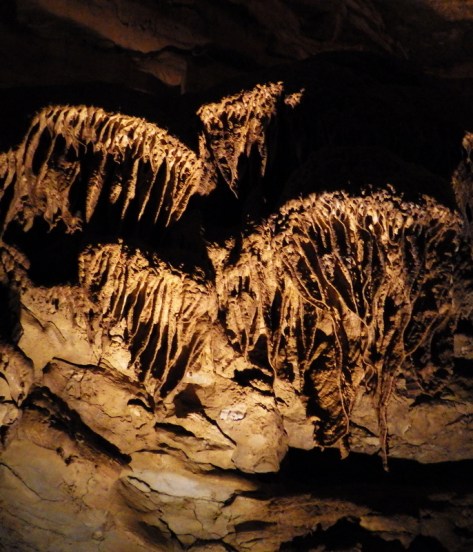
The limestone in Kentucky formed 350-million years ago beneath a tropical sea and was dissolved over time by underground rivers that continue to flow today. You can see running water in the Bottomless Pit on the Historic Tour, just before squeezing through Fat Man’s Misery. Make the most of your visit by hiking the hills and signing up for more than one cave tour.
Optional stop at Lost River Cave
There are several privately-owned caves outside the National Park around the town of Bowling Green, and you can take an underground Cave Boat Tour in Lost River Cave.
Optional stop at National Corvette Museum
This Chevrolet sports car has been produced at the neighboring Bowling Green Assembly Plant since 1981. This is the infamous museum where a sinkhole opened up February 12, 2014 and swallowed eight rare Corvettes. The museum reopened the very next day and eventually five of the cars were recovered. The museum now has an exhibit on the event that includes a game where visitors can virtually recover Corvettes from the sinkhole.
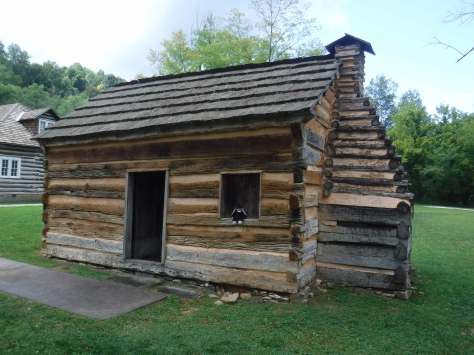
Even if you are familiar with his life story, it is a good idea to watch the film at the visitor center before climbing the stairs to the scale model of the birth cabin inside the Memorial Building. A ten-mile drive takes you to the reconstructed Lincoln house at Knob Creek Farm, where you can hike the Overlook Trail if you have time.
Day 2
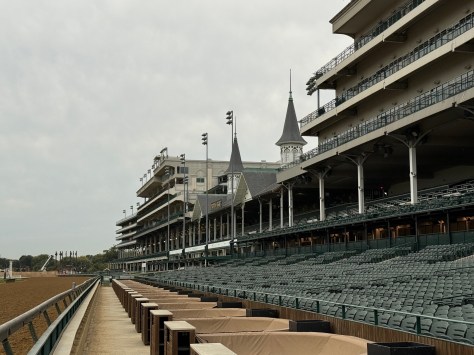
Churchill Downs
Located next to the University of Louisville campus, the Kentucky Derby racetrack has become a year-round tourist destination with a museum where kids can pet horses and try on jockey clothing.
Muhammad Ali Center
Part of Museum Row, this six-story cultural center is dedicated to boxer Muhammad Ali, a native of Louisville. Other stops include the Kentucky Science Center, Frazier History Museum, Kentucky Museum of Art and Craft, KentuckyShow!, and…
Louisville Slugger Museum and Factory
The Louisville Slugger baseball bat has been produced at four locations around the city since the original shop opened in 1884. Admission includes a factory tour, in addition to access to interactive exhibits, batting cages, and the Signature Wall where the original 1905 contract is displayed that made Honus Wagner the first ever athlete to endorse a product. Outside the museum, anyone can pose with the world’s largest baseball bat that stands 120 feet tall and weighs 68,000 pounds.
Optional stop at Louisville Mega Cavern
Stretching underneath the Watterson Expressway and the Louisville Zoo, this former limestone mine is classified as the largest building in Kentucky.
Established as a National Park Service unit in 2018, this Civil War fort is located 20 miles south of Lexington. Originally developed as the state-run Camp Nelson Civil War Heritage Park, it has a historical museum, interpretive film, and hiking trails. Its interpretive film made it on the list of Top 10 Films at National Park Service Visitor Centers.
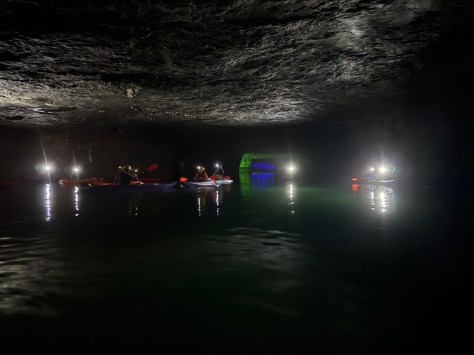
The Gorge Underground Kayak Tour
The crystal-clear subterranean waters of a 100-year-old flooded limestone mine are illuminated by LED lights and headlamps on this guided kayak tour.
Optional stop at Rail Explorers
Pedal a railbike with an electric assist motor on a journey ten miles roundtrip on railroad tracks over the decommissioned 1889 Young’s High Bridge 283 feet above the Kentucky River.
Optional stop at University of Kentucky
Famous as a basketball school, it might be worth visiting the state during the winter to watch a game inside Rupp Arena.
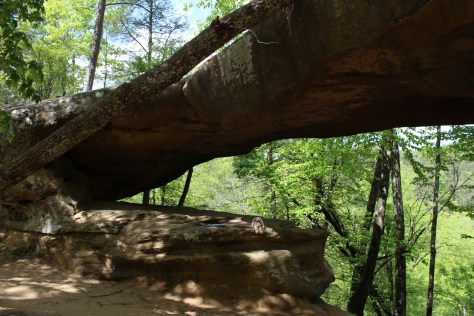
The spectacular sandstone bridges of Red River Gorge Geological Area are a major reason this National Forest sees more than one-million visitors annually. Daniel Boone National Forest encompasses nearly 100 developed recreation areas and 600 miles of trails.
Optional stop at Natural Bridge State Resort Park
Located next to Red River Gorge Geological Area, this natural bridge is 65 feet tall and 78 feet across. There are several different trails that provide views of the impressive 24-foot-thick sandstone span, in addition to a Skylift that provides access to visitors with physical disabilities. The park also has a lodge, cottages, swimming pool, campground, and hosts square dances in the summer.
Day 5
Cumberland Falls State Resort Park
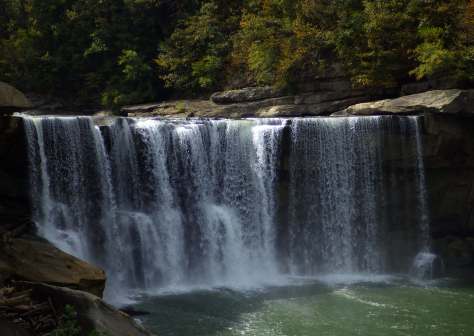
The DuPont Family purchased the surrounding land after a hydroelectric dam was planned upstream and donated it to the state in 1931. Their forward thinking preserved a beautiful 68-foot-tall waterfall on the Cumberland River that is also an impressive 125 feet wide and famous for the moonbow visible in its spray on full moon nights. In addition, the 1,657-acre park has 44-foot Eagle Falls, as well as 51-room lodge and Olympic-size pool, but perhaps is best known for its traditional square dances held several nights per week in summer.
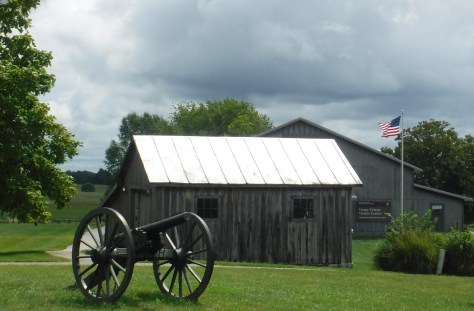
Mill Springs National Cemetery opened in 1867 as one of 12 original National Cemeteries. The battlefield driving tour starts from there south down Kentucky Highway 235 to Zollicoffer Park and includes six more stops on the driving tour north of Lake Cumberland. There is no bridge across the reservoir, so reaching the final two stops requires backtracking and connecting to Kentucky Highway 1275.
Straddling the Tennessee-Kentucky border, the Big South Fork of the Cumberland River was once considered for damming before its federal designation in 1974. It has several sandstone arches and waterfalls, but is best known for its Class IV whitewater rapids and the concessionaire-run Big South Fork Scenic Railway. With several campgrounds and lodges to choose from, it is easy to spend a few days hiking to discover some of the 400 miles of trails in this wild corner of the Cumberland Plateau.
Optional stop at a bourbon distillery
There are so many options across the state to visit a distillery and sample Kentucky bourbon, that I am sure you can find one if that fits your itinerary.
In the corner where the states of Kentucky, Tennessee, and Virginia all converge, you can see all three states if you drive to the top of Pinnacle Overlook at 2,440 feet in elevation. Reservations for the bus tours to the Hensley Settlement or Gap Cave typically sell out each day, but there are 85 miles of shady trails through the park’s 24,000 acres of forest for hiking and backpacking (free permit required).
Optional stop at Black Mountain
Located off Route 160, the state’s high point at 4,145 feet is accessible on a 3.4-mile out-and-back trail with 531 feet of elevation gain.
In southwestern Kentucky, the U.S. Forest Service manages these 106,458-acres. It gets its name from the narrow strip of land left after the damming of the Tennessee River to create Kentucky Lake and the Cumberland River to create Lake Barkley. In addition to opportunities for traditional watersports, this area has several attractions found along the Woodlands Trace National Scenic Byway. These include developed areas like the Golden Pond Visitor Center and Planetarium, Elk and Bison Prairie, Woodlands Nature Station, and Turkey Bay Off-Highway Vehicle Area.
Ark Encounter
Opened in Williamstown in 2016, this creationist theme park is highlighted by its 510-foot-long representation of Noah’s Ark from the Bible’s book of Genesis. There is a petting zoo on the grounds with kangaroos, camels, and other exotic animals. In addition, the park has a zipline, virtual reality theater, and a restaurant with a seating capacity of 1,500 guests (making it one of the world’s largest eating establishments). The same organization also operates the pseudoscientific Creation Museum 45 miles away in Petersburg, which depicts humans and dinosaurs coexisting.
Sheltowee Trace National Recreation Trail
This 282-mile-long trail runs from Tennessee north into Daniel Boone National Forest and Big South Fork National River and Recreation Area (where a camping permit is required). Marked by white turtle blazes, the trace passes through Alum Ford primitive campground, from where a short jaunt takes hikers to 113-foot-tall Yahoo Falls, which you can walk behind.
The underground world is fun to explore, especially when you get to bring your own flashlights and go at your own pace. That is the only option in most National Forests, with a few notable exceptions for guided tours found on this list. It was the opposite case when I ranked the Top 10 Caves in National Parks back in 2019 (click here to see all our Top 10 Lists).
If you or someone you love are interested in visiting the 155 National Forests, our travel guidebook Out in the Woods makes a great gift!
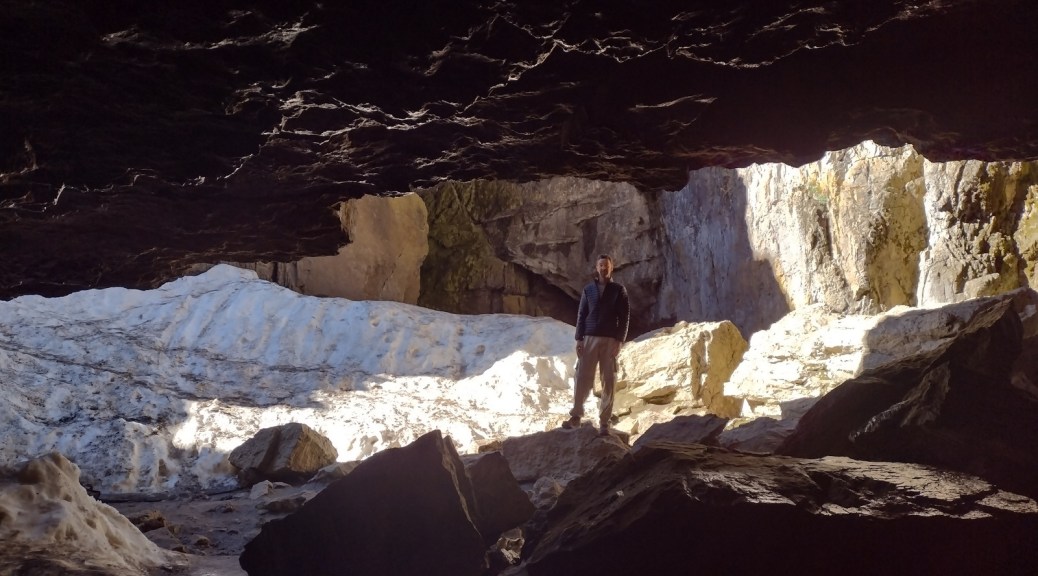
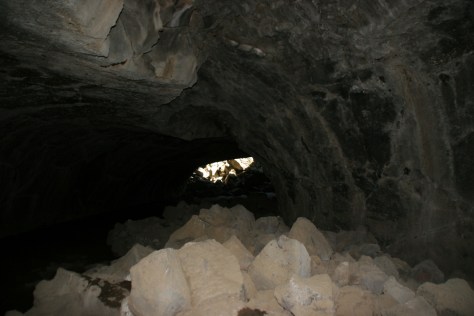
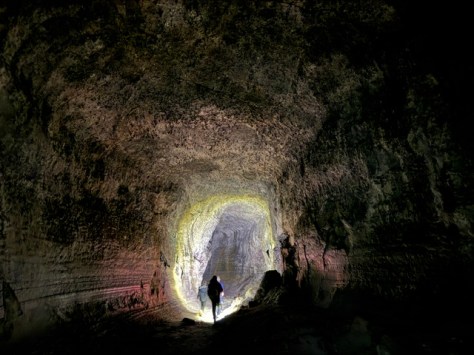
Timed-entry permits ($2 per vehicle) are required to explore this long lava tube in Mt. St. Helens National Volcanic Monument, but not for Guler Ice Caves
2. Blanchard Springs Caverns in Ozark National Forest (Arkansas)
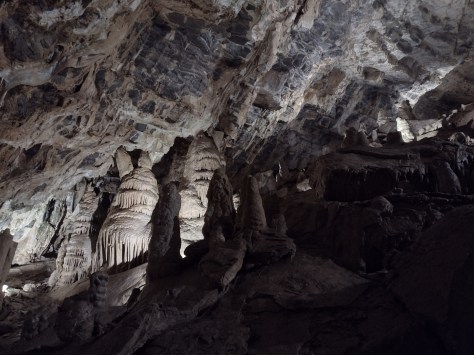
Limestone springs and caves are all over this region, including this show cave with guided tours
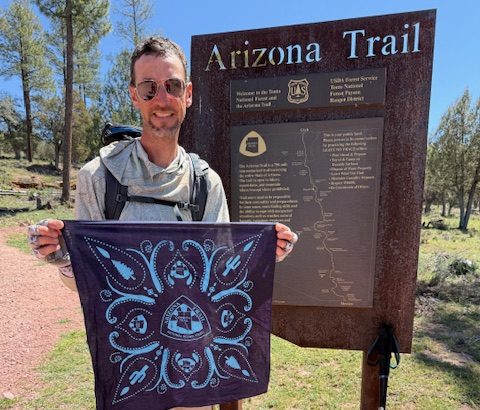
This spring, I completed the 800-mile Arizona National Scenic Trail, so it seemed like a good time for this list. As is often the case when I start ranking the top 10 books in any given category, I thought to myself that I have not read enough books in the backpacking genre to really leave any off the list. And again, as usual, I remembered ones that I had forgotten and started making hard decisions about what got shifted to the Honorable Mentions. There are so many first-person narratives about hiking long trails in the U.S. that I have not really scratched the surface here. I hope you are inspired to pick up one of them, just as I was to recently read Heather Anderson’s Thirst: 2600 Miles to Home after reading good reviews. The next backpacking book on my list to read is Carrot Quinn’s Thru-Hiking Will Break Your Heart: An Adventure on the Pacific Crest Trail. Click here to see all the Top 10 Lists.
If you or someone you love are interested in hiking or backpacking in the 155 National Forests, our travel guidebook Out in the Woodsmakes a great gift!
I read this autobiography before my own trip in the opposite direction on the Arizona National Scenic Trail where I spent the great majority of my hours walking alone.
At a library event in Wyoming, I got to meet this author and one-time record holder for the Fastest Known Time (FKT) on the Appalachian National Scenic Trail.
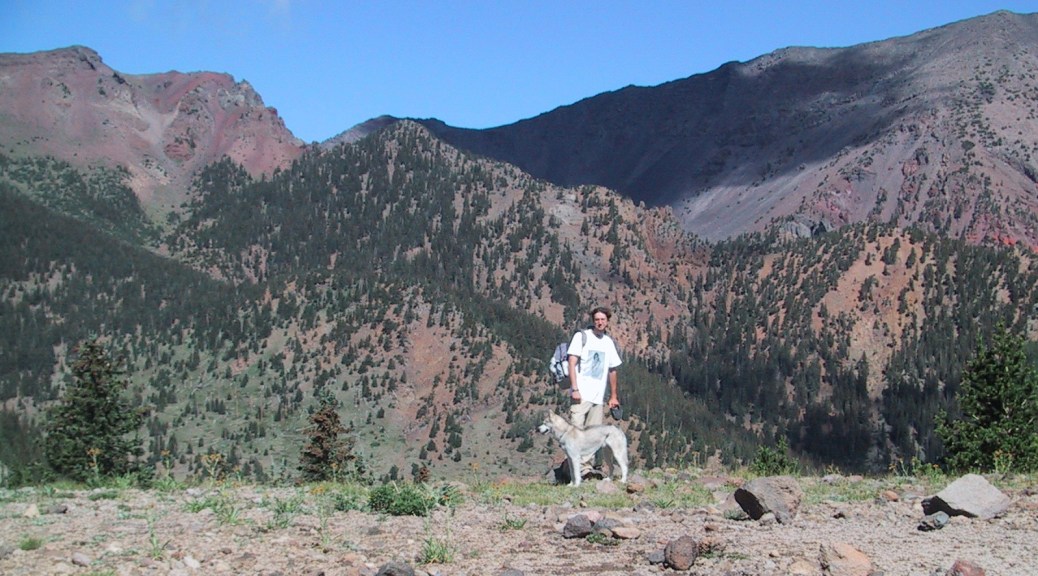
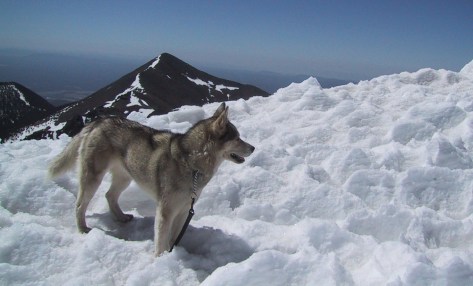
This is the book that inspired that part of Forrest Gump where he walks on roads for years. I was blown away when I read this as a teenager and I think it had a big impact on me (I even hiked with a Siberian husky like the author).
This book does not fit this list at all because it is the only one that is fiction and it is set in England, but I have not identified with a protagonist this much in decades.
All 400 miles walked on the railroad lines of the east coast during the 2020 pandemic were breaking trespassing laws, which gives this narrative an added sense of danger.
A well-researched investigation into the disappearance of a National Park Ranger in the rugged backcountry of California’s Sierra Nevadas also placed on the Top 10 Non-Fiction Books Set in a National Park list.
An Honorable Mention for the Top 10 Non-Fiction Books Set in Alaska, most of this amazing journey was spent paddling on water, not walking under the weight of a pack raft.
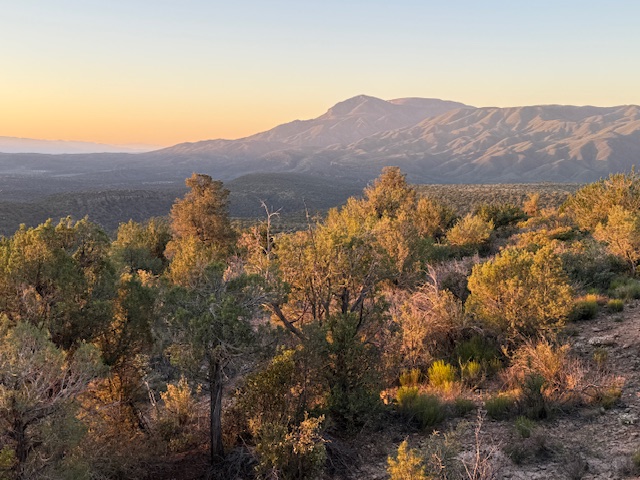
After two “zero days” I returned to the Gila River at the lowest point on the Arizona Trail (AZT) where temperatures had cooled considerably from two weeks before. In 36 days (including six zeroes), I have now completed the southernmost 713 miles on the 800-mile AZT since starting on March 4, 2026. Good news is the National Park Service is planning to reopen the North Kaibab Trail on May 15, so I plan to wait to do the final 100 miles through the Grand Canyon and up to the Utah border.
This journey has exceeded my expectations as my first “long trail.” I have seen amazing wildlife and scenery. I met some interesting people. I had days where I did not see another person. It has been introspective and healing. I have walked further and faster than I imagined possible. I’m thankful that past thru-hikers have made this a socially acceptable (even laudable) activity. Mostly, it’s just really fun and feels like an accomplishment to walk between two arbitrary borderlines. I could not have done it without my parents and friends driving all across the state to resupply me. I cannot say thank you enough!
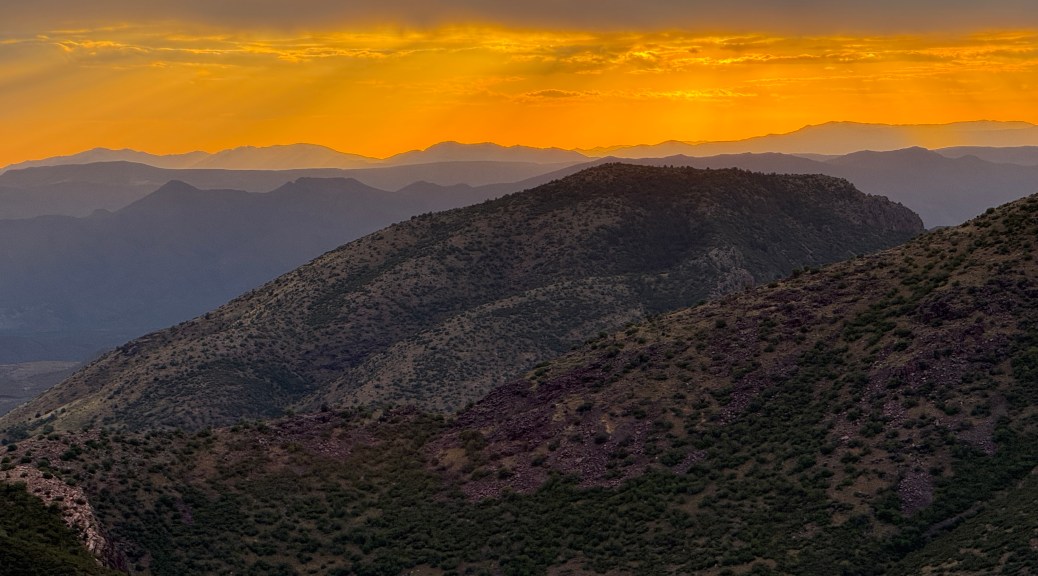
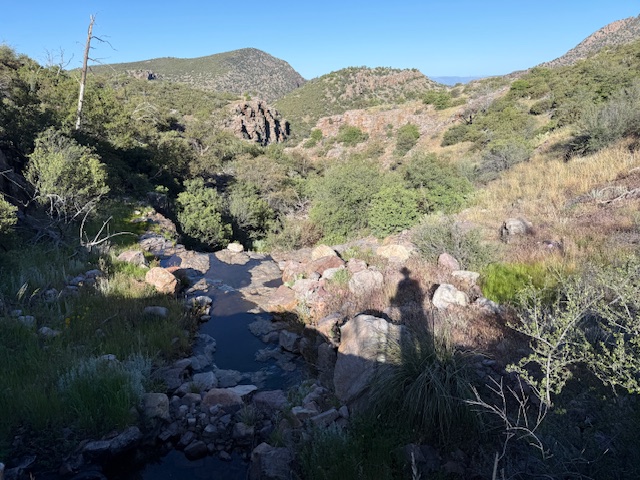
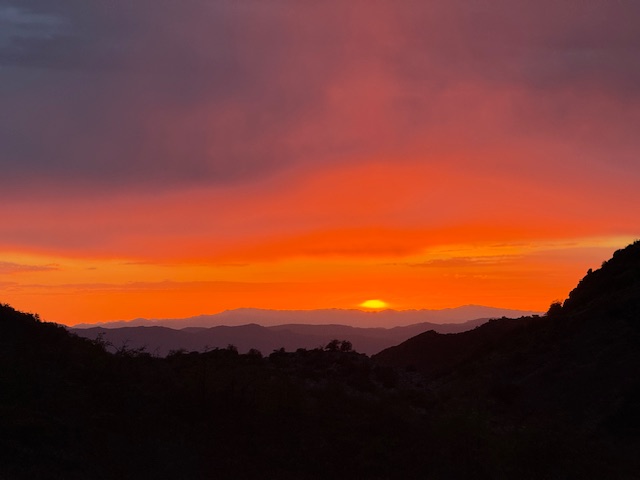
Arizona Trail Day 26, Mile 265 to 291 plus 2 when I took a wrong turn from the Gila River where I took an afternoon dip. So many grasshoppers! Tried out a sun umbrella then didn’t need it when clouds rolled in for an awesome sunset hour. This was my restart point after avoiding desert heat for two weeks.
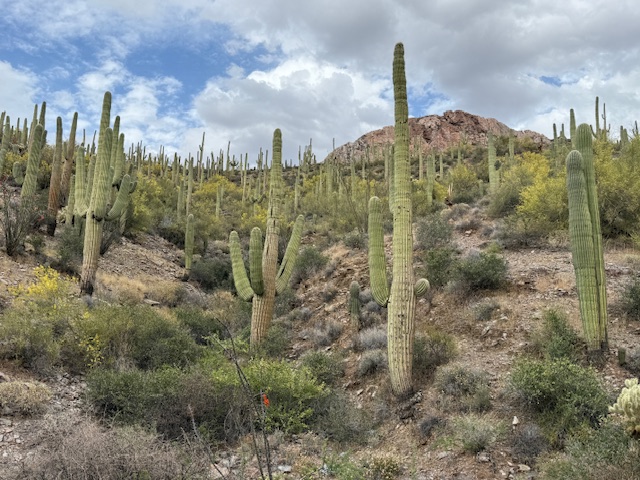
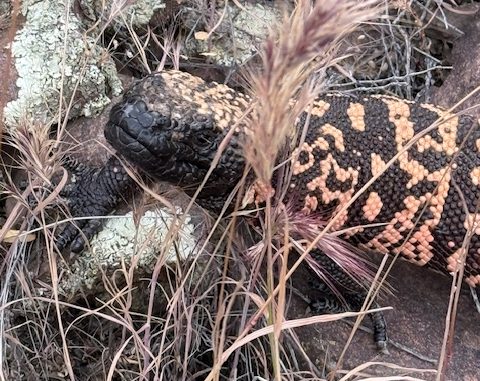
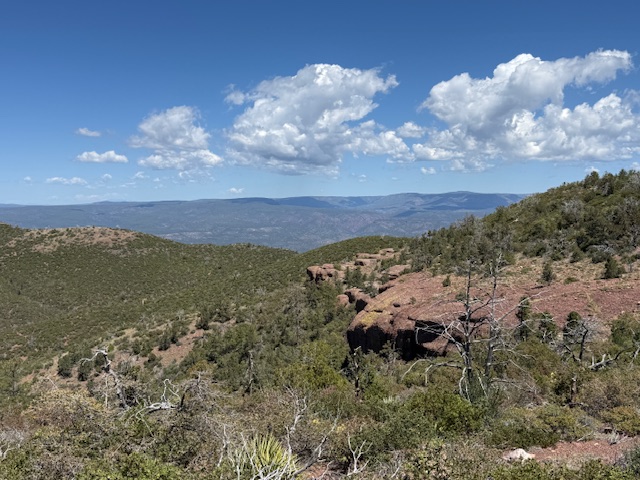
Arizona Trail Day 27, Mile 291 to 321 across Highway 60 climbing steeply into the Superstition Wilderness. Started at 5 a.m. when it was sprinkling and my sun umbrella worked well for rain. Saw my first ever Gila monster, which was amazing.
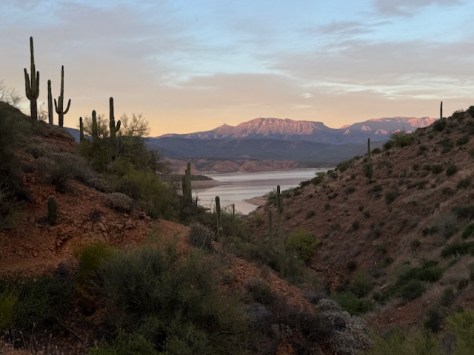
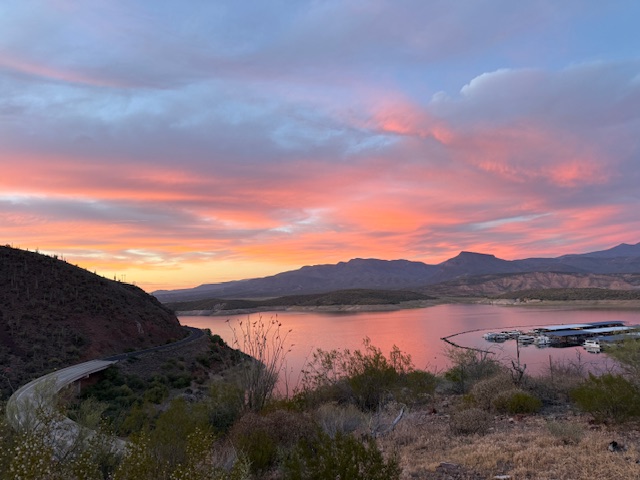
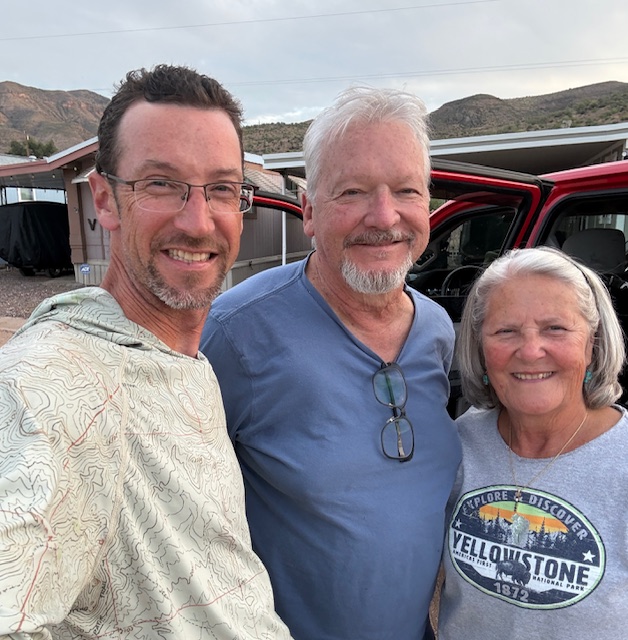
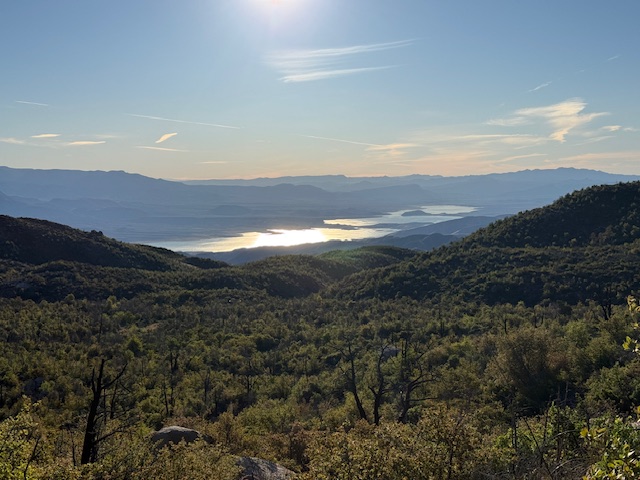
Arizona Trail Day 28, Mile 321 to 347 down from Reavis Ranch in Tonto National Forest to Roosevelt Lake. It was nice to hike a while with Michelle and Adam from Seattle. I saw my second ever Gila monster, which was also amazing! Big thanks to my parents who drove down from Pine to resupply me before sunset.
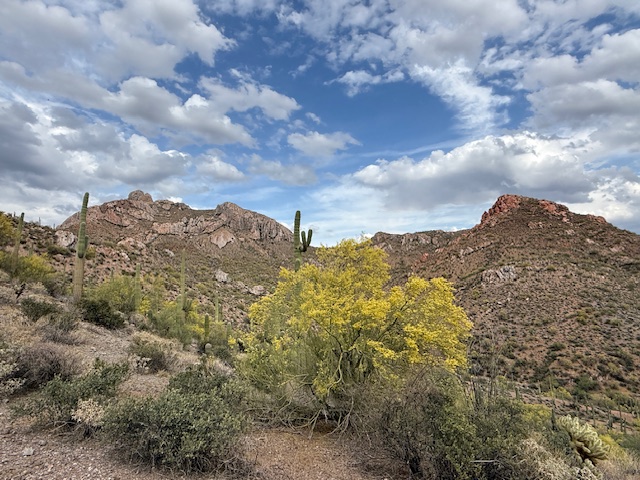
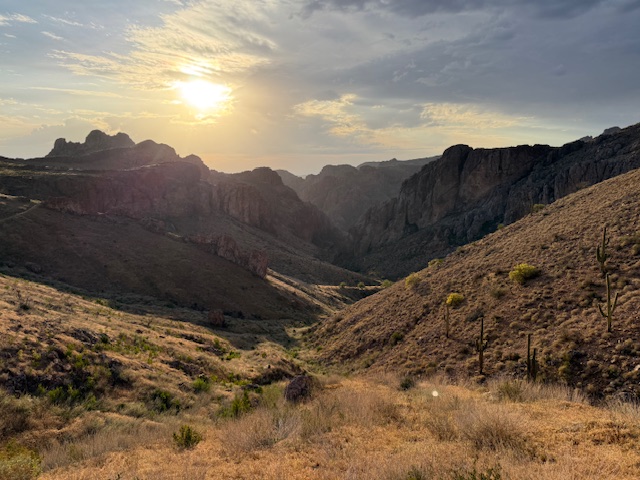
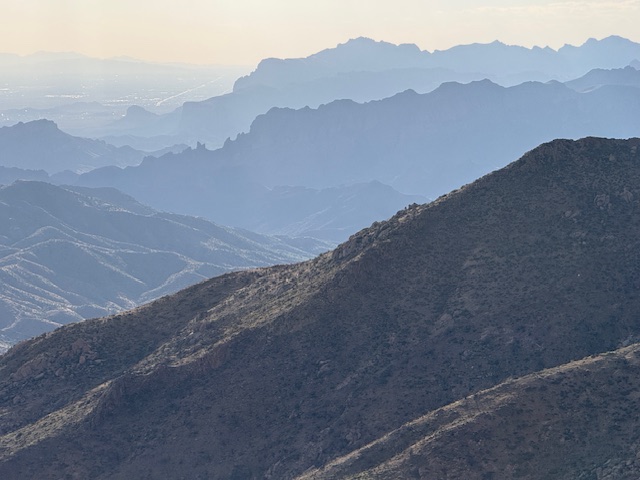
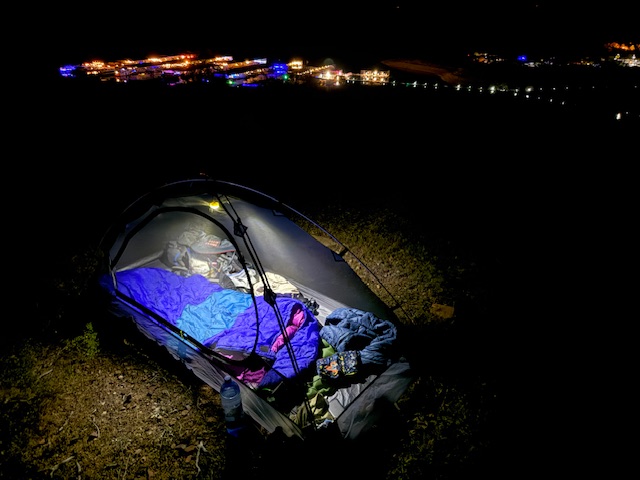
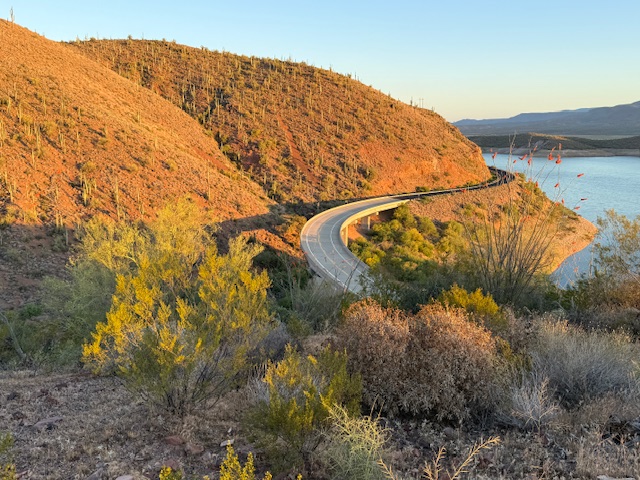
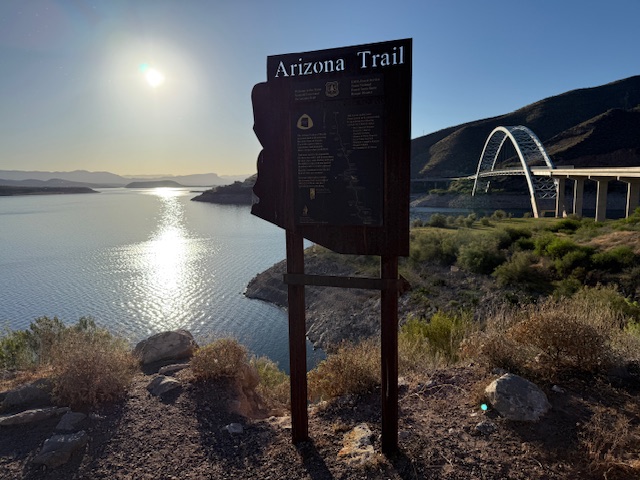
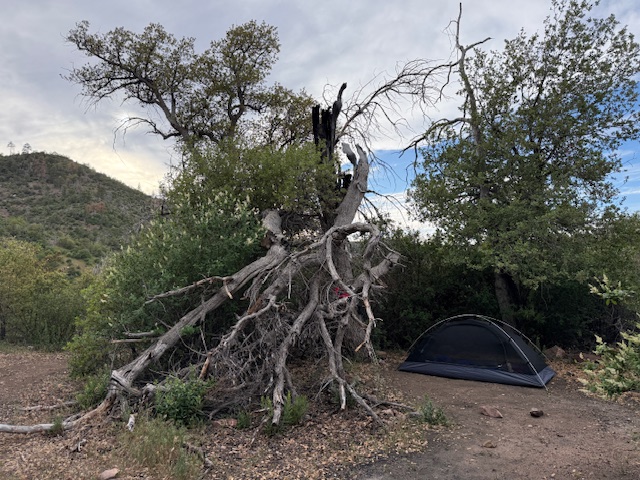
Arizona Trail Day 29, Mile 347 to 366 across Roosevelt Lake Bridge up into the Four Peaks Wilderness. Shake Spring was flowing nicely this afternoon so I decided to camp nearby and cut my day short to enjoy the shade.
Arizona Trail Day 30, Mile 366 to 387 down the mountain from Four Peaks Wilderness to the Beeline Highway 87. At some point Saturday I surpassed 600 miles on the 800-mile Arizona National Scenic Trail! My parents brought me a milkshake down from Payson, which tasted amazing.
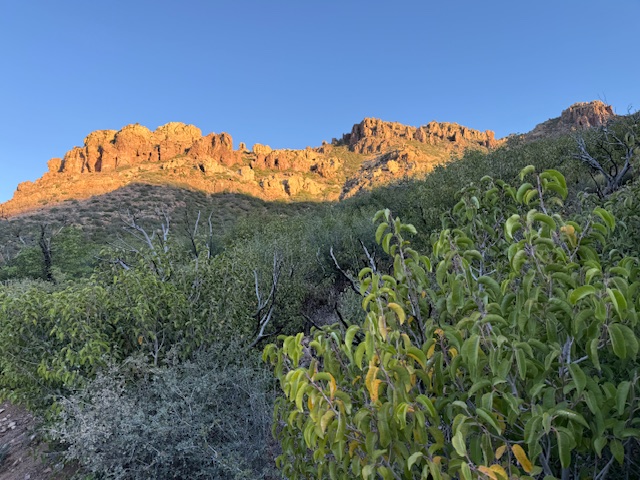
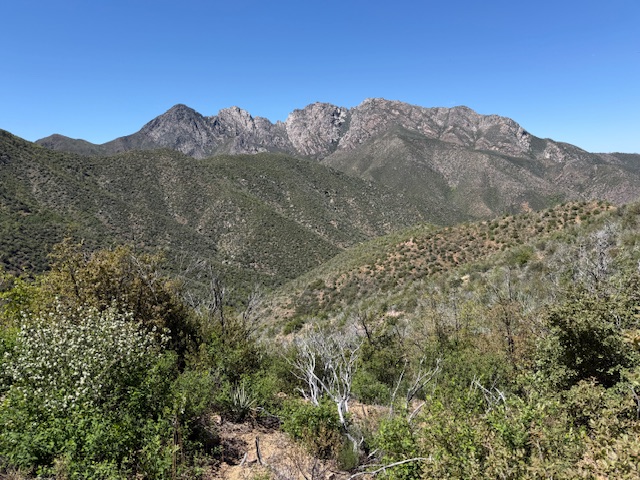
Arizona Trail Day 32, Mile 387 to 417 into the Mazatzal Wilderness after a zero day to spend Easter with family in Chandler. Cloudy and drizzly weather helped me stay cool and I didn’t have to drink much. Cumulative 6,500-foot ascent and 4,000-foot descent over the 30 miles! Great sunset over Horseshoe Lake.
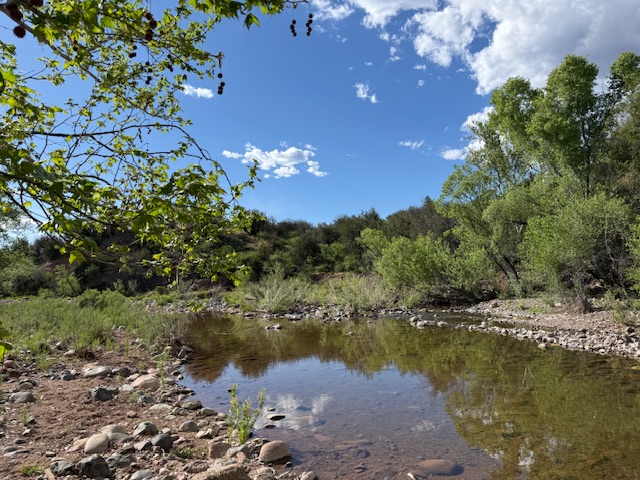
Arizona Trail Day 33, Mile 417 to 442 out of the Mazatzal Mountains down to the East Verde River where I took an afternoon swim. I met a lot of friendly people backpacking today, including one volunteer doing trail maintenance who provided trail magic in the form of a delicious cheese stick.
Arizona Trail Day 34, Mile 442 to 459 back home to Pine. I have now completed the southernmost 713 miles of the AZT since March 4. I plan to finish the final 100 miles when North Kaibab Trail through Grand Canyon National Park opens after May 15. I could not have done this without the help of my parents and friends along the way. Thank you so much!
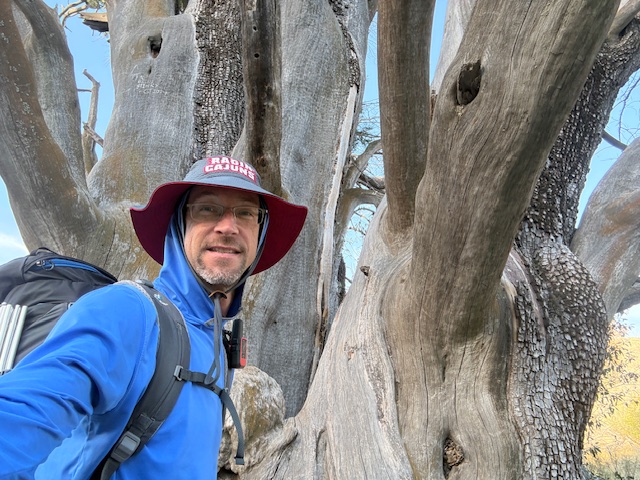
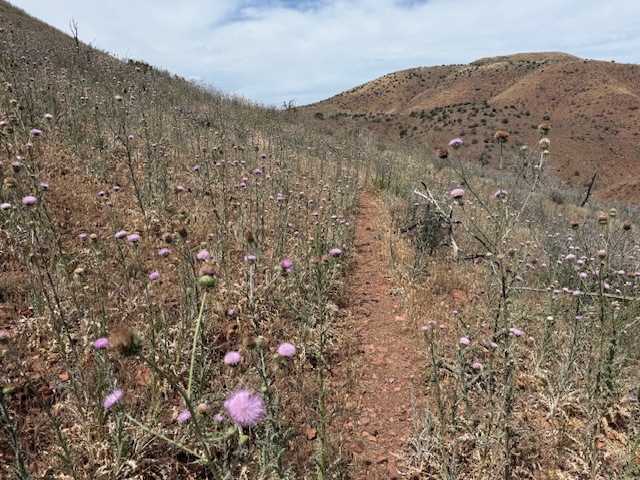
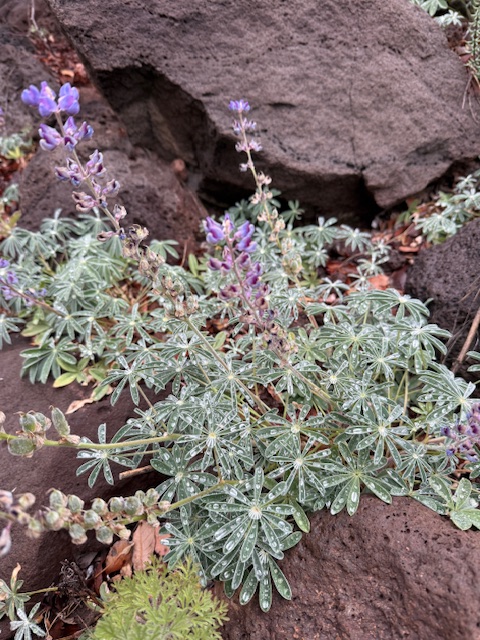
Superstition WildernessHuge alligator juniper treeThistle flowersGila monsterRoosevelt LakeMet my parents at Roosevelt LakeRoosevelt LakeRoosevelt LakeRoosevelt LakeFour PeaksRoosevelt LakeLupine after rainfallView of San Francisco Peaks in FlagstaffEast Verde RiverMazatzal sunriseHome trailhead in Pine
Start your U.S. National Parks, National Forests, and National Monuments adventure here!