We are currently on a 12 day trip to Massachusetts and New
York to visit some of the many National Park Service (NPS) sites jammed into
those two states, especially around Boston and New York City. This will bring our total number of NPS units
visited to over 350 and provide information for many future blog posts.
We are also working hard to edit our first guidebook, which we will self-publish in October 2019. It is entitled A Park to Yourself: Finding Solitude in America’s National Parks and it focuses on helping the reader have special experiences in 50 of the busiest National Parks. Scott has created original logos for each of the 50 parks, which can be printed on T-shirts, mugs, pillows, and a variety of products through Amazon and Café Press.
Thank you to our readers for continuing to inspire us to visit new NPS sites and share the wonders with you all.
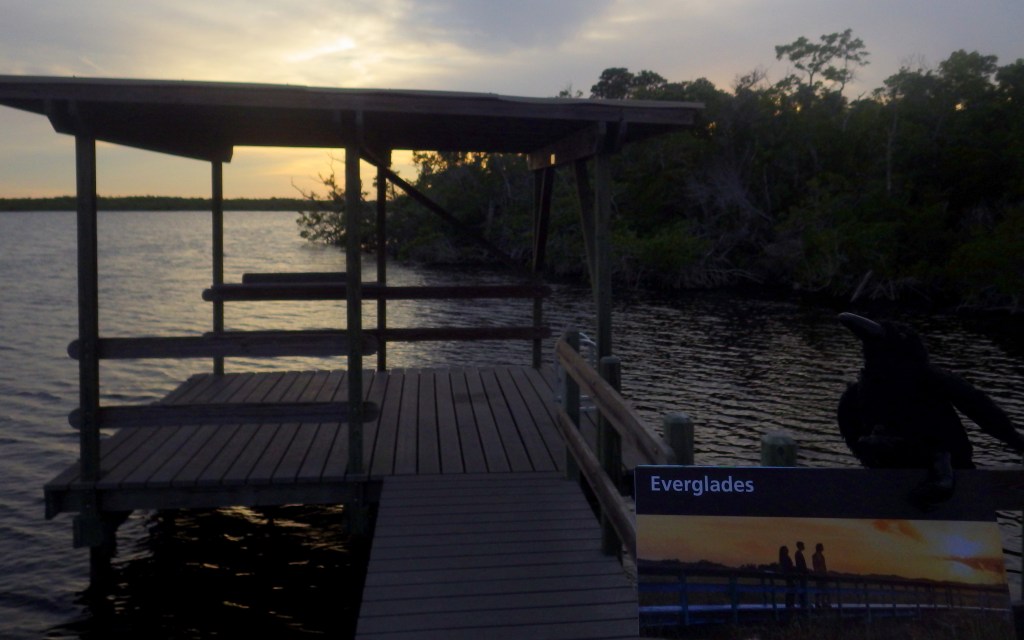
Everglades National Park covers most of the southwestern corner of Florida. The ’Glades are very flat, with elevation topping out at 8 feet above sea level. This region is important to many unique species of wildlife, imperiled by sea level rise and the introduction of exotic species. Incredibly close to the city of Miami, the Shark Valley tram tour offers a great opportunity to see alligators. Near the campground at Flamingo, Eco Pond and Mrazek Pond are both good spots to watch for wading birds like ibis, egret, heron, wood stork, and roseate spoonbill.
There are few roads in Everglades National Park, so the best
way to experience this “river of grass” is from the water. There are guided tours out of Flamingo and
Thousand Islands, or you can get a permit to explore the untamed Wilderness
Waterway and the keys of Florida Bay. We
had a blast navigating the mangrove channels to our chickee (elevated camping
platform) and did not see another person for two days. “Hell to get into; hell
to get out of” is how old-timers described the mazelike route to Hell’s
Bay. Good navigation skills are required
and you should come prepared for mosquitoes every month of the year.
Best Trail
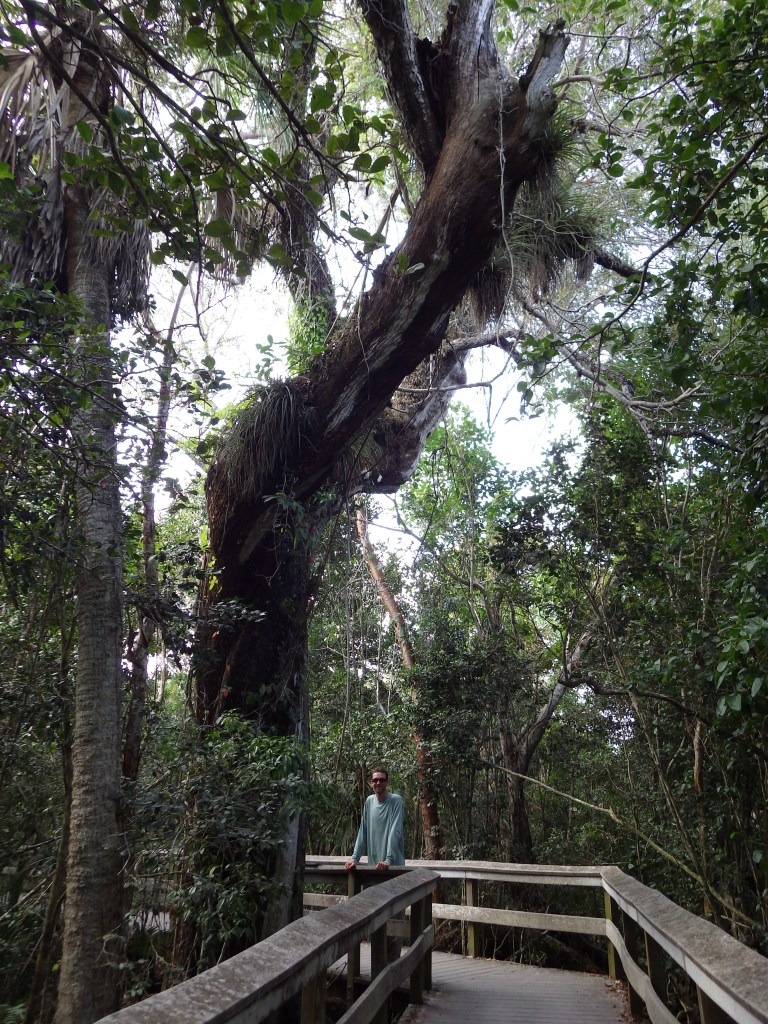
On the Anhinga Trail, its namesake birds stretch their wings
to dry in pond apple trees while alligators swim right under your feet beneath
the boardwalk.
Instagram-worthy Photo
Wildlife abounds so you will want to remember to bring your binoculars and a zoom lens for your camera. You can get good photos of alligators while remaining safe and dry on the Anhinga Trail boardwalk. We also got very close to a barred owl and several black vultures on the same trail in April 2014.
The major entry roads are paved to access Flamingo, Thousand
Islands, and Shark Valley.
Camping
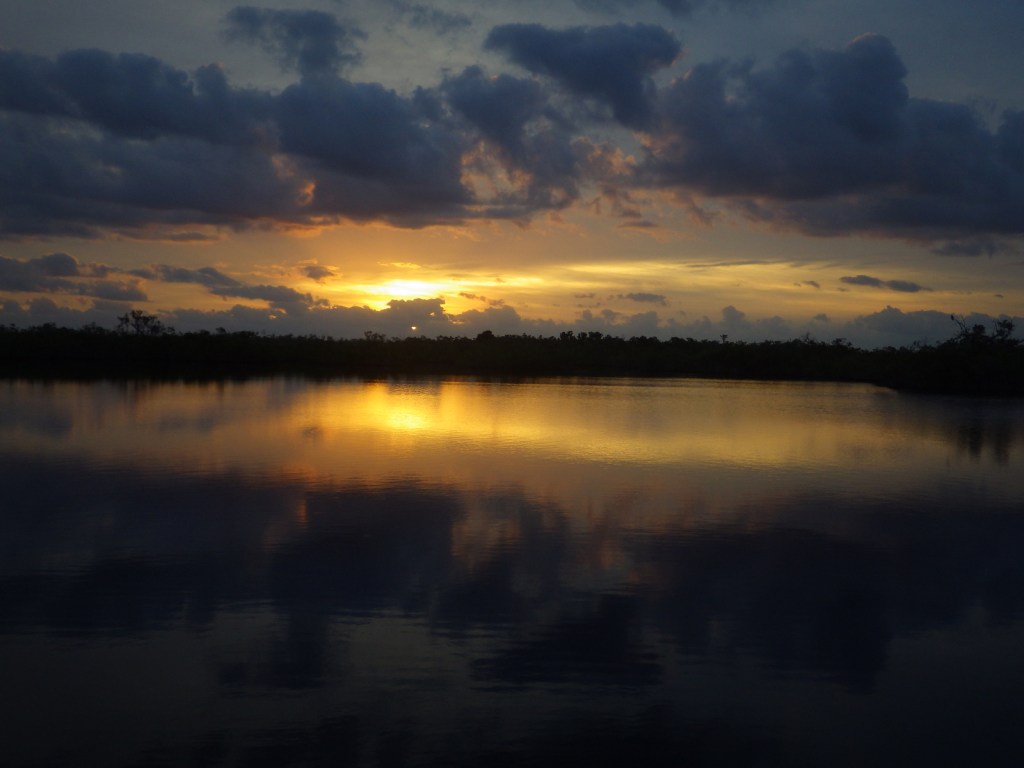
Camping in the park, at Long Pine Key or Flamingo, provides quick access to trails that come alive with wildlife during the crepuscular hours (sunrise and sunset).
Explore More – Who was the woman instrumental in the creation of Everglades National Park when she published The Everglades:River of Grass in 1947?
We are a participant in the Amazon Services LLC Associates Program, an affiliate advertising program designed to provide a means for us to earn fees by linking to Amazon.com and affiliated sites.
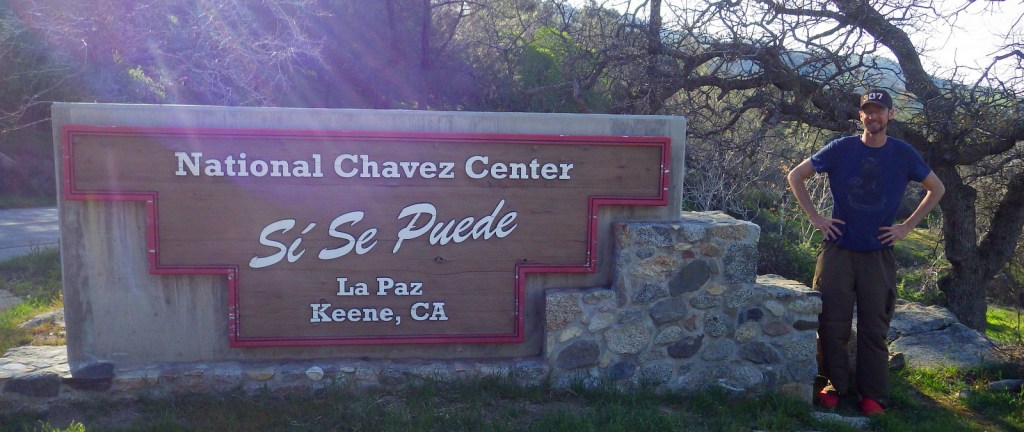
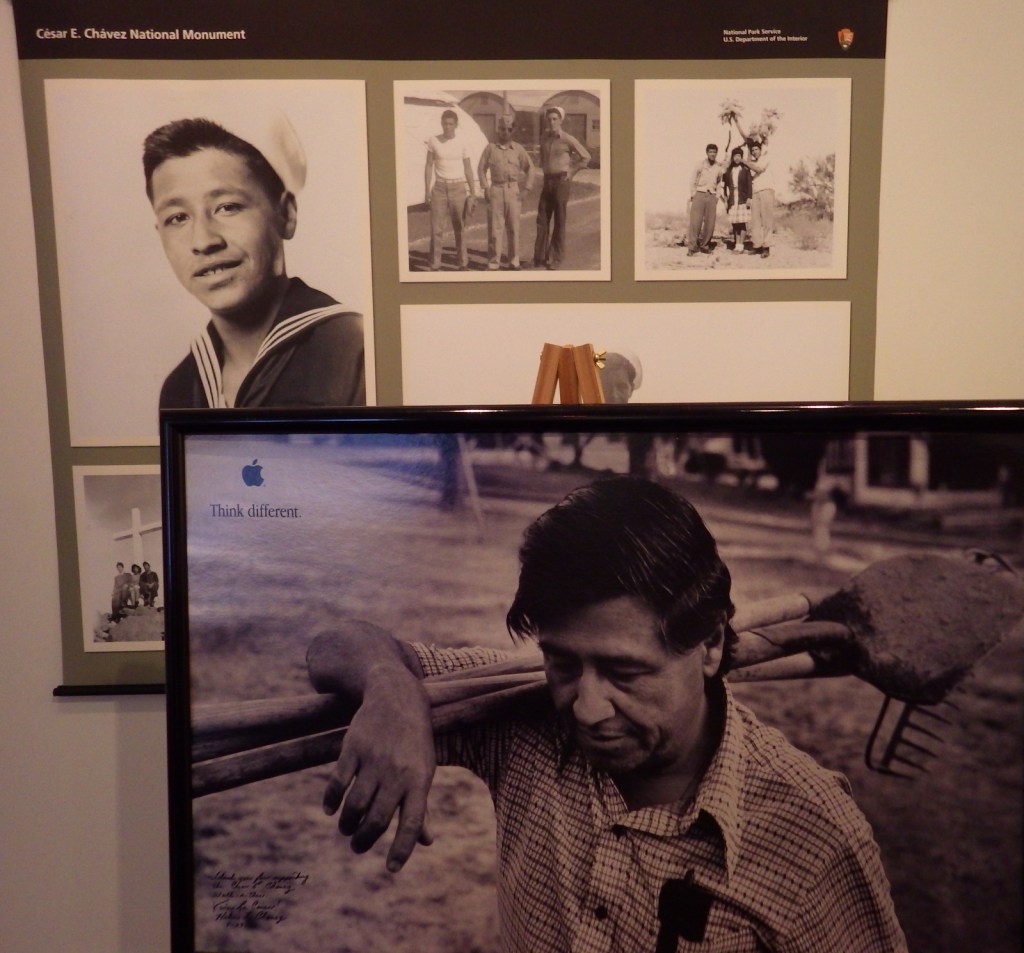
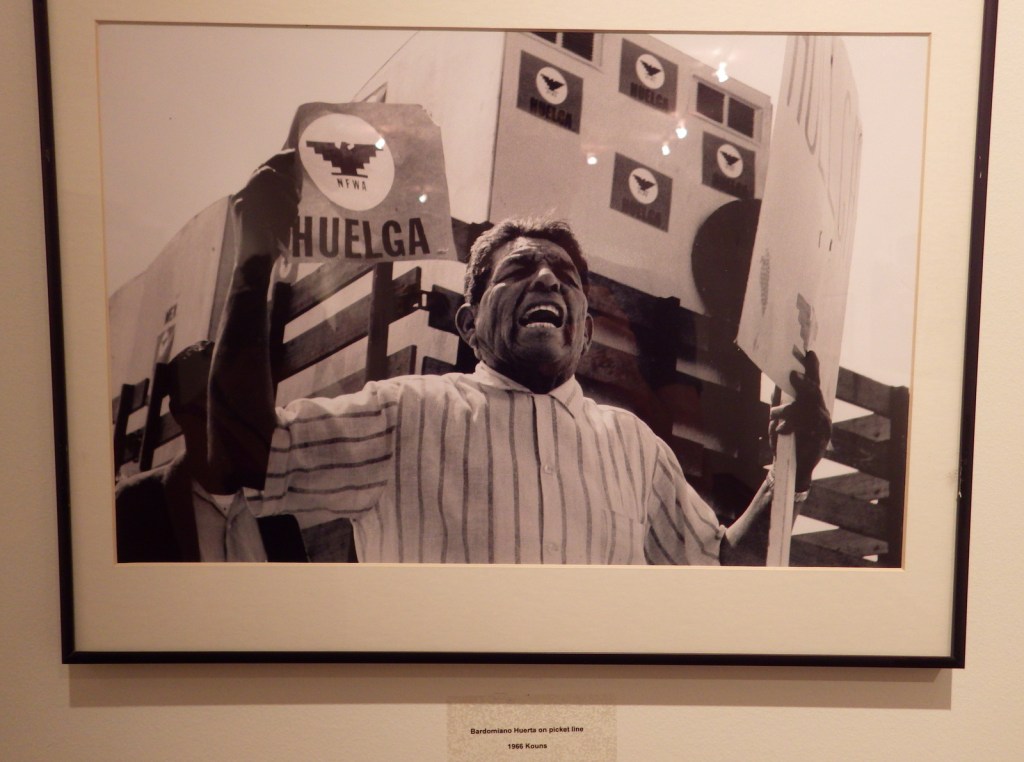
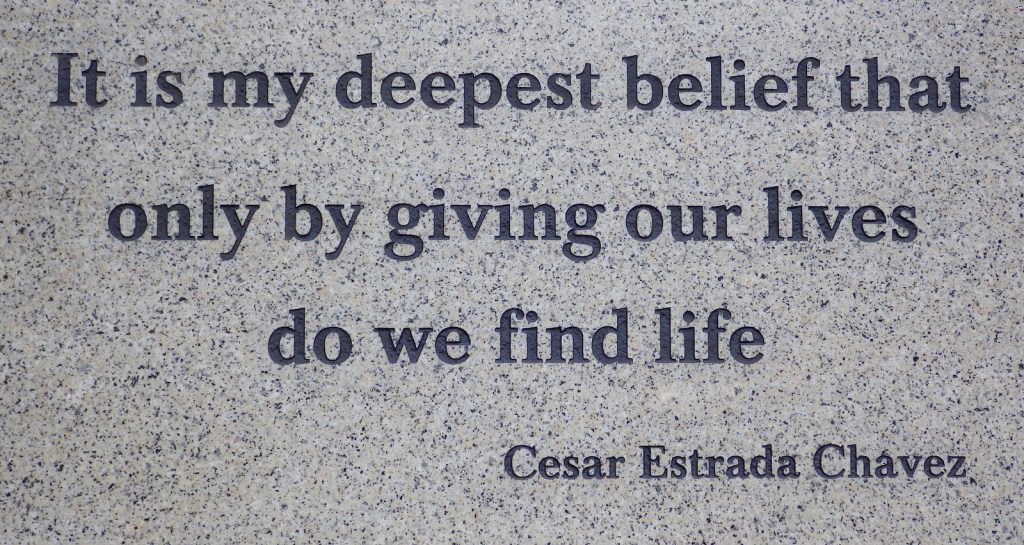
César Estrada Chávez was a Latino-American labor leader in the 1960s who led the fight for better working conditions and pay for all agriculture workers. He helped form the National Farm Workers Association (NWFA) labor union, which became the United Farm Workers of America (UFW). Similar to Martin Luther King, Jr., Chávez was an advocate of nonviolent protests, including fasts. Chávez passed away in 1993 and César E. Chávez National Monument was established in 2012.
Highlights
Chávez gravesite, memorial garden, museum, Chávez office
Must-Do Activity
The National Park Service site is located at the historic Nuestra Señora Reina de la Paz property in Keene, California where César E. Chávez lived and the UFW was headquartered from 1970-84. The site is now the home of the National Chávez Center, his gravesite, and a memorial garden. The museum here includes exhibits, videos, and an audio program at Chávez’s old office. A quick Spanish lesson before you go: “Huelga” translates to “Strike” and “Sí, se puede” means “Yes, we can.”
Best Trail
None
Instagram-worthy
Photo
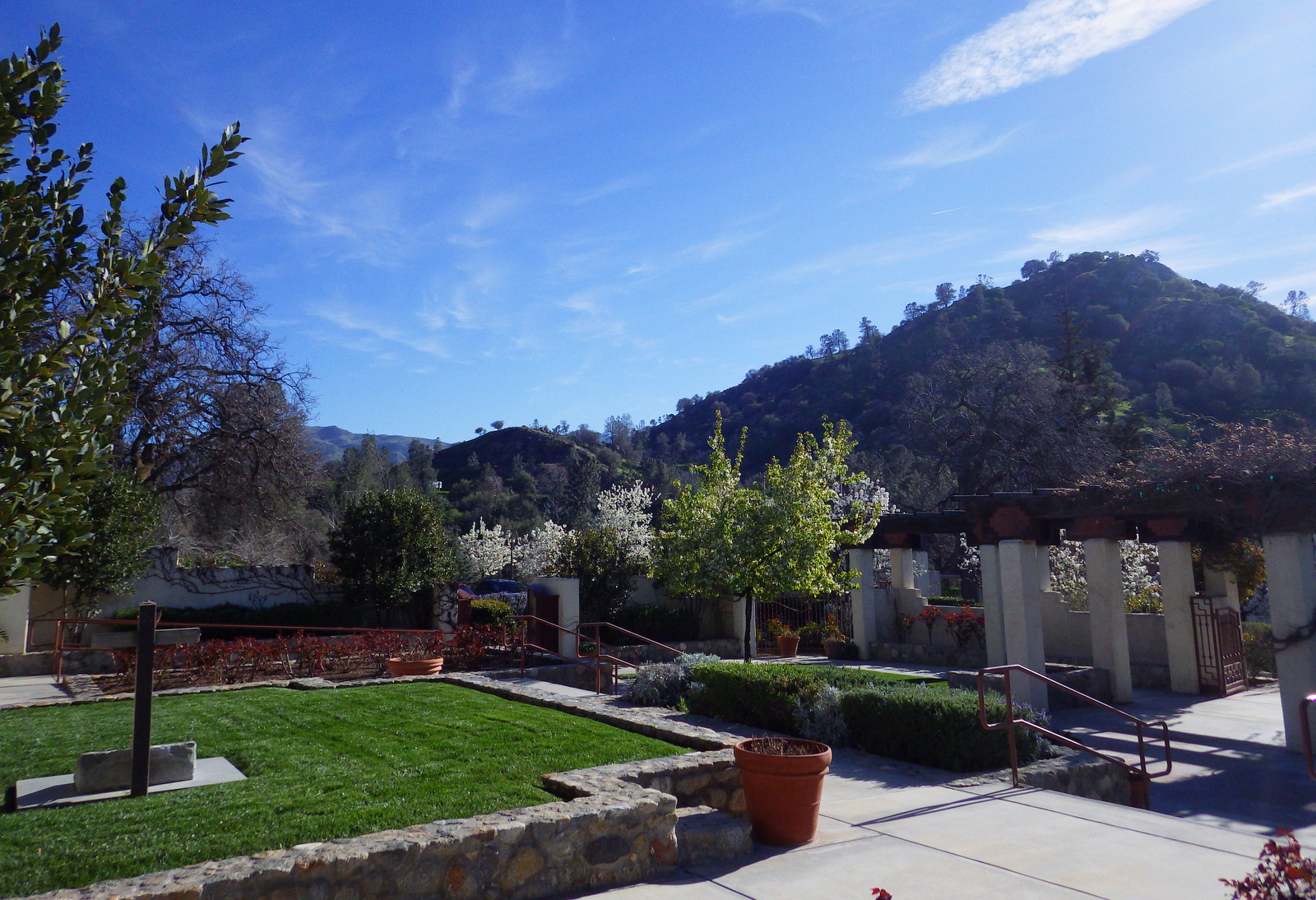
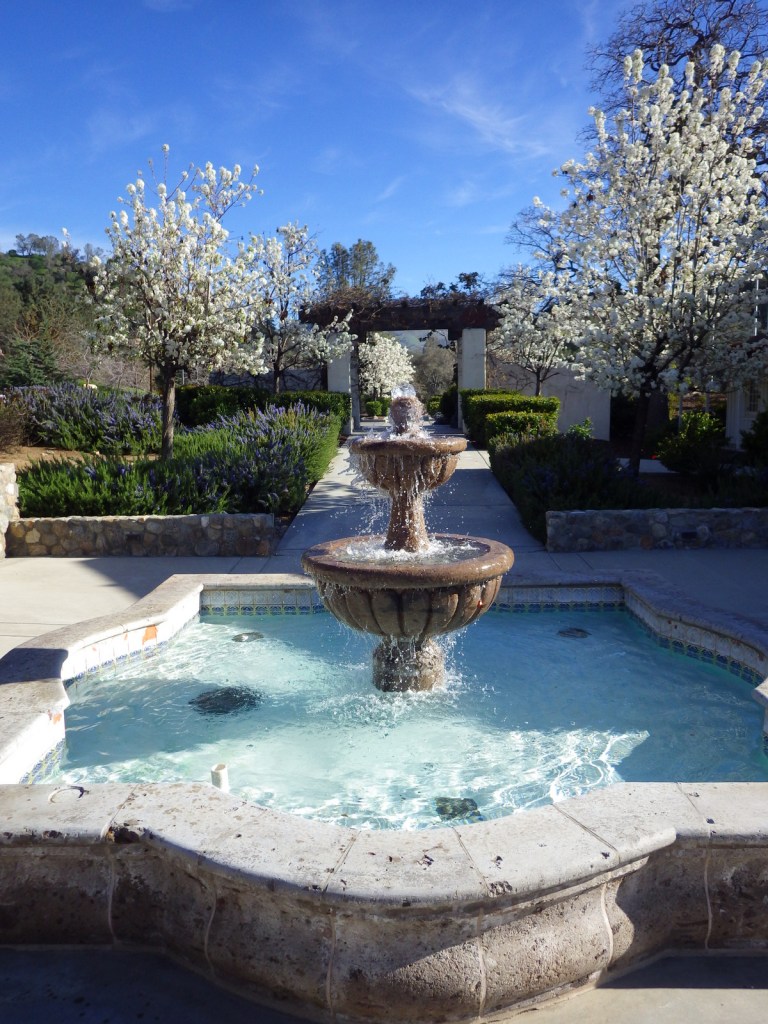
César Estrada Chávez is buried at the National Chávez Center in Keene, California surrounded by a well-landscaped memorial garden.
As its name suggests, Dinosaur National Monument was first created in 1915 to protect an archaeological dig. The 200-foot long wall of unexcavated fossils at Dinosaur Quarry outside Jensen, Utah is still the park’s main attraction. A major addition of 200,000 acres was added in 1938, stretching into the neighboring state of Colorado. More than 90% of the National Monument (click here to see where it ranks in our Top 10) is managed as wilderness and is best explored by whitewater rafting the Green and Yampa Rivers.
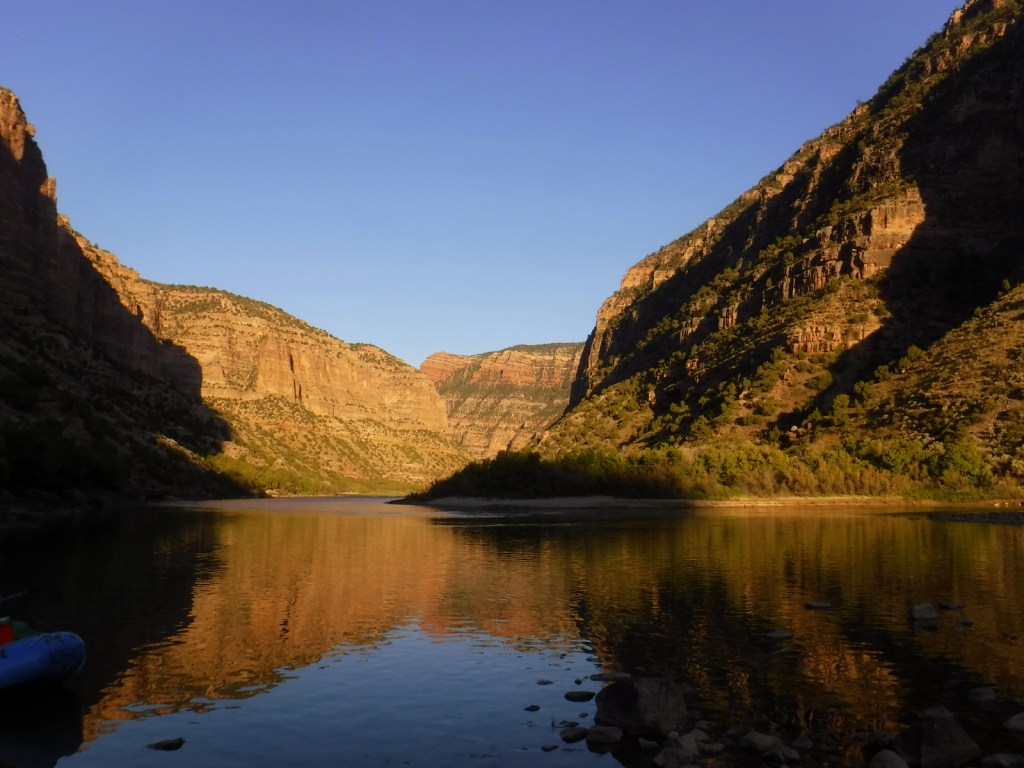
Whitewater rafting trips on the Green River can last a few hours or multiple days depending upon where you put in. We highly recommend a three night trip starting at the Gates of Lodore with Adrift Dinosaur or one of several other outfitters. They also offer multi-day trips down the Yampa River, which is undammed and only navigable during the spring snowmelt. If you do not feel like getting wet, simply enjoy a quiet picnic on the shoreline at easily-accessible Split Mountain (or take a high-clearance vehicle down the rough road to scenic Echo Park).
Best Trail
The 4-mile long Jones Hole Trail is accessible to rafters on
the Green River and from a fish hatchery at the end of a paved road near the
Utah-Colorado border. It provides access
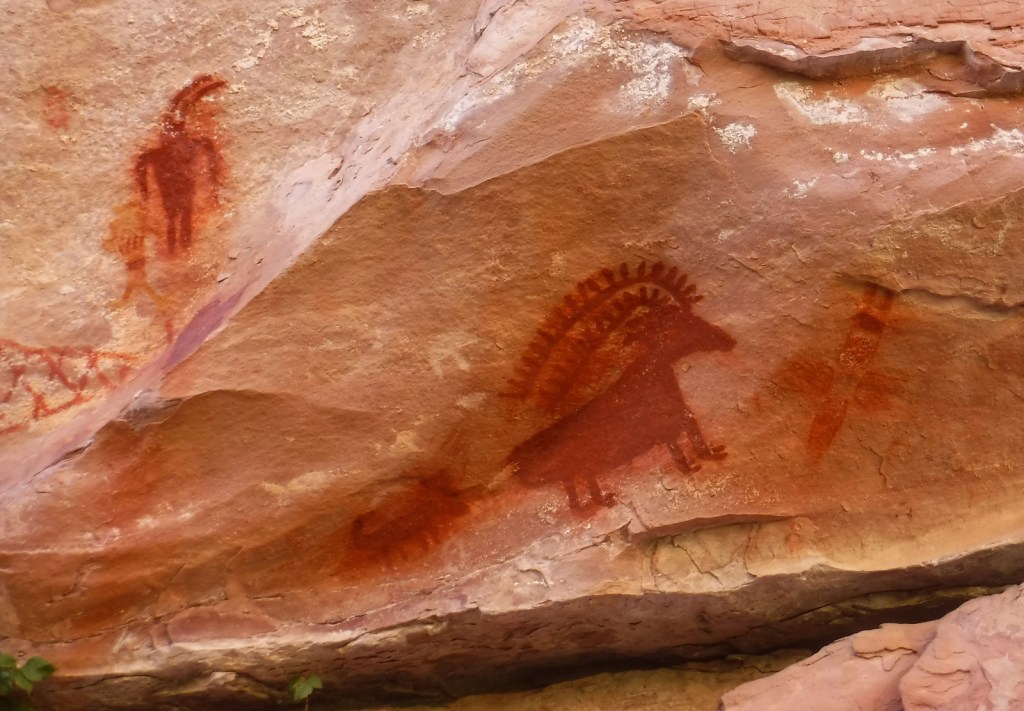
to Ely Creek Falls and the Deluge Shelter pictographs, which are approximately
800 to 1,400 years old.
Instagram-worthy
Photo
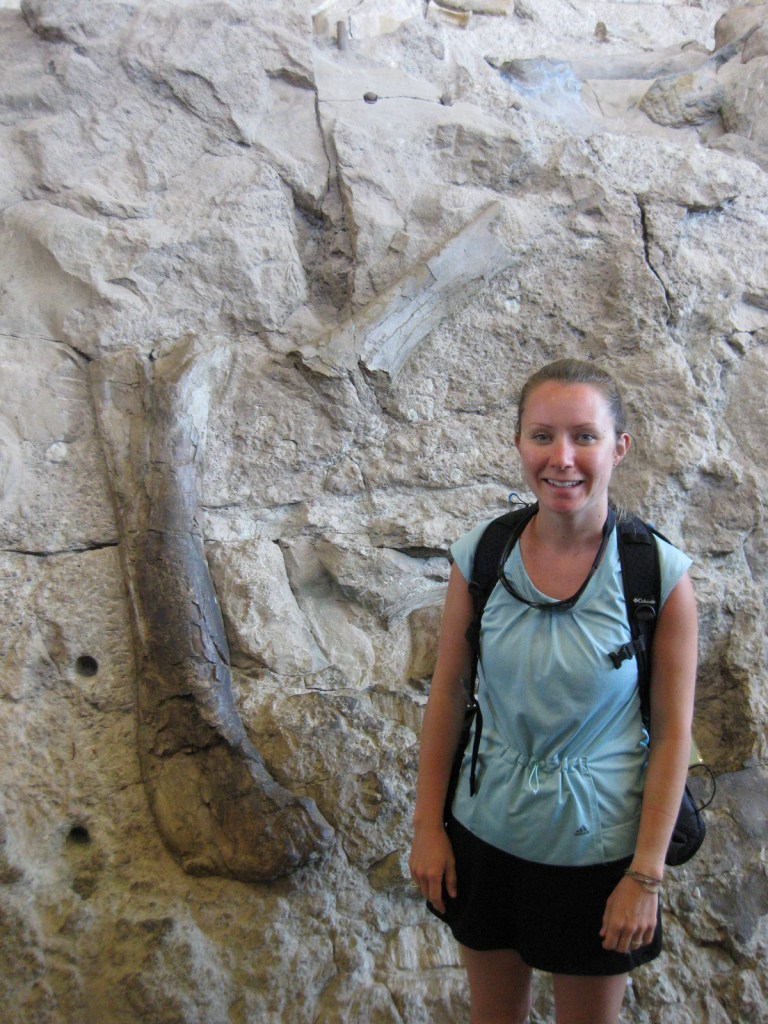
Dinosaur Quarry may be the only mountainside in America surrounded by its own glass-enclosed, air-conditioned building. It contains thousands of fossilized bones of giant creatures sitting in the same place they have been for the past 148-million years. It is a completely different experience than seeing dinosaur skeletons reconstructed in a museum, although they have those, too.
No entrance fees for the Colorado side, but $25 per vehicle to enter the Utah side to view the Dinosaur Quarry.
Road Conditions
There are many dirt roads in the National Monument, some of
which are impassable when wet, so check at a visitor center before entering. The roads to the Dinosaur Quarry, Jones Hole
Trailhead, Deerlodge Park, and Harpers Corner are paved.
Camping
There are several campgrounds within the park accessible by paved or unpaved roads, as well as numerous backcountry campsites located along the Green and Yampa Rivers (plus, one on the Jones Hole Trail).
Mitten Park Fault is bisected by the Green River near Echo Park
Outside the NPS visitor center near Jensen, Utah
Tiff on the tram to the Dinosaur Quarry in 2012
Tiff at the Dinosaur Quarry in 2012
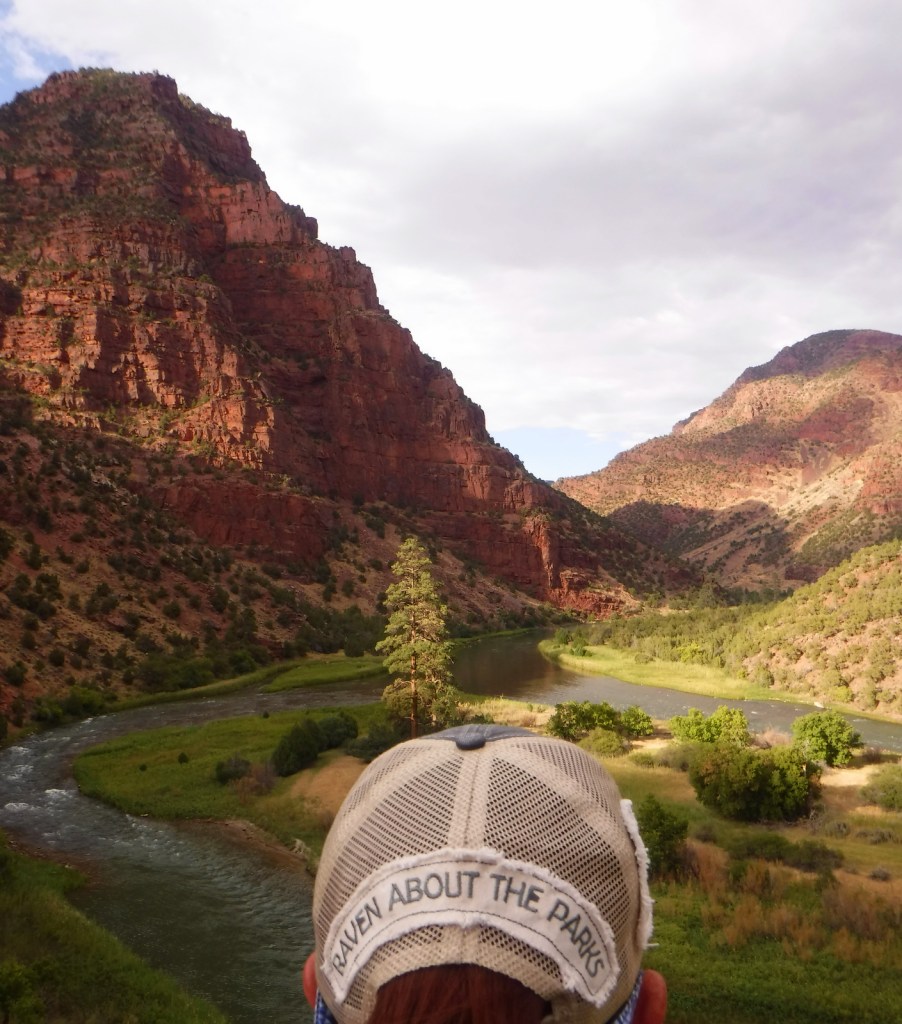
Whitewater rafting on the Green River in 2019
Bighorn sheep along the Green River
Deluge Shelter pictographs on the Jones Hole Trail
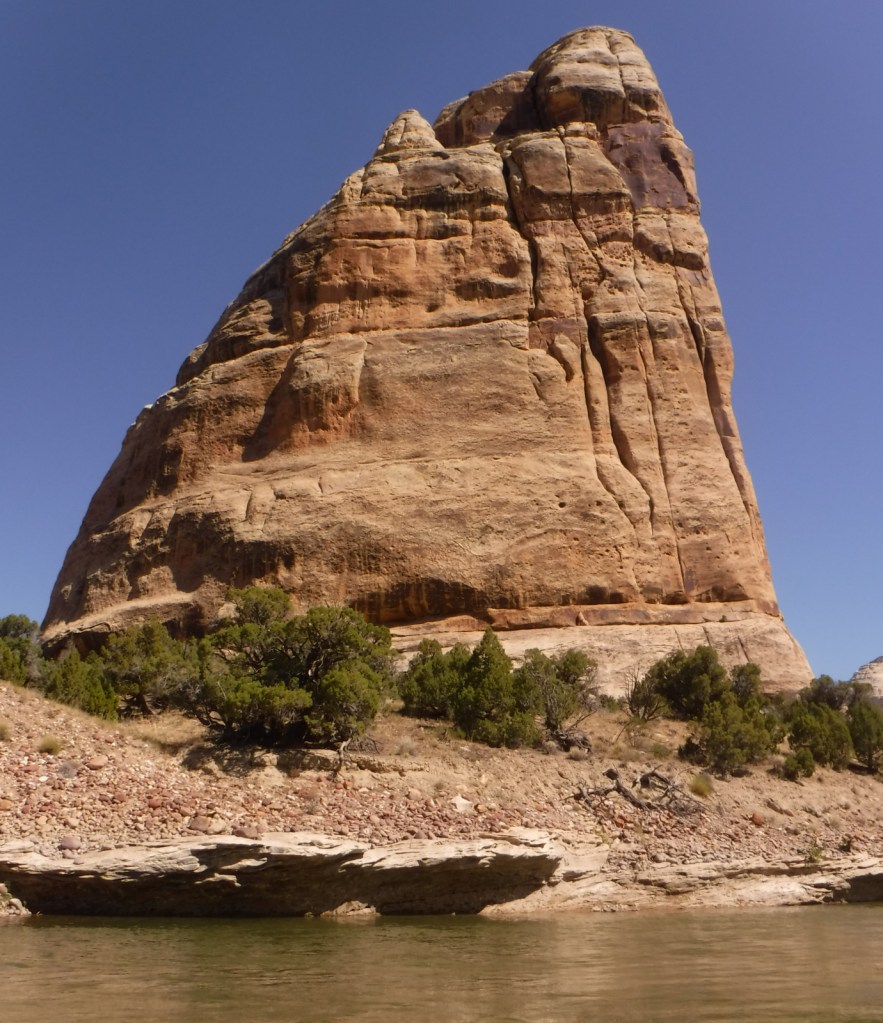
Steamboat Rock at Echo Park
Explore More – Who was the one-armed Civil War veteran that led the first exploration of the Green River (and named the Gates of Lodore after a poem) in 1869?
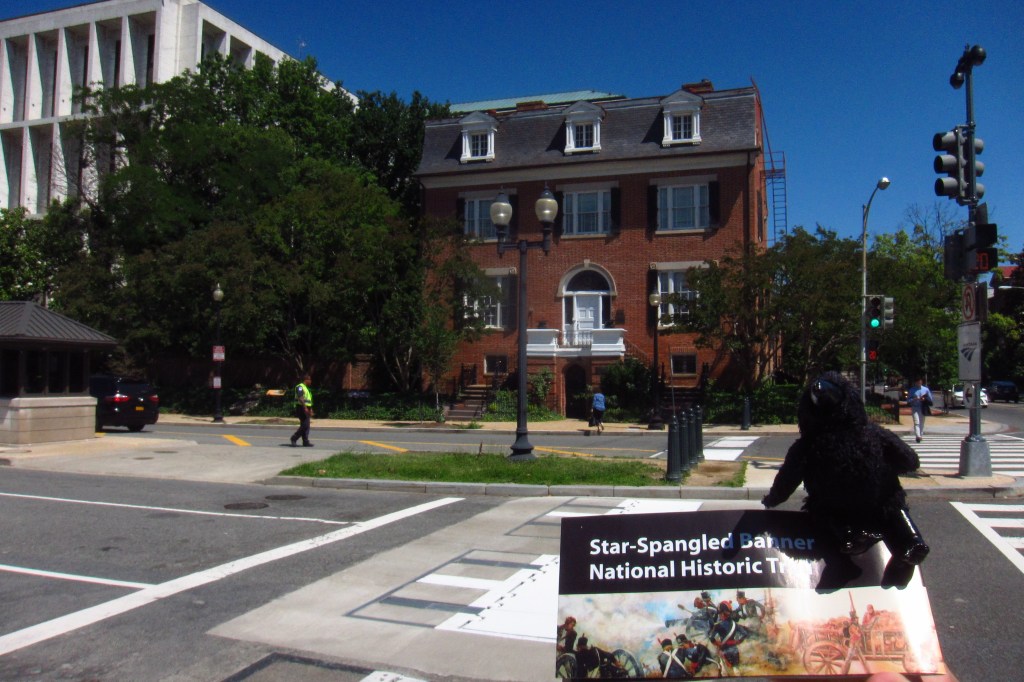
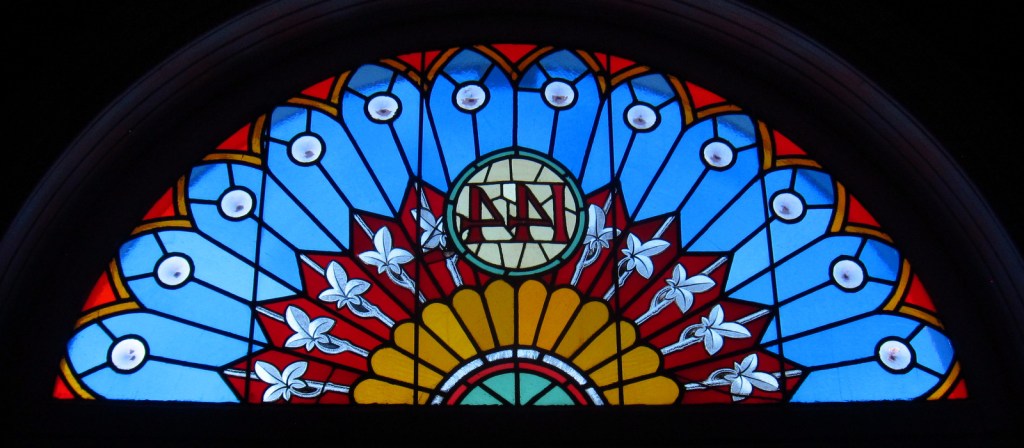
The house at 144 Constitution Avenue NE in Washington, D.C. has an interesting history. First constructed by the Sewall family in 1799 near the new U.S. Capitol building, it was burned by British troops during the War of 1812. After being renovated by Vermont Senator Porter H. Dale in the 1920s, it was purchased by Alva Vanderbilt Belmont as a replacement headquarters for the National Woman’s Party (NWP). In 1972, it was named the Sewall-Belmont National Historic Site, affiliated with the National Park Service (NPS), who took over full control when it was established as a National Monument in 2016.
Highlights
Historic artifacts, sculptures, tours
Must-Do Activity
Free tours are given at specific times (see Hours below) by the NPS, but otherwise visitors can read the museum displays on both floors of the house. The name Belmont-Paul Women’s Equality National Monument refers to the aforementioned Alva Vanderbilt Belmont and Alice Paul, a militant suffragette who was arrested during World War I for picketing outside the White House. The protesters were attacked by men on the street, vilified in the newspapers, and abused in prison where they were force-fed during hunger strikes. In August 1920, these brave women achieved vindication with the passing of the 19th Amendment allowing all women the right to vote in the U.S.A.
Best Trail
The Sewell House has a placard outside as part of the Star-Spangled Banner National Historic Trail. In 1814, the British believed there were snipers posted inside the house and burned it down, one of the few private residences destroyed during their march through Washington, D.C. during the War of 1812.
Instagram-worthy
Photo
A statue of Joan of Arc greets visitors in the front hallway of the house. Our tour guide said that the statue is attached to the house’s foundation and is completely immovable.























 Raven About The Parks