Salem Maritime National Historical Park

Salem Maritime National Historical Park

Massachusetts

Established 1938 National Historic Site, 2025 National Historical Park

9 acres

Website: nps.gov/sama

Overview

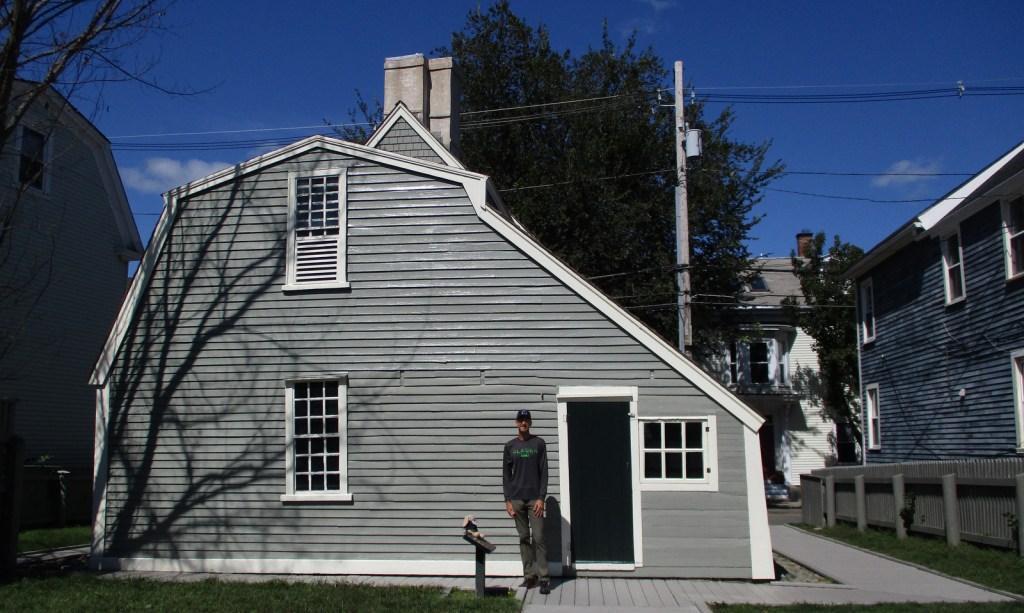
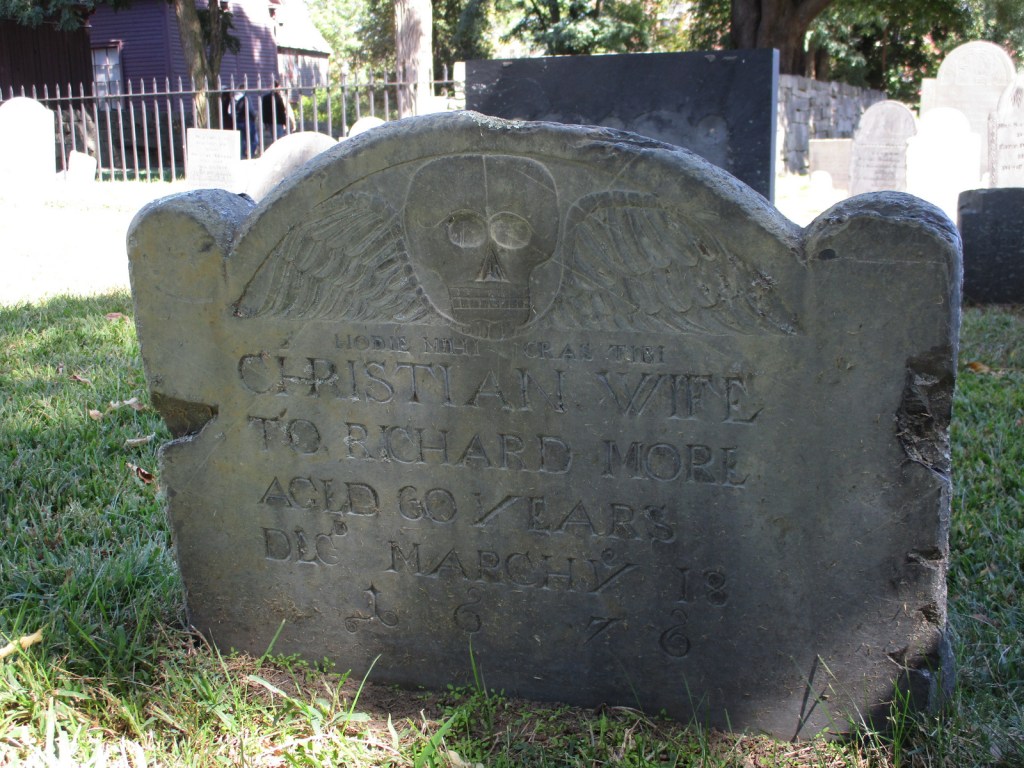
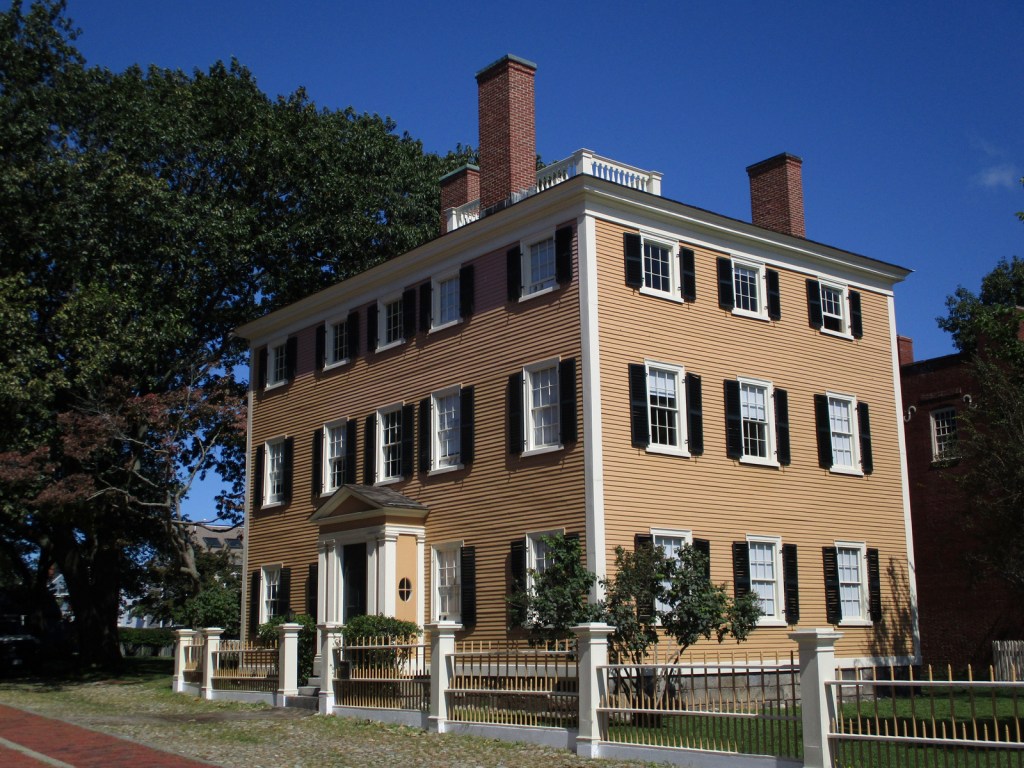
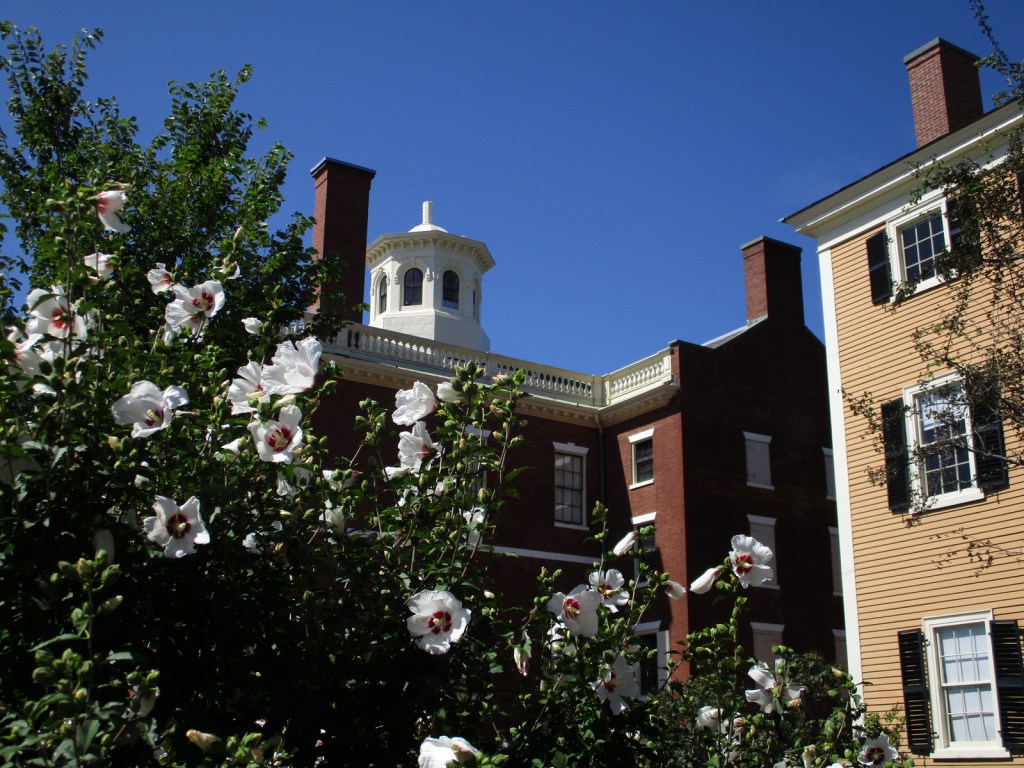
Salem, Massachusetts may be best known for its “witch trials” of 1692 (during which nobody was burned to death, but about a dozen people were hanged in the region).  The town was also a significant trading port known for its shipbuilding.  During the American Revolution, Salem never fell to the enemy and its 158 privateers captured 445 English ships.  Deep water harbors like Boston later took away from Salem’s prominence, helping preserve its architecture until it was named the nation’s first National Historic Site in 1938.

Highlights

Derby Wharf lighthouse, Friendship of Salem, Custom House

Must-Do Activity

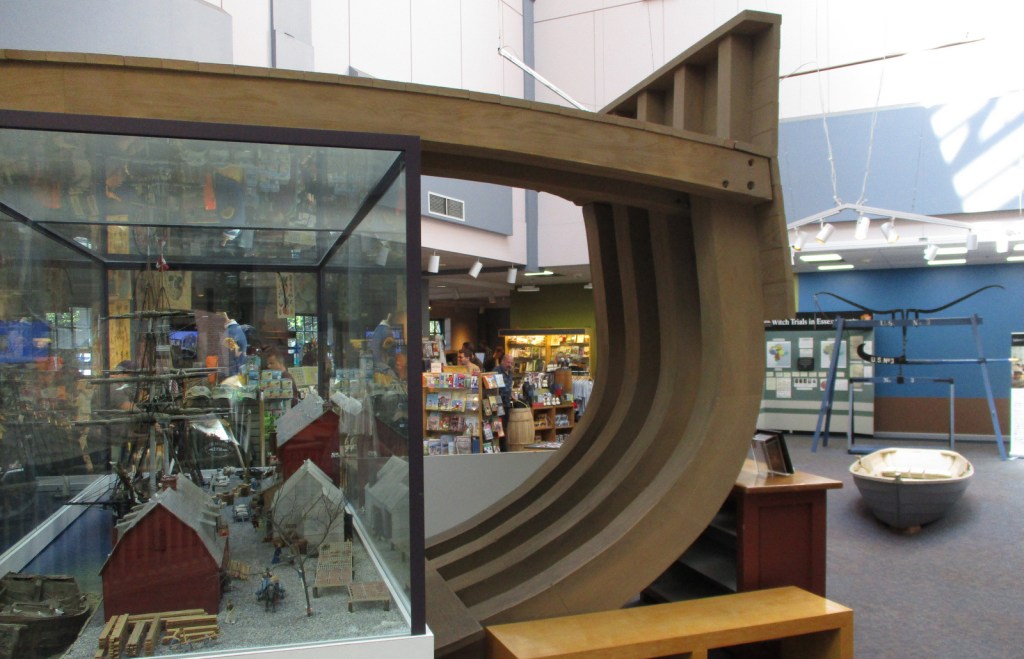
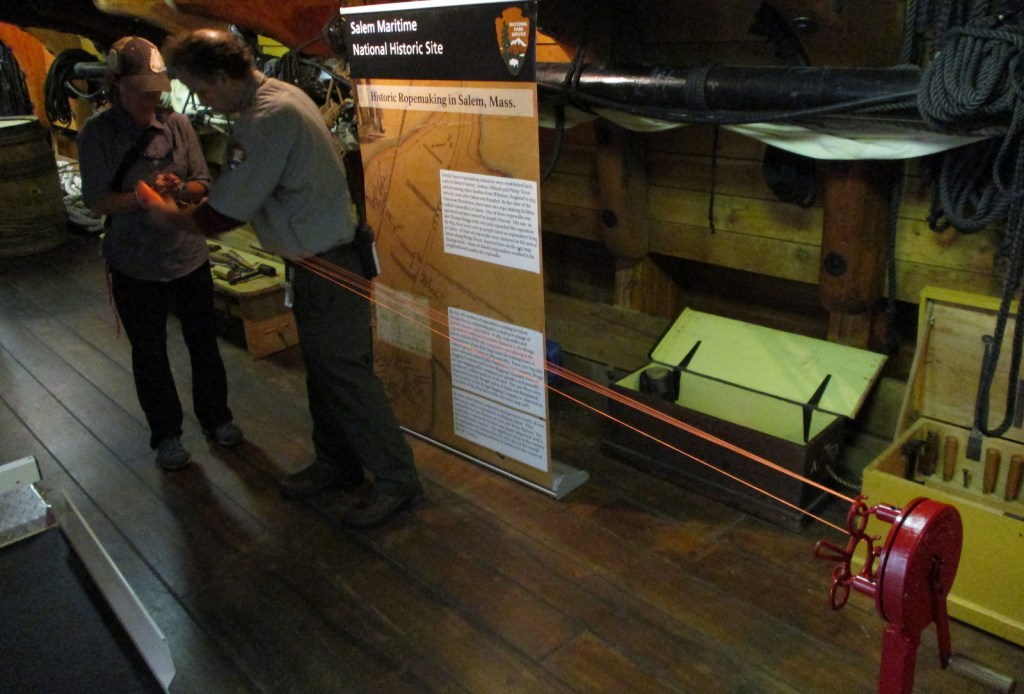
The main National Park Service (NPS) visitor center is located downtown in the old Salem Armory and offers films and exhibits (including one covering the “witch trials” of 1692).  Most of its 14 protected structures are located a short walk toward the waterfront near Derby Wharf.  It is free to come aboard the Friendship of Salem, a full-scale replica of a 1797 merchant ship.  You can learn all sorts of information from the interpreters on the ship and perhaps weave some of your own rope to take with you as a souvenir.

Best Trail

The Derby Wharf Trail follows a paved breakwater out to a small lighthouse that dates to 1871.  This truly is a walking park with additional points of interest at the Salem Witch Museum, House of the Seven Gables, and Peabody Essex Museum (all of which charge admission).

Photographic Opportunity

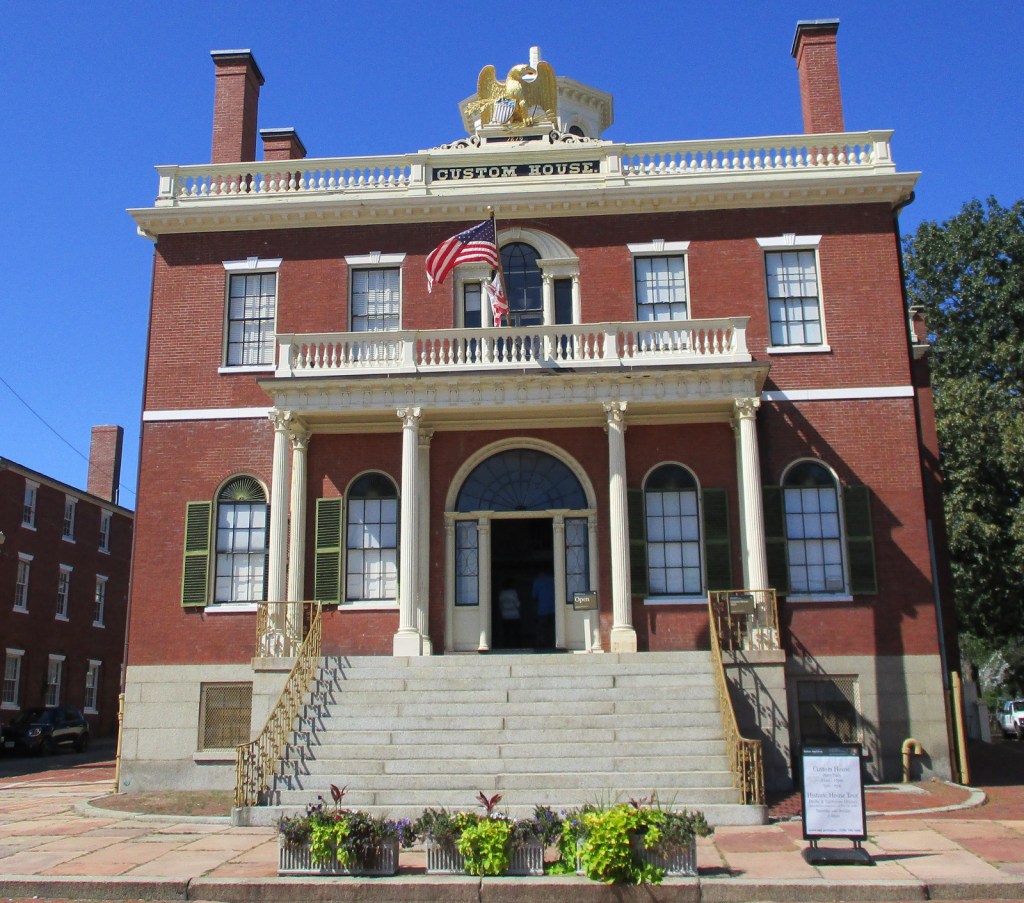
The 1819 Custom House is where novelist Nathaniel Hawthorne worked between 1846-48.  The original rooftop eagle carved in 1826 is housed inside, but a replica stands in its place.
Peak Season

Summer

Hours

https://www.nps.gov/sama/planyourvisit/hours.htm

Fees

None

Road Conditions

All roads paved, but only street parking is available.

Camping

Harold Parker State Forest has a large campground located approximately 10 miles northwest of Salem, Massachusetts.

Related Sites

Boston National Historical Park (Massachusetts)

New Bedford Whaling National Historical Park (Massachusetts)

Lowell National Historical Park (Massachusetts)

Nearest National Park

Acadia

Explore More – Who was the shipping merchant who became one of America’s first millionaires and whose house is now part of Salem Maritime National Historical Park?

Lake Mead National Recreation Area

Overview

In 1964, Lake Mead became the first National Recreation Area administered by the National Park Service (NPS).  It actually encompasses two reservoirs on the Colorado River: Lake Mead formed by Boulder Dam in 1936 and (further south) Lake Mohave formed by Davis Dam in 1951.  Boulder Dam was later renamed Hoover Dam and is one big reason this is among the busiest NPS sites with about 7-million annual visitors (also partly due to its proximity to Las Vegas, Nevada).

Highlights

Hoover Dam, Northshore Road, Redstone Trail, Arizona Hot Springs, boating

Must-Do Activity

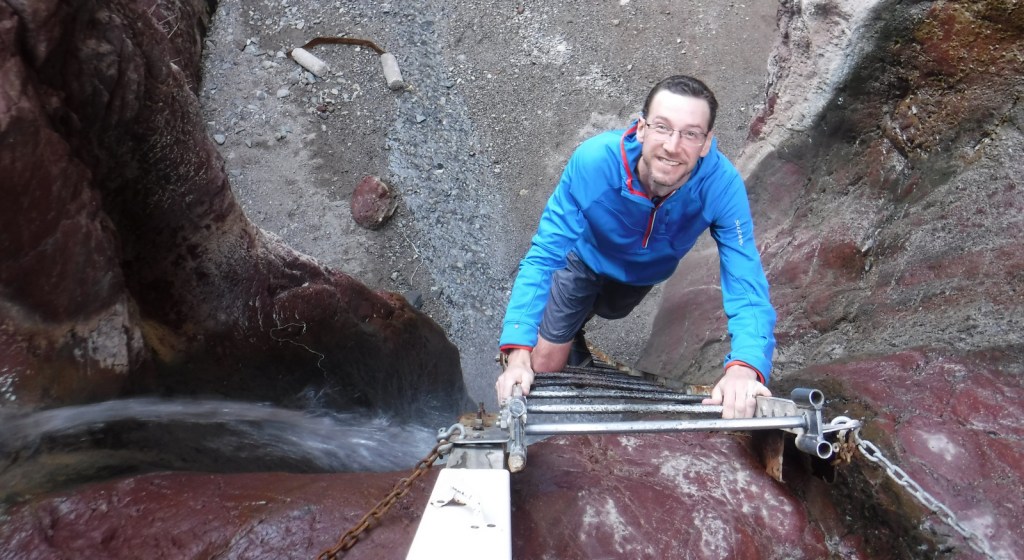
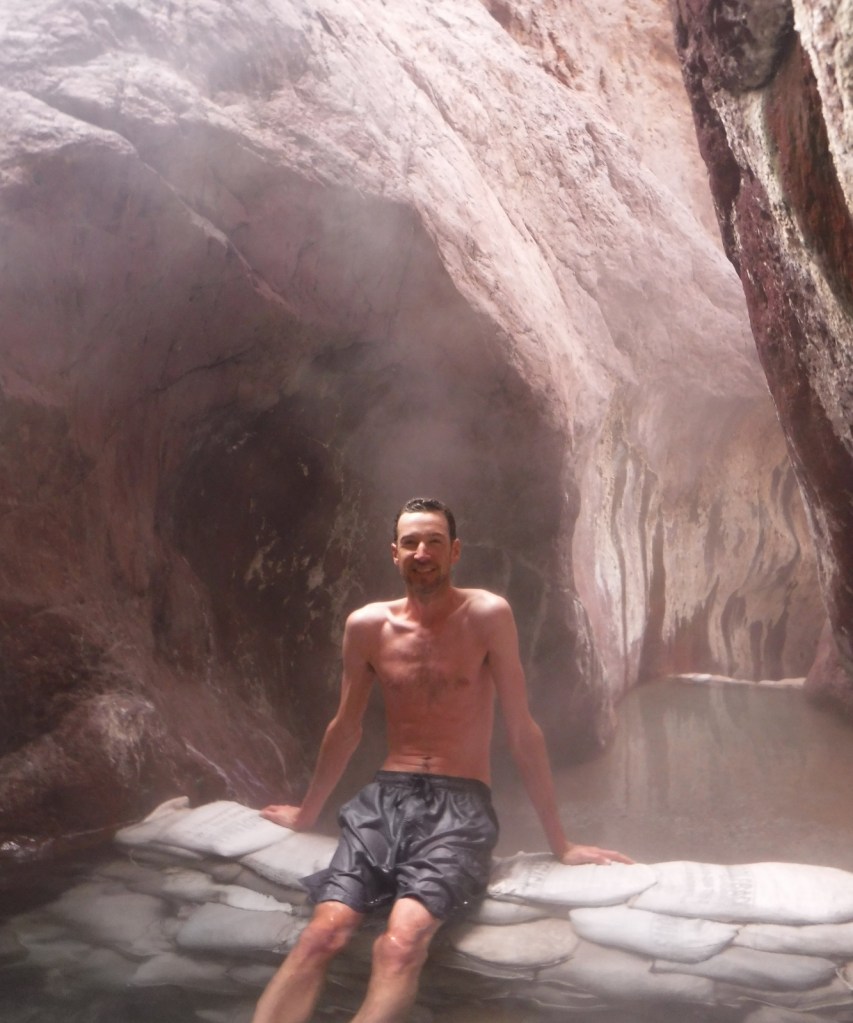
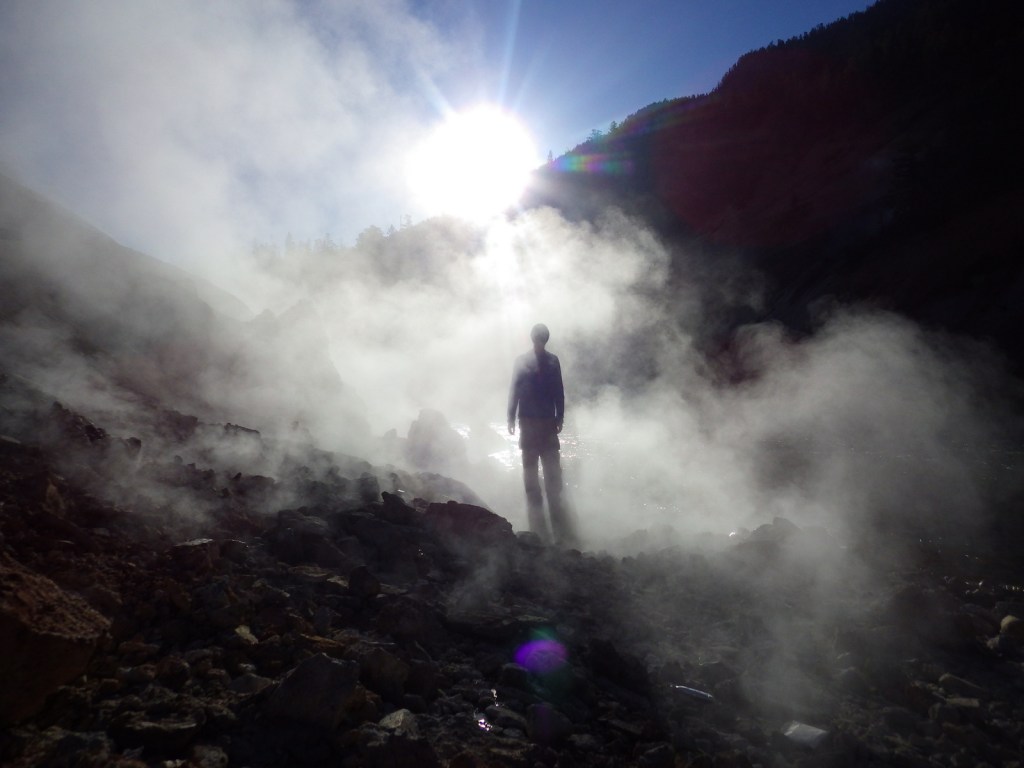
The most fantastic destination in Lake Mead National Recreation Area is Arizona Hot Springs, where pools are formed by sandbags in a narrow canyon.  It is accessible from Liberty Bell Trailhead by a 6.5-mile roundtrip hike through a beautiful canyon down to the Colorado River.  The trail is closed during the hot summer months, but you can still access it by canoe or kayak from Willow Beach Marina or just downstream from the Hoover Dam (with a special permit). Downriver in Black Canyon, stop at Emerald Cove for incredible photographs.

Best Trail

Redstone Trail is a short loop hike through a fantastic red rock area found just off North Shore Drive.  It is similar to the photogenic Valley of Fire State Park located to the north.

Instagram-worthy Photo

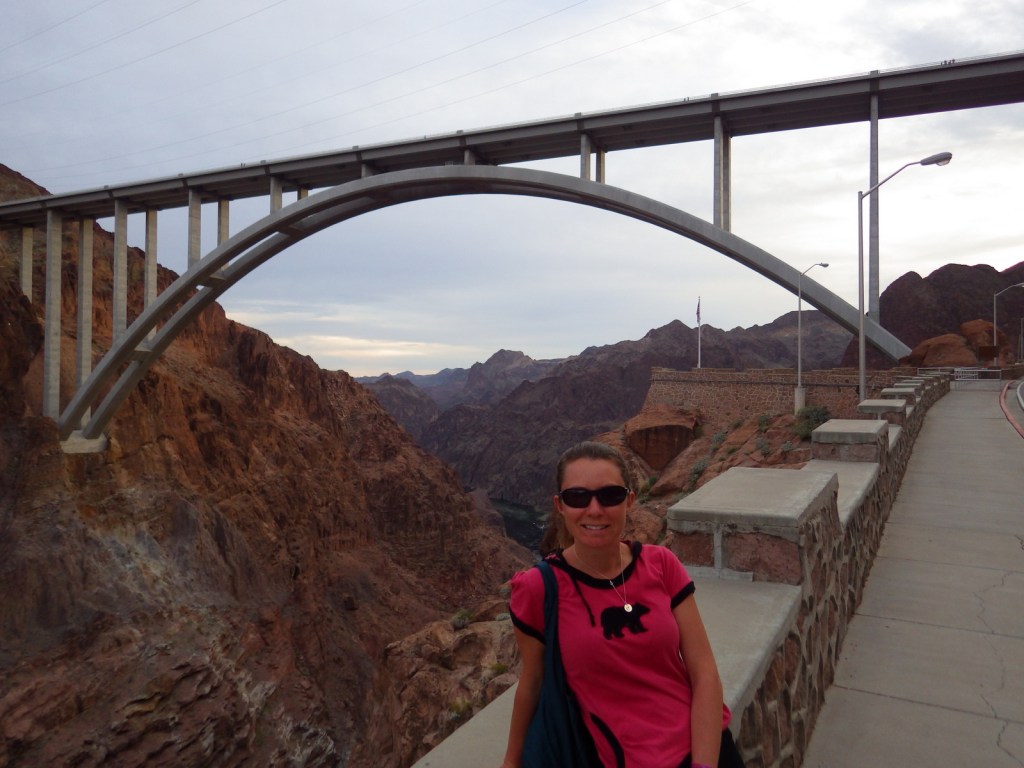
The area around the Hoover Dam can get very crowded, as can the outstanding overlook on the 1,900-foot long Pat Tillman Memorial Bridge (completed in 2010 to route Highway 93 traffic off the dam).  Standing 890-feet above the river below, it ranks as the second highest bridge in the United States behind Colorado’s Royal Gorge Bridge.  Be prepared to pass through a security screening if you park at the bridge or Hoover Dam.

Peak Season

Spring and fall

Hours

https://www.nps.gov/lake/planyourvisit/hours.htm

Fees

$25 per vehicle or America the Beautiful pass to access Willow Beach Marina or Lake Mead itself.  At Hoover Dam there is free parking on the Arizona side, but fees for the museum and tours.

Road Conditions

All major roads are paved, including the steep drive down to Willow Beach Marina, which also has a fish hatchery open to visitors.

Camping

There are multiple NPS campgrounds around the perimeter of Lake Mead and Lake Mohave.  Backcountry camping is allowed without a permit at Arizona Hot Springs, which is even more spectacular after dark.

Related Sites

Grand Canyon National Park (Arizona)

Glen Canyon National Recreation Area (Arizona-Utah)

Tule Springs Fossil Beds National Monument (Nevada)

Explore More – Lake Mead is not often filled to capacity, so when was the last time its spillways were needed during a big snowmelt year?
Missouri National Recreational River

Overview

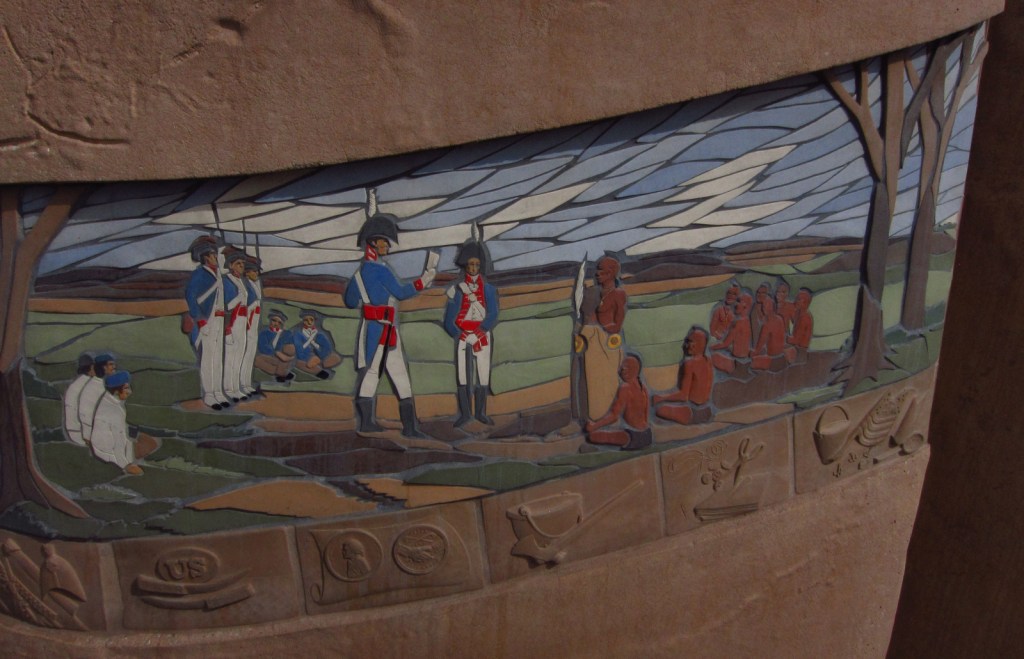
Forming the border of Nebraska and South Dakota, the Missouri National Recreational River was originally designated in 1978, but only 300 of its 34,128 acres are managed by the National Park Service (NPS).  Its lower segment runs 59 miles from the Gavins Point Dam to Ponca State Park.  More than a decade later, a 39-mile stretch was added from the Fort Randall Dam to Niobrara State Park, and includes 20 miles of the Lower Niobrara River (which is itself designated a National Scenic River upstream).  The section of river in between is a 29-mile long reservoir known as Lewis and Clark Lake, named for the explorers that led the Corps of Discovery up this section of river in August-September 1804.

Highlights

Lewis and Clark Visitor Center, Gavins Point National Fish Hatchery and Aquarium, boating, fishing

Must-Do Activity

Most visitors come for the boating and fishing opportunities along the Missouri River.  If you are well-prepared, canoeing can be a fun way to experience these two relatively free-flowing sections of river.  The NPS and U.S. Army Corps of Engineers (COE) manage the Lewis and Clark Visitor Center near Yankton, South Dakota, which, in addition to dam tours, offers the Gavins Point National Fish Hatchery and Aquarium.

Best Trail

The 4,400-mile long Lewis and Clark National Historical Trail tracks through here, but since the Corps of Discovery used the Missouri River as their path, there is no hiking trail to follow.

Instagram-worthy Photo

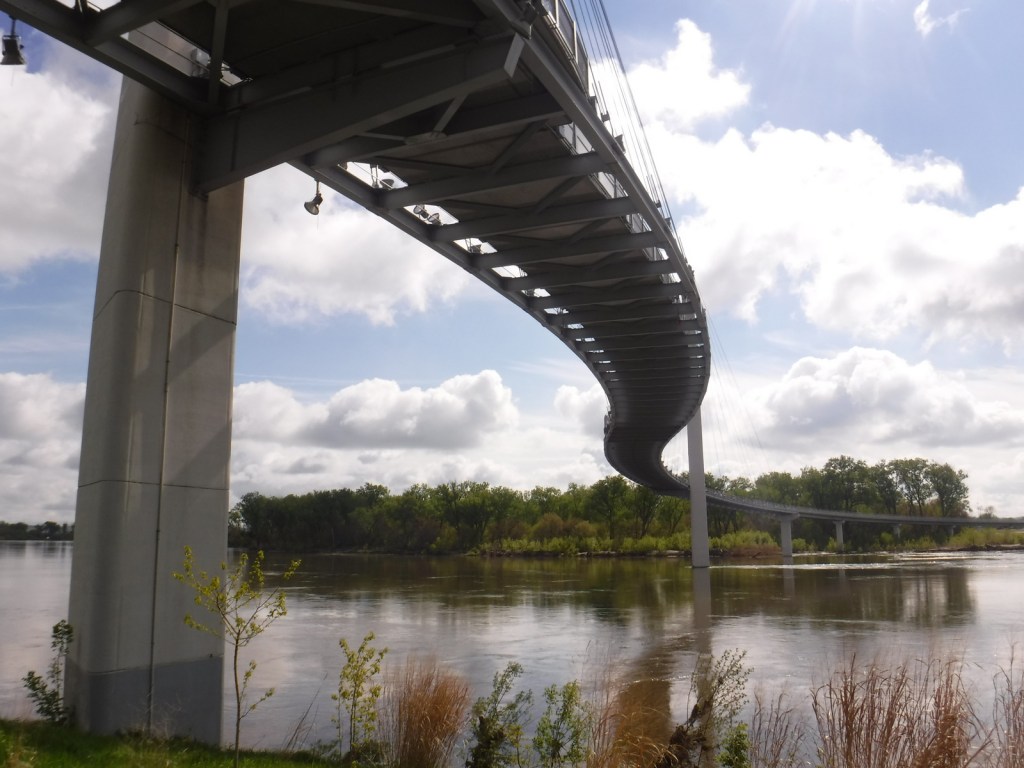
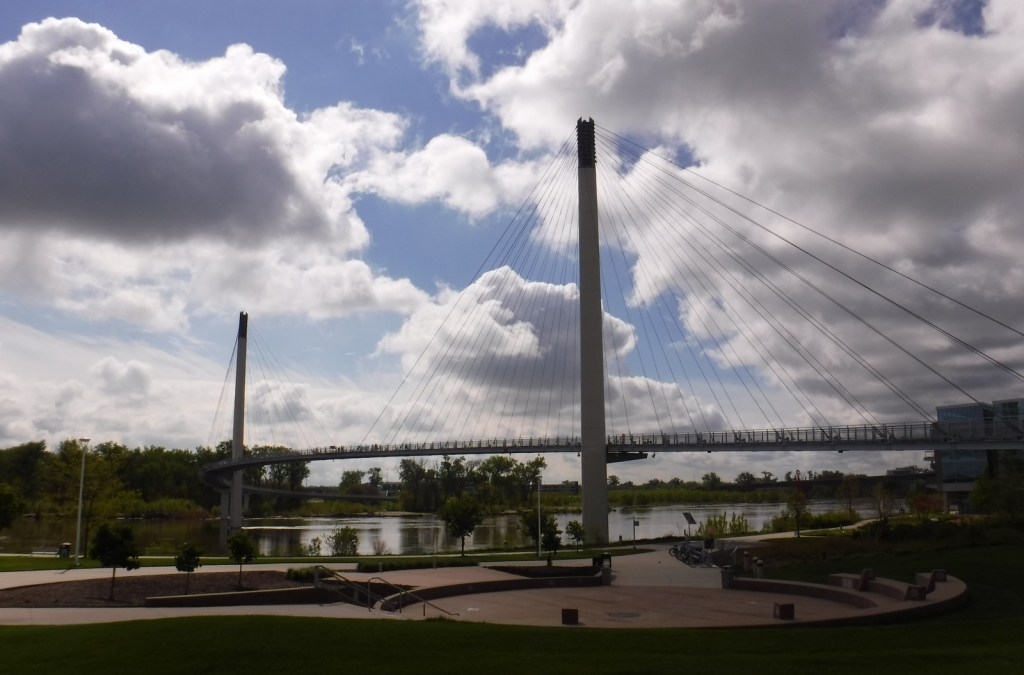
There are several great museums along the Missouri River section of the Lewis and Clark National Historical Trail.  Our favorite is the NPS headquarters for the trail in Omaha, Nebraska, which has the beautiful Bob Kerrey Pedestrian Bridge across the river connecting to Iowa.  If you drive over to Council Bluffs, do not miss the free museum at the Western Historic Trails Center.

Peak Season

Summer

Hours

https://www.nps.gov/mnrr/planyourvisit/hours.htm

Fees

None for the NPS unit, but the state parks charge admission.

Road Conditions

Roads to the state parks and visitor centers are paved, but there are many dirt roads that access boat launches along the river.

Camping

Niobrara State Park and Ponca State Park both have more than 100 campsites with running water.  The COE also operates campgrounds near its dams.

Related Sites

Niobrara National Scenic River (Nebraska)

Knife River Indian Villages National Historic Site (North Dakota)

Lewis and Clark National Historical Park (Oregon-Washington)

Explore More – In the aftermath of several devastating floods, when did Congress enact the Flood Control Act to construct five dams along the Missouri River?

Saint Paul’s Church National Historic Site

Overview

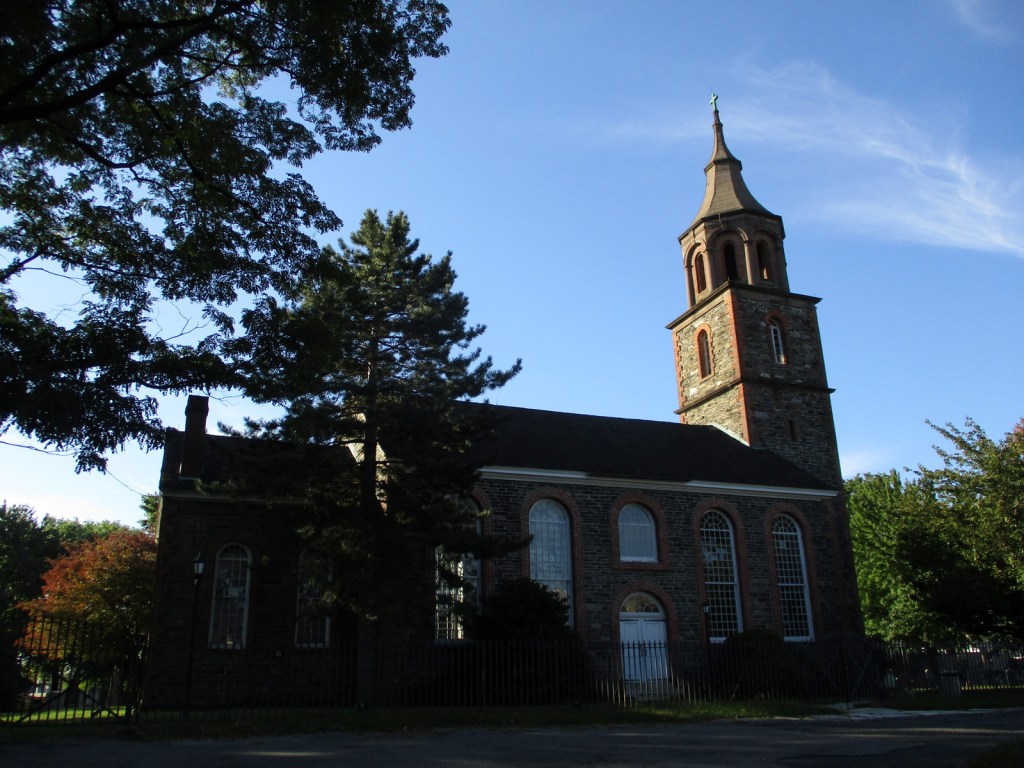
St. Paul’s parish in Mount Vernon, New York dates back to 1665, with the first church constructed in 1700.  It was deconsecrated so the federal government could take ownership in 1980.  This was the site of an important election in 1733 when Quakers were prohibited from voting, which led to a change in the law the next year.  That election was covered in a newspaper opposed to Royal Governor William Cosby that subsequently went to court for libel, in a trial that helped established the freedom of the press in America.

Highlights

Church tour, 1833 pipe organ, film, cemetery

Must-Do Activity

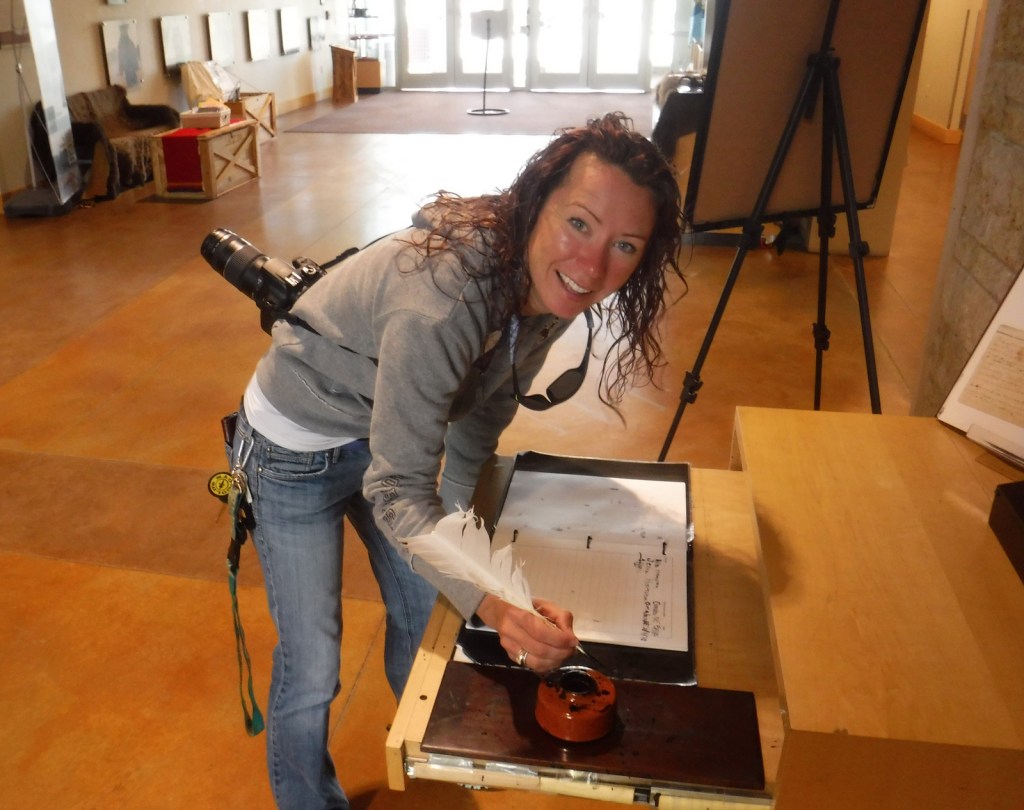
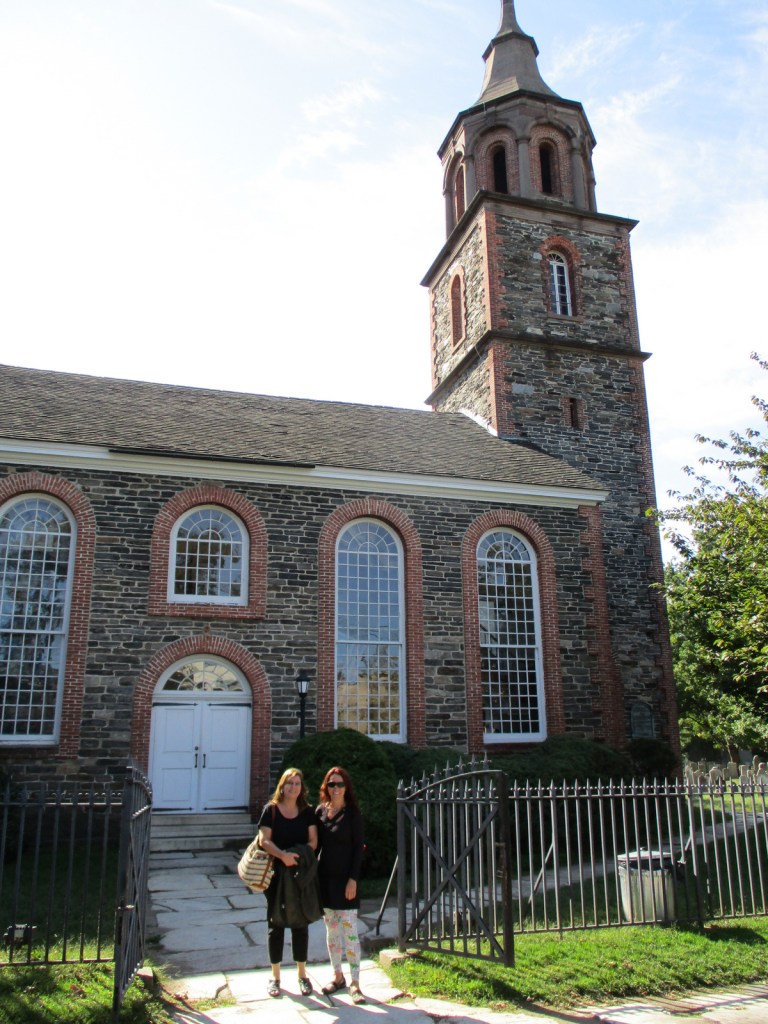
Start your visit at the former carriage shed-parish hall where there is a small museum and a short film about the church’s historical significance.  A volunteer will then give you a guided tour of the church that was built between 1763-87, interrupted by the American Revolution.  In 1942, the pews were restored to their original configuration based on a historical document.  If you are lucky, your guide will play the 1833 pipe organ and let you ring the bronze bell that was cast in 1758 at the same foundry in London that made the Liberty Bell.  We met fellow National Park blogger Theresa here on a Saturday morning in September 2019.  She posted about the visit on her excellent blog National Parks with T.

Best Trail

None, but you can walk next door to Dunkin Donuts if you arrive before the site opens.

Instagram-worthy Photo

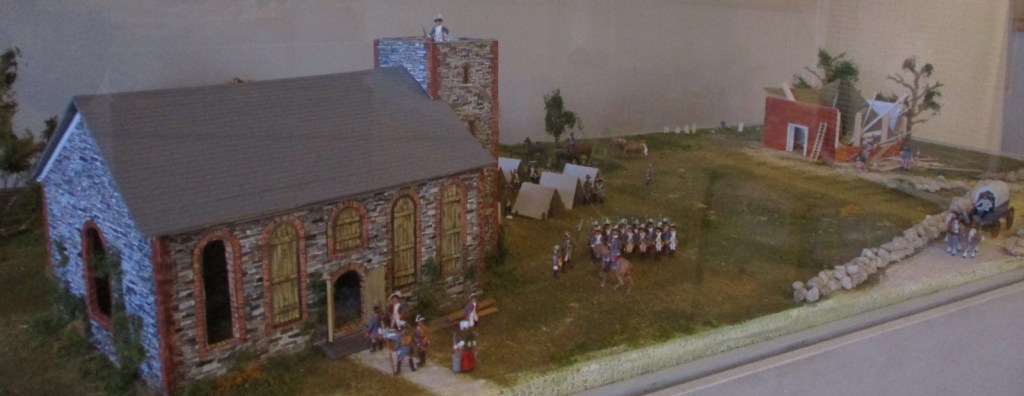
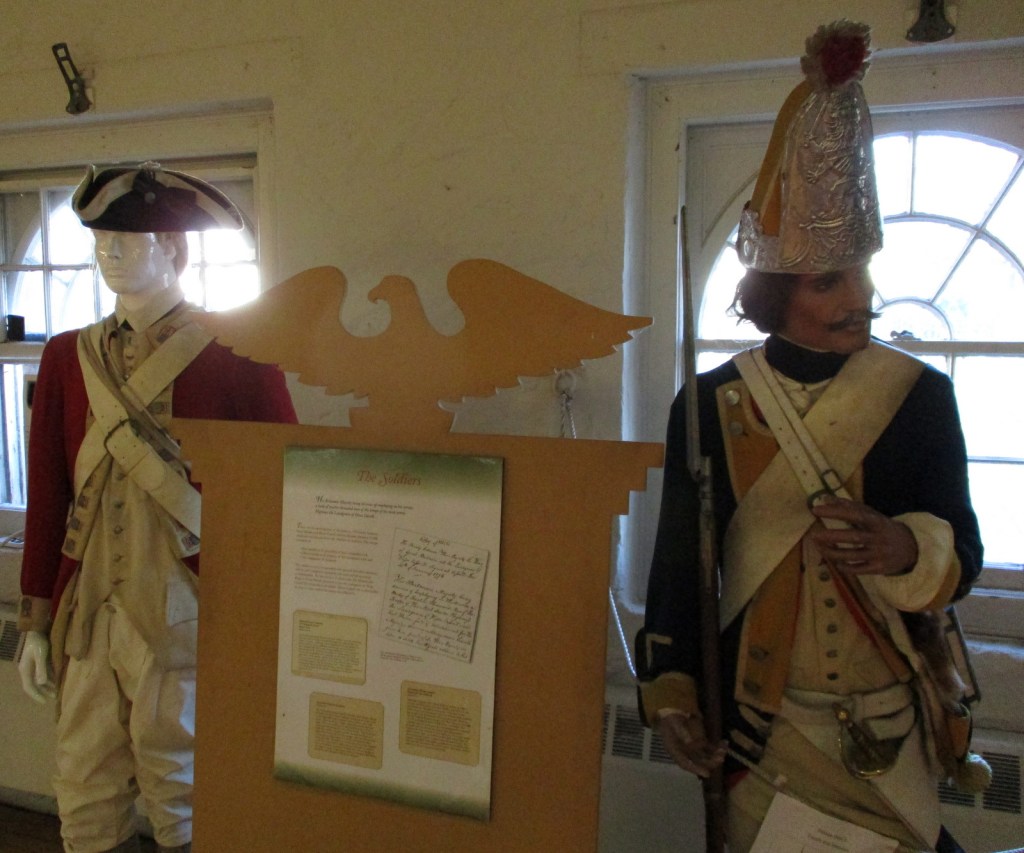
St. Paul’s cemetery covers five acres and contains about 9,000 graves, dating back to 1704.  Your guide will spend a bit of time covering some famous ones, but be sure to seek out the common grave for Hessian soldiers that used the church as a hospital following the October 1776 Battle of Pell’s Point (fought a mile from here).

Peak Season

Summer

Hours

https://www.nps.gov/sapa/planyourvisit/hours.htm

Fees

None

Road Conditions

There is a small parking lot on site, which is far enough outside Manhattan that driving is feasible.  We took the subway and had a short walk through an industrial neighborhood.

Camping

None

Related Sites

Saratoga National Historical Park (New York)

African Burial Ground National Monument (New York)

Morristown National Historical Park (New Jersey)

Explore More – Who was the New York City publisher who in 1733 printed the inaugural issue of the New York Weekly Journal that later went to trial for libel?

Top 10 National Parks with Designated Backcountry Campsites

We love backpacking and America’s National Parks are some of the most scenic places for it.  We previously posted our Top 10 National Park Service units that allow dispersed backpack camping, so this is our corollary list.  These are some of our favorite spots to spend a night in the backcountry.  They nearly all require permits (some take reservations), so check the regulations before you go.  Remember to practice Leave No Trace principles, as not all of these backcountry campsites offer toilets.

10. Rocky Mountain National Park (Colorado)

Campsites are mostly in the forest and not very scenic, but there is a great trail system connecting them.

9. Canyonlands National Park (Utah)

Backcountry permits are expensive and hard to get in the lottery, which indicates they are worth it.

8. Isle Royale National Park (Michigan)

Backpacking is the main attraction to this large island surrounded by Lake Superior; come prepared for bugs.

7. Big Bend National Park (Texas)

There are multiple ecosystems to explore from the Rio Grande and the Chihuahuan Desert all the way up to the pine forest.

6. North Cascades National Park (Washington)

Expect to gain (and lose) elevation on the trails in this mountainous wilderness park.

5. White Sands National Park (New Mexico)

With no campground, this is the only way to spend the night in America’s newest National Park.

4. Apostle Islands National Lakeshore (Wisconsin)

A sea kayak is recommended to access the island campsites dispersed in Lake Superior.

3. Yellowstone National Park (Wyoming)

While the campgrounds are full all summer, you can typically get a walk-in permit to backpack.

2. Everglades National Park (Florida)

Paddle your way to spend the night atop a chickee and you will never forget the experience.

…and finally our #1 park with designated backcountry campsites!

1. Klondike Gold Rush National Historical Park (Alaska)

Climbing the Golden Stairs up the Chilkoot Trail is a bucket list-worthy endeavor.

Honorable Mentions

Voyageurs National Park (Minnesota)

There are many boat-in campsites on the lakes and also the 28-mile Kab-Ash Trail on the mainland.

Glacier National Park (Montana)

Most trails gain significant elevation, but that is not a problem if you camp on the shores of Lake McDonald.

Guadalupe Mountains National Park (Texas)

The steep hike up to Guadalupe Peak is popular, but much of this park is not as well-traveled.