Flight 93 National Memorial

Overview

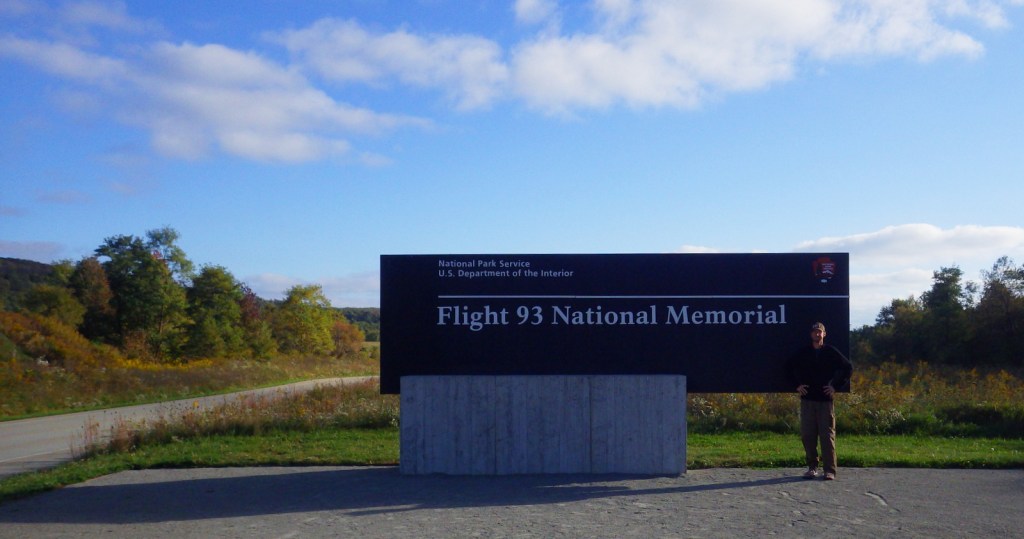
One of the most emotionally difficult places we have ever visited is the Flight 93 National Memorial in southwest Pennsylvania.  Most readers remember the details of September 11, 2001 vividly and the feelings of that day still resonate.  Thanks to the courage of the 40 passengers and crew aboard United Flight 93, the airplane crashed only 18 minutes short of its target in Washington, D.C.

Highlights

Museum, Memorial Plaza, Wall of Names

Must-Do Activity

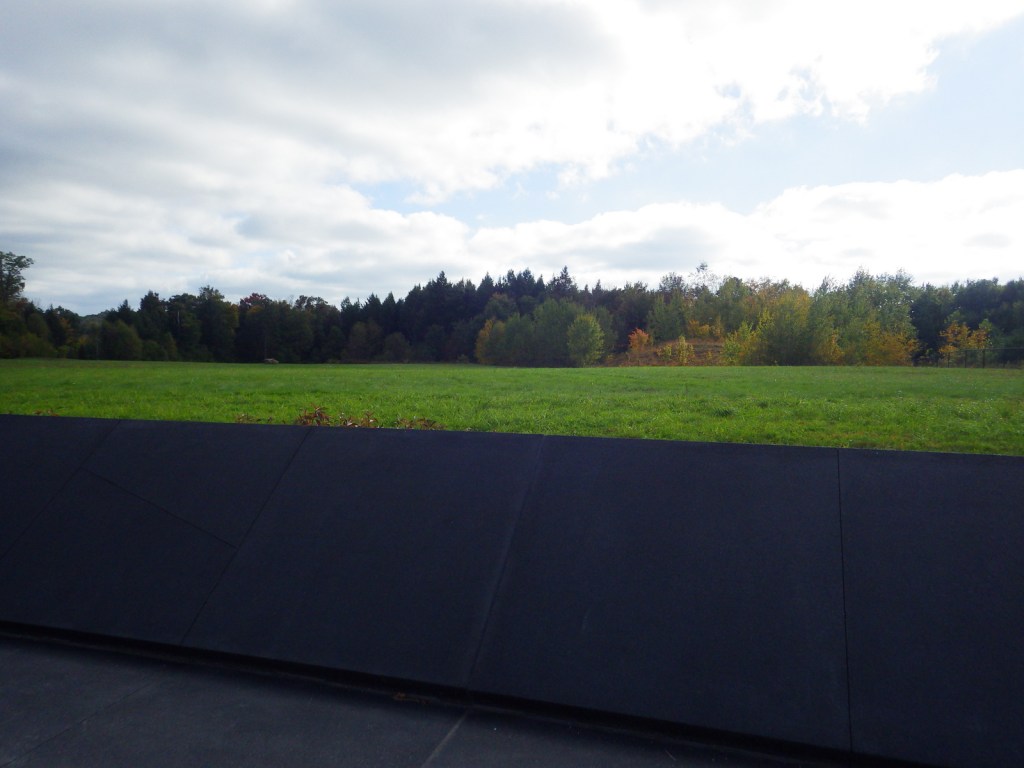
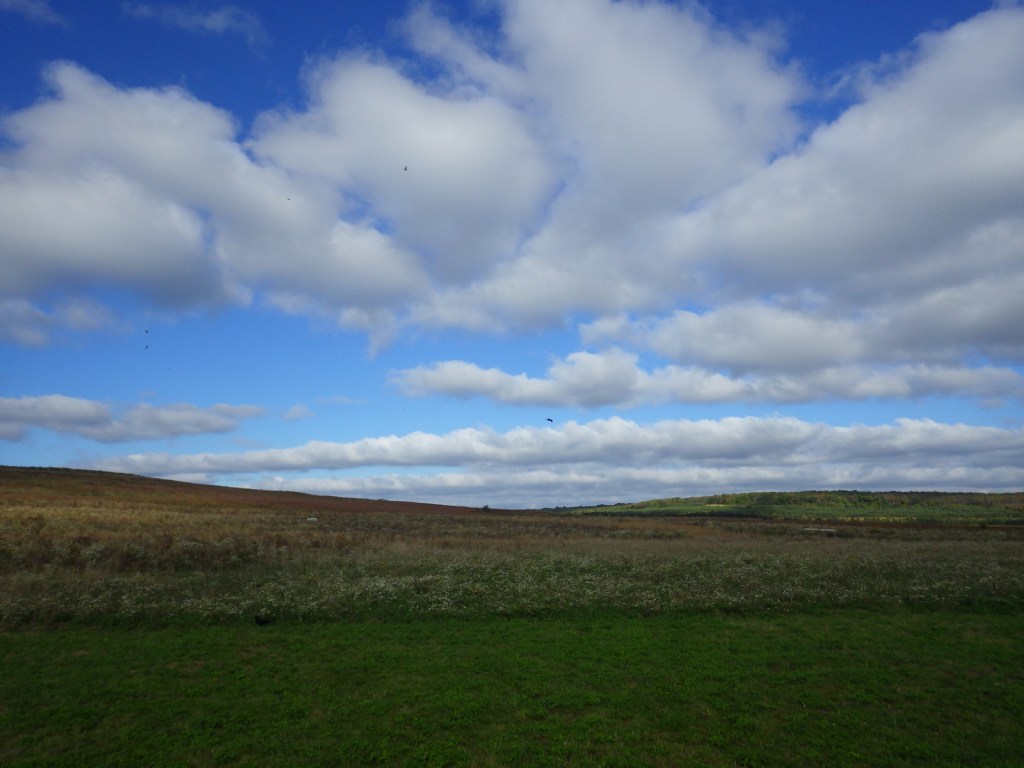
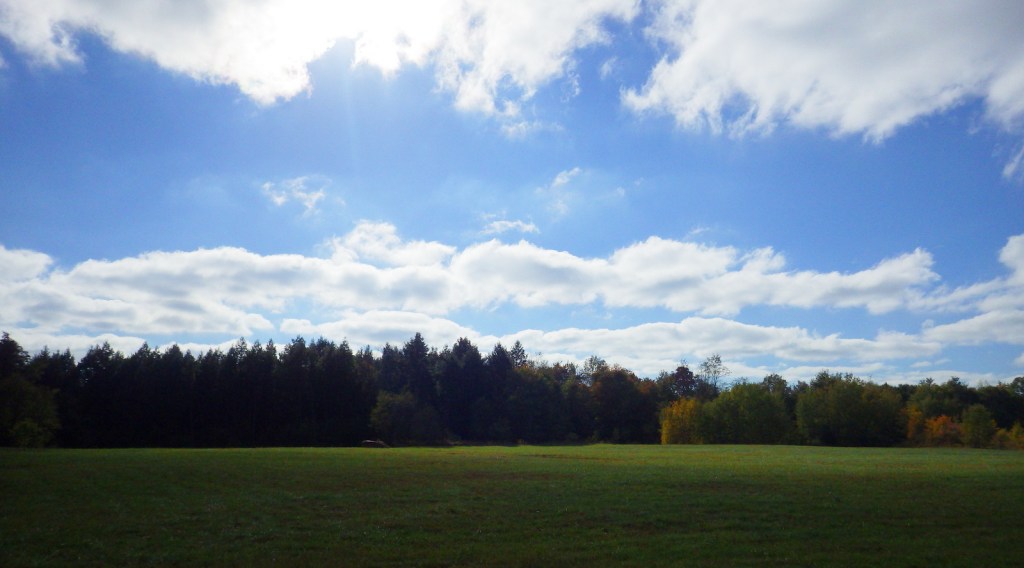
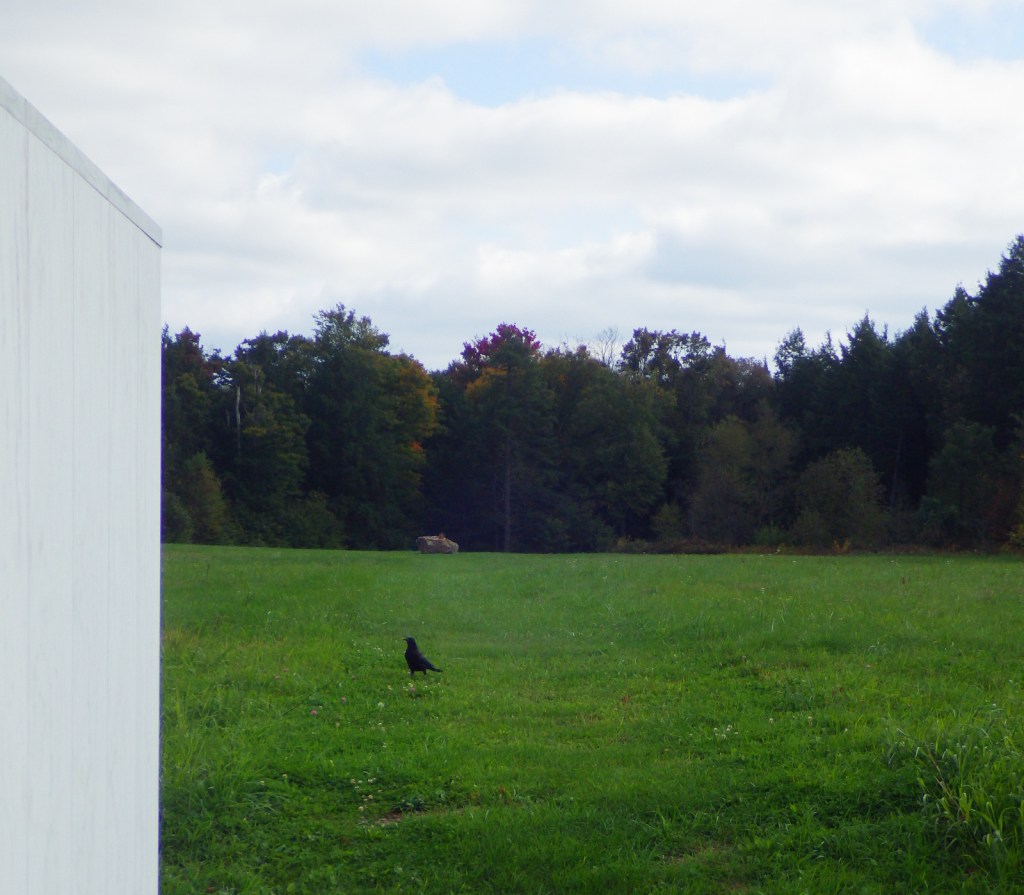
Even if you never saw the Hollywood film, the story of Flight 93 is well known.  The National Park Service (NPS) has put together a high-quality museum near the airplane crash site and the memorial itself is simple yet strong.  One wall is inscribed with this excellent quote: “A common field one day.  A field of honor forever.”  The focus is on the bravery of the 33 passengers and seven crew members that stood up to the four hijackers that tragic morning.  Since it is essentially a mass grave, the actual crash site is off limits except to family members of the victims, but it is marked by a large boulder visible from the Memorial Plaza.  We left after our visit feeling both saddened and empowered.

Best Trail

An allée (formal walkway) leads from the NPS visitor center past the 40 Memorial Groves of trees (planted in 2012) to the Memorial Plaza and the Wall of Names.  You can also drive to the parking lot at the visitor shelter next to the Memorial Plaza.

Instagram-worthy Photo

The names of the Flight 93 passengers and crew are on the 40 marble panels of the Wall of Names (the NPS visitor center is visible in the background).

Peak Season

Summer and the September anniversary

Hours

https://www.nps.gov/flni/planyourvisit/hours.htm

Fees

None

Road Conditions

All roads paved

Camping

We camped on state forest land near Stoystown, Pennsylvania.

Related Sites

Johnstown Flood National Memorial (Pennsylvania)

Fort Necessity National Battlefield (Pennsylvania)

Gettysburg National Military Park (Pennsylvania)
Explore More – Where was the United Airlines flight from Newark, New Jersey bound for on September 11, 2001?
Top 20 National Park Service sites for Photography

The National Park Service (NPS) manages some of the most photogenic places on the planet, so this was our hardest Top 10 List to choose.  Instead, for the first time we ranked the top 20!  We will be separately ranking the top 20 of the 63 National Parks for photography, since we had a difficult time even paring that list down.  Imagine how hard it was to choose from the other 360 NPS sites. Click here to see all of our Top 10 Lists.

10. Canyon de Chelly National Monument (Arizona)

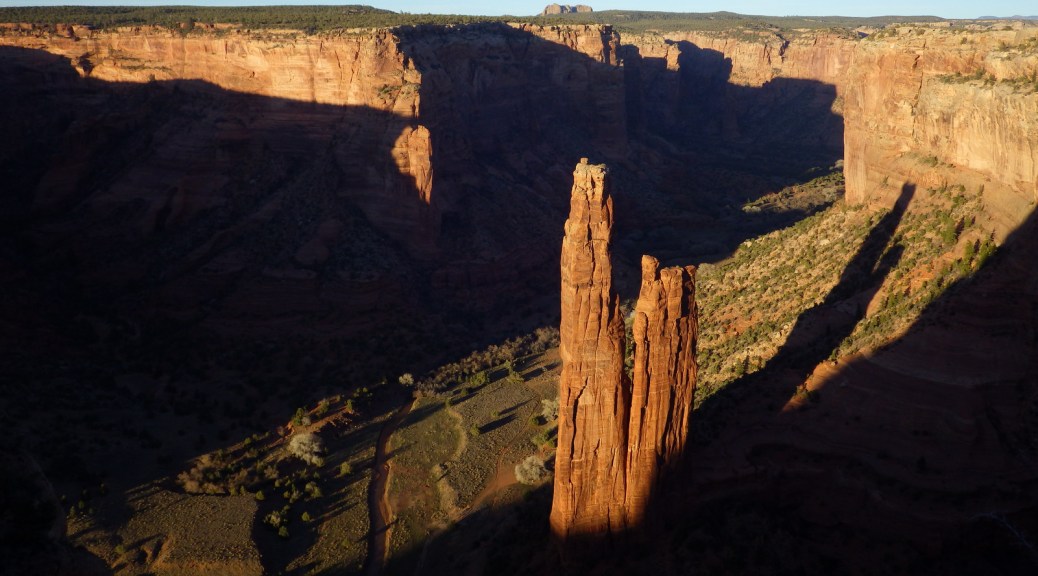
Spider Rock alone would make it worth the trip, but ruins and petroglyphs add to its splendor

9. Christiansted National Historic Site (U.S. Virgin Islands)

Yellow paint makes the architecture pop at this Caribbean seaside fort

8. Apostle Islands National Lakeshore (Wisconsin)

Sea caves and numerous lighthouses are found on the shores of Lake Superior

7. Devils Postpile National Monument (California)

The hexagonal posts are neat and Rainbow Falls is stunning

6. Chiricahua National Monument (Arizona)

Fantastic rock formations abound, including one in the shape of a rubber duck

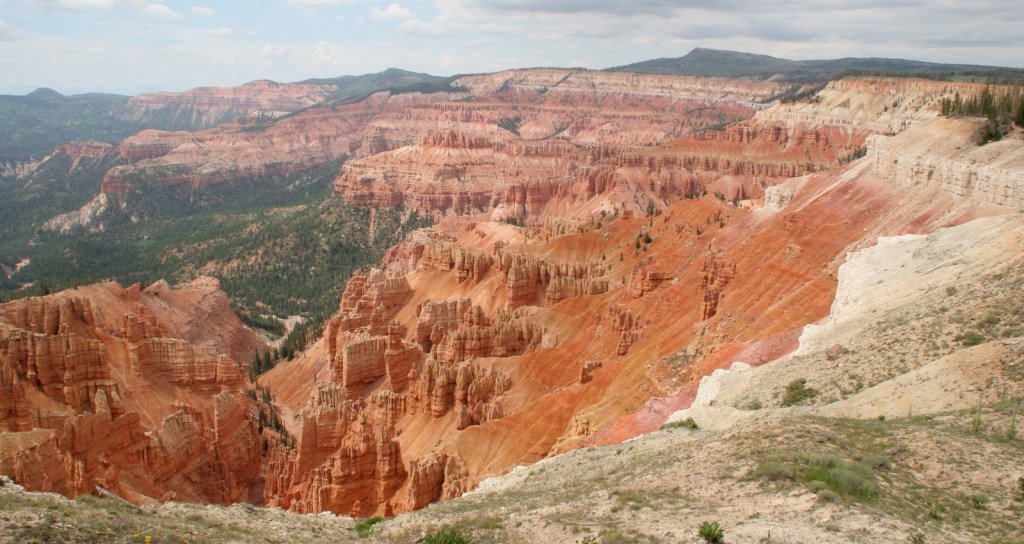
5. Cedar Breaks National Monument (Utah)

A mini-Bryce Canyon National Park with gnarly Great Basin bristlecone pine trees

4. Lake Mead National Recreation Area (Nevada-Arizona)

The Hoover Dam, Redstone Trail, Emerald Cove, Sauna Cave, and Pat Tillman Memorial Bridge!

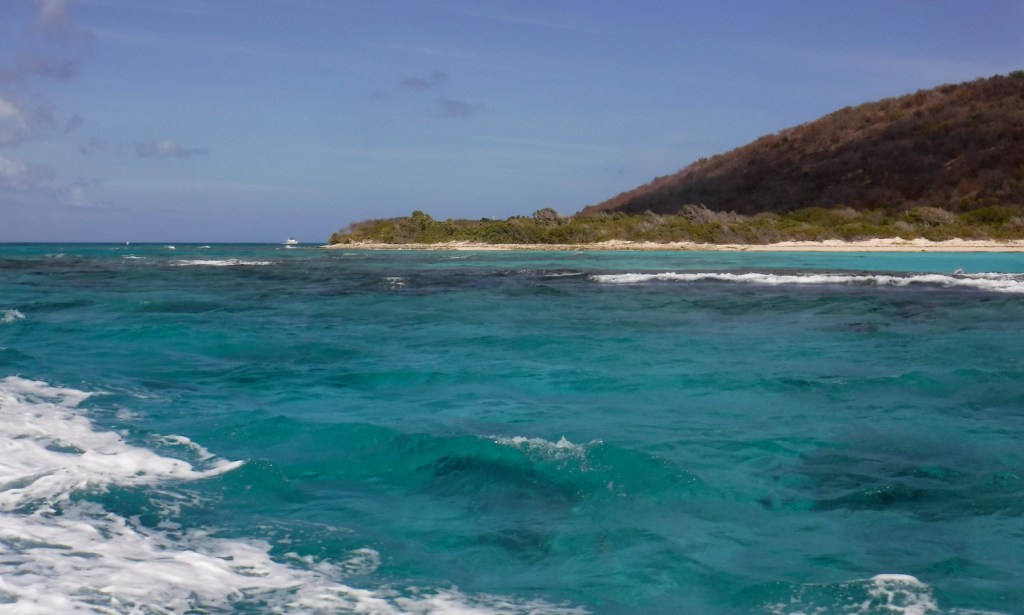
3. Buck Island National Monument (U.S. Virgin Islands)

Incredibly clear water and a healthy coral reef make this the best place for an underwater camera

2. John Day Fossil Beds National Monument (Oregon)

The Painted Hills’ surreal colors are Instagram-worthy, but so is the blue soil at Blue Basin

…and finally the #1 NPS site for Photography:

1. Chaco National Historical Park (New Mexico)

High walls of these Ancestral Puebloan ruins are still standing, plus watch for elk, lizards, and ravens

The Next 10

11. Pictured Rocks National Lakeshore (Michigan)

12. City of Rocks National Reserve (Idaho)

13. Lowell National Historical Park (Massachusetts)

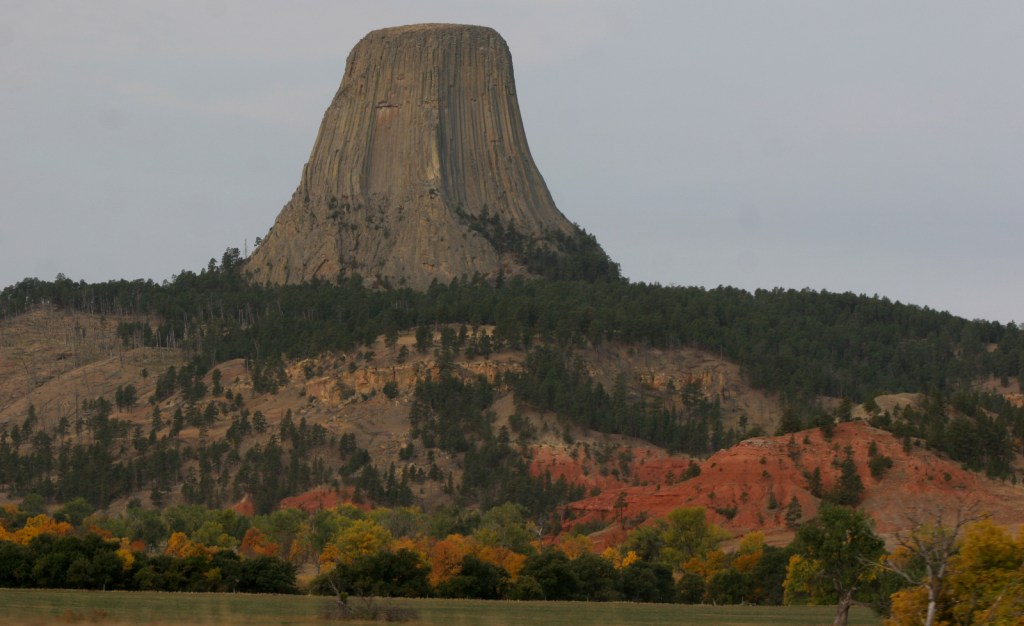
14. Devils Tower National Monument (Wyoming)

15. Bent’s Old Fort National Historic Site (Colorado)

16. National Mall (District of Columbia)

17. Fort Davis National Historic Site (Texas)

18. Point Reyes National Seashore (California)

19. Oregon Caves National Monument and Preserve (Oregon)

20. (tie) Cape Hatteras and Cape Lookout National Seashores (North Carolina)

Canyon de Chelly National Monument

Overview

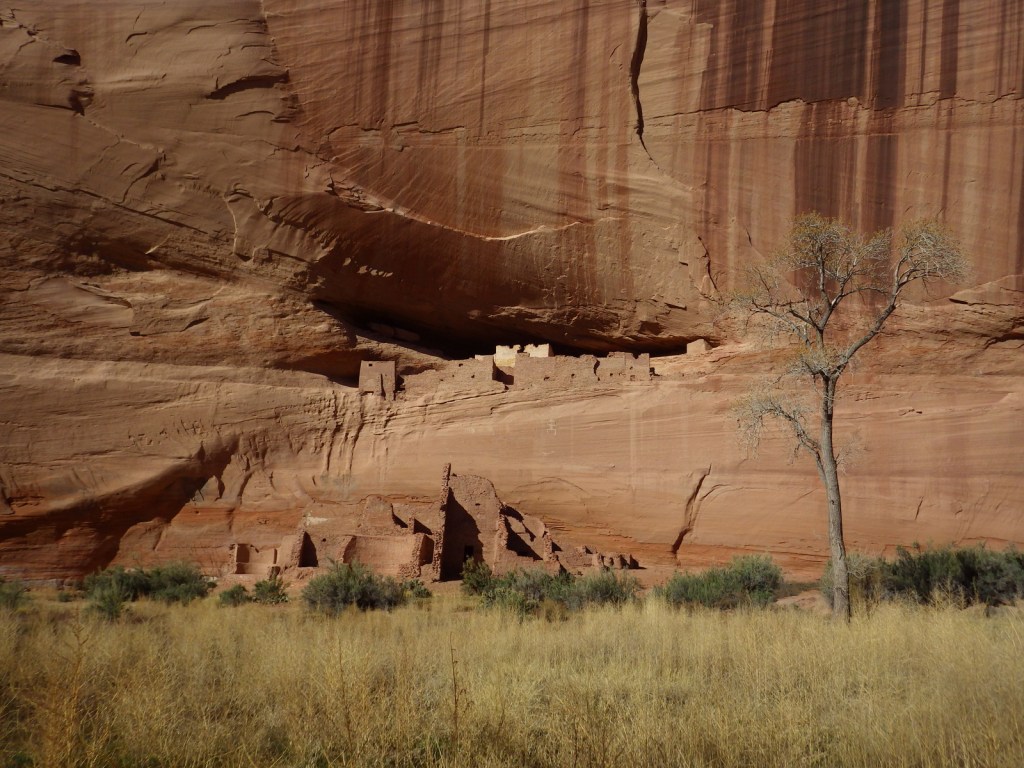
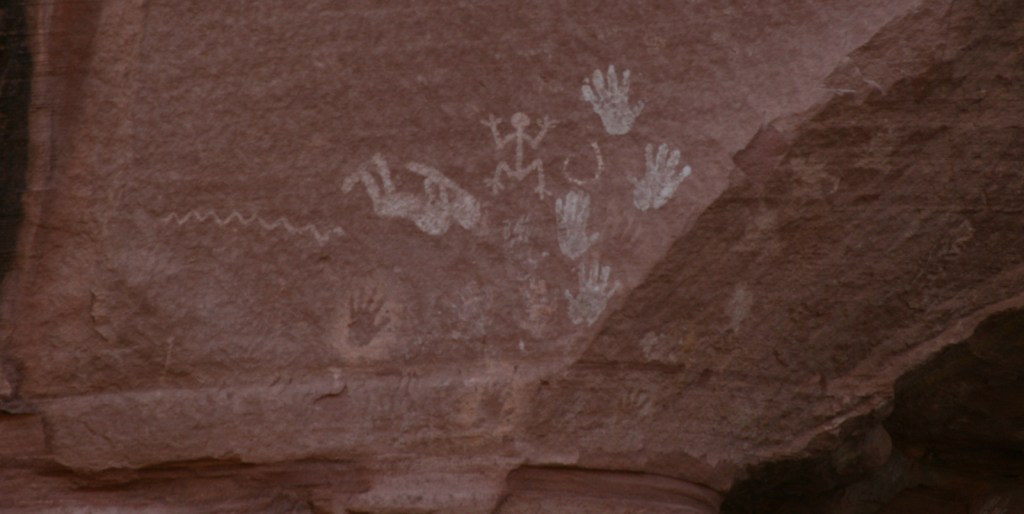
In the heart of the Navajo Nation in northeast Arizona lies Canyon de Chelly National Monument.  Humans have inhabited this area for 4,500 years, leaving behind numerous pictographs and the dramatic ruins of Ancestral Puebloan cliff dwellings.  The Navajo arrived in this region around AD1700 with sheep they gained from Spanish colonists which they utilized to weave intricate wool blankets.  Wars with the Utes, Spanish, Mexicans, and then U.S. government eventually led to their forced migration (“The Long Walk”) to Bosque Redondo in New Mexico around 1864.

Highlights

Spider Rock Overlook, White House Ruin, guided vehicle tours, horseback tours

Must-Do Activity

Four years after being forced to the uninhabitable Bosque Redondo, the Navajo were granted the largest reservation in the country and families still inhabit Canyon de Chelly (pronounced “d’shay”) to this day.  The 84,000-acre National Monument is administered cooperatively with the National Park Service (NPS).  However, entrance into the canyon is limited to guided trips and one publicly accessible trail that drops 500 feet to White House Ruin.  Overlooks along the North and South Rim Drives (17 and 18 miles respectively) are free and open year-round, though.  It not only seems like everything runs on a different clock here, but, unlike the rest of Arizona (and now New Mexico), the Navajo Nation observes Daylight Savings Time, so is always an hour later in the summer months (the same time as New Mexico until the fall).

Best Trail

White House Ruin was inhabited AD1060-1275 and is named for the white plaster used to coat the wall in the upper dwelling.  The 2.5-mile roundtrip White House Trail drops down the canyon wall and cuts through a tunnel.

Instagram-worthy Photo

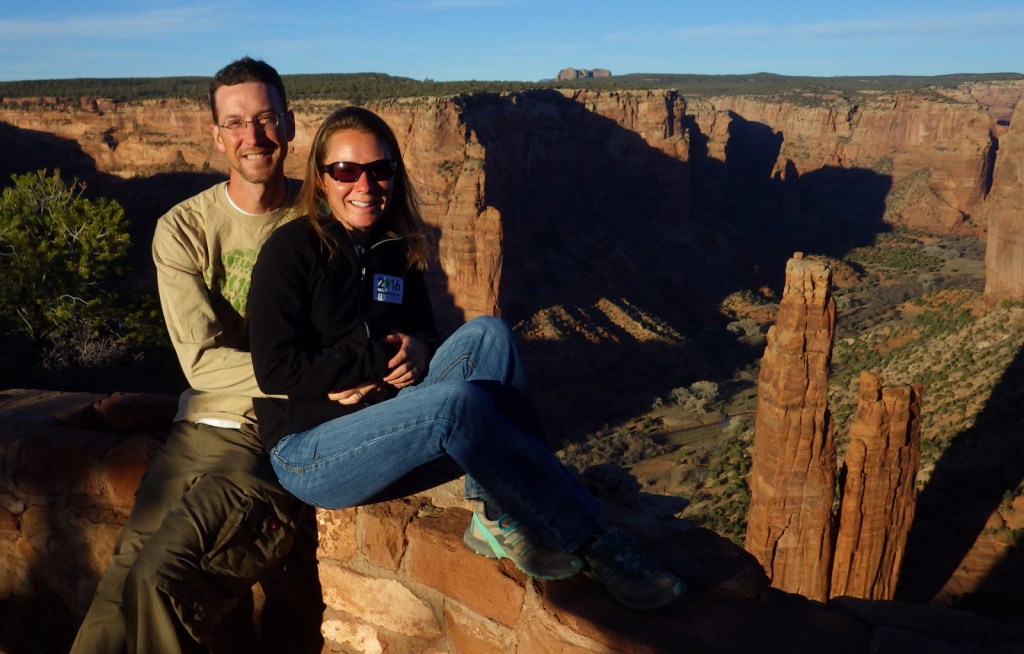
At the end of South Rim Drive is 800-foot tall Spider Rock, a great spot to watch the sun set, which is an ideal time to photograph the canyon’s red sandstone walls.

Peak Season

Summer

Hours

https://www.nps.gov/cach/planyourvisit/hours.htm

Note that there is typically a time difference because Arizona and New Mexico do not observe Daylight Savings Time.

Fees

There is no entrance fee for the North and South Rim Drives, but guided tours into the canyon do charge admission.

Road Conditions

All roads open to the public are paved, but guided tours can be very bumpy since they use the canyon bottom as a road.

Camping

The NPS runs Cottonwood Campground with 96 spaces (and running water in the summer) in a grove of Fremont cottonwood trees that turn yellow in the late autumn.  Guided camping trips in the canyon are also available.

Related Sites

Grand Canyon National Park (Arizona)

Navajo National Monument (Arizona)

Hubbell Trading Post National Historic Site (Arizona)

Explore More – How many millions of years ago did sand dunes turn into Canyon de Chelly’s red sandstone?

Bighorn Canyon National Recreation Area

Overview

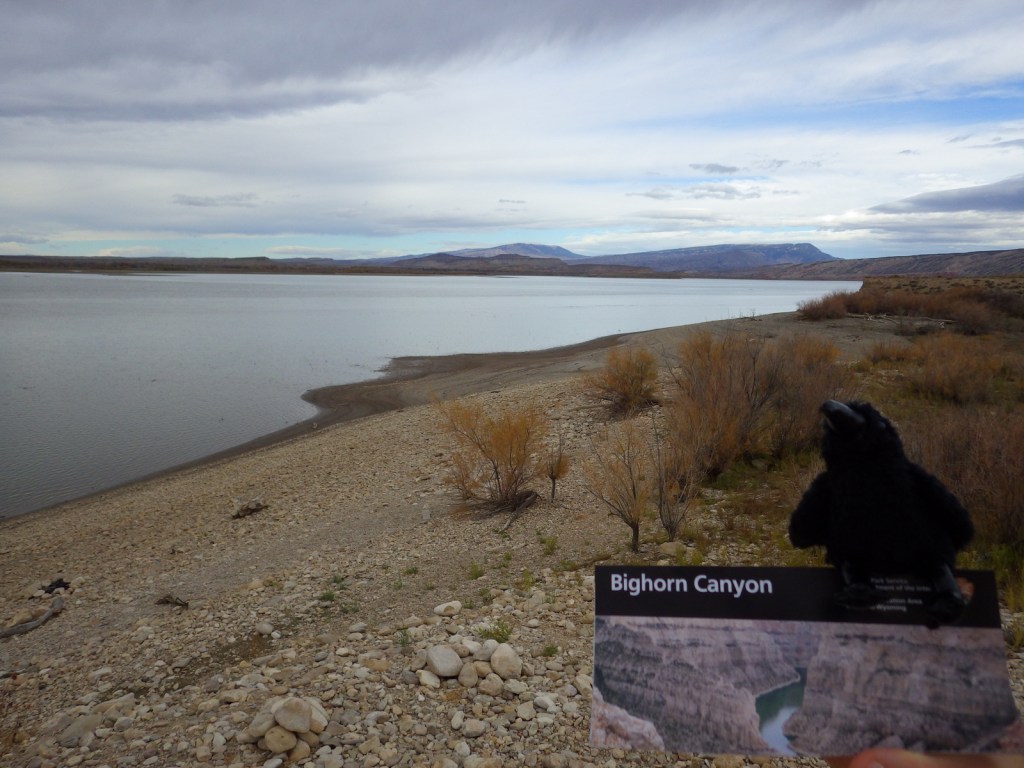
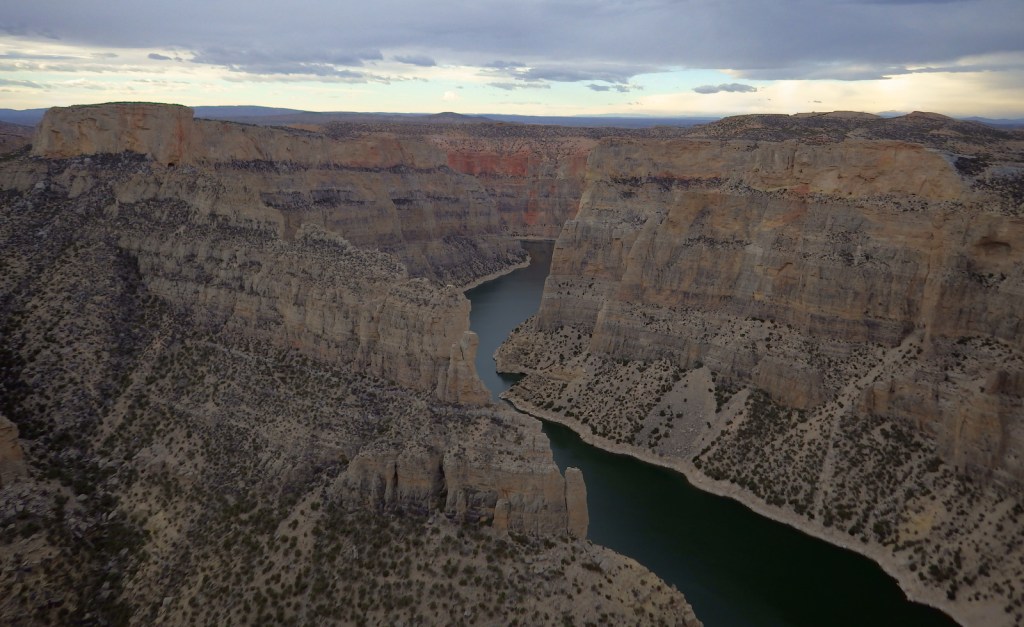
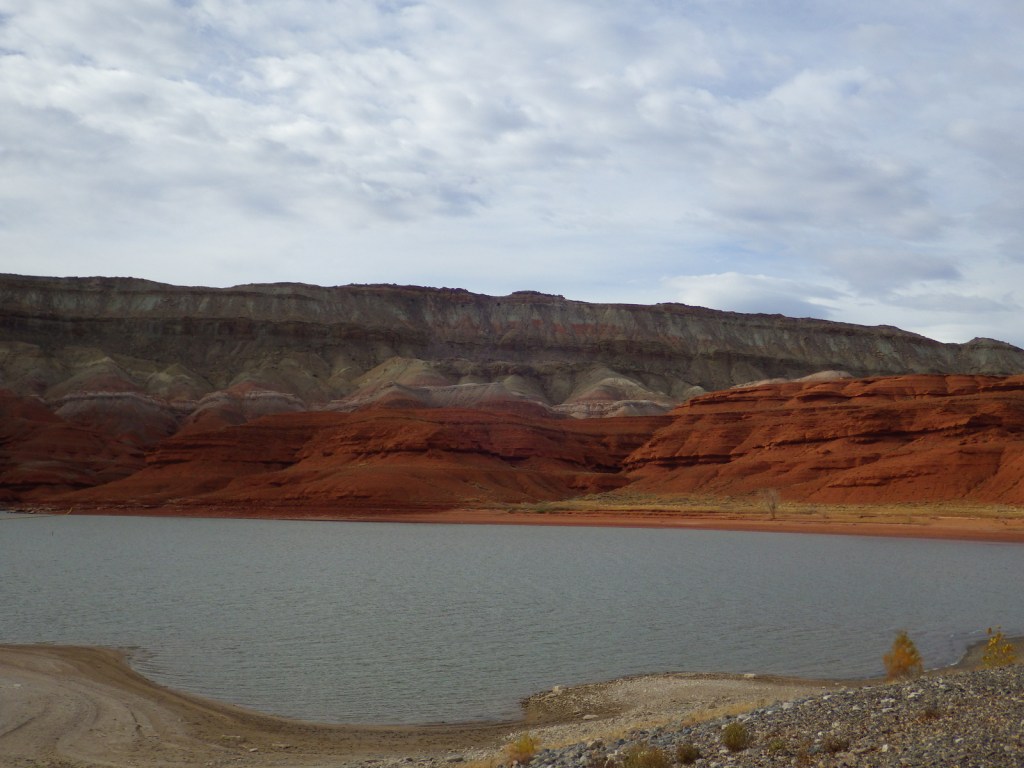
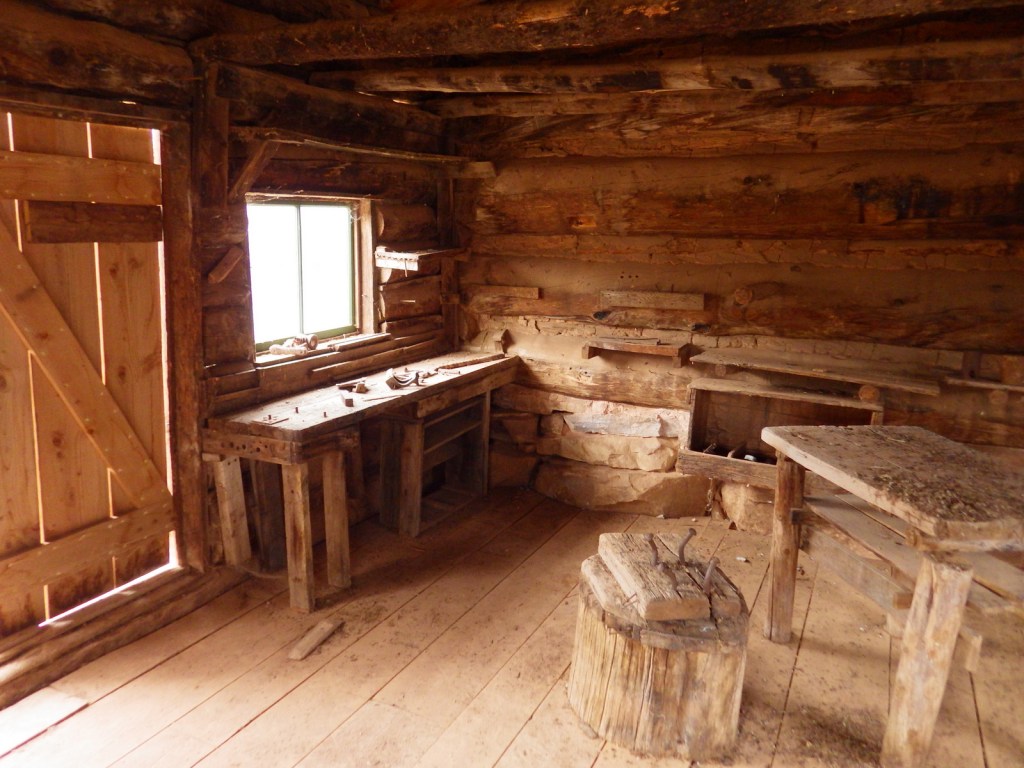
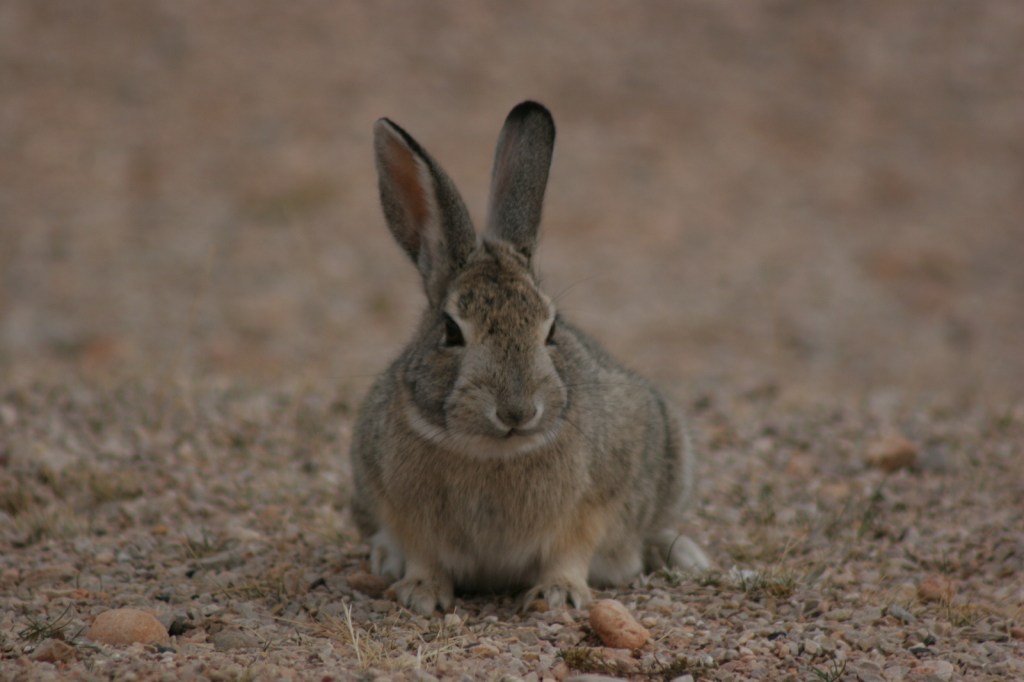
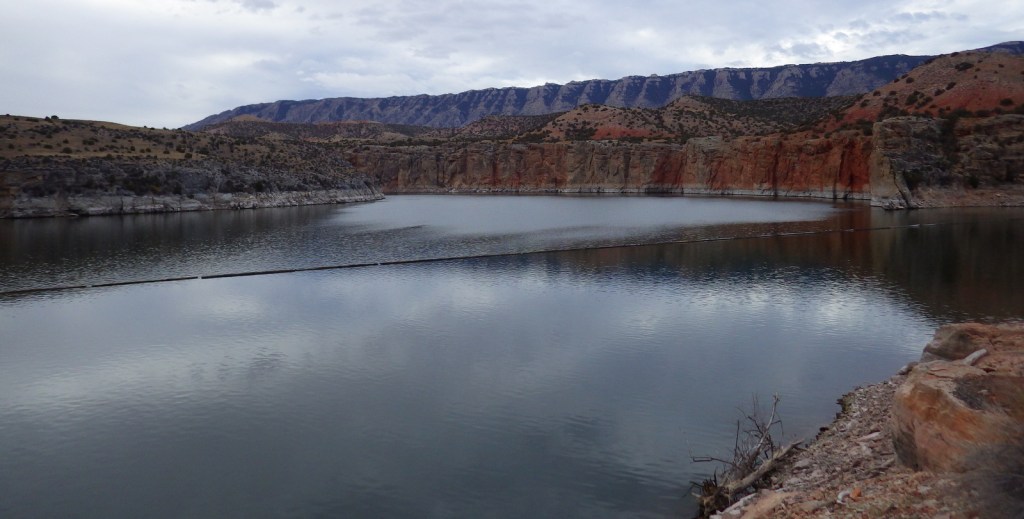
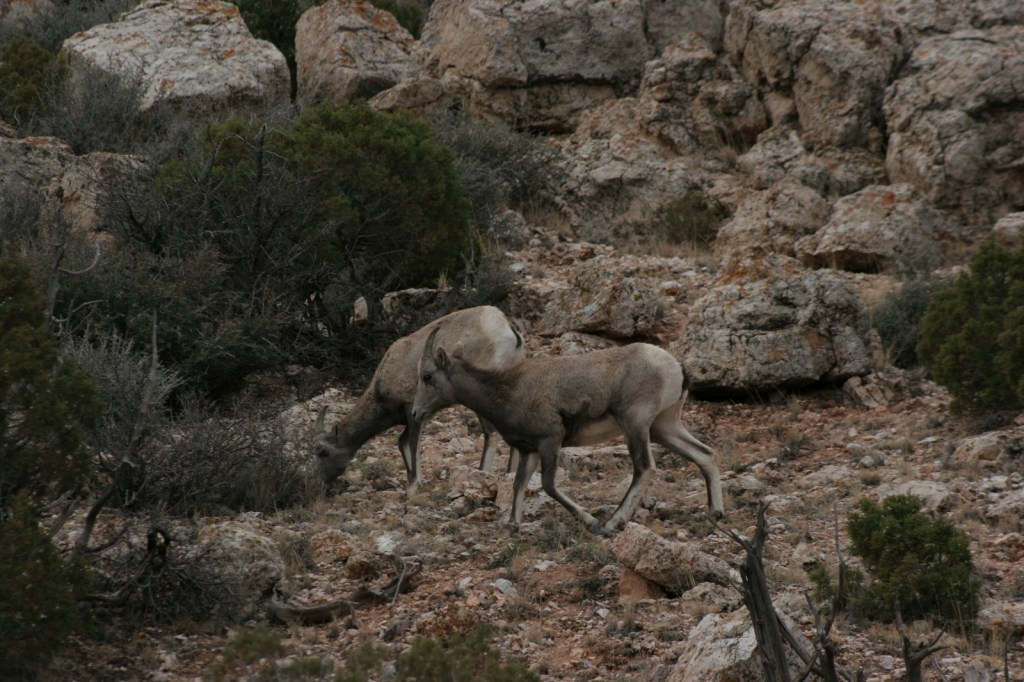
Bighorn Canyon National Recreation Area is an underappreciated gem in the National Park Service (NPS) system.  It has gorgeous scenery, a winding reservoir, and abundant wildlife, including bighorn sheep and wild horses.  The 525-foot tall Yellowtail Dam was completed in 1968, creating a 71-mile long reservoir, the majority of which is in narrow Bighorn Canyon where cliffs soar up to 2,000 feet above the water.

Highlights

Devil Canyon Overlook, Hillsboro Dude Ranch, Horseshoe Bend, Yellowtail Dam

Must-Do Activity

No road connects the north and south portion of the park, making for a long drive between the NPS visitor center in Lovell, Wyoming and the one at the Yellowtail Dam in Montana.  Thus, it is best to choose either one side or the other and explore the canyon by boat.  Devil Canyon Overlook and most of the 27 miles of hiking trails are in the southern section.  This is also where the Pryor Mountain Wild Horse Range enters into Bighorn Canyon National Recreation Area.  In the summer there are lifeguards at the designated swimming areas at Horseshoe Bend and Ok-A-Beh.

Best Trail

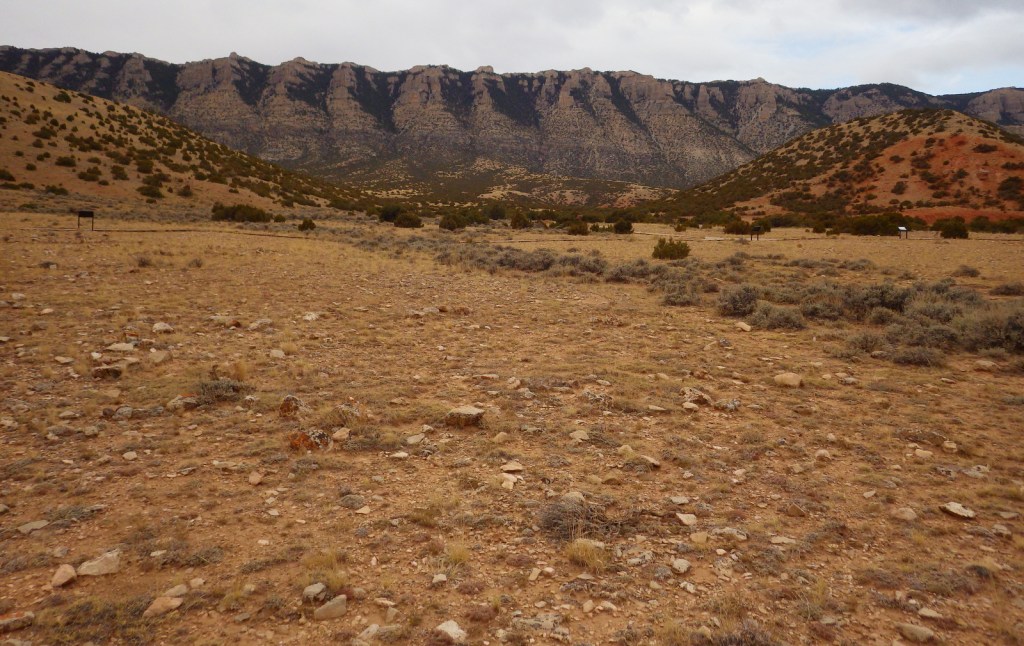
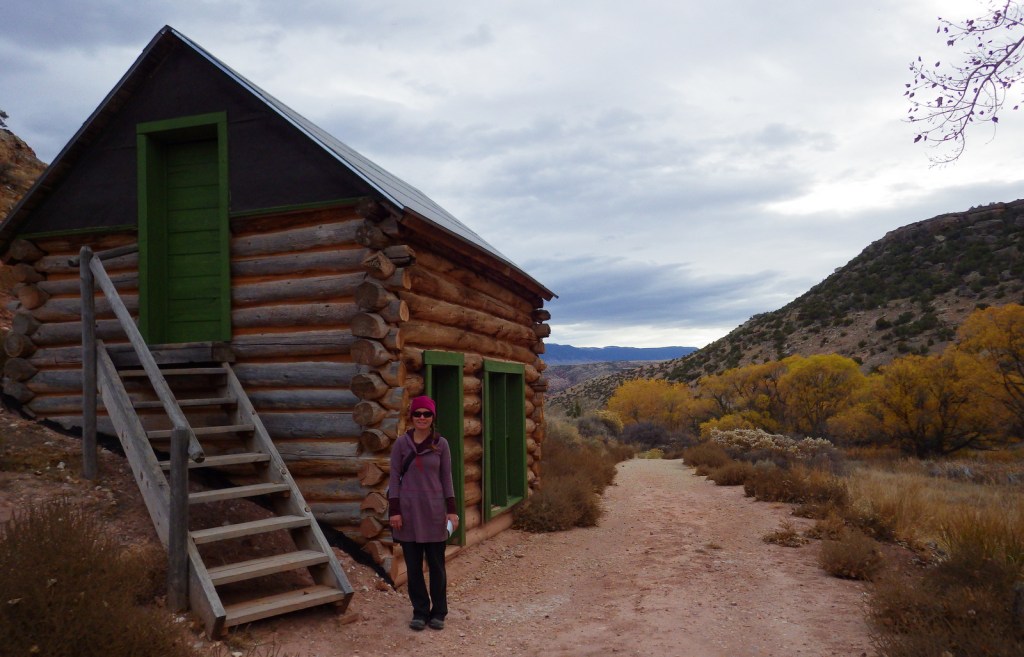
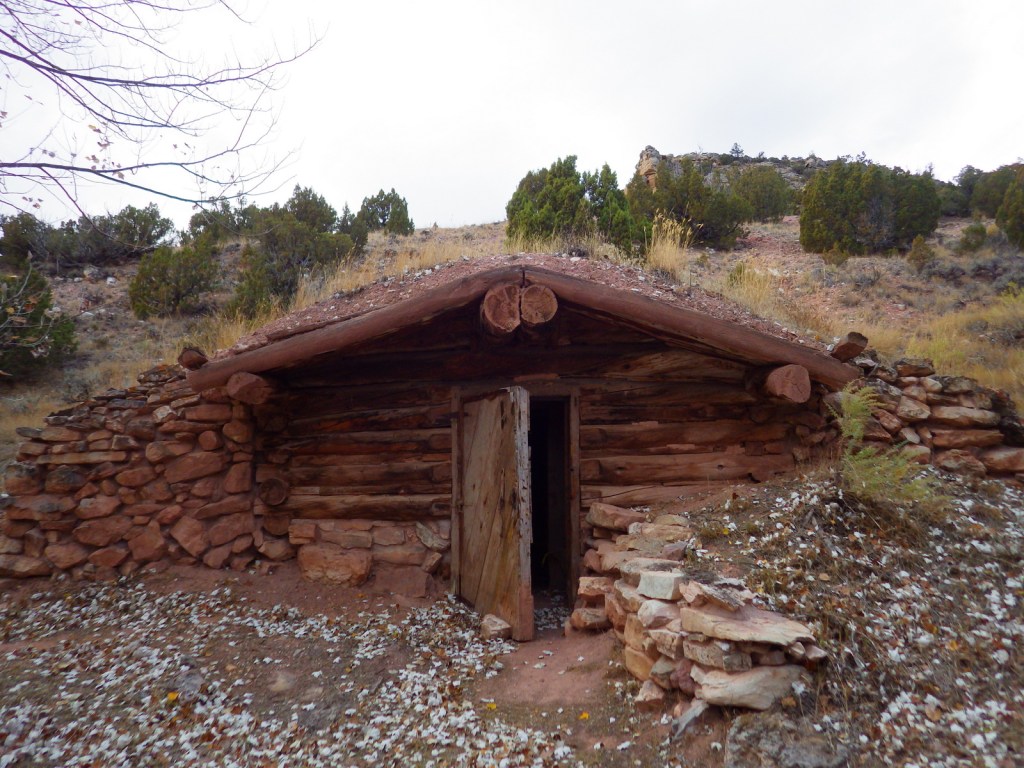
The southern portion of Bighorn Canyon National Recreation Area has trails to historic sites like Hillsboro Dude Ranch and several tipi rings found along Bad Pass Trail, a route which has seen over 10,000 years of human use.

Instagram-worthy Photo

If you are unable to get out on the water, the highlight of the park is Devil Canyon Overlook where the cliffs drop over 1,000 feet straight down to the lake.

Peak Season

Summer

Hours

https://www.nps.gov/bica/planyourvisit/hours.htm

Fees

None

Road Conditions

Almost every road is paved, but they are narrow and winding so may not be advisable for very long RVs.

Camping

There are drive-in campgrounds (fee) in both states, as well as free boat-in campgrounds on the Montana side.  Backcountry camping is allowed below the highwater mark of Bighorn Lake.

Related Sites

Little Bighorn Battlefield National Monument (Montana)

Devils Tower National Monument (Wyoming)

Jewel Cave National Monument (South Dakota)

Explore More – The Yellowtail Dam is named after whom?

Top 10 National Recreation Areas

Mostly centered around reservoirs, the National Recreation Areas are best known for their water-based activities.  However, the hiking trails, historic sites, and scenery are also unparalleled.  Only 20 of the 43 National Recreation Areas in the United States are managed by the National Park Service (NPS), so we will have to make a separate list someday for those administered by the U.S. Forest Service.  Click here to see all of our Top 10 Lists.

10. Whiskeytown-Shasta-Trinity (California)

Four scenic waterfalls are accessible by hiking a total of 11 miles around Whiskeytown Lake

9. Gateway (New York-New Jersey)

Fort Wadsworth, Sandy Hook Lighthouse, Floyd Bennett Field, Jamaica Bay Wildlife Refuge, and beaches

8. Boston Harbor Islands (Massachusetts)

Every island offers a different experience, including some that allow camping

7. Amistad (Texas)

Fossils and 4,000-year-old pictographs await onshore of this lake shared with Mexico

6. Delaware Water Gap (Pennsylvania)

Raymondskill Falls and Dingmans Falls are located at the end of short hikes in the Poconos

5. Glen Canyon (Arizona-Utah)

Explore slot canyons and Rainbow Bridge National Monument by boat on Lake Powell

4. Big South Fork (Tennessee-Kentucky)

Yahoo Falls and Twin Arches are two interesting destinations located along its 400 miles of trails

3. Bighorn Canyon (Wyoming-Montana)

In addition to the narrow lake surrounded by soaring walls, nice trails explore above the cliffs

2. Lake Chelan (Washington)

The Cascade Mountains are named for their waterfalls, including Rainbow Falls in scenic Stehekin

…and finally the #1 National Recreation Area:

1. Lake Mead (Nevada-Arizona)

More than just the Hoover Dam; hot springs and canyons invite exploration

Honorable Mentions

Golden Gate (California)

Alcatraz, Muir Woods, and the Presidio are just three parts of this most-visited of all NPS sites

Ross Lake (Washington)

Stunning mountain scenery abounds in this area neighboring North Cascades National Park and Canada

Chickasaw (Oklahoma)

A bison herd and several beautiful natural springs, like Buffalo Springs