Gallatin National Forest

Gallatin National Forest

Montana

Managed by U.S. Forest Service, Northern Region

2,151,461 acres (1,819,515 federal/ 331,946 other)

Website: https://www.fs.usda.gov/main/custergallatin/home

Overview

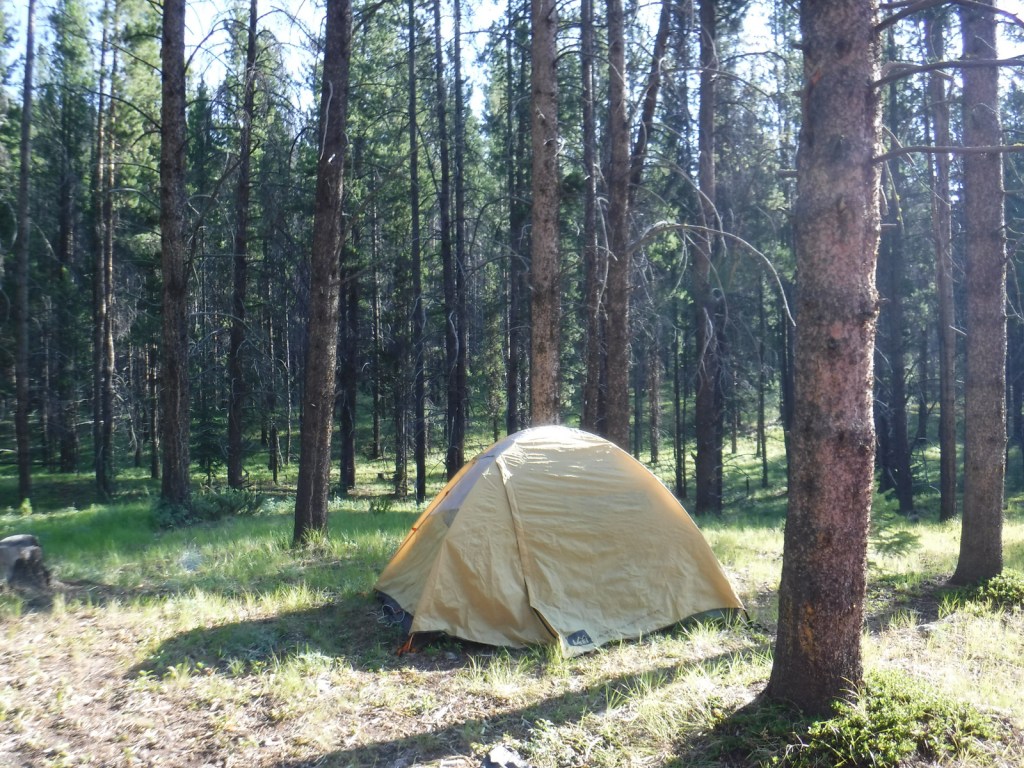
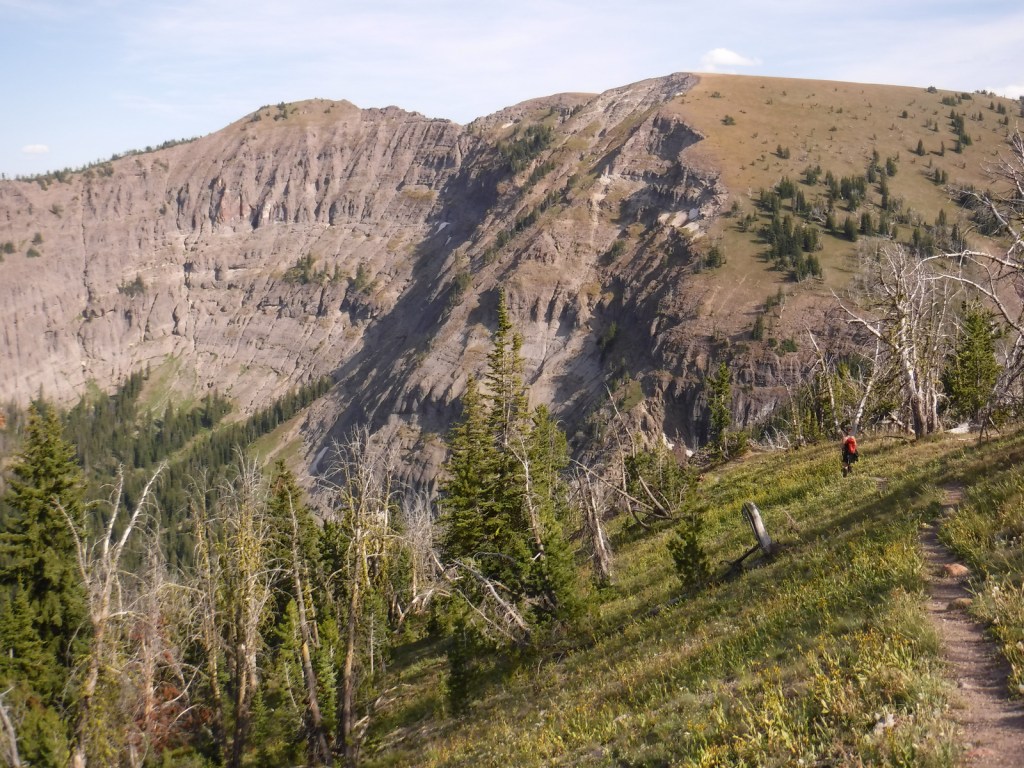
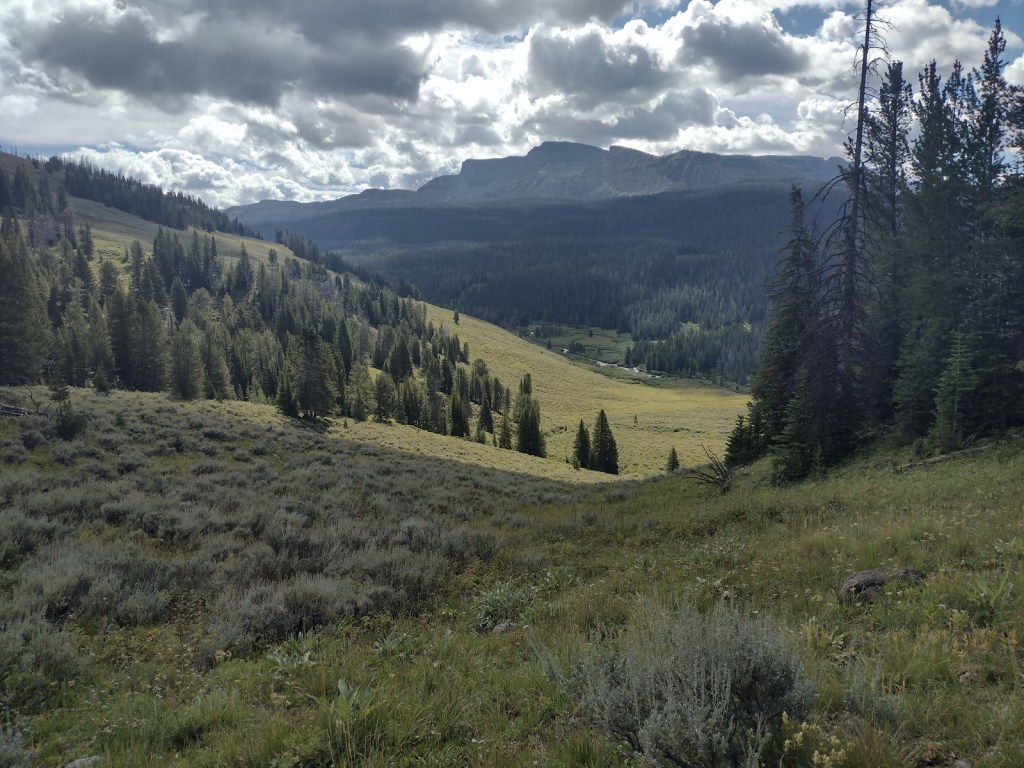
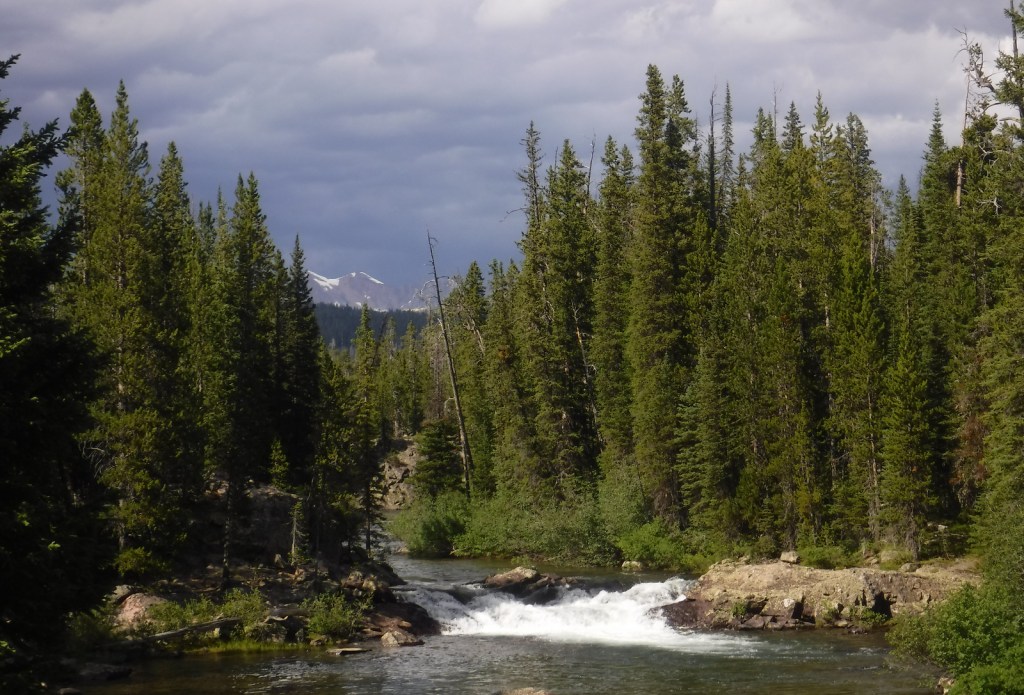
Gallatin National Forest borders much of the north and west sides of Yellowstone National Park, providing important wildlife habitat in the Absaroka-Beartooth and Lee Metcalf Wilderness areas.  The National Forest also contains portions of the Bridger Range and Crazy Mountains north of Bozeman and Interstate 90.  The Gallatin Petrified Forest is only accessible by trail, either from a short two-mile one-way jaunt (that gains 650 feet of elevation) or by backpacking the 27-mile Gallatin Divide-Devils Backbone Trail.  Free permits are available from Forest Service Ranger Stations to collect up to 20 cubic-inches of petrified wood each year.  Since 2014, it has been co-managed as the Custer-Gallatin National Forest, stretching east into South Dakota.
Highlights

Earthquake Lake Visitor Center, film, Fairy Lake, Devils Slide, Flathead Pass, Big Timber Canyon, Palisade Falls, Spire Rock Campground, Natural Bridge, Kersey Lake, Hardscrabble Peak, Pine Creek Falls, Bridger Mountains National Recreation Trail, Spanish Creek Trail, Red Canyon Trail, Petrified Forest Interpretive Trail

Must-Do Activity

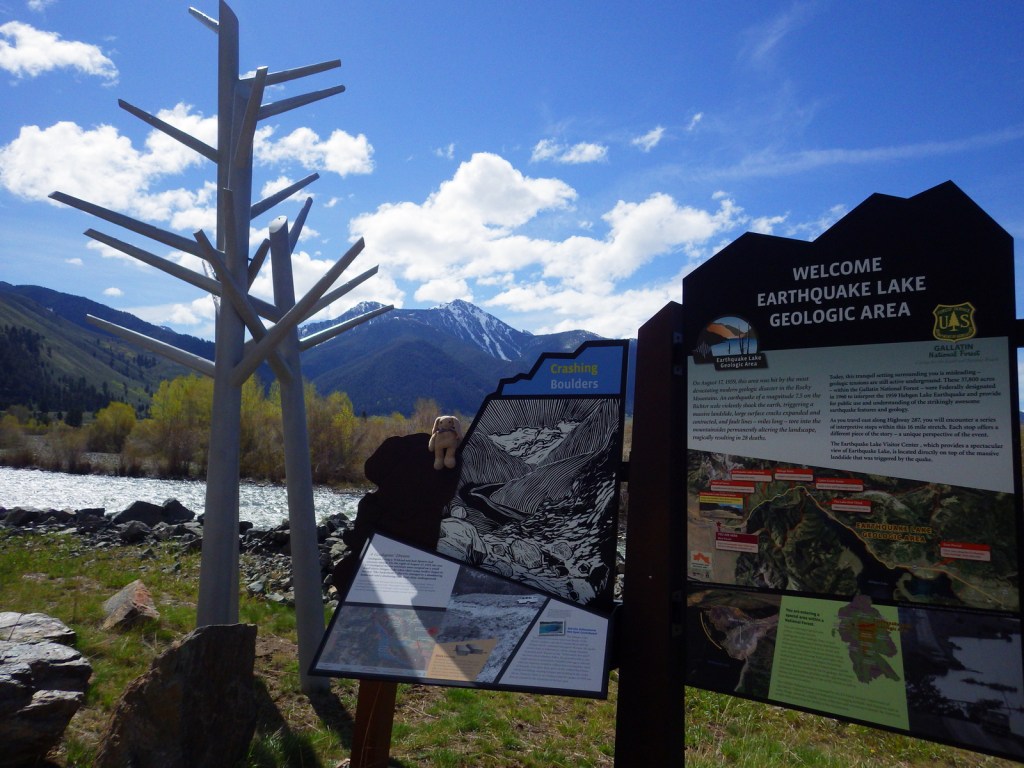
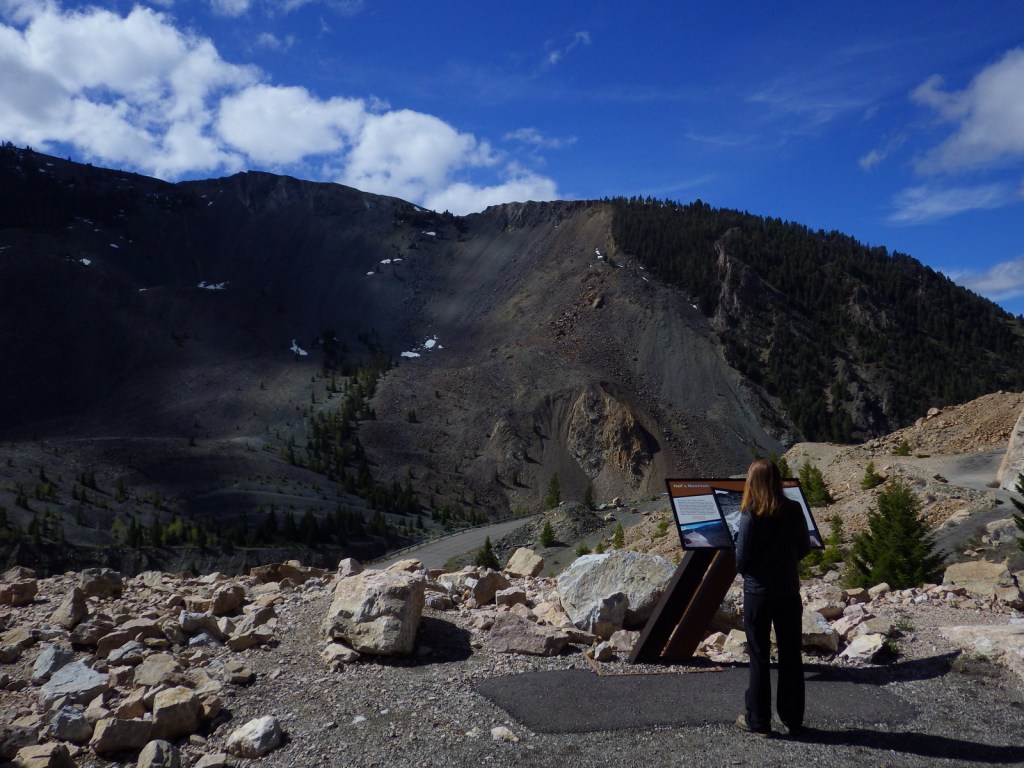
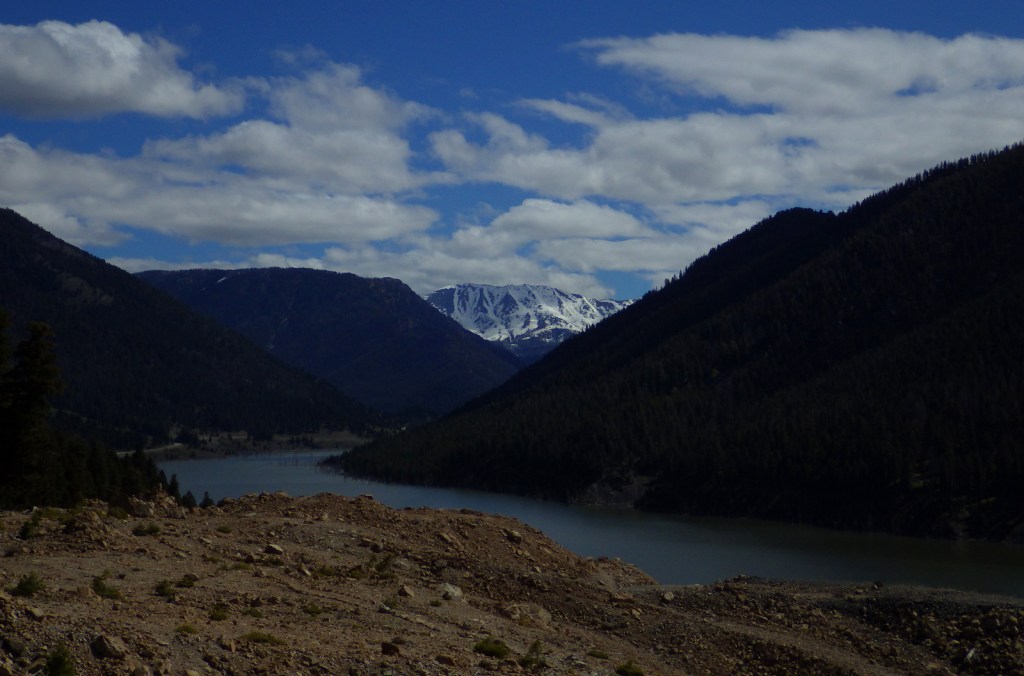
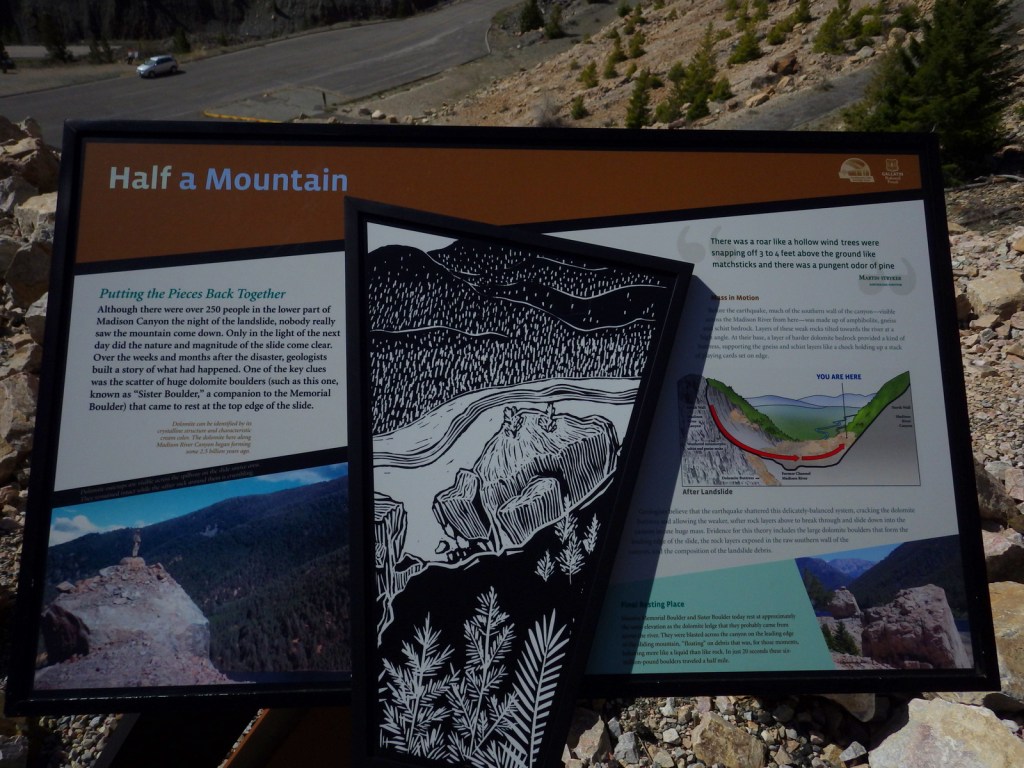
Earthquake Lake Geologic Area stretches along Highway 287 to commemorate the events that occurred around midnight on August 17, 1959 when a magnitude 7.5 earthquake hit West Yellowstone, Montana.  The strongest earthquake ever recorded in the Rocky Mountains caused a hillside to crumble and block the Madison River and form Quake Lake, which is still there today.  Seiches (“lake tsunamis”) on Hebgen Lake and landslides claimed 28 lives and trapped hundreds campers.  The next day, after Forest Service smokejumpers parachuted in to assist survivors, the most seriously injured were evacuated out by helicopter.  Today there is an interpretive auto tour with multiple stops along the highway.  In addition, a visitor center operates in the summer where they show a film and the 0.3-mile Landslide Trail has signs explaining the events and how the massive Memorial Boulder crossed from one side of the valley to the other in less than 20 seconds (see Instagram-worthy Photo).

Best Trail

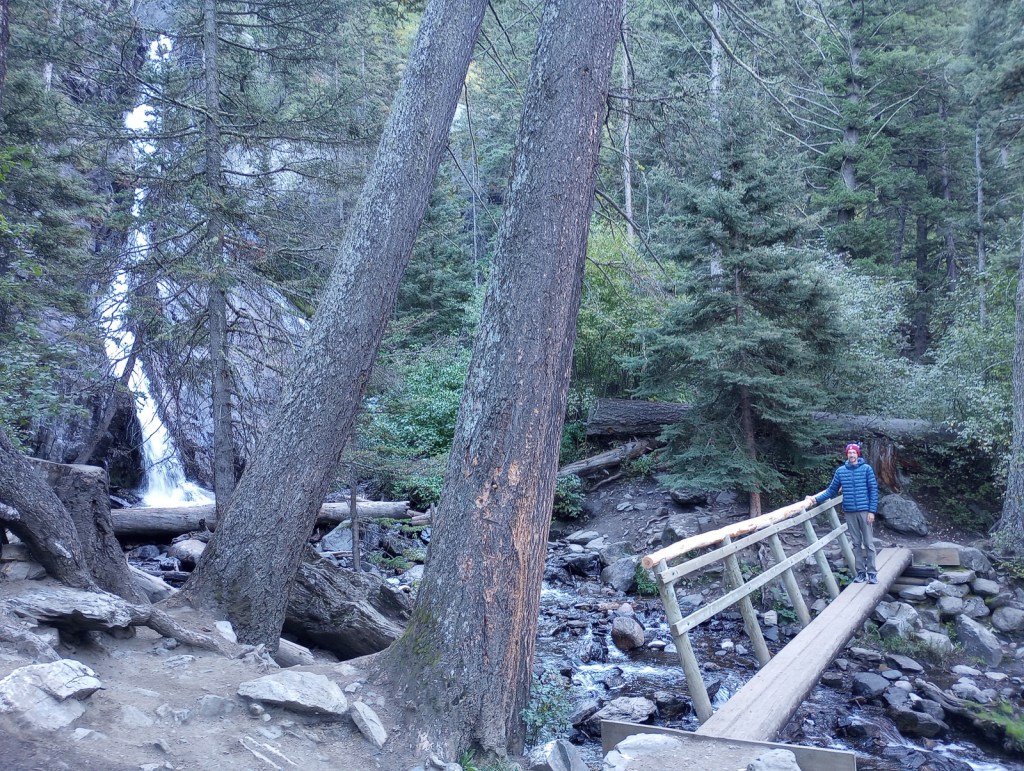
Pine Creek Falls is located 1.3 miles from the Pine Creek Campground after a 400 foot elevation gain.  The popular route first enters a burned forest then crosses a bridge over the creek at a half-mile before reaching the waterfall where most hikers turn around.  The trail gets steeper as it continues another four miles to Pine Creek Lake climbing about 3,400 feet, including one grueling stretch that ascends 1,800 feet in only 1.3 miles.

Watchable Wildlife

There are more than 4,000 miles of streams and rivers in the National Forest, including major tributaries of the Yellowstone and Missouri Rivers.  This makes Gallatin National Forest one of the premiere fly fishing destinations in the U.S. and also attracts bald eagles and ospreys.  Due to its proximity to Yellowstone National Park, there are also gray wolves and grizzly bears.  Other large mammals include elk, mule deer, moose, bighorn sheep, pronghorns, mountain lions, and black bears.

Instagram-worthy Photo

Memorial Boulder and Sister Boulder used to be located across the valley, but during the 1959 earthquake these six-million-pound dolomite slabs crossed the half-mile distance in less than 20 seconds.

Peak Season

Summer

Fees

None

Road Conditions

The roads are paved up to the Earthquake Lake Visitor Center, Pine Creek Campground, and Big Sky Mountain Village (south of Bozeman).  It is 13 miles (mostly unpaved) from Highway 89 to the Petrified Forest Interpretive Trail, and there is a free campground where Rock Creek Road dead ends at the trailhead.  There are also many miles of four-wheel-drive roads to explore throughout the National Forest.

Camping

There are many campgrounds in Gallatin National Forest (like Eagle Creek just outside Gardiner on the northern border of Yellowstone National Park), as well as dispersed camping options. 

Wilderness Areas

Absaroka-Beartooth Wilderness (also in Custer and Shoshone National Forests)

Lee Metcalf Wilderness (also in Beaverhead National Forest)

Related Sites

Custer National Forest (Montana-South Dakota)

Big Hole National Battlefield (Montana)

BeaverheadDeerlodge National Forest (Montana)

Nearest National Park

Yellowstone

Conifer Tree Species

lodgepole pine, ponderosa pine, whitebark pine, subalpine fir, Douglas-fir, Engelmann spruce

Flowering Tree Species

quaking aspen, balsam poplar, cottonwood, alder, mountain maple, mountain ash

Explore More – Why was the National Forest named after Albert Gallatin?

Learn more about this and the 154 other National Forests in our new guidebook Out in the Woods

We are a participant in the Amazon Services LLC Associates Program, an affiliate advertising program designed to provide a means for us to earn fees by linking to Amazon.com and affiliated sites.

Midewin National Tallgrass Prairie

Midewin National Tallgrass Prairie

Illinois

Managed by U.S. Forest Service, Northern Region

20,283 acres

Website: https://www.fs.usda.gov/midewin

Overview

Midewin National Tallgrass Prairie was established in 1996 and opened to visitors eight years later following some ecological restoration and decontamination.  It is located on the site of the Joliet Army Ammunition Plant that produced TNT from 1940 to 1976.  In combination with neighboring Des Plaines Fish and Wildlife Area and other preserves, over 40,000 acres are protected in this area south of Chicago’s suburbs.  Restoration of the tallgrass prairie is ongoing with planting and prescribed burning to promote the growth of native plants.  In 2015, 27 bison were introduced on 1,200 acres and the herd has grown to more than 50.  Midewin (pronounced “mi-DAY-win”) is a Potowatomi word referring to tribal healers.

Highlights

Midewin Welcome Center, Route 66, historic bunkers, bison herd

Must-Do Activity

The best place to start a visit is the Midewin Welcome Center on Highway 53, just south of the Southwest Bison Overlook.  There you can read about the history of the area, pick up pamphlets on birds and wildflowers, and get information on the more than 30 miles of trails, including 21.7 miles open to bikers and equestrians.  The 7,000 acres of accessible public lands are open 4 a.m. to 10 p.m. daily.

Best Trail

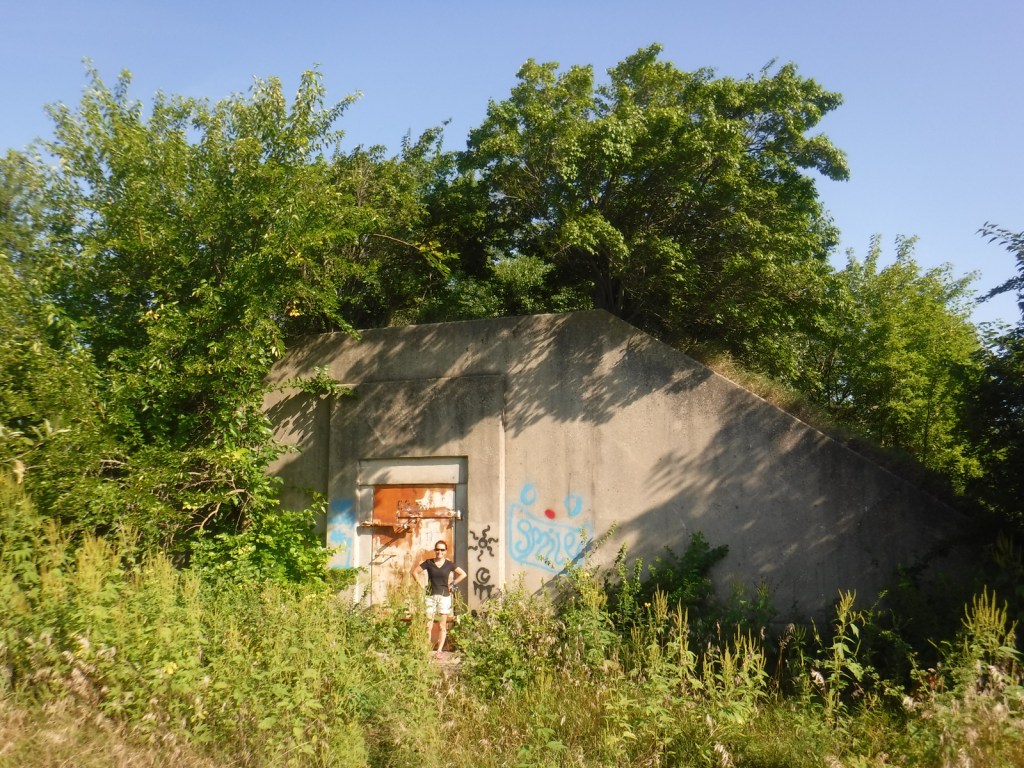
Several trails leave from the Iron Bridge Trailhead north of the visitor center.  We took Group 63 Trail that starts in a forest then opens up as it accesses Bunker 63-1, which is unlocked for exploration.  The entire trail makes a 3.5-mile loop around a group of bunkers following the northern border of the fenced-off bison pasture. 

Watchable Wildlife

Midewin remains the only federal tallgrass prairie preserve east of the Mississippi River, restoring an extremely rare ecosystem that was mostly converted to agriculture.  Golden gophers (or 13-lined ground squirrels) fill the ecological niche of prairie dogs here.  Coyotes and white-tailed deer are also found in this area.  In 2015, bison were introduced on 1,200 acres of the preserve, and the herd has increased from the original four bulls and 23 cows.  A color pamphlet highlighting native birds is available at the visitor center and trailheads.  In addition to songbirds, raptors like red-tailed hawks, northern harriers, and short-eared owls can be seen.  We came across a flock of turkeys near the turtle pond south of Hoff Road. 

Instagram-worthy Photo

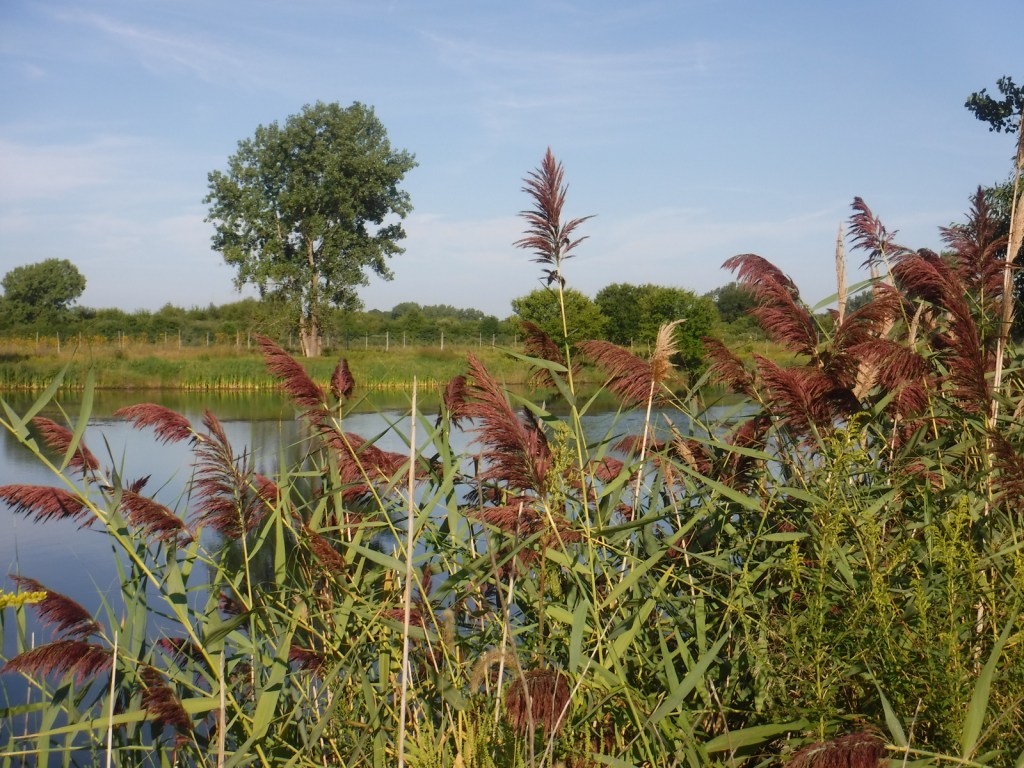
A turtle pond is accessible by walking a closed road one mile from the Hoff Road Trailhead.

Peak Season

Spring

Fees

None

Road Conditions

The main access roads are paved and the trailhead parking areas are gravel lots.  Many of the trails are former roads, both paved and unpaved.  At the Iron Bridge Trailhead, bicycles are available to rent as part of the 75 miles of trails following the Illinois and Michigan Canal National Heritage Corridor.

Camping

There is no camping at Midewin National Tallgrass Prairie, as the public lands are only open 4 a.m. to 10 p.m. daily.  Campgrounds outside of Chicago include Starved Rock State Park, Illini State Park, Des Plaines Conservation Area, and across the state border at Indiana Dunes National Park.

Related Sites

Tallgrass Prairie National Preserve (Kansas)

Pullman National Historical Park (Illinois)

Cedar River National Grassland (North Dakota)

Nearest National Park

Indiana Dunes

Explore More – During World War II, 3,400 women worked at the Joliet Army Ammunition Plant, representing what percentage of the workforce?

Continental Divide National Scenic Trail

Continental Divide National Scenic Trail

New Mexico, Colorado, Wyoming, Idaho, Montana

Managed by U.S. Forest Service (70%), Bureau of Land Management (12%), National Park Service (10%), other (8%)

Established 1978

3,028 miles

Website: https://www.fs.usda.gov/managing-land/trails/cdt

Overview

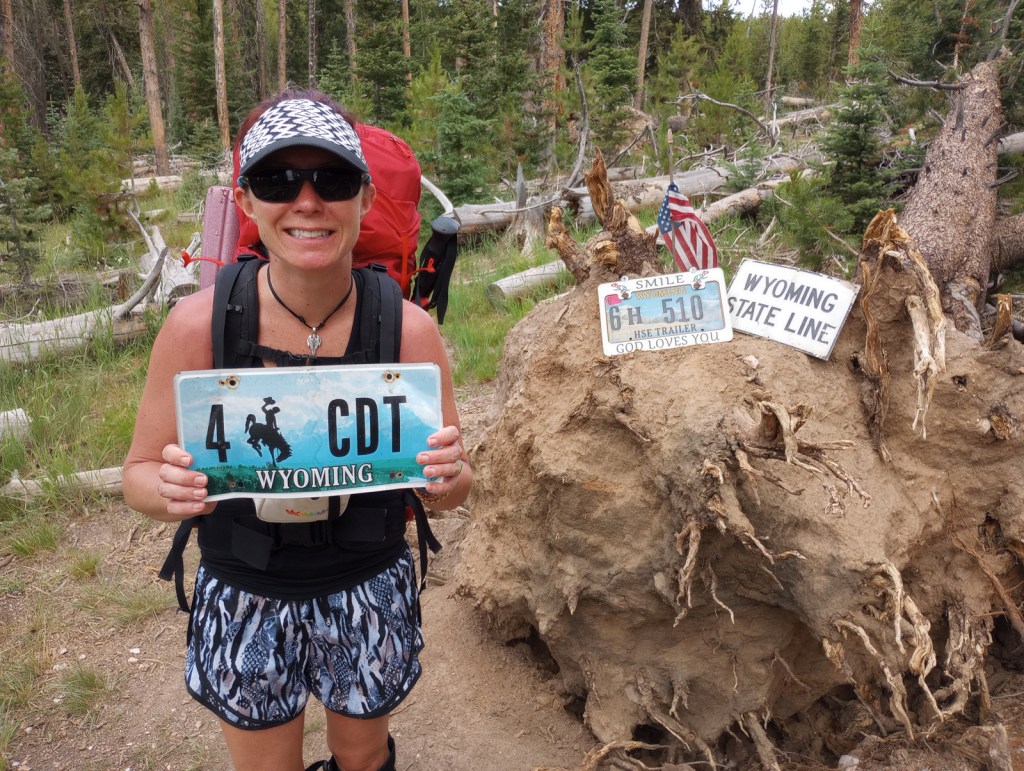
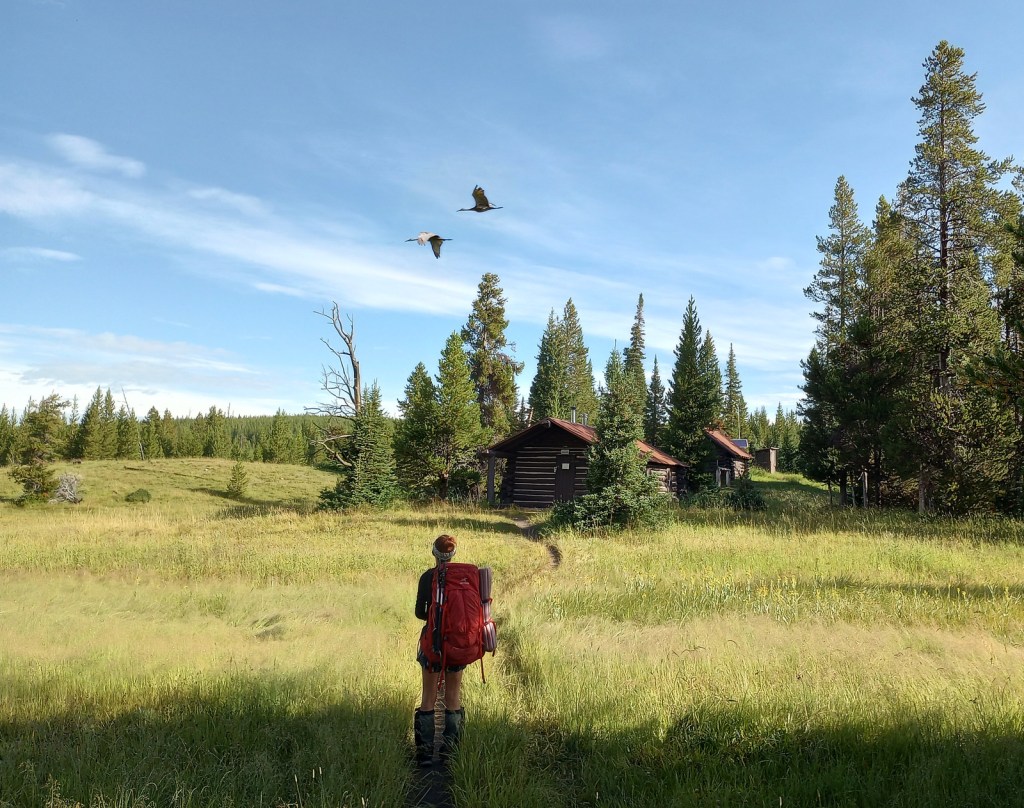
We decided to write about the Continental Divide National Scenic Trail (CDT) now, since Tiff recently finished backpacking the entire 512-mile Wyoming section of the route.  The CDT stretches 3,028 miles from the Crazy Cook Monument on the border with Mexico north to Waterton-Glacier International Peace Park.  The official trail is known as the “red route,” with popular alternatives called “blue routes” detouring through sections like New Mexico’s Gila Wilderness (which 95% of thru-hikers choose).  Tiff was supported by Scott along portions of the trail and they both backpacked through Yellowstone National Park together.  Tiff met dozens of thru-hikers doing the entire trail this year, many of whom were “flip-flopping” after getting stopped north bound (NOBO) by snowy Colorado mountains so switching to a south bound (SOBO) direction to finish.

Highlights

Rocky Mountain National Park, Yellowstone National Park, Glacier National Park, Gila Wilderness, El Malpaís National Monument, South Pass City State Park, Wind River Range, Lemhi Pass, Chinese Wall, Triple Divide Pass

Must-Do Activity

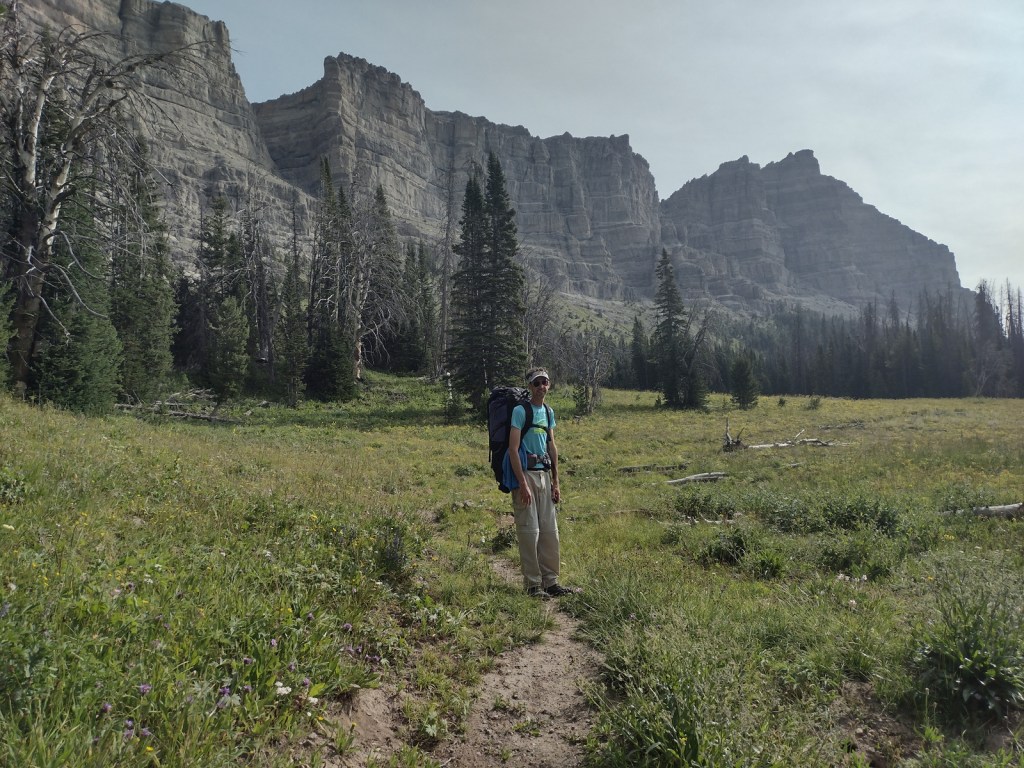
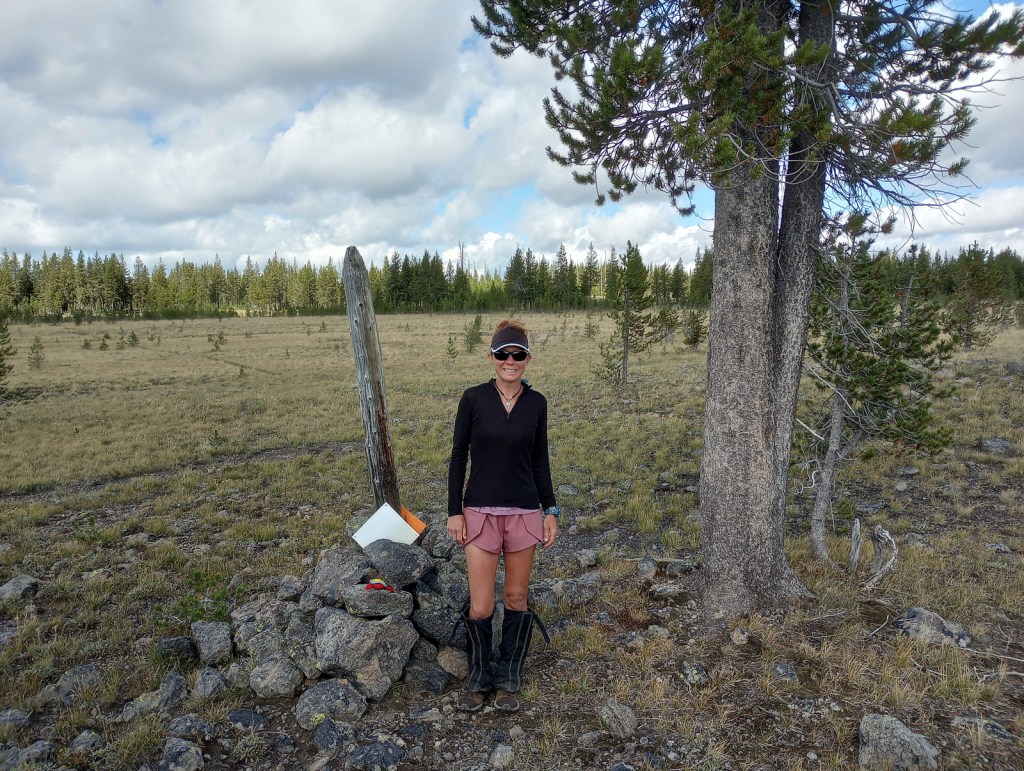
It takes the average thru-hiker 147 days to complete the trek (including “zeros days”), but you can get a feel for the experience on shorter point-to-point or loop hikes.  We have done the Rocky Mountain National Park section as a long day hike and Scott has backpacked the minimum 40 miles to see the famous Chinese Wall in Montana’s Lewis and Clark National Forest.  We had all three of our backcountry campsites to ourselves along Yellowstone National Park’s 67-mile stretch of CDT and went a full day without seeing another person near the park’s Idaho border.

Best Trail

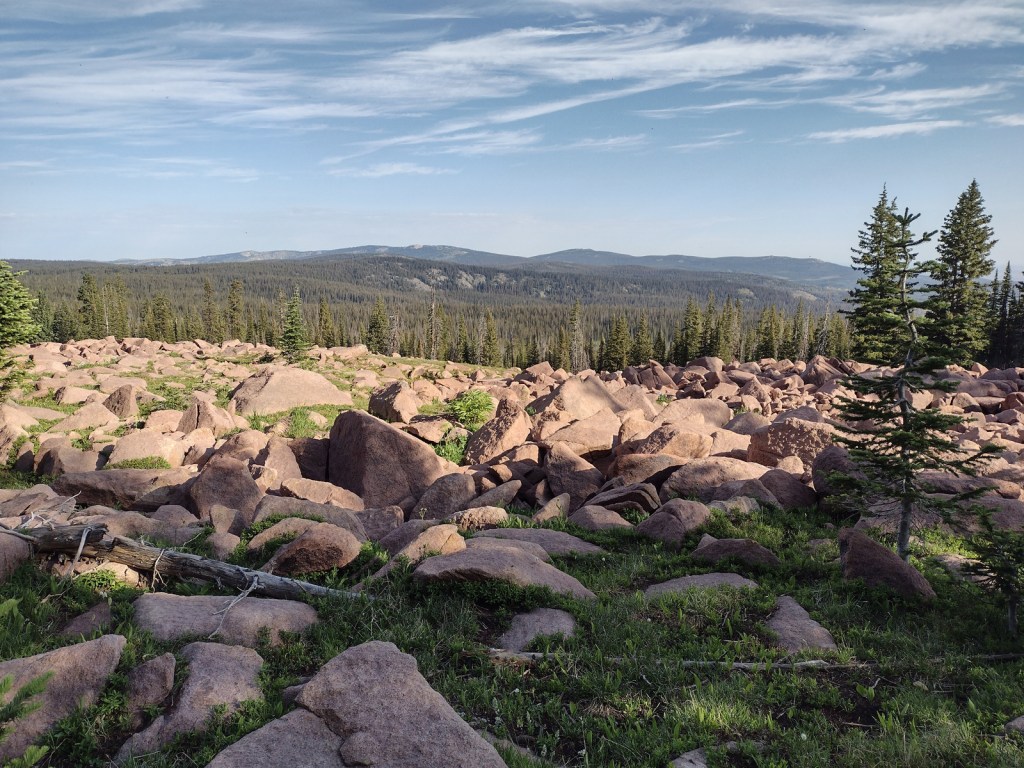
The Wind River Range in Wyoming’s Bridger National Forest is probably the most scenic stretch of mountains on the entire CDT.  Many thru-hikers detour to a blue route to see beautiful, but overcrowded Titcomb Basin and the Cirque of the Towers (actually in neighboring Shoshone National Forest).  Read more about our 2020 trip (mostly) following the CDT 120 miles through the range in our newspaper article.

Instagram-worthy Photo

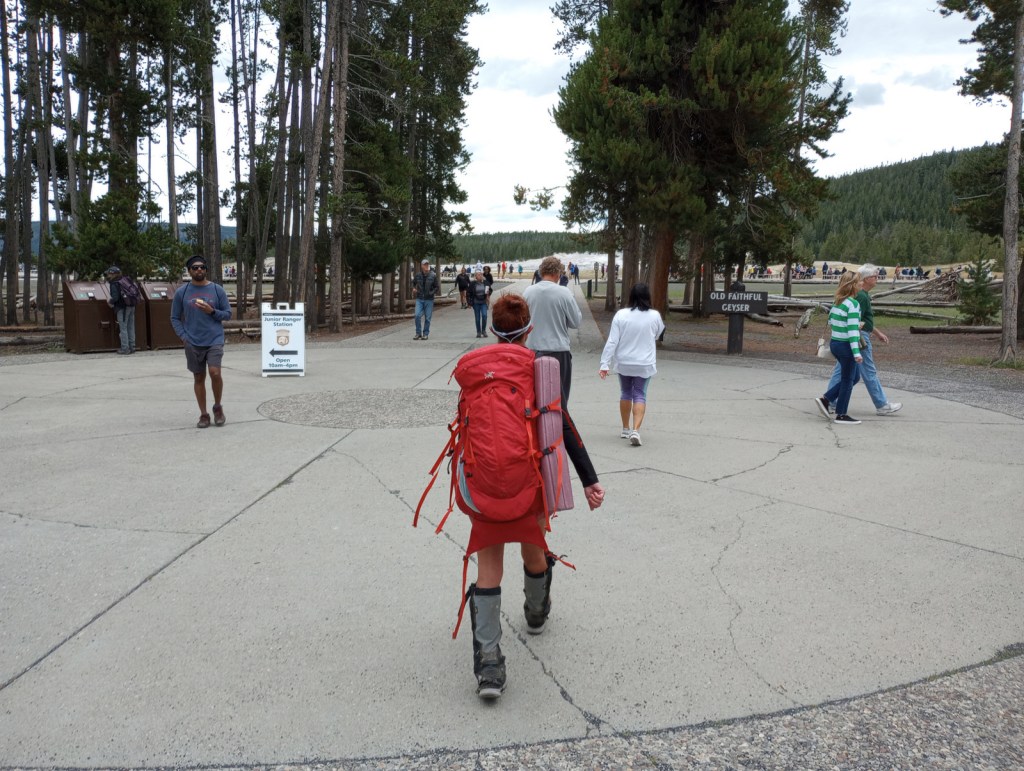
The CDT goes right past crowded Old Faithful in Yellowstone National Park’s Lower Geyser Basin, although there are other areas of colorful hot springs like those near Heart Lake (pictured).

Peak Season

Summer

Fees

Fees apply if you camp inside or drive into Rocky Mountain, Yellowstone, and Glacier National Parks

Road Conditions

Much of the trail is actually walking dirt roads and some paved roads, especially in New Mexico.  Access roads to certain trailheads can be very rough and require driving long unpaved sections, such as the 30 miles to busy Big Sandy Trailhead in Bridger National Forest.

Camping

Camping is dispersed except for designated sites (permit required) in Rocky Mountain, Yellowstone, and Glacier National Parks.

Related Sites

Appalachian National Scenic Trail (Georgia to Maine)

Pacific Crest National Scenic Trail (California-Oregon-Washington)

Natchez Trace National Scenic Trail (Mississippi-Alabama-Tennessee)

Explore More – Which three oceans receive water from Triple Divide Pass in Montana?

Lake Clark National Park and Preserve

Lake Clark National Park and Preserve

Alaska

Managed by National Park Service

Established 1978 National Monument, 1980 National Park

4,030,025 acres

Website: nps.gov/lacl

Overview

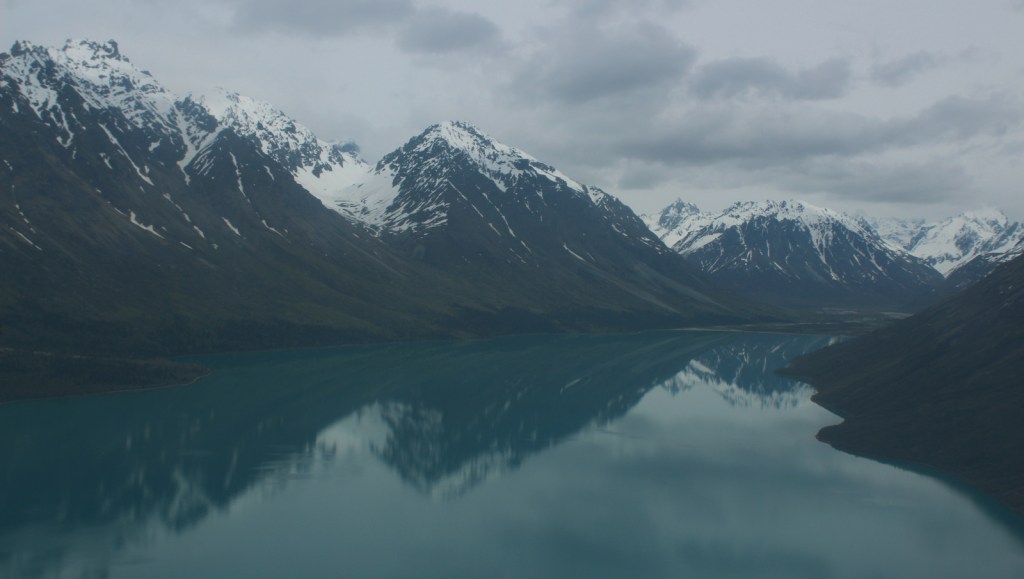
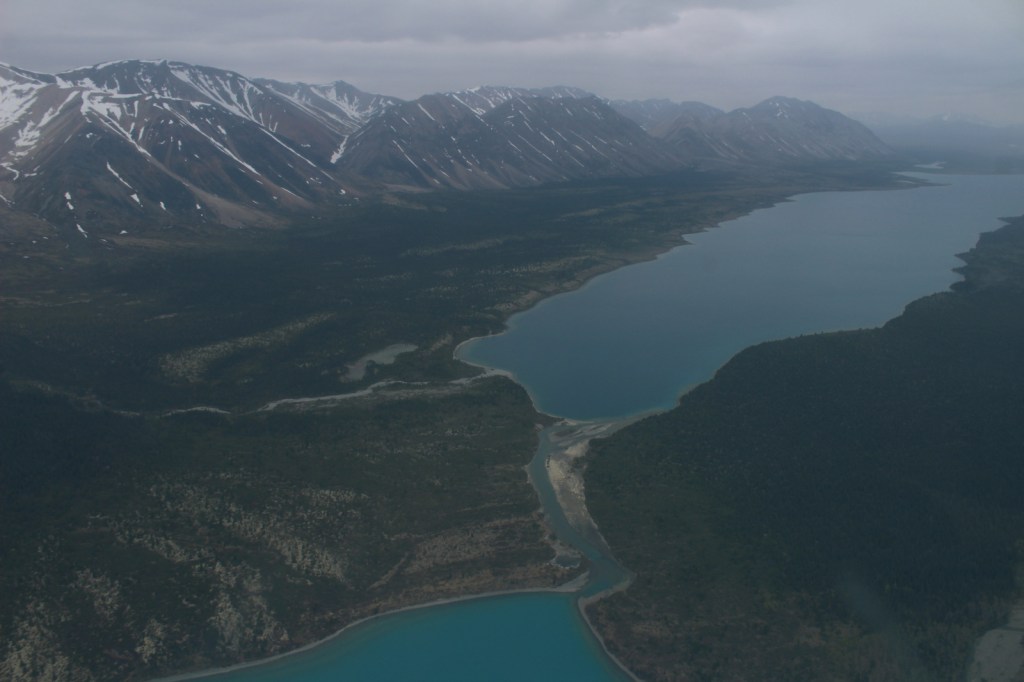
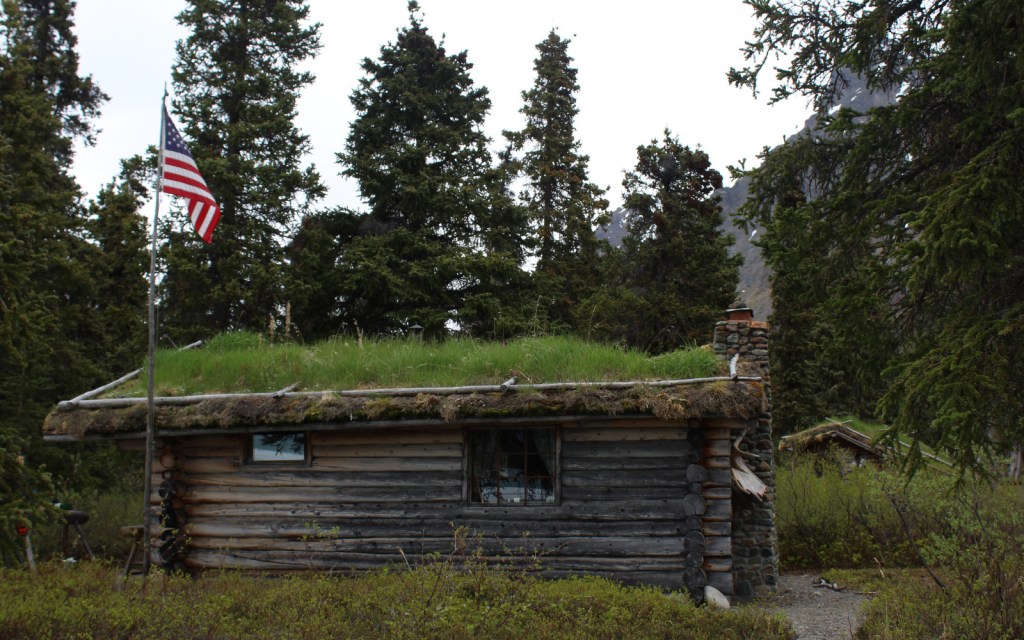
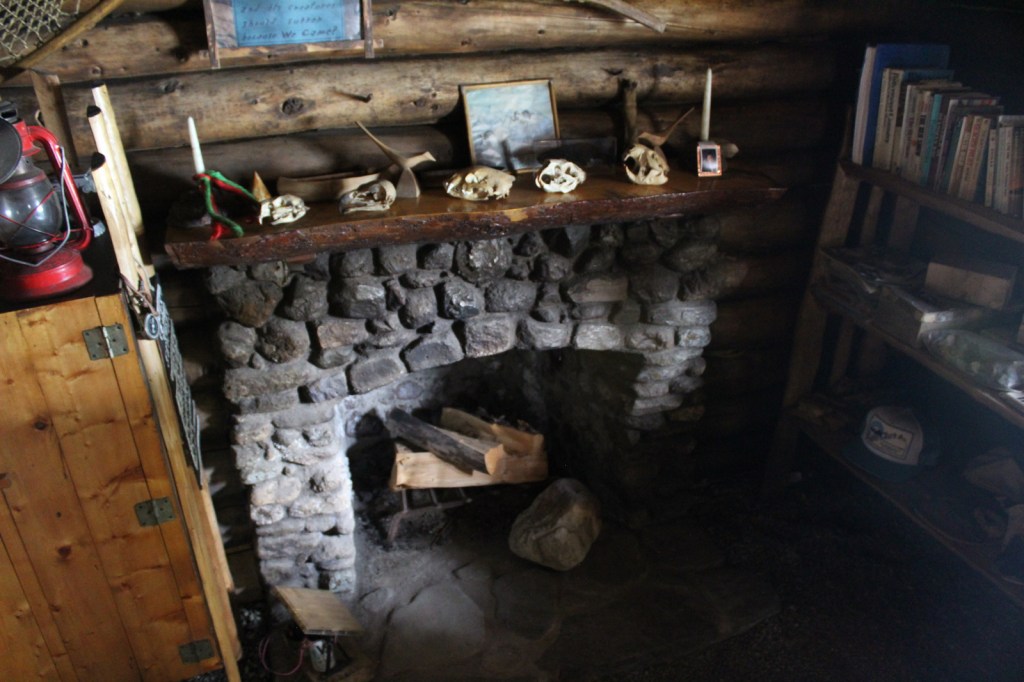
Lake Clark National Park and Preserve is inaccessible by road and receives only about 15,000 visitors annually.  It sits at the northern end of the massive Alaska Peninsula southwest of Anchorage, home to the twin 10,000-foot volcanoes Redoubt and Iliamna.  Cloaked in the whitest of snow, on a clear day they dominate the skyline view from a boat bobbing in Cook Inlet or a vehicle driving the Sterling Highway.  Behind the mountains lies massive Lake Clark itself, as well as the Twin Lakes made famous in the film Alone in the Wilderness and the book One Man’s Wilderness that both documented Richard “Dick” Proenneke’s cabin building and backcountry lifestyle (see our list of the Top 10 Non-Fiction Books Set in a National Park and Alaska).  Many visitors take flightseeing tours and never step foot on the ground, but that does not make their experience any less extraordinary. 

Learn more in the expanded 2nd edition of our guidebook to the National Parks— A Park to Yourself: Finding Solitude in America’s 63 National Parks.

Highlights

Redoubt Volcano, Iliamna Volcano, Port Alsworth, Lake Clark, Richard Proenneke Historic Site, Double Glacier

Must-Do Activity

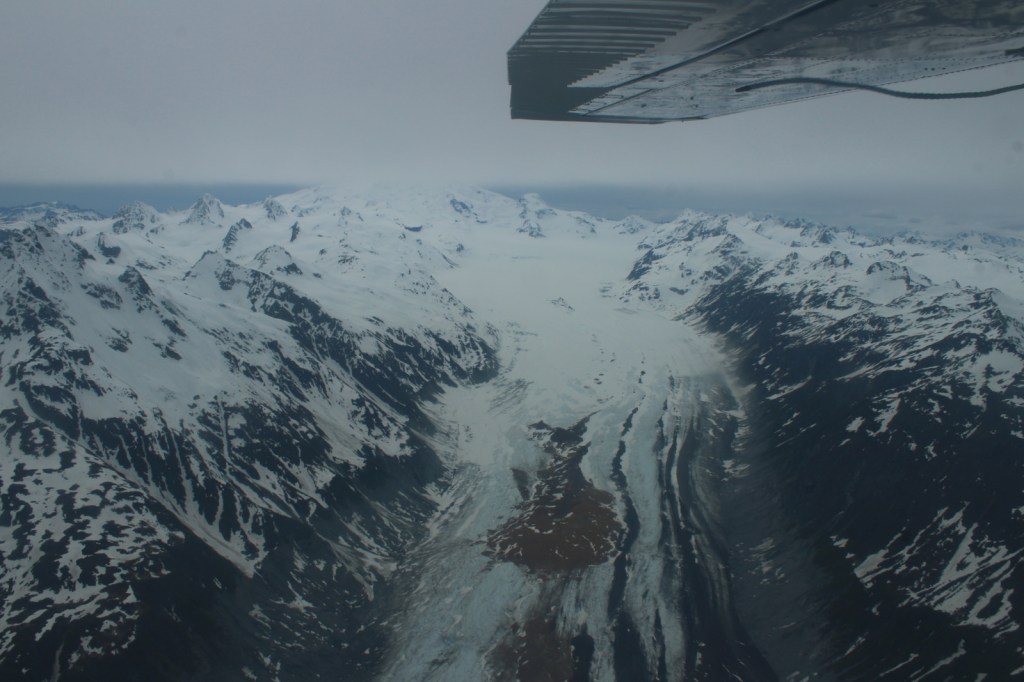
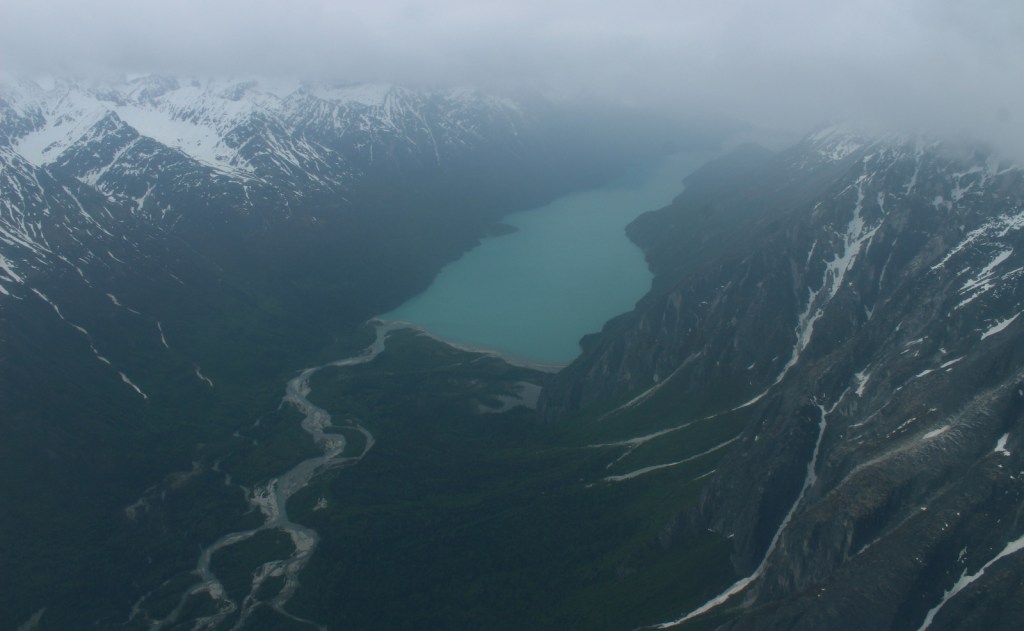
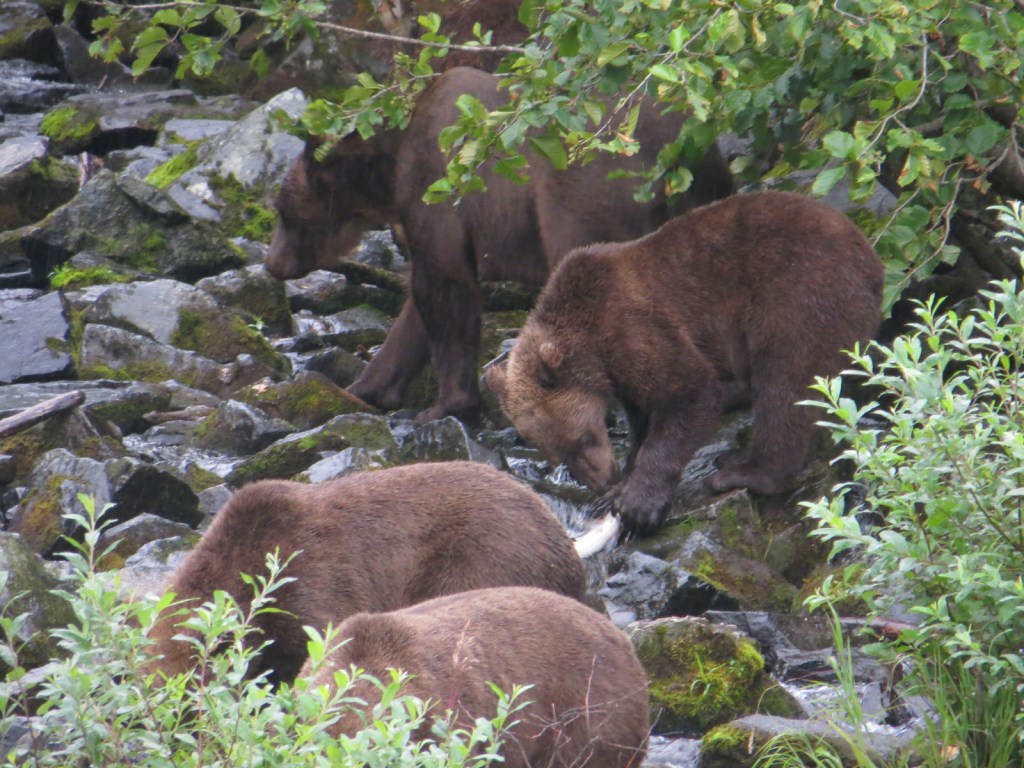
You can easily see the twin 10,000-foot volcanoes (Redoubt and Iliamna) within the park from Anchorage or Homer on a clear day, but getting to them is no easy task.  Your best bet is to take a float plane charter service and land on one of the big, glacier-fed lakes.  While you are over there try to do some salmon fishing; that is why the brown bears and bald eagles like it here.  The park’s visitor center is in Port Alsworth on Lake Clark, and another popular destination is Richard Proenneke Historic Site on Twin Lakes.  The park’s best attraction may be the massive glaciers that cling to the peaks of the Alaska and Aleutian Ranges and the Chigmit and Neacola Mountains.  Flying over a jagged glacial field offers a unique perspective on these giant rivers of ice and the boulder strewn valleys where gray, milky streams follow the wide pathways left by receded glaciers. 

Best Trail

At the park’s visitor center in Port Alsworth, 2.5-mile Tanalian Falls Trail is the only officially maintained trail and a popular destination for backpackers.  At Richard Proenneke Historic Site, we hiked the scenic and steep Teetering Rock Trail less than a mile up to its namesake boulder that moves when you push on it.

Instagram-worthy Photo

Viewed from above, Double Glacier appears cracked and fissured like the skin on the back of a human hand.  Rocky debris in lines of black accentuate the frozen white that hint at the slow flow of the ice river down the valley.  Deeper crevasses reflect a cerulean shade that bewilders the eye in this otherwise monochrome landscape.

Peak Season

Summer

Hours

https://www.nps.gov/lacl/planyourvisit/hours.htm

Fees

None, but it is expensive to access by airplane. We took Kachemak Air Service to Twin Lakes and Talon Air Service to Double Glacier and Big River Lakes/Wolverine Creek.

Road Conditions

Essentially, there are no roads in Lake Clark National Park and Preserve.

Camping

No designated campgrounds exist within the park, so backcountry campers must come prepared with everything they need, plus the supplies required to wait an extra week for pickup should the weather turn bad.

Related Sites

Katmai National Park and Preserve (Alaska)

Chugach National Forest (Alaska)

Kenai Fjords National Park (Alaska)

Explore More – Before this area was a National Park, when did Richard “Dick” Proenneke arrive at Twin Lakes to begin building his cabin?

We are a participant in the Amazon Services LLC Associates Program, an affiliate advertising program designed to provide a means for us to earn fees by linking to Amazon.com and affiliated sites.
Top 10 States for State Parks

We are currently finishing up our newest travel guidebook 50 States of Great (for sale now on Amazon), which focuses on our favorite State Park, National Forest, Roadside Attraction, and nine other categories for every state in America.  Choosing one State Park for some states was easy, but others have so many great options it was a difficult decision.  We wanted to honor those states in this list, and we also included our favorite parks in each state (with the best named first).  Some of the listings are State Historic Sites that may be managed by a different government agency than State Parks or State Forests.  Click here to see all of our Top 10 Lists, including our Top 10 States for National Forests and Top 10 States for National Park Service sites.

10. South Dakota (view our 7-Day Road Trip Itinerary)
Custer (pictured), Bear Butte, Palisades, Newton Hills, Fort Sisseton

Custer State Park might be the only one on this list worthy of being a National Park for its iconic wildlife and historic architecture

9. Indiana (view our 7-Day Road Trip Itinerary)

Indiana Dunes, Spring Mill, Falls of the Ohio, Angel Mounds, Clifty Falls, O’Bannon Woods, Brown County

The best part of Indiana Dunes National Park might be Indiana Dunes State Park, plus you can buy some freshly ground cornmeal at Spring Mill

8. Montana

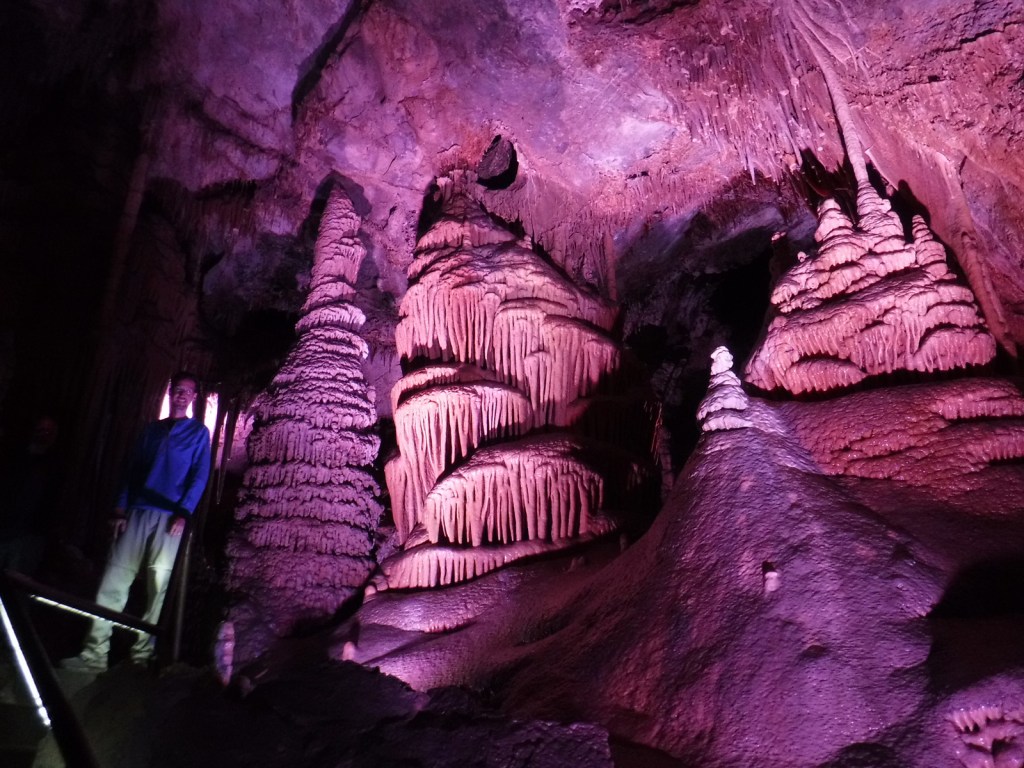
Lewis and Clark Caverns (pictured), Makoshika, Bannack, Pictograph Cave, Flathead Lake

A limestone show cave, badlands full of dinosaur fossils, and the ghost town that started the 1862 gold rush

7. Missouri

Elephant Rocks, Johnson’s Shut-Ins, Taum Sauk, Ha Ha Tonka, Route 66, Prairie, Montauk, Meramec

A fun mix of pretty hiking trails and interesting history can be found in Missouri

6. Nevada

Valley of Fire, Cathedral Gorge, Berlin-Ichthyosaur, Lake Tahoe Nevada

Geology is the highlight in these beautiful State Parks

5. North Carolina

Hammocks Beach, Chimney Rock, Jockey’s Ridge, Fort Macon, Stone Mountain, Fischer Point, Raven Rock, South Mountains, Hanging Rock, Pilot Mountain, Brunswick Town, Morrow Mountain, William B. Umstead

Entry is free to nearly every State Park here and we have visited 30+ in our former home state

4. Hawai‘i (view our 14-Day Trip Itinerary)

Waimea Canyon, Napali Coast (pictured), Kealakekua Bay, ‘Iao Valley, Diamond Head, Lava Trees, Akaka Falls, Koke‘e, Isaac Hale, Iolani Palace, Ahupuaa O Kahana

Incredible scenery is almost a given on the islands of this tropical paradise

3. Arkansas

Crater of Diamonds (pictured), Pinnacle Mountain, Petit Jean, Mt. Magazine, Mississippi River, Devil’s Den, Village Creek, Lake Chicot

The only publicly-owned diamond mine in the world is a major attraction in Arkansas

2. Utah

Goblin Valley, Coral Pink Sand Dunes, Kodachrome Basin, Antelope Island, Goosenecks, Dead Horse Point

Geology is the highlight in these beautiful State Parks

…and finally our #1 state for State Parks:

1. Texas

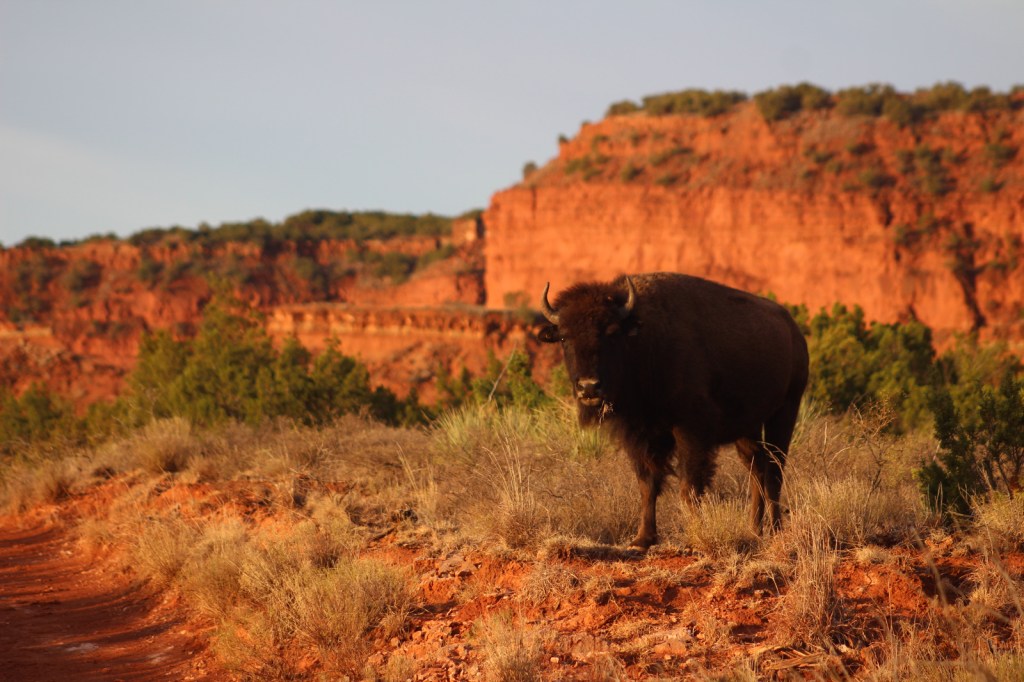
Caprock Canyons (pictured), Palo Duro Canyon, Resaca de la Palma, Big Bend Ranch, Monahans Sandhills, Davis Mountains, Enchanted Rock, Devil’s Sinkhole, Kickapoo Cavern, Old Tunnel, Brazos Bend, Caddo Mounds, Mission Tejas, San Jacinto Battleground, Pedernales Falls

A large, diverse state offers a wide variety of park experiences from evening bat flights to backcountry camping

.

Honorable Mentions

Virginia

False Cape, Grayson Highlands, Fairy Stone, First Landing, Douthat, Westmoreland

Backpacking on the beach in and the mountains, plus collecting fairy stones are highlights of our time in these (somewhat expensive) parks

California

Calaveras Big Trees (pictured), Pfeiffer Big Sur, Anza-Borrego Desert, Humboldt Redwoods, Moss Landing, Emerald Bay, Montaña de Oro, Mt. Tamalpais, Oceano Dunes, Fort Ross, Natural Bridges, Mt. Diablo

There have to be more State Parks here than anywhere else, some of which are amazing while others are not so great

Alabama

Cathedral Caverns, Rickwood Caverns, DeSoto, Cheaha, Fort Toulouse-Fort Jackson (pictured), Gulf, Joe Wheeler

Cave tours, waterfalls, and mountain views can all be found in diverse Alabama

Oregon

Silver Falls, Beverly Beach, Smith Rock, Farewell Bend, Fort Stevens, Jessie M. Honeyman, Sunset Bay, Seal Rock, Wallowa Lake, La Pine

From the ocean to the mountains and all in between

Georgia (view our 7-Day Road Trip Itinerary)

Providence Canyon (pictured), Stephen C. Foster, Tallulah Gorge, Cloudland Canyon, Fort Mountain

Forested slopes, steep cliffs, waterfalls, and the lowlands of the Okefenokee Swamp

Michigan

Mackinac Island, Porcupine Mountains, Hartwick Pines, Fort Wilkins, P.J. Hoffmaster, Straits

Mackinac Island State Park was once a National Park and the Porcupine Mountains offer an incredible wilderness for backpacking on Lake Superior

South Carolina

Huntington Beach, Edisto Beach, Colonial Dorchester, Myrtle Beach, Hunting Island, Table Rock, Hampton Plantation, Devil’s Fork, Mountain Bridge

Some of the best ocean side campgrounds in the United States