All posts by Raven About The Parks

Devils Postpile National Monument

Overview

Originally managed as part of Yosemite National Park, this monument was established in 1911 to protect it from demolition by dam builders.  It is only 798 acres, so it can easily feel crowded; therefore we recommend getting an early or late start when the shuttles from Mammoth Lakes, California are not running.

Highlights

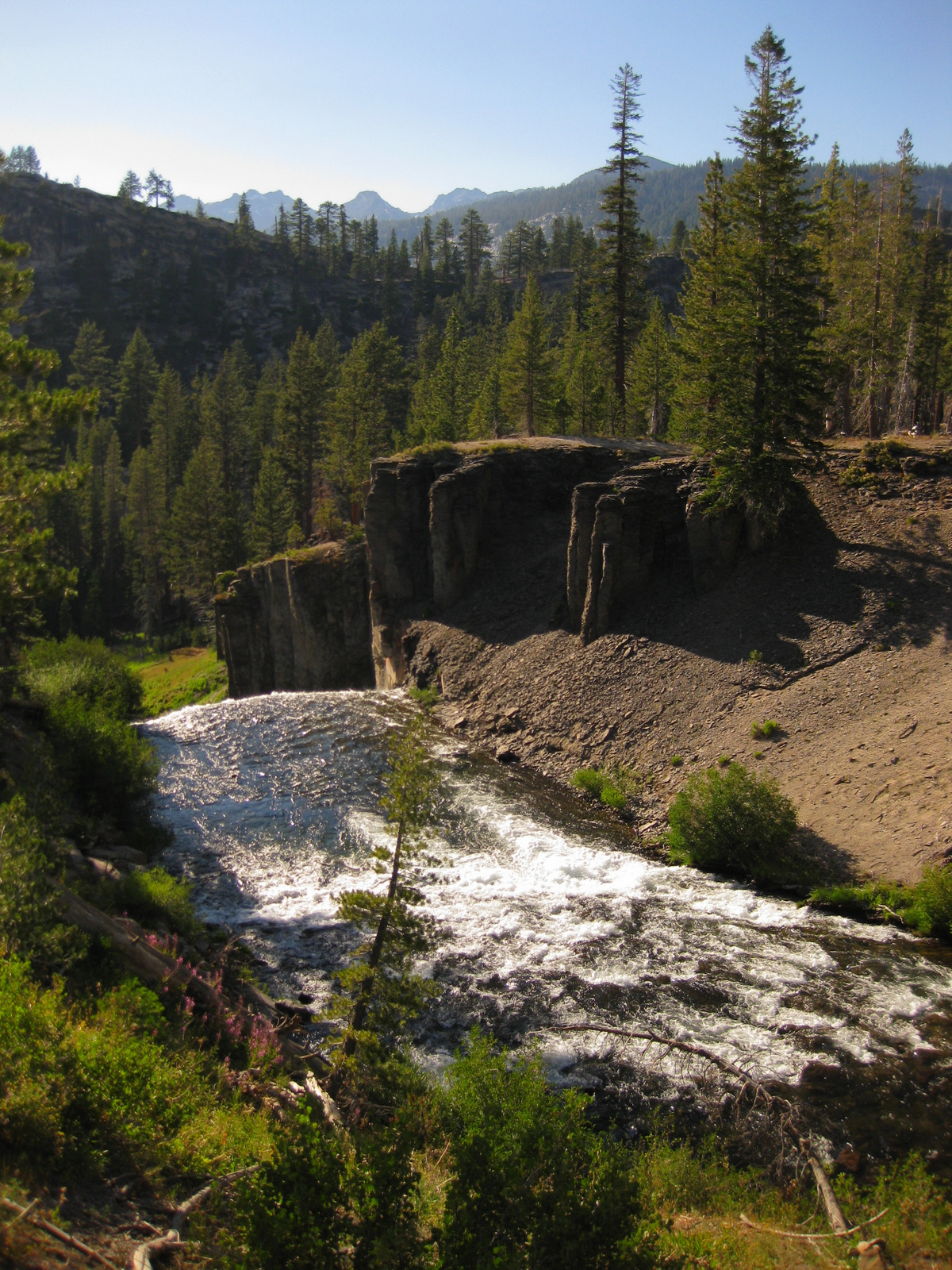
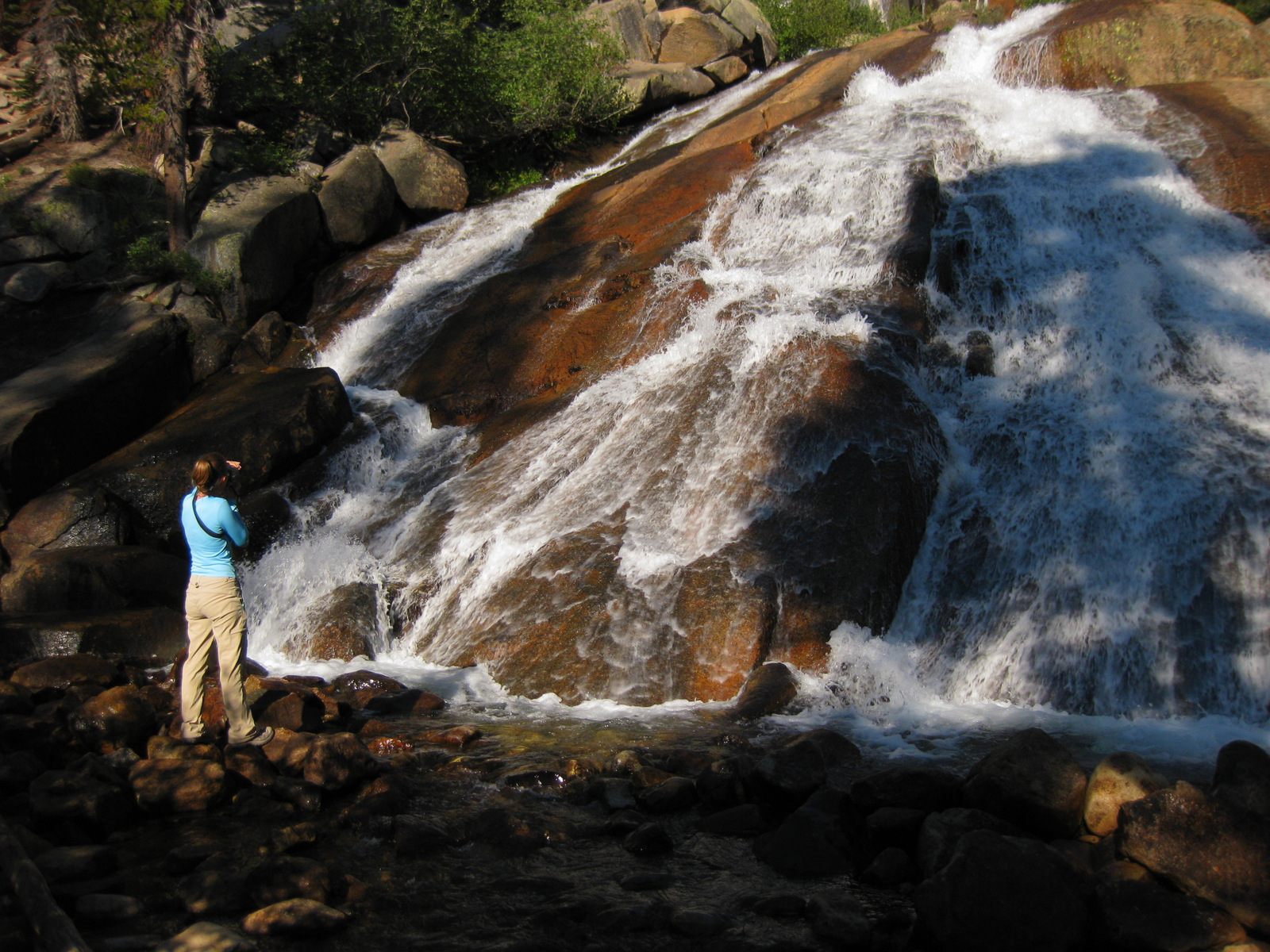
Devils Postpile, Rainbow Falls, Minaret Falls

Must-Do Activity

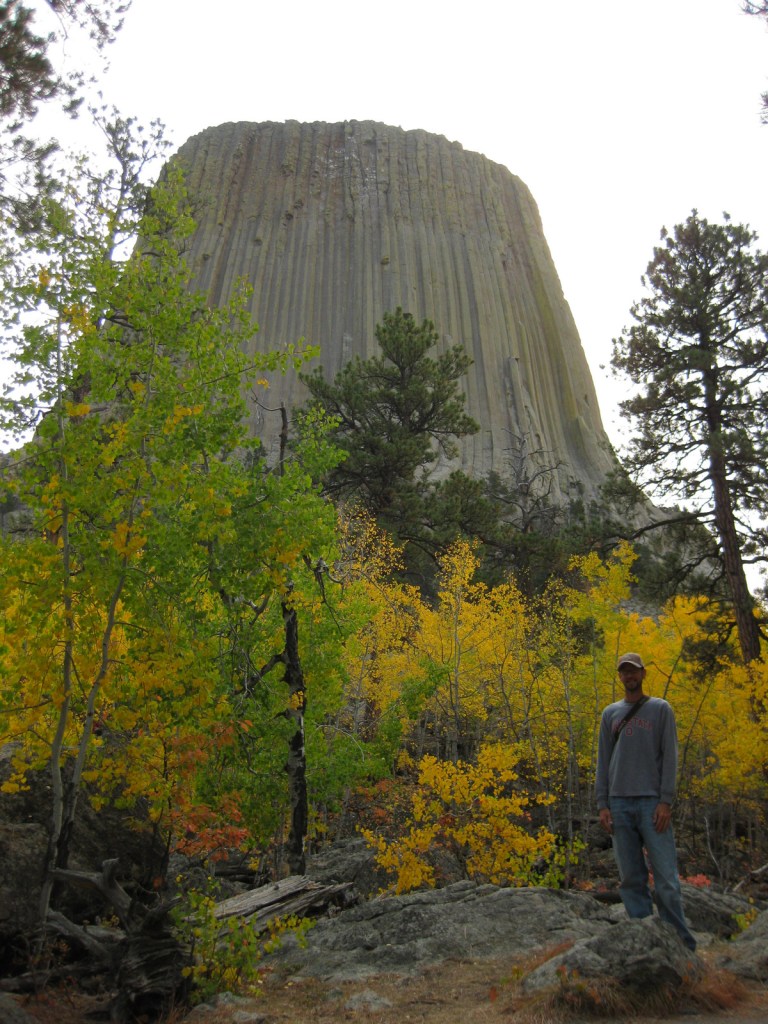
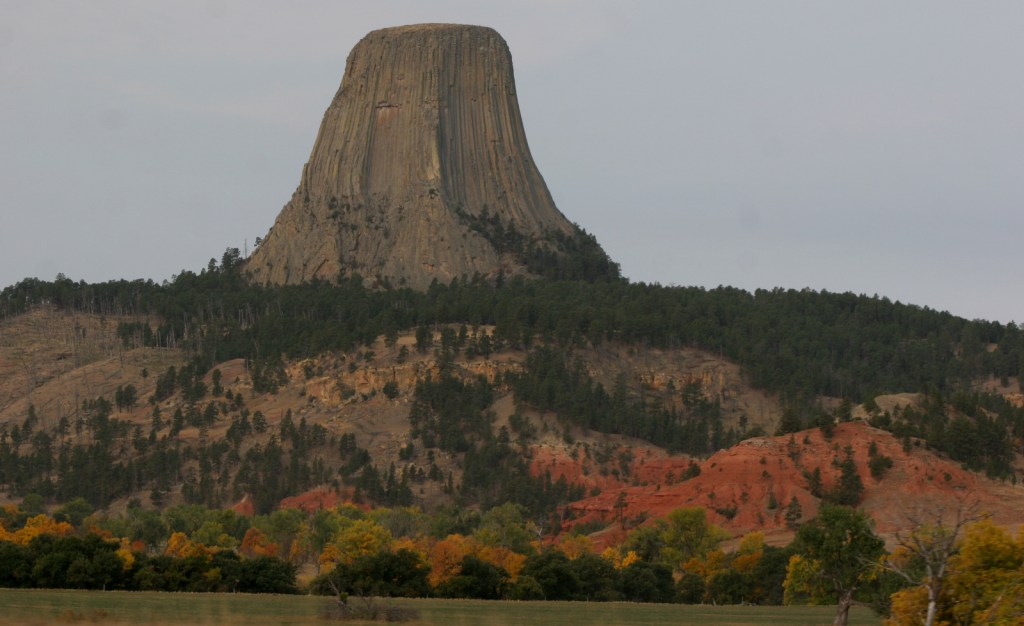
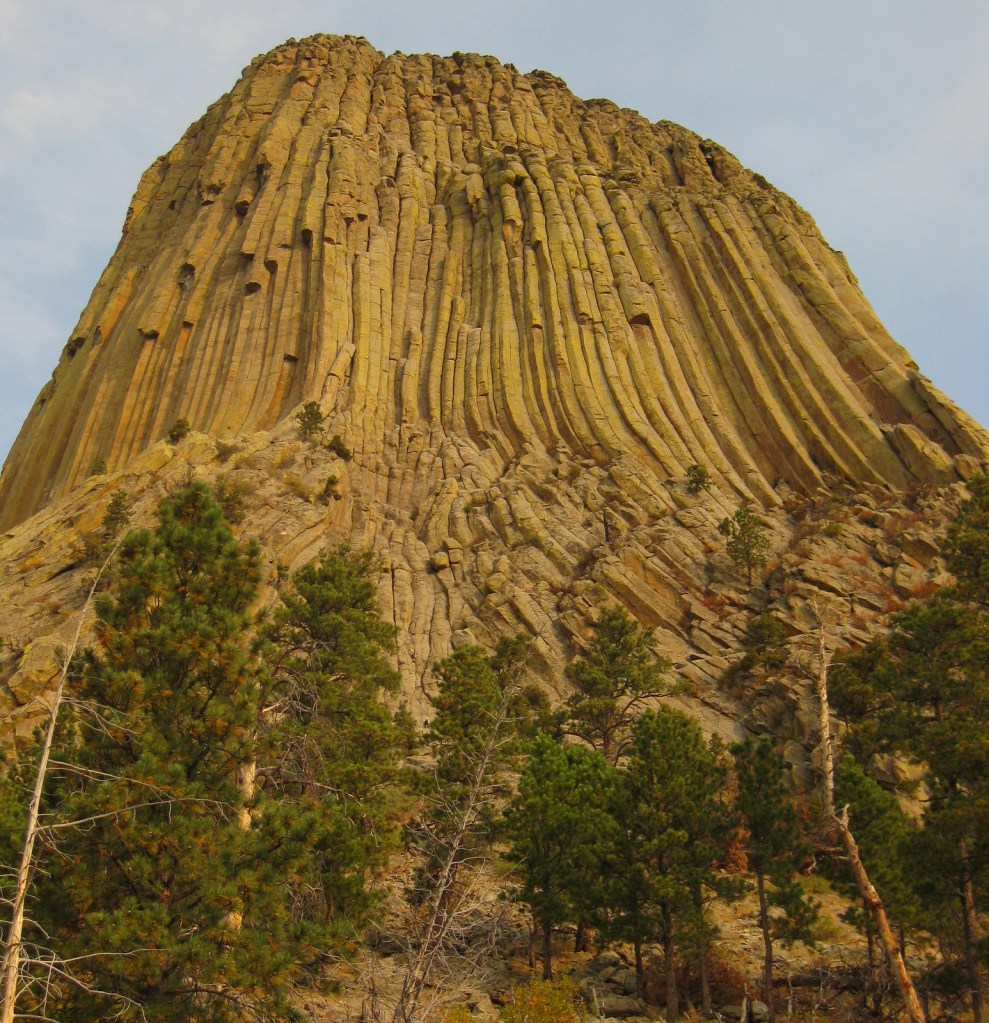
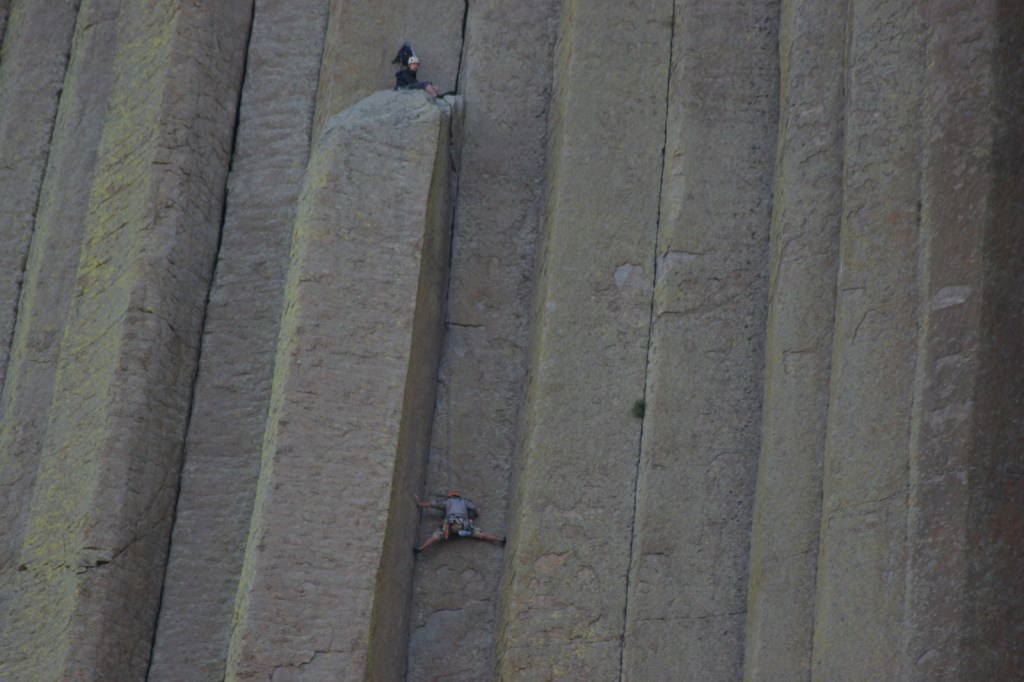
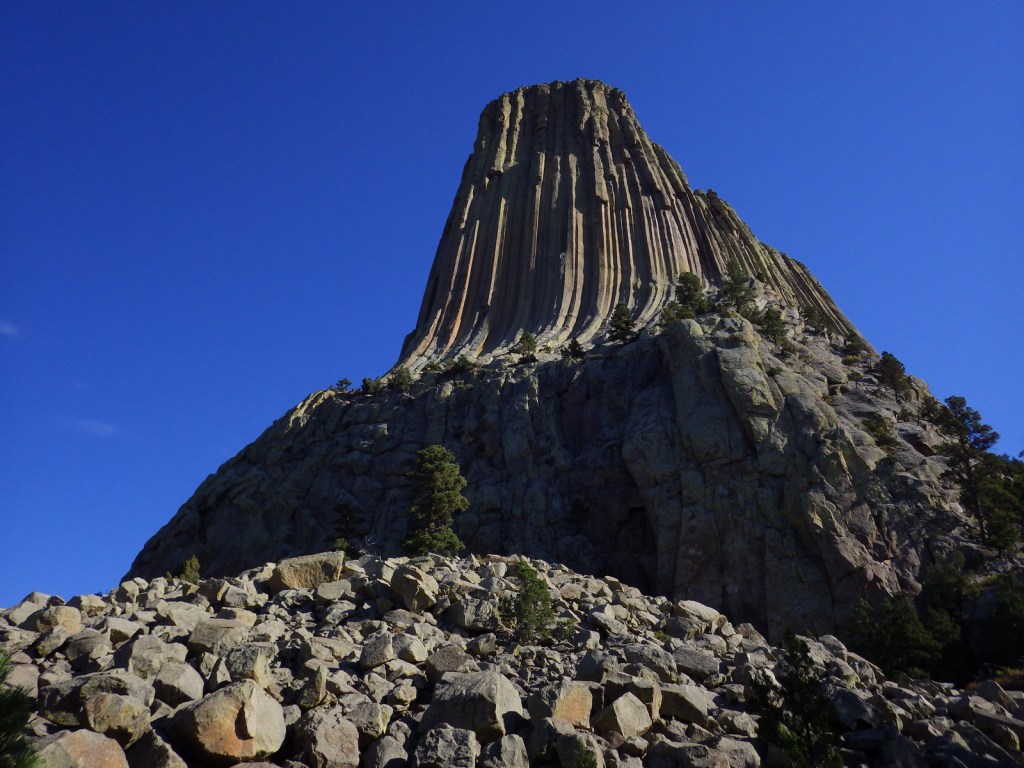
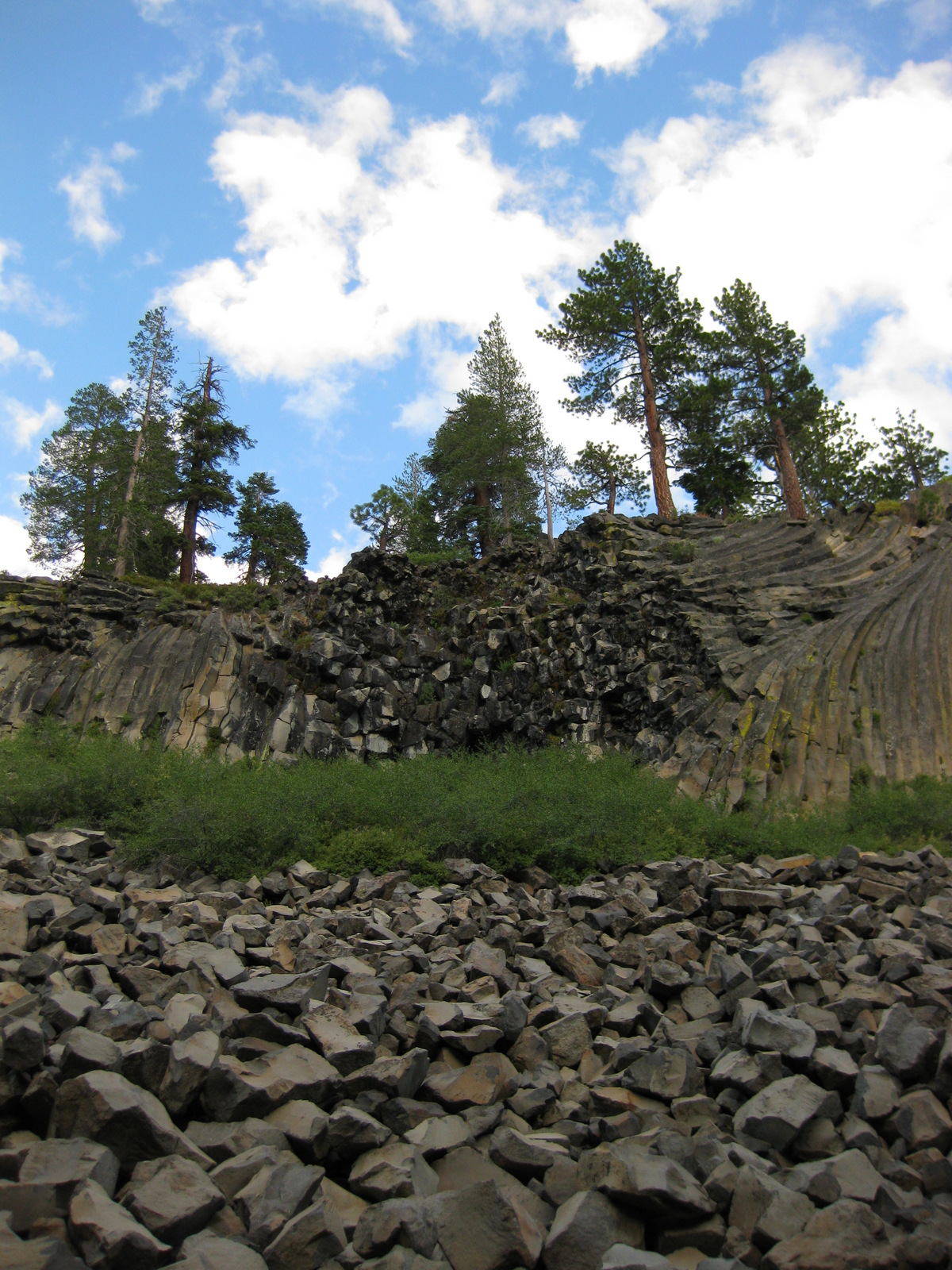
Devils Postpile National Monument is named for a 60-foot tall wall of columnar basalt formed by a volcanic eruption that occurred less than 100,000 years ago.  These interesting columns are one to three feet in diameter and more than half are hexagonal in shape. 

Best Trail

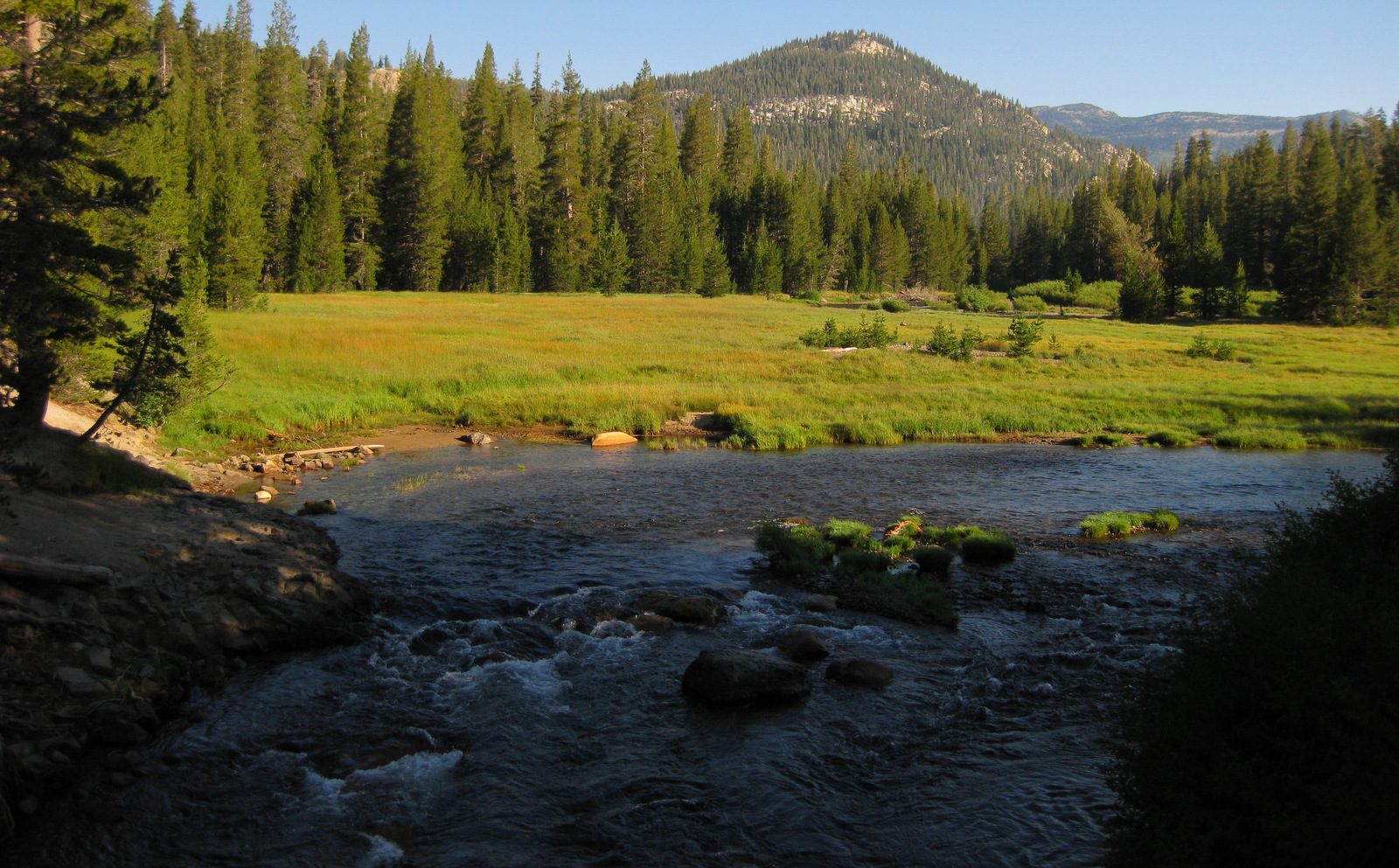
The Pacific Crest National Scenic Trail runs through the monument, but just outside its boundaries in Inyo National Forest is a 3-mile round trip hike to pretty Minaret Falls.

Instagram-worthy Photo

A short 1.3-mile roundtrip hike takes you to 101-foot-high Rainbow Falls, which usually lives up to its name and is one of the most stunning waterfalls we have ever seen. 

Peak Season

Due to high snowfall in the Eastern Sierra, it is generally only open from June through October. 

Hours

https://www.nps.gov/depo/planyourvisit/hours.htm

Fees

$20 per vehicle or America The Beautiful pass, but most visitors have to pay $8 per person for a shuttle bus to enter the monument.

Road Conditions

You are only allowed to drive your own vehicle down the narrow access road if you are staying at Reds Meadow Resort or the Inyo National Forest campground.  Otherwise, you must pay to take a shuttle from Mammoth Lakes, California. 

Camping

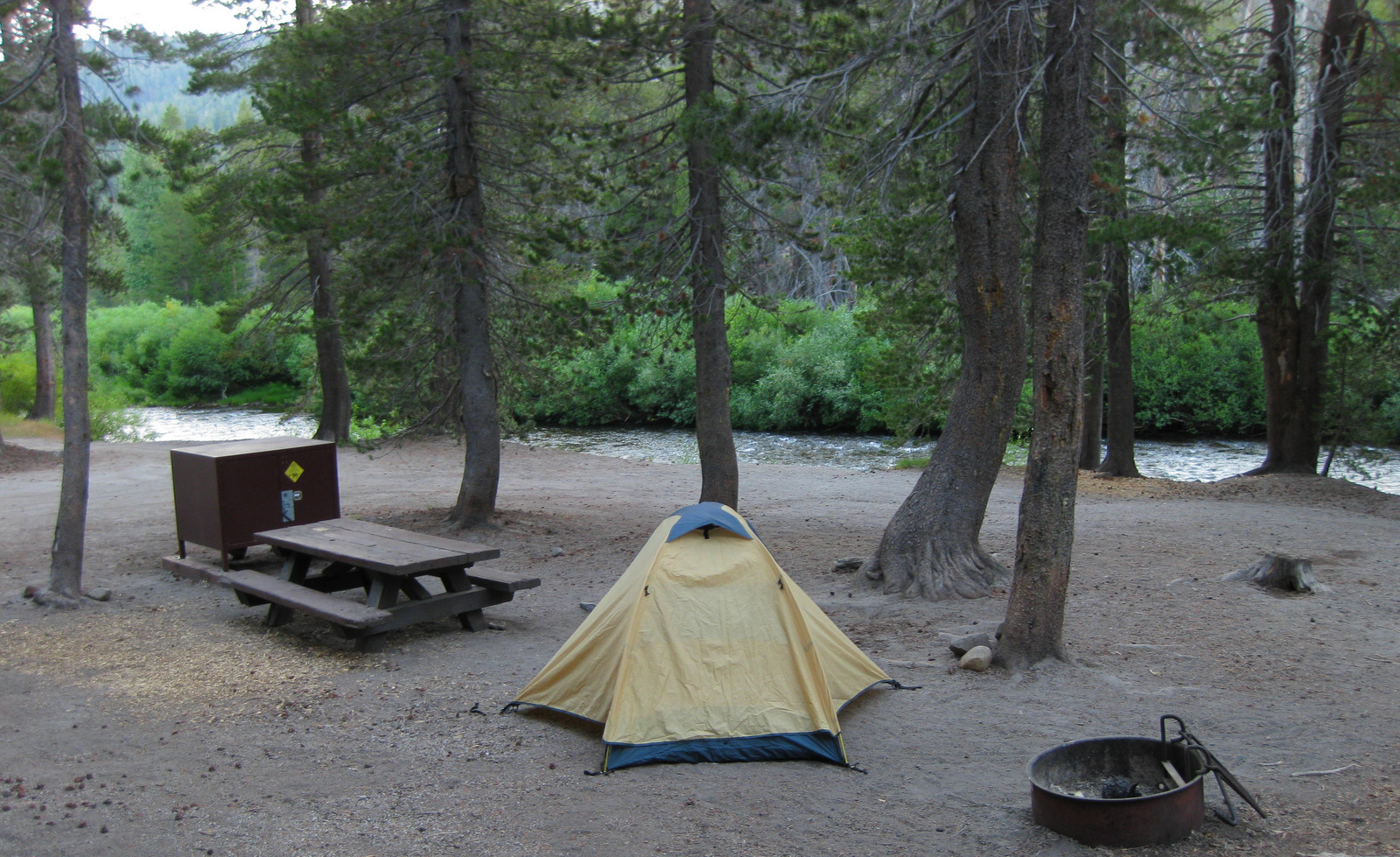
A 21-site campground is located near the National Monument and many others outside Mammoth Lakes, California in Inyo National Forest, where dispersed camping is also allowed in some places.
Explore More – How did glaciers help expose the Devils Postpile formation 10,000 years ago?

Padre Island National Seashore

Overview

To experience the natural side of this semitropical region, make a trip to Padre Island National Seashore south of Corpus Christi, Texas.  Unlike touristy South Padre Island, this barrier island offers 65 miles of undeveloped beaches for exploration by foot and 4-wheel-drive vehicles. 

Highlights

Malaquite Beach, Grasslands Nature Trail, Bird Island Basin

Must-Do Activity

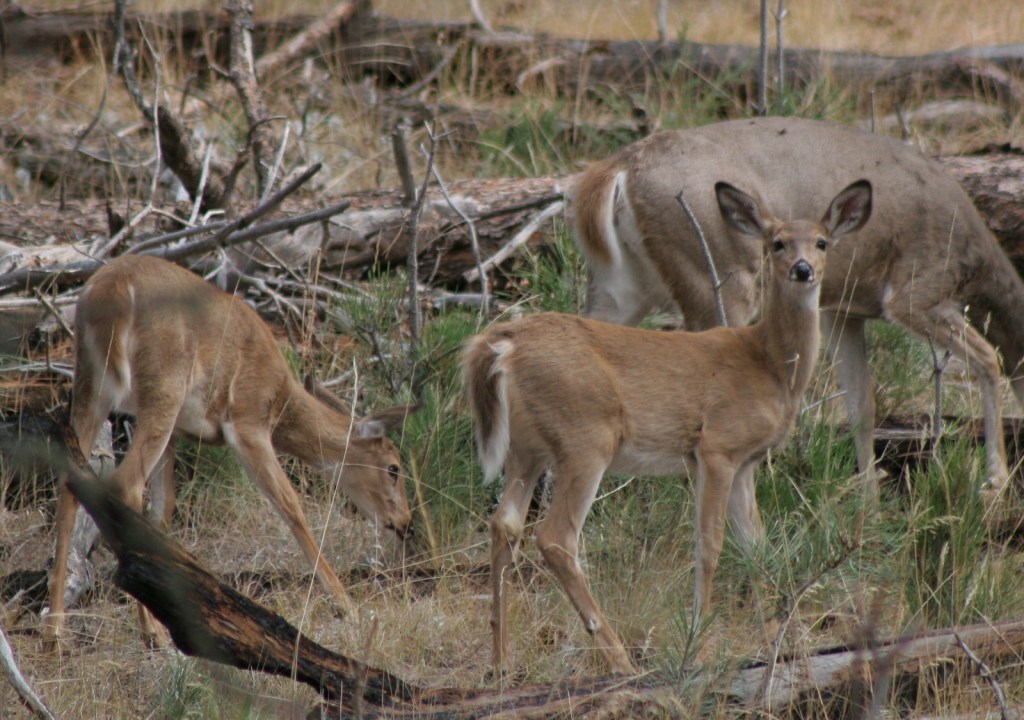
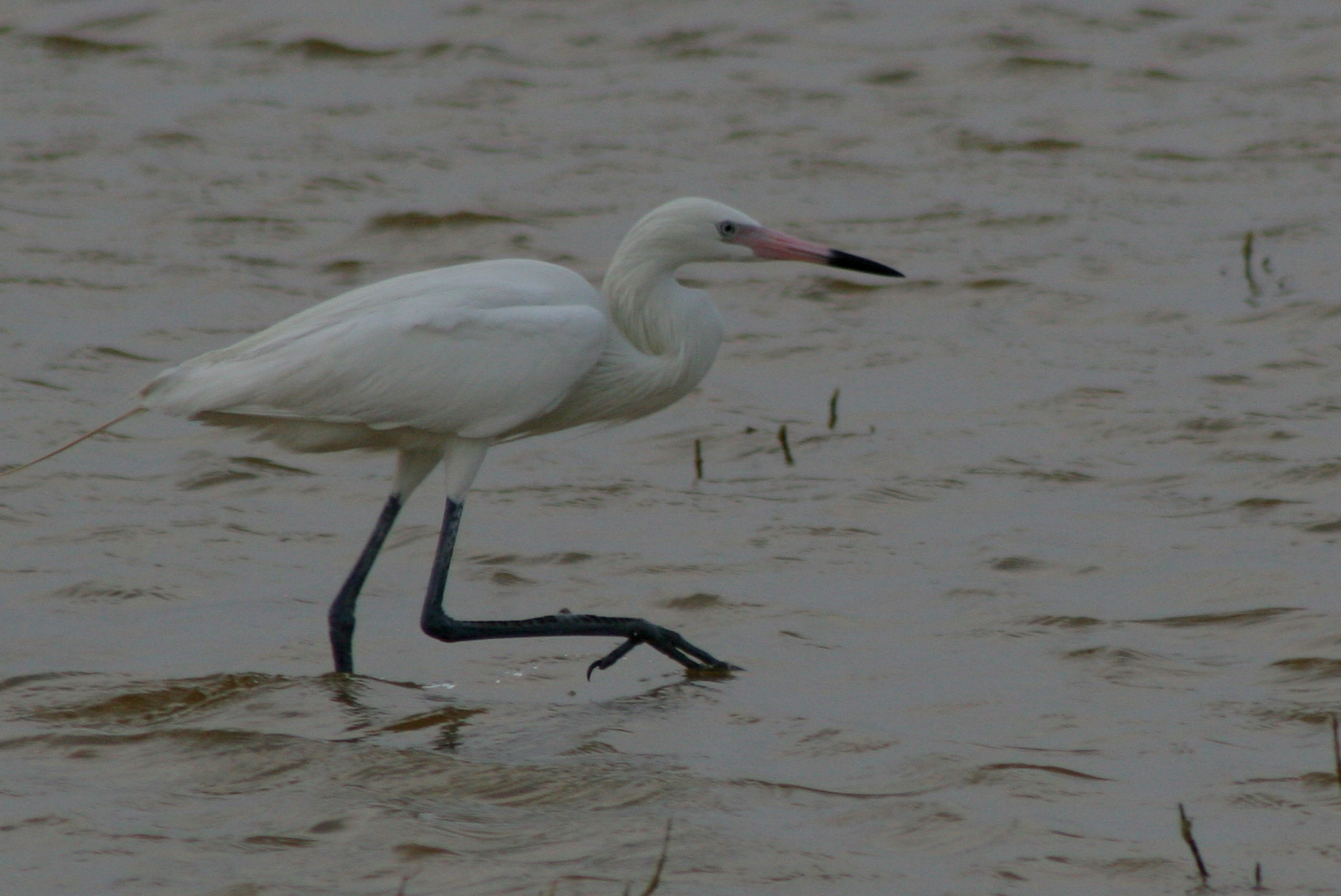
This wild island attracts a lot of wildlife, like white-tailed deer, a variety of shorebirds, and, unfortunately, Portuguese man-o-wars.  Keep an eye out for sea turtle patrols that drive up and down the beach all day seeking females laying eggs, including the endangered Kemp’s ridley.  Head further north for more bird watching, as Aransas National Wildlife Refuge typically sees a few overwintering whooping cranes, an extremely rare species.

Best Trail

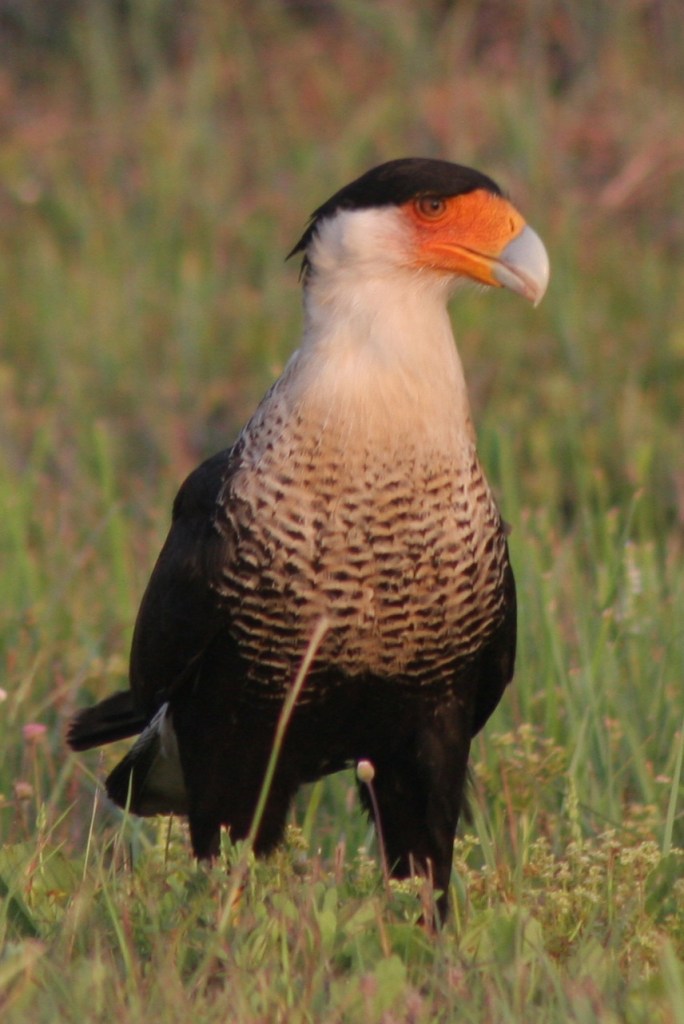
Take a walk on a boardwalk through the sand dunes on Grasslands Nature Trail to find white-tailed deer and maybe even a crested caracara.  Also look for caracaras along the roadside since they will eat carrion.

Instagram-worthy Photo

On the bay side of the barrier island, you can camp and watch kitesurfers at Bird Island Basin where herons and egrets are a common sight.  We also saw white pelicans in the spring.

Peak Season

Summer

Hours

https://www.nps.gov/pais/planyourvisit/hours.htm

Fees

$20 per vehicle or America The Beautiful pass

Road Conditions

Roads are paved to Malaquite Beach visitor center and from there you can drive most of the beaches with a 4-wheel-drive vehicle. 

Camping

Primitive camping is allowed on the beaches, but there is also a nice campground with water and showers near Malaquite Beach visitor center.  If you cannot find a campsite at Padre Island National Seashore, try up north at Mustang Island State Park.

Explore More – Currents in the Gulf of Mexico bring significant amounts of floating trash to the shoreline; how can you help during your visit?

Cedar Breaks National Monument

Overview

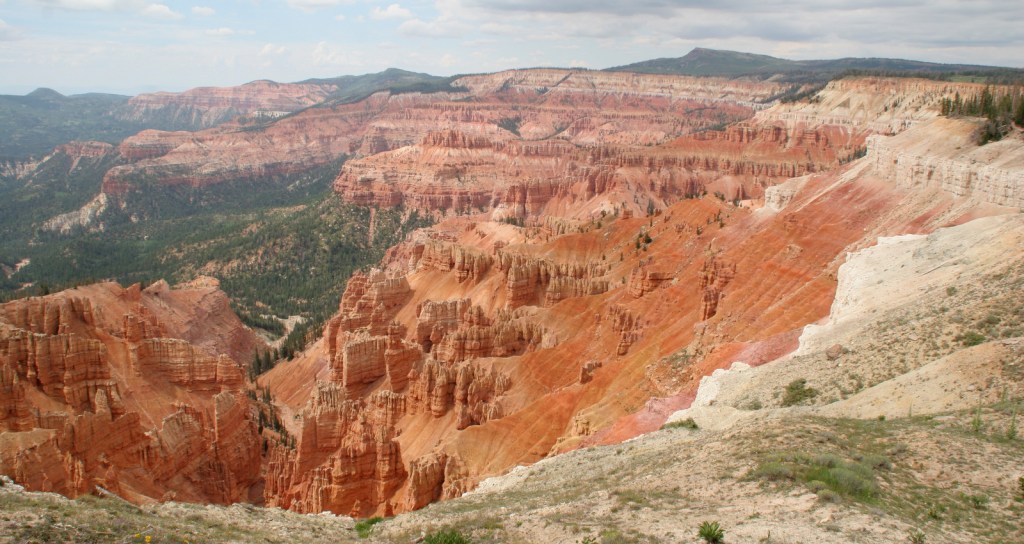
Cedar Breaks National Monument is a red rock badlands full of hoodoos situated at the edge of the Markagunt Plateau and only open during the summer due to its elevation above 10,000 feet.  Its colorful limestone amphitheater is like a miniature Bryce Canyon National Park without all the interior trails.

Highlights

Chessman Ridge Overlook, Point Supreme, Ramparts Trail, Spectra Point

Must-Do Activity

The National Park Service visitor center is open late May through October.  From there the short trail to Point Supreme and the longer Ramparts Trail lead to stunning overlooks of the amphitheater.  Also stop at Sunset View, Chessman Ridge Overlook, and North View on Cedar Breaks Scenic Drive. In the surrounding Dixie National Forest, there is free parking at the Rattlesnake Trail that offers two unique overlooks within the first mile before it drops steeply into the forested canyon.

Best Trail

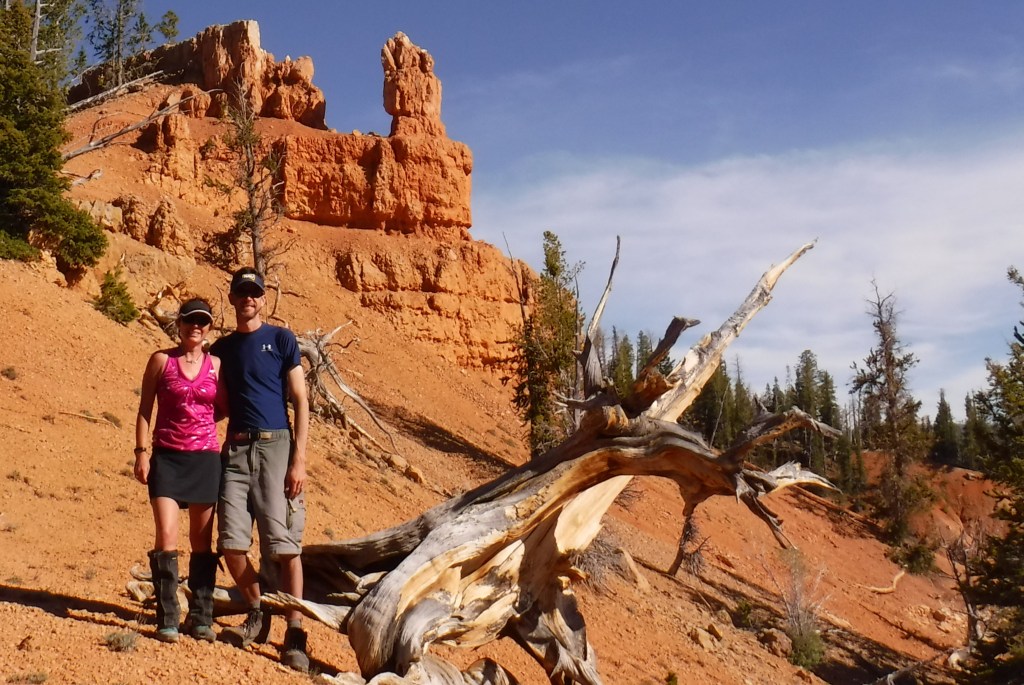
At 10,000 feet in elevation this is no place to try anything too strenuous.  Walk the flat one-mile Ramparts Trail to Spectra Point and stop at the many great overlooks along the way while enjoying the riotous summer wildflowers and gnarly bristlecone pine trees (some believed to be more than 1,600 years old).

Instagram-worthy Photo

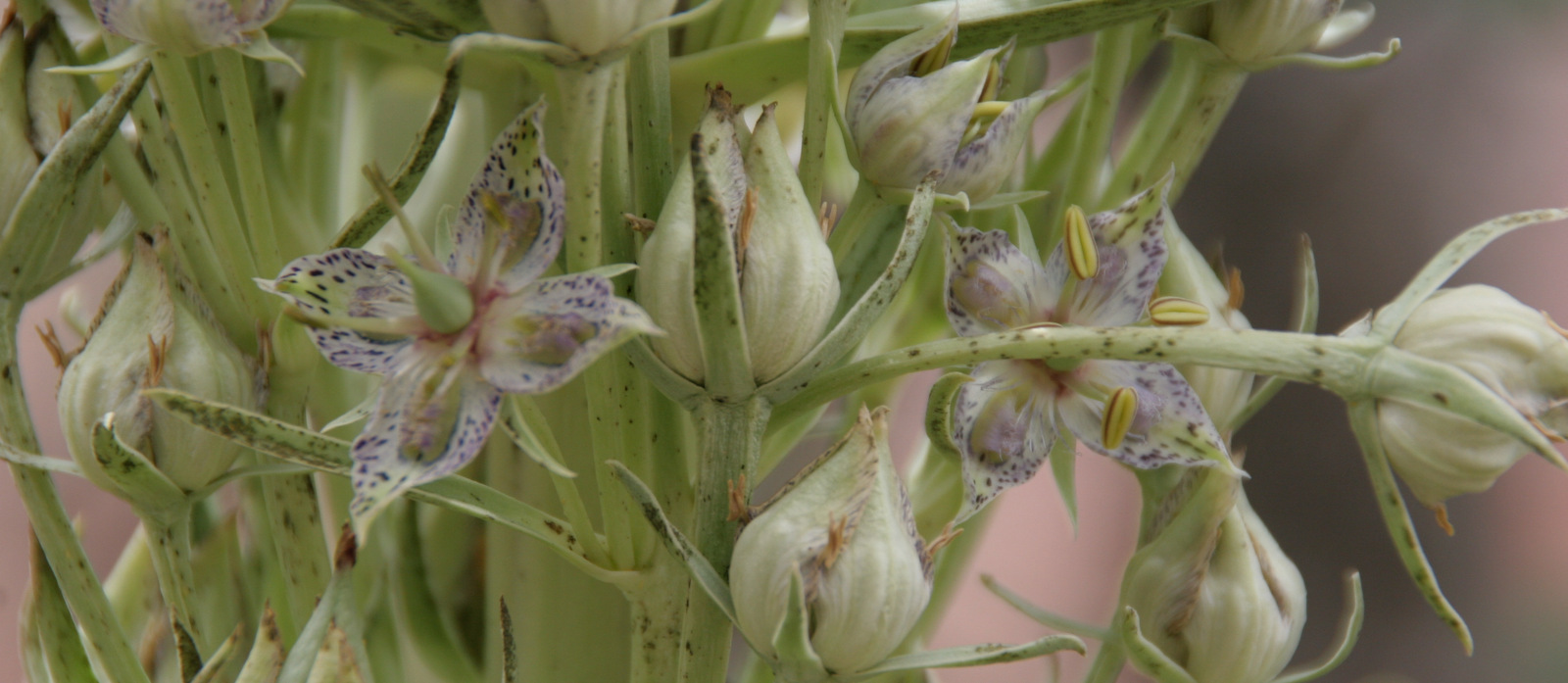
On our visit in July, we saw columbine, blue bells, larkspur, Indian paintbrush, elkweed, lupine, wild rose, fireweed, and cow parsnip; many of the same species that grow along the coast of Alaska. 

Peak Season

Summer, though snowmobilers and cross-country skiers can access the park during the winter.

Hours

https://www.nps.gov/cebr/planyourvisit/hours.htm

Fees

$25 per vehicle or America The Beautiful pass

Road Conditions

The paved Cedar Breaks Scenic Drive remains open until snow closes it usually by November.

Camping

The park contains Point Supreme Campground with 30 spaces and running water from June through September.  The surrounding Dixie National Forest also offers campgrounds and free dispersed camping.

Related Sites

Bryce Canyon National Park (Utah)

Dixie National Forest (Utah)

Great Basin National Park (Nevada)

Nearest National Park

Zion

Explore More – What is the name of the officially designated wilderness that Rattlesnake Trail enters outside the monument’s boundaries?

Sleeping Bear Dunes National Lakeshore

Overview

There are currently three National Lakeshores in the National Park Service system, and Sleeping Bear Dunes National Lakeshore is one of two in Michigan.  It encompasses 31 miles of mainland shoreline and 34 more miles on two large islands that give the park its name.  The park receives over a million visitors annually and is known for its fishing and canoeing.

Highlights

Dune Climb, Pierce Stocking Scenic Drive, Glen Haven Village Historic District, 1871 South Manitou Island Lighthouse

Must-Do Activity

Much of this National Lakeshore is forested and surrounds several small townships (marked “Twp” on many maps).  For a backcountry experience on the mainland, take the winding 7-mile Pierce Stocking Scenic Drive that becomes a cross-country ski trail in winter.  Trails and overlooks provide stops along the route, which is not recommended for long vehicles or trailers.

Best Trail

Dune Climb is more than 100 feet tall and the best place to play in the sand.  This is a perched dune where sand accumulated atop glacial moraines left from the last ice age.  From the top there are great views and you can continue on several other trails.

Instagram-worthy Photo

Glen Haven Village Historic District maintains a former general store, blacksmithy, and cannery, which now contains a museum dedicated to small watercraft.  The Sleeping Bear Point Coast Guard Station Maritime Museum is open Memorial Day to Labor Day.

Peak Season

Summer

Hours

https://www.nps.gov/slbe/planyourvisit/hours.htm

Fees

$25 per vehicle or America The Beautiful pass

Road Conditions

The main roads are paved, but some beach access is only by dirt road.  Ferries in the summer leave from Leland, Michigan to either North or South Manitou Islands where there are no roads.  Unless you are doing a day trip, camping permits are required before departure.

Camping

Platte River Campground is open year round and takes reservations.  Backpackers can enjoy more than 100 miles of trails, including some on the two wilderness islands.  Backcountry camping requires a permit.

Explore More – What were they canning at the old cannery in Glen Haven Village Historic District?

Cabrillo National Monument

Overview

Cabrillo National Monument is named for a Spanish explorer that sailed the California coastline in 1542 before mysteriously dying in the Channel Islands.  Located on Point Loma peninsula west of San Diego Bay, the steep cliffs offer great overlooks of Coronado Island and the city beyond. 

Highlights

Cabrillo statue, 1854 Old Point Loma Lighthouse, tidepools

Must-Do Activity

To find out more about the history of Spanish exploration in this region, check out the museum and talk to one of the costumed actors (it is southern California after all).  The national monument is a great place to imagine life at the Old Point Loma Lighthouse or learn the military past of the strategic defense post Fort Rosecrans. 

Best Trail

Follow the road downhill to the Pacific Ocean side of the peninsula to a great spot to explore tidepools.  Watch for migrating gray whales in the winter and the many unique bird species that migrate up and down the coast.  There is also the 2.5-mile roundtrip Bayside Trail.

Instagram-worthy Photo

Old Point Loma Lighthouse was built in 1854, but due to that famous California coastal fog it was retired from service in 1891.  Climb its circular stairs for a unique photo that looks like the inside of a seashell.

Peak Season

Year round, but less likely to be foggy in the winter.

Hours

https://www.nps.gov/cabr/planyourvisit/hours.htm

Fees

$20 per vehicle or America The Beautiful pass

Road Conditions

All roads paved

Camping

Mission Trails Regional Park off Highway 52 and other private campgrounds are located nearby.

Explore More – You would expect that Spain purchased the statue of Cabrillo, but which country actually did?