Tag Archives: wildlife

Saguaro National Park

Saguaro National Park

Arizona

Managed by National Park Service

Established 1933 National Monument, 1994 National Park

91,716 acres

Website: nps.gov/sagu

Overview

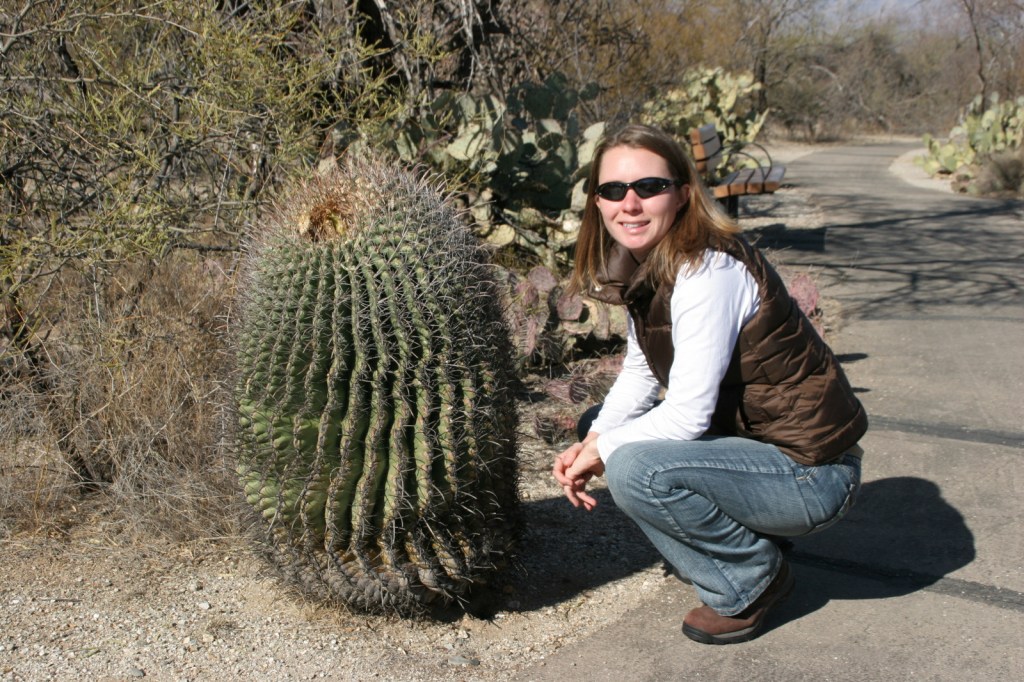
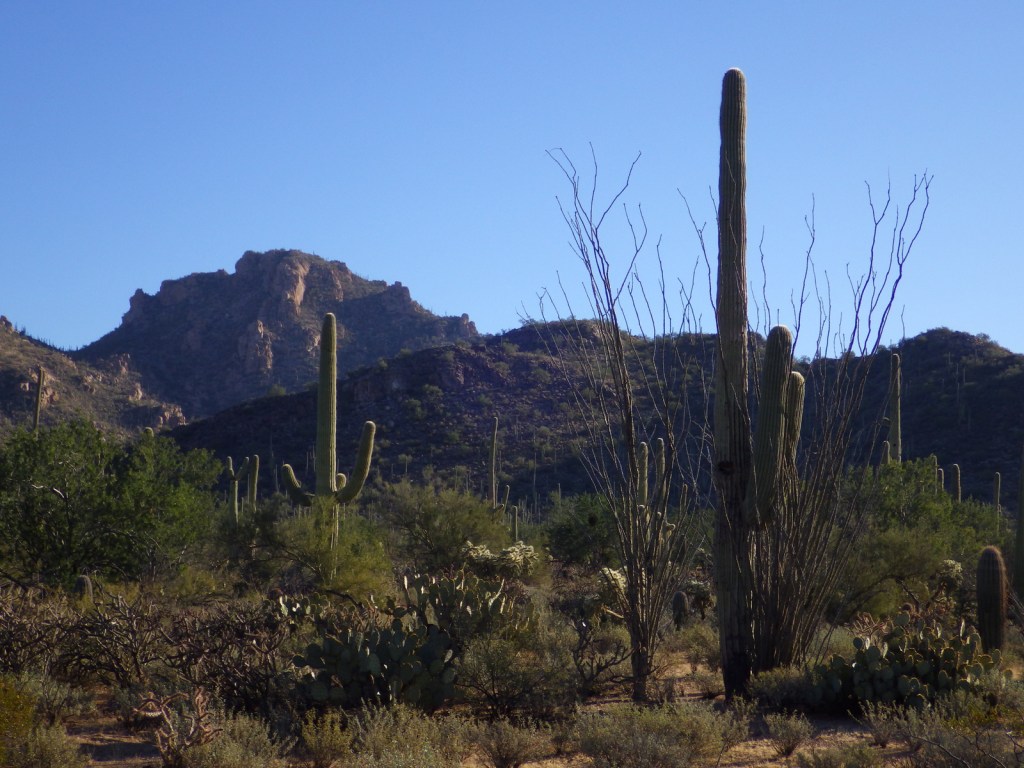
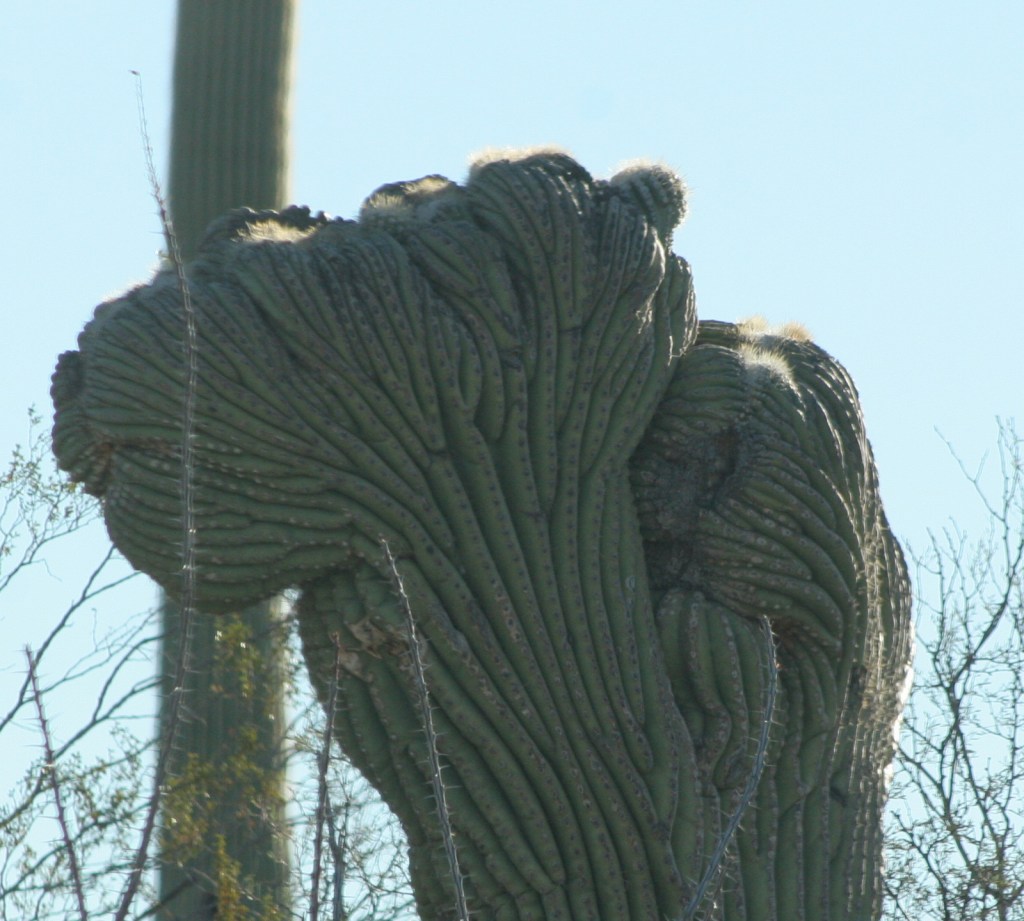
The only U.S. National Park within the expansive Sonoran Desert is divided into two separate districts east and west of Tucson, Arizona.  Its namesake cactus can reach 50 feet in height and weigh more than 16,000 pounds when swelled with water during the rainy season.  Saguaros do not typically branch their first arms until age seventy-five and they can live over 200 years.  They share their home with other cacti that have cuddly names like teddybear cholla, hedgehog, barrel, staghorn cholla, and prickly pear.

Know someone who loves National Parks? Gift them our travel guide A Park to Yourself: Finding Solitude in America’s 63 National Parks

Highlights

Cactus Forest Drive, Desert Ecology Trail, Scenic Bajada Loop Drive, Desert Discovery Nature Trail

Must-Do Activity

There are National Park Service (NPS) visitor centers in both the Rincon Mountain District and Tucson Mountain District.  In each district, opportunities for visitors include scenic drives, handicap-accessible nature trails, and more strenuous hiking options.  Much of the wildlife is nocturnal in the hot desert, but watch for unique species like javelinas, ringtails, kangaroo rats, roadrunners, phainopeplas, desert tortoises, Gila monsters, and western diamondback rattlesnakes.

Best Trail

Hikers can find great overlooks of the surrounding mountains along the short Ridge View Trail in the eastern Rincon Mountain District of the park.

Instagram-worthy Photo

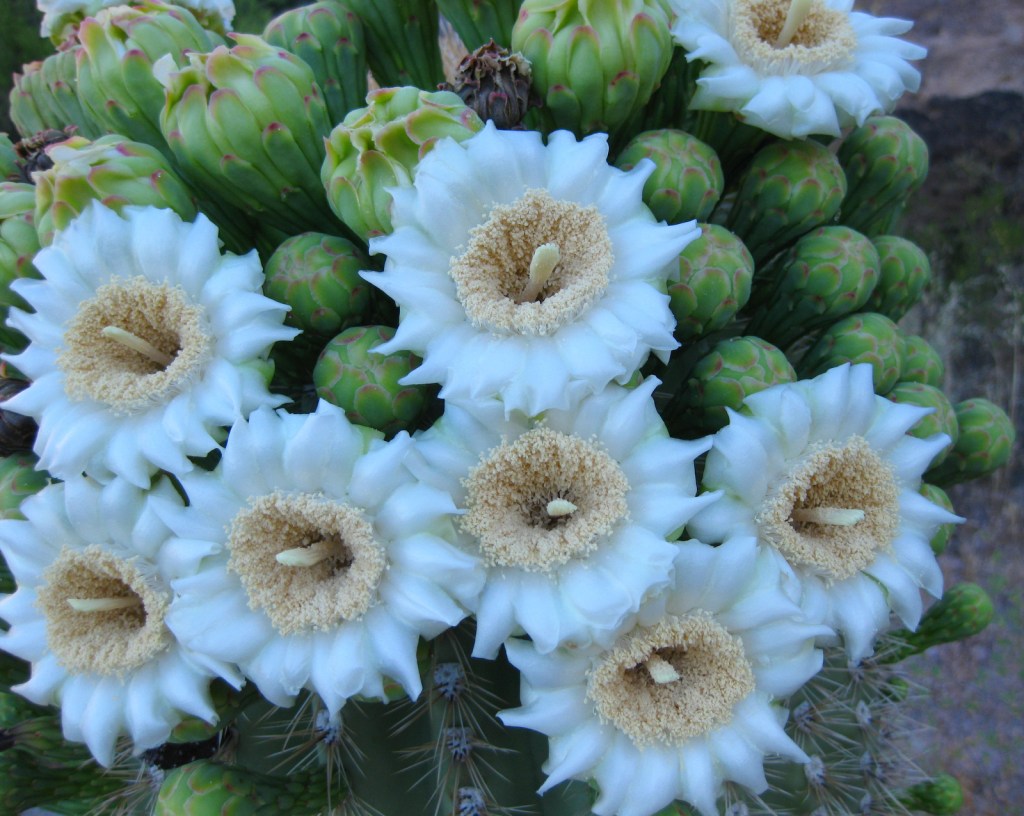
Winter is a great time to come to Saguaro National Park due to mild temperatures, but to see the desert in bloom the spring is best.  Saguaros typically bloom in early June, though their large white blooms are hard to photograph at the top of the tall cacti where moths, bats, and other pollinators can find them.
Peak Season

Spring

Hours

https://www.nps.gov/sagu/planyourvisit/hours.htm

Fees

$25 per vehicle or America the Beautiful pass

Road Conditions

In the Rincon Mountain District the Cactus Forest Drive is all paved, but in the Tucson Mountain District the Scenic Bajada Loop Drive is mostly a graded gravel road.

Camping

Only backcountry camping in designated sites (with a permit) is allowed in the National Park, but campgrounds are available at Tucson Mountain County Park just outside the western district and throughout Coronado National Forest which borders the eastern district.

Related Sites

Organ Pipe Cactus National Monument (Arizona)

Tumacacori National Historical Park (Arizona)

Chiricahua National Monument (Arizona)

This design we created to celebrate Saguaro National Park is available on a variety of products at Cafe Press and Amazon.

Explore More – Tohono O’odham Indians utilized saguaro fruit for jam, syrup, and wine; at what age do the cacti start flowering?

Know someone who loves National Parks? Gift them our travel guide A Park to Yourself: Finding Solitude in America’s 63 National Parks

Whitman Mission National Historic Site

Overview

While there was some limited European settlement on the west coast prior to her journey, the popularization of the Oregon Trail for families can be traced to publication of the letters of Narcissa Whitman after her journey in 1836.  While in the Black Hills she wrote, “It is astonishing how well we get along with our wagons where there are no roads.  I think I may say it is easier traveling here than on any turnpike in the States.”  Narcissa came with her doctor husband and other Protestants to establish missions among the American Indians.  The Whitmans did much to open the west to emigrant families and you can visit their graves at this 138-acre National Park Service (NPS) site in Walla Walla, Washington.

Highlights

Museum, film, millpond, Whitman Memorial, Oregon National Historic Trail

Must-Do Activity

The Whitmans set up near Waiilatpu, which translates to “place of the people of the rye grass.”  The main Oregon Trail would eventually detour south of their mission, but the couple would still care for stragglers, even adopting 10 children.  Following a devastating 1847 measles epidemic they and eleven others were killed by grieving Cayuse families who blamed the doctor for poisoning them.  News of the November 29 attack and subsequent retaliations spurred Congress to create the Oregon Territory within the year. 

Best Trail

A self-guided interpretive trail leads up to an overlook of Waiilatpu from atop the Whitman Memorial hill.  The trail passes a restored millpond and the Great Grave where 13 victims were buried in 1847, including Narcissa Whitman and her husband.

Instagram-worthy Photo

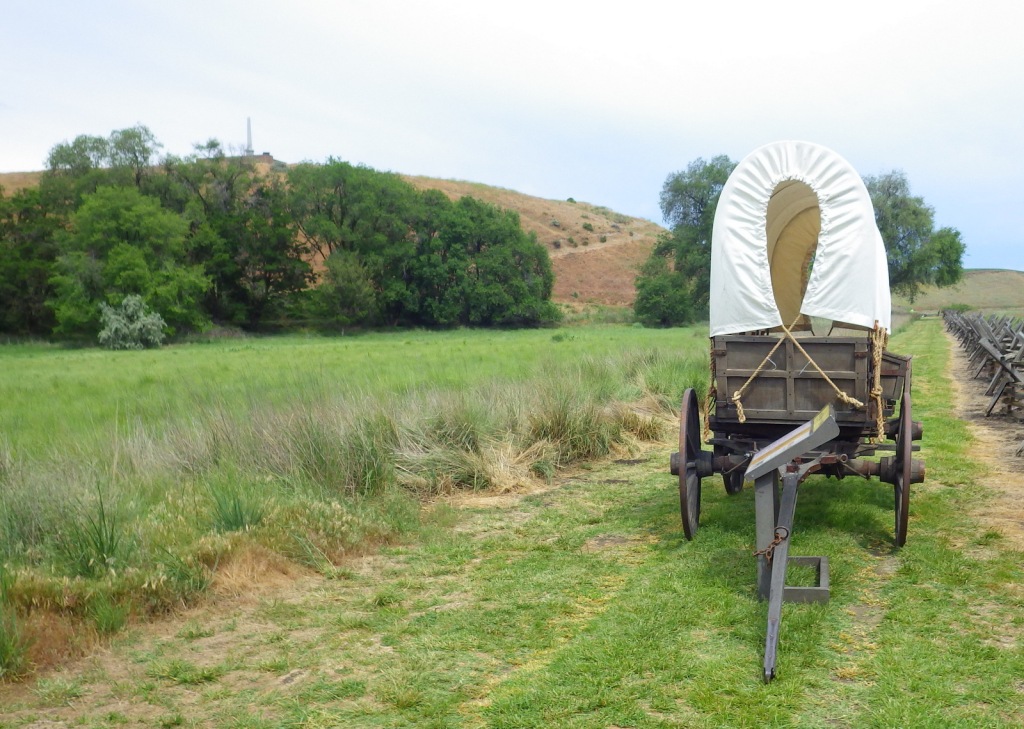
A portion of the Oregon Trail passed through Waiilatpu until rerouted south after 1844.

Peak Season

Summer

Hours

https://www.nps.gov/whmi/planyourvisit/hours.htm

Fees

None

Road Conditions

All roads paved

Camping

There is not an NPS campground, but private campgrounds are located in Walla Walla, Washington.

Related Sites

Fort Vancouver National Historic Site (Washington)

Lake Chelan National Recreation Area (Washington)

Lewis and Clark National Historical Park (Oregon-Washington)

Explore More – In addition to those killed in the attack at Whitman Mission on November 29, 1847, how many others were held hostage for a month until their ransom was paid?

Lyndon B. Johnson National Historical Park

Overview

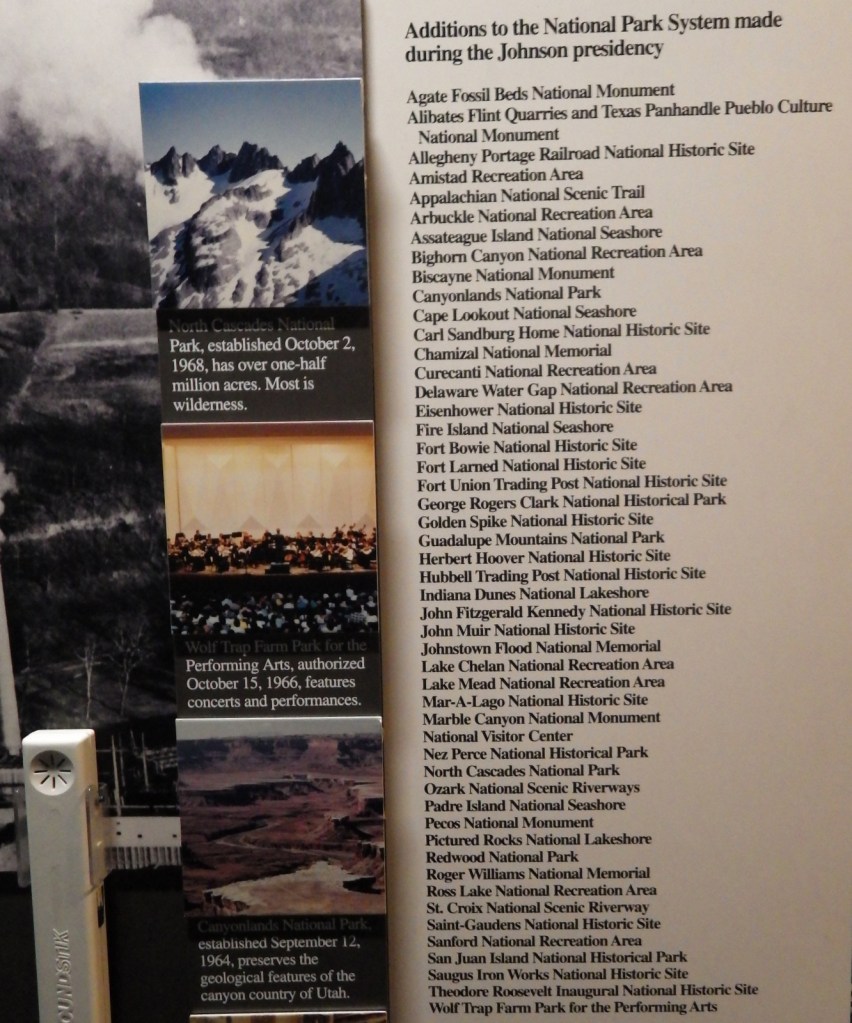
Lyndon B. Johnson National Historical Park is composed of two separate sites located 14 miles apart in Johnson City and Stonewall, Texas.  Museums here highlight the significant legislation that passed during his presidency from 1963-1969, including the pivotal Civil Rights Act, and, for nature lovers, the Wilderness Act.  Additions to the National Park Service (NPS) system during his presidency were extensive, including five sites in his home state of Texas (see Related Sites below).

Highlights

Johnson Settlement, films, Texas White House, Johnson Family Cemetery

Must-Do Activity

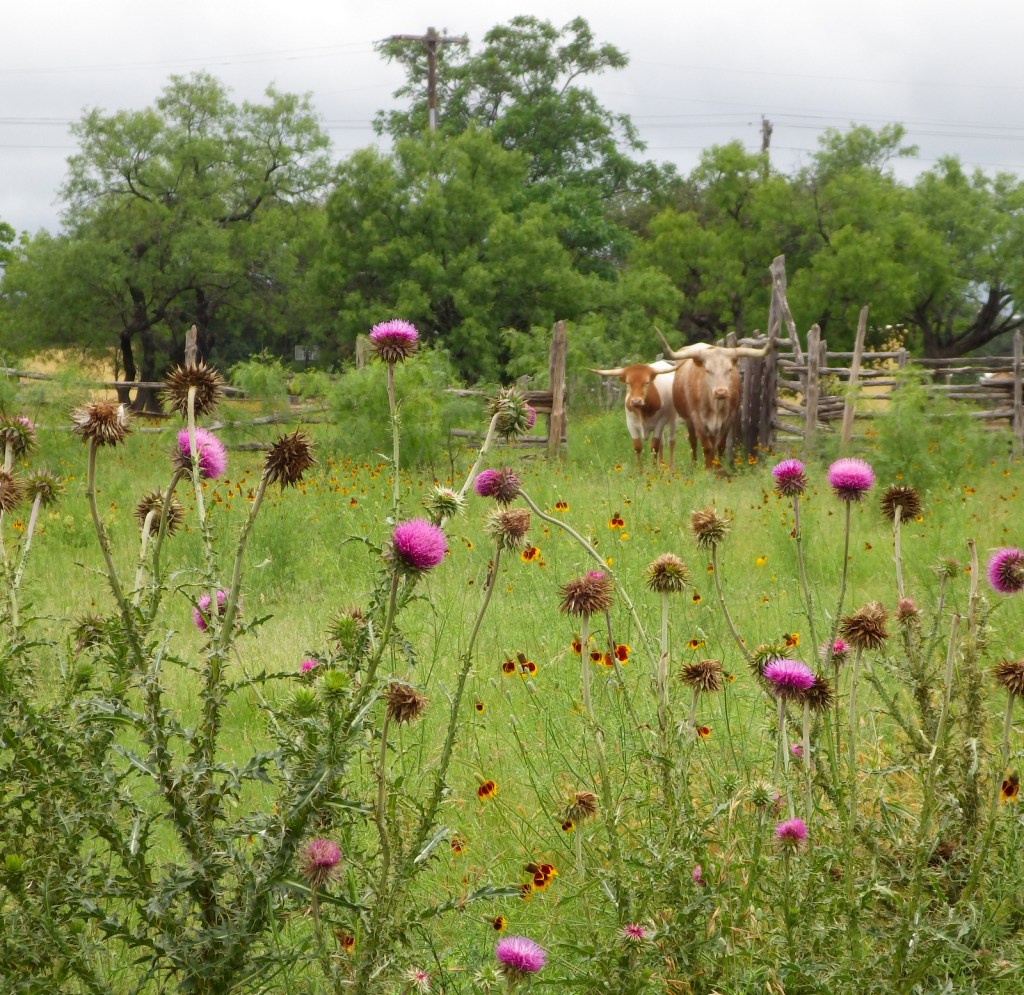
The 36th President of the United States is typically referred to as LBJ.  Birders know an “LBJ” as an acronym for those hard to identify “little brown jobs” that flit away before you can focus them in your binoculars.  Fittingly, President LBJ’s wife was named Lady Bird, and together they did much to preserve our public lands for native plants and animals.  Around the boyhood home where LBJ grew up in Johnson City, there are plenty of birds to watch, as well as longhorn cattle.  A driving tour through the Stonewall property (14 miles west) requires a permit from the LBJ State Park and Historic Site.  Once you get that, tickets for a guided tour of the Texas White House are available at the NPS visitor center located inside the Airplane Hangar.

Best Trail

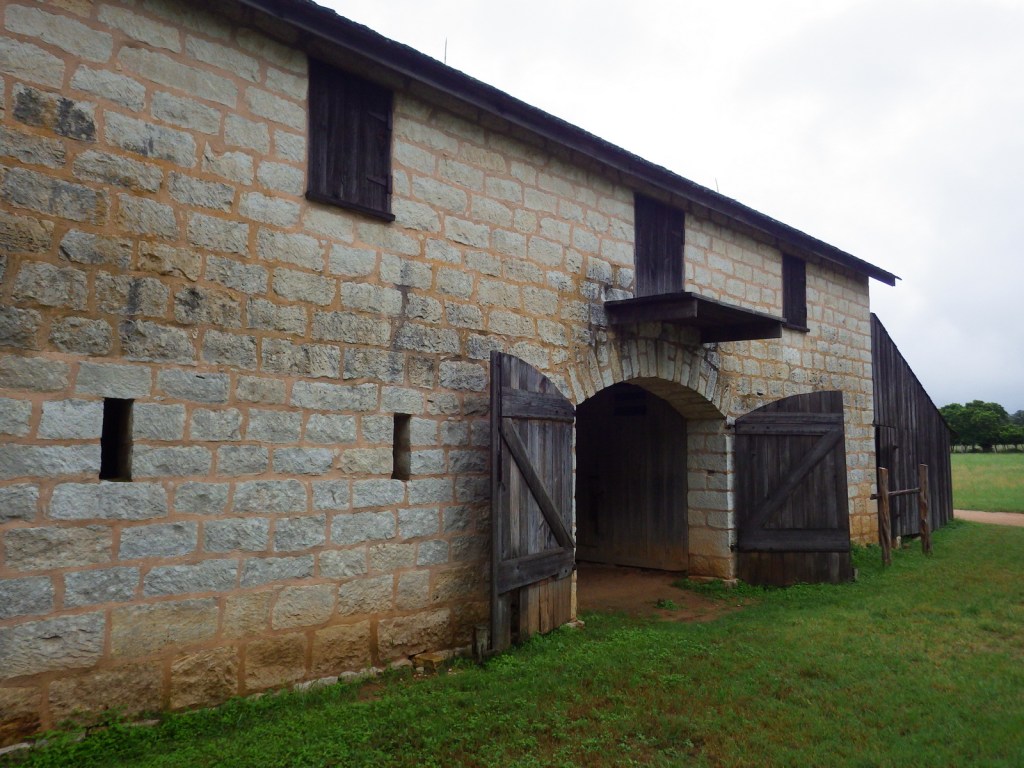
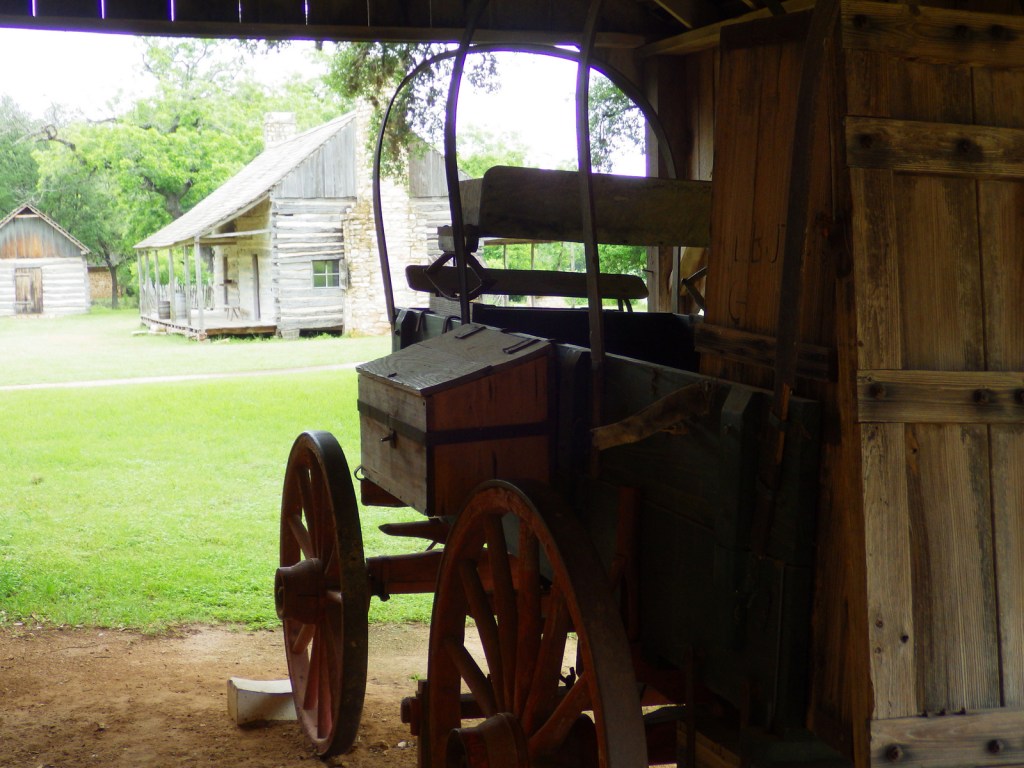
A walking tour through Johnson City includes stops at Withers and Spauldings General Store, LBJ’s boyhood home, and barns and cabins that date back to the 1800s within the Johnson Settlement.

Instagram-worthy Photo

Longhorn cattle can be seen at the Johnson Settlement in Johnson City, Texas.  Hereford cattle are still raised at the working ranch in Stonewall.

Peak Season

Spring and fall

Hours

https://www.nps.gov/lyjo/planyourvisit/hours.htm

Fees

None except for the Texas White House tour ($3 per person or free with the America the Beautiful pass)

Road Conditions

All roads paved

Camping

East of Johnson City, Pedernales Falls State Park has a campground, as does Lady Bird Johnson Municipal Park in Fredericksburg, Texas.

Related Sites

Guadalupe Mountains National Park (Texas)

Padre Island National Seashore (Texas)

Alibates Flint Quarries National Monument (Texas)

Explore More – Which resort in Florida (later owned by a future U.S. President) was designated a National Historic Site under the Johnson administration (then eventually sold and disbanded)?

Chiricahua National Monument

Overview

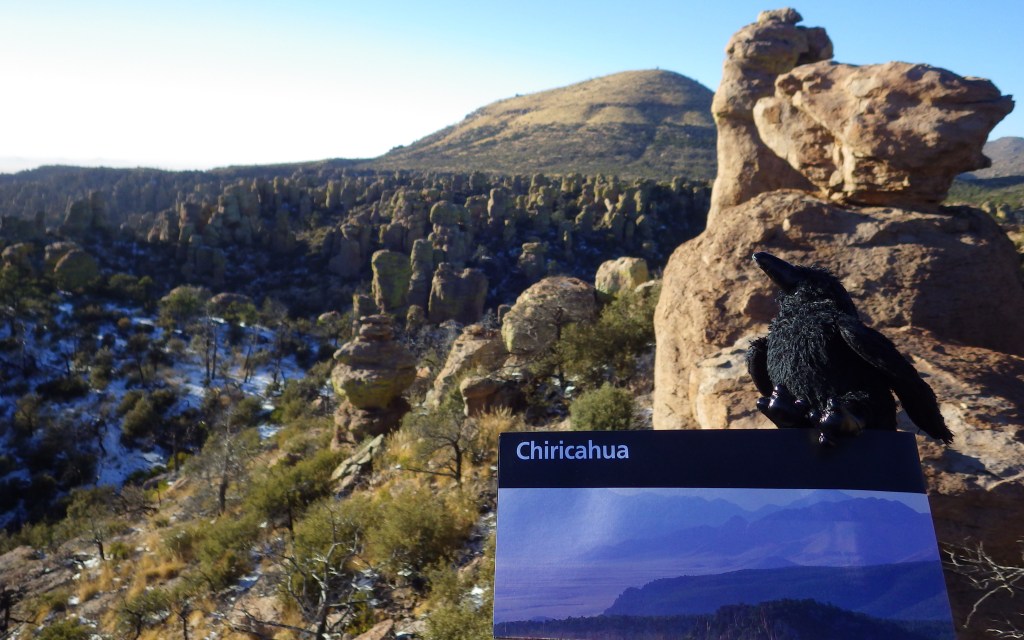
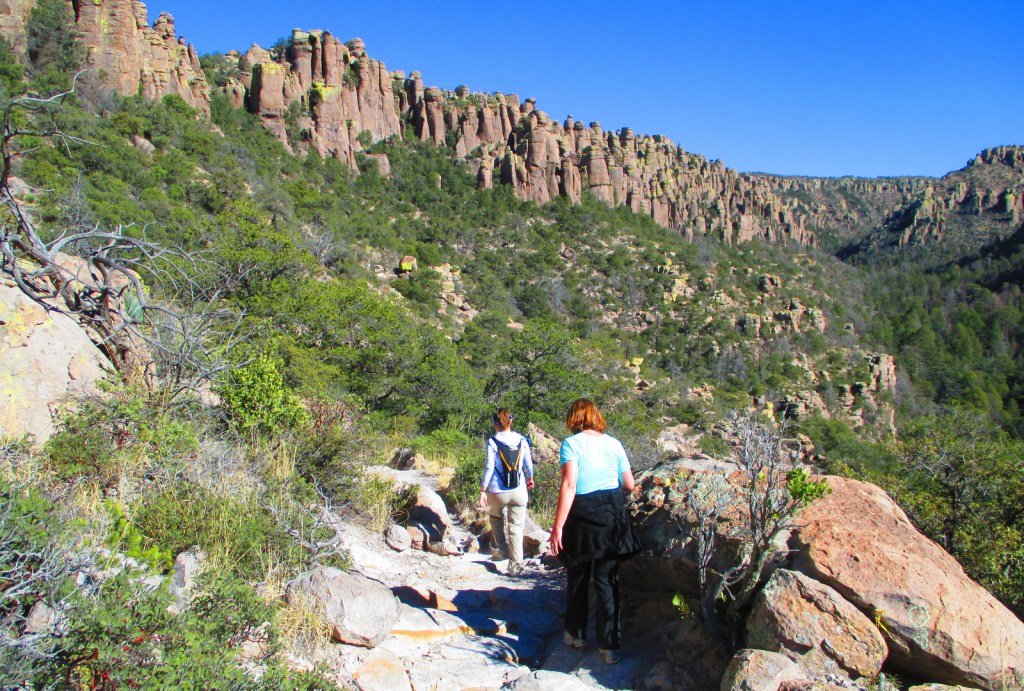
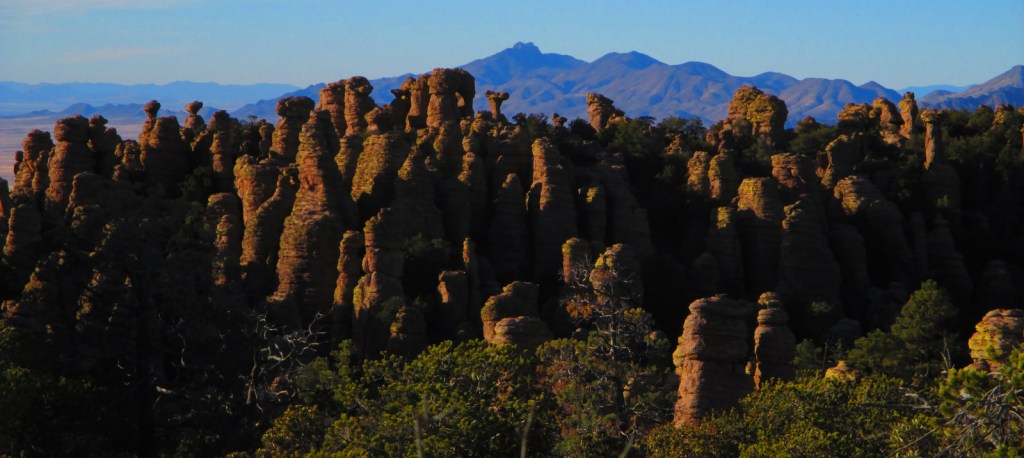
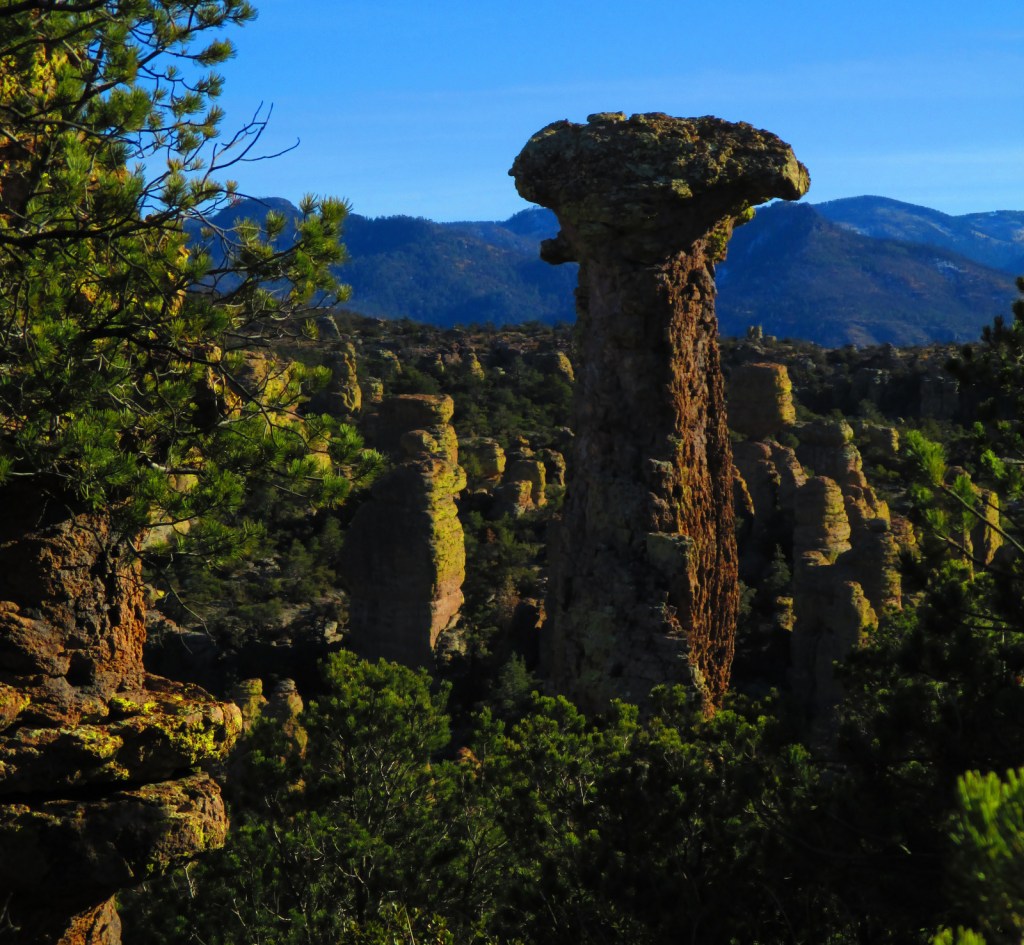
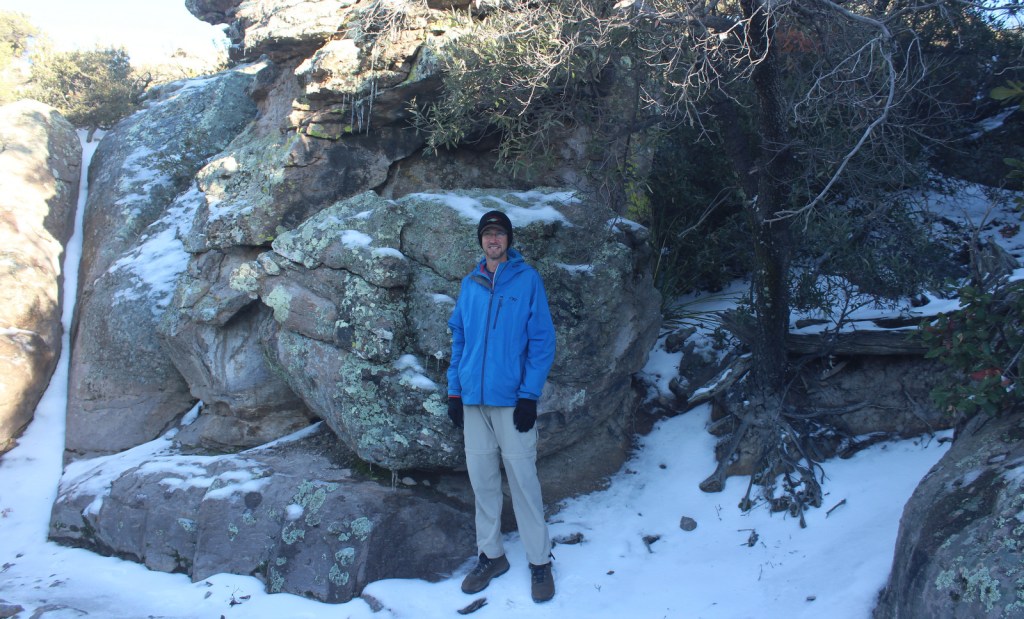
Tucked away in the southeastern corner of Arizona, Chiricahua National Monument was established in 1924 to protect a spectacular collection of rhyolite rock formations.  Millions of years of erosion left behind tall pinnacles that rise above surrounding evergreen trees.  A six-mile long paved road leads up from the National Park Service (NPS) visitor center to Massai Point for great views of the volcanic pillars.  At an elevation of around 7,000 feet it can get cold in the winter, but still quite hot in the summer, so spring and fall are the best seasons to visit.

Highlights

Massai Point, Echo Canyon, Big Balanced Rock, Heart of Rocks Loop

Must-Do Activity

We recommend an all-day loop hike through Echo Canyon to the Heart of Rocks Loop where you will find rocks resembling camels, ducks, and anything else you can imagine.  The wildlife and vegetation here is diverse and representative of many ecosystems because of the elevation range of this “sky island.”  Many visitors that spend the night in the NPS campground report seeing coatimundi, a unique long-tailed omnivore related to the raccoon with a species distribution stretching into South America. 

Best Trail

There are 17 miles of trails in the park and hiking is the best way to explore the rock formations.  A self-guided loop at Massai Point is an option if you are short on time and cannot make it all the way to the impressive Big Balanced Rock.

Instagram-worthy Photo

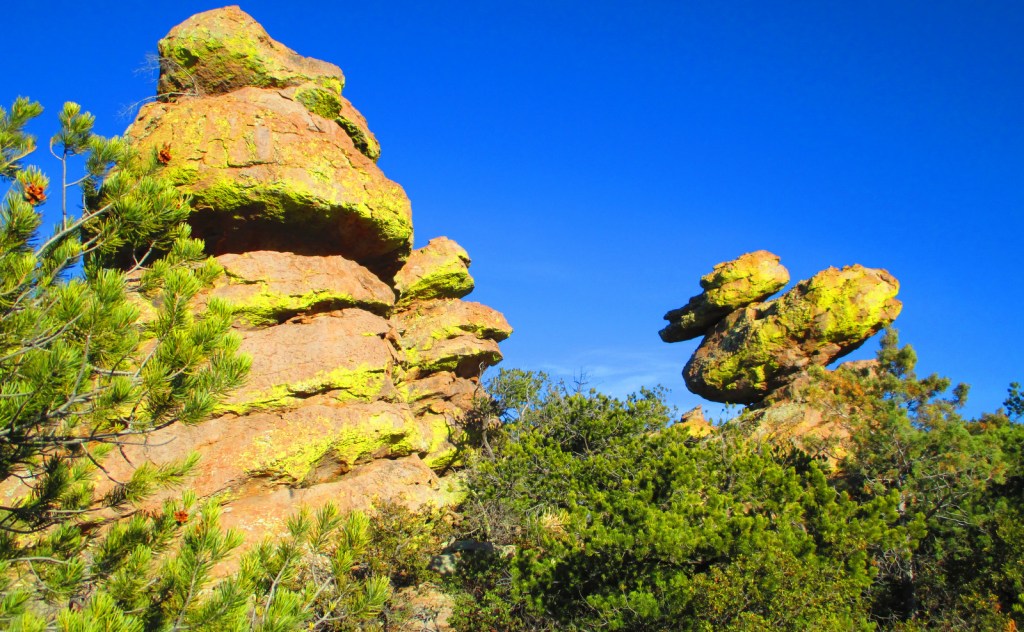
There is a formation on the Heart of Rocks Loop that is appropriately known as Duck on a Rock. 

Peak Season

Spring and fall

Hours

https://www.nps.gov/chir/planyourvisit/hours.htm

Fees

None

Road Conditions

All roads paved

Camping

The small 24-site NPS campground is known for its nocturnal visitations by coatimundi.

Related Sites

Coronado National Memorial (Arizona)

Organ Pipe Cactus National Monument (Arizona)

Tumacacori National Historical Park (Arizona)

Explore More – Big Balanced Rock is 22-feet in diameter, so how much is it estimated to weigh?

Hubbell Trading Post National Historic Site

Overview

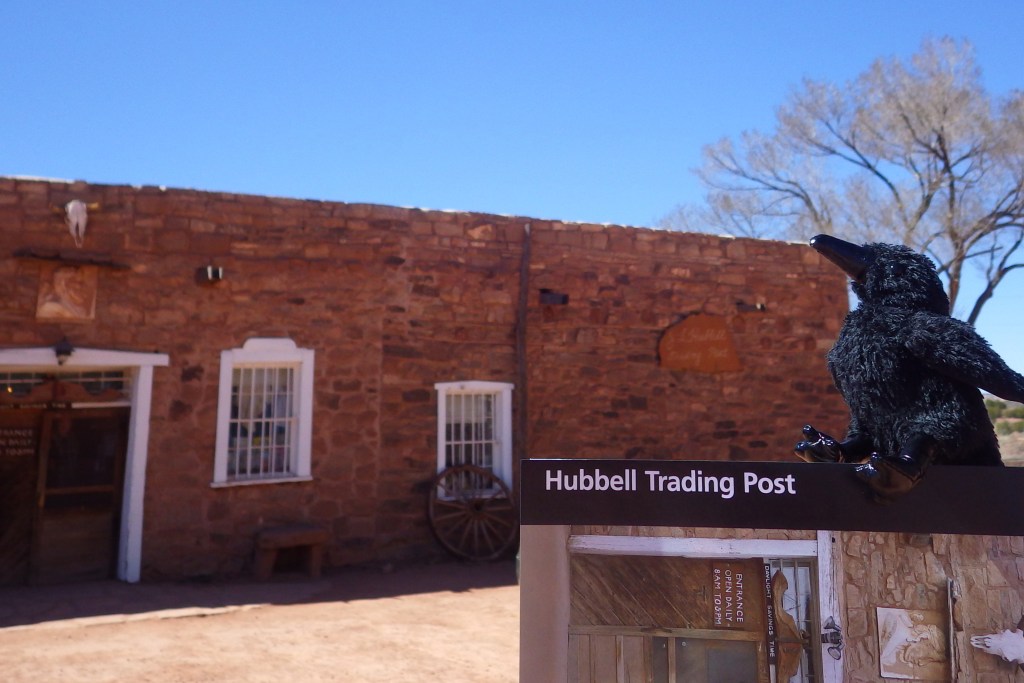
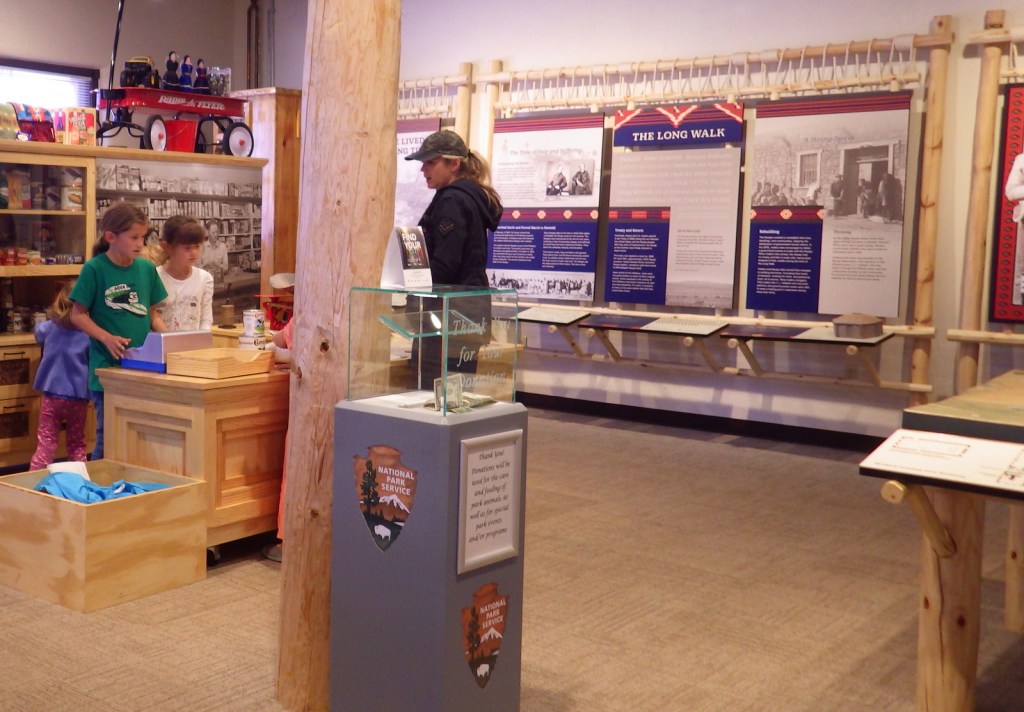
After the tragic “Long Walk” to Bosque Redondo, New Mexico, the Navajo Nation was officially recognized by the U.S. government in 1868 and trading posts were established throughout the reservation.  One near Ganado, Arizona was purchased by John Lorenzo Hubbell in 1876.  He and his sons established a network of 30 trading posts with a wholesale warehouse in Winslow.  Hubbell Trading Post National Historic Site is still an active store (run by a nonprofit organization) with an adjacent National Park Service (NPS) visitor center. 

Highlights

Historic trading post, Hubbell Home, museum, farm animals

Must-Do Activity

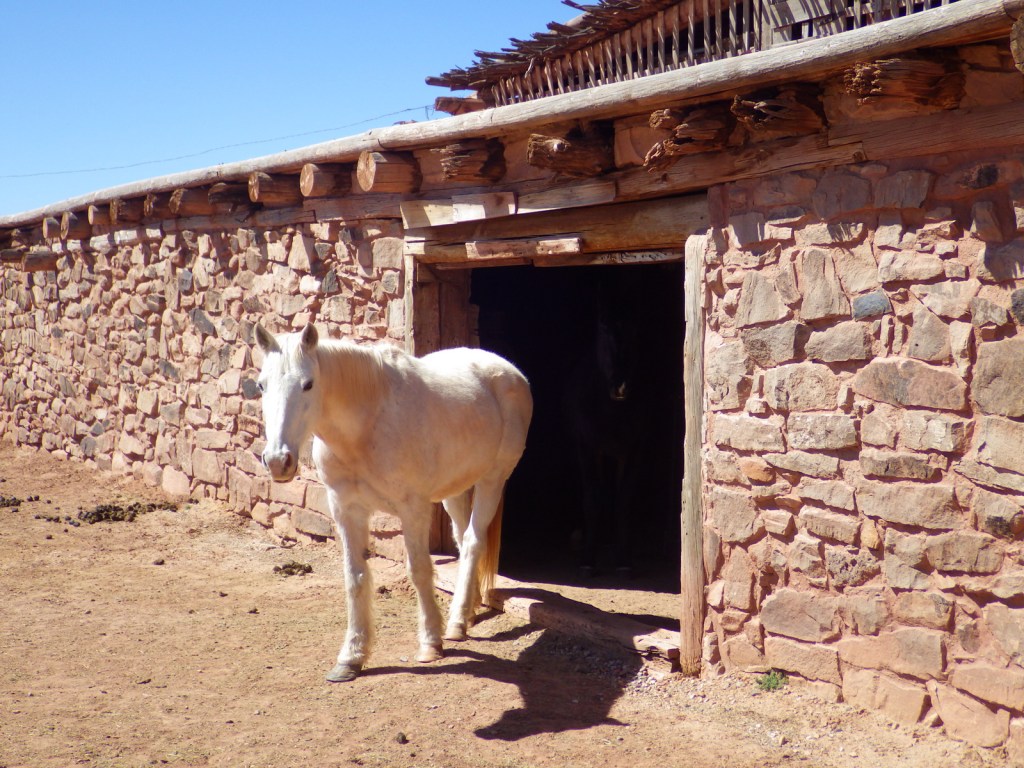
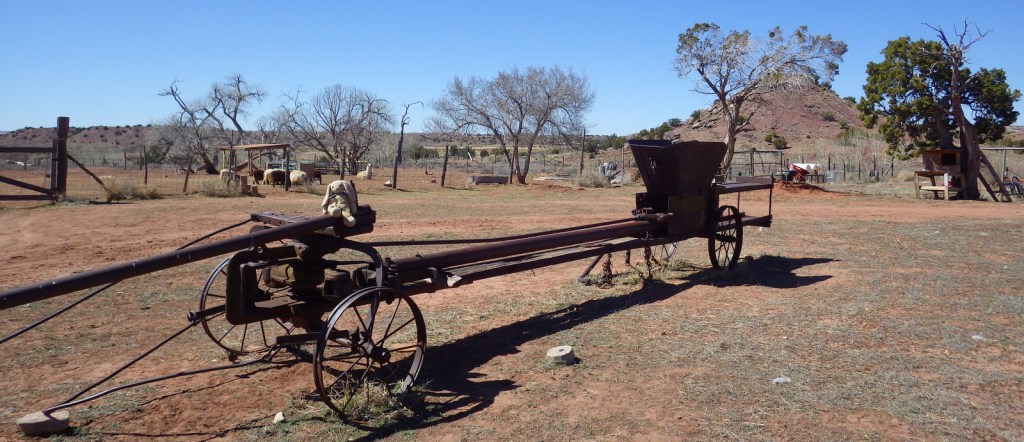
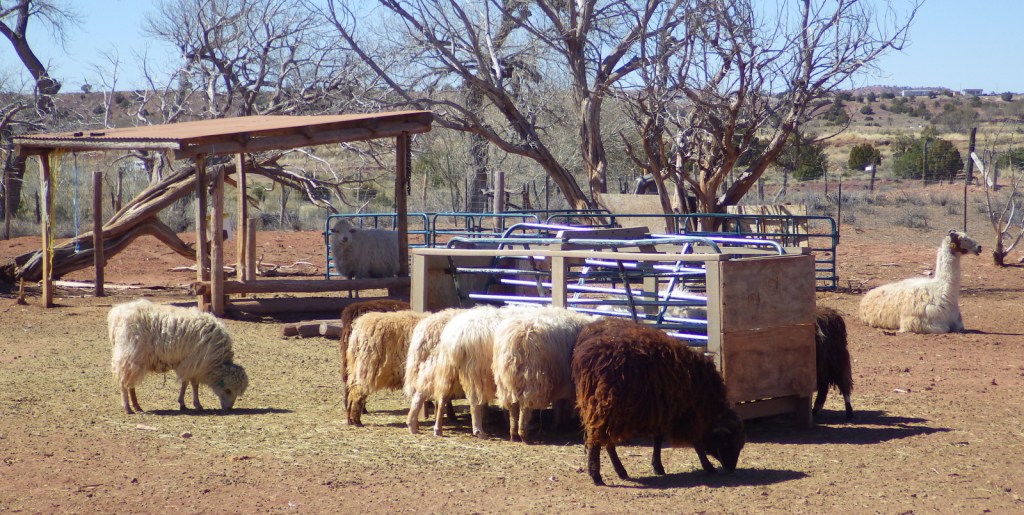
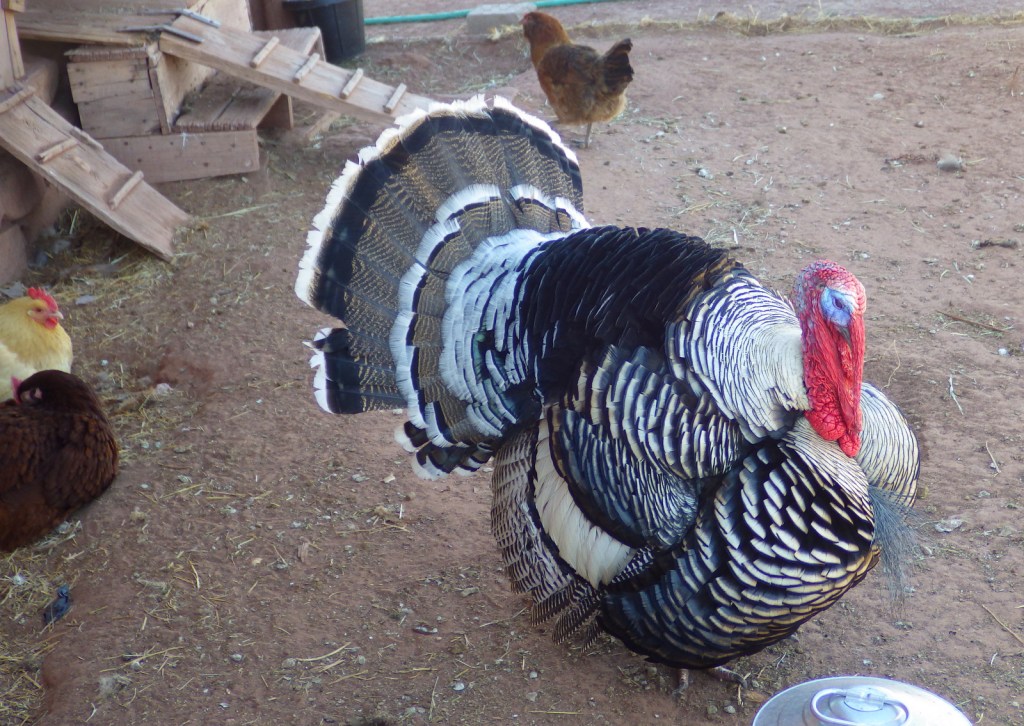
This is a unique NPS site with livestock (sheep, horses, turkeys) and a hands-on play area for children, as well as the original dusty store which allows visitors to travel back into the late-1800s.  There are frequent Navajo rug weaving demonstrations and tours inside the Hubbell Home are available for a fee.  The area has seen many changes over the years, including an 1883 smallpox epidemic that killed thousands of locals, the building of Fred Harvey Company hotels, a 1915 grant of a 160-acre homestead to Hubbell, and the discovery of oil then uranium on the reservation. 

Best Trail

None

Instagram-worthy Photo

Livestock maintained on site include horses, chickens, turkeys, and sheep, significant for the wool that was such an important trade item when weaved into world-famous Navajo rugs.

Peak Season

Summer

Hours

Note: the Navajo Nation and this NPS site practice Daylight Savings Time while the rest of Arizona (including Grand Canyon National Park) does not

https://www.nps.gov/hutr/planyourvisit/hours.htm

Fees

None, except for the house tour

Road Conditions

The access road is a well-maintained gravel road that can accommodate large RVs.

Camping

None on site, but there is a large NPS-managed campground 40 miles north at Canyon de Chelly National Monument.

Related Sites

Chaco Culture National Historical Park (New Mexico)

Homestead National Monument of America (Nebraska)

Navajo National Monument (Arizona)

Explore More – In the 1920s American Indians were finally permitted citizenship, but Arizona tribes were still not allowed to vote until when?