Tag Archives: wildflowers

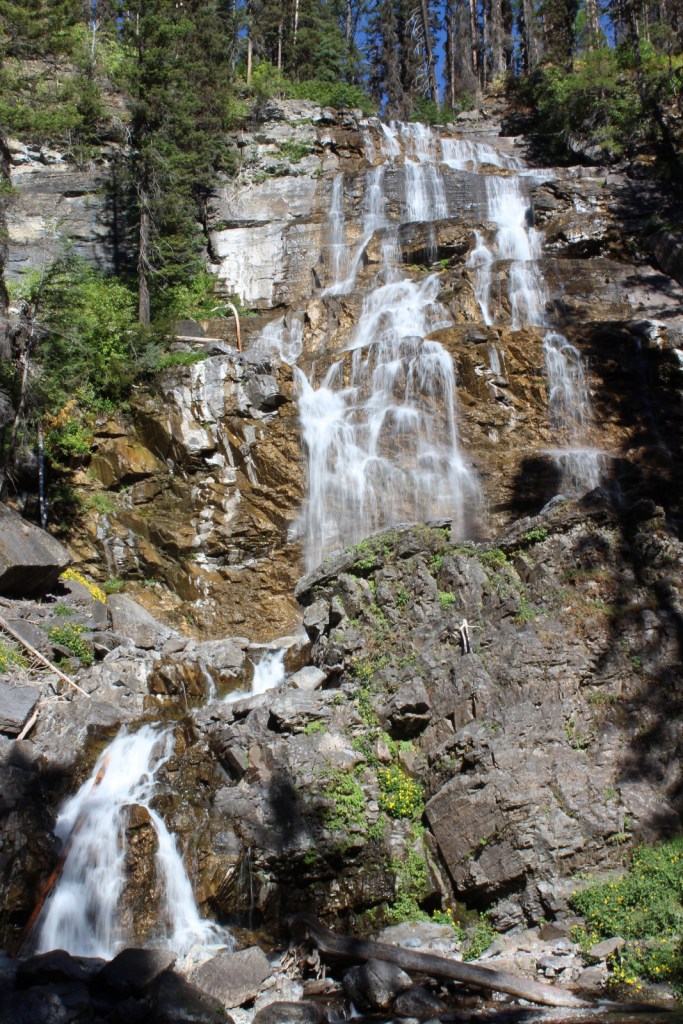
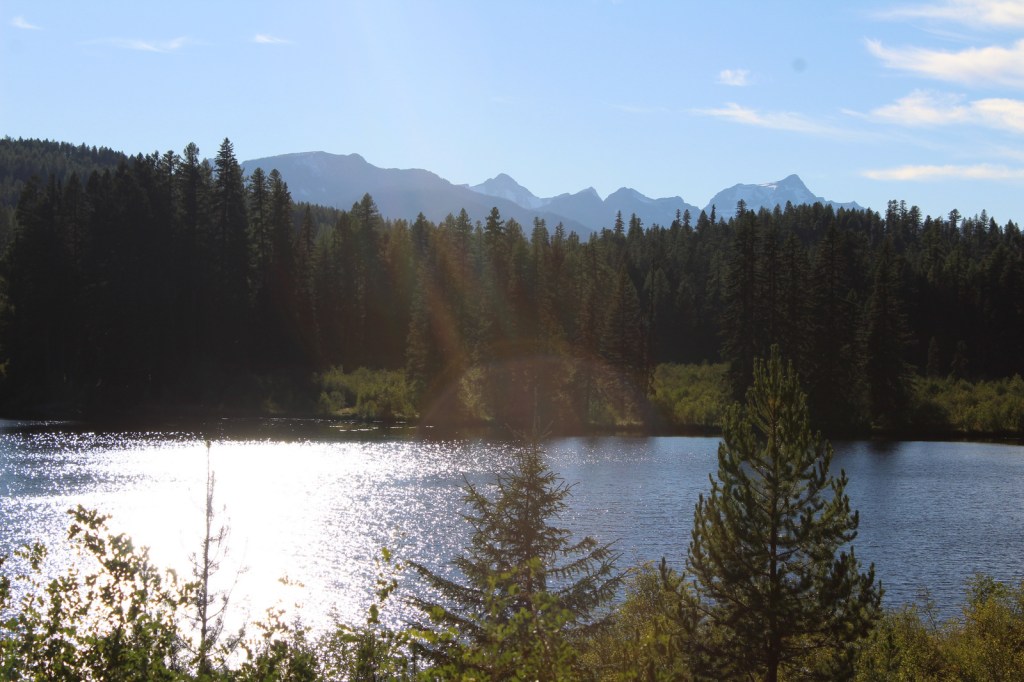
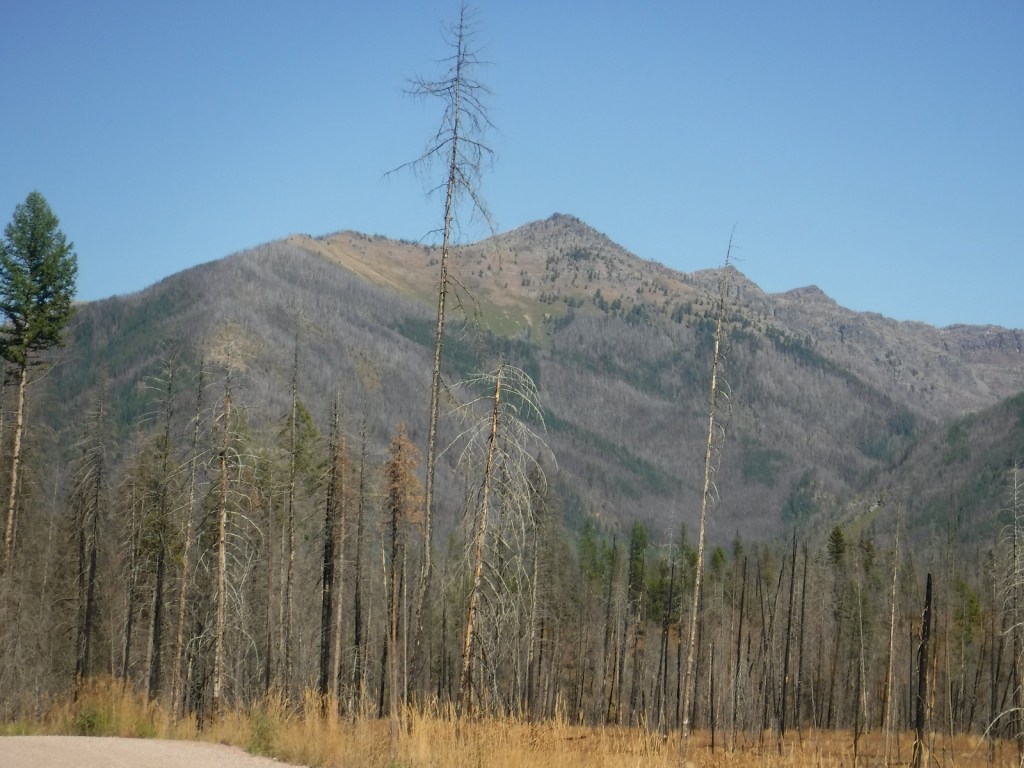
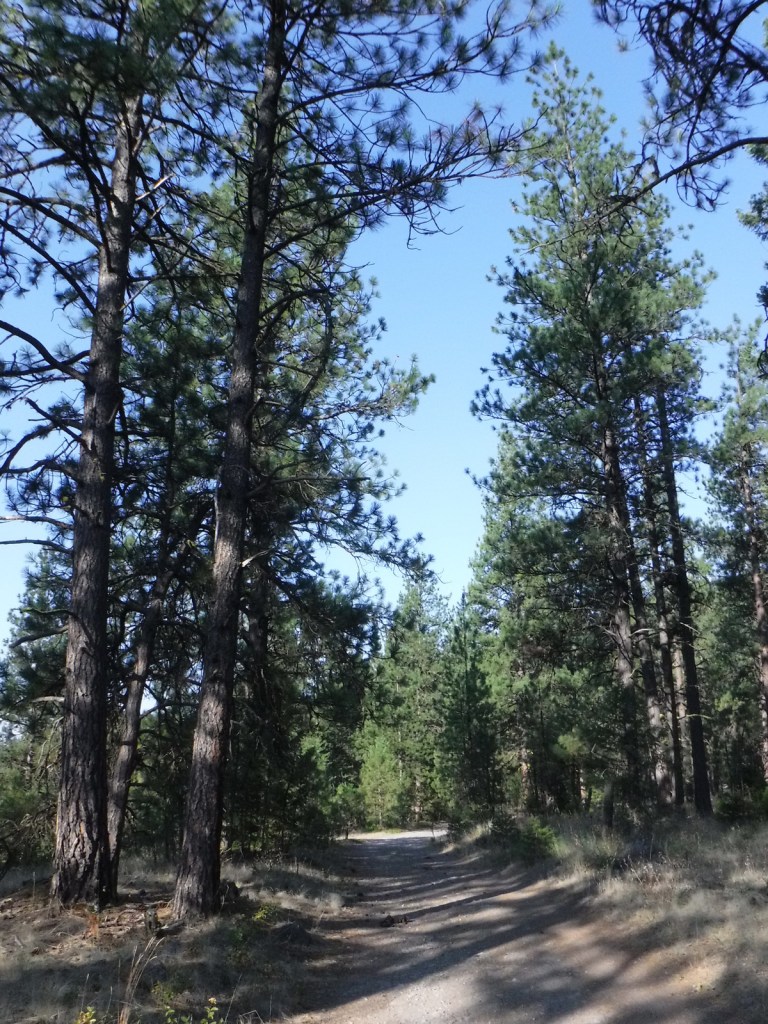
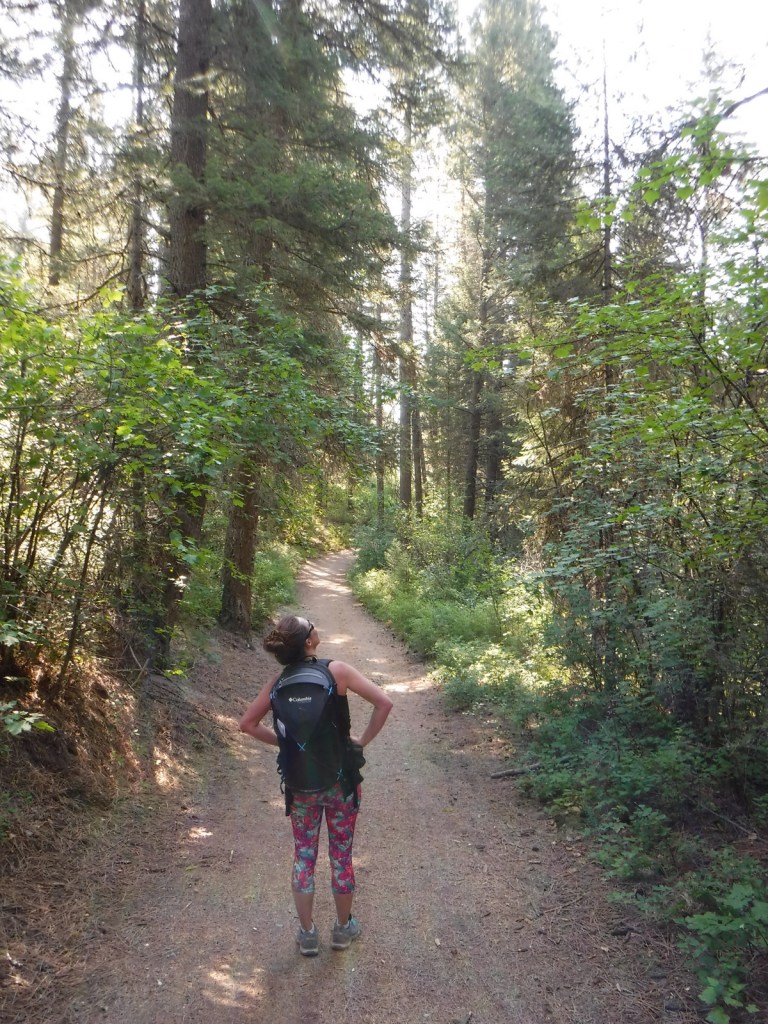
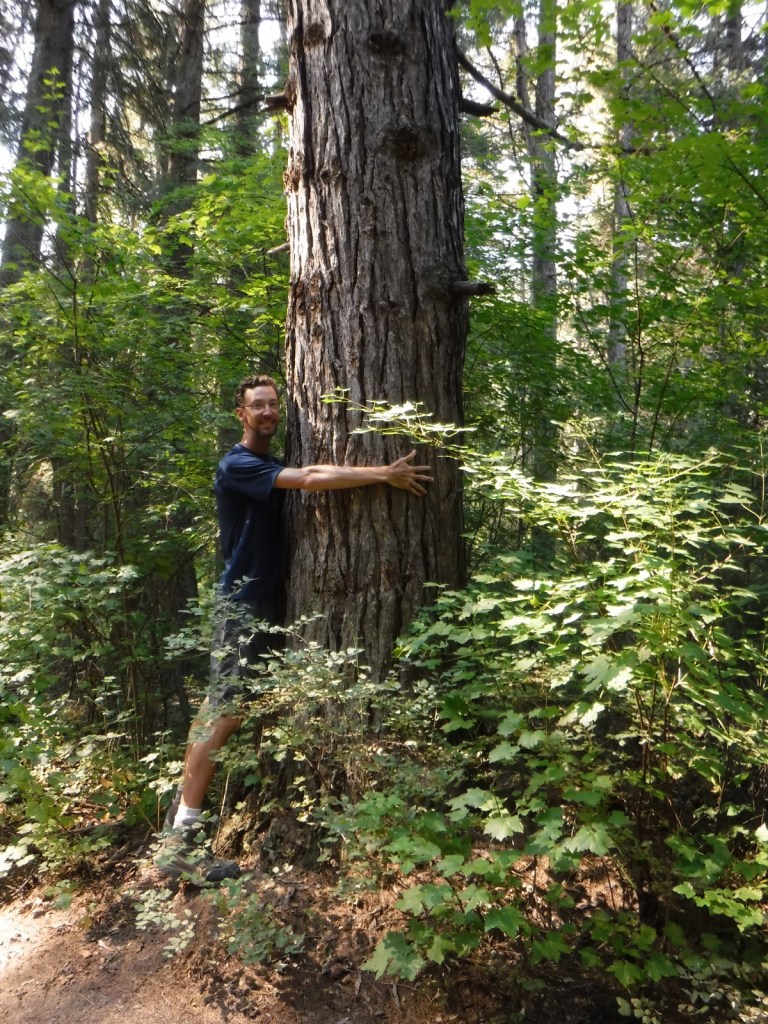
Rattlesnake National Recreation Area

Rattlesnake National Recreation Area

Montana

Managed by U.S. Forest Service, Northern Region

28,000 acres

Website: https://www.fs.usda.gov/r01/lolo/recreation/rattlesnake-national-recreation-area-wilderness

Overview

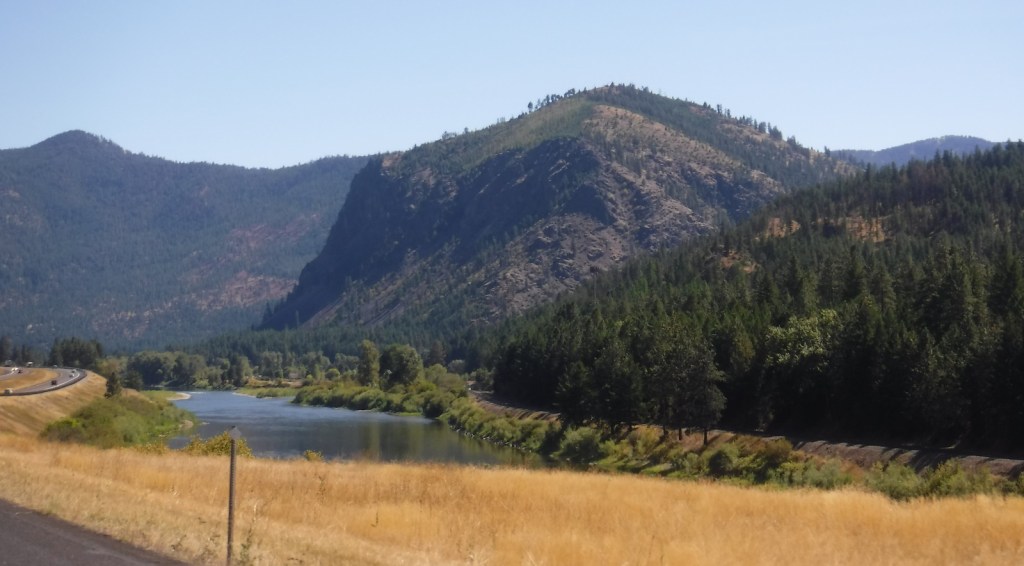
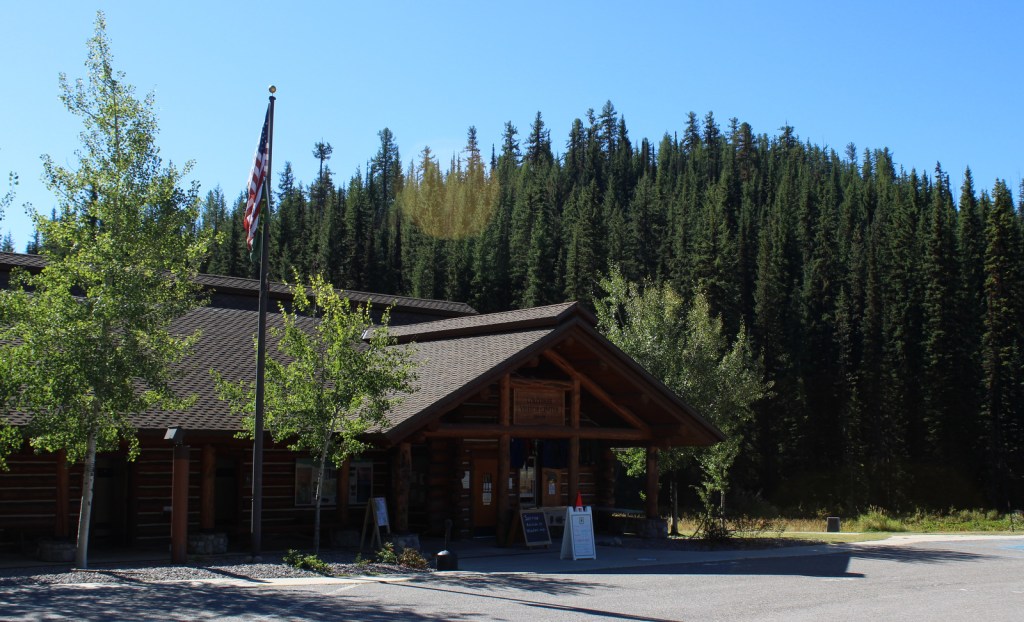
Situated only four miles from Missoula, Montana within Lolo National Forest, Rattlesnake National Recreation Area is a popular area for outdoor recreation year-round.  It was established in 1980, at the same time as the adjacent 32,976-acre Rattlesnake Wilderness, which ranges in elevation from 4,200 feet up to 8,620-foot McLeod Peak.  The National Recreation Area has one of the only Sphagnum bogs in the western U.S. and Rattlesnake Creek hosts bull trout, cutthroat trout, and mountain whitefish. 

Highlights

Rattlesnake Main Trail, Ravine Creek Trail. Sawmill Curry Gulch Loop Trail, Spring Gulch Trail, Stuart Peak Trail

Must-Do Activity

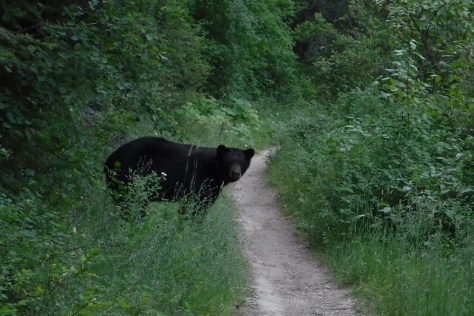
There are 73 miles of hiking trails in the National Recreation Area, but the most heavily used are the first three miles of Rattlesnake Main Trail along Rattlesnake Creek.   These trails are also open to horseback riders, mountain bikers, and cross-country skiers.  Be aware that mountain lions and black bears frequent the area, and we came across a bear on a warm morning in early August. 

Best Trail

Rattlesnake Main Trail follows an old logging road along the creek for the first nine miles before it gets steeper.  Other popular hiking options include Ravine Creek Trail, Sawmill Curry Gulch Loop Trail, Spring Gulch Trail with its moderate elevation gain, and Stuart Peak Trail that climbs steeply up into the Rattlesnake Wilderness.

Photographic Opportunity

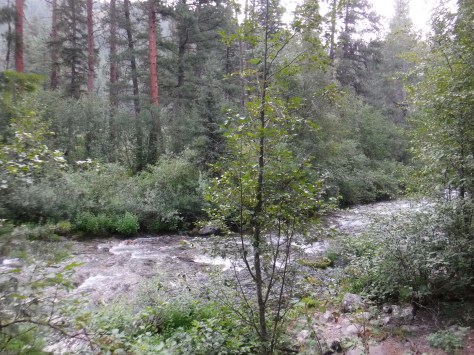
Rattlesnake Creek attracts many animals, including the American dipper or ouzel, an aquatic songbird.

Peak Season

Summer

Fees

None

Road Conditions

From the Van Buren Street exit #105 off Interstate 90, head north as it turns into Rattlesnake Drive, which you drive for approximately three miles to the entrance.

Camping

There is no campground within the National Recreation Area and the closest ones in Lolo National Forest are much further west on Interstate 90 or to the north off Highway 83.

Related Sites

Helena National Forest (Montana)

Bitterroot National Forest (Montana)

Clearwater National Forest (Idaho)

Nearest National Park
Glacier

Explore More – What species of native orchids can be found growing here?

Lincoln National Forest

Lincoln National Forest

New Mexico

Managed by U.S. Forest Service, Southwestern Region

1,271,064 acres (1,103,897 federal/ 167,167 other)

Website: https://www.fs.usda.gov/r03/lincoln

Overview

Lincoln National Forest is best known as the birthplace of Smokey Bear, a black bear cub that survived a 1950 wildfire in the Capitan Mountains and became a national symbol.  The nearby Smokey Bear Historical State Park is the final resting place for the famous bear that passed away at Washington D.C.’s National Zoo in 1976.  Lincoln National Forest includes parts of the Guadalupe, Sacramento, Sierra Blanca/White Mountains, Capitan, and Gallinas ranges.  There are several long trails through the National Forest, including the 20-mile Crest Trail in the White Mountain Wilderness and the 11-mile South Base Trail in the Capitan Wilderness.  All but one mile of the 29-mile-long Rim Trail is open to OHVs.

Highlights

Sunspot Scenic Byway, Billy the Kid Scenic Byway, Trestle Recreation Area, Sitting Bull Falls, Sierra Blanca Peak, Rim Trail, Willie White Trail, Dog Canyon National Recreation Trail, Capitan Peak Trail

Must-Do Activity

Sunspot Scenic Byway (State Road 6563) provides great views and access to one of the world’s largest solar observatories that is open for tours on summer weekends.  At its remote southern end, the National Forest borders both Carlsbad Caverns and Guadalupe Mountains National Parks.  Roads only connect with the latter, where a short detour takes you to the half-mile trail for 150-foot-tall Sitting Bull Falls.  In 1898, the Alamogordo and Sacramento Mountain Railway was constructed to access timberland 4,747 feet in the mountains above.  One of its scenic remnants is the 320-foot trestle over Mexican Canyon near Cloudcroft.  Lincoln National Forest has six fire lookouts listed on the National Register of Historic Places, including the stone Monjeau Lookout built by the Civilian Conservation Corps (CCC) that is accessible on a steep dirt road.  Given its proximity to Carlsbad Caverns National Park, it is not surprising that there are hundreds of caves in the National Forest that require a permit to explore.

Best Trail

Dog Canyon National Recreation Trail follows a prehistoric travel route into the Sacramento Mountains east of White Sands National Park.  The trailhead starts in Oliver Lee Memorial State Park, which has a nice campground and charges a day use fee (though we have seen cars avoid this by parking just outside its entrance).  The 5.5-mile one-way trail climbs quickly above a beautiful canyon providing views of the Tularosa Basin before leveling out.  Past the cabin ruins at the three-mile point, look for fossils along the trail as it again steeply rises into the agave and cacti-studded mountains.  After gaining more than 3,000 feet in elevation, it dead ends at Forest Road 90B.

Watchable Wildlife

Ecosystems in the National Forest vary widely since it is spread across several mountain ranges and encompasses Chihuahuan Desert, pinyon-juniper woodlands, pine forests, and alpine meadows above 11,000 feet.  Game species include elk, mule deer, black bear, mountain lion, and exotic Barbary sheep.

Photographic Opportunity

Look for fossils in the rocks along Dog Canyon National Recreation Trail.

Peak Season

Spring and fall

Fees

None

Road Conditions

The Sunspot Scenic Byway and the road into Oliver Lee Memorial State Park are both paved and maintained, although the paved access road (137) through Lincoln National Forest to the north part of Guadalupe Mountains National Park has many potholes in it.  Be aware that there are also four-wheel-drive only roads to some trailheads.

Camping

There are a few developed campgrounds in the middle of the National Forest off Highway 82.  Although not all areas are open to dispersed camping, popular spots include Upper Bonito Dispersed Camping Area northwest of Ruidoso and Lower Karr Canyon south of Cloudcroft.

Wilderness Areas

Capitan Wilderness

White Mountain Wilderness

Related Sites

Cibola National Forest (New Mexico)

Salinas Pueblo Missions National Monument (New Mexico)

Gila National Forest (New Mexico)

Nearest National Park

Carlsbad Caverns

Conifer Tree Species

ponderosa pine, pinyon pine, limber pine, one-seed juniper, Engelmann spruce, Douglas-fir, white fir

Flowering Tree Species

New Mexico locust, quaking aspen, bigtooth maple, Rocky Mountain maple, mountain-mahogany, hophornbeam, Texas madrone

Explore More – What was the Lincoln County War of 1878?

Learn more about this and the 154 other National Forests in our new guidebook Out in the Woods

Lewis and Clark National Forest

Lewis and Clark National Forest

Montana

Managed by U.S. Forest Service, Northern Region

1,999,256 acres (1,863,788 federal/ 135,468 other)

Website: https://www.fs.usda.gov/r01/helena-lewisclark

Overview

East of the Continental Divide in Montana, Lewis and Clark National Forest is split across eight mountain ranges east and west of the Missouri River.  The largest western section butts up against Glacier National Park to the north and includes parts of the Scapegoat and the Bob Marshall Wilderness areas, which provide crucial habitat for grizzly/brown bears and world-class places for backpacking.  The Lewis and Clark Forest Reserve dates back to 1897, with the now-defunct Jefferson and Absaroka National Forests added in 1932 and 1945 respectively.  Since 2014, it has been co-managed with Helena National Forest.

Highlights

King Hill Scenic Byway, Cataract Falls, Sun River Gorge, Gibson Reservoir, Mt. Wright, Deep Creek Loop National Recreation Trail, Windy Mountain Trail, Crystal Cascades Trail, Crystal Lake Shoreline Loop Trail, Continental Divide National Scenic Trail

Must-Do Activity

We have always wanted to visit the National Park Service and U.S. Forest Service’s 25,000 square-foot Lewis and Clark Interpretive Center in Great Falls, Montana.  It features an exhibit hall, hiking trails, and a 158-seat theater, and it is open daily in the summer and Wednesday through Sunday in the offseason.  We have also wanted to backpack in the rugged Snowy Mountains, which draw backcountry skiers in the winter and horseback riders in the summer.  We will have to return to this central part of Montana, which includes one of our favorite places to explore: Upper Missouri River Breaks National Monument run by the Bureau of Land Management.

Best Trail

One of the most famous formations along the Continental Divide National Scenic Trail is the 15-mile long Chinese Wall, a 1,000-foot-tall cliff composed of five-million-year-old limestone.  Its closest access is 15 miles one-way from the South Fork Sun Trailhead, which is often marked as Packers on maps at the end of the gravel Benchmark Road (Forest Road 235).  The trail begins by following the South Fork Sun River before crossing a bridge and entering the Bob Marshall Wilderness.  We got a late start on the way in and came across a grizzly/brown bear grazing near the trail that evening and, on the drive out, we stopped to photograph three moose near Wood Lake Campground and a common loon in Anderson Lake.

Watchable Wildlife

Grizzly/brown bears are the most famous residents of the National Forest.  Additional mammals include black bears, mountain lions, Canada lynxes, wolverines, mule deer, Columbian white-tailed deer, mountain goats, bighorn sheep, elk, and moose.  Bald eagles, red-tailed hawks, and three types of grouse are often spotted.  There are excellent fly-fishing opportunities in the 1,600 miles of rivers and streams.

Photographic Opportunity

The 15-mile long Chinese Wall is an iconic landmark along the Continental Divide National Scenic Trail

Peak Season

Summer

Fees

None except for the Lewis and Clark Interpretive Center in Great Falls, which costs $8 per person or you can use an America the Beautiful pass.

Road Conditions

We drove the gravel Benchmark Road (Forest Road 235), which was long and in excellent condition.

Camping

There are 29 vehicle-accessible campgrounds in Lewis and Clark National Forest, including Wood Lake Campground near the South Fork Sun Trailhead.  Backcountry and dispersed camping options abound.

Wilderness Areas

Bob Marshall Wilderness (also in Flathead National Forest)

Scapegoat Wilderness (also in Helena and Lolo National Forests)

Related Sites

Deerlodge National Forest (Montana)

Bighorn National Forest (Wyoming)

Little Bighorn Battlefield National Monument (Montana)

Nearest National Park

Glacier

Conifer Tree Species

western redcedar, Douglas-fir, limber pine, whitebark pine, lodgepole pine, ponderosa pine, Engelmann spruce, subalpine fir, western larch, common juniper

Flowering Tree Species

quaking aspen, Rocky Mountain maple, western serviceberry

Explore More – Why is the 200 square-mile Badger-Two Medicine area of the National Forest managed differently?

Learn more about this and the 154 other National Forests in our new guidebook Out in the Woods

Lassen National Forest

Lassen National Forest

California

Managed by U.S. Forest Service, Pacific Southwest Region

1,375,593 acres (1,070,992 federal/ 304,601 other)

Website: https://www.fs.usda.gov/r05/lassen

Overview

Lassen National Forest Reserve dates back to 1905, then a decade later when Lassen Peak explosively erupted (the first eruption to be photographed in the continental U.S.), 106,589-acre Lassen Volcanic National Park was carved out.  The two federal areas are connected by the 187-mile-long Lassen Scenic Byway (Highways 44 and 89) that traces the volcanic legacy of the southern Cascade Range.  The 41,100-acre Ishi Wilderness was named in 1984 to honor the last surviving member of the Yahi band of Southern Yanas, taken from his native home near Oroville in 1911 and employed as a janitor at the University of California’s Anthropology Museum in San Francisco until his death from tuberculosis five years later.

Highlights

Lassen Scenic Byway, Lake Almanor, Eagle Lake, Subway Cave, Hat Creek Recreational Area, Triangle Lake, Heart Lake National Recreation Trail, Bizz Johnson Trail, Spencer Meadows National Recreation Trail, Pacific Crest National Scenic Trail

Must-Do Activity

Lassen National Forest runs campgrounds and boat ramps on both Lake Almanor and Eagle Lake, although most of their shorelines are privately owned.  Between the two lakes is the town of Susanville, where a railroad bed abandoned in 1978 was converted into the Bizz Johnson Trail that follows the Susan River for 26 miles. The trail features 12 river crossings and two tunnels with scenic mountain views.  Camping is restricted to specific portions of the trail. The 20,546-acre Caribou Wilderness was one of America’s first Primitive Areas designated in 1932 and along with the 16,335-acre Thousand Lakes Wilderness was established immediately following passage of the 1964 Wilderness Act.  In a proposed Wilderness area on the west side of Lassen Volcanic National Park, Heart Lake National Recreation Trail is a 2.4-mile one-way hike up to a glacial lake that connects to the longer Twin Meadows Trail.
Best Trail

Subway Cave is only 1,300 feet long, but the lava tube is the main attraction in Lassen National Forest, with free guided tours offered on summer weekends.  Lava flowed through here less than 2,000 years ago and interpretive signs along the 0.7-mile loop trail explain lavacicles and other geologic oddities.  A flashlight is necessary to explore past the openings of the 46°F cave, which drops to four feet in some places with a maximum ceiling of 17 feet.  One mile south on the Lassen Scenic Byway (Highway 44) is the 1.7-mile roundtrip Spatter Cone Trail (across from Hat Creek Campground).  The trail passes a variety of volcanic formations in a forest of Jeffrey pine trees.

Watchable Wildlife

Lassen National Forest is home to black bears, pine martens, mountain lions, bobcats, red foxes, coyotes, and a few gray wolves that migrated south from Oregon.  You are most likely to see mule deer or one of the variety of chipmunks or squirrels.  Bird sightings include mountain chickadees, Steller’s jays, Clark’s nutcrackers (at high elevations), and eight species of woodpeckers such as pileated and white-headed.

Photographic Opportunity

Sitting at 4,505 feet in elevation, Lake Almanor stretches for 13 miles near Chester, California and is a good place for summer boating and fishing.

Peak Season

Summer

Fees

None

Road Conditions

Subway Cave is located right off Lassen Scenic Byway (Highways 44 and 89) and most of the unpaved roads we have explored in the National Forest have been maintained, probably because of the continued harvesting activities that we witnessed on our field trip from Cal Poly University in 2010.

Camping

Lassen National Forest runs campgrounds on both Lake Almanor and Eagle Lake, plus Hat Creek Recreational Area has seven campgrounds.  If you are looking to disperse camp outside Lassen Volcanic National Park, take the road west outside the southern entrance (but keep a clean campsite as we saw a black bear in the area).

Wilderness Areas

Caribou Wilderness

Ishi Wilderness (also managed by BLM)

Thousand Lakes Wilderness

Related Sites

Lava Beds National Monument (California)

Devils Postpile National Monument (California)

Whiskeytown-Shasta-Trinity National Recreation Area (California)

Nearest National Park

Lassen Volcanic

Conifer Tree Species

red fir, white fir, western hemlock, Jeffrey pine, ponderosa pine, lodgepole pine, western white pine, California juniper, incense-cedar

Flowering Tree Species

quaking aspen, Fremont cottonwood, ceanothus, manzanita

Explore More – Other than the namesake for Lassen Peak, who was Peter Lassen?

Learn more about this and the 154 other National Forests in our guidebook Out in the Woods

Butte Valley National Grassland

Butte Valley National Grassland

California

Managed by U.S. Forest Service, Pacific Southwest Region

19,705 acres

Website: https://www.fs.usda.gov/detail/klamath/about-forest/?cid=FSEPRD494406

Overview

The flat, sandy soils of this former lakebed attracted homesteaders to plow fields and graze livestock, but following droughts in the 1930s it was largely abandoned.  Under the Bankhead-Jones Farm Tennant Act of 1937, these lands were purchased by the federal government and used as a practice bombing range during World War II.  Later, the Soil Conservation Service administered the area and planted more than 4,000 acres of crested wheatgrass.  In 1954, management was reassigned to Klamath National Forest who tried in vain to sell the Butte Valley Land Use Project (LUP) until it was named the newest National Grassland in July 1991.

Highlights

Windmill, Butte Valley Museum

Must-Do Activity

Located in the dry northeast corner of California, Butte Valley National Grassland is dominated by sagebrush, rabbitbrush, bitterbrush, basin wildrye, and intermediate wheatgrass, with western juniper being the only tree species.  Local ranchers graze cattle here under permit with the U.S. Forest Service, so be sure to close all gates behind you as you drive around.  The recommended driving loop is to take Highway 97 to Meiss Lake Sam’s Neck Road for 4.9 miles to Indian Point Road, which has low rock bluffs and a fenced-off windmill along its 4.6-mile length.  Richardson Road will take you 5.2 miles back to Highway 97, just south of the town of Dorris where you can visit the Butte Valley Museum.

Best Trail

There are no defined trails, but you could walk cross-country through the sagebrush or on the dirt roads.

Watchable Wildlife

Large mammals found in Butte Valley National Grassland include bobcats, coyotes, porcupines, jackrabbits, mule deer, Roosevelt elk, pronghorns, and possibly some reintroduced bighorn sheep.  Reptiles include Pacific gopher snakes, western rattlesnakes, California red-sided garter snakes, pygmy horned lizards, and western fence lizards.  We saw several large birds on our visit: a California quail, golden eagle, northern harrier, magpie, and common ravens.  A 35-year study of Swainson’s hawks has been conducted here as they nest in the western juniper trees.  Other bird species of interest include the sandhill crane, red-tailed hawk, ferruginous hawk, rough-legged hawk, prairie falcon, American kestrel, merlin, bald eagle, great horned owl, short-eared owl, and long-eared owl.  The adjacent 11,520-acre Butte Valley Wildlife Area encompasses Meiss Lake, a remnant of a much larger lake that still serves as an important site for migratory waterfowl.

Photographic Opportunity

The eastern face of glacier-covered Mt. Shasta is visible from the National Grassland on clear days.

Peak Season

Summer

Fees

None

Road Conditions

Highway 97 and Meiss Lake Sam’s Neck Road are paved.  We found Richardson Road to be somewhat rutted, but unpaved Indian Point Road was in good shape.  We drove an unnamed two-track road through the center of the National Grassland with a passenger car, although we would recommend a high-clearance vehicle.

Camping

You can probably disperse camp in the National Grassland without a problem, or drive into Klamath National Forest for its campgrounds at Juanita Lake, Martins Dairy, Shafter, and Orr Lake.

Related Sites

Klamath National Forest (California-Oregon)

Tule Lake National Monument (California)

Lava Beds National Monument (California)

Nearest National Park

Lassen Volcanic

Explore More –According to archeological records, how many thousands of years have the Modoc Tribe and their ancestors been in this area?