Tag Archives: trail

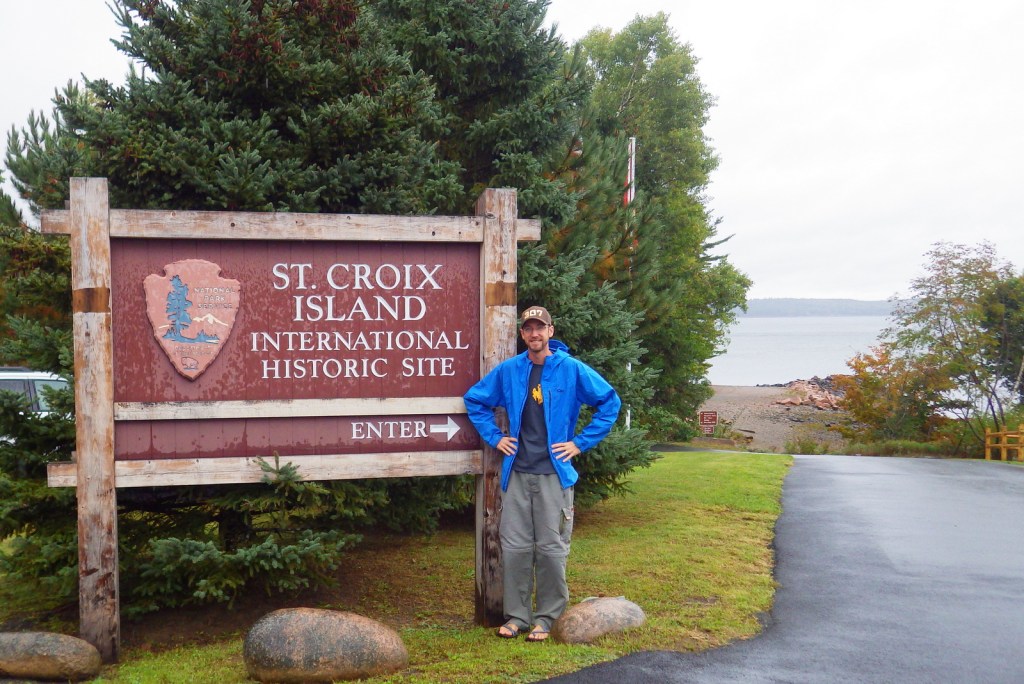
Saint Croix Island International Historic Site

Overview

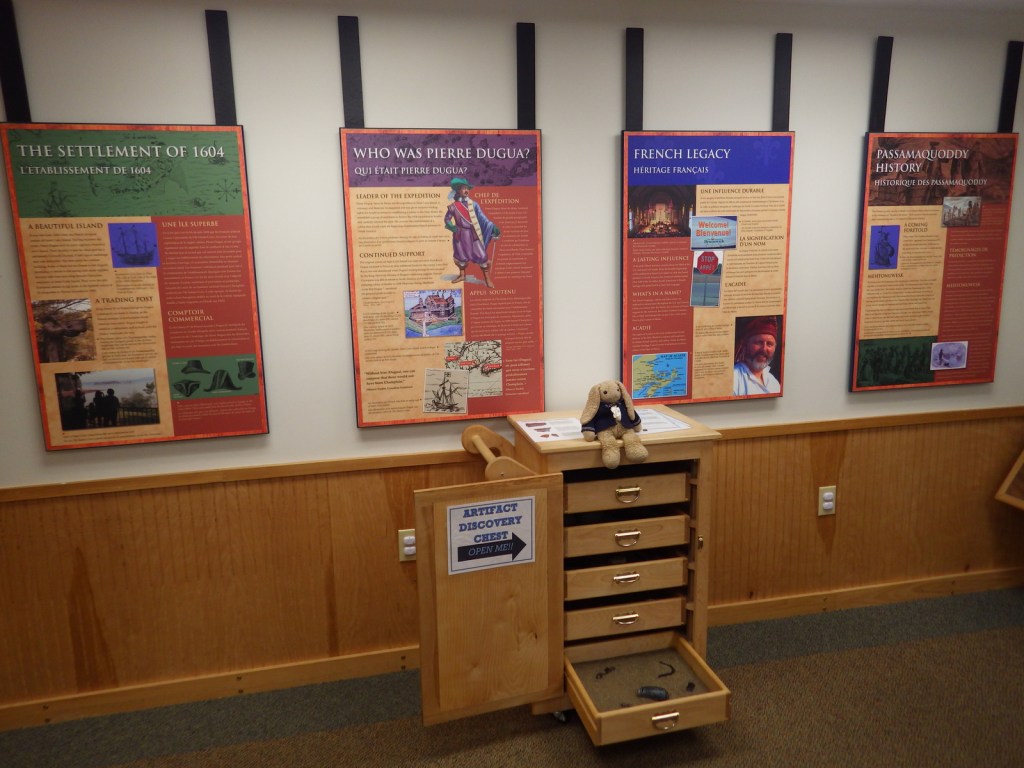
Administered cooperatively by the National Park Service (NPS) and Parks Canada, Saint Croix Island International Historic Site has a unique location in the middle of the Saint Croix River on the boundary between Maine and New Brunswick.  It is the only International Historic Site designated in the 419 units of the NPS system.  Under the leadership of Lieutenant General Pierre Dugua, Sieur de Mons, the island was the site of a short-lived French colony, founded in April 1604 and abandoned by May 1605 after a hard winter when the settlers relocated to Port Royal, Nova Scotia. 

Highlights

Sculptures, tidepooling

Must-Do Activity

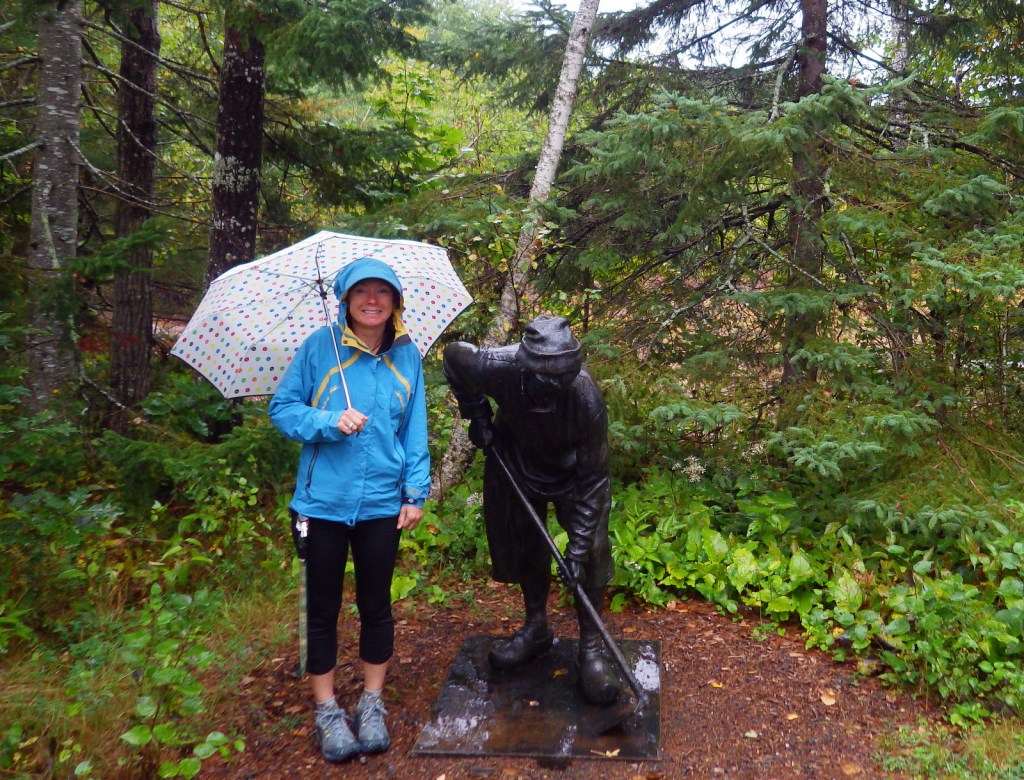
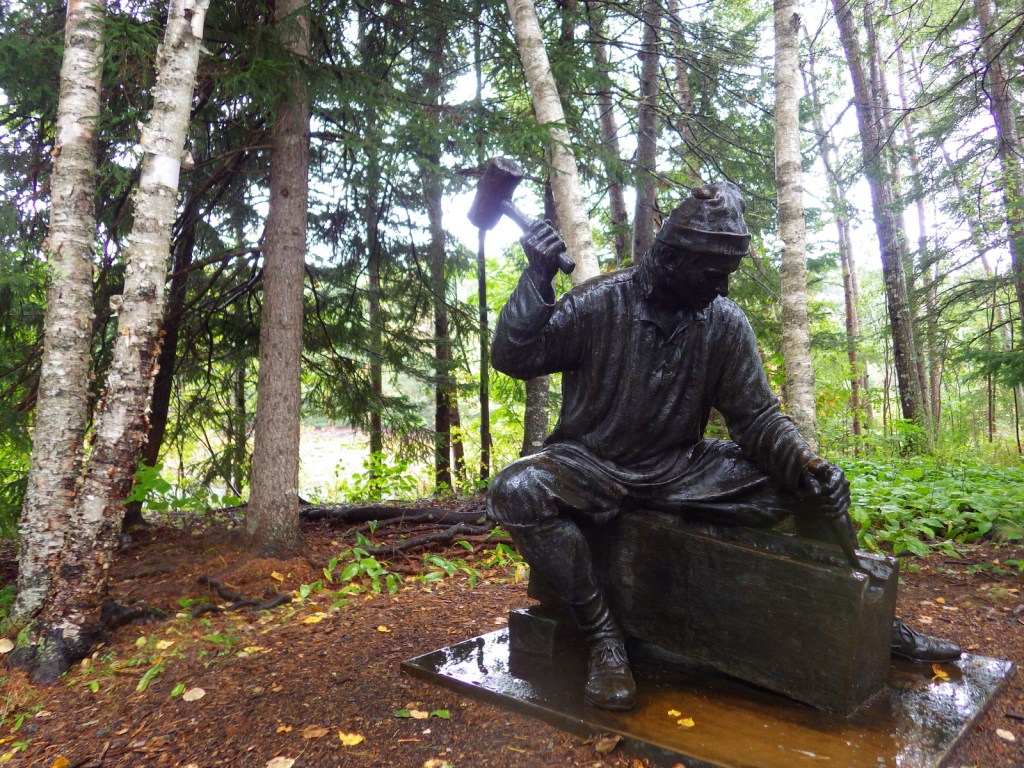
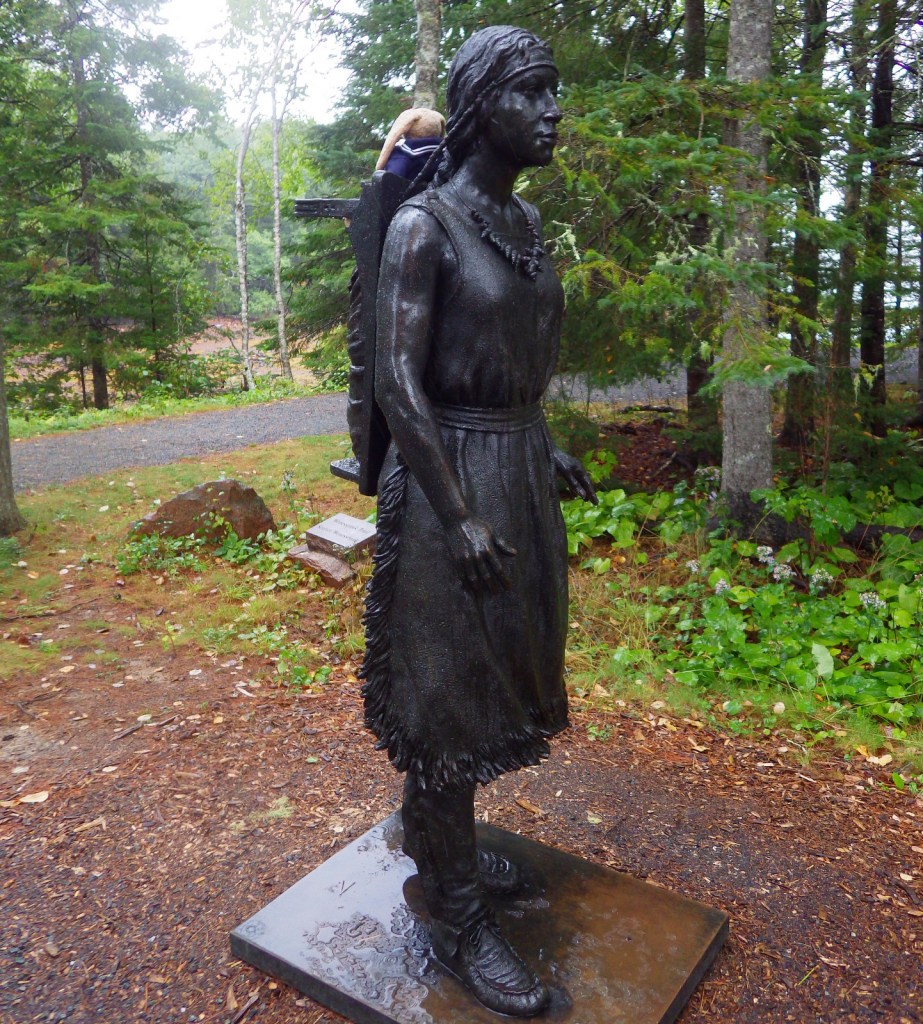
There are no ferries to the 6.5-acre island, but the miniature NPS visitor center and a short walking trail on the river banks provide a thorough background on its history.  Six bronze statues offer a glimpse into the past, and all interpretative information is offered in both English and French.  Private boats are allowed access to the island during daylight hours.  Parks Canada also manages a visitor centre across the river in New Brunswick, as well as Port-Royal National Historic Site in Nova Scotia.

Best Trail

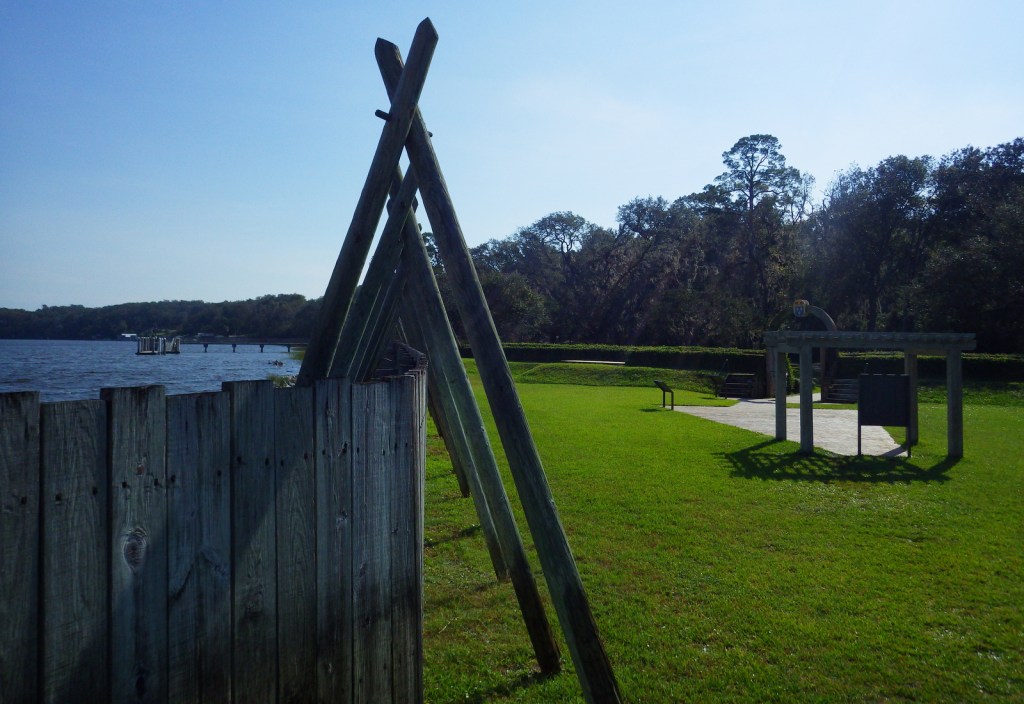
The Saint Croix River is tidally influenced in its lower reaches near Passamaquoddy Bay.  If you continue past the pavilion at the end of the short interpretive trail, you can access the beach for tidepooling at low tide.  Just up the road at Devil’s Head Conservation Area, a gravel road accesses the river shoreline and a 1.3-mile trail that provides an overlook of the area.

Instagram-worthy Photo

Pick your favorite of the six bronze sculptures to pose with.  The native Passamaquoddy traded furs to the French settlers for European goods, like iron cooking pots.

Peak Season

Summer

Hours

https://www.nps.gov/sacr/planyourvisit/hours.htm

Fees

None

Road Conditions

Access road is paved, but be aware that our GPS unit had the wrong location for the NPS visitor center.

Camping

Camping is not permitted on Saint Croix Island.  Your best bet might be to the head south to the campgrounds at Acadia National Park.

Related Sites

Fort Caroline National Memorial (Florida)

Katahdin Woods and Waters National Monument (Maine)

Acadia National Park (originally established as Sieur de Monts National Monument, Maine)
Explore More – Since Saint Croix Island was located in the center of a brackish river, where did the French settlers have to go for fresh drinking water?
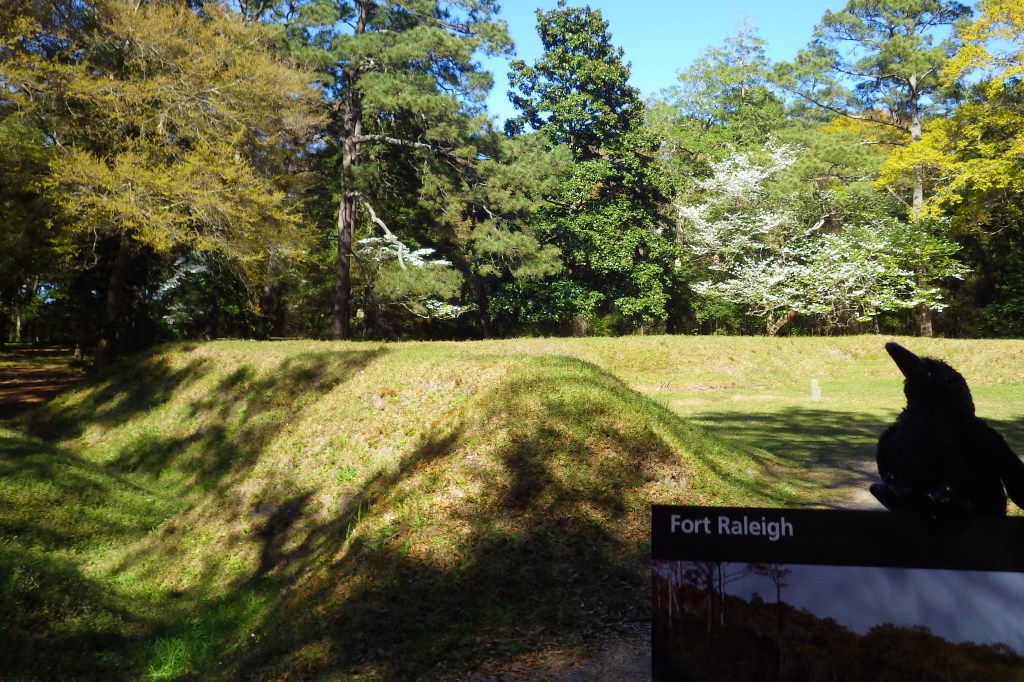
Fort Raleigh National Historic Site

Overview

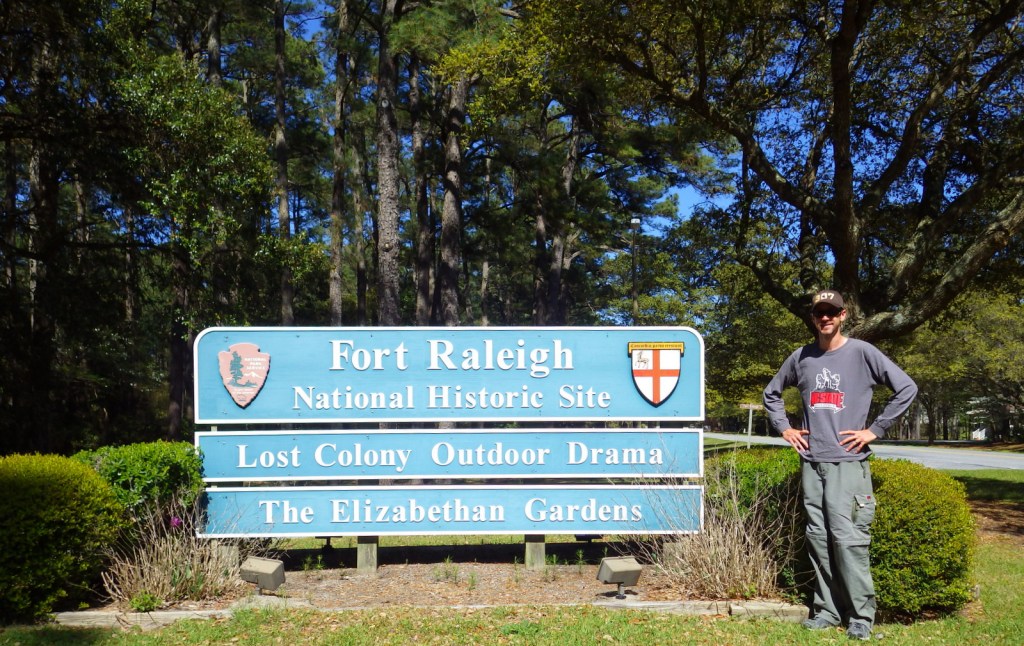
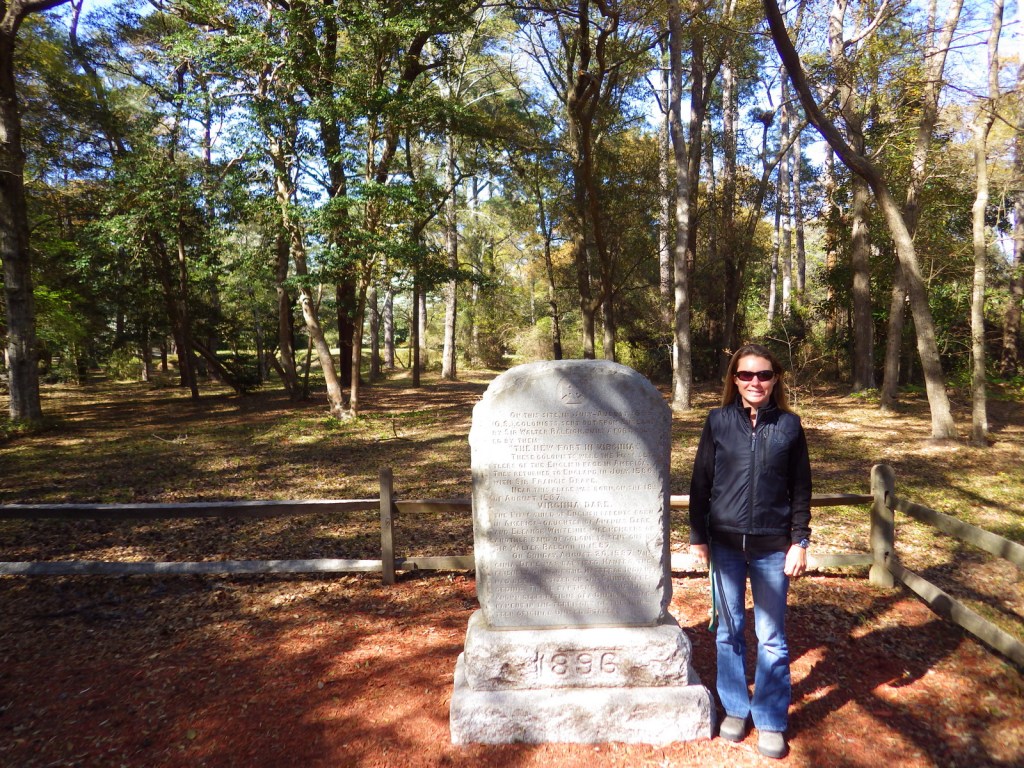
In Manteo, North Carolina, the Outer Banks islands protect Albemarle Sound, where Roanoke Island can be found.  If that name sounds familiar, it is because it was here that Fort Raleigh became the first English settlement in North America.  First scoped out in 1584, its original inhabitants all left with Sir Francis Drake after supply ships failed to arrive.  The 117 colonists that came in 1587 actually wanted to settle further north on Chesapeake Bay, but their captain left them here instead.  John White soon sailed back to England to get aid, but an ongoing war with the Spanish Armada kept him away until 1590.  Upon his return he found the fort deserted, the buildings stripped, and a fencepost marked “CROATOAN” (the name of nearby island).  White was thwarted in his attempt to land on Croatoan Island by a hurricane, so to-this-day nobody knows the true fate of the colonists.

Highlights

Museum, site of first British colony in America, Lost Colony Outdoor Drama

Must-Do Activity

The National Park Service museum has excellent displays, including the videos of Sir Walter Raleigh (the fort’s namesake) in the Elizabethan Room.  It offers all the theories on happened to the settlers so visitors can decide what they believe.  “The Lost Colony” did lend its name to an outdoor musical performed most nights throughout the summer within the boundaries of Fort Raleigh National Historic Site. 

Best Trail

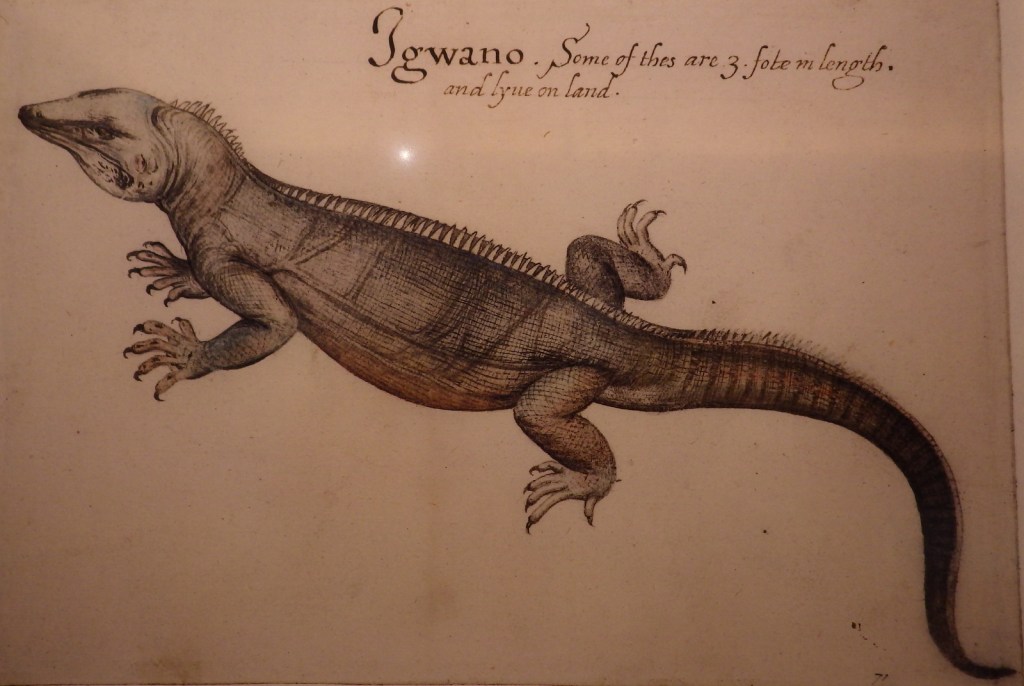
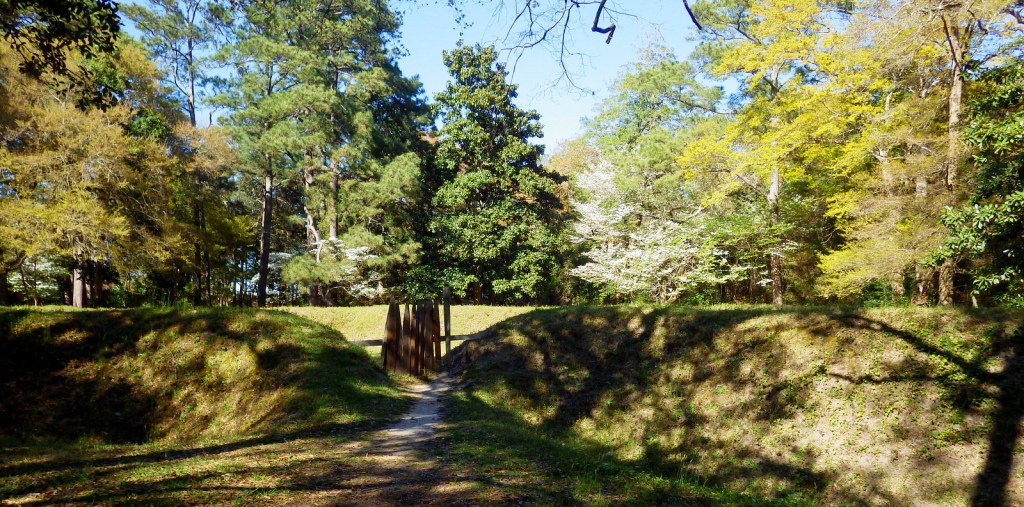
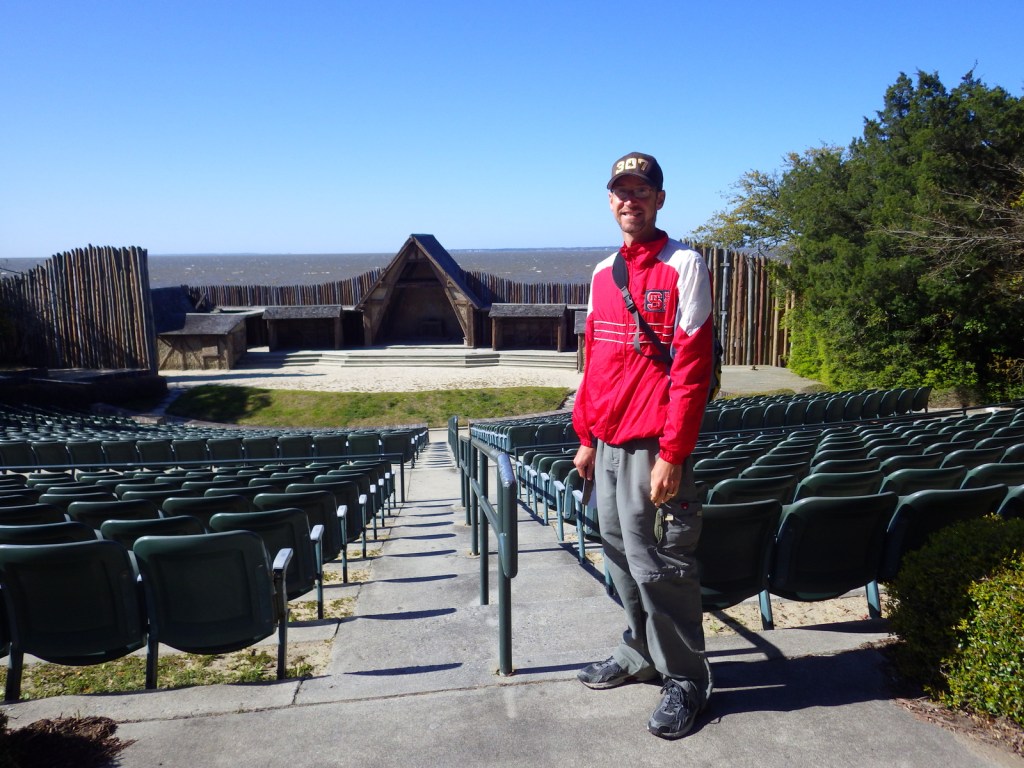
The Thomas Hariot Nature Trail provides views of the reconstructed earthen fort, musical theater, and Albemarle Sound.  Hariot was a scientist who searched Roanoke Island in 1585 for precious metals and made drawings of the local flora and fauna.

Instagram-worthy Photo

Waterside Theatre has hosted the outdoor symphonic play “The Lost Colony” every summer since 1937.

Peak Season

Summer beach season when the musical theater has performances

Hours

https://www.nps.gov/fora/planyourvisit/hours.htm

Fees

None, except for tickets to the Lost Colony Outdoor Drama.  Admission is also charged at the adjacent Elizabethan Gardens.

Road Conditions

All roads paved.

Camping

There is a private campground nearby, but we recommend you reserve a campsite near the beach within beautiful Cape Hatteras National Seashore.

Related Sites

Cape Hatteras National Seashore (North Carolina)

Wright Brothers National Memorial (North Carolina)

Colonial National Historical Park (Virginia)

Explore More – What was the name of the baby girl born at Fort Raleigh, famous as the first child born of English parents in the Americas?
Fort Caroline National Memorial

Overview

After a failed settlement by persecuted French Protestants (Huguenots) in 1562, two years later a group of 200 soldiers, artisans, and a few women established a colony at the mouth of the St. Johns River (east of present-day Jacksonville, Florida).  Led by René de Goulaine de Laudonnière, they hurriedly assembled the triangular Fort Caroline, named for King Charles IX.  In 1565, Jean Ribault arrived with 600 more settlers and soldiers.  After learning the Catholic Spanish had established a base to the south at St. Augustine, Ribault set sail for a surprise attack, only to be shipwrecked by a hurricane.  The unprotected Fort Caroline was easily captured by the Spanish, who executed 140 of its 200 inhabitants.  The Spanish then killed the majority of the 250 French marooned at Matanzas Inlet, which gained its name from these “slaughters.”

Highlights

Museum, reconstructed fort, Hammock Trail, Ribault Monument

Must-Do Activity

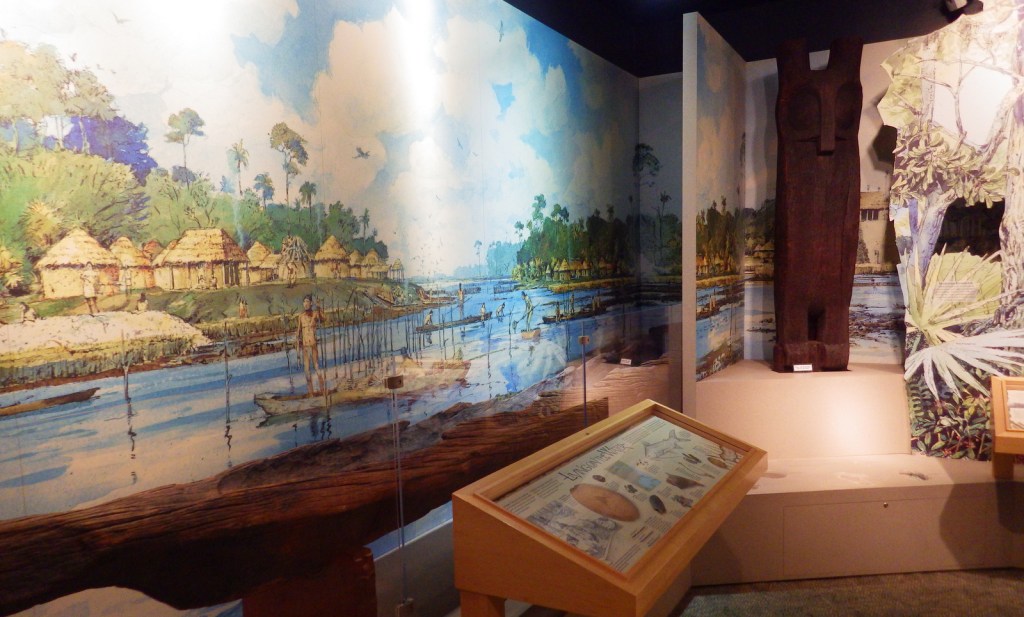
The National Park Service (NPS) administers Fort Caroline National Memorial (established in 1950) as a unit of Timucuan Ecological and Historic Preserve (established in 1988).  Start your visit at the NPS museum, which provides information on the indigenous Timucuan, as well as the European colonization efforts.  After walking the Hammock Trail to see the reconstructed fort, drive to the nearby Ribault Monument, a replica of a stone column left by Jean Ribault at the mouth of the St. Johns River on May 2, 1562.

Best Trail

Within this 139-acre National Memorial, the Hammock Trail visits the reconstructed fort along the St. Johns River.  Starting from two parking lots south of Fort Caroline Road several trails explore Spanish Pond and the Theodore Roosevelt Area of Timucuan Ecological and Historic Preserve.

Instagram-worthy Photo

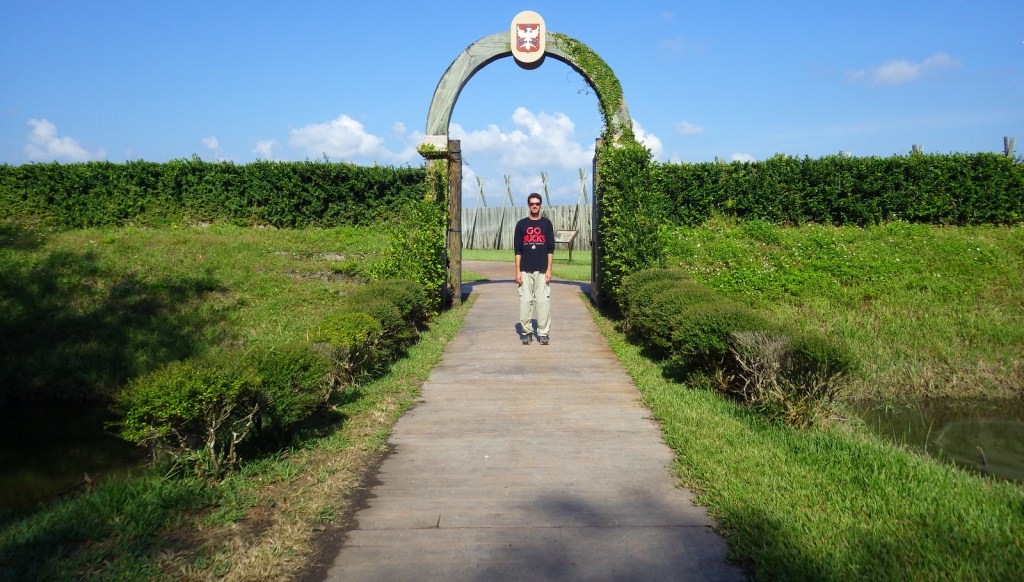
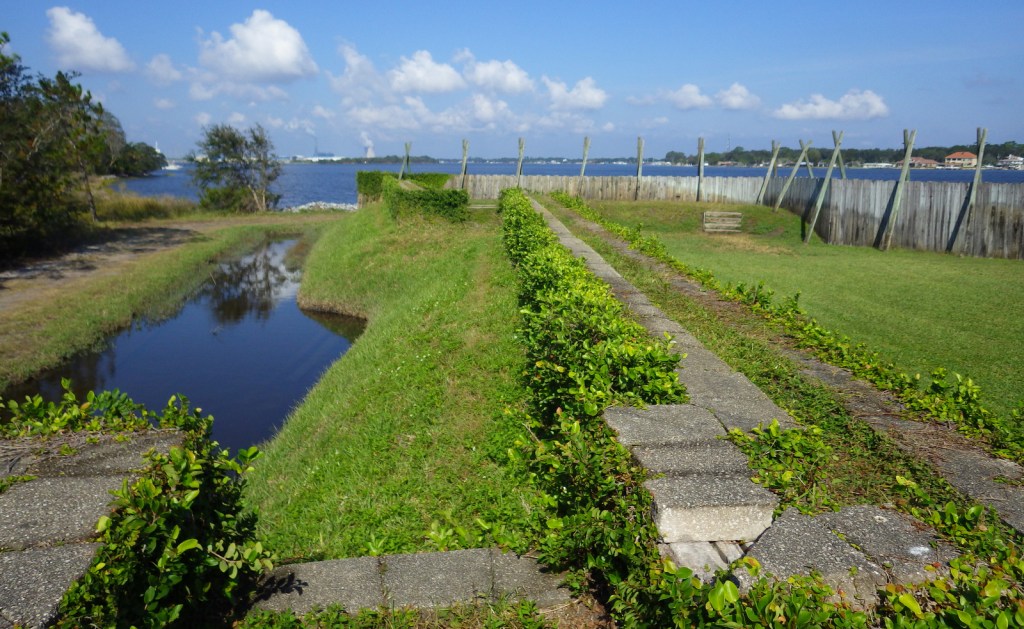
The actual site of the original fort has never been found (and is probably underwater), but you can tour a one-third scale reconstruction of the triangular structure based upon a drawing from 1564 by French artist Jacques le Moyne.  The French got a measure of revenge in 1568 when they attacked and burned Spanish-controlled Fort Caroline, but they could not take St. Augustine and never colonized Florida again.

Peak Season

Winter when there is less mosquito activity.

Hours

https://www.nps.gov/timu/learn/historyculture/foca_visiting.htm

Fees

None

Road Conditions

All roads paved

Camping

Little Talbot Island State Park and Kathryn Abbey Hanna Park (run by the city of Jacksonville) both have campgrounds.

Related Sites

Timucuan Ecological and Historic Preserve (Florida)

Castillo de San Marcos National Monument (Florida)

Fort Matanzas National Monument (Florida)

Explore More – When the Spanish took control of Fort Caroline in 1565, what did they rename it?

Whiskeytown-Shasta-Trinity National Recreation Area

Overview

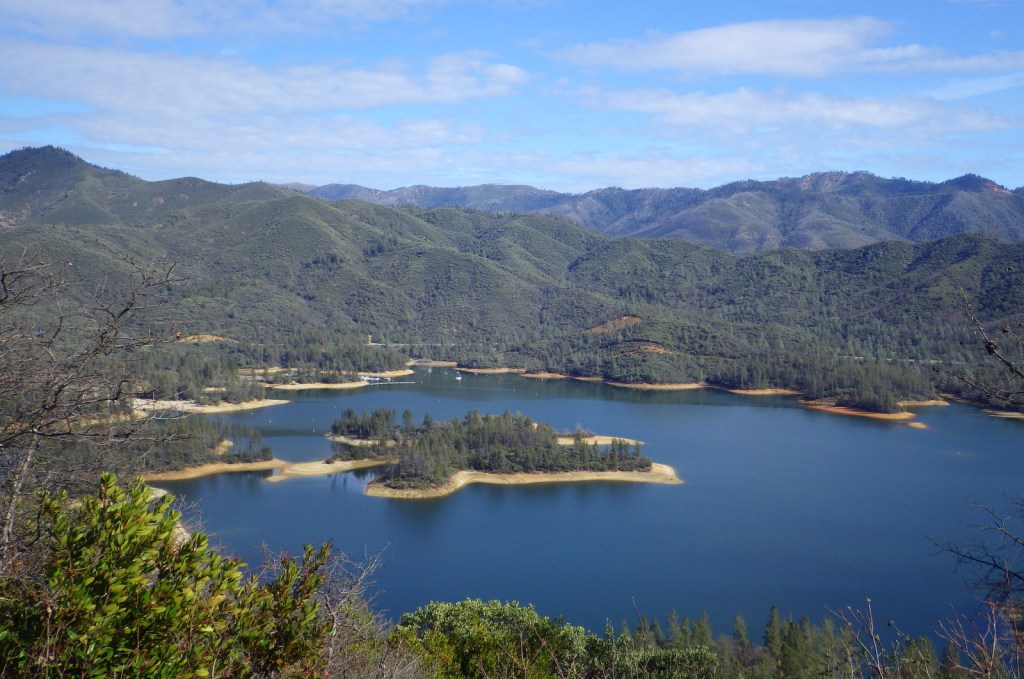
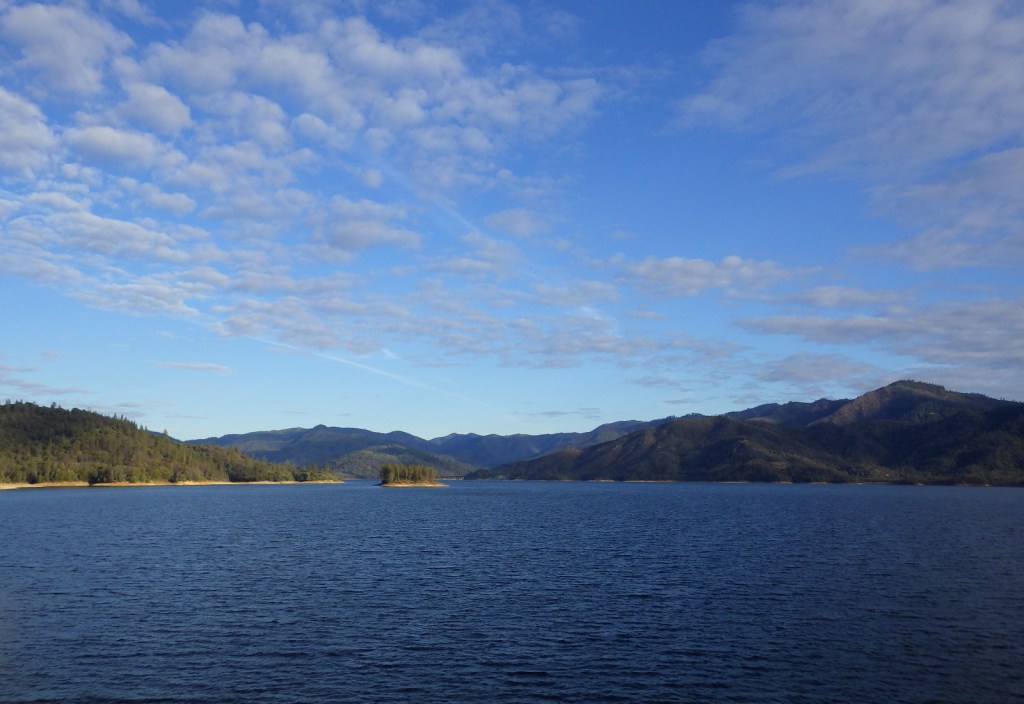
Whiskeytown-Shasta-Trinity National Recreation Area is co-managed by the National Park Service (NPS) and the U.S. Forest Service.  The NPS is in charge of Whiskeytown Lake, a reservoir west of Interstate 5, about 230 miles north of San Francisco, California.  Camping, hiking, gold panning, fishing, boating, and swimming are popular activities, but watch out for poison-oak.

Highlights

Waterfall Challenge, Camden House, gold panning, lake recreation opportunities

Must-Do Activity

Pick up an official Waterfall Challenge Passport at the NPS visitor center along with information on the four waterfall hiking trails.  Tower House Historic District includes the Camden House built in 1852 by a Gold Rush prospector, with seasonal tours offered by the NPS (it was temporarily closed in 2019 after the Carr Fire).  You can even pan for gold (with a $1 permit).

Best Trail

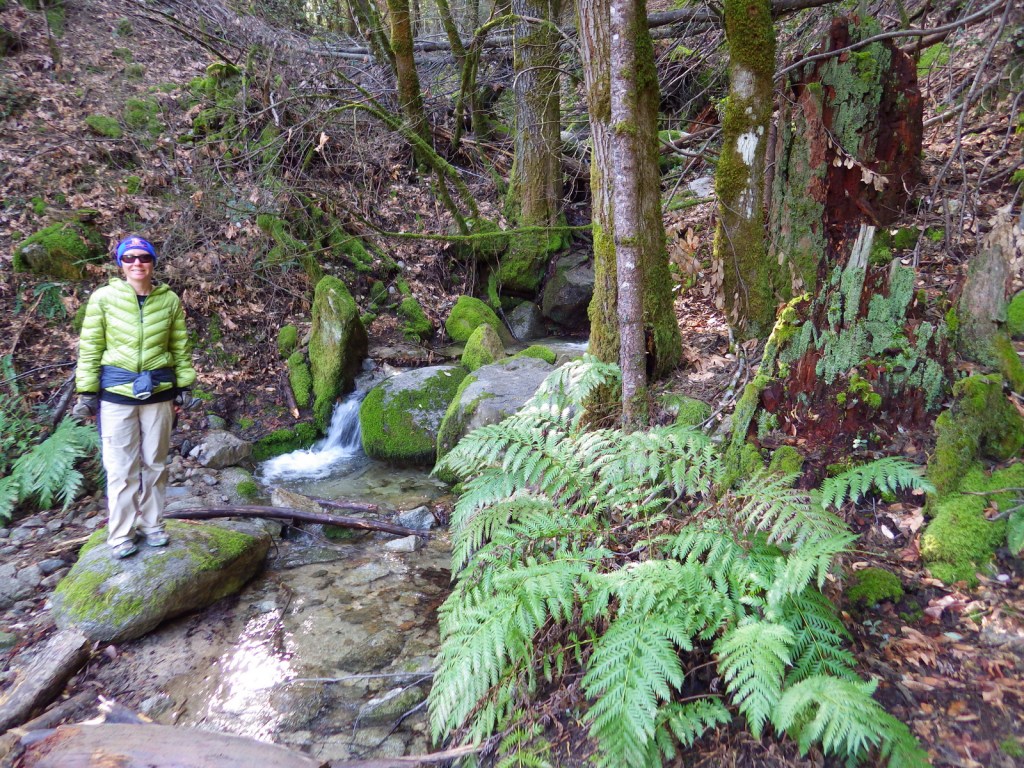
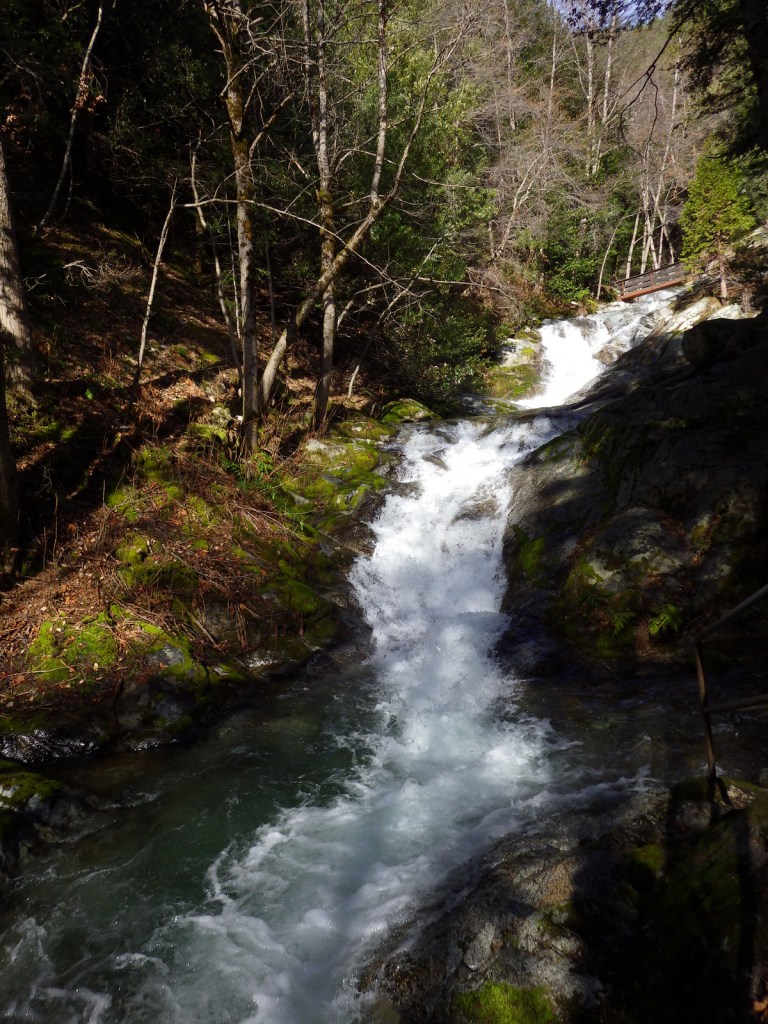
Whiskeytown Falls, Boulder Creek Falls, Brandy Creek Falls, and Crystal Creek Falls are accessible by hiking a total of 11 miles, but it may take longer depending on your choice of trails and road closures.  The trails are steep and poorly marked in some places.

Instagram-worthy Photo

Whiskeytown Falls is 220 feet tall and is accessible on a 3.4-mile roundtrip trail, but we thought the most photogenic waterfall was Crystal Creek Falls.

Peak Season

Summer

Hours

https://www.nps.gov/whis/planyourvisit/hours.htm

Fees

$25 per vehicle or America the Beautiful pass

Road Conditions

Highway 299 on the north side Whiskeytown Lake is paved and accesses Oak Bottom Campground.  Some of the gravel access roads are rough, but passable even with passenger vehicles.

Camping

There are eight campgrounds around the lake, some tent-only, but RVs are allowed at Oak Bottom and Brandy Creek Campgrounds.

Related Sites

Lava Beds National Monument (California)

Lassen Volcanic National Park (California)

Oregon Caves National Monument and Preserve (Oregon)

Explore More – In what year was the Central Valley Project begun that years later formed the 3,200-acre Whiskeytown Lake?

Acadia National Park

Overview

Acadia National Park in Maine is famous for its 45 miles of Carriage Roads and watching a sunrise from atop 1,530-foot tall Cadillac Mountain.  We recommend you plan your visit around attending a Star Party to view the night sky through dozens of telescopes.  We visited on a September weekend, and even though it was not yet leaf-peeping season, the main park road across Mount Desert Island was jam packed and parking spaces were difficult to come by.  [This is also one of 50 National Parks covered in our new guidebook]

Highlights

Cadillac Mountain, Precipice Trail, Bass Harbor Head Lighthouse

Must-Do Activity

If you don’t like crowds, then visit on a weekday and avoid Cadillac Mountain, Bar Harbor, Precipice Trailhead, Thunder Hole, Jordan Pond House, and Bass Harbor Head Lighthouse.  We preferred our time spent on the Schoodic Peninsula with its nice campground and unoccupied overlooks across the bay towards busy Mount Desert Island.

Best Trail

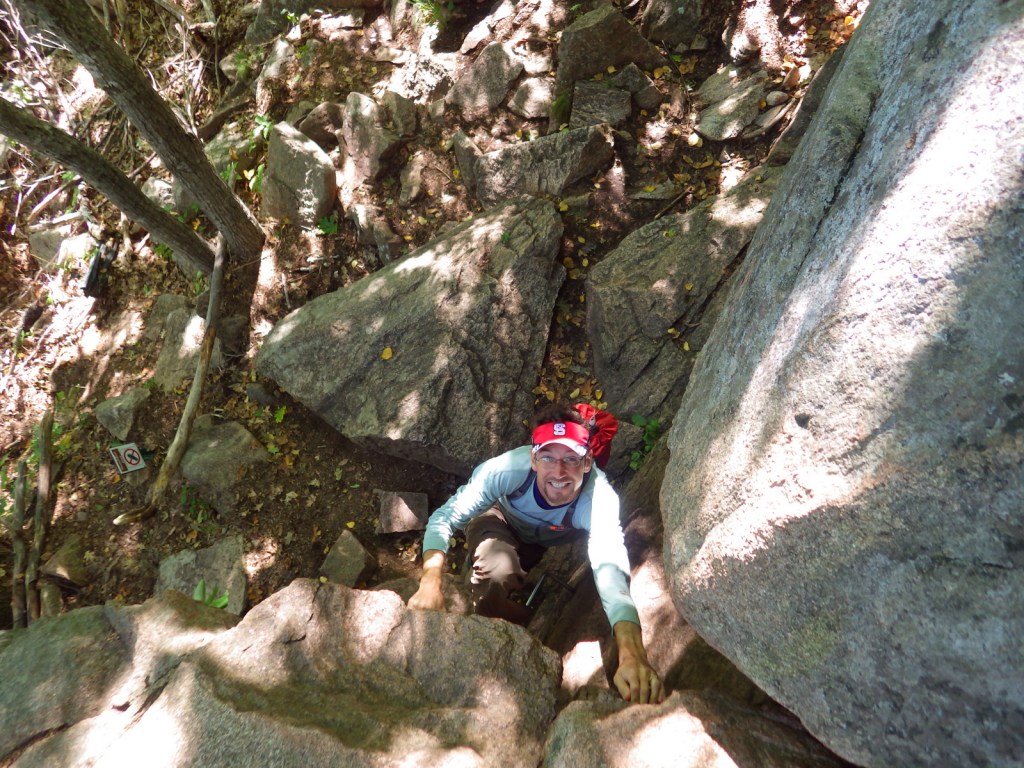
Iron rungs and ladders assist those who wish to climb the aptly named Precipice Trail.  The trail provides awesome Atlantic Ocean views from the cliffs on the way up to Champlain Mountain.  A 2.5-mile loop can be formed when combined with Champlain North Ridge and Orange & Black Trails.  Other “ladder trails” in the park include the Beehive and Perpendicular Trails.

Instagram-worthy Photo

Photographers hang out for hours waiting for sunset on the rocks below Bass Harbor Head Lighthouse.

Peak Season

Summer and fall

Hours

https://www.nps.gov/acad/planyourvisit/hours.htm

Fees

$30 per vehicle or America the Beautiful pass

Road Conditions

Most roads paved with the notable exception of the one that summits Schoodic Head.

Camping

There are several campgrounds in the park and we enjoyed our stay in the forested Schoodic Peninsula Campground, which opened in 2016.

Related Sites

Appalachian National Scenic Trail (Maine to Georgia)

Saint Croix Island International Historic Site (Maine)

Marsh-Billings-Rockefeller National Historical Park (Vermont)

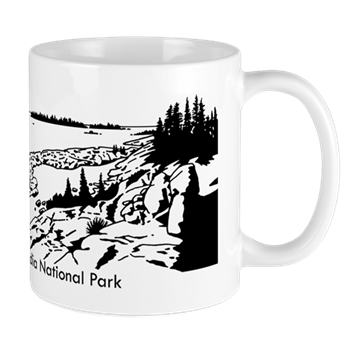
This design we created to celebrate Acadia National Park is available on a variety of products at Cafe Press and Amazon.

Explore More – What was the original name of this park when it was created on February 26, 1919 (the same day as Grand Canyon National Park)?

We are a participant in the Amazon Services LLC Associates Program, an affiliate advertising program designed to provide a means for us to earn fees by linking to Amazon.com and affiliated sites.