Tag Archives: trail

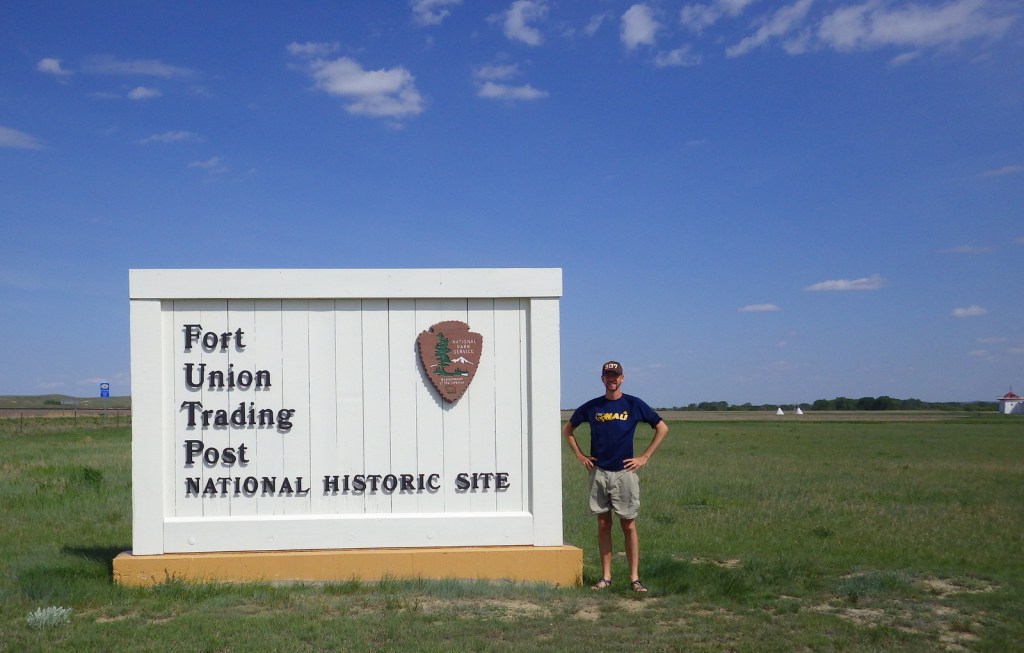
Fort Union Trading Post National Historic Site

Overview

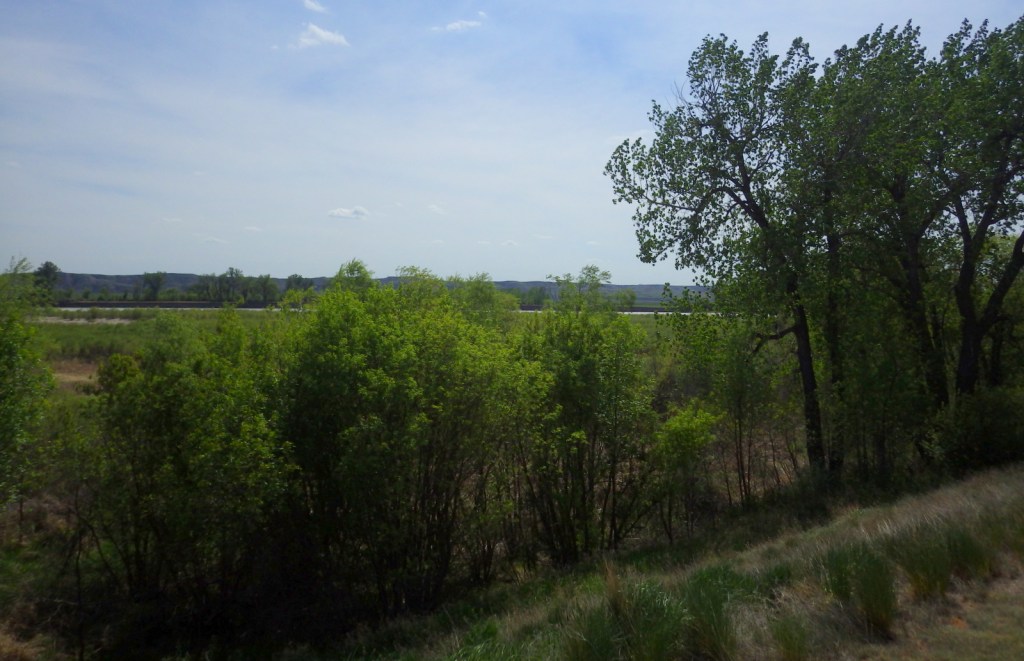
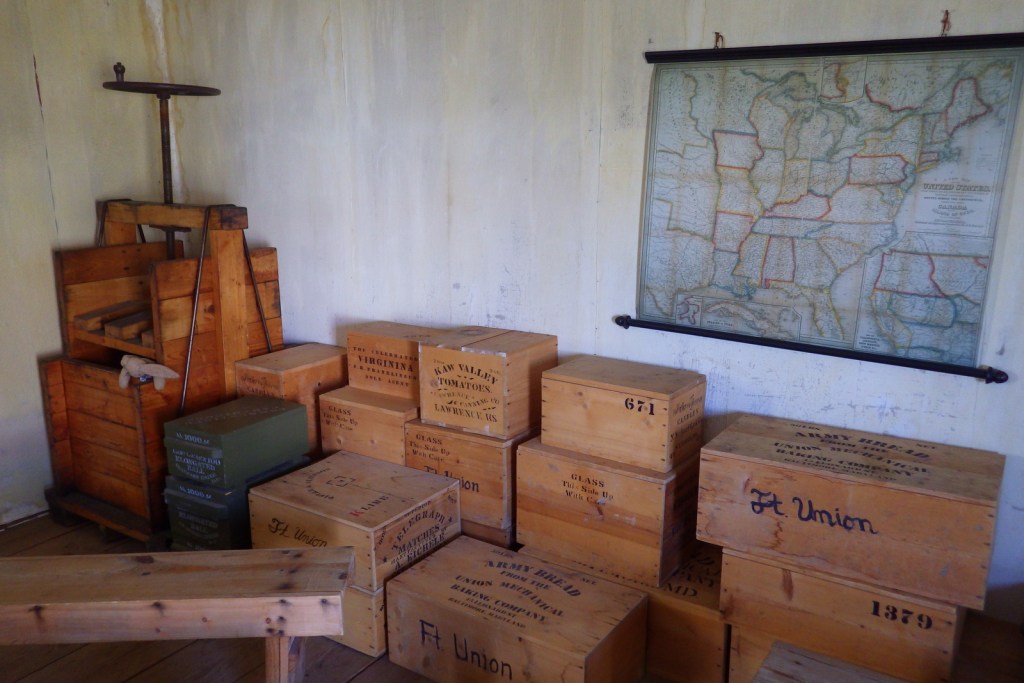
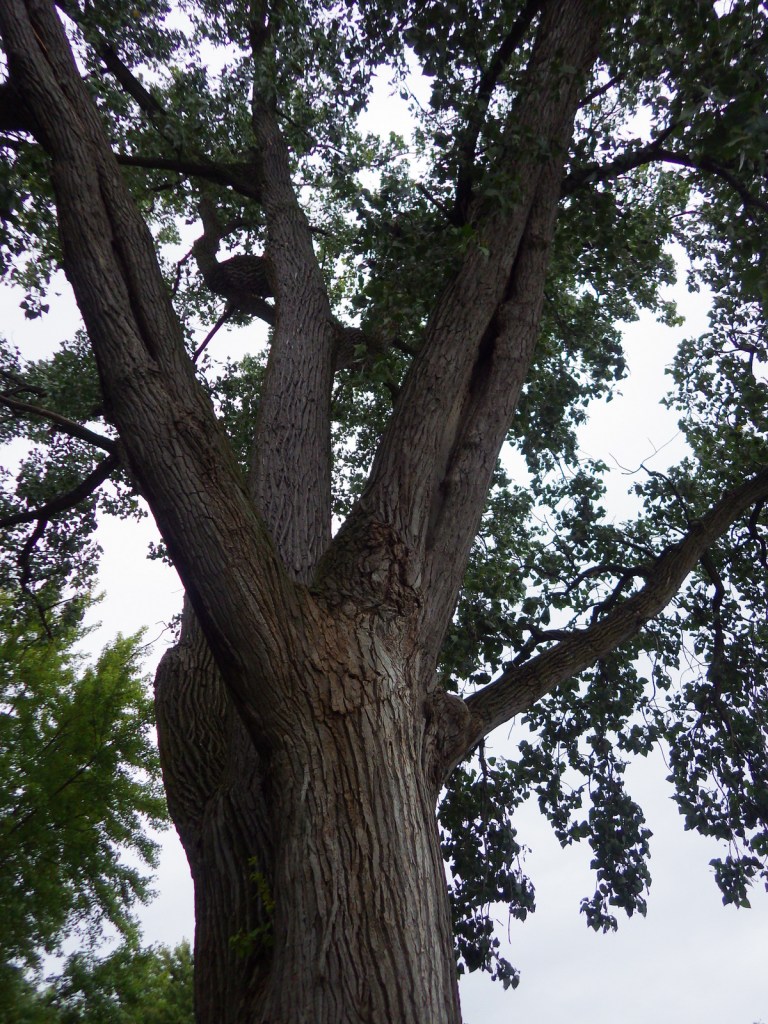
When you park at Fort Union Trading Post National Historic Site you are in Montana, but as you walk to the fort you cross into North Dakota, changing time zones from Mountain to Central Time.  Strategically located near the confluence of the Yellowstone and Missouri Rivers, the trading post lasted from 1828 to 1867 when it was sold to the U.S. Army who dismantled it to build Fort Buford two miles downstream.  Fort Union primarily traded with Plains Indians for bison hides, since beaver skin top hats were out of fashion by that point.

Highlights

Museum, reconstructed fort, Fort Buford State Historic Site, Missouri-Yellowstone River confluence

Must-Do Activity

The National Park Service (NPS) visitor center is located inside the reconstructed Bourgeois (field agent) House, one of several buildings and palisades rebuilt between 1985 and 1991 using rot-resistant fir instead of the original cottonwood.  After touring Fort Union, drive to Fort Buford State Historic Site where a visitor center (fee) opened at the two rivers’ confluence in August 2003 as part of the Lewis and Clark bicentennial celebration.

Best Trail

The Bodmer Overlook Trail climbs one mile to a point where Swiss painter Karl Bodmer sketched the fort in 1833.  The trailhead is located north of Highway 1804.

Instagram-worthy Photo

The colorful Bourgeois House is where the trading post manager lived.  A four-day fur-trade rendezvous is held annually at the park in June.

Peak Season

Summer

Hours

https://www.nps.gov/fous/planyourvisit/hours.htm

Fees

None at the NPS site, but there is an entrance fee at Fort Buford State Historic Site.

Road Conditions

Access roads are paved.

Camping

There is a campground at nearby Fort Buford State Historic Site.

Related Sites

Knife River Indian Villages National Historic Site (North Dakota)

Fort Vancouver National Historic Site (Washington)

Theodore Roosevelt National Park (North Dakota)
Explore More – What famous ornithologist stayed at the fort in 1843?
Horseshoe Bend National Military Park

Overview

It was near Daviston, Alabama on March 27, 1814 that a fortified village of Upper Creek (or Red Stick) Indians was attacked by a superior force under the leadership of Major General Andrew Jackson.  Jackson started by firing cannons at the barricade for two hours, then his overanxious Indian allies pressed the issue by crossing the river to fight.  Jackson quickly ordered his men to charge and overtook the stronghold.  This proved to be the final battle of the Creek Indian War of 1813-14, which is considered part of the War of 1812.  In the treaty that followed, the tribe ceded much of the land that became the state of Alabama to the United States.  When Jackson became president in 1828, he signed the Indian Removal Bill and soon both the Upper Creeks and his former Indian allies were forced west on the Trail of Tears.

Highlights

Museum, film, auto tour, nature trail

Must-Do Activity

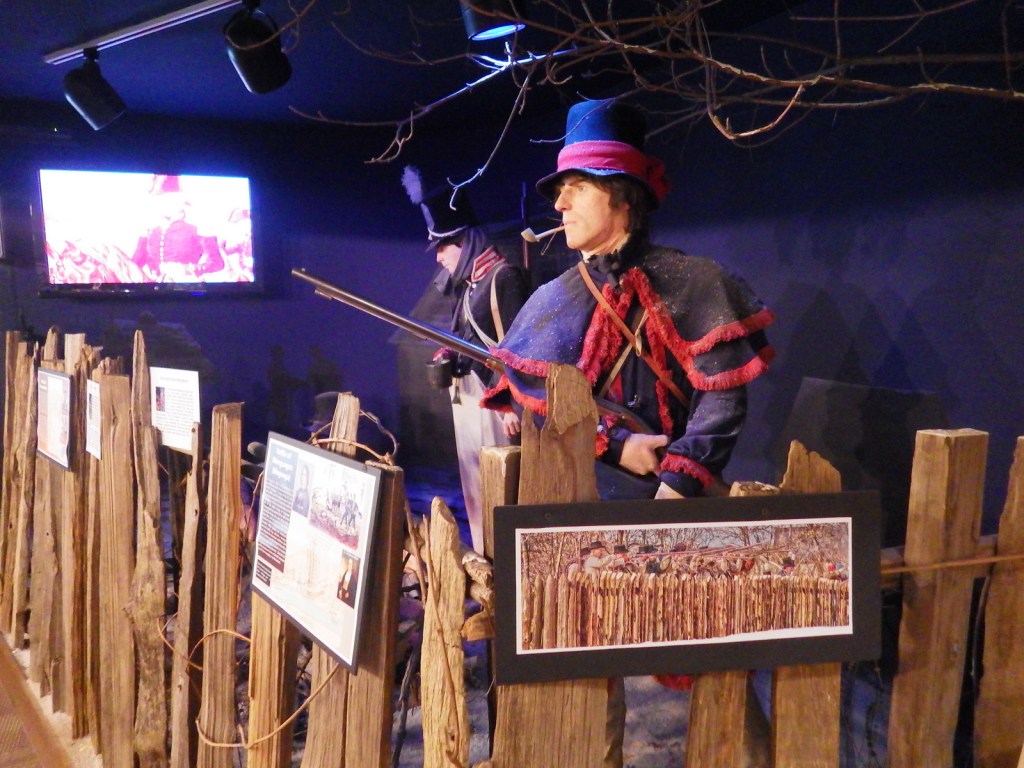
A short but good film is the best way to start learning about this lesser known yet important battle of the War of 1812 that brought fame to Andrew Jackson.  A diorama in the visitor center illustrates the fortifications used at Horseshoe Bend.   On the three-mile auto tour, only short walks are required from any interpretive pullout.

Best Trail

An alternative to the auto tour is a 2.8-mile nature trail that visits the same interpretive sites.

Instagram-worthy Photo

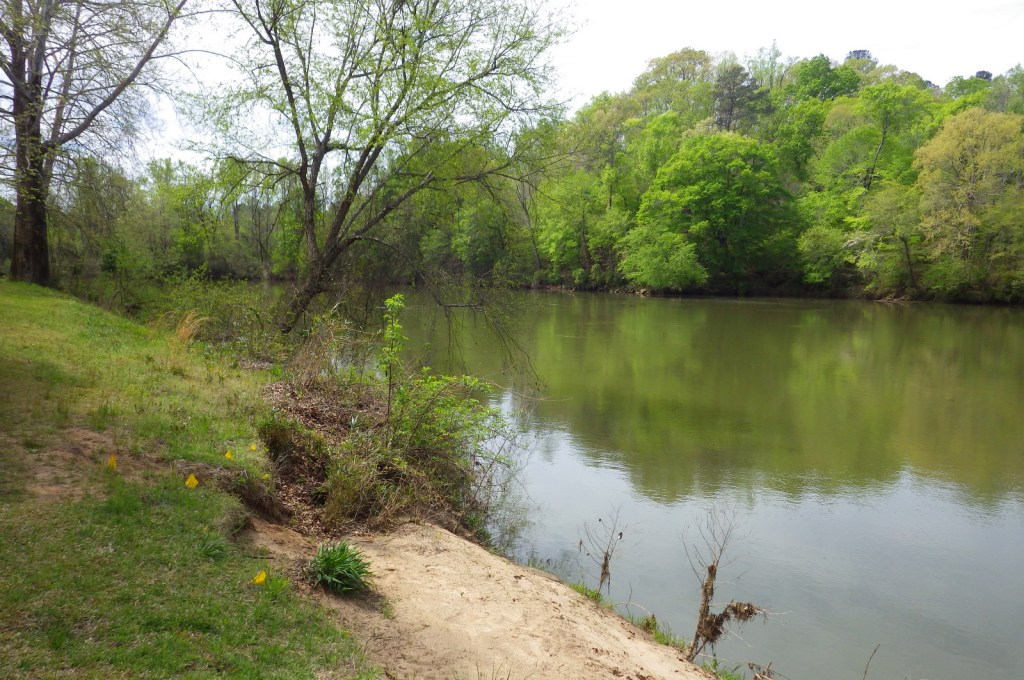
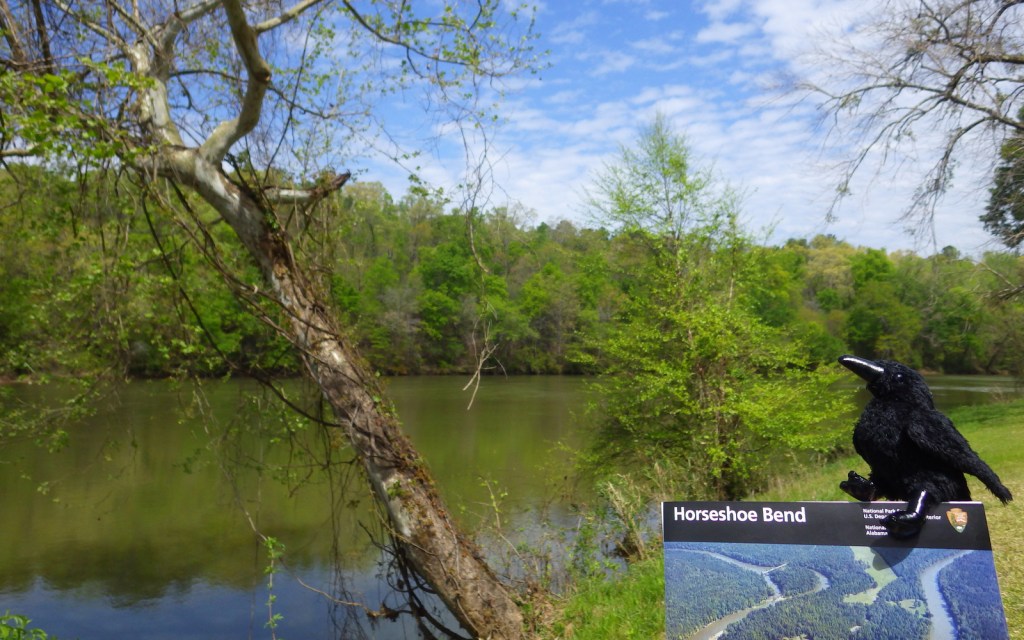
A tight curve in the Tallapoosa River in eastern Alabama provided the name for Horseshoe Bend National Military Park.  Indian allies of the U.S. started the 1814 battle by swimming then paddling stolen canoes across the river to get behind the fortifications.

Peak Season

Summer

Hours

https://www.nps.gov/hobe/planyourvisit/hours.htm

Fees

None

Road Conditions

All roads paved

Camping

There is no camping allowed here, but Wind Creek State Park has a campground 25 miles southwest of the park.

Related Sites

Jean Lafitte National Historical Park and Preserve (Louisiana)

Fort Smith National Historic Site (Arkansas-Oklahoma)

Russell Cave National Monument (Alabama)

Explore More – Where did a much more famous U.S. victory during the War of 1812 take place under the command of Major General Andrew Jackson?
River Raisin National Battlefield Park

River Raisin National Battlefield Park

Michigan

Managed by National Park Service

Established 2009

42 acres

Website: nps.gov/rira

Overview

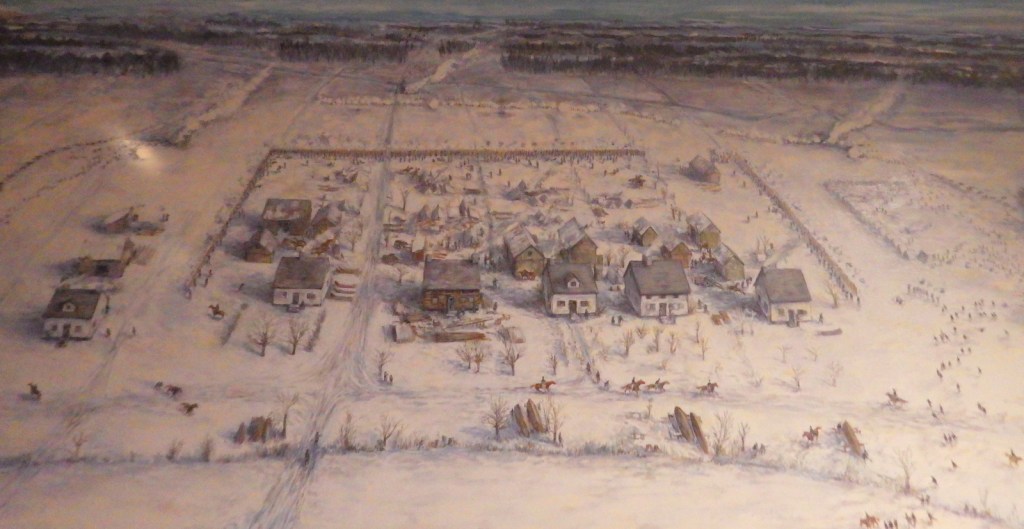
River Raisin National Battlefield Park is located in Monroe, Michigan near where the mouth of the river empties into Lake Erie.  During the War of 1812, the U.S. had a plan to invade Canada which fell through after the surrender of Detroit.  Five months later in January 1813, U.S. troops were heading towards Detroit when they made a detour to Frenchtown to drive off a small detachment of Canadians.  Following an initial victory, a few mornings later a British surprise attack captured or killed all but 33 of nearly 1,000 troops.  When Indian allies of the British returned to scalp six (according to the British) or 42 (according to the Americans) injured prisoners the devastating defeat became immortalized in the rallying cry “Remember the Raisin!”

Highlights

Museum, film, River Raisin Heritage Trail

Must-Do Activity

River Raisin National Battlefield Park was not authorized until 2009, so it has a nice new visitor center opened in 2011.  The National Park Service (NPS) has even attempted to make it kid-friendly by creating a stuffed animal of Major Muskrat with multiple costume options available in the gift shop.  It is not often that an NPS site commemorates an American defeat in battle.  In 1813, the U.S. went onto victory at the Battle of Lake Erie and the Battle of Thames in southern Ontario.  The Canadians do not have their own National Battlefield Parks dedicated to those defeats.

Best Trail

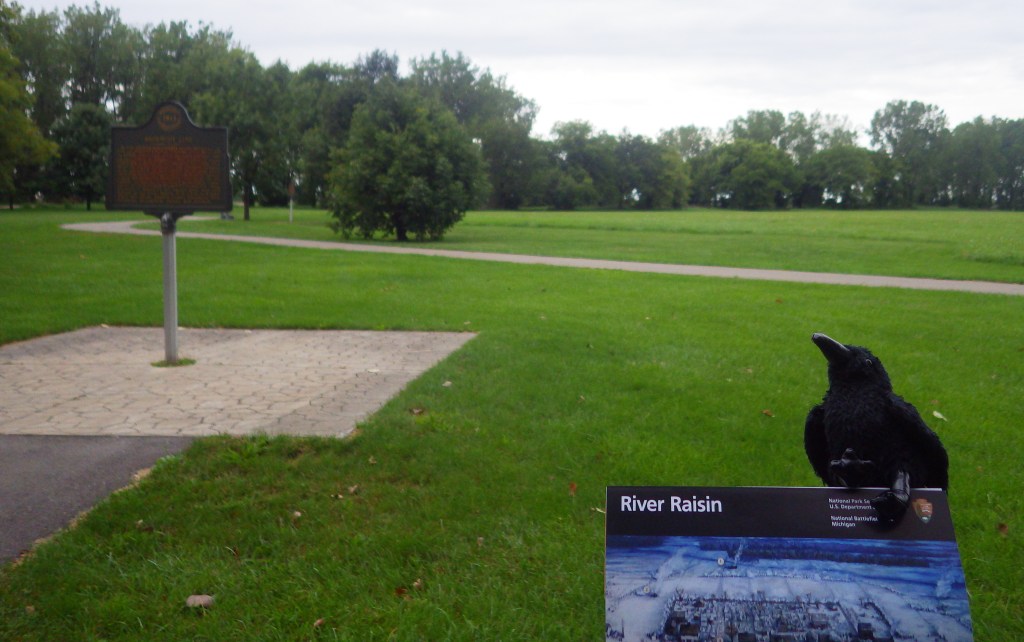
The 42-acre park is mostly a lawn with a paved path dotted by interpretive signs.  You can also hook into the River Raisin Heritage Trail, which takes you to Sterling State Park on Lake Erie.

Instagram-worthy Photo

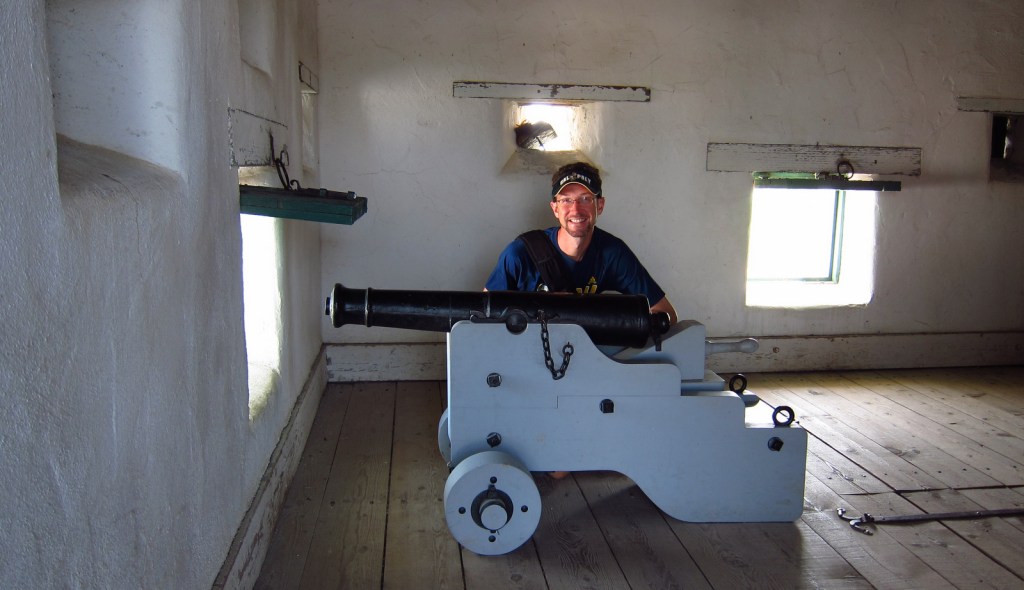
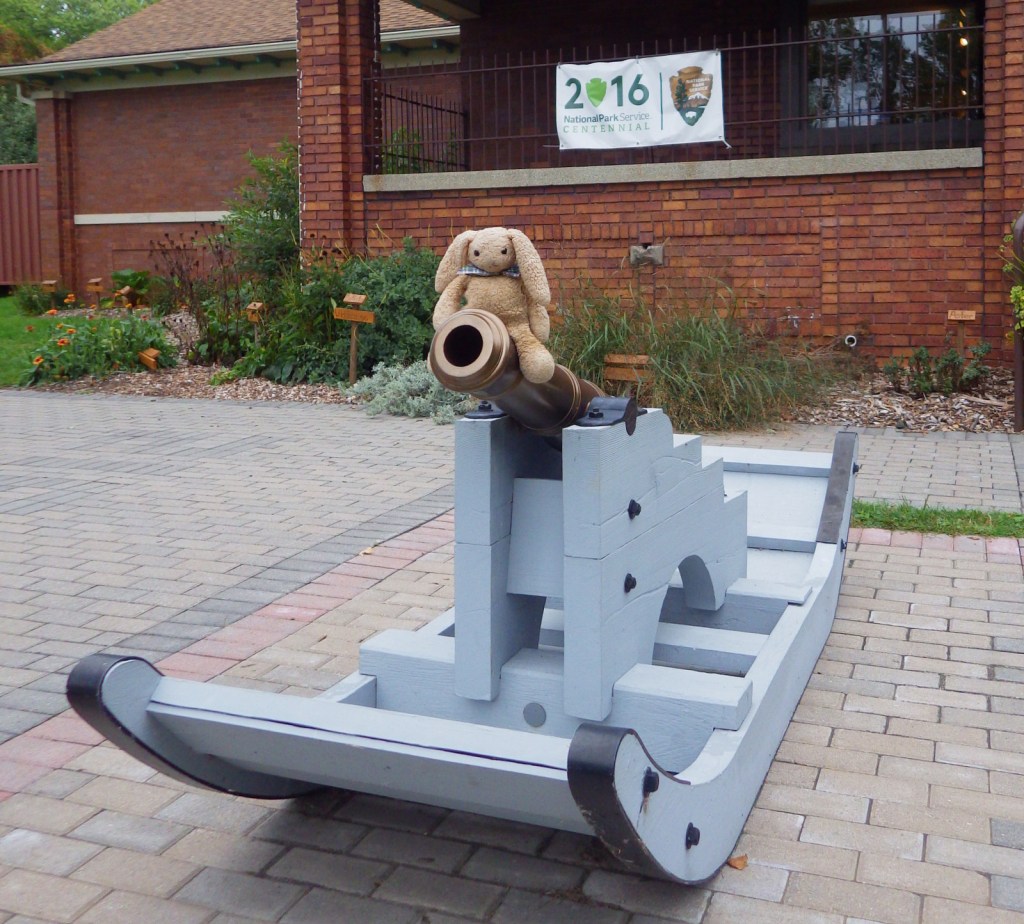
A replica of a cannon used at the January battle is on sled runners; pretty unique!

Peak Season

Summer

Hours

https://www.nps.gov/rira/planyourvisit/hours.htm

Fees

None

Road Conditions

All roads paved

Camping

Sterling State Park offers a 256-site campground on Lake Erie.

Related Sites

Perry’s Victory and International Peace Memorial (Ohio)

Horseshoe Bend National Military Park (Alabama)

Sleeping Bear Dunes National Lakeshore (Michigan)

Explore More – Native Americans were left out of the Treaty of Ghent that ended the War of 1812, so when did the U.S. sign the Treaty of Springwells officially ending hostilities?

Point Reyes National Seashore

Overview

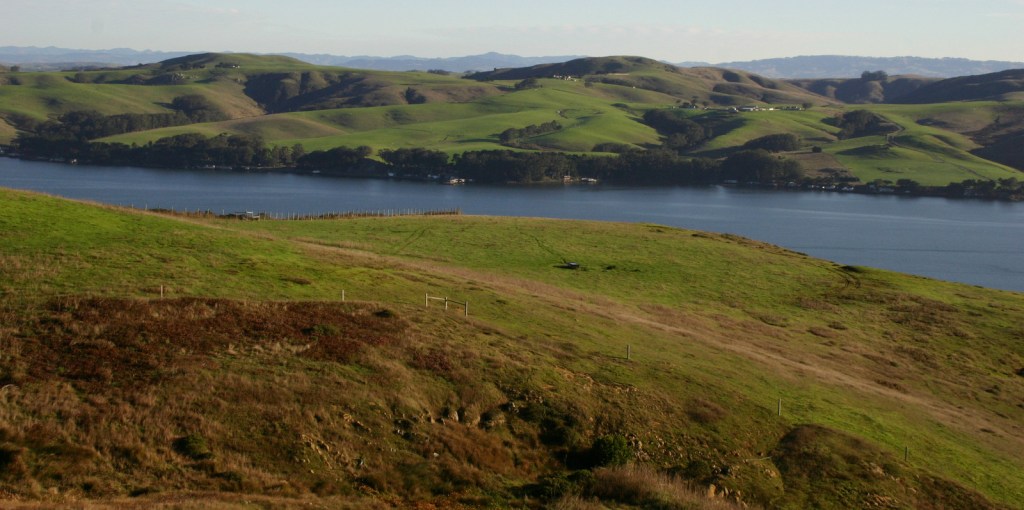
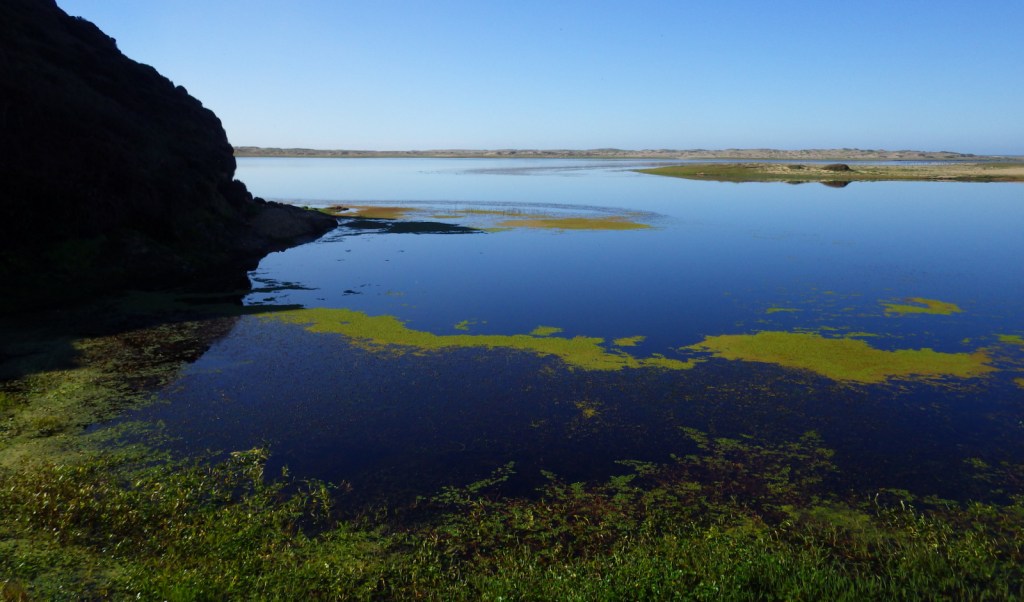
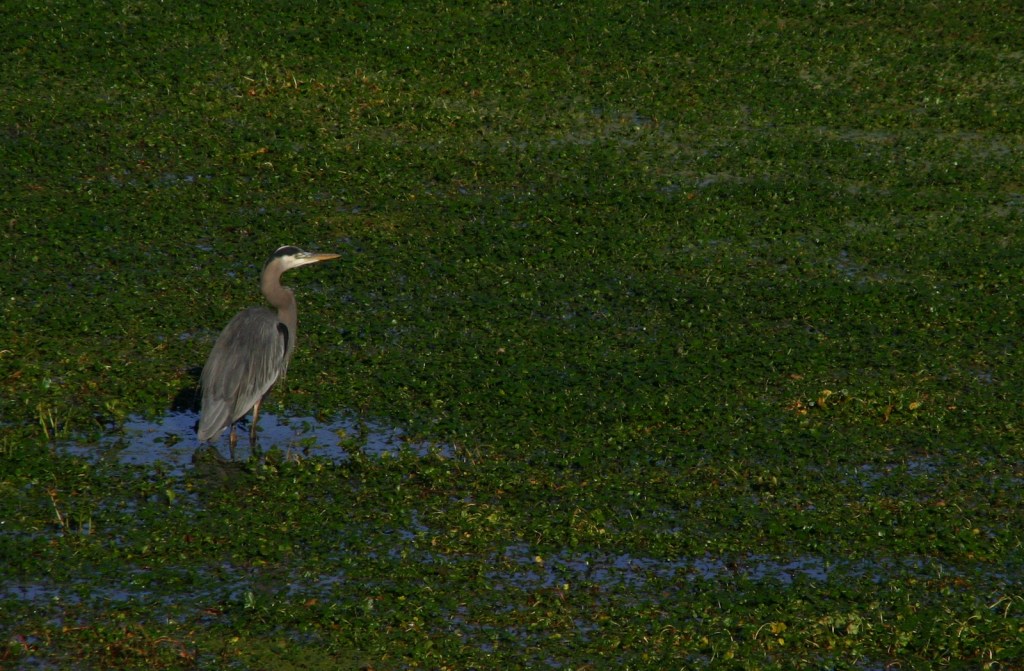
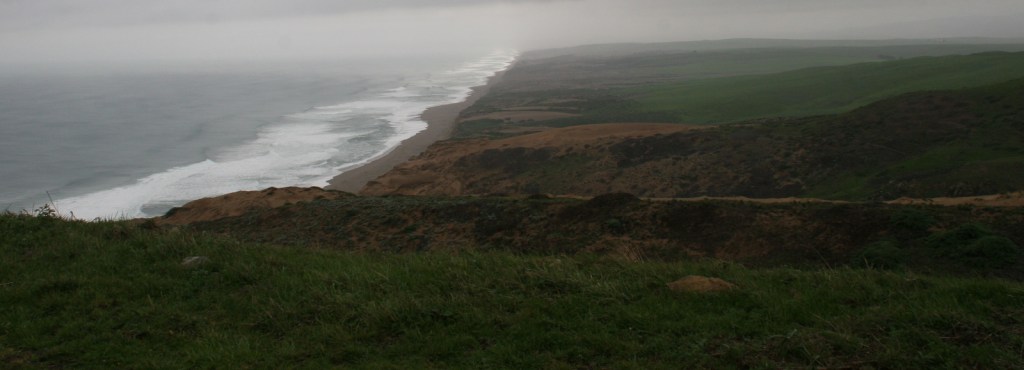
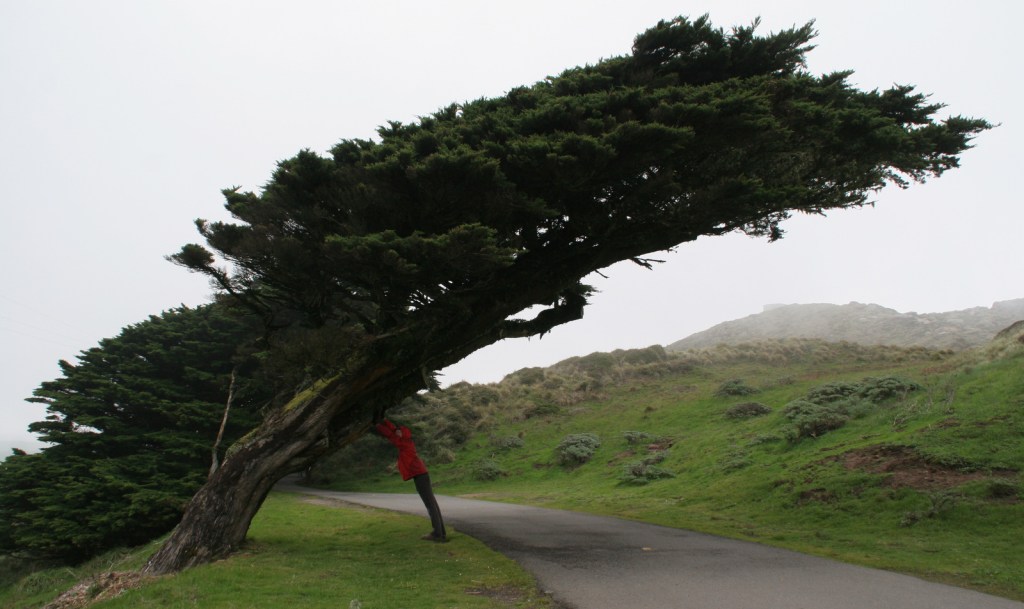
North of San Francisco, California, Point Reyes National Seashore is the only park so designated on the Pacific Coast of the U.S.  Be prepared to get wet as this piece of land located on the San Andreas Fault is frequently enveloped by a fog belt year round.  It might not be the best spot to sunbathe on the beach, but this unique seashore is a great place to watch wildlife.

Highlights

Point Reyes Lighthouse, beaches, Arch Rock, Historic Pierce Point Ranch, Tomales Bay

Must-Do Activity

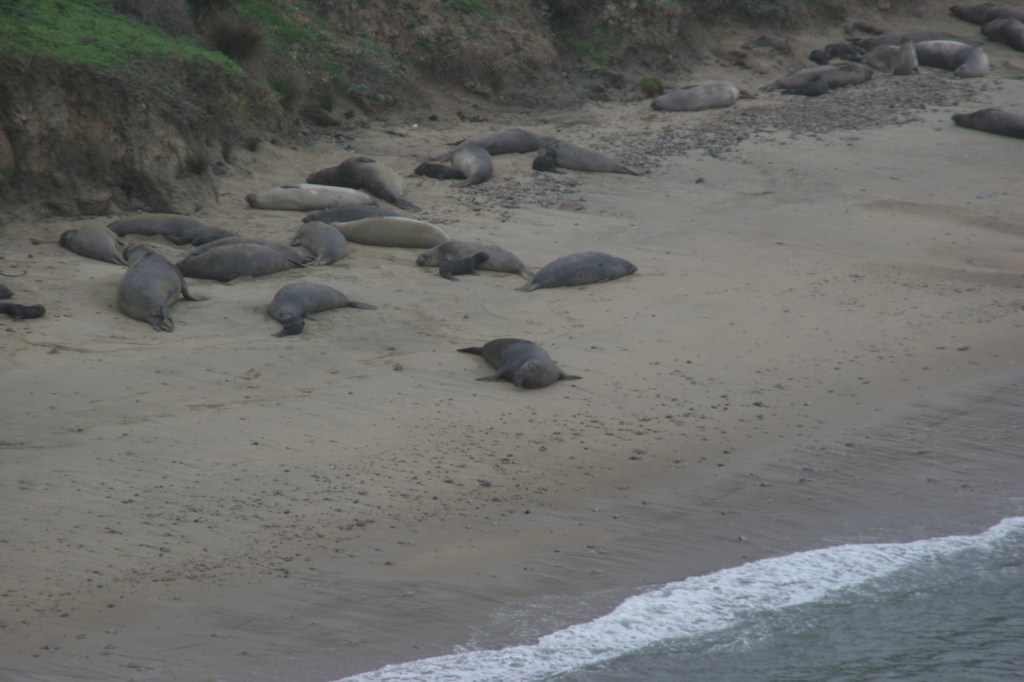
The main attraction is the Point Reyes Lighthouse, where you can try to spot sea lions and gray whales on their winter migration.  It is 300 steps down to the historic lighthouse, then you have to turn around and climb back up.  Nearby Drakes Beach is off limits in the winter months when elephant seals gather there and you can watch (and listen to) them from an overlook.  The park is popular with road and mountain bikers, and well-protected Tomales Bay attracts kayakers.

Best Trail

An extensive trail system with backcountry campsites (including two near the beach) is best accessed from the Bear Valley Visitor Center.  Plus, you can always walk the 11-mile long Point Reyes Beach.

Instagram-worthy Photo

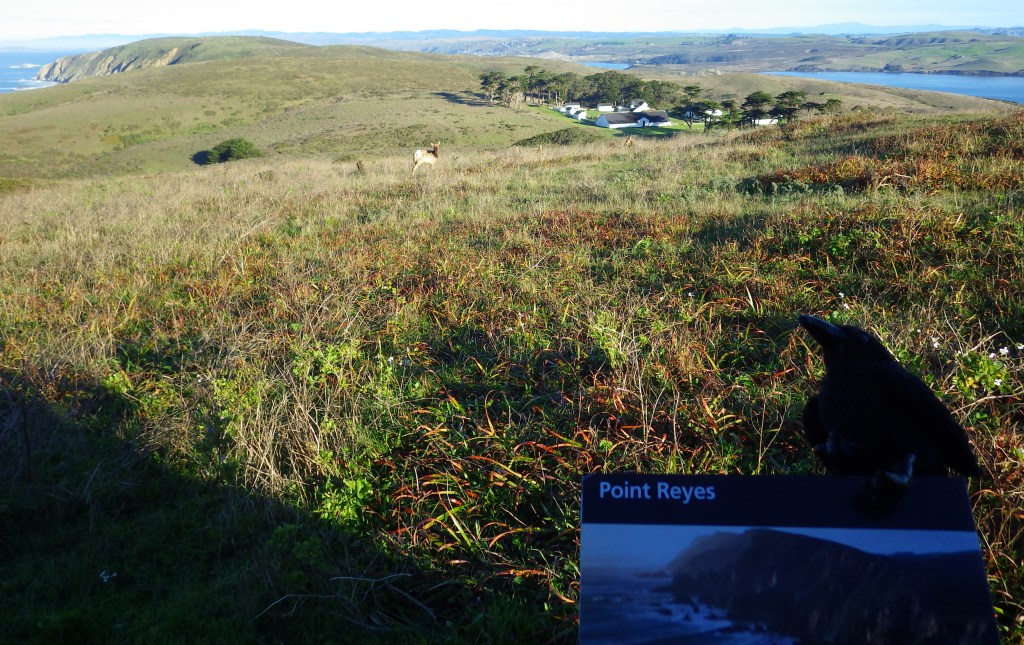
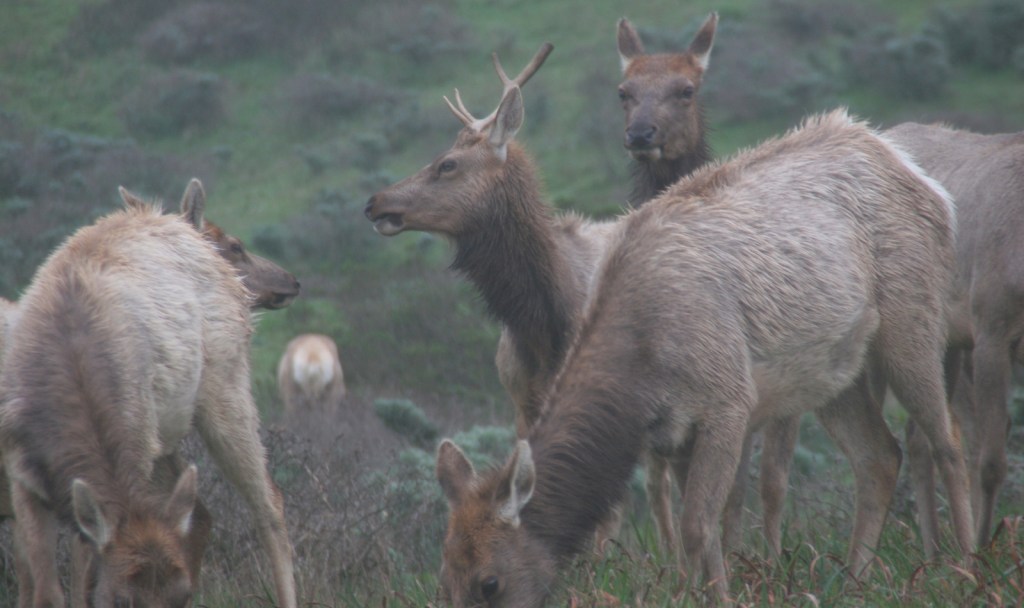
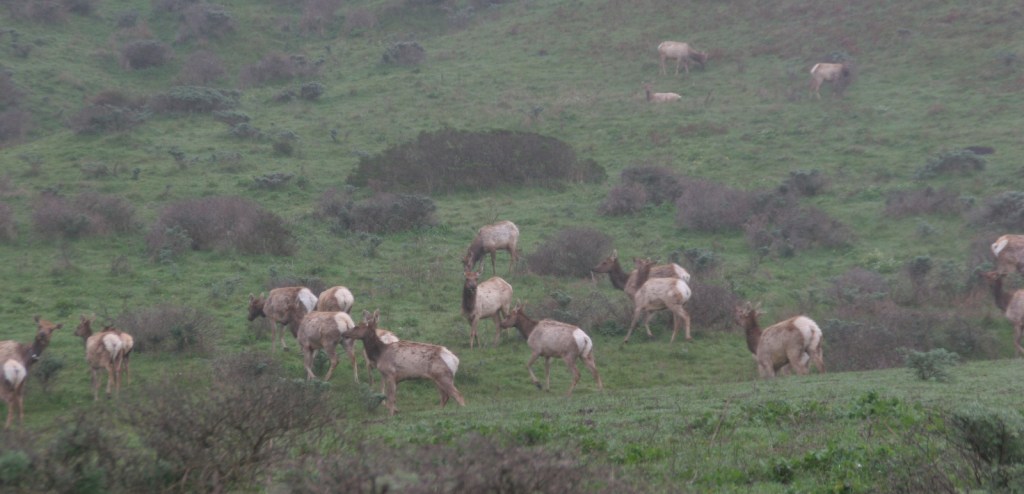
The park has a reintroduced herd of Tule elk near the Historic Pierce Point Ranch on Tomales Point.  If you visit in January, you might find a bull was waiting for his other antler to drop.

Peak Season

Summer, though the weather is pretty much the same year round.

Hours

https://www.nps.gov/pore/planyourvisit/hours.htm

Fees

None

Road Conditions

All roads paved, except a few short ones that access trailheads.

Camping

There is no campground in Point Reyes National Seashore, but there are backcountry campsites that area available with a permit (reservations available).

Related Sites

Cabrillo National Monument (California)

Golden Gate National Recreation Area (California)

Olympic National Park (Washington)

Explore More – How far did the entire Point Reyes Peninsula permanently shift during the 1906 San Francisco Earthquake?

Big Thicket National Preserve

Overview

When most people think of Texas they do not think of the bayou, but since 1974 this unique ecosystem and eight others were preserved in several units in the southeastern portion of the state.  The Big Thicket once covered 3.5-million acres, however, now only 112,000 acres is protected by the National Park Service (NPS) in 15 remnant sections.  Here you can also discover longleaf pine savannah, saltwater estuaries, and wetlands harboring carnivorous plants.  Understandably, the region is noted for its high biodiversity, highlighted by 85 tree species, 20 orchids, and wildlife as dissimilar as alligators and roadrunners.

Highlights

Kirby Nature Trail, Pine Island Bayou, Cooks Lake Paddling Trail, Neches River, birding

Must-Do Activity

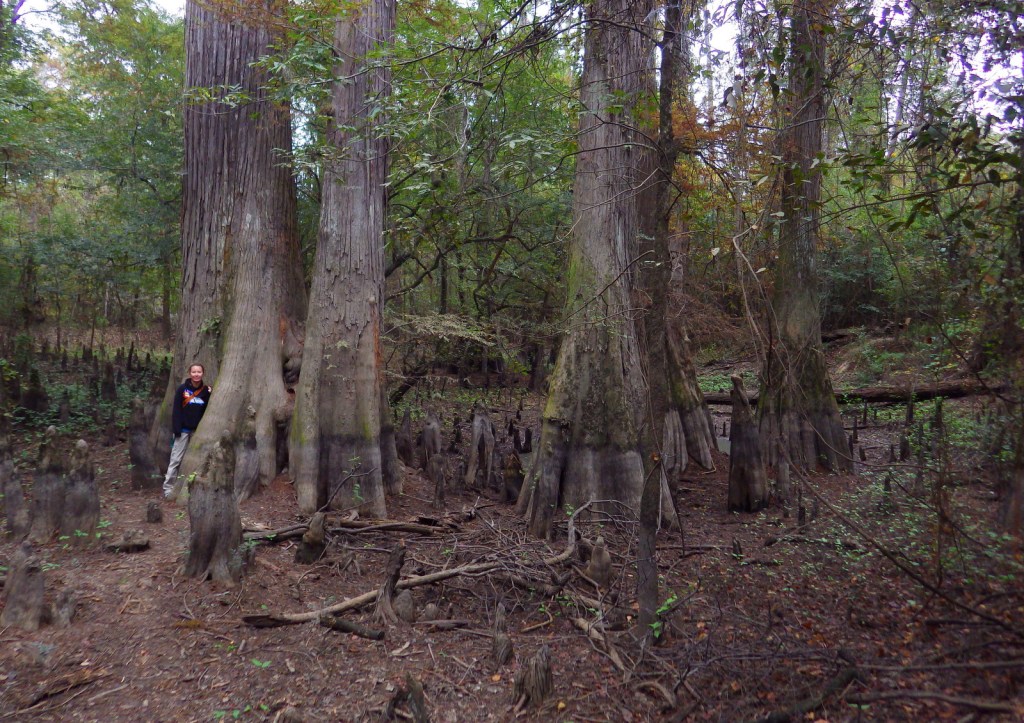
We recommend you start by learning about the nine different ecosystems within the preserve at the NPS visitor center located eight miles north of Kountze, Texas.  The best way to get to know Big Thicket National Preserve is on the water.  Motorboats are allowed in most units, but paddling is preferred for exploring the shallow bayous.  Lined with baldcypress trees, Pine Island Bayou is best explored by kayak or canoe, as is the Cooks Lake Paddling Trail (a five mile loop).  It is also possible to float the park’s 80 miles of the Neches River depending upon the amount of water released from B.A. Steinhagan Lake.

Best Trail

There are 40 miles of hiking trails, but it may be best to start with the Kirby Nature Trail near the NPS visitor center in Kountze, Texas.  Also located in the Turkey Creek Unit, the short Pitcher Plant Trail is best in the spring when the carnivorous plants bloom in the wet savanna.

Instagram-worthy Photo

Inside the NPS visitor center located eight miles north of Kountze, Texas, you can pose with a giant-sized pitcher plant model.

Peak Season

Fall and spring to avoid peak mosquito season.

Hours

https://www.nps.gov/bith/planyourvisit/hours.htm

Fees

None

Road Conditions

The main access roads are paved, but some boat launches may be dirt.

Camping

The NPS offers free backcountry permits, but the nearest campgrounds are at Village Creek State Park and B.A. Steinhagan Lake (managed by the U.S. Army Corps of Engineers).

Related Sites

Jean Lafitte National Historical Park and Preserve (Louisiana)

Big Cypress National Preserve (Florida)

Everglades National Park (Florida)

Explore More – In addition to pitcher plants, how many other carnivorous plant species are found in Big Thicket National Preserve?