Tag Archives: tour

Tule Lake National Monument

Tule Lake National Monument

California

Managed by National Park Service and U.S. Fish and Wildlife Service

Established 2008

1,391 acres

Website: nps.gov/tule

Overview

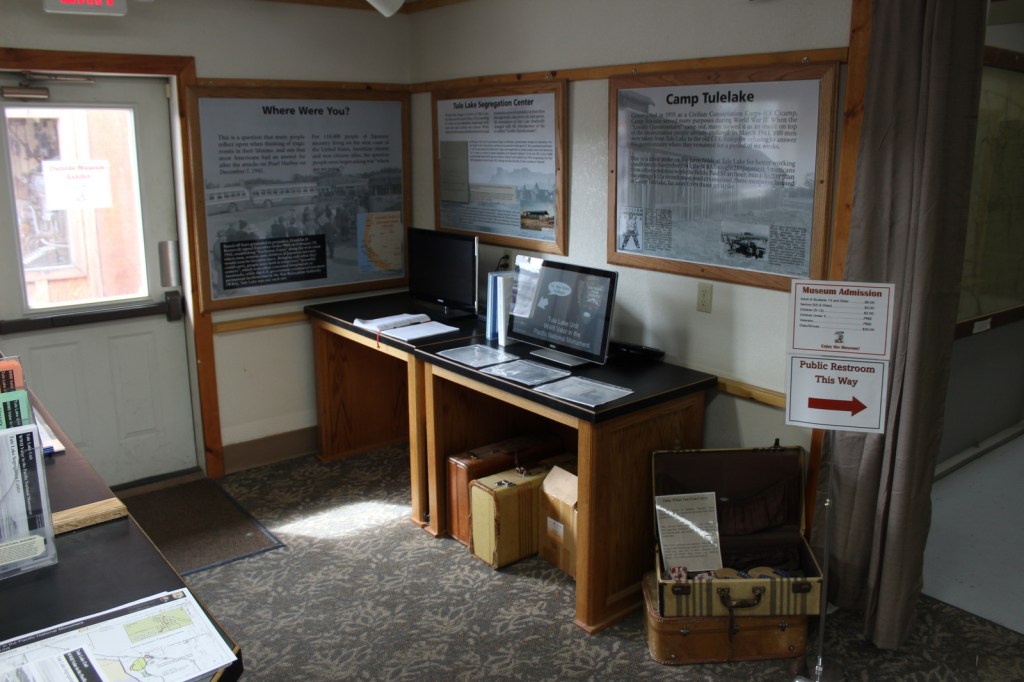
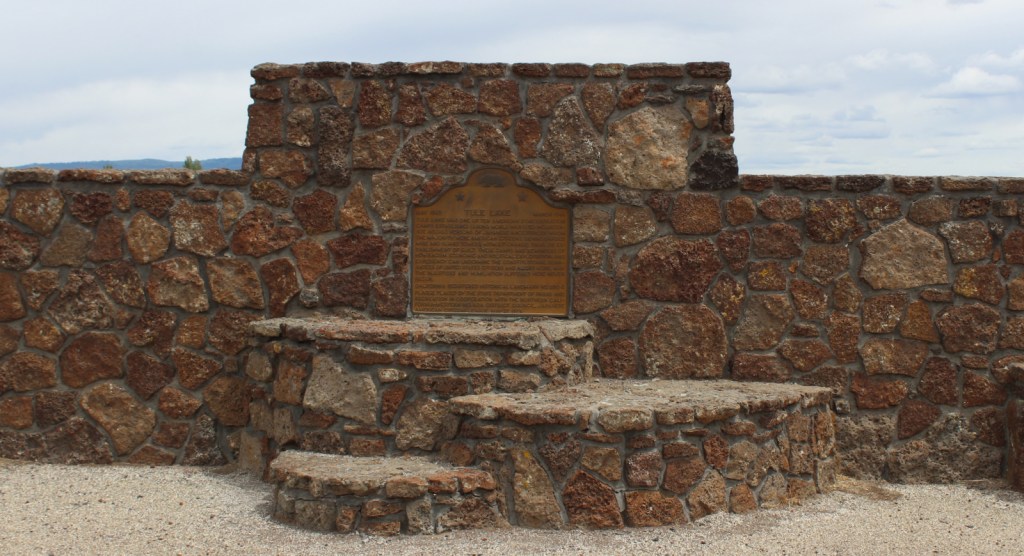
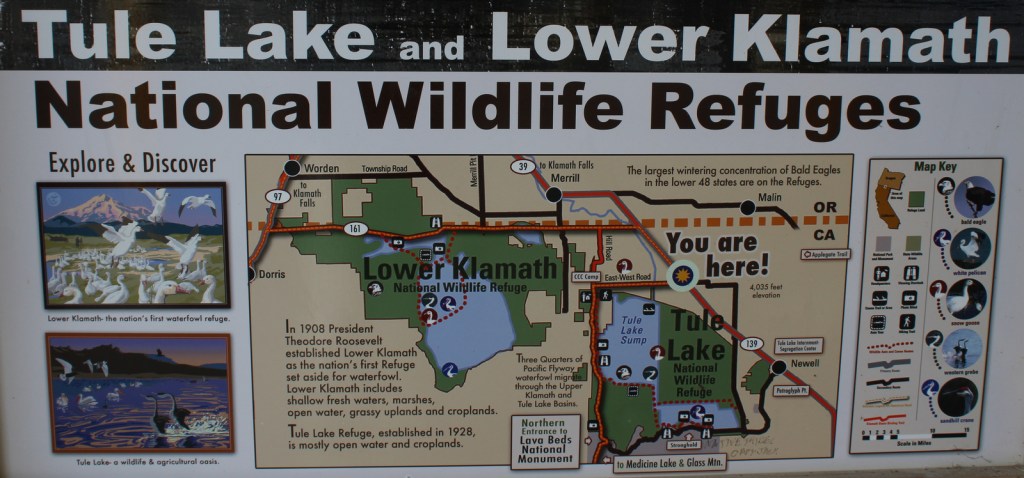
Following the 1941 attack on Pearl Harbor, President Franklin D. Roosevelt signed an executive order authorizing the detention of more than 110,000 U.S. citizens of Japanese descent at ten concentration camps in the contiguous United States.  At Tule Lake War Relocation Center, 7,400 acres were enclosed by barbwire to hold about 12,000 people in northeast California.  Once a loyalty questionnaire was distributed throughout the ten camps, those considered disloyal to the U.S. government were all shipped to the renamed Tule Lake Segregation Center, which held 18,789 inmates at its peak.  Overcrowding, harassment, beatings, and a fatal farm accident led to riots and mass demonstrations, and martial law was declared from November 13, 1943 to January 15, 1944.  This camp was the last to be closed on March 20, 1946, months after the end of the war.  It was named a National Historic Landmark in 2006, and two years later became one of nine sites within World War II Valor in the Pacific National Monument (which included Pearl Harbor National Memorial).  When that was disbanded in 2019, Tule Lake National Monument was created.

Learn more about the other 137 National Monuments in our book Monumental America: Your Guide to All 138 National Monuments. It is now available for sale on Amazon.com.
Highlights

Tulelake-Butte Valley Fairgrounds Museum, Tule Lake Segregation Center prison

Must-Do Activity

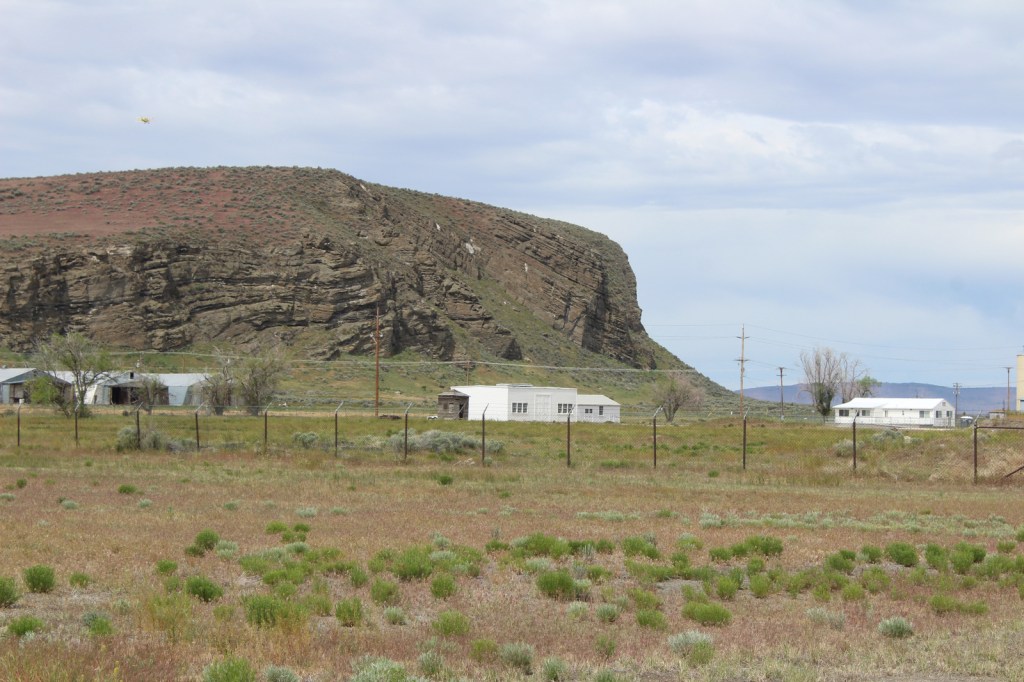
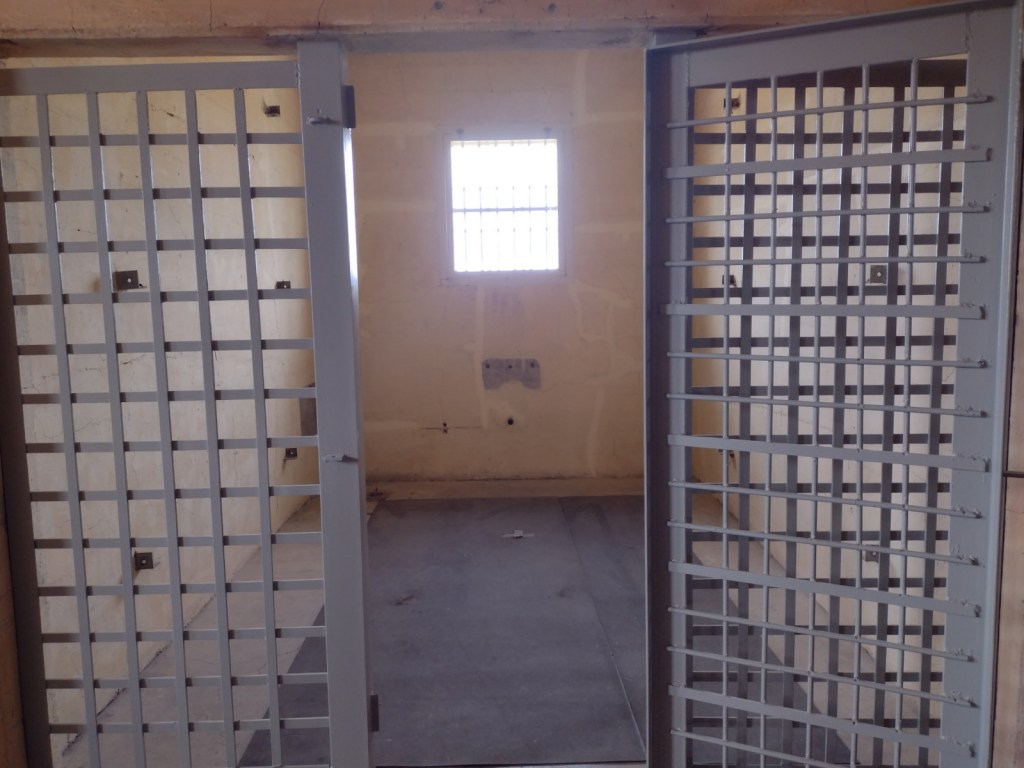
Most of the buildings at Tule Lake Segregation Center were moved elsewhere following the war.  One of the few remaining structures is the prison, which is only accessible on ranger-guided tours offered Memorial Day to Labor Day on Thursdays through Sundays (call ahead for required reservations).  The concrete jail had six cells to hold 24 men, but incarcerated over 100 at one time mostly outside in Army tents used as unheated punishment quarters.  The prison is always visible from the National Park Service (NPS) visitor center off Highway 139.  It is worth getting a tour to go inside to see original graffiti from inmates and the reinstalled metal doors that were purchased by a private citizen in the 1940s and kept at their farm for decades.  Tulelake-Butte Valley Fairgrounds Museum (fee) has a one-hour audio tour and there are online virtual tours that show several sites within Tule Lake National Monument, including the inside of the jail prior to the restoration.

Best Trail

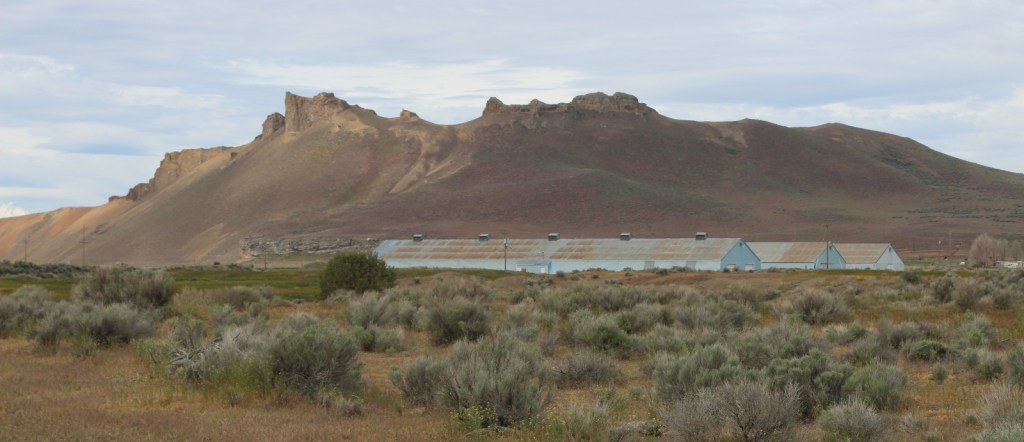
There are no designated trails there, but from the NPS visitor center near Newell you can photograph the rock formation known as Peninsula/Castle Rock (solely managed by the U.S. Fish and Wildlife Service).  It is also visible while checking out the rock art at Petroglyph Point within Lava Beds National Monument.

Photographic Opportunity

The Civilian Conservation Corps (CCC) was stationed at Camp Tulelake from 1935 to 1942, constructing 23 buildings and repairing canals.  Several small groups of Japanese Americans were held at Camp Tulelake to separate them from the general population at Tule Lake Segregation Center.  Later in the war, Italian and German POWs were stationed there before the buildings were transferred to the U.S. Fish and Wildlife Service.  Currently, tours of Camp Tulelake are not available due to ongoing preservation work, but you can photograph it through the fence on Hill Road and hike to bird viewing blinds in Tule Lake National Wildlife Refuge.

Peak Season

Summer

Hours

https://www.nps.gov/tule/planyourvisit/hours.htm

Fees

Ranger-guided tours require a reservation, but they are free.  There is an entrance fee for the museum at Tulelake-Butte Valley Fairgrounds.

Road Conditions

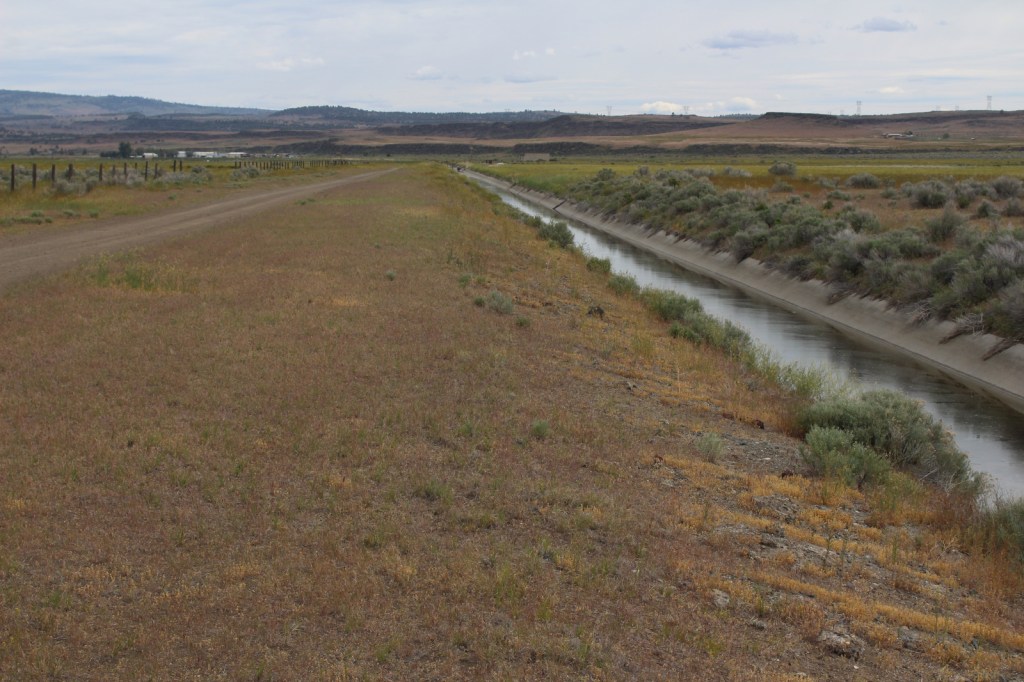
Highway 139 and Hill Road are paved, but most of the roads through the former Tule Lake Segregation Center and Tule Lake National Wildlife Refuge are unpaved.

Camping

Indian Well Campground is located in Lava Beds National Monument near the visitor center and Cave Loop Road.  Dirt roads in the nearby Modoc and Klamath National Forests provide free dispersed camping.

Related Sites

Manzanar National Historic Site (California)

Minidoka National Historic Site (Idaho-Washington)

Amache National Historic Site (Colorado)

Explore More – Providing crucial habitat along the Pacific Flyway, what type of migratory birds can be seen at Tule Lake, Clear Lake, and Modoc National Wildlife Refuges?

Learn more about the other 137 National Monuments in our book Monumental America: Your Guide to All 138 National Monuments

Navajo National Monument

Navajo National Monument

Arizona

Managed by National Park Service

Established 1909

360 acres

Website: nps.gov/nava

Overview

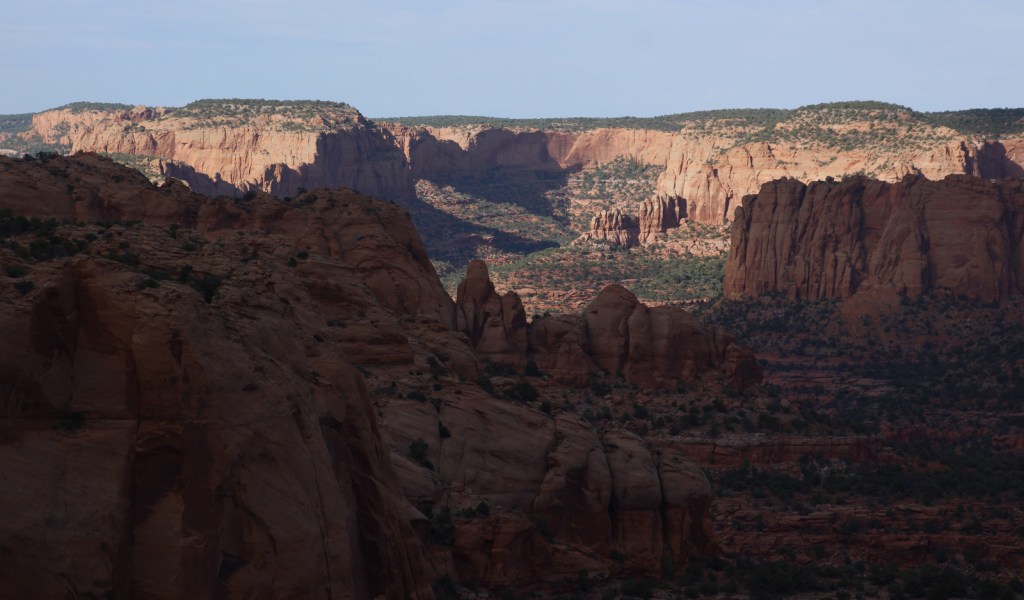
Navajo National Monument was created to protect the Keet Seel ruin on the Navajo Nation, although the Ancestral Puebloan people who lived here in the 1200s are more closely related to the Hopi and Zuni.  Three years later, the ruins at Betatakin and Inscription House (closed to the public) were added to the National Monument. We had such a great visit that we had to add it to his list of Top 10 National Monuments

Learn more about the other 137 National Monuments in our book Monumental America: Your Guide to All 138 National Monuments. It is now available for sale on Amazon.com.

Highlights

Tsegi Point Overlook, museum, film, Sandal Trail, Keet Seel overnight trip

Must-Do Activity

During the pandemic, the National Park Service (NPS) closed all access to the ruins until 2023, but visitors can now reserve spots on the 20-person ranger-led backpacking trips to Keet Seel that are offered twice per month in the summer.  This strenuous trip covers 17 miles total with numerous stream crossings and all water must be carried in.  The hardest part is at the end, when a 1,000 foot climb awaits, but it is worth it to be one of the few who get to see Keet Seel, the 150-room ruin that is second in size only to Cliff Palace at Mesa Verde National Park.  You also get to eat lunch at a surprisingly large waterfall in Keet Seel Canyon.  For those looking for a shorter five-mile trip with only 580 feet elevation change, weekend day hikes to Betatakin are led by park rangers (sign up the day before on a first-come, first-served basis).

Best Trail

From the NPS visitor center (which is actually on Navajo land outside the National Monument boundary), the paved Sandal Trail follows the canyon rim to an overlook of the Betatakin cliff dwelling.  There are signs explaining the local plant species and their uses by indigenous people on the 1.3-mile out-and-back trail.  The 0.8-mile roundtrip Aspen Trail and 0.8-mile Canyon View Trail also leave from the visitor center.

Photographic Opportunity

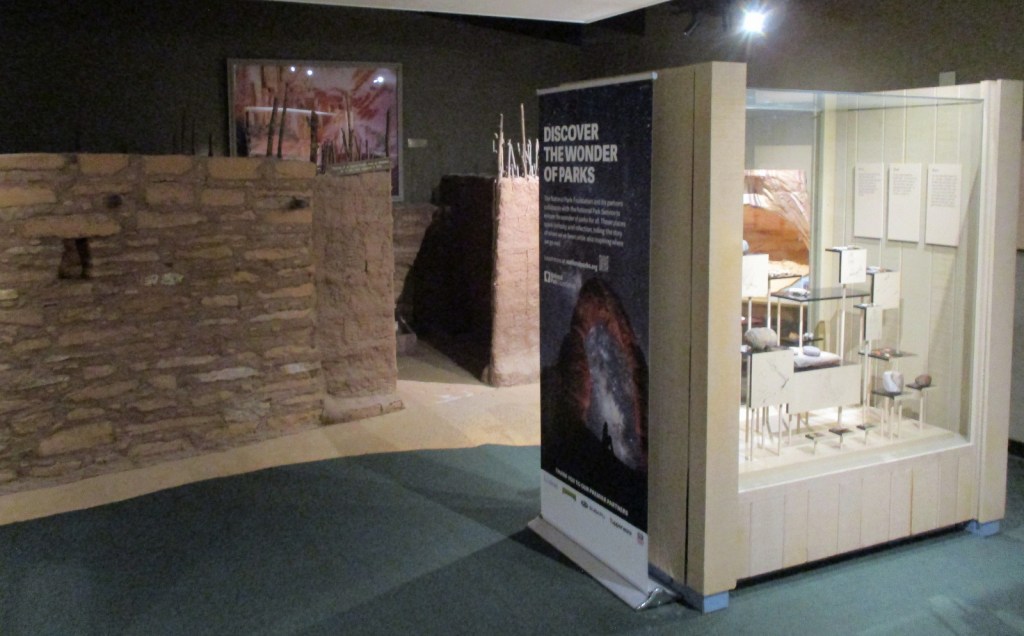
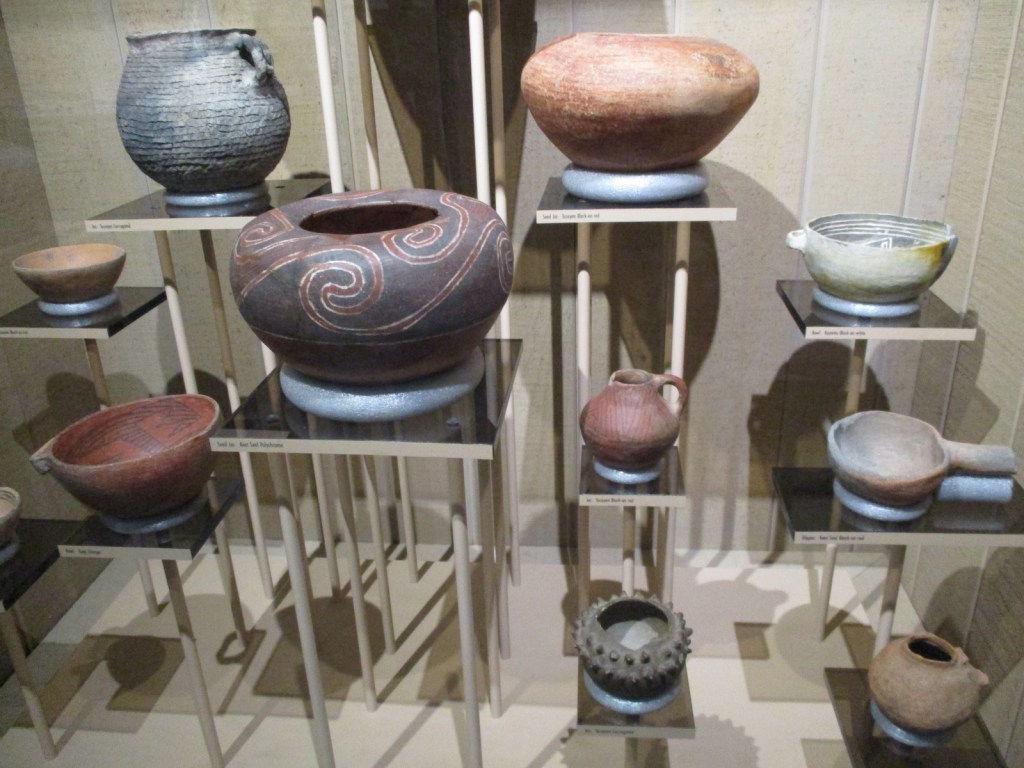
Outside the visitor center, a replica sweathouse and male hogan are on display, plus examples of three-toed dinosaur footprints left in the sandstone.  Inside the visitor center, pottery and an example of a family dwelling are on display, plus a short introductory film is offered.

Peak Season

Summer

Hours

https://www.nps.gov/nava/planyourvisit/hours.htm

Fees

None

Road Conditions

Highway 564 is paved to the visitor center and Sunset View Campground, then a good dirt road leads to the Canyon View Campground and gated trailhead for ranger-led hikes to Betatakin and Keet Seel.

Camping

The free Sunset View Campground has running water and is one of the nicest campgrounds in the entire NPS system (now added to the Top 10 National Park Campgrounds with Running Water).  There are vault toilets at Canyon View Campground, which is also free.  Campers are limited to a total of seven nights per year at the campgrounds.

Related Sites

Hubbell Trading Post National Historic Site (Arizona)

Canyon de Chelly National Monument (Arizona)

Walnut Canyon National Monument (Arizona)

Explore More – When was the large white fir tree added above the main entrance to Keet Seel cliff dwelling?

Learn more about the other 137 National Monuments in our book Monumental America: Your Guide to All 138 National Monuments

Top 10 National Park Service Sites for Living History

Parks Canada is all about costumed interpreters pretending to be from a specific time period, like the Vikings at L’Anse aux Meadows, Newfoundland and the fur traders at Fort Langley, British Columbia.  However, in the U.S., the National Park Service (NPS) has decreased the presence of living history reenactors over recent decades.  In March 2024, Bent’s Old Fort National Historic Site near La Junta, Colorado announced it was removing its costumed interpreters except on specific weekends, similar to the Civil War sites like Gettysburg National Military Park (neighboring Eisenhower National Historic Site also has living history weekends commemorating World War I and II).  There are still blacksmiths to be found at some NPS sites and weapons demonstrations at others, but private museums are the main place to find this type of interpretation today in the U.S.  So we decided to make a list of NPS sites where you can still travel back in time.  Please let us know if you have any favorites that we left off.  Click here to see all our Top 10 lists.

10. Fort Vancouver National Historic Site (Washington)

Reconstructed buildings include the bakehouse, blacksmith shop, chief factor’s house, fur store, and bastion with costumed reenactors inside

9. New Orleans Jazz National Historical Park (Louisiana)

Park rangers play concerts at the New Orleans Jazz Museum

8. Fort Laramie National Historic Site (Wyoming)

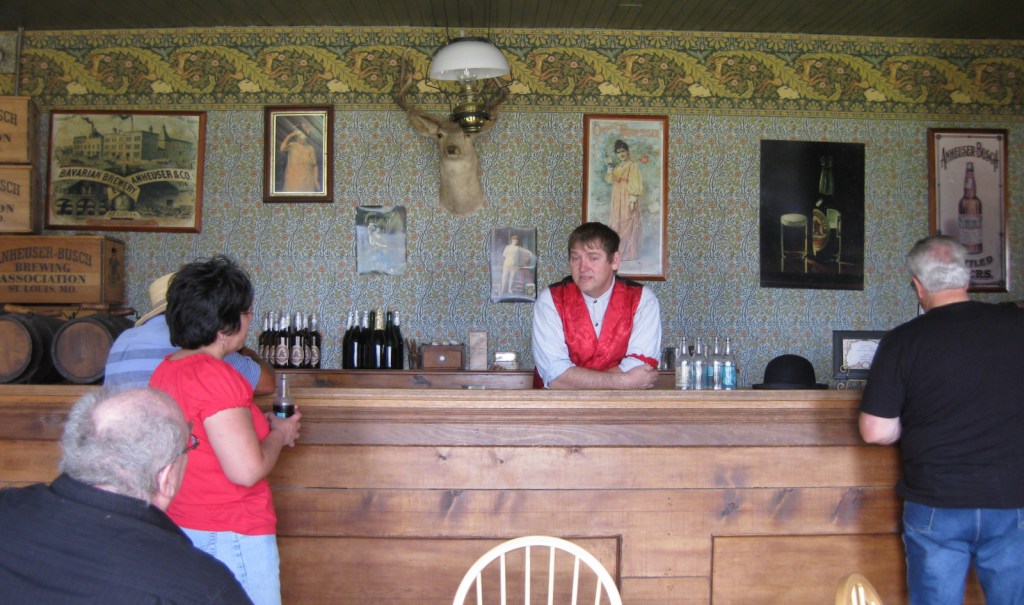
Order a sarsaparilla at the bar at this significant stop on the Oregon Trail (come on the 4th of July for sack races, cannon firing demonstrations, and fireworks)

7. Lowell National Historical Park (Massachusetts)

Watch working textile machinery inside the old Boott Cotton Mills

6. Fort Larned National Historic Site (Kansas)

The soldiers, blacksmith, schoolteacher, commissar, and officers’ wives love to share stories of this extraordinary place on the Santa Fe National Historic Trail

5. Golden Spike National Historical Park (Utah)

Colorfully reconstructed train engines run daily in the summer to evoke the spirit of May 10, 1869

4. Grand Portage National Monument (Minnesota)

Rendezvous with costumed reenactors who demonstrate canoe building, bread baking, and weapons firing at this reconstructed North West Company headquarters on Lake Superior

3. Castillo de San Marcos National Monument (Florida)

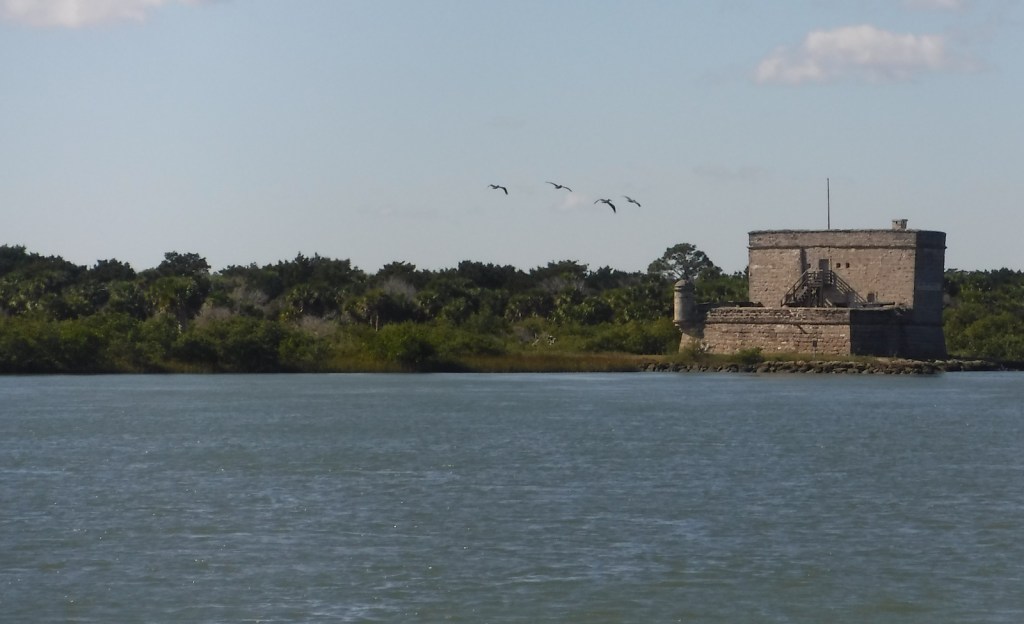
If you do not want to pay the admission fee to enter the fort, you can still watch the cannon-firing demonstrations atop its corner bastion for free from outside the moat

1. Cuyahoga Valley National Park (Ohio)

Stop at the Canal Exploration Center at working Lock 38, experience living history at Hale Farm and Village (fee), and board the Cuyahoga Valley Scenic Railroad for a train ride

…and finally our #1 National Park Service Sites for living history:

1. Grant-Kohrs Ranch National Historic Site (Montana)

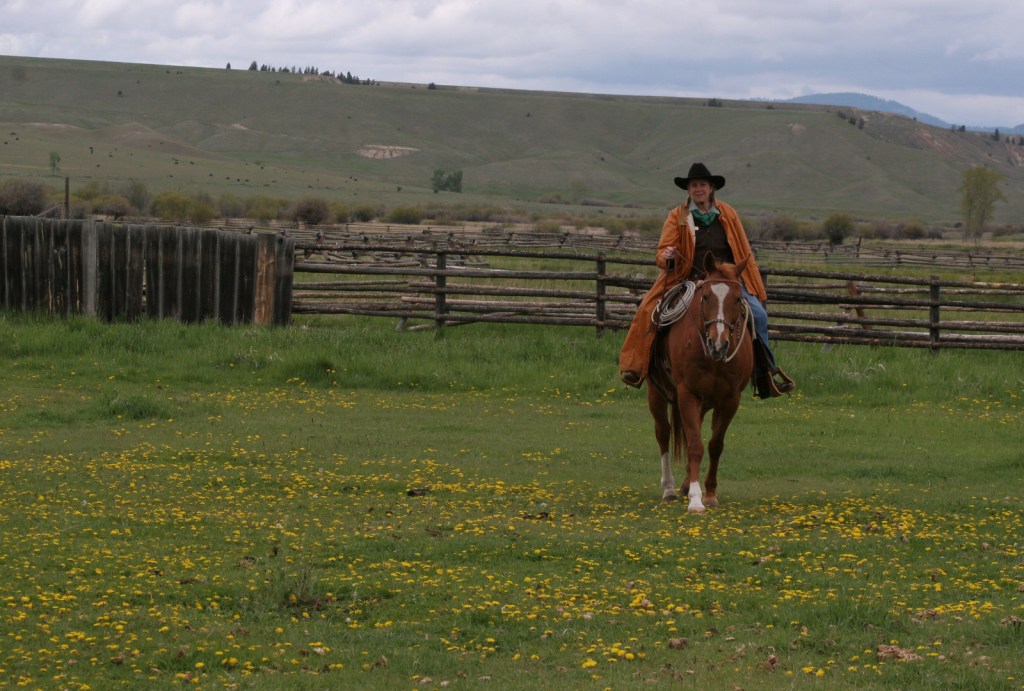
All things “cowboy” are remembered here with volunteer interpreters roaming on horseback

.

Honorable Mentions

Colonial National Historical Park (Virginia)

Next door to the NPS site is Jamestowne Settlement with reenactors at the Powhatan Indian Village, fort, and three reproduction ships (plus, don’t miss nearby Colonial Williamsburg, the national capital of living history)

Fort Raleigh National Historic Site (North Carolina)

Step inside the NPS visitor center’s Elizabethan Room, then buy tickets for “The Lost Colony” outdoor musical performed most nights throughout the summer (there is also a musical held outside Theodore Roosevelt National Park in Medora, North Dakota)

Ford’s Theatre National Historic Site (District of Columbia)

Live theater is still performed at this infamous site of Abraham Lincoln’s assassination (but they officially will never stage the play “My American Cousin” that Abe was watching that night)

Boston National Historical Park (Massachusetts)

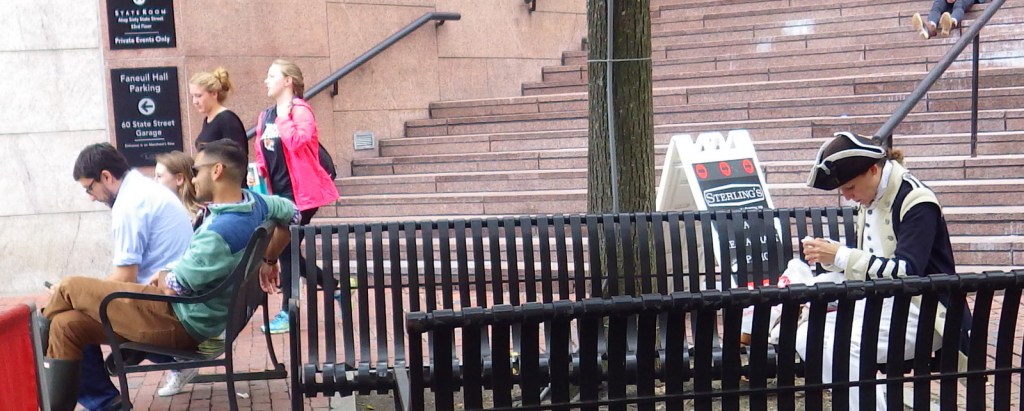
The NPS does not utilize costumed volunteers, but you can hire a guide who does, plus pay to participate in your own tea party by chucking replica bundles into Boston Harbor

Jewel Cave National Monument and Wind Cave National Park (South Dakota)

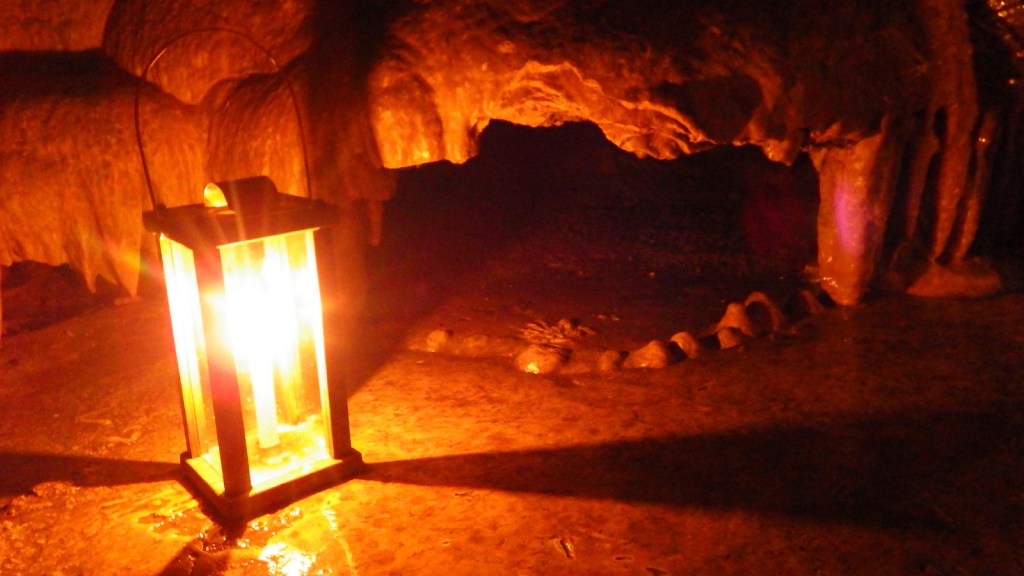
Guided cave tours using lanterns are a fun way to explore underground caverns similar to how tourists did it before the invention of electric lights (also available at Mammoth Cave National Park in Kentucky and Oregon Caves National Monument and Preserve)

Emmett Till and Mamie Till-Mobley National Monument         

Emmett Till and Mamie Till-Mobley National Monument         

Mississippi, Illinois

Managed by National Park Service

Established 2023

5.7 acres

Website: nps.gov/till

Overview

In 1955, 14-year-old Emmett “Bo” Till left Chicago to visit family in Mississippi, where he whistled at Carolyn Bryant, a white woman who ran the Bryant’s Grocery & Meat Market in the town of Money.  A few nights later on August 28, Carolyn’s husband (Roy Bryant) and his half-brother (John William “J.W.” Milam) abducted Emmett Till from his relatives’ house.  They took Emmett to Milam’s farm where he was tortured and killed according to their admission in Look magazine a year later.  After Till’s body was recovered at Graball Landing and sent back to Chicago for a funeral, a five-day trial took place in Sumner’s Tallahatchie County Courthouse where Bryant and Milam were acquitted of the crime.  It is probably not a coincidence that the National Monument was proclaimed by President Joe Biden following the release of the 2022 film Till.  Not open to the public but also part of the National Monument in Illinois, the Roberts Temple Church of God in Christ in the Chicago neighborhood of Bronzeville is where Mamie Till-Mobley insisted on an open-casket funeral service so the public could see the terrible results of the murder.  Historians believe the outcry over this lynching of a 14-year-old boy helped lead to the Civil Rights Act of 1957.

Highlights

Emmett Till Interpretive Center, Tallahatchie County Courthouse, Emmett Till Historic Intrepid Center (ETHIC), Black Bayou Bridge, Graball Landing, Greenwood statue, Bryant’s Grocery site

Must-Do Activity

Emmett Till Historic Intrepid Center (ETHIC) is located in a former cotton gin near the site of Emmett Till’s torture and murder on the farm of “J.W.” Milam in Glendora, Mississippi.  Established in 2005, there is an atmosphere to the museum that bears the full weight of history, heightened by the short introductory video showing Emmett Till’s family members’ recollections of the events of 1955.  Inside, there is a recreation of the Bryant’s Grocery & Meat Market storefront, as well as a coffin with the prop used in the film Till depicting Emmett’s shockingly disfigured head.  The museum also has artifacts highlighting the Mississippi Delta’s history with slavery, indigenous people, and blues music (specifically Sonny Boy Williamson II).  Although not part of the National Monument, we recommend a half-hour drive south to Money to see the ruins of Bryant’s Grocery & Meat Market with a restored gas station next door, part of the Mississippi Freedom Trail.

Best Trail

From ETHIC, drive or walk to the Black Bayou Bridge where Emmett “Bo” Till’s body was dumped into the Black Bayou tied to a heavy fan from the cotton gin.  We were grateful to get a personal tour from Tamita Davis who helps run ETHIC.  It is also a short drive down a dirt road to Graball Landing on the Tallahatchie River where there is a small interpretive sign explaining it as the site Till’s body was recovered.

Instagram-worthy Photo

The National Park Service operates out of the Emmett Till Interpretive Center, located in a strip mall opposite the Tallahatchie County Second District Courthouse in Sumner, Mississippi.  It has limited hours, but the courtroom where the September 1955 trial was held was unlocked when we visited on a Tuesday morning. 

Peak Season

Spring and fall

Hours

In Sumner, the Emmett Till Interpretive Center is open to the public Tuesday through Saturday 12-5, while the Tallahatchie County Courthouse is open to the public on Mondays when the center is closed.  In Glendora, Emmett Till Historic Intrepid Center (ETHIC) is open Monday through Saturday 10-5.

Fees

$12 per adult at ETHIC, $5 donation recommended at Emmett Till Interpretive Center

Road Conditions

Paved roads lead to the Tallahatchie County Courthouse in Sumner and Emmett Till Historic Intrepid Center (ETHIC) in Glendora, where a gravel road in good shape leads to Graball Landing.

Camping

To the south, Delta National Forest offers online reservations for campsites (September through March when the forest is not seasonally flooded).

Related Sites

Medgar and Myrlie Evers Home National Monument (Mississippi)

Birmingham Civil Rights National Monument (Alabama)

Freedom Riders National Monument (Alabama)

Pullman National Historical Park (Illinois)

Explore More – A statue of Emmett Till was added in 2022 to Greenwood, Mississippi’s Rail Spike Park, but what city in Colorado has his statue alongside one of Dr. Martin Luther King, Jr.?

Helena National Forest

Helena National Forest

Montana

Managed by U.S. Forest Service, Northern Region

1,175,125 acres (984,558 federal/ 190,567 other)

Website: https://www.fs.usda.gov/hlcnf

Overview

Helena National Forest surrounds Montana’s capital city of Helena, encompassing several mountain ranges.  The Big Belt Mountains were the site of the of the 1949 Mann Gulch Fire, which killed 13 smokejumpers who were immortalized in Norman Maclean’s classic book Young Men and Fire (see our Top 10 Non-Fiction Books on National Forests).  There is a Mann Gulch Memorial located in Meriwether Campground.  Much of the National Forest is grassland and sagebrush, with conifer trees dominating the canyons and mountain slopes.  In the winter, snowmobiling, snowshoeing, and cross-country skiing are popular pastimes.

Highlights

Gates of the Mountains, Mann Gulch Memorial, Lewis and Clark National Historic Trail Interpretive Center, Gypsy Lake, Crow Creek Falls, Elkhorn Mountains, Blackfoot Canyon, Red Mountain, Refrigerator Canyon, Hanging Valley National Recreation Trail, Meriwether Canyon Trail

Must-Do Activity

Meriwether Lewis named the Gates of the Mountains on July 19, 1805, and today a two-hour jet boat tour on the Missouri River details the history of the Corps of Discovery, American Indian pictographs, the Mann Gulch Fire, and the collapse of Hauser Dam.  North of Helena on Interstate 15 in Great Falls is the Lewis and Clark National Historic Trail Interpretive Center, which is run by the U.S. Forest Service.

Best Trail

Refrigerator Canyon is less than ten feet wide at its narrowest point, where towering 200-foot limestone cliffs keep it cool and breezy throughout the summer.  The trailhead is accessed by driving 12 miles of washboard road that turns left off paved York Road just after crossing near the dam that forms Hauser Lake on the Missouri River.  It is a short quarter-mile hike to reach the canyon’s pinch point that was full of rock climbers during our visit.  The route then gets steeper, gaining 1,100 feet in two miles and providing excellent mountain views.  The trail eventually levels out and continues for another seven miles past Bear Prairie in the Gates of the Mountains Wilderness.  It can be connected to the Meriwether Canyon Trail, which dead ends at the Missouri River 18 miles from the Refrigerator Canyon Trailhead.

Watchable Wildlife

Grizzly bears can be found in the Scapegoat Wilderness in the northwest part of Helena National Forest where it borders Lewis and Clark National Forest (considered part of the massive Bob Marshall Wilderness complex connecting to Glacier National Park).  Other predators include black bears, gray wolves, wolverines, ermine, mountain lions, bobcats, and Canada lynx.  River otters and beavers can be found on the Missouri River.  Grazing ungulates commonly seen are elk, moose, mule deer, and pronghorn, in addition to bighorn sheep and mountain goats at higher elevations.  Trout streams and lakes provide fishing opportunities for humans, as well as bald eagles and ospreys.

Instagram-worthy Photo

You might see rock climbers blocking narrow Refrigerator Canyon, but be sure to continue through on the steep trail for beautiful views of the Gates of the Mountains Wilderness.

Peak Season

Summer

Fees

None

Road Conditions

The washboard road back to Refrigerator Canyon was in good enough shape for our passenger vehicle.

Camping

A Mann Gulch Memorial is located in Meriwether Campground, plus there are numerous other campgrounds and dispersed campsites located throughout the National Forest’s network of unpaved roads.

Wilderness Areas

Gates of the Mountains Wilderness

Scapegoat Wilderness (also in Lewis and Clark National Forest)

Related Sites

Beaverhead National Forest (Montana)

Deerlodge National Forest (Montana)

Flathead National Forest (Montana)

Nearest National Park

Glacier

Conifer Tree Species

lodgepole pine, ponderosa pine, limber pine, whitebark pine, Rocky Mountain juniper, Douglas-fir, alpine larch, subalpine fir

Flowering Tree Species

quaking aspen, balsam poplar, narrowleaf cottonwood, Rocky Mountain maple, paper birch, willow, red-osier dogwood, choke cherry

Explore More – Before it changed its name to Helena in 1864, what was the name of the gold mining camp that became Montana’s state capital?

Learn more about this and the 154 other National Forests in our guidebook Out in the Woods