Tag Archives: swimming

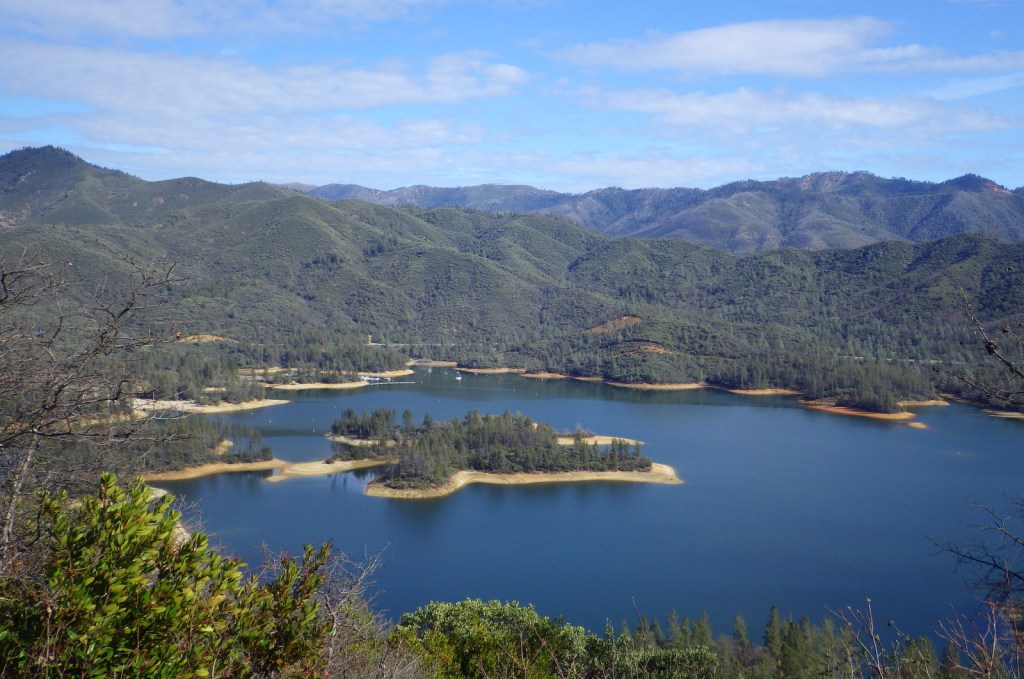
Whiskeytown-Shasta-Trinity National Recreation Area

Overview

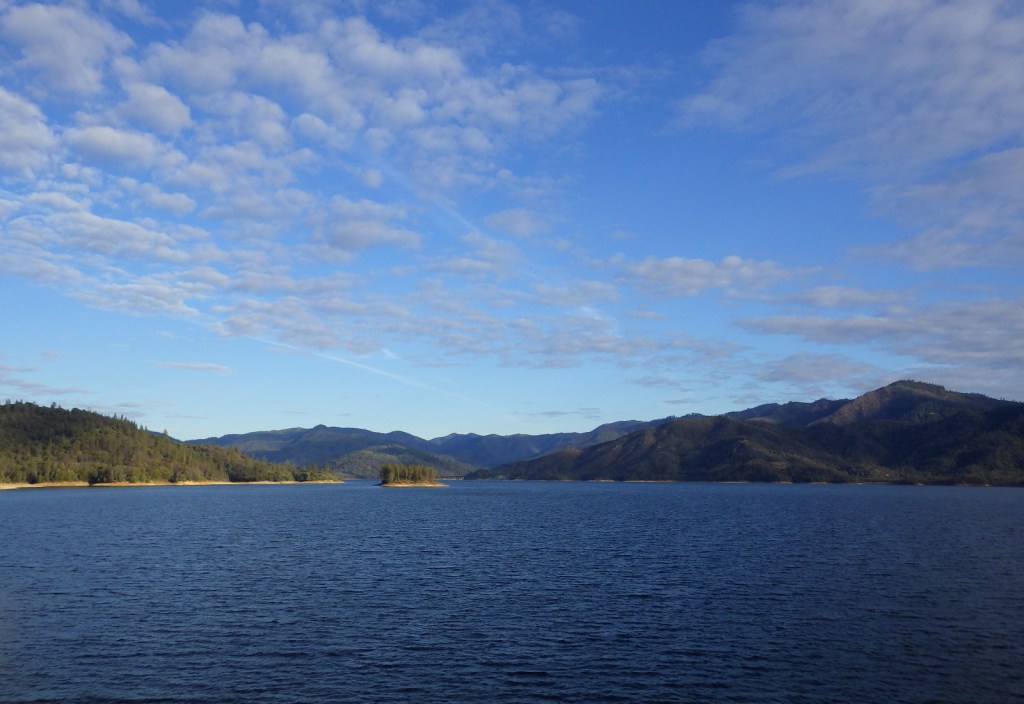
Whiskeytown-Shasta-Trinity National Recreation Area is co-managed by the National Park Service (NPS) and the U.S. Forest Service.  The NPS is in charge of Whiskeytown Lake, a reservoir west of Interstate 5, about 230 miles north of San Francisco, California.  Camping, hiking, gold panning, fishing, boating, and swimming are popular activities, but watch out for poison-oak.

Highlights

Waterfall Challenge, Camden House, gold panning, lake recreation opportunities

Must-Do Activity

Pick up an official Waterfall Challenge Passport at the NPS visitor center along with information on the four waterfall hiking trails.  Tower House Historic District includes the Camden House built in 1852 by a Gold Rush prospector, with seasonal tours offered by the NPS (it was temporarily closed in 2019 after the Carr Fire).  You can even pan for gold (with a $1 permit).

Best Trail

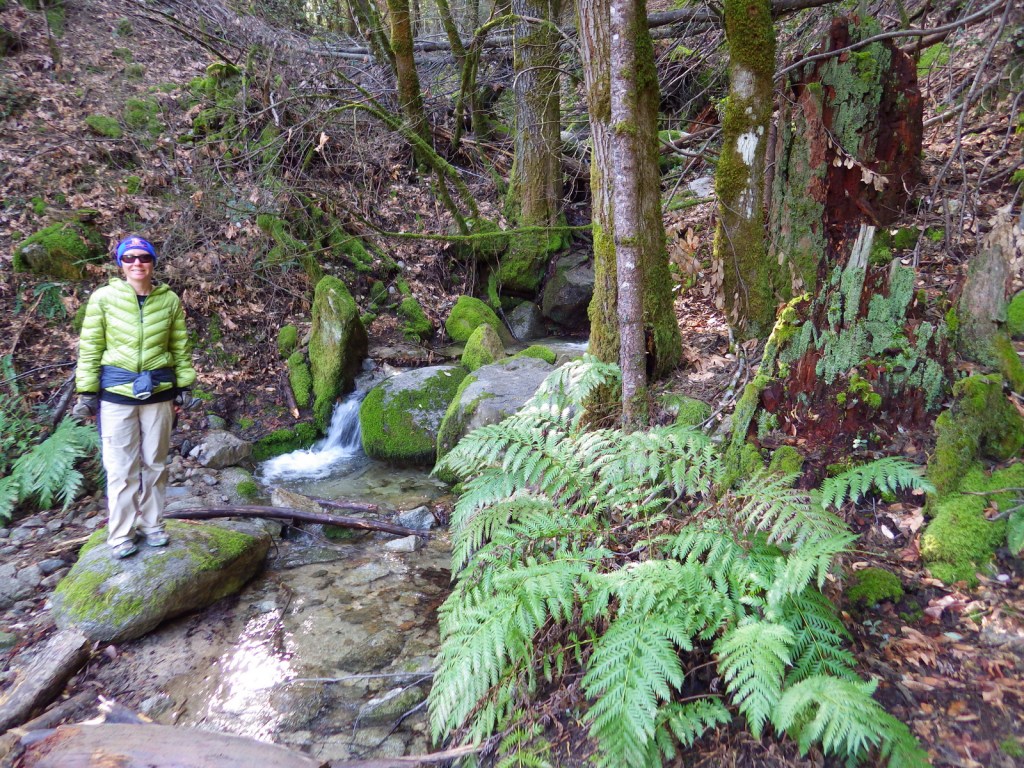
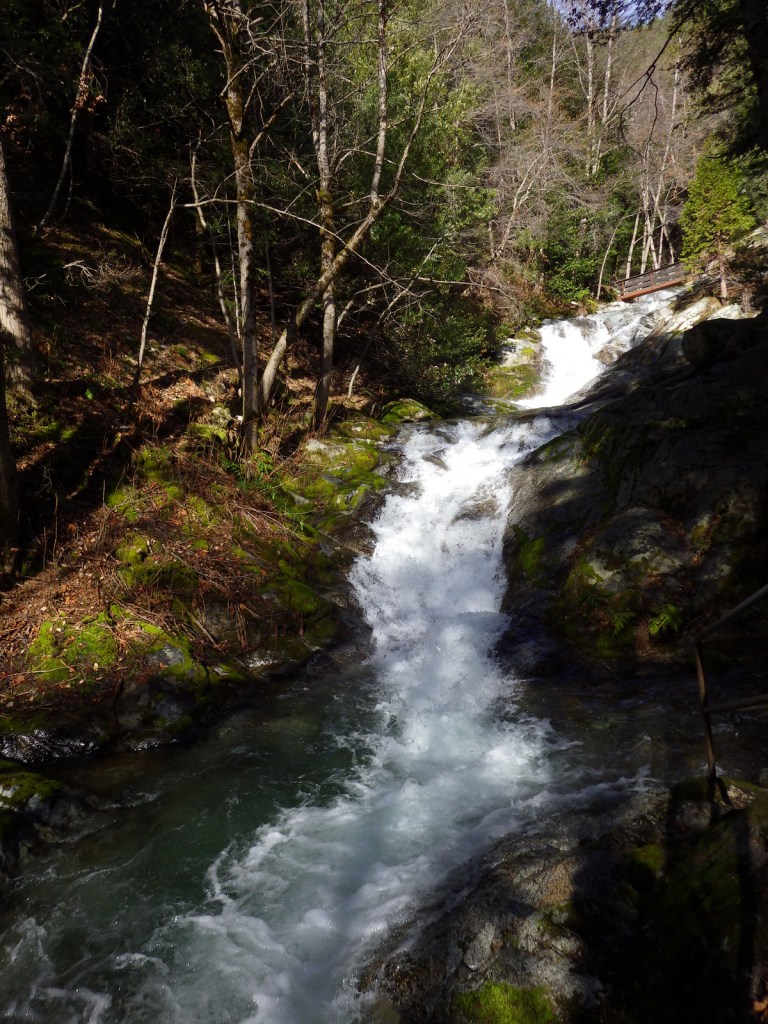
Whiskeytown Falls, Boulder Creek Falls, Brandy Creek Falls, and Crystal Creek Falls are accessible by hiking a total of 11 miles, but it may take longer depending on your choice of trails and road closures.  The trails are steep and poorly marked in some places.

Instagram-worthy Photo

Whiskeytown Falls is 220 feet tall and is accessible on a 3.4-mile roundtrip trail, but we thought the most photogenic waterfall was Crystal Creek Falls.

Peak Season

Summer

Hours

https://www.nps.gov/whis/planyourvisit/hours.htm

Fees

$25 per vehicle or America the Beautiful pass

Road Conditions

Highway 299 on the north side Whiskeytown Lake is paved and accesses Oak Bottom Campground.  Some of the gravel access roads are rough, but passable even with passenger vehicles.

Camping

There are eight campgrounds around the lake, some tent-only, but RVs are allowed at Oak Bottom and Brandy Creek Campgrounds.

Related Sites

Lava Beds National Monument (California)

Lassen Volcanic National Park (California)

Oregon Caves National Monument and Preserve (Oregon)
Explore More – In what year was the Central Valley Project begun that years later formed the 3,200-acre Whiskeytown Lake?
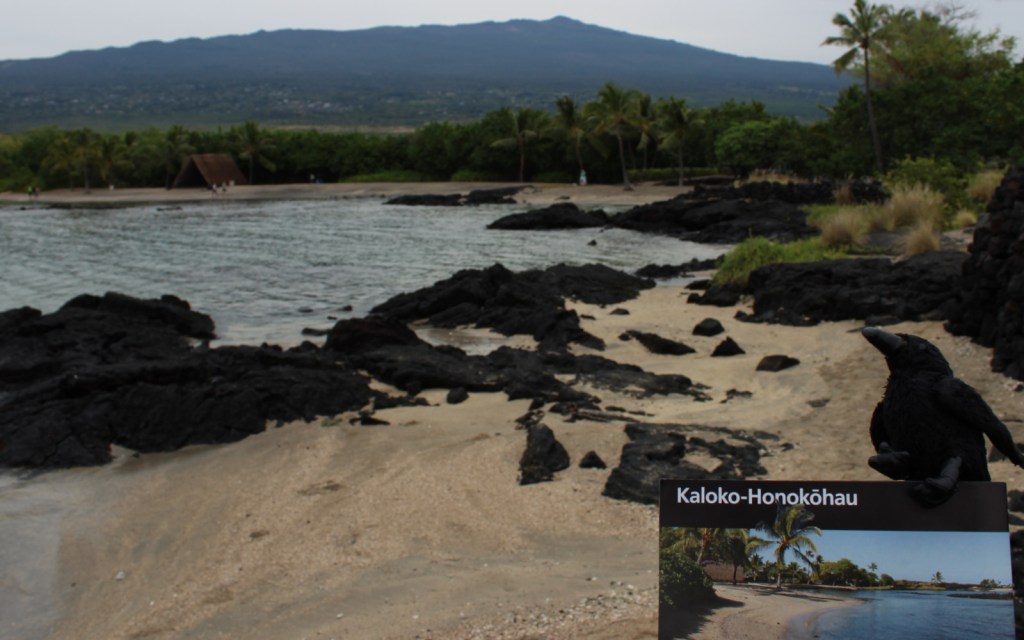
Kaloko-Honokōhau National Historical Park

Overview

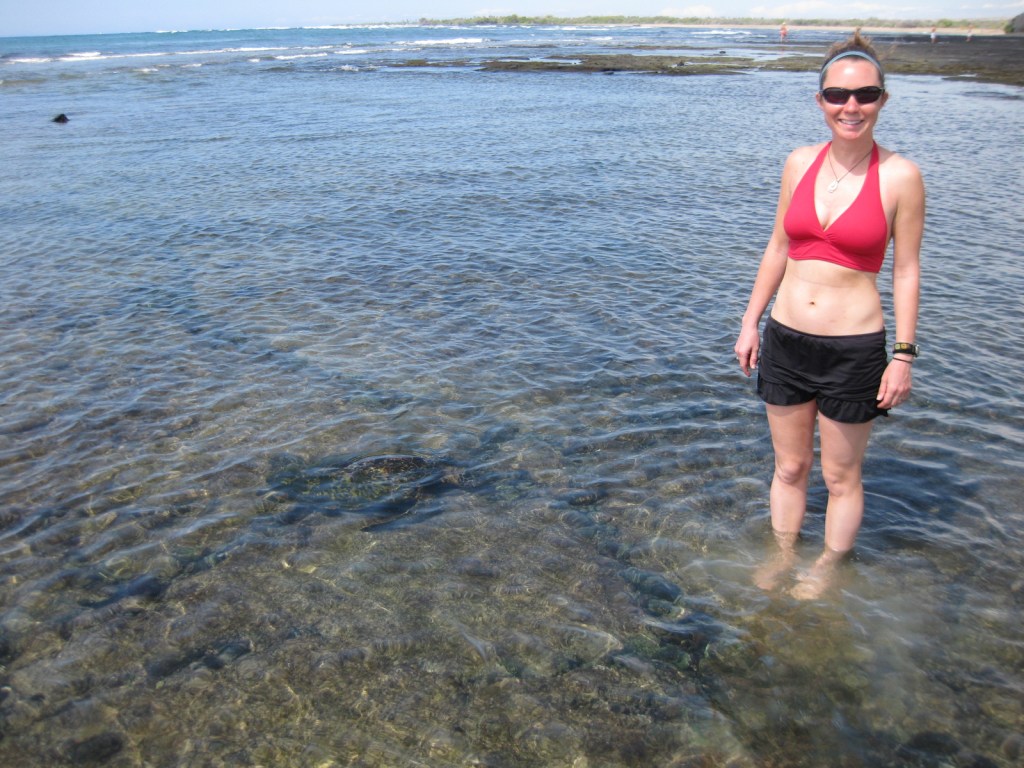
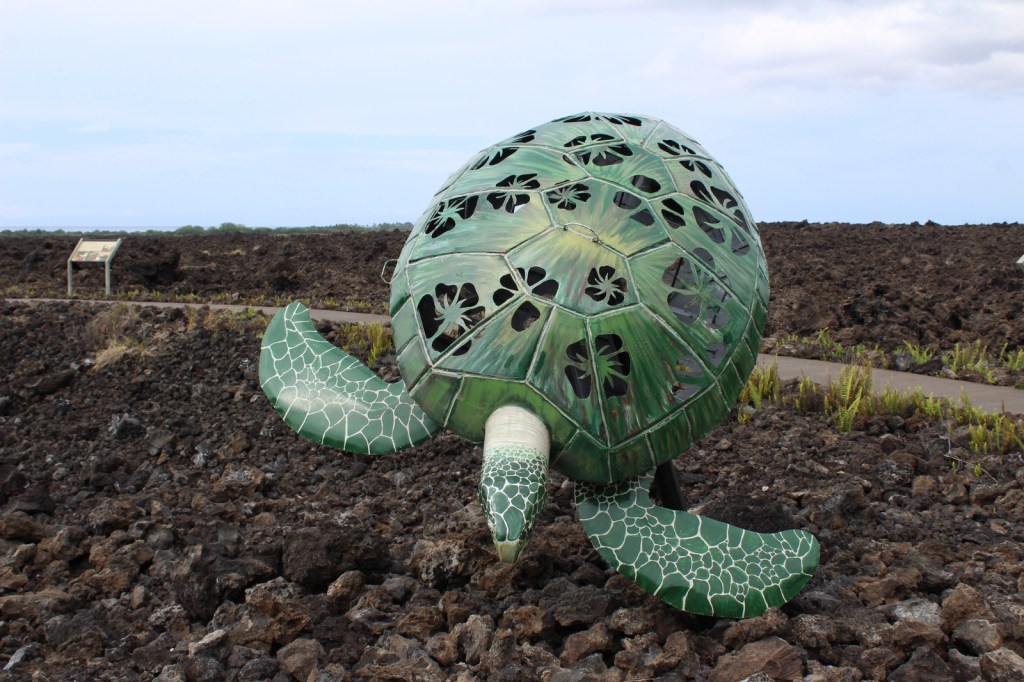
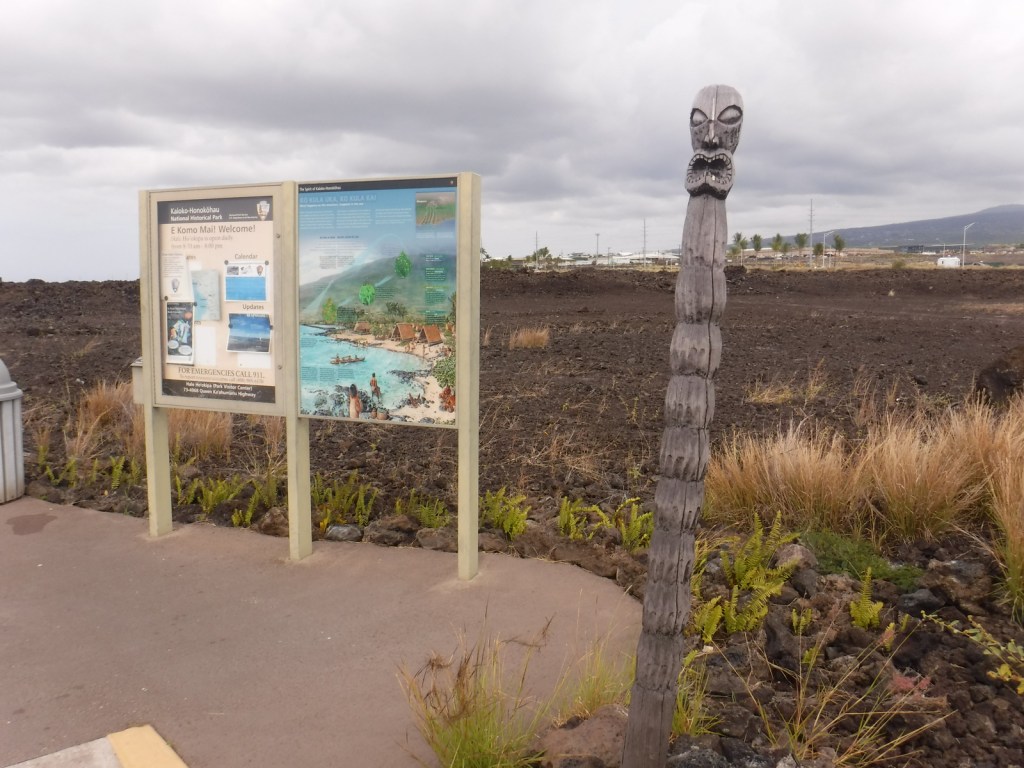
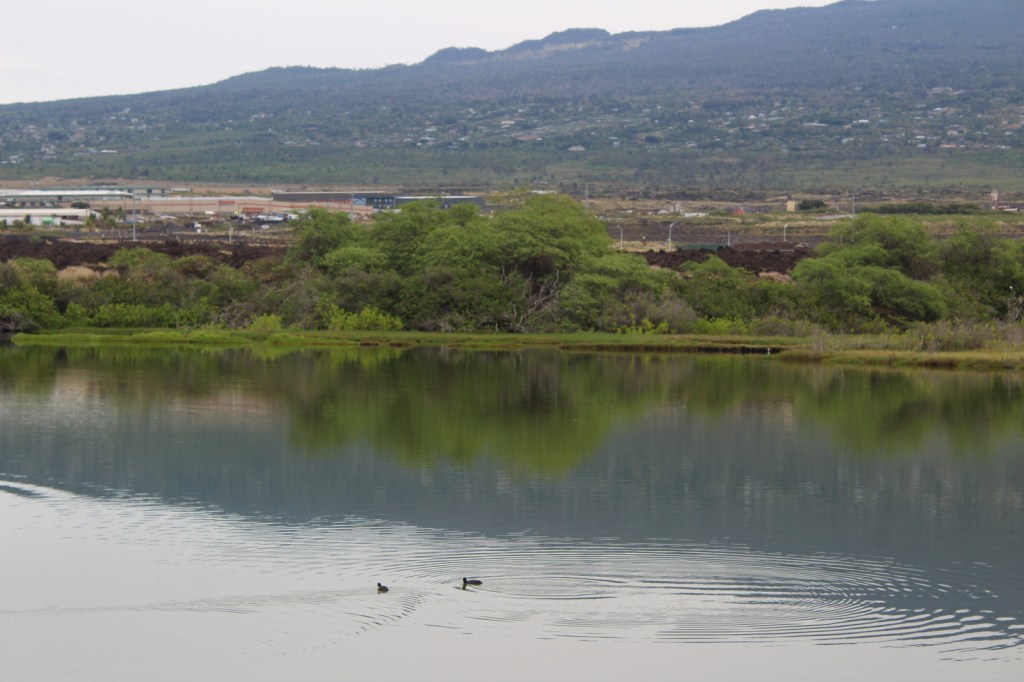
On the west coast of the Big Island of Hawai‘i, Kaloko-Honokōhau National Historical Park was established in 1978, the same year the green sea turtles were federally listed as a threatened species.  This park’s current population of 130 long-term resident juvenile turtles is believed to be a direct result of that protection.  The honus (green sea turtles) are visible both in the clear ocean water and onshore in haul-outs.

Highlights

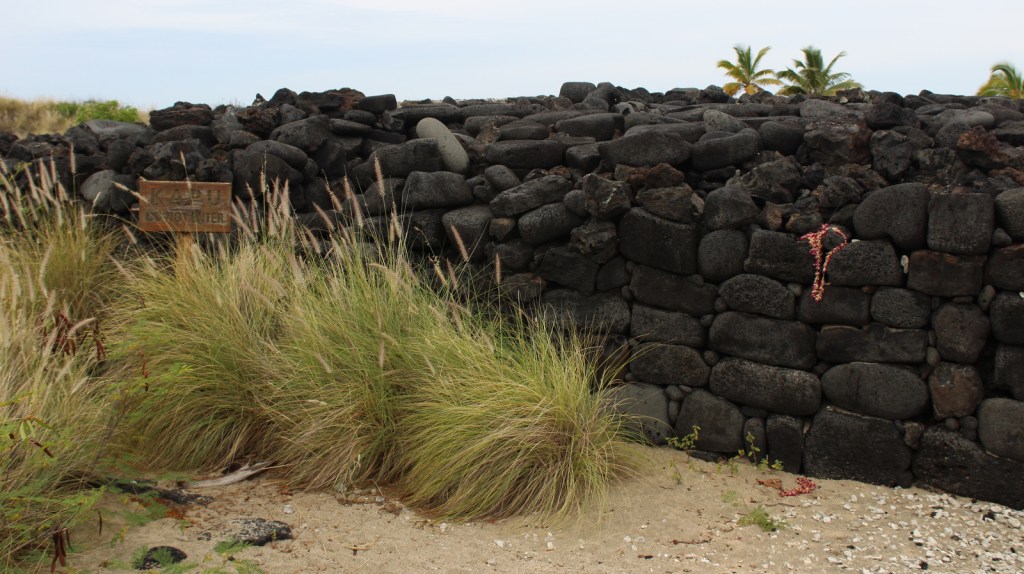
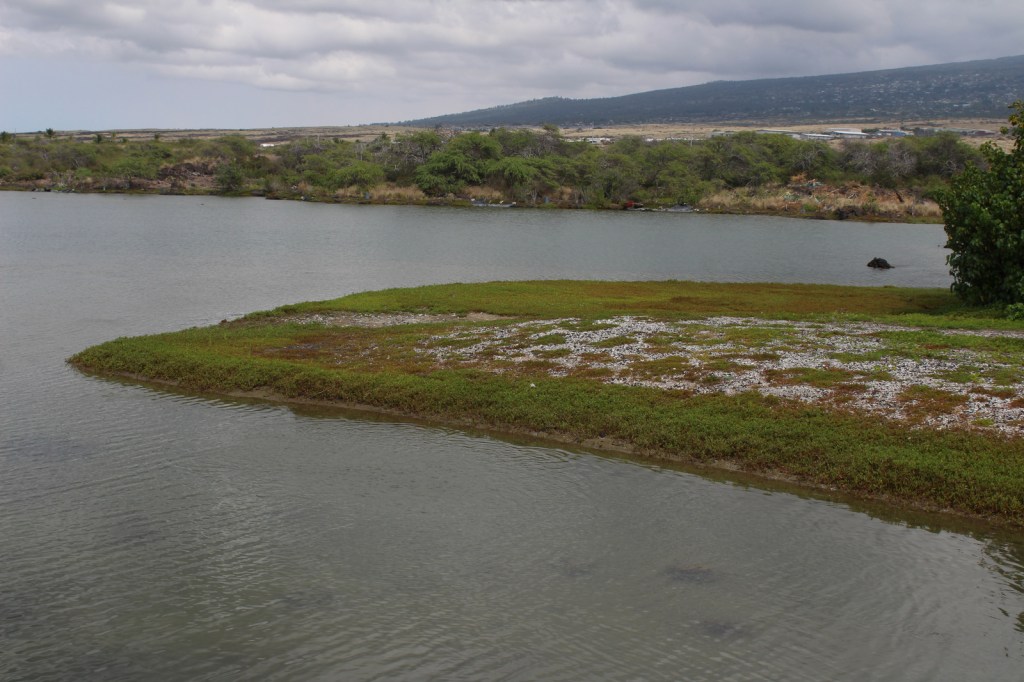
Honokōhau Beach, ‘Ai‘ōpio fishtrap, heiau (temple), Ala Kahakai National Historic Trail, Kaloko fishpond, green sea turtles

Must-Do Activity

Just like wading humans, green sea turtles are attracted to the shallow, calm waters created by the ‘Ai‘ōpio fishtrap, an artificial reef built of black lava rock.  Some of these young sea turtles already weigh 140 pounds!  Please refrain from touching or lifting the turtles.  Instead, sit in the sun on a white gravelly beach to watch the methodical paddling of these ancient reptiles on this undeveloped portion of coast on the largest island in the United States.

Best Trail

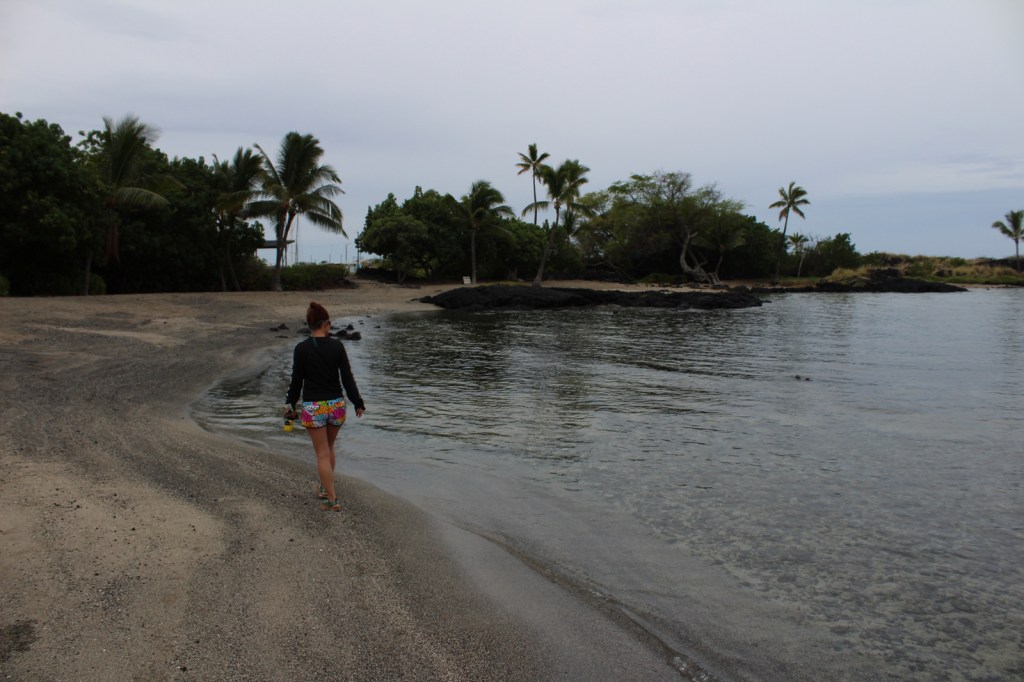
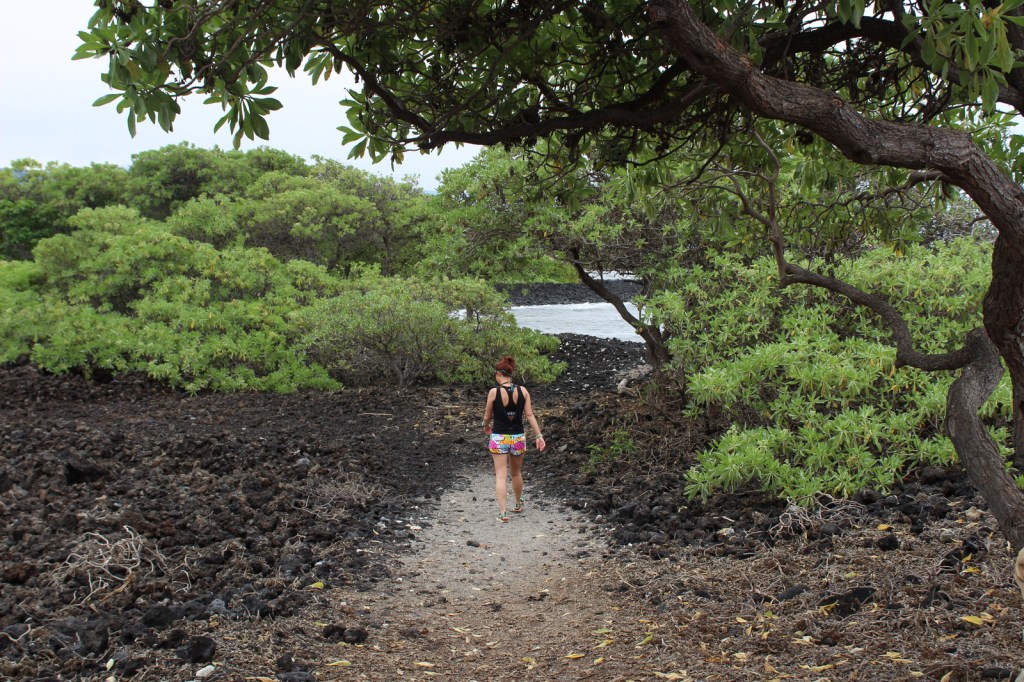
Visitors cannot park at the beach, instead they have to walk a half-mile one-way, which keeps the numbers down.  Two historic trails go to fishponds in this dry, volcanic landscape.

Instagram-worthy Photo

At Honokōhau Beach, next to the ‘Ai‘ōpio fishtrap is a reconstructed hālau (long house), a nice spot to take a break in the shade.

Peak Season

Year round

Hours

https://www.nps.gov/kaho/planyourvisit/hours.htm

Fees

None

Road Conditions

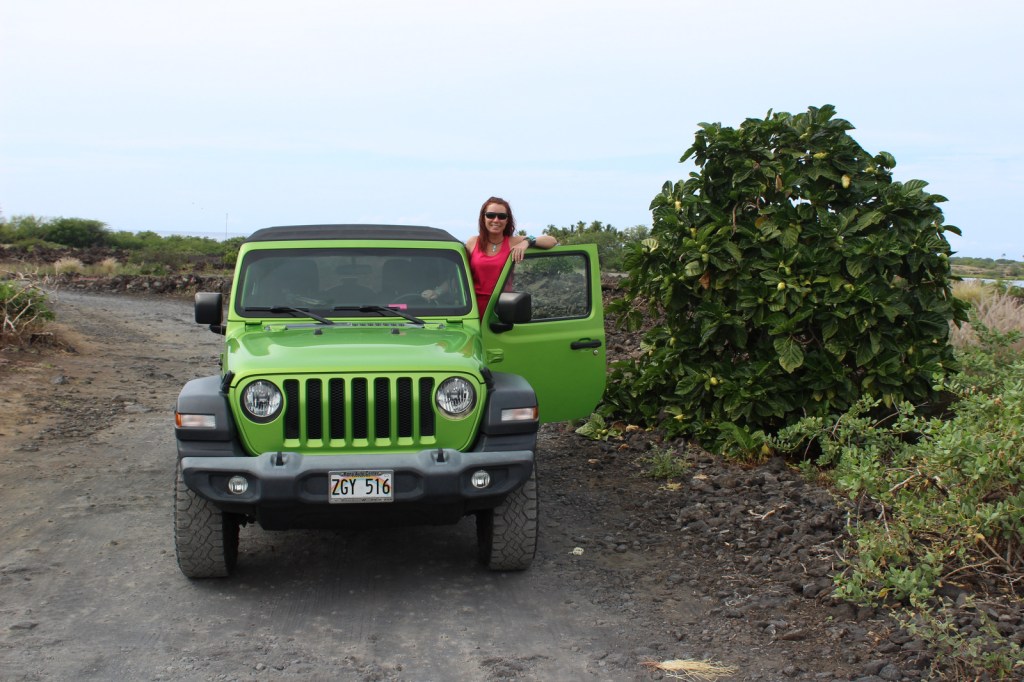
The main entrance is off Highway 19, but there is a good dirt road that accesses Kaloko fishpond that is gated at night.

Camping

Hawai‘i Volcanoes National Park offers a campground, but if you want to camp near the beach look into the state parks and county parks.

Related Sites

Pu’uhonua o Honaunau National Historical Park (Hawai‘i)

Pu’ukohola Heiau National Historic Site (Hawai‘i)

Kalaupapa National Historical Park (Hawai‘i)

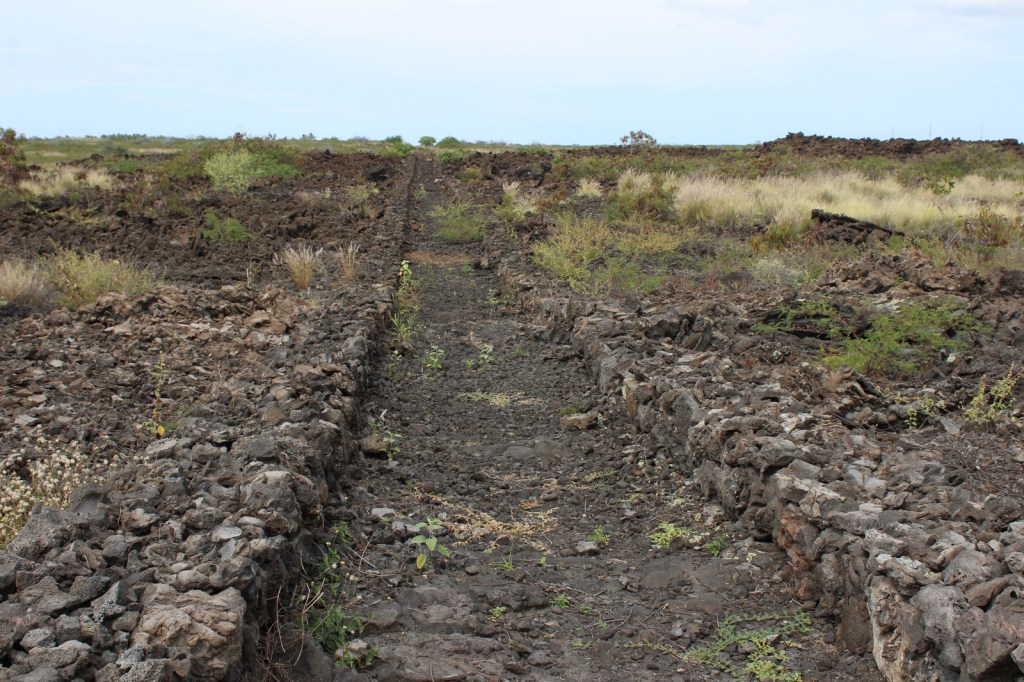
Explore More – What did native Hawaiians use to line their 150-foot long hōlua (stone slide) for racing toboggan-like sleds?

Gateway National Recreation Area

Overview

Approximately 9-million visitors utilize the 26,600 acres of Gateway National Recreation Area annually, ranking it the fourth busiest unit in the National Park Service (NPS) System.  This is not surprising when you consider the number of people that live around New York Harbor.  The park is divided into three units: New Jersey’s Sandy Hook, and New York’s Staten Island and Jamaica Bay.

Highlights

Fort Wadsworth, Sandy Hook Lighthouse, Fort Hancock, Floyd Bennett Field, Jamaica Bay Wildlife Refuge

Must-Do Activity

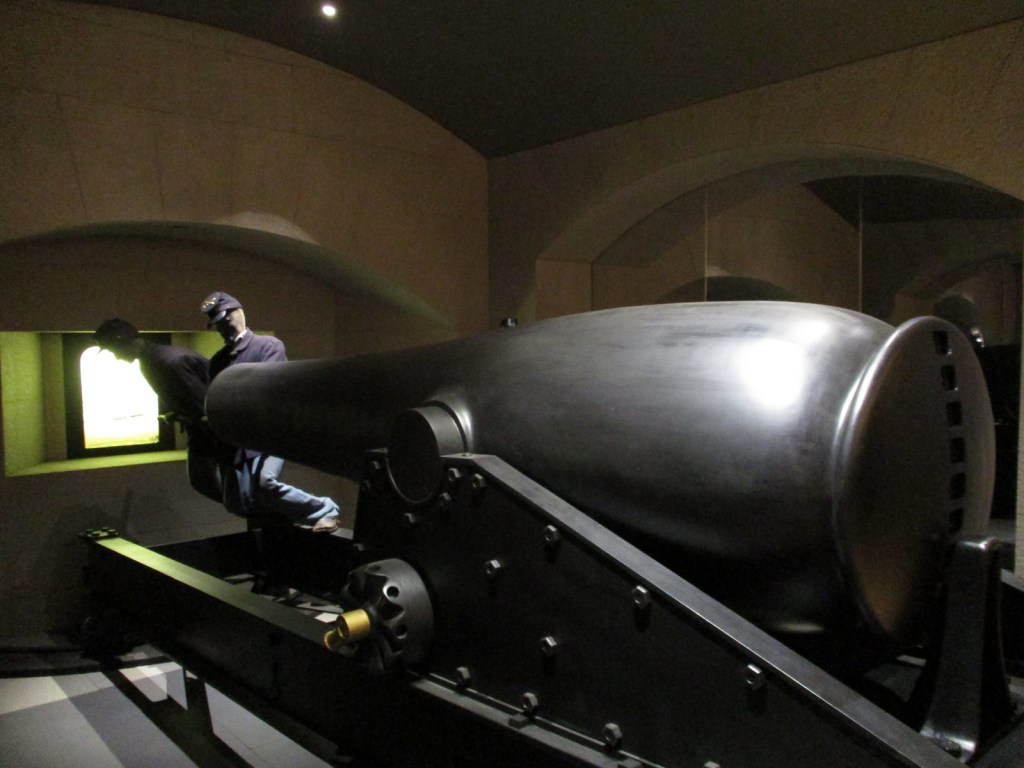
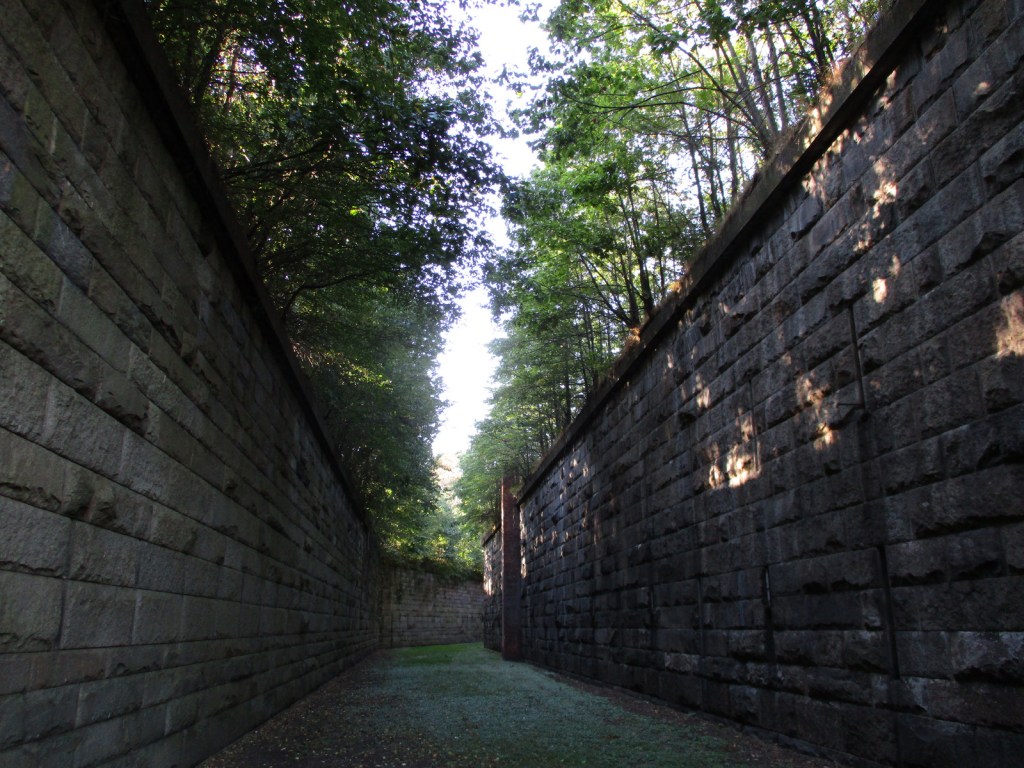
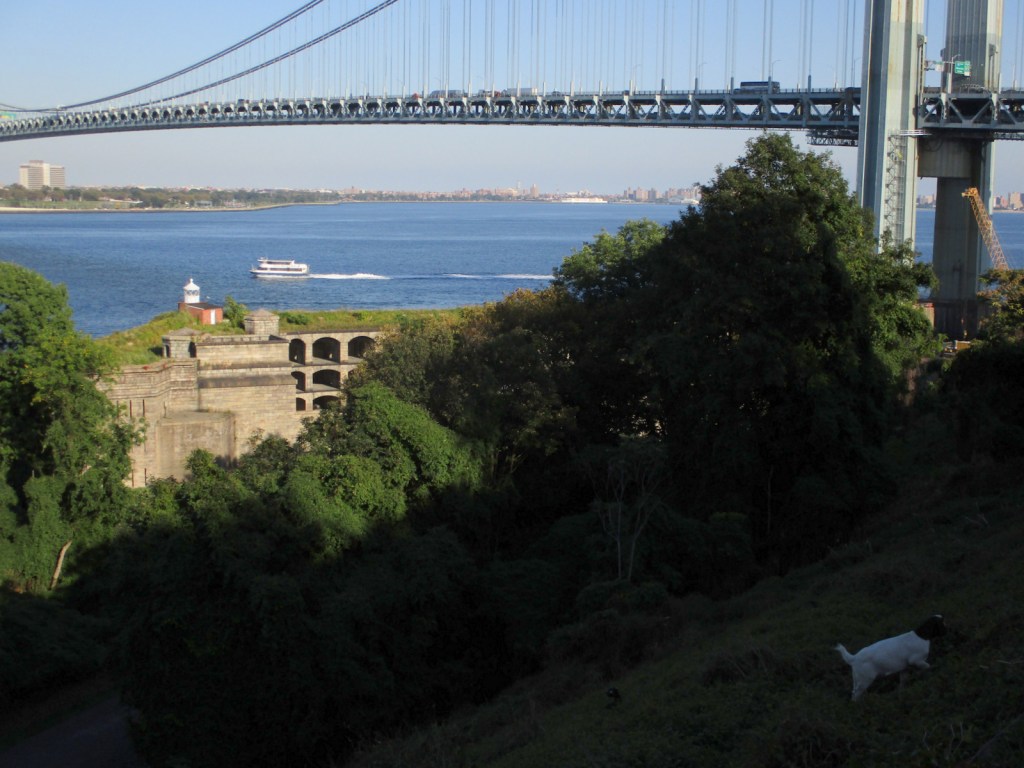
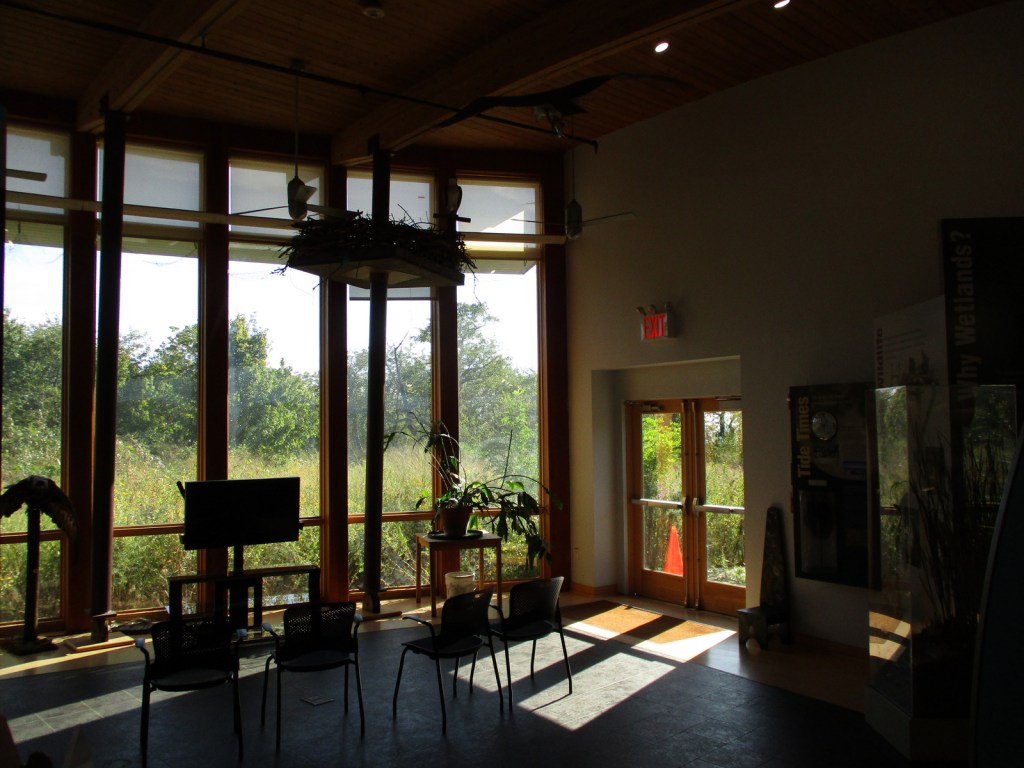
On Staten Island, tours are offered of Fort Wadsworth, which sits at the base of the beautiful Verrazano-Narrows Bridge to Long Island.  It was part of the coastal defense system created to protect New York Harbor in the 1800s, which is clearly displayed at the outstanding NPS museum on the cliff above Fort Wadsworth.  In 1913, President William Howard Taft attended a ceremony dedicating the National American Indian Memorial to be built inside the fort, but it never came to fruition because of World War I.

Best Trail

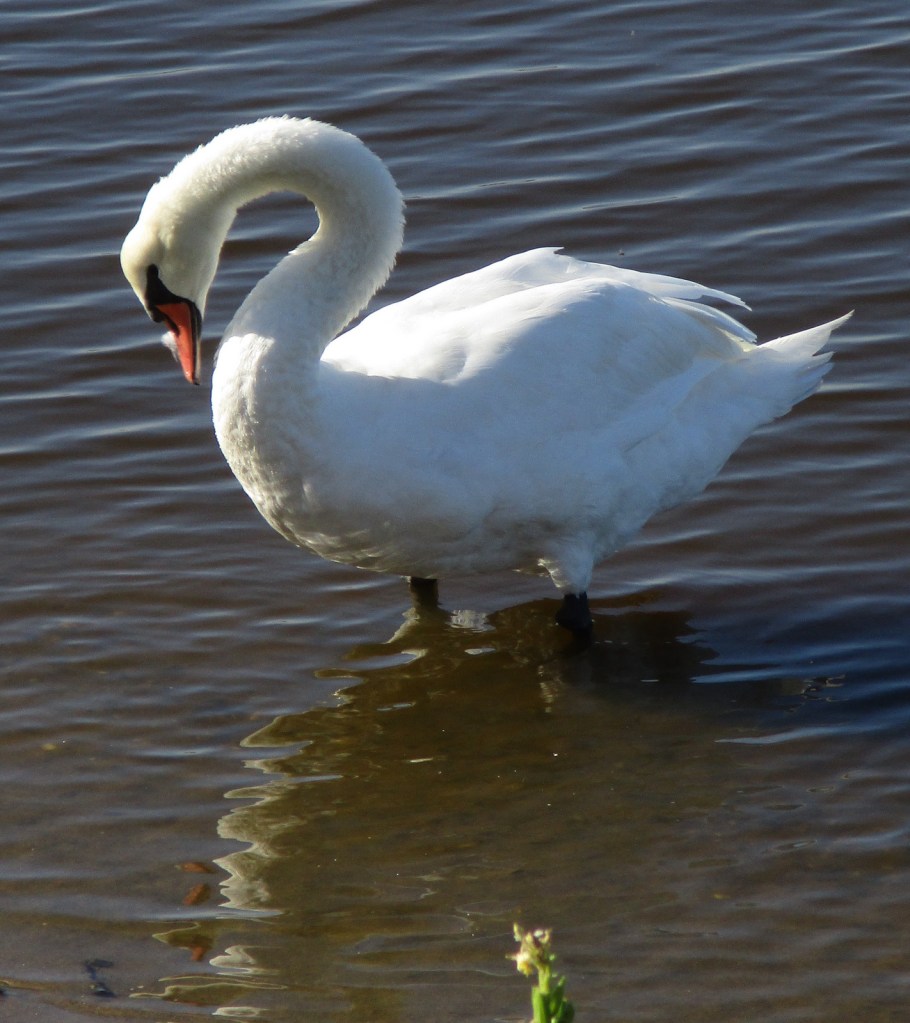
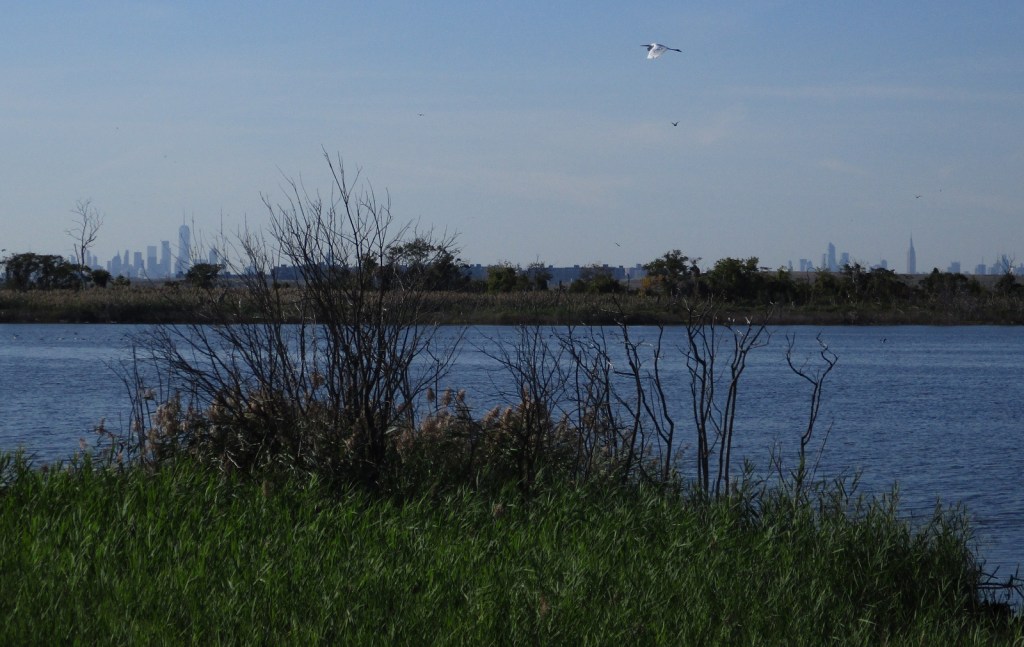
Jamaica Bay Wildlife Refuge is a great spot for birdwatching or watching airplanes take off and land at JFK Airport.  The trail around West Pond takes about an hour to walk and feels worlds away from Manhattan, which is visible on the skyline.

Instagram-worthy Photo

The Sandy Hook Unit of Gateway National Recreation Area is located on a spit of sand that sticks out from the New Jersey shoreline.  It offers beaches, tours of Fort Hancock, and a lighthouse that dates back to 1764 (making it the oldest continuously operated one in the U.S.).  For photos of Sandy Hook, check out our fellow National Park blogger Theresa’s website.  Below is one of her excellent photographs of Sandy Hook Lighthouse.

Peak Season

Summer for the beaches

Hours

https://www.nps.gov/gate/planyourvisit/hours.htm

Fees

None, except for beach parking at Sandy Hook and Jacob Riis Park in Queens (plus toll roads/bridges).

Road Conditions

All roads are paved, plus many of the units of Gateway National Recreation Area are accessible by public transportation.

Camping

The NPS offers camping at all three units of Gateway National Recreation Area, so check the NPS website for details.

Related Sites

Statue of Liberty National Monument (New York-New Jersey)

Fire Island National Seashore (New York)

Thomas Edison National Historical Park (New Jersey)

Explore More – What famous U.S. coin was first publicly displayed at the 1913 dedication of the National American Indian Memorial at Fort Wadsworth?

Virgin Islands National Park

Overview

More than half the island of St. John is part of Virgin Islands National Park, a Caribbean paradise known for its white sand beaches and crystal waters.  The National Park also includes 95% of Hassel Island, which was once a peninsula connected to St. Thomas.  The region is still recovering after Hurricanes Irma and Maria did extensive damage in 2017, but did not seem to affect the sugar mill ruins that have been standing since the 1720s.

Highlights

Trunk Bay, Maho Bay, Annaberg Sugar Mill, Petroglyph Trail, Saltpond Bay

Must-Do Activity

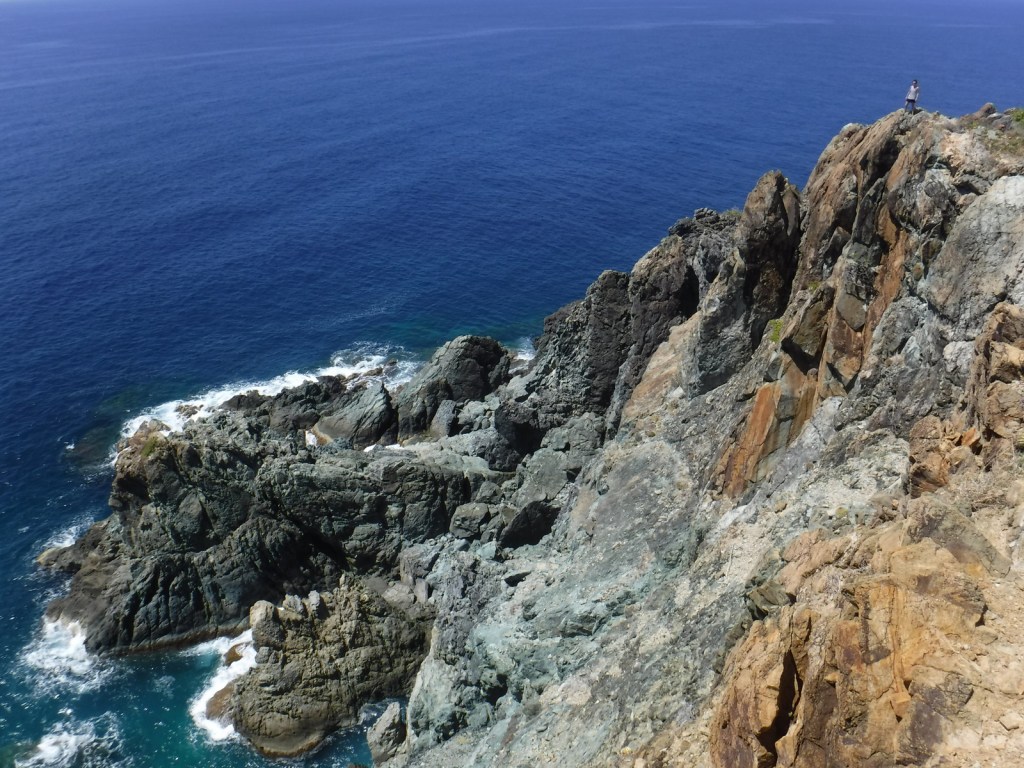
Snorkeling is the number one reason to visit St. John, which is surrounded by coral reefs.  The Underwater Trail in popular Trunk Bay is a good place to start, but our favorite spot to snorkel was from the beautiful beach at Saltpond Bay where we saw sea turtles, reef squids, and countless other species.  From the beach a trail leads 1.8 miles roundtrip to the 200-foot high cliffs at Ram Head.

Best Trail

Reef Bay Trail starts near the island’s high point at 900 feet in elevation, then descends 1.5 miles to the split for Petroglyph Trail where the rocks around a seasonal waterfall have several Taino carvings.  Reef Bay Trail continues another mile to the ruins of a sugar mill where ranger-led hikes (fee) are met by a boat.

Instagram-worthy Photo

A small, paved pulloff at the top of a hill on North Shore Road looks east towards the white sand beaches of Trunk Bay, an image used in almost every promotional publication for St. John. 

Peak Season

Winter

Hours

https://www.nps.gov/viis/planyourvisit/hours.htm

Fees

None, except when lifeguards are on duty at Trunk Bay.

Road Conditions

Two narrow, winding, paved routes (North Shore and Centerline Roads) leave from Cruz Bay where the ferries arrive.  Several dirt roads require four-wheel-drive, including Catherineberg Road.  Note: you drive on the left side of the road in the U.S. Virgin Islands, but in standard American left-side driver seat vehicles.

Camping

None on the island of St. John until the NPS reopens Cinnamon Bay Campground, which closed following the 2017 hurricanes.

We created this design to celebrate Virgin Islands National Park and it is available on a variety of products at Cafe Press and Amazon.

Explore More – How long did the violent slave revolt in 1733 last before French troops arrived on St. John to return slaves to the sugarcane plantations?

We are a participant in the Amazon Services LLC Associates Program, an affiliate advertising program designed to provide a means for us to earn fees by linking to Amazon.com and affiliated sites.

Padre Island National Seashore

Overview

To experience the natural side of this semitropical region, make a trip to Padre Island National Seashore south of Corpus Christi, Texas.  Unlike touristy South Padre Island, this barrier island offers 65 miles of undeveloped beaches for exploration by foot and 4-wheel-drive vehicles. 

Highlights

Malaquite Beach, Grasslands Nature Trail, Bird Island Basin

Must-Do Activity

This wild island attracts a lot of wildlife, like white-tailed deer, a variety of shorebirds, and, unfortunately, Portuguese man-o-wars.  Keep an eye out for sea turtle patrols that drive up and down the beach all day seeking females laying eggs, including the endangered Kemp’s ridley.  Head further north for more bird watching, as Aransas National Wildlife Refuge typically sees a few overwintering whooping cranes, an extremely rare species.

Best Trail

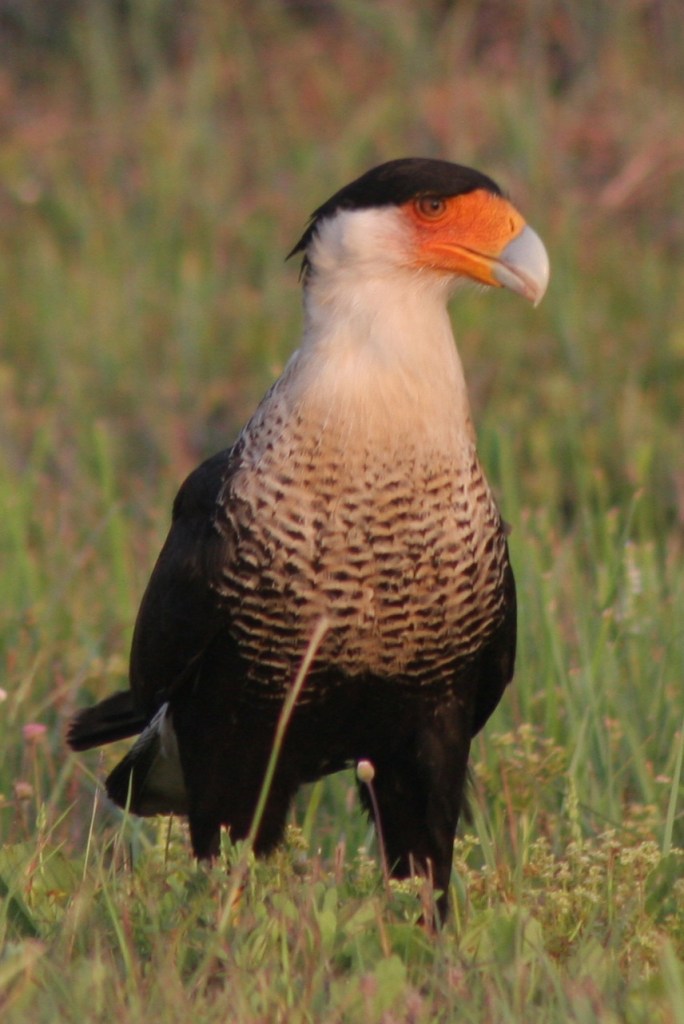
Take a walk on a boardwalk through the sand dunes on Grasslands Nature Trail to find white-tailed deer and maybe even a crested caracara.  Also look for caracaras along the roadside since they will eat carrion.

Instagram-worthy Photo

On the bay side of the barrier island, you can camp and watch kitesurfers at Bird Island Basin where herons and egrets are a common sight.  We also saw white pelicans in the spring.

Peak Season

Summer

Hours

https://www.nps.gov/pais/planyourvisit/hours.htm

Fees

$20 per vehicle or America The Beautiful pass

Road Conditions

Roads are paved to Malaquite Beach visitor center and from there you can drive most of the beaches with a 4-wheel-drive vehicle. 

Camping

Primitive camping is allowed on the beaches, but there is also a nice campground with water and showers near Malaquite Beach visitor center.  If you cannot find a campsite at Padre Island National Seashore, try up north at Mustang Island State Park.

Explore More – Currents in the Gulf of Mexico bring significant amounts of floating trash to the shoreline; how can you help during your visit?