Tag Archives: stargazing

Katahdin Woods and Waters National Monument

Katahdin Woods and Waters National Monument

Managed by National Park Service

Established 2016

87,564 acres

Website: nps.gov/kaww

Overview

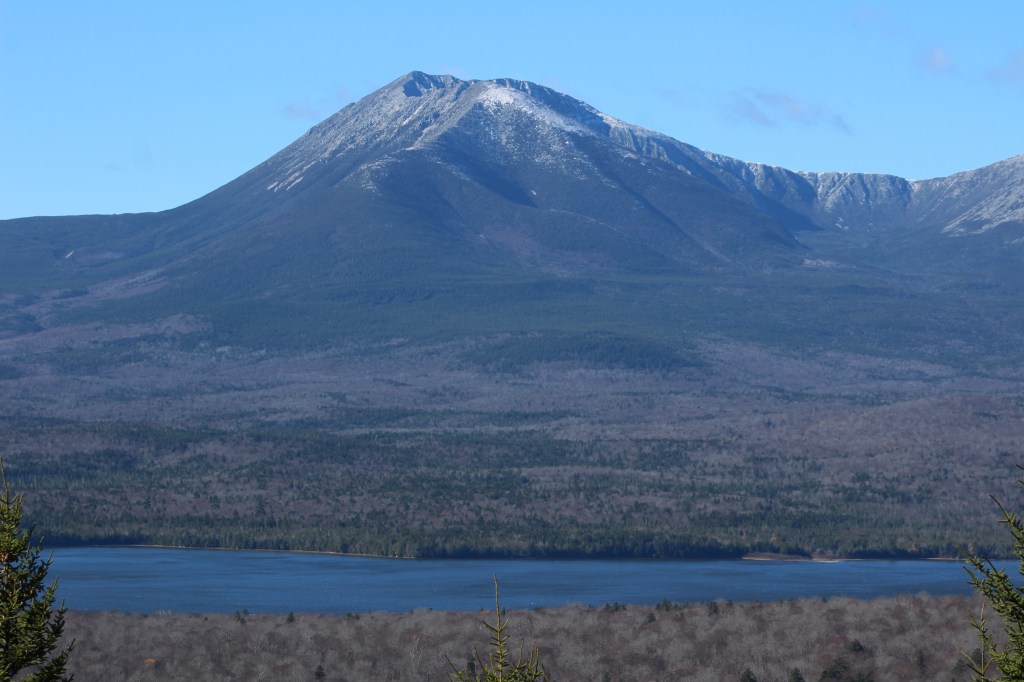
Central Maine is an ecological transition zone between boreal and broadleaf deciduous forests that provides habitat for Canada lynx, black bear, moose, and beaver.  The waters are home to brook trout and Atlantic salmon, which are being reestablished with cooperation between government agencies and the Penobscot and other Wabanaki Nations.  The official northern terminus of the Appalachian National Scenic Trail, Katahdin means “greatest mountain” in the Penobscot language and is the name of the 5,269-foot peak outside National Monument boundaries in neighboring Baxter State Park.  This undeveloped landscape was purchased by the businesswoman Roxanne Quimby beginning in 2001 with the plan to turn it into a National Park.  It was donated to the National Park Service to mark the centennial of its creation and, despite some controversy, was established by President Barack Obama. 

Learn more about the other 137 National Monuments in our book Monumental America: Your Guide to All 138 National Monuments. It is now available for sale on Amazon.com.
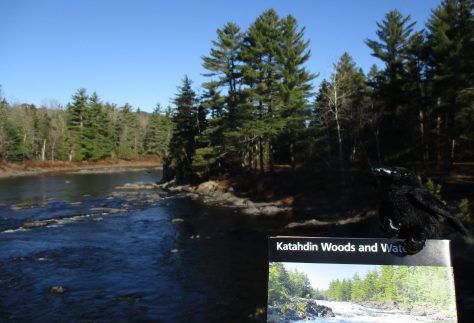
Highlights

Tekαkαpimək Contact Station, Patten Lumbermen’s Museum, Katahdin Loop Road, Barnard Mountain, Stair Falls

Must-Do Activity

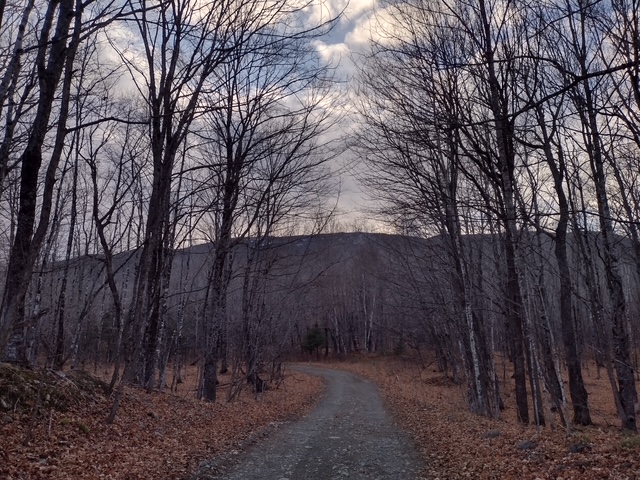
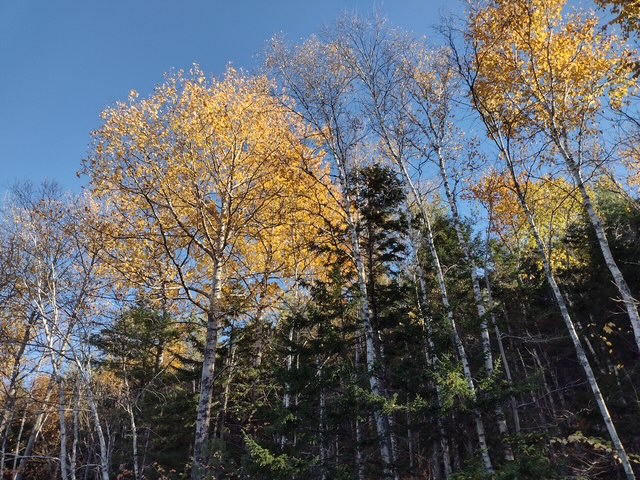
Opened in 2025 near the south entrance, the Tekαkαpimək Contact Station is seasonally open Friday through Sunday in a building inspired by Wabanaki culture.  The National Park Service no longer works out of the Patten Lumbermen’s Museum (but it is still worth a visit).  The 17-mile-long Katahdin Loop Road in the southern section of the National Monument is the most developed with picnic areas, vault toilets, and overlooks.  The unpaved loop road is accessed from the east by miles of unpaved road and has no access to Baxter State Park.  About 30 miles of the International Appalachian Trail runs through Katahdin Woods and Waters National Monument with lean-tos dispersed along the route.  Other than hiking, visitors enjoy stargazing, birding, leaf peeping in the fall, canoeing the East Branch of the Penobscot River with portages around its many waterfalls.  In the winter, there are opportunities for cross-country skiing, snowshoeing, and snowmobiling. 

Best Trail

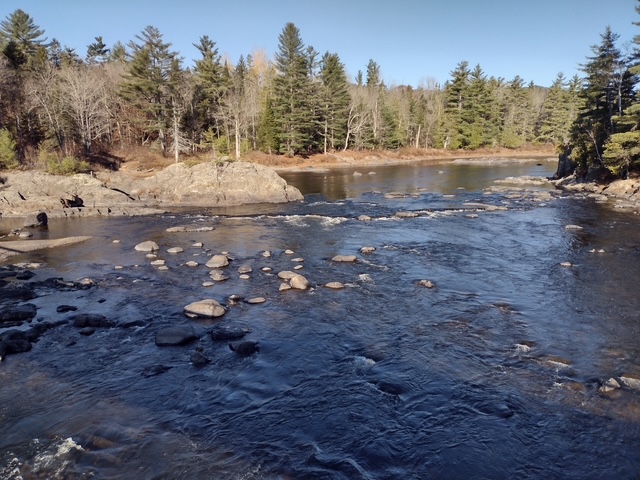
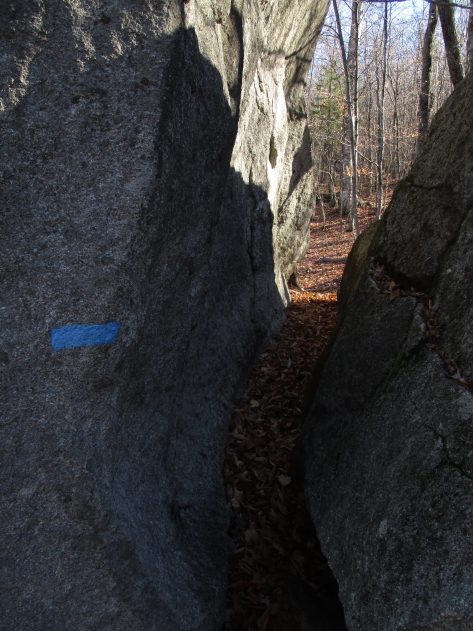
From the Haskell Gate at the end of New River Road, it is 3.5 miles out-and-back to Stair Falls on the East Branch of the Penobscot River.  The first part follows an old road and the International Appalachian Trail before branching north at a signed junction to access the water and is also open to bicycles.  The only trailhead accessed from a paved road is the 13.6-mile Seboeis Riverside Trail that starts outside the National Monument off Grand Lake Road.     

Photographic Opportunity

One of the best views of Katahdin is from the top of Barnard Mountain, accessed by a two-mile one-way hike with 725 feet of elevation gain. 

Peak Season

Summer

Hours

https://www.nps.gov/kaww/planyourvisit/basicinfo.htm

Fees

None

Road Conditions

Every road within the National Monument is unpaved, so watch for potholes and logging trucks.  The north and south entrances have gates that close seasonally.

Camping

Reservations are required to car camp at designated sites within Katahdin Woods and Waters National Monument and can be made online at Recreation.gov

Related Sites

Appalachian National Scenic Trail (Maine to Georgia)

Saint Croix Island International Historic Site (Maine)

White Mountain National Forest (New Hampshire, Maine)

Nearest National Park
Acadia

Explore More – When did Katahdin Woods and Waters National Monument receive official recognition as a Dark Sky Sanctuary?

Learn more about the other 137 National Monuments in our book Monumental America: Your Guide to All 138 National Monuments

Hawai‘i Volcanoes National Park

Hawai‘i Volcanoes National Park

Hawai‘i

Managed by National Park Service

Established 1916

344,812 acres

Website: nps.gov/havo

Overview

Hawai‘i National Park was created in 1916, before being split in 1961 into this park on the Big Island of Hawai‘i and Haleakala National Park on Maui.  Encompassing two of the world’s most active volcanoes (Kīlauea and Mauna Loa), Hawaiʻi Volcanoes National Park is constantly changing.  Indigenous people considered Kīlauea Caldera and its bubbling Halemaʻumaʻu Crater as the sacred home of Pele, goddess of the volcano.  This area first became a tourist attraction in the 1840s when Volcano House was still a grass shack.  A small, wooden hotel was built in 1877 that now serves as Volcano Art Center Gallery, before the larger lodge was finished in the 1940s on the edge of the caldera.  A strenuous backpacking trail summits the world’s largest shield volcano, 13,677-foot Mauna Loa, which erupted in 1926, 1942, 1950, 1984, and 2022. 

To learn more about the separate Kahuku Unit and how to find solitude in this National Park that saw 1.6-million visitors in 2023, check out our expanded 2nd edition of our guidebook A Park to Yourself: Finding Solitude in America’s 63 National Parks

Highlights

Volcano Art Center, Halemaʻumaʻu Crater, Chain of Craters Road, Kīlauea Iki Crater, Nāhuku (Thurston Lava Tube), Hōlei Sea Arch, Lava Tree Molds, Mauna Loa Overlook, Kīpukapuaulu Trail, Pu‘u Loa Petroglyphs Trail

Must-Do Activity

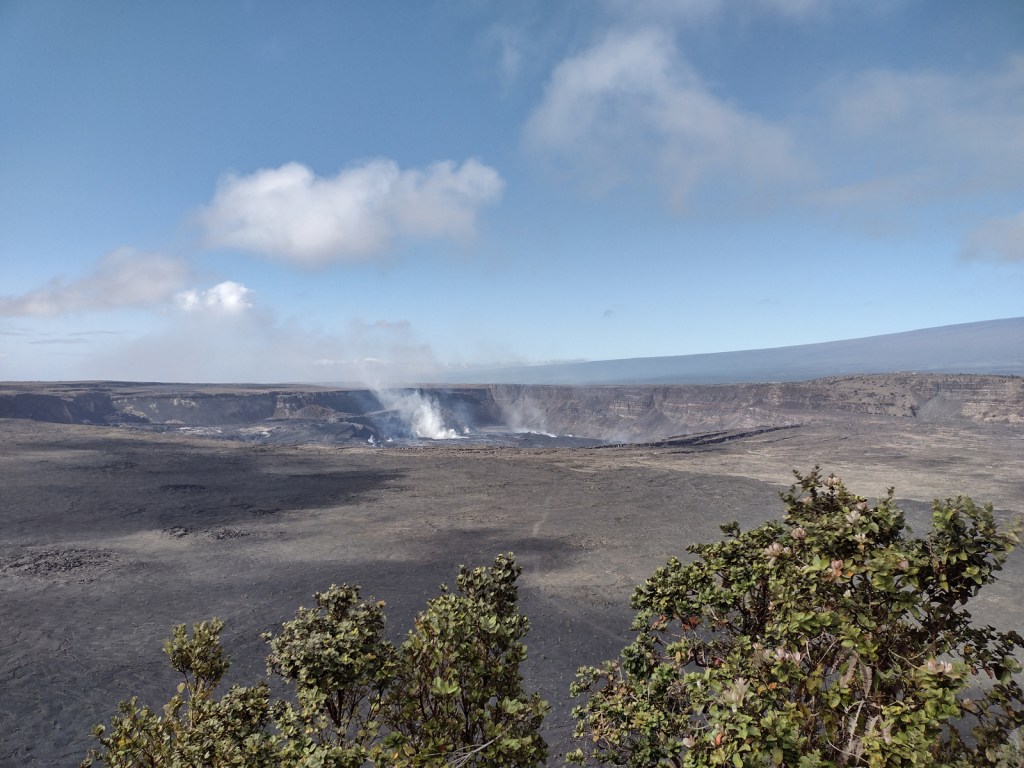
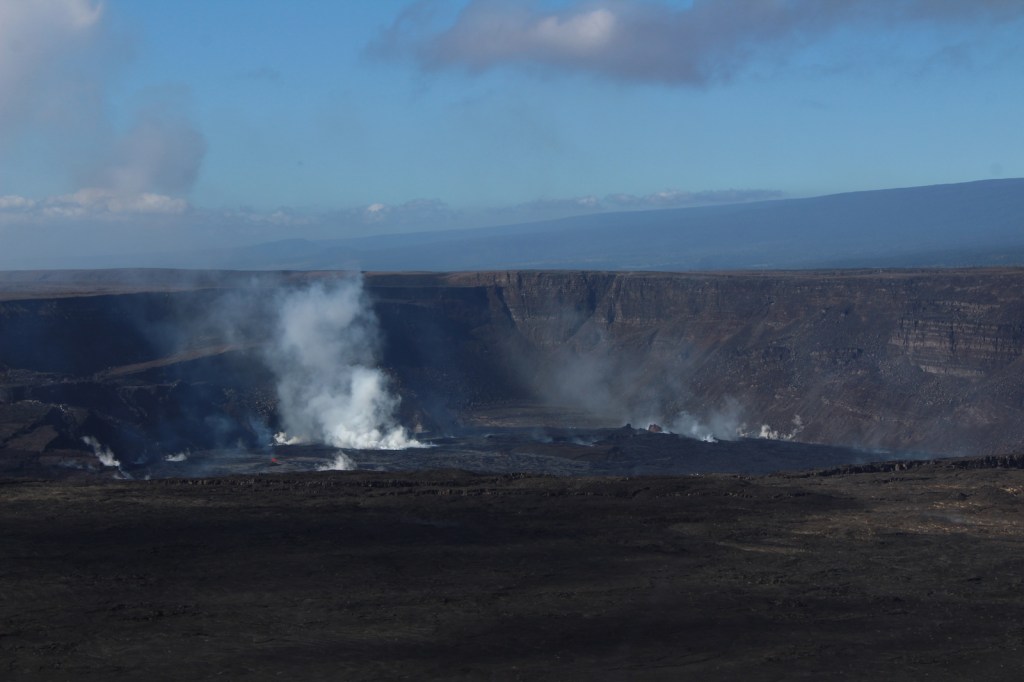
Arrive early or late at the visitor center to avoid tour bus crowds, then check with a ranger to find the best overlooks to view any volcanic activity in Halemaʻumaʻu Crater (depicted in our illustration below).  Consider returning to view the molten lava after dark, although parking can be a challenge.  The Chain of Craters Road leads 20 miles south from the forested caldera rim above 4,078 feet in elevation down to the sparsely vegetated seashore, descending through a wide range of environments before it dead ends into recent lava flows near the Hōlei Sea Arch and 1.5-mile Pu‘u Loa Petroglyphs Trail, where the crisp images chipped into the black lava have been spared from centuries of volcanic activity. 

Best Trail

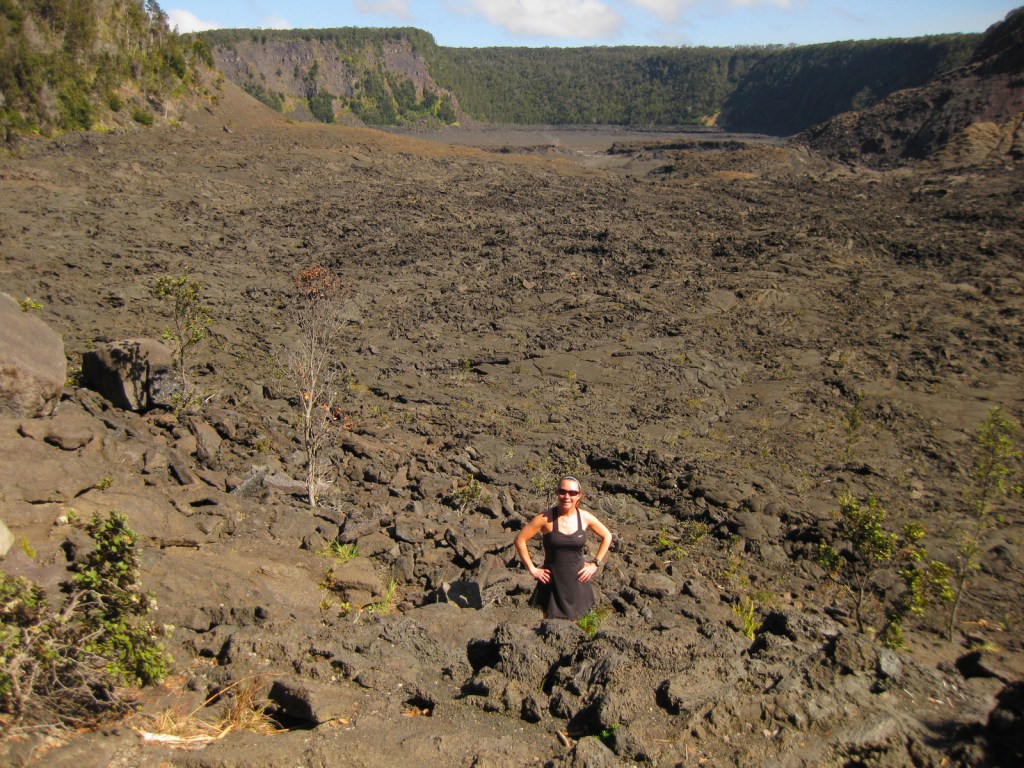
Kīlauea Iki Trail makes a four-mile loop descending 400 feet to the bottom of the crater that was a lake of lava in 1959.  It is recommended to hike it in a counter-clockwise direction to avoid ascending the steepest sections. 

Instagram-worthy Photo

Kīlauea erupted nonstop from 1983 through 2018, when lava poured in a near constant stream into the ocean, and it has been sporadically active since then.  Lava made it into the #1 spot on our Top 10 Natural Phenomena to See in the U.S.

Peak Season

Year round or whenever a volcano is active

Hours

https://www.nps.gov/havo/planyourvisit/hours.htm

Fees

$30 per vehicle or America the Beautiful pass

Road Conditions

Chain of Craters Road is paved, but can be closed during volcanic eruptions, just as half of Crater Rim Drive has been closed since March 19, 2008.  The side road to Hilina Pali Overlook is usually closed beyond Kulanaokuaiki Campground.  The one-lane, potholed Mauna Loa Road is doable with a passenger vehicle if you take it slow, as is the unpaved road into the western Kahuku Unit. 

Camping

The name of Kulanaokuaiki Campground translates as “shaking earth,” and this nine-site primitive camp has no drinking water, unlike the concessionaire-run Nāmakanipaio Campground and Cabins on Highway 11.  Even though this is Hawai‘i, bring some warm clothes as it can be quite rainy and windy, especially when the volcano is erupting; the temperature around Halemaʻumaʻu Crater did not rise above 59°F all day during our 2023 visit.

Related Sites

Pu‘uhonua o Honaunau National Historical Park (Hawai‘i)

Kaloko-Honokohau National Historical Park (Hawai‘i)

Pu’ukohola Heiau National Historic Site (Hawai‘i)

Explore More – When was the 115,788-acre Kahuku Unit added to the National Park?

This design we created to celebrate Hawai’i Volcanoes National Park is available on a variety of products at Cafe Press
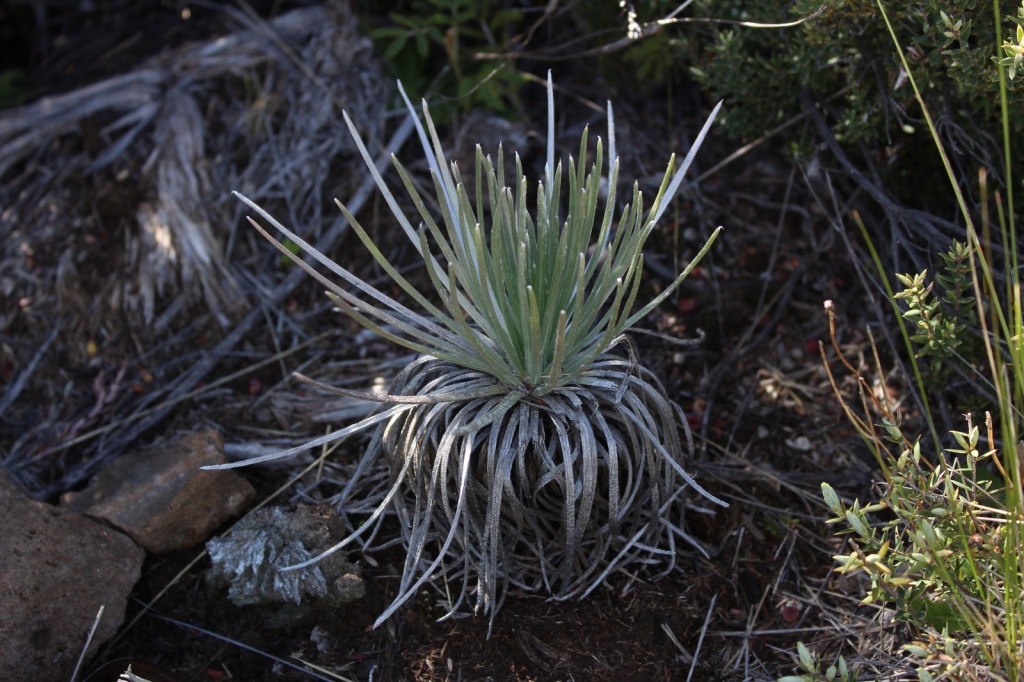
We designed this ‘ohi’a lehua logo for the park available on Amazon.com

We are a participant in the Amazon Services LLC Associates Program, an affiliate advertising program designed to provide a means for us to earn fees by linking to Amazon.com and affiliated sites.

Gila National Forest

Gila National Forest

New Mexico

Managed by U.S. Forest Service, Southwestern Region

2,797,628 acres (2,710,659 federal/ 86,969 other)

Website: https://www.fs.usda.gov/gila

Overview

Nearly 25% of Gila National Forest is designated Wilderness, and the renowned Gila Wilderness became the world’s first such-titled area on June 3, 1924.  There are multiple hot springs that attract backpackers to this area and 95% of thru-hikers on the Continental Divide National Scenic Trail (CDT) veer from the official route to enjoy its beauty.  The nearby Aldo Leopold Wilderness is named for the Forest Service ranger that helped campaign for that designation and later became a famous ecologist and author of A Sand County Almanac (see our Top 10 Non-Fiction Books on Trees and Forests).  In 2016, the Cosmic Campground became the first International Dark Sky Sanctuary in North America (and one of only 18 in the world), so it is a great spot for stargazing.  Gila National Forest also manages the part of Arizona’s Apache National Forest that is in New Mexico, adding an additional 614,202 acres.

Highlights

Inner Loop Scenic Byway, Hulsey Lake, Cosmic Campground, Turkey Creek Hot Springs, Lake Roberts, Signal Peak, Quemado Lake, Chimney Rock Canyon, Jordan Hot Springs, Sawmill National Recreation Trail, Catwalk National Recreation Trail, Wood Haul Road National Recreation Trail, Continental Divide National Scenic Trail

Must-Do Activity

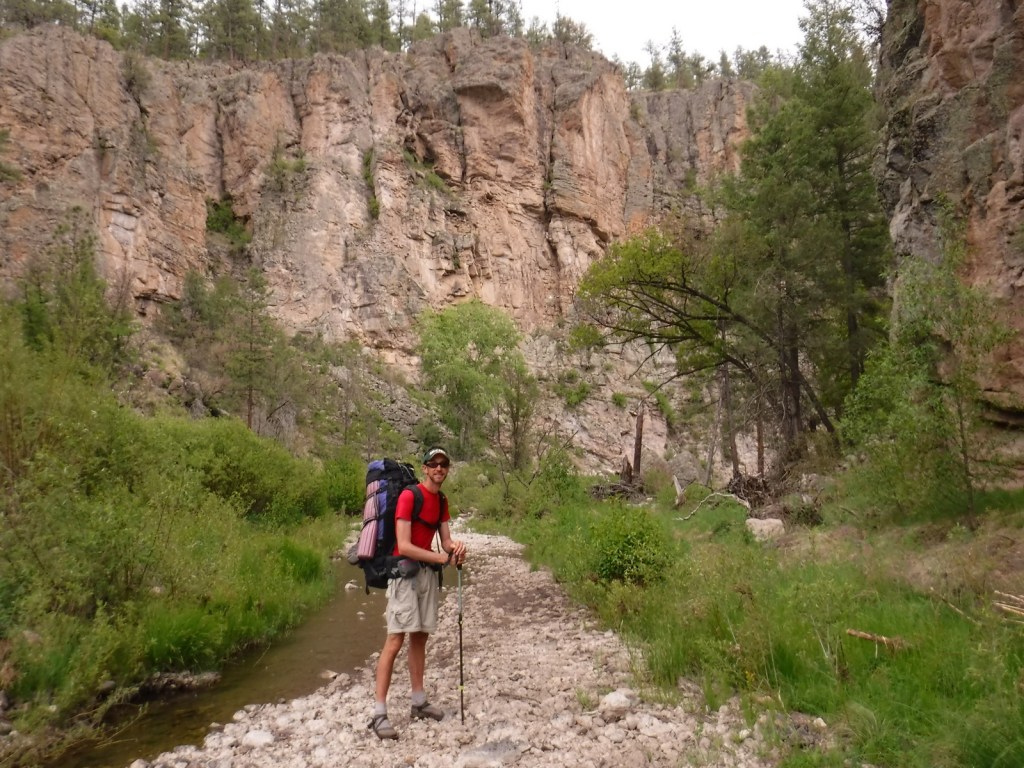
You do not have to journey far into the Gila Wilderness to reach Lightfeather Hot Springs on the Middle Fork Trail.  Less than a mile down the trail a shallow pool is formed by stacked rocks where 150-degree hot springs water combines with the cool Middle Fork of the Gila River.  It is a great place to watch and listen to wildlife.  Seven miles further is Jordan Hot Springs, a very popular backpacking destination that requires countless stream crossings (it is best to wear fast-drying shoes and use trekking poles).  The trailhead is located 43 miles north of Silver City on the Inner Loop Scenic Byway, not far from a visitor center co-managed by the Forest Service and National Park Service (that operates nearby Gila Cliff Dwellings National Monument).  The Gila Wilderness is the reason this National Forest made it on our list of the Top 10 National Forests for Backpacking.

Best Trail

The most popular spot in Gila National Forest is the Catwalk National Recreation Trail, which requires driving through two stream crossings that are doable by a passenger car when the water is low.  The one-mile trail is partially elevated above Whitewater Creek on wide, steel grates complete with handrails.  The Catwalk started in 1893 as a way for miners to service a four-inch water pipe, then fell into disrepair before being upgraded by the Civilian Conservation Corps (CCC) in 1935.  Today’s safer, tourist-friendly Catwalk was installed in 1961.  This trail made our list of the Top 10 Day Hiking Trails in National Forests.

Watchable Wildlife

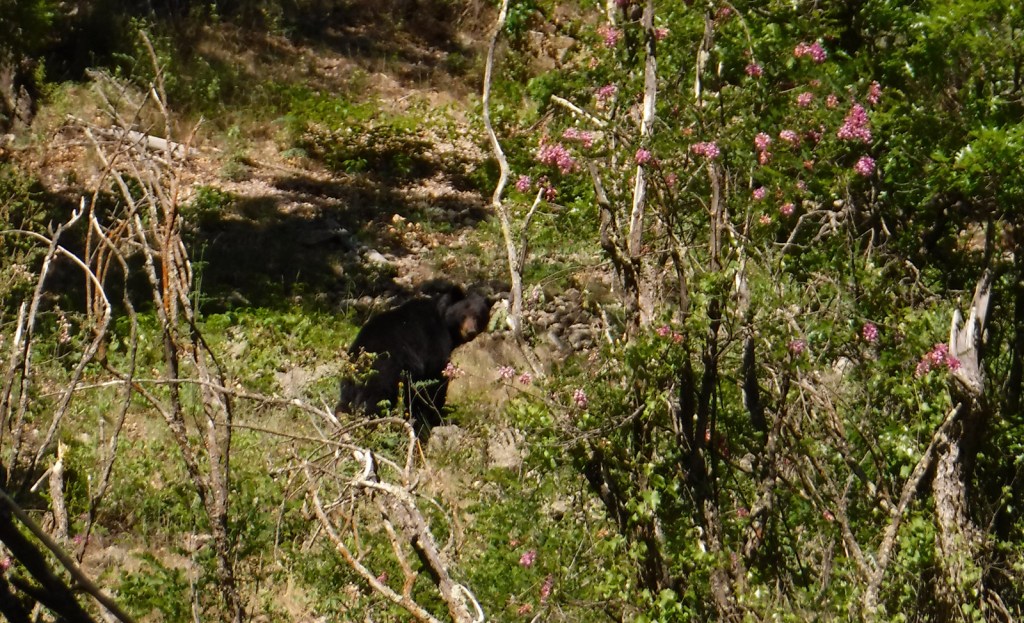
The Gila River gives its name to this National Forest, as well as animals like the venomous Gila monster, Gila woodpecker, and fish, including a trout, topminnow, and several species of chub.  Mexican wolves have been reintroduced to this region, and other predators like mountain lions, bobcats, and black bears (we saw one and followed another’s wet footprints while backpacking near Gila Cliff Dwellings National Monument).  Unique mammals include the javelina (collared peccary), gray fox, white-nosed coatimundi, and Coues white-tailed deer.  Mule deer, elk, pronghorns, and bighorn sheep are additional ungulates found in Gila National Forest.  Large birds include roadrunners, Mexican spotted owls, bald eagles, ospreys, peregrine falcons, and wild turkeys.  Most of our wildlife encounters were with reptiles like horned lizards (a.k.a. frogs or toads), western fence lizards, and rattlesnakes.

Instagram-worthy Photo

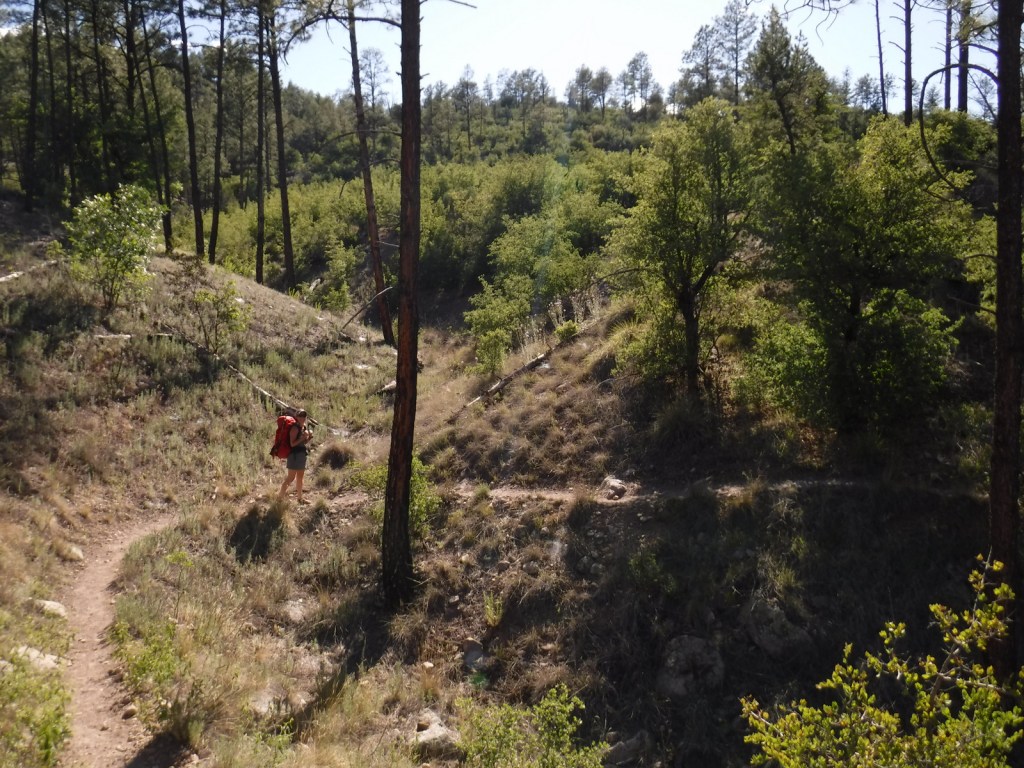
In May 2020, we did a 72-mile backpacking loop connecting the West Fork of the Gila River with the Middle Fork, through gorgeous canyons and old-growth forests protected as the Gila Wilderness since 1924.

Peak Season

Summer

Fees

There is a parking fee at Catwalk National Recreation Trail (or you can display an America the Beautiful Pass), but some cars parked across the river to avoid paying.

Road Conditions

The eastern part of Inner Loop Scenic Byway is paved to the visitor center co-managed by the Forest Service and National Park Service, but the western portion is unpaved and has some steep grades not recommended for RVs.  The unpaved road to Catwalk National Recreation Trail with its two stream crossings is doable with a passenger car when the water is low.

Camping

Cosmic Campground became the first International Dark Sky Sanctuary in North America (and one of only 14 in the world), so it is a great spot for stargazing.  Pueblo Park Campground offers a trail through Chimney Rock Canyon and Upper End Campground is near 72-acre Lake Roberts.  Cottonwood Campground is located near the Blue Range Wilderness on the Arizona border.  In eastern Gila National Forest along Highway 152 are found both Upper Gallinas and Iron Creek Campgrounds.  In the north, there are three campgrounds on 131-acre Quemado Lake and the Continental Divide National Scenic Trail cuts through primitive Apache Creek Campground.

Wilderness Areas

Aldo Leopold Wilderness

Blue Range Wilderness

Gila Wilderness

Related Sites

Gila Cliff Dwellings National Monument (New Mexico)

Apache National Forest (Arizona-New Mexico)

Cibola National Forest (New Mexico)

Nearest National Park

White Sands

Conifer Tree Species

two-needle pinyon pine, ponderosa pine, Chihuahua pine, southwestern white pine, white fir, one-seed juniper

Flowering Tree Species

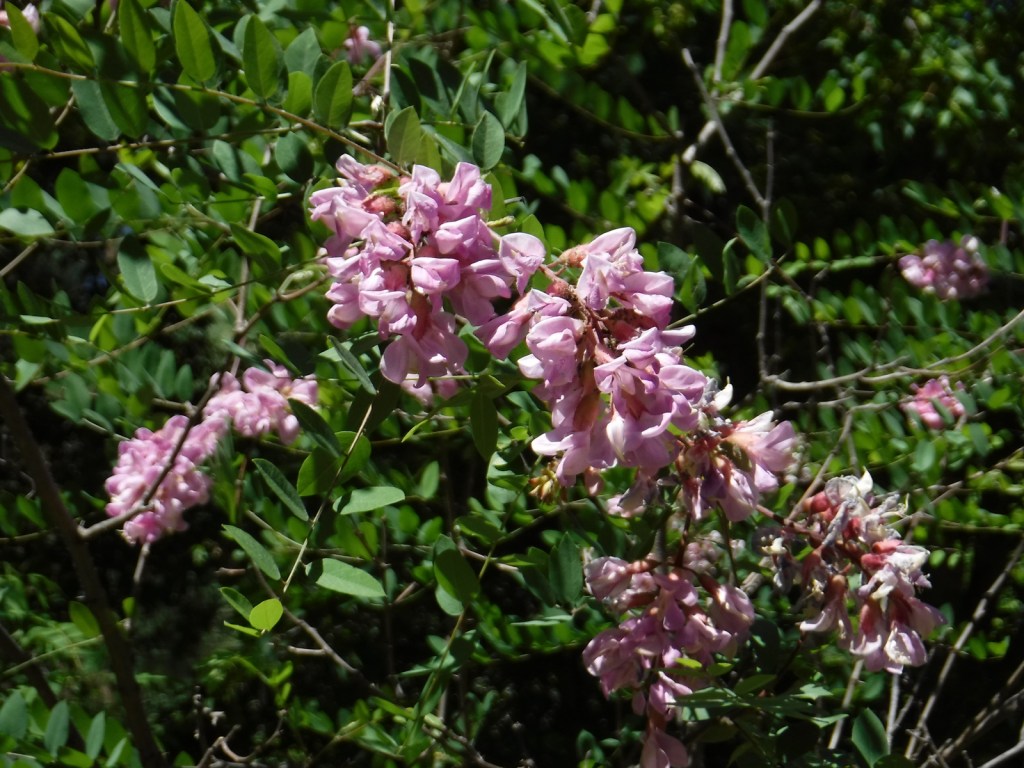
Gambel oak, gray oak, silverleaf oak, New Mexico locust, quaking aspen, narrowleaf cottonwood, Fremont cottonwood, Arizona alder, Arizona sycamore, Arizona walnut, boxelder, velvet ash, netleaf hackberry, mountain-mahogany, chokecherry

Explore More – Gila is a Spanish simplification of the Yuma word “hah-quah-sa-eel,” translated as what?

Learn more about this and the 154 other National Forests in our new guidebook Out in the Woods

We are a participant in the Amazon Services LLC Associates Program, an affiliate advertising program designed to provide a means for us to earn fees by linking to Amazon.com and affiliated sites.

Natural Bridges National Monument

Overview

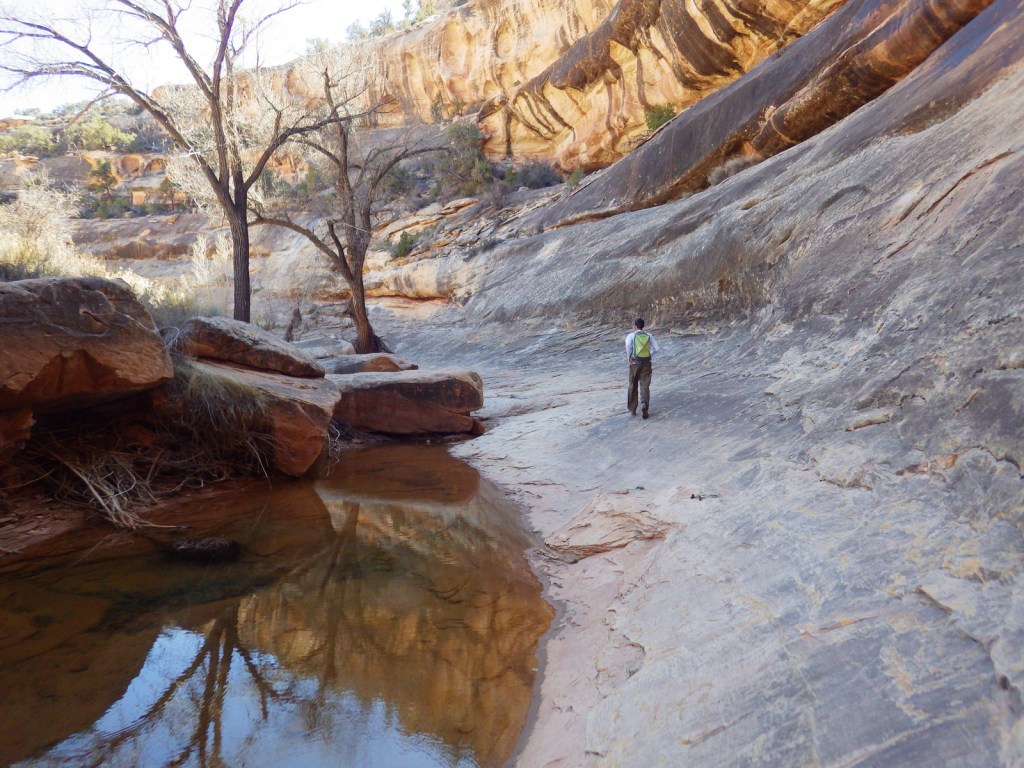
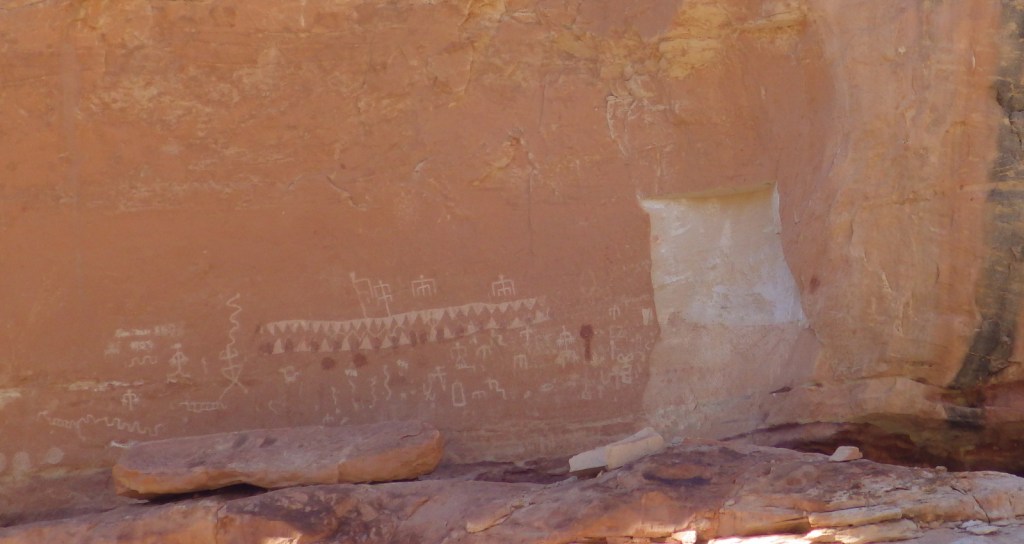
South of Canyonlands National Park is isolated Natural Bridges National Monument.  First established by President Theodore Roosevelt in 1908, it was not accessible by road until uranium mining developed this part of Utah in the 1950s.  As you may recall from our post on Arches National Park, bridges are created by flowing water, unlike arches that are primarily carved by wind.

Highlights

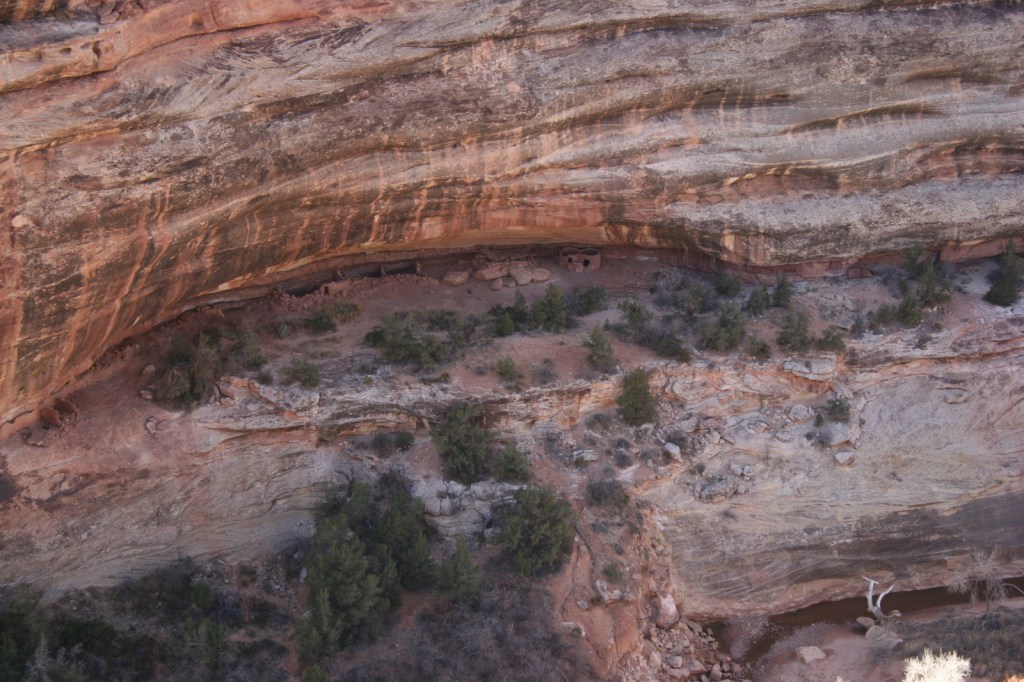
3 huge natural bridges, scenic views, ruins, hiking, stargazing

Must-Do Activity

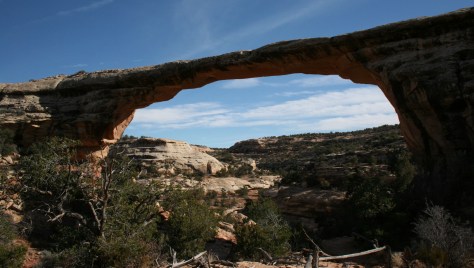
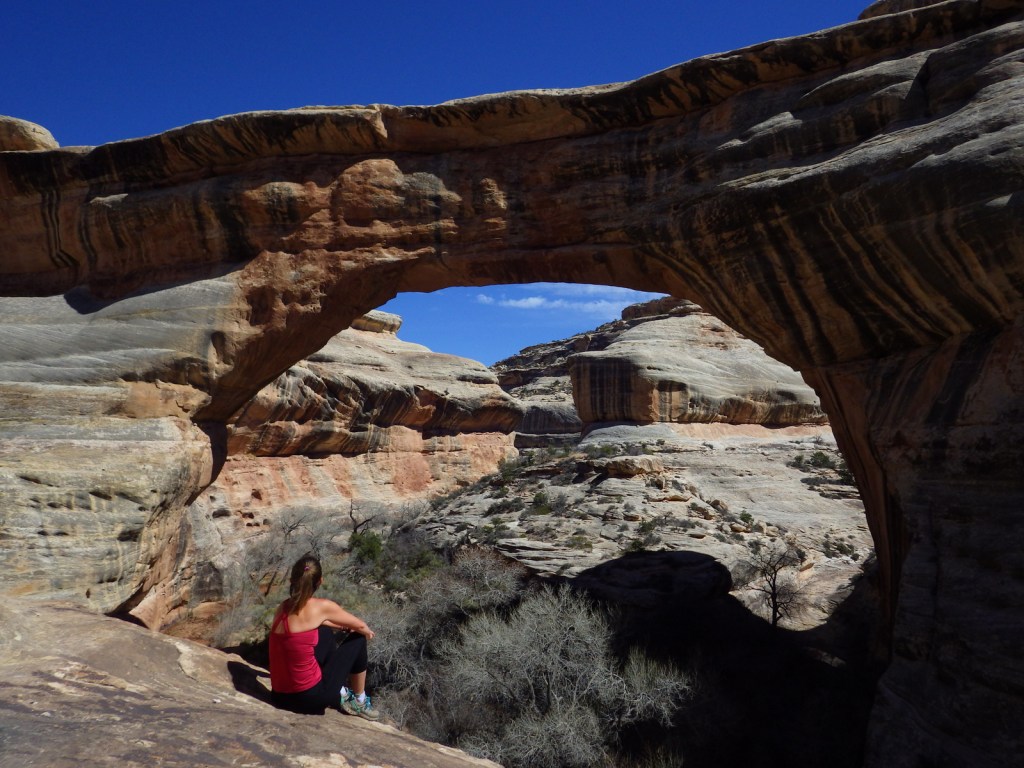
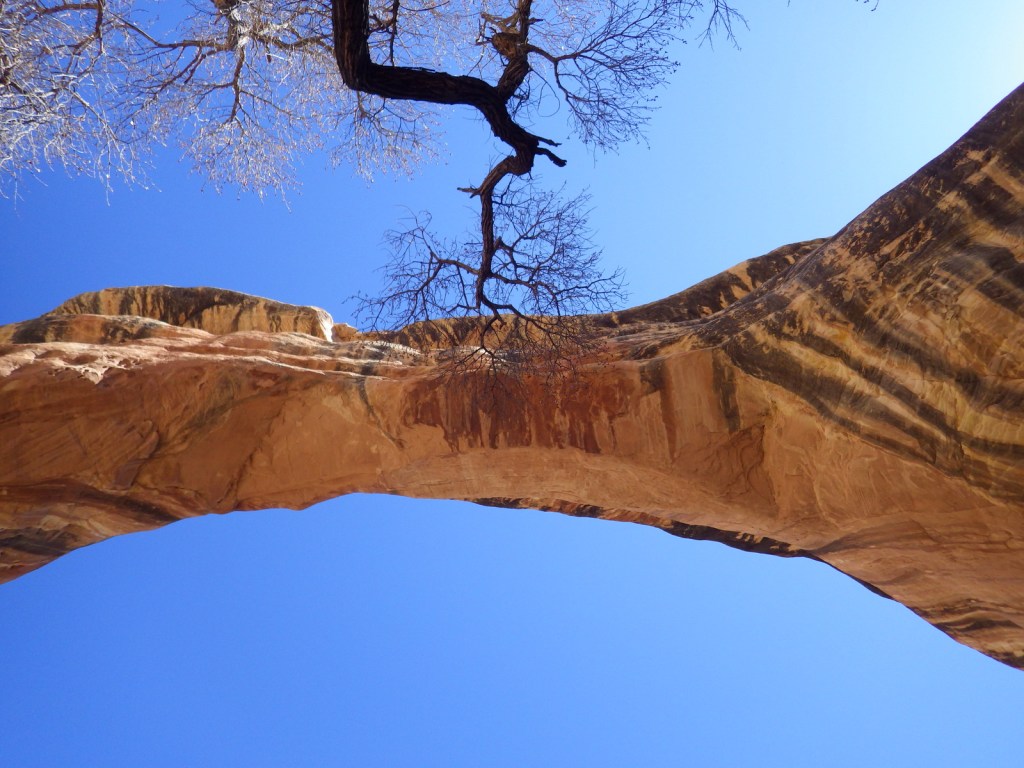
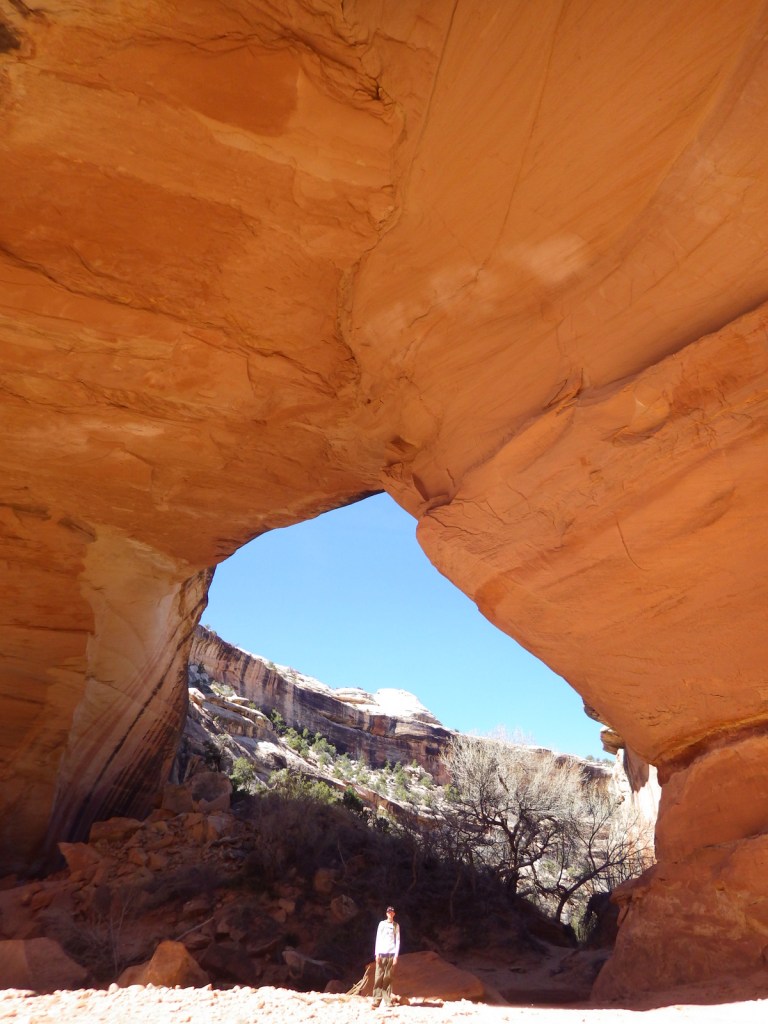
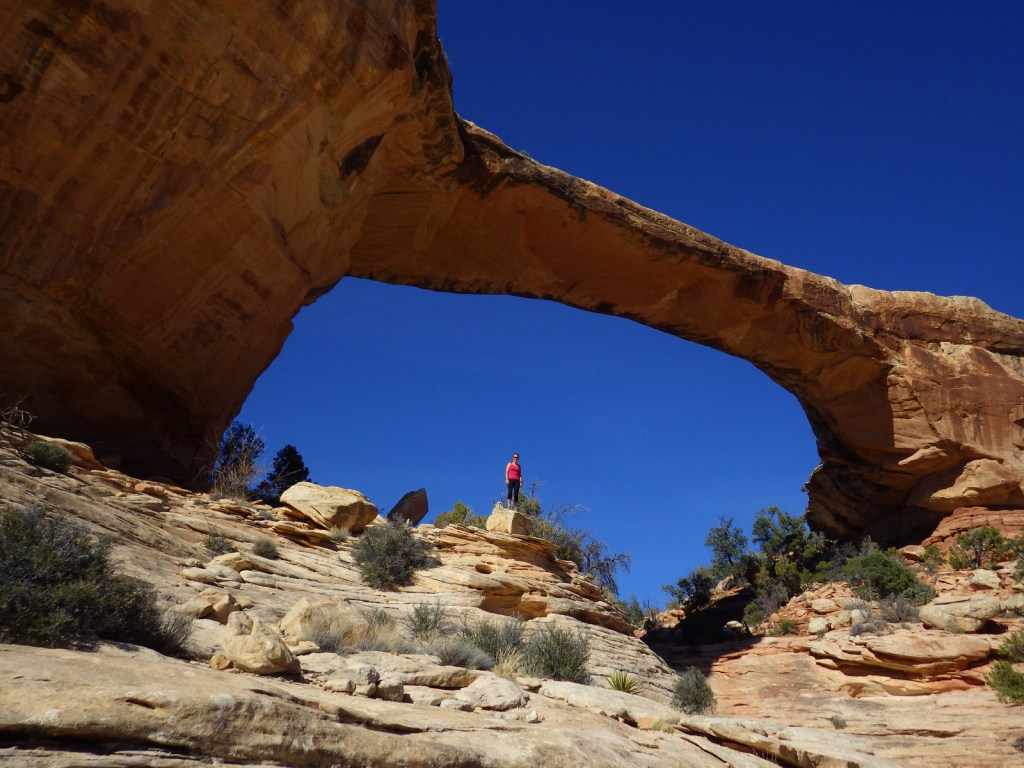
The monument is home to 220-foot tall Sipapu Bridge, which is second only to Glen Canyon’s Rainbow Bridge as the largest in the world.  Kachina Bridge, at 210 feet and growing, may catch up to it someday.  Perhaps the most visually striking of the three standing bridges is the 180-foot span of Owachomo Bridge that is only nine feet thick at its center.  Handicap accessible overlooks are available along Bridge View Drive.

Best Trail

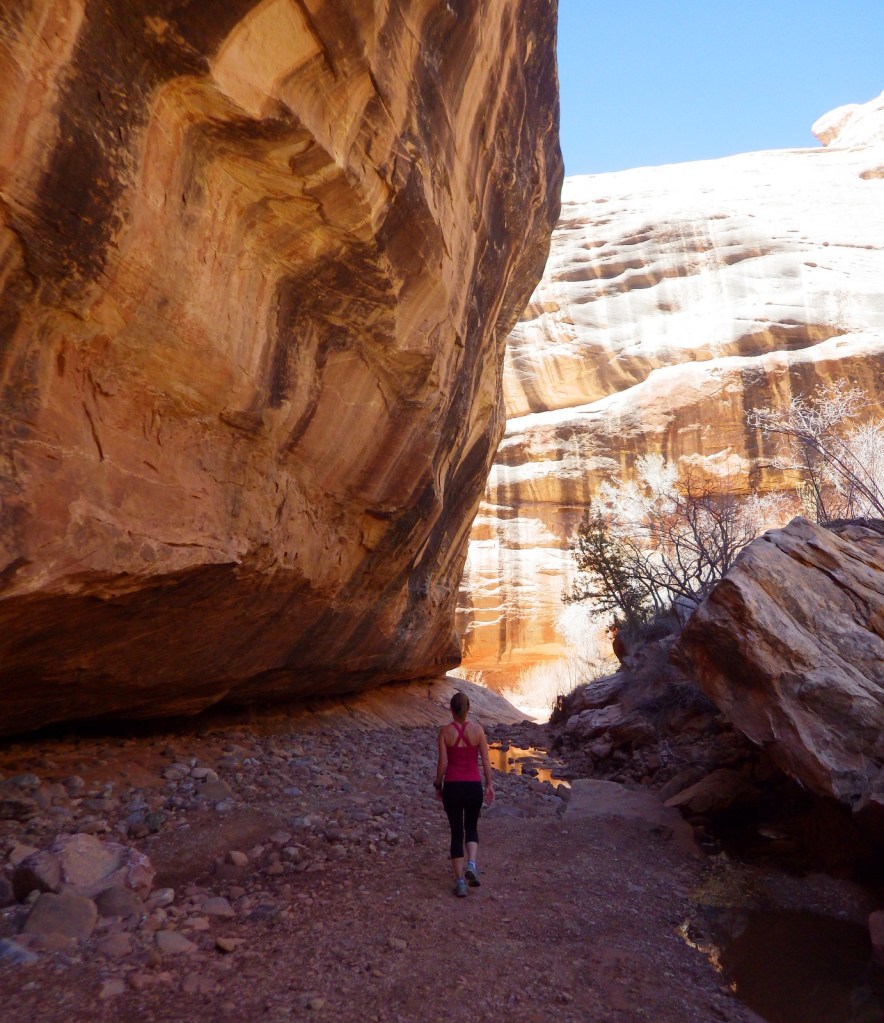
A nine-mile loop hike connects all three natural bridges, which are also accessible by shorter trails from the rim drive.  Do not attempt this rugged trek if you are not prepared; it is a rocky canyon bottom at high elevation with little shade.

Instagram-worthy Photo

Owachomo Bridge is the oldest of the three standing natural bridges in the National Monument.

Peak Season

Summer

Hours

https://www.nps.gov/nabr/planyourvisit/hours.htm

Fees

$20 per vehicle or America the Beautiful pass

Road Conditions

All roads paved

Camping

The secluded nature of this region and its elevation of 6,500 feet were factors in naming it the first International Dark Sky Park in 2007.  If you make it out this far, you might want to spend the night under the stars at the campground.

Related Sites

Rainbow Bridge National Monument (Utah)

Bryce Canyon National Park (Utah)

Capitol Reef National Park (Utah)

Explore More – In 1992, how many tons of rock fell from Kachina Bridge (the youngest of the three)?

Rock Creek Park

Overview

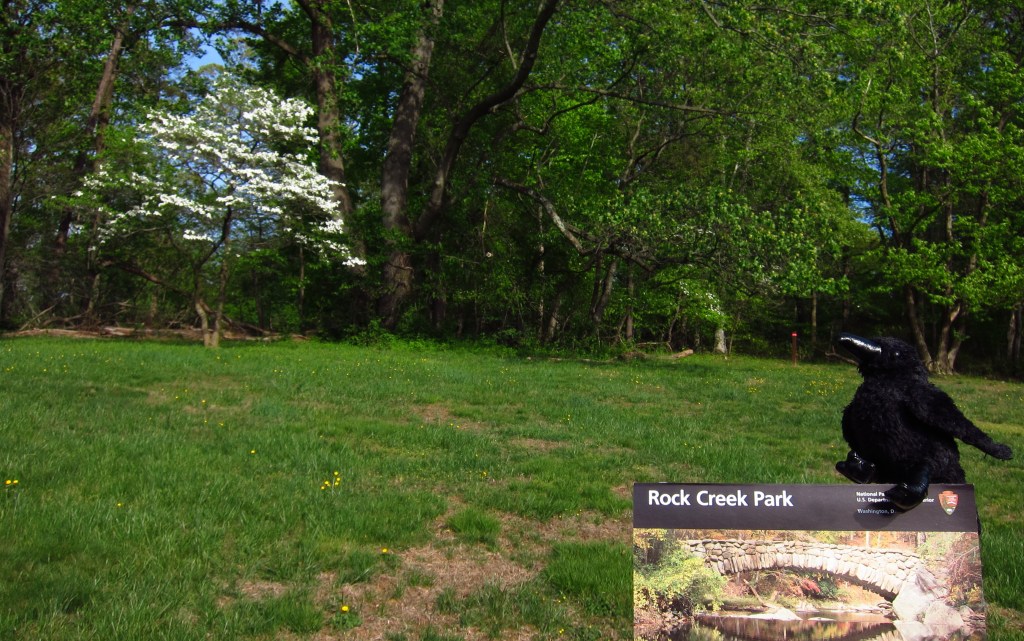
We are used to National Monuments and National Historical Parks being listed among the 419 units in the National Park Service (NPS) system, but there are also 11 sites that fall under the category of “Other.”  One of these is Rock Creek Park, a 1,754-acre urban park in northwestern Washington, D.C. established in 1890.  It contains an equestrian center and 13 miles of bridle trails, as well as the Thompson Boat Center, which rents bicycles and a variety of non-motorized boats.  It also has the amenities you would typically associate with any park, like picnic areas, tennis courts, playgrounds, and an amphitheater offering free concerts and plays during the summer.

Highlights

Nature Center and Planetarium, Peirce Mill, Old Stone House, Fort Stevens

Must-Do Activity

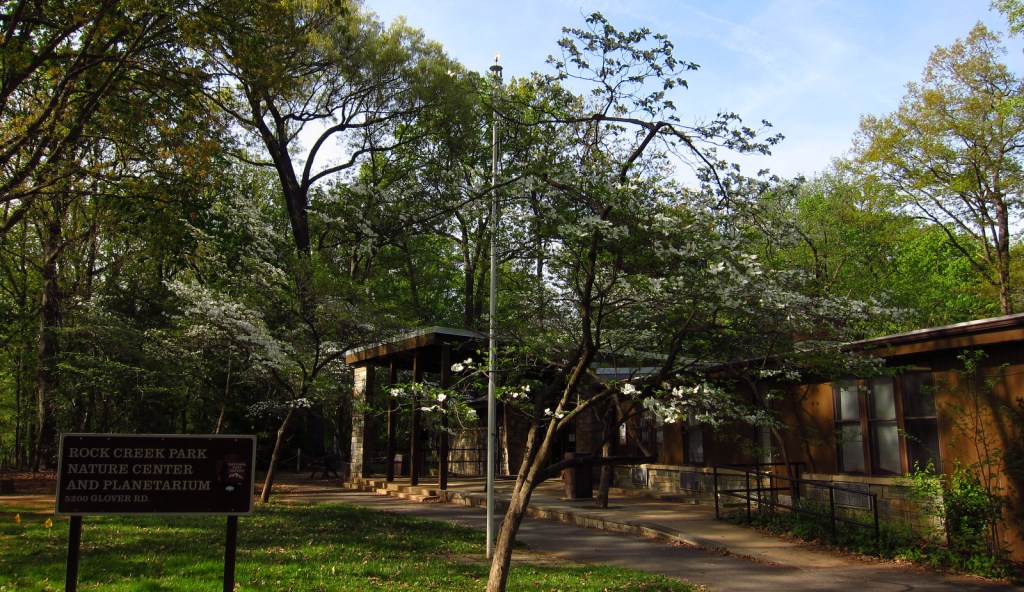
Rock Creek Park contains the only planetarium in the entire NPS system, which is at the same location as the Nature Center.  The planetarium offers free astronomy programs and holds monthly stargazing programs between April and November.  The site of Civil War-era Fort Stevens is located east of the main park where interpretive information explains the July 1864 battle that took place there.  It was during a visit to the fort that Abraham Lincoln became the only sitting president to ever come under enemy fire during wartime.

Best Trail

There are 25 miles of trails within Rock Creek Park, plus they connect to parkland in bordering Maryland.

Instagram-worthy Photo

Peirce Mill was originally in operation from the 1820s to 1897, utilizing slave labor (until the Civil War) to run the flour mill, sawmill, distillery, and nursery.  The mill was renovated by the NPS in the 1930s to produce flour during World War II and remains open to visitors seasonally.

Peak Season

Summer

Hours

https://www.nps.gov/rocr/planyourvisit/hours.htm

Fees

None

Road Conditions

All roads are paved, though some are closed on weekends and holidays for non-motorized users.

Camping

None

Related Sites

Fort Washington Park (Maryland)

Theodore Roosevelt Island (District of Columbia)

Franklin Delano Roosevelt Memorial (District of Columbia)

Explore More – Rock Creek also flows through the fee-free National Zoological Park, which is managed by what institution?