Tag Archives: railroad

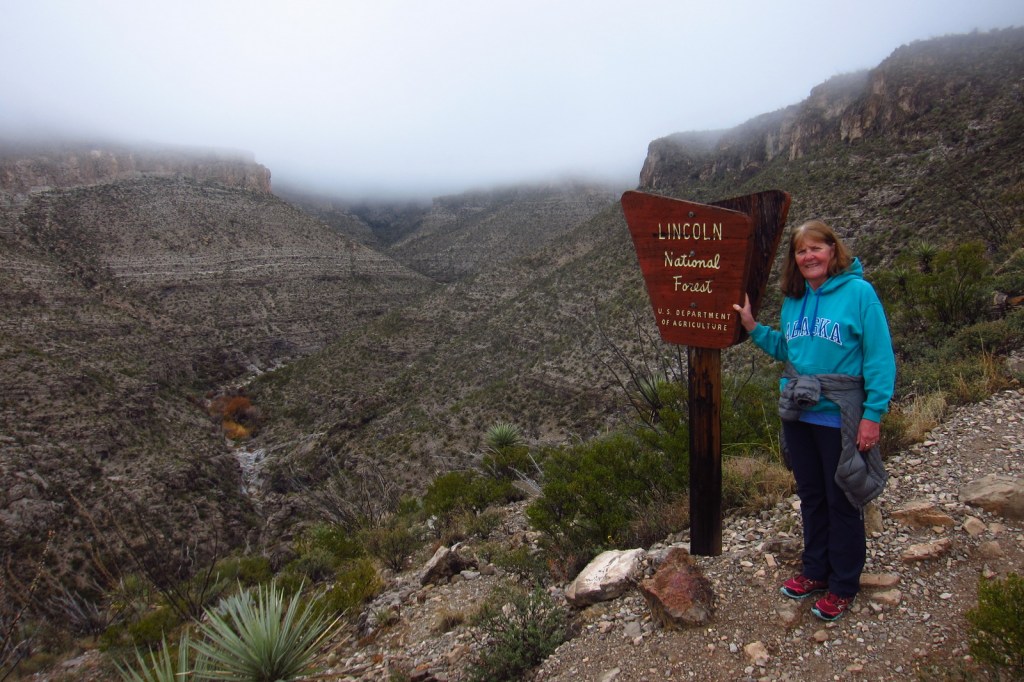
Lincoln National Forest

Lincoln National Forest

New Mexico

Managed by U.S. Forest Service, Southwestern Region

1,271,064 acres (1,103,897 federal/ 167,167 other)

Website: https://www.fs.usda.gov/r03/lincoln

Overview

Lincoln National Forest is best known as the birthplace of Smokey Bear, a black bear cub that survived a 1950 wildfire in the Capitan Mountains and became a national symbol.  The nearby Smokey Bear Historical State Park is the final resting place for the famous bear that passed away at Washington D.C.’s National Zoo in 1976.  Lincoln National Forest includes parts of the Guadalupe, Sacramento, Sierra Blanca/White Mountains, Capitan, and Gallinas ranges.  There are several long trails through the National Forest, including the 20-mile Crest Trail in the White Mountain Wilderness and the 11-mile South Base Trail in the Capitan Wilderness.  All but one mile of the 29-mile-long Rim Trail is open to OHVs.
Highlights

Sunspot Scenic Byway, Billy the Kid Scenic Byway, Trestle Recreation Area, Sitting Bull Falls, Sierra Blanca Peak, Rim Trail, Willie White Trail, Dog Canyon National Recreation Trail, Capitan Peak Trail

Must-Do Activity

Sunspot Scenic Byway (State Road 6563) provides great views and access to one of the world’s largest solar observatories that is open for tours on summer weekends.  At its remote southern end, the National Forest borders both Carlsbad Caverns and Guadalupe Mountains National Parks.  Roads only connect with the latter, where a short detour takes you to the half-mile trail for 150-foot-tall Sitting Bull Falls.  In 1898, the Alamogordo and Sacramento Mountain Railway was constructed to access timberland 4,747 feet in the mountains above.  One of its scenic remnants is the 320-foot trestle over Mexican Canyon near Cloudcroft.  Lincoln National Forest has six fire lookouts listed on the National Register of Historic Places, including the stone Monjeau Lookout built by the Civilian Conservation Corps (CCC) that is accessible on a steep dirt road.  Given its proximity to Carlsbad Caverns National Park, it is not surprising that there are hundreds of caves in the National Forest that require a permit to explore.

Best Trail

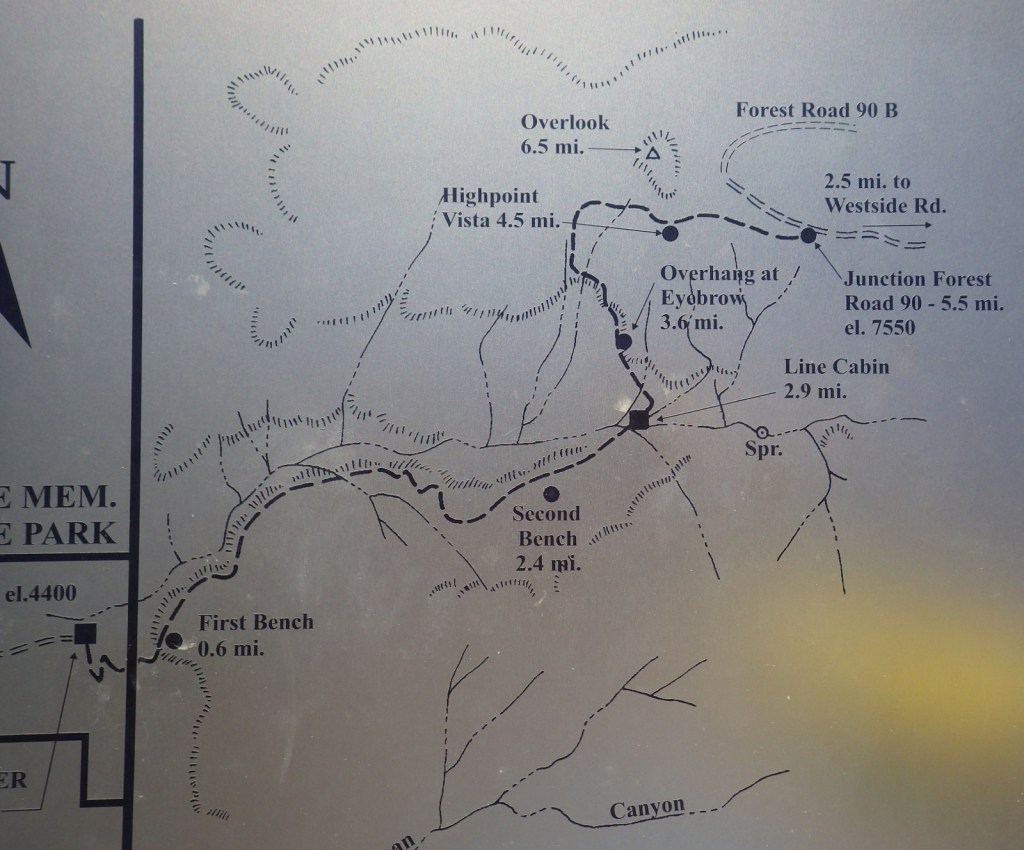
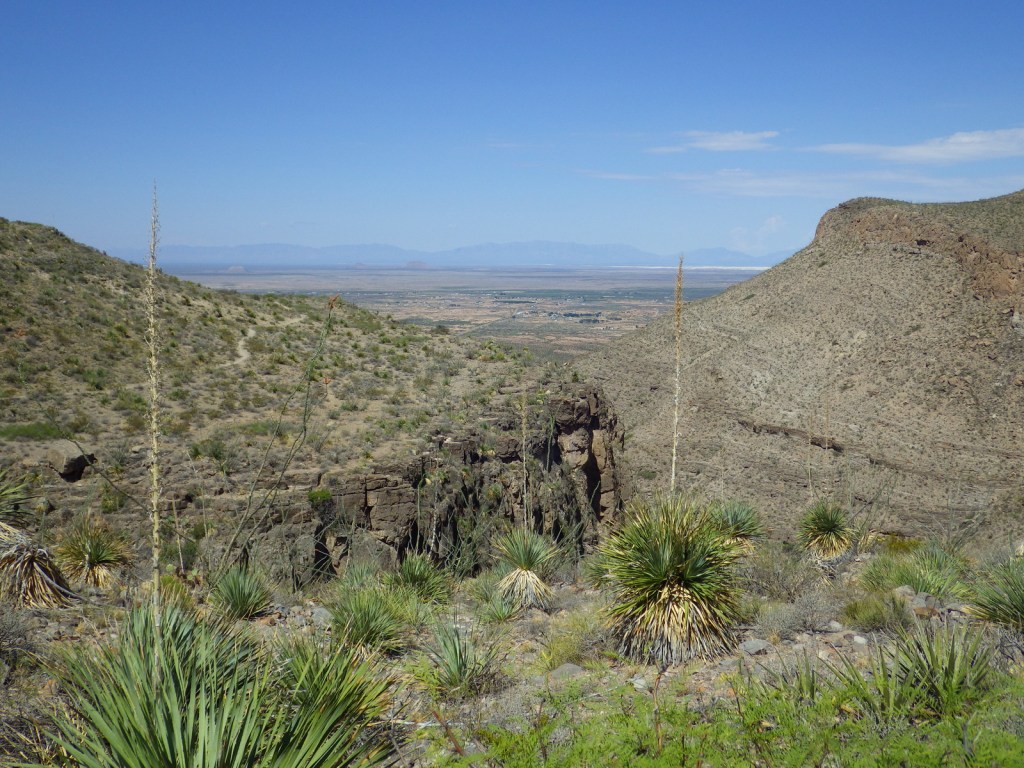
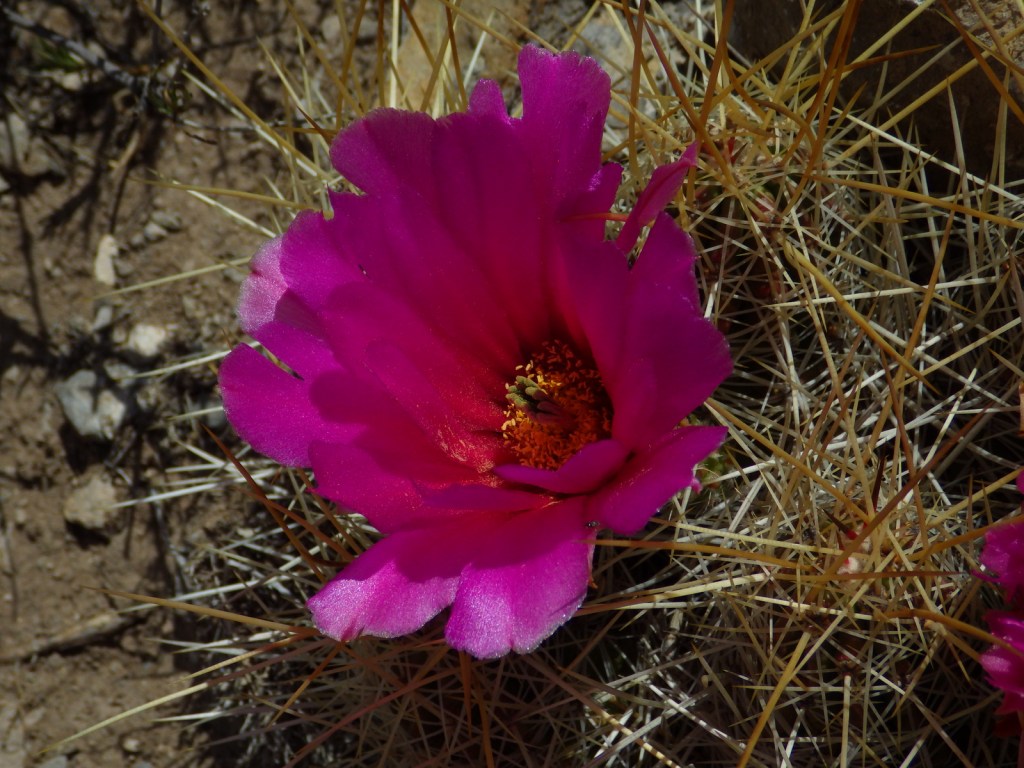
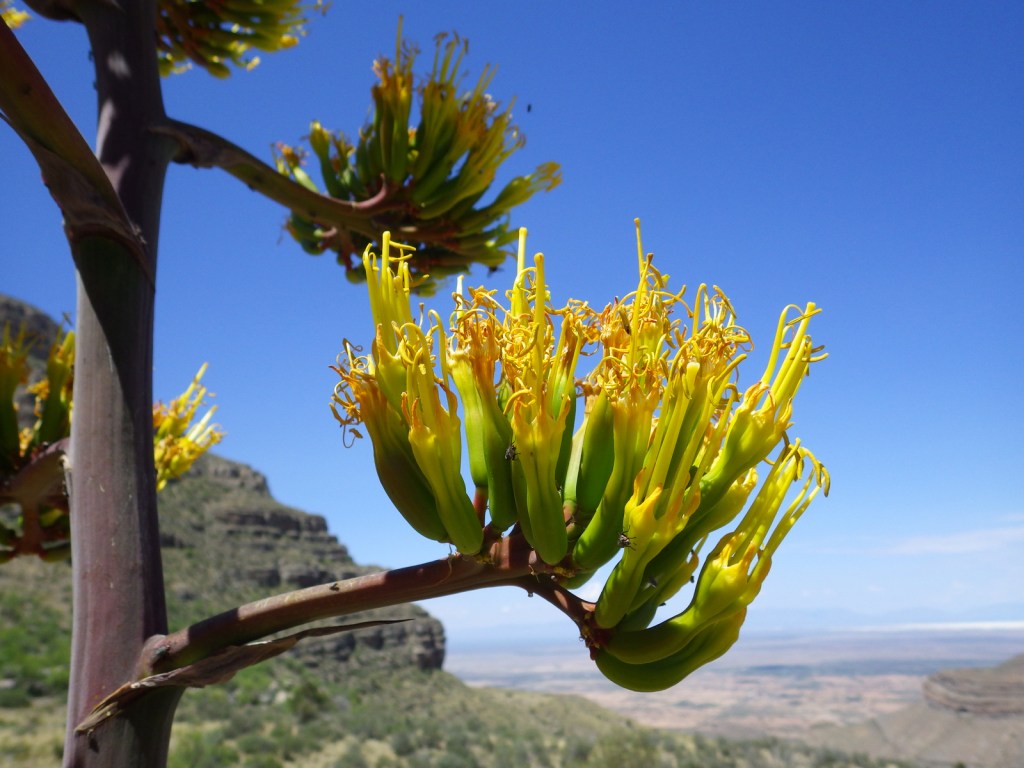
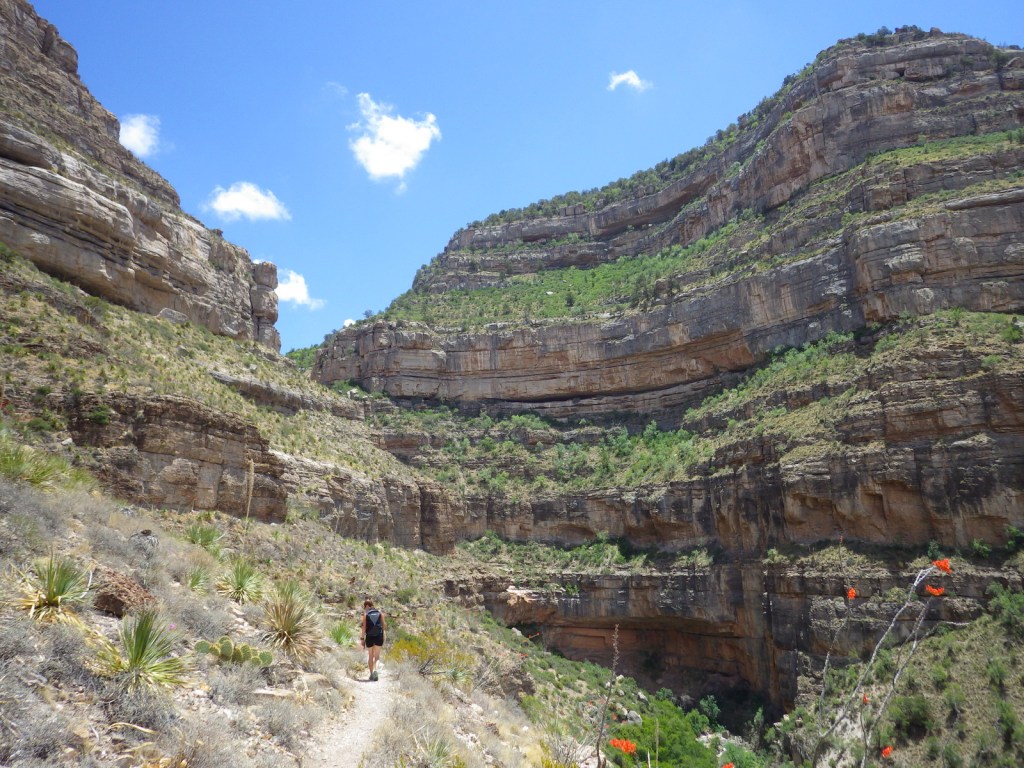
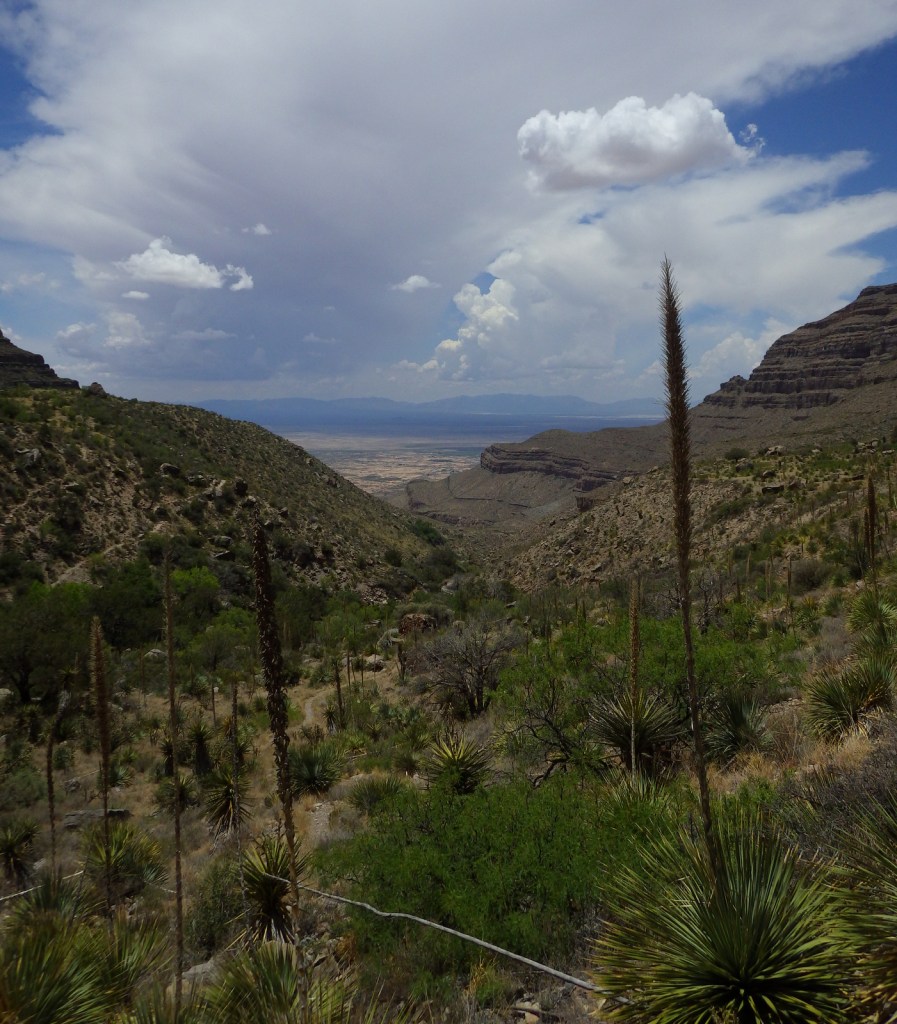
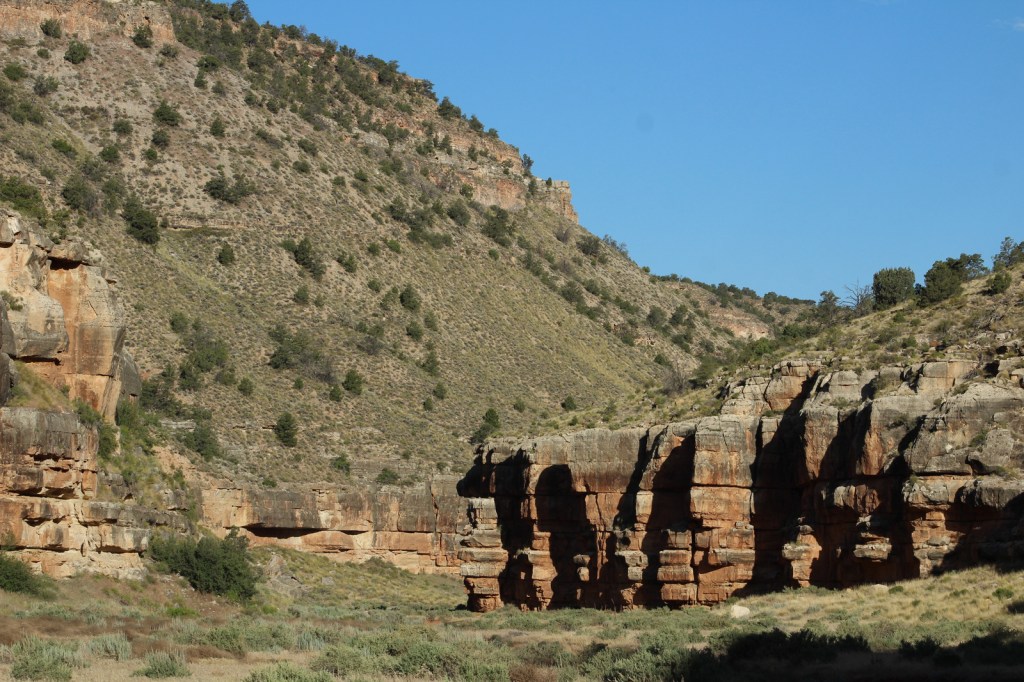
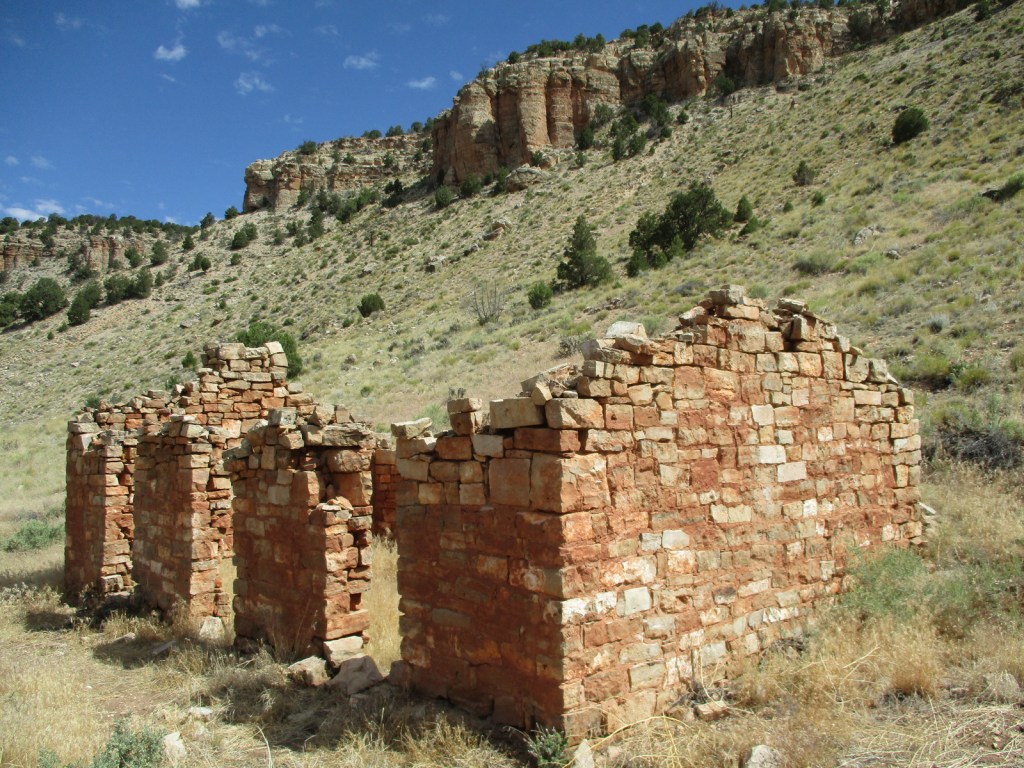
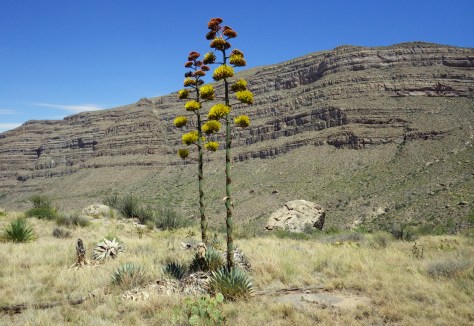
Dog Canyon National Recreation Trail follows a prehistoric travel route into the Sacramento Mountains east of White Sands National Park.  The trailhead starts in Oliver Lee Memorial State Park, which has a nice campground and charges a day use fee (though we have seen cars avoid this by parking just outside its entrance).  The 5.5-mile one-way trail climbs quickly above a beautiful canyon providing views of the Tularosa Basin before leveling out.  Past the cabin ruins at the three-mile point, look for fossils along the trail as it again steeply rises into the agave and cacti-studded mountains.  After gaining more than 3,000 feet in elevation, it dead ends at Forest Road 90B.

Watchable Wildlife

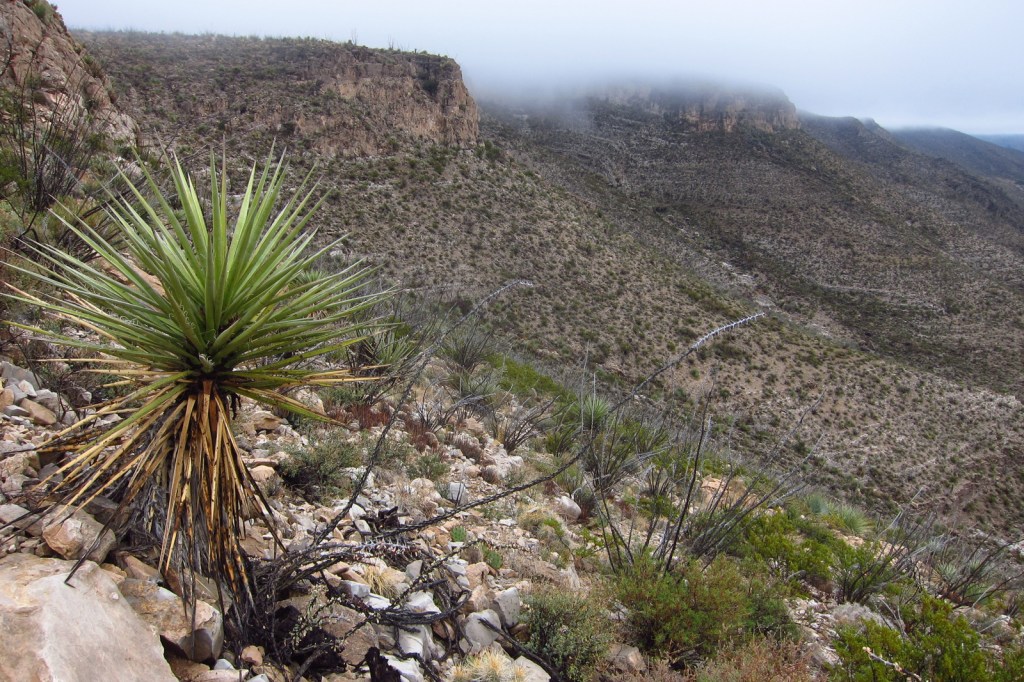
Ecosystems in the National Forest vary widely since it is spread across several mountain ranges and encompasses Chihuahuan Desert, pinyon-juniper woodlands, pine forests, and alpine meadows above 11,000 feet.  Game species include elk, mule deer, black bear, mountain lion, and exotic Barbary sheep.

Photographic Opportunity

Look for fossils in the rocks along Dog Canyon National Recreation Trail.

Peak Season

Spring and fall

Fees

None

Road Conditions

The Sunspot Scenic Byway and the road into Oliver Lee Memorial State Park are both paved and maintained, although the paved access road (137) through Lincoln National Forest to the north part of Guadalupe Mountains National Park has many potholes in it.  Be aware that there are also four-wheel-drive only roads to some trailheads.

Camping

There are a few developed campgrounds in the middle of the National Forest off Highway 82.  Although not all areas are open to dispersed camping, popular spots include Upper Bonito Dispersed Camping Area northwest of Ruidoso and Lower Karr Canyon south of Cloudcroft.

Wilderness Areas

Capitan Wilderness

White Mountain Wilderness

Related Sites

Cibola National Forest (New Mexico)

Salinas Pueblo Missions National Monument (New Mexico)

Gila National Forest (New Mexico)

Nearest National Park

Carlsbad Caverns

Conifer Tree Species

ponderosa pine, pinyon pine, limber pine, one-seed juniper, Engelmann spruce, Douglas-fir, white fir

Flowering Tree Species

New Mexico locust, quaking aspen, bigtooth maple, Rocky Mountain maple, mountain-mahogany, hophornbeam, Texas madrone

Explore More – What was the Lincoln County War of 1878?

Learn more about this and the 154 other National Forests in our new guidebook Out in the Woods
Baaj Nwaavjo I’tah Kukveni–Ancestral Footprints of the Grand Canyon National Monument

Baaj Nwaavjo I’tah Kukveni–Ancestral Footprints of the Grand Canyon National Monument

Arizona

Managed by U.S. Forest Service, Bureau of Land Management

Established 2023

917,618 acres

Website: https://www.blm.gov/national-conservation-lands/arizona/ancestral-footprints

Overview

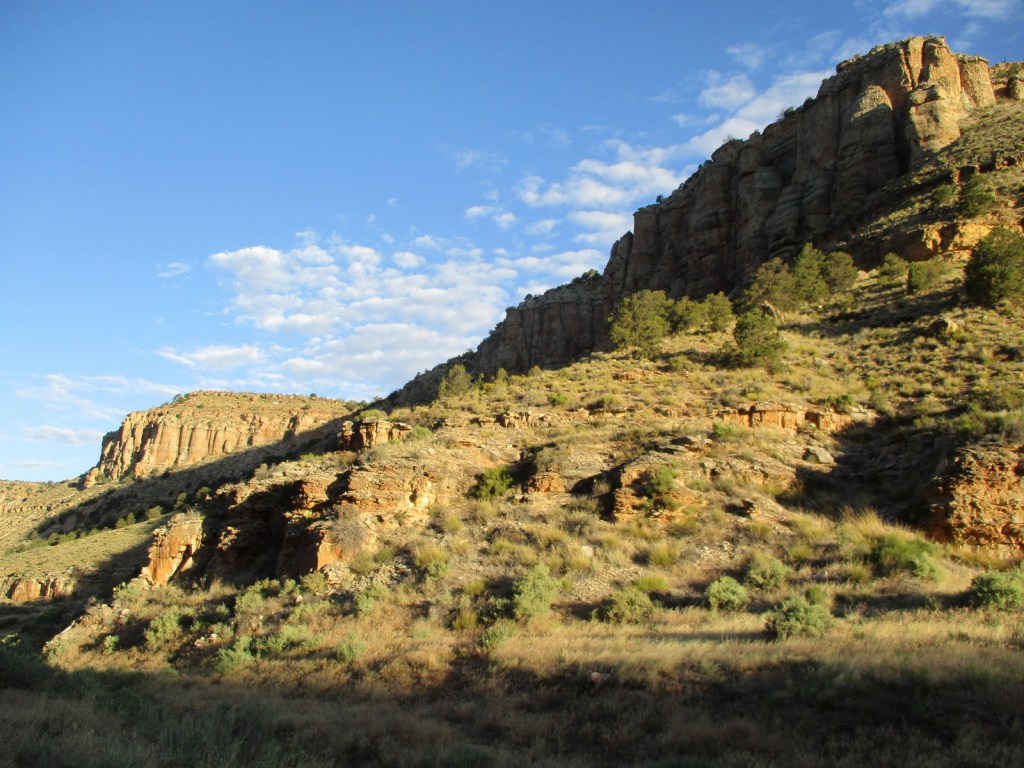
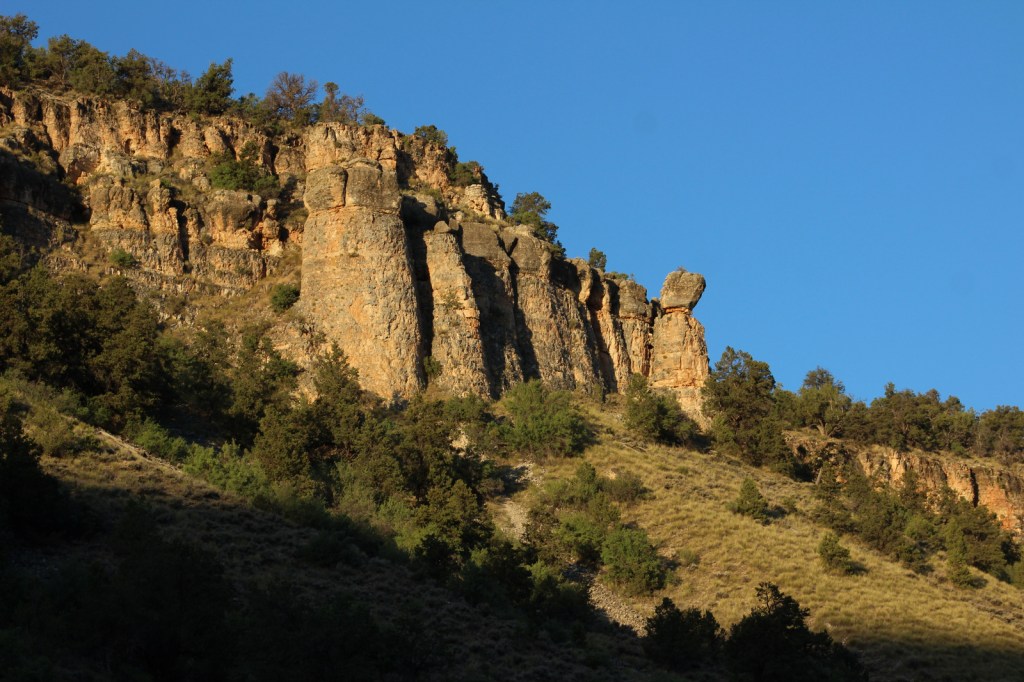
This new National Monument is situated on both the North and South Rim of the Grand Canyon, but outside the boundaries of Grand Canyon National Park.  It includes the entirety of the Tusayan District of Kaibab National Forest on the South Rim, as well as two sections east and west of the 9,000-foot Kaibab Plateau on the Arizona Strip.  Its name is derived from the Havasupai words Baaj Nwaavjo, which translate as “where indigenous peoples roam,” plus the Hopi term I’tah Kukveni, which means “our ancestral footprints.”  According to the Bureau of Land Management (BLM) website it is pronounced “Baahj-Nuh-Waahv-Joh, Ee-Tah-Kook-Venny.”  The National Monument was created primarily to prevent future uranium mining claims in this area and further protect evidence of thousands of years of human habitation (see Best Trail).
Learn more about the other 137 National Monuments in our book Monumental America: Your Guide to All 138 National Monuments. It is now available for sale on Amazon.com.

Highlights

Red Butte, Hull Cabin, Apex Logging Camp, Grand Canyon Airport Historic District, Marble Canyon, Snake Gulch, Arizona National Scenic Trail

Must-Do Activity

Red Butte is located just east of paved Highway 64/180 on the way to Grand Canyon National Park’s South Rim.  A short 3.3-mile out-and-back trail with 912 feet of elevation gain is found at this geological formation sacred to the Havasupai, Hualapai, Navajo, Hopi, and Zuni people.  Also in this area, Hull Cabin dates back to 1889 and Apex Logging Camp was situated along the Grand Canyon Railroad between 1928 and 1936 (although not much remains other than the foundation of a one-room schoolhouse).  The Arizona National Scenic Trail runs through this part of Kaibab National Forest before entering the Grand Canyon and crossing the Kaibab Plateau.

Best Trail

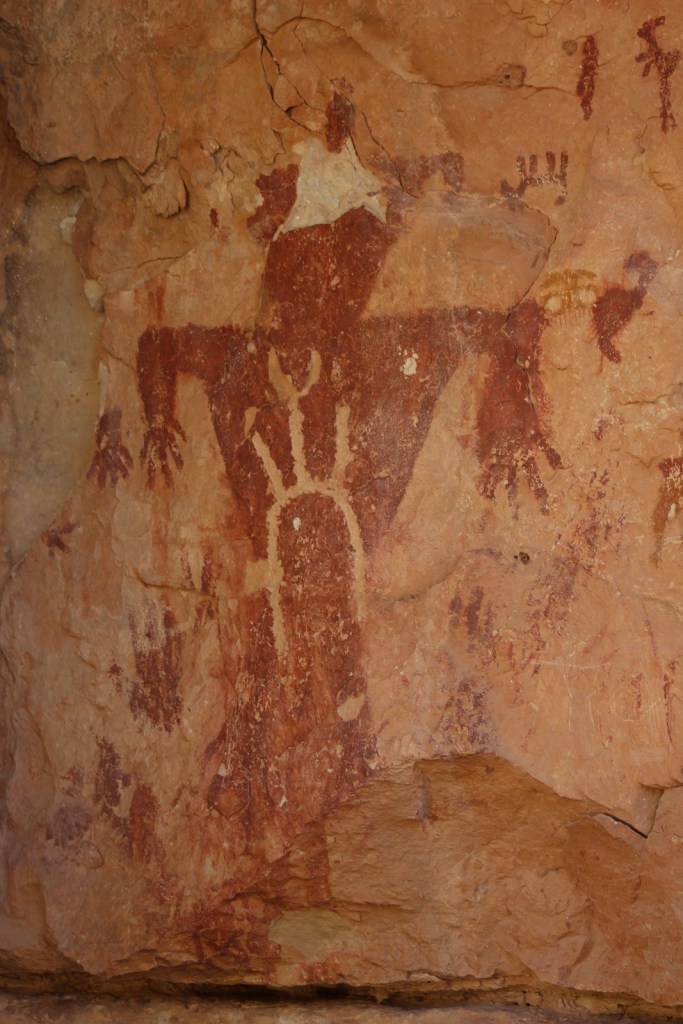
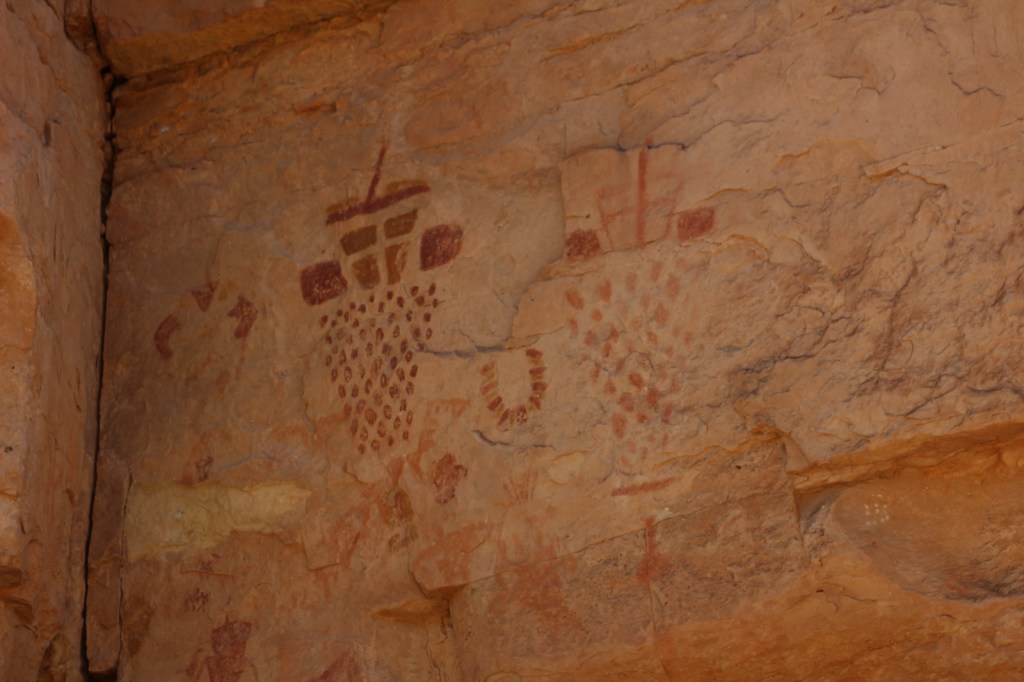
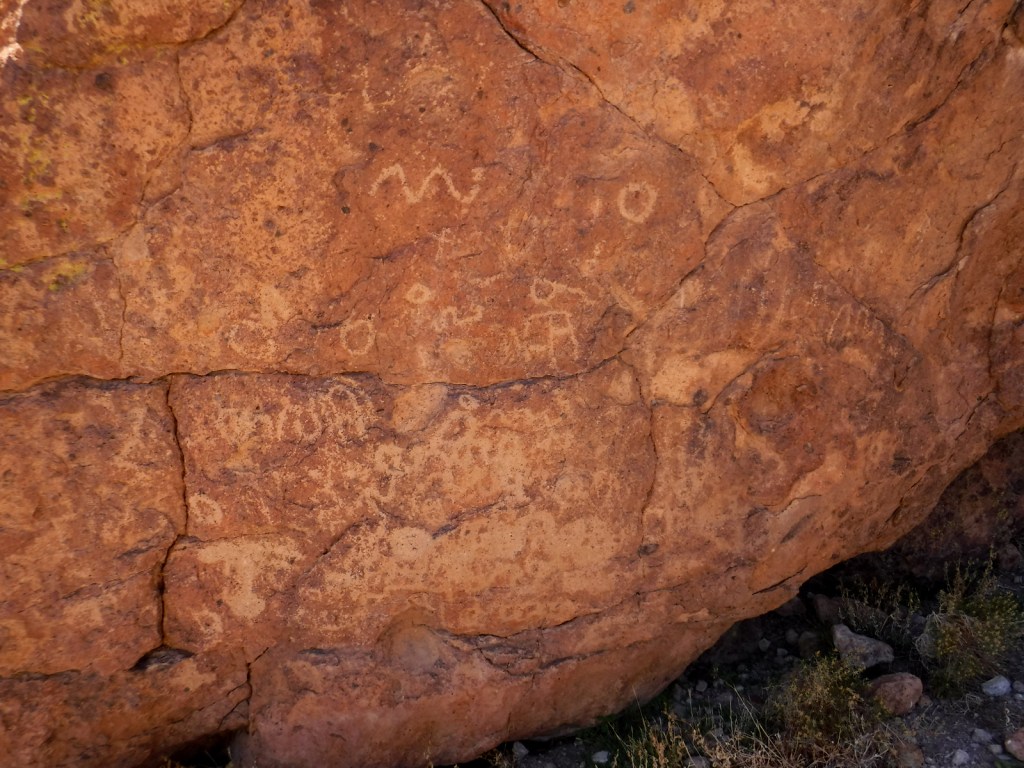
Snake Gulch-Kanab Creek Trail #59 starts at the end of unpaved Forest Road 642 (about five miles from the end of pavement on Forest Highway 22).  It soon passes an old homestead and turns left to enter the canyon, part of the extensive Kanab Creek Wilderness (and within the National Monument boundary).  The first pictographs can be seen about 2.5 miles in and from then on consistently on the north side of the canyon.  The images are primarily done in red paint from the Basketmaker People who resided in this region from 300 BCE to AD 800.  We hiked in seven miles then turned around as it started to get really hot in late June, but the trail through the canyon continues 21 miles to where it connects with Ranger Trail #41.  Our favorite pictographs were located about four miles in, which would make a good turnaround point for a day hike.

Instagram-worthy Photo

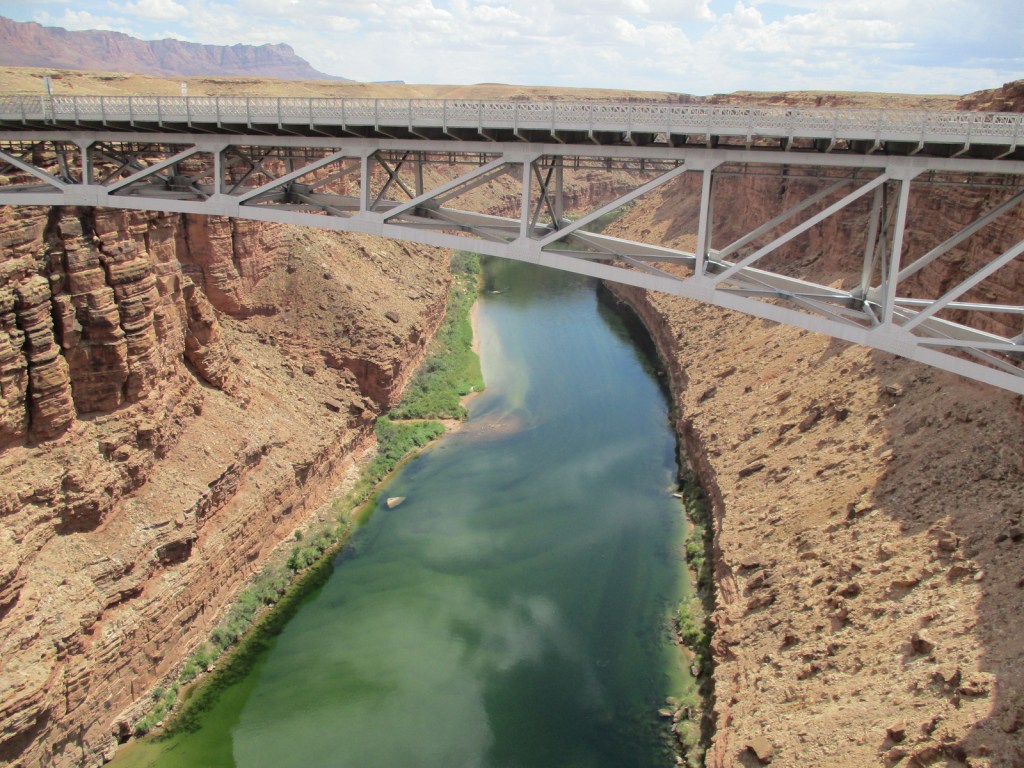
Stop at the historic Navajo Bridge that crosses the Colorado River at Marble Canyon where four public lands meet: Grand Canyon National Park, Glen Canyon National Recreation Area, Vermilion Cliffs National Monument, and Baaj Nwaavjo I’tah Kukveni-Ancestral Footprints of the Grand Canyon National Monument.

Peak Season

Spring and fall, as summer can be very hot

Hours

Navajo Bridge Visitor Center (National Park Service)

https://www.nps.gov/glca/planyourvisit/visitorcenters.htm

Fees

None

Road Conditions

There are many unpaved and four-wheel-drive-only roads spread across this area, but Highway 64/180 to the South Rim is paved.  High clearance is recommended to access Snake Gulch-Kanab Creek Trailhead.  Highway 67 and most Forest Roads on the Kaibab Plateau are closed in winter due to heavy snowfall.

Camping

There are good, dispersed camping options throughout Kaibab National Forest, including along the dirt roads just outside the east entrance of Grand Canyon National Park’s South Rim before entering the Navajo Nation.

Related Sites

Glen Canyon National Recreation Area (Arizona-Utah)

Vermilion Cliffs National Monument (Arizona)

Grand Canyon-Parashant National Monument (Arizona)

Pipe Spring National Monument (Arizona)

Explore More – When were beefalo (bison and cattle mix) introduced to the House Rock Valley area west of Marble Canyon (and now found roaming inside Grand Canyon National Park and Kaibab National Forest)?

Learn more about the other 137 National Monuments in our book Monumental America: Your Guide to All 138 National Monuments

Steamtown National Historic Site

Overview

In downtown Scranton, Pennsylvania, 52 acres have been turned into a dreamscape for railroad enthusiasts by the National Park Service (NPS).  Specifically, the site is dedicated to steam engines, which truly got started in 1830 with the South Carolina Railroad and lasted more than century before being fully replaced by diesel locomotives.  A unique opportunity at this park is the chance to take one of several steam train excursions (additional fee) that leave from the site.

Highlights

Museum, film, turntable, tours, steam train excursions

Must-Do Activity

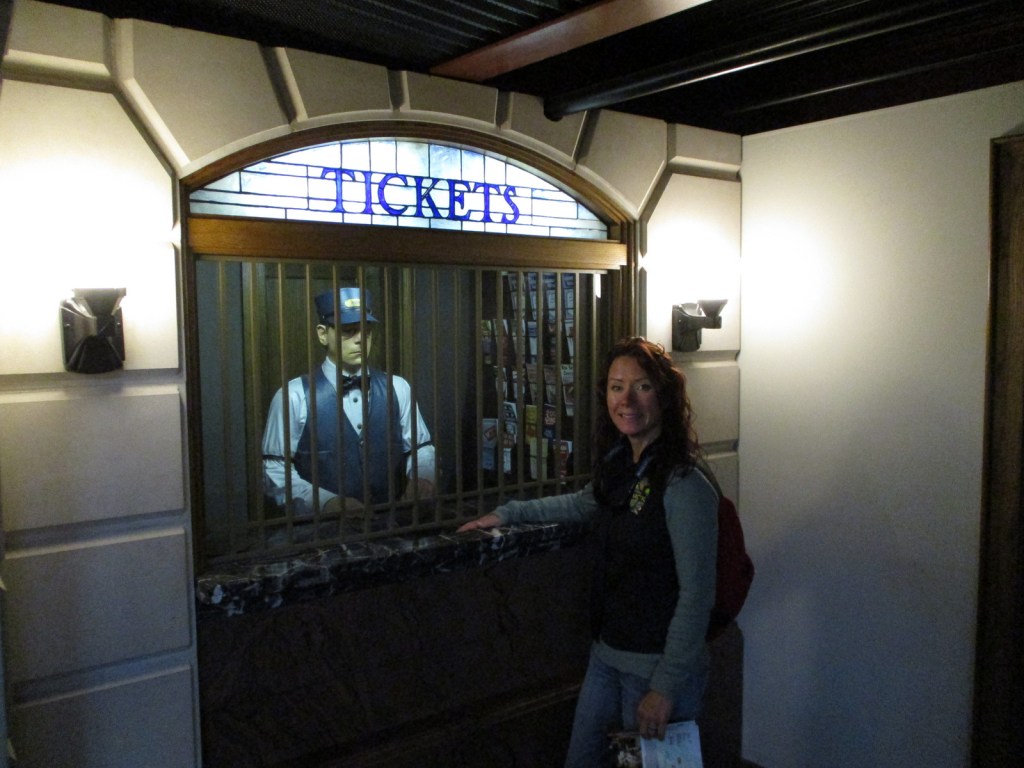
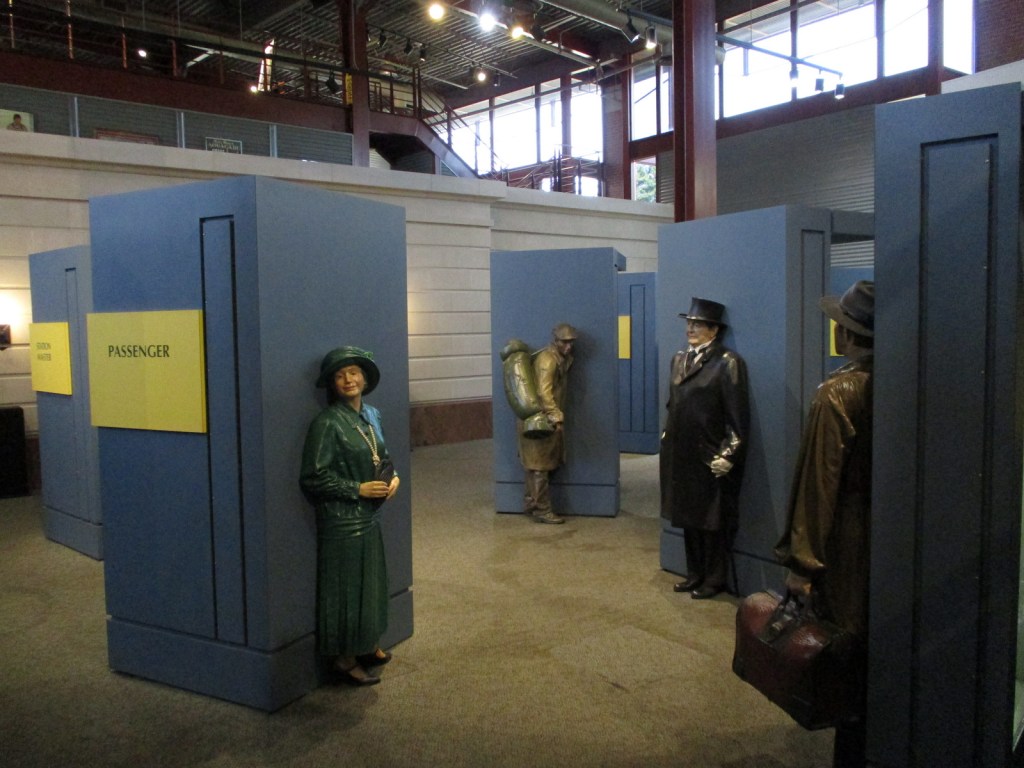
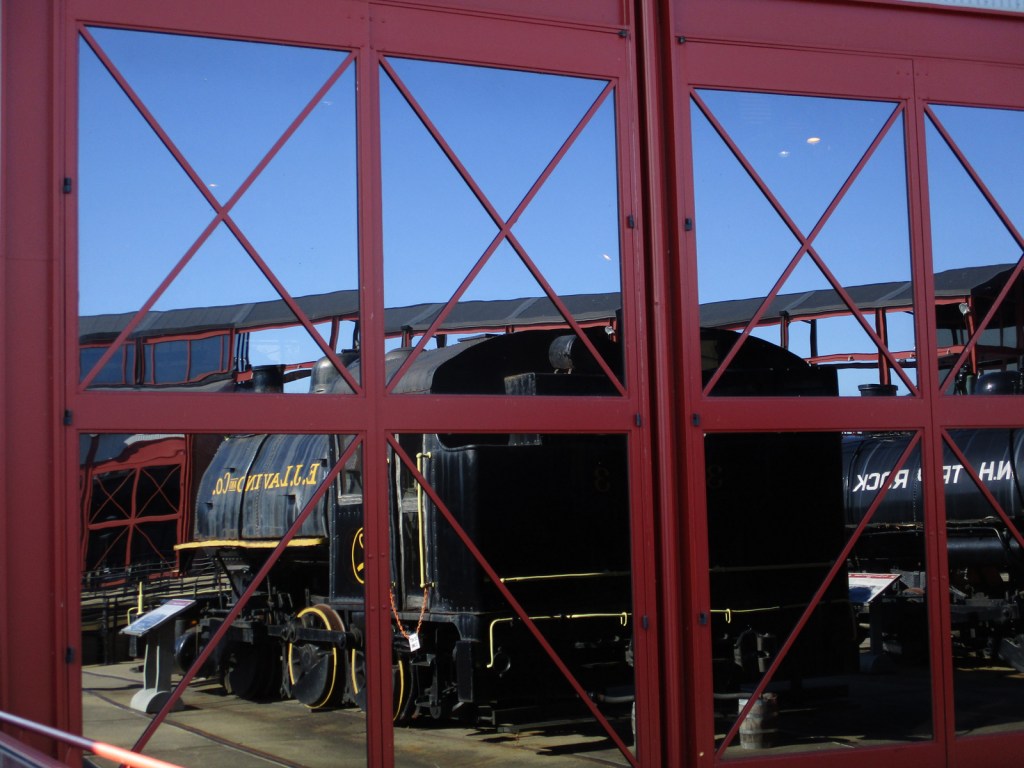
Steamtown National Historic Site is located on the grounds of the Delaware, Lackawanna & Western Railroad, which relied on the region’s cleaner-burning anthracite coal.  The park includes a theater, multiple museums, a 90-foot-diameter operating turntable, restoration shops, locomotives, and a collection of railroad cars.  A highlight is one of the few Union Pacific “Big Boys” built to haul freight trains through the mountains of Utah and Wyoming.  Guided tours are included with your admission fee, although there is enough to read and watch in the extensive museums to keep you busy all day long.

Best Trail

There is no trail, but you will get your daily steps if you tour the entire facility.

Instagram-worthy Photo

The turntable is surrounded on one half by the glass-fronted NPS visitor center and history museum, which makes for some cool photographs.

Peak Season

Summer

Hours

https://www.nps.gov/stea/planyourvisit/hours.htm

Fees

None

Road Conditions

All roads are paved and ample parking is available.

Camping

See our blog post on Delaware Water Gap National Recreation Area for a list of State Parks and State Forests with campgrounds in the area.

Related Sites

Allegheny Portage Railroad National Historic Site (Pennsylvania)

Upper Delaware Scenic and Recreational River (New York-Pennsylvania)

Cuyahoga Valley National Park (Ohio)

Explore More – What year was the park’s oldest locomotive built for the Chicago Union Transfer Railroad Company?

Mojave National Preserve

Overview

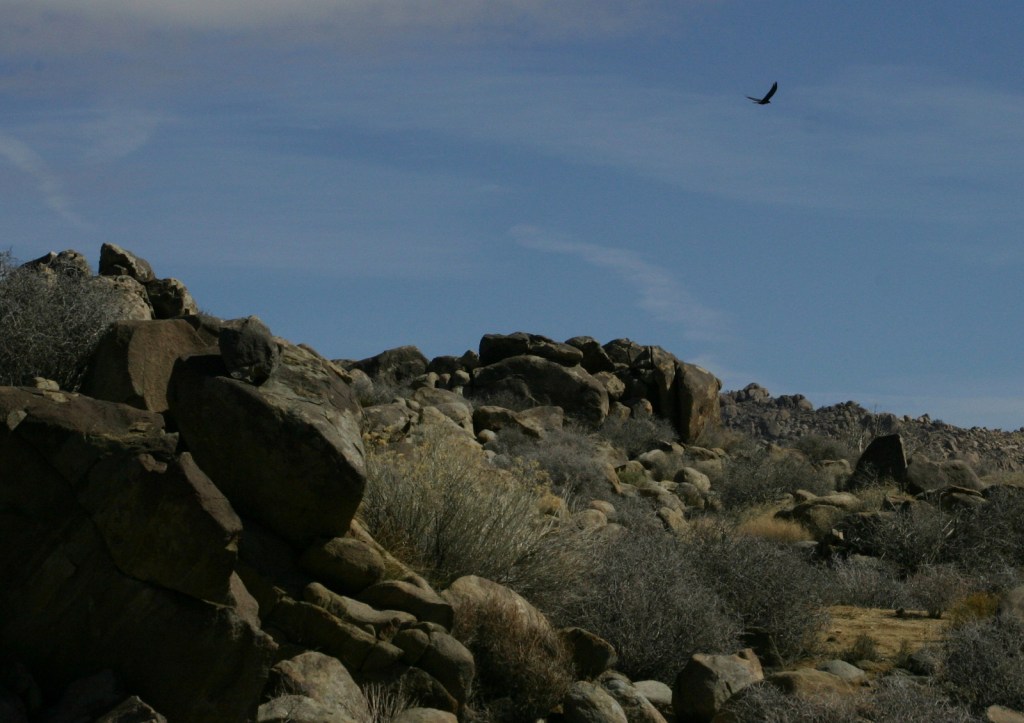
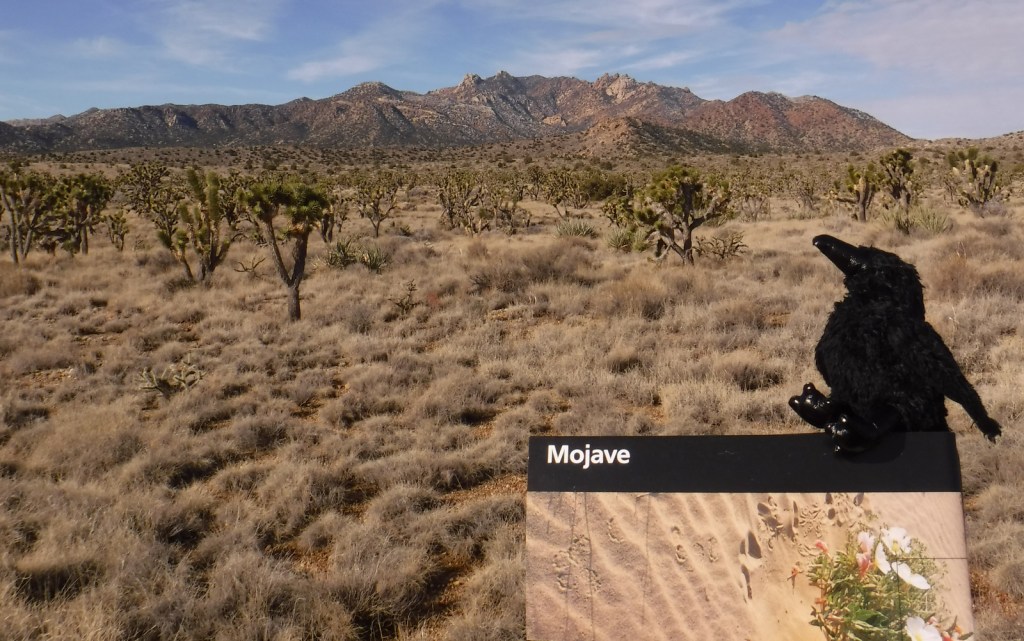
Mojave National Preserve is a massive 1.6-million acres of desert bounded by Interstate 15 to the north and Interstate 40 to the south.  Passed by millions of commuters every year, it does not take many miles of driving to leave behind the bustling freeways for a quiet landscape.  Species diversity is high here given its elevation range from 800 to 7,929 feet and its place at the intersection of three deserts: the Mojave, Great Basin, and Sonoran.  Watch for desert tortoises, Mojave rattlesnakes, roadrunners, ravens, kangaroo rats, mountain lions, mule deer, and some of the 1,000 bighorn sheep that reside in the preserve.

Highlights

Kelso Depot, film, Kelso Dunes, Hole-in-the-Wall Nature Trail, Rings Loop Trail

Must-Do Activity

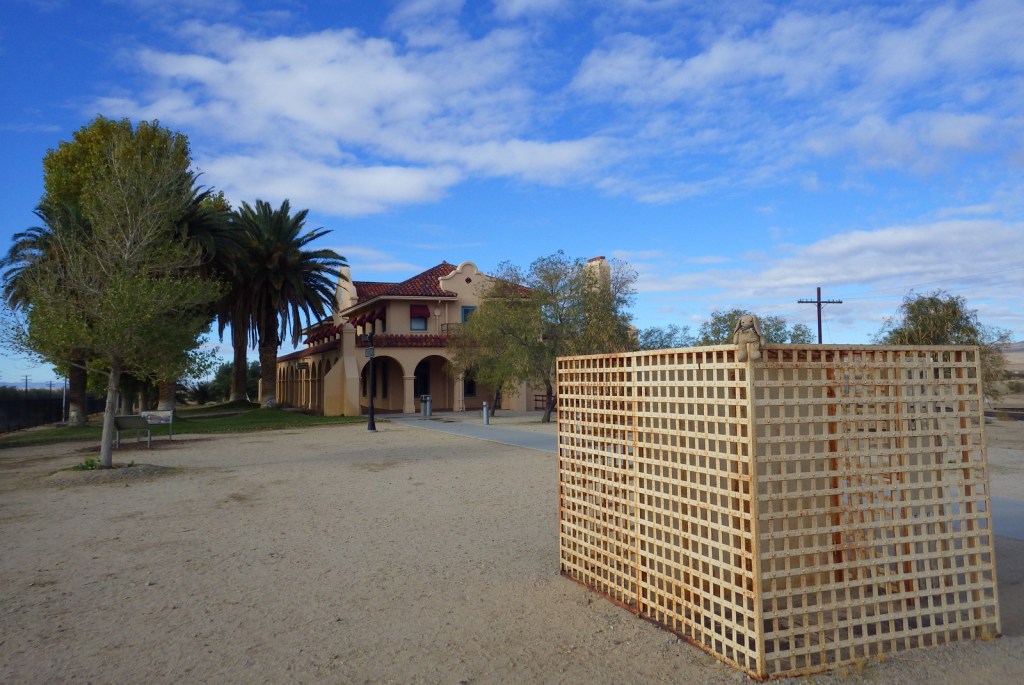
If you are driving on I-15 between California and Nevada consider entering the preserve via the Cima Road exit, with a first stop at its gas station’s interesting waterfall urinal in the men’s restroom.   From there drive south on a paved road into a dense Joshua tree forest on the gently sloping flanks of the enormous Cima Dome (an extinct volcano) and then stop at Kelso Depot where the National Park Service (NPS) operates a visitor center and museum.  From there you can continue south to the beautiful Kelso Dunes or take the paved Kelbaker Road back to Interstate 15 at Baker, home of the world’s tallest thermometer.

Best Trail

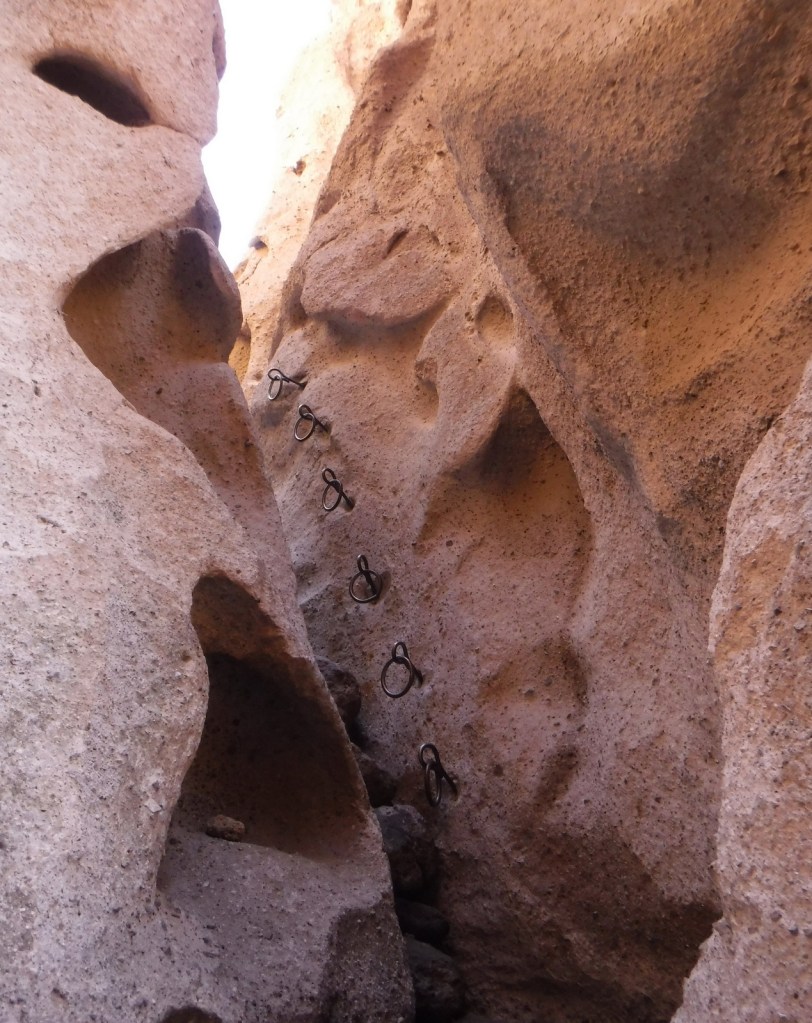
The one-mile Rings Loop Trail has metal rings cemented into its canyon walls in some places to help you ascend and descend steep portions.  Hole-in-the-Wall Nature Trail and the six-mile Barber Peak Loop Trail are also found in this area near the NPS campgrounds.

Instagram-worthy Photo

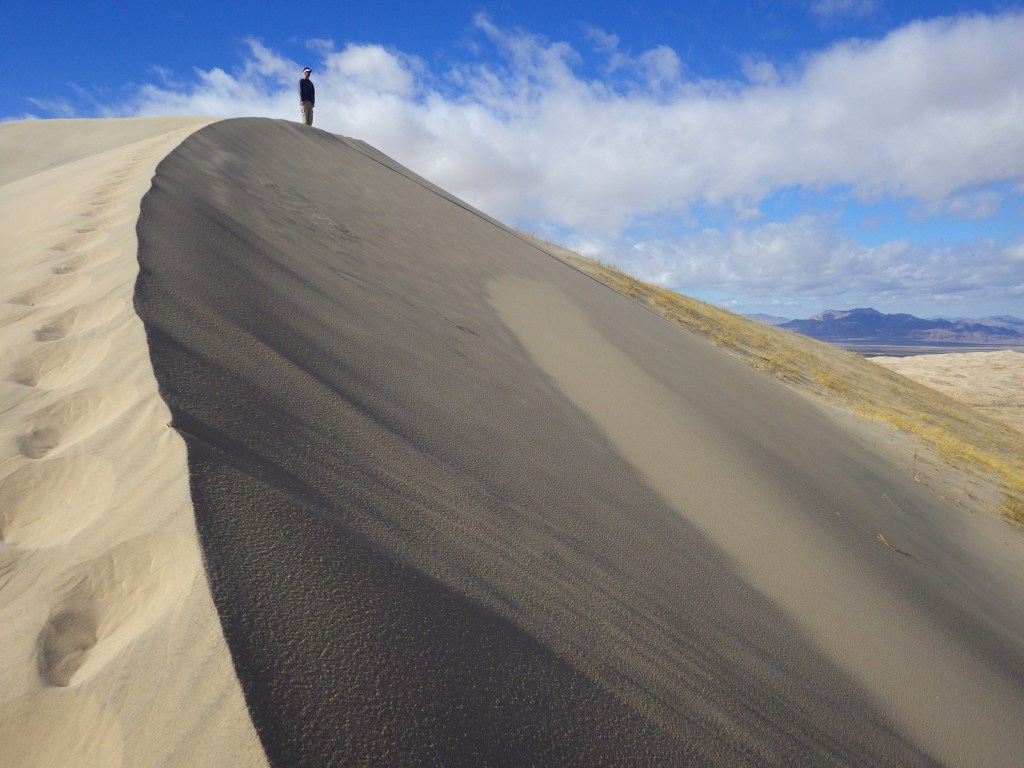
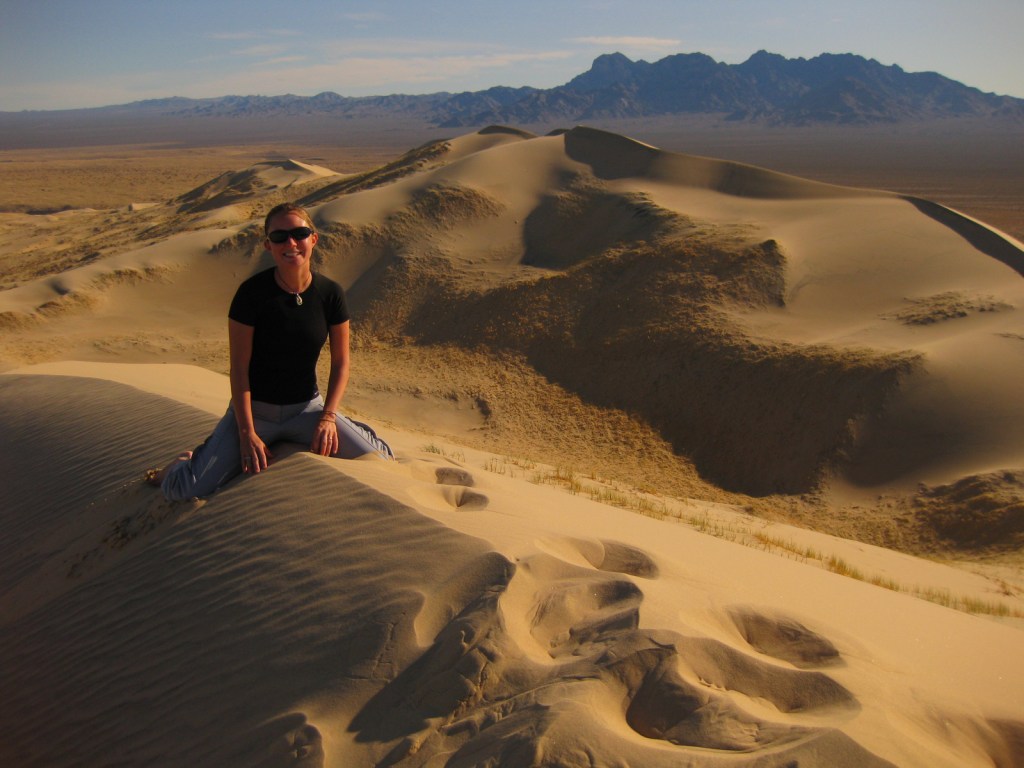
We love sand dunes (see our Top 10 list) and one of our favorites is the nearly 700-foot tall Kelso Dunes, which create a booming sound when the sand shifts and moisture conditions are right.

Peak Season

Spring and fall

Hours

https://www.nps.gov/moja/planyourvisit/hours.htm

Fees

None

Road Conditions

The main roads are paved, however, most of the 1,000 miles of roads are unpaved and some of them require a high-clearance vehicle, especially if you want to access neighboring Castle Mountains National Monument.

Camping

Dispersed camping is allowed throughout most of the preserve, but there are also NPS campgrounds around the Hole-in-the-Wall Ranger Station.

Related Sites

Castle Mountains National Monument (California)

Joshua Tree National Park (California)

Death Valley National Park (California)

Explore More – How many acres of Wilderness are designated within Mojave National Preserve?

Allegheny Portage Railroad National Historic Site

Overview

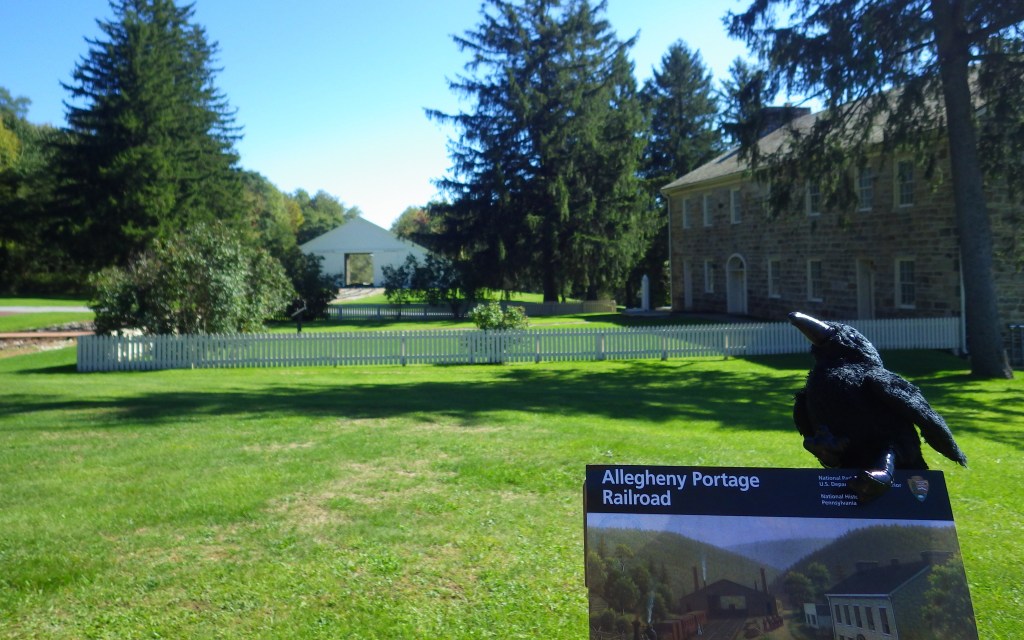
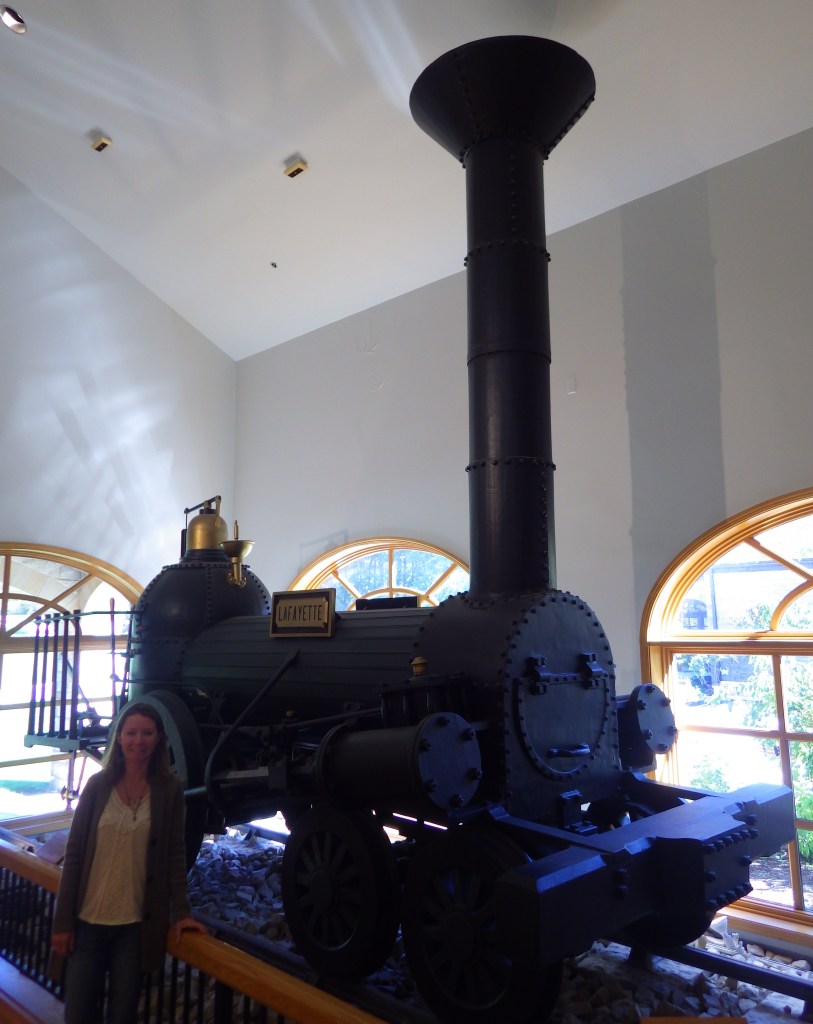
Rather than blast a canal through the mountains, this unique railroad carried sectioned canal boats 36 miles up and over the Alleghenies on a series of 10 inclined planes run by stationary steam engines.  It only ran between 1834 and 1854 before becoming obsolete when the Pennsylvania Railroad provided continuous service to the Ohio River Valley.

Highlights

Museum, film, Engine House 6, Lemon House, Skew Arch Bridge

Must-Do Activity

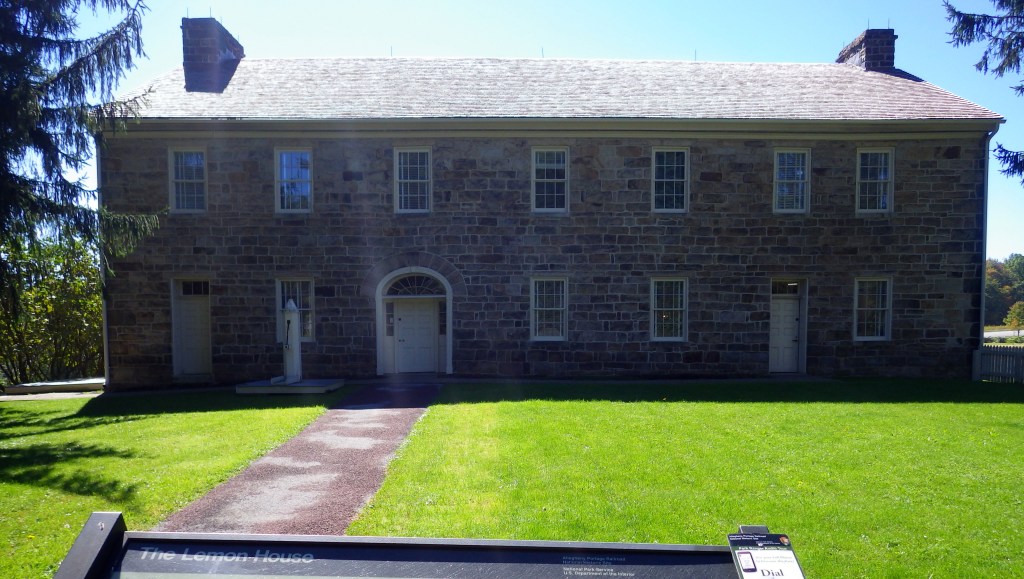
After watching the film in the visitor center, follow the boardwalk through a stone quarry to Engine House 6 Exhibit Building to see a life-sized model of a stationary steam engine and its cable system.  Continue on to Lemon House on Cresson Summit, built around 1832 to serve as a home and tavern. 

Best Trail

From the Engine House 6 Exhibit Building, you can walk a trail through the forest or the mowed incline less than half a mile down to Skew Arch Bridge, or you can drive there.

Instagram-worthy Photo

Skew Arch Bridge was the only road bridge purposely built along the portage.  The “skew” comes in because in 1833 the bridge design was changed to accommodate a bend in the Huntington, Cambria, and Indiana Turnpike Road.  The arch is 22 feet tall and demonstrates the excellence of stone masonry at the time as it was built without mortar.

Peak Season

Summer

Hours

https://www.nps.gov/alpo/planyourvisit/hours.htm

Fees

None

Road Conditions

All roads paved

Camping

Prince Gallitzin State Park offers a campground with showers 20 miles northwest of Altoona, Pennsylvania.

Explore More – What is Staple Bend Tunnel famous for being the first example of with railroads in the United States?