Tag Archives: ocean

Castillo de San Marcos National Monument

Overview

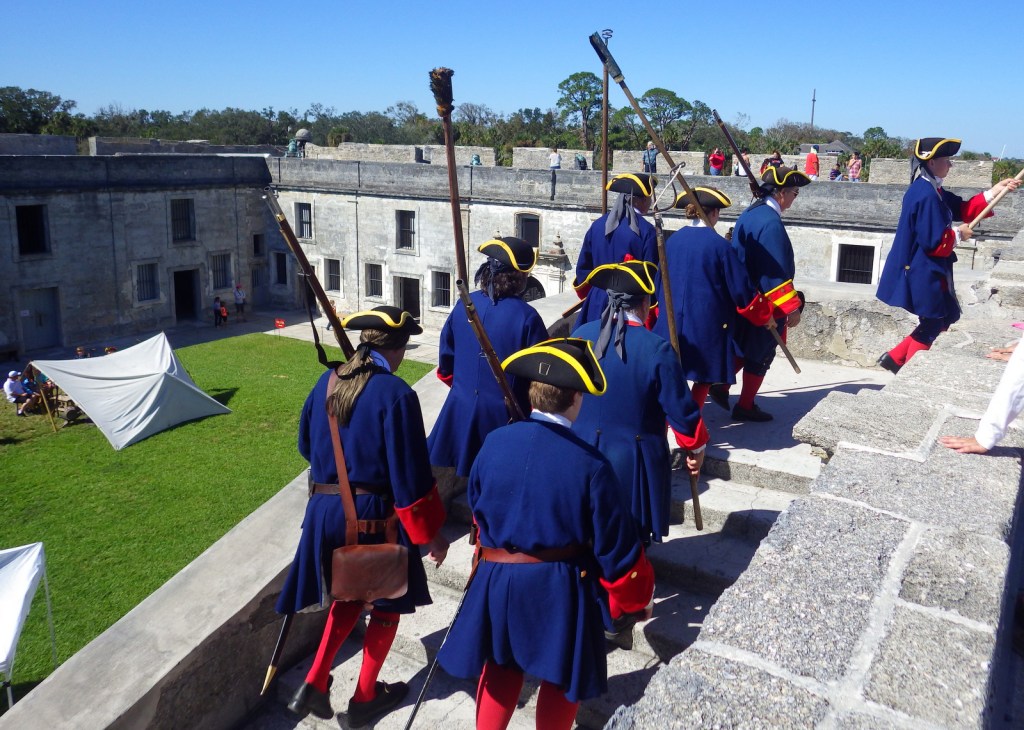
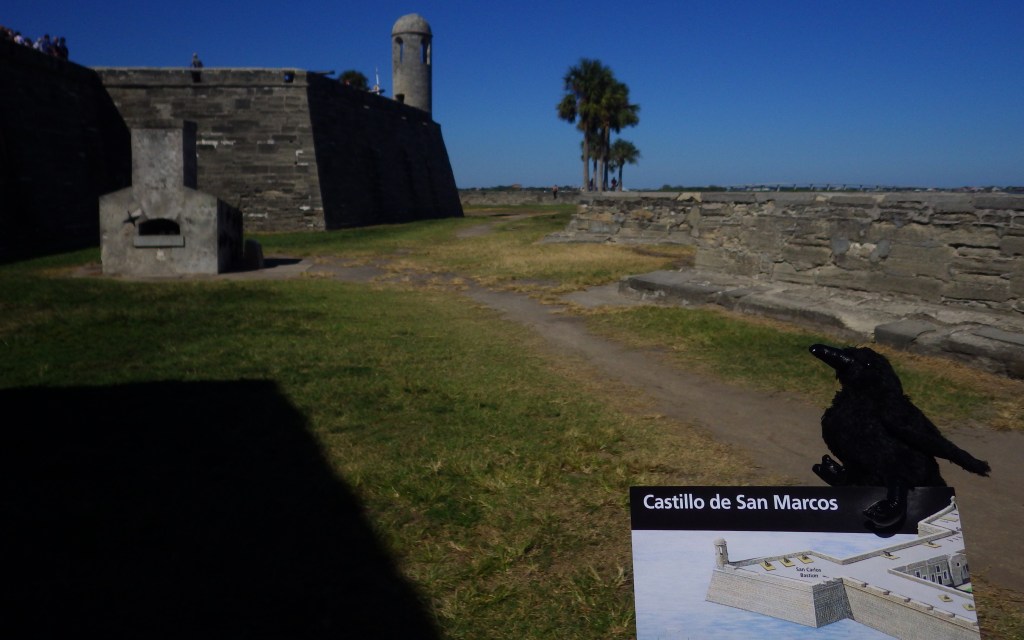
Established in 1565, St. Augustine, Florida is the oldest permanent European settlement in the continental U.S.  Its centerpiece is Castillo de San Marcos National Monument, a four-sided stone fort dating back to 1672.  In 1702, the British army unsuccessfully besieged the Spanish fort for 50 days, but before they left they burned the entire city.  This explains why the oldest house in St. Augustine dates to this time period and why this charming coastal village is still laid out on a grid of narrow streets, as it was one of the first master-planned communities in America.
Highlights

Historic fort, museum, cannon demonstrations

Must-Do Activity

The National Park Service (NPS) charges an admission fee to enter the fort, but you can watch the cannon-firing demonstrations atop its corner bastion for free from outside.  Costumed reenactors shout orders in Spanish before firing the big cannon.  There is only one entrance to the Castillo de San Marcos across a wide moat.  Your entrance fee also allows you to explore the powder magazines and interpretive displays inside the fort’s walls.

Best Trail

None

Instagram-worthy Photo

The Castillo was renamed Fort Marion by the U.S. military in 1825, when the final changes were made to the coquina structure.  In 1924 it was named a National Monument along with nearby Fort Matanzas.

Peak Season

Winter

Hours

https://www.nps.gov/casa/planyourvisit/hours.htm

Fees

$15 per person or America the Beautiful pass

Road Conditions

Roads are paved, but there is limited pay parking at the fort, which is especially an issue on busy weekends.

Camping

Anastasia State Park is located just south of St. Augustine, Florida with access to a nice beach.

Related Sites

Fort Caroline National Memorial (Florida)

Fort Matanzas National Monument (Florida)

Dry Tortugas National Park (Florida)

Explore More – Which nation controlled the fort during the American Revolution until its conclusion in 1783 (Hint: It was called Fort St. Mark at the time)?
Point Reyes National Seashore

Overview

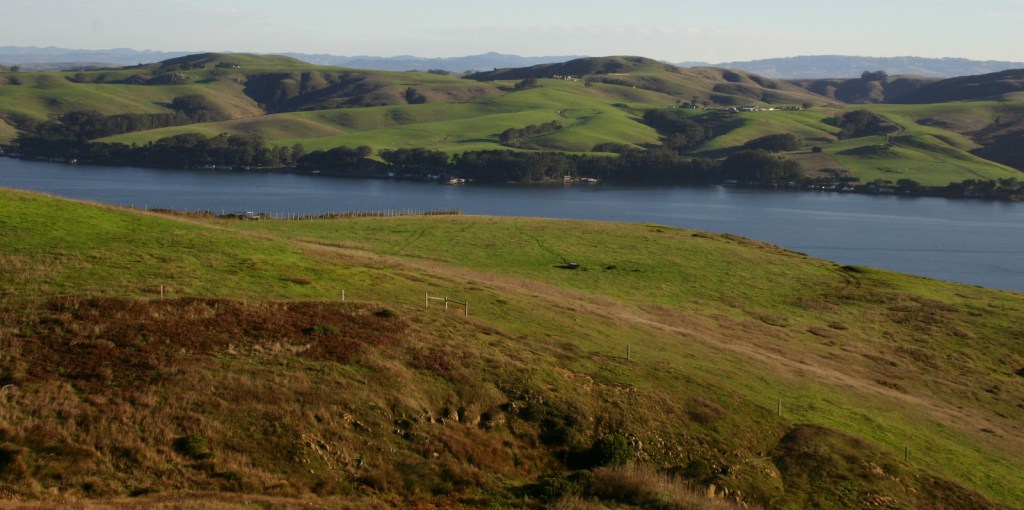
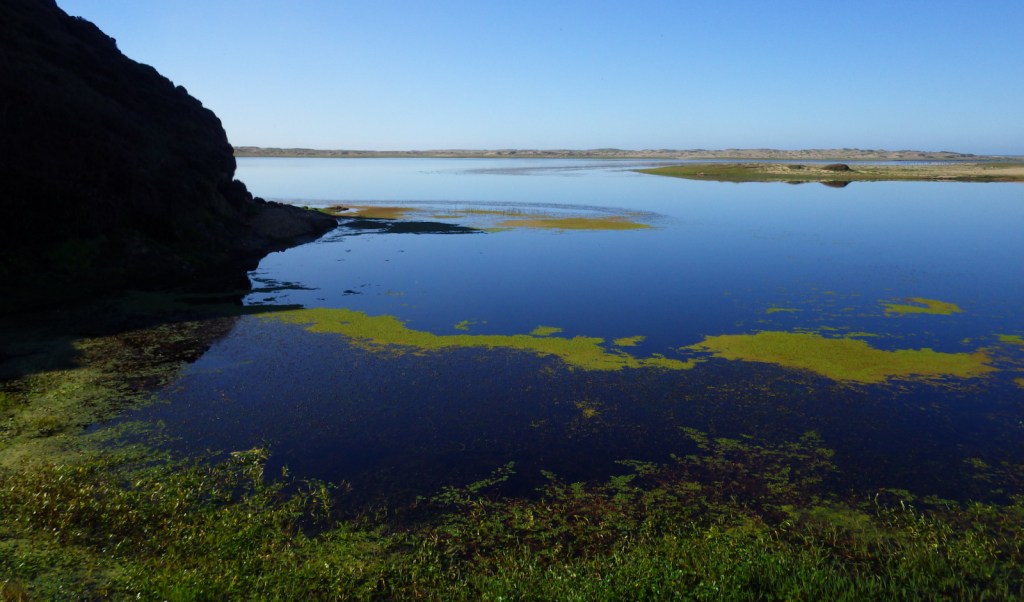
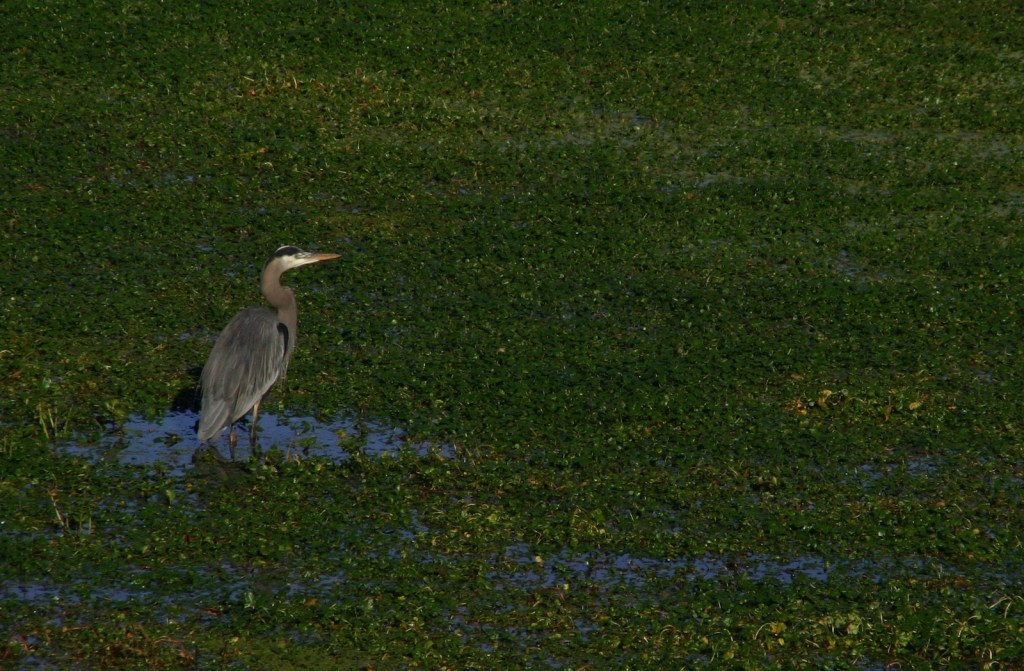
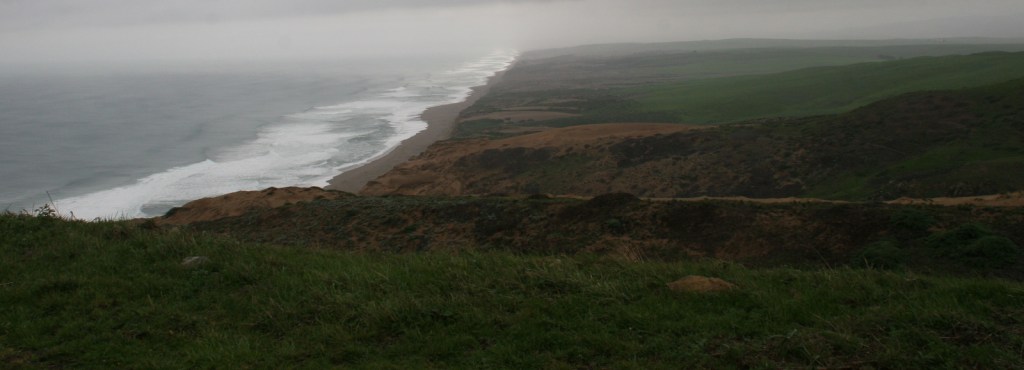
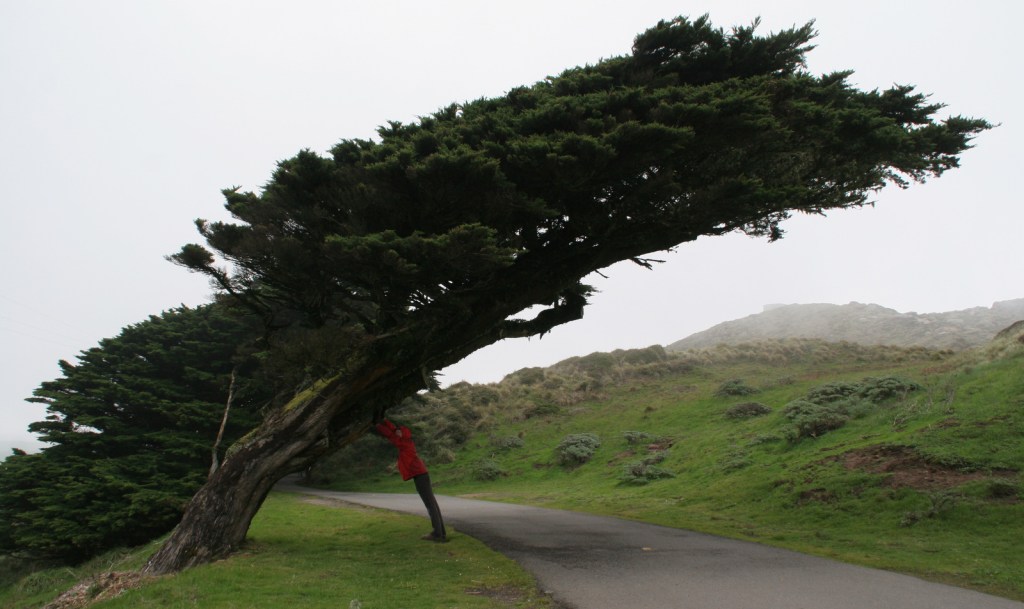
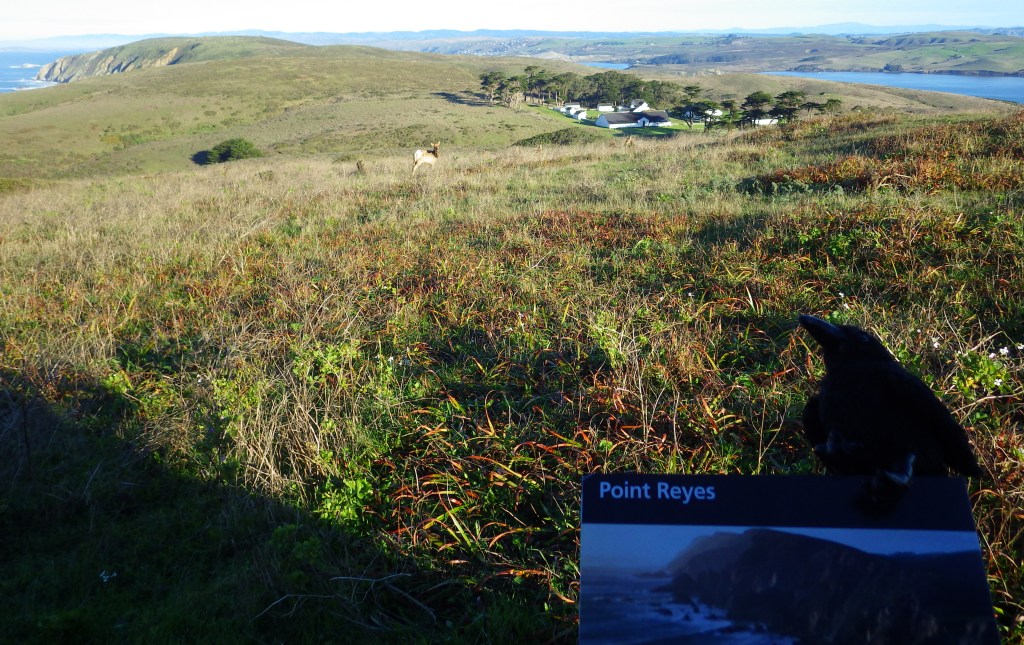
North of San Francisco, California, Point Reyes National Seashore is the only park so designated on the Pacific Coast of the U.S.  Be prepared to get wet as this piece of land located on the San Andreas Fault is frequently enveloped by a fog belt year round.  It might not be the best spot to sunbathe on the beach, but this unique seashore is a great place to watch wildlife.

Highlights

Point Reyes Lighthouse, beaches, Arch Rock, Historic Pierce Point Ranch, Tomales Bay

Must-Do Activity

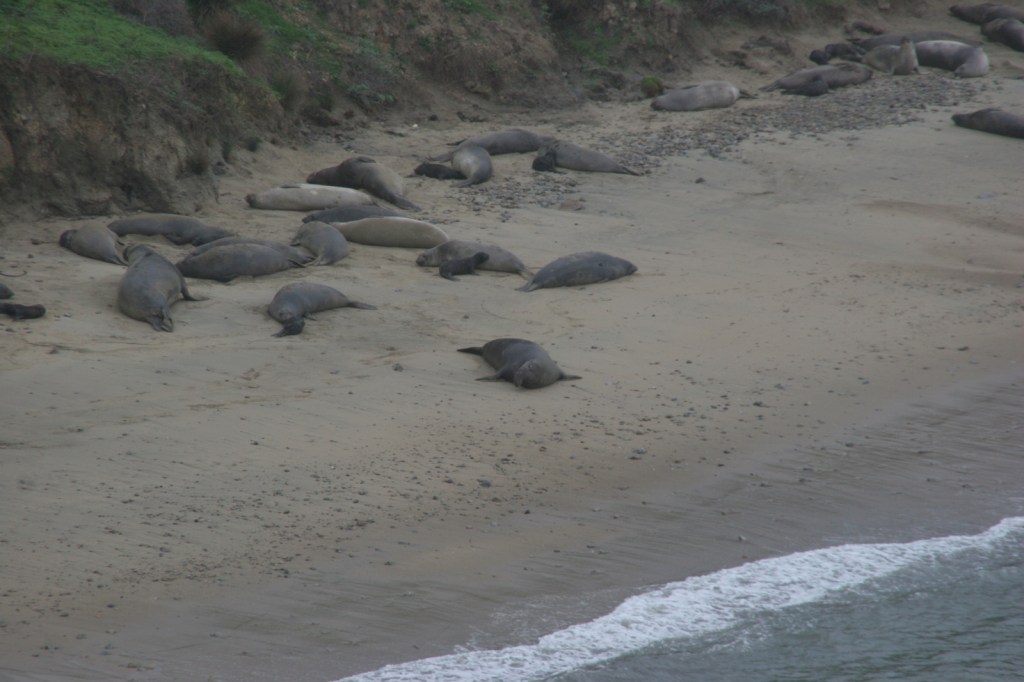
The main attraction is the Point Reyes Lighthouse, where you can try to spot sea lions and gray whales on their winter migration.  It is 300 steps down to the historic lighthouse, then you have to turn around and climb back up.  Nearby Drakes Beach is off limits in the winter months when elephant seals gather there and you can watch (and listen to) them from an overlook.  The park is popular with road and mountain bikers, and well-protected Tomales Bay attracts kayakers.

Best Trail

An extensive trail system with backcountry campsites (including two near the beach) is best accessed from the Bear Valley Visitor Center.  Plus, you can always walk the 11-mile long Point Reyes Beach.

Instagram-worthy Photo

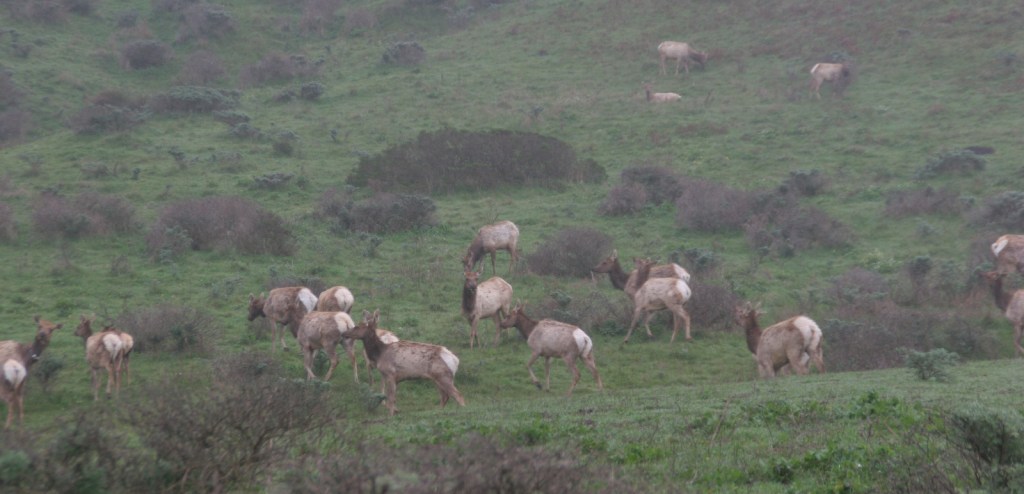
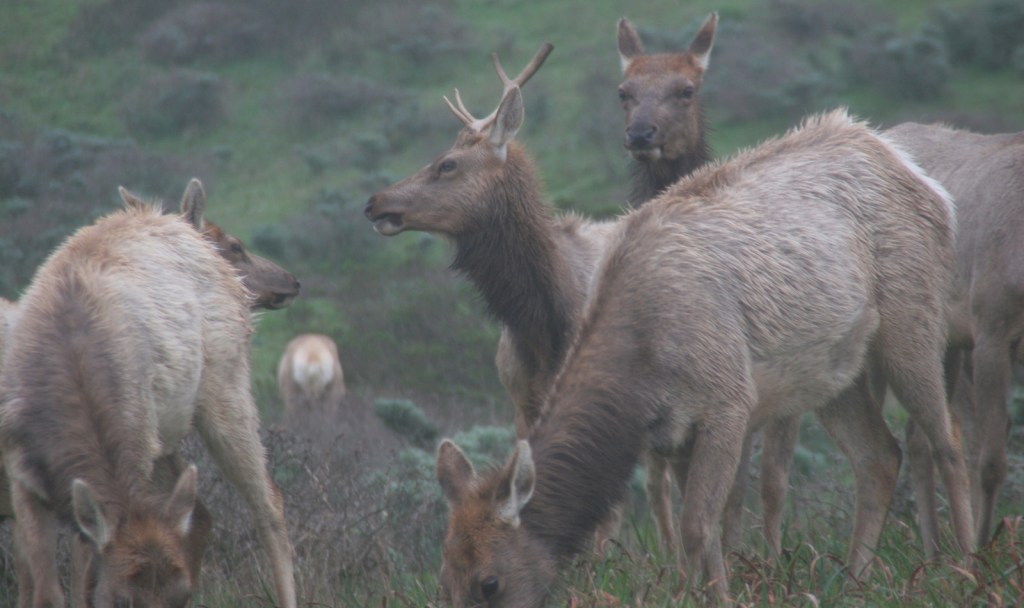
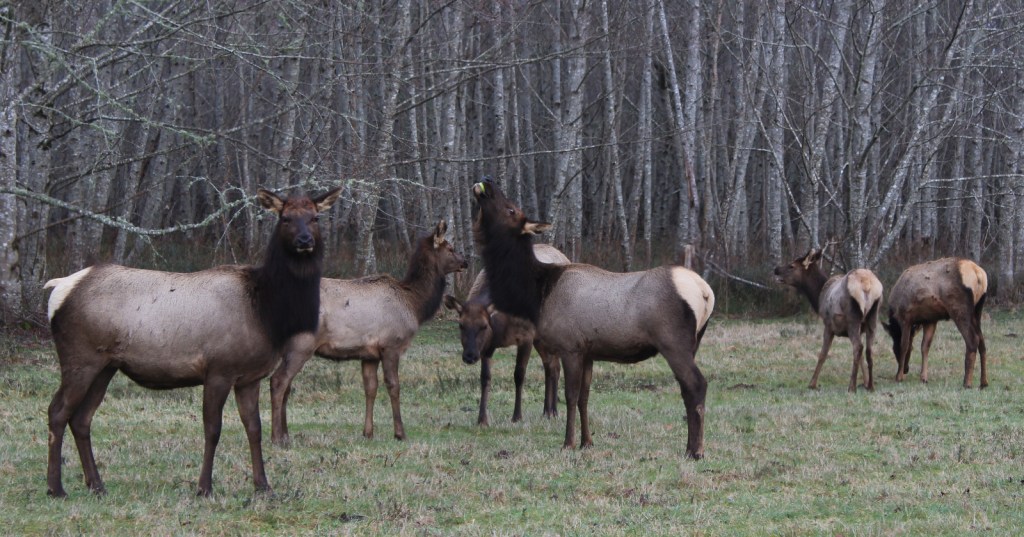
The park has a reintroduced herd of Tule elk near the Historic Pierce Point Ranch on Tomales Point.  If you visit in January, you might find a bull was waiting for his other antler to drop.

Peak Season

Summer, though the weather is pretty much the same year round.

Hours

https://www.nps.gov/pore/planyourvisit/hours.htm

Fees

None

Road Conditions

All roads paved, except a few short ones that access trailheads.

Camping

There is no campground in Point Reyes National Seashore, but there are backcountry campsites that area available with a permit (reservations available).

Related Sites

Cabrillo National Monument (California)

Golden Gate National Recreation Area (California)

Olympic National Park (Washington)

Explore More – How far did the entire Point Reyes Peninsula permanently shift during the 1906 San Francisco Earthquake?
Top 10 National Park Service Sites for Kayaking

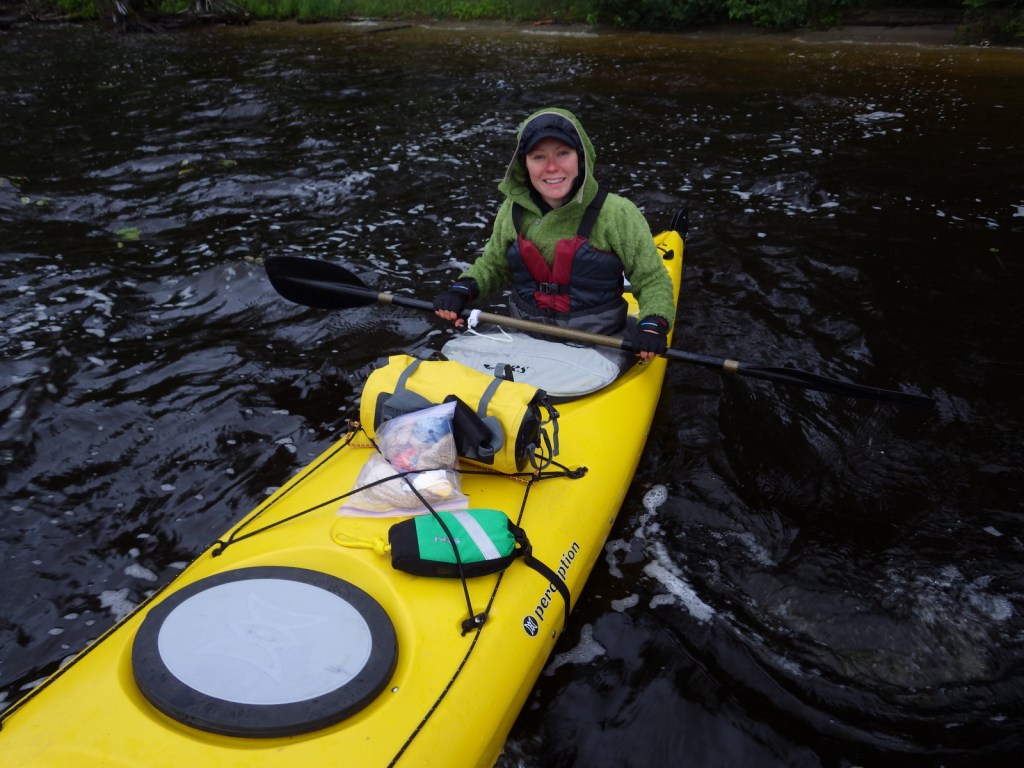
We own a 17-foot long tandem kayak that we have taken all over the United States, including some rivers where it may have been preferable to canoe.  Some of our most memorable National Park experiences have happened while seated in our kayak.  This does not include two amazing trips through Upper Missouri River Breaks National Monument in Montana, which you can read about on our other travel blog since it is not managed by the National Park Service.  Please check out all of our Top 10 lists for more adventure ideas and book recommendations!

10. Virgin Islands Coral Reef National Monument (U.S. Virgin Islands)

There is no dry land in this Caribbean monument that borders Virgin Islands National Park.

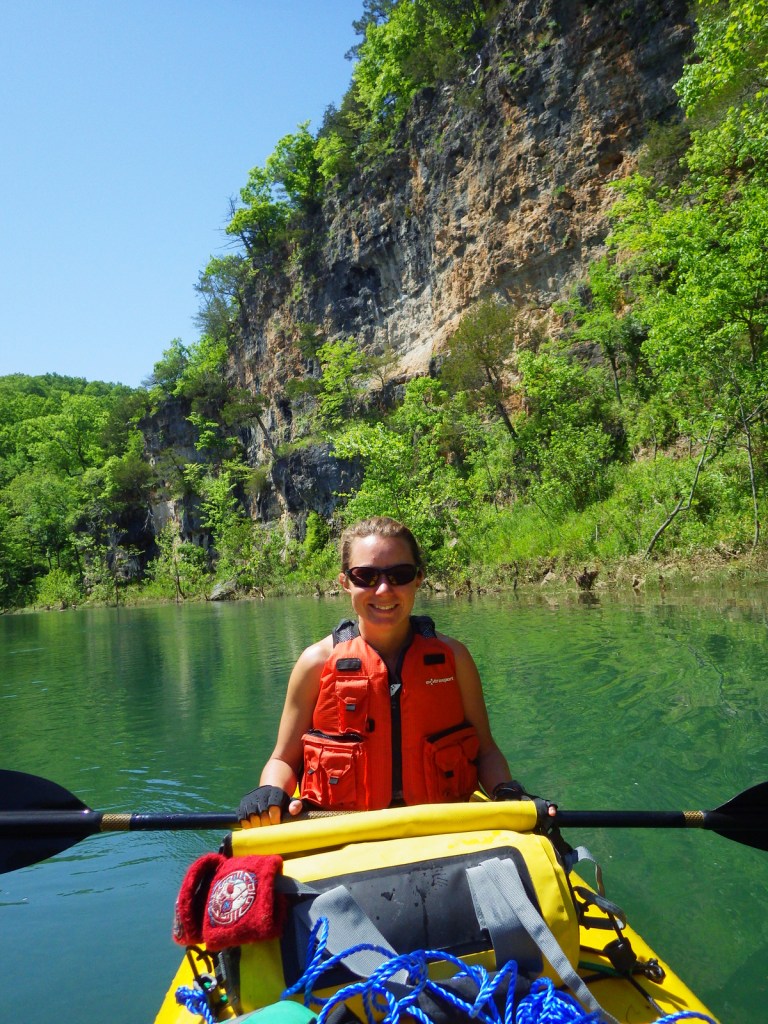
9. Ozark National Scenic Riverways (Missouri)

Canoes are also commonly used to explore the Jack’s Fork and Current Rivers.

8. Biscayne National Park (Florida)

A kayak can get close to the mangroves since most of this park covers ocean south of Miami.

7. Voyageurs National Park (Minnesota)

Find a free lakeside campsite and fall asleep listening to loons call.

6. Congaree National Park (South Carolina)

Get up close to wildlife and baldcypress knees on Cedar Creek.

5. Lake Mead National Recreation Area (Nevada-Arizona)

Stop at Emerald Cove for photos on the way to or from Arizona Hot Springs.

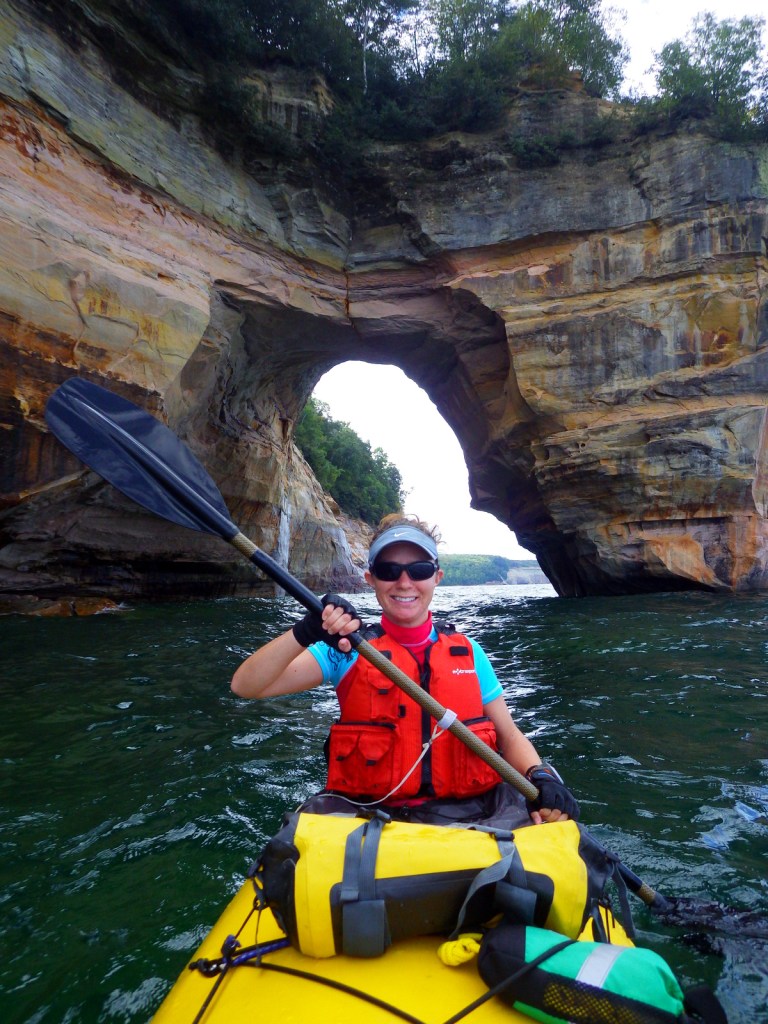
4. Pictured Rocks National Lakeshore (Michigan)

The only way to see Petit Portal is from the water and a kayak is necessary to go through it.

3. Buffalo National River (Arkansas)

Canoes may be preferable to run through the Ponca Wilderness during spring runoff.

2. Everglades National Park (Florida)

The best way to see this park is from a small boat, plus by staying overnight on a chickee.

…and finally our #1 National Park for kayaking!

1. Apostle Islands National Lakeshore (Wisconsin)

Sea caves carved by the waves of Lake Superior require a small craft to explore.

Honorable Mentions

Point Reyes National Seashore (California)

Located on the San Andreas Fault, Tomales Bay is a protected spot to explore north of San Francisco.

Glacier Bay National Park and Preserve (Alaska)

We have heard the best way to see this park is by kayak, but it sounds really cold.

Channel Islands National Park (California)

We hope someday to take a guided kayaking trip to the sea caves on Santa Cruz Island.

Big Thicket National Preserve (Texas)

Spanish moss-draped baldcypress trees line these picturesque bayous.

Salem Maritime National Historical Park

Salem Maritime National Historical Park

Massachusetts

Established 1938 National Historic Site, 2025 National Historical Park

9 acres

Website: nps.gov/sama

Overview

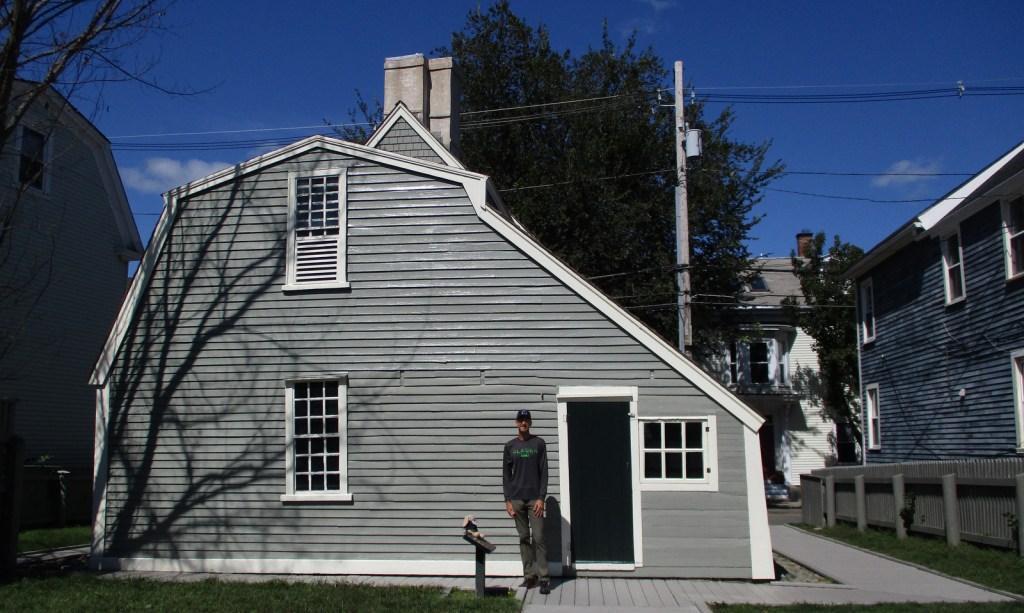
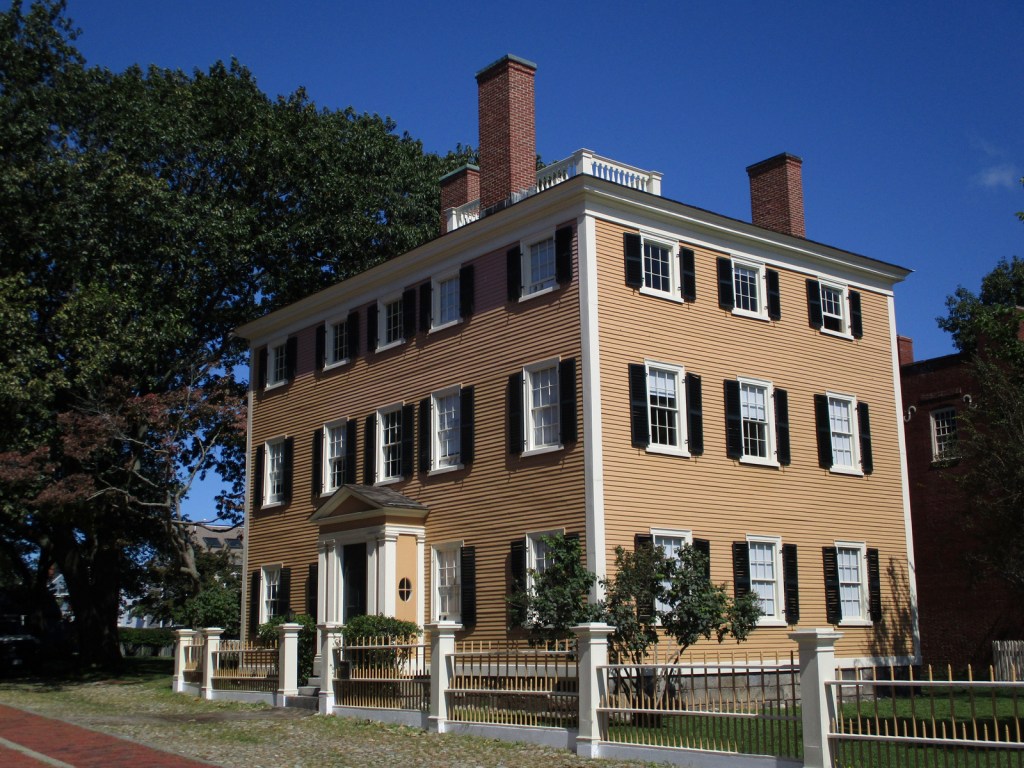
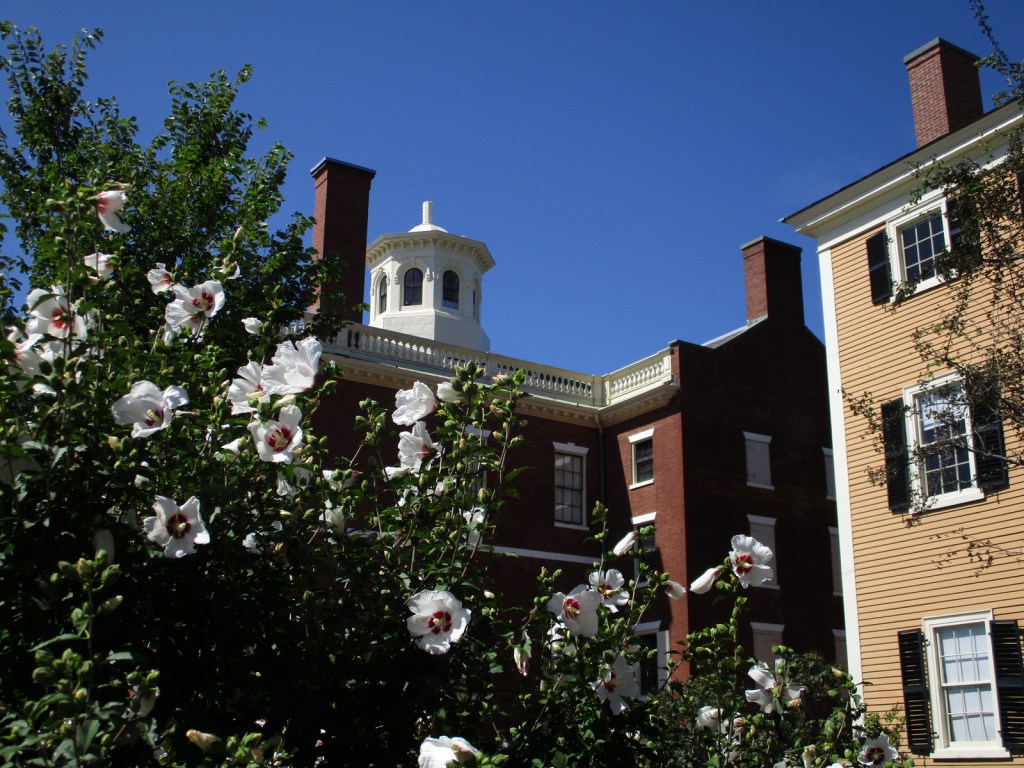
Salem, Massachusetts may be best known for its “witch trials” of 1692 (during which nobody was burned to death, but about a dozen people were hanged in the region).  The town was also a significant trading port known for its shipbuilding.  During the American Revolution, Salem never fell to the enemy and its 158 privateers captured 445 English ships.  Deep water harbors like Boston later took away from Salem’s prominence, helping preserve its architecture until it was named the nation’s first National Historic Site in 1938.

Highlights

Derby Wharf lighthouse, Friendship of Salem, Custom House

Must-Do Activity

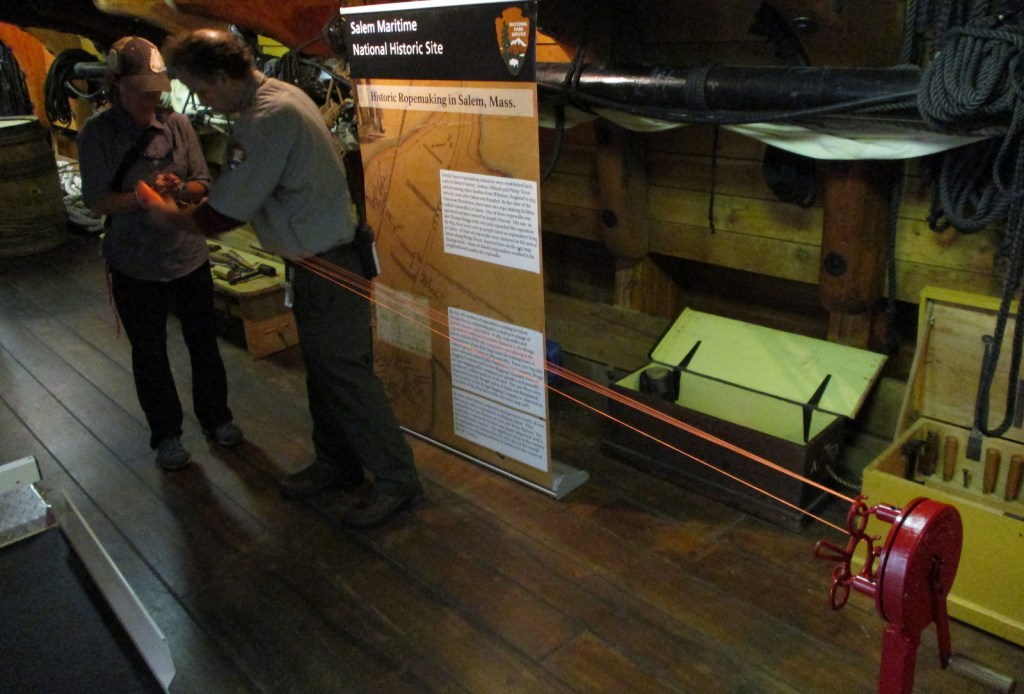
The main National Park Service (NPS) visitor center is located downtown in the old Salem Armory and offers films and exhibits (including one covering the “witch trials” of 1692).  Most of its 14 protected structures are located a short walk toward the waterfront near Derby Wharf.  It is free to come aboard the Friendship of Salem, a full-scale replica of a 1797 merchant ship.  You can learn all sorts of information from the interpreters on the ship and perhaps weave some of your own rope to take with you as a souvenir.

Best Trail

The Derby Wharf Trail follows a paved breakwater out to a small lighthouse that dates to 1871.  This truly is a walking park with additional points of interest at the Salem Witch Museum, House of the Seven Gables, and Peabody Essex Museum (all of which charge admission).

Photographic Opportunity

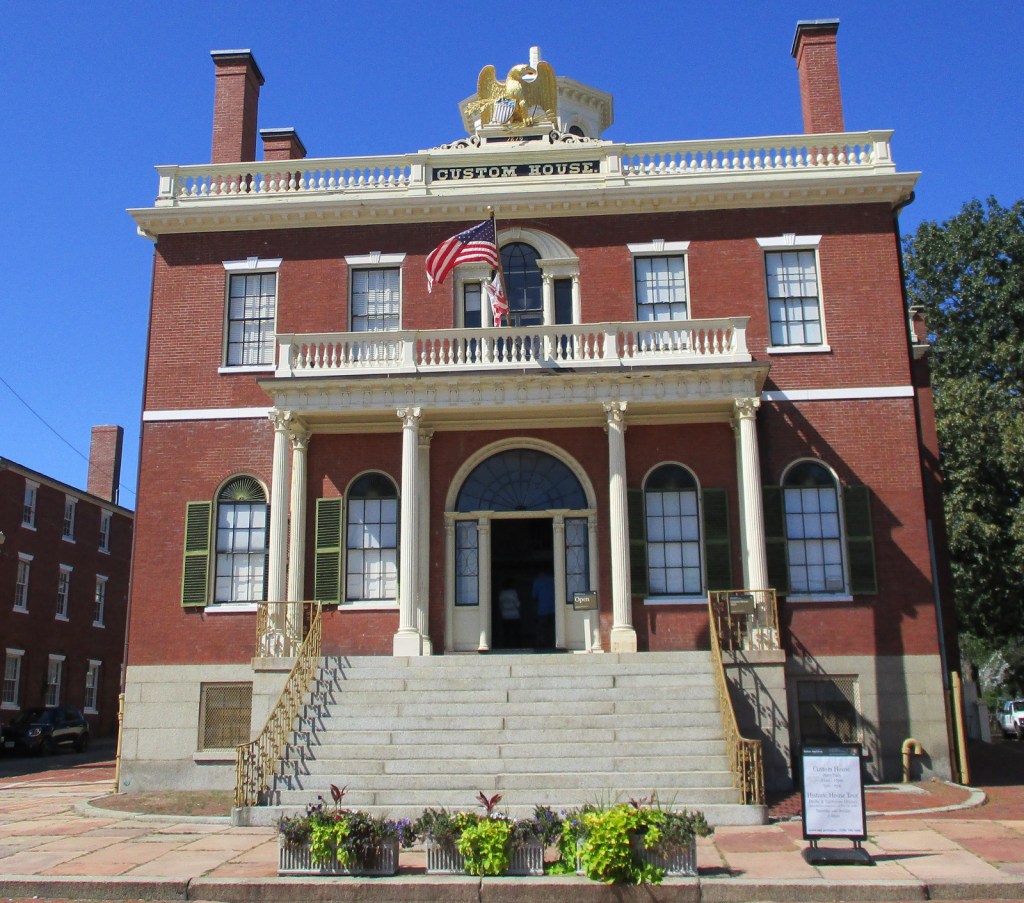
The 1819 Custom House is where novelist Nathaniel Hawthorne worked between 1846-48.  The original rooftop eagle carved in 1826 is housed inside, but a replica stands in its place.

Peak Season

Summer

Hours

https://www.nps.gov/sama/planyourvisit/hours.htm

Fees

None

Road Conditions

All roads paved, but only street parking is available.

Camping

Harold Parker State Forest has a large campground located approximately 10 miles northwest of Salem, Massachusetts.

Related Sites

Boston National Historical Park (Massachusetts)

New Bedford Whaling National Historical Park (Massachusetts)

Lowell National Historical Park (Massachusetts)

Nearest National Park

Acadia

Explore More – Who was the shipping merchant who became one of America’s first millionaires and whose house is now part of Salem Maritime National Historical Park?

Lewis and Clark National Historical Park

Overview

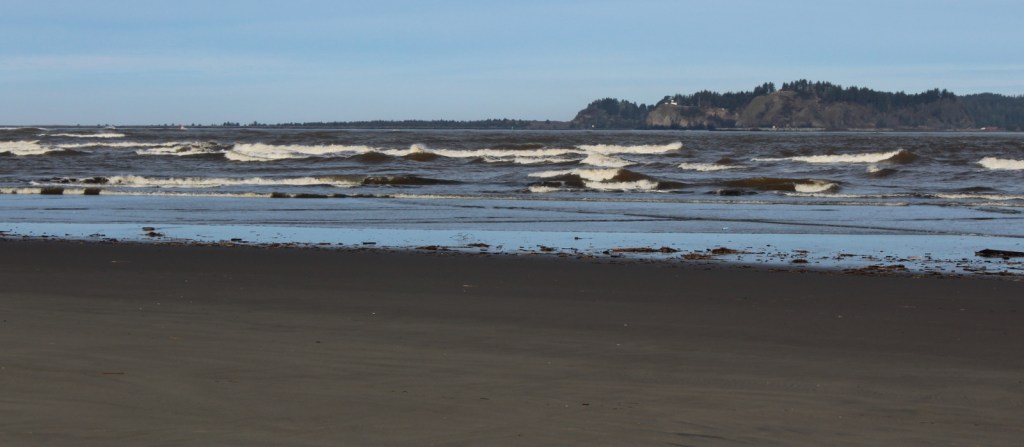
In the wake of the Louisiana Purchase in 1803, President Thomas Jefferson was anxious to know what he had just bought from France and find out if it provided an easy route to the Pacific Ocean.  He tapped his secretary Captain Meriwether Lewis as leader of the Corps of Discovery, who in turn named his former colleague Captain William Clark co-commander.  Lewis and Clark National Historical Park celebrates the wet winter of 1805-06 that the expedition spent on the coast of Oregon at the mouth of the Columbia River.

Highlights

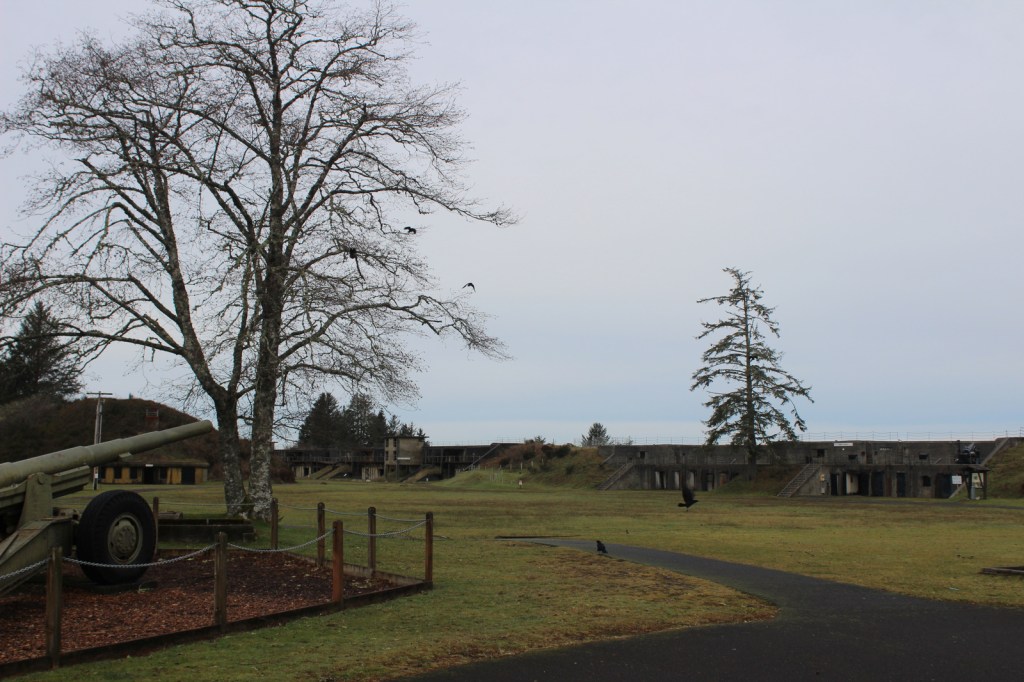
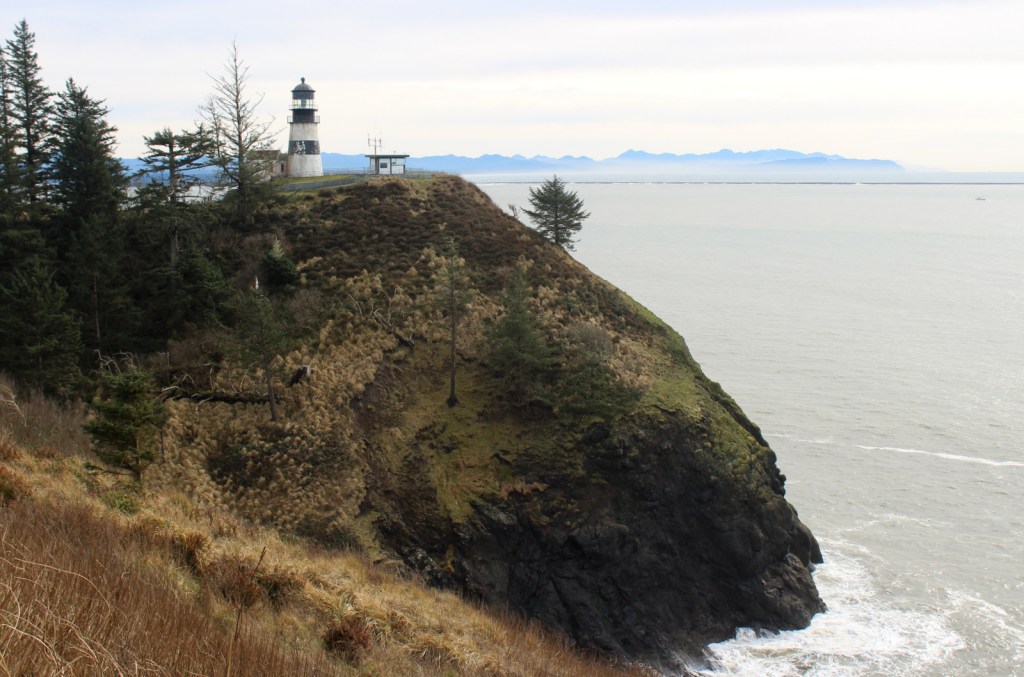
Fort Clatsop, Fort to Sea Trail, Cape Disappointment State Park, Fort Stevens State Park

Must-Do Activity

The park is spread across multiple sites, including scenic Cape Disappointment State Park in Washington, plus Fort Clatsop and Fort Stevens State Park in Oregon.  Fort Clatsop was named a National Memorial in 1958 and still serves as the primary National Park Service (NPS) visitor center with exhibits and a film.  Other points of interest include the spot Sacagawea visited to see a beached whale and the salt works where seawater was boiled to produce the necessary commodity for the return trip.

Best Trail

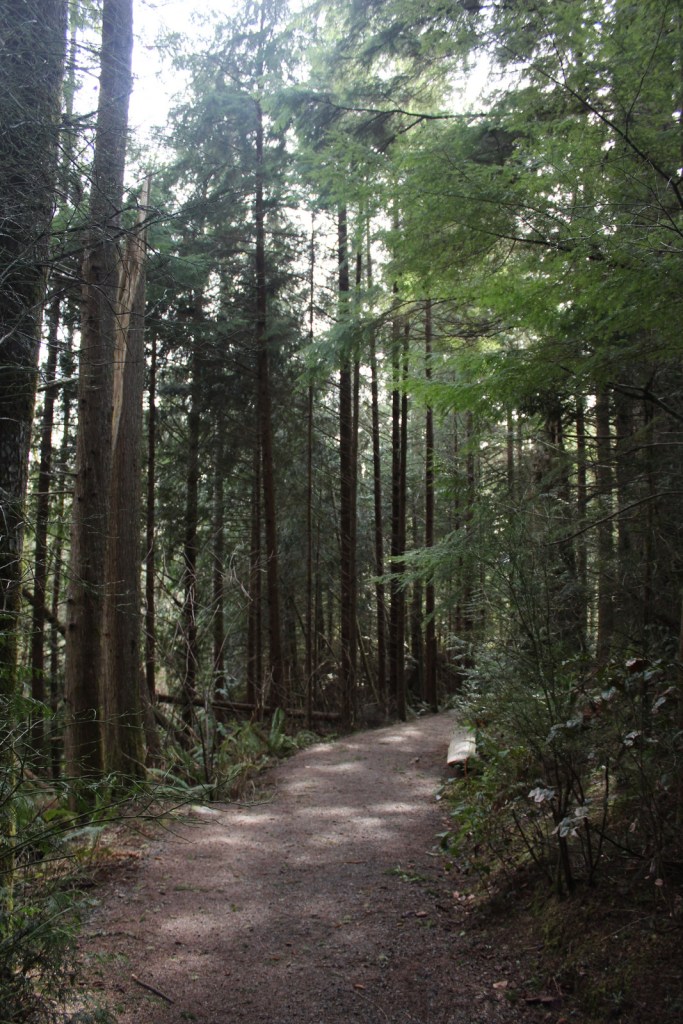
When the Corps of Discovery finally saw the Pacific Ocean on November 7, 1805, Clark journaled, “Ocian in view! O! the joy.”  You can follow in their footsteps by starting at Fort Clatsop then hiking the 6.5-mile one-way Fort to Sea Trail, which marks the terminus of the 4,900-mile long Lewis and Clark National Historic Trail (which is mostly a driving route).

Instagram-worthy Photo

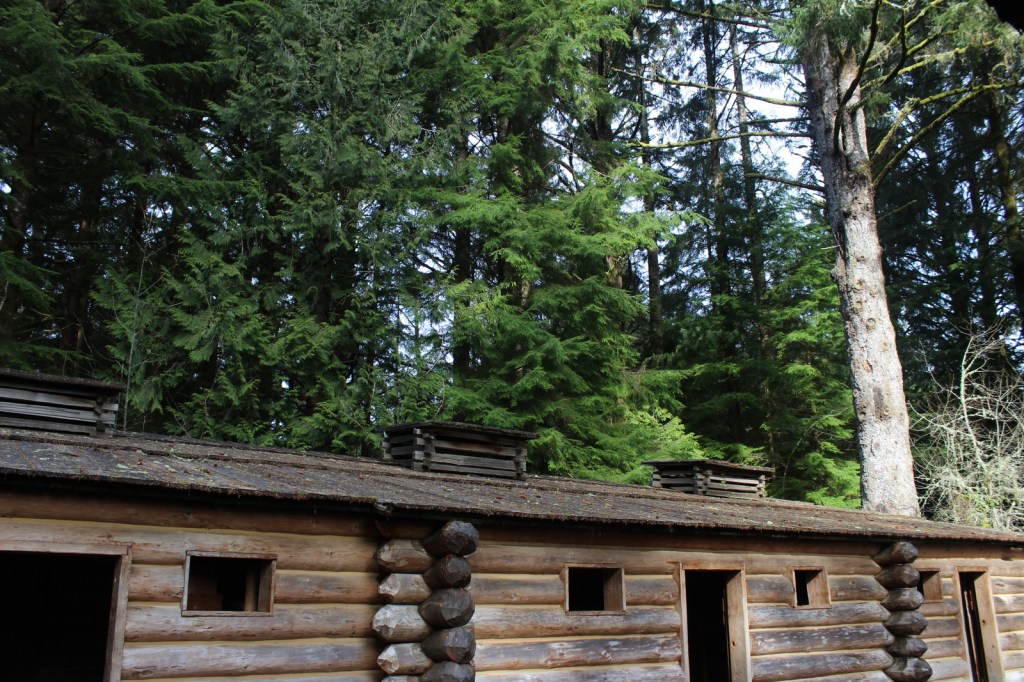
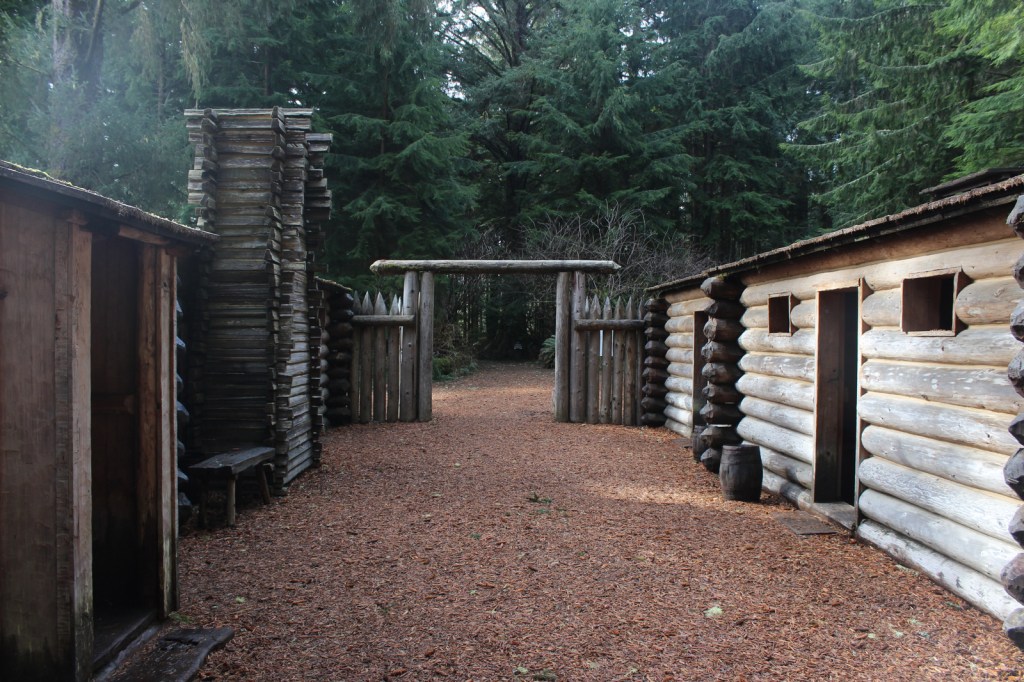
Fort Clatsop is a well-made replica of the small structure where Lewis and Clark spent the winter of 1805-06 and inside you will find rustic furniture similar to that built in 1805.

Peak Season

Summer for costumed demonstrations, though a winter visit would be more historically accurate.

Hours

https://www.nps.gov/lewi/planyourvisit/hours.htm

Fees

$10 per person to visit Fort Clatsop (or America the Beautiful pass) and each State Park has a separate entry fee

Road Conditions

Access roads are paved

Camping

Fort Stevens State Park on the Oregon coast has hundreds of campsites for tents and RVs, and there is also camping available at Cape Disappointment State Park in Washington.

Related Sites

Knife River Indian Villages National Historic Site (North Dakota)

Nez Perce National Historical Park (Idaho-Oregon-Washington)

Missouri National Recreation River (Nebraska-South Dakota)

Explore More – Where did the Corps of Discovery spend the winter prior to Fort Clatsop and first meet Sacagawea?

We are a participant in the Amazon Services LLC Associates Program, an affiliate advertising program designed to provide a means for us to earn fees by linking to Amazon.com and affiliated sites.