Tag Archives: Native American

Petroglyph National Monument

Overview

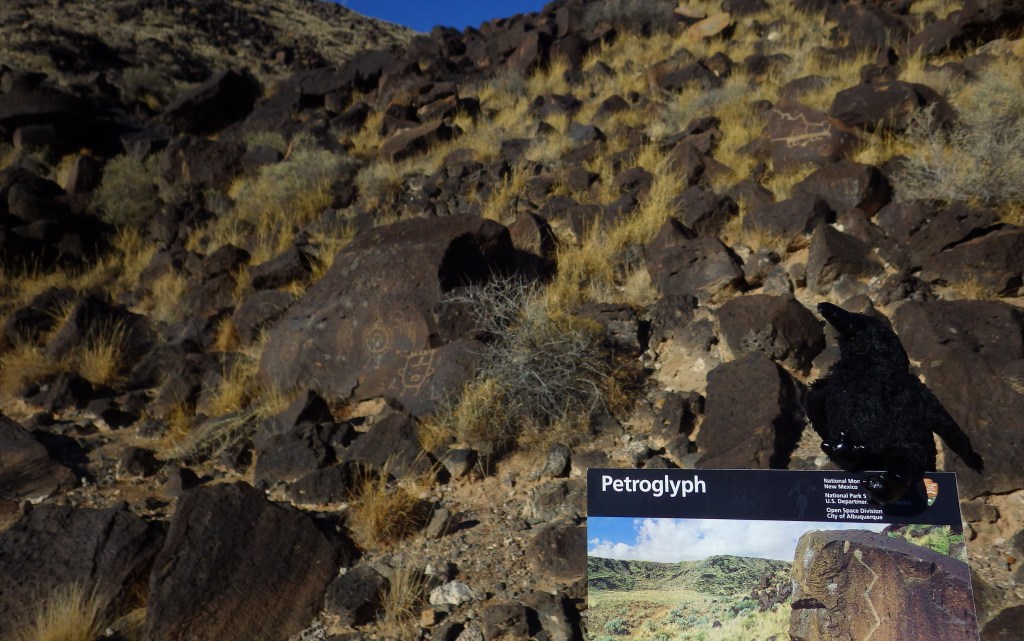
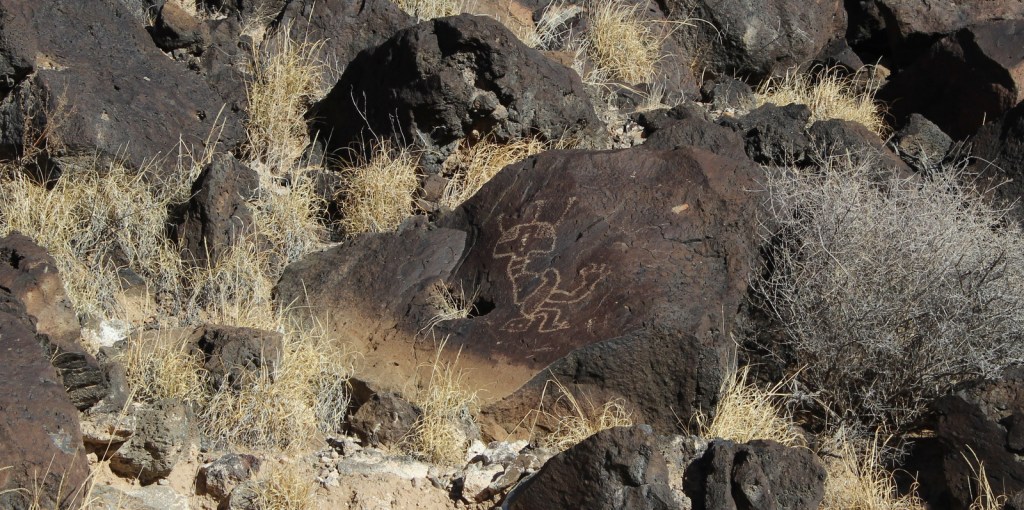
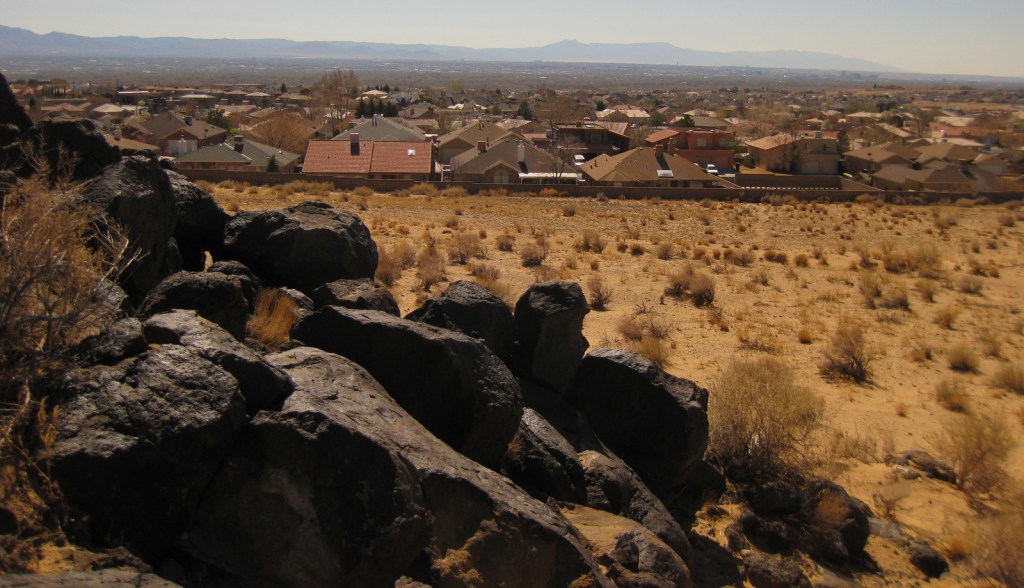
Bordered by the suburban neighborhoods of Albuquerque, Petroglyph National Monument is a nice place to take a walk and enjoy some intricate artwork.  The petroglyphs were chipped into the patina of volcanic rocks in a long-populated region of the Rio Grande Valley.  Some of these images may be up to 3,000 years old, with most believed to be carved between AD 1400 and 1700.  A few were added by Hispanic settlers and explorers through the 1800s, but the National Park Service (NPS) politely requests no aspiring artists add any more.

Highlights

Boca Negra Canyon, Rinconada Canyon Trail, Piedras Marcadas Canyon, Volcanoes Day Use Area

Must-Do Activity

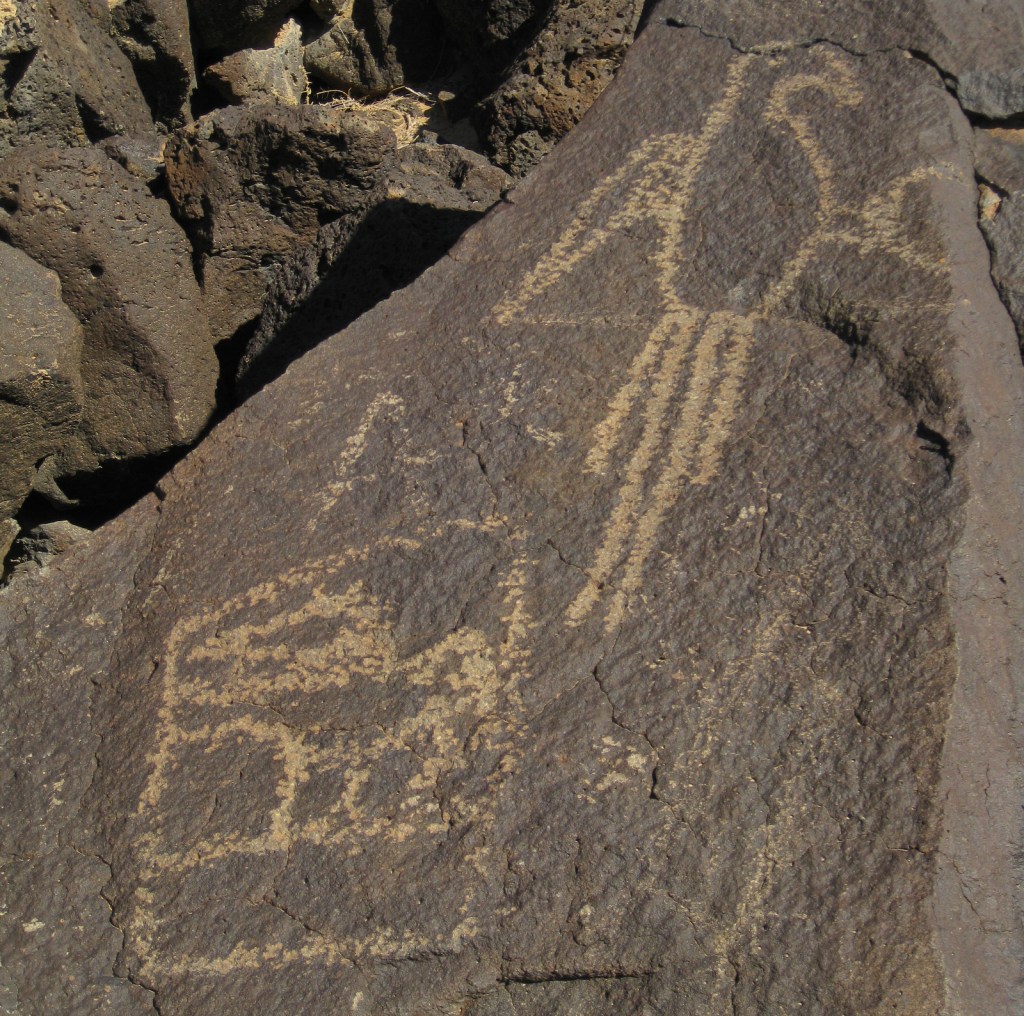
There are multiple areas of this National Monument established in 1990, some literally in Albuquerque residents’ backyards.  At Boca Negra Canyon, you will find interesting depictions of humans, snakes, and even parrots from Central America, as well as many puzzling illustrations.  Use your imagination to try to guess what the original carver was trying to display. 

Best Trail

Volcanoes Day Use Area offers loop trails around three volcanic cones on the West Mesa with incredible views of the Sandia Mountains and Rio Grande Valley (but no petroglyphs).

Instagram-worthy Photo

Rinconada Canyon Trail is 1.25 miles one-way and starts at a small NPS parking lot in suburban Albuquerque and accesses an area with thousands of petroglyphs.

Peak Season

Spring and fall

Hours

https://www.nps.gov/petr/planyourvisit/hours.htm

Fees

None

Road Conditions

All roads are paved, but be prepared for stoplights, especially on the main connecting road Unser Boulevard.

Camping

There are private campgrounds around Albuquerque, New Mexico, or you can look for options in the Cibola and Santa Fe National Forests.

Related Sites

Pecos National Historical Park (New Mexico)

El Morro National Monument (New Mexico)

Salinas Pueblo Missions National Monument (New Mexico)

Explore More – How many petroglyphs are estimated to be protected within this National Monument?

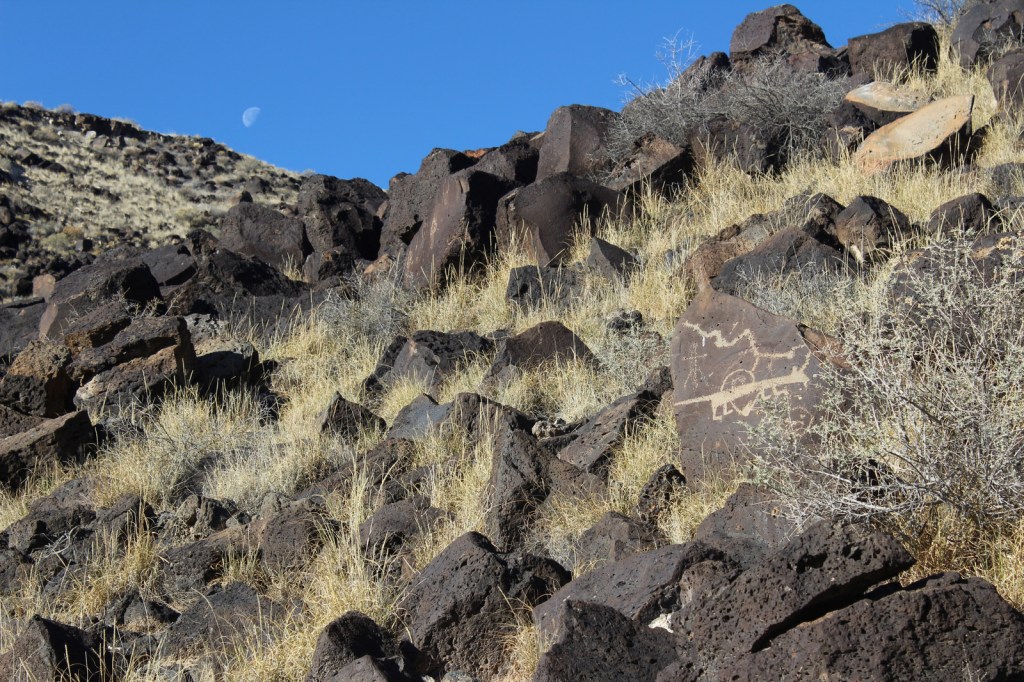
Boca Negra Canyon contains thousands of petroglyphs and fascinating volcanic rock formations.

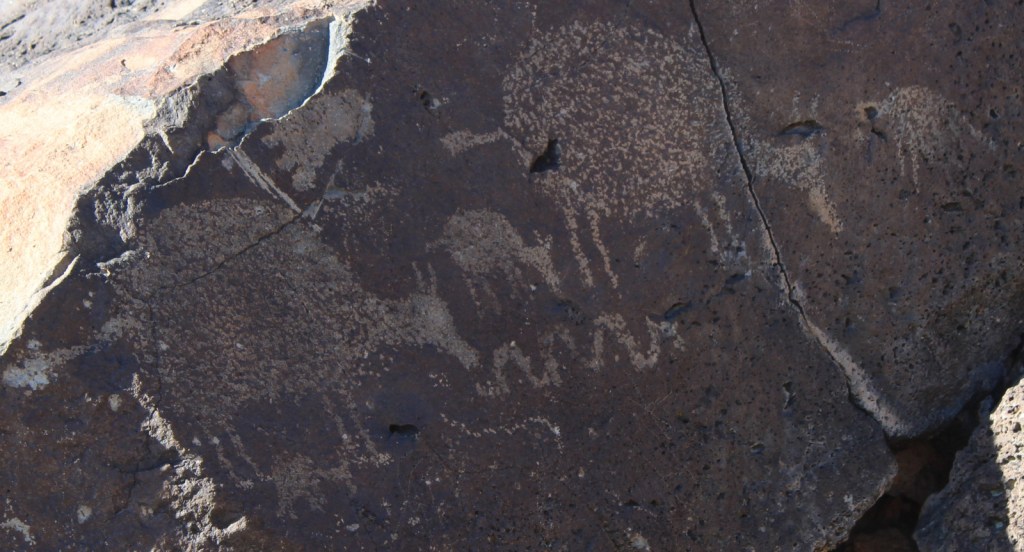
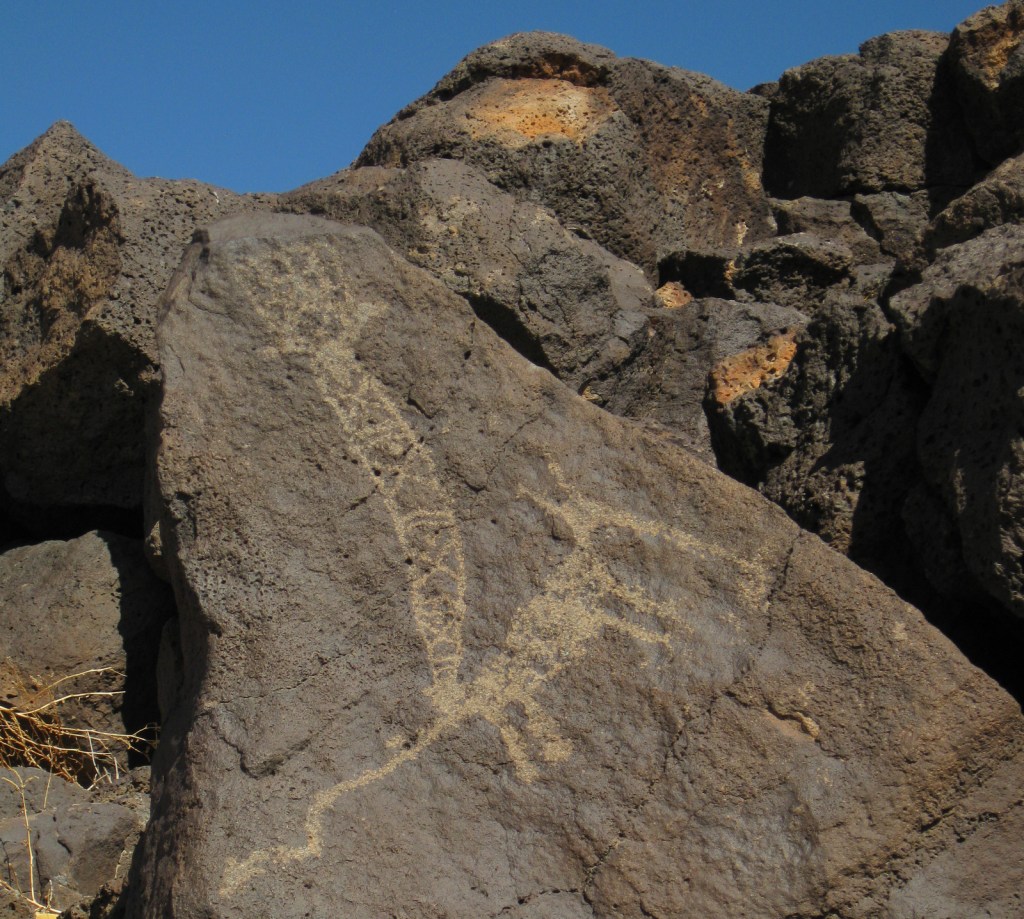
Some petroglyphs are more difficult to interpret.  I think this one depicts a yucca fruit.

Casa Grande Ruins National Monument

Overview

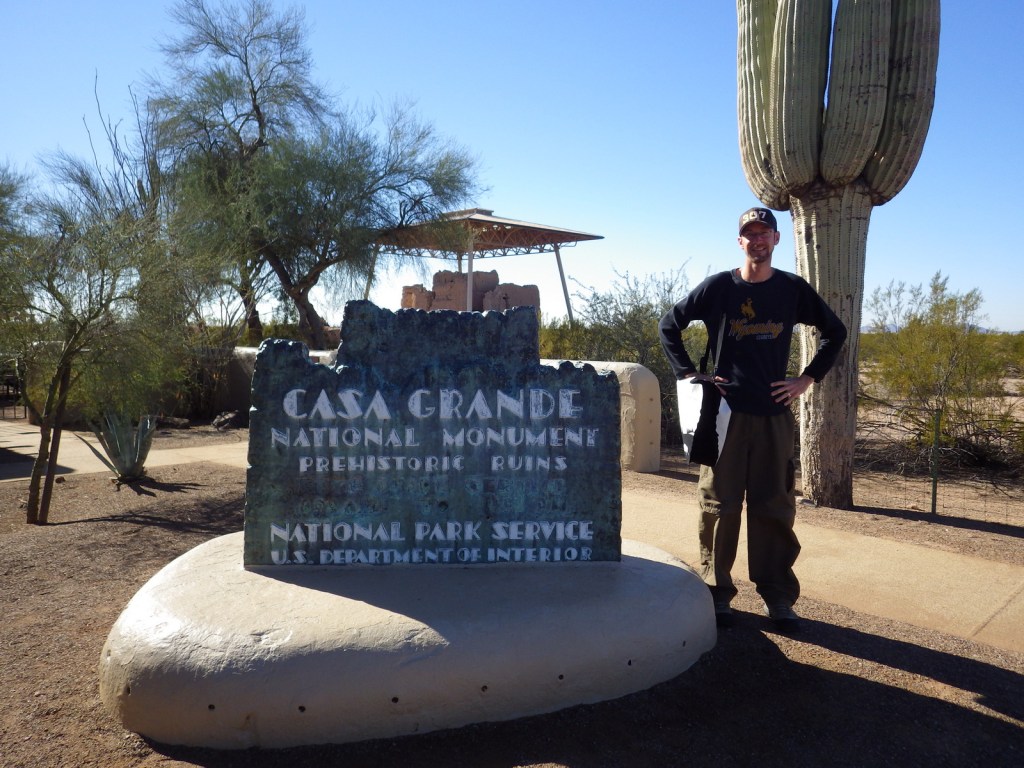
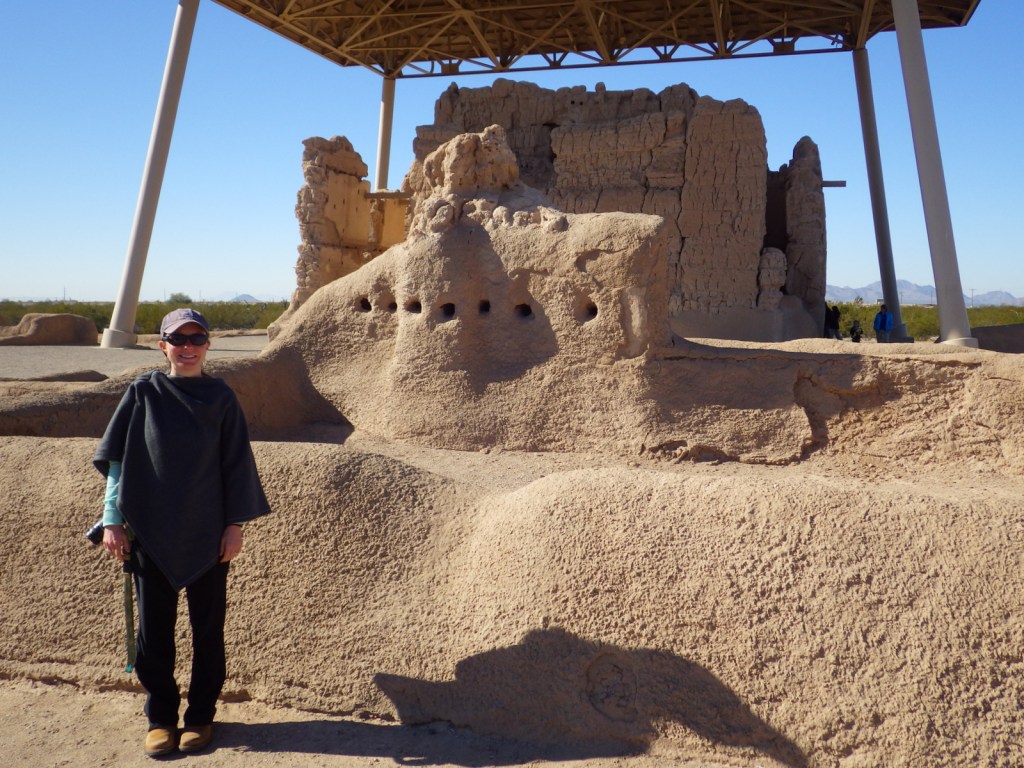
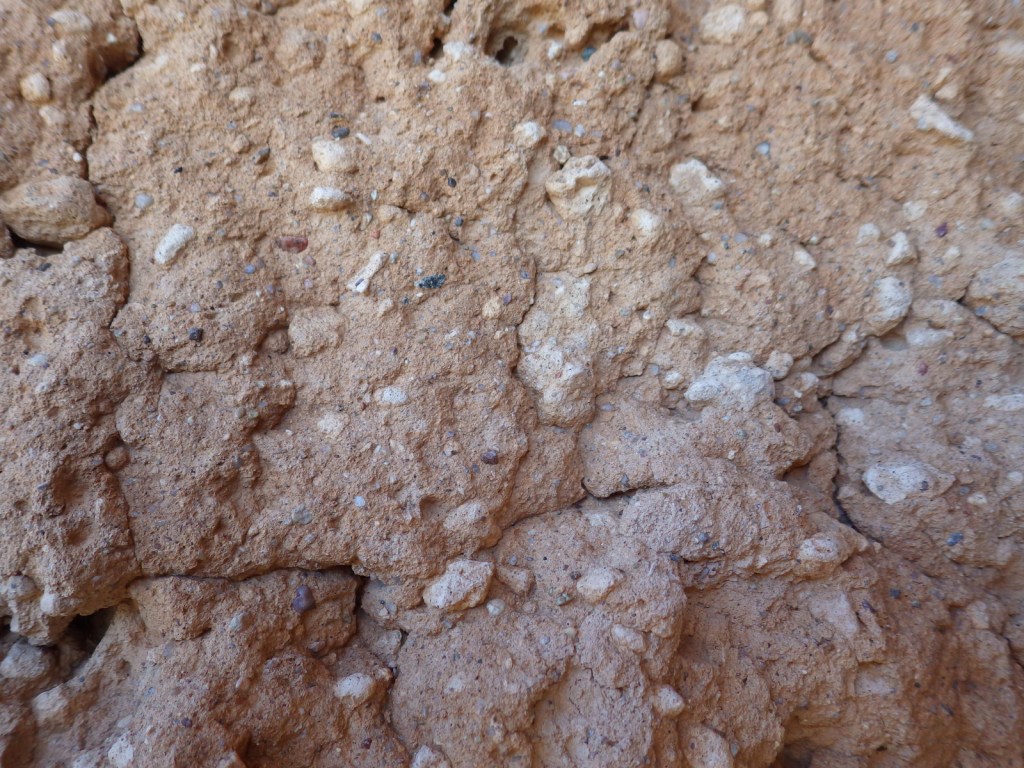
The ruins of this four-story pueblo in Coolidge, Arizona were originally protected as Casa Grande Reservation in 1892, the first time an archaeological site was given this designation by the federal government.  The National Park Service (NPS) took over management in 1918 when it was named a National Monument and in 1932 a protective cover was designed by Frederick Law Olmsted to prevent further erosion.  It is hard to believe when looking around the desert today, but the Hohokom farmed the Gila River Valley for over a thousand years until abandoning the area in the mid-1400s.  To accomplish this feat, they dug nearly a thousand miles of irrigation canals measuring 10 feet wide and 10 feet in depth.

Highlights

Museum, film, ruins

Must-Do Activity

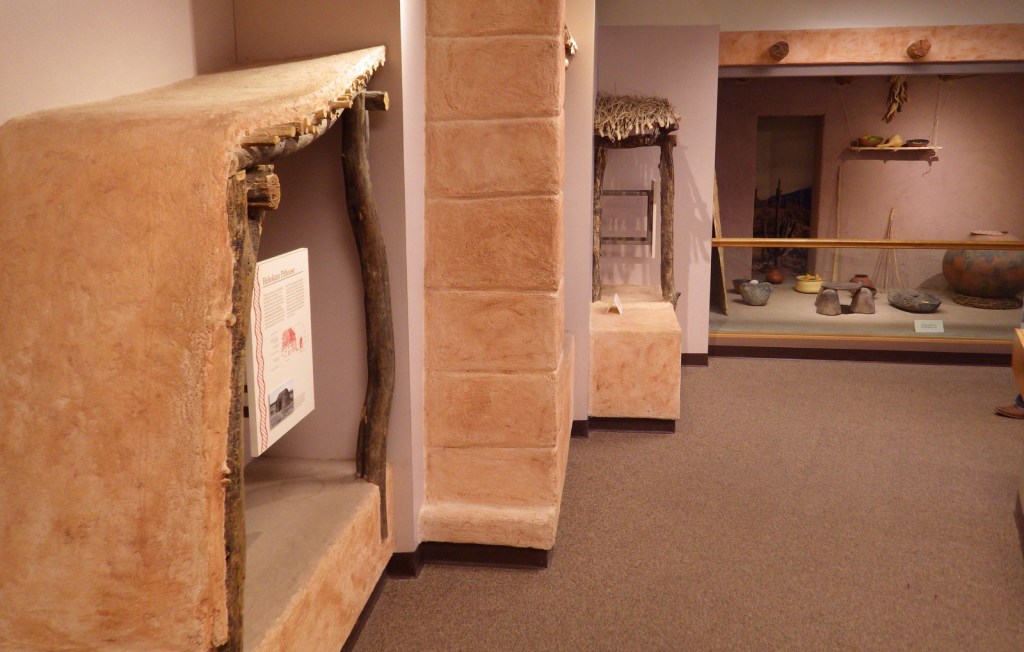
Its name means “Big House” in Spanish and you will see why when you take the short, flat walk (handicap accessible) around the multi-story ruin and ballcourts.  Built in the early 1300s, the pueblo was only inhabited for about a century.  The NPS runs an excellent museum at the site that shows an introductory film.  The nearby Hohokam Pima National Monument shows up on NPS maps (and is counted in the 420+ units in the NPS system), but the O’odham do not allow access to the site on their reservation.

Best Trail

None

Instagram-worthy Photo

There are pigeons instead of ravens at this NPS site.

Peak Season

Winter

Hours

https://www.nps.gov/cagr/planyourvisit/hours.htm

Fees

None

Road Conditions

All roads paved

Camping

No camping at the NPS site, but options are available nearby in Tonto National Forest and Picacho Peak State Park (right off Interstate 10).

Related Sites

Tonto National Monument (Arizona)

Tuzigoot National Monument (Arizona)

Saguaro National Park (Arizona)

Explore More – In 1694, who was the famous Jesuit priest that became the first European to see Casa Grande?

Amistad National Recreation Area

Overview

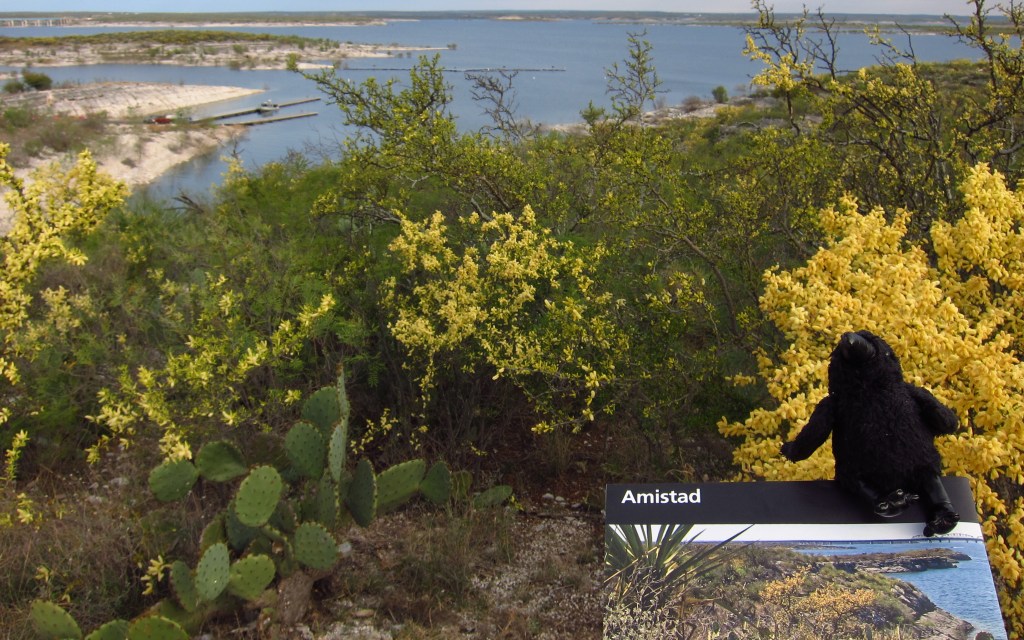
Amistad translates as “friendship” from Spanish, which is fitting given that this reservoir is shared by the U.S. and Mexico.  Marinas and boat ramps provide access to the lake for watersports, like fishing and waterskiing.  The 254-foot tall dam across the Rio Grande was built in 1968 and serves as a customs station in Del Rio, Texas.  The National Park Service (NPS) runs a free museum nearby.

Highlights

Panther Cave pictographs, Seminole Canyon State Park, watersports

Must-Do Activity

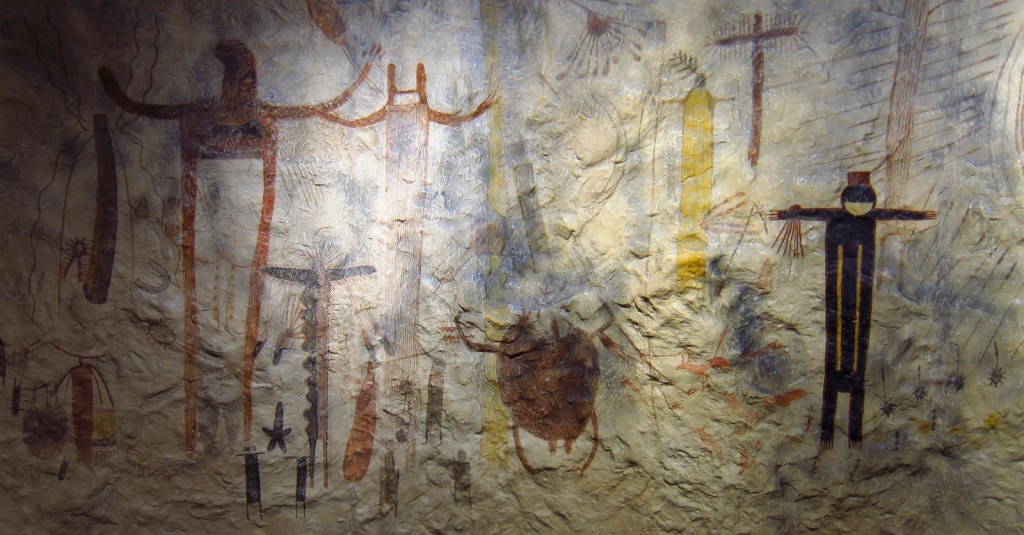
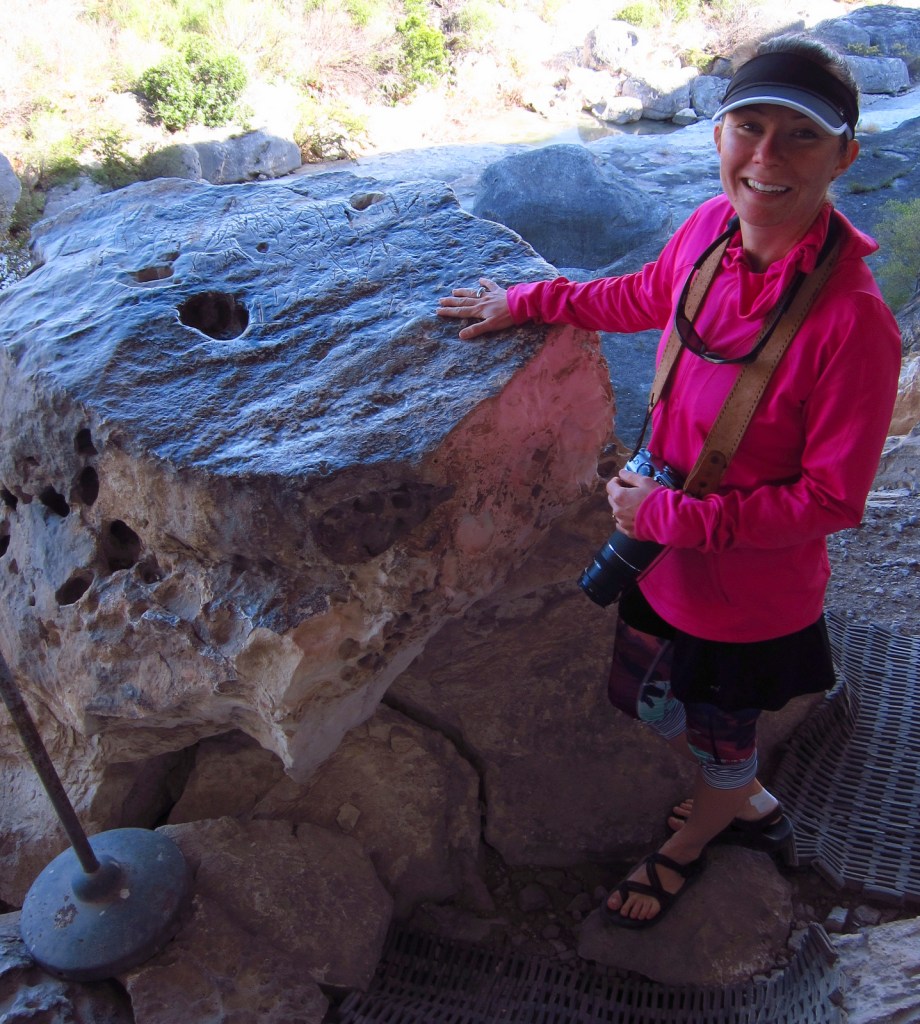
Amistad National Recreation Area is also famous for its 4,000-year-old pictographs, which can most easily be accessed on guided tours of Seminole Canyon State Park, 45 miles outside Del Rio, Texas on Highway 90.  Admission is charged for the museum and tour, but provides the only way to see the colorful artwork in Fate Bell Shelter.  Viewing fossils in the limestone was an added bonus on the tour.

Best Trail

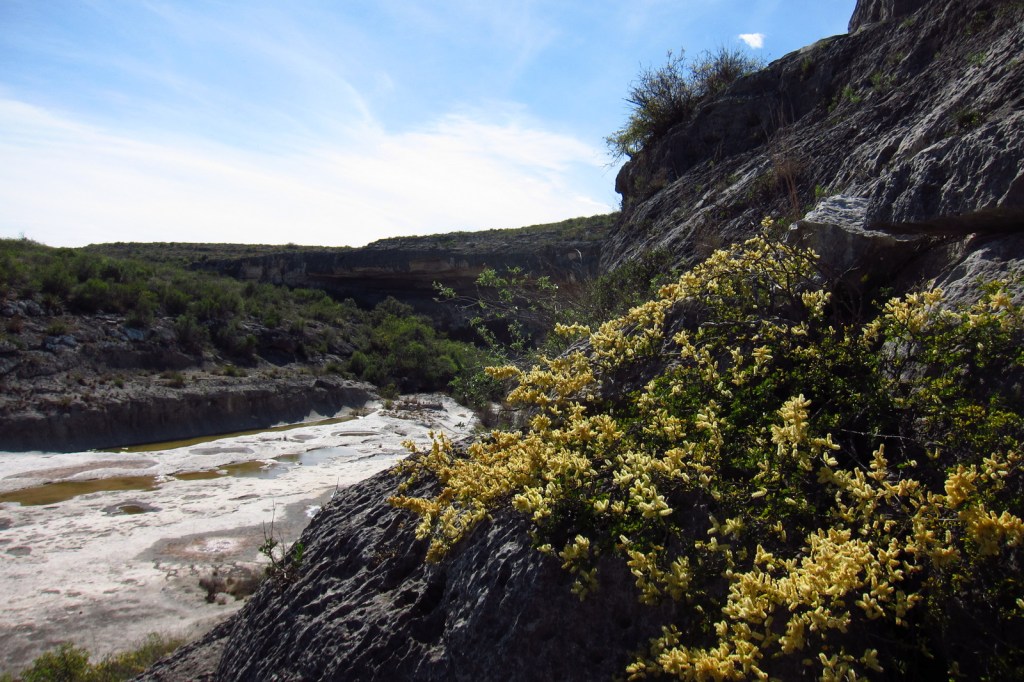
The pictographs in Panther Cave can be seen from afar by hiking a trail in the state park or up-close by boating to the dock and climbing a steep stairway. 

Instagram-worthy Photo

If you are unable to hike down into the canyon, the Seminole Canyon State Park museum has a replica of the rock art.

Peak Season

Summer

Hours

https://www.nps.gov/amis/planyourvisit/hours.htm

Fees

Boating passes start at $4 for a 1-day pass, $8 per person to tour Seminole Canyon State Park

Road Conditions

All major roads paved

Camping

Two NPS campgrounds are available at Governors Landing and San Pedro and there is a campground at Seminole Canyon State Park.

Related Sites

Alibates Flint Quarries National Monument (Texas)

Waco Mammoth National Monument (Texas)

Canyonlands National Park (Utah)

Explore More – How many miles of the Rio Grande do the park’s boundaries encompass?

Aztec Ruins National Monument

Overview

Aztec, New Mexico is home to the incredible Ancestral Puebloan ruins of a three-story, 400-room ancient apartment building near the Animas River.  Only partially excavated, Aztec Ruins National Monument has a variety of rock walls that display a change in building styles over the centuries.  Similar to Montezuma Castle National Monument in Arizona, Aztec was named for the Central Mexican culture mistakenly believed by earlier archaeologists to have had influence in this region.

Highlights

Museum, film, reconstructed great kiva, ruins

Must-Do Activity

Aztec Ruins National Monument boasts a great kiva that was rebuilt to appear as it may have 800 years ago.  We especially recommend a visit before or after seeing the extensive ceremonial structures at nearby Chaco Culture National Historical Park.  Reconstruction is not appropriate at all National Park Service (NPS) sites, but here it helps the past come alive.  It is easy to imagine costumed dancers coming down the stairs into the smoky kiva to celebrate a religious ritual. 

Best Trail

The half-mile self-guided trail leads through ruins where wooden roofs have been partially reconstructed.  Aztec Ruins also has the same T-shaped doorways you may have seen at Mesa Verde National Park and Chaco Culture National Historical Park.

Instagram-worthy Photo

Darker stripes in the walls were decorative, and evidence of several architectural styles are evident at this site.

Peak Season

Summer

Hours

https://www.nps.gov/azru/planyourvisit/hours.htm

Fees

None

Road Conditions

All roads paved

Camping

There is an NPS campground at Chaco Culture National Historical Park, but we recommend the free campground in Angel Peak Recreation Area run by the Bureau of Land Management east of Highway 550.

Related Sites

Chaco Culture National Historical Park (New Mexico)

Pecos National Historical Park (New Mexico)

Bandelier National Monument (New Mexico)

Explore More – How far away from Aztec were the nearest Douglas-fir, ponderosa pine, and aspen trees used in the original roof construction?

Top 10 Native American NPS Sites

Whether you refer to the inhabitants of pre-European America as indigenous people, American Indians, or Native Americans, you can learn much more about their diverse cultures at numerous National Park Service (NPS) sites.  Many of these amazing places are located in the southwestern U.S., but we made sure our top 10 list spanned the entire nation.  Click here to check out all of our Top 10 Lists.

10. Hopewell Culture National Historical Park (Ohio)
Earth mounds and artwork from 2,200 years ago

9. Pipestone National Monument (Minnesota)

Red quartzite rock is still mined here by American Indian artisans

8. Poverty Point National Monument (Louisiana)

Enormous earth mounds built by hand starting 3,700 years ago

7. Hovenweep National Monument (Utah -Colorado)

Fascinating assemblage of architecture on the Utah-Colorado border

6. Ocmulgee Mounds National Historical Park (Georgia)

A massive earthen mound and reconstructed earthlodge in Macon, Georgia

5. Sitka National Historical Park (Alaska)

Tlingit and Russian history are both preserved in Alaska’s prettiest city

4. Pu’uhonua o Honaunau National Historical Park (Hawai’i)

Indigenous Hawaiian culture is celebrated at this reconstructed village

3. Chaco Culture National Historical Park (New Mexico)

All roads led to this ceremonial center a thousand years ago

2. Bandelier National Monument (New Mexico)

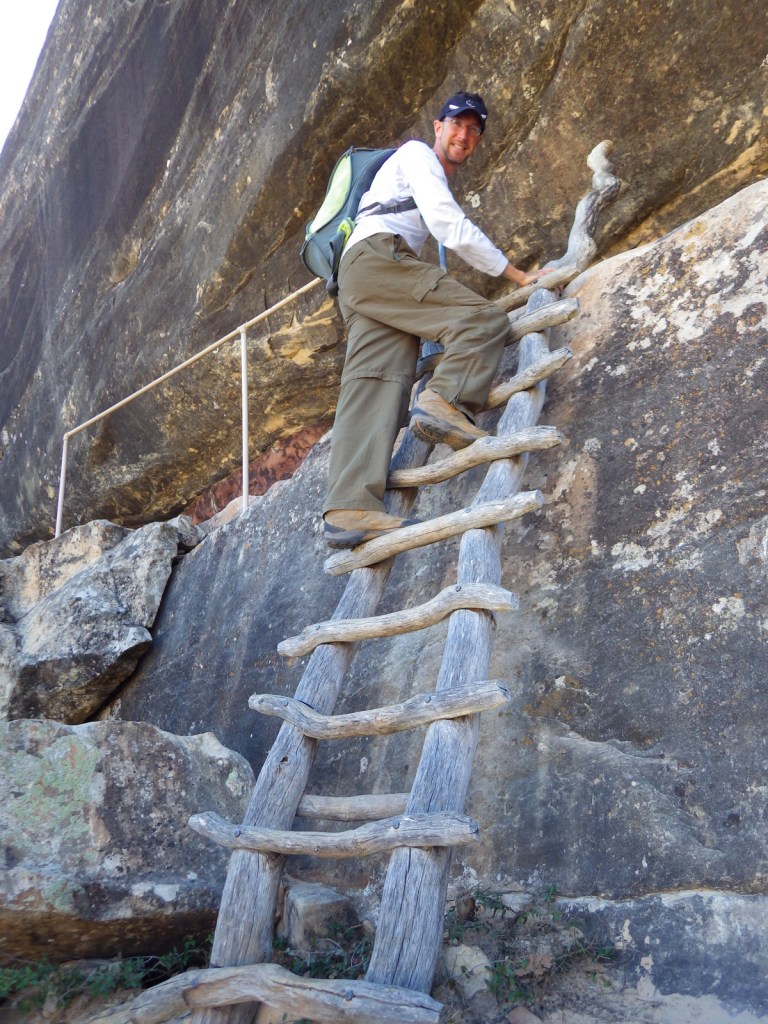
Climb ladders into rooms carved by hand into soft volcanic tufa rock

…and finally our #1 Native American NPS site:

1. Mesa Verde National Park (Colorado)

Numerous cliff dwellings blend seamlessly with their environment

Honorable Mentions

Alibates Flint Quarries National Monument (Texas)

Human history dates back 13,000 years at this surface mine

Knife River Indian Villages National Historic Site (North Dakota)

Walk inside the spacious earthlodge reconstruction near the Missouri River

Aztec Ruins National Monument (New Mexico)

Enter a reconstructed great kiva and walk through beautiful ruins

Big Hole National Battlefield (Montana)

A pretty spot where the Nez Perce and U.S. Army fought on the morning of August 9, 1877