Tag Archives: Native American

River Raisin National Battlefield Park

Overview

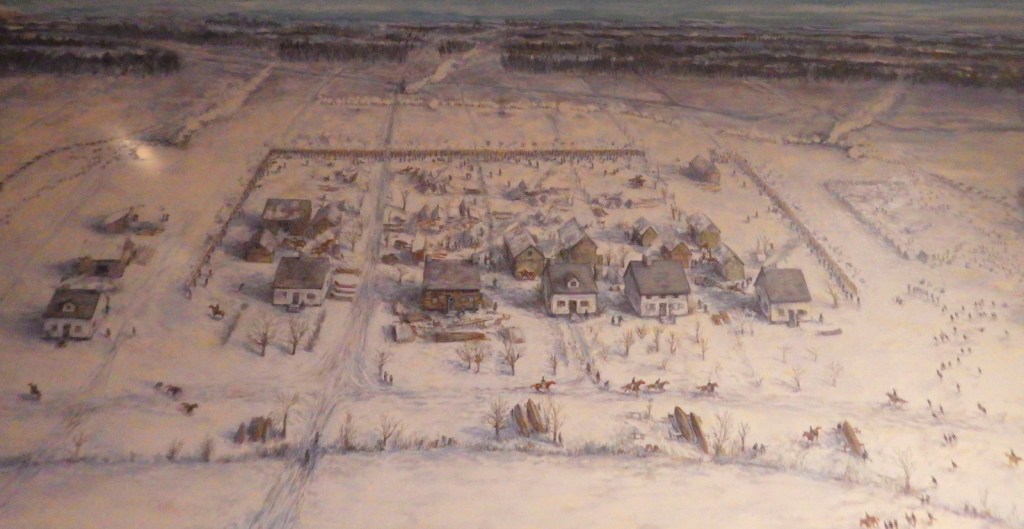
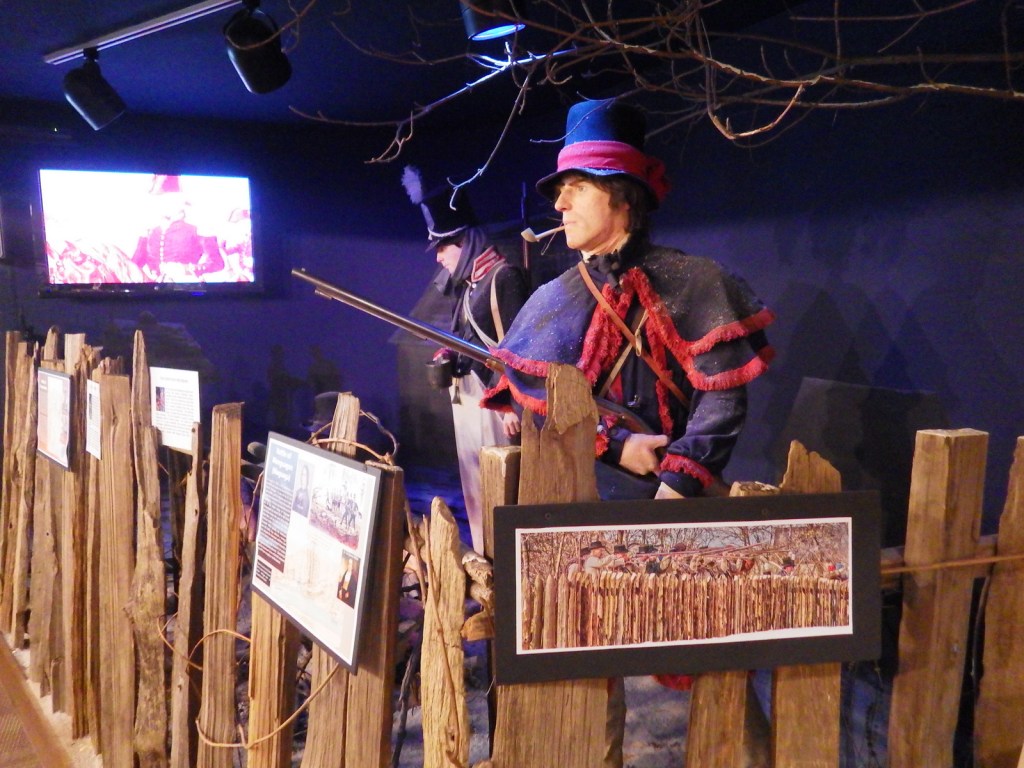
River Raisin National Battlefield Park is located in Monroe, Michigan near where the mouth of the river empties into Lake Erie.  During the War of 1812, the U.S. had a plan to invade Canada which fell through after the surrender of Detroit.  Five months later in January 1813, U.S. troops were heading towards Detroit when they made a detour to Frenchtown to drive off a small detachment of Canadians.  Following an initial victory, a few mornings later a British surprise attack captured or killed all but 33 of nearly 1,000 troops.  When Indian allies of the British returned to scalp six (according to the British) or 42 (according to the Americans) injured prisoners the devastating defeat became immortalized in the rallying cry “Remember the Raisin!”
Highlights

Museum, film, River Raisin Heritage Trail

Must-Do Activity

River Raisin National Battlefield Park was not authorized until 2009, so it has a nice new visitor center opened in 2011.  The National Park Service (NPS) has even attempted to make it kid-friendly by creating a stuffed animal of Major Muskrat with multiple costume options available in the gift shop.  It is not often that an NPS site commemorates an American defeat in battle.  In 1813, the U.S. went onto victory at the Battle of Lake Erie and the Battle of Thames in southern Ontario.  For some reason, the Canadians do not have their own National Historic Site dedicated to that one.

Best Trail

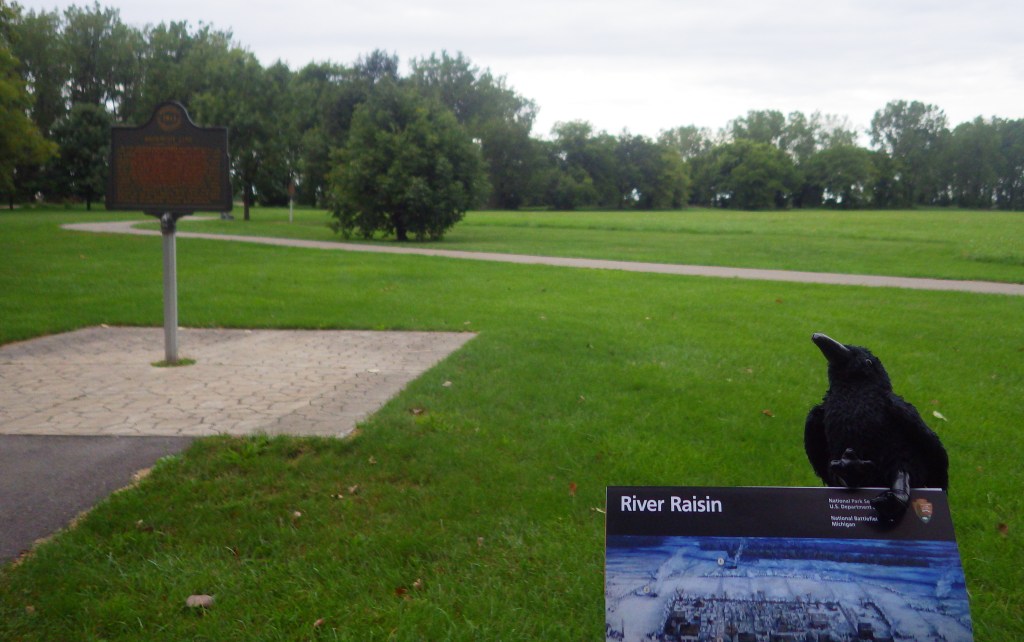
The 42-acre park is mostly a lawn with a paved path dotted by interpretive signs.  You can also hook into the River Raisin Heritage Trail, which takes you to Sterling Stare Park on Lake Erie.

Instagram-worthy Photo

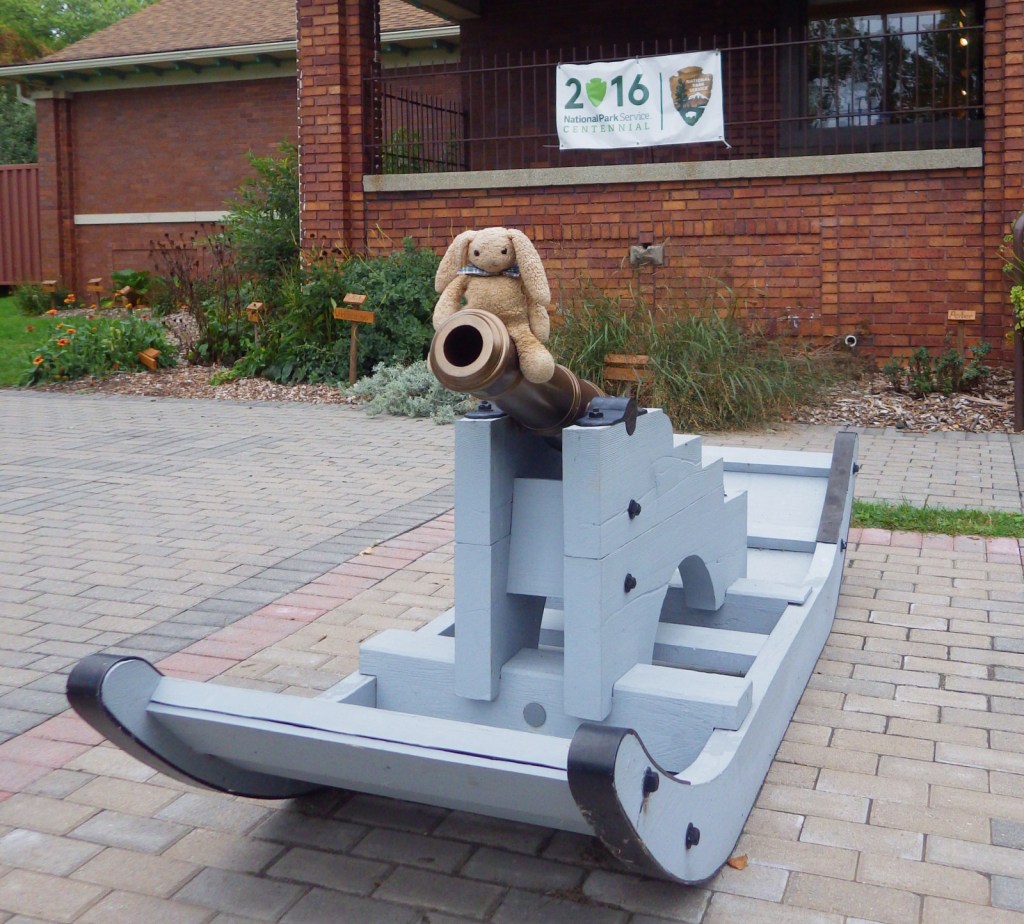
A replica of a cannon used at the January battle is on sled runners; pretty unique!
Peak Season

Summer

Hours

https://www.nps.gov/rira/planyourvisit/hours.htm

Fees

None

Road Conditions

All roads paved

Camping

Sterling State Park offers a 256-site campground on Lake Erie.

Related Sites

Perry’s Victory and International Peace Memorial (Ohio)

Horseshoe Bend National Military Park (Alabama)

Sleeping Bear Dunes National Lakeshore (Michigan)

Explore More – Native Americans were left out of the Treaty of Ghent that ended the War of 1812, so when did the U.S. sign the Treaty of Springwells officially ending hostilities?

Montezuma Castle National Monument

Overview

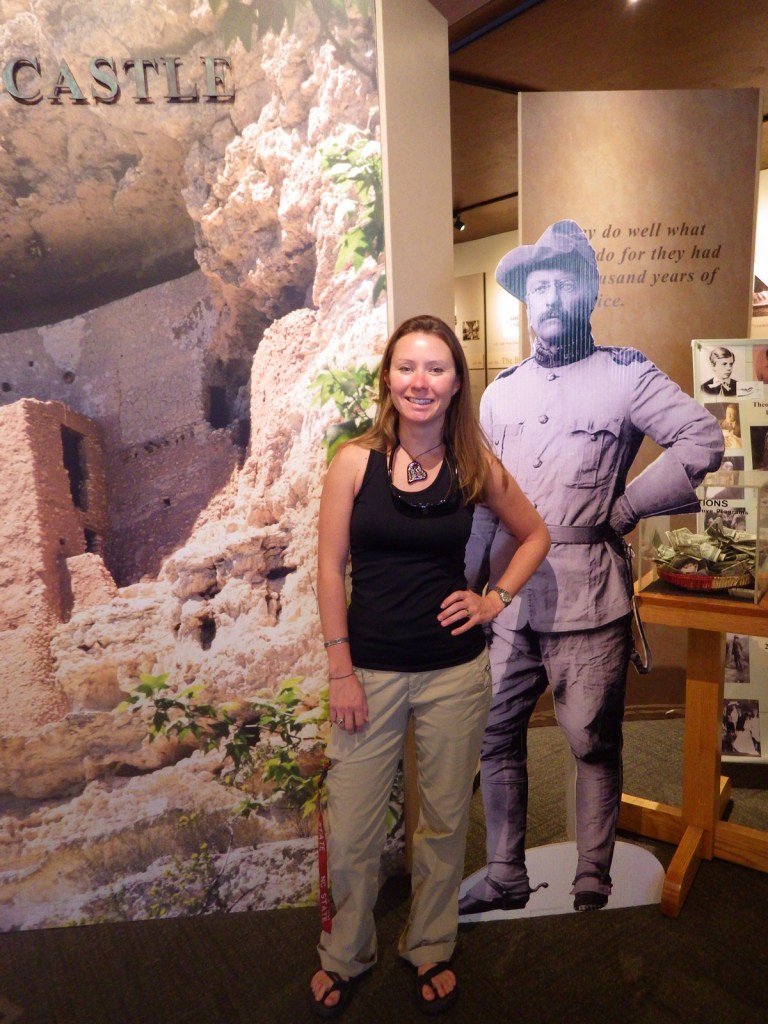
Central Arizona’s Montezuma Castle was one of the first four National Monuments established by President Theodore Roosevelt in 1906.  Conveniently accessible just off Interstate 17 on the way to Sedona or the Grand Canyon, it is a great place to stretch your legs after the 90-minute car ride from Phoenix.  Located in the scenic Verde River Valley, it is one of several sites related to the Sinagua people managed by the National Park Service (also see Walnut Canyon, Tuzigoot, and Wupatki).

Highlights

Cliff dwelling, Montezuma Well

Must-Do Activity

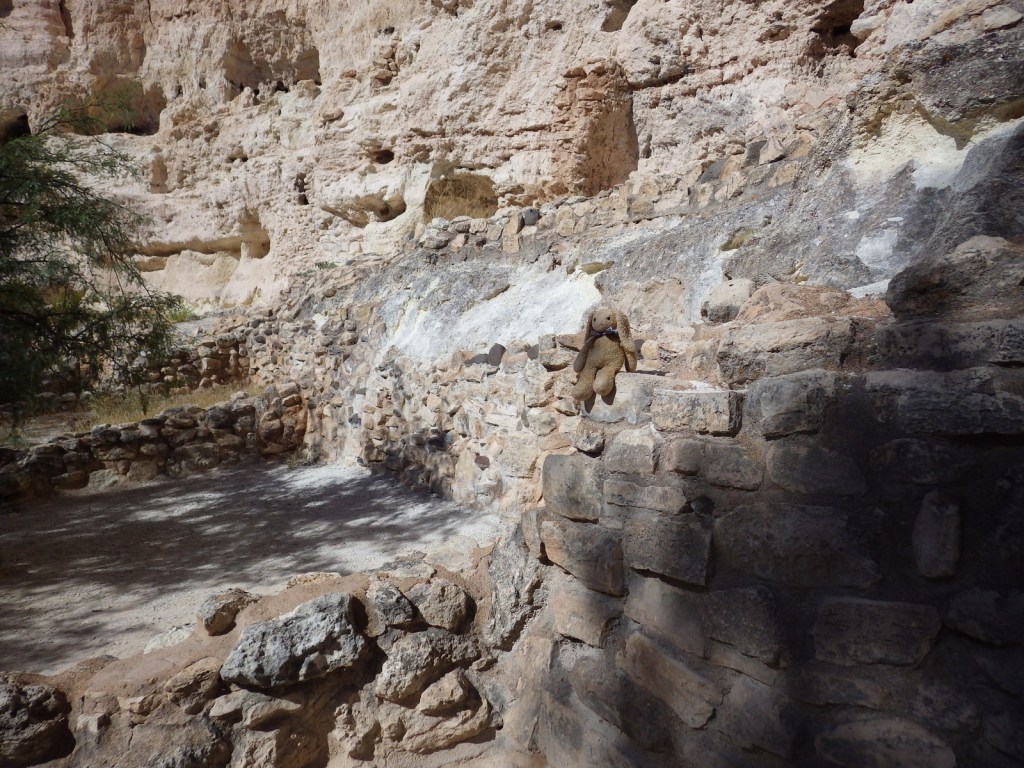
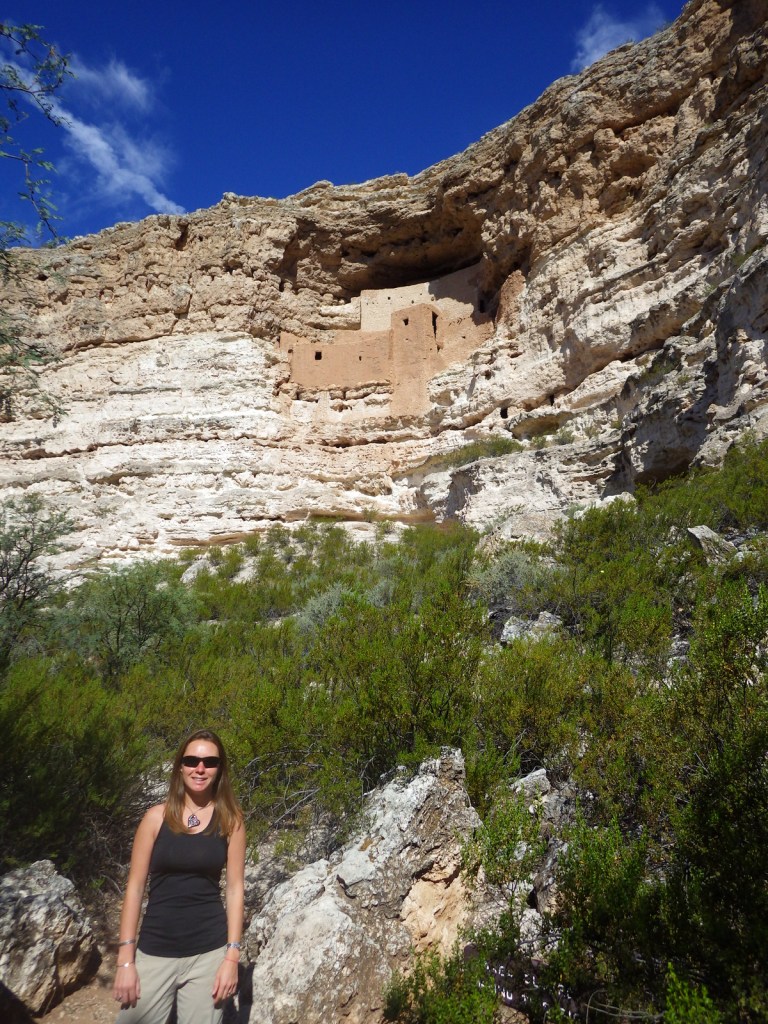
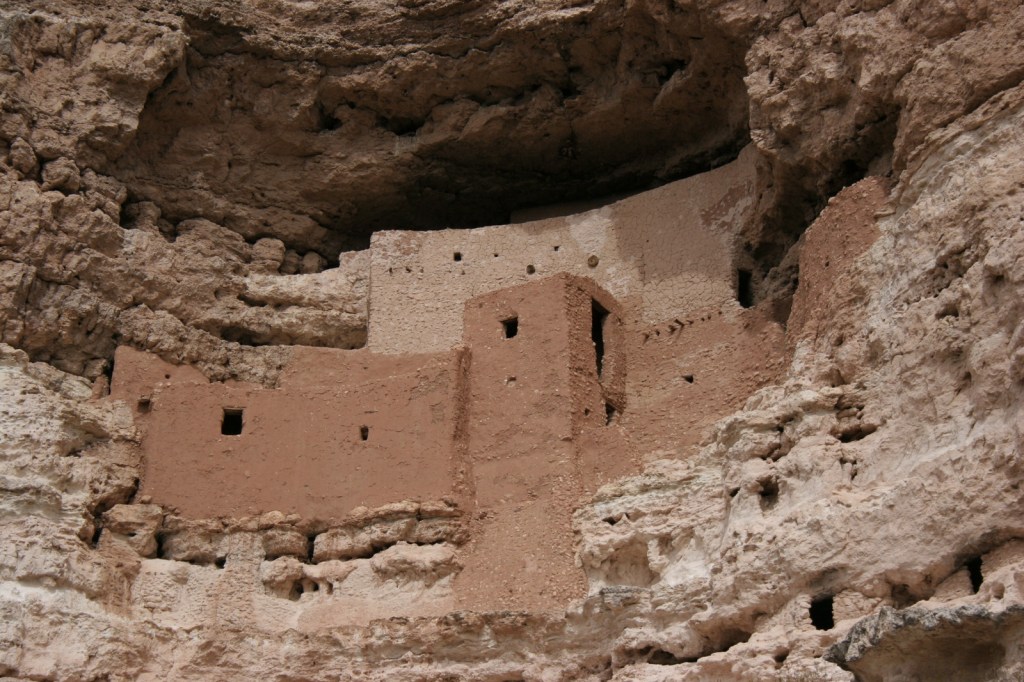
Protected in a cliff recess above Beaver Creek, the five-story tall ruin is not accessible to tourists and can only be viewed from below.  Its name “Montezuma” refers to the mistaken belief that it was somehow connected to the Aztec Empire of Mexico, but its inhabitants had more in common with the Sinagua people living in around Arizona in the 1400s.  Continue on the paved walkway to the ground-level ruins of Castle A and views of Beaver Creek.

Best Trail

To investigate a separate unit of Montezuma Castle National Monument, drive 11 miles north to Montezuma Well, a limestone sinkhole filled by a natural spring that produces 1.5-millions gallons of 74°F water daily.  The trail is only a half-mile long loop, but it is worth the trip to see the historic irrigation ditches and the 55-foot deep sinkhole.

Instagram-worthy Photo

It is unclear why the Sinagua people abandoned the cliff dwelling around 1425, but it may have been due to disease, drought, or climate change.  There were 35 to 50 inhabitants of Montezuma Castle and even more at Castle A, which had approximately 50 rooms.

Peak Season

Summer

Hours

https://www.nps.gov/moca/planyourvisit/hours.htm

Fees

$10 per person or America the Beautiful pass; Montezuma Well is free

Road Conditions

Access roads are paved.

Camping

There is no campground at the National Monument, but many located within massive Coconino National Forest, which also allows dispersed camping.

Related Sites

Tuzigoot National Monument (Arizona)

Tonto National Monument (Arizona)

Sunset Crater Volcano National Monument (Arizona)

Explore More – In what year did the National Park Service stop allowing visitors to climb ladders to walk inside Montezuma Castle?

Yucca House National Monument

Overview

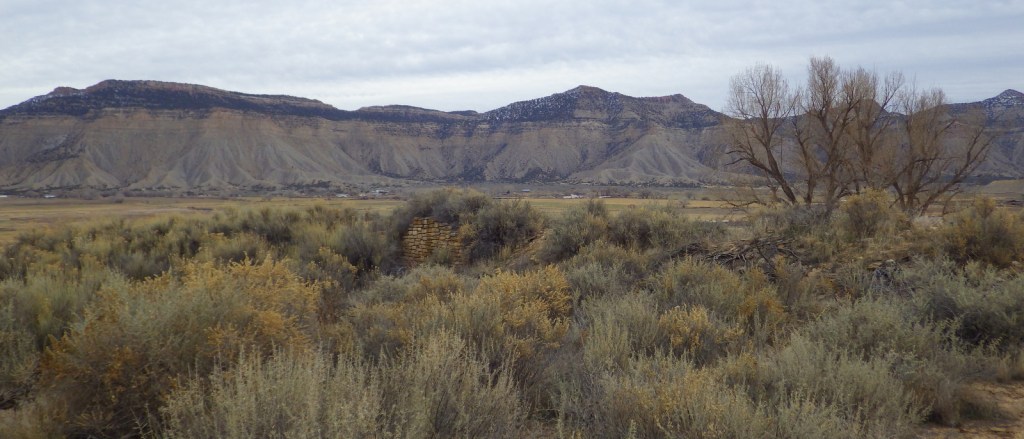
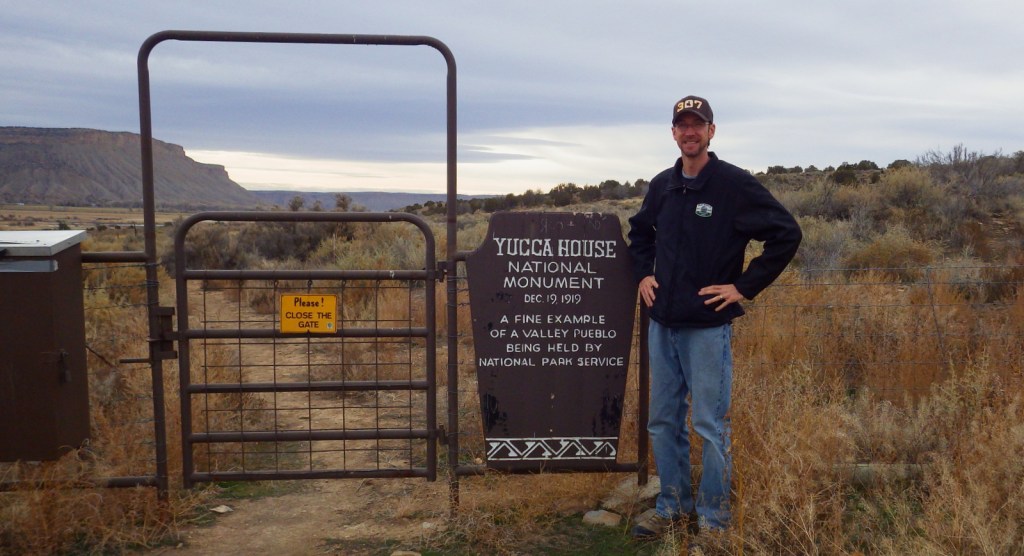
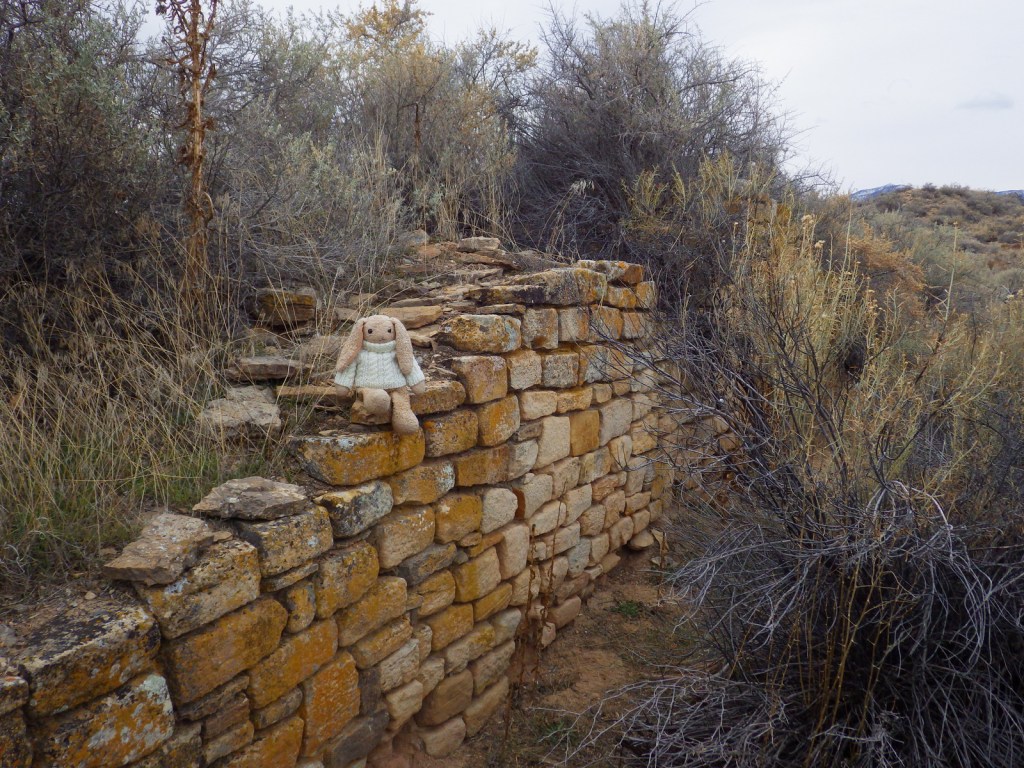
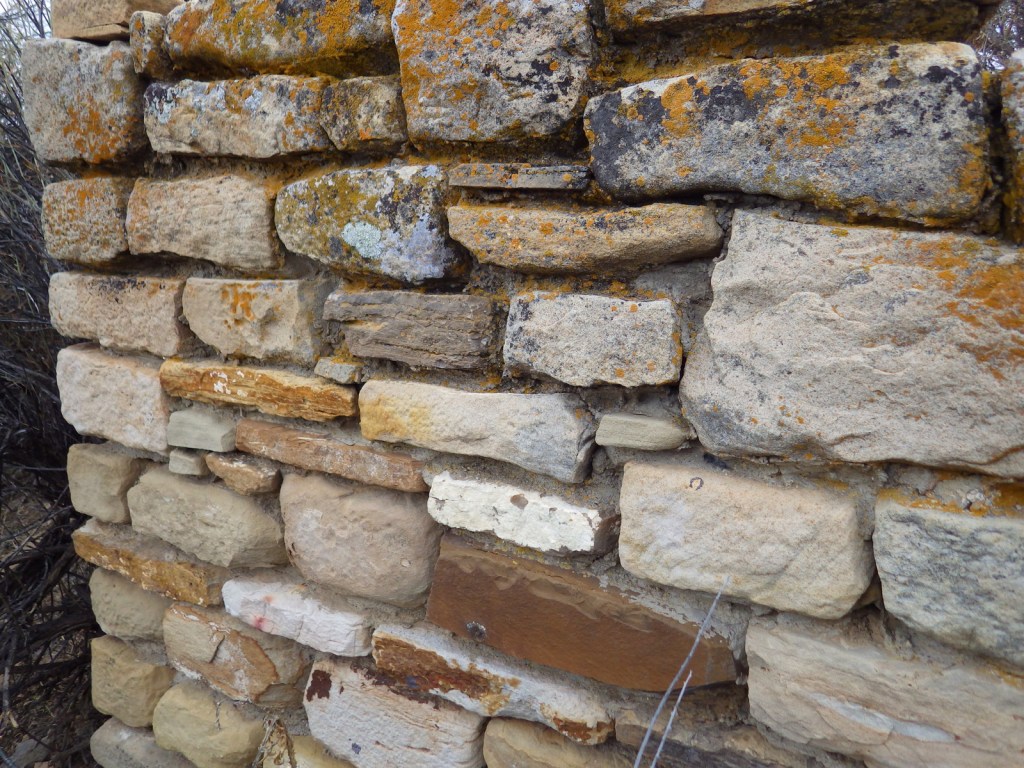
Yucca House National Monument was established in 1919 outside Cortez, Colorado.  It is not far from Mesa Verde National Park, which has information about the National Monument at its visitor center on Highway 160.  The 34-acre site protects an unexcavated pueblo abandoned around 1300, so there is very little to see above ground.  The fact that there is public access at all is thanks to the ranching family that allows visitors to park in what is basically their driveway.

Highlights

Unexcavated pueblo, Canyons of the Ancients National Monument visitor center

Must-Do Activity

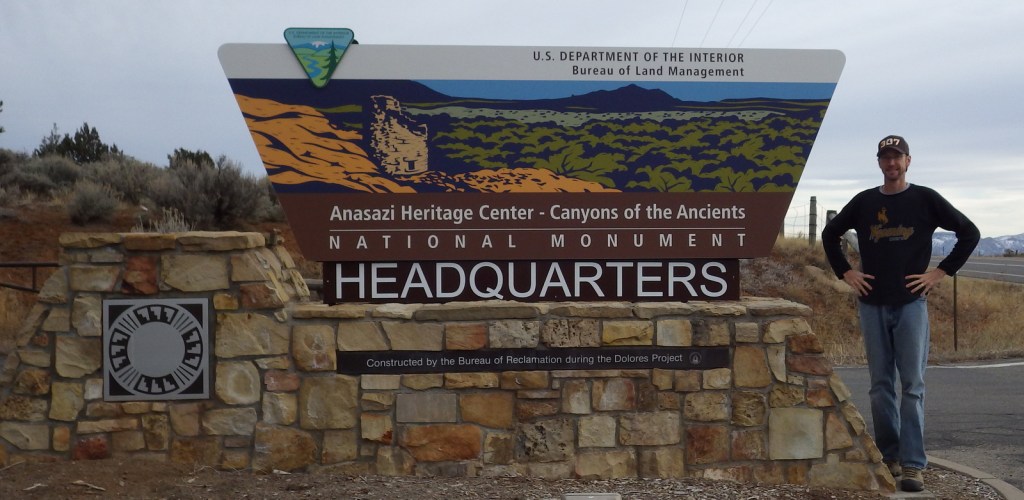
Unless you aim to visit every unit in the National Park Service (NPS) system, you are better off spending your time taking an extra tour or hike at Mesa Verde National Park.  There are no facilities and there is not much to see at Yucca House, but there are many interesting Ancestral Puebloan ruins within nearby Canyons of the Ancients National Monument, which is run by the Bureau of Land Management (BLM).  They have a large visitor center in Dolores, Colorado where you can get directions to archaeological sites, such as Painted Hand Pueblo.

Best Trail

Sand Canyon Trail lies within Canyons of the Ancients National Monument and its southern trailhead is located just off paved County Road G.  The trail provides access to numerous archaeological sites; just remember to leave everything where you found it.

Instagram-worthy Photo

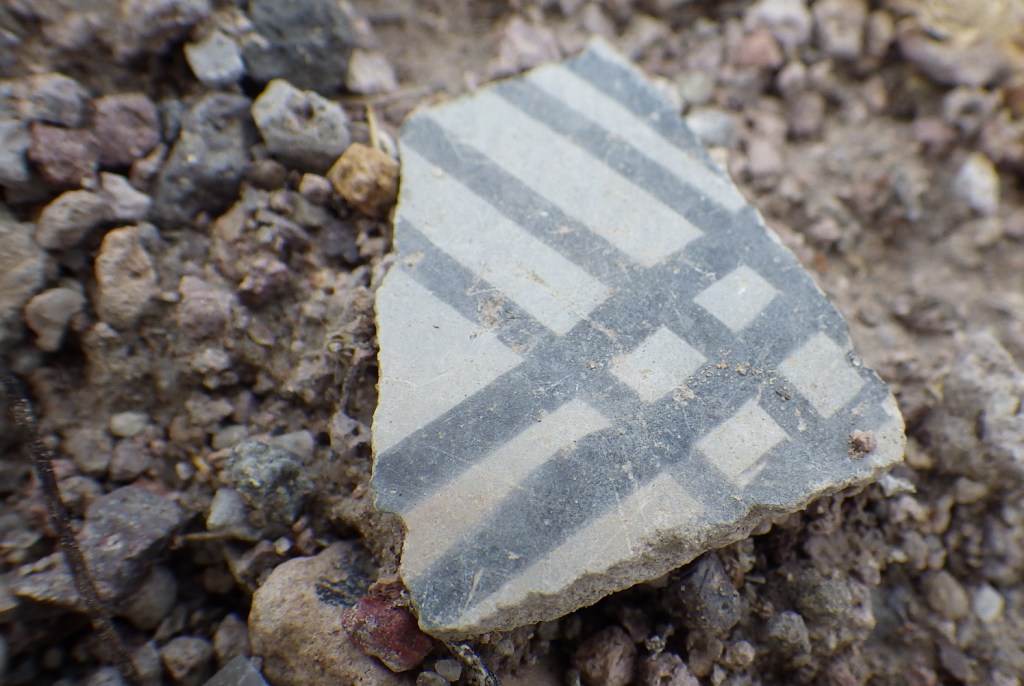
The most interesting unexcavated pueblo we have visited is Posi-Ouinge, which is accessible by a short trail from Ojo Caliente Hot Springs Resort in New Mexico.  The ground there is littered with thousands of pot shards, many with painted designs still visible.

Peak Season

Summer

Hours

https://www.nps.gov/yuho/planyourvisit/hours.htm

Fees

None

Road Conditions

The access road is well-maintained dirt.

Camping

Dispersed camping is allowed in parts of nearby Canyons of the Ancients National Monument, which is run by the BLM.

Related Sites

Mesa Verde National Park (Colorado)

Hovenweap National Monument (Utah-Colorado)

Chaco Culture National Historical Park (New Mexico)

Explore More – Why did the Bureau of Land Management change the name of their visitor center in Dolores, Colorado from Anasazi Heritage Center?

Fort Caroline National Memorial

Overview

After a failed settlement by persecuted French Protestants (Huguenots) in 1562, two years later a group of 200 soldiers, artisans, and a few women established a colony at the mouth of the St. Johns River (east of present-day Jacksonville, Florida).  Led by René de Goulaine de Laudonnière, they hurriedly assembled the triangular Fort Caroline, named for King Charles IX.  In 1565, Jean Ribault arrived with 600 more settlers and soldiers.  After learning the Catholic Spanish had established a base to the south at St. Augustine, Ribault set sail for a surprise attack, only to be shipwrecked by a hurricane.  The unprotected Fort Caroline was easily captured by the Spanish, who executed 140 of its 200 inhabitants.  The Spanish then killed the majority of the 250 French marooned at Matanzas Inlet, which gained its name from these “slaughters.”

Highlights

Museum, reconstructed fort, Hammock Trail, Ribault Monument

Must-Do Activity

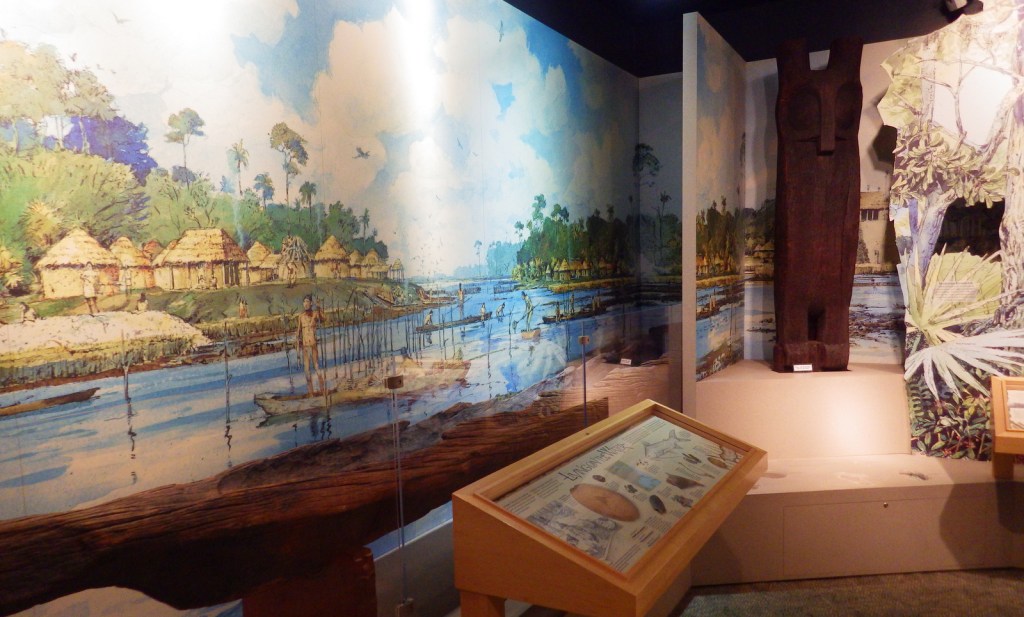
The National Park Service (NPS) administers Fort Caroline National Memorial (established in 1950) as a unit of Timucuan Ecological and Historic Preserve (established in 1988).  Start your visit at the NPS museum, which provides information on the indigenous Timucuan, as well as the European colonization efforts.  After walking the Hammock Trail to see the reconstructed fort, drive to the nearby Ribault Monument, a replica of a stone column left by Jean Ribault at the mouth of the St. Johns River on May 2, 1562.

Best Trail

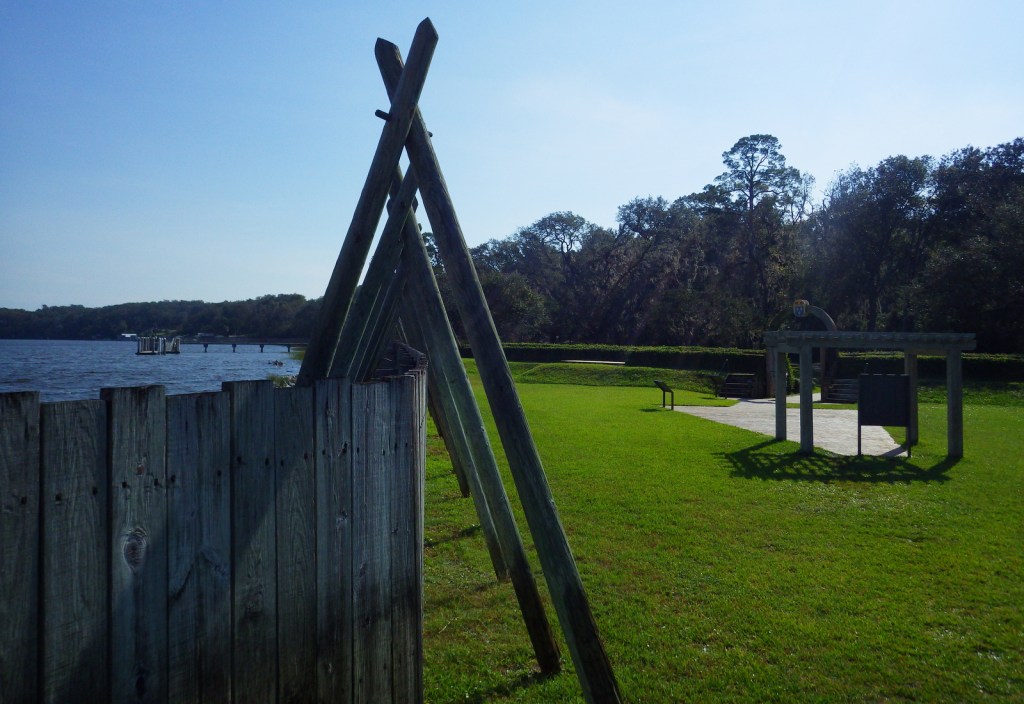
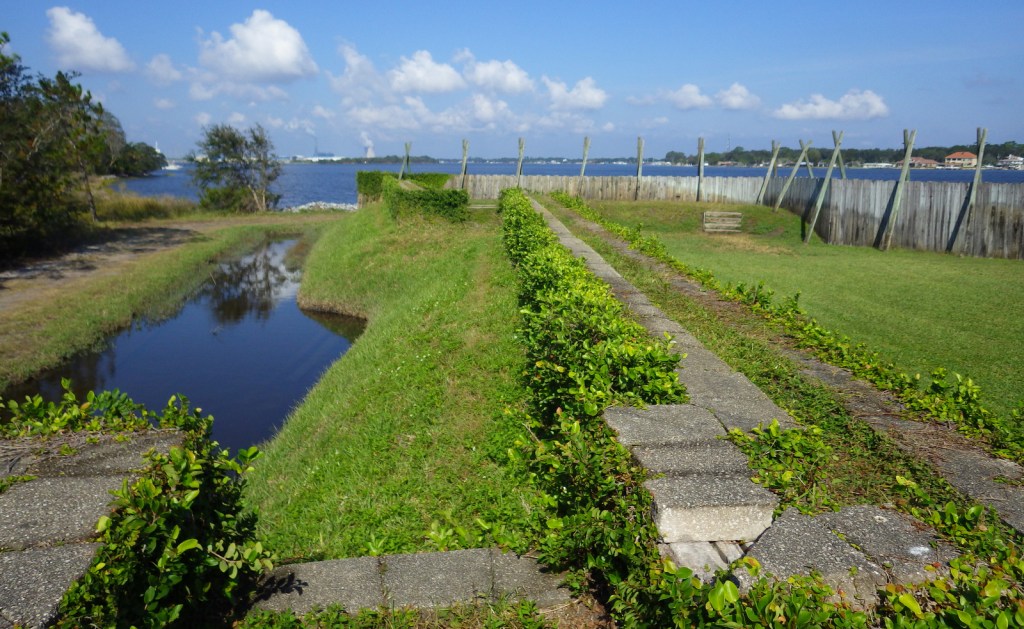
Within this 139-acre National Memorial, the Hammock Trail visits the reconstructed fort along the St. Johns River.  Starting from two parking lots south of Fort Caroline Road several trails explore Spanish Pond and the Theodore Roosevelt Area of Timucuan Ecological and Historic Preserve.

Instagram-worthy Photo

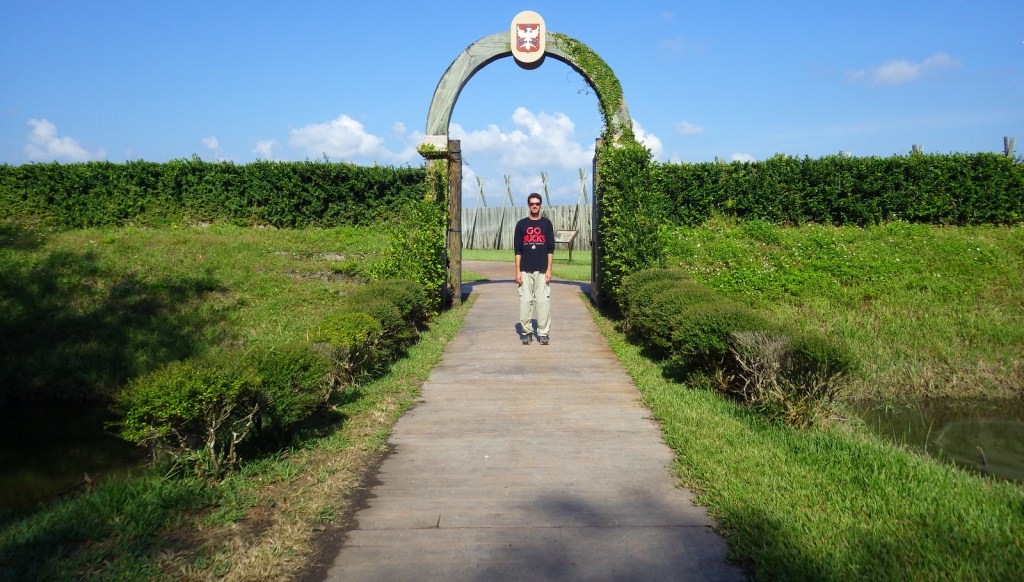
The actual site of the original fort has never been found (and is probably underwater), but you can tour a one-third scale reconstruction of the triangular structure based upon a drawing from 1564 by French artist Jacques le Moyne.  The French got a measure of revenge in 1568 when they attacked and burned Spanish-controlled Fort Caroline, but they could not take St. Augustine and never colonized Florida again.

Peak Season

Winter when there is less mosquito activity.

Hours

https://www.nps.gov/timu/learn/historyculture/foca_visiting.htm

Fees

None

Road Conditions

All roads paved

Camping

Little Talbot Island State Park and Kathryn Abbey Hanna Park (run by the city of Jacksonville) both have campgrounds.

Related Sites

Timucuan Ecological and Historic Preserve (Florida)

Castillo de San Marcos National Monument (Florida)

Fort Matanzas National Monument (Florida)

Explore More – When the Spanish took control of Fort Caroline in 1565, what did they rename it?

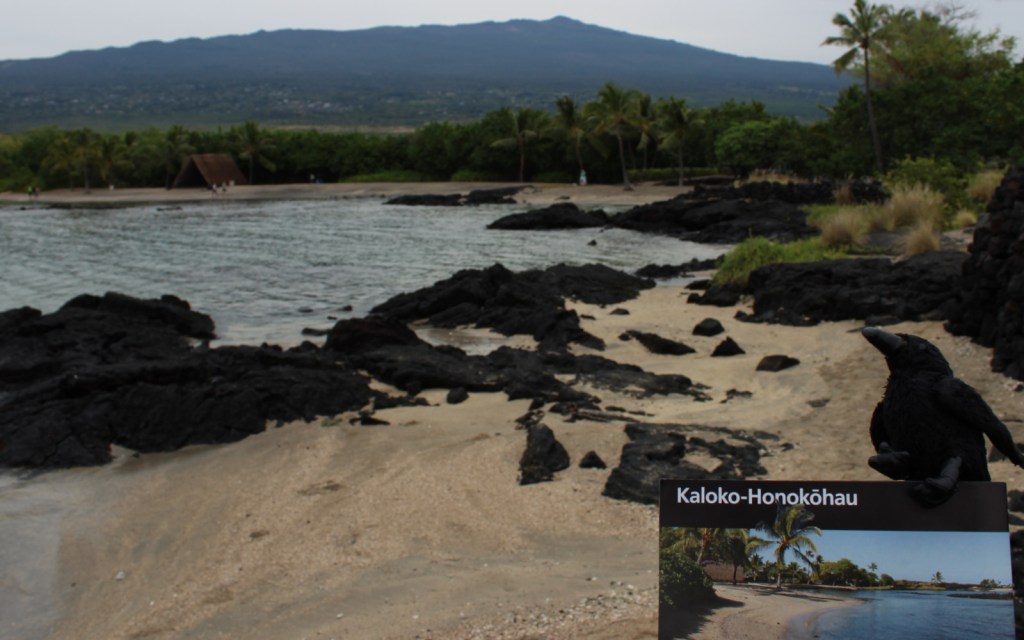
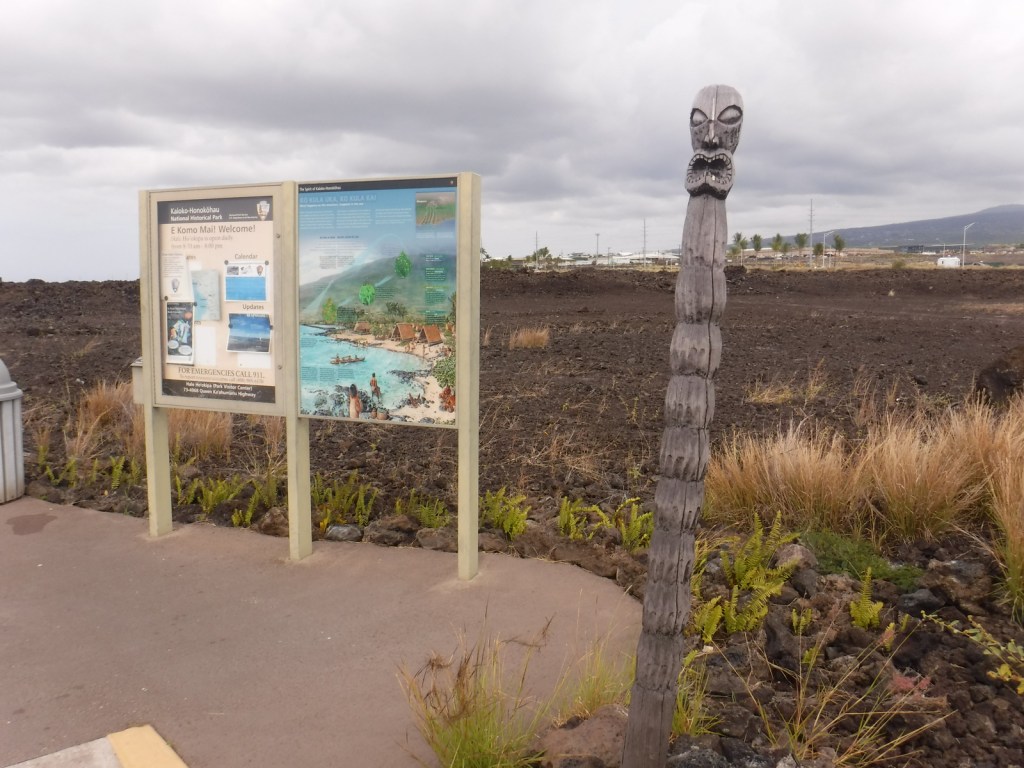
Kaloko-Honokōhau National Historical Park

Overview

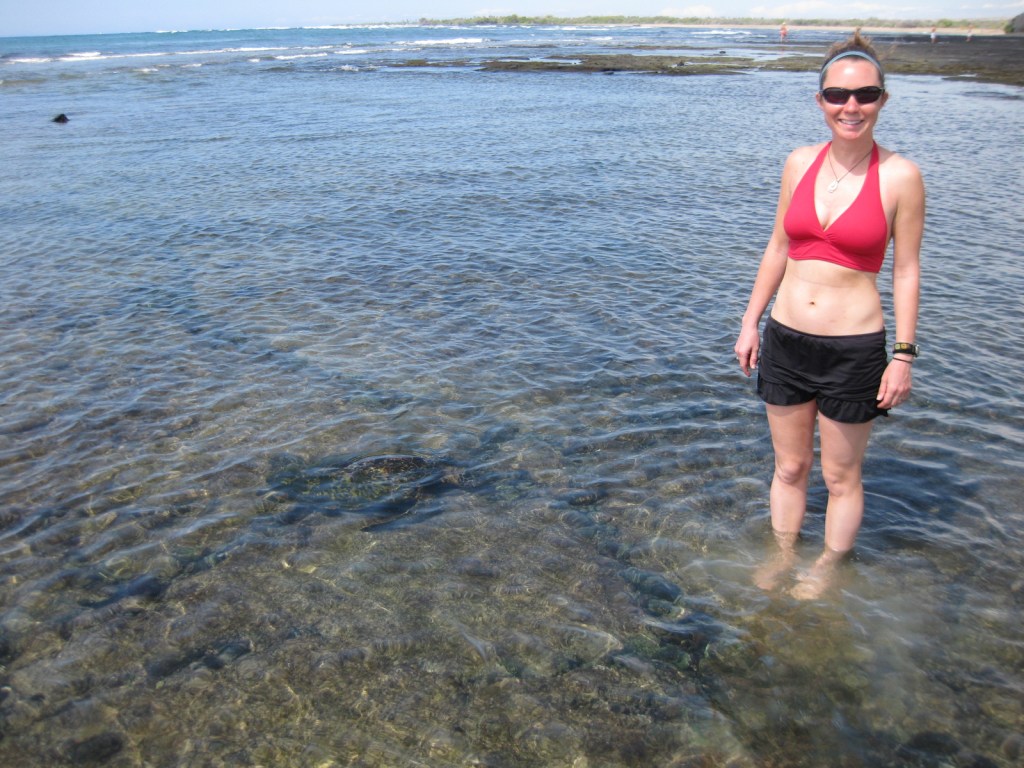
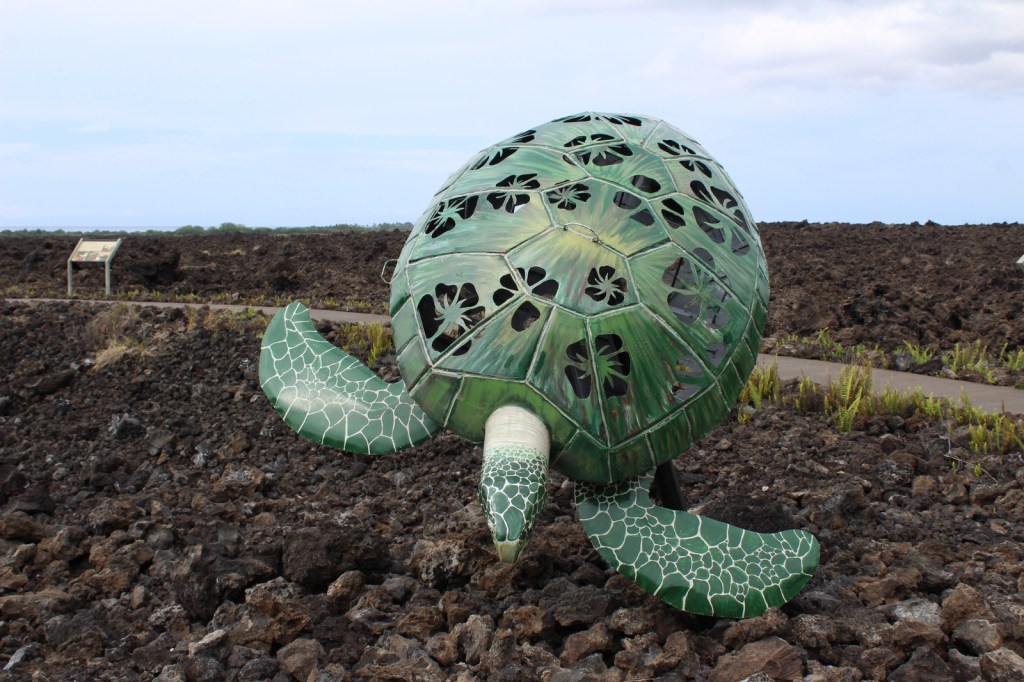
On the west coast of the Big Island of Hawai‘i, Kaloko-Honokōhau National Historical Park was established in 1978, the same year the green sea turtles were federally listed as a threatened species.  This park’s current population of 130 long-term resident juvenile turtles is believed to be a direct result of that protection.  The honus (green sea turtles) are visible both in the clear ocean water and onshore in haul-outs.

Highlights

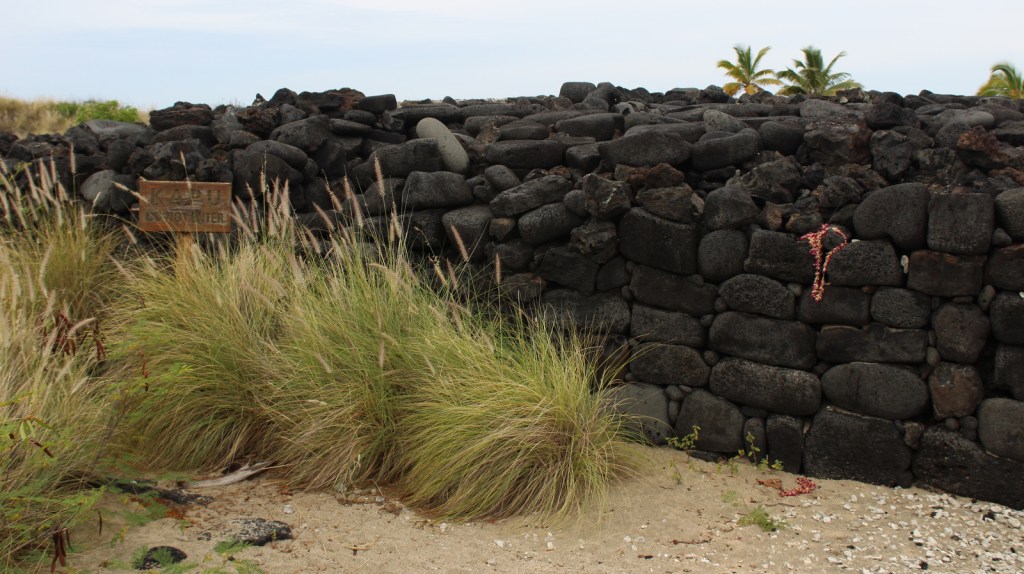
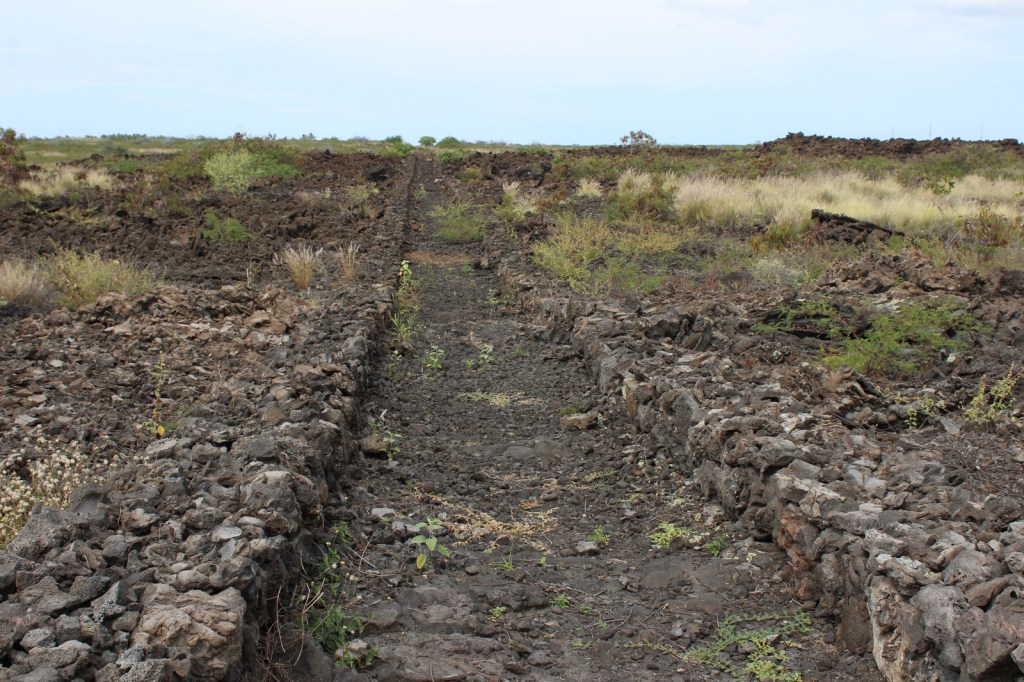
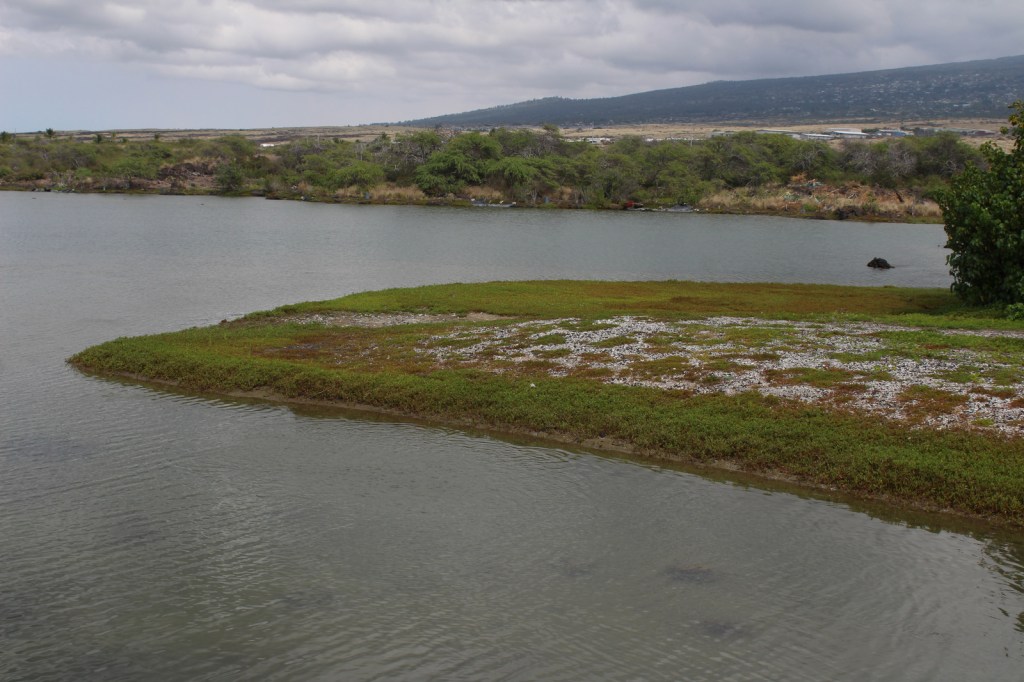
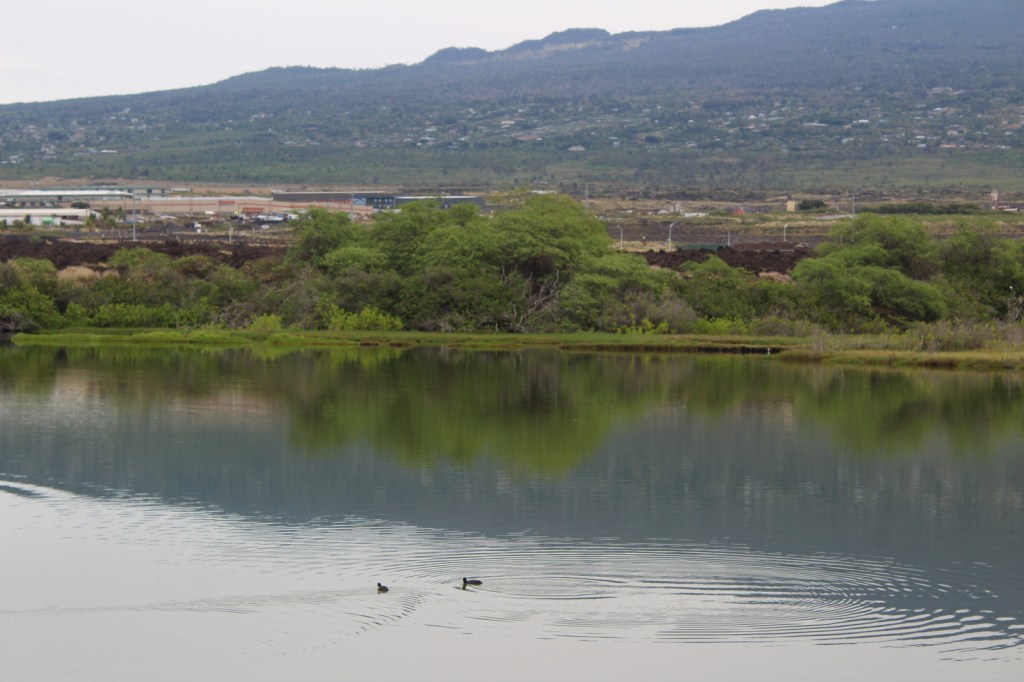
Honokōhau Beach, ‘Ai‘ōpio fishtrap, heiau (temple), Ala Kahakai National Historic Trail, Kaloko fishpond, green sea turtles

Must-Do Activity

Just like wading humans, green sea turtles are attracted to the shallow, calm waters created by the ‘Ai‘ōpio fishtrap, an artificial reef built of black lava rock.  Some of these young sea turtles already weigh 140 pounds!  Please refrain from touching or lifting the turtles.  Instead, sit in the sun on a white gravelly beach to watch the methodical paddling of these ancient reptiles on this undeveloped portion of coast on the largest island in the United States.

Best Trail

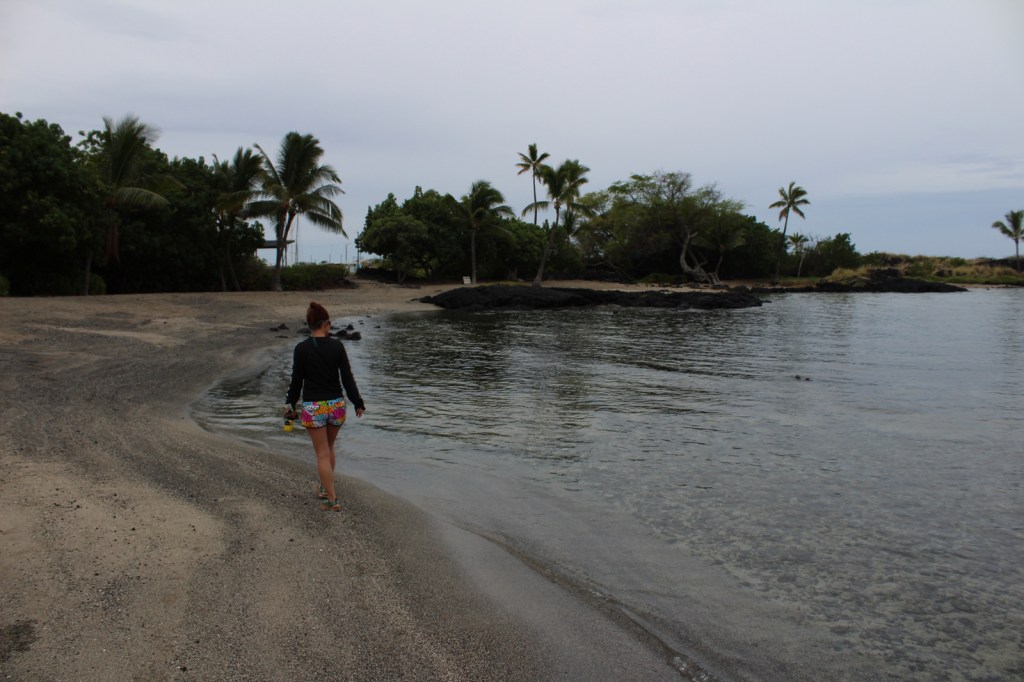
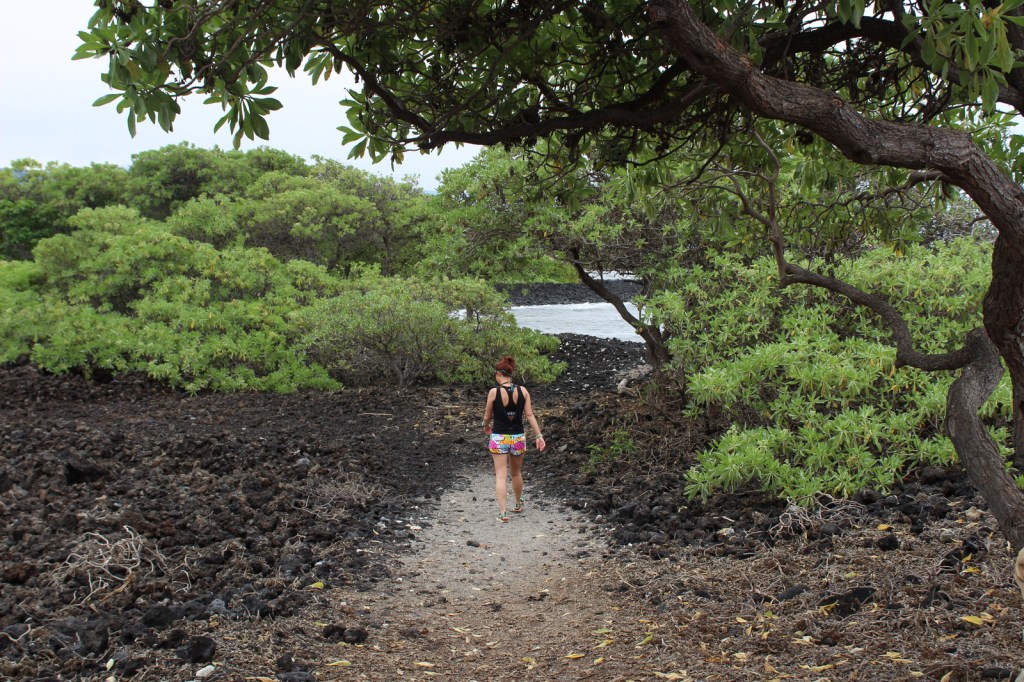
Visitors cannot park at the beach, instead they have to walk a half-mile one-way, which keeps the numbers down.  Two historic trails go to fishponds in this dry, volcanic landscape.

Instagram-worthy Photo

At Honokōhau Beach, next to the ‘Ai‘ōpio fishtrap is a reconstructed hālau (long house), a nice spot to take a break in the shade.

Peak Season

Year round

Hours

https://www.nps.gov/kaho/planyourvisit/hours.htm

Fees

None

Road Conditions

The main entrance is off Highway 19, but there is a good dirt road that accesses Kaloko fishpond that is gated at night.

Camping

Hawai‘i Volcanoes National Park offers a campground, but if you want to camp near the beach look into the state parks and county parks.

Related Sites

Pu’uhonua o Honaunau National Historical Park (Hawai‘i)

Pu’ukohola Heiau National Historic Site (Hawai‘i)

Kalaupapa National Historical Park (Hawai‘i)

Explore More – What did native Hawaiians use to line their 150-foot long hōlua (stone slide) for racing toboggan-like sleds?