Tag Archives: National Recreation Area

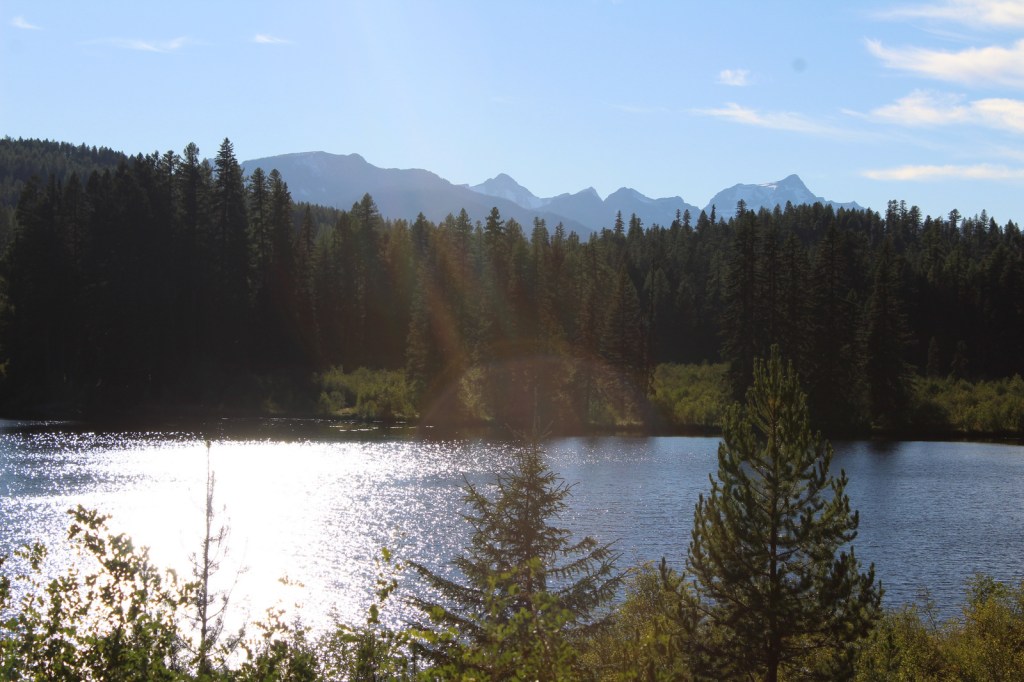
Lolo National Forest

Lolo National Forest

Montana

Managed by U.S. Forest Service, Northern Region

2,639,224 acres (2,197,966 federal/ 441,258 other)

Website: https://www.fs.usda.gov/r01/lolo

Overview

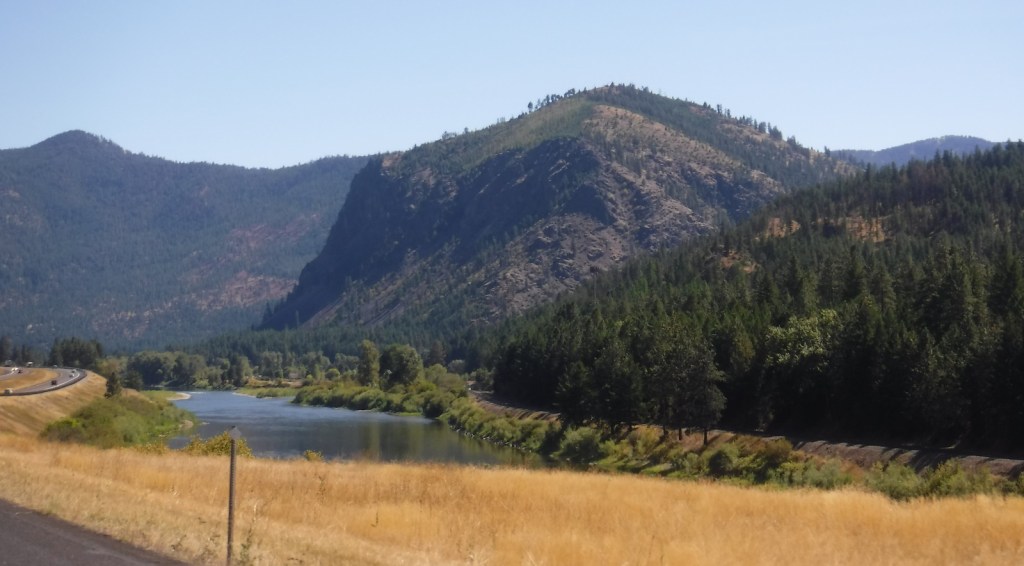
Located in western Montana, the elevation of Lolo National Forest ranges from less than 2,400 feet on the Clark Fork River below Thompson Falls to the top of 9,186-foot Scapegoat Mountain.  West of Missoula off Interstate 90, the Ninemile Historic Remount Depot preserves a Civilian Conservation Corps (CCC) camp and pack stock training facility.  Founded in 1907, the Savenac Historic Tree Nursery Area is also well developed for visitors, including an arboretum and cabin rentals in what were formerly the cookhouse and bunkhouse. 

Highlights

Rattlesnake National Recreation Area, Lolo Pass Visitor Center, Lolo National Historic Trail, Fort Fizzle, Blue Mountain Recreation Area, Cascade Falls, Savenac Nursery, Petty Creek Bighorn Sheep Viewing Site, Clearwater Canoe Trail, Stark Mountain Vista, Lewis and Clark National Historic Trail

Must-Do Activity

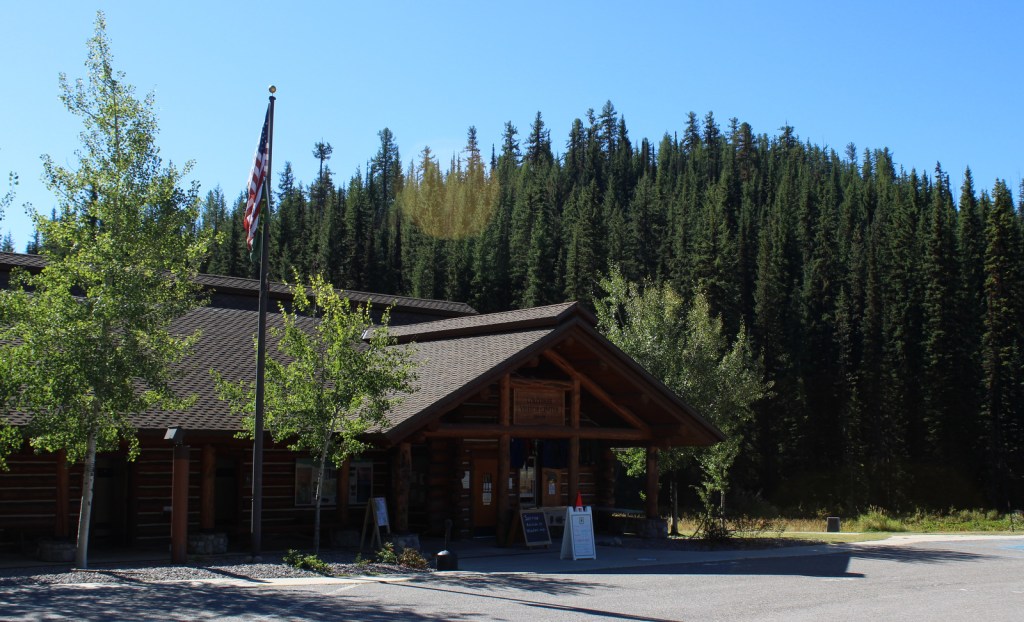
Lolo National Forest surrounds Missoula, where the Aerial Fire Depot and Smokejumper Center offers guided tours and exhibits.  Right outside of the city are numerous hiking trails in Blue Mountain Recreation Area and Rattlesnake National Recreation Area, which contains 73 miles of trails (and has its own blog entry on our website).  Following a path used by the Corps of Discovery in 1805, the Lolo National Historic Trail shadows Highway 12 west into Idaho (see Clearwater National Forest). Take time to stop at the Lolo Pass Visitor Center managed by the U.S. Forest Service.

Best Trail

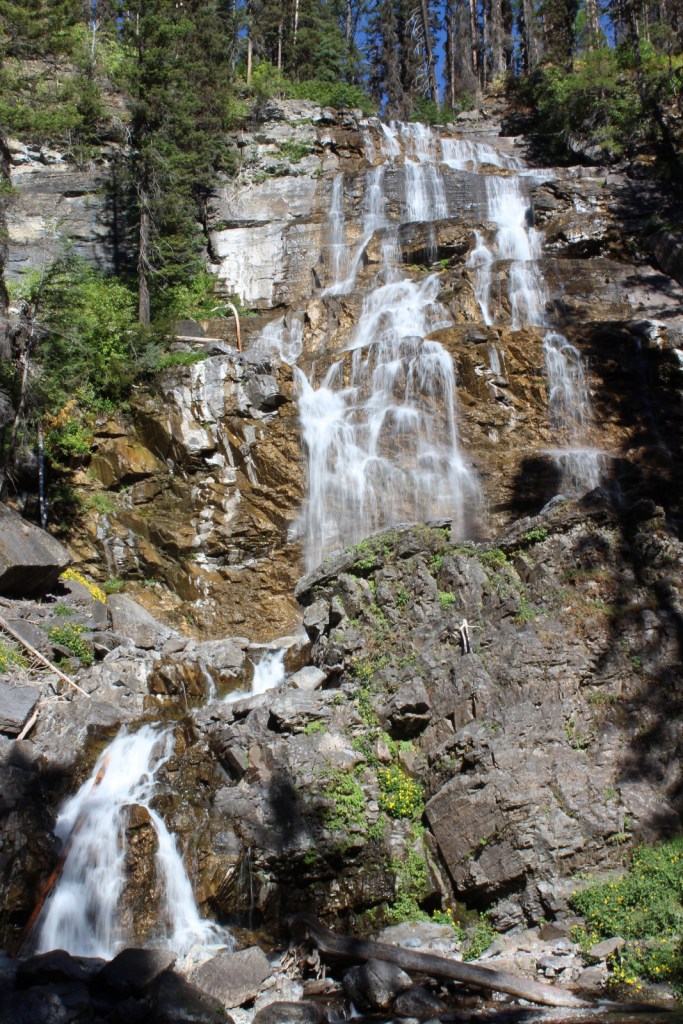
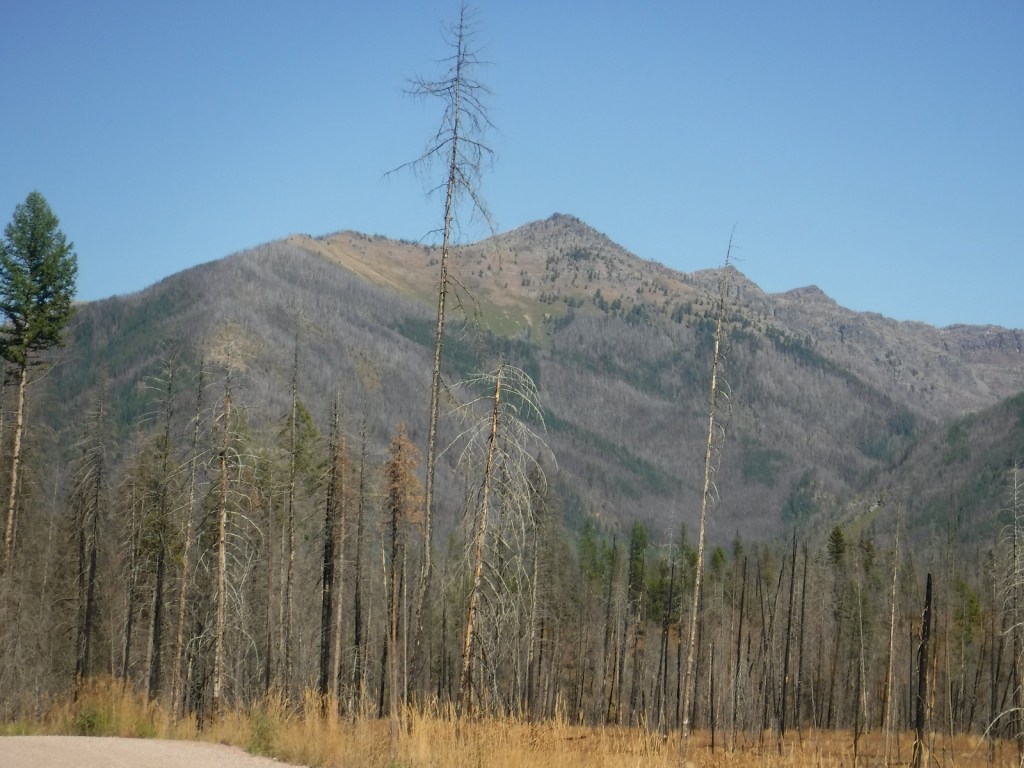
Morrell Falls National Recreation Trail leads to a 90-foot-tall waterfall on the western slope of the Swan Range.  The trail is 5.5 miles out-and-back, mostly flat with some short inclines as it cuts through a burned area now full of beargrass and fireweed.  The waterfall cascades down a rocky outcrop and is well lit in the afternoon.  The trailhead is located 7.5 miles from Highway 83 on a good gravel road that has well-signed intersections.  Also nearby, the Pyramid Pass Trailhead provides access to the Bob Marshall Wilderness in adjacent Flathead National Forest.

Watchable Wildlife

There are 60 species of mammals found in Lolo National Forest, including grizzly/brown bears, black bears, mountain lions, gray wolves, mountain goats, bighorn sheep, elk, moose, and mule deer.  Among the largest of the more than 300 birds spotted are bald eagles, golden eagles, and trumpeter swans.  The five rivers and over 100 lakes are home to 30 varieties of ducks and 20 types of fish.

Photographic Opportunity

Located on the western slope of the Swan Range, 90-foot-tall Morrell Falls is accessed on a 5.5-mile out-and-back hike.

Peak Season

Summer

Fees

None

Road Conditions

The unpaved roads we took were in good shape to Morrell Falls National Recreation Trail and Rattlesnake National Recreation Area.

Camping

The forest has 12 improved campgrounds and several historic fire lookout towers available for overnight rental through the website Recreation.gov

Wilderness Areas

Rattlesnake Wilderness

Scapegoat Wilderness (also in Helena and Lewis and Clark National Forests)

Selway-Bitterroot Wilderness (also in Bitterroot, Clearwater, and Nez Perce National Forests)

Welcome Creek Wilderness

Related Sites

Deerlodge National Forest (Montana)

Upper Missouri River Breaks National Monument (Montana)

Beaverhead National Forest (Montana)

Nearest National Park

Glacier

Conifer Tree Species

western redcedar, alpine larch, western larch, whitebark pine, ponderosa pine, grand fir, subalpine fir, Engelmann spruce, mountain hemlock

Flowering Tree Species

quaking aspen, Rocky Mountain maple, western serviceberry

Explore More – What is the origin of the name Lolo?

Learn more about this and the 154 other National Forests in our new guidebook Out in the Woods

Rattlesnake National Recreation Area

Rattlesnake National Recreation Area

Montana

Managed by U.S. Forest Service, Northern Region

28,000 acres

Website: https://www.fs.usda.gov/r01/lolo/recreation/rattlesnake-national-recreation-area-wilderness

Overview

Situated only four miles from Missoula, Montana within Lolo National Forest, Rattlesnake National Recreation Area is a popular area for outdoor recreation year-round.  It was established in 1980, at the same time as the adjacent 32,976-acre Rattlesnake Wilderness, which ranges in elevation from 4,200 feet up to 8,620-foot McLeod Peak.  The National Recreation Area has one of the only Sphagnum bogs in the western U.S. and Rattlesnake Creek hosts bull trout, cutthroat trout, and mountain whitefish. 

Highlights

Rattlesnake Main Trail, Ravine Creek Trail. Sawmill Curry Gulch Loop Trail, Spring Gulch Trail, Stuart Peak Trail

Must-Do Activity

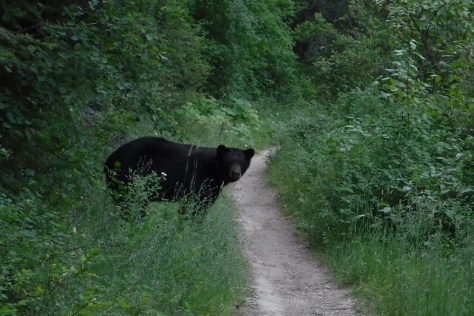
There are 73 miles of hiking trails in the National Recreation Area, but the most heavily used are the first three miles of Rattlesnake Main Trail along Rattlesnake Creek.   These trails are also open to horseback riders, mountain bikers, and cross-country skiers.  Be aware that mountain lions and black bears frequent the area, and we came across a bear on a warm morning in early August. 

Best Trail

Rattlesnake Main Trail follows an old logging road along the creek for the first nine miles before it gets steeper.  Other popular hiking options include Ravine Creek Trail, Sawmill Curry Gulch Loop Trail, Spring Gulch Trail with its moderate elevation gain, and Stuart Peak Trail that climbs steeply up into the Rattlesnake Wilderness.

Photographic Opportunity

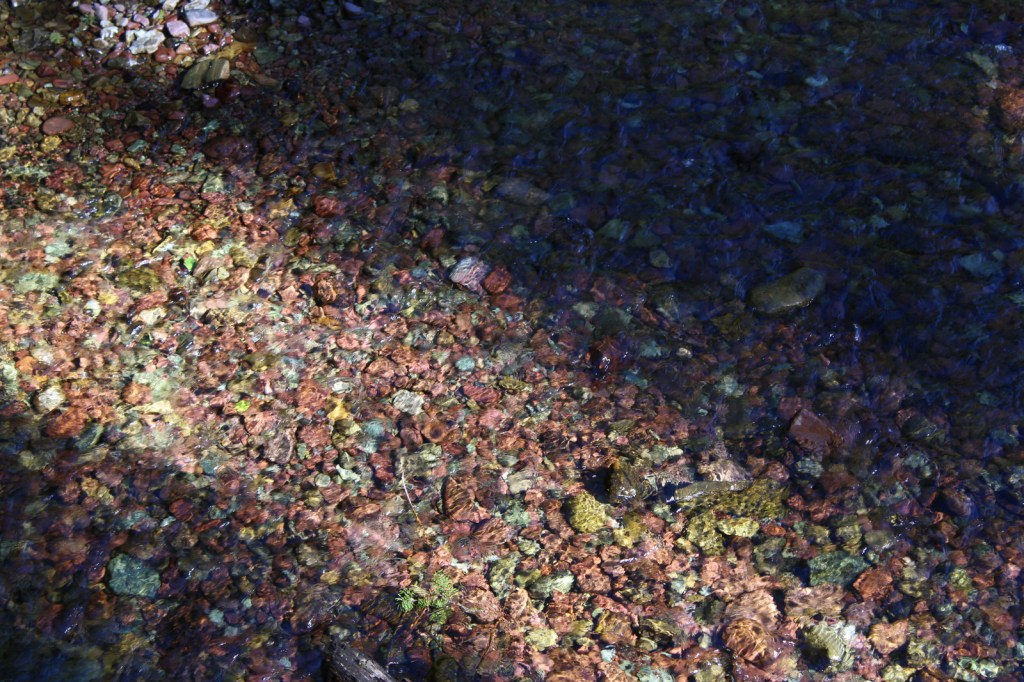
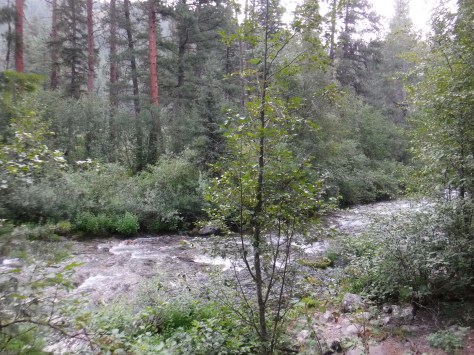
Rattlesnake Creek attracts many animals, including the American dipper or ouzel, an aquatic songbird.

Peak Season

Summer

Fees

None

Road Conditions

From the Van Buren Street exit #105 off Interstate 90, head north as it turns into Rattlesnake Drive, which you drive for approximately three miles to the entrance.

Camping

There is no campground within the National Recreation Area and the closest ones in Lolo National Forest are much further west on Interstate 90 or to the north off Highway 83.

Related Sites

Helena National Forest (Montana)

Bitterroot National Forest (Montana)

Clearwater National Forest (Idaho)

Nearest National Park

Glacier

Explore More – What species of native orchids can be found growing here?

Rainbow Bridge National Monument

Rainbow Bridge National Monument

Utah

Managed by National Park Service

Established 1910

160 acres

Website: nps.gov/rabr

Overview

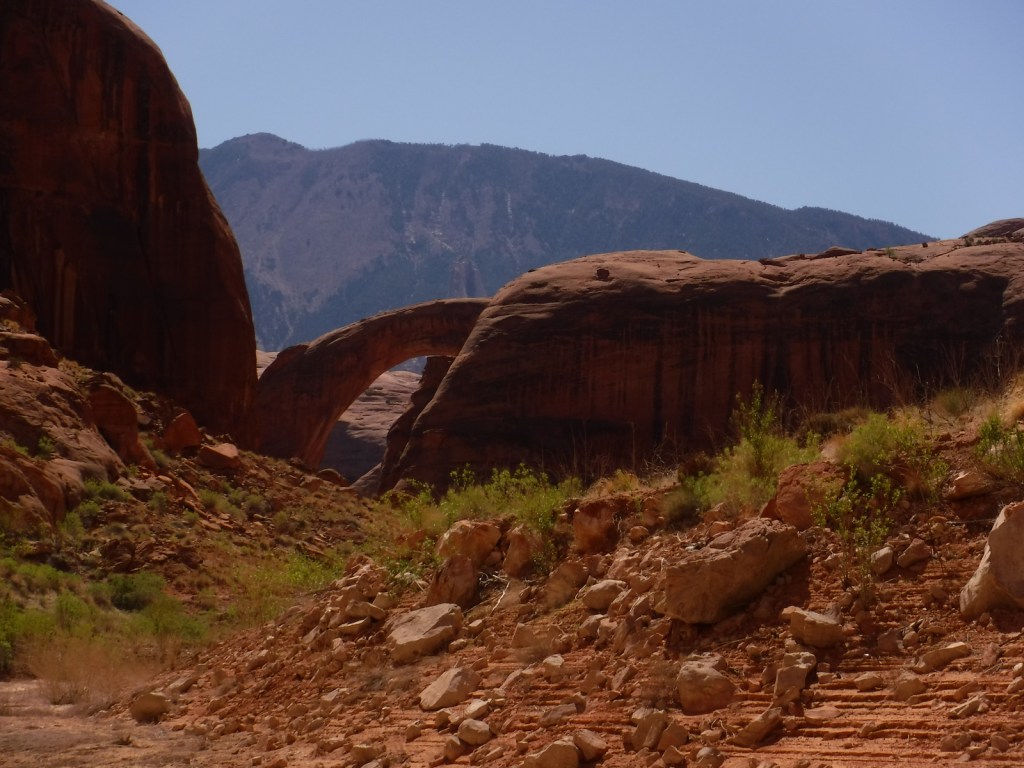
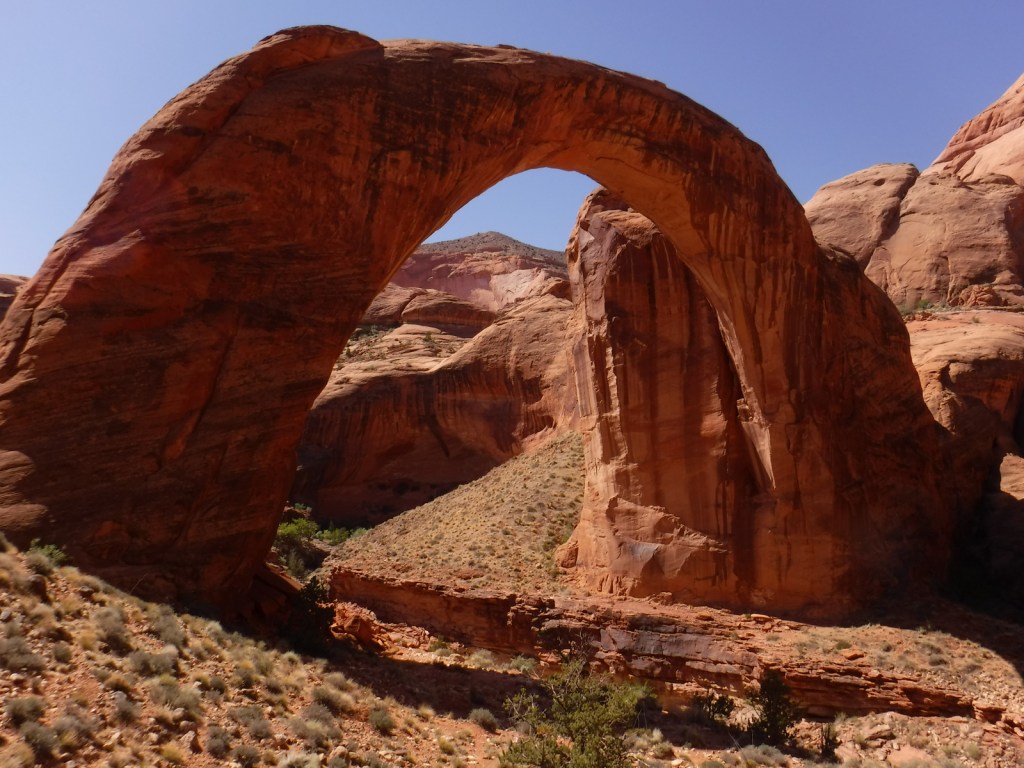
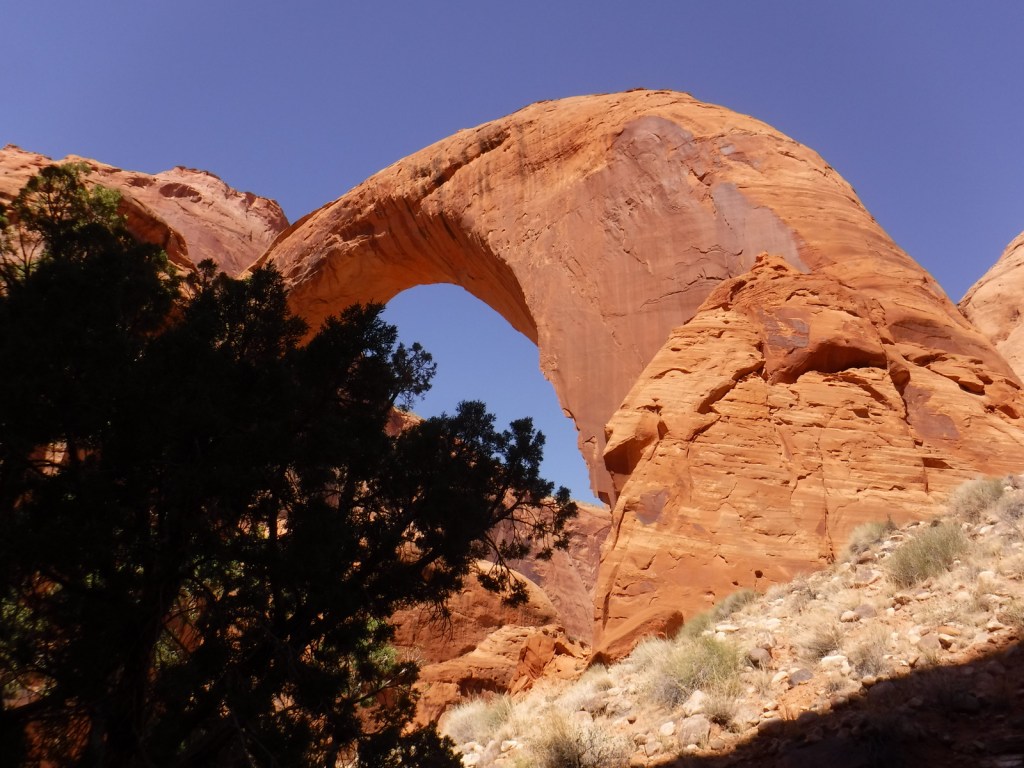
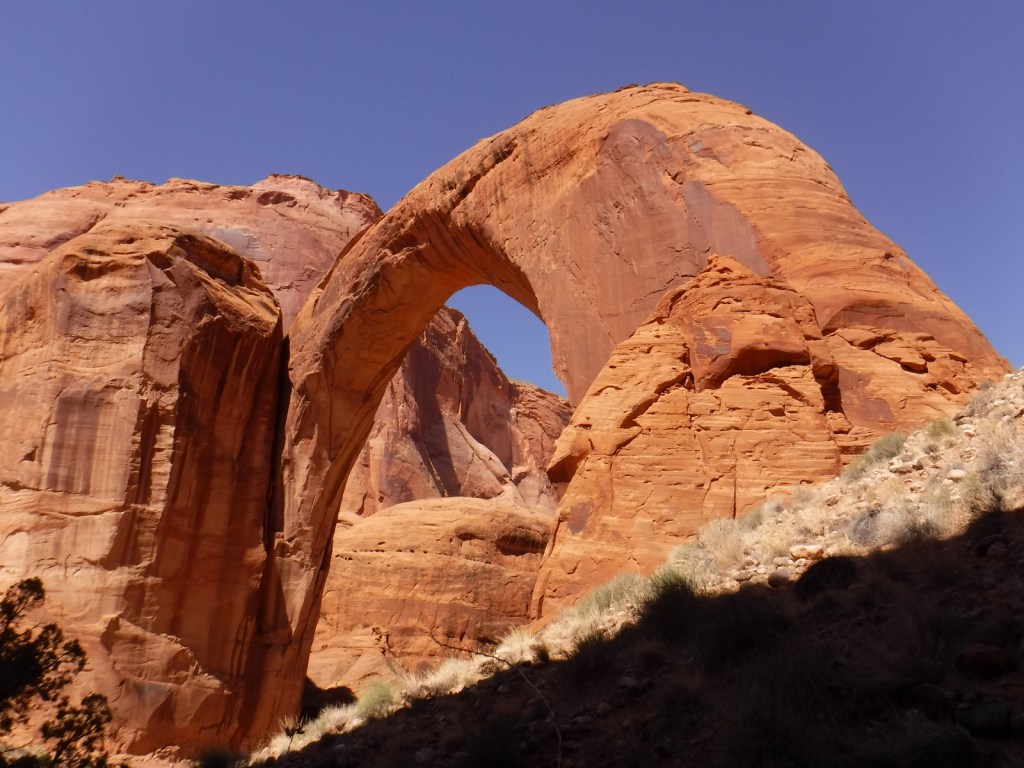
The statistics on Rainbow Bridge are impressive: it spans 275 feet with a height of 290 feet (compare that to the 151-foot-tall Statue of Liberty), and the sandstone at its top is 42 feet thick and 33 feet wide.  Before geologists started lumping together natural bridges and arches, it was considered the largest natural bridge in the world formed by water running underneath it.  The Navajo and other tribes consider Rainbow Bridge sacred and request that nobody walks beneath its span.  When Glen Canyon Dam was completed in 1963, many archaeological sites were submerged beneath Lake Powell and at the reservoir’s peak volume this sacred site has had water reach to its base.  The National Park Service (NPS) manages Rainbow Bridge National Monument as part of Glen Canyon National Recreation Area that straddles the Utah-Arizona border.

Learn more about the other 137 National Monuments in our book Monumental America: Your Guide to All 138 National Monuments. It is now available for sale on Amazon.com.

Highlights

Boat ride, Rainbow Bridge

Must-Do Activity

The NPS runs Carl Hayden Visitor Center in Page, Arizona, which is a good place to plan a visit to Rainbow Bridge or purchase tickets for a Glen Canyon Dam tour.  If you do not want to attempt to navigate 50 miles one-way in your own boat (rentals available), there are all-day commercial boat trips into Bridge Canyon.  Depending on the water level, the hike from the boat dock to the first overlook of the natural bridge is around one-mile one-way and is not wheelchair accessible.  Photos do not do Rainbow Bridge justice, and you must see it for yourself to truly appreciate the size of this entry on our Top 10 NPS Sites for Natural Bridges/Arches

Best Trail

There is always a hike from the boat dock to the overlook, but if you are in good shape continue on the trail around to the left to see the other side of Rainbow Bridge.  With proper permits from the Navajo Nation in Window Rock, Arizona, it is possible to backpack into the site on either a 14-mile or 17-mile trail. 

Photographic Opportunity

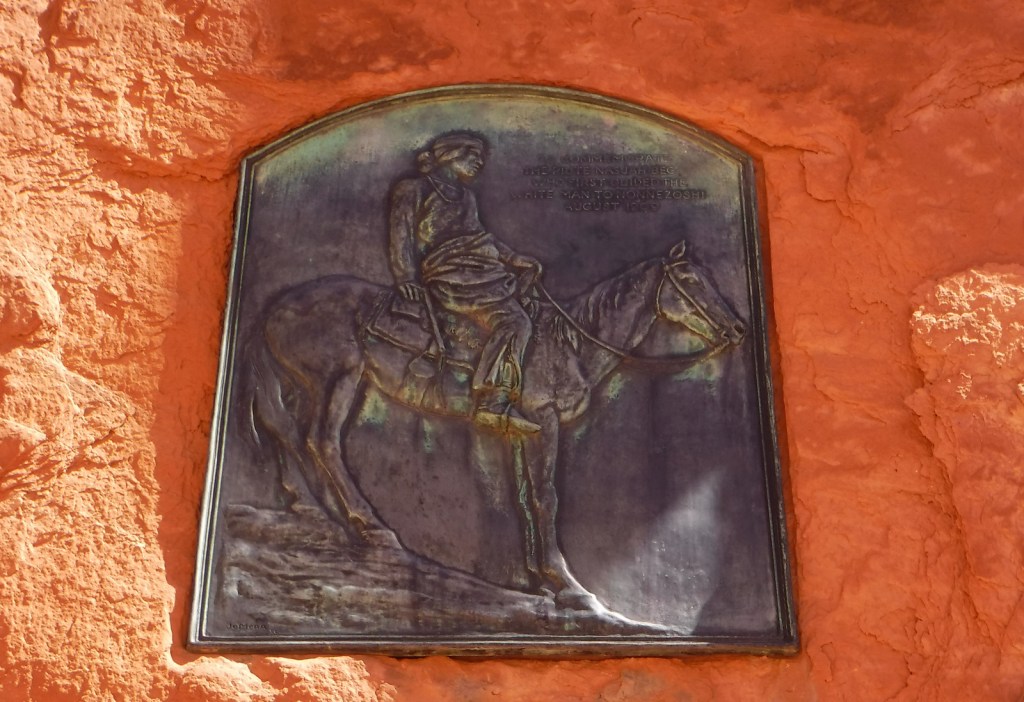
Obviously, Rainbow Bridge is the star attraction here.  Navajo legends tell how one of the Hero Twins was saved from drowning when his father Jo’hanaa’éí (the Sun) sent a rainbow, later turned to stone to symbolize a father’s love.  Another story says a measuring worm turned itself to stone to save both Hero Twins.

Peak Season

Spring and fall

Hours

https://nps.gov/rabr/planyourvisit/hours.htm

Fees

There is a $30 per vehicle entrance fee at the two marinas in Page (America the Beautiful passes accepted), in addition to charges for guided boat tours.

Road Conditions

The roads are paved to the marinas in Page, Arizona.  Glen Canyon National Recreation Area is famous for its backcountry 4×4 roads (like Hole-in-the-Rock Road) and flash floods, so check with a park ranger before attempting anything unpaved.  A fee is charged to ferry across Lake Powell between Halls Crossing and Bullfrog Marina.

Camping

There are several developed campgrounds in Glen Canyon National Recreation Area (mostly near marinas), but free primitive camping is also allowed along most dirt roads.  A permit is required for backpack camping in the beautiful Coyote Gulch area off Hole-in-the-Rock Road.

Related Sites

Natural Bridges National Monument (Utah)

Capitol Reef National Park (Utah)

Navajo National Monument (Arizona)

Explore More – Where along the trail to the Rainbow Bridge overlook is the three-toed dinosaur print found in the sandstone?

Learn more about the other 137 National Monuments in our book Monumental America: Your Guide to All 138 National Monuments

Mt. Rogers National Recreation Area

Mt. Rogers National Recreation Area

Virginia

Managed by U.S. Forest Service, Southern Region

154,816 acres

Website: https://www.fs.usda.gov/recarea/gwj/recarea/?recid=77722

Overview

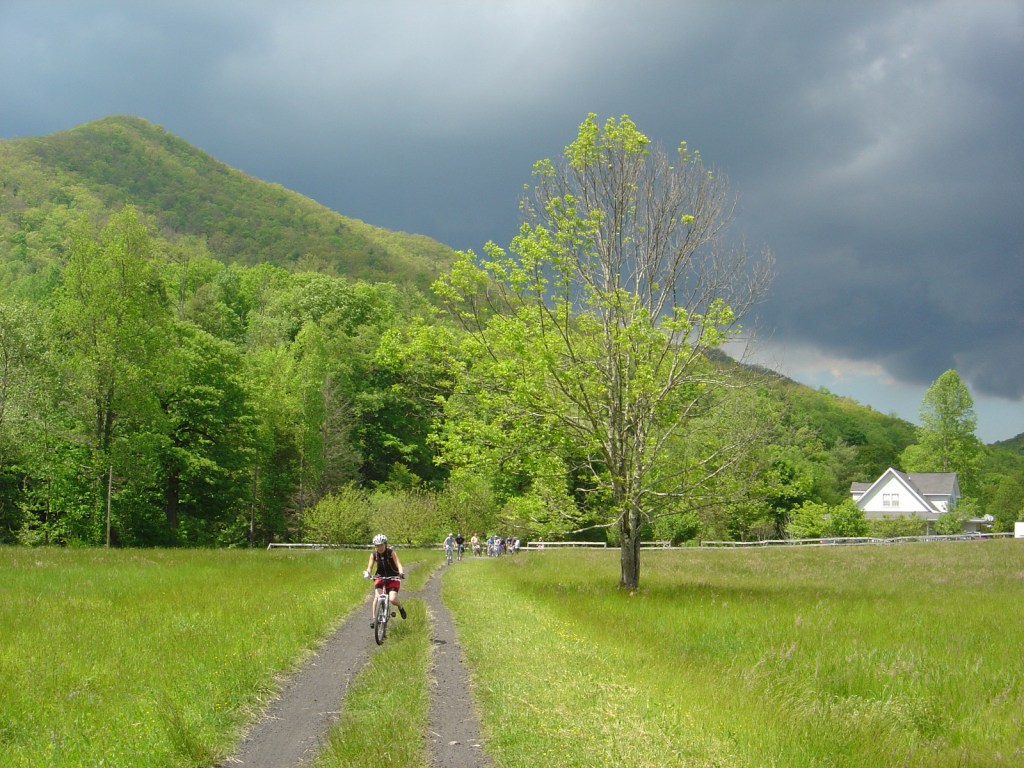
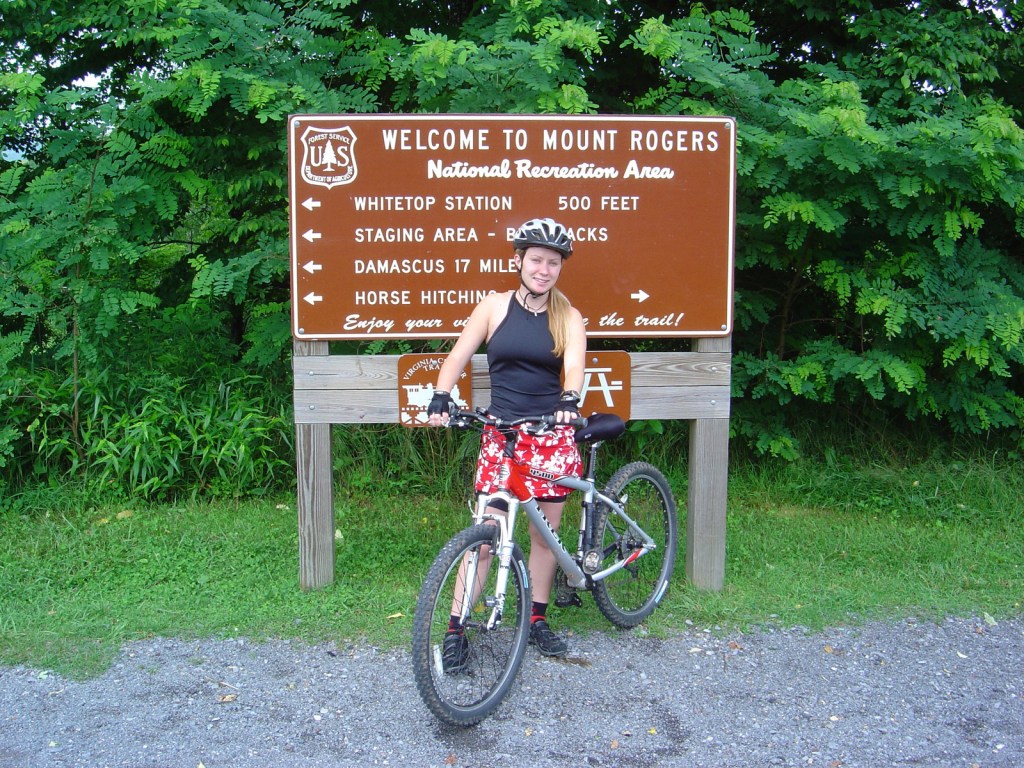
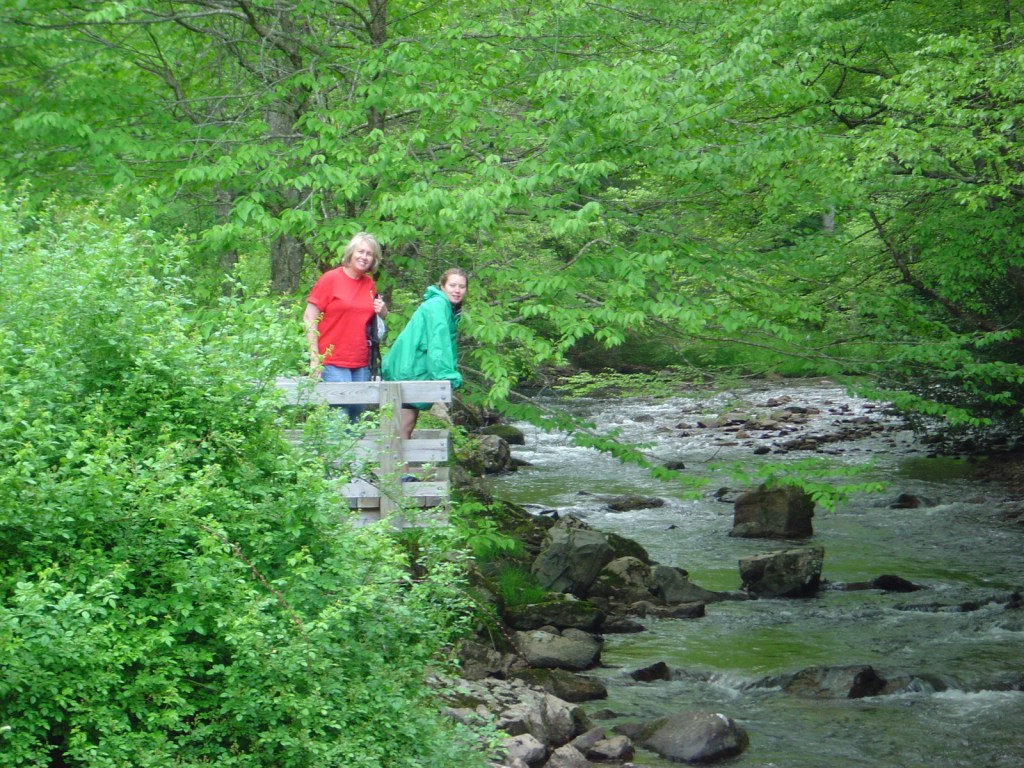
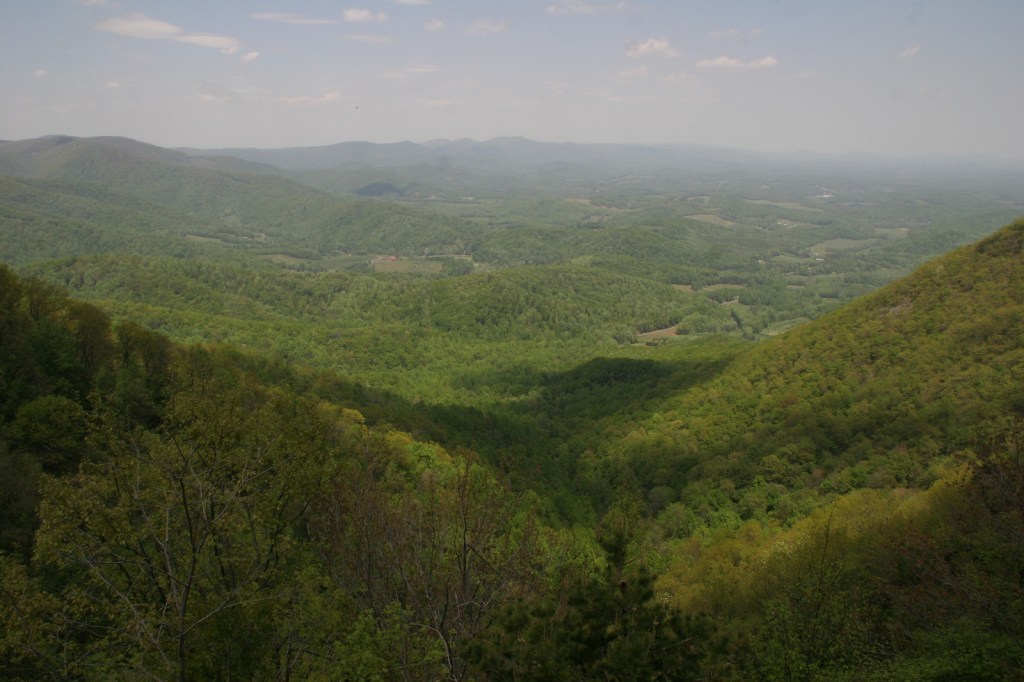
In southwestern Virginia, Jefferson National Forest manages Mt. Rogers National Recreation Area, which was established in 1966.  Although it is only 154,816 acres in extent, Mt. Rogers National Recreation Area encompasses the highest point in Virginia at 5,729 feet, four federally designated Wilderness areas (totaling 18,500 acres), and nearly 500 miles of trails.  At Raven Cliff Recreation Area, a short trail crosses an interesting bridge over Cripple Creek to access an old iron furnace that operated until the early 1900s.  Nearby at Collins Cove is a rare example of an old-growth cove hardwood forest.

It even made it on our Top 10 National Recreation Areas list.

Highlights

Seng Mountain National Scenic Area, Mt. Rogers, Whitetop Mountain, Elk Garden, Raven Cliff Recreation Area, New River Recreation Area, Beartree Recreation Area, Comer’s Rock, Falls Branch Waterfall, New River State Park, Grayson Highlands State Park, Two Ponds Nature Trail, Virginia Creeper Trail, Horse Heaven Trail, Iron Mountain Trail, Appalachian National Scenic Trail

Must-Do Activity

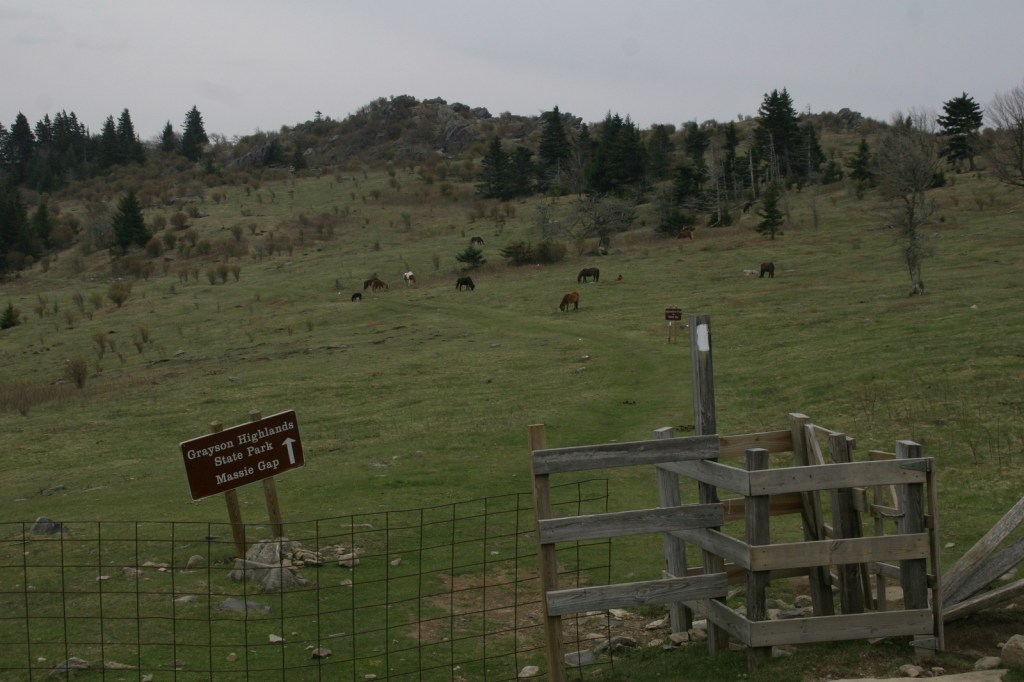
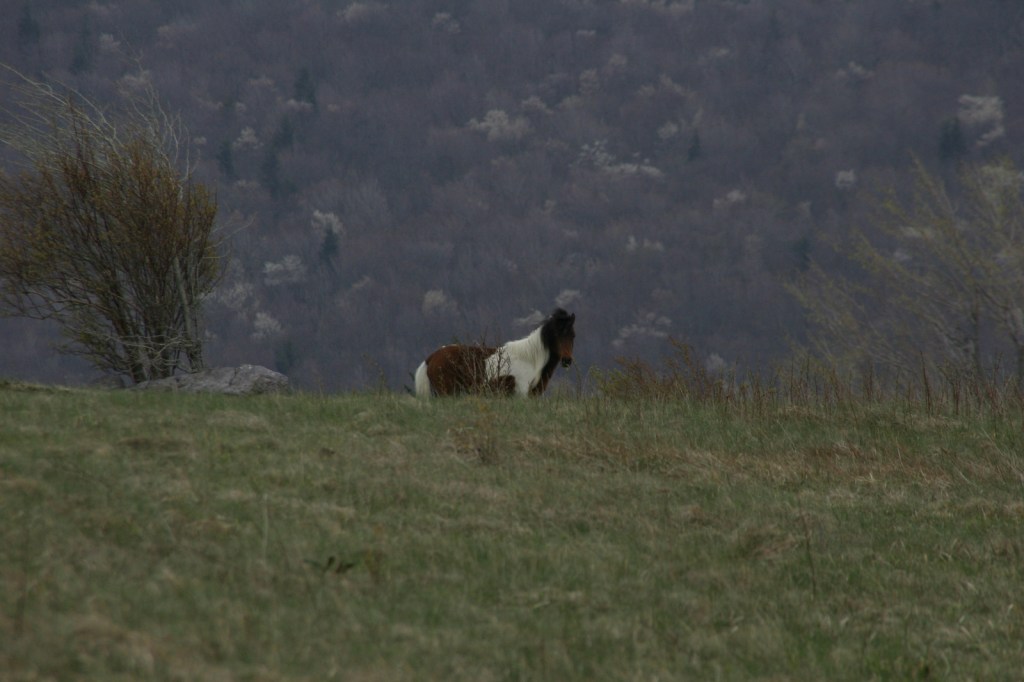
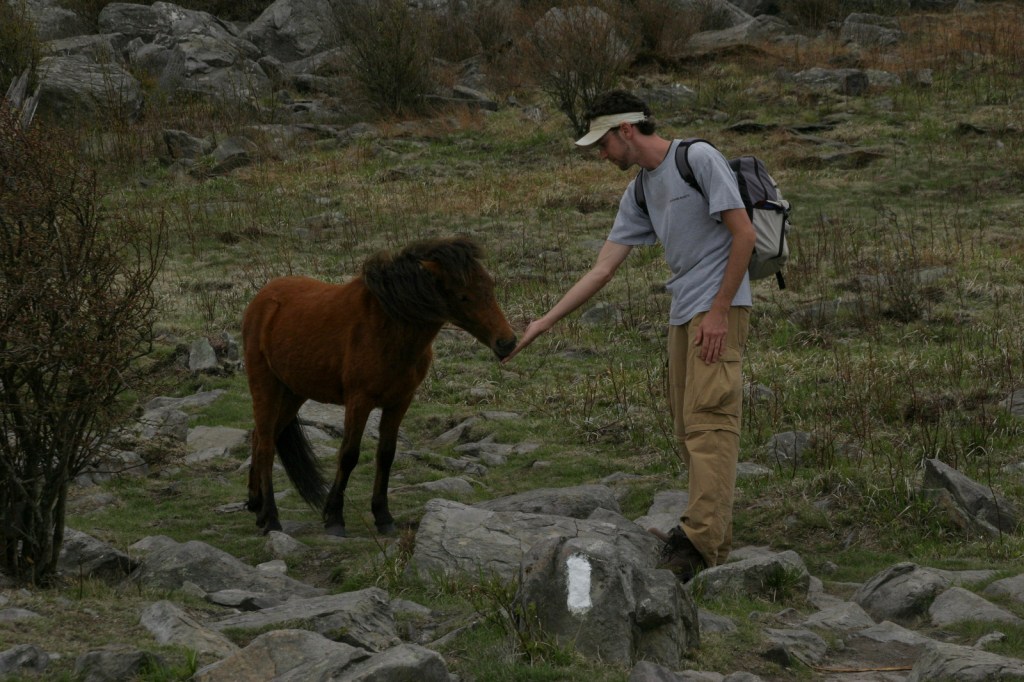
Pat Jennings Visitor Center is located six miles south of Interstate 81 in Brushy Mountain, and there are two visitor centers situated along the Virginia Creeper Rail Trail (see our post on Jefferson National Forest).  There are multiple routes to reach the summit of Mt. Rogers, but the two shortest are both 4.5 miles one-way from Elk Garden (on State Route 600) or Grayson Highlands State Park (that gains about 1,350 feet in elevation).  At Massie Gap, we encountered a herd of wild miniature ponies that had no fear of humans and liked to lick the salt from our skin, but watch your fingers because they will bite.

Best Trail

There are about 500 miles of hiking trails within Mt. Rogers National Recreation Area, including 78 miles of the famous Appalachian National Scenic Trail (or A.T.).  The A.T. runs through the Lewis Fork Wilderness, which also features the Virginia Highlands, Mt. Rogers, Grassy Branch, Helton Creek, Cliffside, Pine Mountain, and Sugar Maple Trails.  The A.T. also traverses the Little Wilson Creek Wilderness, as do the First Peak, Bearpen, Kabel, Hightree Rock, and Little Wilson Creek Trails.

Instagram-worthy Photo

A beat-up USGS marker can be found at the highest point in Virginia on 5,729-foot Mt. Rogers, located on a short spur trail off the A.T.

Peak Season

Summer

Fees

$5 day use fee at Beartree Recreation Area

Road Conditions

All the roads we drove in Mt. Rogers National Recreation Area were paved.

Camping

There are eight campgrounds, four horse camps, and two rental cabins in Mt. Rogers National Recreation Area.  Grindstone Campground has nature trails and an amphitheater, Hurricane Campground offers a one-mile loop trail, and Raccoon Branch Campground is popular with trout fishermen.  We stayed at Chestnut Hollow Campground in Grayson Highlands State Park and had the place to ourselves in early May.  There is a 25-foot right-of-way for backpack camping on both sides of the Virginia Creeper Trail (see our post on Jefferson National Forest), except on private property.

Related Sites

Jefferson National Forest (Virginia-Kentucky-West Virginia)

Blue Ridge Parkway (North Carolina-Virginia)

Cherokee National Forest (Tennessee-North Carolina)

Nearest National Park

Shenandoah

Explore More – Common to the high elevations of Mt. Rogers National Recreation Area, what exactly is a heath bald?

Top 10 National Recreation Areas in National Forests

There are 21 National Recreation Areas administered solely by the U.S. Forest Service (and one co-managed with the National Park Service).  This is a list of our favorites, since we already ranked our Top 10 National Recreation Areas run by the National Park Service.  The U.S. Forest Service also manages nine National Scenic Areas, so we will probably never rank those, but by far the two best are Oregon’s Columbia River Gorge and California’s Mono BasinClick here to see all our Top 10 lists.

10. Land Between The Lakes (Kentucky-Tennessee)
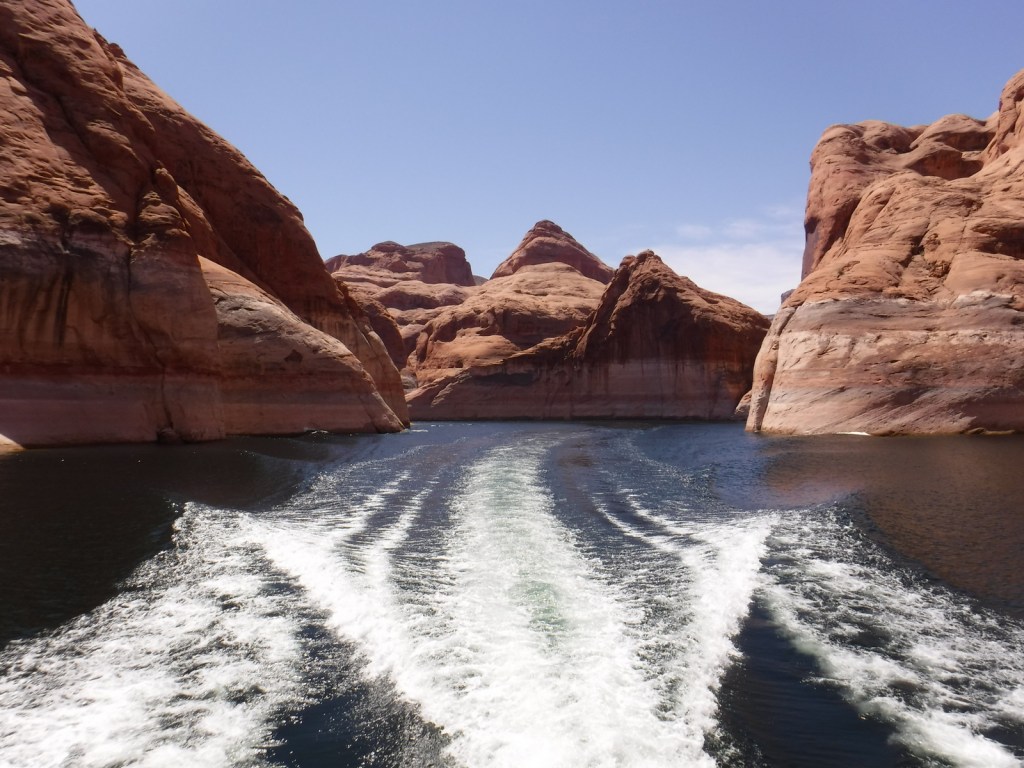
A planetarium and a bison herd can be found in the land between Lake Barkley and Kentucky Lake

9. Grand Island (Michigan)

An undeveloped island beckons hikers and bikers at the western edge of Pictured Rocks National Lakeshore

8. Winding Stair Mountain (Oklahoma)

Eastern Oklahoma is surprisingly mountainous and densely forested

7. Mt. Rogers (Virginia)

Hike the Appalachian National Scenic Trail to the top of Virginia or hop on a bike to coast down the Virginia Creeper Rail Trail

6. Spring Mountains (Nevada)

Snow frequently falls in these scenic peaks just north of Las Vegas

5. Hells Canyon (Oregon-Idaho)

The whitewater rapids of the Snake River cut what is arguably the deepest canyon in North America

4. Oregon Dunes (Oregon)

Coastal sand dunes interspersed with Douglas-fir forests attract hikers and ORV drivers

3. Spruce Knob-Seneca Rocks (West Virginia)

The state’s highest point and a popular rock climbing area are separated by a narrow valley

2. Mt. Baker (Washington)

One of the prettiest roads in the U.S., Mt. Baker Scenic Byway (Highway 542) dead ends at the high elevation of Artist Point

…and finally our #1 National Recreation Area in a National Forest:

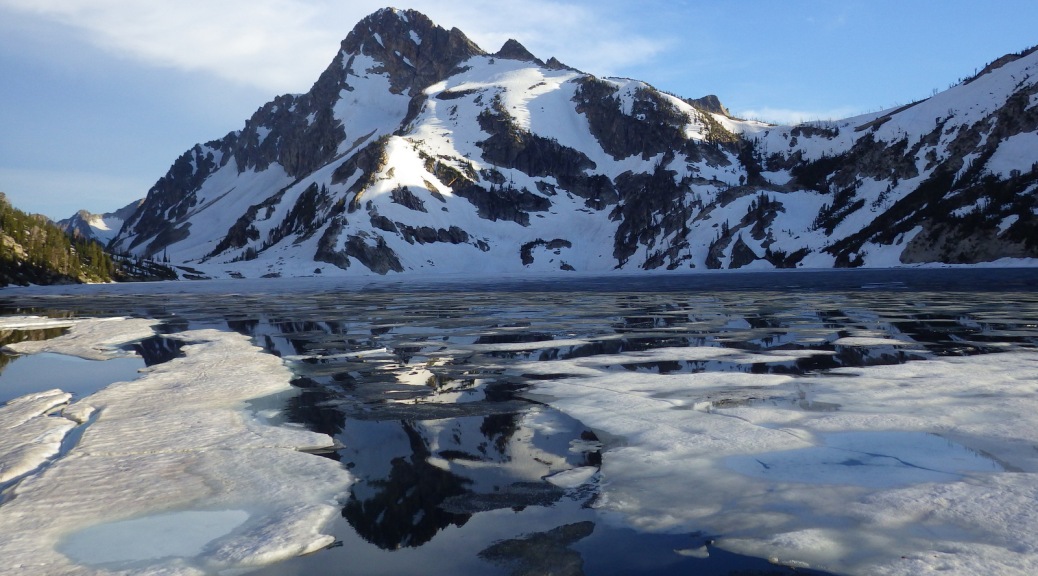
1. Sawtooth (Idaho)

The jagged peaks here live up to their name at the intersection of Boise, Challis, and Sawtooth National Forests

.

Honorable Mentions

Ed Jenkins (Georgia)

Encompassing Springer Mountain, the southern terminus of the Appalachian National Scenic Trail

Arapaho (Colorado)

The Continental Divide National Scenic Trail cuts through this lake-filled basin west of Rocky Mountain National Park

Flaming Gorge (Wyoming-Utah)

A red rock canyon on the Green River was dammed to form this pretty border-crossing reservoir

Pine Ridge (Nebraska)

An extension of the Black Hills into northwestern Nebraska, this seldom visited area is home to reintroduced bighorn sheep

Moosalamoo (Vermont)

The Falls of Lana, Silver Lake, Voter Brook Overlook, and Robert Frost Interpretive Trail are all worth a visit

Learn more about these National Recreation Areas and the 155 National Forests they are in with our guidebook Out in the Woods