Tag Archives: National Preserve

Lake Clark National Park and Preserve

Lake Clark National Park and Preserve

Alaska

Managed by National Park Service

Established 1978 National Monument, 1980 National Park

4,030,025 acres

Website: nps.gov/lacl

Overview

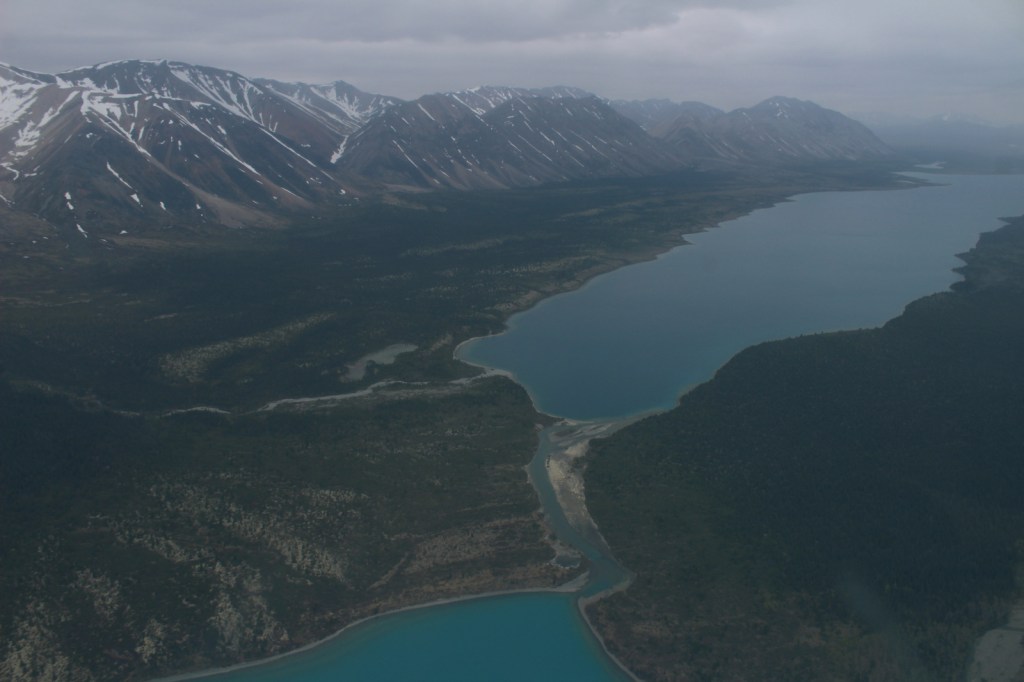
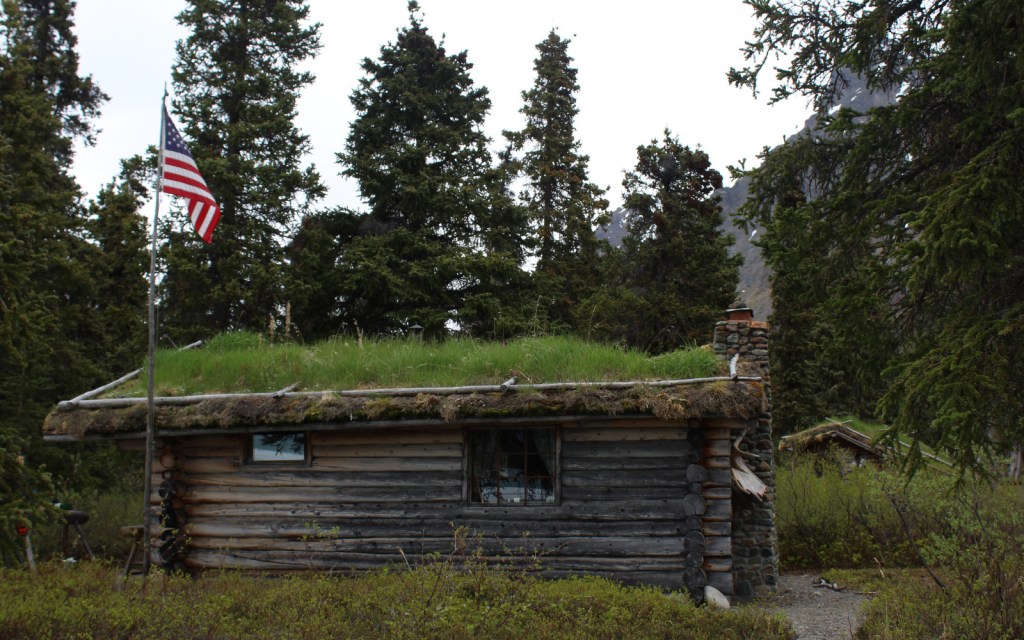
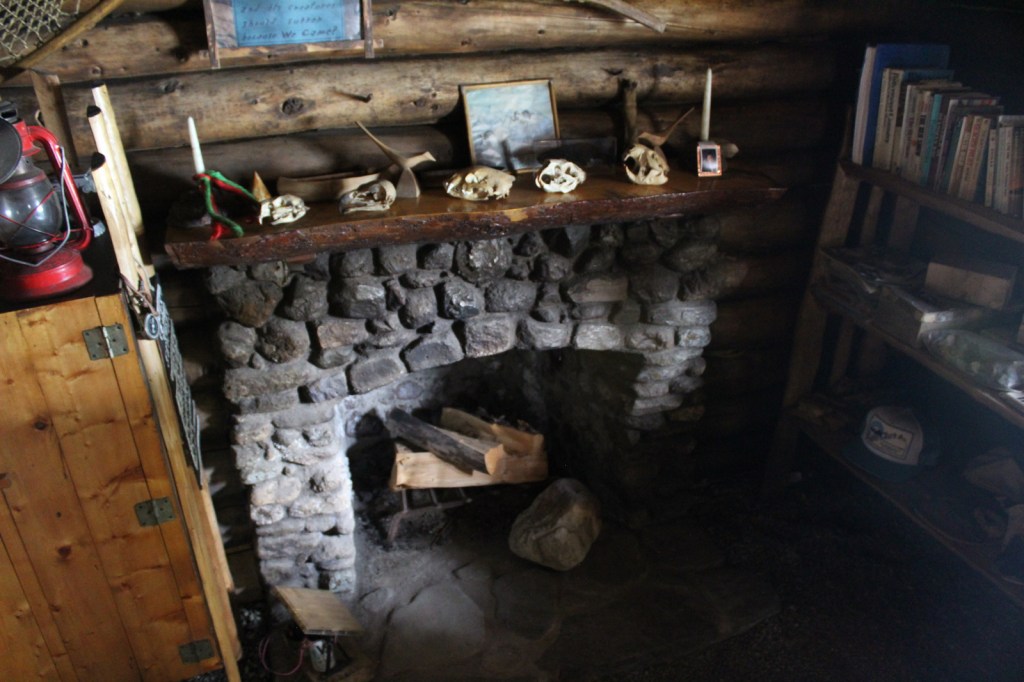
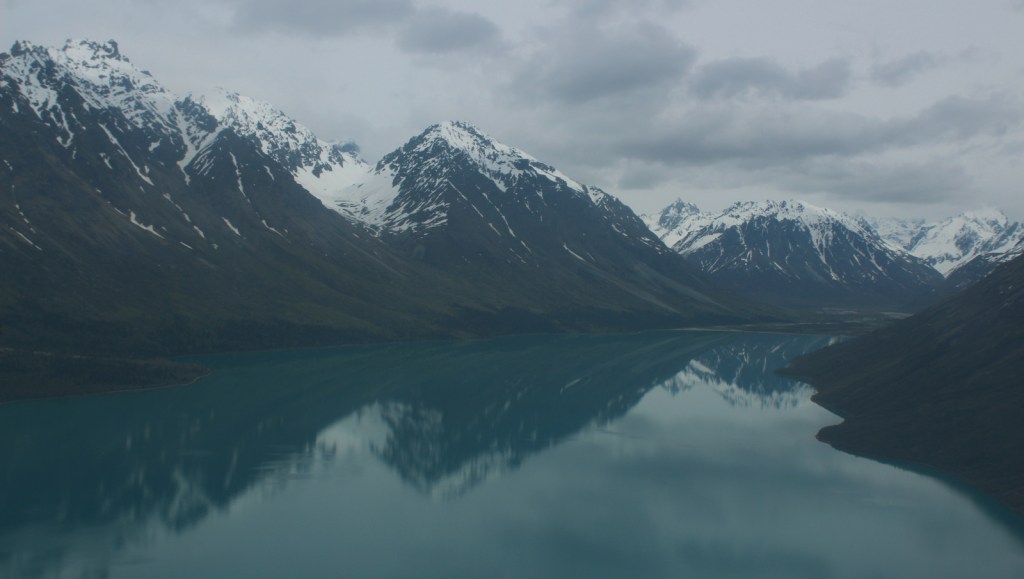
Lake Clark National Park and Preserve is inaccessible by road and receives only about 15,000 visitors annually.  It sits at the northern end of the massive Alaska Peninsula southwest of Anchorage, home to the twin 10,000-foot volcanoes Redoubt and Iliamna.  Cloaked in the whitest of snow, on a clear day they dominate the skyline view from a boat bobbing in Cook Inlet or a vehicle driving the Sterling Highway.  Behind the mountains lies massive Lake Clark itself, as well as the Twin Lakes made famous in the film Alone in the Wilderness and the book One Man’s Wilderness that both documented Richard “Dick” Proenneke’s cabin building and backcountry lifestyle (see our list of the Top 10 Non-Fiction Books Set in a National Park and Alaska).  Many visitors take flightseeing tours and never step foot on the ground, but that does not make their experience any less extraordinary. 

Learn more in the expanded 2nd edition of our guidebook to the National Parks— A Park to Yourself: Finding Solitude in America’s 63 National Parks.

Highlights

Redoubt Volcano, Iliamna Volcano, Port Alsworth, Lake Clark, Richard Proenneke Historic Site, Double Glacier

Must-Do Activity

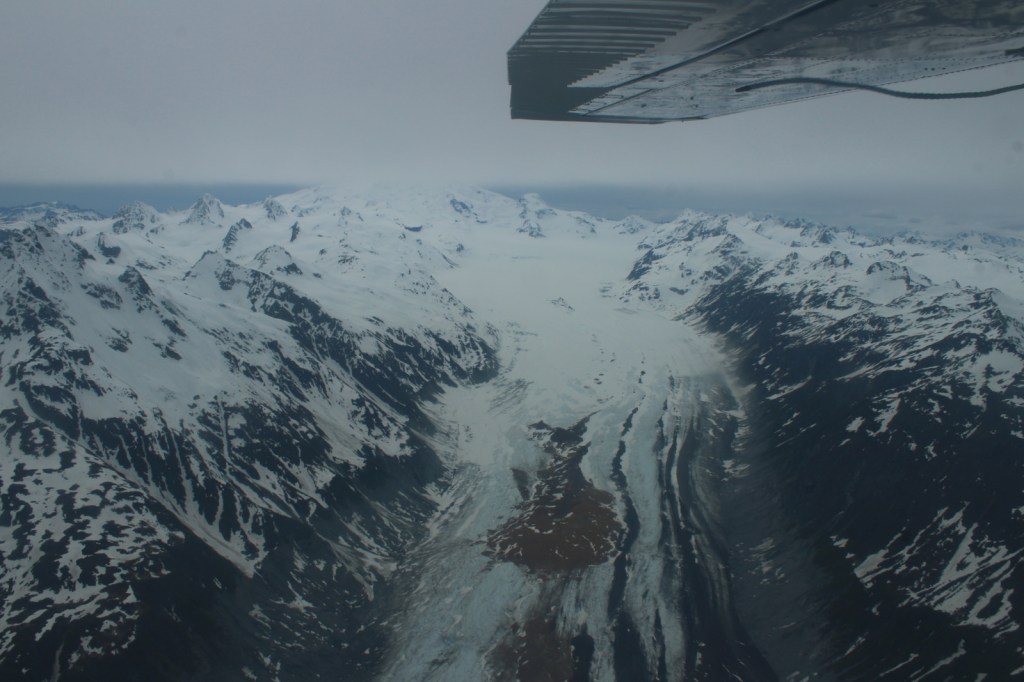
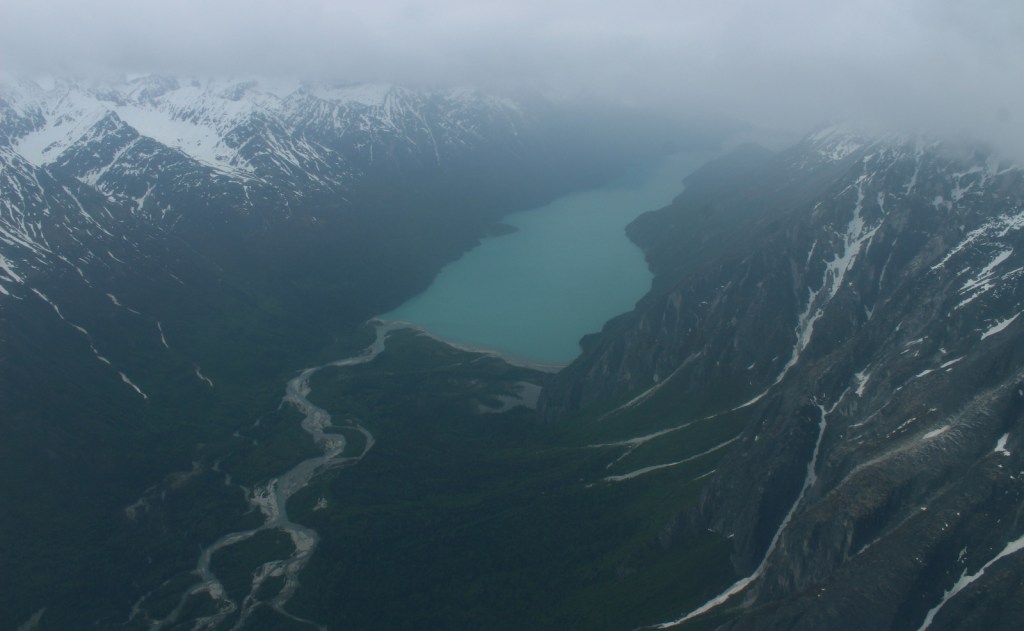
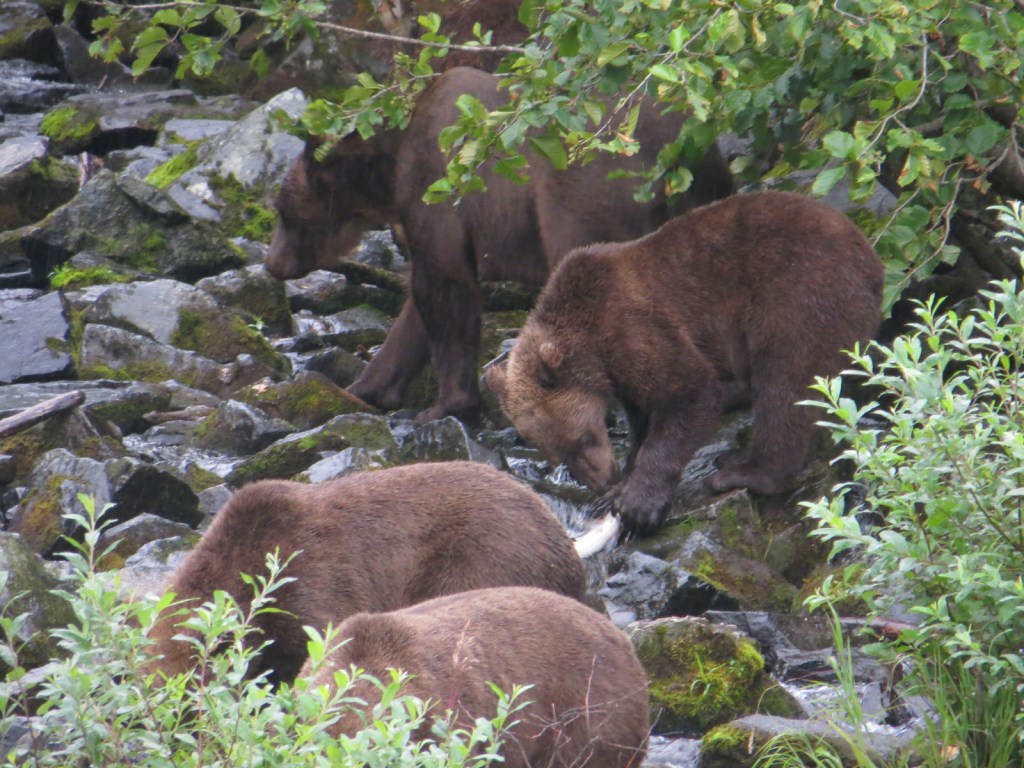
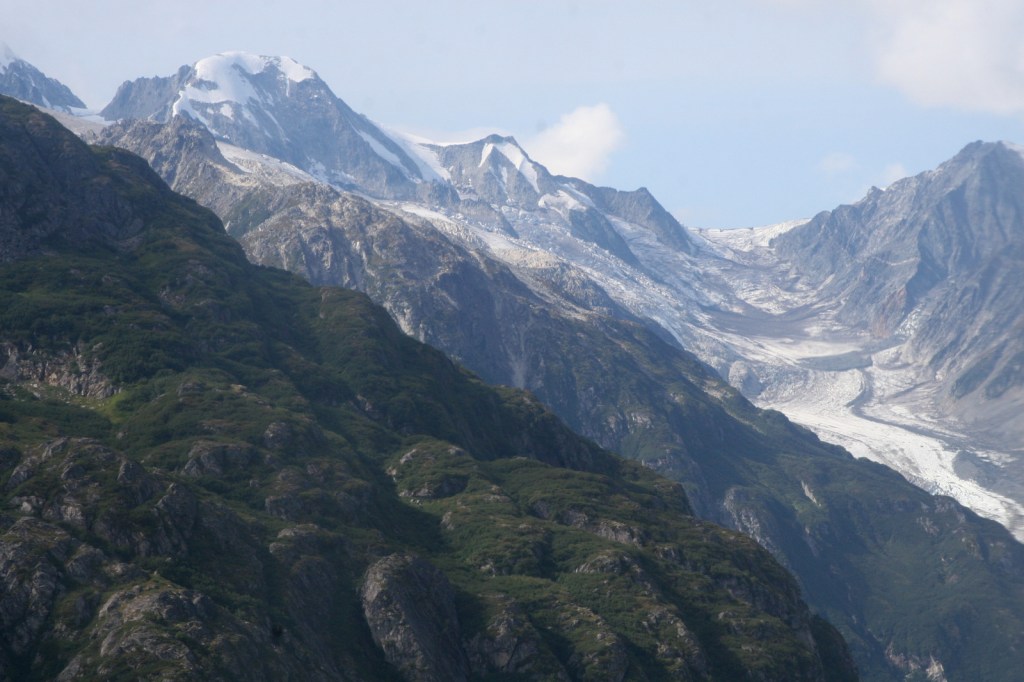
You can easily see the twin 10,000-foot volcanoes (Redoubt and Iliamna) within the park from Anchorage or Homer on a clear day, but getting to them is no easy task.  Your best bet is to take a float plane charter service and land on one of the big, glacier-fed lakes.  While you are over there try to do some salmon fishing; that is why the brown bears and bald eagles like it here.  The park’s visitor center is in Port Alsworth on Lake Clark, and another popular destination is Richard Proenneke Historic Site on Twin Lakes.  The park’s best attraction may be the massive glaciers that cling to the peaks of the Alaska and Aleutian Ranges and the Chigmit and Neacola Mountains.  Flying over a jagged glacial field offers a unique perspective on these giant rivers of ice and the boulder strewn valleys where gray, milky streams follow the wide pathways left by receded glaciers. 

Best Trail

At the park’s visitor center in Port Alsworth, 2.5-mile Tanalian Falls Trail is the only officially maintained trail and a popular destination for backpackers.  At Richard Proenneke Historic Site, we hiked the scenic and steep Teetering Rock Trail less than a mile up to its namesake boulder that moves when you push on it.

Instagram-worthy Photo

Viewed from above, Double Glacier appears cracked and fissured like the skin on the back of a human hand.  Rocky debris in lines of black accentuate the frozen white that hint at the slow flow of the ice river down the valley.  Deeper crevasses reflect a cerulean shade that bewilders the eye in this otherwise monochrome landscape.

Peak Season

Summer

Hours

https://www.nps.gov/lacl/planyourvisit/hours.htm

Fees

None, but it is expensive to access by airplane. We took Kachemak Air Service to Twin Lakes and Talon Air Service to Double Glacier and Big River Lakes/Wolverine Creek.

Road Conditions

Essentially, there are no roads in Lake Clark National Park and Preserve.

Camping

No designated campgrounds exist within the park, so backcountry campers must come prepared with everything they need, plus the supplies required to wait an extra week for pickup should the weather turn bad.

Related Sites

Katmai National Park and Preserve (Alaska)

Chugach National Forest (Alaska)

Kenai Fjords National Park (Alaska)
Explore More – Before this area was a National Park, when did Richard “Dick” Proenneke arrive at Twin Lakes to begin building his cabin?

We are a participant in the Amazon Services LLC Associates Program, an affiliate advertising program designed to provide a means for us to earn fees by linking to Amazon.com and affiliated sites.

Timucuan Ecological and Historic Preserve

Overview

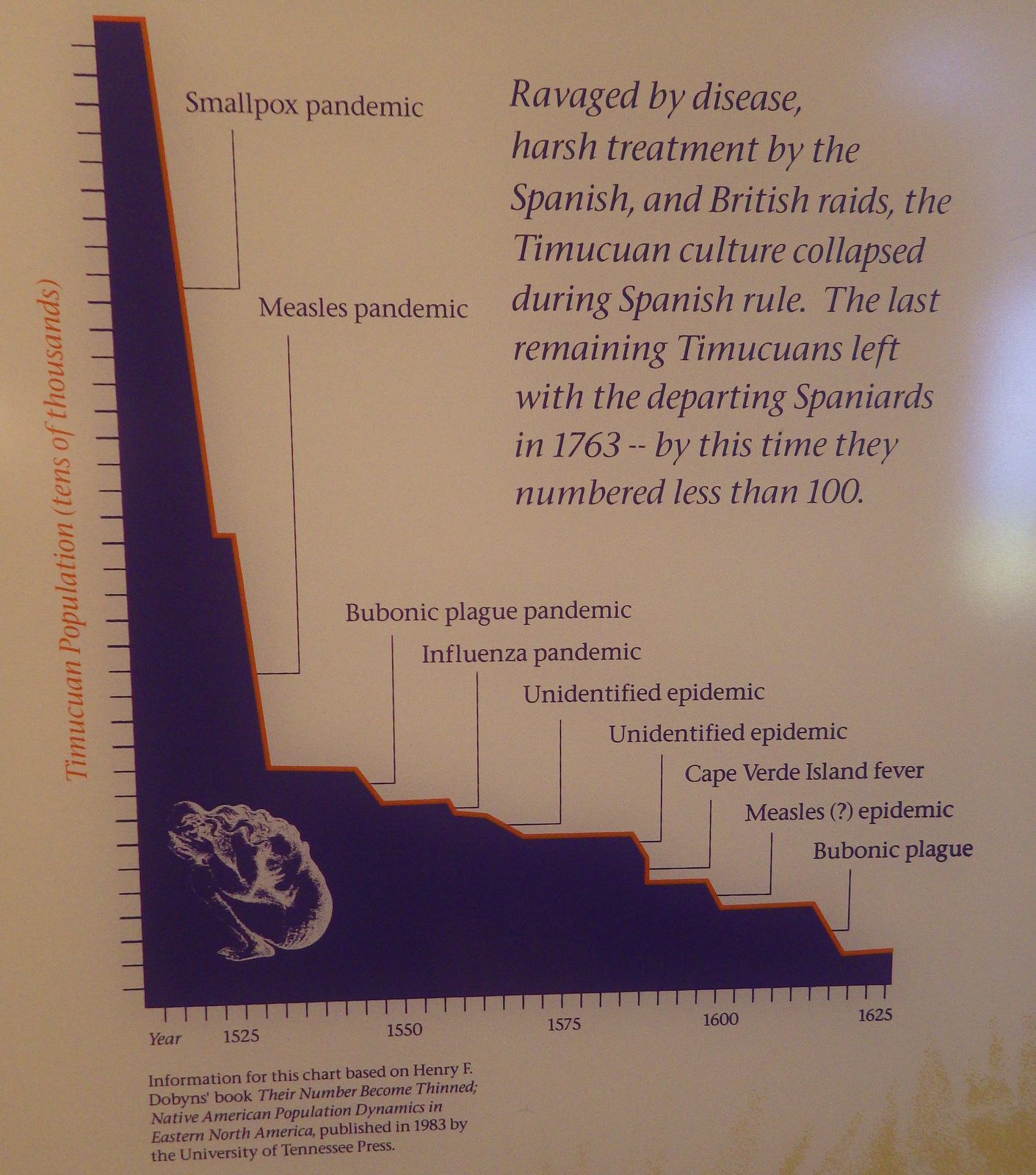
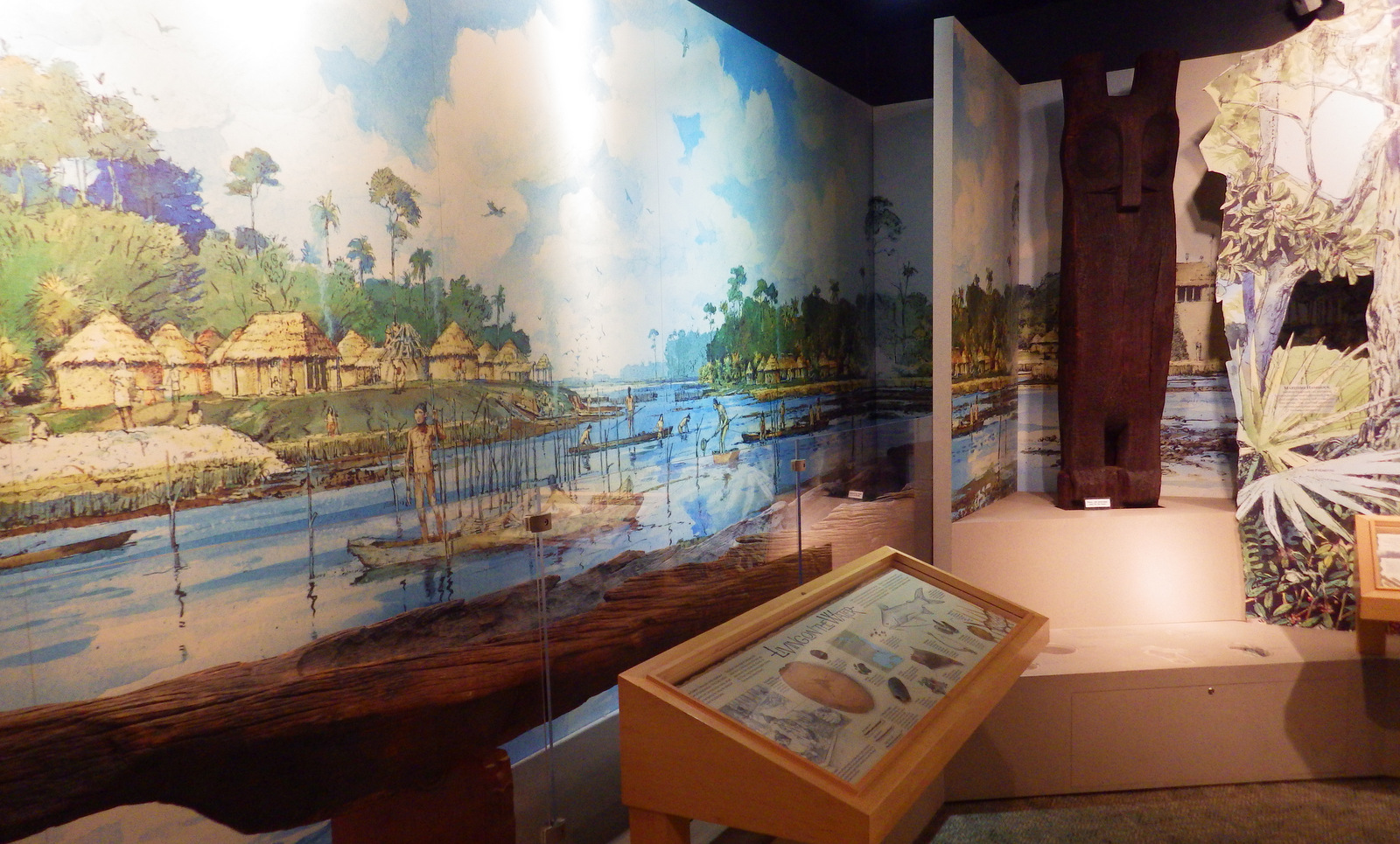
The Timucuan Indians inhabited northeastern Florida’s coastal wetlands and maritime hammocks when French colonists first arrived in 1562.  The settlers constructed Fort Caroline (a National Memorial established in 1950), which the National Park Service (NPS) administers as a unit of Timucuan Ecological and Historic Preserve (established in 1988).  Start your visit at the NPS museum at Fort Caroline National Memorial, which provides information on the indigenous Timucuan, as well as the European colonization efforts.  Then you can tour a one-third scale reconstruction of the triangular Fort Caroline based upon a drawing from 1564 by French artist Jacques le Moyne.

Highlights

Fort Caroline, Kingsley Plantation, Theodore Roosevelt Area

Must-Do Activity

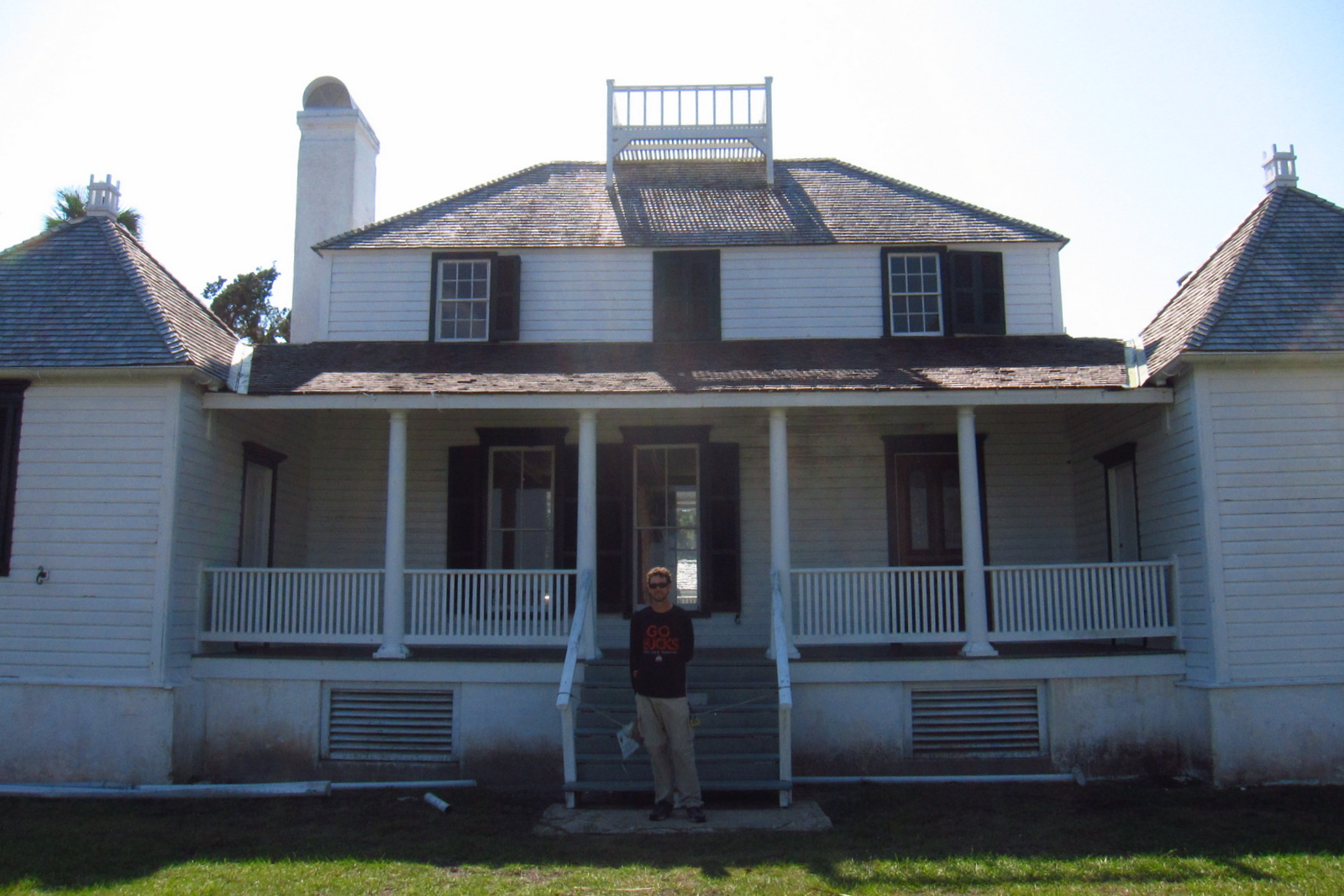
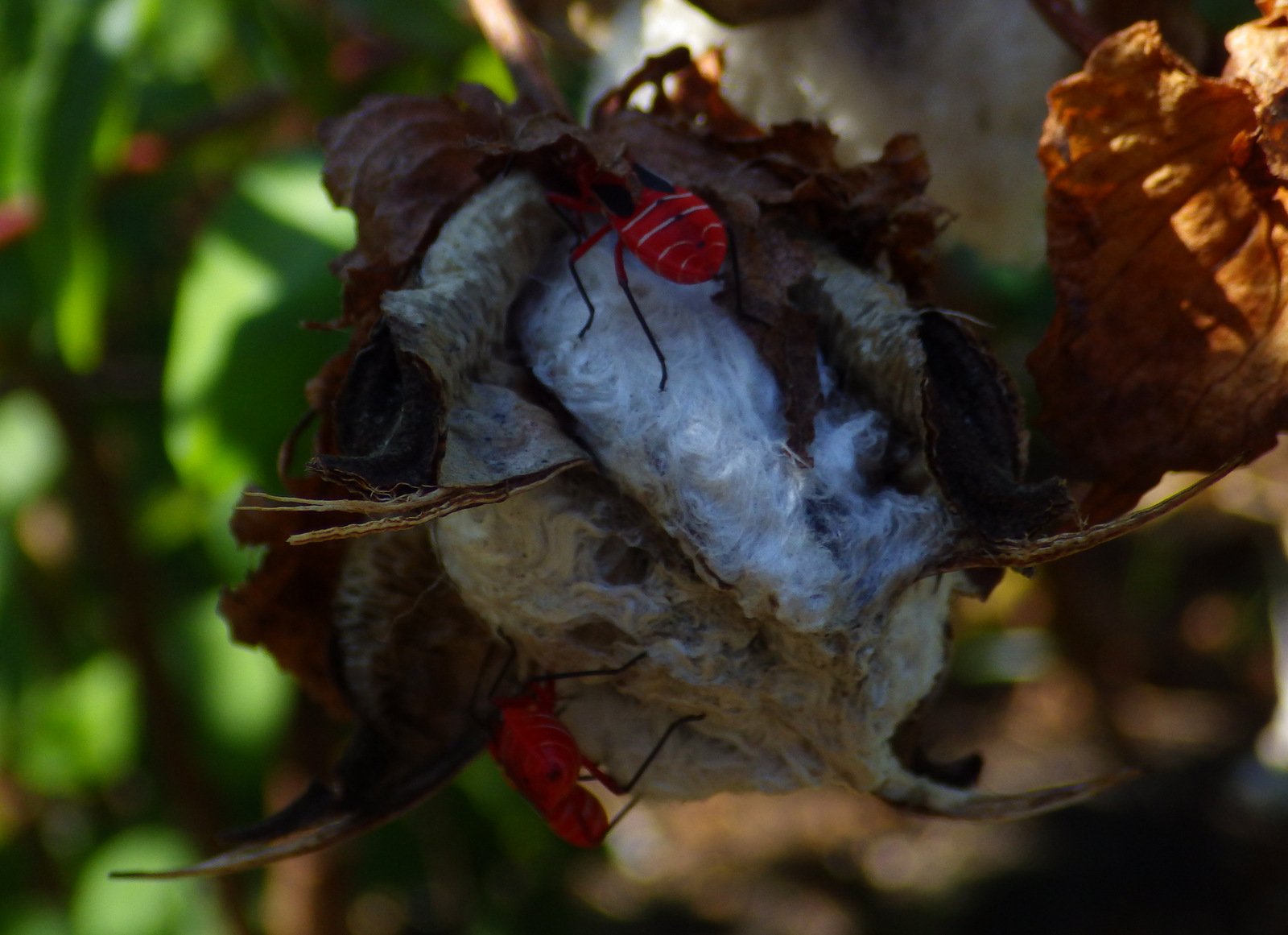
The second place the NPS manages a visitor center is at Kingsley Plantation on Fort George Island east of Jacksonville, Florida.  Established in 1798, it is the oldest remaining plantation house in Florida.  Slaves here harvested Sea Island cotton, which is still grown in a small garden alongside indigo, another regional cash crop.  Visitors can take a self-guided trail around the property, but tours inside the main plantation house are only offered on weekends and require a reservation.

Best Trail

The 1.5-mile Willie Browne Trail winds through the 600 undeveloped acres at Theodore Roosevelt Area, donated by the trail’s namesake to the Nature Conservancy in 1969.  The Spanish Pond Trail connects this trail with Fort Caroline National Memorial.

Instagram-worthy Photo

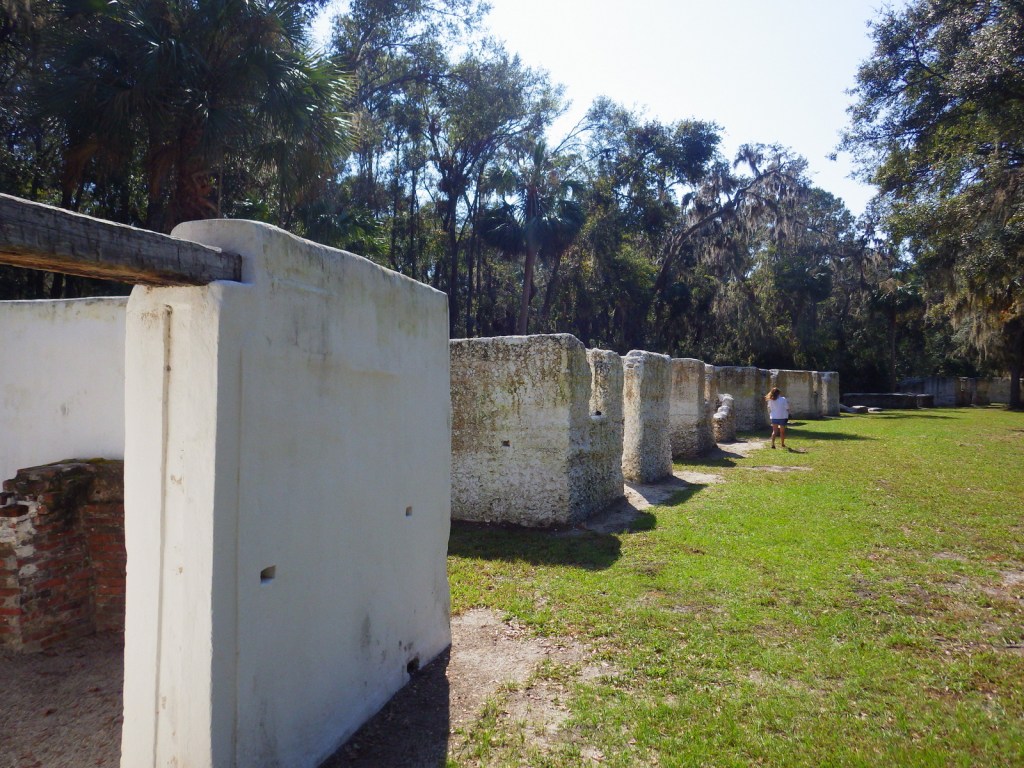
The tabby walls of 23 of the original 32 slave quarters still stand in a row at Kingsley Plantation. 

Peak Season

Winter

Hours

https://www.nps.gov/timu/planyourvisit/hours.htm

Fees

None

Road Conditions

All major roads are paved, but the fastest route between Fort Caroline and Kingsley Plantation is probably via the St. Johns River Ferry.

Camping

The NPS does not have a campground, but nearby Little Talbot Island State Park, Huguenot Memorial Park, and Kathryn Abbey Hanna Park all do.

Related Sites

Fort Caroline National Memorial (Florida)

Fort Matanzas National Monument (Florida)

Castillo de San Marcos National Monument (Florida)

Explore More – Florida had “relatively liberal” racial policies under Spanish rule, but that changed when it became a U.S. territory in what year?

Top National Park Service Site in Each State

We kicked off our travel blog by highlighting our favorite National Park Service site in each of the 50 states.

Alabama

Tuskegee Airmen National Historic Site

Alaska

Wrangell-St. Elias National Park and Preserve

Arizona

Organ Pipe Cactus National Monument

Arkansas

Buffalo National River

California

Lava Beds National Monument

Colorado

Great Sand Dunes National Park and Preserve

Connecticut

Weir Farm National Historic Site

Delaware

First State National Historical Park

Florida

Dry Tortugas National Park

Georgia

Andersonville National Historic Site

Hawaii

Kalaupapa National Historical Park

Idaho

City of Rocks National Reserve

Illinois

Pullman National Historical Park

Indiana

Indiana Dunes National Park

Iowa

Effigy Mounds National Monument

Kansas

Brown v. Board of Education National Historic Site

Kentucky

Mammoth Cave National Park

Louisiana

Jean Lafitte National Historical Park and Preserve

Maine

Appalachian National Scenic Trail 

Maryland

Catoctin Mountain Park

Massachusetts

Lowell National Historical Park

Michigan

Pictured Rocks National Lakeshore

Minnesota

Grand Portage National Monument

Mississippi

Vicksburg National Military Park

Missouri

Ozark National Scenic Riverways

Montana

Big Hole National Battlefield

Nebraska

Scotts Bluff National Monument

Nevada

Great Basin National Park

New Hampshire

Saint-Gaudens National Historic Site

New Jersey

Thomas Edison National Historical Park

New Mexico

Bandelier National Monument

New York

Fort Stanwix National Monument

North Carolina

Cape Lookout National Seashore

North Dakota

Theodore Roosevelt National Park

Ohio

Dayton Aviation Heritage National Historical Park

Oklahoma

Chickasaw National Recreation Area

Oregon

John Day Fossil Beds National Monument 

Pennsylvania

Fort Necessity National Battlefield

Rhode Island

Roger Williams National Memorial

South Carolina

Congaree National Park

South Dakota

Jewel Cave National Monument

Tennessee

Big South Fork National River and Recreation Area

Texas

Big Bend National Park

Utah

Capitol Reef National Park

Vermont

Marsh-Billings-Rockefeller National Historical Park 

Virginia

Fort Monroe National Monument

Washington

Lake Chelan National Recreation Area

West Virginia

New River Gorge National Park and Preserve

Wisconsin

Apostle Islands National Lakeshore

…and finally our home state…

Wyoming

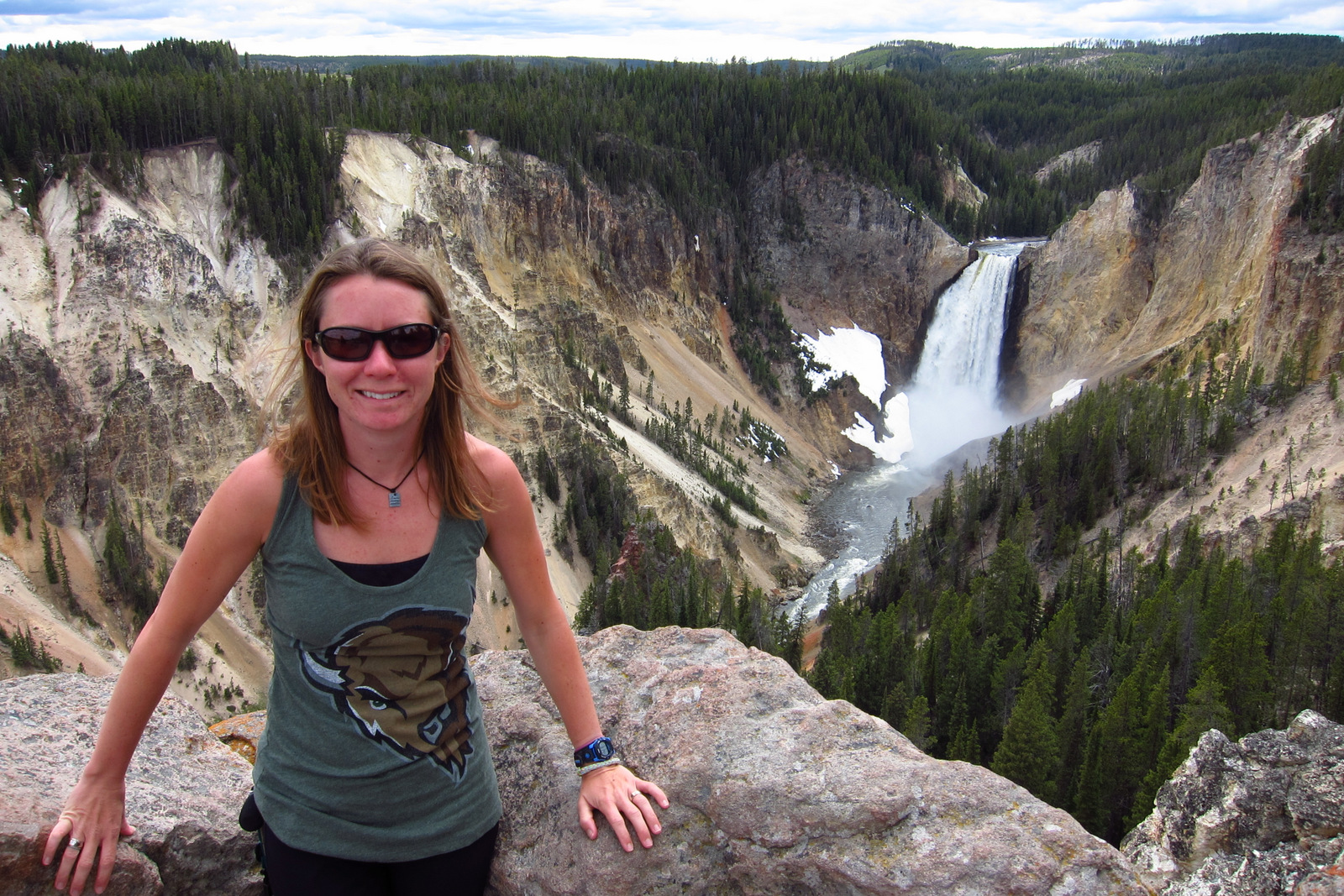
Yellowstone National Park


Honorable Mention

District of Columbia

Ford’s Theatre National Historic Site

Salt River Bay National Historical Park and Ecological Preserve

Overview

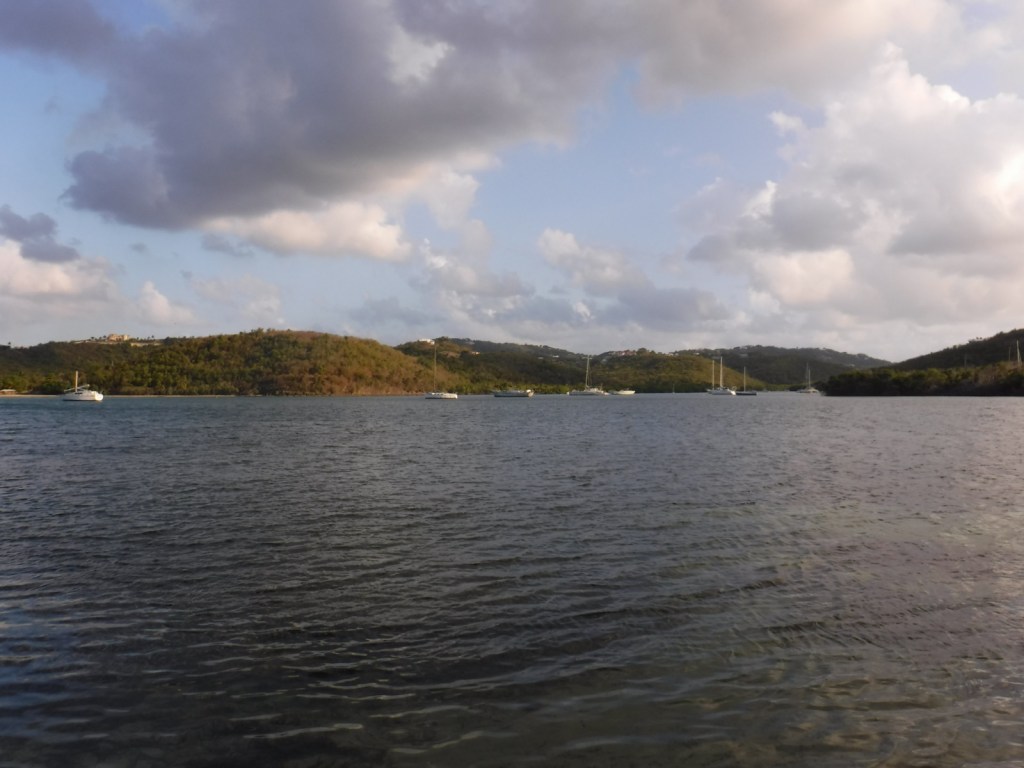
When the U.S. Virgin Islands chose a National Park Service (NPS) site for their quarter (see below) in the America the Beautiful coin collection they selected this undeveloped park, which we would rank worst of the five NPS units there.  Established in 1992, it contains the only place in the United States where Christopher Columbus’s men set foot 500 years ago (although that is now underwater).  The region is still recovering after Hurricanes Irma and Maria did extensive damage in 2017, including the removal of the NPS contact station here.

Highlights

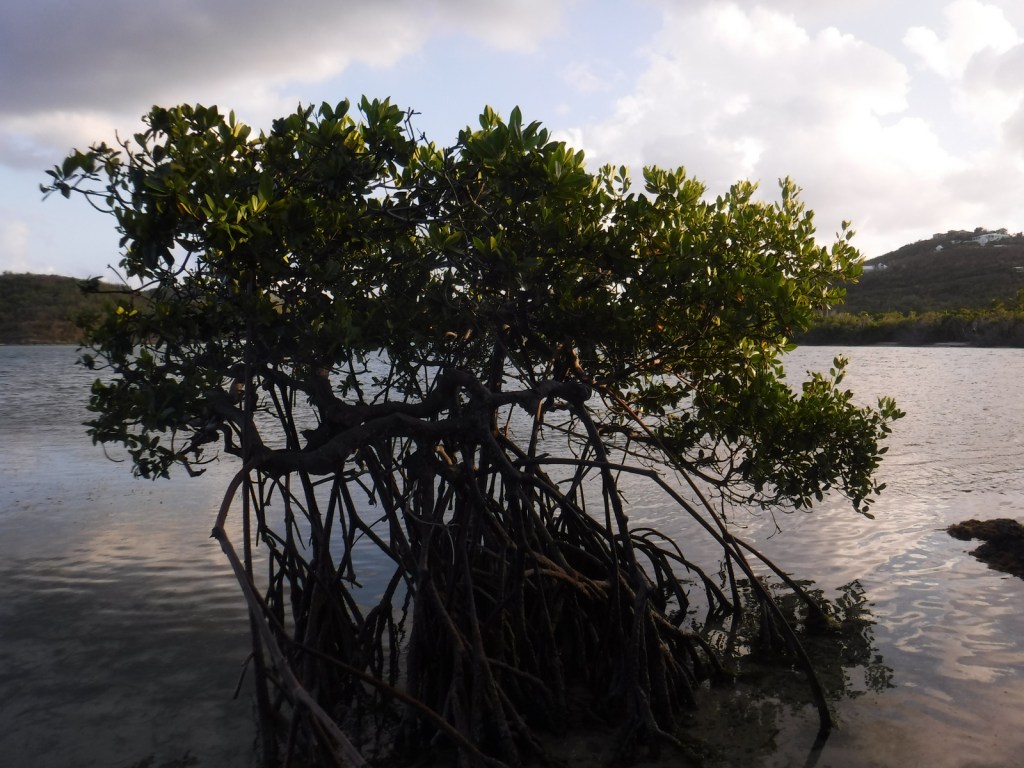
Mangroves, bioluminescent bay

Must-Do Activity

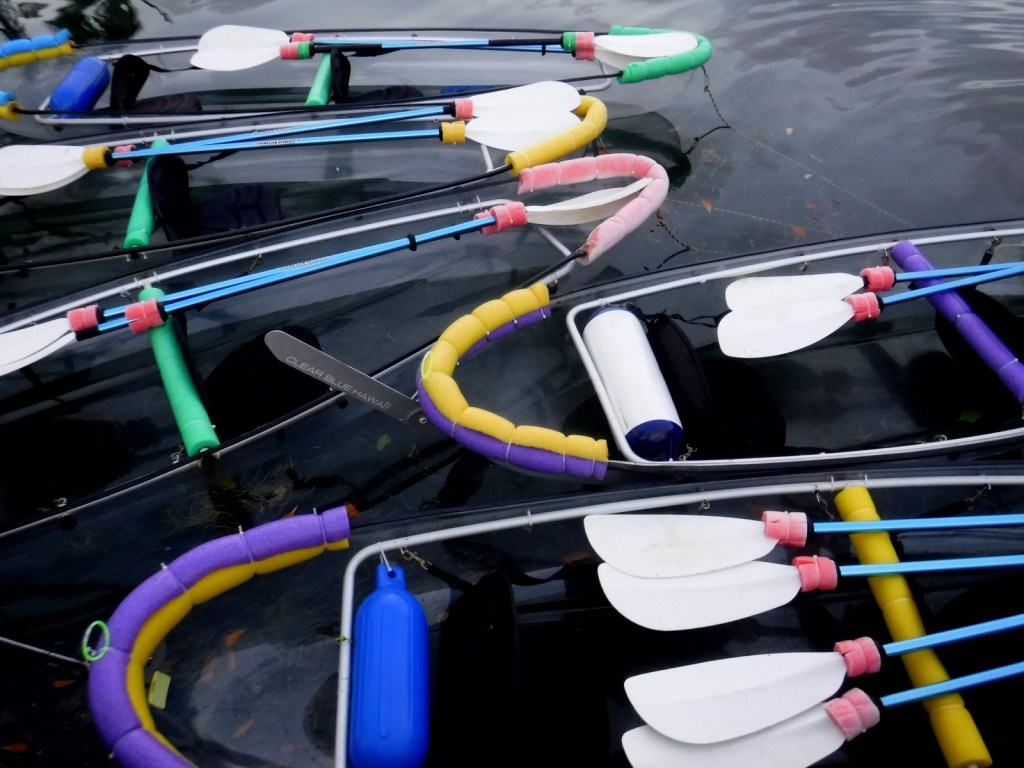
On St. Croix Island, the NPS has exhibits about this park at Christiansted National Historic Site, including descriptions of the western hemisphere’s first violent resistance by natives to European encroachment in 1493.  The park is completely undeveloped, including the archaeological sites.  The must-do activity is a kayaking trip after dark to Mangrove Lagoon to see the bioluminescent organisms there.  Plan your trip around a new moon when the darkness helps them show up better.  Do not bother bringing your waterproof camera, since it is nearly impossible to capture on film.

Best Trail

None

Instagram-worthy Photo

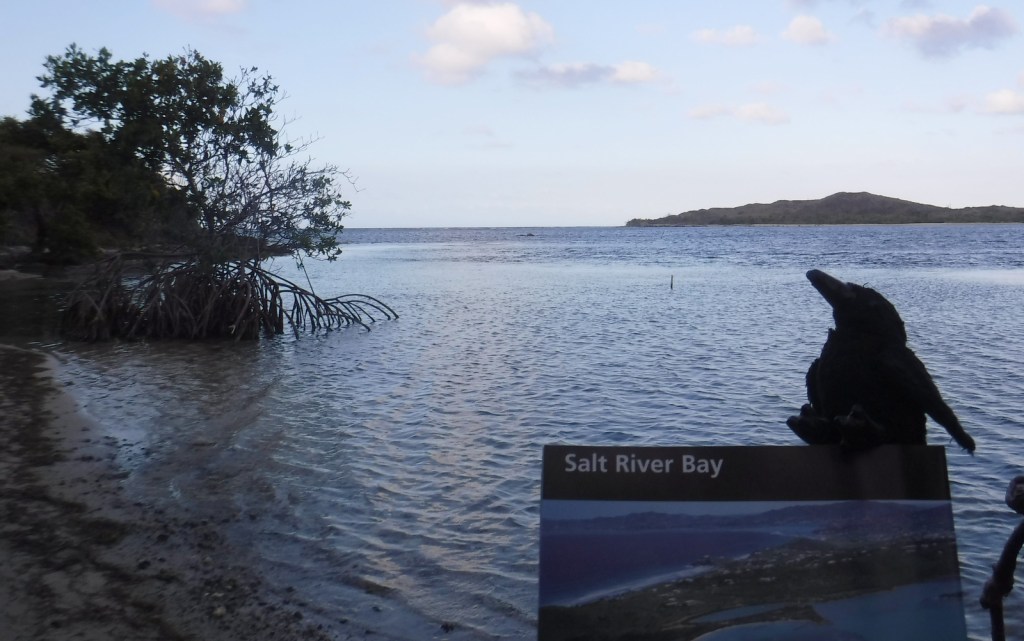
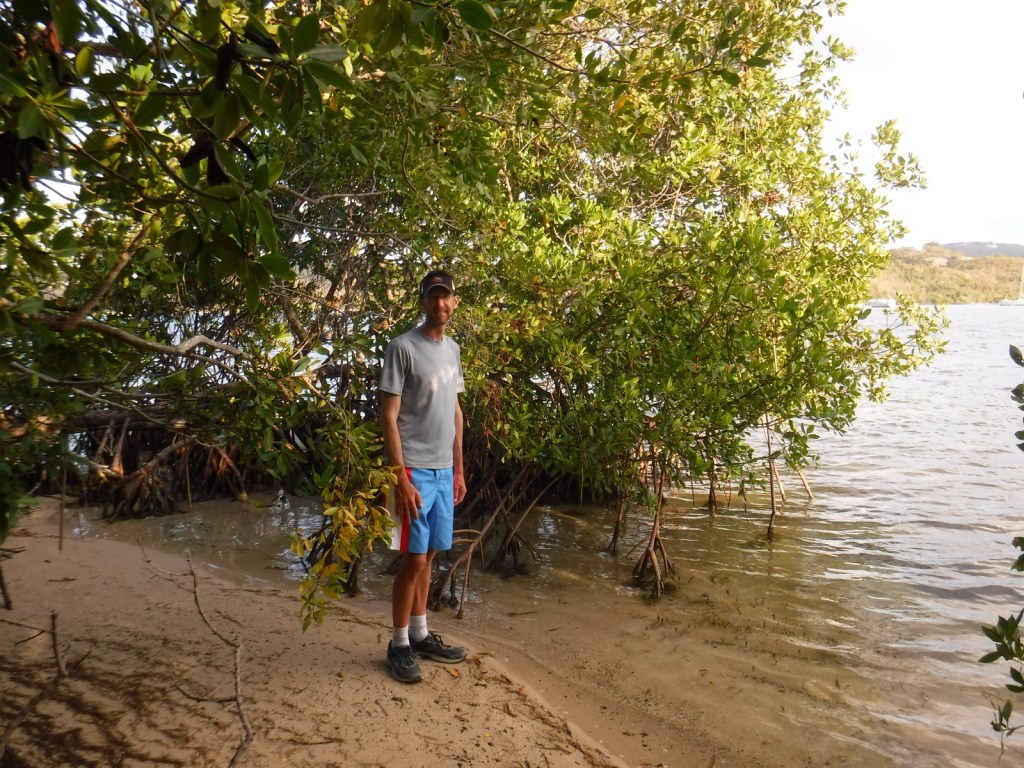
The long roots of mangroves help protect the shore from storm damage and provide a safe hiding place for small fish.

Peak Season

Spring

Hours

https://www.nps.gov/sari/planyourvisit/hours.htm

Fees

None, except for guided tours of the bioluminescent bay

Road Conditions

Access roads paved

Camping

There is no official campground, but locals have semi-permanent camps set up on the beach within Salt River Bay National Historical Park and Ecological Preserve and other parts of the island.  We found the best deals on St. Croix Island were available through Airbnb.

Related Sites

Buck Island Reef National Monument (U.S. Virgin Islands)

Christiansted National Historic Site (U.S. Virgin Islands)

Virgin Islands National Park (U.S. Virgin Islands)

Explore More – This park contains the only Taino ballcourt in the Caribbean built before Columbus’s arrival; when was it discovered?

We are a participant in the Amazon Services LLC Associates Program, an affiliate advertising program designed to provide a means for us to earn fees by linking to Amazon.com and affiliated sites.
Big Cypress National Preserve

Overview

Big Cypress National Preserve was originally planned to be a part of Everglades National Park (established in 1947), but this wild area to the north did not gain federal protection until 1974.  There are few roads and trails in the 729,000-acre preserve, which makes it ideal habitat for the endangered Florida panther.  The easiest access points are along Alligator Alley (Interstate 75) or the Tamiami Trail (Highway 41).  While many of the “trails” require route-finding and slogging through deep water, there are also designated ATV and canoe trails located throughout the park.

Highlights

Kirby Storter Roadside Park, Big Cypress Bend Trail, canoeing

Must-Do Activity

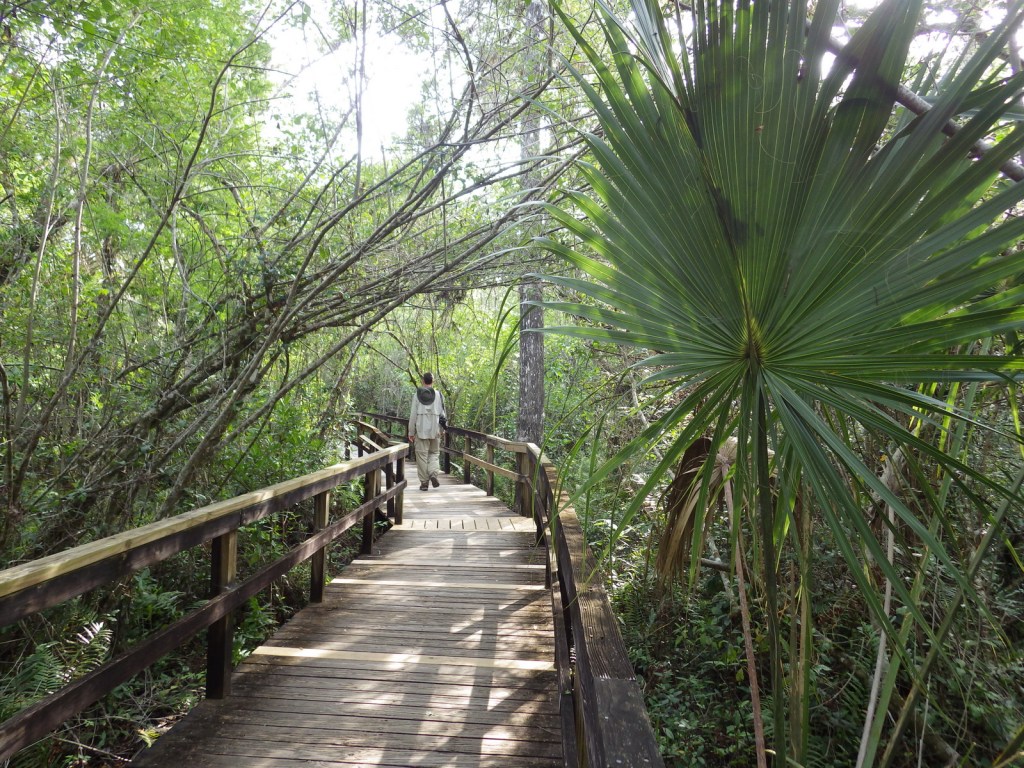
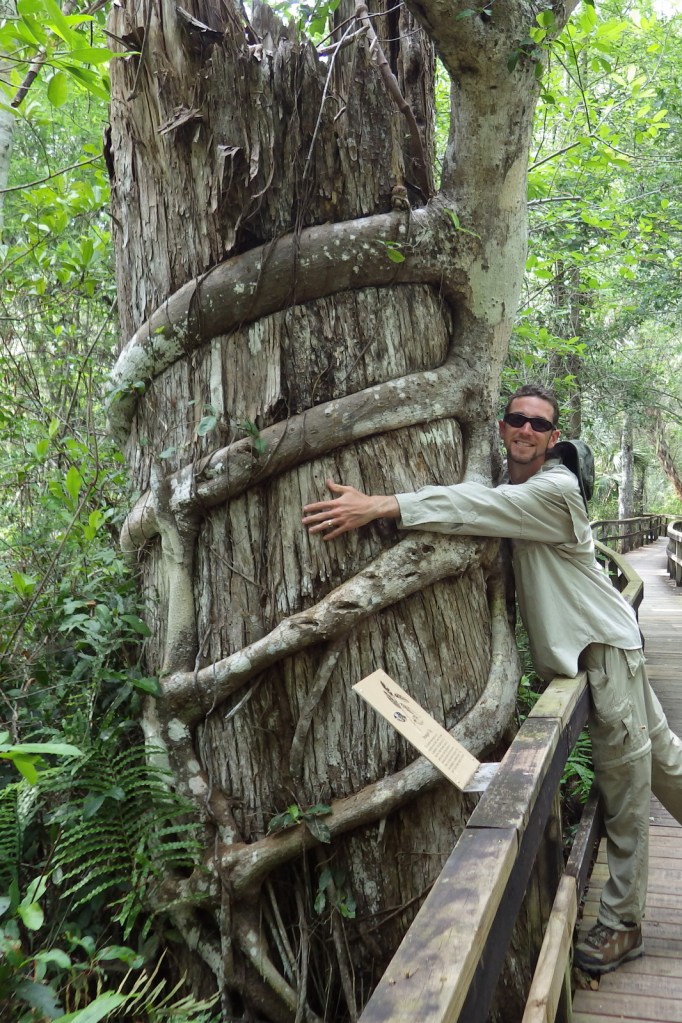
Many of the baldcypress and pond cypress trees that once stood here were logged in the 1930s and 1940s.  At the Kirby Storter Roadside Park, you can still see some large examples of these trees famous for their buttressed boles and root nodules, or “knees,” that stand above the high water level.  We previously reported on these unique deciduous conifers at Congaree National Park in South Carolina, but here they grow right alongside tall palm trees that we typically associate with sandy beaches. 

Best Trail

Many of the trails in the park are underwater and require slogging.  Two exceptions with boardwalks are at Kirby Storter Roadside Park and Big Cypress Bend (technically within Fakahatchee Strand Preserve State Park).

Instagram-worthy Photo

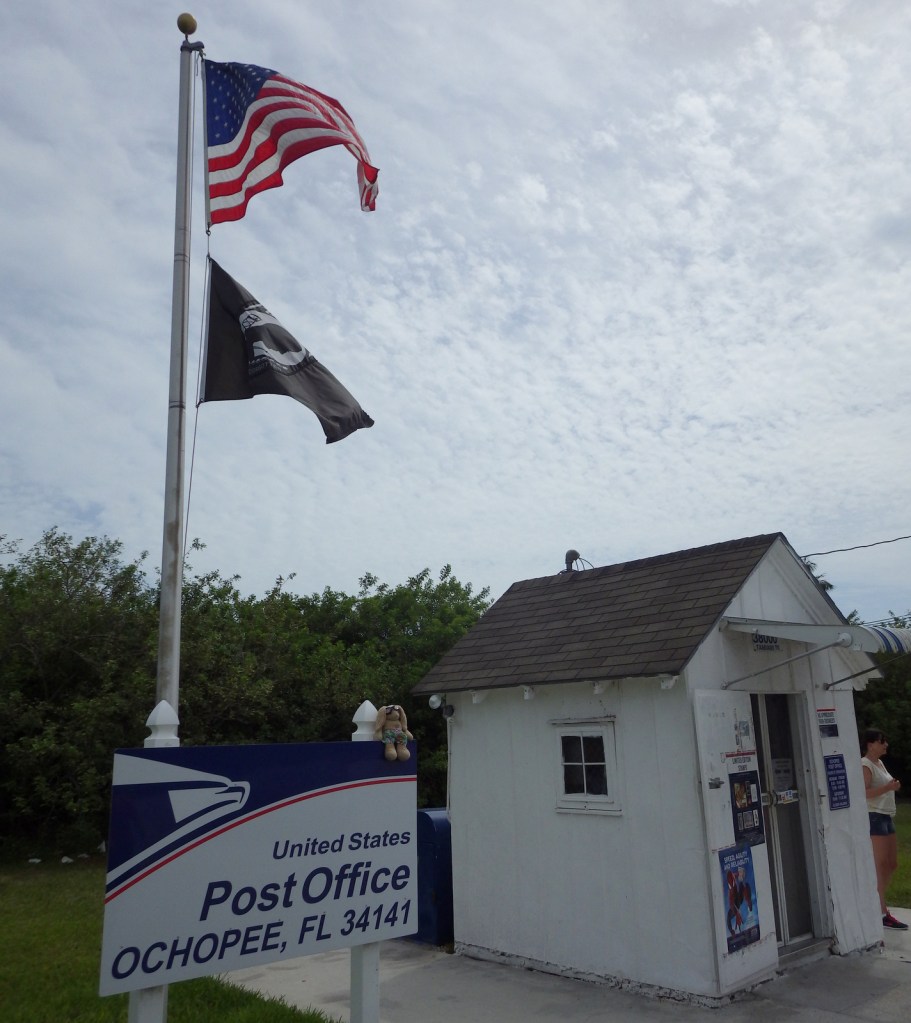
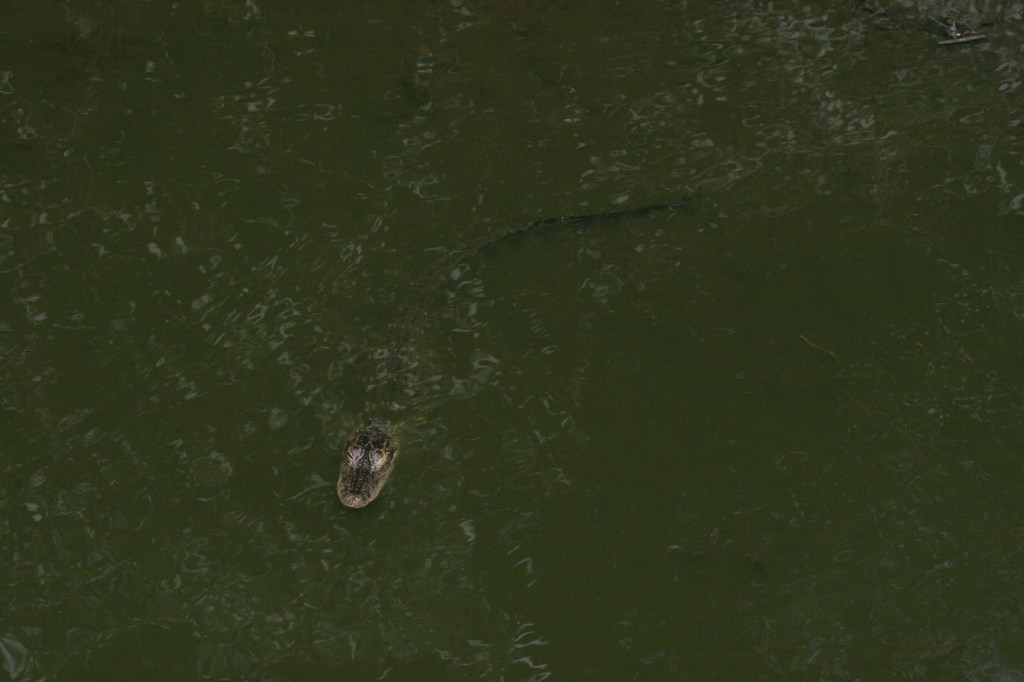
Wherever you look, you are likely to spot an alligator or two in this wild section of south Florida.  An extra photo-op can be found at the smallest post office in the United States, a former irrigation pipe shed located in Ochopee, Florida since 1953.

Peak Season

Winter

Hours

https://www.nps.gov/bicy/planyourvisit/hours.htm

Fees

None (except for off-road vehicle permits)

Road Conditions

Highway 41 and Interstate 75 are paved, but just about every other road in the park is sandy (and/or submerged) and should only be attempted with an ATV or swamp buggy.

Camping

The NPS offers two campgrounds along Highway 41 (there is also one in Collier-Seminole State Park), as well as designated primitive wilderness sites.
Related Sites

Everglades National Park (Florida)

De Soto National Memorial (Florida)

Big Thicket National Preserve (Texas)

Explore More – What are the five main habitat types protected within the preserve?