Tag Archives: National Monument

Cedar Breaks National Monument

Overview

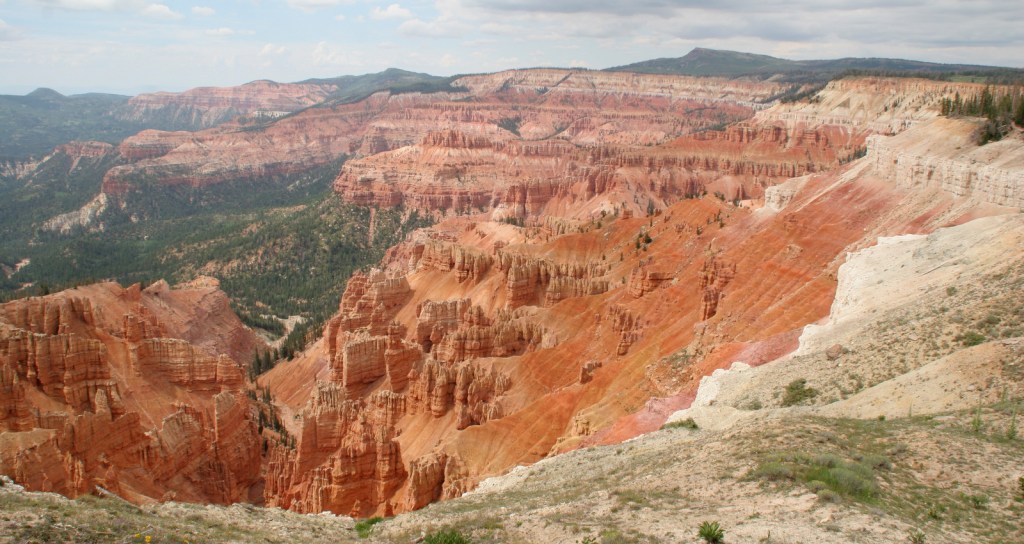
Cedar Breaks National Monument is a red rock badlands full of hoodoos situated at the edge of the Markagunt Plateau and only open during the summer due to its elevation above 10,000 feet.  Its colorful limestone amphitheater is like a miniature Bryce Canyon National Park without all the interior trails.

Highlights

Chessman Ridge Overlook, Point Supreme, Ramparts Trail, Spectra Point

Must-Do Activity

The National Park Service visitor center is open late May through October.  From there the short trail to Point Supreme and the longer Ramparts Trail lead to stunning overlooks of the amphitheater.  Also stop at Sunset View, Chessman Ridge Overlook, and North View on Cedar Breaks Scenic Drive. In the surrounding Dixie National Forest, there is free parking at the Rattlesnake Trail that offers two unique overlooks within the first mile before it drops steeply into the forested canyon.

Best Trail

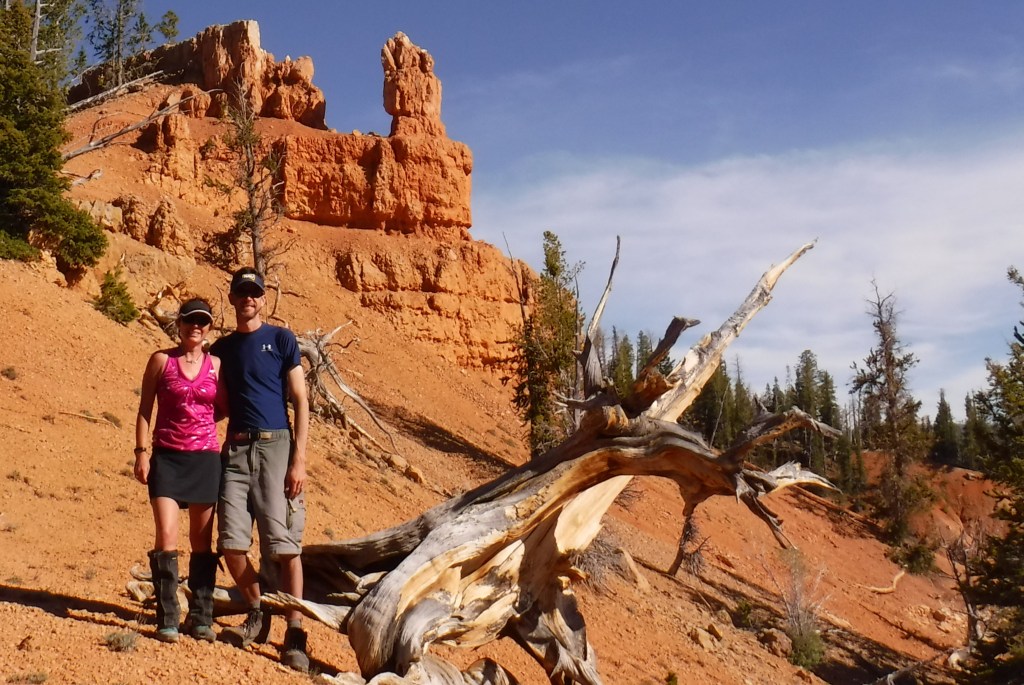
At 10,000 feet in elevation this is no place to try anything too strenuous.  Walk the flat one-mile Ramparts Trail to Spectra Point and stop at the many great overlooks along the way while enjoying the riotous summer wildflowers and gnarly bristlecone pine trees (some believed to be more than 1,600 years old).

Instagram-worthy Photo

On our visit in July, we saw columbine, blue bells, larkspur, Indian paintbrush, elkweed, lupine, wild rose, fireweed, and cow parsnip; many of the same species that grow along the coast of Alaska. 

Peak Season

Summer, though snowmobilers and cross-country skiers can access the park during the winter.

Hours

https://www.nps.gov/cebr/planyourvisit/hours.htm

Fees

$25 per vehicle or America The Beautiful pass

Road Conditions

The paved Cedar Breaks Scenic Drive remains open until snow closes it usually by November.

Camping

The park contains Point Supreme Campground with 30 spaces and running water from June through September.  The surrounding Dixie National Forest also offers campgrounds and free dispersed camping.

Related Sites

Bryce Canyon National Park (Utah)

Dixie National Forest (Utah)

Great Basin National Park (Nevada)

Nearest National Park

Zion

Explore More – What is the name of the officially designated wilderness that Rattlesnake Trail enters outside the monument’s boundaries?

Cabrillo National Monument

Overview

Cabrillo National Monument is named for a Spanish explorer that sailed the California coastline in 1542 before mysteriously dying in the Channel Islands.  Located on Point Loma peninsula west of San Diego Bay, the steep cliffs offer great overlooks of Coronado Island and the city beyond. 

Highlights

Cabrillo statue, 1854 Old Point Loma Lighthouse, tidepools

Must-Do Activity

To find out more about the history of Spanish exploration in this region, check out the museum and talk to one of the costumed actors (it is southern California after all).  The national monument is a great place to imagine life at the Old Point Loma Lighthouse or learn the military past of the strategic defense post Fort Rosecrans. 

Best Trail

Follow the road downhill to the Pacific Ocean side of the peninsula to a great spot to explore tidepools.  Watch for migrating gray whales in the winter and the many unique bird species that migrate up and down the coast.  There is also the 2.5-mile roundtrip Bayside Trail.

Instagram-worthy Photo

Old Point Loma Lighthouse was built in 1854, but due to that famous California coastal fog it was retired from service in 1891.  Climb its circular stairs for a unique photo that looks like the inside of a seashell.

Peak Season

Year round, but less likely to be foggy in the winter.

Hours

https://www.nps.gov/cabr/planyourvisit/hours.htm

Fees

$20 per vehicle or America The Beautiful pass

Road Conditions

All roads paved

Camping

Mission Trails Regional Park off Highway 52 and other private campgrounds are located nearby.

Explore More – You would expect that Spain purchased the statue of Cabrillo, but which country actually did?

Tuzigoot National Monument

Overview

The Verde River Valley was first permanently settled by the agrarian Hohokam culture around AD700.  The ruins seen here today were built between AD1000 and 1400 by the Sinagua, who left many behind many structures in this region.

Highlights

Ruins, museum, scenic views

Must-Do Activity

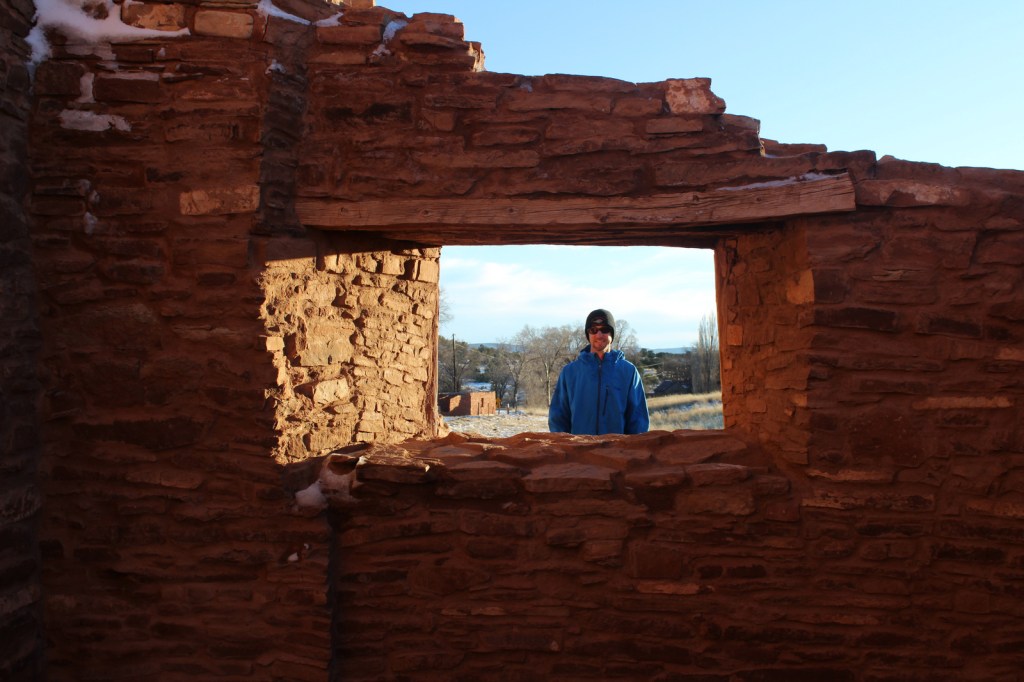
The Sinagua pueblo at Tuzigoot had about 110 rooms and is estimated to have housed 200 to 300 people.  You can walk inside portions of the ruin, including a section with a reconstructed roof.

Best Trail

A trail leads to an overlook of Tavasci Marsh, a wetland important to wildlife.

Instagram-worthy Photo

Tuzigoot pueblo was strategically placed atop a 120-foot high limestone outcrop with commanding views in all directions, but was not a cliff dwelling like those built later at nearby Montezuma Castle and Walnut Canyon National Monuments.

Peak Season

Summer, though it can get hot in the afternoons

Hours

https://www.nps.gov/tuzi/planyourvisit/hours.htm

Fees

$15 per person or America The Beautiful pass

Road Conditions

All roads paved

Camping

Outside the town of Cottonwood, Dead Horse State Park offers campsites with RV hookups and showers.

Explore More – What is the English translation of the Apache word Tuzigoot?

Pipestone National Monument

Overview

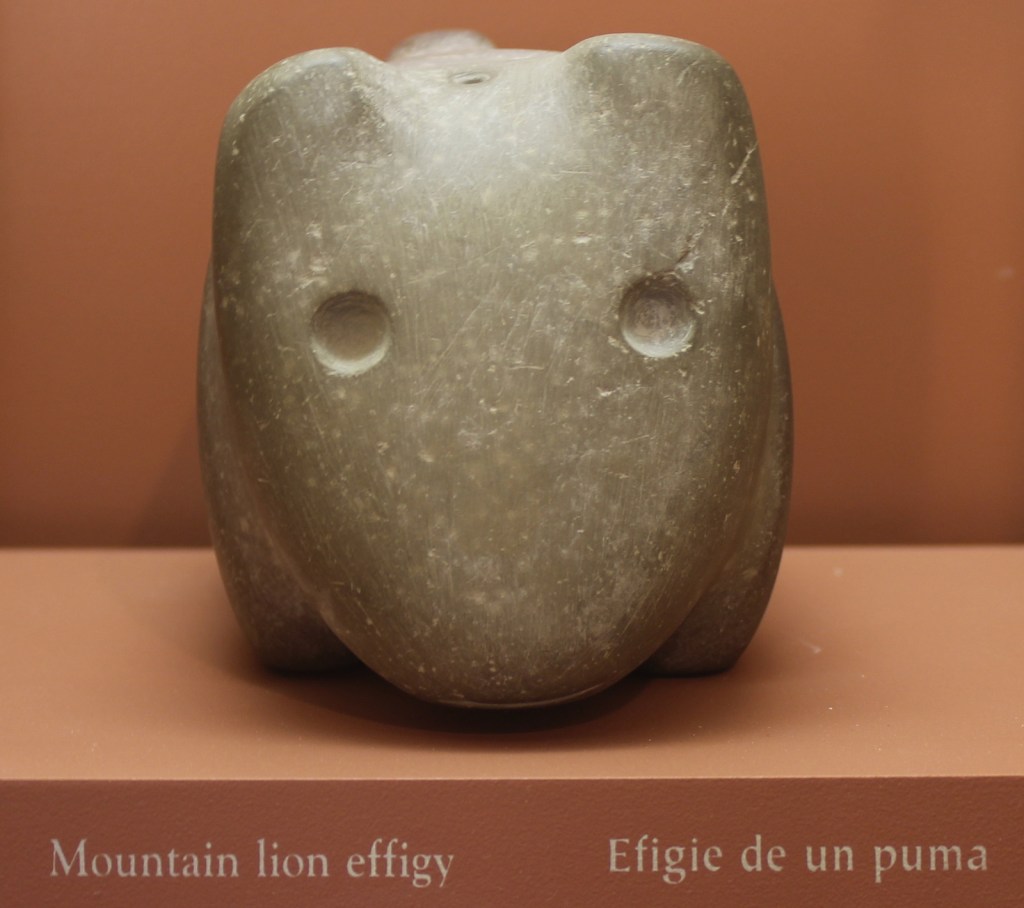
This site is famous as a place people have come for 2,000 years to mine the red quartzite rock (also known as catlinite).  The soft sedimentary stone is relatively easy to carve into smoking pipes and effigies.  Only American Indians are allowed to quarry here today with the proper permits.

Highlights

Pipestone quarries, museum, carving demonstrations, Winnewissa Falls

Must-Do Activity

April through October, you can watch American Indian carvers at the National Park Service museum demonstrate how to sculpt this soft yet durable stone into hollow pipes and other beautiful ornaments.  It is illegal to remove any rocks without a permit, but you can buy carvings in the gift shop.

Best Trail

A 0.75-mile trail leads past historic rock quarries to Winnewissa Falls, just the spot to be on a hot summer afternoon.  The remnants of tallgrass prairie protected within the park boundaries give an idea of what this entire region might have looked like before it was converted to farms.

Instagram-worthy Photo

28 miles southwest across the border in South Dakota’s Palisades State Park where the same red quartzite rock dramatically rises above muddy Split Rock Creek and is a great place to picnic or watch rock climbers.

Peak Season

Summer, but it is open year round.

Hours

https://www.nps.gov/pipe/planyourvisit/hours.htm

Fees

None

Road Conditions

All roads paved

Camping

There is a private campground near the monument entrance and Split Rock Creek State Park is 8 miles south.

Explore More – Who is the famous artist that catlinite is named after?

Poverty Point National Monument

Overview

Mound builders historically settled near major rivers, especially the Ohio and Mississippi, because the floodplains provided fertile soil for farming.  However, Poverty Point was settled 3,700 years ago by hunter-gatherers so efficient they did not need agriculture to provide leisure time.  They built a city with a population estimated at 1,500 along Bayou Macon in northeast Louisiana. 

Highlights

72-foot-tall Mound A, film, tram tour

Must-Do Activity

A guided tram ride with a State Park ranger is included in your admission fee, which in addition to the film shown in the State Park visitor center is the best way to learn about this site.  The tram tour does not stop to allow visitors to climb Mound A, so you will have to return in your own vehicle.

Best Trail

A stairway leads to the top of Mound A, the most impressive mound at 72 feet tall in the shape of a bird with a 70-foot-wide base.  It required approximately 15-million basket loads of soil to complete.  They had no wheelbarrows or domesticated animals for assistance, so each basket was carried by hand to form the largest manmade structure in North America at the time.  No wonder this site was chosen in 2014 as a UNESCO World Heritage Site.

Instagram-worthy Photo

The inhabitants constructed other mounds and built their houses atop concentric rings in a semi-circle D-shape facing towards Bayou Macon.  This pattern is best seen from atop Mound A.

Peak Season

The tram tour operates March through October.

Hours

https://www.nps.gov/popo/planyourvisit/hours.htm

Fees

$4 per adult for general admission or $10 for the tram tour, and America the Beautiful passes are no longer accepted.

Road Conditions

All roads paved

Camping

There are private campgrounds nearby or 40 miles away is Chemin-A-Haut State Park.

Related Sites

Hopewell Culture National Historical Park (Ohio)

Ocmulgee Mounds National Historical Park (Georgia)

Effigy Mounds National Monument (Iowa)

Nearest National Park

Hot Springs

Explore More – Why will you not find any National Park Service logos at this National Monument?