Tag Archives: National Monument

Craters of the Moon National Monument and Preserve

Overview

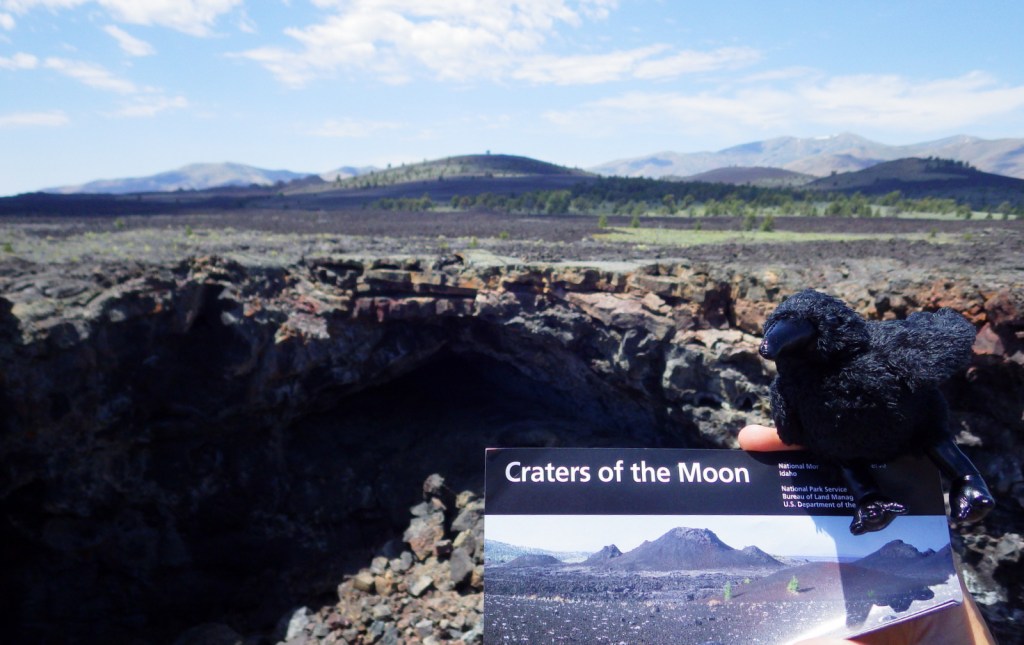
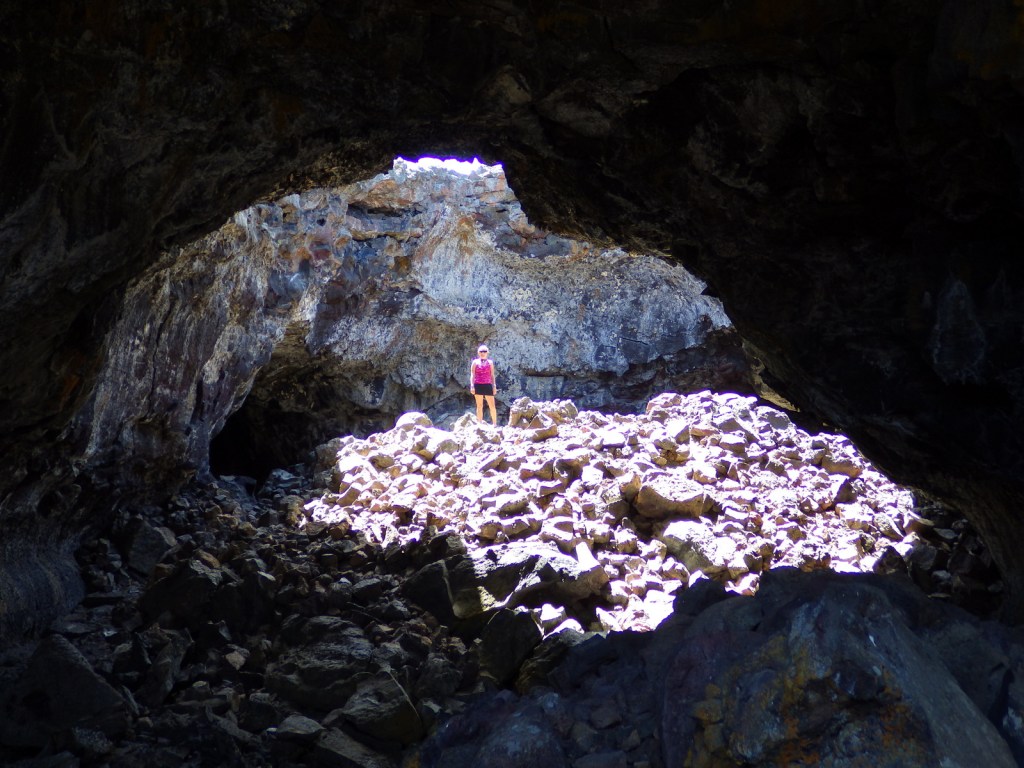
If you seek an otherworldly experience right here on Earth, look no further than Craters of the Moon National Monument and Preserve in southeastern Idaho.  In the 1800s, this massive lava flow proved an obstacle to avoid for immigrants on the Oregon Trail.  In 1969 it truly earned its lunar label by serving as a field school on volcanic geology for NASA Apollo astronauts. 

Highlights

Boy Scout Cave, Indian Tunnel, cinder cones, tree molds

Must-Do Activity

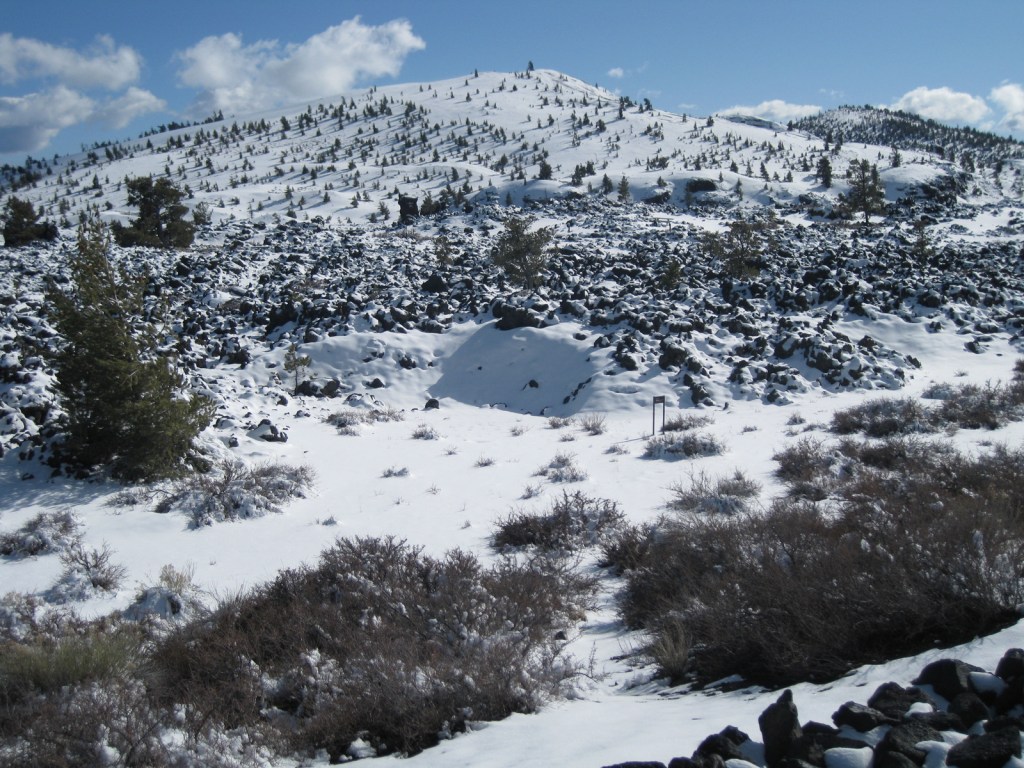
The 7-mile loop road is paved and provides parking at several trailheads, including the wheelchair-accessible Devils Orchard Nature Trail.  Cinder cones, lava tubes, and tree molds are some of the unique volcanic features seen from the trails.  If you come here in the winter the loop road closes due to the amount of snow they receive at 6,000 feet elevation, but you can still explore on snowshoes and cross-country skis.

Best Trail

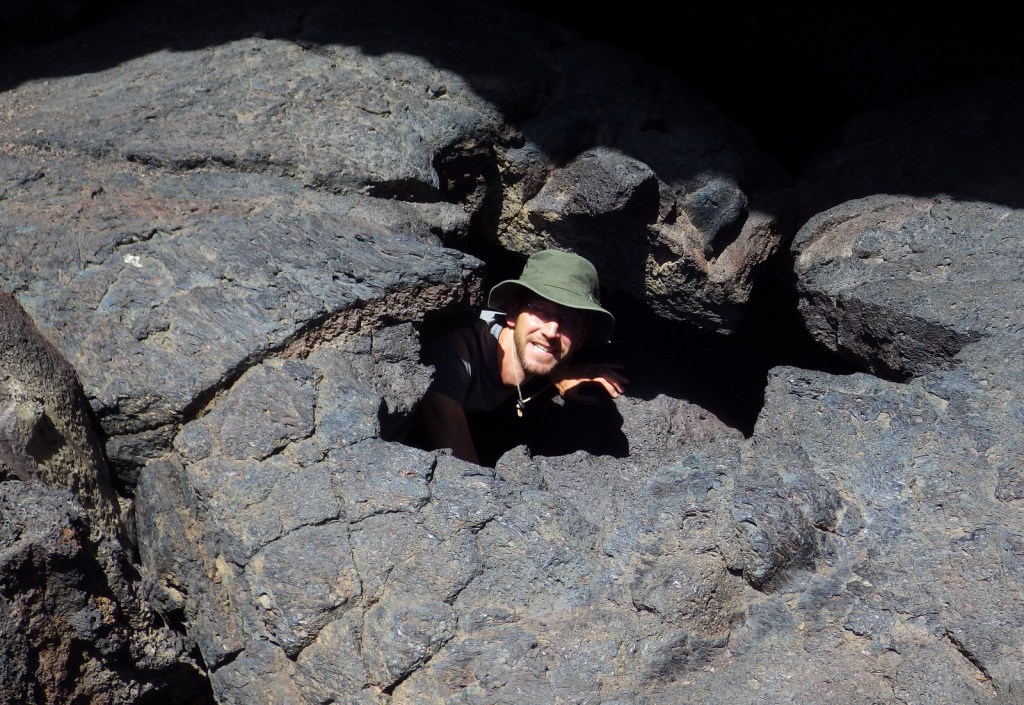
If you cannot make it to the incomparable Lava Beds National Monument in northern California, you can explore a couple of short lava tube caves here.  To explore Indian Tunnel you will need a free permit, but you do not even need a flashlight.  That is not the case inside the pitch black Boy Scout Cave.

Instagram-worthy Photo

Unlike the moon, there is life here despite its blackened, rocky appearance.  Hearty syringa bushes and limber pine trees sprout from cracks in the lava providing food and cover for sage grouse, pika, and other animals. 

Peak Season

Summer, but it can get very hot on the black rocks without any shade.

Hours

https://www.nps.gov/crmo/planyourvisit/hours.htm

Fees

$20 per vehicle or America the Beautiful pass

Road Conditions

The 7-mile loop road is paved, but other all roads into the monument require a heavy-duty 4×4 with excellent tires.

Camping

There is a first-come, first-served campground near the visitor center off Highway 93 that provides water, but no RV hookups.  Backpacking is allowed in the wilderness area.

Explore More – In what year did the nearby town of Arco, Idaho became the first community in the world to utilize nuclear power?
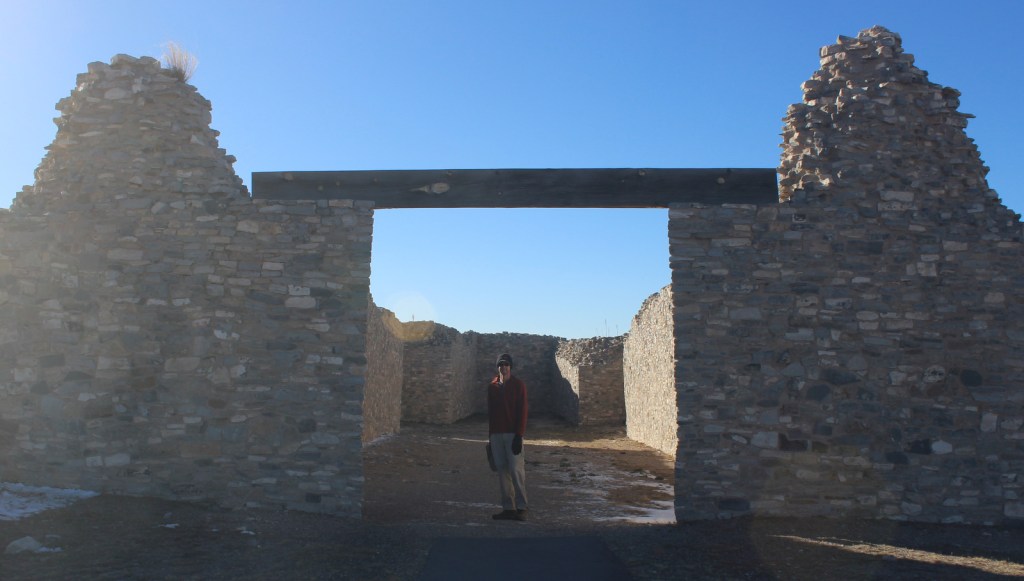
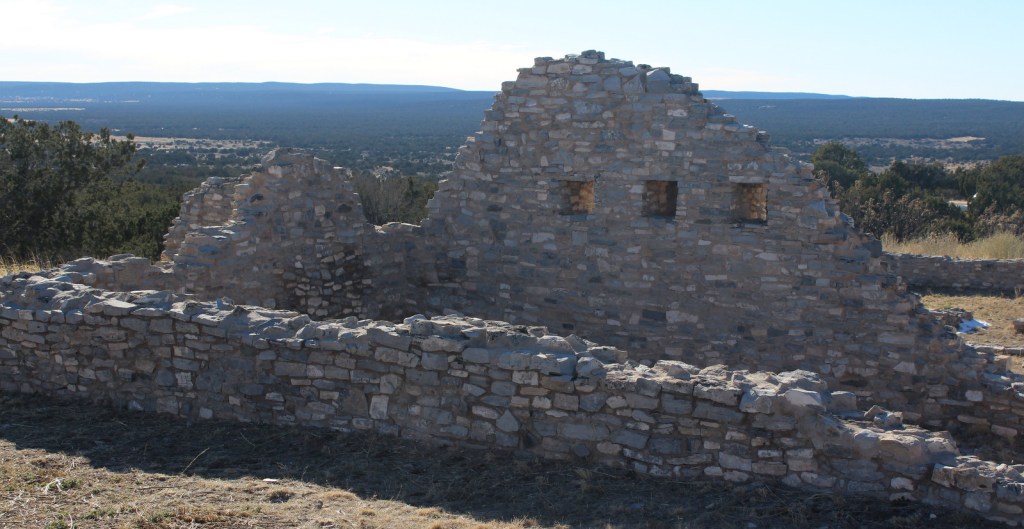
Salinas Pueblo Missions National Monument

Overview

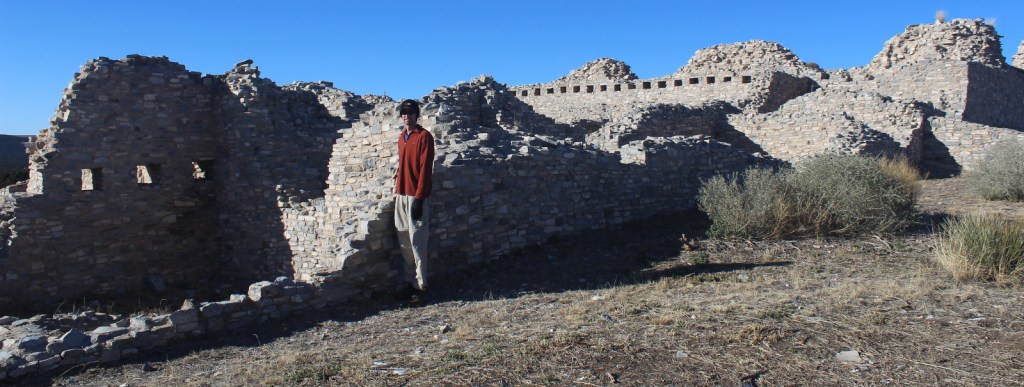
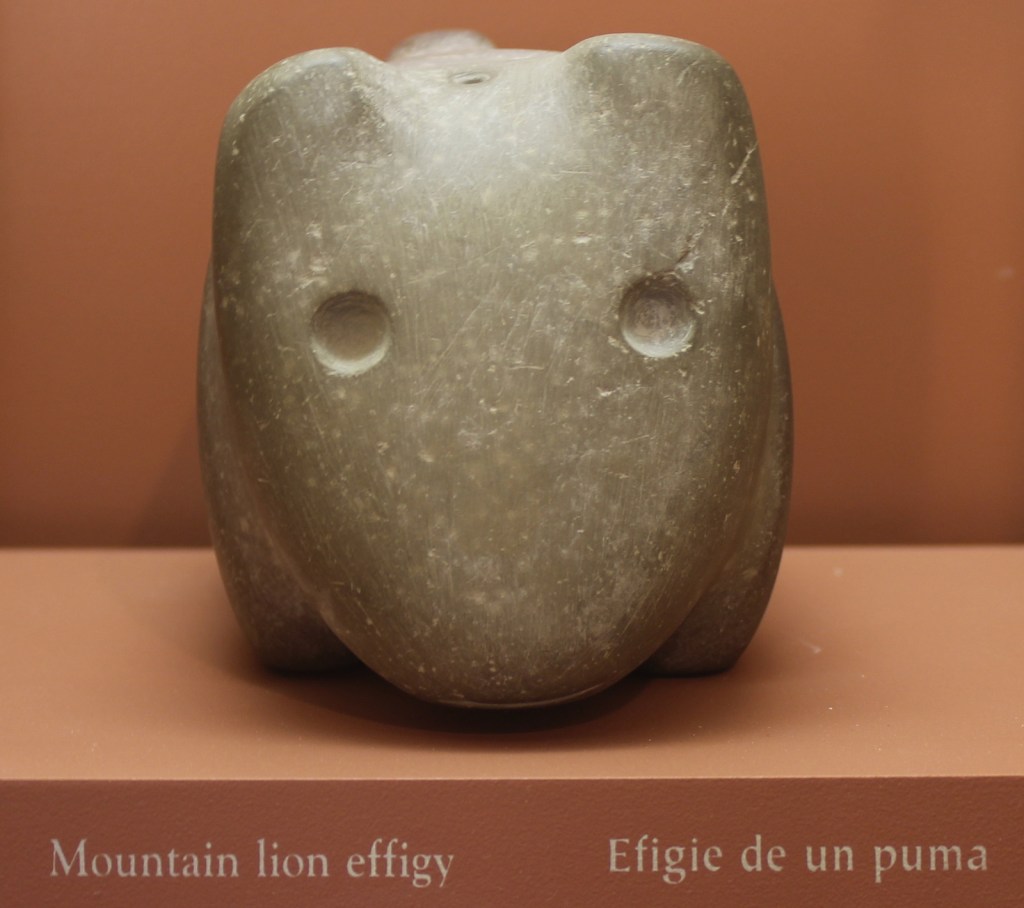
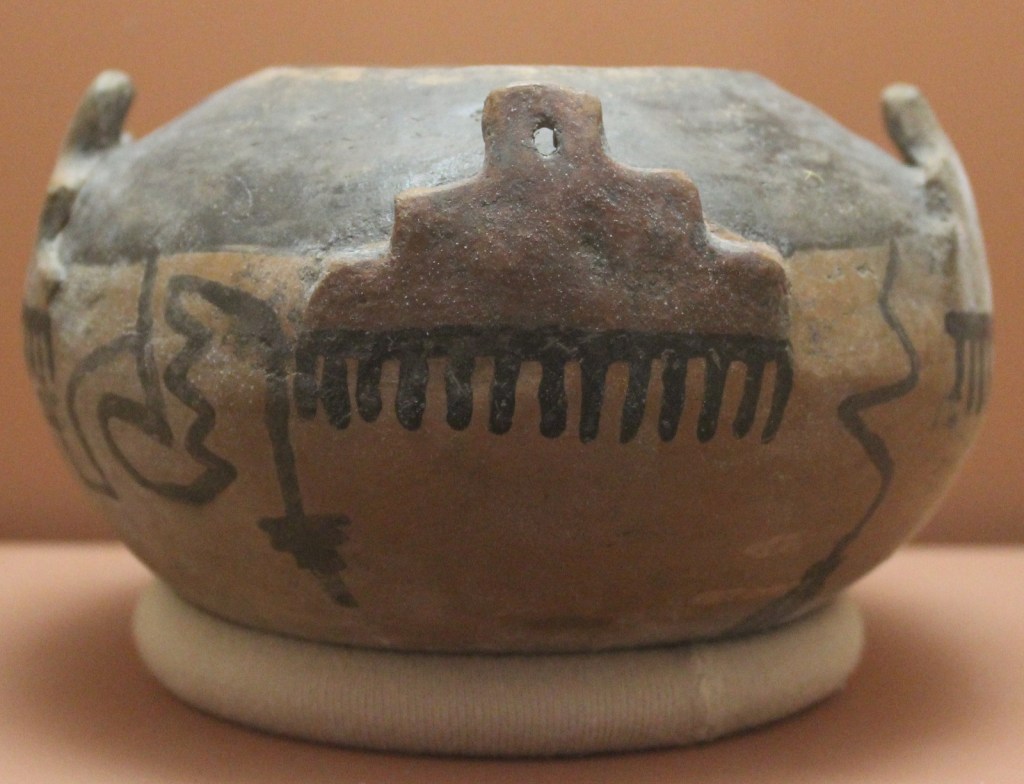
This interesting National Monument protects three separate Spanish missions that date to the 1600s, though its main visitor center in Mountainair, New Mexico is not next to any of them.  Their location near salt flats led to the name Salinas and contributed to the pueblos’ abandonment when a major drought struck in the 1670s.

Highlights

Gran Quivira, Quarai, Abó, film at main visitor center

Must-Do Activity

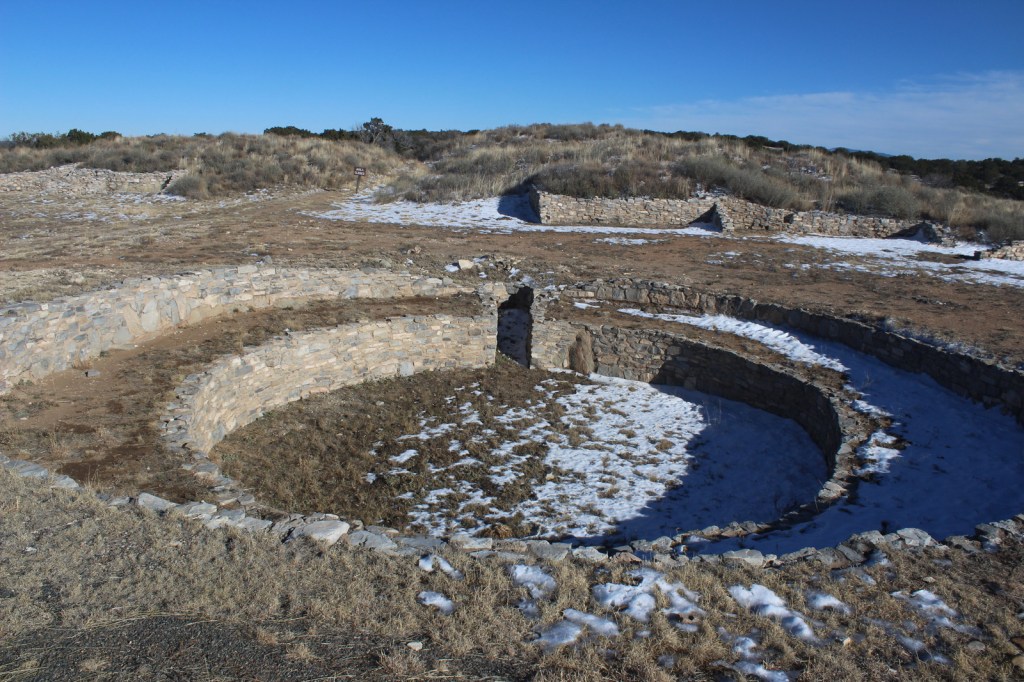
Gran Quivira has the remains of two churches (the second unfinished at the time of abandonment) and the most significantly excavated pueblo ruins (with kivas) of the three sites.

Best Trail

Each of the three pueblos has a paved walkway that leads through its ruins that leaves from the parking lot and past its contact station staffed by a National Park Service employee. 

Instagram-worthy Photo

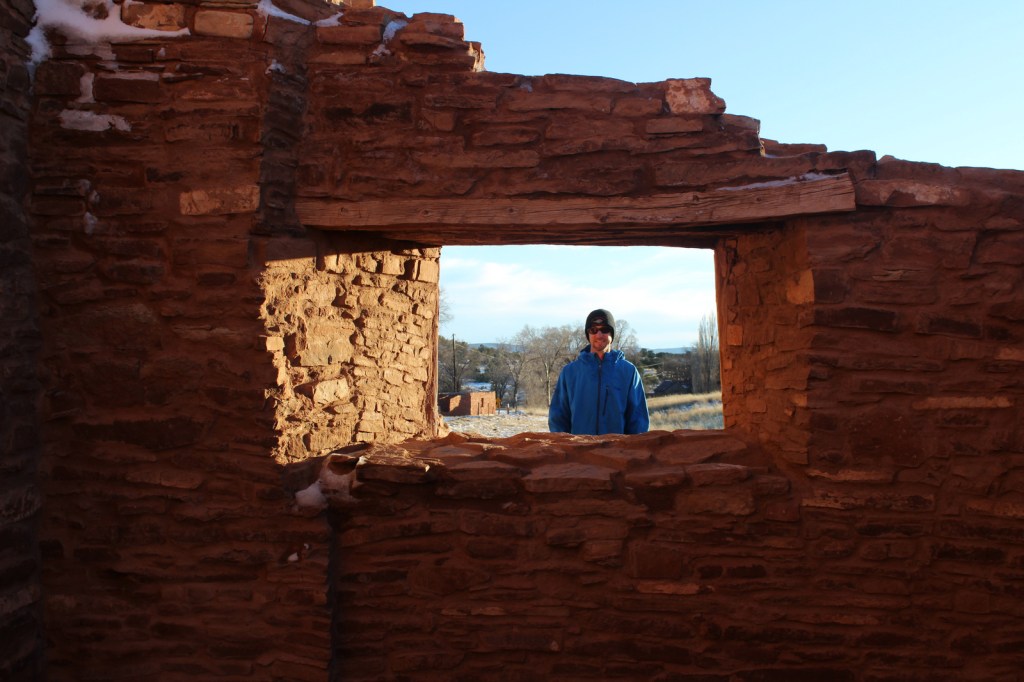
The church at Quarai is the most complete of the three sites and its red walls photograph well at sunset.

Peak Season

Spring and Fall

Hours

https://www.nps.gov/sapu/planyourvisit/hours.htm

Fees

None

Road Conditions

All roads paved

Camping

Manzano Mountains State Park has a seasonal campground 15 miles north of Mountainair, New Mexico.

Explore More – Other than the major drought in the 1670s, what other factors contributed to the abandonment of these pueblos?

Castle Mountains National Monument

Overview

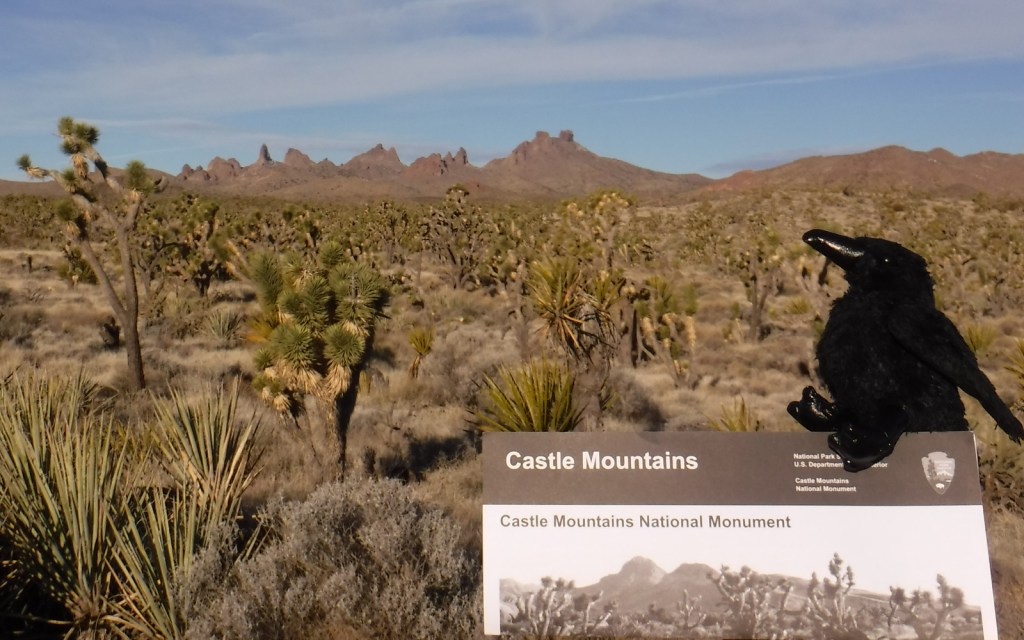
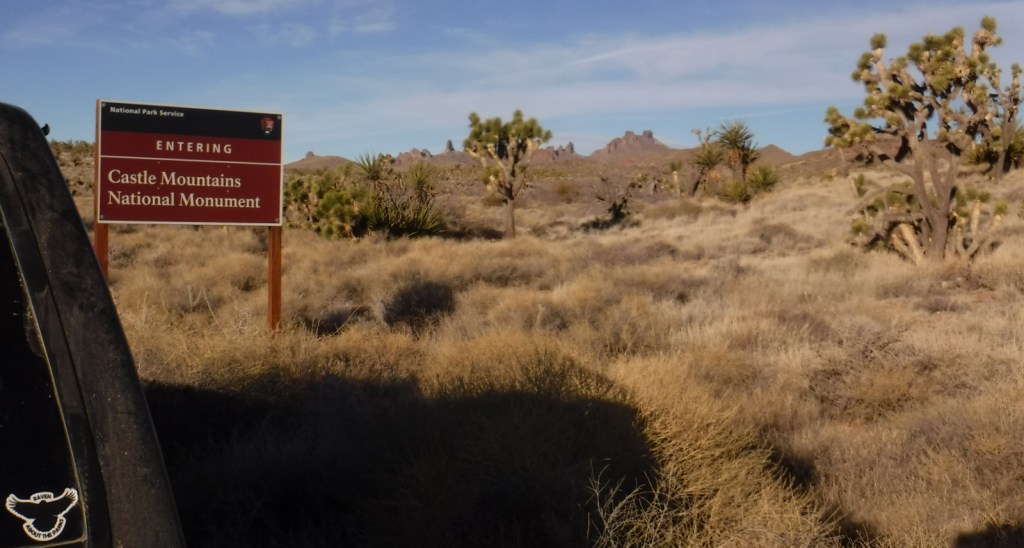
Designated in February 2016, this small monument borders Nevada and is surrounded by the much larger Mojave National Preserve on its other three sides.  Its highest point is Hart Peak (5,543 feet), named for James Hart who discovered gold here in 1907 and founded a boomtown that reached 1,500 residents. 

Highlights

Hart Peak (5,543 feet), Hart Mine ghost town, view of Castle Peaks

Must-Do Activity

This new National Monument is undeveloped with no trails, no visitor center, and little signage.  Drive or walk its network of dirt roads to get a feel for the Mojave Desert.

Best Trail

None

Instagram-worthy Photo

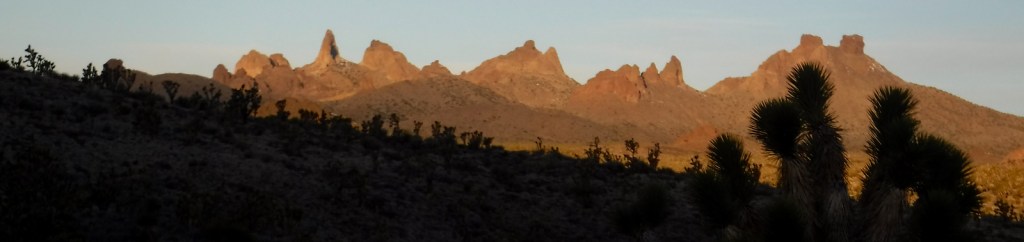
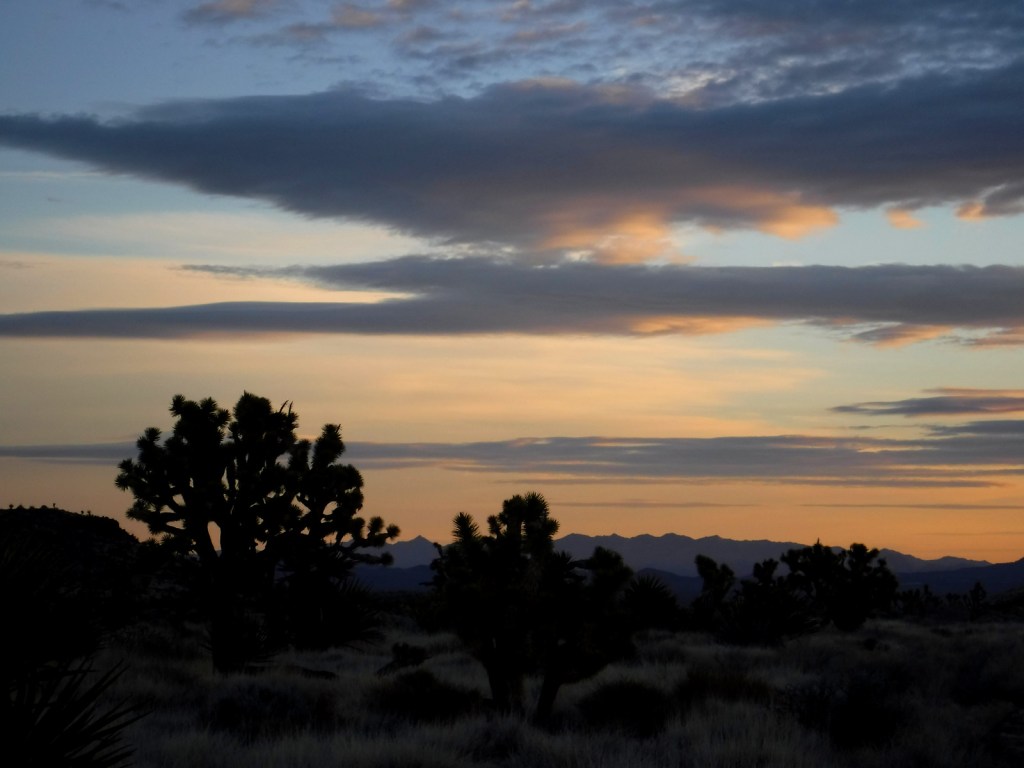
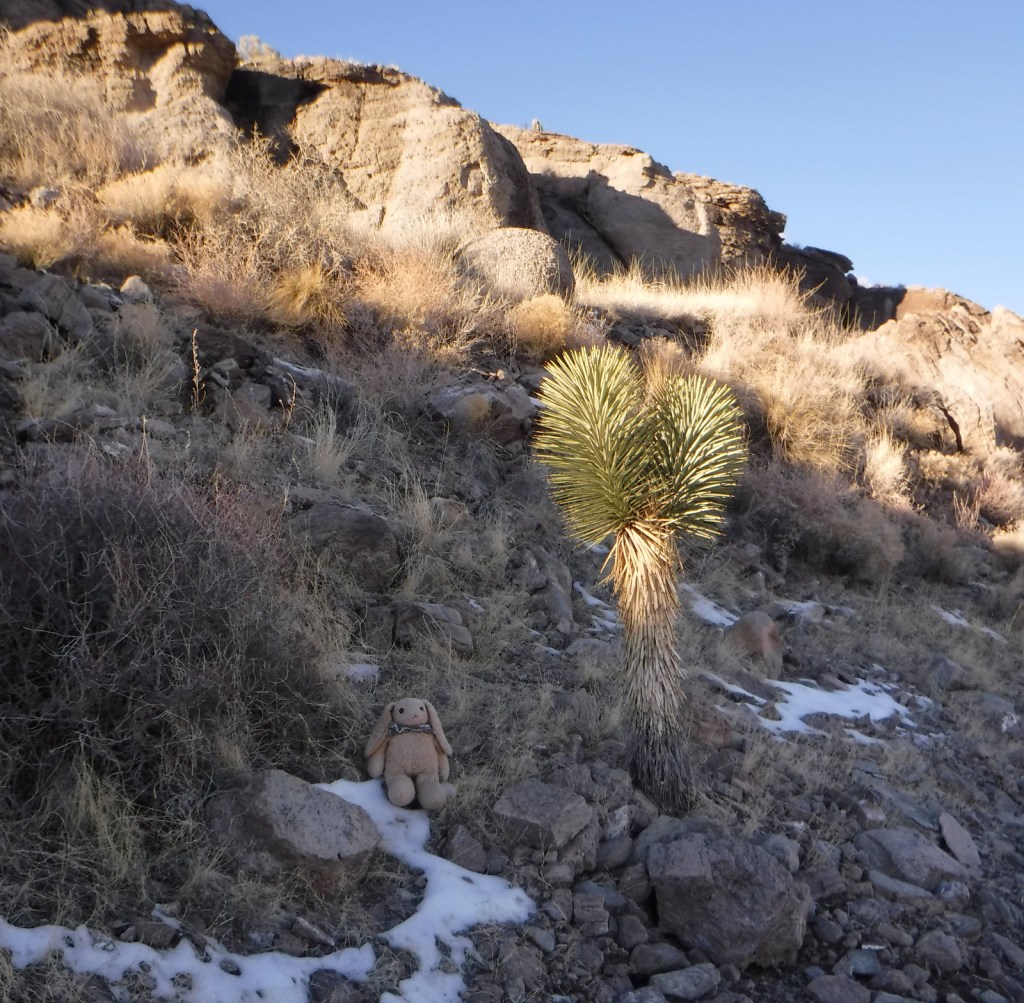
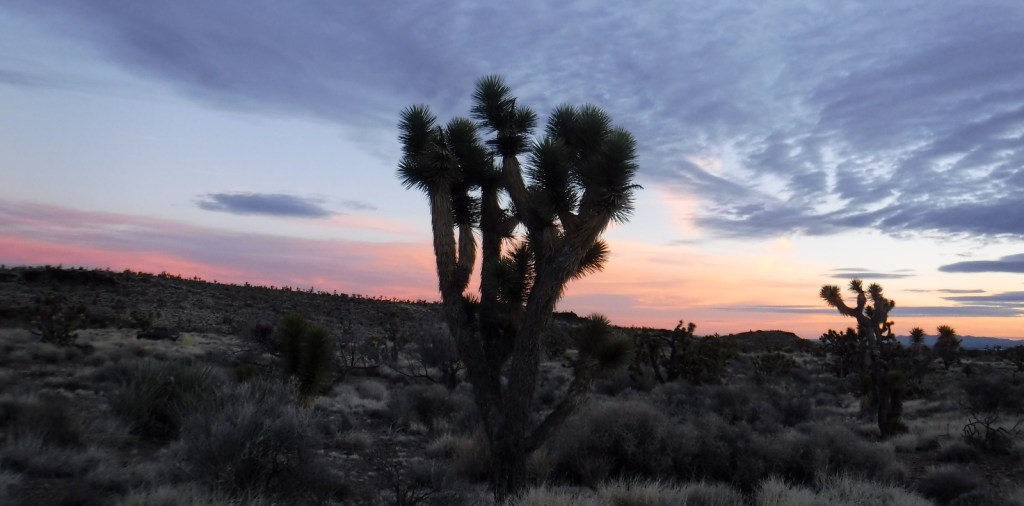
Joshua trees are always photogenic, especially when the jagged Castle Peaks are in the background (though they are outside the monument’s northern boundary within Mojave National Preserve).

Peak Season

Spring and fall

Hours

There are visitor centers in the adjacent Mojave National Preserve that have hours posted here:

https://www.nps.gov/moja/planyourvisit/visitorcenters.htm

Fees

None

Road Conditions

Walking Box Ranch Road is a groomed dirt road passable to any vehicle from Highway 164 west of Searchlight, Nevada.  Access roads from Mojave National Preserve require high-clearance.

Camping

Dispersed camping is allowed within the monument.  Hole-in-the-Wall Campground within Mojave National Preserve is accessible by paved road from Interstate 40.

Explore More – Piute Spring is charged by the aquifer within Castle Mountains National Monument; when researchers tested it, how long ago did its water fall as precipitation?

Devils Tower National Monument

Wyoming

Managed by National Park Service

Established 1906

1,347 acres

Website: nps.gov/deto

Overview

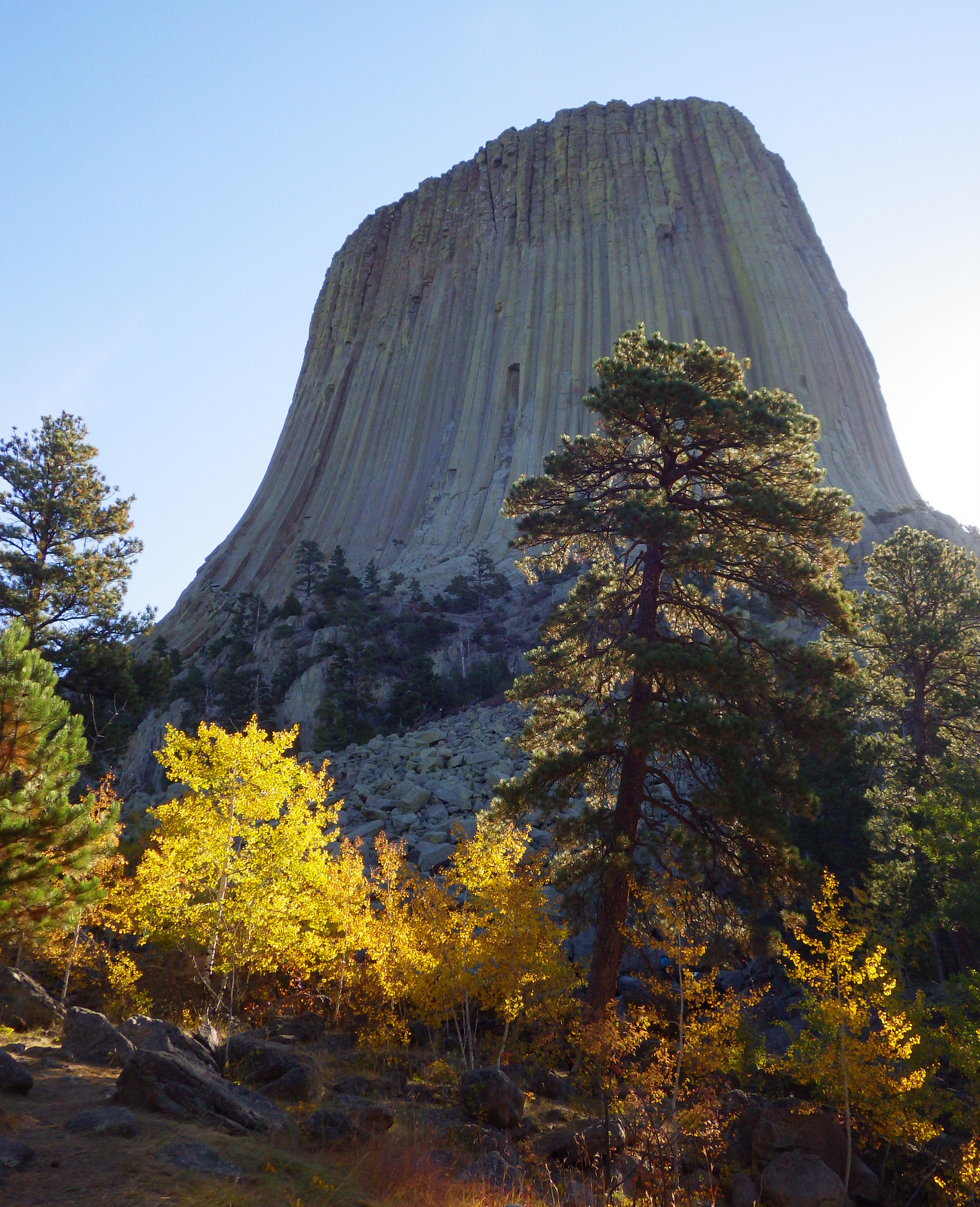
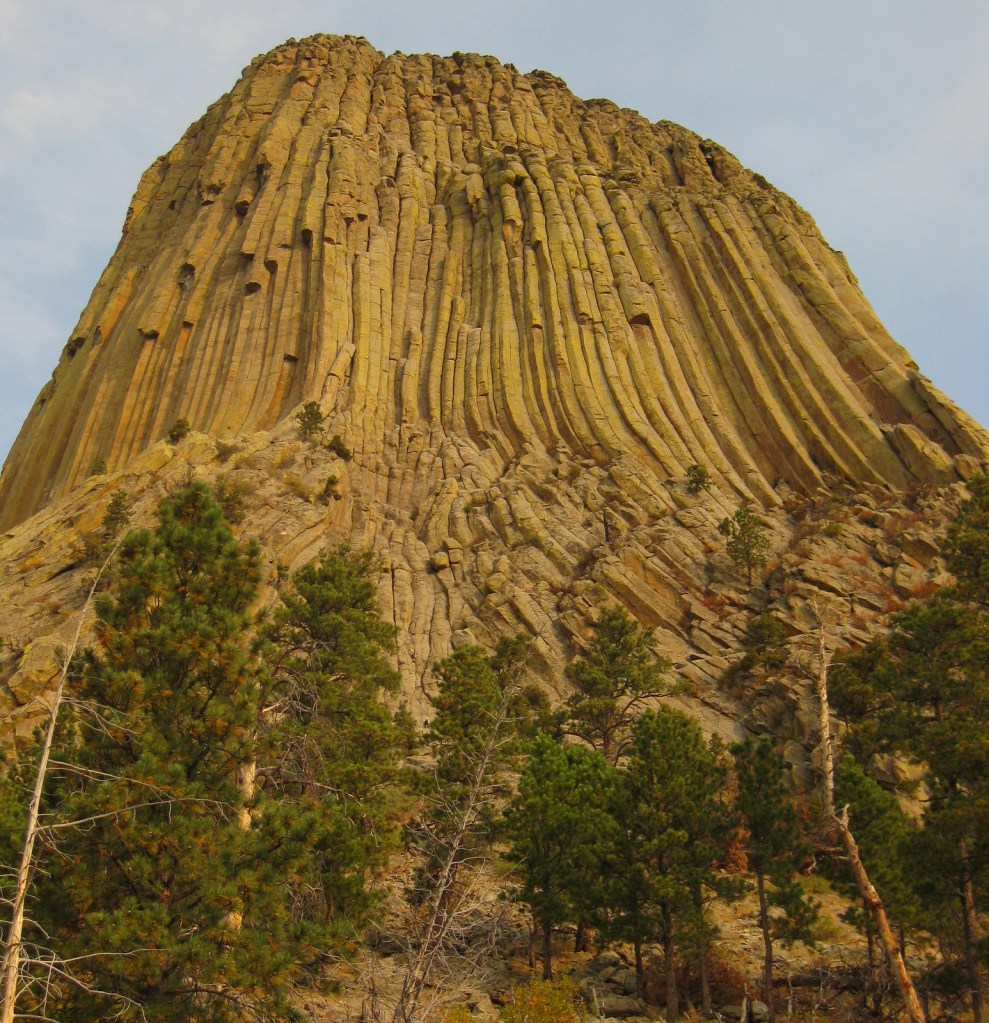
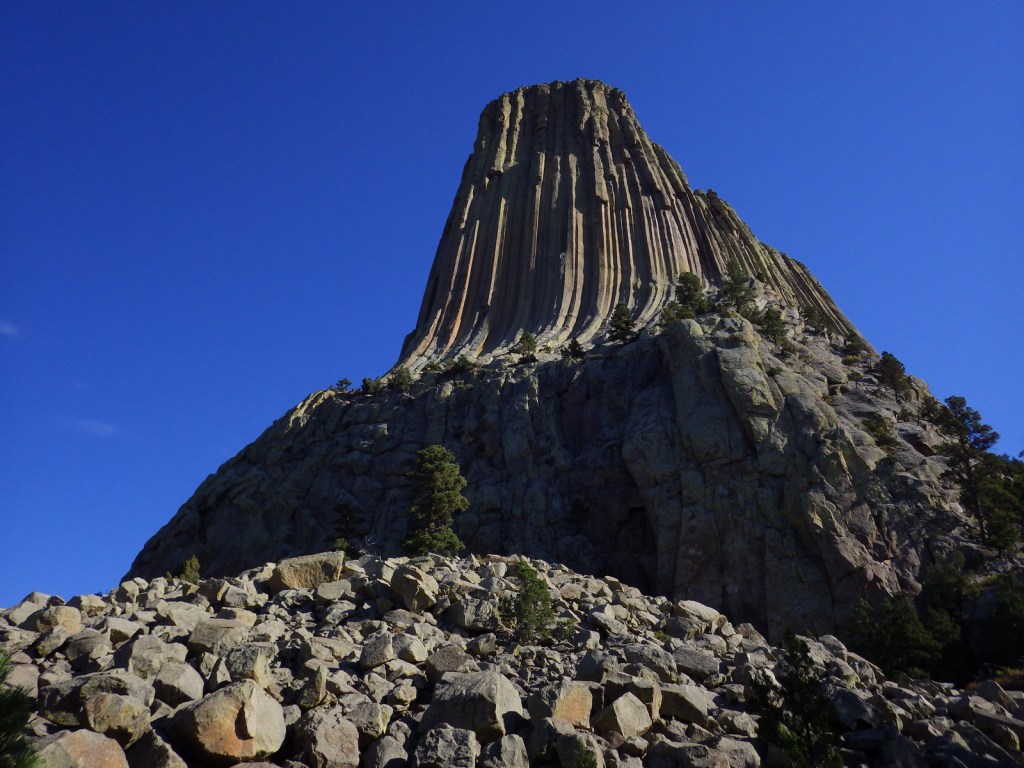
Devils Tower was named the United States’ first National Monument by President Teddy Roosevelt in 1906.  Legend has it that its deep stripes were made by the tearing claws of a giant bear attempting to climb after seven girls who were saved when the rock grew from three feet high to its current 867 feet.  You can see the girls today as the constellation Pleiades.  The bear came to rest in Bear Butte State Park in South Dakota.

Know someone who loves the National Monuments? Gift them our travel guidebook Monumental America: Your Guide to All 138 National Monuments that is available for sale on Amazon.com.

Highlights

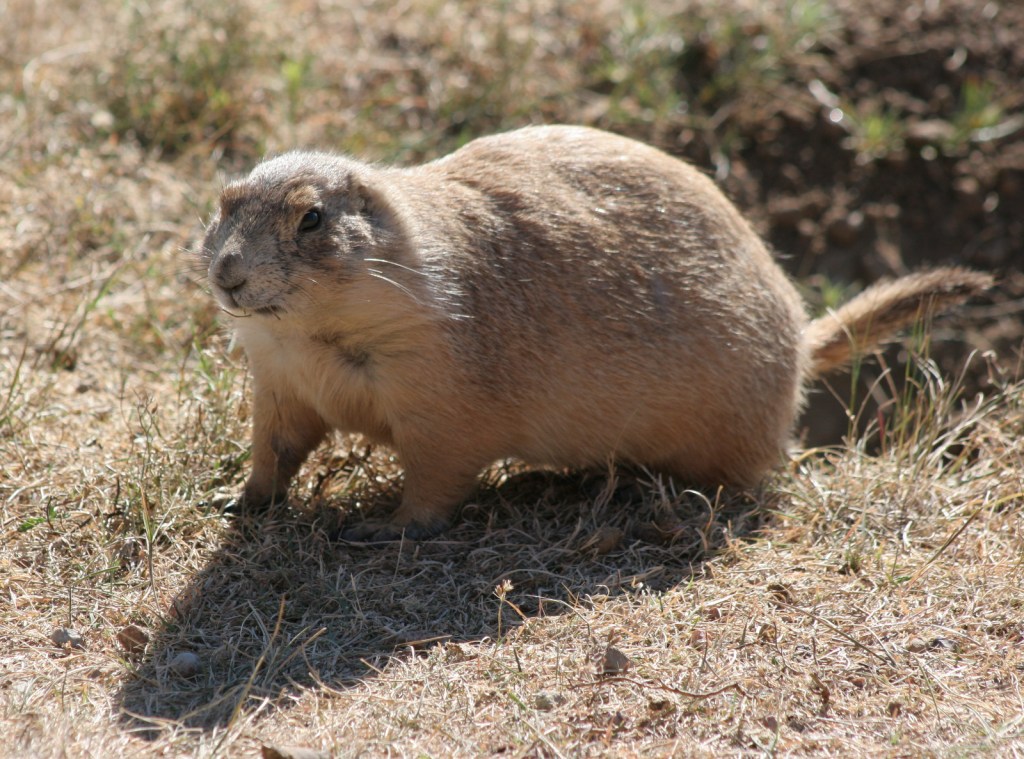
Tower Trail, Joyner Ridge Trail, Prairie Dog Town

Must-Do Activity

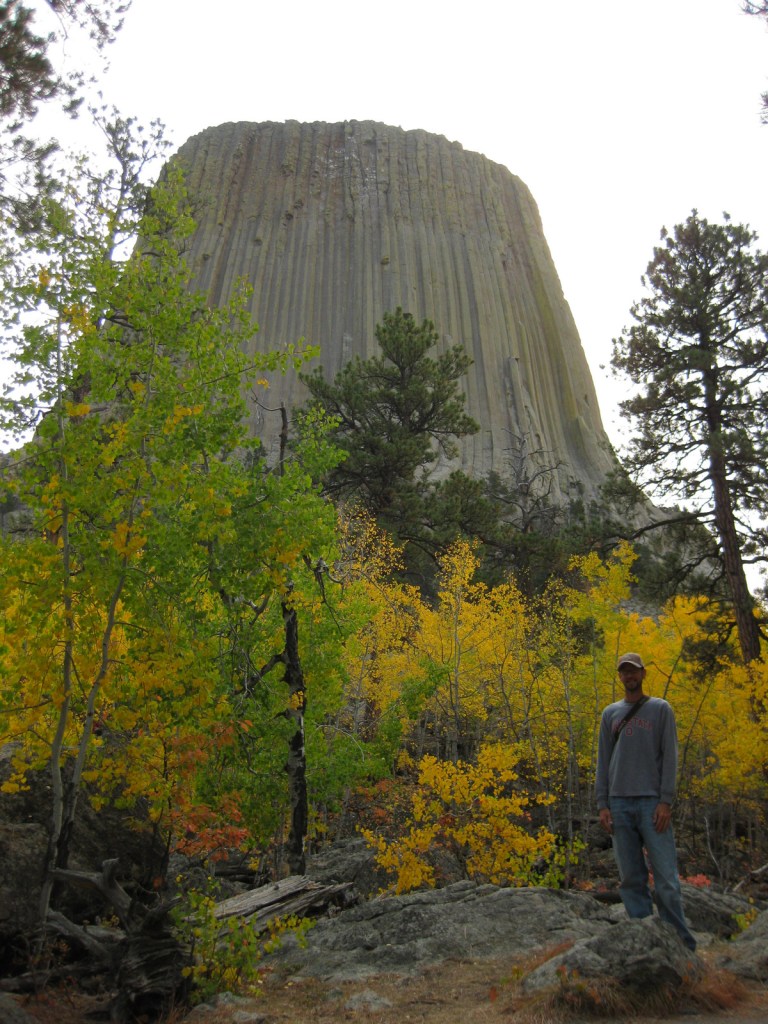
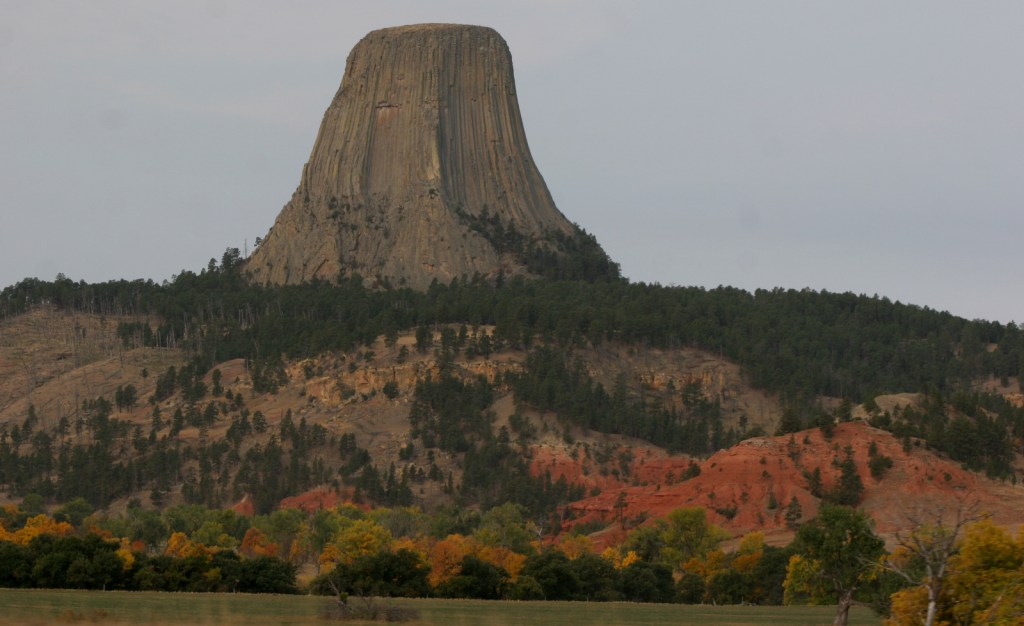
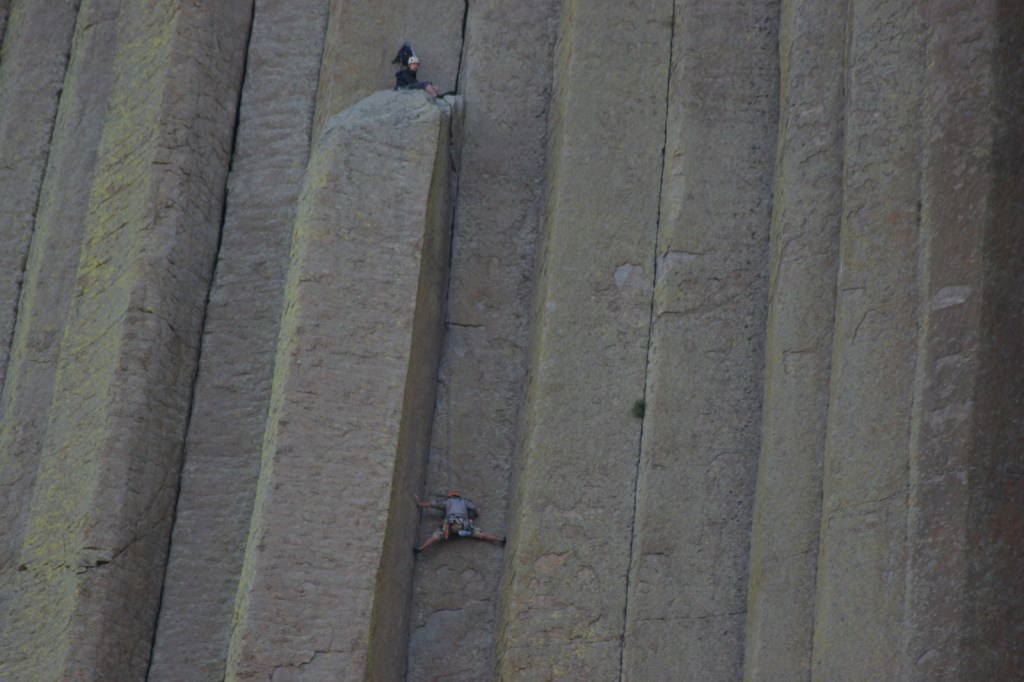
Devils Tower is a distinctive 50-million-year-old volcanic plug, whose steep sides have been an irresistible challenge to rock climbers for years.  Watch for them as you complete the 1.3-mile loop trail around the entire tower, as it looks different from every angle.  Also look for the colorful prayer cloths left by Native Americans, many of whom would prefer this sacred site be renamed Bear Lodge National Monument.

Best Trail

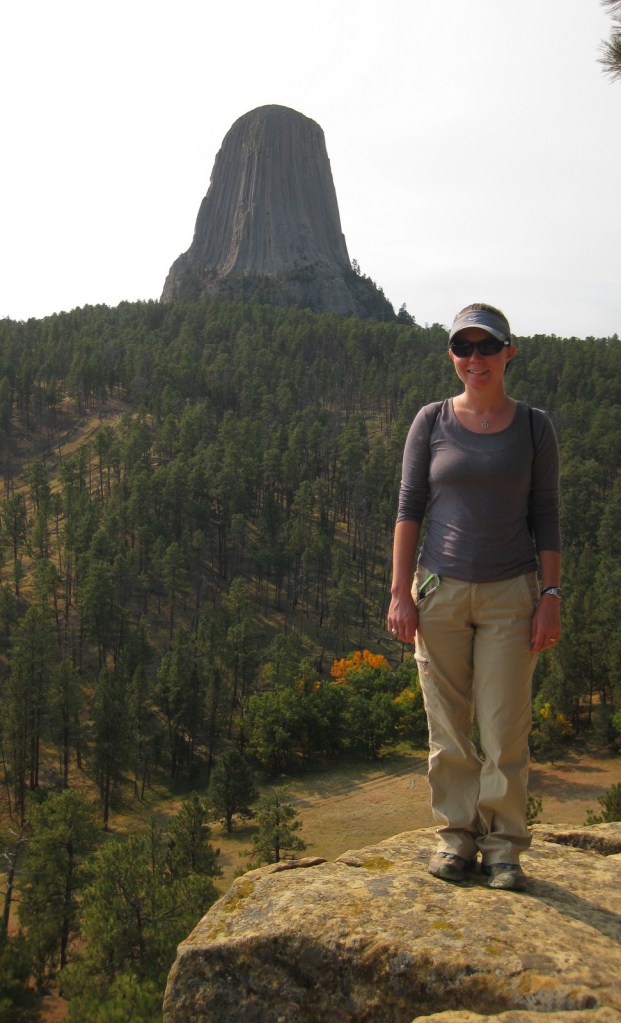
Joyner Ridge Trail provides a unique view of the tower and forms a 1.5-mile loop or connects to the longer Red Beds Trail that circumnavigates it.

Instagram-worthy Photo

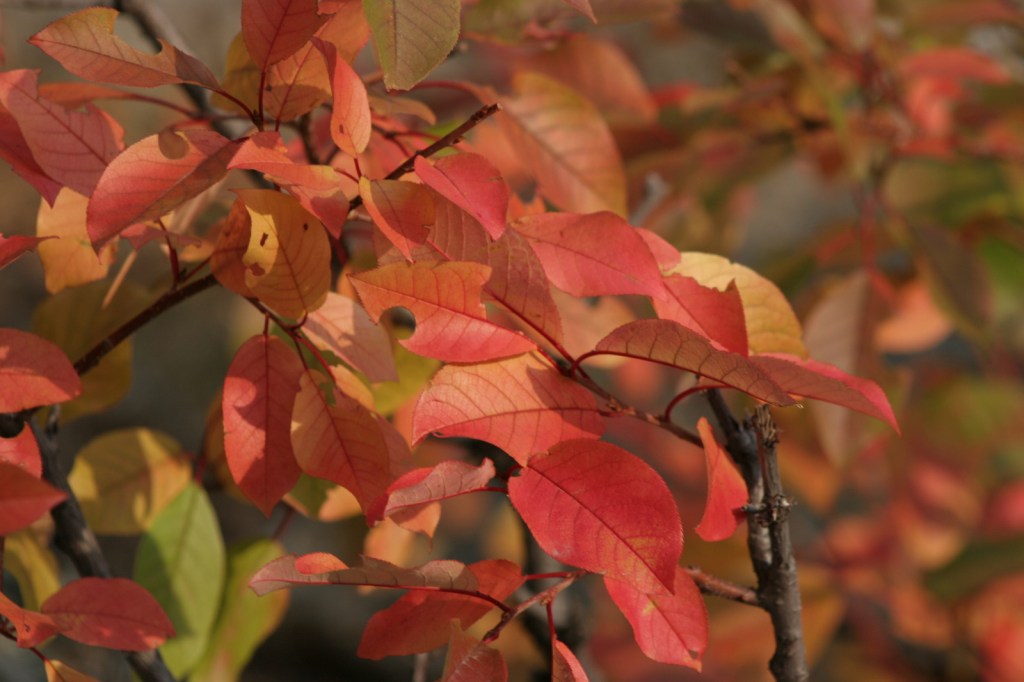
Visit in late September for fall foliage: golden quaking aspens and red chokecherry bushes.

Peak Season

Summer

Hours

https://www.nps.gov/deto/planyourvisit/hours.htm

Fees

$25 per vehicle or America The Beautiful pass

Road Conditions

Long vehicles must park just below the visitor center and hike a short ways up.  The short West Road to Joyner Ridge Trailhead is a good dirt road.

Camping

On the prairie below Devils Tower, a 50-site campground is located within a grove of cottonwood trees, with running water available May through October.  A private campground with RV hookups is located near the park entrance. Dispersed camping is possible in parts of Black Hills National Forest, but be careful to avoid private inholdings.

Related Sites

Yellowstone National Park (Wyoming-Montana-Idaho)

Black Hills National Forest (South Dakota-Wyoming)

Fossil Butte National Monument (Wyoming)

Grand Teton National Park (Wyoming)

Nearest National Park

Wind Cave

Explore More – How is park connected with the classic 1978 film Close Encounters of the Third Kind?

Learn more about the other 137 National Monuments in our book Monumental America: Your Guide to All 138 National Monuments

Devils Postpile National Monument

Overview

Originally managed as part of Yosemite National Park, this monument was established in 1911 to protect it from demolition by dam builders.  It is only 798 acres, so it can easily feel crowded; therefore we recommend getting an early or late start when the shuttles from Mammoth Lakes, California are not running.

Highlights

Devils Postpile, Rainbow Falls, Minaret Falls

Must-Do Activity

Devils Postpile National Monument is named for a 60-foot tall wall of columnar basalt formed by a volcanic eruption that occurred less than 100,000 years ago.  These interesting columns are one to three feet in diameter and more than half are hexagonal in shape. 

Best Trail

The Pacific Crest National Scenic Trail runs through the monument, but just outside its boundaries in Inyo National Forest is a 3-mile round trip hike to pretty Minaret Falls.

Instagram-worthy Photo

A short 1.3-mile roundtrip hike takes you to 101-foot-high Rainbow Falls, which usually lives up to its name and is one of the most stunning waterfalls we have ever seen. 

Peak Season

Due to high snowfall in the Eastern Sierra, it is generally only open from June through October. 

Hours

https://www.nps.gov/depo/planyourvisit/hours.htm

Fees

$20 per vehicle or America The Beautiful pass, but most visitors have to pay $8 per person for a shuttle bus to enter the monument.

Road Conditions

You are only allowed to drive your own vehicle down the narrow access road if you are staying at Reds Meadow Resort or the Inyo National Forest campground.  Otherwise, you must pay to take a shuttle from Mammoth Lakes, California. 

Camping

A 21-site campground is located near the National Monument and many others outside Mammoth Lakes, California in Inyo National Forest, where dispersed camping is also allowed in some places.

Explore More – How did glaciers help expose the Devils Postpile formation 10,000 years ago?