Tag Archives: National Historical Park

Chaco Culture National Historical Park

Overview

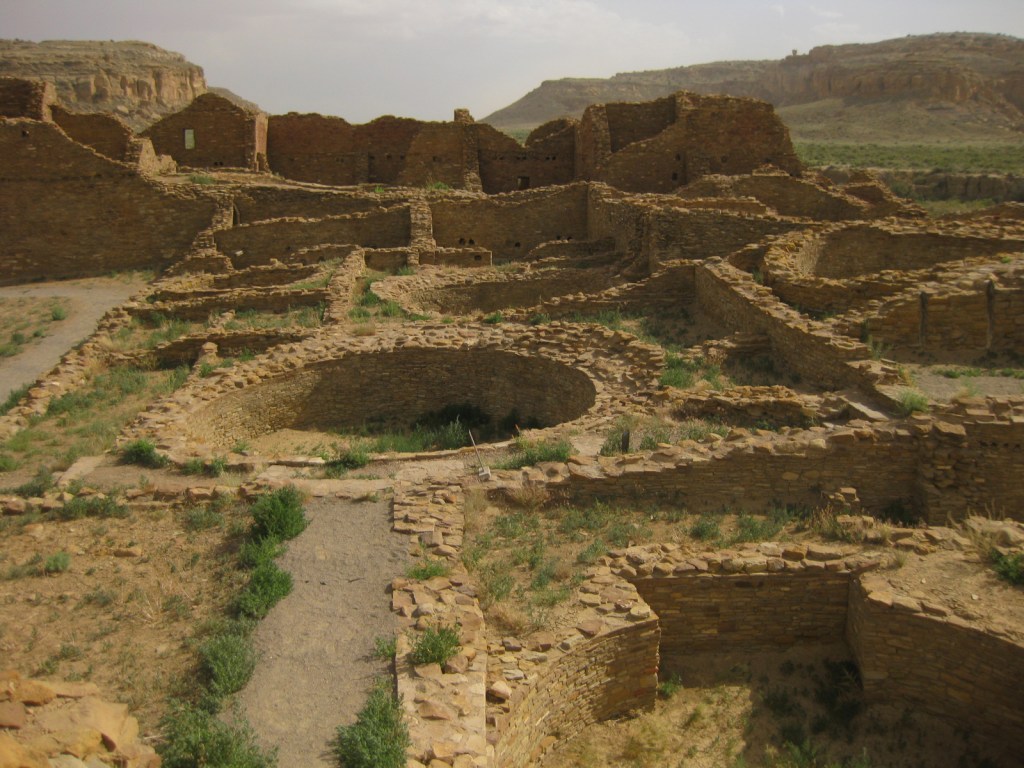
These expansive ruins built in the desert between AD850-1150 represent the best collection of Ancestral Puebloan architecture in the southwest U.S.  Over 400 miles of historic roads led to this ceremonial center.  Its multiple great houses were first protected in 1907 and can take days to explore fully. 

Highlights

Pueblo Bonito, Chetro Ketl, petroglyphs, supernova pictograph

Must-Do Activity

Walking through the short doorways inside D-shaped Pueblo Bonito, you can admire the intricacy of the walls that have stood over 1,000 years.  So much effort was put into building monumental structures in this challenging locale, then it was mysteriously abandoned, making this remarkable park is an awesome place to ponder human civilization, past and future.

Best Trail

A free backcountry permit is required to hike all trails in the park.  Our favorite passes Kin Kletso and Casa Chiquita 3 miles one-way to a unique pictograph that may depict a supernova that occurred in AD1054.

Instagram-worthy Photo

While mostly made of mud bricks, the wood used in the structures had to be carried over 50 miles from the nearest forests to reach this spot.  An estimated 200,000 trees were moved over 300 years of construction without the use of pack animals or wheels.

Peak Season

Summer, though it can be hot with no shade.

Hours

https://www.nps.gov/chcu/planyourvisit/hours.htm

Fees

$25 per vehicle or America The Beautiful pass

Road Conditions

All access roads to the park are dirt, with the recommended entry route via County Roads 7900 and 7950, 21 miles west of Highway 550.  The roads from the south are more difficult, especially when wet.

Camping

The small Gallo Campground lies within the park, but we recommend the free campground in Angel Peak Recreation Area run by the Bureau of Land Management east of Highway 550.

Explore More – Why do visitors strive to arrive for the summer and winter solstices each year?

Hopewell Culture National Historical Park

Overview

The Hopewell Culture was found in southern Ohio from approximately 2,200 to 1,500 years before present.  Sites are identified by their construction of geometric enclosures made of earth, primarily for burials.  Many earth mounds were plowed under for farms or destroyed during construction of an army base in Chillicothe during the 1910s, which increased awareness of these archaeological treasures.  In 1923, it was protected as Mound City Group National Monument and in 1992 expanded to become Hopewell Culture National Historical Park.

Highlights

Indian mounds, museum, film from 2016

Must-Do Activity

The National Park Service (NPS) visitor center in Chillicothe is small but has had recent updates, including the excellent film and displays of beautifully intricate artwork in the museum.  From there you can walk to the Mound City Group on the Scioto River.  Most of these 23 mounds are less than four feet tall, but the largest mound in the area was 33 feet high. 

Best Trail

At separate portions of the National Historical Park, Tri-County Triangle bike path passes near the Hopewell Mound Group and the Ohio Historical Society maintains Seip Earthworks, 17 miles west of Chillicothe on Highway 50.  Two other protected earthworks are closed to the public.

Instagram-worthy Photo

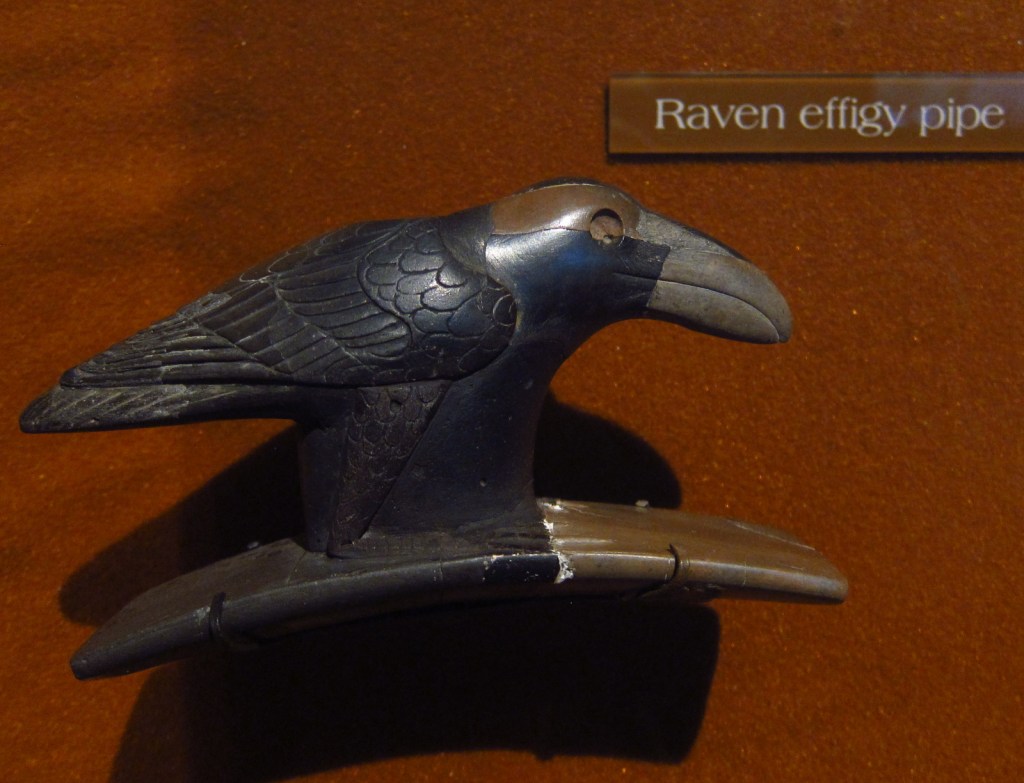
The Hopewell Culture must have had an extensive trading network to obtain the shells, copper, obsidian, and sharks’ teeth which have been excavated from their burial mounds and displayed artfully in the NPS museum.

Peak Season

Open year round

Hours

https://www.nps.gov/hocu/planyourvisit/hours.htm

Fees

None

Road Conditions

All roads paved or good gravel

Camping

There are private campgrounds in Chillicothe and state parks within 30 miles, including the scenic Hocking Hills.

Explore More – Where in today’s United States of America did the copper and obsidian found here originate?

Manhattan Project National Historical Park

Overview

During the National Park Service (NPS) centennial in 2016, a new, ambitious park was established linking three far-flung sites in the states of Washington, New Mexico, and Tennessee.  The purpose is to tell the story of the “Manhattan Project,” the military code name during World War II for the secret undertaking to create the world’s first atomic weapon. 

Highlights

Bradbury Science Museum (NM), American Museum of Science and Energy (TN), Hanford Reach National Monument (WA)

Must-Do Activity

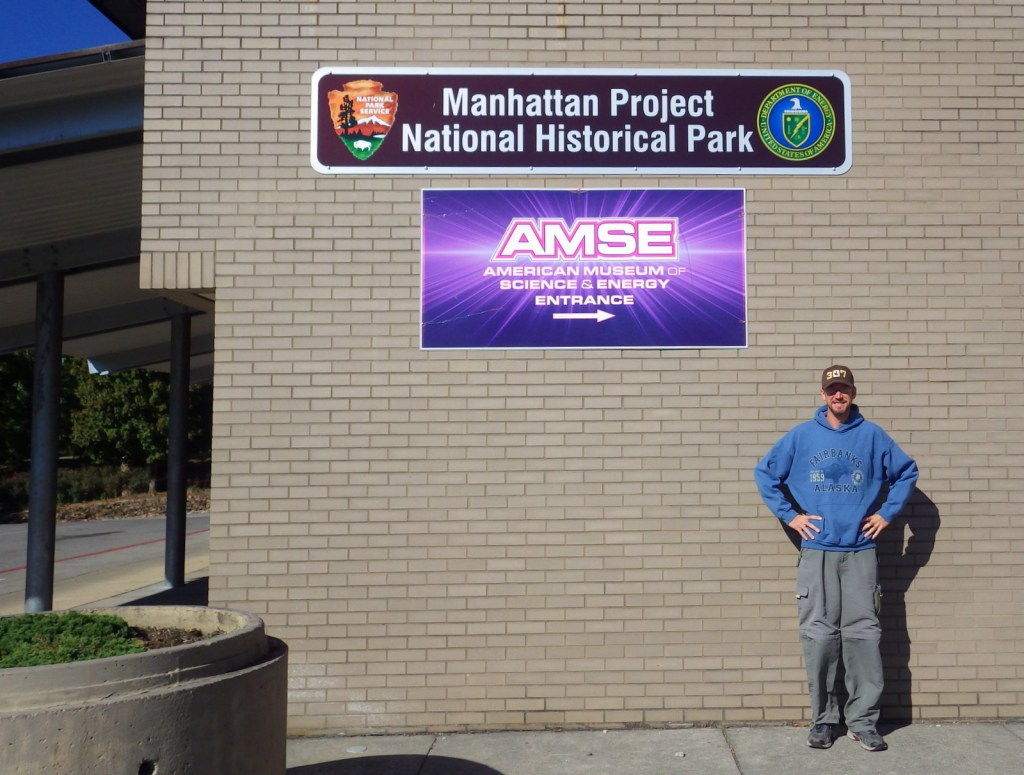
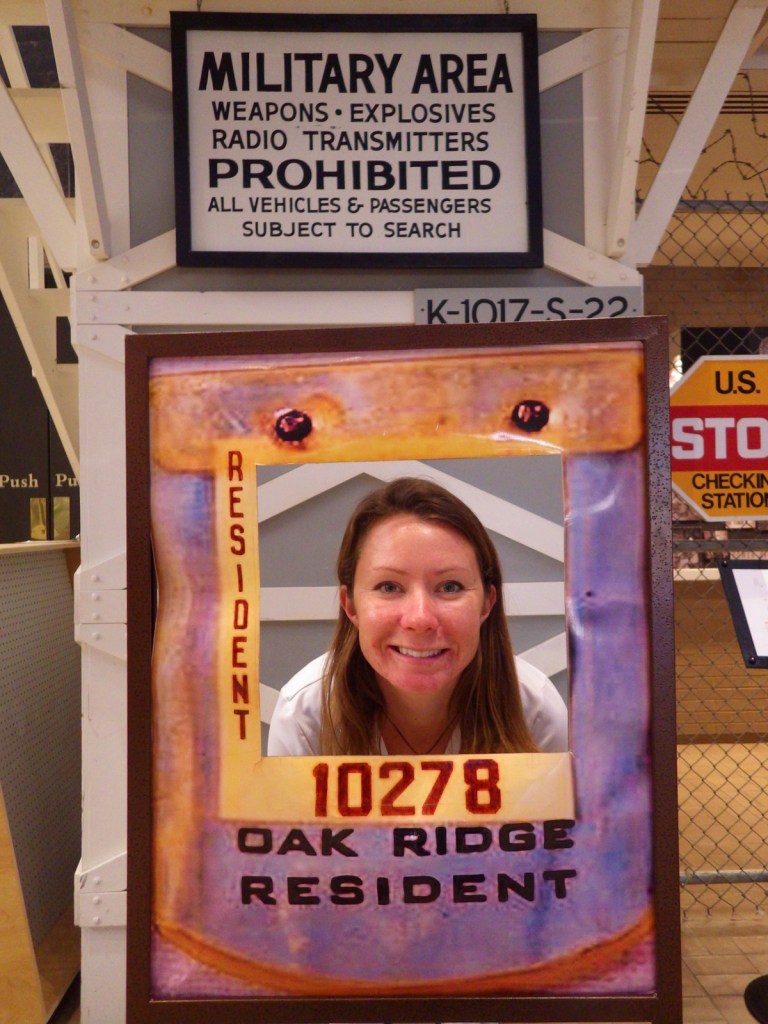
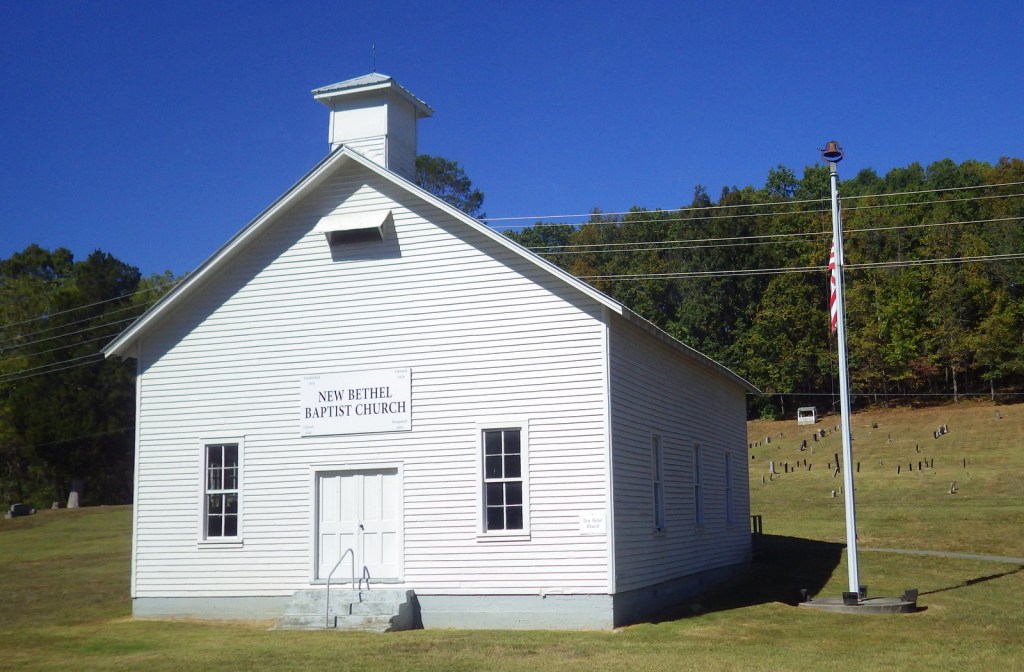
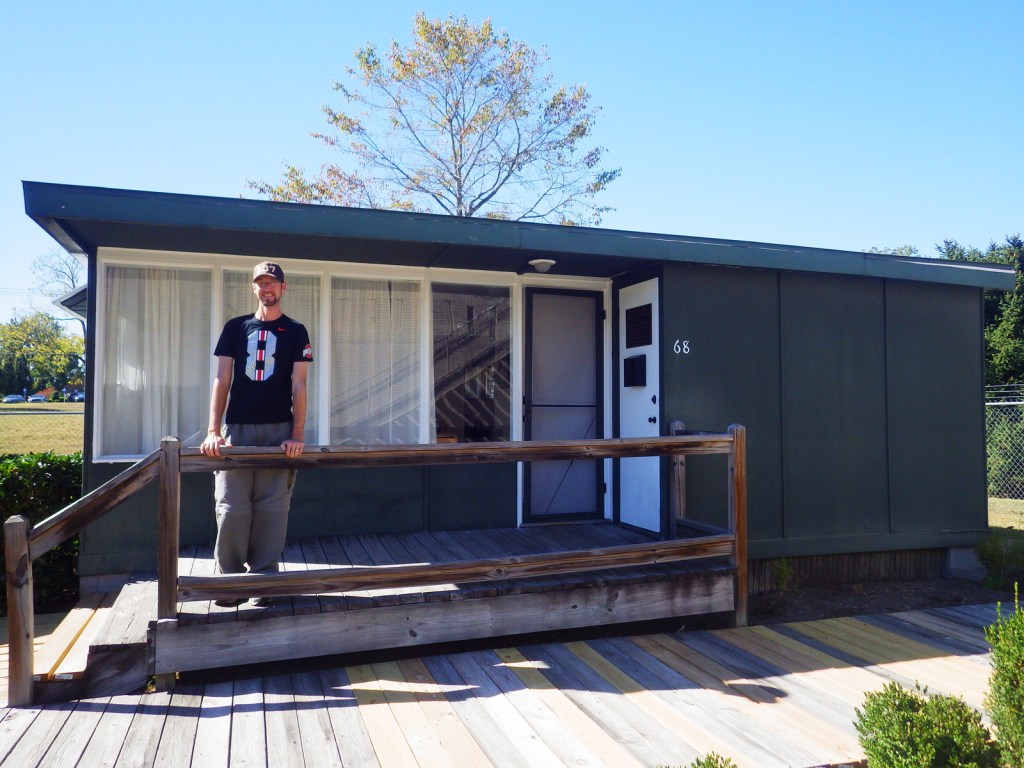
In 1942, hundreds of eastern Tennessee families were displaced in order to construct Oak Ridge National Laboratory where experimental nuclear reactors produced plutonium and enriched uranium.  More than 75,000 people hurriedly built and operated this brand new industrial complex, which continues to be used as a Department of Energy research facility to this day.  Due to security and safety concerns, visitors can only enter on a 3-hour bus tour that leaves from the American Museum of Science and Energy.  The tour is well worth your time, as it is currently the only way to see Y-12, X-10, and K-25 and learn more about what those code names really mean.

Best Trail

The Hanford Reach is one of the last free-flowing sections of the Columbia River in eastern Washington and is an important site for salmon spawning.  The area is ecologically pristine, mostly untouched by development since it became the Hanford Nuclear Reservation in 1943.  It is home to the world’s first full-scale nuclear reactor that produced the plutonium used by Los Alamos National Laboratories for its scientific breakthroughs in 1945.  Since 2000, Hanford Reach National Monument has been managed by the U.S. Fish and Wildlife Service and much of the area is off limits.  Other than boating on the river, the best place to get a feel for the area is to walk around the Ringold Fish Hatchery.

Instagram-worthy Photo

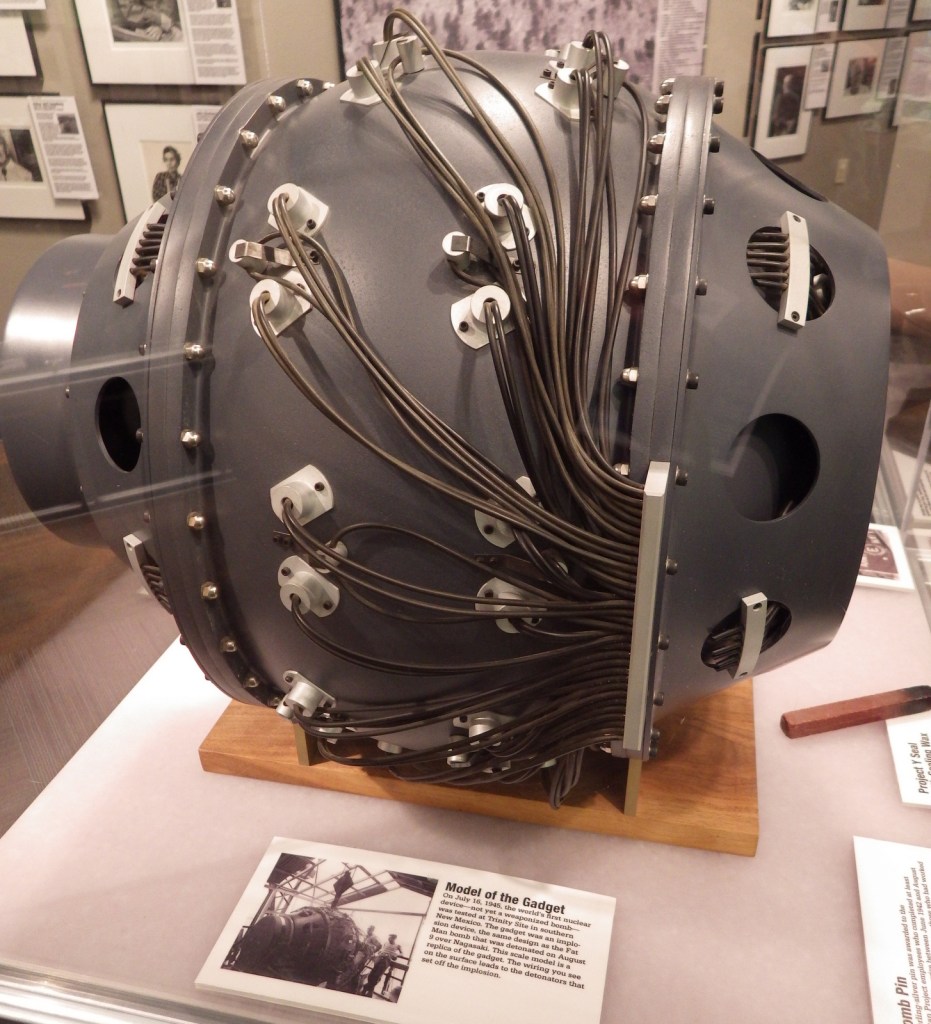
The free Bradbury Science Museum in Los Alamos, New Mexico offers tourists a closer look at the original and ongoing research conducted at Los Alamos National Laboratories (LANL), including a scale model of the “Fat Man” plutonium bomb built here in 1945.  Nearby, the Los Alamos Historical Museum is located in a cabin on historic Bathtub Row, so named because when the government took over the Ranch School in 1943 these were the only dwellings equipped with that luxury. 

Peak Season

Open year round, but summer is best at the high elevations of Los Alamos, New Mexico.

Hours

https://www.nps.gov/mapr/planyourvisit/hours.htm

Fees

$5 per adult for the American Museum of Science and Energy and a 3-hour tour (11:30-2:30, reservations recommended) of Oak Ridge National Laboratory in Tennessee.

Road Conditions

All roads paved except around Hanford Reach National Monument

Camping

Dispersed camping is allowed in Santa Fe National Forest surrounding Los Alamos and it is not far to the campground in Bandelier National Monument.

Explore More – What was the job of the “Calutron Girls” in Oak Ridge during World War II?

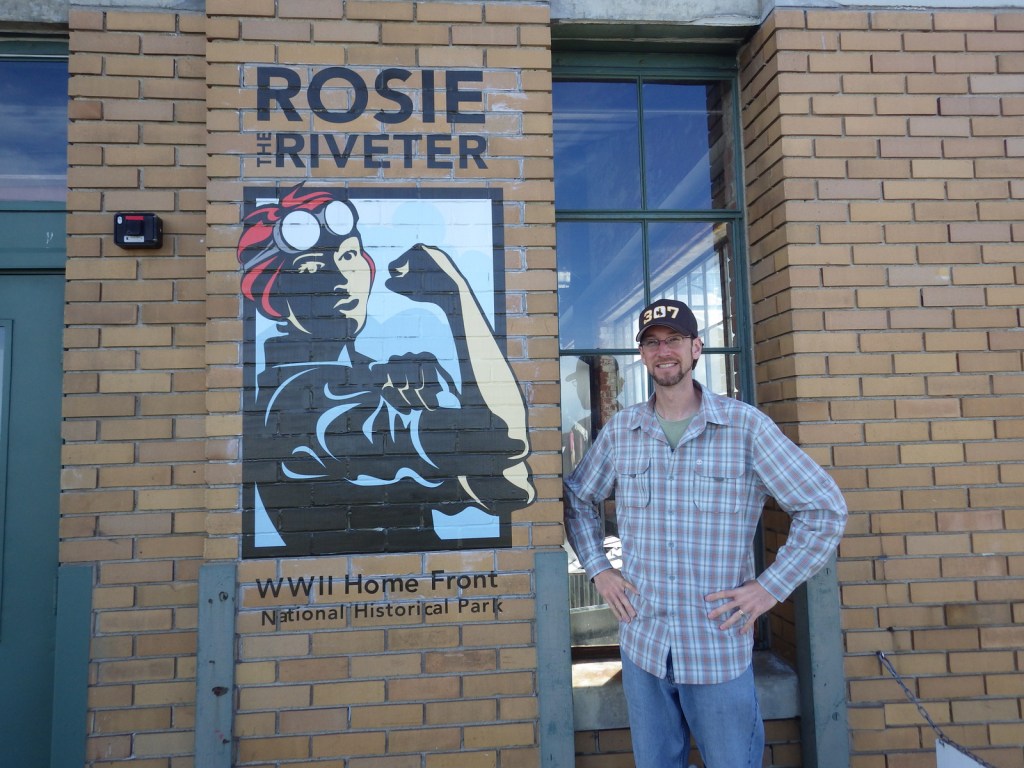
Rosie the Riveter / World War II Home Front National Historical Park

Overview

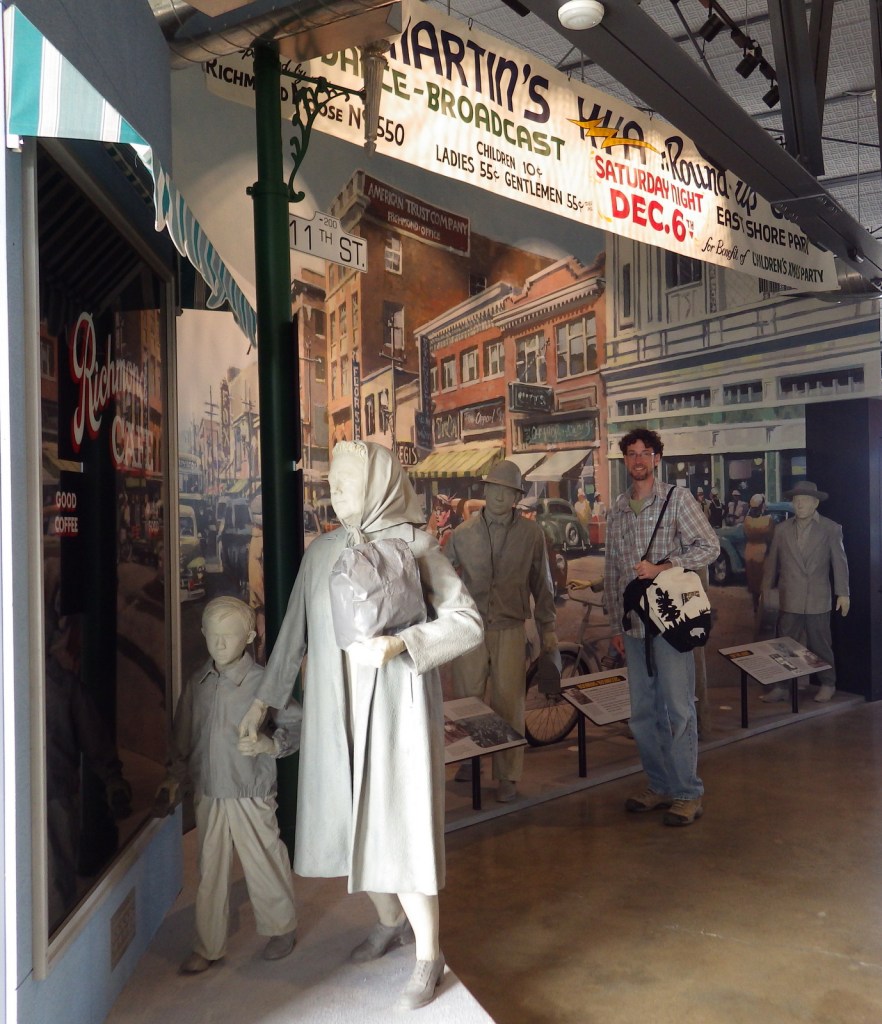
On the east side of the San Francisco Bay, Richmond was chosen by the National Park Service (NPS) in 2000 to commemorate the work of thousands of women and men nationwide who built the machines needed to fight World War II.  By 1945, women made up almost a third of the workforce in the U.S. and about 41% of welders in the Kaiser shipyards here.  The Visitor Education Center offers hands-on exhibits housed in a Ford Assembly Building formerly used to make tanks.  Tours are also offered on the SS Red Oak Victory, a cargo ship built here during the war. 

Highlights

Museum, film, Rosie the Riveter Memorial, SS Red Oak Victory, real-life “Rosies”

Must-Do Activity

The special thing about this park is the incredible opportunity on most Fridays to meet real-life “Rosies” who worked here during the war.  During our visit, we got to hear the stories of two women, Agnes and Marian.  They won’t be around forever, so put this site at the top of your NPS to-do list. 

Best Trail

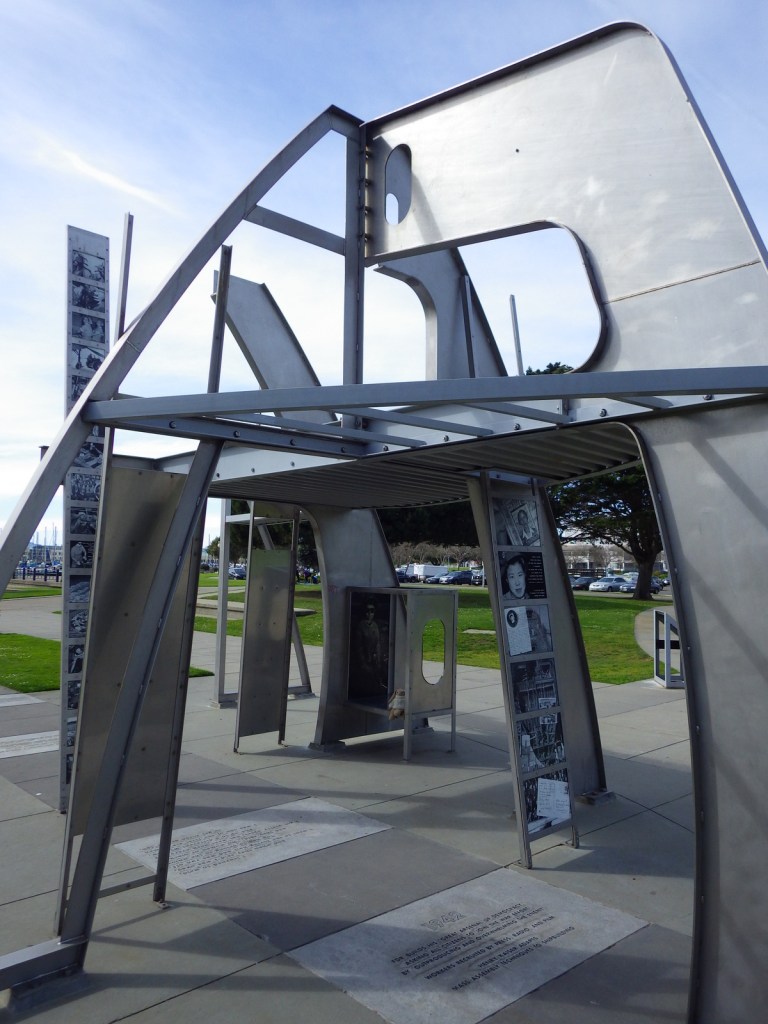
The paved Bay Trail winds through Richmond and stops at the Rosie the Riveter Memorial in Marina Bay Park.

Instagram-worthy Photo

The poster of a woman in factory work clothes flexing her right bicep is perhaps the most famous image to come out of World War II.  “Rosie the Riveter” was also a popular song on the radio in the 1940s. 

Peak Season

Year round, but especially on Fridays when real-life “Rosies” are at the visitor center.

Hours

https://www.nps.gov/rori/planyourvisit/hours.htm

Fees

None

Road Conditions

All roads paved, but you do have to pass through a guard station to access the Visitor Education Center.

Camping

None

Explore More – At its peak, how many people worked around the clock in the Kaiser shipyards?

Marsh-Billings-Rockefeller National Historical Park

Overview

One could argue that George Perkins Marsh became the world’s first environmentalist with the publication of his book Man and Nature in 1864.  The sole National Park Service (NPS) site in the state of Vermont is dedicated to his property (see below for the state’s America the Beautiful coin).  Later owners, Frederick Billings and the Rockefeller family followed through on Marsh’s conservation principles in their management of the farm and forest.  Laurence and Mary Rockefeller donated the estate to the U.S. government in 1992 and the park opened to the public in 1998.

Marsh.JPG

Highlights

Museum/film in the Carriage Barn Visitor Center, Mansion Tour, Garden Tour, trails

Must-Do Activity

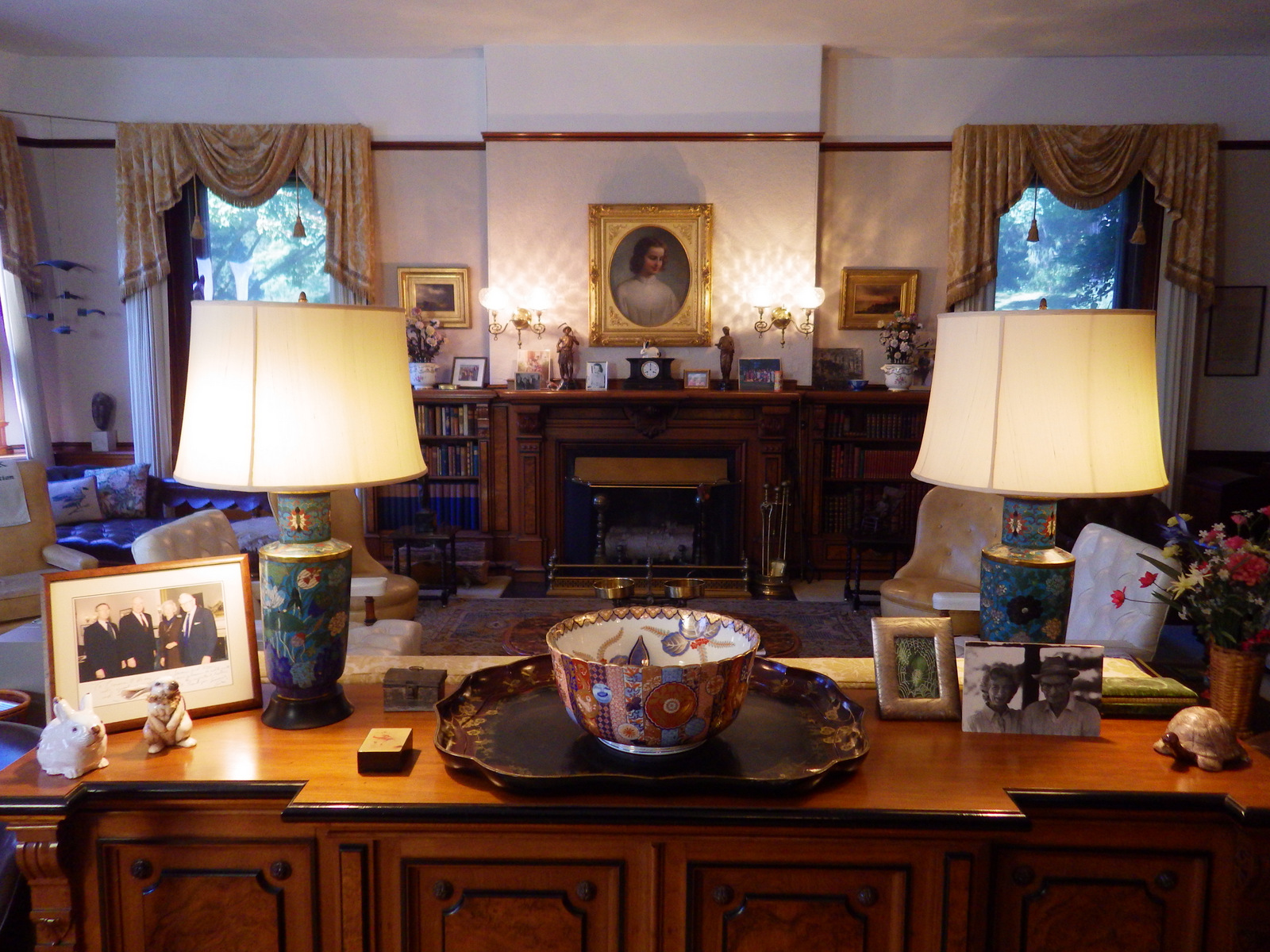
Visitors have to pay for NPS guided tours of the mansion and its original artwork (including paintings by Thomas Cole and Albert Bierstadt).  There is also an entrance fee at the neighboring Billings Farm and Museum which is run by the non-profit Woodstock Foundation and provides a more hands-on experience that is great for kids, especially after a “do not touch” tour of the mansion.

Best Trail

Frederick Billings bought this family farm to practice the reforestation preached in George Perkins Marsh’s book.  There are 20 miles of trails through the forest around Mount Tom that open year round (though a ski trail pass is required in winter).

Instagram-worthy Photo

Be sure to take a walk through the well-manicured gardens on the property before or after your tour.

IMGP0692.JPG

Peak Season

Summer

Hours

https://www.nps.gov/mabi/planyourvisit/hours.htm

Fees

Free to walk the trails, while the wide variety of tours cost extra (discounted with an America the Beautiful pass).  The adjacent Billings Farm is privately managed and charges a separate entry fee.

Road Conditions

All roads paved

Camping

Silver Lake State Park has campsites with running water.

IMGP0666

Tiff out front of the mansion

IMGP0670

The Rockefellers are in the photo on the right

View from the front porch

Jersey cows at Billings Farm

Explore More – What are some other National Park Service units donated by the Rockefeller family?

1WonsTiny2

WONDON WAS HERE

We are a participant in the Amazon Services LLC Associates Program, an affiliate advertising program designed to provide a means for us to earn fees by linking to Amazon.com and affiliated sites.