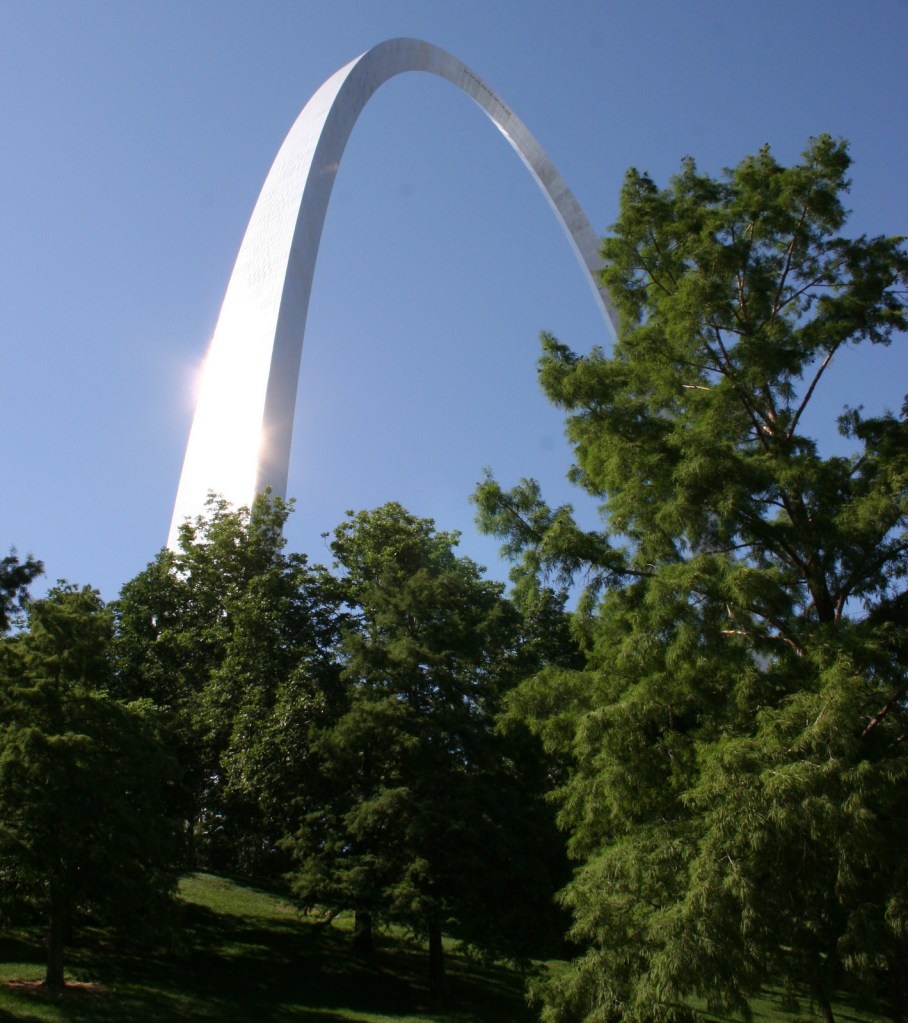
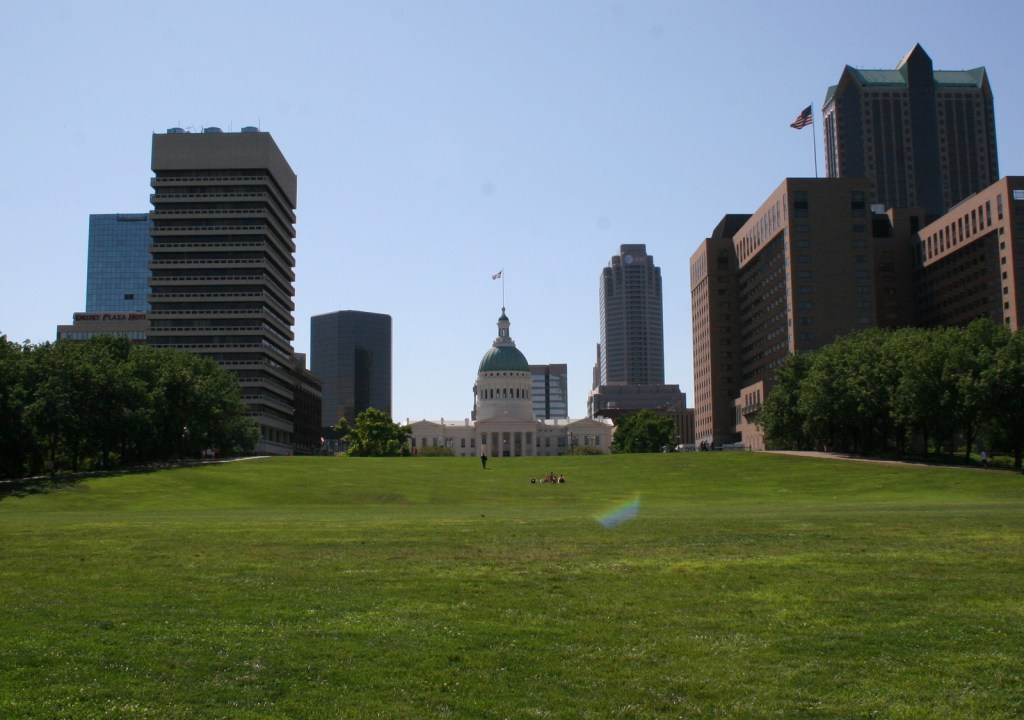
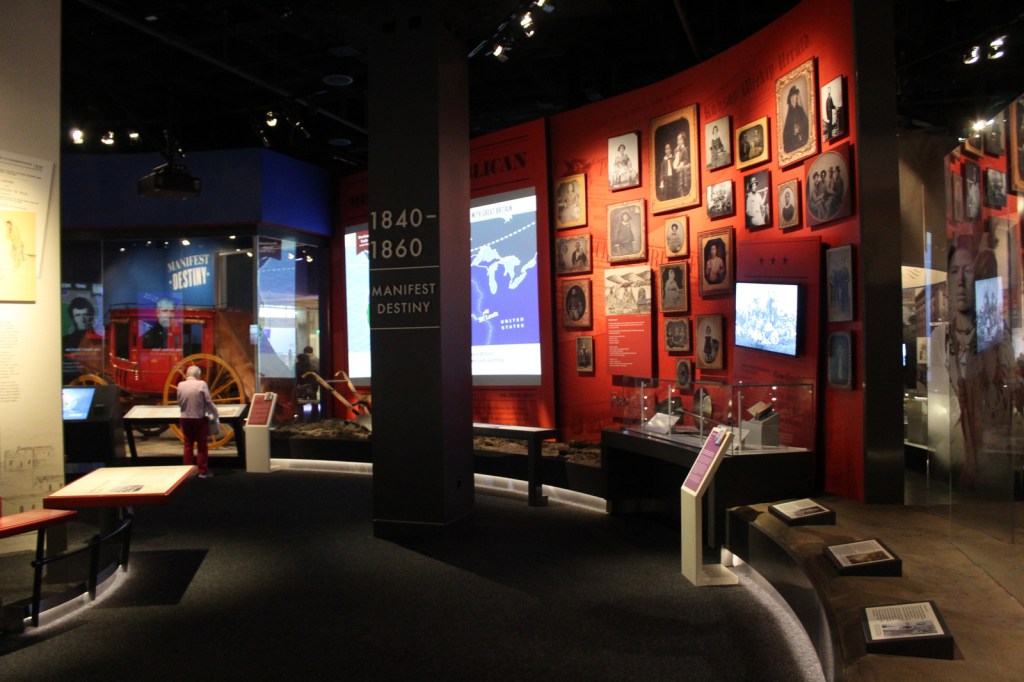
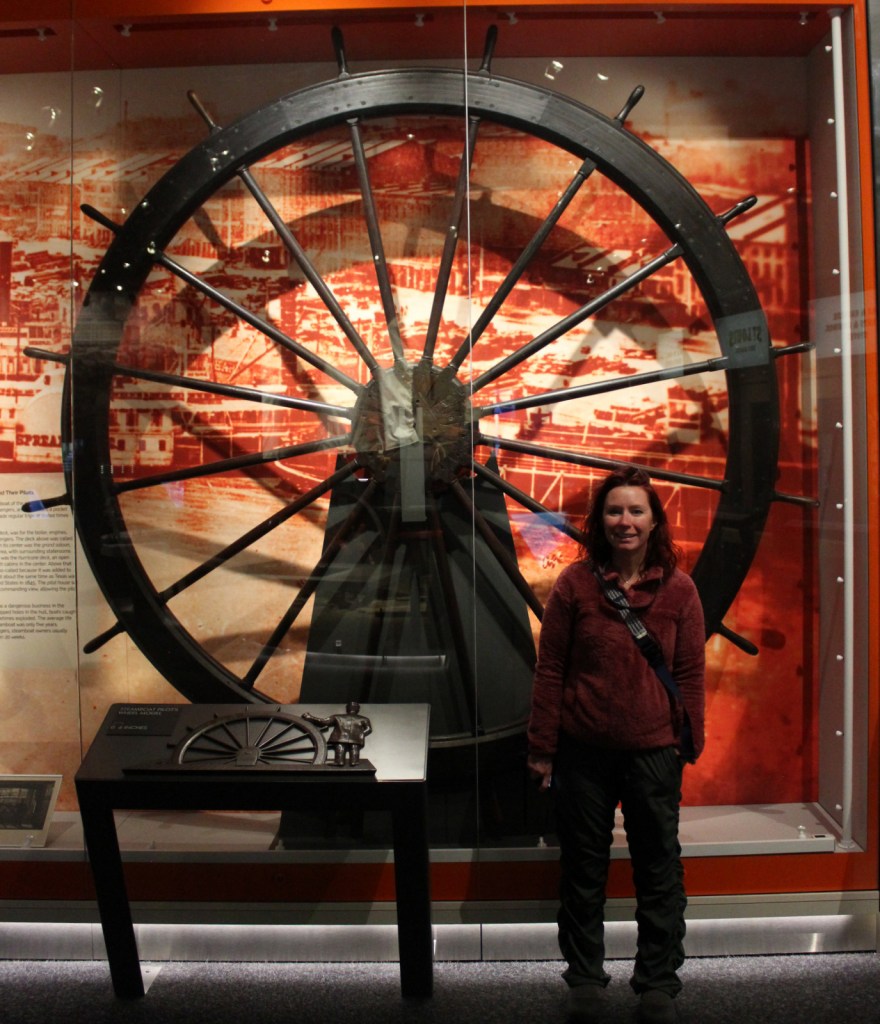
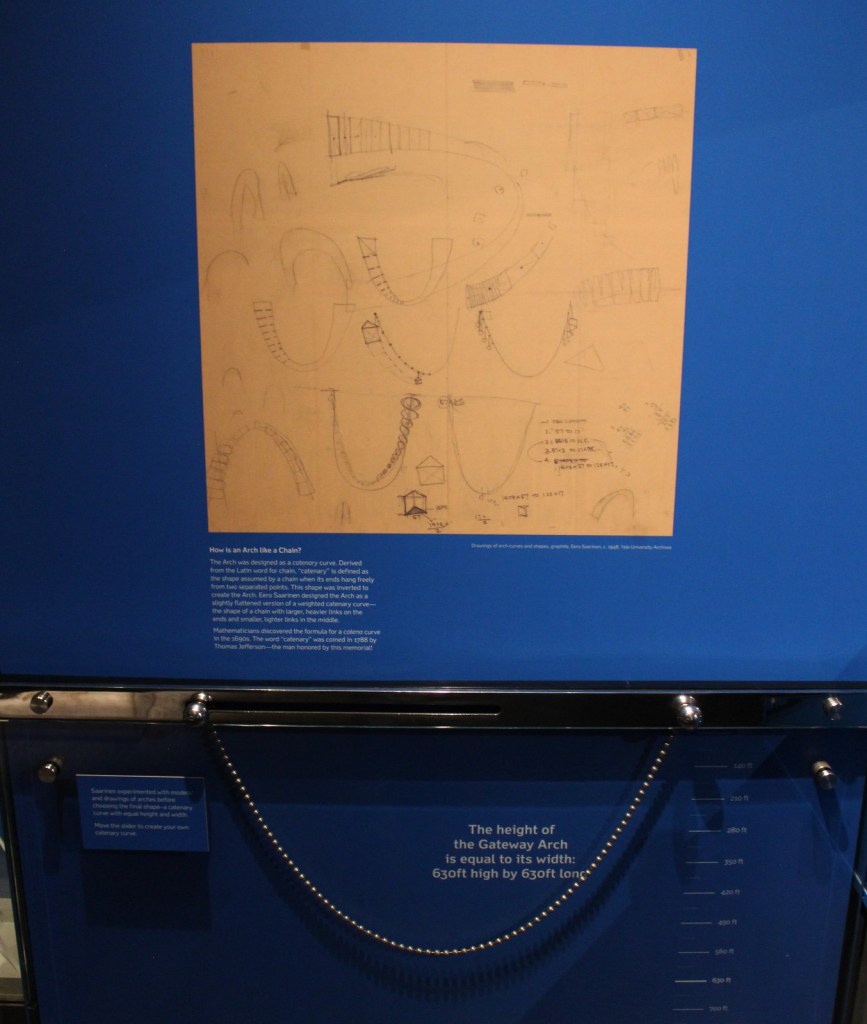
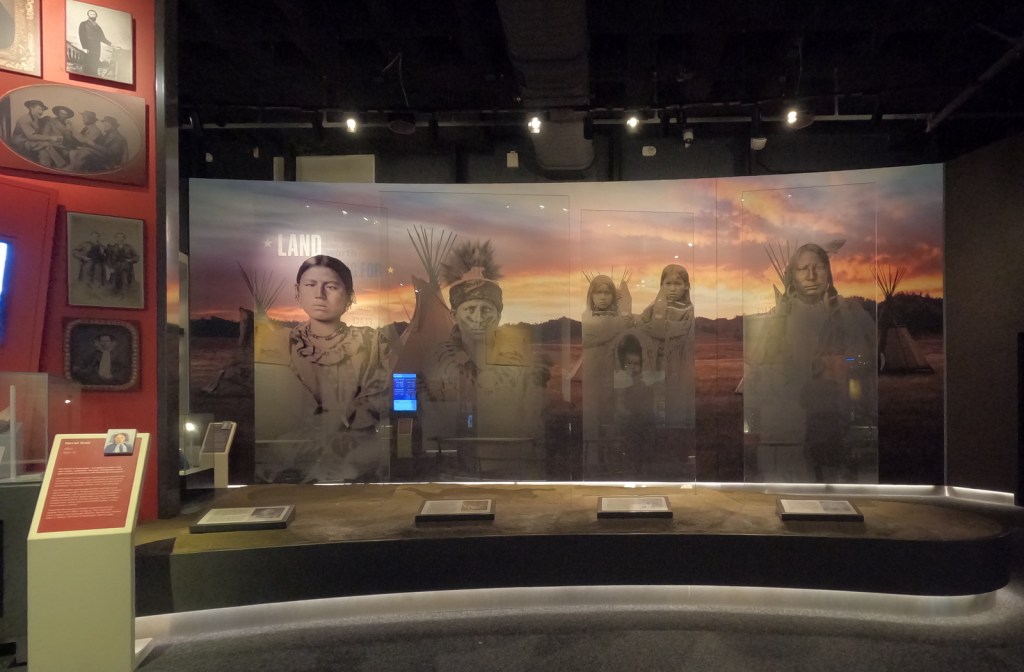
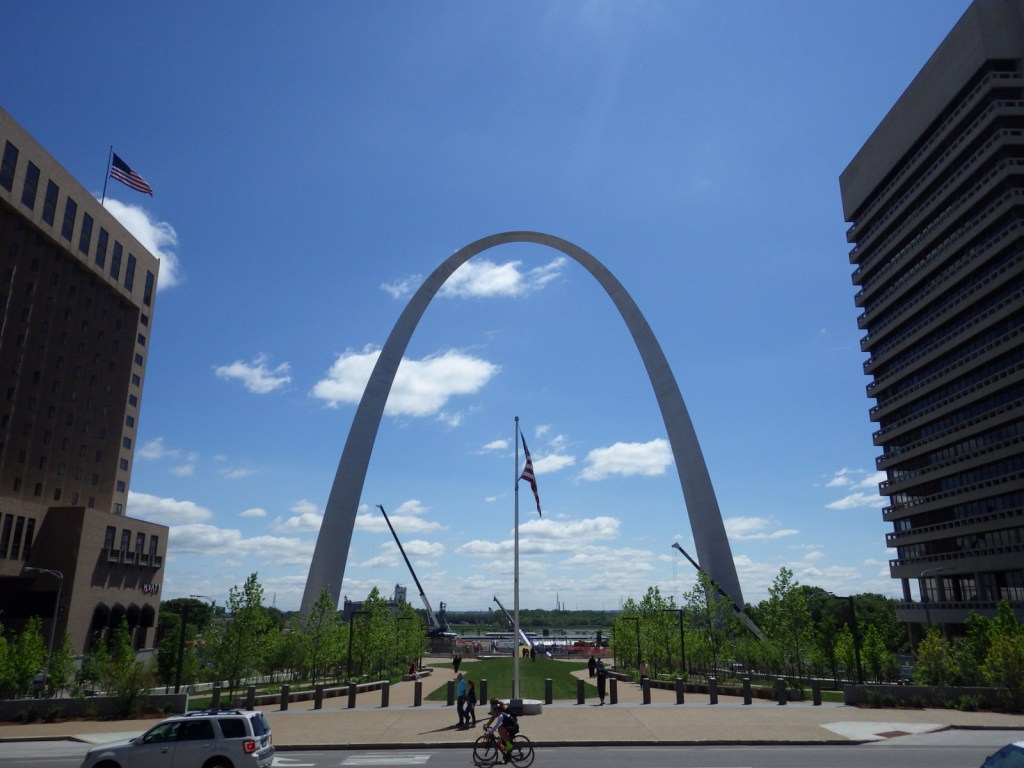
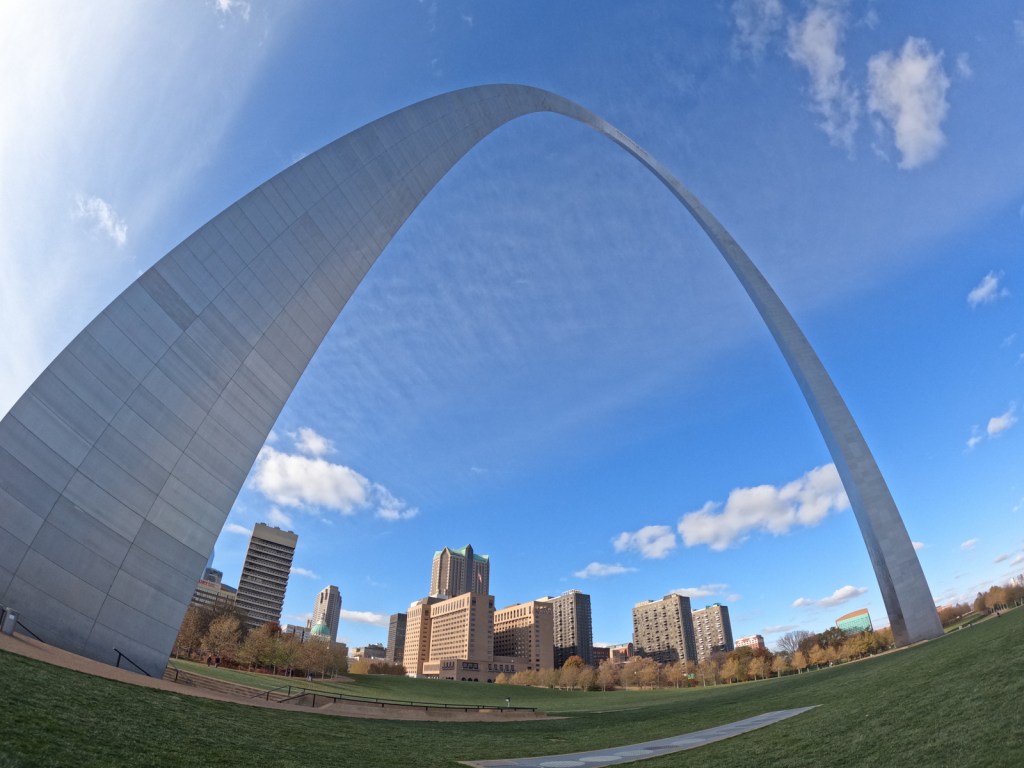
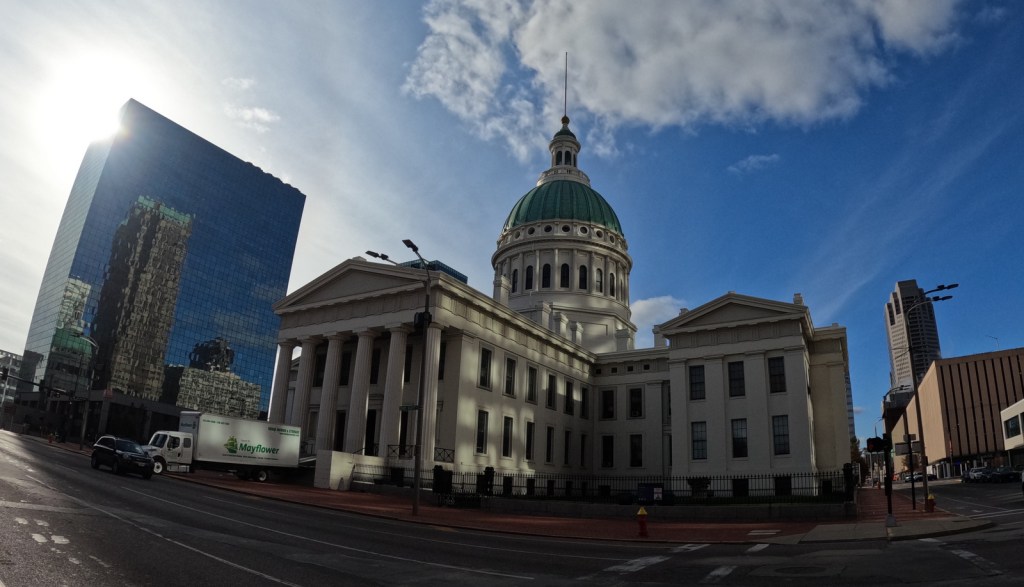
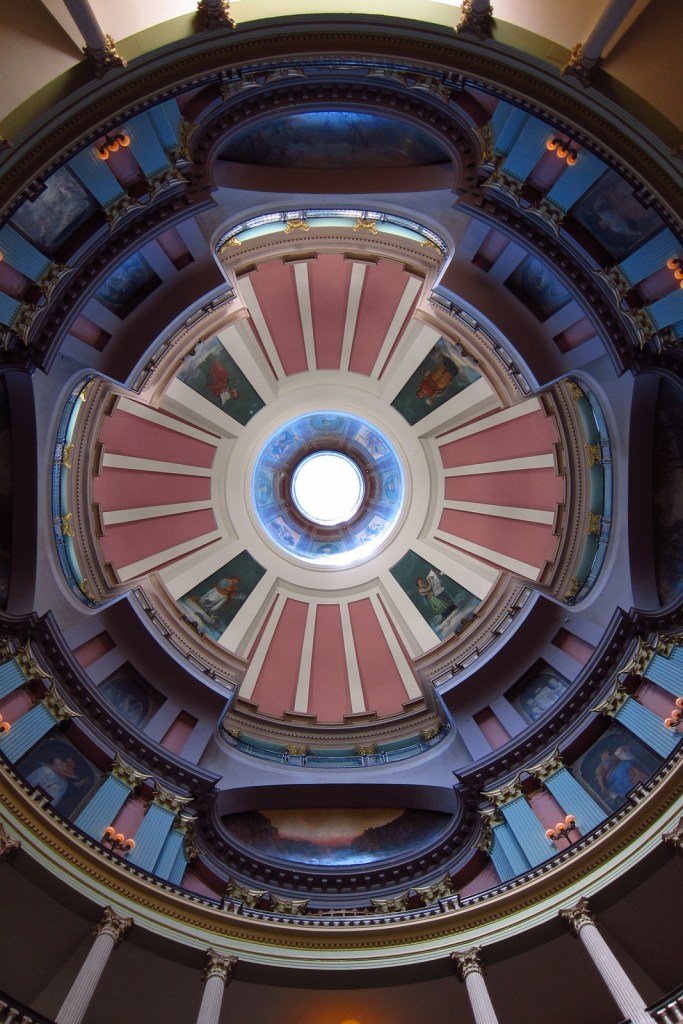
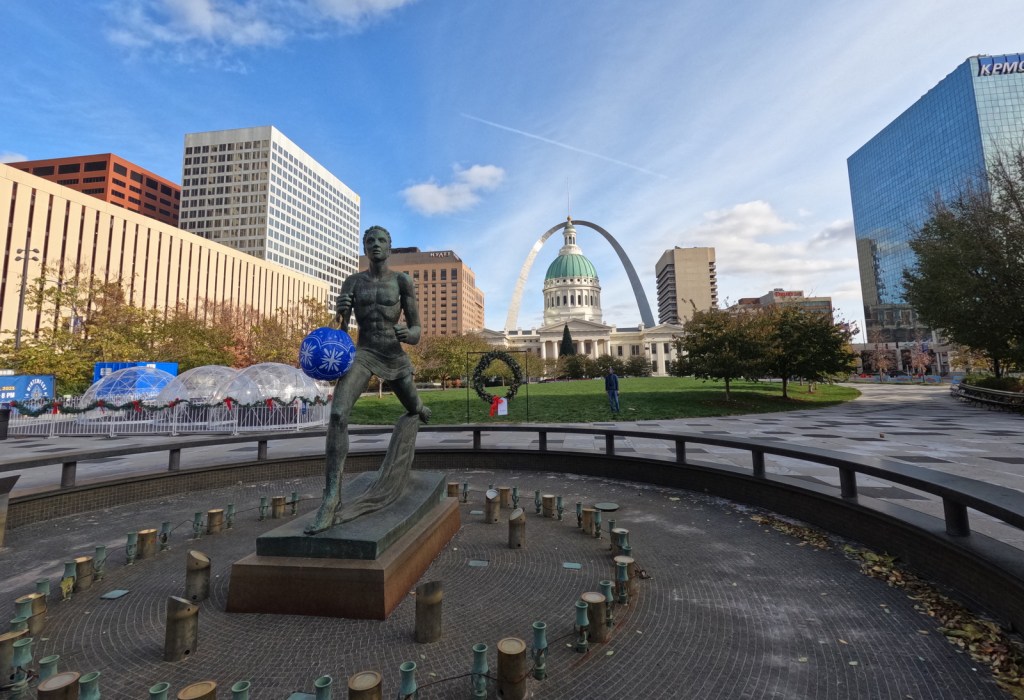
On February 22, 2018, the 60th National Park in the U.S. was created from what was formerly Jefferson National Expansion Memorial in St. Louis, Missouri. Gateway Arch National Park encompasses 91 acres on the Mississippi River, including the historic 1828 courthouse and the iconic 630-foot-tall arch that was finished in 1965. We first visited on our cross-country road trip in 2007 and returned in 2016 while the underground museum was under construction and the greenway was extended over Interstate 44. When we came back in 2022, the courthouse was closed for renovation, but the museum had reopened with exhibits explaining the importance of this city as a starting point for the settlement of the west after President Thomas Jefferson signed the Louisiana Purchase, doubling the size of the country in 1803. It is by far the smallest of the 63 National Parks (5,457 acres less than Hot Springs), which begs the question: Why wasn’t this designated a National Historical Park instead?
Gateway Arch, tram, film, museum, Old Courthouse, Old Cathedral
Must-Do Activity
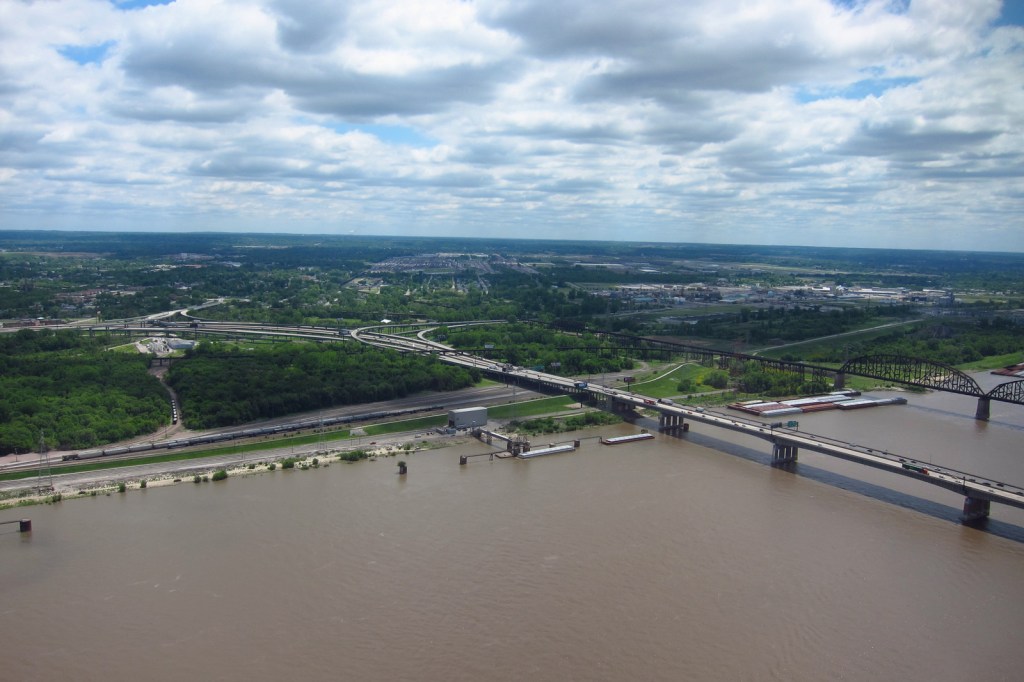
Unlike other National Parks, this one does not preserve a natural landmark, but it does have claustrophobia-inducing tram cars (fee) that take you four-minutes to the top of the Gateway Arch for excellent views across Illinois and Missouri. It is worth the hassle to go through a security screening to see the new museum. The 35-minute film Monument to the Dream is also available for a fee.
Best Trail
There are sidewalks that follow the Mississippi River and loop around the arch. Be sure to cross the street to the Old Courthouse where the first of two trials in the infamous Dred Scott case was held in 1854. Continue west behind to the courthouse to the Kiener Memorial Fountain for a photo that frames the building beneath the Gateway Arch.
Photographic Opportunity
The 630-foot-tall Gateway Arch is the defining landmark of St. Louis, but the historic 1834 Old Cathedral still serves as an active Catholic Church inside the park boundaries.
There is no fee to walk the grounds or pass through security for the museum and gift shop, but you do have to pay to view the film or ride the tram to the top of Gateway Arch. When open, the Old Courthouse is also free to enter.
Road Conditions
All roads are paved, but parking can be tricky. We suggest paying for a parking garage or paying to park on the river levee near the paddlewheel boats, since car break-ins are common in downtown St. Louis.
Camping
This is the only National Park without the option to camp, so consider heading southwest to the wonderful Ozark National Scenic Riverways or Mark Twain National Forest. In southeast Missouri, Johnson’s Shut-Ins State Park is rated as one of the best RV campgrounds in the country.
Entering the museum after security screeningDear NPS, that’s actually a Douglas-fir coneTiff riding the tramView from the top during 2016 constructionYou can watch a Cardinals game from up hereIf you’re claustrophobic, save some money and get the view while still inside the museumInside the Old CourthouseKiener Memorial FountainMississippi River
Explore More – In 1947, how many city blocks were razed to make way for the memorial, including several historic buildings dating back to 1818?
We designed this Gateway Arch logo for the park available on Amazon.com
We are a participant in the Amazon Services LLC Associates Program, an affiliate advertising program designed to provide a means for us to earn fees by linking to Amazon.com and affiliated sites.
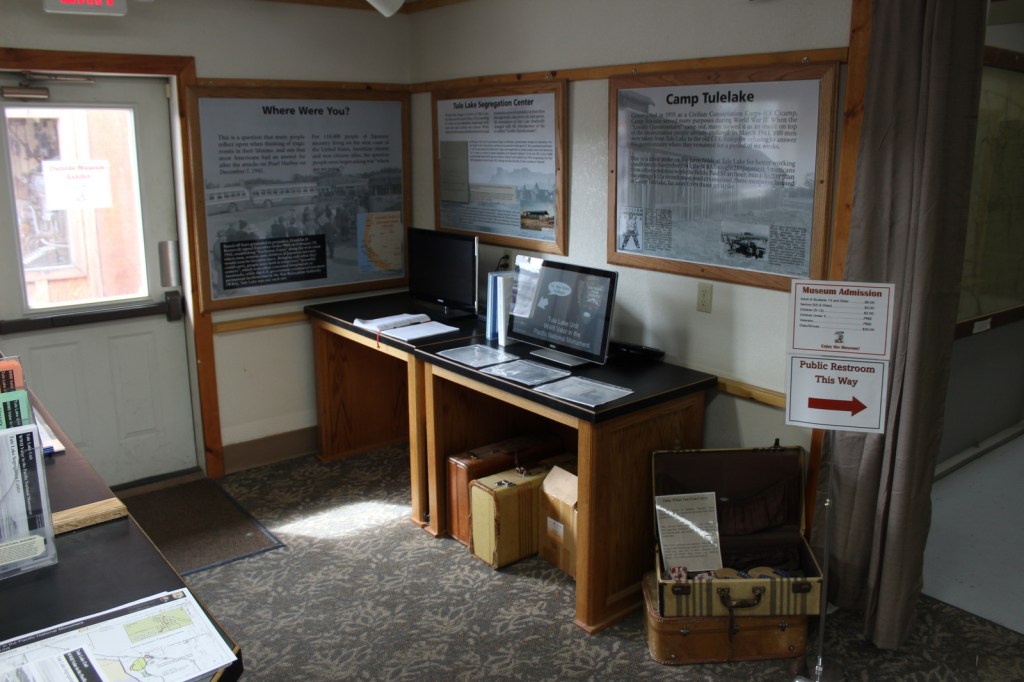
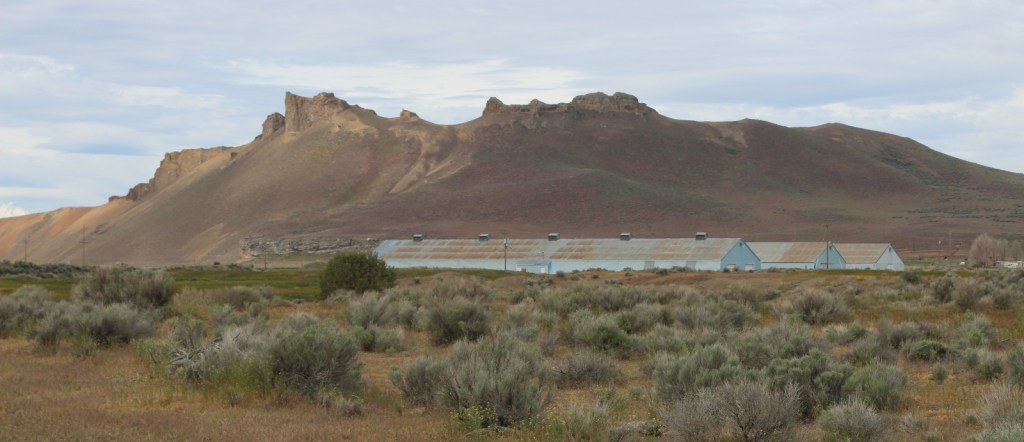
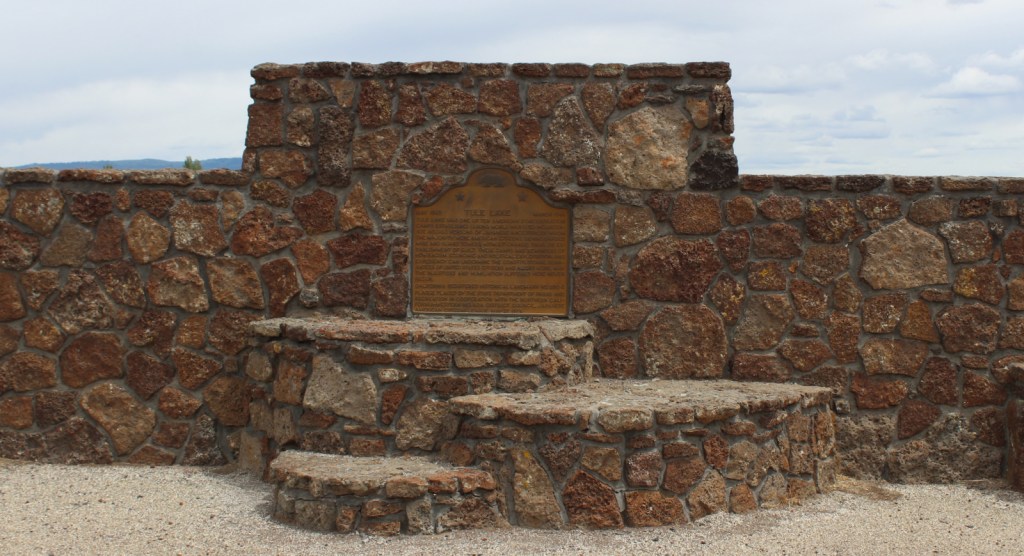
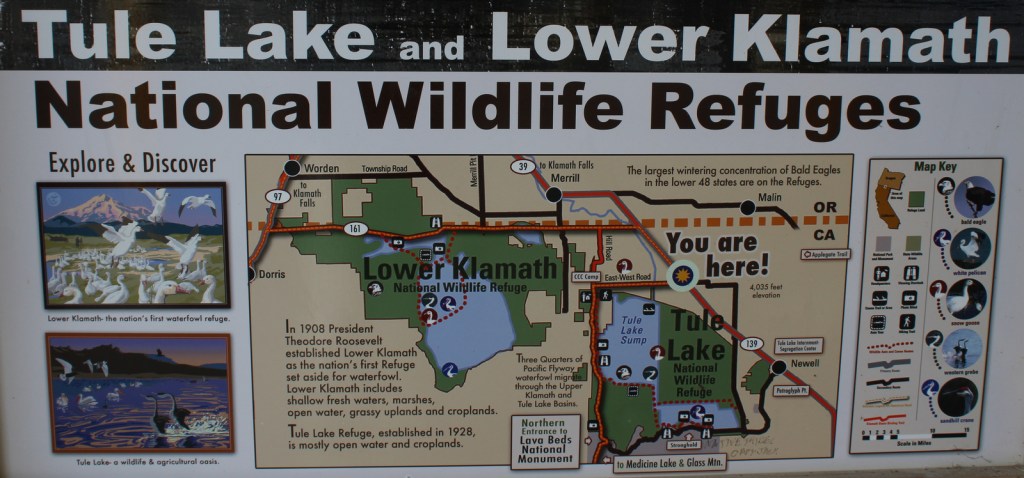
Following the 1941 attack on Pearl Harbor, President Franklin D. Roosevelt signed an executive order authorizing the detention of more than 110,000 U.S. citizens of Japanese descent at ten concentration camps in the contiguous United States. At Tule Lake War Relocation Center, 7,400 acres were enclosed by barbwire to hold about 12,000 people in northeast California. Once a loyalty questionnaire was distributed throughout the ten camps, those considered disloyal to the U.S. government were all shipped to the renamed Tule Lake Segregation Center, which held 18,789 inmates at its peak. Overcrowding, harassment, beatings, and a fatal farm accident led to riots and mass demonstrations, and martial law was declared from November 13, 1943 to January 15, 1944. This camp was the last to be closed on March 20, 1946, months after the end of the war. It was named a National Historic Landmark in 2006, and two years later became one of nine sites within World War II Valor in the Pacific National Monument (which included Pearl Harbor National Memorial). When that was disbanded in 2019, Tule Lake National Monument was created.
Tulelake-Butte Valley Fairgrounds Museum, Tule Lake Segregation Center prison
Must-Do Activity
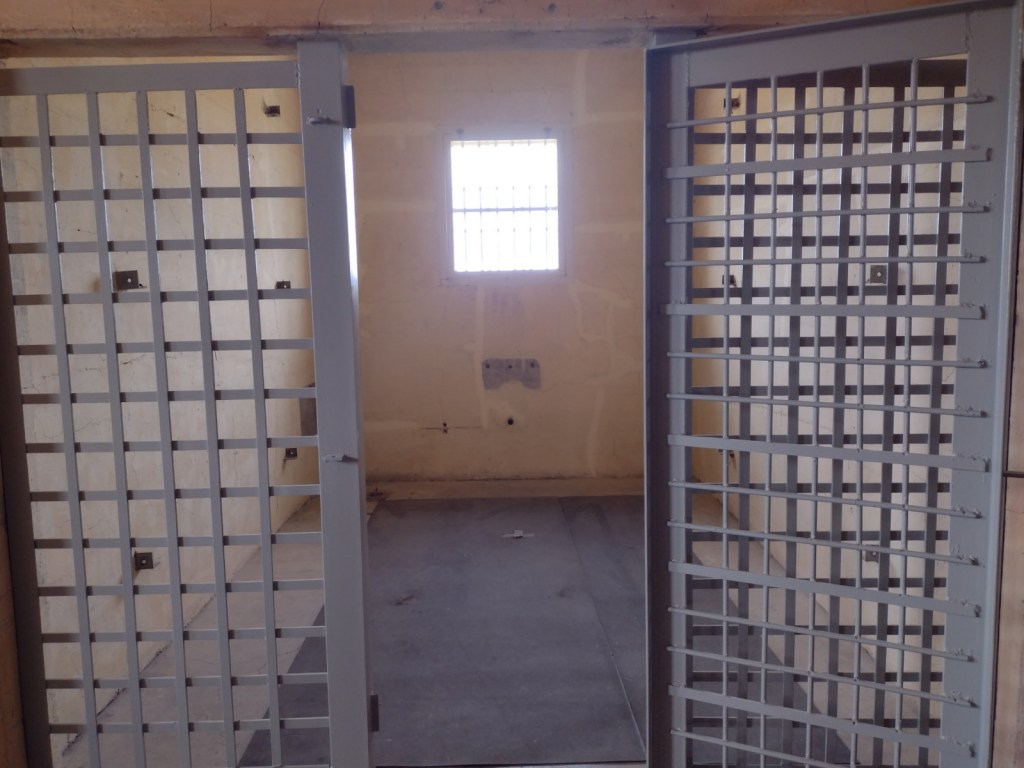
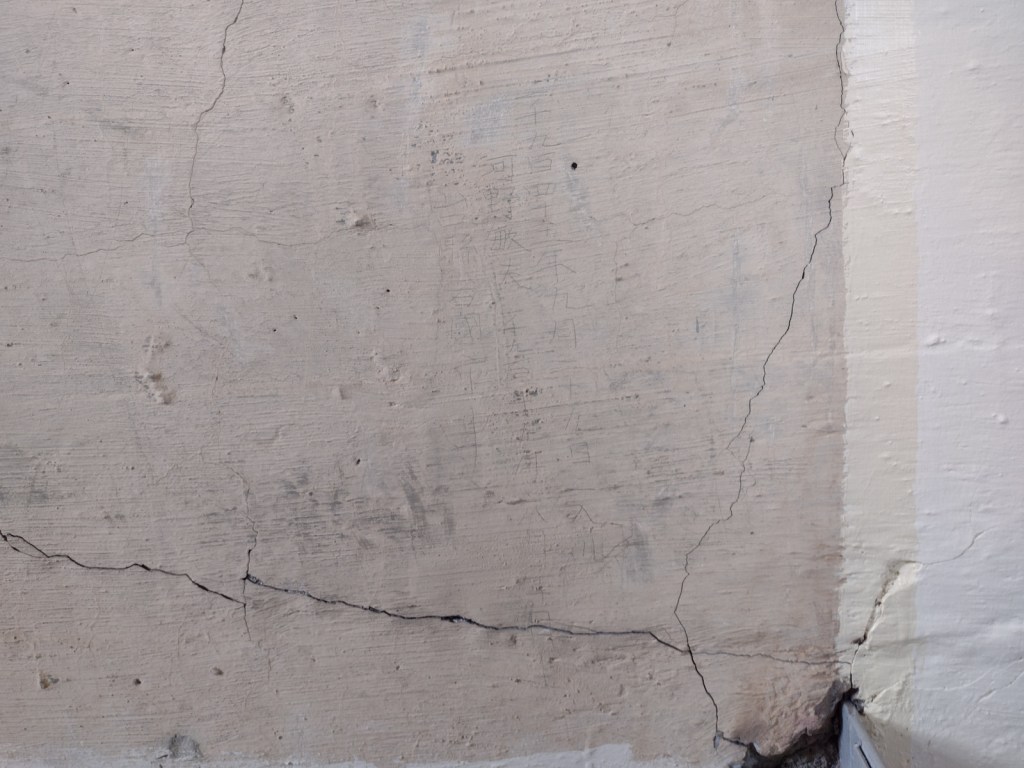
Most of the buildings at Tule Lake Segregation Center were moved elsewhere following the war. One of the few remaining structures is the prison, which is only accessible on ranger-guided tours offered Memorial Day to Labor Day on Thursdays through Sundays (call ahead for required reservations). The concrete jail had six cells to hold 24 men, but incarcerated over 100 at one time mostly outside in Army tents used as unheated punishment quarters. The prison is always visible from the National Park Service (NPS) visitor center off Highway 139. It is worth getting a tour to go inside to see original graffiti from inmates and the reinstalled metal doors that were purchased by a private citizen in the 1940s and kept at their farm for decades. Tulelake-Butte Valley Fairgrounds Museum (fee) has a one-hour audio tour and there are online virtual tours that show several sites within Tule Lake National Monument, including the inside of the jail prior to the restoration.
Best Trail
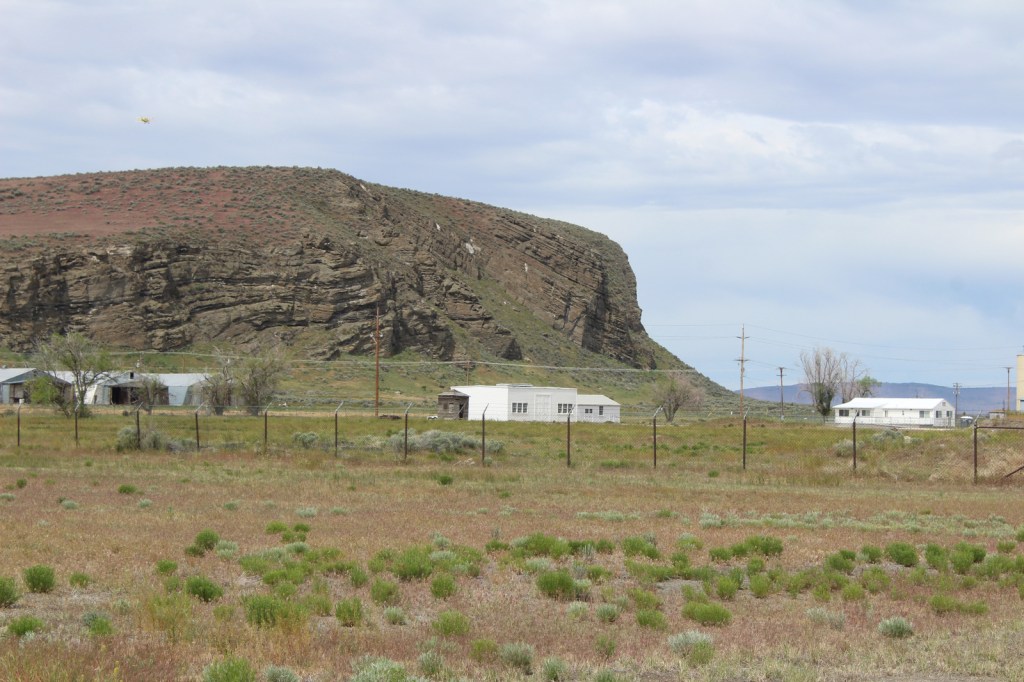
There are no designated trails there, but from the NPS visitor center near Newell you can photograph the rock formation known as Peninsula/Castle Rock (solely managed by the U.S. Fish and Wildlife Service). It is also visible while checking out the rock art at Petroglyph Point within Lava Beds National Monument.
Photographic Opportunity
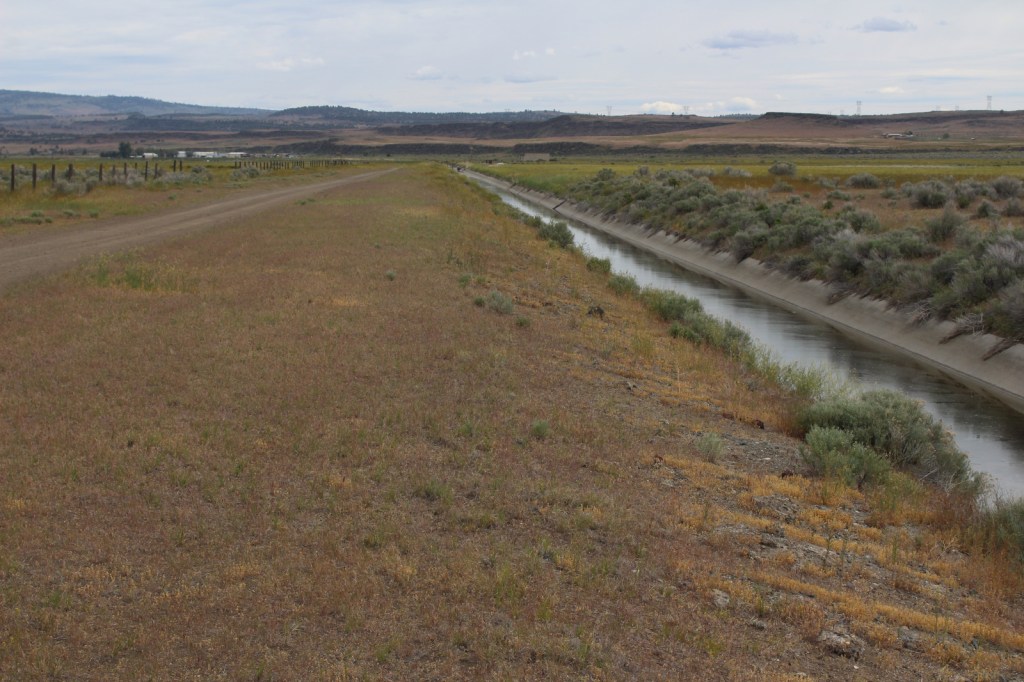
The Civilian Conservation Corps (CCC) was stationed at Camp Tulelake from 1935 to 1942, constructing 23 buildings and repairing canals. Several small groups of Japanese Americans were held at Camp Tulelake to separate them from the general population at Tule Lake Segregation Center. Later in the war, Italian and German POWs were stationed there before the buildings were transferred to the U.S. Fish and Wildlife Service. Currently, tours of Camp Tulelake are not available due to ongoing preservation work, but you can photograph it through the fence on Hill Road and hike to bird viewing blinds in Tule Lake National Wildlife Refuge.
Ranger-guided tours require a reservation, but they are free. There is an entrance fee for the museum at Tulelake-Butte Valley Fairgrounds.
Road Conditions
Highway 139 and Hill Road are paved, but most of the roads through the former Tule Lake Segregation Center and Tule Lake National Wildlife Refuge are unpaved.
Tulelake-Butte Valley Fairgrounds MuseumTiff at Tulelake-Butte Valley Fairgrounds MuseumTulelake-Butte Valley Fairgrounds MuseumPeninsula/Castle RockCrop dusterTiff walking to the prisonInside the prisonHistoric graffitiHistoric graffiti in JapaneseNPS visitor centerTule Lake National Wildlife Refuge mapReflections on Tule Lake
Explore More – Providing crucial habitat along the Pacific Flyway, what type of migratory birds can be seen at Tule Lake, Clear Lake, and Modoc National Wildlife Refuges?
The flat, sandy soils of this former lakebed attracted homesteaders to plow fields and graze livestock, but following droughts in the 1930s it was largely abandoned. Under the Bankhead-Jones Farm Tennant Act of 1937, these lands were purchased by the federal government and used as a practice bombing range during World War II. Later, the Soil Conservation Service administered the area and planted more than 4,000 acres of crested wheatgrass. In 1954, management was reassigned to Klamath National Forest who tried in vain to sell the Butte Valley Land Use Project (LUP) until it was named the newest National Grassland in July 1991.
Highlights
Windmill, Butte Valley Museum
Must-Do Activity
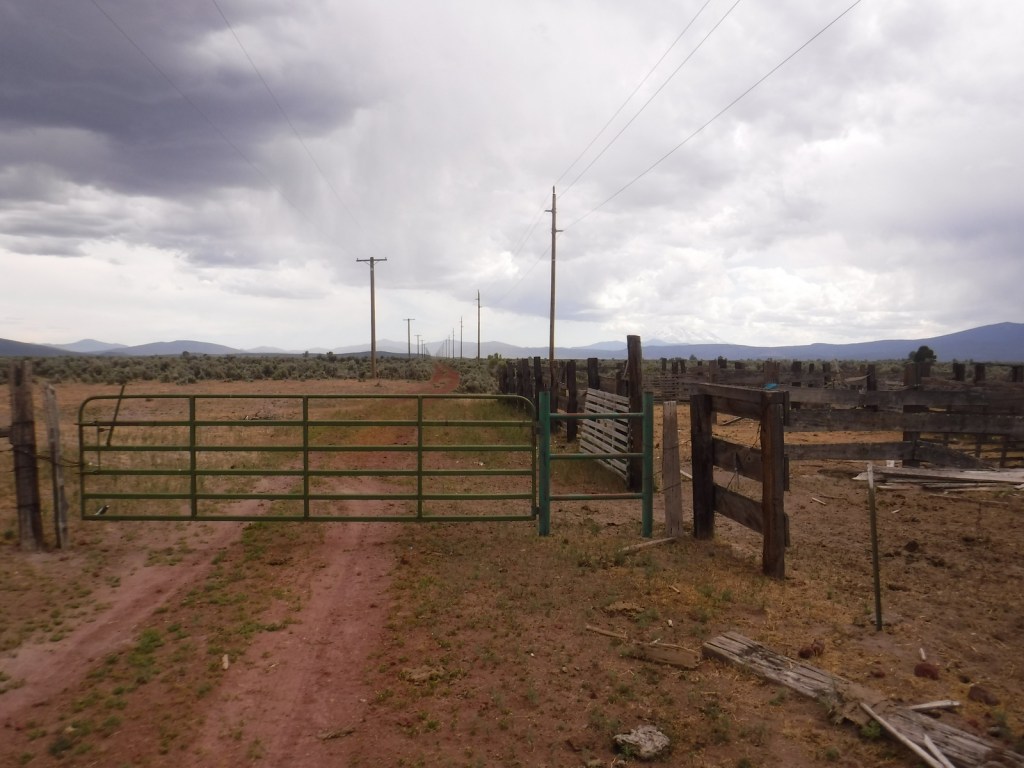
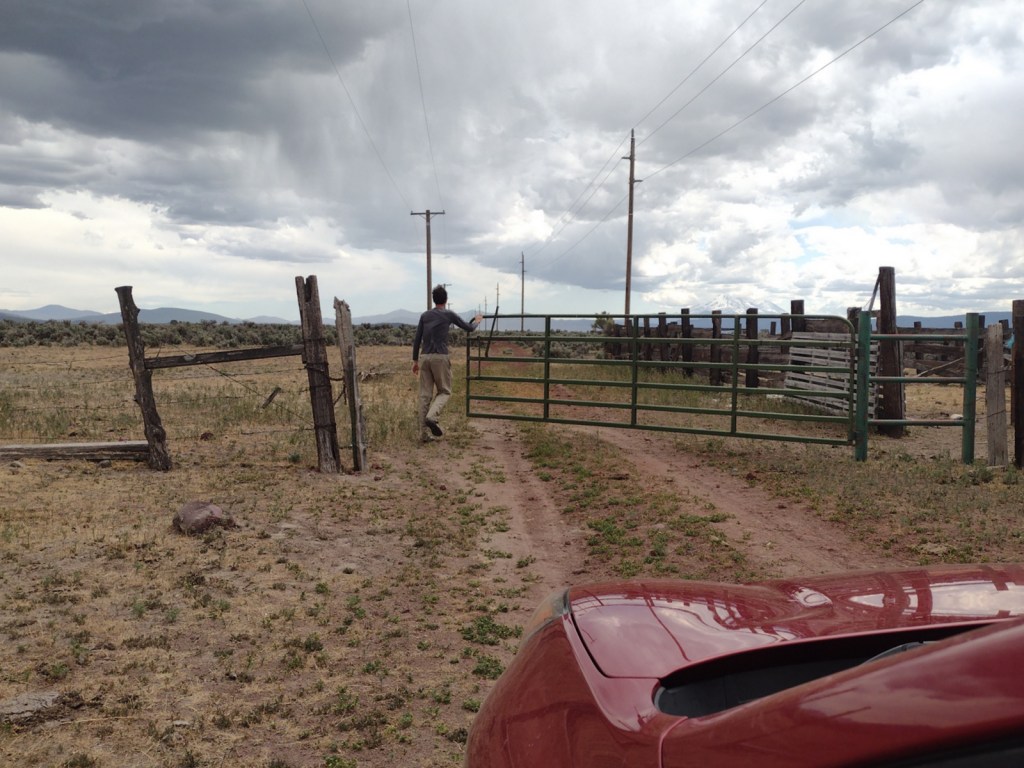
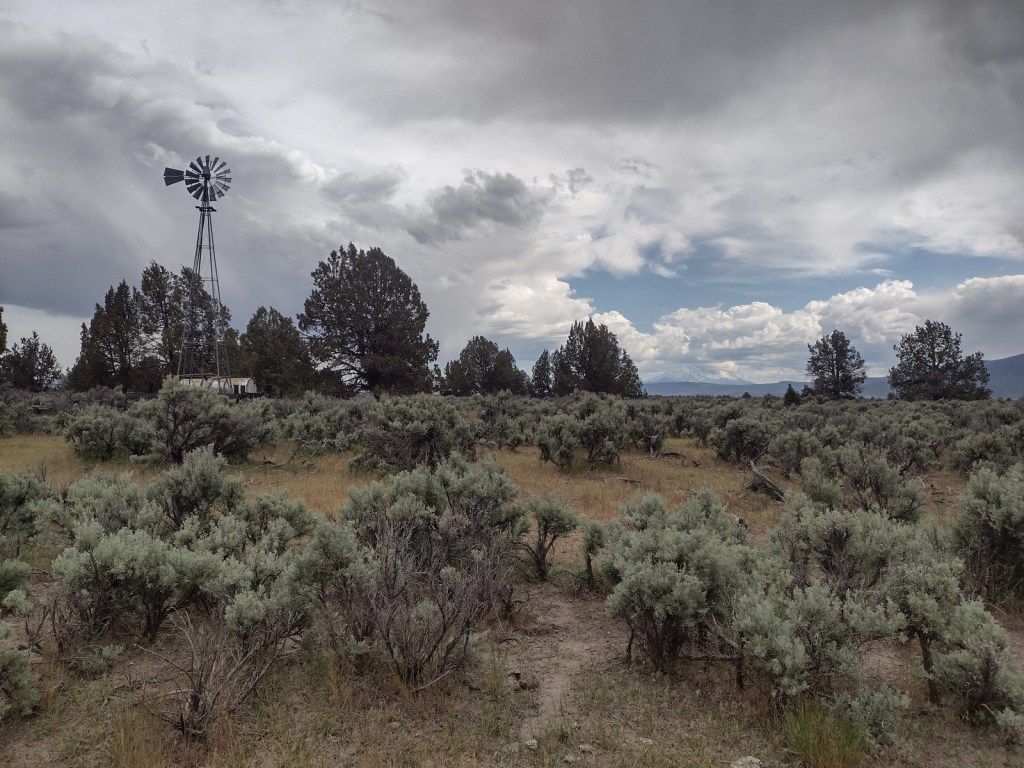
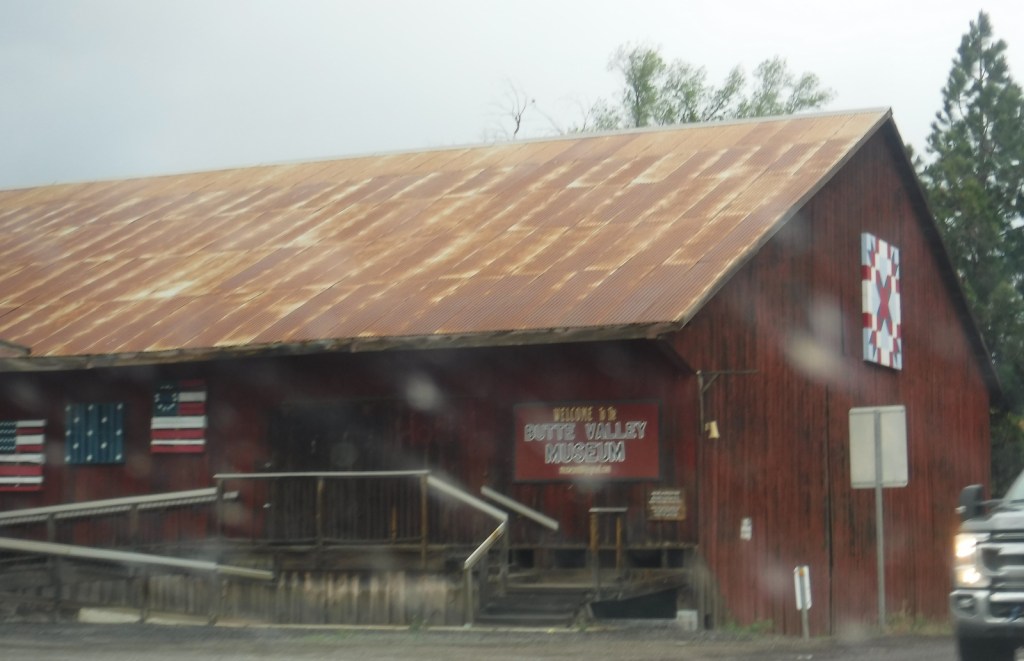
Located in the dry northeast corner of California, Butte Valley National Grassland is dominated by sagebrush, rabbitbrush, bitterbrush, basin wildrye, and intermediate wheatgrass, with western juniper being the only tree species. Local ranchers graze cattle here under permit with the U.S. Forest Service, so be sure to close all gates behind you as you drive around. The recommended driving loop is to take Highway 97 to Meiss Lake Sam’s Neck Road for 4.9 miles to Indian Point Road, which has low rock bluffs and a fenced-off windmill along its 4.6-mile length. Richardson Road will take you 5.2 miles back to Highway 97, just south of the town of Dorris where you can visit the Butte Valley Museum.
Best Trail
There are no defined trails, but you could walk cross-country through the sagebrush or on the dirt roads.
Watchable Wildlife
Large mammals found in Butte Valley National Grassland include bobcats, coyotes, porcupines, jackrabbits, mule deer, Roosevelt elk, pronghorns, and possibly some reintroduced bighorn sheep. Reptiles include Pacific gopher snakes, western rattlesnakes, California red-sided garter snakes, pygmy horned lizards, and western fence lizards. We saw several large birds on our visit: a California quail, golden eagle, northern harrier, magpie, and common ravens. A 35-year study of Swainson’s hawks has been conducted here as they nest in the western juniper trees. Other bird species of interest include the sandhill crane, red-tailed hawk, ferruginous hawk, rough-legged hawk, prairie falcon, American kestrel, merlin, bald eagle, great horned owl, short-eared owl, and long-eared owl. The adjacent 11,520-acre Butte Valley Wildlife Area encompasses Meiss Lake, a remnant of a much larger lake that still serves as an important site for migratory waterfowl.
Photographic Opportunity
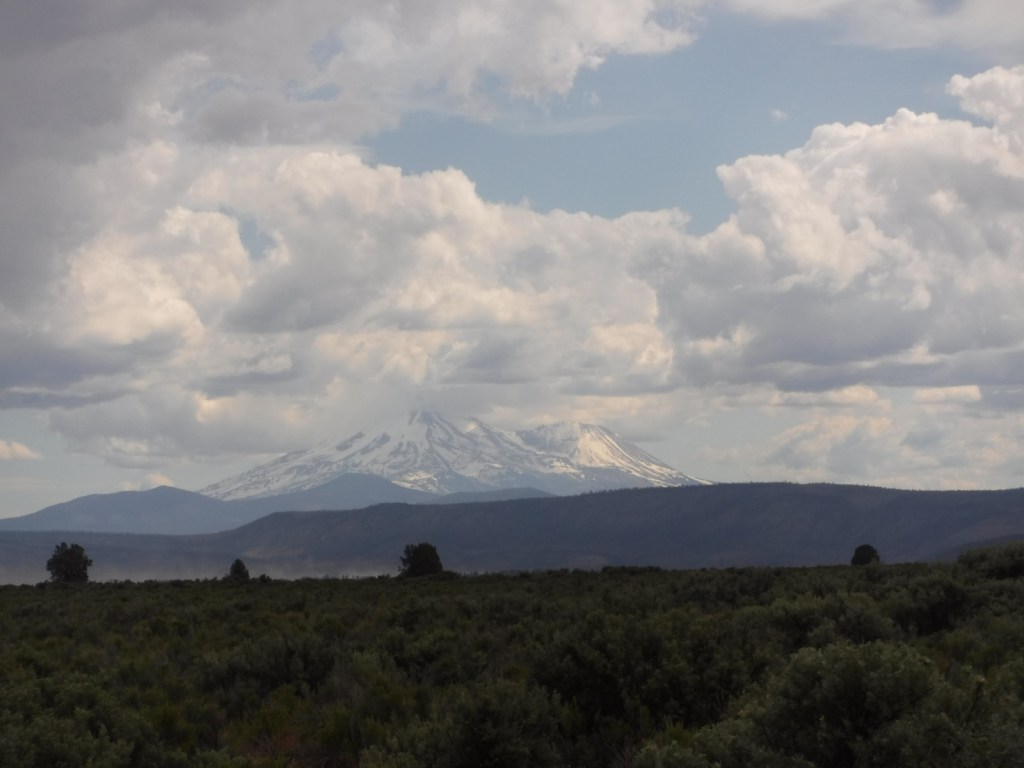
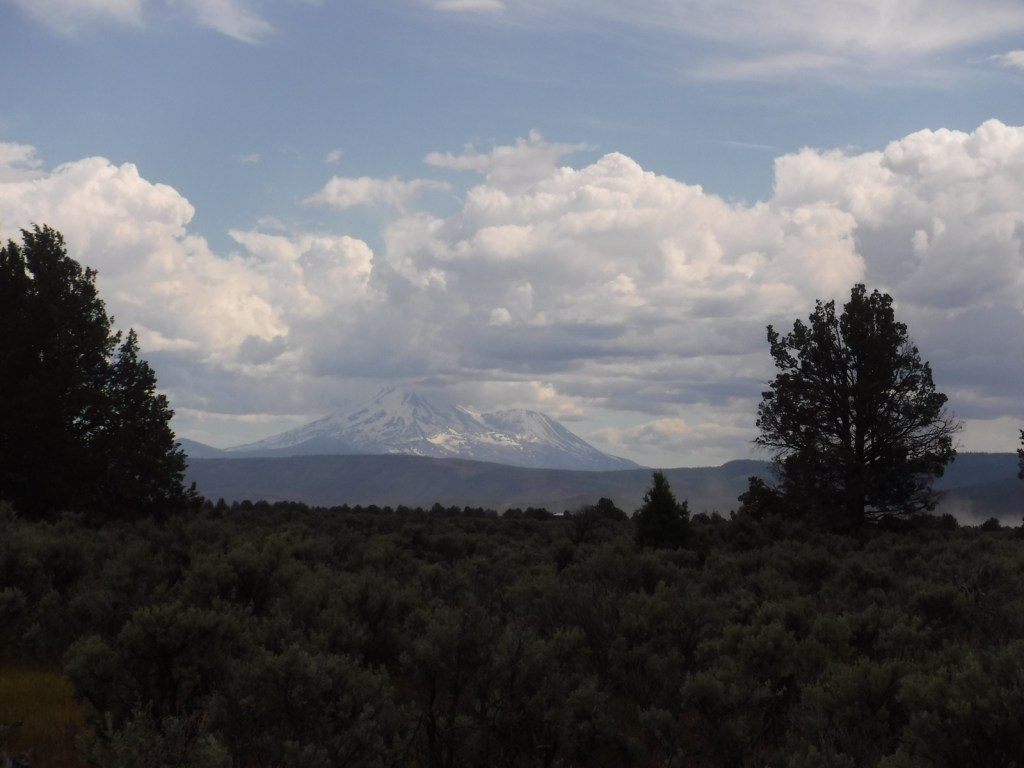
The eastern face of glacier-covered Mt. Shasta is visible from the National Grassland on clear days.
Peak Season
Summer
Fees
None
Road Conditions
Highway 97 and Meiss Lake Sam’s Neck Road are paved. We found Richardson Road to be somewhat rutted, but unpaved Indian Point Road was in good shape. We drove an unnamed two-track road through the center of the National Grassland with a passenger car, although we would recommend a high-clearance vehicle.
Camping
You can probably disperse camp in the National Grassland without a problem, or drive into Klamath National Forest for its campgrounds at Juanita Lake, Martins Dairy, Shafter, and Orr Lake.
Best time of year: Summer for the state fair and access to the northern lakes
We recently published our guidebook 50 States of Great: Road Trip Guide to America, so we decided to start a new type of blog post where we create a travel itinerary for all 50 states, in addition to our usual National Forest and National Park entries. After starting with Kansas, Georgia, Idaho, and Rhode Island, we decided to do a state that is part Midwest and part North Woods. We made an ambitious seven-day plan starting in the southern Minnesota, with plenty of options to extend the trip.
Located in the small town of Austin, this free museum is full of interactive exhibits and photo opportunities, but the best part is that it does not take itself too seriously. Even if you do not like to eat the canned “spiced ham” product, you will come to appreciate its significance to World War II history and pop culture, as well as its amazing gift shop with more branded products than you can imagine.
Niagara Cave is a privately-owned show cave named for its 60-foot-tall underground waterfall that is only viewable on guided tours. Not far away, Forestville/Mystery Cave State Park contains the state’s longest cave (47 degrees year round) which also offers guided tours.
If you come into the state from the southwest corner, consider a stop at a spot that people have come for 2,000 years to mine the red quartzite rock (also known as catlinite). The soft sedimentary stone is relatively easy to carve into smoking pipes and effigies. April through October, you can watch American Indian carvers at the National Park Service (NPS) museum demonstrate how to sculpt this soft yet durable stone into hollow pipes and other beautiful ornaments, some of which you can buy in the gift shop.
Fans of the author’s “Little House” series of books will want to see a replica of the Ingalls’ home in Walnut Grove and some of the family’s historic heirlooms.
Indoor shopping malls are still thriving in the Twin Cities (Minneapolis-St. Paul) metropolitan area, perhaps due to the cold and snowy winter weather. The most famous is the Mall of America with its indoor amusement park and 520 stores, making it the largest mall in the western hemisphere (and eleventh largest in the world).
This park follows 72 miles of the great river’s course through Minnesota, from busy metropolitan sections in the Twin Cities to secluded stretches of water where it reaches its confluence with the Saint Croix National Scenic Riverway. In downtown Minneapolis, Minnehaha Regional Park contains its namesake falls celebrated in Henry Wadsworth Longfellow’s Song of Hiawatha. Nearby, St. Anthony Falls is the only true waterfall along the entire length of the Mississippi River, now controlled by a lock and dam.
Optional stop at University of Minnesota Golden Gophers’ football game
We saw wild turkeys wandering around this beautiful campus that sits on a bluff east of the Mississippi River. Nobody seems to be exactly sure what a golden gopher is (possibly a thirteen-lined ground squirrel), but their mascot Goldie is the cutest in all of college football. Huntington Bank Stadium has one of the best pregame areas with plenty of photo ops and a pep rally held outside the hockey arena, plus we got free Culver’s custard, a clear bag giveaway, and Mystic Lake casino provided free towels and “spinny video thing.” The football team typically schedules their home opener on the Thursday before Labor Day during the Minnesota State Fair.
You will need all day to visit America’s best state fair that is held annually the 12 days before Labor Day, welcoming more than two-million visitors annually. The fair has the standard carnival rides, butter sculptures, farm animals, and artwork, as well as stages where musicians, comedians, and magicians perform throughout the day. Some of the unique food offerings include hotdish-on-a-stick, poutine, fried cheese curds, pronto pup, fried pickles, pork chop-on-a-stick, and fried buckeyes (chocolate and peanut butter candy). Since it started in 1979, Sweet Martha’s Cookie Jar has been overfilling buckets of fresh-baked chocolate chip cookies for customers, making up to 200,000 cookies an hour. To wash all that down, you might want to visit one of the stands offering all-you-can-drink milk.
If you are still hungry after the Minnesota State Fair then you probably didn’t do it right, but we will make one of our rare restaurant recommendations for this unique spot in downtown Minneapolis with interesting décor and really good food (try the poutine or walleye bites).
Day 4
Paul Bunyan Expressway
The legendary giant lumberjack Paul Bunyan is a big deal in Minnesota and he has statues honoring him in many towns along the Paul Bunyan Expressway. The 18-foot-tall statues in Bemidji were originally built in 1937 to honor these larger-than-life heroes and continue to be an essential roadside attraction. In Brainerd, Paul Bunyan Land is an entire amusement park built around a 26-foot-tall talking statue of Paul and 19-foot Babe, the latter refurbished after it blew over in a 2006 windstorm.
The Lost 40 is 144 acres of old-growth red and white pine forest that was never logged due to a surveying error that mapped the area as part of Coddington Lake in 1882. The oldest tree here is more than 250 years old and can be seen on an easy one-mile loop trail with interpretive signs. The trailhead is located east of Blackduck on well-signed back roads that are also popular for snowshoeing in the winter. Nearby, Camp Rabideau is perhaps the best preserved Civilian Conservation Corps (CCC) camp left from the 1930s, with free guided tours in the summer.
Lake Itasca is considered the headwaters of the Mississippi River and is located just west of Highway 71 at the beginning of the 2,069-mile-long Great River Road that goes all the way to Louisiana.
Day 5
Roadside Sculptures
Driving north on Highway 71, there is seemingly another great roadside attraction located every few miles. We saw the statues of Uncle Dan Campbell in Big Falls, Jack Pine Savage in Littlefork, the world’s largest crow in Belgrade, and a giant black duck in the town of Blackduck. Right outside Voyageurs National Park, which surrounds Lake Kabetogama, was our favorite—a giant walleye with a saddle for riding. If Kabetogama seems like a mouthful, rest assured that everyone, including park rangers, simply calls it “Lake Kab.”
The park is famous for its manmade destinations, including Kettle Falls Hotel, Hoist Bay Resort, and the unique sculptures at Ellsworth Rock Gardens. Try to get out on one of Minnesota’s 10,000 lakes via a ranger-led tour or take your own boat to one of the shoreline campsites inaccessible by car (permit required). Reservations can be made for the ranger-guided North Canoe Voyage that lets passengers paddle a 26-foot canoe, just like the French-Canadian “voyageurs” of old.
Day 6
Kawishiwi Falls in Ely
The little town of Ely is the gateway to the Boundary Waters Canoe Area Wilderness (see below), but even if you are just passing through be sure to make the short hike to Kawishiwi Falls below the dam on Garden Lake.
Gray wolves (called timber wolves regionally) reside in the North Woods and while a few lucky travelers might hear them howling, your best bet to see one is at the Wolf Center. It also has a section dedicated to Sigurd Olson, a talented local author and naturalist.
French-Canadian voyageurs had to walk their canoes and goods along an eight-mile-long portage to bypass the rapids on the Pigeon River. In 1784, the end of the trail on the edge of Lake Superior became the site of the North West Company headquarters where they held an annual rendezvous, where today visitors can walk around the reconstructed buildings and talk with the costumed reenactors during the summer.
Optional stop at Two Harbors
North of Duluth, the North Shore Scenic Drive passes through the town of Two Harbors where there is a giant rooster at Weldon’s Gifts and a huge statue of Pierre the Voyageur outside the Earthwood Inn. If you press the speaker button at the statue’s base, Pierre will tell you all about the history of the region, but he never explains why he is not wearing any pants.
In addition to encompassing the state’s highest mountain, Superior National Forest also offers scenic drives on the Gunflint Trail (County Road 12), Fernberg Road (State Route 169), and Echo Trail (County Road 116). Vermilion Gorge Trail is an easy 1.5-mile one-way hike to a narrow canyon cut through Canadian Shield rock in the small community of Crane Lake (on the east side of Voyageurs National Park). Not far away down a dirt road, a short trail leads to Vermilion Falls where the same river cuts a narrow channel through the rock.
Permits for the peak season can be hard to come by for the world’s premiere destination for backcountry canoeing, so plan ahead. This one-million-acre preserve has more than 1,000 lakes with over 1,500 miles of canoe routes and 2,200 designated backcountry campsites. In addition to its famous water routes with numerous portages, a few overland trails exist like the 12-mile Angleworm Trail and the 39-mile Kekekebic Trail, an official part of the North Country National Scenic Trail.
Created by President Barack Obama on January 12, 2017 (the same day as Freedom Riders and Reconstruction Era National Monuments), this site encompasses four city blocks of downtown within the larger 36-acre Birmingham Civil Rights District. In 1963, this area was where the 16th Street Baptist Church was bombed and the Children’s Crusade (a non-violent protest march) was attacked by policemen with water hoses and dogs. The only portion of the site run by the National Park Service (NPS) is the A. G. Gaston Motel, which was bombed by the KKK after Rev. Martin Luther King, Jr. and other civil rights leaders stayed there from April through May 1963 to plan their non-violent campaign against segregation laws. The City of Birmingham and the NPS have restored the motel to its historic appearance and a park ranger is stationed there three days a week.
Birmingham Civil Rights Institute, A.G. Gaston Motel, 16th Street Baptist Church, Kelly Ingram Park, St. Paul United Methodist Church, Bethel Baptist Church
Must-Do Activity
The Birmingham Civil Rights Institute is a history museum that opened in 1992 across from the 16th Street Baptist Church (see Photographic Opportunity). With a timed entry ticket, your self-guided tour starts with a short video, then an immersive walk through the struggle for civil rights in Birmingham and around the U.S. It includes powerful displays on the Freedom Riders bus burning and Rev. Martin Luther King, Jr.’s “Letter from Birmingham Jail,” as well as the decades-long effort to bring to justice the bombers of the 16th Street Baptist Church. If you come on one of the three days per week that a park ranger is posted at the A.G. Gaston Motel, be sure to stop there afterwards to see the ongoing reconstruction work. Six miles north of the city in the Collegeville neighborhood, Bethel Baptist Church was bombed three times in 1956, 1958 and 1962, partly why the city earned the nickname “Bombingham.” The church is associated with the influential Rev. Fred Shuttlesworth, who has a statue outside the Birmingham Civil Rights Institute.
Best Trail
Across the street from the Birmingham Civil Rights Institute, Kelly Ingram Park features sculptures, interpretive signs, and an audio tour describing the violent attacks by police officers and dogs on civil rights protesters (many of them children) on May 7, 1963.
Photographic Opportunity
Across the street from the Birmingham Civil Rights Institute, 16th Street Baptist Church was bombed on September 15, 1963, killing four young girls, an act of domestic terrorism that propelled the passage of the Civil Rights Act of 1964. Tours inside the church are by appointment only.
Peak Season
Spring and fall
Hours
The A.G. Gaston Motel is open Thursday through Saturday 10 a.m. to 4 p.m. and the Birmingham Civil Rights Institute is open Tuesday through Saturday 10 a.m. to 5 p.m.
No cost for the A.G. Gaston Motel or Kelly Ingram Park, but there is an admission fee at the Birmingham Civil Rights Institute (online reservations recommended).
Road Conditions
All roads are paved with a free parking lot next to the Birmingham Civil Rights Institute.
Camping
In northeast Alabama, De Soto State Park offers camping, in addition to excellent hiking trails to several waterfalls. There are also three backcountry campsites in Little River Canyon National Preserve available from February through September with a permit. Cheaha State Park and Joe Wheeler State Park both have campgrounds and lodges. Talladega, Tuskegee, and William B. Bankhead National Forests also offer car camping and backpacking opportunities.
A.G. Gaston MotelA.G. Gaston MotelA.G. Gaston MotelKelly Ingram ParkScott at Kelly Ingram ParkKelly Ingram ParkKelly Ingram ParkKelly Ingram ParkRev. Fred ShuttlesworthBirmingham Civil Rights InstituteBirmingham Civil Rights InstituteMLK, Jr. jail cell
Explore More – When did the City of Birmingham establish the 36-acre Birmingham Civil Rights District?