Tag Archives: museum

Gulf Islands National Seashore

Overview

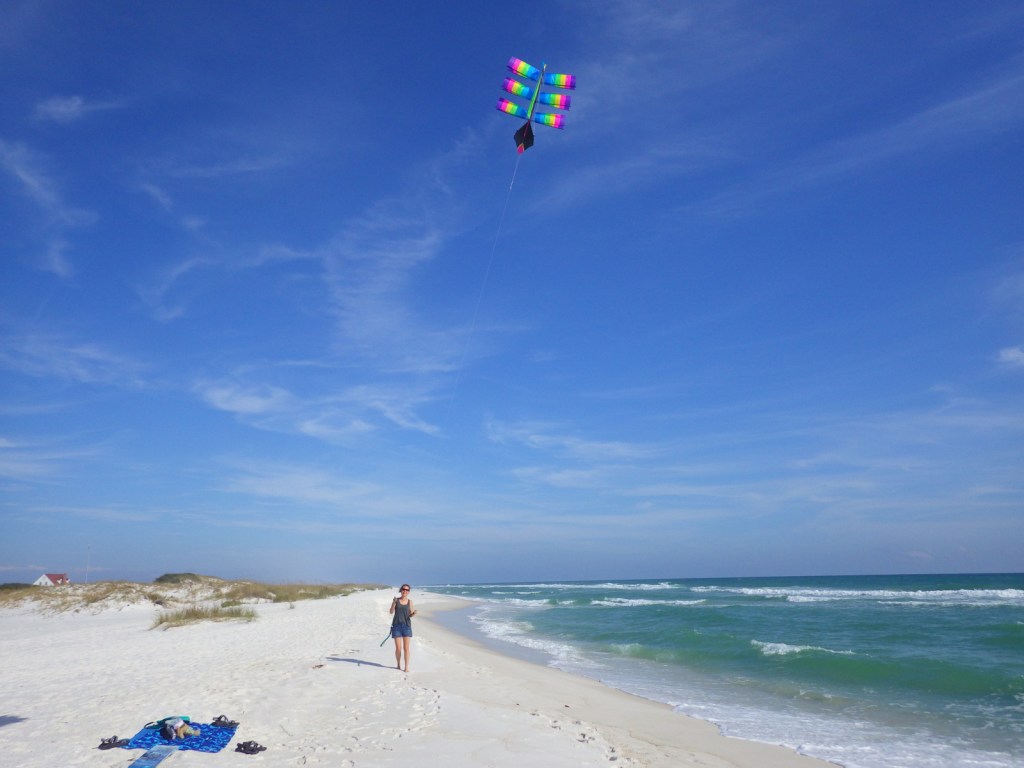
Gulf Islands National Seashore is renowned for white sand beaches on the barrier islands in the Gulf of Mexico, but there is more than beaches on the shores of Mississippi and the Florida panhandle (yes, Alabama is in the middle but is not part of this park).  The white sand that attracts beachgoers here originated as quartz in the Appalachian Mountains.  This coastal region was originally purchased by the U.S. from Spain in 1821 and 150 years later Gulf Islands National Seashore was created. 
Highlights

Fort Pickens, Naval Live Oaks Area, Fort Barrancas, West Ship Island ferry, white sand beaches, wildlife

Must-Do Activity

The National Park Service (NPS) has four visitor centers for Gulf Islands National Seashore, one on the mainland in Ocean Springs, Mississippi and the other three are south of Pensacola, Florida.  The most developed area is around Fort Pickens on Santa Rosa Island with its popular campground.  Nearby, Fort Barrancas sits next to the free National Museum of Naval Aviation on the military base.  The Naval Live Oaks Area protects the first federal tree farm started for shipbuilding purposes in 1828.  In Mississippi, only Davis Bayou can be reached by road, with (seasonal) ferry service limited to West Ship Island.  Otherwise, bring your own boat!

Best Trail

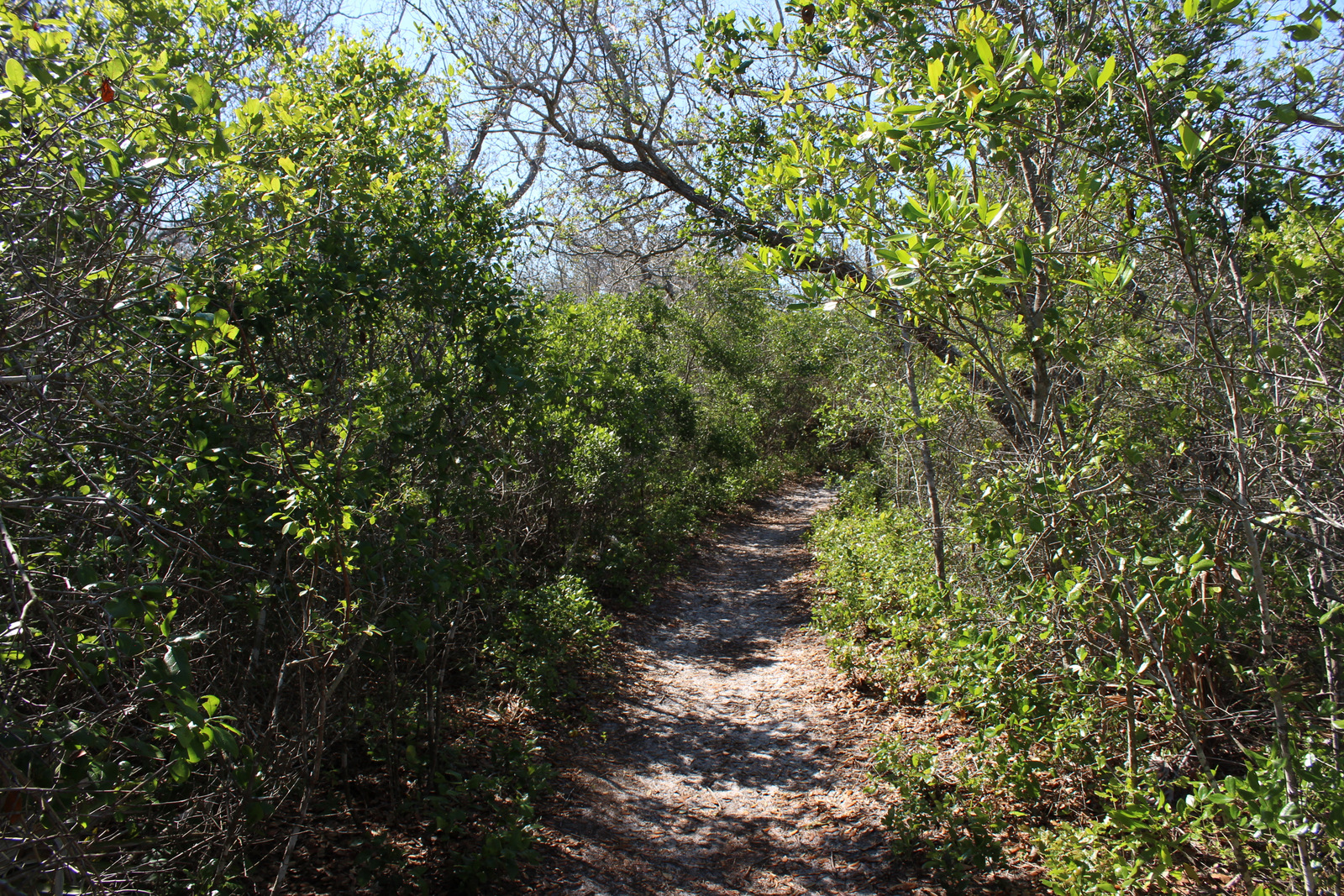
The 1,300-mile long Florida National Scenic Trail starts at Fort Pickens then runs east across Santa Rosa Island.

Instagram-worthy Photo

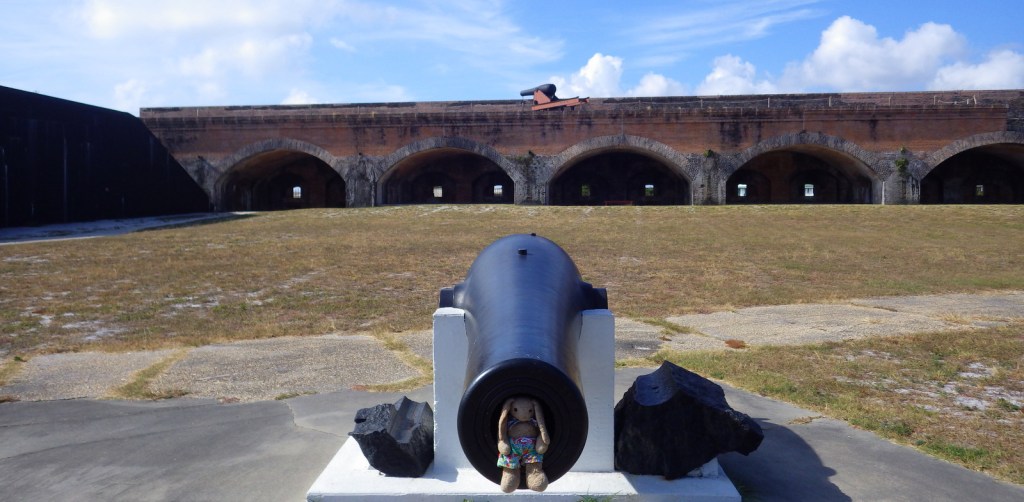
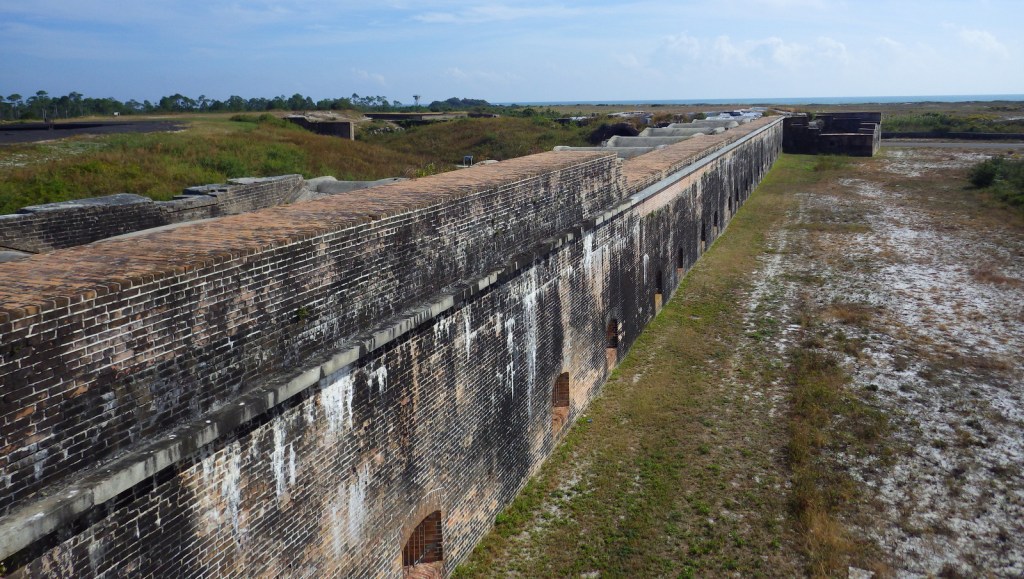
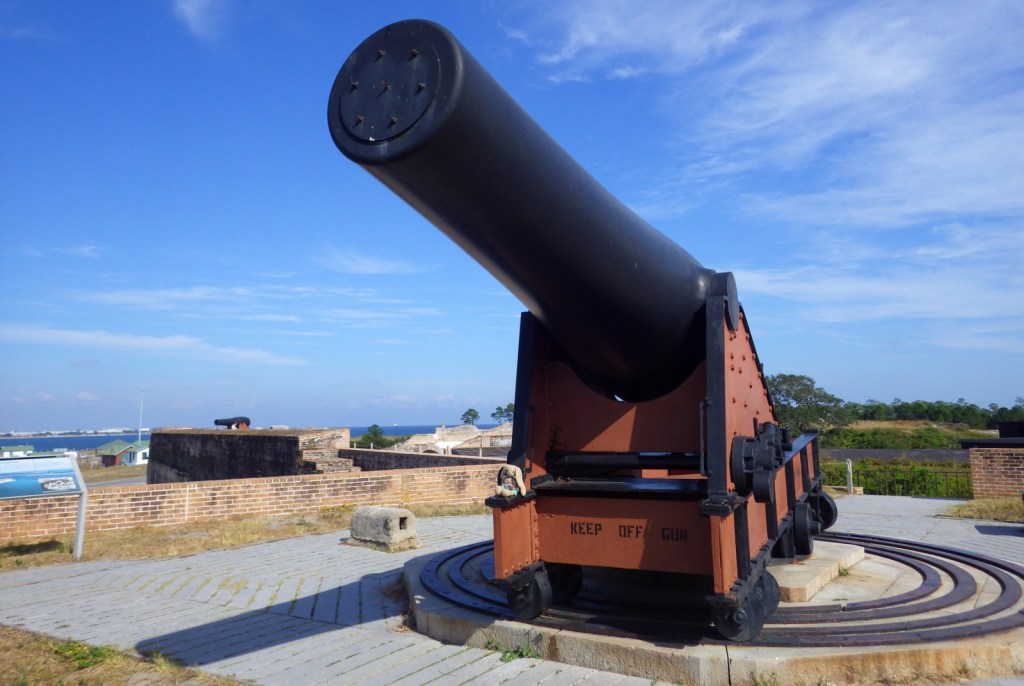
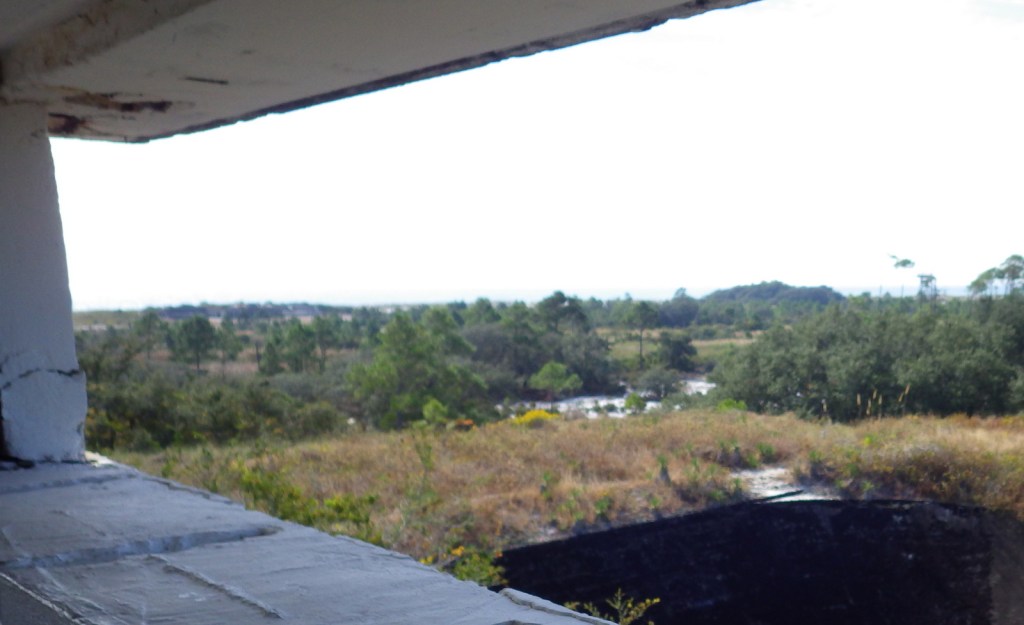
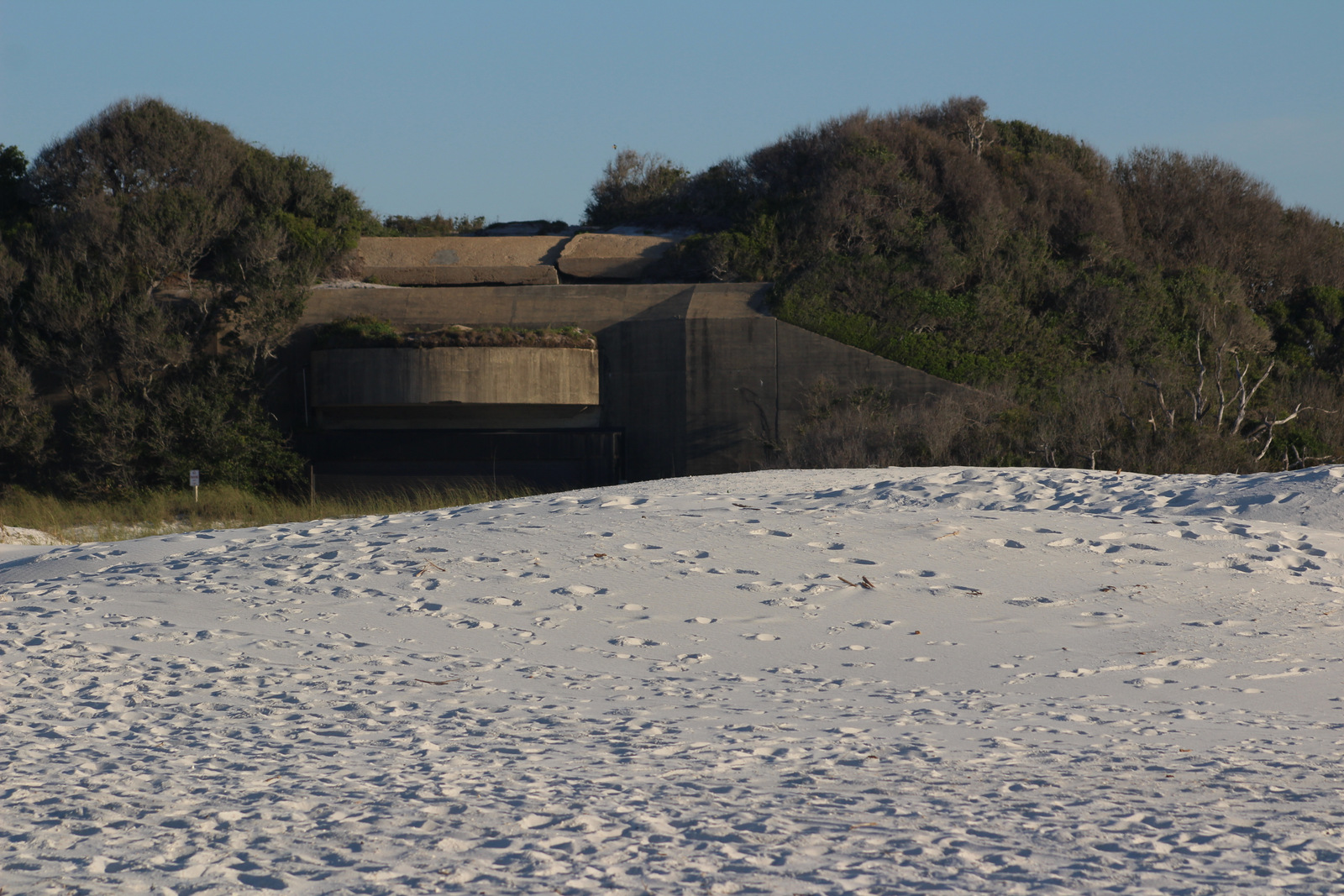
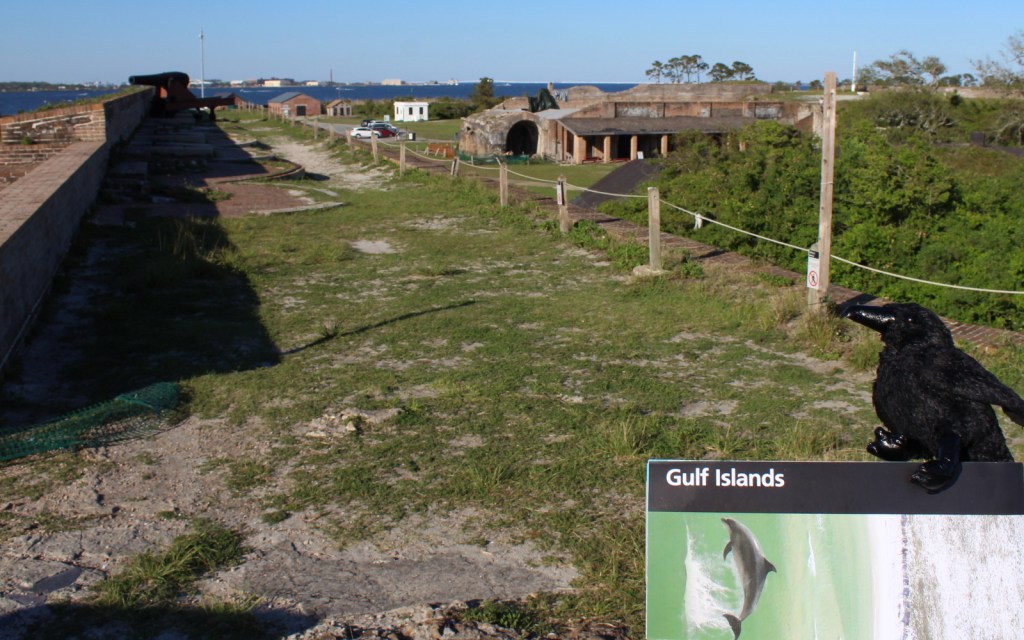
Fort Pickens dates back to 1829 with additional batteries upgraded during World War II.  Inside the fort there is a nice museum explaining the history of Santa Rosa Island.

Peak Season

Summer

Hours

https://www.nps.gov/guis/planyourvisit/hours.htm

Fees

$25 per vehicle or free with America the Beautiful pass

Road Conditions

All access roads are paved

Camping

Reservations are highly recommended for the NPS campgrounds on Santa Rosa Island, Florida and Ocean Springs, Mississippi.  Primitive camping is allowed on undeveloped East Ship, Horn, and Petit Bois Islands.

Related Sites

Dry Tortugas National Park (Florida)

Canaveral National Seashore (Florida)

Everglades National Park (Florida)

Explore More – What are the four species of sea turtles that nest on the park’s beaches?

Casa Grande Ruins National Monument

Overview

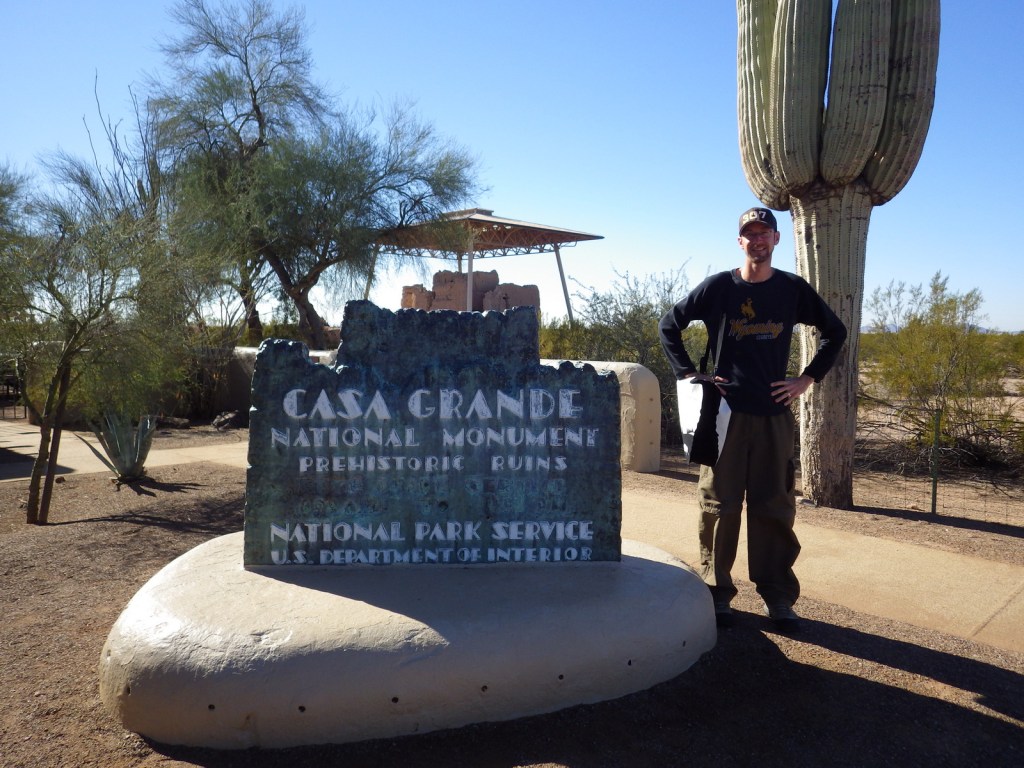
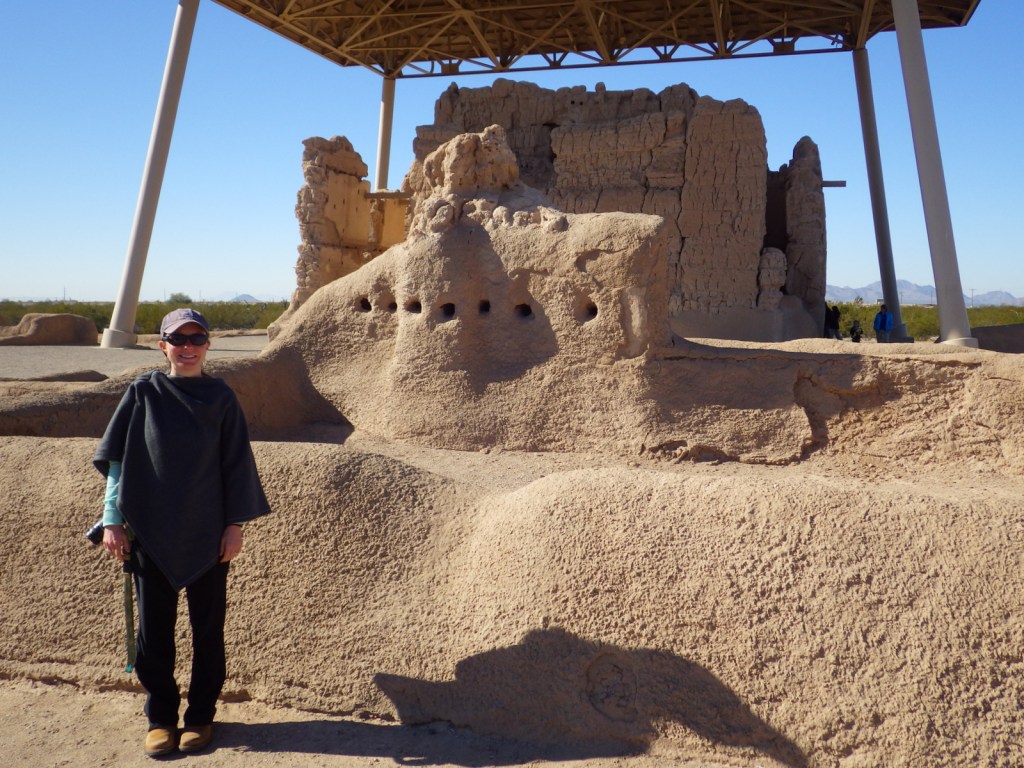
The ruins of this four-story pueblo in Coolidge, Arizona were originally protected as Casa Grande Reservation in 1892, the first time an archaeological site was given this designation by the federal government.  The National Park Service (NPS) took over management in 1918 when it was named a National Monument and in 1932 a protective cover was designed by Frederick Law Olmsted to prevent further erosion.  It is hard to believe when looking around the desert today, but the Hohokom farmed the Gila River Valley for over a thousand years until abandoning the area in the mid-1400s.  To accomplish this feat, they dug nearly a thousand miles of irrigation canals measuring 10 feet wide and 10 feet in depth.

Highlights

Museum, film, ruins

Must-Do Activity

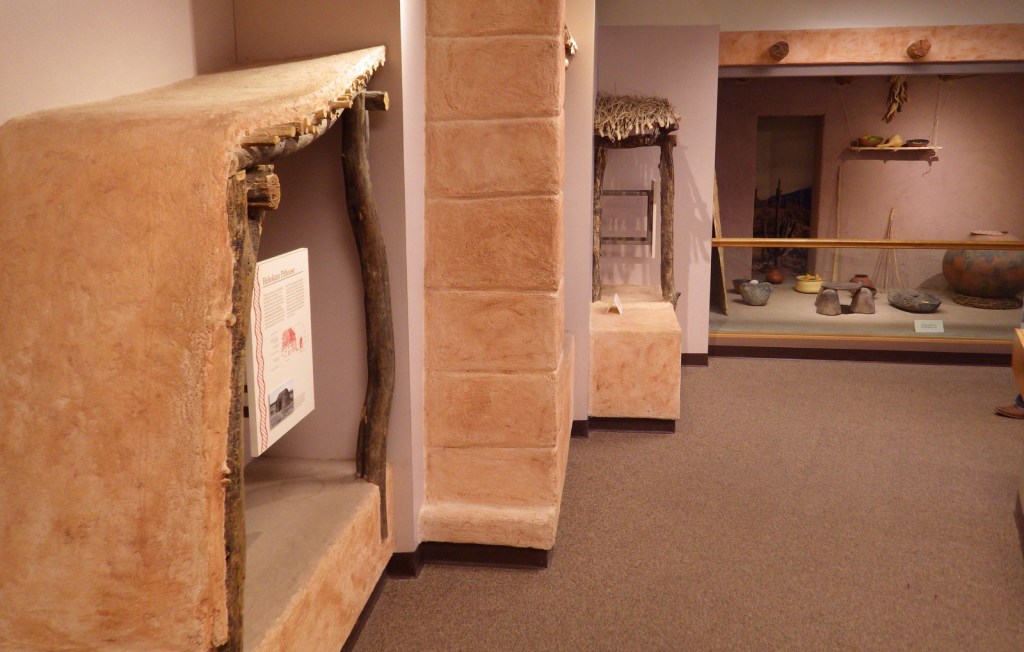
Its name means “Big House” in Spanish and you will see why when you take the short, flat walk (handicap accessible) around the multi-story ruin and ballcourts.  Built in the early 1300s, the pueblo was only inhabited for about a century.  The NPS runs an excellent museum at the site that shows an introductory film.  The nearby Hohokam Pima National Monument shows up on NPS maps (and is counted in the 420+ units in the NPS system), but the O’odham do not allow access to the site on their reservation.

Best Trail

None

Instagram-worthy Photo

There are pigeons instead of ravens at this NPS site.

Peak Season

Winter

Hours

https://www.nps.gov/cagr/planyourvisit/hours.htm

Fees

None

Road Conditions

All roads paved

Camping

No camping at the NPS site, but options are available nearby in Tonto National Forest and Picacho Peak State Park (right off Interstate 10).

Related Sites

Tonto National Monument (Arizona)

Tuzigoot National Monument (Arizona)

Saguaro National Park (Arizona)

Explore More – In 1694, who was the famous Jesuit priest that became the first European to see Casa Grande?

Martin Luther King, Jr., National Historical Park

Overview

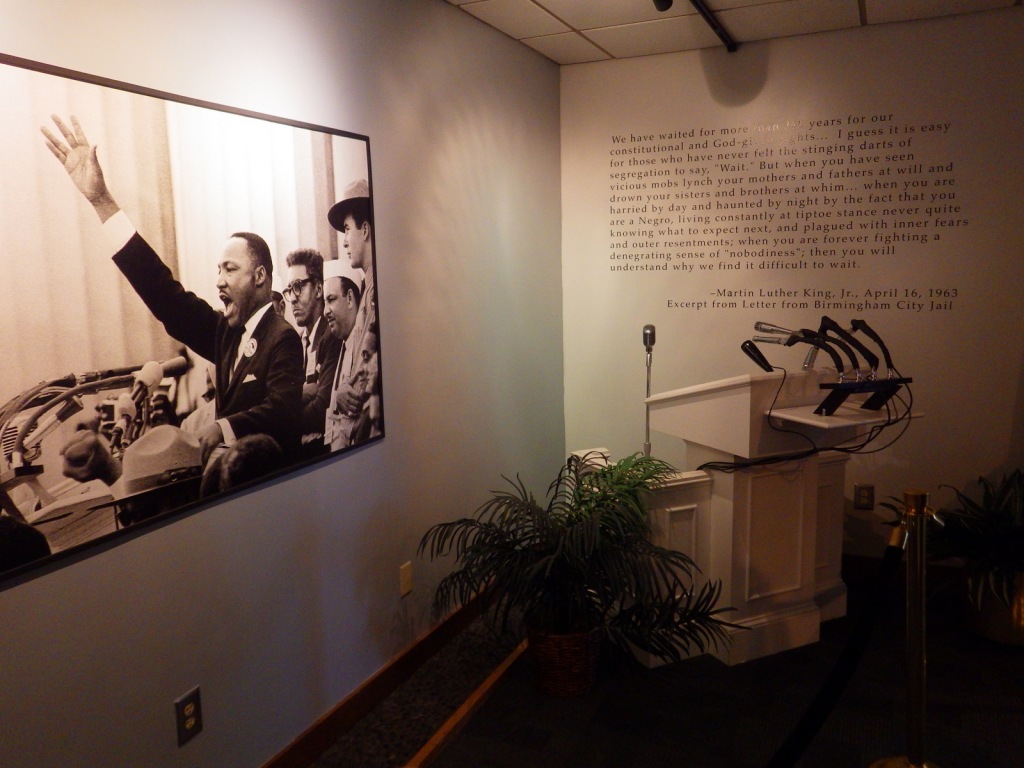
Sweet Auburn is a neighborhood in Atlanta, Georgia where Martin Luther King, Jr. was baptized and ordained as a minister in Ebenezer Baptist Church.  The National Park Service (NPS) was granted 39 acres here in 1980 to honor the Civil Rights leader who won the Nobel Peace Prize in 1964.  Following his assassination in Memphis, Tennessee, King’s funeral was held at Ebenezer Baptist Church on April 4, 1968.  It is free to visit the NPS museum, birth home, and affiliated Martin Luther King, Jr. Center for Nonviolent Social Change.

Highlights

Museum, Ebenezer Baptist Church, MLK birth home, Reflection Pool tomb

Must-Do Activity

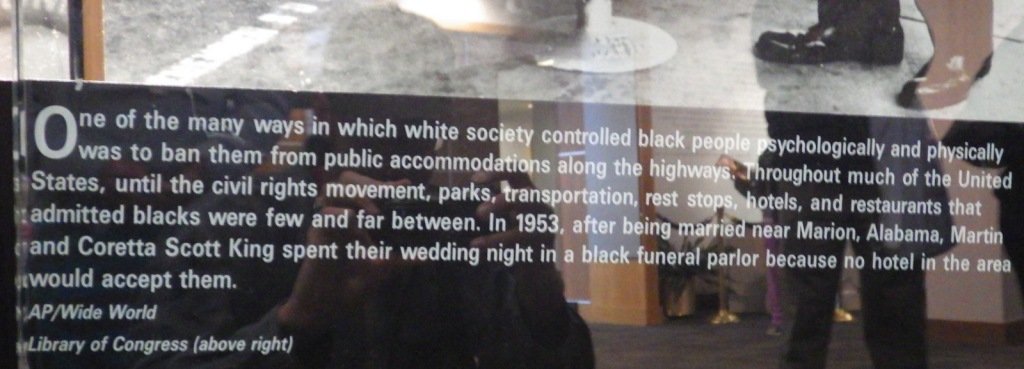
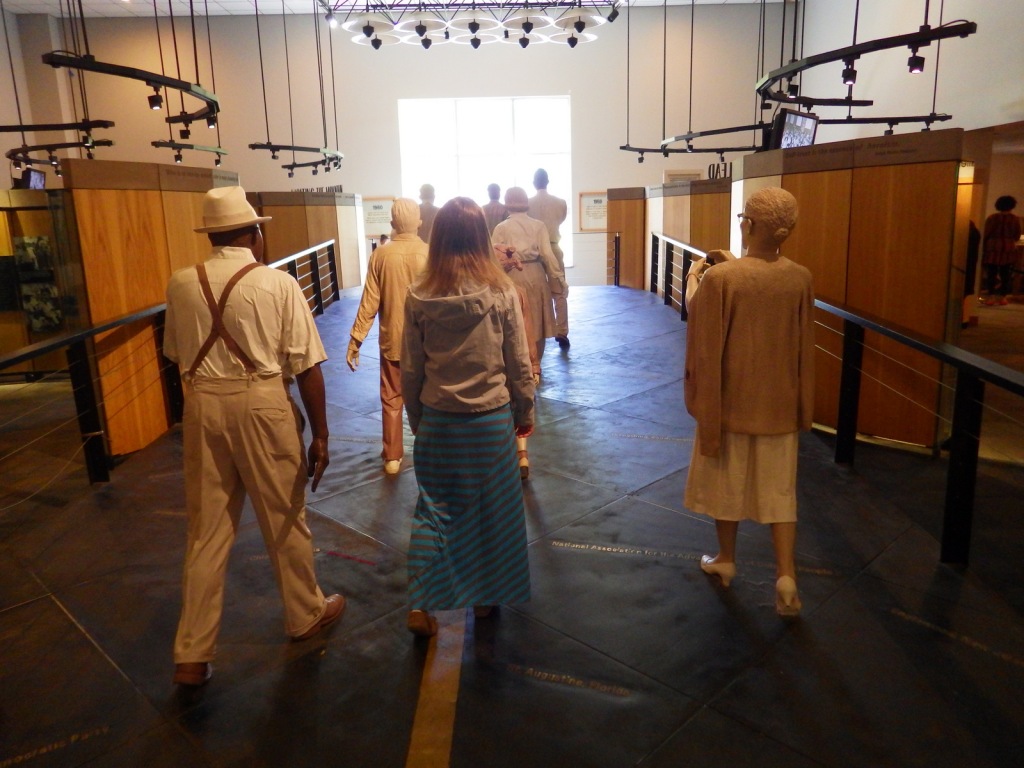
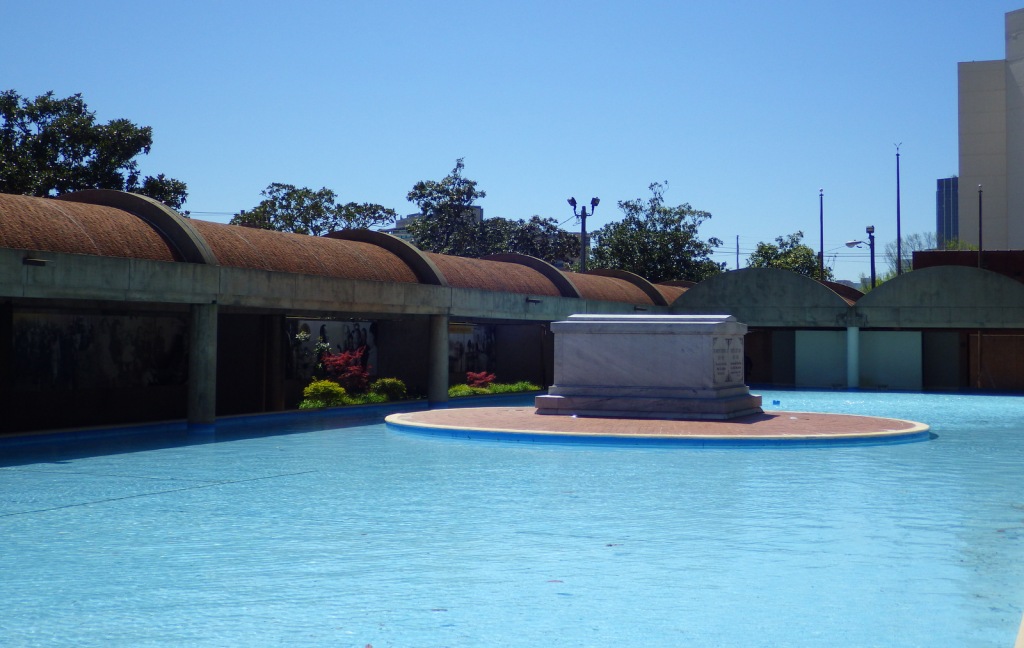
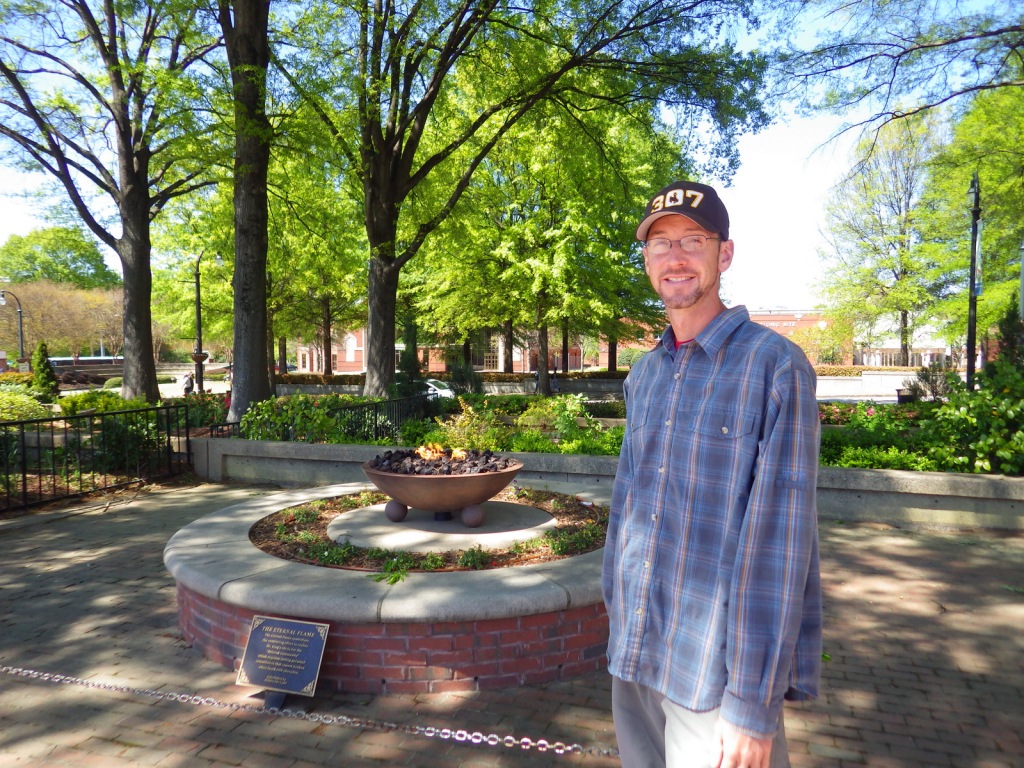
Inside the NPS museum, immersive audiovisual bubbles take visitors through the life of this prominent Civil Rights protestor.  A short walk is required to enter his boyhood home (which is wheelchair accessible).  Silence is mandatory while inside.  Outside the neighboring King Center, the Reflection Pool contains the tombs of Martin Luther King, Jr. and his wife Coretta Scott King, as well as an eternal flame. 

Best Trail

None

Instagram-worthy Photo

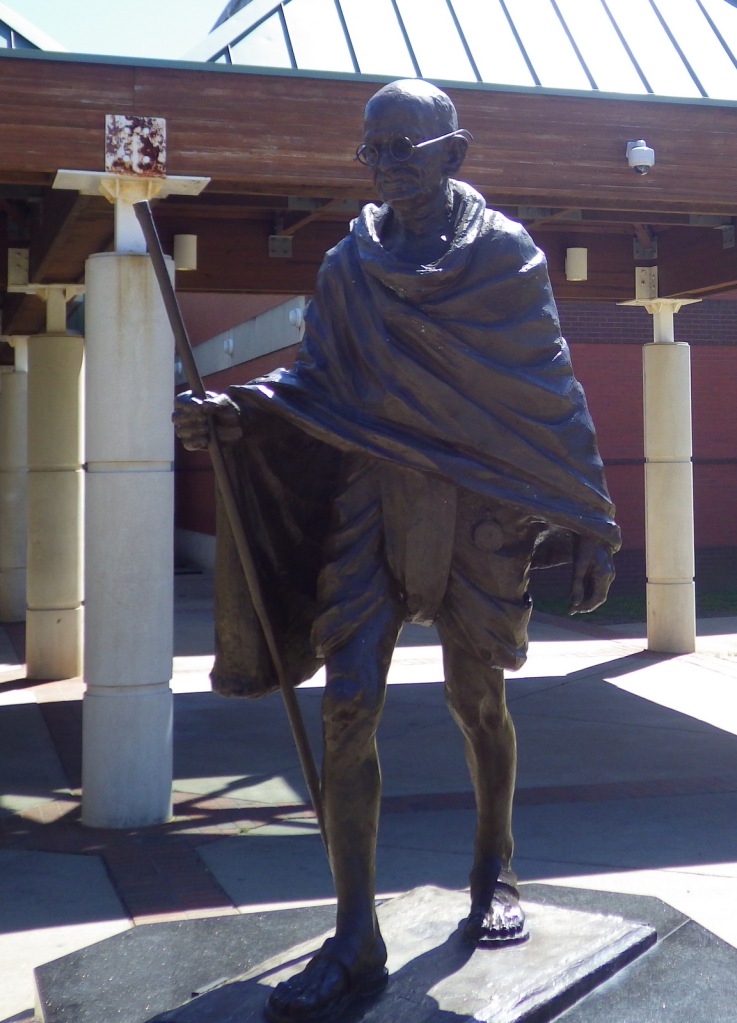
When reviewing this picture, Tiff swore she thought Gandhi was holding a selfie stick and was wearing sunglasses.

Peak Season

Spring and fall

Hours

https://www.nps.gov/malu/planyourvisit/hours.htm

Fees

None

Road Conditions

A large, free parking lot is located north of the NPS visitor center.

Camping

Campgrounds are located outside Atlanta at the Corps of Engineers’ Lake Sidney Lanier and Forest Service’s Chattahoochee National Forest.

Related Sites

Martin Luther King, Jr.  National Memorial (District of Columbia)

Medgar and Myrlie Evers Home National Monument (Mississippi)

Chattahoochee River National Recreation Area (Georgia)

Explore More – How was Martin Luther King, Jr.’s mother also tragically killed by gunshot in 1974?

Maggie L. Walker National Historic Site

Overview

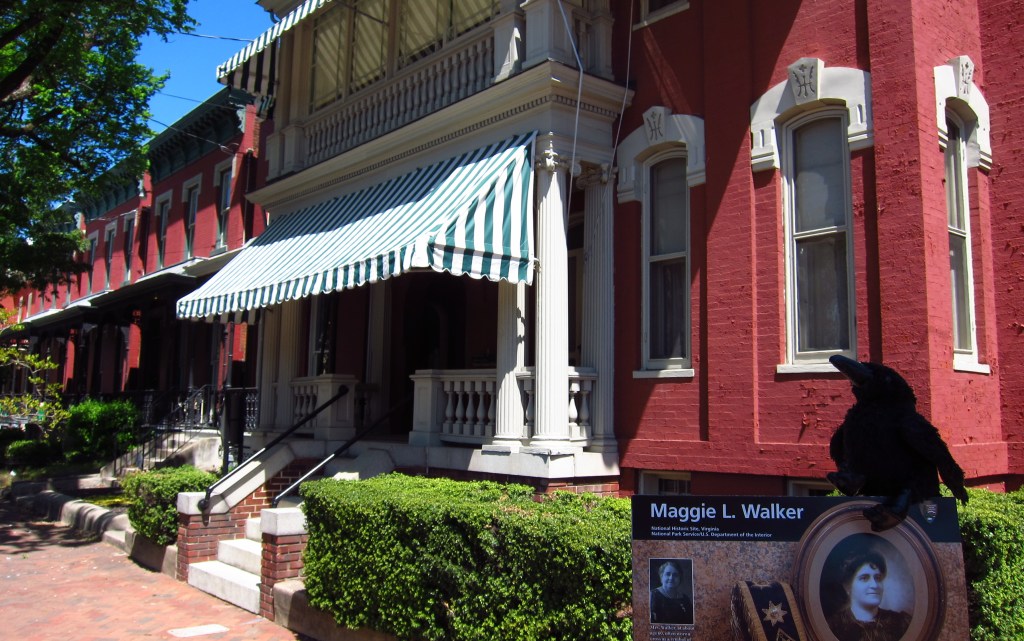
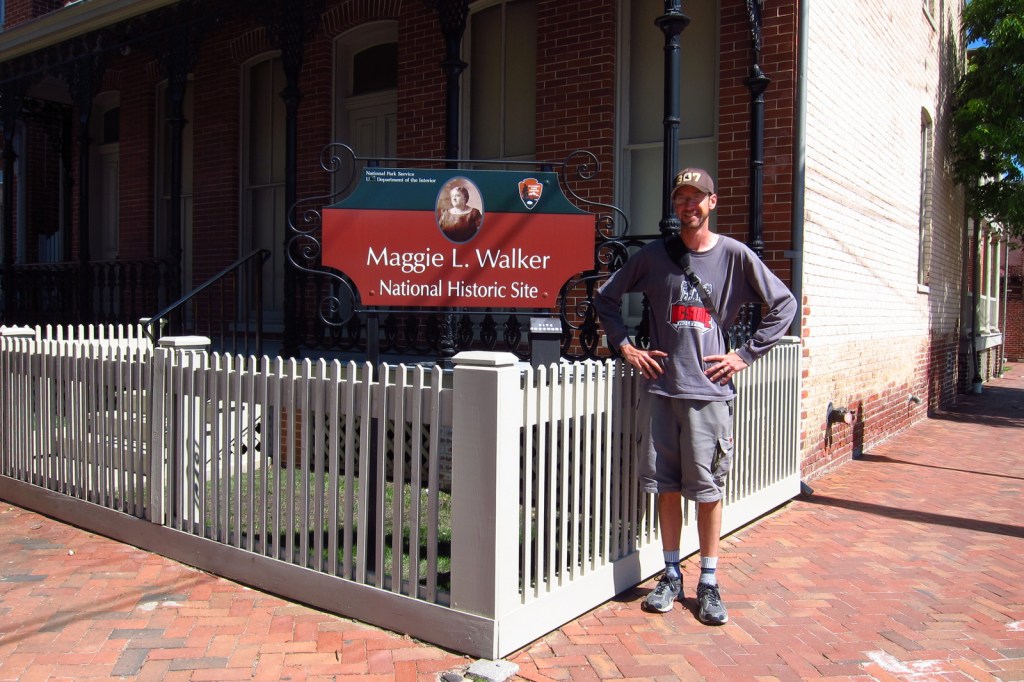
If you visit Richmond National Battlefield Park in Virginia, do not miss the other National Park Service (NPS) site in that city.  Maggie L. Walker was an African American philanthropist that started the St. Luke Penny Savings Bank in 1902 and was the only female bank president in the U.S. at the time.  As a member of the Independent Order of St. Luke since age 14, she also helped establish a newspaper and department store to help the local African American community.

Highlights

Museum, film, house tour, Jackson Ward National Historic Landmark District

Must-Do Activity

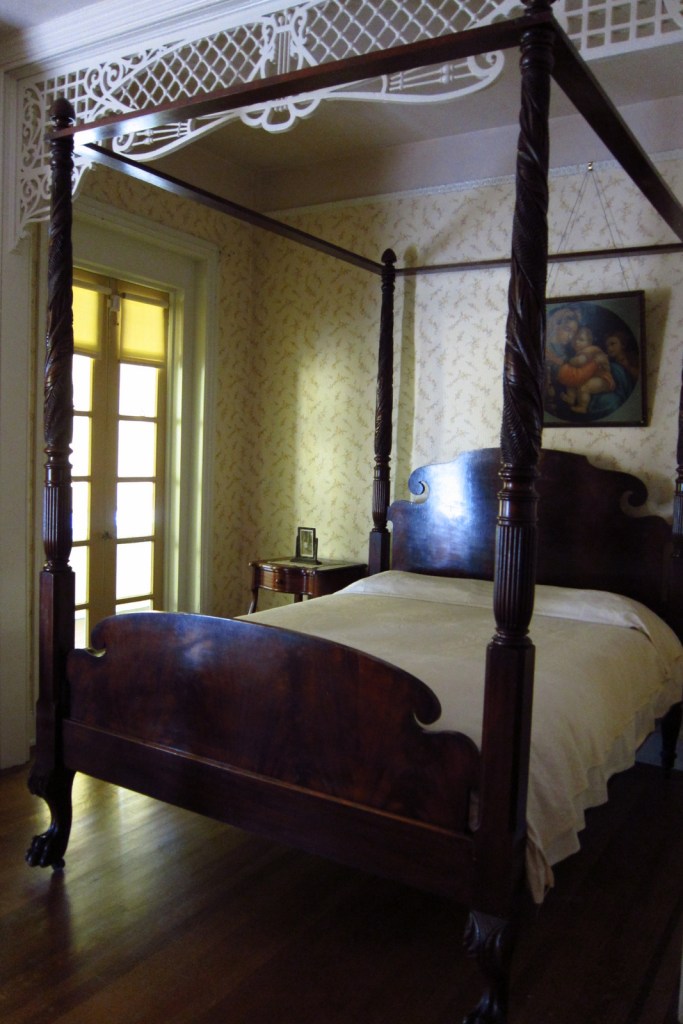
The 1930s-era home of this Civil Rights advocate can only be entered on an NPS ranger guided tour.  Walker lived in the oft-expanded, 28-room house from 1904 until her death thirty years later, and almost every piece of furniture in the house is original.  The NPS visitor center at 600 N 2nd Street is very small, but they do show a short film inside the tiny museum, which provides a good introduction before the tour.

Best Trail

None

Instagram-worthy Photo

The master bathroom includes a bidet, which is not something we have seen on any of the other NPS house tours we have taken (and we have been on a lot!).

Peak Season

Summer

Hours

https://www.nps.gov/mawa/planyourvisit/hours.htm

Fees

None

Road Conditions

Street parking is required as there is not a designated lot.

Camping

Pocahontas State Park and Forest offers a campground with running water just outside Richmond, Virginia.

Related Sites

Richmond National Battlefield Park (Virginia)

Mary McLeod Bethune Council House National Historic Site (District of Columbia)

Fort Monroe National Monument (Virginia)

Explore More – The Walker family owned the house until the NPS took ownership of the 1.25-acre property in what year?

Tuskegee Institute National Historic Site

Overview

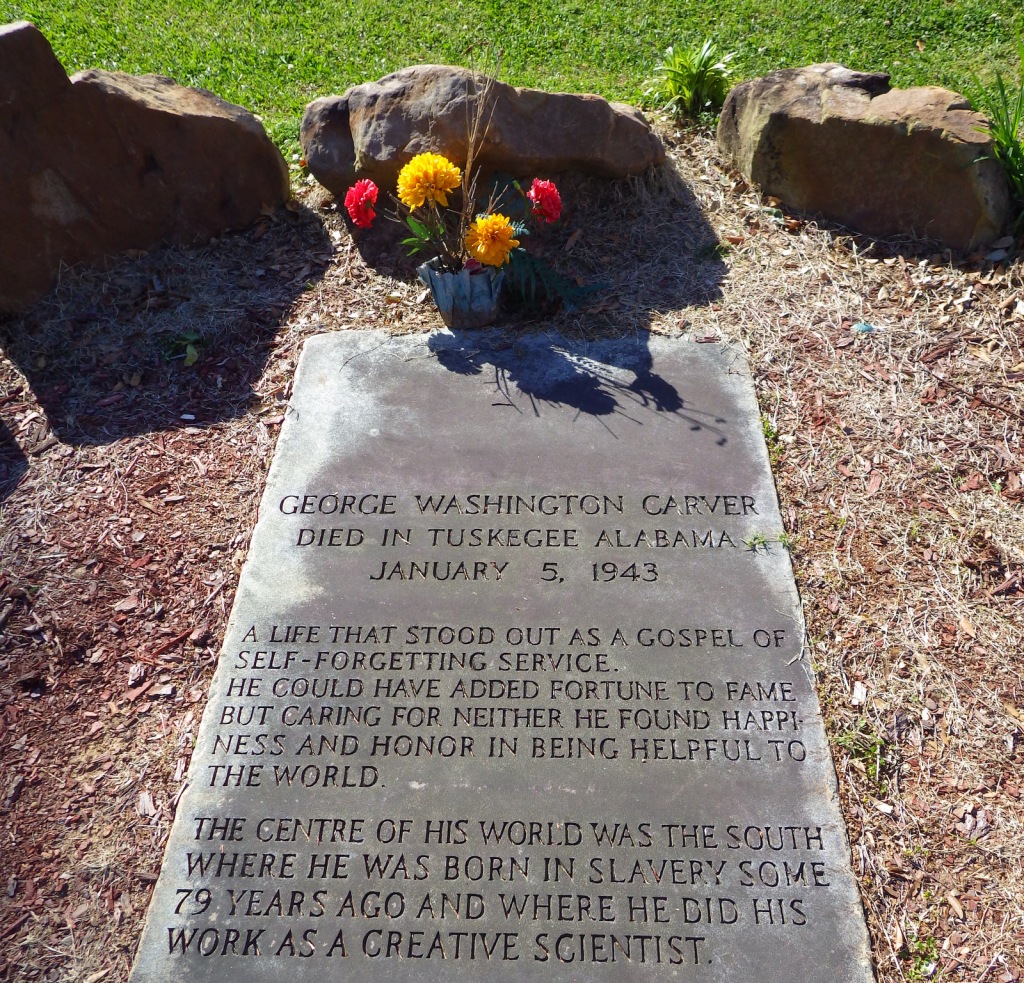
This historic college for African Americans is also the final resting place for pioneering staff members Booker T. Washington and George Washington Carver.  In 1881, a 25-year-old Washington moved to an abandoned plantation in Alabama to found the Tuskegee Normal and Industrial Institute with a $2,000 appropriation from the state.  From its initial enrollment of 30 students, Tuskegee has grown and continues to be an active and prominent university today.

Highlights

Historic campus, George Washington Carver Museum, Tuskegee Chapel, The Oaks

Must-Do Activity

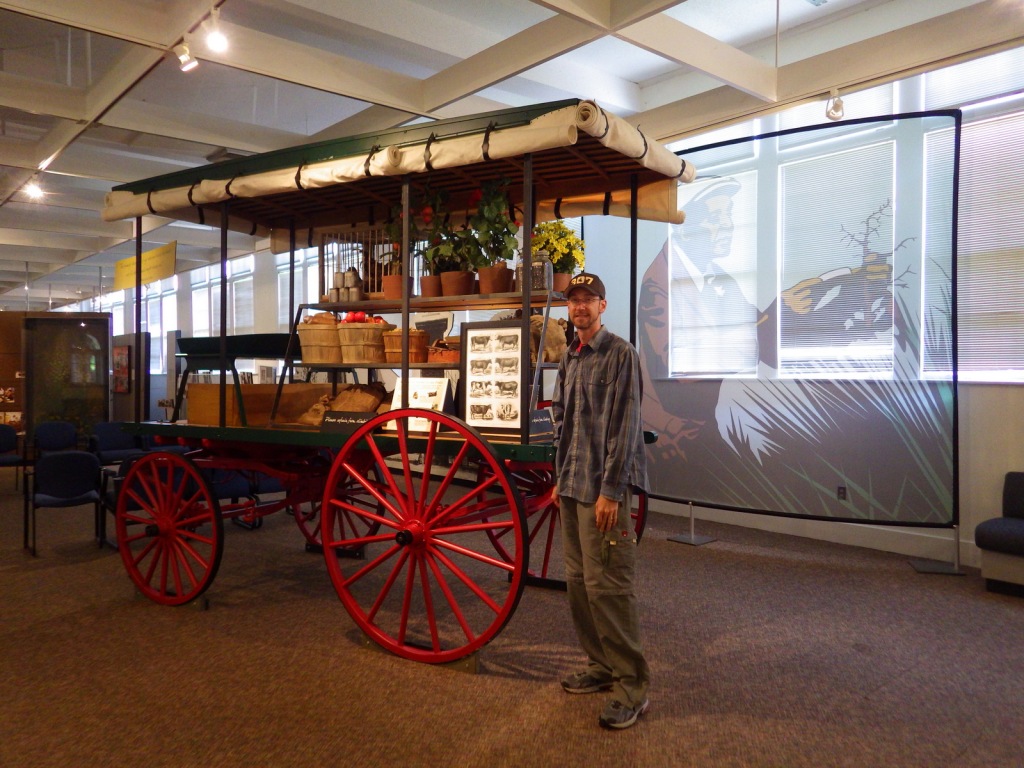
Since only eight of the 58 acres dedicated to this National Historic Site are owned by the National Park Service (NPS) on this active college campus, it behooves you to call ahead to schedule your visit.  Guided tours are available of the university and The Oaks, the historic Washington family home that was built by students.  At least make sure the excellent George Washington Carver Museum is open when you visit.  At the beginning of World War II, the school was selected to train African-American pilots, which is detailed at the nearby Tuskegee Airmen National Historic Site, also managed by the NPS.

Best Trail

None

Instagram-worthy Photo

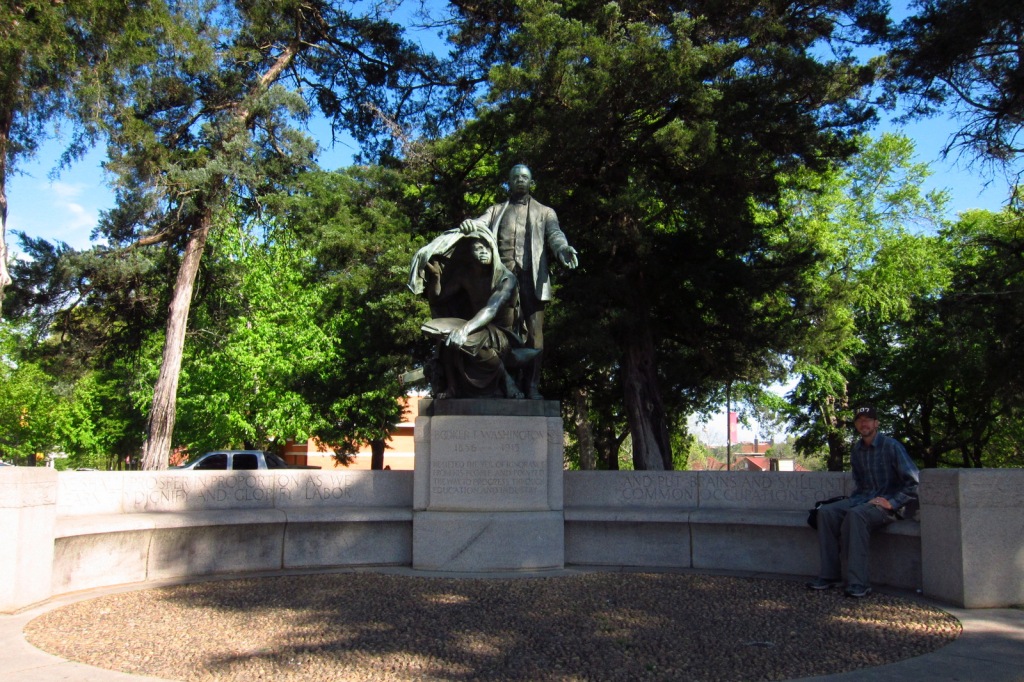
The sculpture of Booker T. Washington lifting the veil of ignorance from a slave was completed by Charles Keck in 1922.

Peak Season

Spring and fall

Hours

https://www.nps.gov/tuin/planyourvisit/hours.htm

Fees

None

Road Conditions

All roads are paved, but there is limited parking on campus for tourists.

Camping

Chewacla State Park is located northeast of town and primitive camping is allowed in Tuskegee National Forest (the smallest U.S. National Forest at 11,252 acres).

Related Sites

Booker T. Washington National Monument (Virginia)

George Washington Carver National Monument (Missouri)

Tuskegee Airmen National Historic Site (Alabama)

Explore More – How many bricks were made and laid by Tuskegee students to build the original chapel in 1896-98?