Tag Archives: mountains

Deerlodge National Forest

Deerlodge National Forest       

Montana

Managed by U.S. Forest Service, Northern Region

1,369,894 acres (1,227,155 federal/ 142,739 other)

Website: https://www.fs.usda.gov/bdnf

Overview

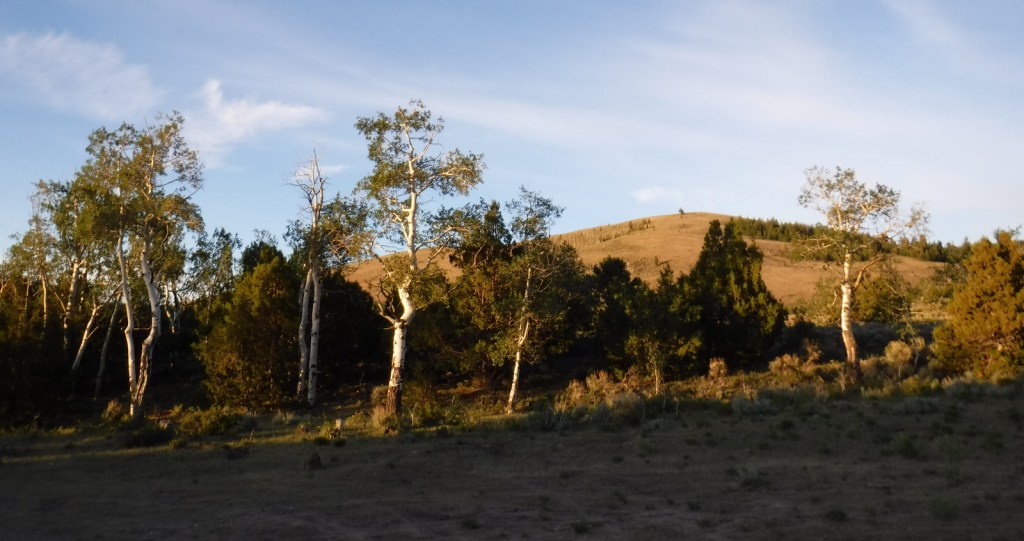
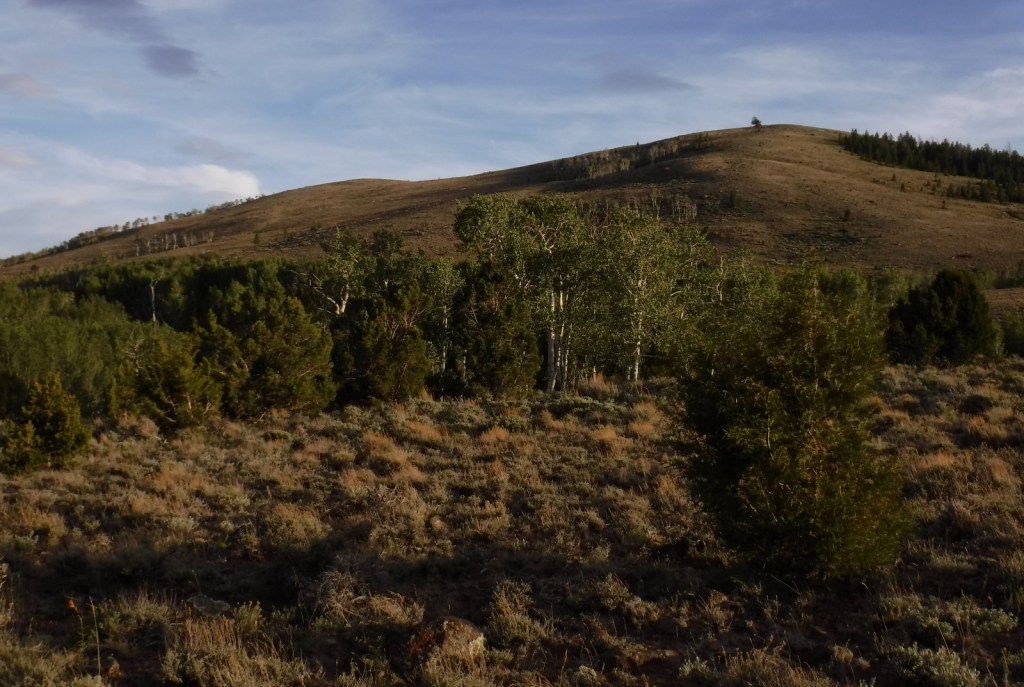
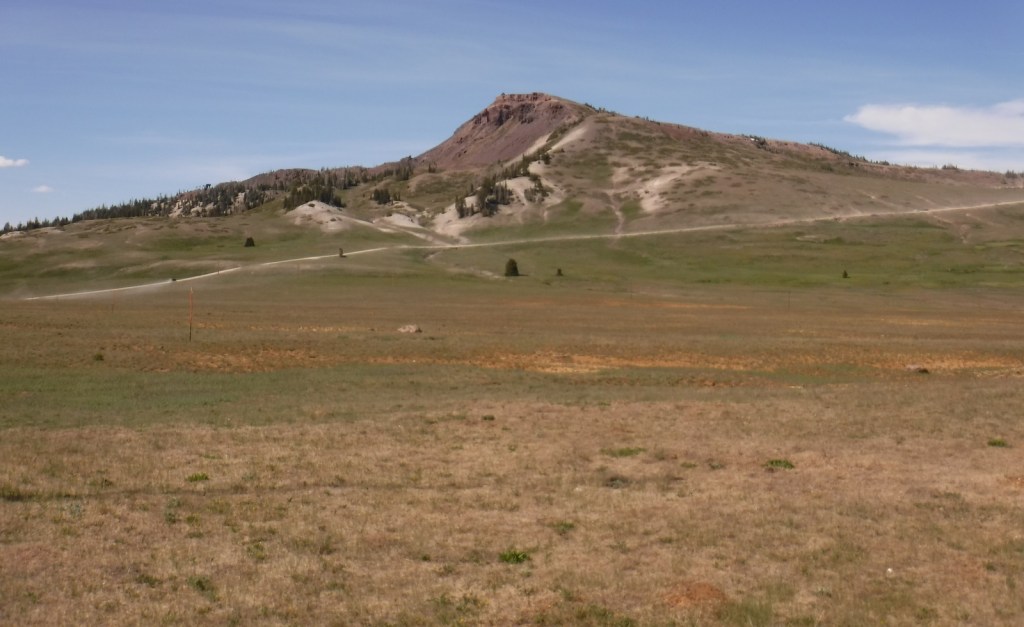
President Theodore Roosevelt originally created the Big Hole Forest Reserve in 1908 after the area around Butte, Montana was clearcut by the Anaconda Copper Mining Company.  There are still many remnants of historical mining found throughout Deerlodge National Forest.  In 1996, it became part of Beaverhead-Deerlodge National Forest, the largest of the many National Forests in Montana.  The smaller and more northerly Deerlodge section includes portions of the Boulder Mountains, Highland Mountains, Flint Creek Range, John Long Mountains, and Elkhorn Mountains, as well as part of the Anaconda-Pintler Wilderness.

Highlights

Pintler Scenic Loop, Skalkaho Pass, Elkhorn ghost town, Boulder River, Sheepshead Recreation Area, Delmoe Lake, Pipestone Rock, Maud South Canyon Loop Trail, Lost Cabin National Recreation Trail

Must-Do Activity

Butte, Montana is surrounded by mountains that are part of Deerlodge National Forest and many dirt roads explore this area.  One road leads to Delmoe Lake, six miles east of Butte and located near Pipestone Rock, once a source of stone for making various implements.  Ghost towns accessible by road include the mining settlements of Elkhorn and Highland City.  The Deer Lodge Mound is a 40-foot-tall geothermal formation that resembles a medicine lodge with steam emitting from its top.  Historically, the mineral-laden water attracted large herds of deer.  It is currently on the grounds of the Warm Springs State Hospital and is visible from Interstate 90.

Best Trail

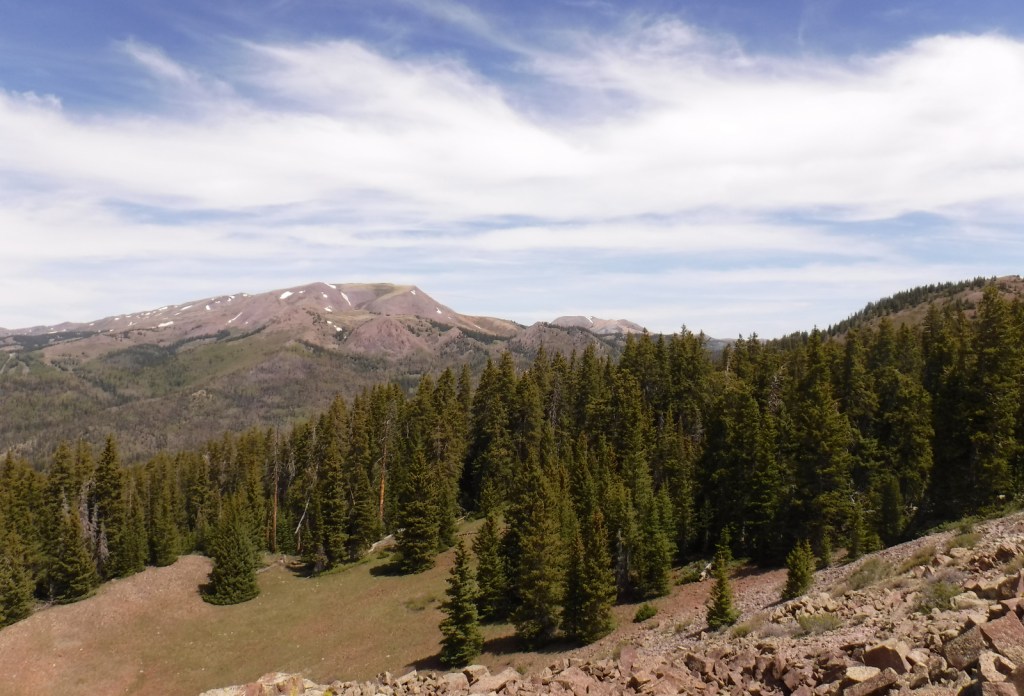
Although the official trailhead for Haystack Mountain National Recreation Trail is 1.2 miles uphill from Interstate 15, we had to park along the frontage road because access required a high-clearance vehicle.  This added about 700 feet of elevation gain to the 2,000 feet from the trailhead and made the total hike eight miles out-and-back.  There is not much shade along the route that ends in a mountaintop boulder field with stunning panoramic views and the remnants of a fire lookout tower.

Watchable Wildlife

Due to its proximity to Yellowstone National Park, Deerlodge National Forest still has most of its pre-settlement carnivores: grizzly bears, black bears, mountain lions, Canadian lynx, coyotes, and gray wolves.  Grazing ungulate species include moose, elk, mule deer, white-tailed deer, bighorn sheep, mountain goats, and pronghorns.  Bald eagles and ospreys are common around bodies of water.  Mountain whitefish, golden trout, cutthroat trout, rainbow trout, brook trout, lake trout, arctic grayling, and burbot are some of the gamefish sought by fishermen.

Instagram-worthy Photo

The boulder field at the end of Haystack Mountain National Recreation Trail provides 360° views (even on a smoky day), which is why it once housed a fire lookout tower.

Peak Season

Summer

Fees

None

Road Conditions

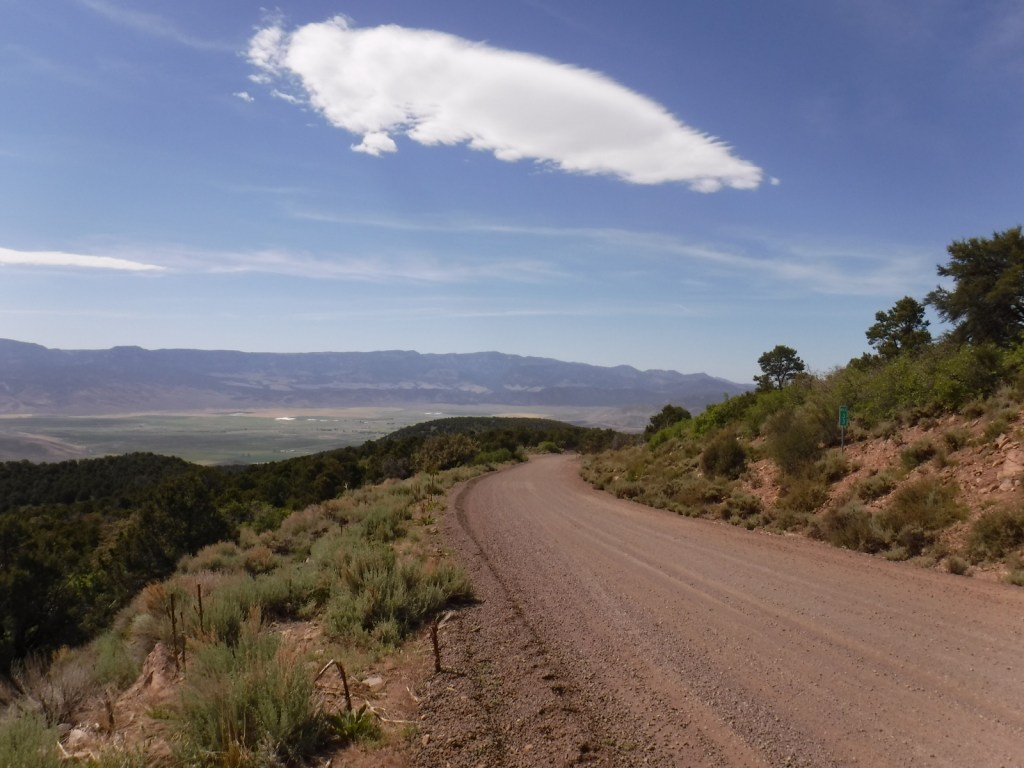
There are many rough roads in Deerlodge National Forest, including the one to the official trailhead for Haystack Mountain National Recreation Trail, 1.2 miles uphill from an Interstate 15 frontage road. 

Camping

There are campgrounds throughout the National Forest, including several along the Boulder River and one on the southern side of Toll Mountain.

Wilderness Areas

Anaconda-Pintler Wilderness (also in Beaverhead and Bitterroot National Forests)

Related Sites

Grant-Kohrs Ranch National Historic Site (Montana)

Beaverhead National Forest (Montana)

Bitterroot National Forest (Montana-Idaho)

Nearest National Park
Yellowstone

Conifer Tree Species

lodgepole pine, whitebark pine, ponderosa pine, Douglas-fir, Engelmann spruce, subalpine fir, subalpine larch

Flowering Tree Species

quaking aspen, balsam poplar, Bebb willow, sagebrush

Explore More – The Anaconda Copper Mine is one of the largest open pit mines in the world, but what originally brought miners to this region in the 1800s?

Learn more about this and the 154 other National Forests in our new guidebook Out in the Woods

We are a participant in the Amazon Services LLC Associates Program, an affiliate advertising program designed to provide a means for us to earn fees by linking to Amazon.com and affiliated sites.

National Park of American Samoa

National Park of American Samoa

American Samoa (territory)

Managed by National Park Service

Established 1988

13,500 acres

Website: nps.gov/npsa

Overview

The only U.S. territory located south of the equator, American Samoa is home to a National Park unlike any other in the National Park Service system.  In 1900, the U.S. Navy Governor outlawed the sale of land to non-Samoans so the federal government leases the land for the park on three separate islands in the South Pacific Ocean.  There are two flights per week to Pago Pago (on the island of Tutuila) from Honolulu, Hawai‘i on Mondays and Thursdays, and flights from Pago Pago to Ofu Island on Tuesdays and Thursdays (only reservable once you are in American Samoa).  You would need to charter a boat from Ofu to nearby Ta‘ū Island to see the highest sea cliffs in the world.

Highlights

Mt. ‘Alava Trail, Tuafanua Trail, Pola Island Trail, Blunts Point Trail (outside park), Matafao Peak Trail (outside park), Fagatele Bay (outside park, currently closed), Lower Sauma Ridge Trail

Must-Do Activity

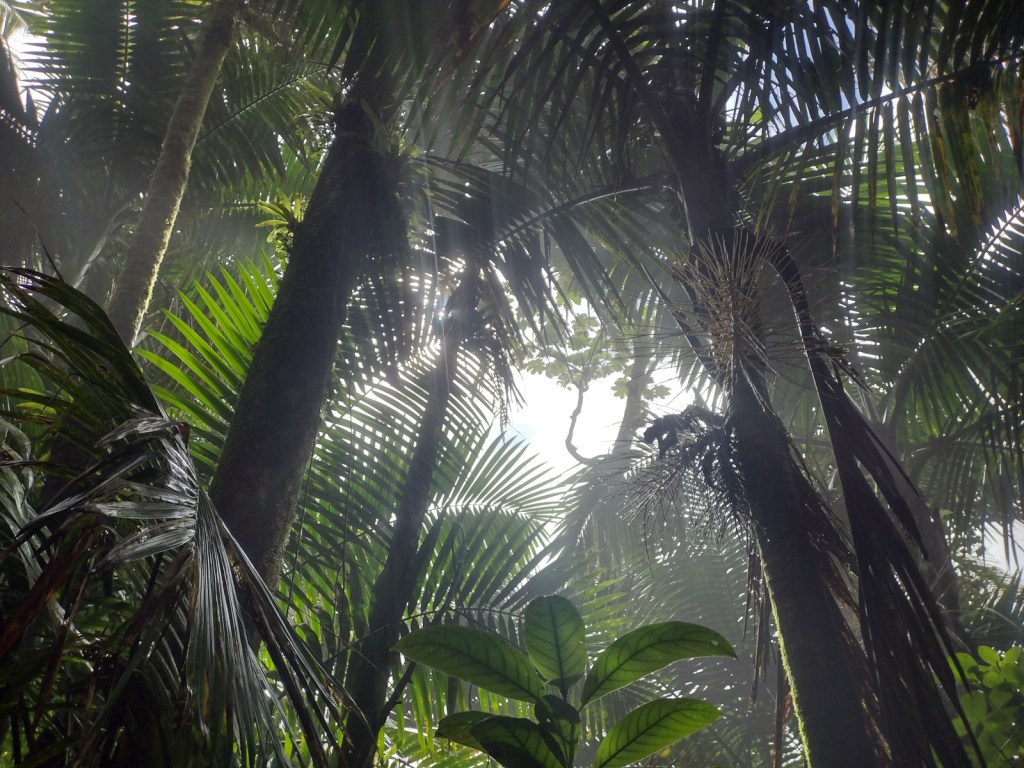
The best place to start is the visitor center in Pago Pago, where the park rangers can answer your questions and update you on what trails are currently open.  Hiking is the only activity on Tutuila, at least with the waves as large as they were during our visit.  We have heard there is good snorkeling right off the beach on Ofu, and we found good coral reefs in Utulei protected within Pago Pago Harbor (outside the National Park at Sadie’s by the Sea).  The coral is very shallow in most places, so it is best to snorkel around high tide.  Everything about this tropical forest is unique, but we were most fascinated by the fruit bats called flying foxes that are diurnal and have three-foot wingspans.

Best Trail

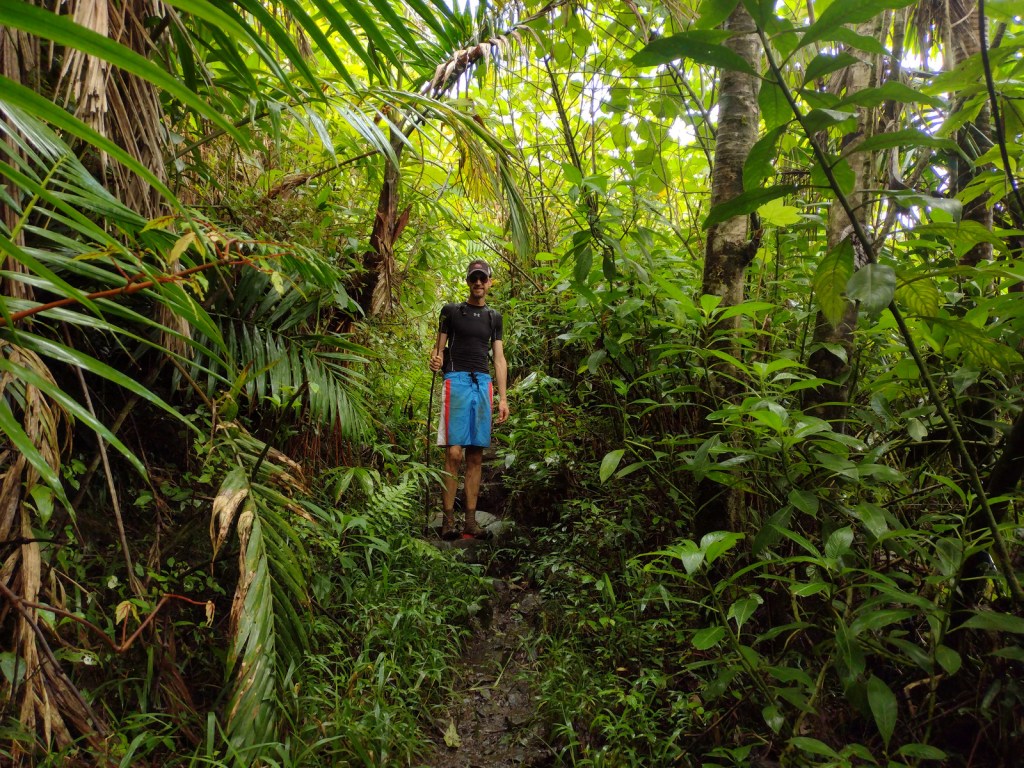
The Mt. ‘Alava Trail travels 3.4 miles one-way from Fagasā Pass on an old, rutted road to an incredible overlook of Pago Pago Harbor where an old tramway station sits rusting.  If you continue along the ridgeline you immediately come to a “ladder” built into the slope with a knotted rope for dropping down the muddy hill, which is part of the Mt. ‘Alava Adventure Trail (which is partially closed and not a loop).  This is the first of many ladders that descend the 1,610-foot mountain to the seaside village of Vatia.  It would be difficult to find the trailhead from that side (it is basically in somebody’s backyard) and since there is not currently a bus to Vatia we rode in the bed of a pickup truck back to the main road in Aua.

Instagram-worthy Photo

The Lower Sauma Ridge Trail quickly drops down about 300 feet to an incredible view of Pola Island and Vai‘ava Strait National Natural Landmark.

Peak Season

Year round, but the Park Ranger we met said she recommends April after the rainy season ends

Hours

https://www.nps.gov/npsa/planyourvisit/basicinfo.htm

Fees

There is no entrance fee, but this is one of the most expensive National Parks to visit (a roundtrip plane ticket from Honolulu costs around $1,000 per person).

Road Conditions

All roads are paved except for the short stretch to the Pola Island Trailhead, which requires high clearance.  There is no longer a bus that runs to Vatia, so you will need to rent a car to access the trails on the north side of the island, but we did catch a bus to Fagasā Pass for the Mt. ‘Alava Trail (and some buses run on Sunday despite what we were told).

Camping

There is no camping allowed in the National Park, but there are other accommodations on Tutuila (we stayed at an Airbnb in Mesepa).  Since the COVID-19 pandemic, the National Park Service has not been able to get any families to volunteer for the Homestay Program that this park was once known for.

Related Sites

War in the Pacific National Historical Park (Guam)

Haleakalā National Park (Hawai‘i)

El Yunque National Forest (Puerto Rico)

Explore More –What tragic event occurred in 1980 that shut down the tramway across Pago Pago Harbor?

We are a participant in the Amazon Services LLC Associates Program, an affiliate advertising program designed to provide a means for us to earn fees by linking to Amazon.com and affiliated sites.

Custer National Forest

Custer National Forest

Montana, South Dakota

Managed by U.S. Forest Service, Northern Region

1,278,749 acres (1,188,130 federal/ 90,619 other)

Website: https://www.fs.usda.gov/custergallatin

Overview

Custer National Forest is split across multiple units from the Absaroka Mountains in southern Montana east to five isolated patches in the northwest corner of South Dakota.  It ranges in elevation from dry prairies to glaciated summits, including the highest point in Montana (12,807-foot Granite Peak).  In eastern Montana, Capitol Rock is a sandstone and white clay formation that looks like a capitol dome from the east.  In South Dakota, the National Forest also encompasses The Castles National Natural Landmark.  Since 2014, Custer and Gallatin National Forests have been managed together as Custer-Gallatin National Forest.

Highlights

Beartooth All-American Road, Rock Creek Vista, Hellroaring Plateau, Granite Peak, East Rosebud Lake, Impasse Falls, Crooked Creek Canyon, Big Ice Cave, Pryor Mountains Wild Horse Range, Lost Water Canyon, Cook Mountains, Tongue River Breaks, Poker Jim Lookout, Chalk Buttes, Capitol Rock, Slim Buttes, The Castles, Glacier Lake, Basin Creek National Recreation Trail, Basin Lakes Trail

Must-Do Activity

Custer National Forest is most famous for its stretch of Highway 212 (Beartooth All-American Road) that climbs switchbacks from the prairie around Red Lodge, Montana up to 10,947 feet at Beartooth Pass across the Wyoming border in Shoshone National Forest.  These two National Forests also share with Gallatin National Forest the giant 943,626-acre Absaroka-Beartooth Wilderness, which contains 12,807-foot Granite Peak.  Backpackers come from around the world to this Wilderness in the summer because its trailheads start at such high elevations that it does not require much climbing to reach scenic alpine lakes.

Best Trail

There are more than 1,500 miles of hiking trails in Custer National Forest, mostly concentrated in the western mountains.  From the Glacier Lake Trailhead (high-clearance vehicle required), the two-mile Glacier Lake Trail steadily climbs 1,100 feet then drops into a bowl containing a stunning reservoir that straddles the Wyoming-Montana state border.  You can turn around here at 9,691 feet in elevation or continue around the north side of the lake up to Goat and Sheep Lakes.  We backpack camped at Glacier Lake for one night during Labor Day weekend and had the place to ourselves.

Watchable Wildlife

In addition to the raptors typical of western National Forests, merlins (a type of small falcon) are more common here than anywhere else in the country.  Mammalian predators include grizzly bears, black bears, gray wolves, coyotes, red foxes, pine martens, mountain lions, and bobcats.  Ungulates found here are pronghorns, moose, mountain goats, bighorn sheep, mule deer, elk, and bison (on private ranches).

Instagram-worthy Photo

During our backpacking trip, the Glacier Lake reservoir was especially scenic during the jaw-dropping twilight hours when the mountains were drenched in alpenglow.

Peak Season

Summer

Fees

None

Road Conditions

The paved Beartooth All-American Road (Highway 212) is typically open only June to October due to snow.  At the bottom of the “Beartooth Switchbacks” on Highway 212 in southern Montana is Main Fork Rock Creek Road, a rough dirt road that follows the shallow creek past campgrounds and dispersed campsites back to Glacier Lake Trailhead.  A high-clearance vehicle or an ATV is required if you want to drive the entire eight miles.  Many recreationists bring the latter to tackle the nearby road that steeply ascends to the top of 11,000-foot-high Hellroaring Plateau.

Camping

There are more than 30 campgrounds in Custer National Forest, as well as numerous dispersed camping options (especially on roads west of Red Lodge, Montana).

Wilderness Areas

Absaroka-Beartooth Wilderness (also in Gallatin and Shoshone National Forests)

Related Sites

Bighorn Canyon National Recreation Area (Montana-Wyoming)

Little Bighorn Battlefield National Monument (Montana)

Beaverhead National Forest (Montana)

Nearest National Park

Yellowstone

Conifer Tree Species

Douglas-fir, ponderosa pine, lodgepole pine, limber pine, whitebark pine, Engelmann spruce, subalpine fir, Rocky Mountain juniper

Flowering Tree Species

eastern cottonwood, quaking aspen, water birch, Rocky Mountain maple, boxelder, Bebb willow, blue elderberry, choke cherry, white alder, curlleaf mountain-mahogany, sagebrush

Explore More – Found on the side of Granite Peak, how did Grasshopper Glacier get its name?

Learn more about this and the 154 other National Forests in our new guidebook Out in the Woods

We are a participant in the Amazon Services LLC Associates Program, an affiliate advertising program designed to provide a means for us to earn fees by linking to Amazon.com and affiliated sites.
Coronado National Forest

Coronado National Forest

Arizona

Managed by U.S. Forest Service, Southwestern Region

1,859,807 acres (1,786,620 federal/ 73,187 other)

Website: https://www.fs.usda.gov/coronado

Overview

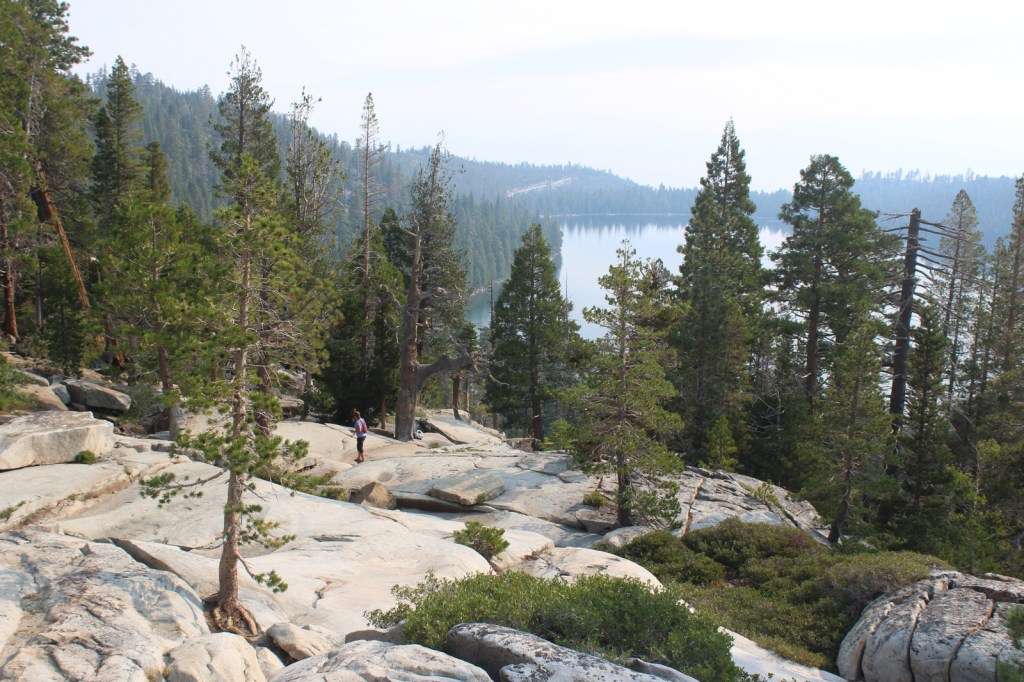
Coronado National Forest is sprinkled across the southeastern Arizona landscape, encompassing many forested “sky islands” that rise above the surrounding Sonoran Desert.  The isolation of these ranges has led to the evolution of some endemic species of plants and animals unique to this region.  That isolation also allows for clear night skies, so there are several peaks with astronomical observatories.  The most visited portion of the forest is the Santa Catalina Mountains, easily accessible along the paved 35-mile-long Catalina Highway east of Tucson, Arizona. 

Know someone who loves the National Forests? Gift them our travel guidebook Out in the Woods so they can learn more about all 155 National Forests.

Highlights

Catalina Highway, Sabino Canyon Recreation Area, Mt. Lemmon, Windy Point, Madera Canyon, Sky Island Scenic Byway, Mt. Graham, Onyx Cave, Madera Canyon, Mt. Hopkins Observatory, Pena Blanca Lake, Ramsey Canyon, Miller Peak, Cochise Stronghold

Must-Do Activity

The Santa Catalina Mountains offer many recreational opportunities, from road biking to downhill skiing at the top of 9,157-foot Mt. Lemmon (the southernmost ski area in the U.S.).   The scenic beauty and expansive vistas along the Catalina Highway are worth the many switchbacks, and you might drive past some of the most famous triathletes in the world who train here in the winter.  The drive ascends through multiple life zones from saguaro-dotted desert to ponderosa pine forest.  At the base of the Santa Catalina Mountains is the busy Sabino Canyon Recreation Area (fee).

Best Trail

Box Camp Trail is special to us as it was the site of our first date, marriage proposal, and wedding ceremony.  Over the course of 13 miles, Box Camp Trail drops 5,000 feet in elevation from ponderosa pine forest through pinyon-juniper woodland to the desert of Sabino Canyon dominated by saguaro cacti.  The rugged trail disappears in places, but offers incredible views along the way.  Route finding is required as the trail is somewhat overgrown (with downed trees from wildfires), plus the one-way hike requires two cars, one left at Sabino Canyon Recreation Area and one at the trailhead on the Catalina Highway. 

Watchable Wildlife

The Sonoran Desert is home to numerous unique wildlife species from roadrunners to Coues white-tailed deer.  Many of the animals are nocturnal to avoid the heat of the day, including ringtails (or ring-tailed cats), kangaroo rats, and javelinas (or collared peccaries).  The “sky islands” provide habitat for black bears, coyotes, skunks, mountain lions, bobcats, pronghorns, mule deer, and elk.  Sabino Canyon Recreation Area is known for its coatis, relatives of raccoons that typically travel in packs.

Instagram-worthy Photo

Windy Point is a spectacular overlook along the Catalina Highway in the pinyon-juniper woodland zone.  Not a bad spot for wedding photos, if we do say so ourselves.

Peak Season

Spring and fall

Fees

There is a fee to park at Sabino Canyon Recreation Area, plus a charge for the tram ride. Check the USFS website for details.

Road Conditions

The paved Catalina Highway is sometimes closed due to snow and ice in the winter.  There are some rough roads in this part of the Sonoran Desert, and especially be aware of the potential for flash flooding.

Camping

There are designated campgrounds along the Catalina Highway and throughout Coronado National Forest.  We dispersed camped near Dragoon Springs Station south of Interstate 10, but the access roads were in bad shape.

Wilderness Areas

Chiricahua Wilderness

Galiuro Wilderness

Miller Peak Wilderness

Mount Wrightson Wilderness

Pajarita Wilderness

Pusch Ridge Wilderness

Rincon Wilderness

Santa Teresa Wilderness

Related Sites

Coronado National Memorial (Arizona)

Tumacácori National Historical Park (Arizona)

Chiricahua National Monument (Arizona)

Nearest National Park

Saguaro

Conifer Tree Species

two-needle pinyon pine, alligator juniper, ponderosa pine, Chihuahua pine, Apache pine

Flowering Tree Species

Emory oak, Arizona oak, Mexican blue oak, Arizona rosewood, black alder, Arizona walnut, velvet ash, Arizona sycamore, quaking aspen

Explore More – Who was the famous ecologist that studied the similarity of increasing elevation to increasing latitude more than a century ago in the Santa Catalina Mountains?

Learn more about this and the 154 other National Forests in our guidebook Out in the Woods

Colville National Forest

Colville National Forest

Washington

Managed by U.S. Forest Service, Pacific Northwest Region

1,029,617 acres (954,409 federal/ 75,208 other)

Website: https://www.fs.usda.gov/colville

Overview

In northeast Washington, Colville National Forest is divided into two sections on either side of the Columbia River.  In the west are the Kettle River Mountains, which are crossed by Sherman Pass Scenic Byway (Highway 20).  To the east, the remote Selkirk Mountains contain the Salmo-Priest Wilderness that spills over into Kaniksu National Forest.  Colville National Forest also borders Little Pend Oreille National Wildlife Refuge and Lake Roosevelt National Recreation Area.

Highlights

Sherman Pass Scenic Byway, Pewee Falls, Sullivan Lake, Marble Creek Falls, Trout Lake, Kettle Creek National Recreation Trail, Crowell Ridge Trail, Sherman Creek Trail, Grassy Top National Recreation Trail, Brown’s Lake Interpretive Trail, Pacific Northwest National Scenic Trail

Must-Do Activity

In the Selkirk Mountains east of the Pend Oreille River, the large Sullivan Lake is a scenic spot for boating and camping.  Designated in 1978, the Sullivan Lake National Recreation Trail runs 4.3 miles between the two campgrounds located at either end of the lake.  Colville National Forest is also known for 200-foot-tall Pewee Falls that cascades into the Boundary Dam Reservoir near the Canadian border, but we did not make it up there.

Best Trail

Hoodoo Canyon Trail is 4.8 miles one-way and accessible from two trailheads, one on unpaved Deadman Creek Road and the other at Trout Lake Campground, which is five miles from the Sherman Pass Scenic Byway.  We started out in the rain from our dispersed campsite along Deadman Creek Road and the trail soon made a steep climb through a dense conifer forest.  Eventually the route leveled out and we got our first view of shamrock green Emerald Lake, so we took a well-worn path down to its shoreline.  The trail was officially closed at the 3.2-mile point due to a small landslide (see photo), but it was not hard to navigate past that spot to gain a view of Trout Lake, at which point we turned around.

Watchable Wildlife

The remote Selkirk Mountains represent the sole place south of Canada where there is a herd of mountain caribou.  Grizzly bears, Canadian lynx, mountain lions, and gray wolves also inhabit this wild borderland region.  More common species include mule deer, bighorn sheep, moose, beavers, bald eagles, and loons.

Instagram-worthy Photo

The water of Emerald Lake truly lives up to its gem of a name, even on a cloudy day.

Peak Season

Summer

Fees

None

Road Conditions

Sherman Pass Scenic Byway (Highway 20) is paved, but most the roads we drove through Colville National Forest were unpaved but in very good condition.

Camping

Trout Lake Campground seemed like a nice spot, secluded but only five miles off the Sherman Pass Scenic Byway.  We found many excellent dispersed campsites along the unpaved portions of Deadman Creek Road.

Wilderness Areas

Salmo-Priest Wilderness (also in Kaniksu National Forest)

Related Sites

Lake Roosevelt National Recreation Area (Washington)

Ross Lake National Recreation Area (Washington)

Lake Chelan National Recreation Area (Washington)

Nearest National Park

North Cascades

Conifer Tree Species

Douglas-fir, grand fir, subalpine fir, lodgepole pine, western larch, western redcedar

Flowering Tree Species

syringa, quaking aspen, Pacific dogwood, red alder, balsam poplar, dwarf birch, paper birch, Piper’s hawthorn, boxelder, Bebb willow, western mountain-ash, choke cherry, western serviceberry, red alder, mountain alder

Explore More – Who was Andrew Colvile, other than the man that Fort Colville [sic] was misnamed for in 1825?

Learn more about this and the 154 other National Forests in our new guidebook Out in the Woods

We are a participant in the Amazon Services LLC Associates Program, an affiliate advertising program designed to provide a means for us to earn fees by linking to Amazon.com and affiliated sites.