Tag Archives: mountains

White Rocks National Recreation Area

Robert T. Stafford White Rocks National Recreation Area

Vermont

Managed by U.S. Forest Service, Eastern Region

22,624 acres

Website: https://www.fs.usda.gov/recarea/gmfl/recarea/?recid=64987

Overview

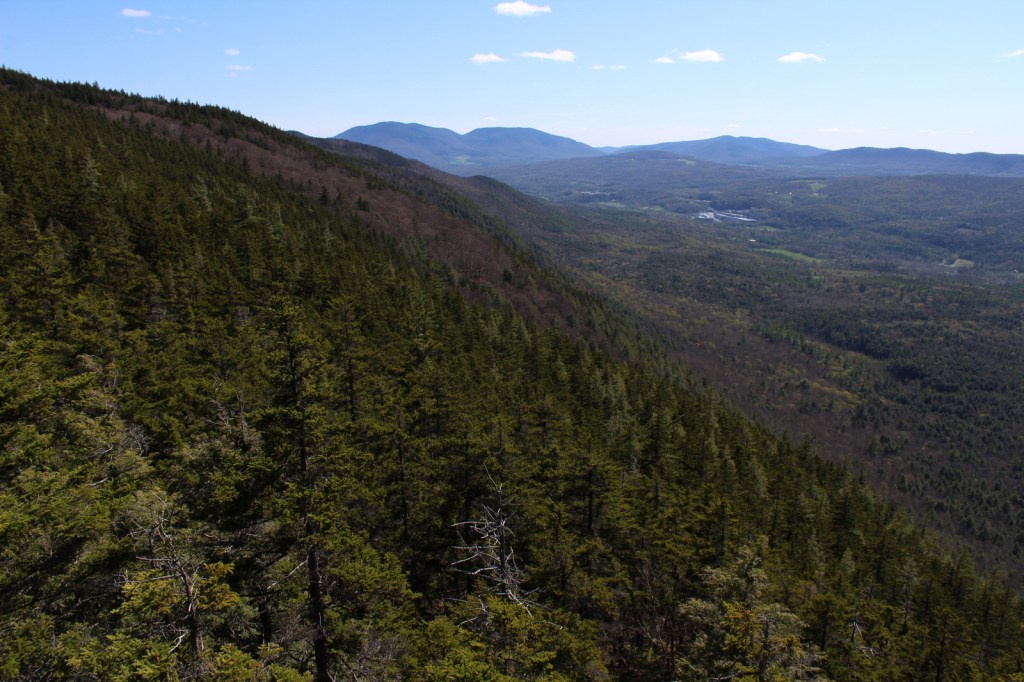
White Rocks National Recreation Area is located in the southern portion of Vermont’s Green Mountain National Forest and was officially renamed Robert T. Stafford White Rocks National Recreation Area.  It encompasses Big Branch Wilderness, Peru Peak Wilderness, Big Branch Observation Area, and its namesake White Rocks Picnic Area (see Must-Do Activity).  A section of the Long Trail (which in 1931 became the first named long-distance hiking trail in America) passes through this area, where it coincides with the newer Appalachian National Scenic Trail (AT).  Other popular activities include biking, fishing, snowshoeing, cross-country skiing, and snowmobiling.

Highlights

Big Branch Observation Area, White Rocks Day Use Area, Bully Brook, Ice Beds Trail, Keewaydin Trail, White Rocks Cliffs Trail, Greenwall Shelter, Long Trail, Appalachian National Scenic Trail

Must-Do Activity

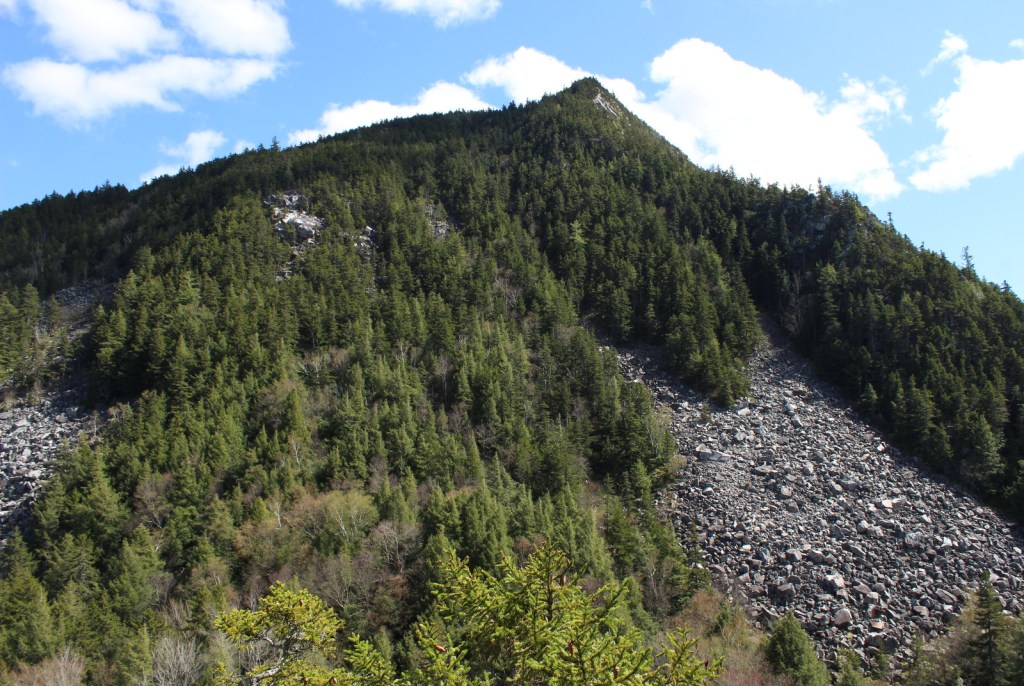
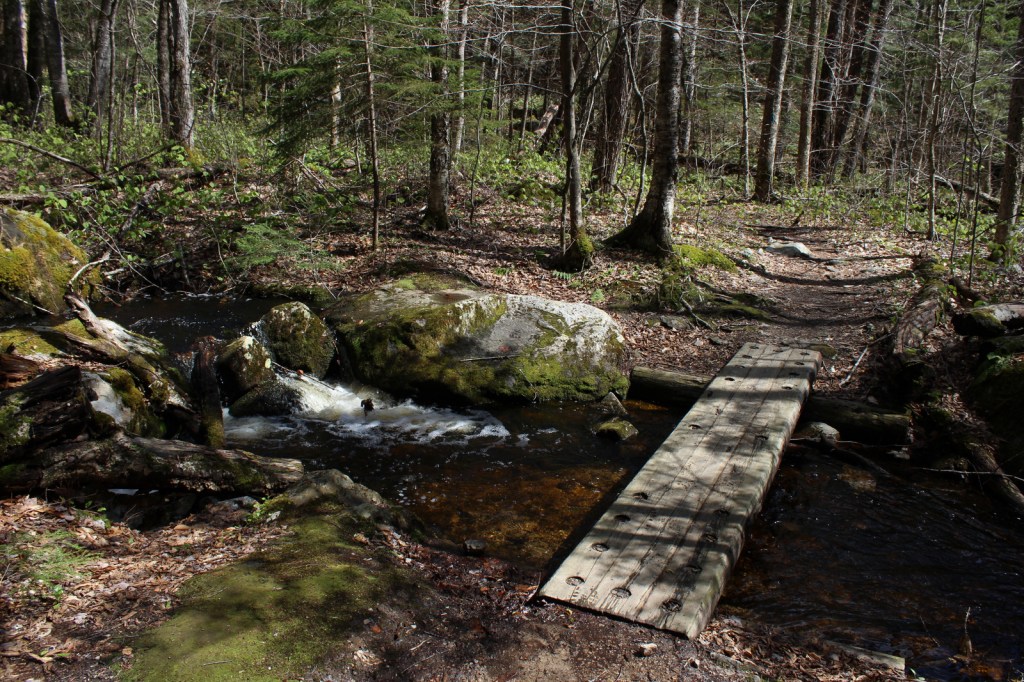
A great place to access Robert T. Stafford White Rocks National Recreation Area is the White Rocks Day Use Area off State Route 140.  Several trails start from the picnic area, including a short walk to a cascading waterfall on Bully Brook.  Less than a mile up the Ice Beds Trail, a short climb reaches a viewpoint of the white rocks, a glacier-scoured cliff of Cheshire quartzite, which was used by Native Americans to make tools.  Continue on this trail 0.9 miles one-way to the Ice Beds where ice melts deep in a scree slope throughout the summer.  You probably will not see any ice, but it is deep in the rocky recesses and releases cool drafts of air.  We were told by a local that there is a black bear named Jenny that hangs out around the trailhead.

Best Trail

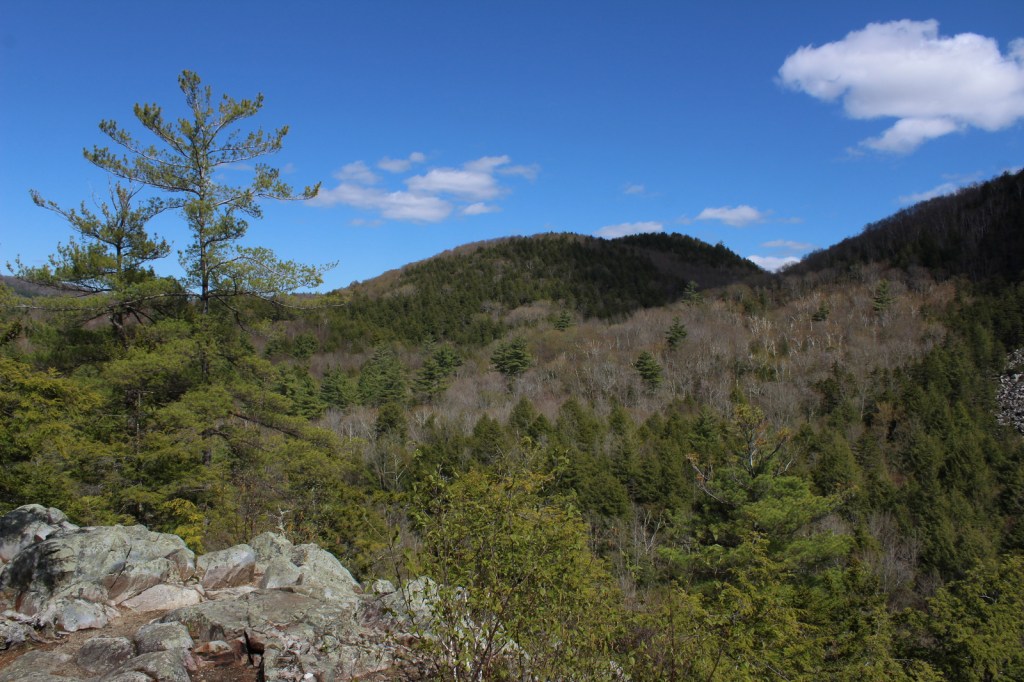
In 0.4 miles from White Rocks Day Use Area, Keewaydin Trail connects with the Long Trail and Appalachian Trail (AT).  By going south, the trail ascends 1,250 feet to a cutoff for the Greenwall Shelter and just past there watch for a stone cairn on the right side.  From there a side trail descends 0.2 miles to an overlook above the White Rock Cliffs providing views of the Adirondack and Taconic Mountains (3.8 miles roundtrip).

Instagram-worthy Photo

Visible less than a mile up the Ice Beds Trail, the white rocks are a glacier-scoured cliff of Cheshire quartzite once used by Native Americans to make tools.

Peak Season

Summer

Fees

None

Road Conditions

State Route 140 is paved, but the access road to White Rocks Day Use Area is an unpaved road passable by RVs.

Camping

Overnight shelters on the Long Trail/AT at Greenwall and Minerva Hinchey are free, while camping at Little Rock Pond, Peru Peak, Stratton Pond, and Griffith Lake requires a $5 per person, per night fee.  Drive-up campgrounds are located on Forest Road 10 at Big Branch and Black Branch near the Big Branch Wilderness.

Related Sites

Green Mountain National Forest (Vermont)

Moosalamoo National Recreation Area (Vermont)

Marsh-Billings-Rockefeller National Historical Park (Vermont)
Explore More – Who was Robert T. Stafford?

Grand Mesa National Forest

Grand Mesa National Forest

Colorado

Managed by U.S. Forest Service, Rocky Mountain Region

351,715 acres (346,555 federal/ 5,160 other)

Website: https://www.fs.usda.gov/gmug

Overview

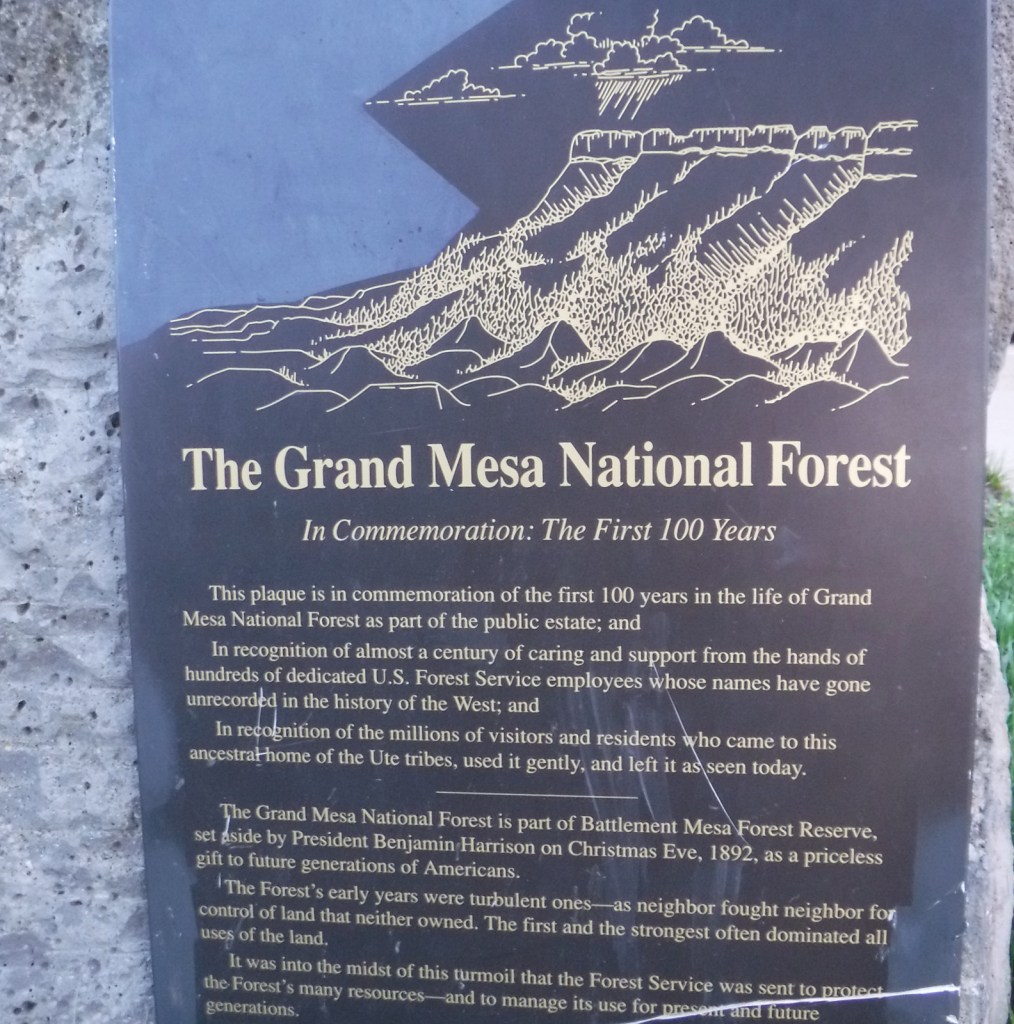
Covering 540 square-miles, Grand Mesa is the largest flattop mountain in the world and has an average elevation of 10,500 feet.  It rises east of Grand Junction and is easily explored via paved Highway 65, also known as Grand Mesa Scenic Byway.  Due to its high elevation, Grand Mesa National Forest is a popular destination for snowmobiles in the winter.  This area was first set aside by President Harrison in 1892 as Battlement Mesa Forest Reserve, only the third such designation in U.S. history.  It is now co-managed with Colorado’s Gunnison and Uncompahgre National Forests.

Highlights

Grand Mesa Scenic Byway, Land’s End Ranger Observatory, Ward Lake, Island Lake Interpretive Trail, Crag Crest National Recreation Trail, Eggleston Lake, Leon Peak, Battlement Trail

Must-Do Activity

Also covering a portion of Battlement Mesa, Grand Mesa National Forest contains more than 300 lakes, several of which have campgrounds.  The Grand Mesa Visitor Center on Highway 65 near Island Lake is a great place to start, with a 20-minute film shown detailing the 1999 Land’s End archaeological excavation that found evidence of 8,000 years of human activity at 9,000 feet in elevation.  Dirt roads travel east from there deeper into the National Forest, or you can take a side trip west on the Grand Mesa Scenic Byway to the visitor center at Land’s End Ranger Observatory for views all the way into Utah’s La Sal National Forest. 

Best Trail

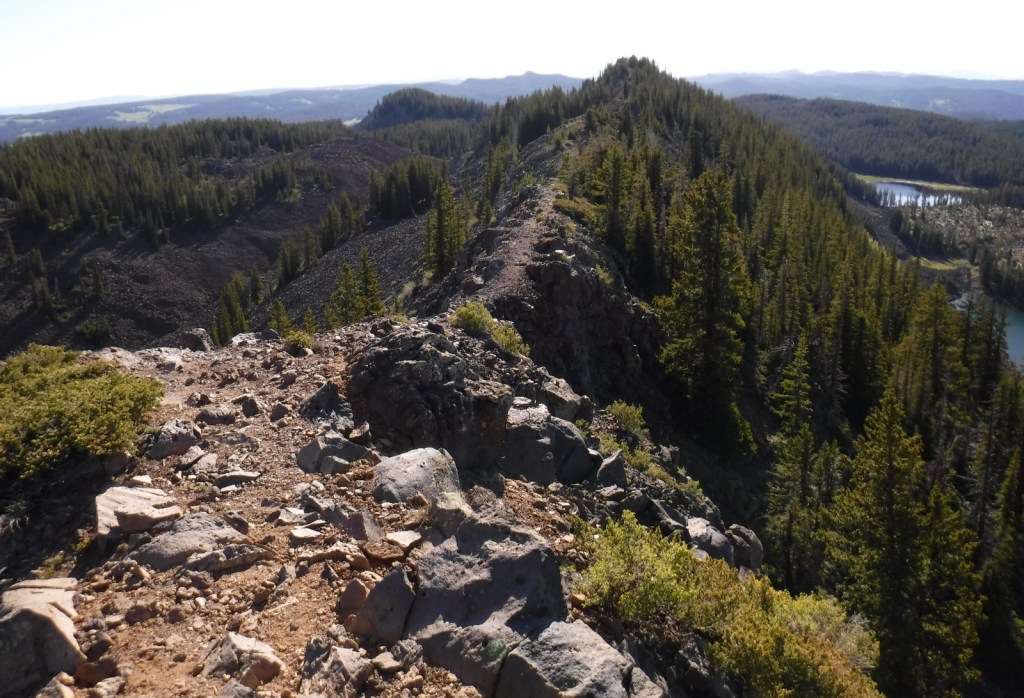
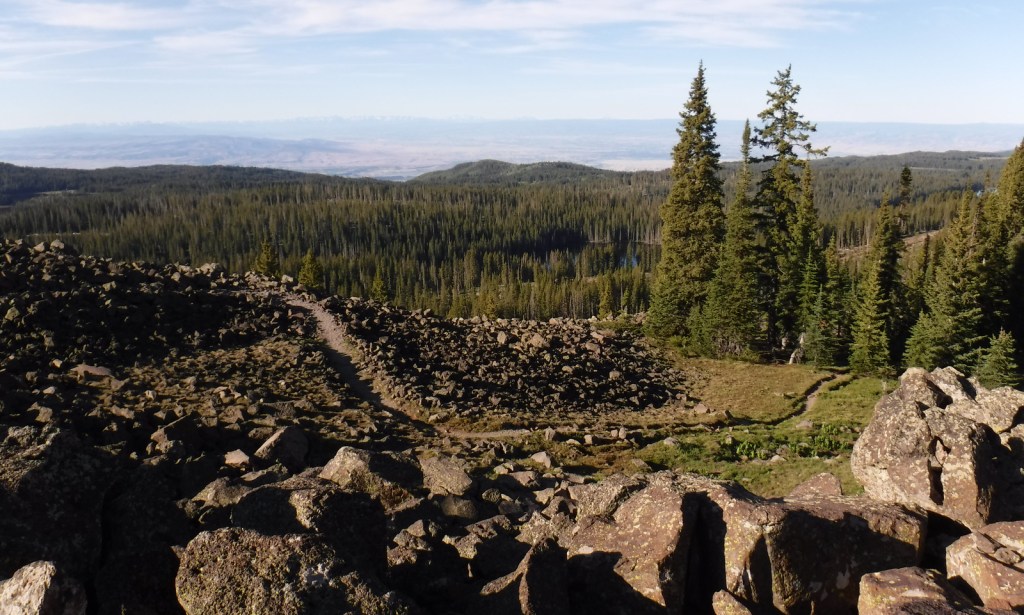
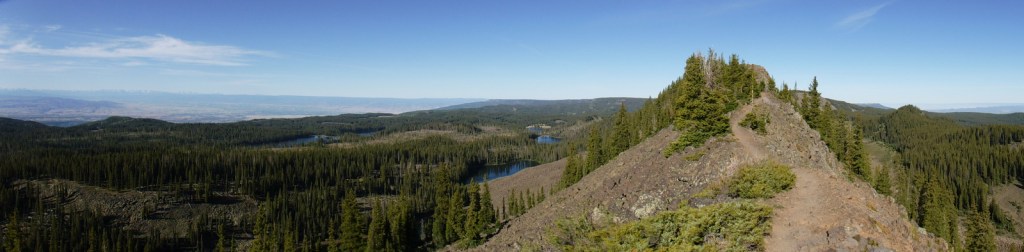
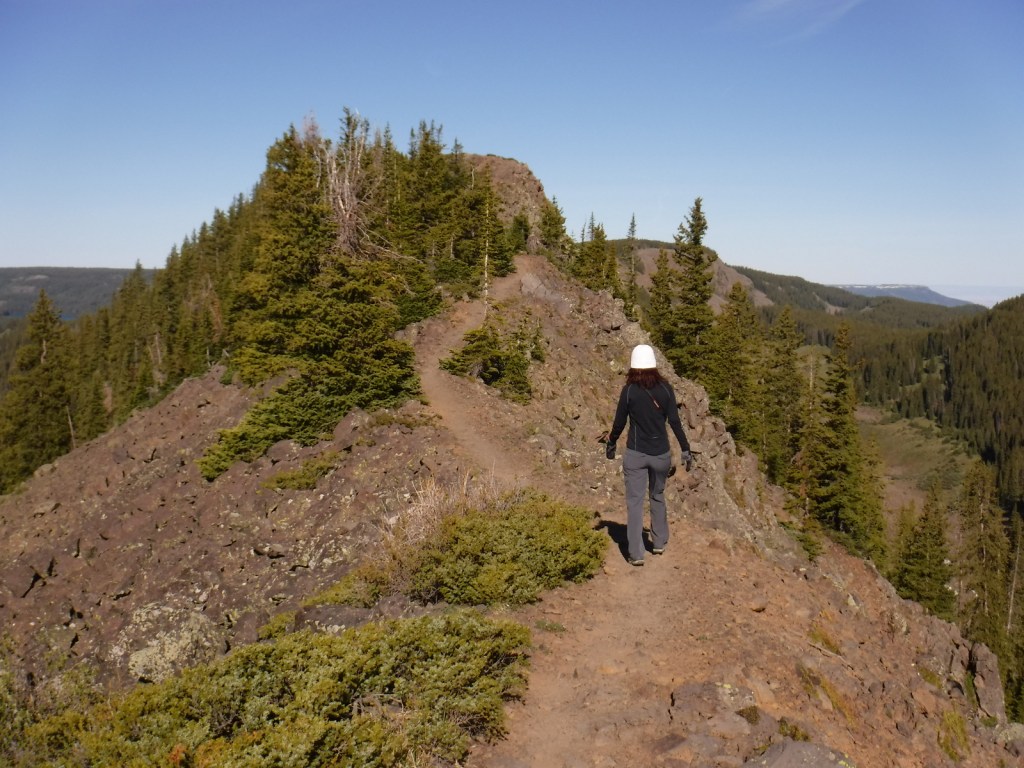
The best trail in Grand Mesa National Forest is without a doubt Crag Crest National Recreation Trail.  It can be hiked as a 10.3-mile loop from two trailheads, one at Island Lake (paved access) and the other at Eggleston Lake (that requires some dirt road driving).  The crest portion of the hike is the highlight as it follows a narrow ridge of volcanic rock that offers spectacular views.  Due to its exposure and the high altitude (up to 11,189 feet) it is recommended that you get an early start to avoid afternoon thunderstorms.  For those not wishing to do the entire loop, we found that by starting out counterclockwise from Eggleston Lake the trail climbs steeply providing panoramas within two miles.  We completed five miles out-and-back with a cumulative elevation gain of 1,100 feet and felt we had gotten the full experience.

Watchable Wildlife

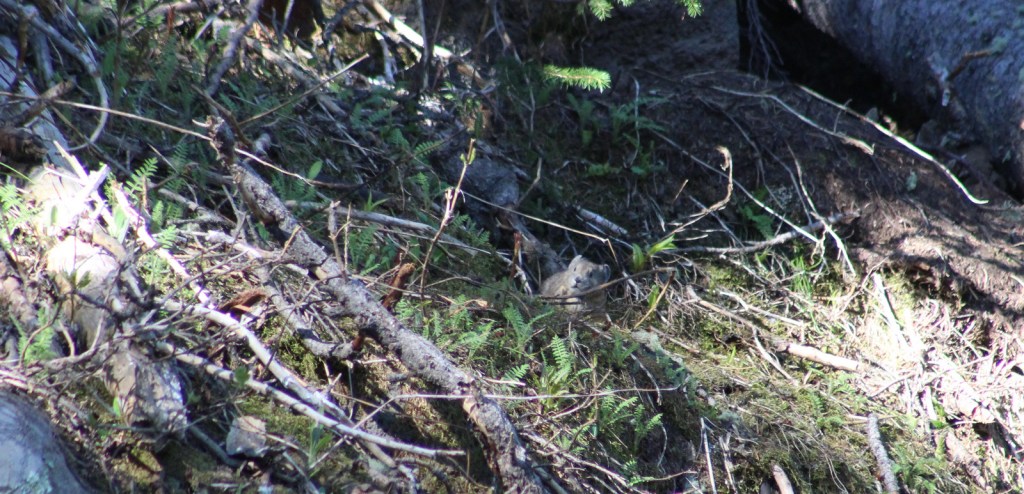
Trout fishing is one of the main draws to the 300 lakes in Grand Mesa National Forest.  The lakes and streams also attract elk, mule deer, bighorn sheep, raccoons, red foxes, black bears, and mountain lions, in addition to large birds like bald eagles, golden eagles, peregrine falcons, common ravens, and wild turkeys.  Due to its high elevation, look for pikas in the rocks along Crag Crest National Recreation Trail.

Instagram-worthy Photo

Starting counterclockwise on the Crag Crest National Recreation Trail from Eggleston Lake, we climbed to stunning panoramas within two miles. 

Peak Season

Summer

Fees

None

Road Conditions

Grand Mesa Scenic Byway follows paved Highway 65 up above 10,000 feet in elevation, as well as west to Land’s End Ranger Observatory.  The unpaved Land’s End Road continues switchbacking down the mesa to Highway 50, but is not recommended for vehicles more than 21 feet in length.  The unpaved roads on Grand Mesa were in good shape during our June visit, but are closed in the winter.

Camping

There are campgrounds at several lakes in Grand Mesa National Forest, as well as dispersed camping options along the dirt roads.

Wilderness Areas

None

Related Sites

Gunnison National Forest (Colorado)

Colorado National Monument (Colorado)

Arapaho National Forest (Colorado)

Nearest National Park

Black Canyon of the Gunnison

Conifer Tree Species

Engelmann spruce, subalpine fir, Douglas-fir, two-needle pinyon pine, ponderosa pine

Flowering Tree Species

Gambel oak, quaking aspen, narrowleaf cottonwood, mountain-mahogany, chokecherry

Explore More – Now a geological term, what does “mesa” mean in Spanish?

Learn more about this and the 154 other National Forests in our new guidebook Out in the Woods

We are a participant in the Amazon Services LLC Associates Program, an affiliate advertising program designed to provide a means for us to earn fees by linking to Amazon.com and affiliated sites.

Gifford Pinchot National Forest

Gifford Pinchot National Forest

Washington

Managed by U.S. Forest Service, Pacific Northwest Region

1,409,966 acres (1,321,506 federal/ 88,460 other)

Website: https://www.fs.usda.gov/giffordpinchot/

Overview

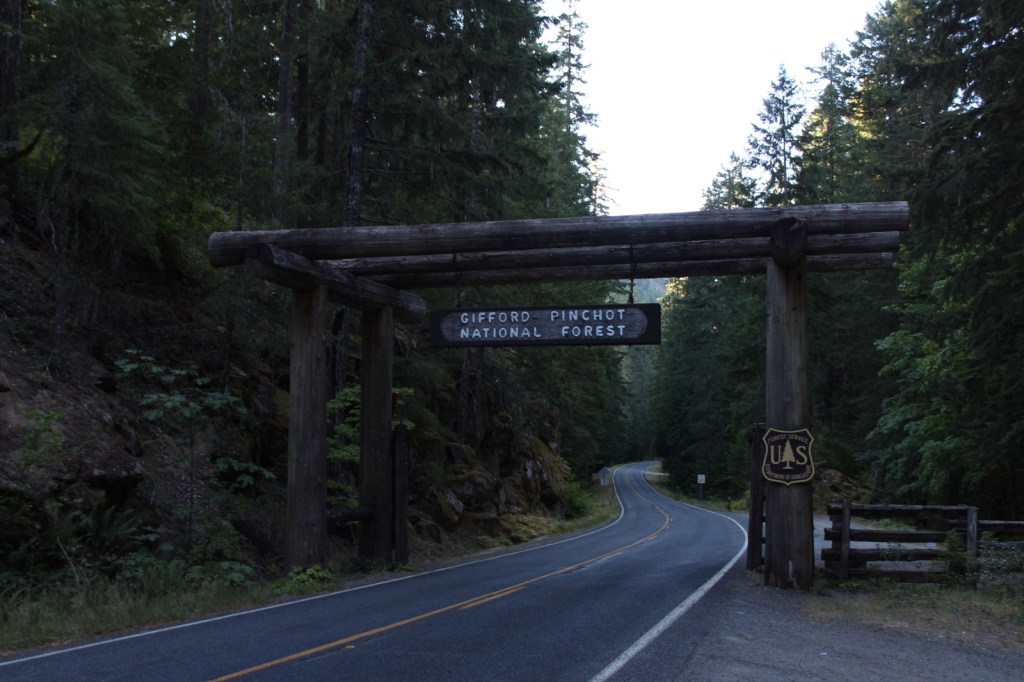
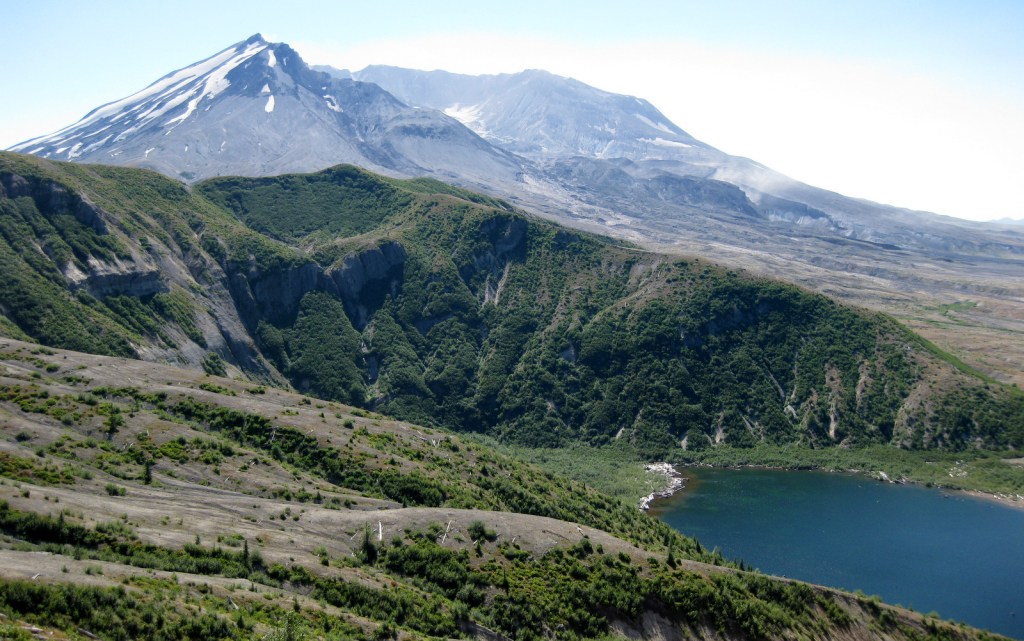
First set aside as Mt. Rainier Forest Reserve in 1897, nearly one-million acres were renamed Columbia National Forest in 1908.  It became Gifford Pinchot National Forest in 1949 to honor the chief of the U.S. Division of Forestry (1898-1905) and first chief of the U.S. Forest Service (1905-1910).  The Yale graduate studied forestry in Europe and his family founded the Yale Forest School (see Grey Towers National Historic Site).  Gifford Pinchot National Forest borders the Columbia River to the south, across from Oregon’s Mt. Hood National Forest.  It stretches north to Mt. Rainier National Park and contains 12,276-foot Mt. Adams (the state’s second tallest volcano) and Mt. St. Helens, which was designated a National Monument after its eruption on Sunday, May 18, 1980.  There are 1,475 miles of trails and more than 4,000 miles of roads in the National Forest, so there is plenty to explore outside the volcanoes. 

Highlights

Mt. St. Helens National Volcanic Monument, Silver Star Scenic Area, Lower Falls of the Lewis River, Tatoosh Range, Packwood Lake, Quartz Creek, Ape Cave, Langfield Falls, Horseshoe Lake, Panther Creek Falls, Ice Cave, Mt. Adams, Midway High Lakes Area, Takhlakh Lake, Lava Canyon Trail, Pacific Crest National Scenic Trail

Must-Do Activity

We will cover Mt. St. Helens National Volcanic Monument in a separate post, so here we will focus on the National Forest’s other attractions.  North of Mt. St. Helens, a half-mile trail follows Quartz Creek through an old-growth forest of huge Douglas-firs.  To the south, check out Lava Canyon Trail and Cedar Flats Research Natural Area where old-growth western redcedar trees are draped in lichen.  There are numerous waterfalls in the National Forest, including dual Panther Creek Falls that drops 175 feet side by side and the triple Falls Creek Falls that cascades 150 feet.  This lush region is also known for its berry picking, especially the renowned Sawtooth Berry Fields. 

Best Trail

Ape Cave is a lava tube located south of Mt. St. Helens, which at 2.5 miles is the third longest in North America.  The cave is not named for a fossil discovery, but rather the local Boy Scout troop that explored its interior in the 1950s after its discovery.  It is believed that the lava tube formed during a basaltic flow 1,900 years ago.  Ape Cave Trail is a National Recreation Trail receiving approximately 170,000 visitors annually (a timed reservation is required).  There are two layers to the cave, a smoother 0.8-mile upper level and a rougher 1.5-mile lower level that requires scaling an eight-foot lava wall.  Bundle up if you visit, as the underground temperature is 42°F year round.  The 650-foot-long Ice Cave is another lava tube known for its ice stalactites in spring (reservation required).

Watchable Wildlife

Located on the rainy side of the Cascades, Gifford Pinchot National Forest receives plenty of precipitation to feed its many rivers, including the glacier-fed White Salmon National Wild and Scenic River.  Four species of fish identified as threatened inhabit this region’s waters: bull trout, steelhead, chinook salmon, and coho salmon.  Another threatened species, the northern spotted owl requires buffer zones around its nests.  Mammals of Gifford Pinchot National Forest include elk, black-tailed deer, black bears, bobcats, and several species of marmots.  The wettest parts of the forest, especially in riparian corridors, have a variety of frogs, salamanders, and newts.

Instagram-worthy Photo

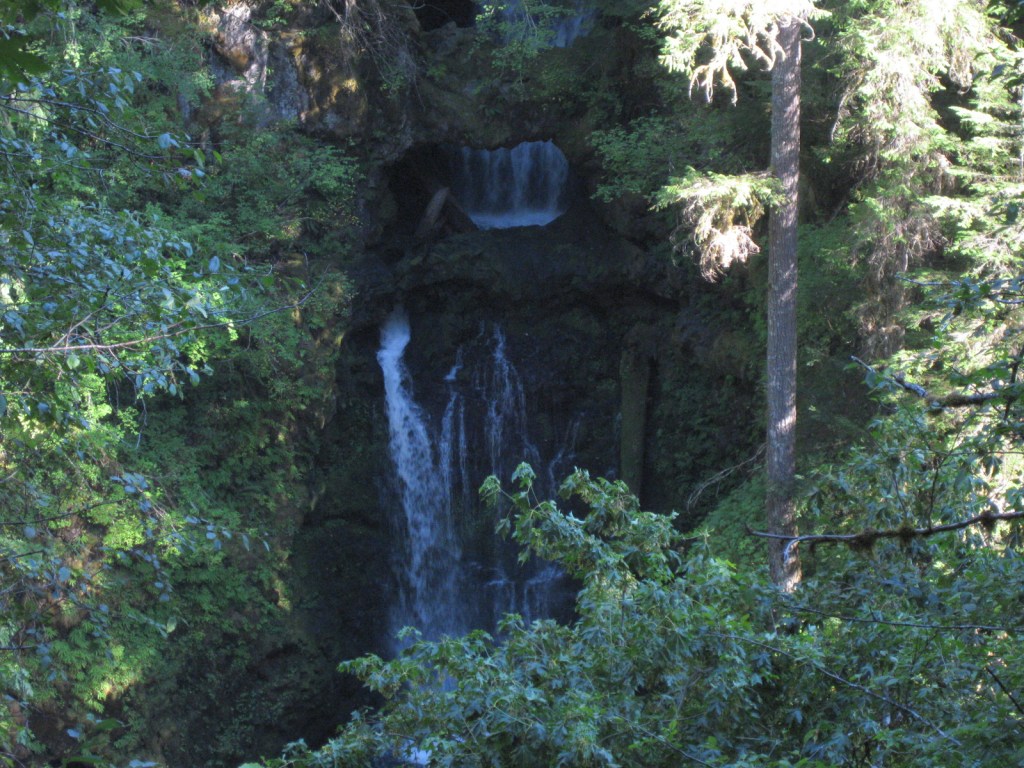
There are numerous waterfalls in this forest due to its high annual rainfall and steep elevation gradients.

Peak Season

Summer

Fees

An America the Beautiful Pass or Northwest Forest Pass ($5 day use) is required at many parking areas in the National Forest, including Ice Cave and Ape Cave (where a timed reservation is required from recreation.gov). 

Road Conditions

The major roads are paved to viewpoints in Mt. St. Helens National Volcanic Monument, but there are plenty of unpaved roads throughout the National Forest, some requiring high-clearance vehicles. 

Camping

Iron Creek Campground north of Mt. St. Helens has two short trails, a quarter-mile trail through old-growth forest and one that follows a river 1.5 miles under a canopy of Douglas-fir and western redcedar.  Dispersed camping is allowed throughout the National Forest, and we have camped here to avoid the crowds while visiting the beautiful waterfalls of Columbia River Gorge National Scenic Area, part of Oregon’s Mt. Hood National Forest.

Wilderness Areas

Dark Divide Roadless Area

Glacier View Wilderness

Goat Rocks Wilderness (also in Wenatchee National Forest)

Indian Heaven Wilderness

Mount Adams Wilderness

Tatoosh Wilderness

Trapper Creek Wilderness

William O. Douglas Wilderness (also in Wenatchee National Forest)

Related Sites

Mt. St. Helens National Volcanic Monument (Washington)

Ross Lake National Recreation Area (Washington)

Fort Vancouver National Historic Site (Washington)

Nearest National Park

Mount Rainier

Conifer Tree Species

Douglas-fir, western redcedar, Pacific silver fir, noble fir, subalpine fir, mountain hemlock, western hemlock, whitebark pine, lodgepole pine, Alaska yellow-cedar

Flowering Tree Species

balsam poplar, paper birch, willow, red alder, bigleaf maple, Pacific rhododendron

Explore More – In addition to the White Salmon River, which four other waterways in the National Forest have been recommended to be added to the Wild and Scenic River System?

Learn more about this and the 154 other National Forests in our new guidebook Out in the Woods

We are a participant in the Amazon Services LLC Associates Program, an affiliate advertising program designed to provide a means for us to earn fees by linking to Amazon.com and affiliated sites.

Gallatin National Forest

Gallatin National Forest

Montana

Managed by U.S. Forest Service, Northern Region

2,151,461 acres (1,819,515 federal/ 331,946 other)

Website: https://www.fs.usda.gov/main/custergallatin/home

Overview

Gallatin National Forest borders much of the north and west sides of Yellowstone National Park, providing important wildlife habitat in the Absaroka-Beartooth and Lee Metcalf Wilderness areas.  The National Forest also contains portions of the Bridger Range and Crazy Mountains north of Bozeman and Interstate 90.  The Gallatin Petrified Forest is only accessible by trail, either from a short two-mile one-way jaunt (that gains 650 feet of elevation) or by backpacking the 27-mile Gallatin Divide-Devils Backbone Trail.  Free permits are available from Forest Service Ranger Stations to collect up to 20 cubic-inches of petrified wood each year.  Since 2014, it has been co-managed as the Custer-Gallatin National Forest, stretching east into South Dakota.

Highlights

Earthquake Lake Visitor Center, film, Fairy Lake, Devils Slide, Flathead Pass, Big Timber Canyon, Palisade Falls, Spire Rock Campground, Natural Bridge, Kersey Lake, Hardscrabble Peak, Pine Creek Falls, Bridger Mountains National Recreation Trail, Spanish Creek Trail, Red Canyon Trail, Petrified Forest Interpretive Trail

Must-Do Activity

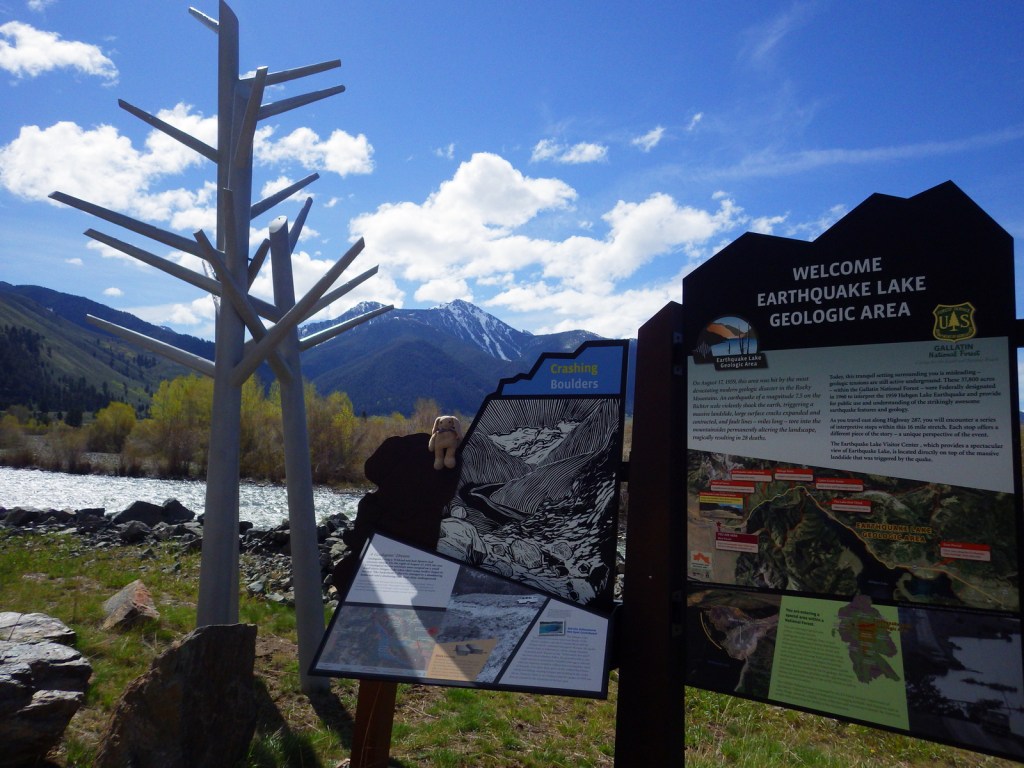
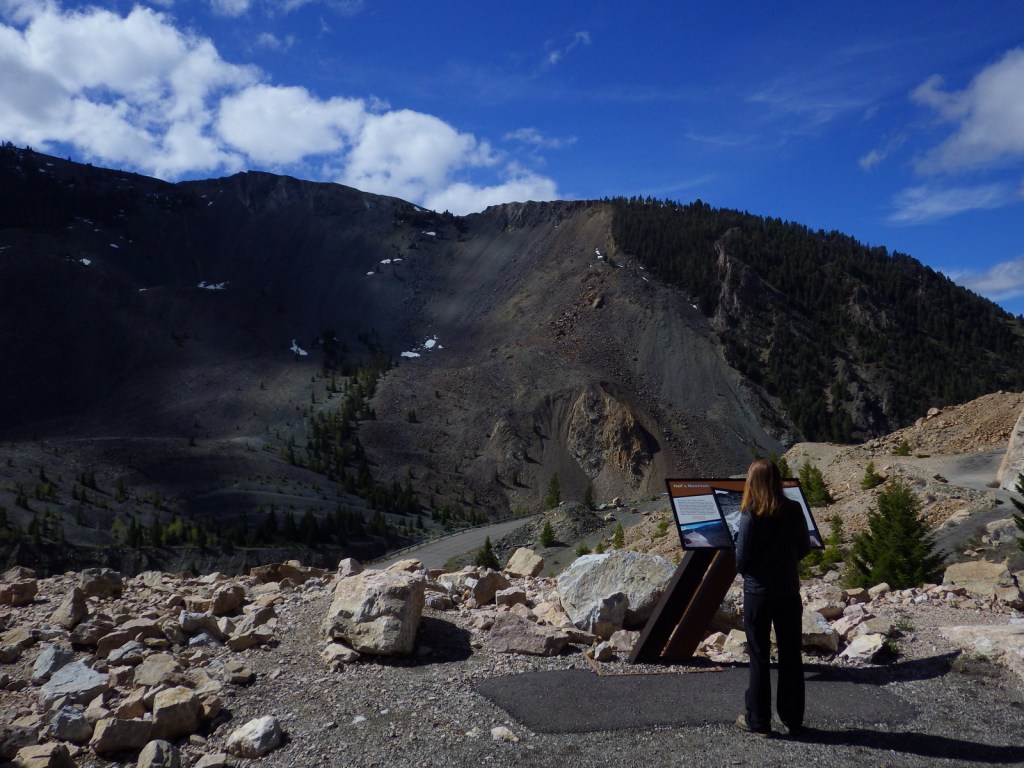
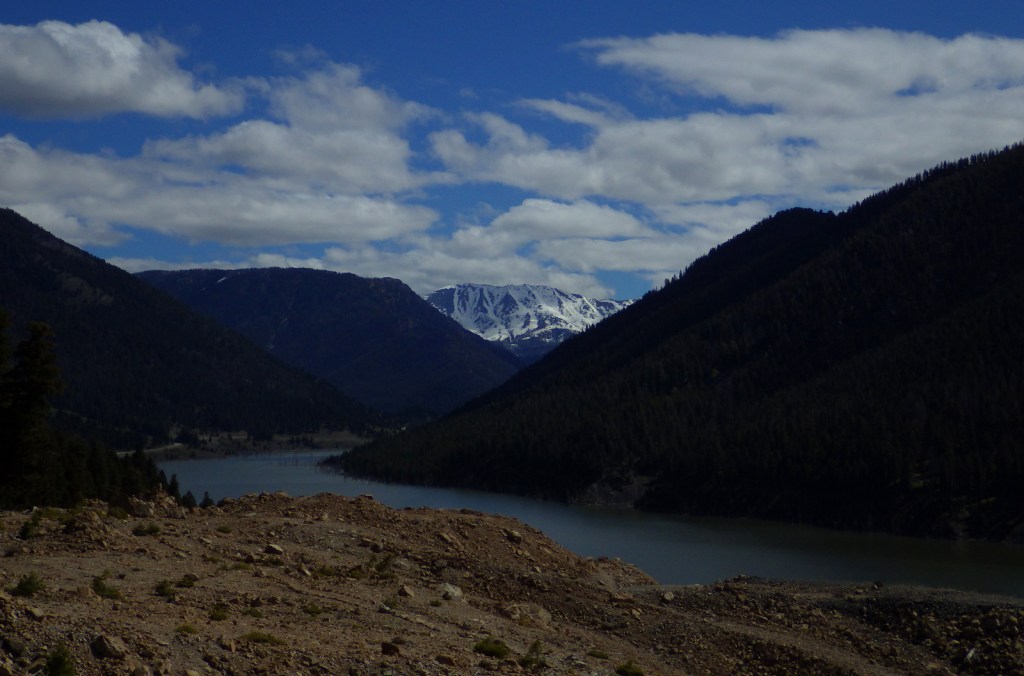
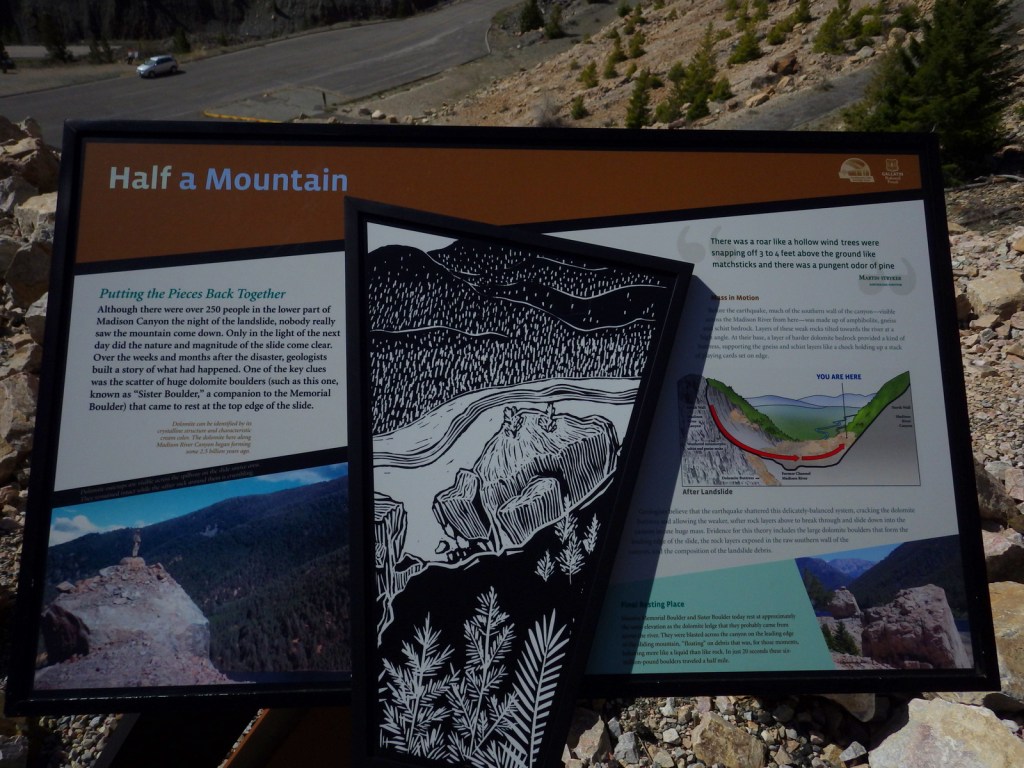
Earthquake Lake Geologic Area stretches along Highway 287 to commemorate the events that occurred around midnight on August 17, 1959 when a magnitude 7.5 earthquake hit West Yellowstone, Montana.  The strongest earthquake ever recorded in the Rocky Mountains caused a hillside to crumble and block the Madison River and form Quake Lake, which is still there today.  Seiches (“lake tsunamis”) on Hebgen Lake and landslides claimed 28 lives and trapped hundreds campers.  The next day, after Forest Service smokejumpers parachuted in to assist survivors, the most seriously injured were evacuated out by helicopter.  Today there is an interpretive auto tour with multiple stops along the highway.  In addition, a visitor center operates in the summer where they show a film and the 0.3-mile Landslide Trail has signs explaining the events and how the massive Memorial Boulder crossed from one side of the valley to the other in less than 20 seconds (see Instagram-worthy Photo).

Best Trail

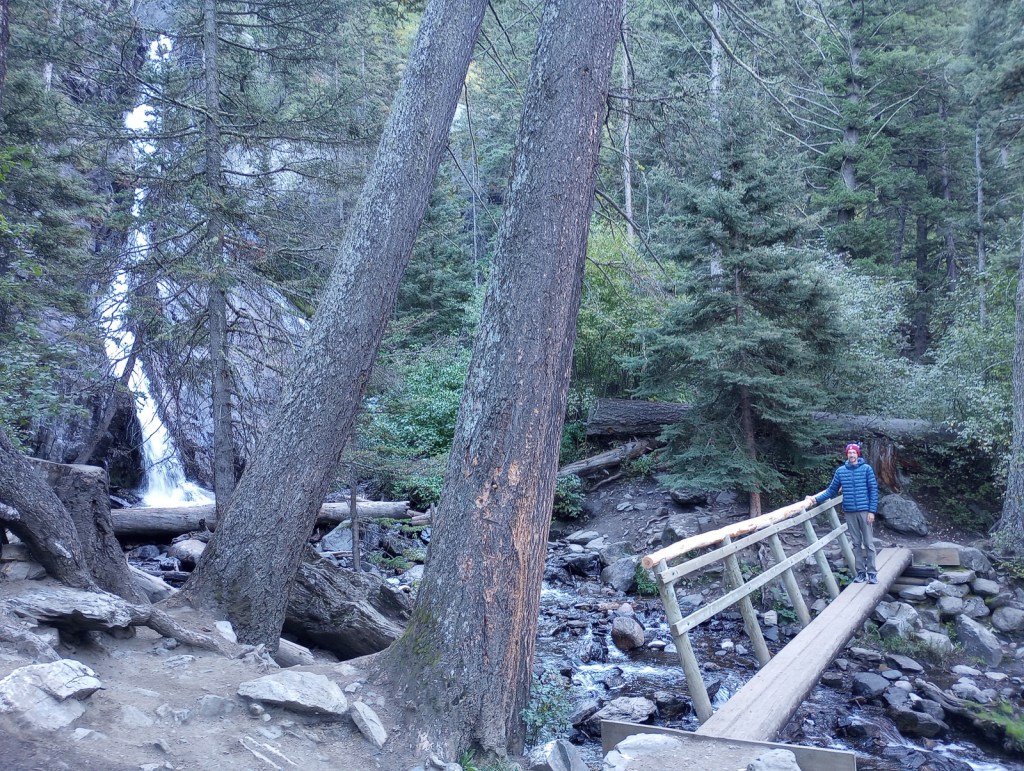
Pine Creek Falls is located 1.3 miles from the Pine Creek Campground after a 400 foot elevation gain.  The popular route first enters a burned forest then crosses a bridge over the creek at a half-mile before reaching the waterfall where most hikers turn around.  The trail gets steeper as it continues another four miles to Pine Creek Lake climbing about 3,400 feet, including one grueling stretch that ascends 1,800 feet in only 1.3 miles.

Watchable Wildlife

There are more than 4,000 miles of streams and rivers in the National Forest, including major tributaries of the Yellowstone and Missouri Rivers.  This makes Gallatin National Forest one of the premiere fly fishing destinations in the U.S. and also attracts bald eagles and ospreys.  Due to its proximity to Yellowstone National Park, there are also gray wolves and grizzly bears.  Other large mammals include elk, mule deer, moose, bighorn sheep, pronghorns, mountain lions, and black bears.

Instagram-worthy Photo

Memorial Boulder and Sister Boulder used to be located across the valley, but during the 1959 earthquake these six-million-pound dolomite slabs crossed the half-mile distance in less than 20 seconds.

Peak Season

Summer

Fees

None

Road Conditions

The roads are paved up to the Earthquake Lake Visitor Center, Pine Creek Campground, and Big Sky Mountain Village (south of Bozeman).  It is 13 miles (mostly unpaved) from Highway 89 to the Petrified Forest Interpretive Trail, and there is a free campground where Rock Creek Road dead ends at the trailhead.  There are also many miles of four-wheel-drive roads to explore throughout the National Forest.

Camping

There are many campgrounds in Gallatin National Forest (like Eagle Creek just outside Gardiner on the northern border of Yellowstone National Park), as well as dispersed camping options. 

Wilderness Areas

Absaroka-Beartooth Wilderness (also in Custer and Shoshone National Forests)

Lee Metcalf Wilderness (also in Beaverhead National Forest)

Related Sites

Custer National Forest (Montana-South Dakota)

Big Hole National Battlefield (Montana)

BeaverheadDeerlodge National Forest (Montana)

Nearest National Park

Yellowstone

Conifer Tree Species

lodgepole pine, ponderosa pine, whitebark pine, subalpine fir, Douglas-fir, Engelmann spruce

Flowering Tree Species

quaking aspen, balsam poplar, cottonwood, alder, mountain maple, mountain ash

Explore More – Why was the National Forest named after Albert Gallatin?

Learn more about this and the 154 other National Forests in our new guidebook Out in the Woods

We are a participant in the Amazon Services LLC Associates Program, an affiliate advertising program designed to provide a means for us to earn fees by linking to Amazon.com and affiliated sites.

Continental Divide National Scenic Trail

Continental Divide National Scenic Trail

New Mexico, Colorado, Wyoming, Idaho, Montana

Managed by U.S. Forest Service (70%), Bureau of Land Management (12%), National Park Service (10%), other (8%)

Established 1978

3,028 miles

Website: https://www.fs.usda.gov/managing-land/trails/cdt

Overview

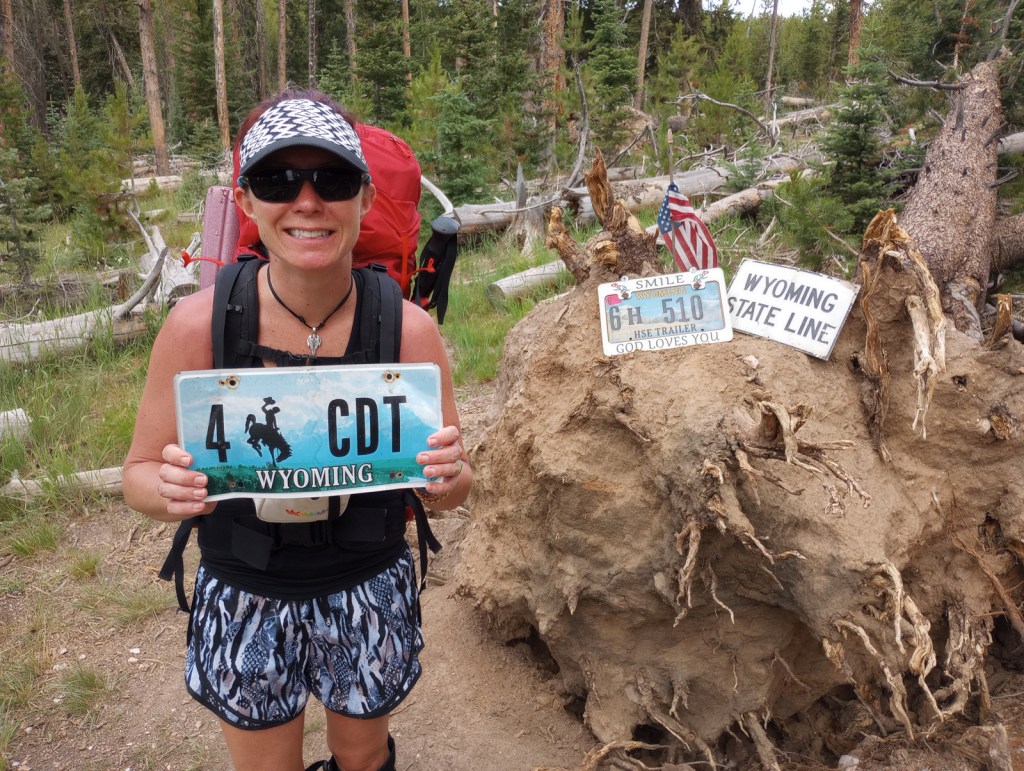
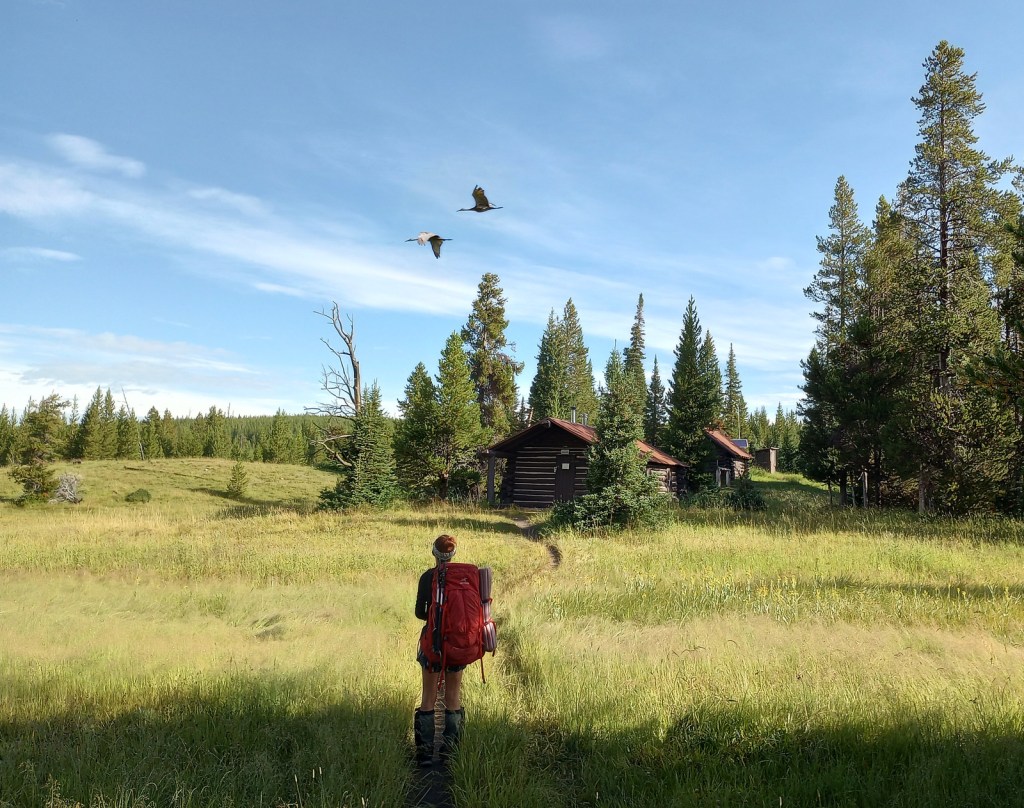
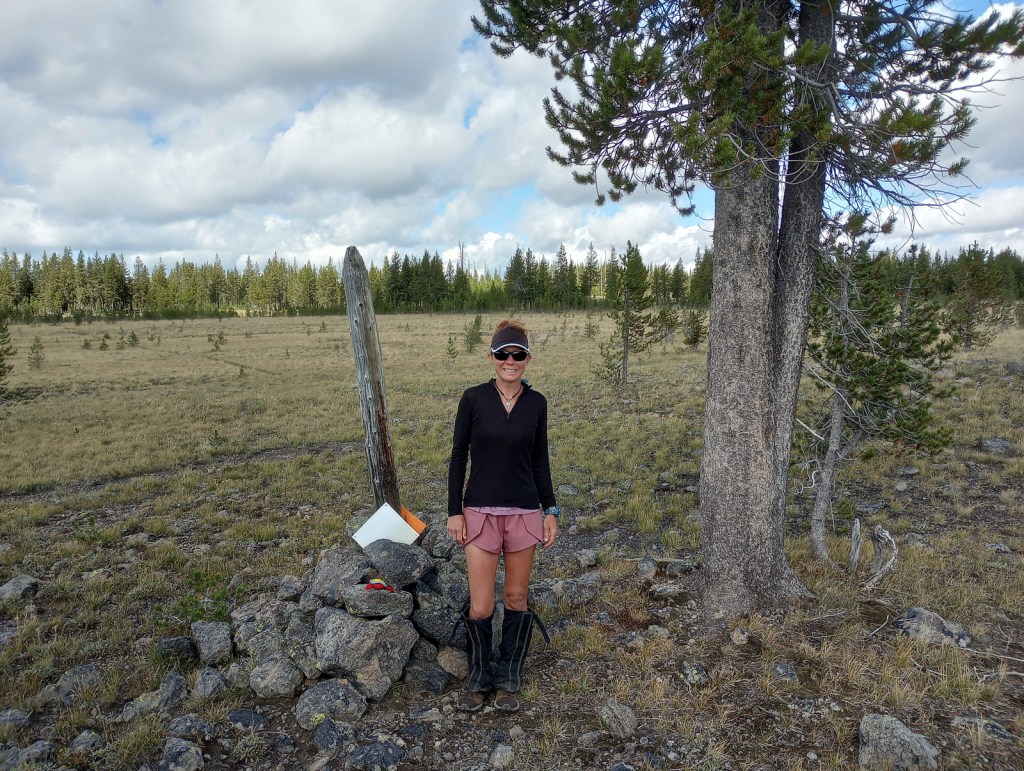
We decided to write about the Continental Divide National Scenic Trail (CDT) now, since Tiff recently finished backpacking the entire 512-mile Wyoming section of the route.  The CDT stretches 3,028 miles from the Crazy Cook Monument on the border with Mexico north to Waterton-Glacier International Peace Park.  The official trail is known as the “red route,” with popular alternatives called “blue routes” detouring through sections like New Mexico’s Gila Wilderness (which 95% of thru-hikers choose).  Tiff was supported by Scott along portions of the trail and they both backpacked through Yellowstone National Park together.  Tiff met dozens of thru-hikers doing the entire trail this year, many of whom were “flip-flopping” after getting stopped north bound (NOBO) by snowy Colorado mountains so switching to a south bound (SOBO) direction to finish.

Highlights

Rocky Mountain National Park, Yellowstone National Park, Glacier National Park, Gila Wilderness, El Malpaís National Monument, South Pass City State Park, Wind River Range, Lemhi Pass, Chinese Wall, Triple Divide Pass

Must-Do Activity

It takes the average thru-hiker 147 days to complete the trek (including “zeros days”), but you can get a feel for the experience on shorter point-to-point or loop hikes.  We have done the Rocky Mountain National Park section as a long day hike and Scott has backpacked the minimum 40 miles to see the famous Chinese Wall in Montana’s Lewis and Clark National Forest.  We had all three of our backcountry campsites to ourselves along Yellowstone National Park’s 67-mile stretch of CDT and went a full day without seeing another person near the park’s Idaho border.

Best Trail

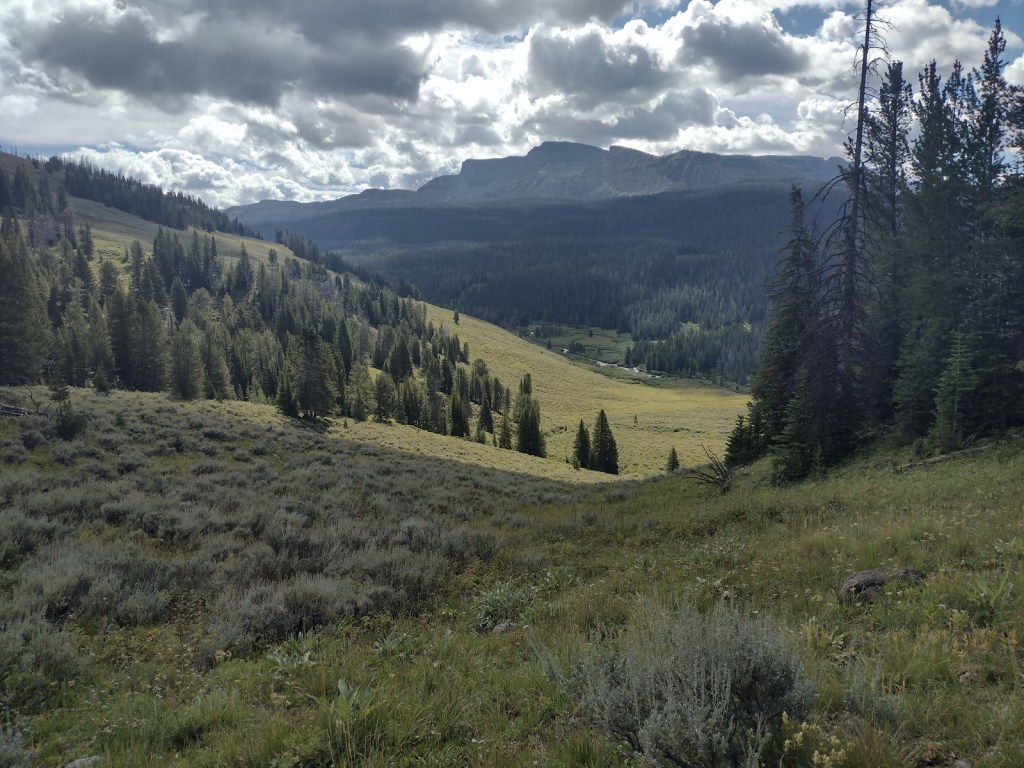
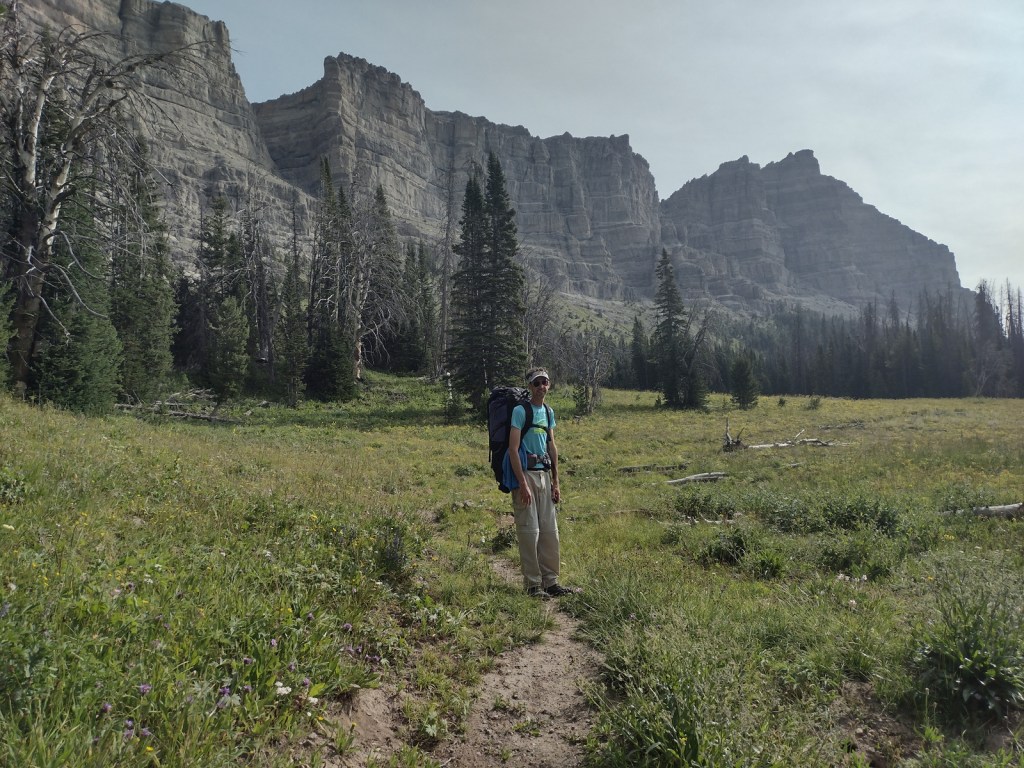
The Wind River Range in Wyoming’s Bridger National Forest is probably the most scenic stretch of mountains on the entire CDT.  Many thru-hikers detour to a blue route to see beautiful, but overcrowded Titcomb Basin and the Cirque of the Towers (actually in neighboring Shoshone National Forest).  Read more about our 2020 trip (mostly) following the CDT 120 miles through the range in our newspaper article.

Instagram-worthy Photo

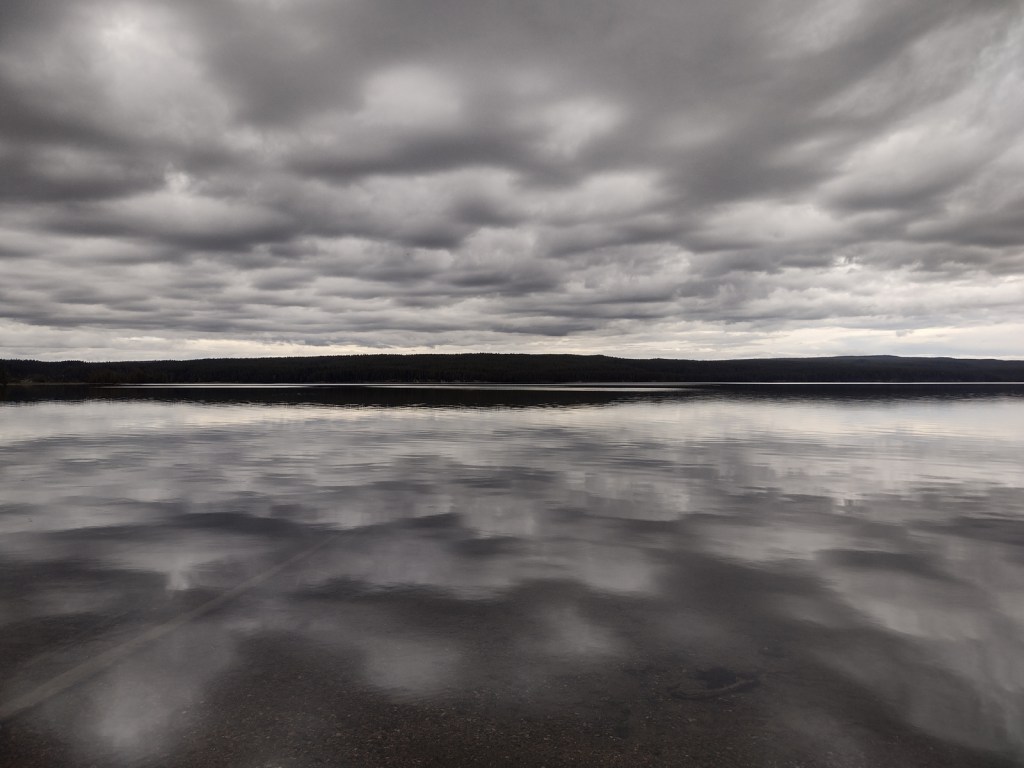
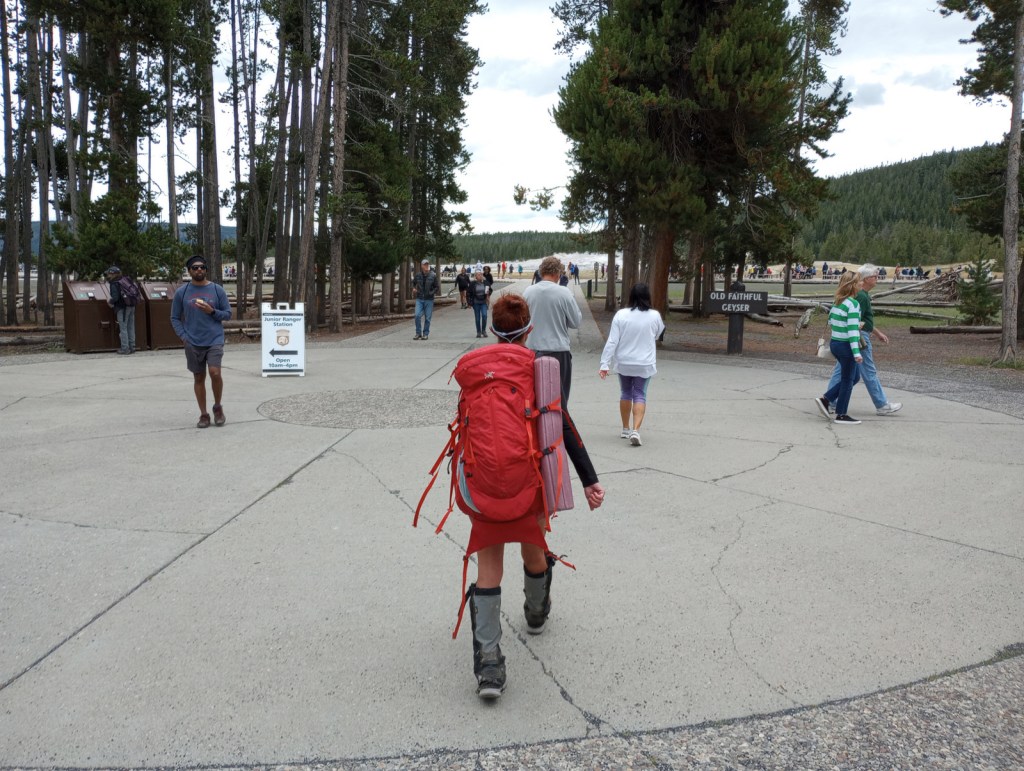
The CDT goes right past crowded Old Faithful in Yellowstone National Park’s Lower Geyser Basin, although there are other areas of colorful hot springs like those near Heart Lake (pictured).

Peak Season

Summer

Fees

Fees apply if you camp inside or drive into Rocky Mountain, Yellowstone, and Glacier National Parks

Road Conditions

Much of the trail is actually walking dirt roads and some paved roads, especially in New Mexico.  Access roads to certain trailheads can be very rough and require driving long unpaved sections, such as the 30 miles to busy Big Sandy Trailhead in Bridger National Forest.

Camping

Camping is dispersed except for designated sites (permit required) in Rocky Mountain, Yellowstone, and Glacier National Parks.

Related Sites

Appalachian National Scenic Trail (Georgia to Maine)

Pacific Crest National Scenic Trail (California-Oregon-Washington)

Natchez Trace National Scenic Trail (Mississippi-Alabama-Tennessee)

Explore More – Which three oceans receive water from Triple Divide Pass in Montana?