Tag Archives: hunting

Kisatchie National Forest

Kisatchie National Forest

Louisiana

Managed by U.S. Forest Service, Southern Region

1,022,373 acres (603,360 federal/ 419,013 other)

Website: https://www.fs.usda.gov/kisatchie

Overview

There are eight parcels that constitute Kisatchie National Forest, the only National Forest in Louisiana, which has over 40 developed recreation sites and 100 miles of trails.  It encompasses several lakes for boating and swimming, plus baldcypress-lined bayous for canoeing and fishing.  The National Forest protects some of the state’s last acreage of calcareous prairie and a diversity of plant species, including wild orchids and carnivorous plants. We saw a television news report that somewhere in Kisatchie National Forest they grew a loblolly pine tree from a seed that NASA took to the moon (which grew normally), then planted a comparison tree that was accidentally a different species.

Highlights

Longleaf Trail Scenic Byway, Saline Bayou, Fullerton Lake, Gum Springs Recreation Area, Kincaid Lake, Wolf Rock Cave, Castor Creek Scenic Area, Corney Lake, Camp Packard, Wild Azalea National Recreation Trail, Glenn Emery Trail, Stuart Nature Trail, Longleaf Vista Interpretive Trail, Sugar Cane National Recreation Trail

Must-Do Activity

Kisatchie National Forest is divided into five Ranger Districts: Caney, Calcasieu, Catahoula, Kisatchie, and Winn.  In Winn Ranger District, Saline Bayou is a National Wild and Scenic River featuring a 13-mile-long designated water trail.  Boating, fishing, and camping are also popular activities at the developed recreation areas at Caney Lake, Corney Lake, Kincaid Lake, Kisatchie Bayou, and Stuart Lake.  Calcasieu is the southernmost Ranger District and contains the state’s longest trail (31-mile Wild Azalea Trail) and the only known cave in Louisiana (Wolf Rock Cave) off Parish Road 455.

Best Trail

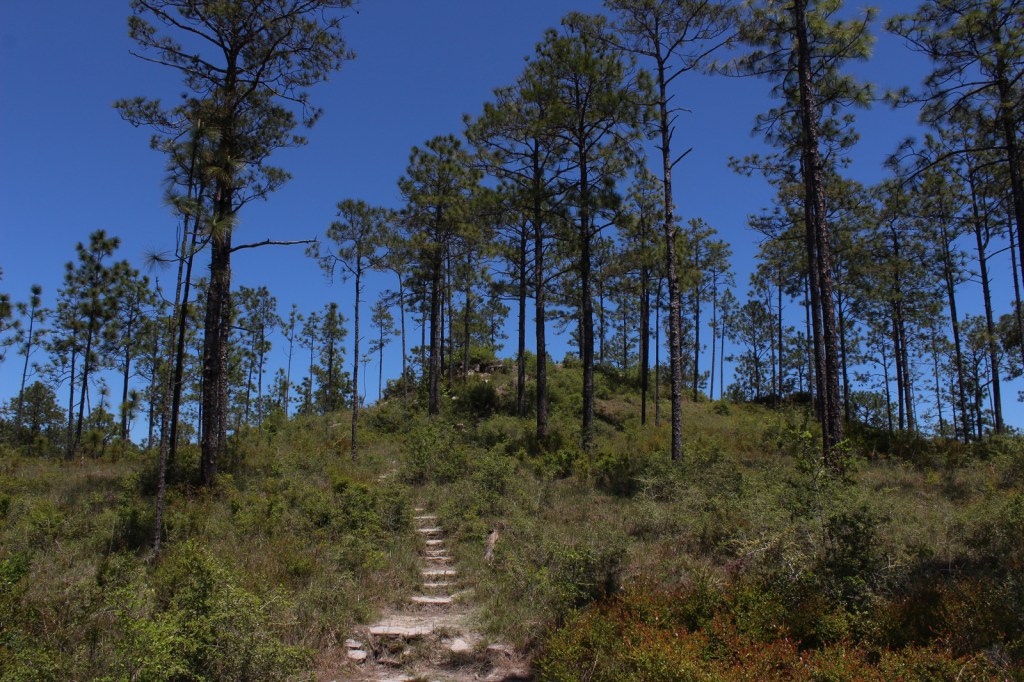
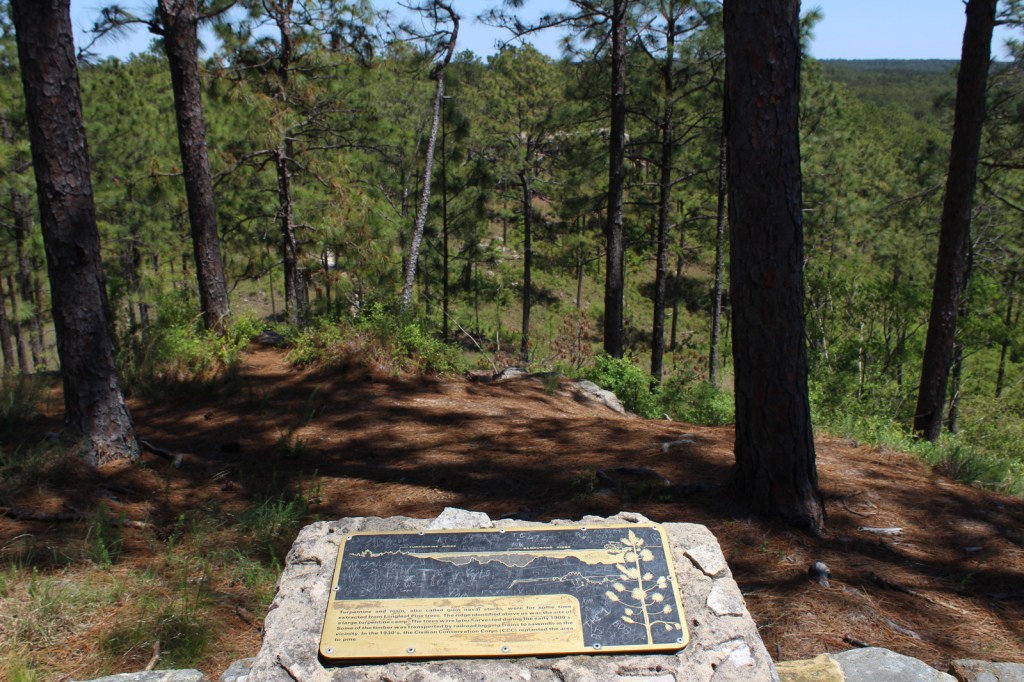
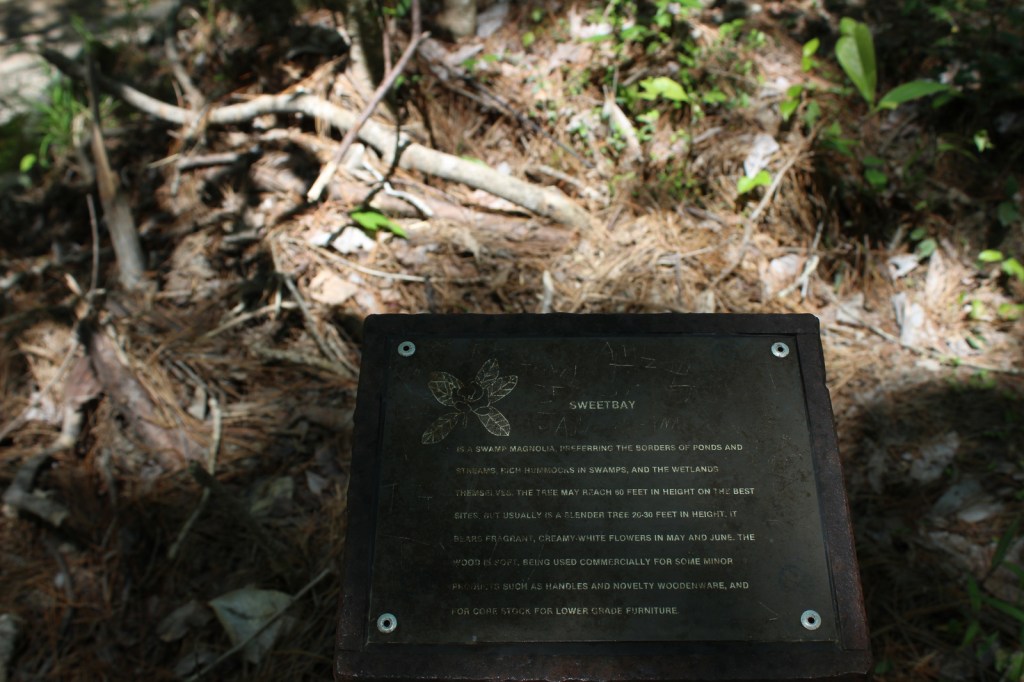
In Kisatchie Ranger District’s Longleaf Scenic Area, a 1.5-mile-long interpretive loop at Longleaf Vista is a good place to start, since it has signs that introduce plants that inhabit ecosystems from rocky buttes to bottomland hardwood forests.  Longer trails like the seven-mile Backbone Trail and 10.5-mile Caroline Dorman Trail enter the Kisatchie Hills Wilderness, an 8,700-acre area that is one of only three designated Wildernesses in Louisiana.

Watchable Wildlife

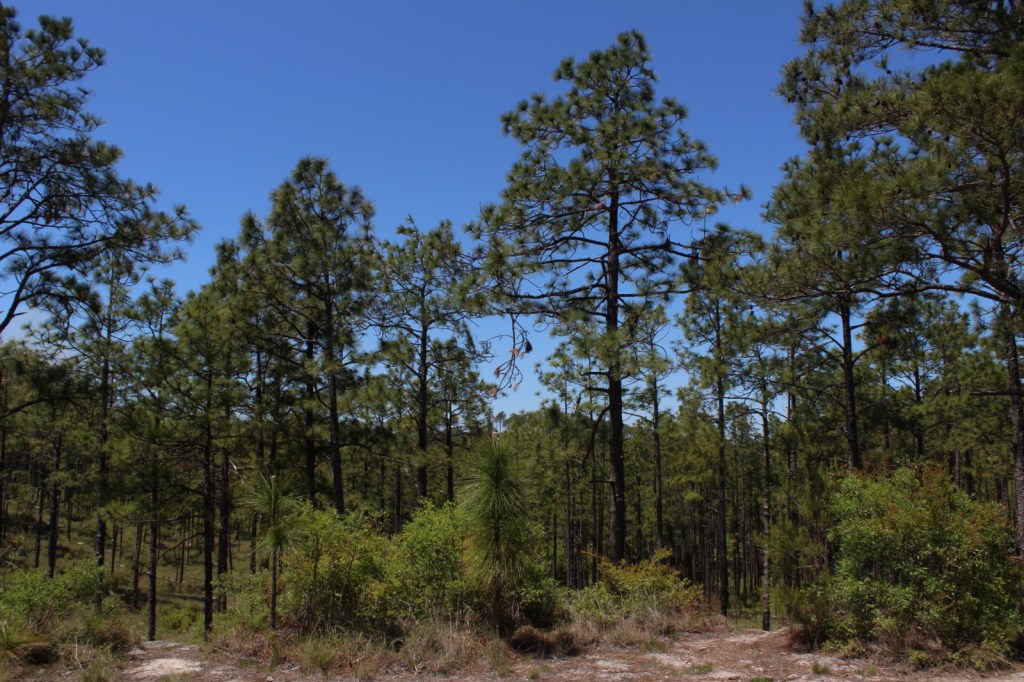
Old-growth longleaf pine forests provide habitat for endangered red-cockaded woodpeckers, areas that are easily identified by white paint markings on boundary trees.  We also saw an armadillo and wild turkey in the Longleaf Scenic Area.  Other rare species of management concern are the Louisiana pine snake, black bear, and Louisiana pearlshell mussel.  We saw signs warning of alligators, so if you do enter the water be aware of that, especially in the roadless Cunningham Brake and Saline Bayou.  Winn Ranger District and Catahoula National Wildlife Refuge are popular destinations for fishermen and hunters of white-tailed deer, turkeys, and waterfowl.  The Catahoula Hummingbird and Butterfly Garden is located near the Catahoula Ranger District Office in Bentley.  Iatt Lake Observation Pier in the Catahoula Ranger District is a good place to watch for migratory birds in the spring and fall.

Photographic Opportunity

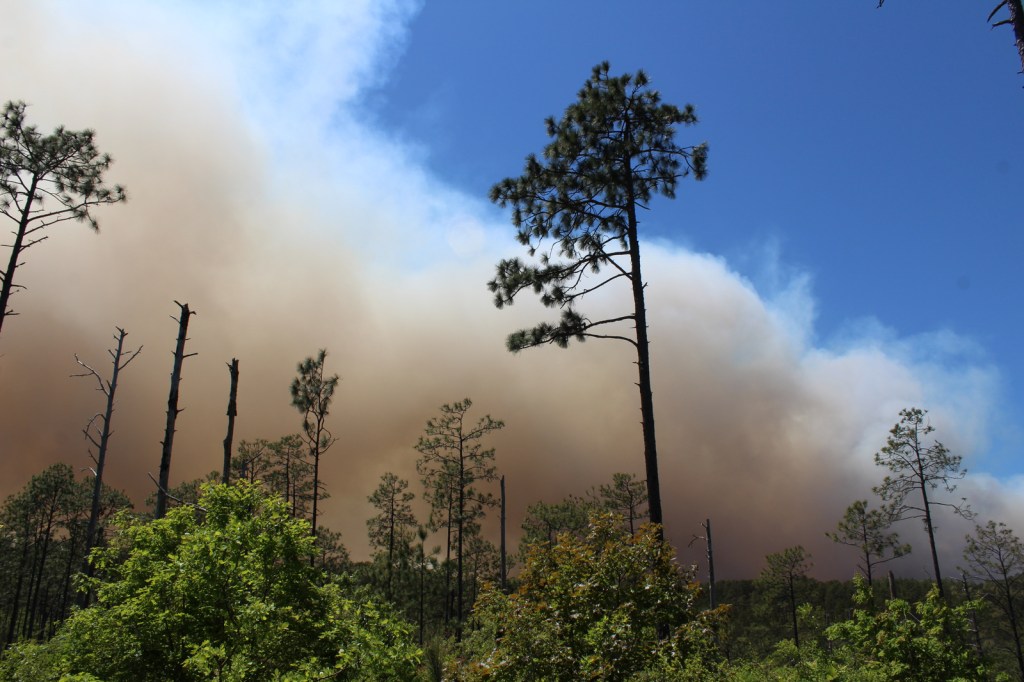
Louisiana is not known for its vertical topography, so it is worth stopping at Longleaf Vista Overlook for the panorama, though hopefully without the thick smoke we saw from a controlled burn.

Peak Season

Spring and fall

Fees

None

Road Conditions

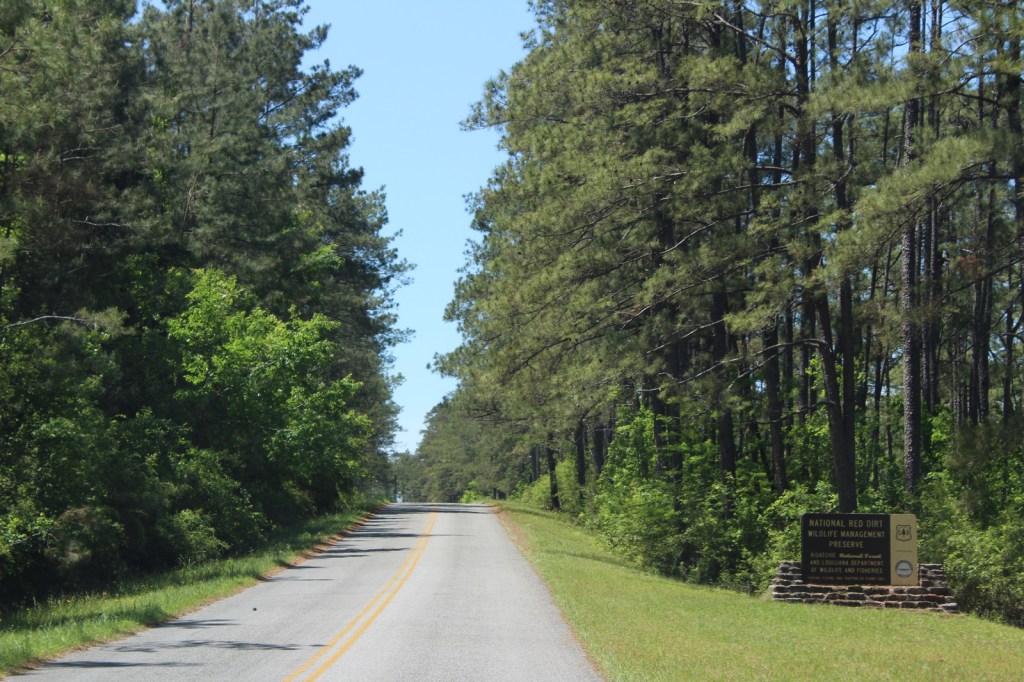
Longleaf Scenic Area is accessed by the paved 17-mile-long Longleaf Trail Scenic Byway, just off Interstate 49.  To the west of Longleaf Scenic Area, a plethora of roads run through the Red Dirt National Wildlife Management Preserve, accessing Kisatchie Bayou Recreation Area and numerous campgrounds and trails.  There are designated ATV trails in the Catahoula (at Stuart Lake) and Calcasieu Ranger Districts.

Camping

Official campgrounds are located throughout Kisatchie National Forest, including three at Kincaid Lake, two at Valentine Lake, three at Corney Lake, Stuart Lake Campground, Beaver Dam Campground on Upper Caney Lake, and Turtle Slide Campground on Lower Caney Lake.  Specific campgrounds for equestrian use include Amus Melder Camp in Calcasieu Ranger District and Gum Springs Recreation Area in Winn Ranger District.

Wilderness Areas

Kisatchie Hills Wilderness

Related Sites

Cane River Creole National Historical Park (Louisiana)

Poverty Point National Monument (Louisiana)

Jean Lafitte Historical Park and Preserve (Louisiana)

Nearest National Park
Hot Springs

Conifer Tree Species

baldcypress, longleaf pine, shortleaf pine, loblolly pine

Flowering Tree Species

water tupelo, American beech, white oak, post oak, Shumard oak, white ash, mockernut hickory, nutmeg hickory, southern magnolia, flowering dogwood, redbud, red buckeye, red bay, fringe tree, chalk maple, wax myrtle, raisin tree, dahoon holly, yaupon holly, sweetbay magnolia, brookside alder

Explore More – How many acres of calcareous prairie remain in Louisiana, noting that Kisatchie National Forest’s historic Tancock Prairie (45 acres) and historic Bartram Prairie (1,190 acres) have been taken over by forests since the initial 1836 survey?

Learn more about this and the 154 other National Forests in our new guidebook Out in the Woods

We are a participan

Fort Pierre National Grassland

Fort Pierre National Grassland

South Dakota

207,017 acres (115,890 federal/ 91,127 other)

Website: https://www.fs.usda.gov/recarea/nebraska/recarea/?recid=10637

Overview

Fort Pierre National Grassland is located south of the state capital of Pierre, north of Interstate 90, and west of the Lower Brule Indian Reservation.  The topography ranges from gently rolling hills to steeper slopes along creeks that flow into the Bad River and the Missouri River.  Portions of the movie Dances with Wolves were filmed here in the early 1990s.  If there is abundant spring precipitation, wildflower blooms of goldenrod, spiderwort, purple coneflower, and daisy fleabane are supposed to be incredible.

Highlights

Richland Wildlife Area, Sheriff Dam Recreation Area

Must-Do Activity

Before arriving, download the maps of Fort Pierre National Grassland through the U.S. Forest Service Visitor Maps app, or pick up a paper map at the visitor center in Wall, South Dakota.  Look online for the publication South Dakota Fishing Guide to the National Grasslands, which provides information on 41 fishing ponds in Fort Pierre National Grassland.  Originally built in 1934, Richland Dam was renovated in 2014 and now features handicapped-accessible fishing and a concrete boat ramp.  The reservoir contains largemouth bass, yellow perch, bluegill, black crappie, and bullhead catfish.  Fishing ponds are generally open December 1 to August 31 to avoid overlap with hunting season. 

Best Trail

We did not see any defined trails, but you could walk cross-country, on the dirt roads, or circle around the many ponds.

Watchable Wildlife

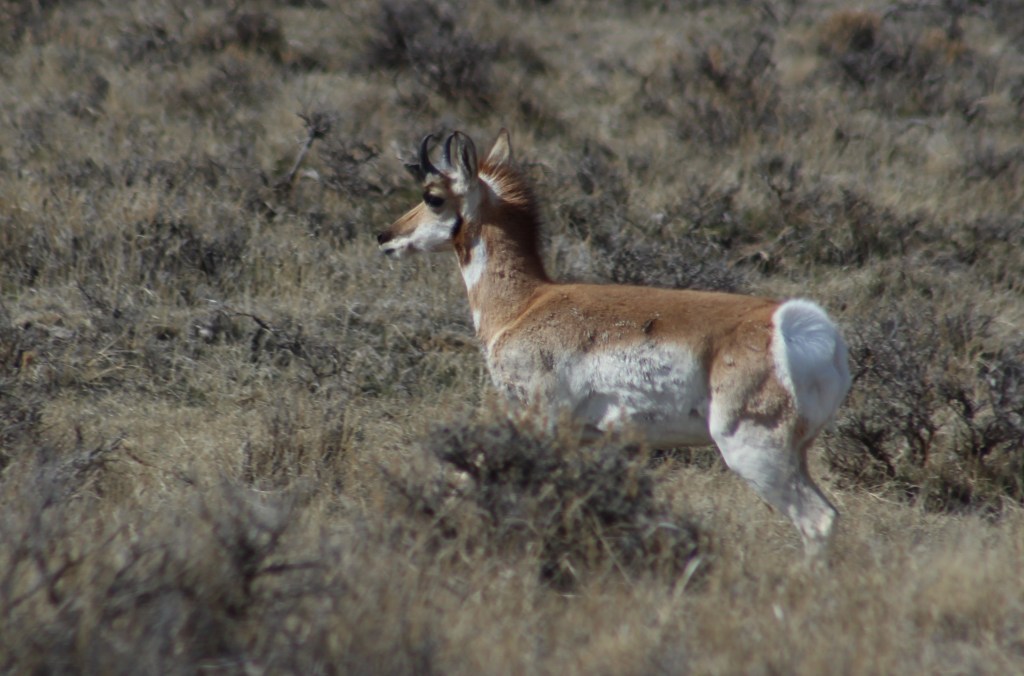
Richland Wildlife Area is 540 acres managed to provide nesting cover for greater prairie chickens, sharp-tailed grouse, and ring-necked pheasants.  Black-tailed prairie dog towns provide habitat for prairie rattlesnakes and burrowing owls.  Both mule and white-tailed deer are found here, in addition to pronghorns, jackrabbits, badgers, and coyotes.  We saw a prairie falcon, bald eagle, and northern harrier hunting from the air.

Instagram-worthy Photo

Look for muskrat activity along the banks of Sherriff Dam Reservoir.  This is also where we saw more than 200 red-winged blackbirds take flight from a field of sunflowers (see photos below).

Peak Season

Spring and fall

Fees

None

Road Conditions

The clay soils of Fort Pierre National Grassland can make the unpaved roads impassable to passenger vehicles when muddy, plus the deep ruts make it easy to get high-centered.

Camping

It is free to camp at Richland Dam or Sheriff Dam Recreation Areas, and dispersed camping is allowed anywhere on public land parcels (so be sure to consult maps).

Related Sites

Cedar River National Grassland (North Dakota)

Jewel Cave National Monument (South Dakota)

Minuteman Missile National Historic Site (South Dakota)

Nearest National Park
Badlands

Explore More – Now considered a suburb of the capital city of Pierre (although it is in a different time zone), when was Fort Pierre originally constructed on the Missouri River?

Delta National Forest

Delta National Forest

Mississippi

Managed by U.S. Forest Service, Southern Region

118,150 acres (60,898 federal/ 57,252 other)

Website: https://www.fs.usda.gov/mississippi

Overview

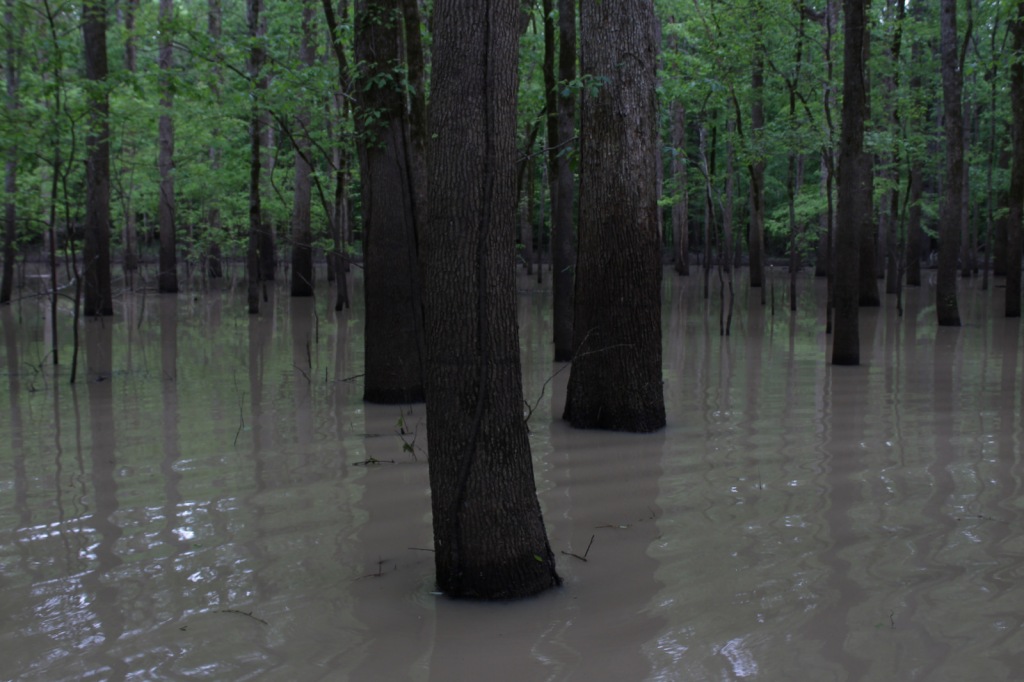
In western Mississippi, the U.S. Forest Service manages the entirety of Delta National Forest as Sunflower Wildlife Management Area through a Memorandum of Understanding with the state of Mississippi.  The Big and Little Sunflower Rivers run through these bottomland hardwood forests west of the Yazoo River, flooding the landscape throughout the summer.  This is the only National Forest preserving bottomland hardwood forests, which have primarily been converted to agriculture due to their rich soil.  It was in Delta National Forest that the idea for the Teddy Bear was born in 1902, when President Theodore Roosevelt refused to shoot a tethered black bear while hunting. 

Highlights

Blue Lake Recreation Area, Kay Cypress Tree, Lost Lake, Howlett Bayou, Green Ash-Overcup Oak-Sweetgum Research Natural Areas, Rock Bottom Trail

Must-Do Activity

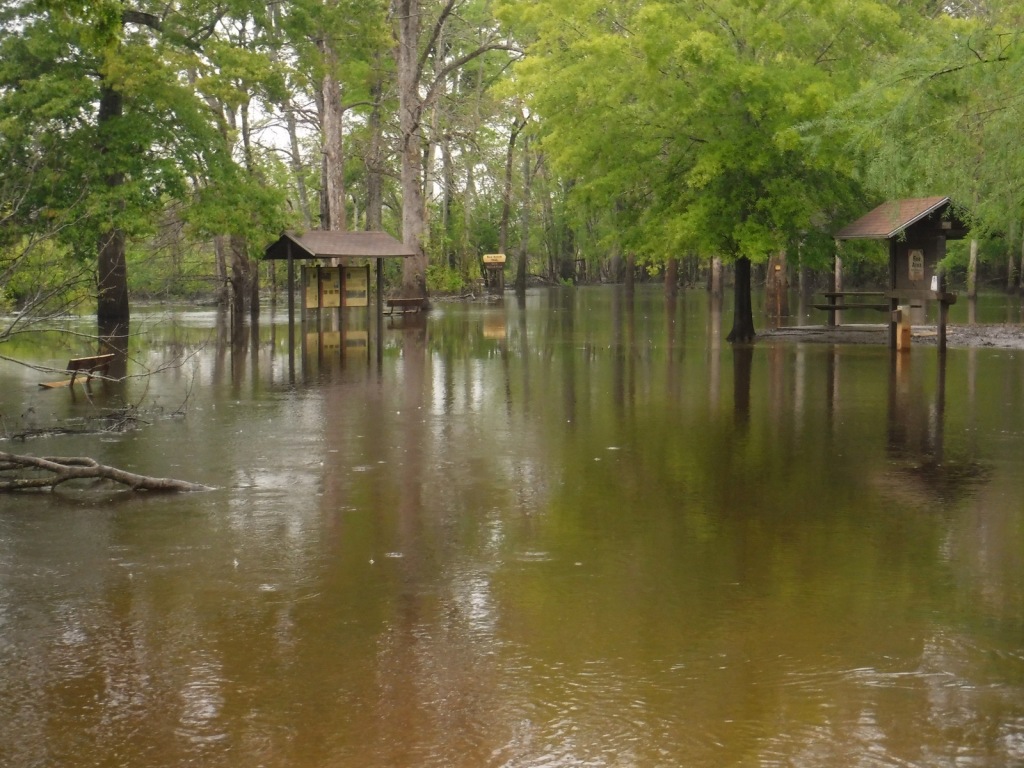
This National Forest is unique because it is flooded throughout the summer, so it is primarily used from September through March.  All vehicles must display a free Daily Visitor Use Permit and all ATV, horse, and bike riders must carry a pass (fee) on the multi-use trails.  The Yazoo-Mississippi Delta (or simply “the Delta”) is a distinct section of western Mississippi renowned for its blues musicians. Throughout this area, there are blues clubs and museums dedicated to preserving the memories of Muddy Waters, B.B. King, Bessie Smith, and others.

Best Trail

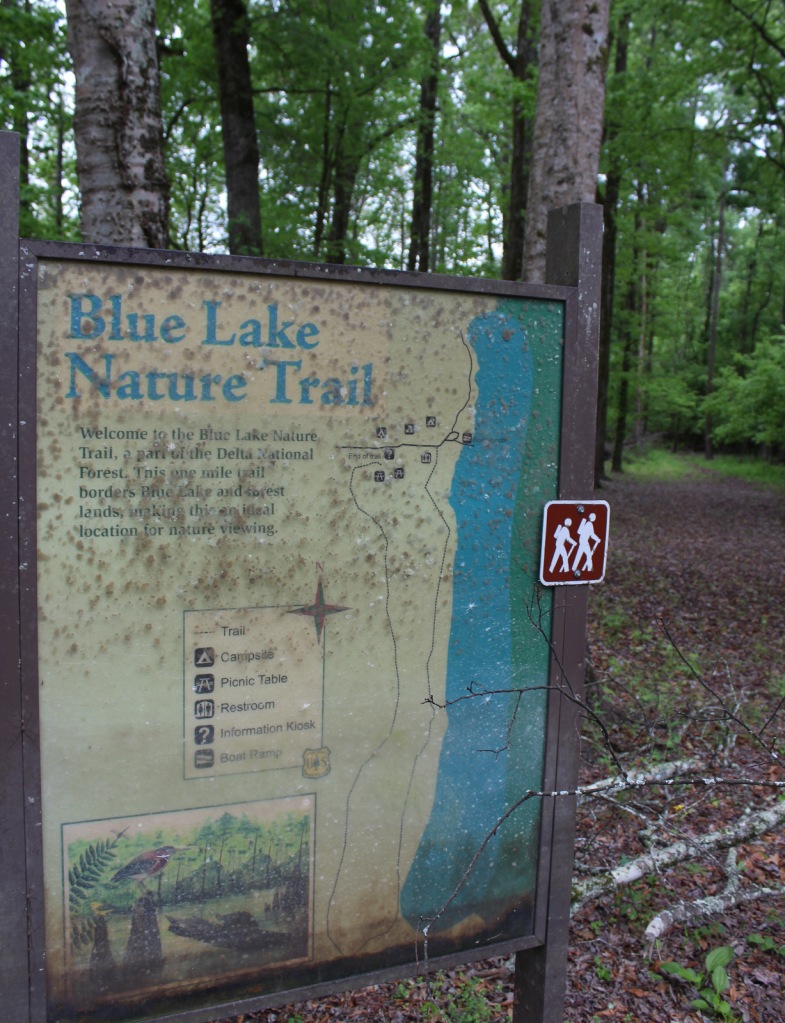
Delta National Forest has two main developed areas at Blue Lake and the Little Sunflower River, with Blue Lake Nature Trail and Rock Bottom Trail found at these sites respectively.  Both were flooded during our April visit, so in lieu of hiking, we opted to launch our inflatable kayak and paddle around Blue Lake to get up close to some huge baldcypress trees. 

Watchable Wildlife

Declared National Natural Landmarks in 1976, the Green Ash-Overcup Oak-Sweetgum Research Natural Areas are rare examples of pristine bottomland hardwood forests.  To improve wintering waterfowl conditions, three of the five greentree reservoirs are pumped and over 100 acres are planted as wildlife food plots.  Established in 1978, the neighboring Panther Swamp National Wildlife Refuge is one of seven refuges in the Theodore Roosevelt National Wildlife Refuge Complex.  The forest’s white-tailed deer herd is in very good condition, as are the numbers of wild turkeys, fox squirrels, swamp rabbits, river otters, raccoons, and American alligators.  The forest is known for its 32 different species of butterflies that congregate in July, with an average population of 21,000.

Instagram-worthy Photo

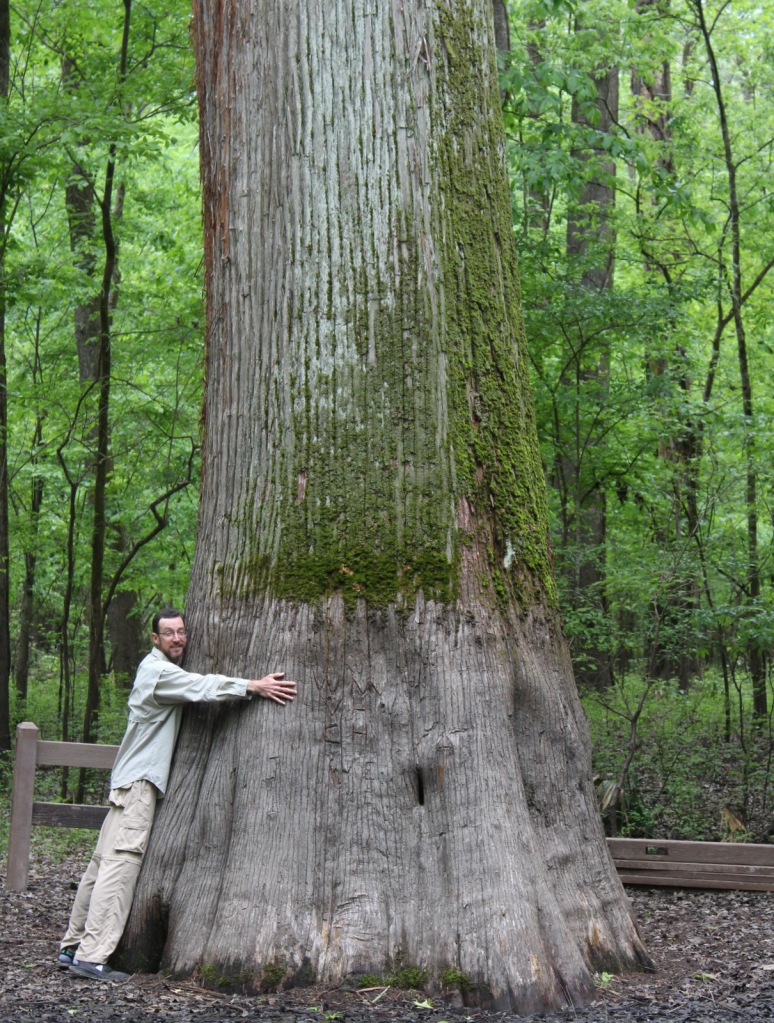
Across from Blue Lake on unpaved Fire Tower Road, be sure to stop at the Kay Cypress Tree, which is more than ten feet in diameter.

Peak Season

Winter

Fees

All vehicles in Sunflower Wildlife Management Area must display a free Daily Visitor Use Permit and all ATV, horse, and bike riders must carry a pass (fee) on the multi-use trails. 

Road Conditions

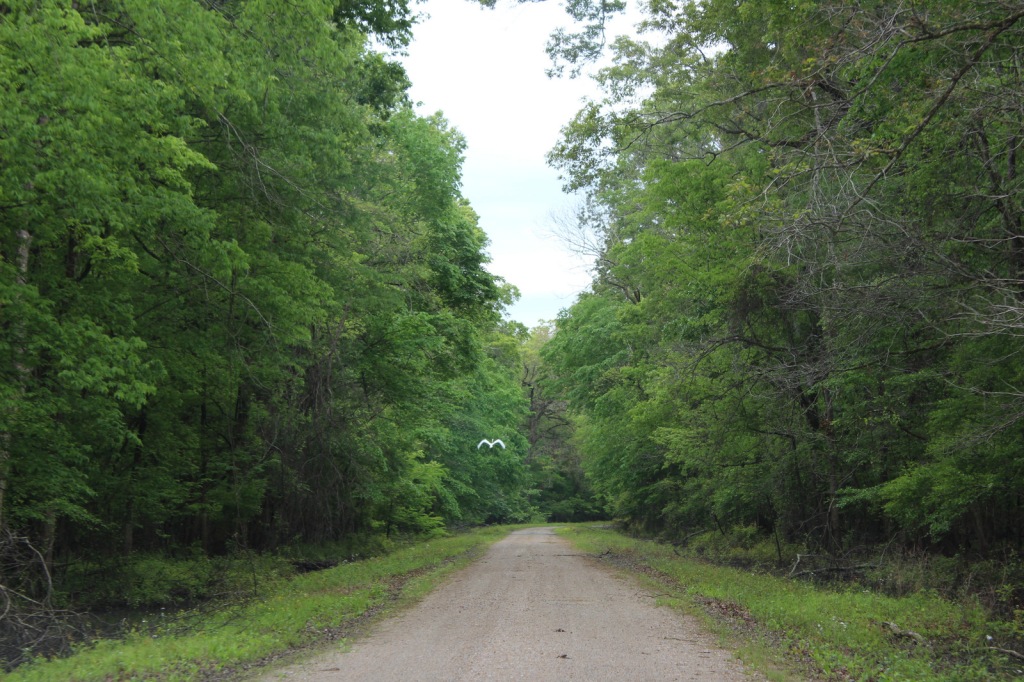
Fire Tower Road is unpaved, but was flat and above floodwater levels during our April visit, as was the road atop the dike along the Little Sunflower River.

Camping

Camping is only allowed at 57 primitive sites with a permit obtainable online ($7 per night fee). 

Wilderness Areas

None

Related Sites

Bienville National Forest (Mississippi)

De Soto National Forest (Mississippi)

Vicksburg National Military Park (Mississippi)

Nearest National Park
Hot Springs

Conifer Tree Species

baldcypress

Flowering Tree Species

Nuttall’s oak, overcup oak, cherrybark oak, willow oak, water oak, bur oak, swamp chestnut oak, water hickory, sweetgum, boxelder, swamp red maple, American elm, green ash, sugarberry, September elm, honeylocust, pecan, black gum, red mulberry, persimmon, deciduous holly, swamp dogwood

Explore More – What was the name of the legendary hunting guide and woodsman who found and tied up the black bear that Teddy Roosevelt refused to shoot in 1902?

Learn more about this and the 154 other National Forests in our new guidebook Out in the Woods

We are a participant in the Amazon Services LLC Associates Program, an affiliate advertising program designed to provide a means for us to earn fees by linking to Amazon.com and affiliated sites.

Davy Crockett National Forest

Davy Crockett National Forest

Texas

Managed by U.S. Forest Service, Southern Region

394,200 acres (160,647 federal/ 233,553 other)

Website: https://www.fs.usda.gov/texas

Overview

The pine forests and blackland prairies of Davy Crockett National Forest are situated between Lufkin and Crockett, Texas.  The National Forest is located within the Trinity and Neches River basins, where the Big Slough Canoe Trail explores the swampy 3,639-acre Big Slough Wilderness.  David Crockett was a frontiersman, soldier, and Tennessee politician who died at the infamous Battle of the Alamo in 1836 and later became an almost-mythical American folk hero known as the “King of the Wild Frontier.”  This swampy stretch of eastern Texas is a fitting place to be his namesake.

Highlights

Ratcliff Lake Recreation Area, Holly Bluff Campground, Neches Bluff Overlook, Neches River, Big Slough Canoe Trail, Tall River Trail, Four C Trail

Must-Do Activity

Davy Crockett National Forest’s most developed site is Ratcliff Lake Recreation Area, where several trails run near the campsites that surround the 45-acre lake, including one end of the 20-mile-long Four C National Recreation Trail.  The site also has a bathhouse, picnicking and swimming areas, and boat ramps.

Best Trail

The 20-mile Four C National Recreation Trail connects Ratcliff Lake Recreation Area with Neches Bluff Overlook, although hurricane damage closed the northern portion of the trail in 2019.  The trail is named after the Central Coal and Coke Company, which had a sawmill at Ratcliff Lake.  Much of the well-marked route follows abandoned tramways built by the company to haul logs.  The two trailheads are easily accessible from highways, but no backpack camping is allowed during deer hunting season (November through January).

Watchable Wildlife

Fishing is a major draw to Ratcliff Lake, as is hunting for white-tailed deer, fox squirrels, northern bobwhite quail, doves, wild turkeys, and various waterfowl.  Beavers and American alligators are also found at Ratcliff Lake.  Longleaf pine forests are managed to provide habitat for red-cockaded woodpeckers, an endangered species.  We saw an armadillo while hiking a swampy section of the Four C National Recreation Trail along the Neches River.

Instagram-worthy Photo

There is not much vertical topography in eastern Texas, so Neches Bluff Overlook stands out and commands an expansive view, including Caddo Mounds State Historic Site.

Peak Season

Spring and fall

Fees

None

Road Conditions

Access to Neches Bluff Overlook is by a well-maintained unpaved road that would be drivable by an RV.

Camping

There is free primitive camping allowed at Neches Bluff Overlook, which is located just south of Highway 21 near Caddo Mounds State Historic Site.  No backpack camping is allowed on the Four C National Recreation Trail during deer hunting season (November through January), when dispersed camping is also restricted to 20 designated hunter camps.

Wilderness Areas

Big Slough Wilderness

Related Sites

Angelina National Forest (Texas)

Sabine National Forest (Texas)

Big Thicket National Preserve (Texas)

Nearest National Park
Hot Springs

Conifer Tree Species

baldcypress, loblolly pine, shortleaf pine, longleaf pine, eastern redcedar

Flowering Tree Species

blackjack oak, post oak, southern red oak, white oak, swamp chestnut oak, willow oak, sweetgum, red maple, swamp red maple, green ash, swamp cottonwood, black willow, water hickory, pignut hickory, hophornbeam, sassafras, slippery elm, water elm, winged elm, American holly, yaupon holly, red buckeye, redbud, rough-leaf dogwood, flowering dogwood

Explore More – When were the mounds created at nearby Caddo Mounds State Historic Site?

Learn more about this and the 154 other National Forests in our new guidebook Out in the Woods

We are a participant in the Amazon Services LLC Associates Program, an affiliate advertising program designed to provide a means for us to earn fees by linking to Amazon.com and affiliated sites.