Tag Archives: history

Aztec Ruins National Monument

Overview

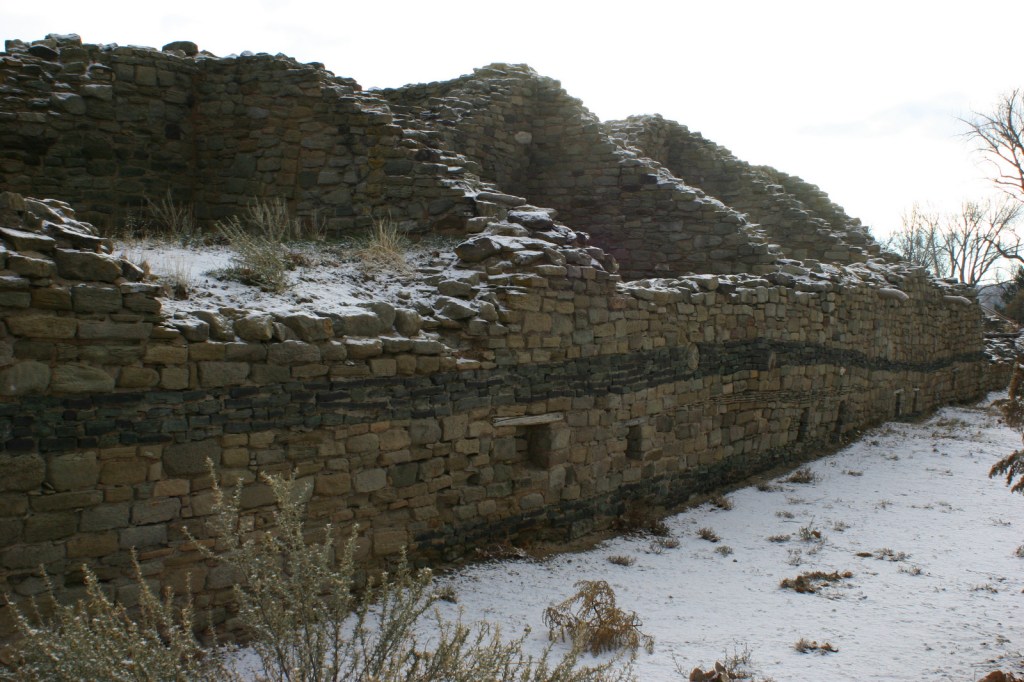
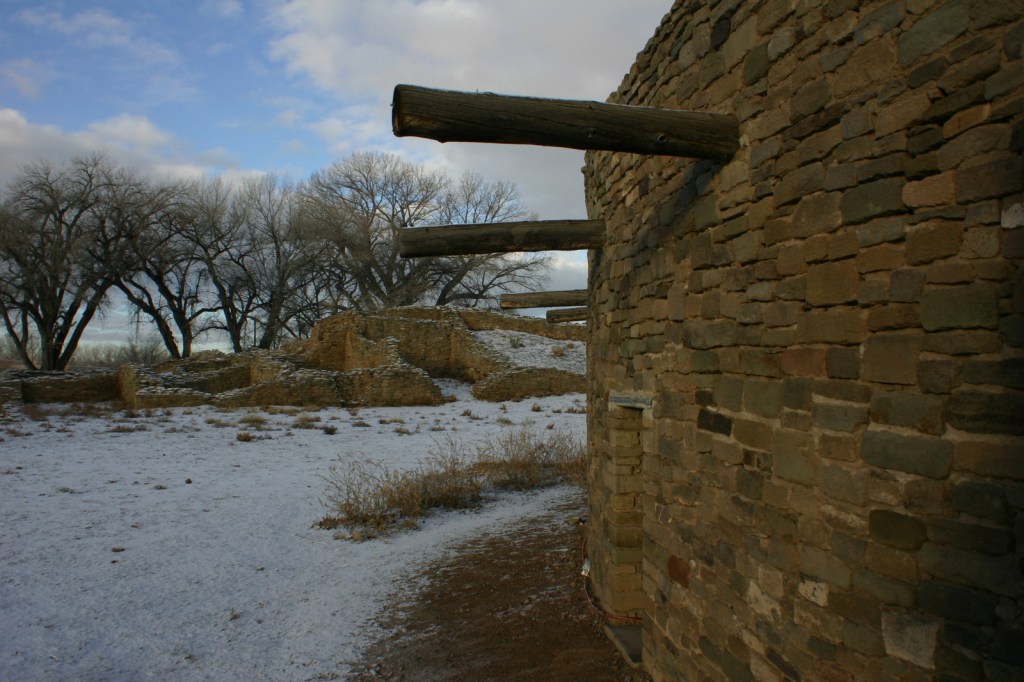
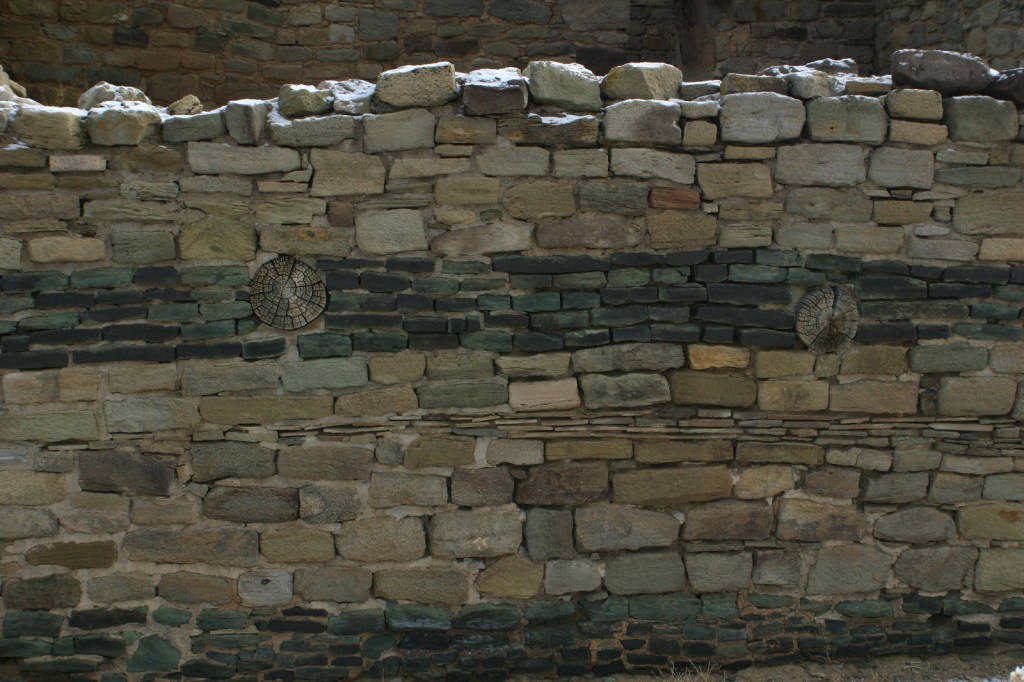
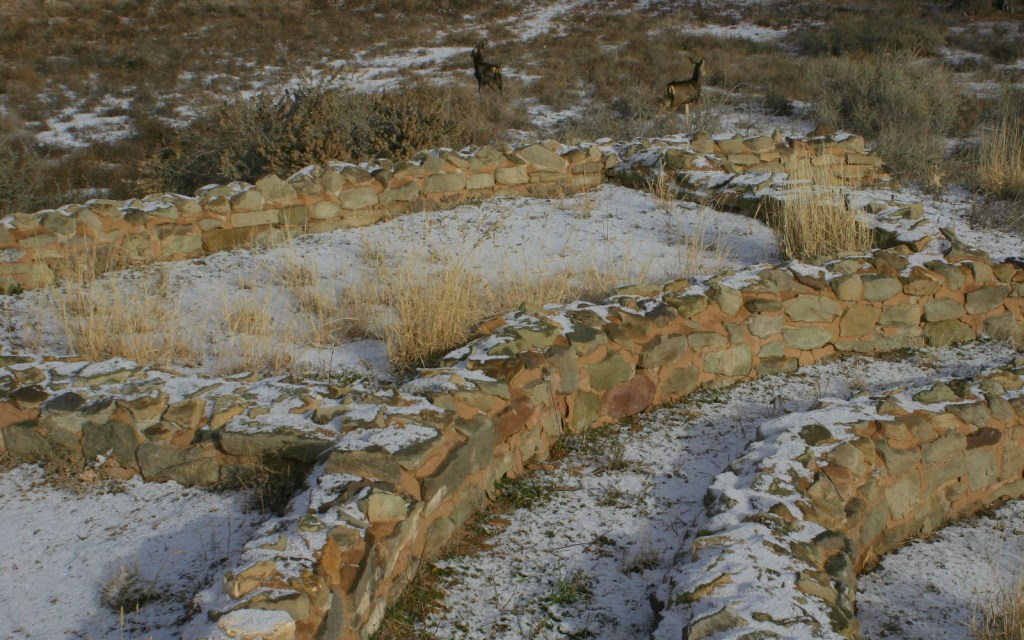
Aztec, New Mexico is home to the incredible Ancestral Puebloan ruins of a three-story, 400-room ancient apartment building near the Animas River.  Only partially excavated, Aztec Ruins National Monument has a variety of rock walls that display a change in building styles over the centuries.  Similar to Montezuma Castle National Monument in Arizona, Aztec was named for the Central Mexican culture mistakenly believed by earlier archaeologists to have had influence in this region.

Highlights

Museum, film, reconstructed great kiva, ruins

Must-Do Activity

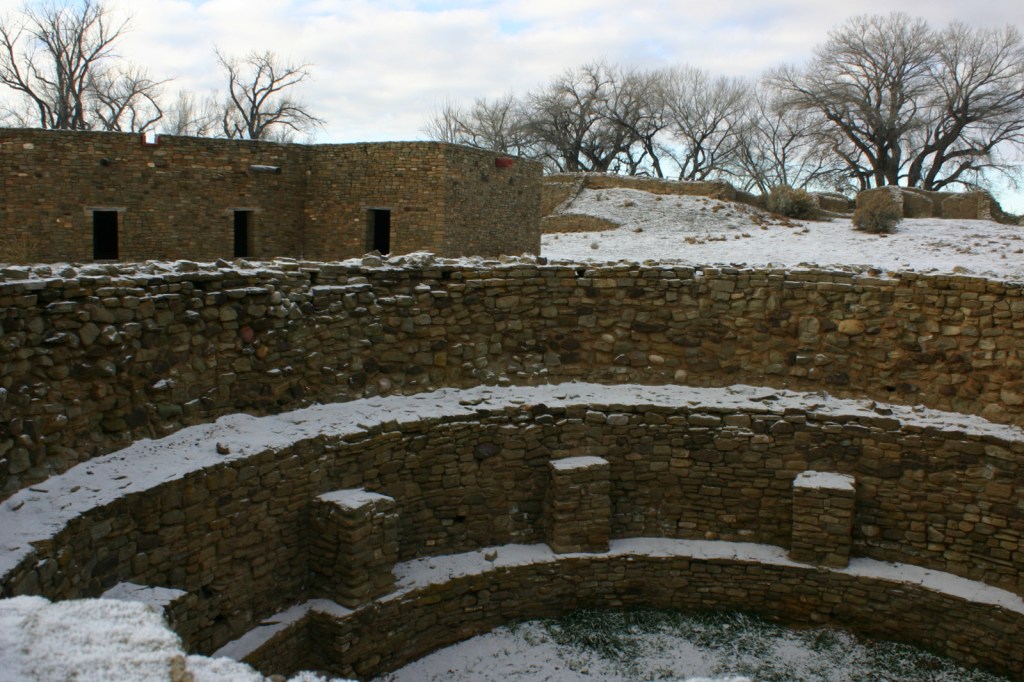
Aztec Ruins National Monument boasts a great kiva that was rebuilt to appear as it may have 800 years ago.  We especially recommend a visit before or after seeing the extensive ceremonial structures at nearby Chaco Culture National Historical Park.  Reconstruction is not appropriate at all National Park Service (NPS) sites, but here it helps the past come alive.  It is easy to imagine costumed dancers coming down the stairs into the smoky kiva to celebrate a religious ritual. 

Best Trail

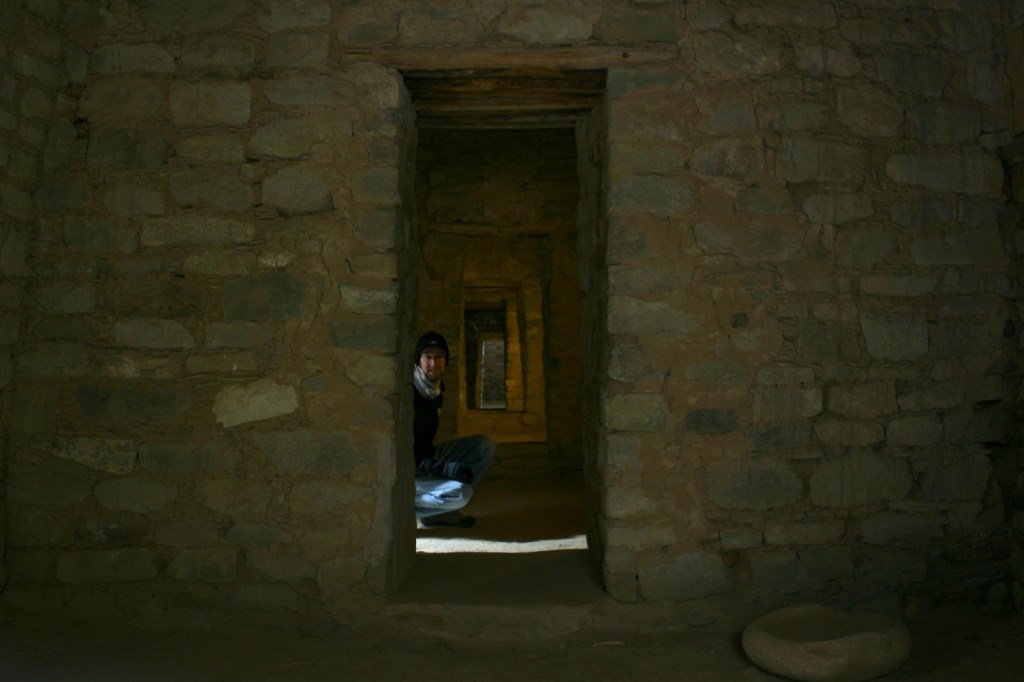
The half-mile self-guided trail leads through ruins where wooden roofs have been partially reconstructed.  Aztec Ruins also has the same T-shaped doorways you may have seen at Mesa Verde National Park and Chaco Culture National Historical Park.

Instagram-worthy Photo

Darker stripes in the walls were decorative, and evidence of several architectural styles are evident at this site.

Peak Season

Summer

Hours

https://www.nps.gov/azru/planyourvisit/hours.htm

Fees

None

Road Conditions

All roads paved

Camping

There is an NPS campground at Chaco Culture National Historical Park, but we recommend the free campground in Angel Peak Recreation Area run by the Bureau of Land Management east of Highway 550.

Related Sites

Chaco Culture National Historical Park (New Mexico)

Pecos National Historical Park (New Mexico)

Bandelier National Monument (New Mexico)

Explore More – How far away from Aztec were the nearest Douglas-fir, ponderosa pine, and aspen trees used in the original roof construction?
Wright Brothers National Memorial

Overview

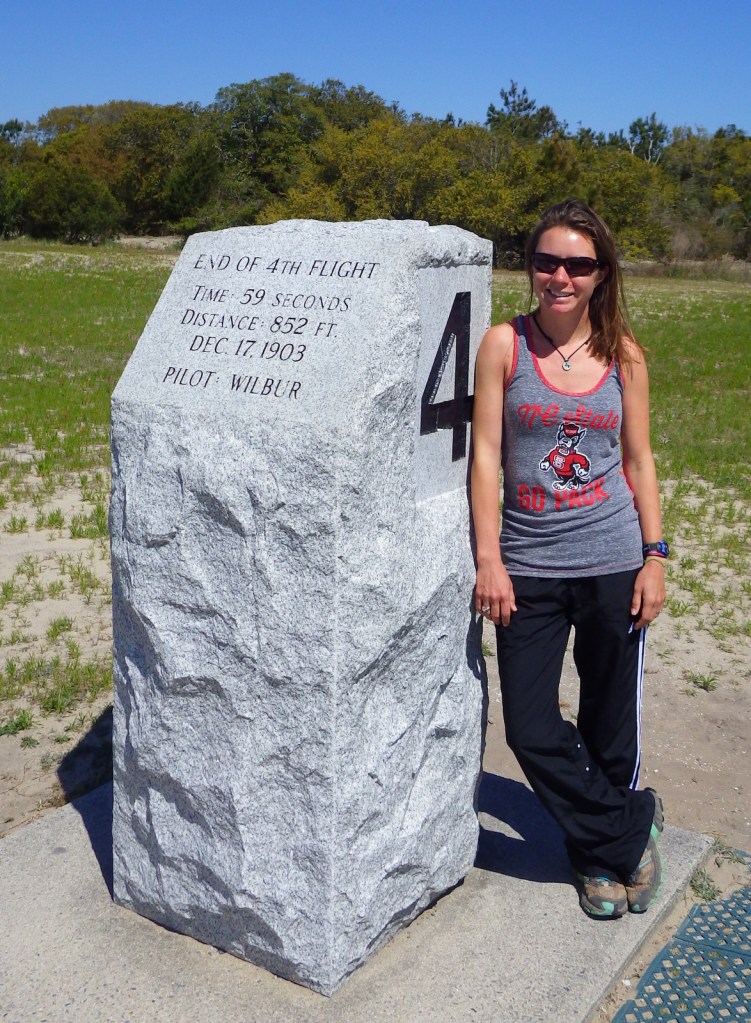
The Wright Brothers hailed from Dayton, Ohio but they came to the Outer Banks of North Carolina for the sustained winds they needed to get their winged contraptions off the ground.  They glided from the top of Kill Devil Hill more than a thousand times between 1900 and 1902.  Then on December 17, 1903 they finally made history: twelve-seconds of motor-powered, man-carrying flight in a heavier-than-air airplane.  After the fourth and longest flight (59 seconds) that day the flying machine was irreparably crashed and the brothers headed back to Ohio. 

Highlights

Museum, replica flyer and glider, monument, sculpture

Must-Do Activity

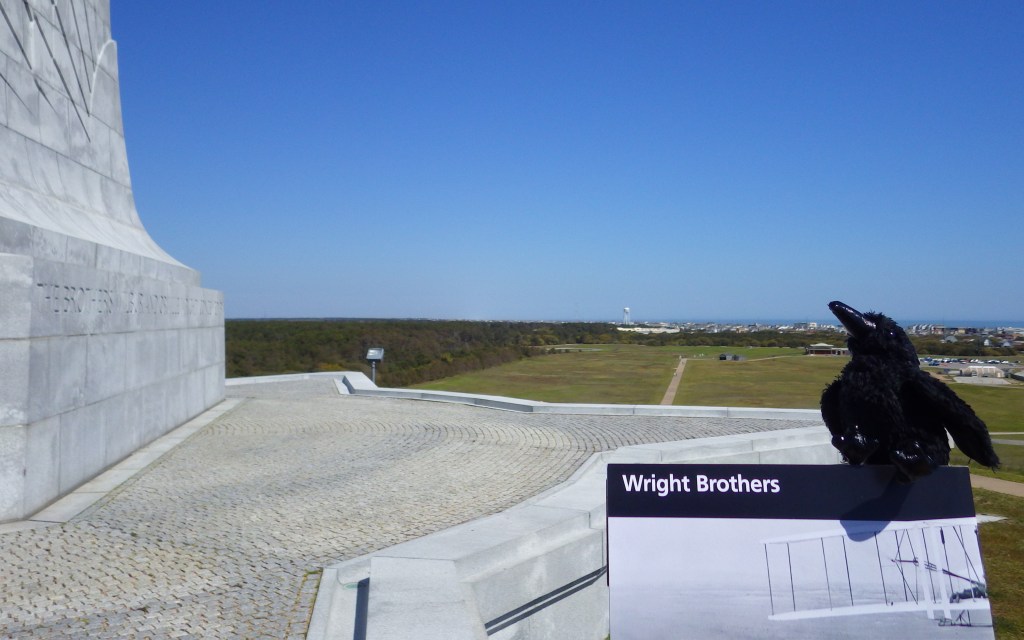
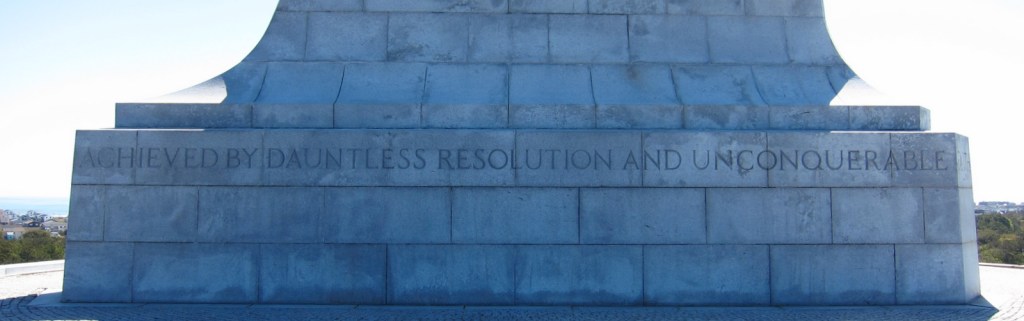
Since 1932, a massive granite monument has stood atop the 90-foot tall hill, which is actually a sand dune stabilized with planted grass.  Visitors to Kitty Hawk will also find a replica flyer and glider, reconstructed hangar, boulders marking the landing spot of each of the four flights, and a life-size bronze sculpture added on the first flight centennial in 2003. 

Best Trail

A paved walkway connects the Wright Brothers Monument atop Kill Devil Hill with the five boulders marking the lift-off point and four landings that occurred on December 17, 1903.

Instagram-worthy Photo

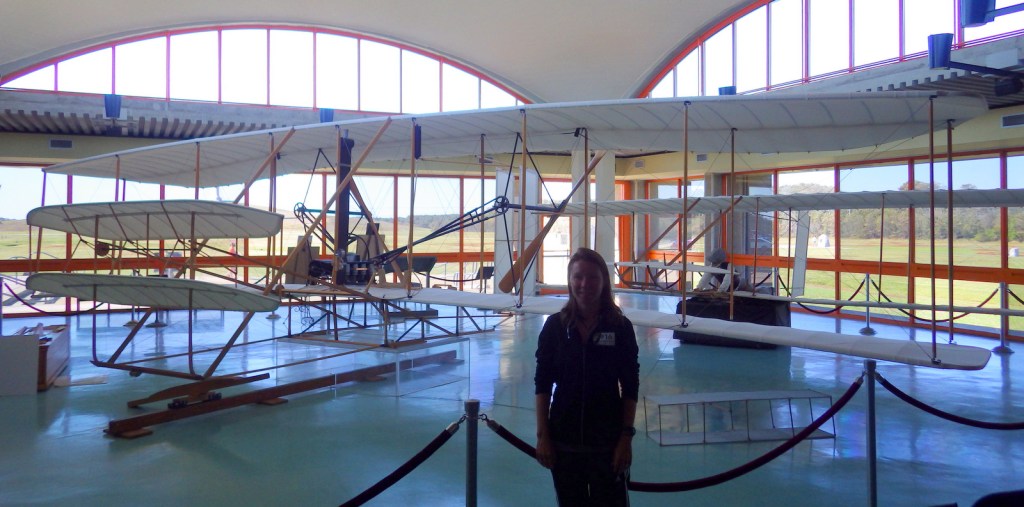
A full-scale replica of the 1903 flyer is located inside the museum run by the National Park Service (NPS).  Rangers give lectures in that room throughout the day, also explaining details of the replica 1902 glider.

Peak Season

Summer and every December 17

Hours

https://www.nps.gov/wrbr/planyourvisit/hours.htm

Fees

$10 per person or America the Beautiful pass

Road Conditions

All roads paved

Camping

There are NPS campgrounds located south of the memorial in Cape Hatteras National Seashore.

Related Sites

Dayton Aviation Heritage National Historical Park (Ohio)

Fort Raleigh National Historic Site (North Carolina)

Cape Hatteras National Seashore (North Carolina)

Explore More – The 1903 flyer on display here is a replica, so where is the original exhibited?

We are a participant in the Amazon Services LLC Associates Program, an affiliate advertising program designed to provide a means for us to earn fees by linking to Amazon.com and affiliated sites.

Nez Perce National Historical Park

Overview

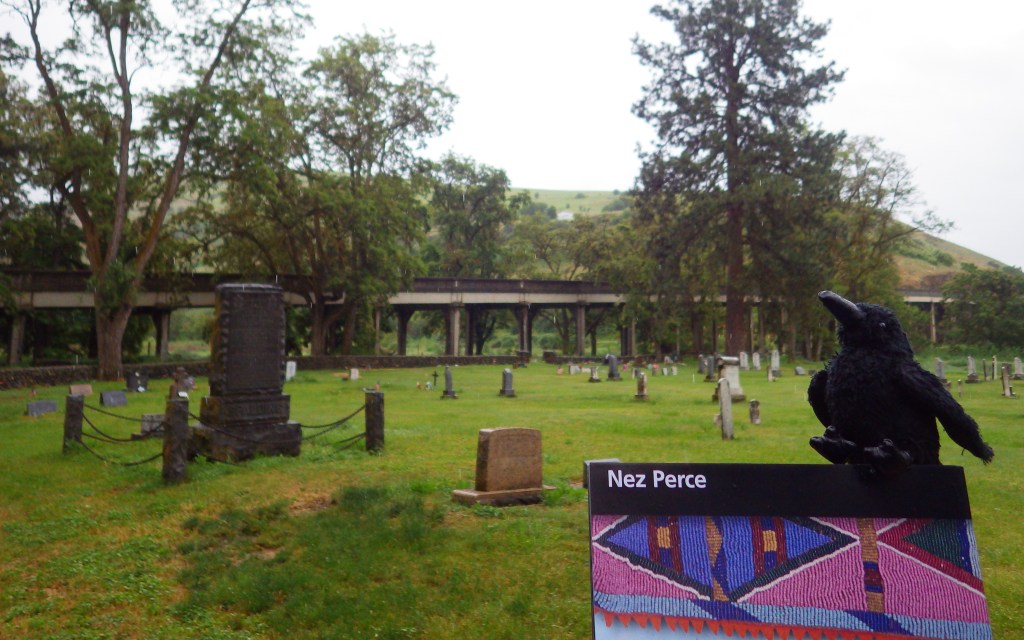
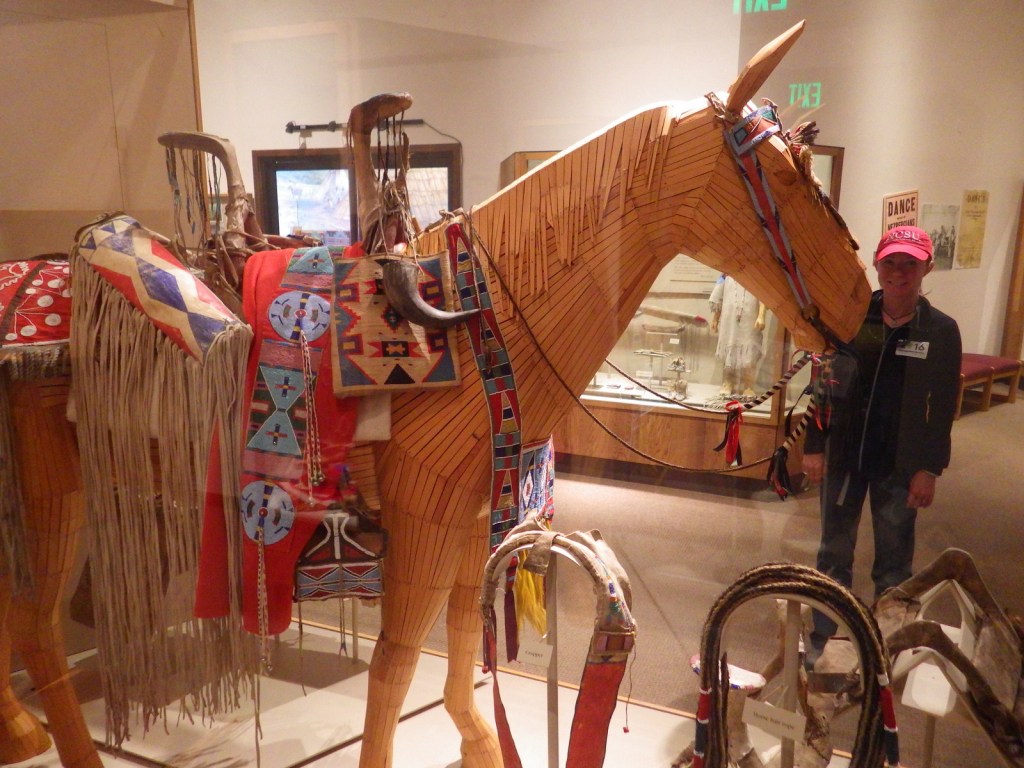
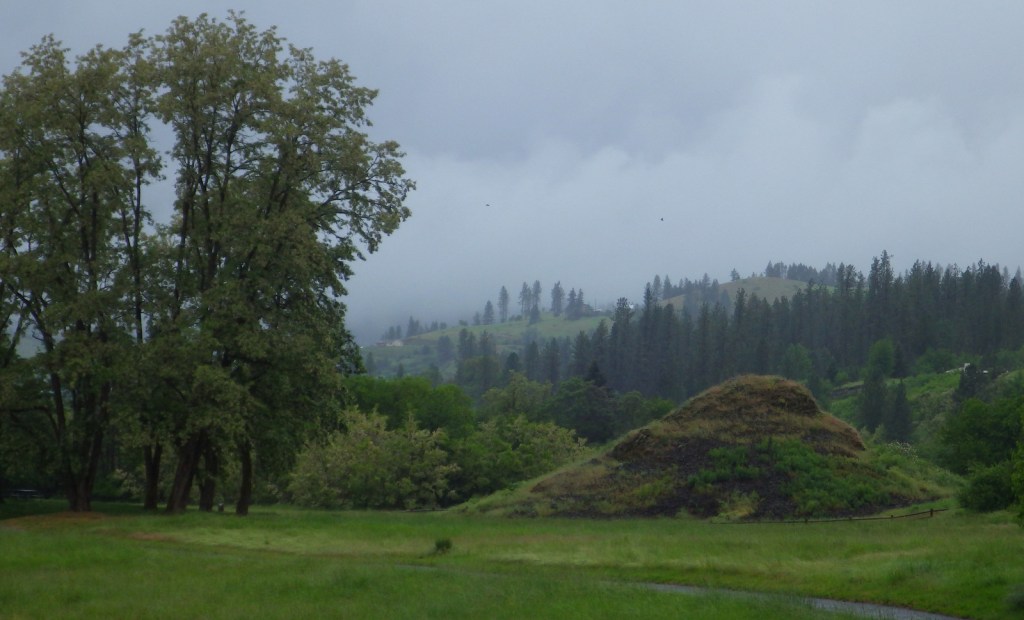
Nez Perce National Historical Park is unique because it comprises 38 sites stretching across four states, not even including an 1877 incident inside Wyoming’s Yellowstone National Park.  Many of the locations (as well as Big Hole National Battlefield) cover the War of 1877, when a portion of the tribe fled more than 1,000 miles from Oregon towards the Canadian border only to be stopped 40 miles short by the U.S. Army at Bear Paw Battlefield in Montana.  Under the leadership of legendary Chief Joseph they crossed the Rocky Mountains at Lolo Pass, made famous by the Lewis and Clark Expedition that the tribe assisted in 1805.

Highlights

Museum, film, Heart of the Monster, Lolo Pass, Bear Paw Battlefield

Must-Do Activity

The main National Park Service (NPS) visitor center is in Spalding, Idaho on the Nez Perce Indian Reservation where the “heart of the monster” resides.  According to legend, after Coyote slew the monster that inhaled all the people, its heart and liver came to rest on the banks of the Clearwater River.  This park is also unique because the Nez Perce remain an active tribe with a strong sense of community, as documented in the excellent new film at the visitor center.  Highway 12 follows the beautiful Clearwater River through northern Idaho and provides access points for the unpaved Lolo Motorway (a section of the Nez Perce National Historical Trail) and its many scenic overlooks.

Best Trail

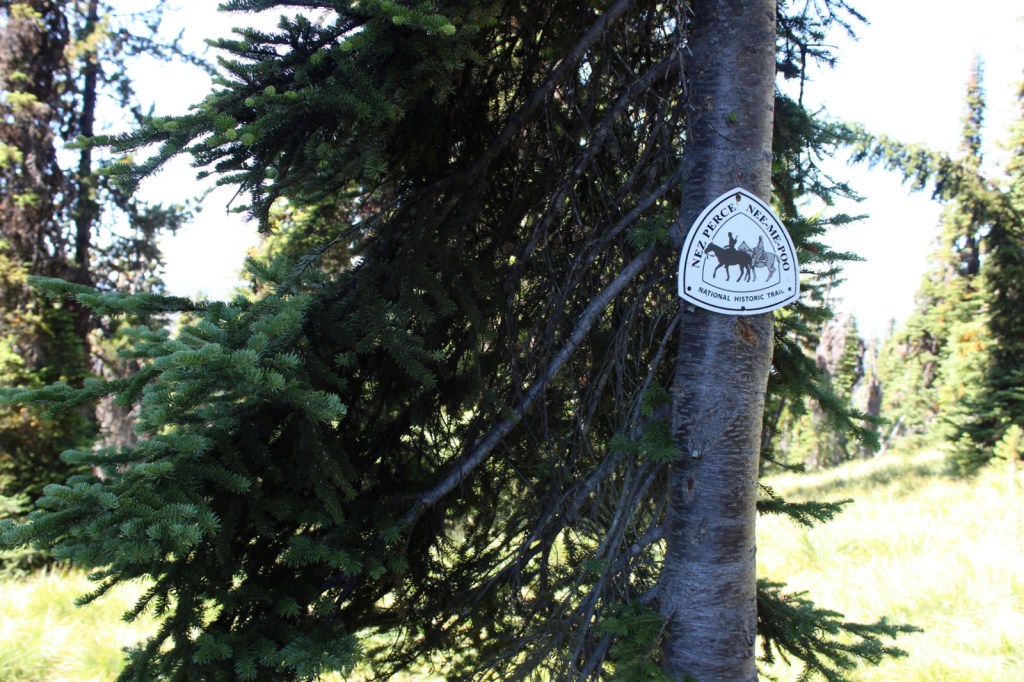
Nez Perce National Historical Trail stretches 1,170 miles from Oregon to Montana, ending at the NPS site at Bear Paw Battlefield where a five-day fight finally led to the tribe’s surrender in October 1877.

Instagram-worthy Photo

At a roadside pullout on Highway 95 in Idaho, the NPS interprets White Bird Battlefield where 34 U.S. Army soldiers were killed on June 17, 1877 escalating the U.S. government’s conflict with the Nez Perce into a war.

Peak Season

Summer

Hours

https://www.nps.gov/nepe/planyourvisit/hours.htm

Fees

None

Road Conditions

Most of the major roads are paved, with the notable exception of the Lolo Motorway which requires a high clearance vehicle (and four-wheel drive on its western end).

Camping

There are camping opportunities ranging from dispersed to developed located throughout Clearwater, Nez Perce, and Wallowa-Whitman National Forests.

Related Sites

Big Hole National Battlefield (Montana)

Grant-Kohrs Ranch National Historic Site (Montana)

Whitman Mission National Historic Site (Washington)

Explore More – After the 1863 “Steal Treaty” reduced the Nez Perce Reservation by 90%, what was the 1887 federal law that allowed another 90% to end up in white ownership?

Little Bighorn Battlefield National Monument

Overview

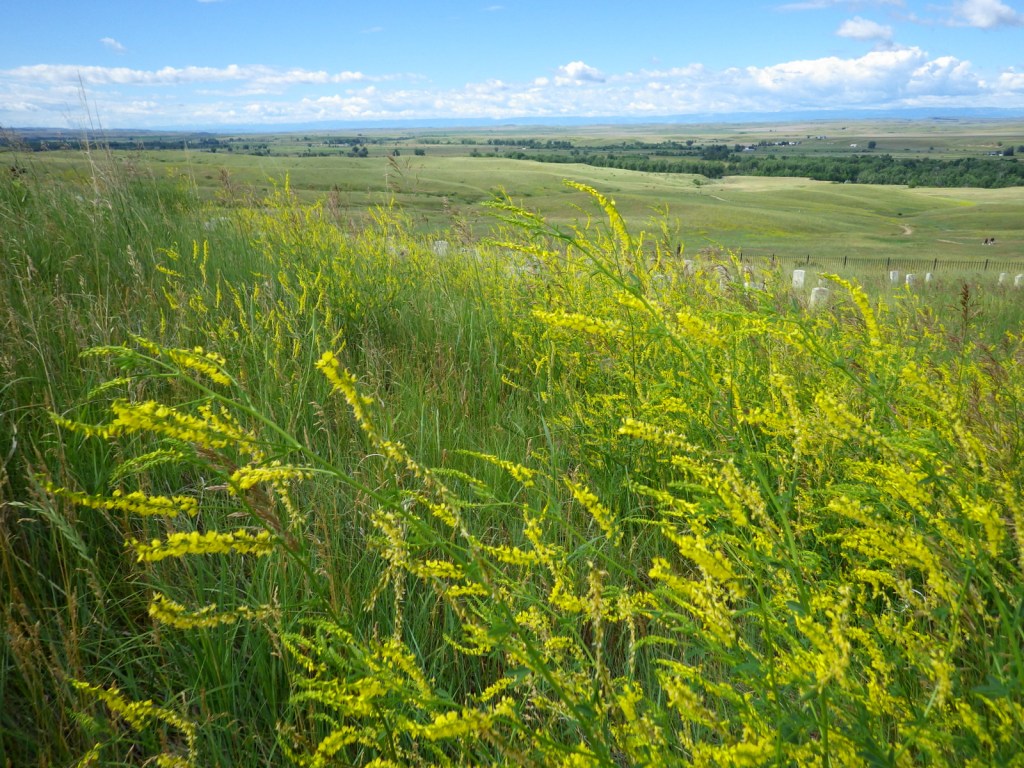
You may not recall the 1876 battle at the Little Bighorn River in southern Montana, but most Americans (even children) recognize its label “Custer’s Last Stand.”  For such a relatively minor skirmish in the bloody 1800s, it has an outsized legend that only grows with time.  At this site more than 140 years ago, a large portion of the 7th U.S. Cavalry met their demise for tactical reasons still debated to this day.  The blame is generally placed upon Lieutenant Colonel George Armstrong Custer who was believed to be jockeying for a presidential nomination in the 1876 election.  Today this National Park Service (NPS) site is located on the Crow Indian Reservation in southern Montana, just off Interstate 90.

Highlights

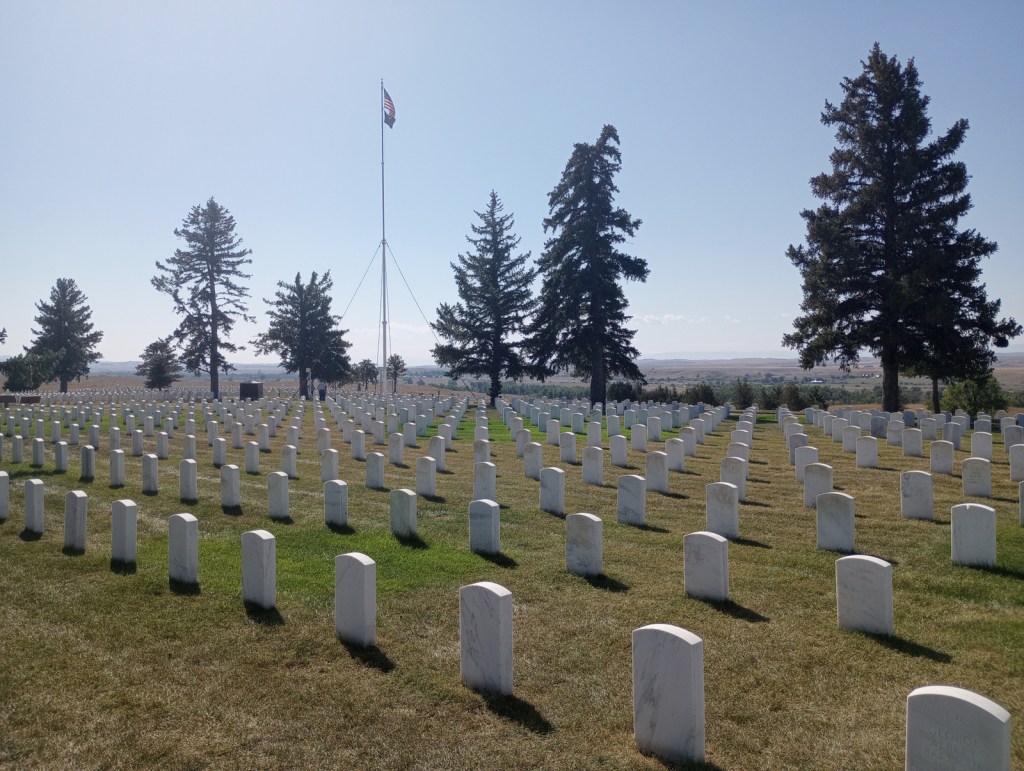
Museum, Custer National Cemetery, driving tour, Last Stand Hill, Indian Memorial

Must-Do Activity

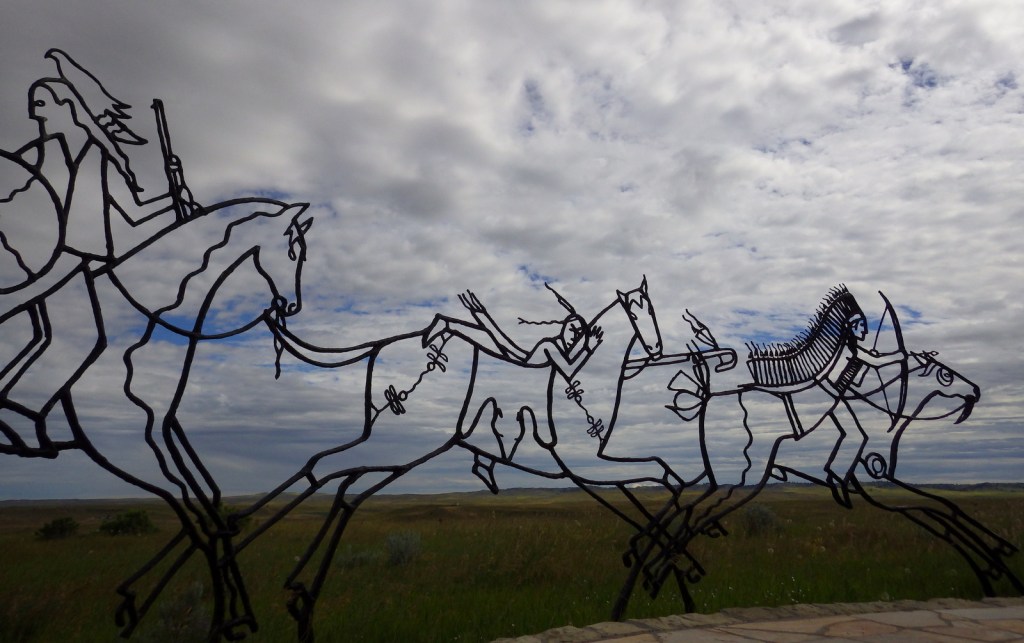
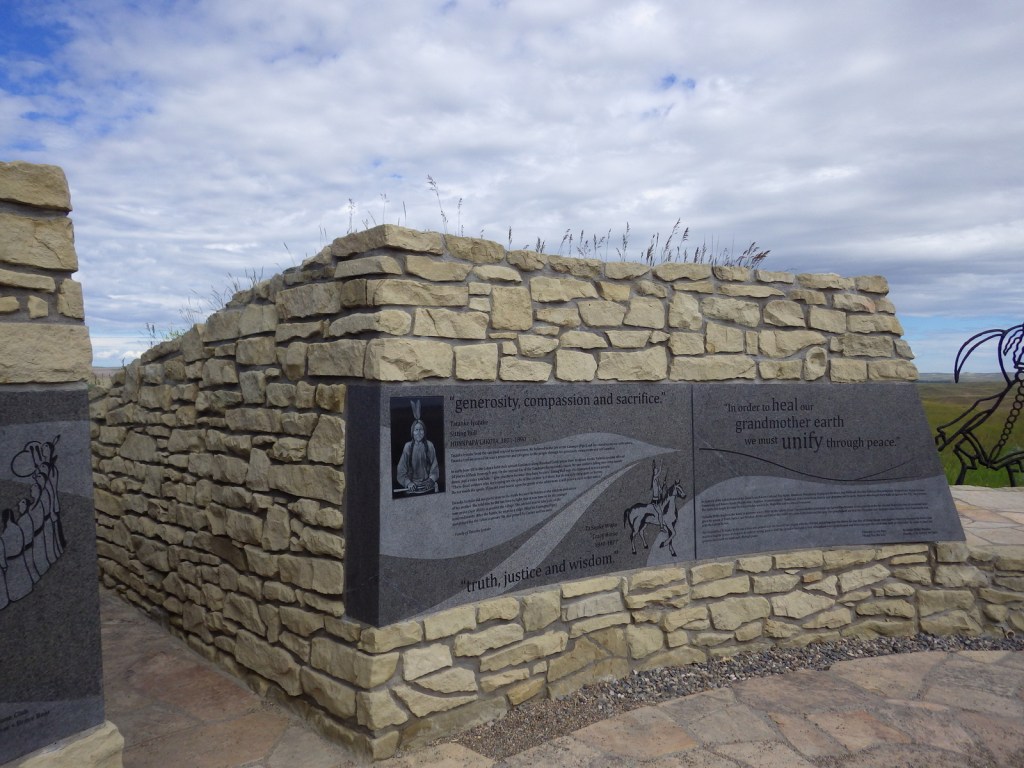
On June 25, 1876, with only 600 soldiers, Custer attempted to defeat a temporary village composed of multiple tribes numbering over 7,000 individuals.  Never before had so large an American Indian encampment been collected anywhere on the Great Plains.  Renowned war chiefs Sitting Bull, Crazy Horse, Two Moons, and many others have their words memorialized at the Indian Memorial, not built at Little Bighorn Battlefield National Monument until 1997 near the mass grave on Last Stand Hill.  Be sure to come in late June for the opportunity to witness a historical reenactment of the famous battle, which is held on the Crow Indian Reservation adjacent to the 765-acre National Monument.

Best Trail

None

Instagram-worthy Photo

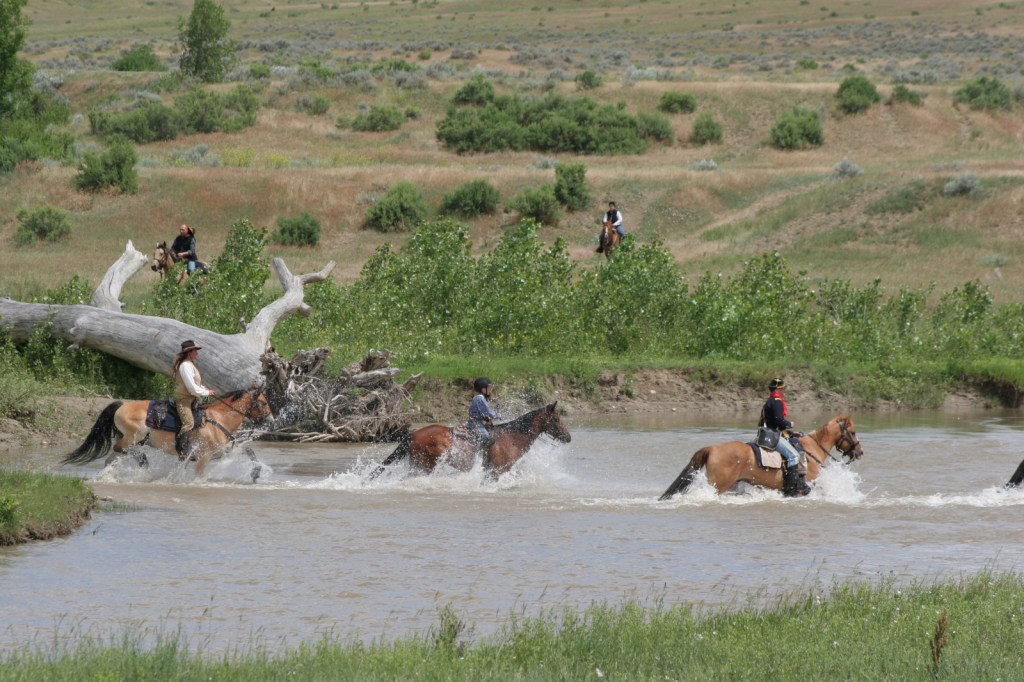
The Battle of the Little Bighorn Reenactment is a two-hour, fully narrated presentation explaining the significance of the Battle of the Greasy Grass (as the American Indians call it).  The site of the reenactment is a ford where Lieutenant Colonel Custer’s battalion came closest to the encampment where 1,800 warriors of the Sioux, Cheyenne, and Arapahoe Nations were gathered to protect their families.  American Indian riders go bareback, leaping on and off their ponies with ease, while saddled 7th U.S. Cavalry re-enactors splash through the fast-flowing Little Bighorn River astride powerful horses.

Peak Season

Summer (the best time of year to visit is around the June 25 anniversary when a reenactment of the battle is held)

Hours

https://www.nps.gov/libi/planyourvisit/hours.htm

Fees

$25 per vehicle or America the Beautiful pass

Road Conditions

All roads paved

Camping

There is a small, private campground at the exit from Interstate 90, but the nearest NPS campground is 40 miles away at Bighorn Canyon National Recreation Area.

Related Sites

Washita Battlefield National Historic Site (Oklahoma)

Big Hole National Battlefield (Montana)

Devils Tower National Monument (Wyoming)

Explore More – When was Custer National Cemetery originally established and when did it become part of a National Monument?

Washita Battlefield National Historic Site

Overview

Many retaliatory acts occurred in the aftermath of the 1864 Sand Creek Massacre in Colorado, leading the U.S. Army to launch a campaign against the Cheyenne, Arapaho, and Kiowa following the signing of several peace treaties.  In November 1868, after unsuccessfully seeking protection at Fort Cobb, Cheyenne Chief Black Kettle and Arapaho Chief Big Mouth returned to their winter villages in the Washita River Valley.  The very next day a surprise attack was launched by Lieutenant Colonel George Custer, capturing 53 and killing thirty to sixty Cheyennes, including Black Kettle and his wife.  Under Major General Philip Sheridan’s policy of “total war,” approximately 800 horses were then slaughtered and the village burned. 

Highlights

Museum, film, interpretive trail

Must-Do Activity

The events that took place the morning of November 27, 1868 in western Oklahoma have been described either as a battle or a massacre.  A small National Park Service (NPS) visitor center with exhibits on the events is shared with the U.S. Forest Service’s Black Kettle National Grassland.  Located just down the road on Highway 47 is a self-guided walking tour of the prairie battlefield. 

Best Trail

The 1.4-mile hiking trail through the battlefield leaves from an overlook of the historic site down to the Washita River where trees grow.

Instagram-worthy Photo

The vegetation is typical of Oklahoma prairie with grasses, yucca, and Indian blanket (in bloom in late May).

Peak Season

Summer

Hours

https://www.nps.gov/waba/planyourvisit/hours.htm

Fees

None

Road Conditions

All roads paved

Camping

There are private campgrounds in Cheyenne, Oklahoma, or you can head 25 miles southeast to Foss State Park.

Related Sites

Black Kettle National Grassland (Oklahoma-Texas)

Sand Creek Massacre National Historic Site (Colorado)

Little Bighorn Battlefield National Monument (Montana)

Chickasaw National Recreation Area (Oklahoma)

Explore More – When was this National Historic Site authorized by Congress?