Tag Archives: fishing

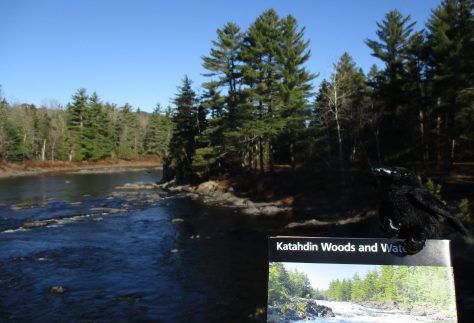
Katahdin Woods and Waters National Monument

Katahdin Woods and Waters National Monument

Managed by National Park Service

Established 2016

87,564 acres

Website: nps.gov/kaww

Overview

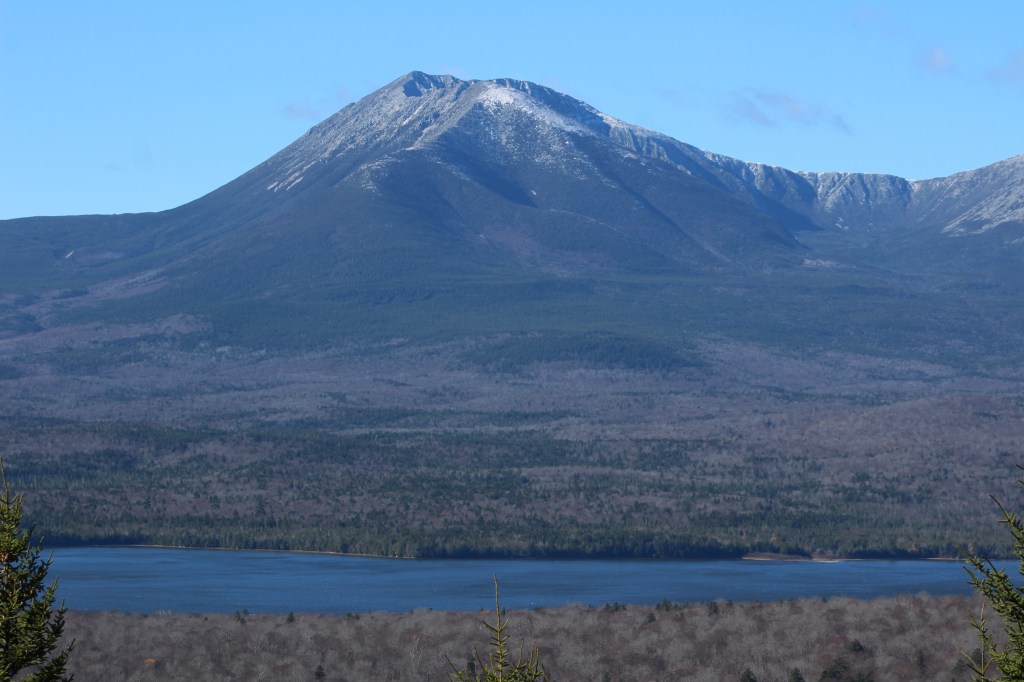
Central Maine is an ecological transition zone between boreal and broadleaf deciduous forests that provides habitat for Canada lynx, black bear, moose, and beaver.  The waters are home to brook trout and Atlantic salmon, which are being reestablished with cooperation between government agencies and the Penobscot and other Wabanaki Nations.  The official northern terminus of the Appalachian National Scenic Trail, Katahdin means “greatest mountain” in the Penobscot language and is the name of the 5,269-foot peak outside National Monument boundaries in neighboring Baxter State Park.  This undeveloped landscape was purchased by the businesswoman Roxanne Quimby beginning in 2001 with the plan to turn it into a National Park.  It was donated to the National Park Service to mark the centennial of its creation and, despite some controversy, was established by President Barack Obama. 

Learn more about the other 137 National Monuments in our book Monumental America: Your Guide to All 138 National Monuments. It is now available for sale on Amazon.com.

Highlights

Tekαkαpimək Contact Station, Patten Lumbermen’s Museum, Katahdin Loop Road, Barnard Mountain, Stair Falls

Must-Do Activity

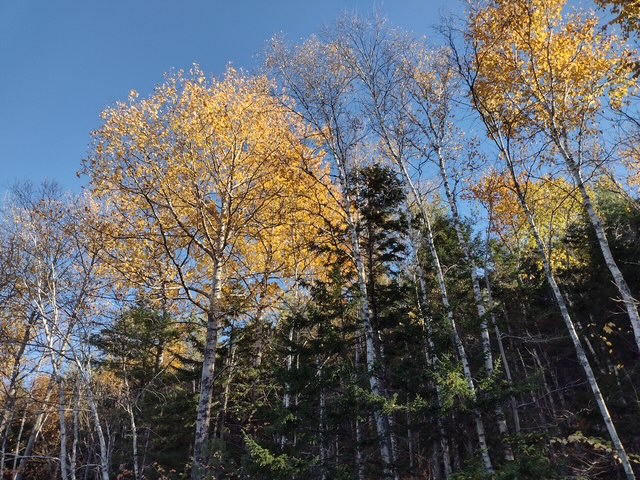
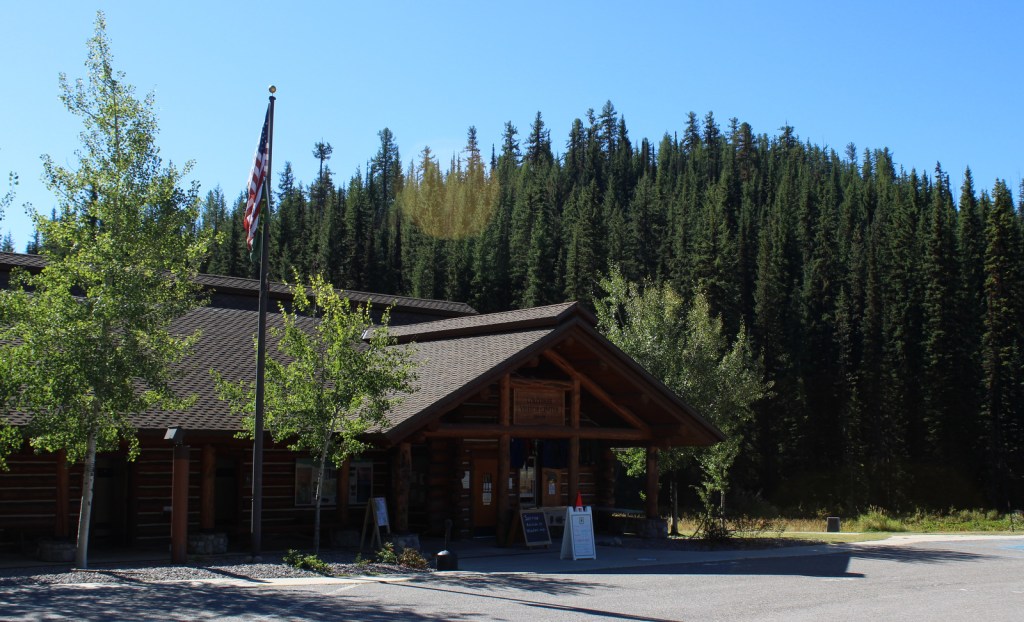
Opened in 2025 near the south entrance, the Tekαkαpimək Contact Station is seasonally open Friday through Sunday in a building inspired by Wabanaki culture.  The National Park Service no longer works out of the Patten Lumbermen’s Museum (but it is still worth a visit).  The 17-mile-long Katahdin Loop Road in the southern section of the National Monument is the most developed with picnic areas, vault toilets, and overlooks.  The unpaved loop road is accessed from the east by miles of unpaved road and has no access to Baxter State Park.  About 30 miles of the International Appalachian Trail runs through Katahdin Woods and Waters National Monument with lean-tos dispersed along the route.  Other than hiking, visitors enjoy stargazing, birding, leaf peeping in the fall, canoeing the East Branch of the Penobscot River with portages around its many waterfalls.  In the winter, there are opportunities for cross-country skiing, snowshoeing, and snowmobiling. 

Best Trail

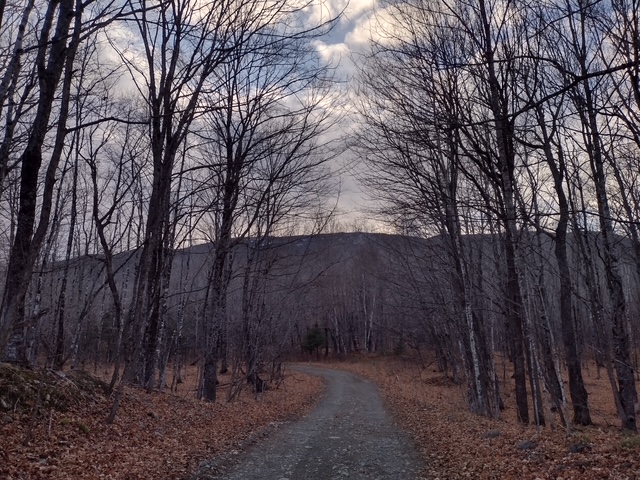
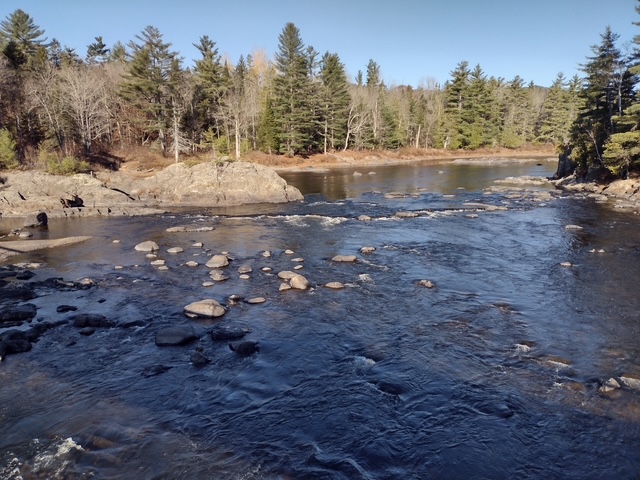
From the Haskell Gate at the end of New River Road, it is 3.5 miles out-and-back to Stair Falls on the East Branch of the Penobscot River.  The first part follows an old road and the International Appalachian Trail before branching north at a signed junction to access the water and is also open to bicycles.  The only trailhead accessed from a paved road is the 13.6-mile Seboeis Riverside Trail that starts outside the National Monument off Grand Lake Road.     

Photographic Opportunity

One of the best views of Katahdin is from the top of Barnard Mountain, accessed by a two-mile one-way hike with 725 feet of elevation gain. 

Peak Season

Summer

Hours

https://www.nps.gov/kaww/planyourvisit/basicinfo.htm

Fees

None

Road Conditions

Every road within the National Monument is unpaved, so watch for potholes and logging trucks.  The north and south entrances have gates that close seasonally.

Camping

Reservations are required to car camp at designated sites within Katahdin Woods and Waters National Monument and can be made online at Recreation.gov

Related Sites

Appalachian National Scenic Trail (Maine to Georgia)

Saint Croix Island International Historic Site (Maine)

White Mountain National Forest (New Hampshire, Maine)

Nearest National Park

Acadia

Explore More – When did Katahdin Woods and Waters National Monument receive official recognition as a Dark Sky Sanctuary?

Learn more about the other 137 National Monuments in our book Monumental America: Your Guide to All 138 National Monuments

Kiowa National Grassland

Kiowa National Grassland

New Mexico

Managed by U.S. Forest Service, Southwestern Region

137,131 acres

Website: https://www.fs.usda.gov/r03/cibola/recreation/kiowa-national-grasslands-0

Overview

Kiowa National Grassland encompasses two discrete units in northeast New Mexico, the eastern one bordering Texas and Oklahoma’s Rita Blanca National Grassland.  This patchwork of public and private lands is administered together with the larger Cibola National Forest and Black Kettle National Grassland.  Elevations range from 4,500 up to 6,300 feet in the western unit where La Frontera del Llano Scenic Byway (NM 39) runs north to south.  Shortgrass prairie is the dominant cover type, with sand sagebrush and pinyon-juniper woodland mostly found in the west.  Ponderosa pines are dispersed on wetter hill faces and riparian areas support Fremont cottonwoods and willows. 

Highlights

Mills Canyon, Santa Fe National Historic Trail

Must-Do Activity

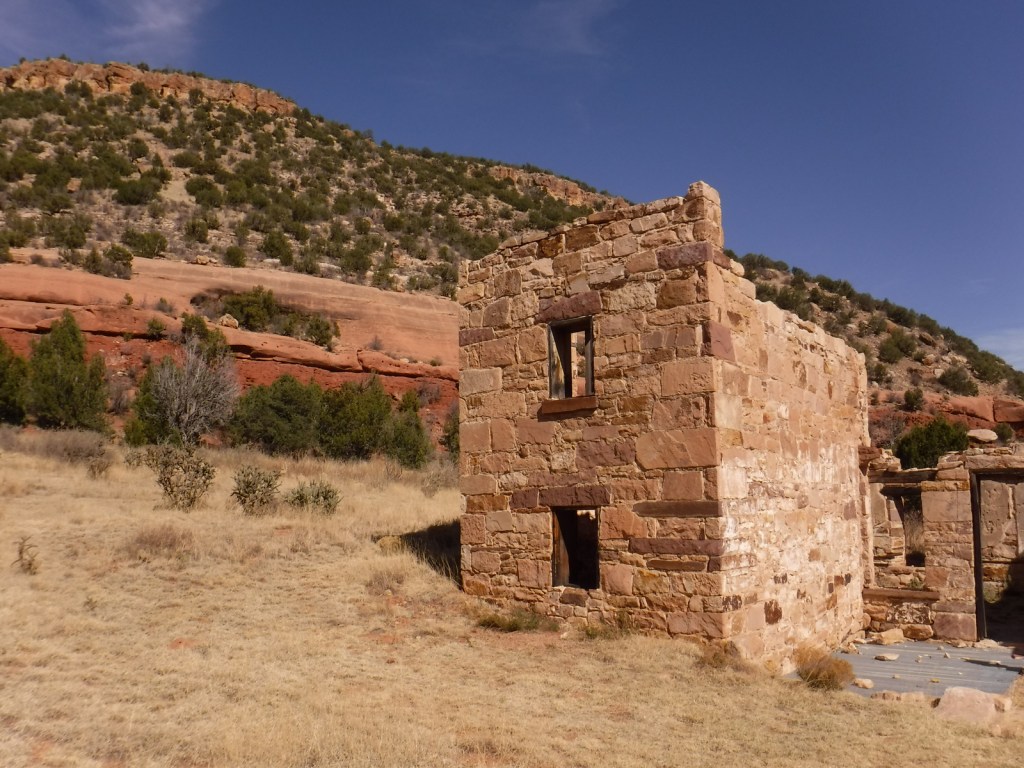
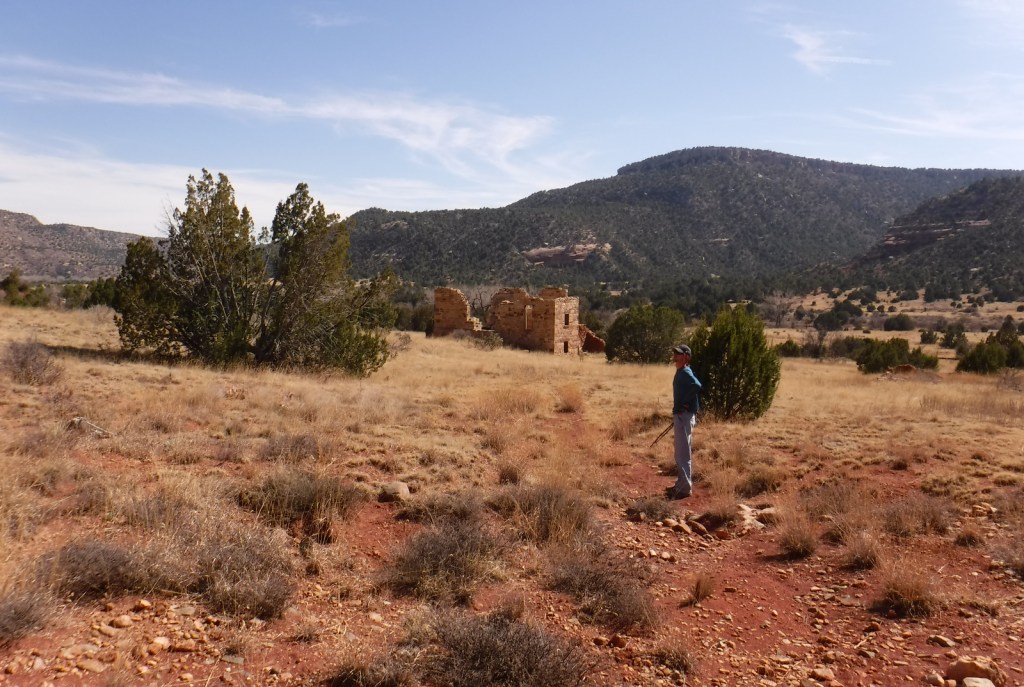
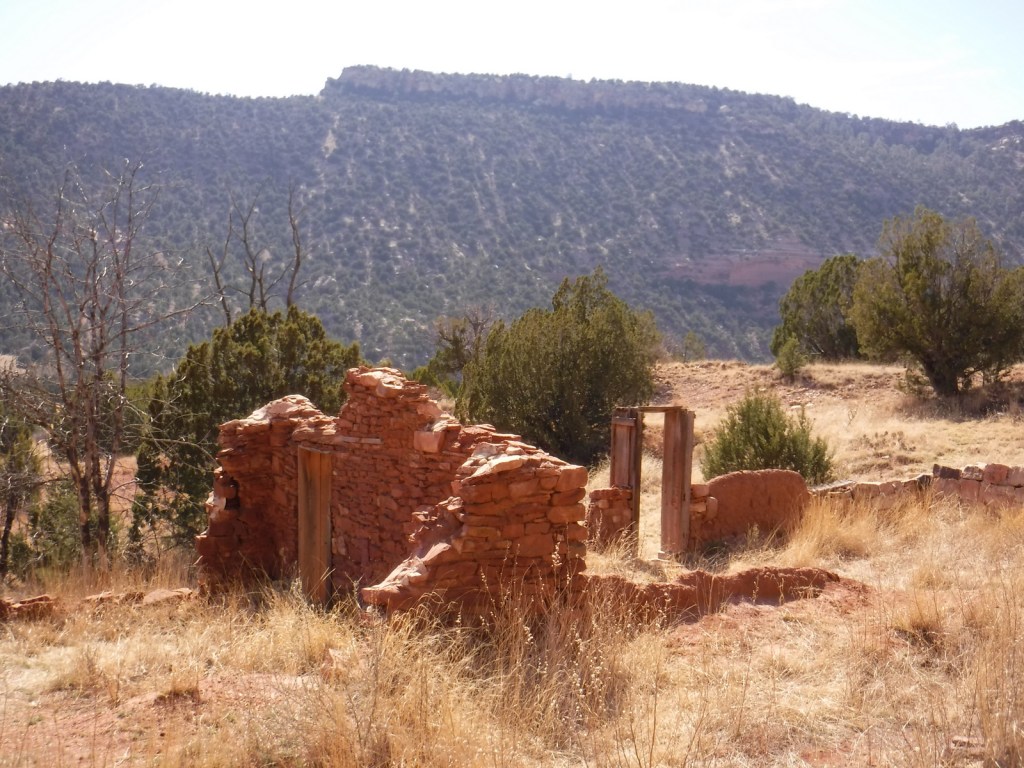
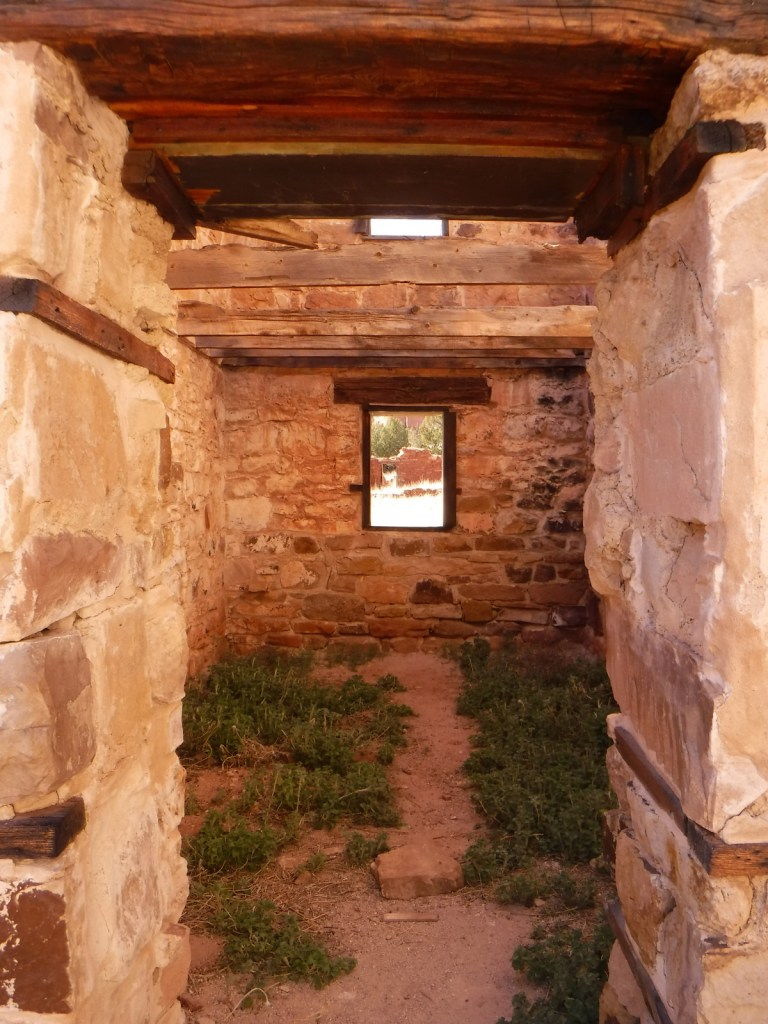
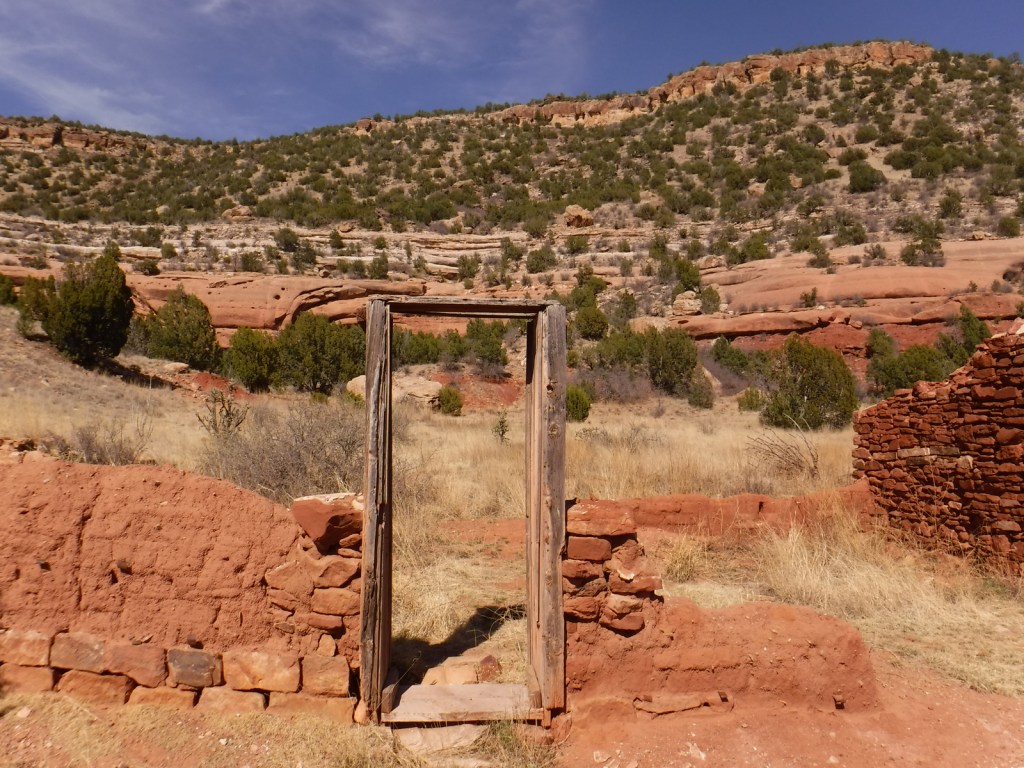
Melvin Mills (an attorney, territorial legislator, and entrepreneur) established the Mills Orchard and Ranch along the Canadian River in 1881.  Flash flooding devastated the orchard in 1904, leading to the ranch’s abandonment a decade later.  In 2005, the U.S. Forest Service and National Park Service collaborated to restore three ranch buildings, and for their efforts they won the Windows on the Past Award for historic preservation.  There are also interpretive signs and a free campground at the bottom of Mills Canyon, located nine miles down unpaved Mills Canyon Road.

Best Trail

A three-mile stretch of the Santa Fe National Historic Trail’s Cimarron Route is marked by rock posts 17 miles north of Clayton, and it is open for walking and horseback riding.  There are interpretive signs along the route and wagon ruts remain visible. 

Watchable Wildlife

An introduced herd of Barbary sheep are thriving in the Mills Canyon area.  The Canadian River supports largemouth bass and channel catfish.  Nomadic Naturalists blog reported seeing swift foxes, spiny softshell turtles, black-chinned sparrows, and pinyon jays on their visit.

Photographic Opportunity

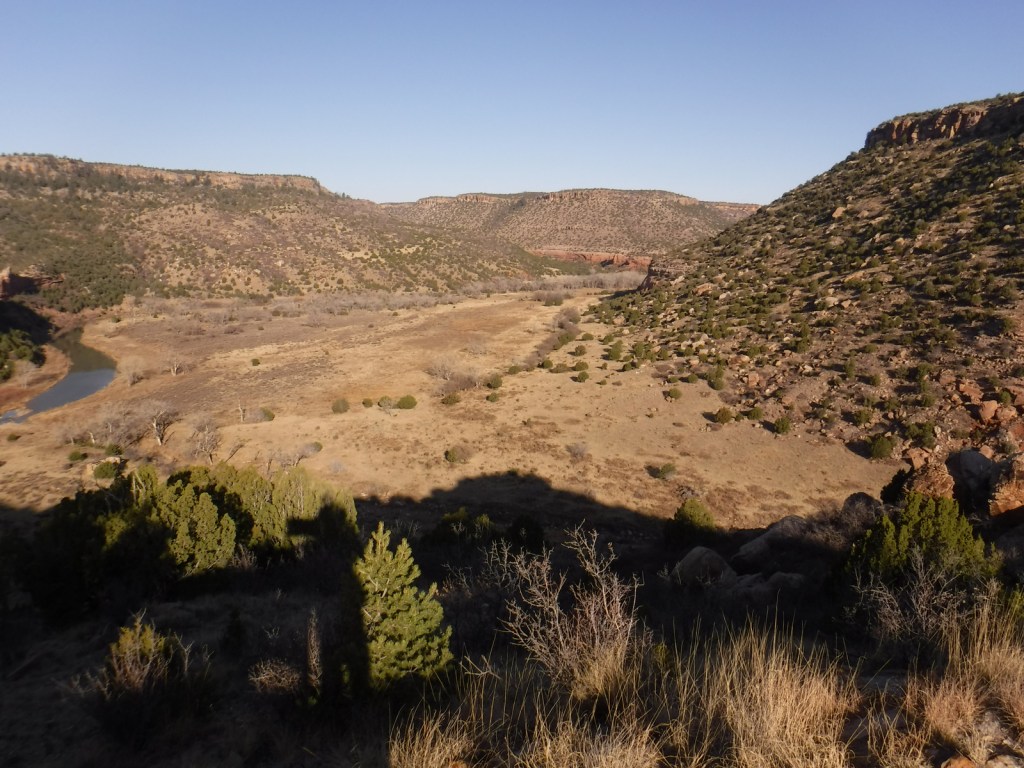
Mills Canyon was cut by the Canadian River through sedimentary rocks ranging in age from 200-million to 90-million years old. 

Peak Season

Summer

Fees

None

Road Conditions

Past Mills Canyon Rim Campground, the unpaved Mills Canyon Road #600 is not recommended for trailers or passenger vehicles as it switchbacks down into Mills Canyon.  A high-clearance vehicle is also recommended for the two-track paralleling the Santa Fe National Historic Trail’s Cimarron Route.

Camping

Both the Mills Canyon Rim Campground (6 campsites) and Mills Canyon Campground (12 sites) are free with vault toilets, but no water.  Dispersed camping is allowed in the eastern unit around the Santa Fe National Historic Trail.

Related Sites

Cimarron National Grassland (Kansas)

Bent’s Old Fort National Historic Site (Colorado)

Comanche National Grassland (Colorado)

Fort Union National Monument (New Mexico)

Nearest National Park

Great Sand Dunes

Explore More – As an attorney, Melvin Mills’ work often involved outlaws, American Indians, and politicians; who saved his life when he was nearly hanged by an angry mob?

Kobuk Valley National Park

Kobuk Valley National Park

Alaska

Managed by National Park Service

Established 1978 National Monument, 1980 National Park

1,714,578 acres

Website: nps.gov/kova

Overview

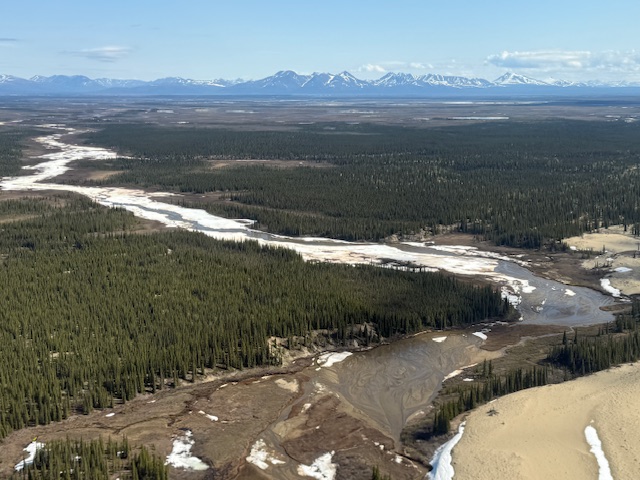
In northwest Alaska, an area roughly the size of Delaware is set aside to protect an 85-mile stretch of the Kobuk River.  Kobuk Valley National Park also includes the Waring Mountains to the south and the Baird Mountains that border Noatak National Preserve.  Hunters have been coming for at least 12,500 years to Onion Portage where caribou gather to cross the river.  In the 1960s, archeologist J. Louis Giddings built a cabin and cache so he could excavate a two-acre plot.  He and his assistants dug through 30 artifact-bearing layers that provided evidence of nine cultural periods from the Akmak Complex to the Arctic Woodland Eskimo.

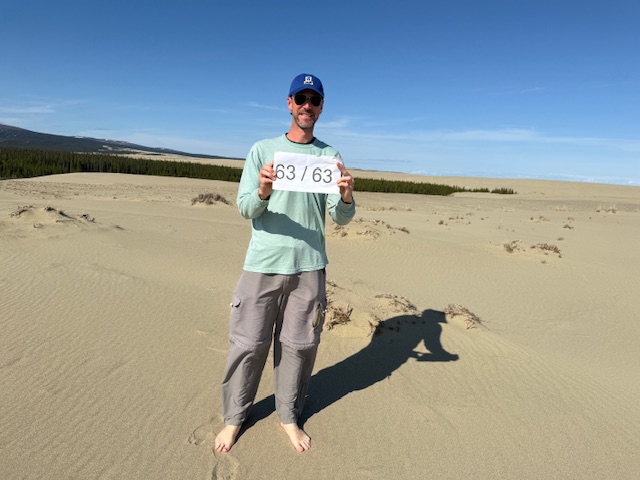
Learn more about how to visit this National Park in the expanded second edition of our guidebook A Park to Yourself: Finding Solitude in America’s 63 National Parks

Highlights

Great Kobuk Sand Dunes, Onion Portage Archeological District

Must-Do Activity

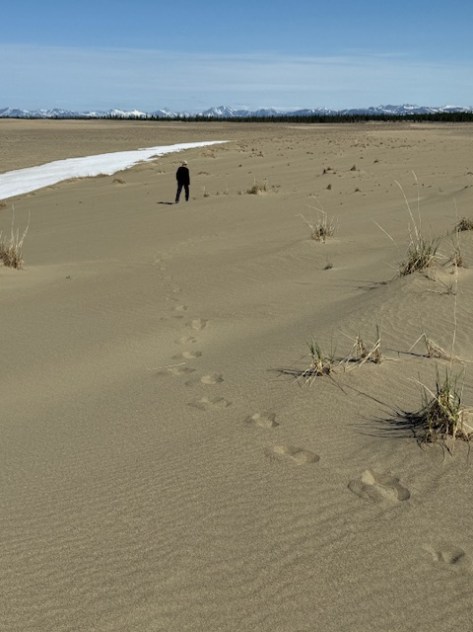
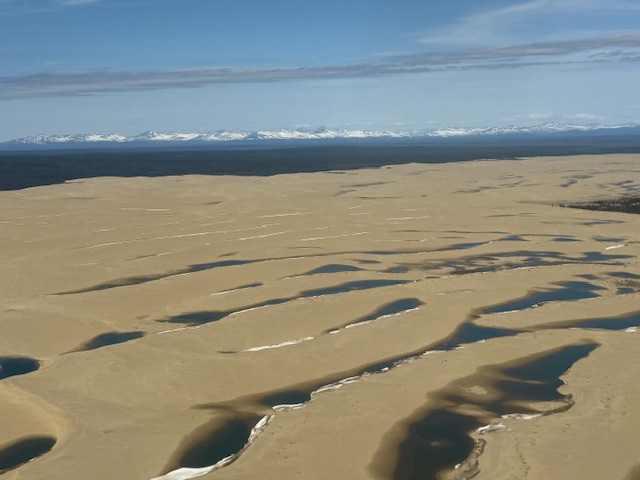
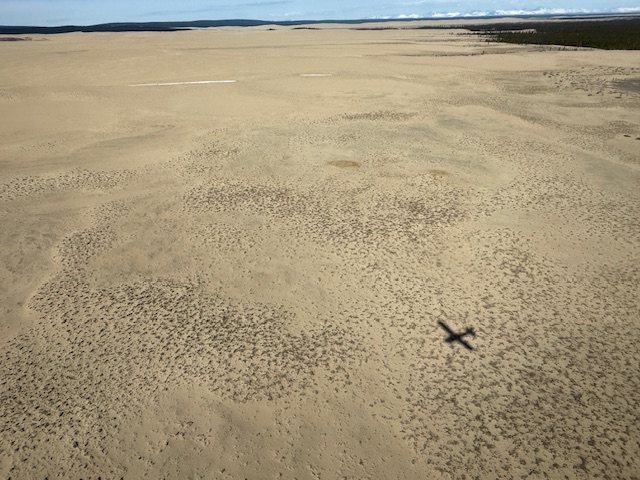
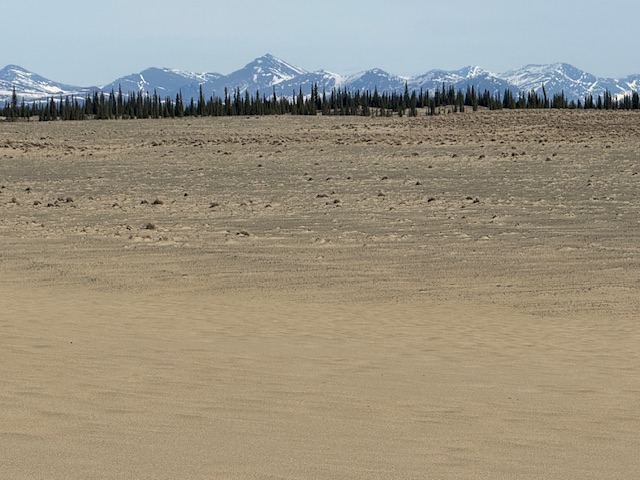
The Northwest Arctic Heritage Center in Kotzebue is located 75 river miles from the western edge of the park.  Riverside ranger stations operate in the summer at Kallarichuk in the west and Onion Portage in the east.  A flightseeing tour of the park typically lands on the Great Kobuk Sand Dunes, which are the remnant of a dune field that once covered as much as 200,000 acres after the Pleistocene glaciation.  Float trips take at least a week on the wide Kobuk River or the rougher Salmon River, which is designated a Wild and Scenic River.  The Kobuk River starts within a narrow canyon with Class V rapids inside Gates of the Arctic National Park and Preserve, but soon flattens out and becomes a braided channel, like many rivers in Alaska. 

Best Trail

There are no established trails in the park, but it is easy to wander through the sand dunes and soft enough to go barefoot.

Photographic Opportunity

The Great Kobuk Sand Dunes are a geological anomaly sitting north of the Arctic Circle, once studied by NASA as an analog for polar dunes on Mars.

Peak Season

Summer

Hours

https://nps.gov/kova/planyourvisit/basicinfo.htm

Fees

None

Road Conditions

There are no roads into Kobuk Valley National Park, so most visitors arrive by small airplane, which can cost around $5,000 to charter for the day.  If you are leaving from Fairbanks, we recommend flying with Sven from Aviation Expeditions who will do a combination trip that also lands in Gates of the Arctic National Park and Preserve.

Camping

Backcountry camping is allowed throughout the park, but is not permitted on the 81,000 acres of Native Corporation lands that are typically situated along the rivers. 

Related Sites

Gates of the Arctic National Park and Preserve (Alaska)

Noatak National Preserve (Alaska)

Denali National Park and Preserve (Alaska)

Explore More – What is the current estimated size of the Western Arctic caribou herd that crosses the Kobuk River at Onion Portage?

Know someone who loves National Parks? Gift them our travel guidebook A Park to Yourself: Finding Solitude in America’s 63 National Parks

Lolo National Forest

Lolo National Forest

Montana

Managed by U.S. Forest Service, Northern Region

2,639,224 acres (2,197,966 federal/ 441,258 other)

Website: https://www.fs.usda.gov/r01/lolo

Overview

Located in western Montana, the elevation of Lolo National Forest ranges from less than 2,400 feet on the Clark Fork River below Thompson Falls to the top of 9,186-foot Scapegoat Mountain.  West of Missoula off Interstate 90, the Ninemile Historic Remount Depot preserves a Civilian Conservation Corps (CCC) camp and pack stock training facility.  Founded in 1907, the Savenac Historic Tree Nursery Area is also well developed for visitors, including an arboretum and cabin rentals in what were formerly the cookhouse and bunkhouse. 

Know someone who loves the National Forests? Gift them our travel guidebook Out in the Woods so they can learn more about this and the 154 other National Forests.

Highlights

Rattlesnake National Recreation Area, Lolo Pass Visitor Center, Lolo National Historic Trail, Fort Fizzle, Blue Mountain Recreation Area, Cascade Falls, Savenac Nursery, Petty Creek Bighorn Sheep Viewing Site, Clearwater Canoe Trail, Stark Mountain Vista, Lewis and Clark National Historic Trail

Must-Do Activity

Lolo National Forest surrounds Missoula, where the Aerial Fire Depot and Smokejumper Center offers guided tours and exhibits.  Right outside of the city are numerous hiking trails in Blue Mountain Recreation Area and Rattlesnake National Recreation Area, which contains 73 miles of trails (and has its own blog entry on our website).  Following a path used by the Corps of Discovery in 1805, the Lolo National Historic Trail shadows Highway 12 west into Idaho (see Clearwater National Forest). Take time to stop at the Lolo Pass Visitor Center managed by the U.S. Forest Service.

Best Trail

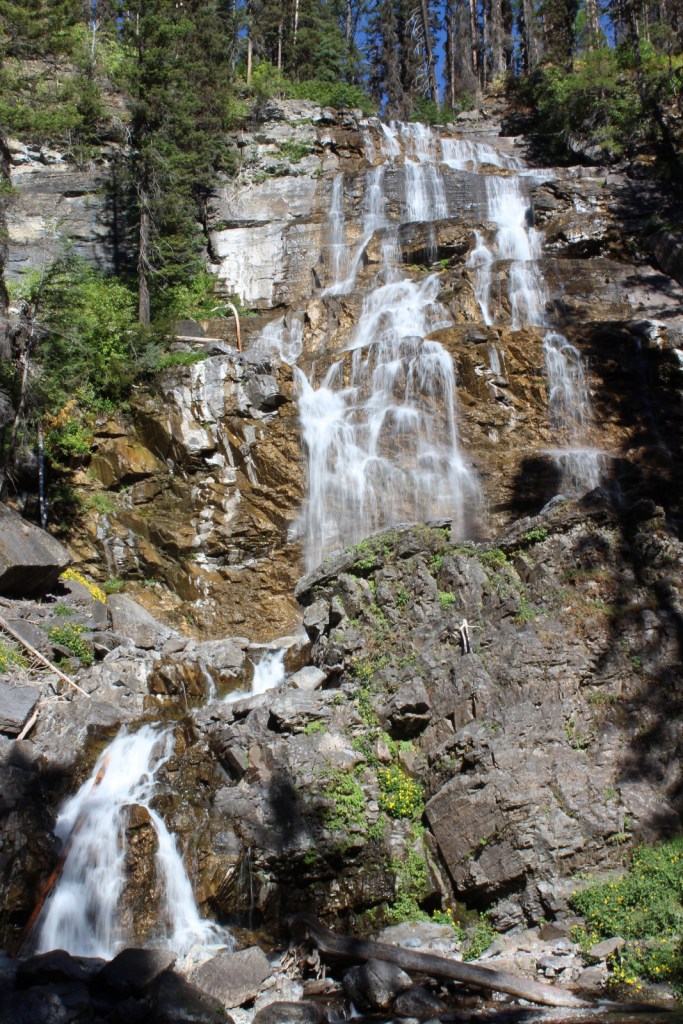
Morrell Falls National Recreation Trail leads to a 90-foot-tall waterfall on the western slope of the Swan Range.  The trail is 5.5 miles out-and-back, mostly flat with some short inclines as it cuts through a burned area now full of beargrass and fireweed.  The waterfall cascades down a rocky outcrop and is well lit in the afternoon.  The trailhead is located 7.5 miles from Highway 83 on a good gravel road that has well-signed intersections.  Also nearby, the Pyramid Pass Trailhead provides access to the Bob Marshall Wilderness in adjacent Flathead National Forest.

Watchable Wildlife

There are 60 species of mammals found in Lolo National Forest, including grizzly/brown bears, black bears, mountain lions, gray wolves, mountain goats, bighorn sheep, elk, moose, and mule deer.  Among the largest of the more than 300 birds spotted are bald eagles, golden eagles, and trumpeter swans.  The five rivers and over 100 lakes are home to 30 varieties of ducks and 20 types of fish.

Photographic Opportunity

Located on the western slope of the Swan Range, 90-foot-tall Morrell Falls is accessed on a 5.5-mile out-and-back hike.

Peak Season

Summer

Fees

None

Road Conditions

The unpaved roads we took were in good shape to Morrell Falls National Recreation Trail and Rattlesnake National Recreation Area.

Camping

The forest has 12 improved campgrounds and several historic fire lookout towers available for overnight rental through the website Recreation.gov

Wilderness Areas

Rattlesnake Wilderness

Scapegoat Wilderness (also in Helena and Lewis and Clark National Forests)

Selway-Bitterroot Wilderness (also in Bitterroot, Clearwater, and Nez Perce National Forests)

Welcome Creek Wilderness

Related Sites

Deerlodge National Forest (Montana)

Upper Missouri River Breaks National Monument (Montana)

Beaverhead National Forest (Montana)

Nearest National Park
Glacier

Conifer Tree Species

western redcedar, alpine larch, western larch, whitebark pine, ponderosa pine, grand fir, subalpine fir, Engelmann spruce, mountain hemlock

Flowering Tree Species

quaking aspen, Rocky Mountain maple, western serviceberry

Explore More – What is the origin of the name Lolo?

Know someone who loves the National Forests? Gift them our travel guidebook Out in the Woods so they can learn more about this and the 154 other National Forests.

Rattlesnake National Recreation Area

Rattlesnake National Recreation Area

Montana

Managed by U.S. Forest Service, Northern Region

28,000 acres

Website: https://www.fs.usda.gov/r01/lolo/recreation/rattlesnake-national-recreation-area-wilderness

Overview

Situated only four miles from Missoula, Montana within Lolo National Forest, Rattlesnake National Recreation Area is a popular area for outdoor recreation year-round.  It was established in 1980, at the same time as the adjacent 32,976-acre Rattlesnake Wilderness, which ranges in elevation from 4,200 feet up to 8,620-foot McLeod Peak.  The National Recreation Area has one of the only Sphagnum bogs in the western U.S. and Rattlesnake Creek hosts bull trout, cutthroat trout, and mountain whitefish. 

Highlights

Rattlesnake Main Trail, Ravine Creek Trail. Sawmill Curry Gulch Loop Trail, Spring Gulch Trail, Stuart Peak Trail

Must-Do Activity

There are 73 miles of hiking trails in the National Recreation Area, but the most heavily used are the first three miles of Rattlesnake Main Trail along Rattlesnake Creek.   These trails are also open to horseback riders, mountain bikers, and cross-country skiers.  Be aware that mountain lions and black bears frequent the area, and we came across a bear on a warm morning in early August. 

Best Trail

Rattlesnake Main Trail follows an old logging road along the creek for the first nine miles before it gets steeper.  Other popular hiking options include Ravine Creek Trail, Sawmill Curry Gulch Loop Trail, Spring Gulch Trail with its moderate elevation gain, and Stuart Peak Trail that climbs steeply up into the Rattlesnake Wilderness.

Photographic Opportunity

Rattlesnake Creek attracts many animals, including the American dipper or ouzel, an aquatic songbird.

Peak Season

Summer

Fees

None

Road Conditions

From the Van Buren Street exit #105 off Interstate 90, head north as it turns into Rattlesnake Drive, which you drive for approximately three miles to the entrance.

Camping

There is no campground within the National Recreation Area and the closest ones in Lolo National Forest are much further west on Interstate 90 or to the north off Highway 83.

Related Sites

Helena National Forest (Montana)

Bitterroot National Forest (Montana)

Clearwater National Forest (Idaho)

Nearest National Park

Glacier

Explore More – What species of native orchids can be found growing here?