Tag Archives: driving tour

Beaverhead National Forest

Beaverhead National Forest

Montana

Managed by U.S. Forest Service, Northern Region

2,199,013 acres (2,130,671 federal/ 68,342 other)

Website: https://www.fs.usda.gov/bdnf

Overview

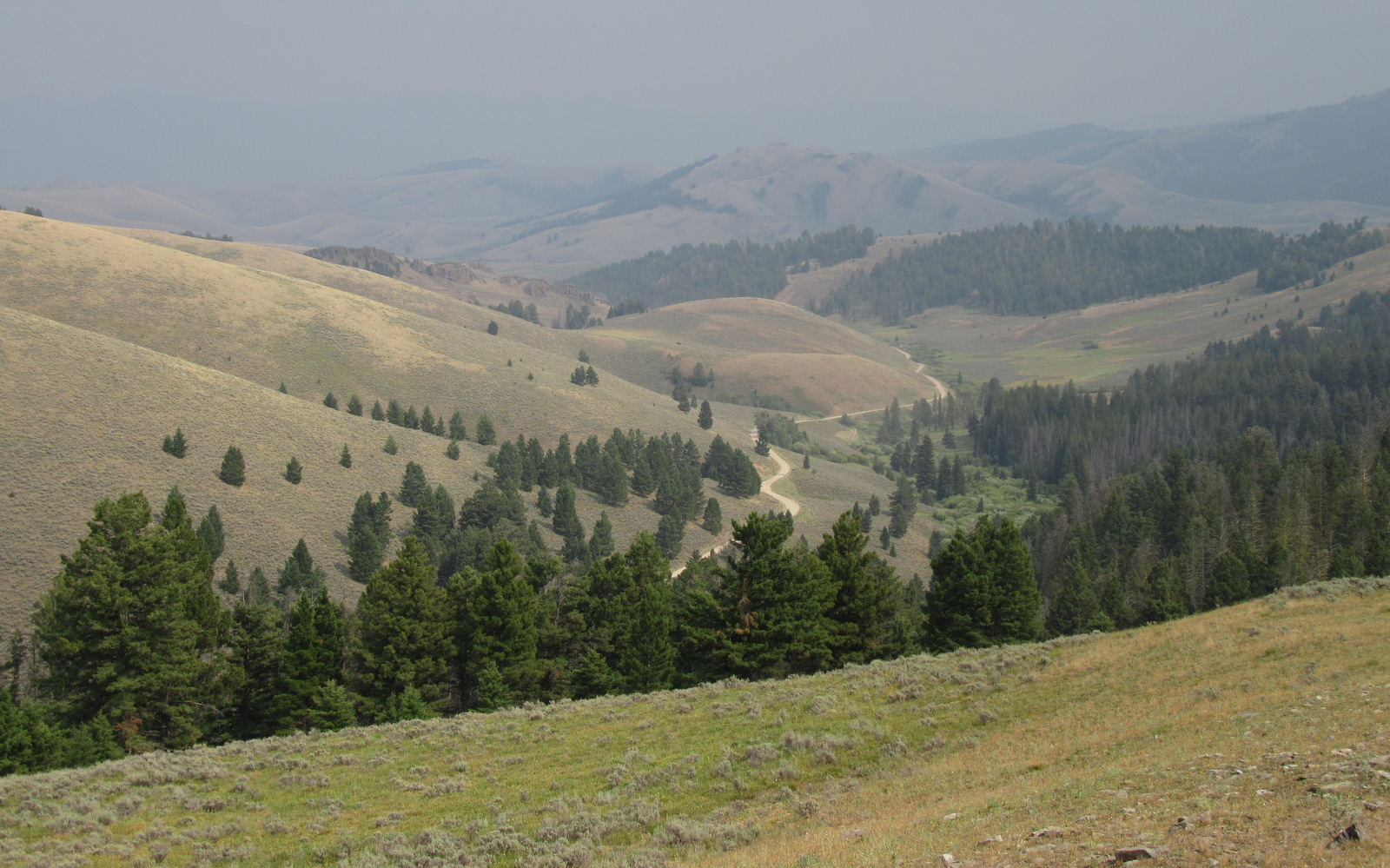
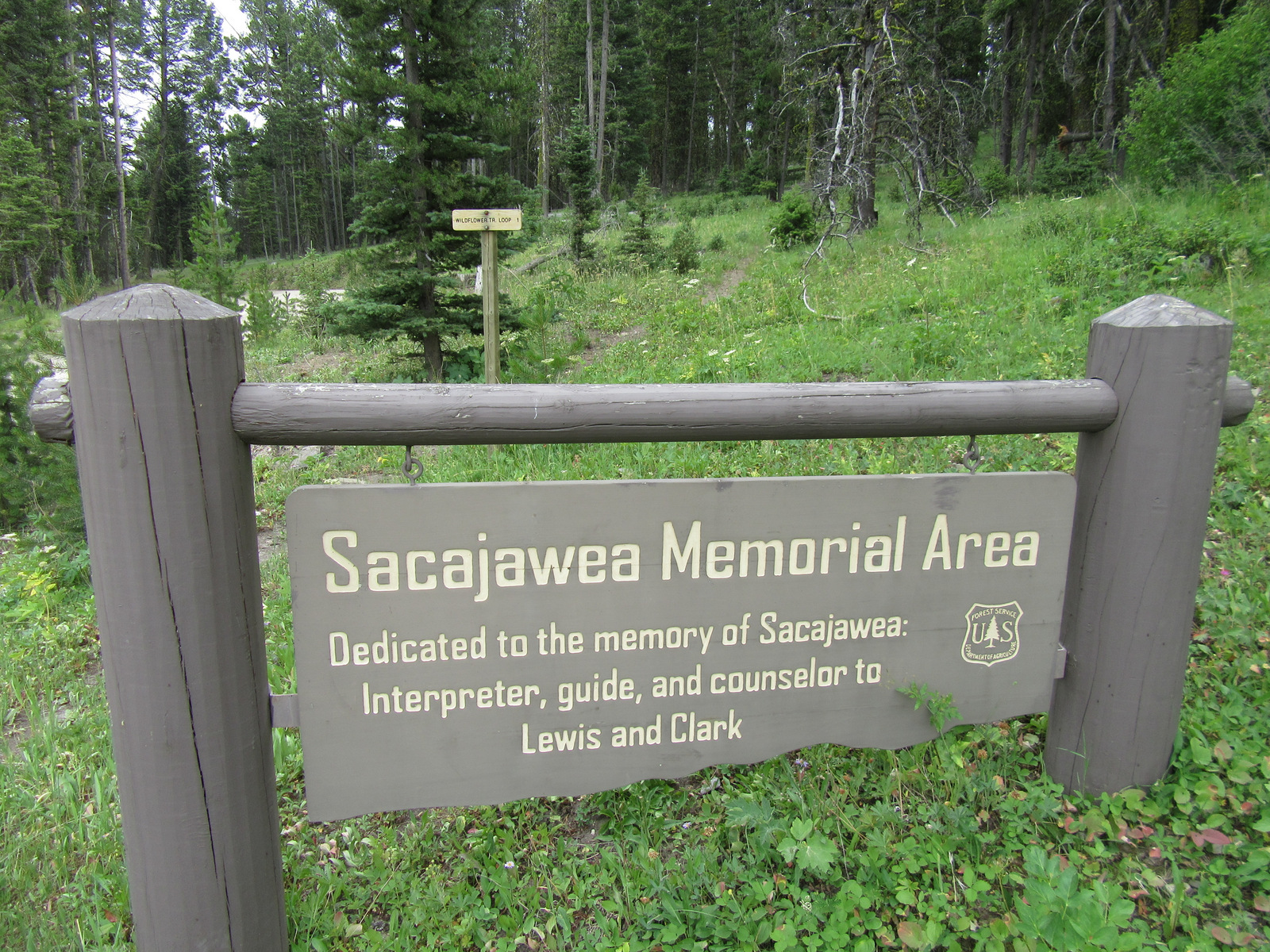
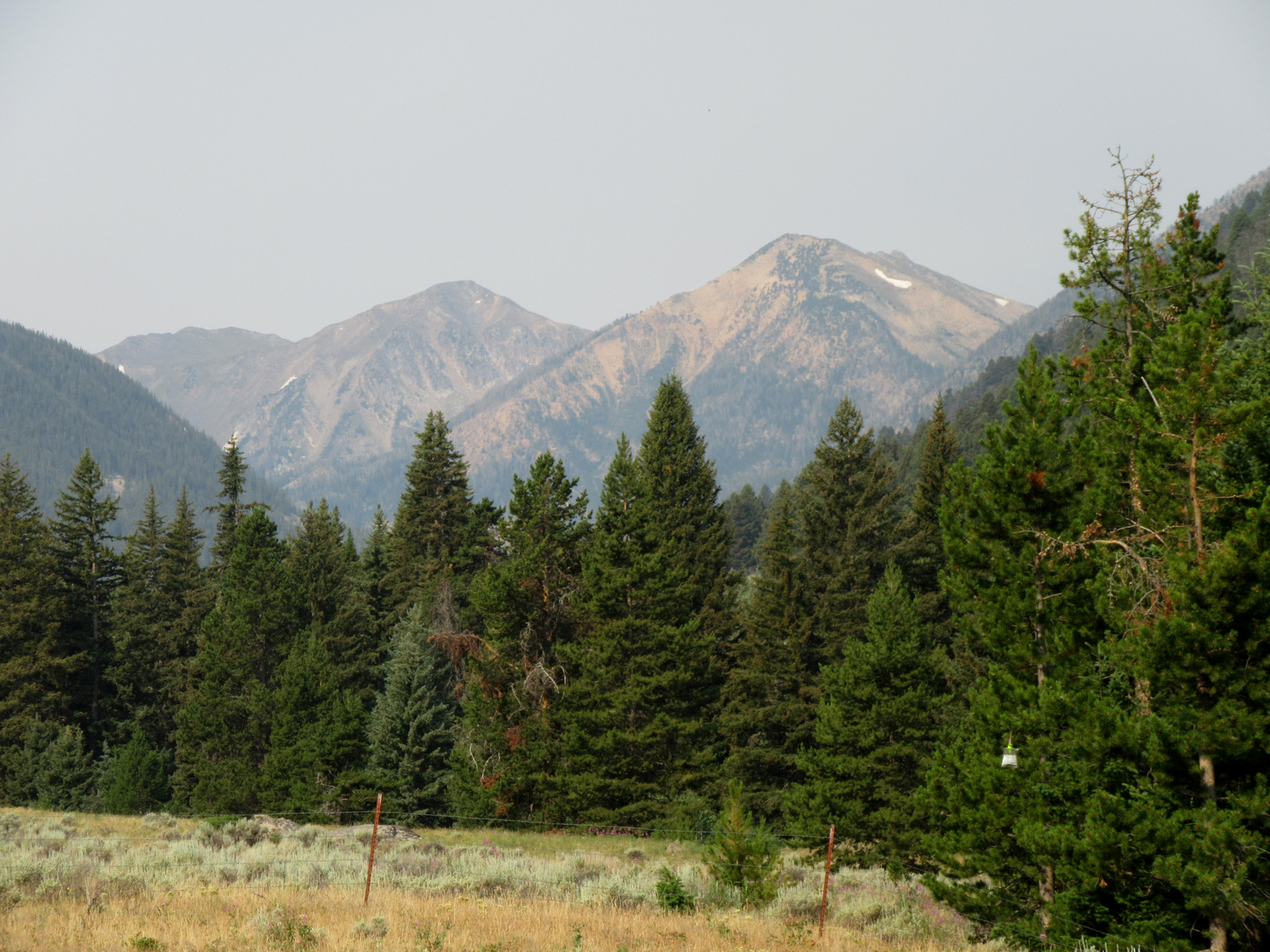
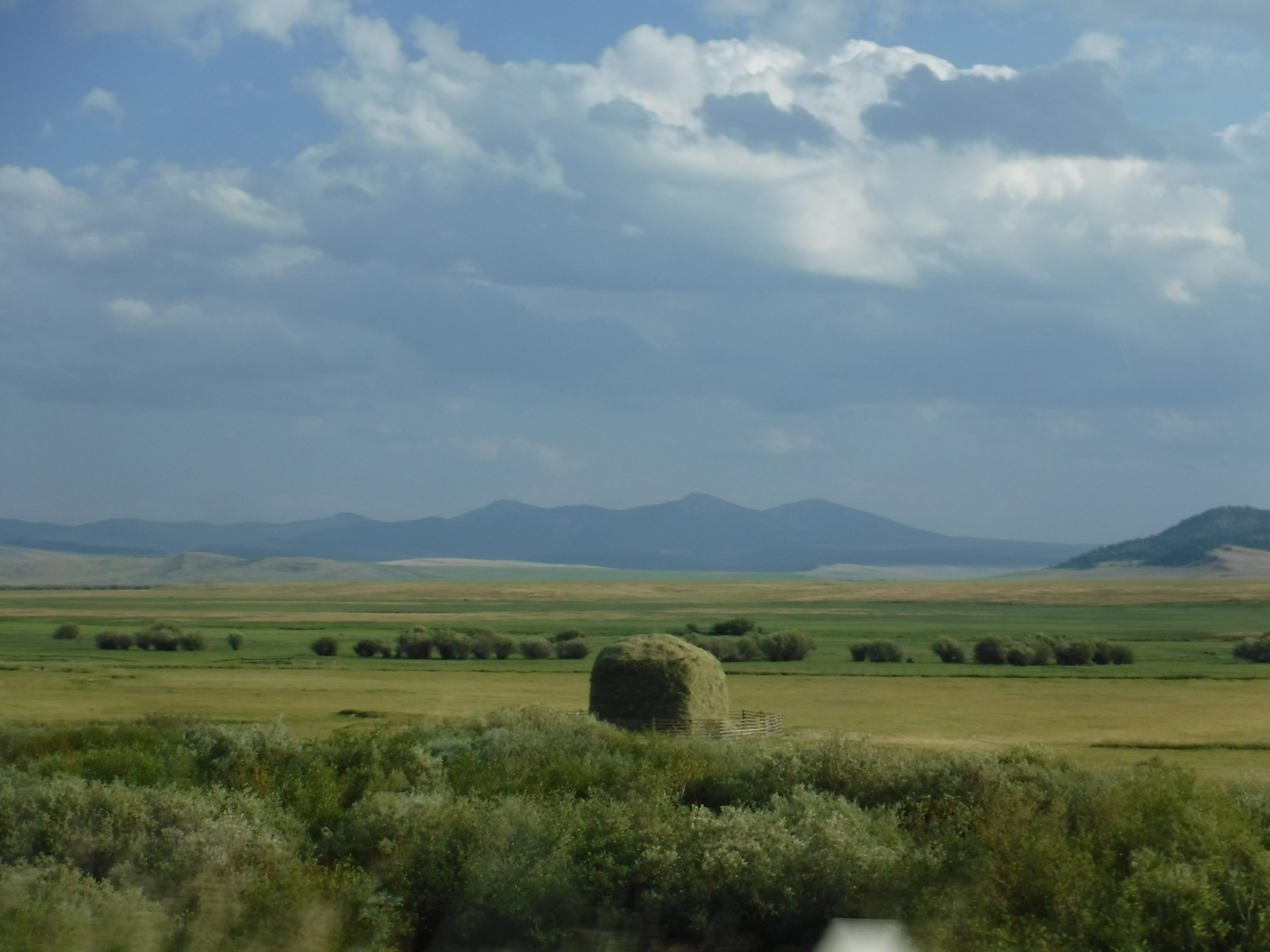
Co-managed since 1996, Beaverhead-Deerlodge National Forest is spread across multiple mountain ranges in the southwest corner of Montana.  The dividing boundaries between the two forests are unclear, though Beaverhead National Forest tends to be more southeast than Deerlodge National Forest and includes portions of the Beaverhead, Bitterroot, Centennial, Gravelly, Madison, Pioneer, Tendoy, and Tobacco Root Mountains.  Bordering Idaho’s Salmon National Forest, 7,323-foot Lemhi Pass is located on the Lewis and Clark National Historic Trail.  This is where the Corps of Discovery crossed the Continental Divide in 1805 and is why the Sacajawea Memorial Area was established here in 1932.

Highlights

Pioneer Mountains Scenic Byway, Lemhi Pass, Sacajawea Memorial, Chief Joseph Pass, Pintler Falls, Upper Potosi Hot Springs, Charcoal Kilns, Gravelly Range Auto Tour, Nez Perce National Historic Trail, Continental Divide National Scenic Trail

Must-Do Activity

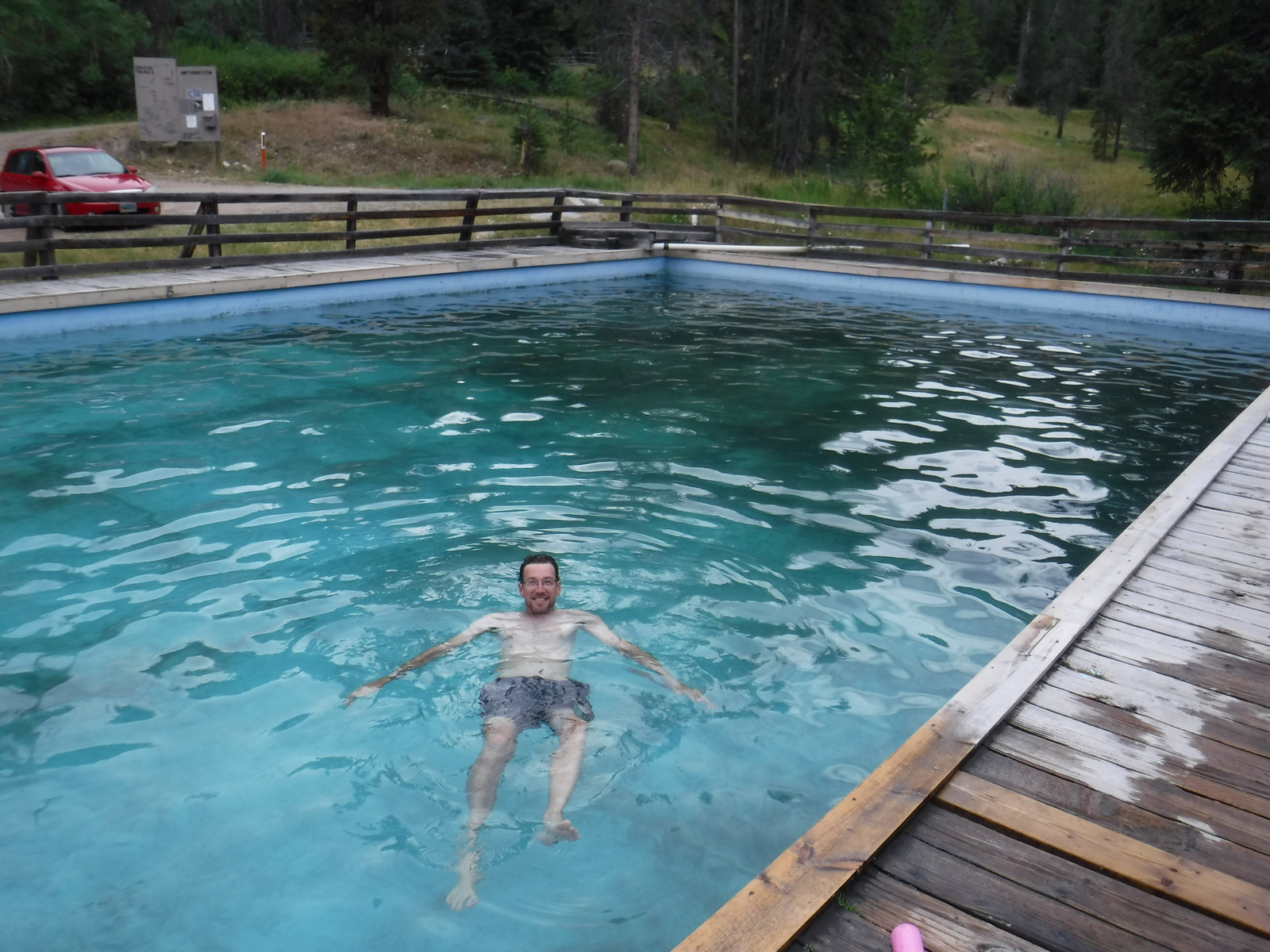
It is about a 17-mile drive from Harrison, Montana back to the free Potosi Campground, but it is well signed and worth the effort.  From here a 0.8-mile trail leads to Upper Potosi Hot Springs, a clear 100°F pool with room for about six adults.  Further west, about ten miles north of Highway 278, is the privately owned Elkhorn Hot Springs (fee), a great place to relax after hiking around Big Hole National Battlefield (managed by the National Park Service).  If you keep driving north on Wise River Polaris Road (FR 484), there are plenty of dispersed campsites and trailheads for several long hikes into the Pioneer Mountains.

Best Trail

We only hiked less than a mile trail to Upper Potosi Hot Springs, but that trail keeps climbing three miles to the top of the ridge.  We read good reviews for Louise Lake National Recreation Trail (see note on Road Conditions below), Pioneer Lake National Recreation Trail, Browns Lake Trail, Blue Creek Trail, Sand Lake/Lily Lake Trail, and Gold Butte Trail.  Hopefully we will make it back here to go backpacking someday.

Watchable Wildlife

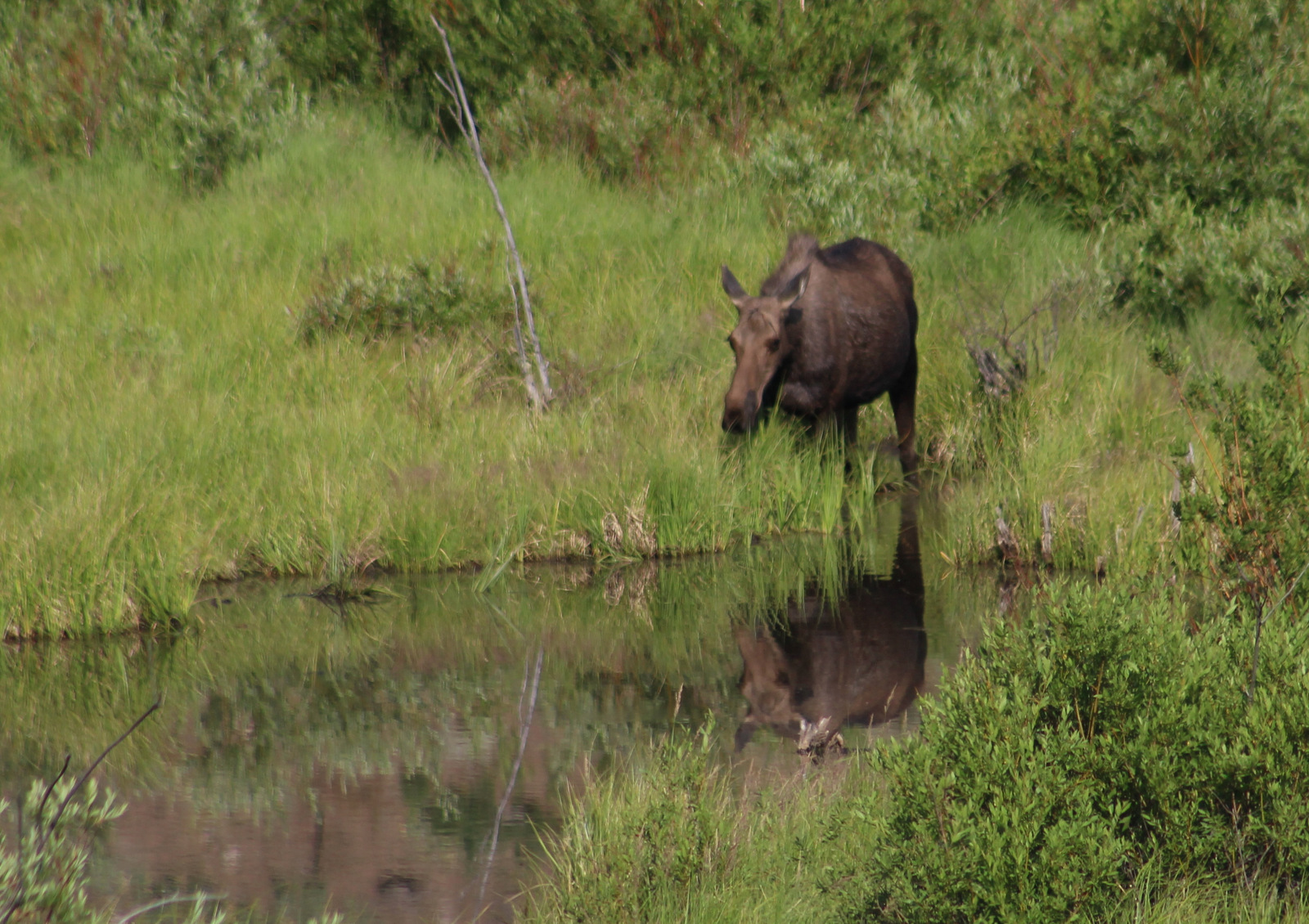
Beaverhead National Forest still has most of its pre-settlement carnivores: grizzly bears, black bears, mountain lions, Canadian lynx, coyotes, and gray wolves.  Grazing ungulate species include moose, elk, mule deer, white-tailed deer, bighorn sheep, mountain goats, and pronghorns.  We saw bald eagles and ospreys on our drive out from Upper Potosi Hot Springs.  Mountain whitefish, golden trout, cutthroat trout, rainbow trout, brook trout, lake trout, arctic grayling, and burbot are some of the gamefish sought by fishermen.

Instagram-worthy Photo

The ruins of a developed hot springs resort (located on private land) are visible from Upper Potosi Hot Springs.  Watch for moose downhill in South Willow Creek and a cute little garter snake that hangs out in the rocks by the pool (possibly year round if it stays warm enough not to hibernate).

Peak Season

Summer

Fees

None

Road Conditions

The dirt roads to Potosi Campground and over Lemhi Pass are both in very good condition, but we do not know about all the other dirt roads that cross the Continental Divide.  We read the access road to Louise Lake National Recreation Trail is pretty rough, requiring four-wheel drive the last two miles.

Camping

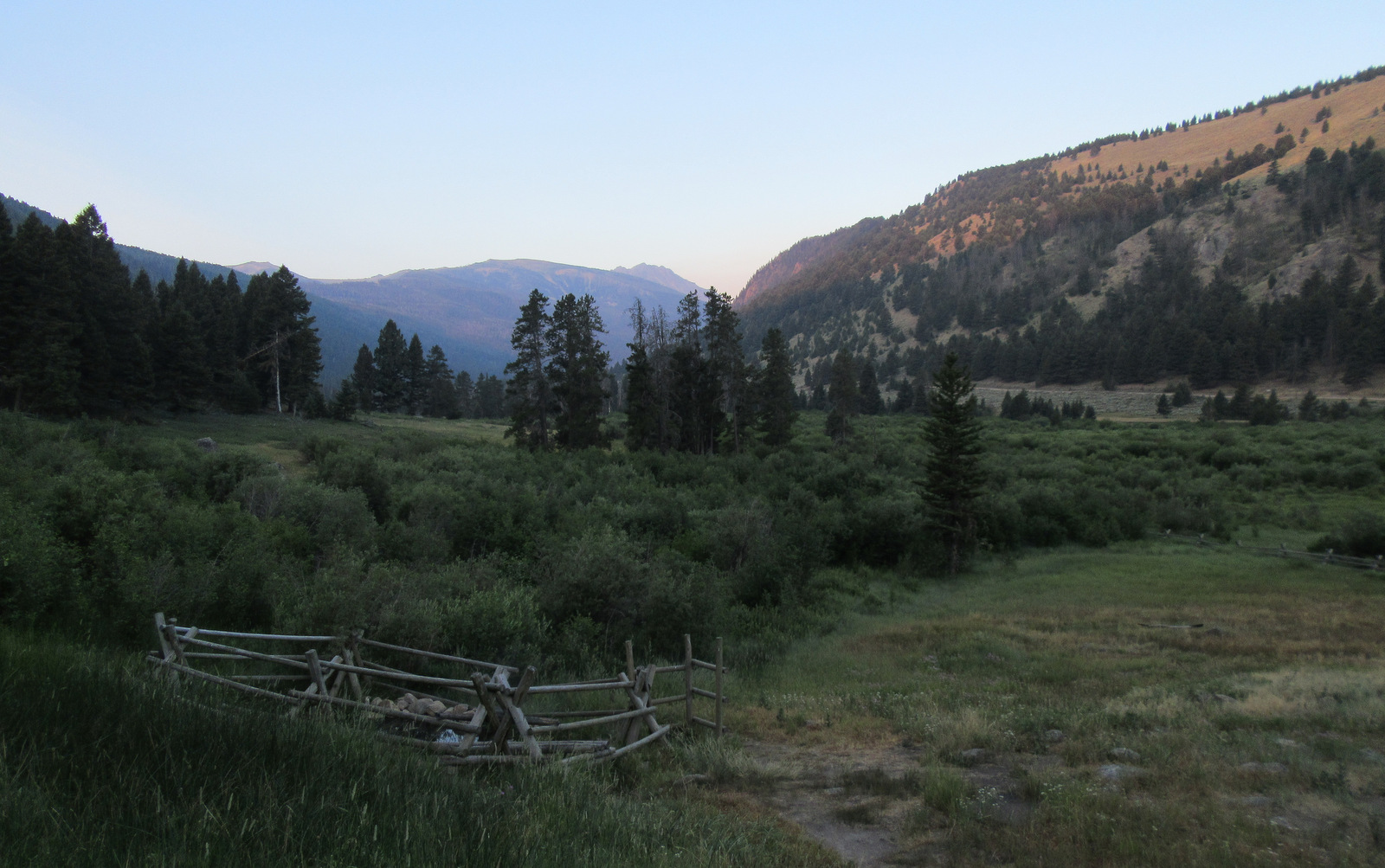
There are more than 20 spots to set up at Potosi Campground, which is free and located near the trailhead for Upper Potosi Hot Springs.  You will want a high-clearance vehicle to drive across South Willow Creek to the official trailhead, but there are also pedestrian bridges.

Wilderness Areas

Anaconda-Pintler Wilderness (also in Deerlodge and Bitterroot National Forests)

Lee Metcalf Wilderness (also in Gallatin National Forest)

Related Sites

Deerlodge National Forest (Montana)

Big Hole National Battlefield (Montana)

Grant-Kohrs Ranch National Historic Site (Montana)

Nearest National Park

Yellowstone (Wyoming-Montana-Idaho)
Conifer Tree Species

lodgepole pine, whitebark pine, ponderosa pine, Douglas-fir, Engelmann spruce, subalpine fir, subalpine larch

Flowering Tree Species

quaking aspen, balsam poplar, Bebb willow, sagebrush

Explore More – How tall is Hilgard Peak, the highest point in Beaverhead National Forest?

Chickamauga and Chattanooga National Military Park

Overview

Chickamauga and Chattanooga National Military Park was authorized in 1890, the first park of its kind in the United States.  It covers multiple battlefields from late-1863 that straddle the Tennessee-Georgia borderline.  Though the Confederate army initially won at Chickamauga, Georgia, the Union took control of Chattanooga, Tennessee after the arrival of General Ulysses S. Grant with reinforcements in November.  Like Fort Monroe in Virginia, this area then became a beacon for escaped slaves, eventually numbering 2,000 people.

Highlights

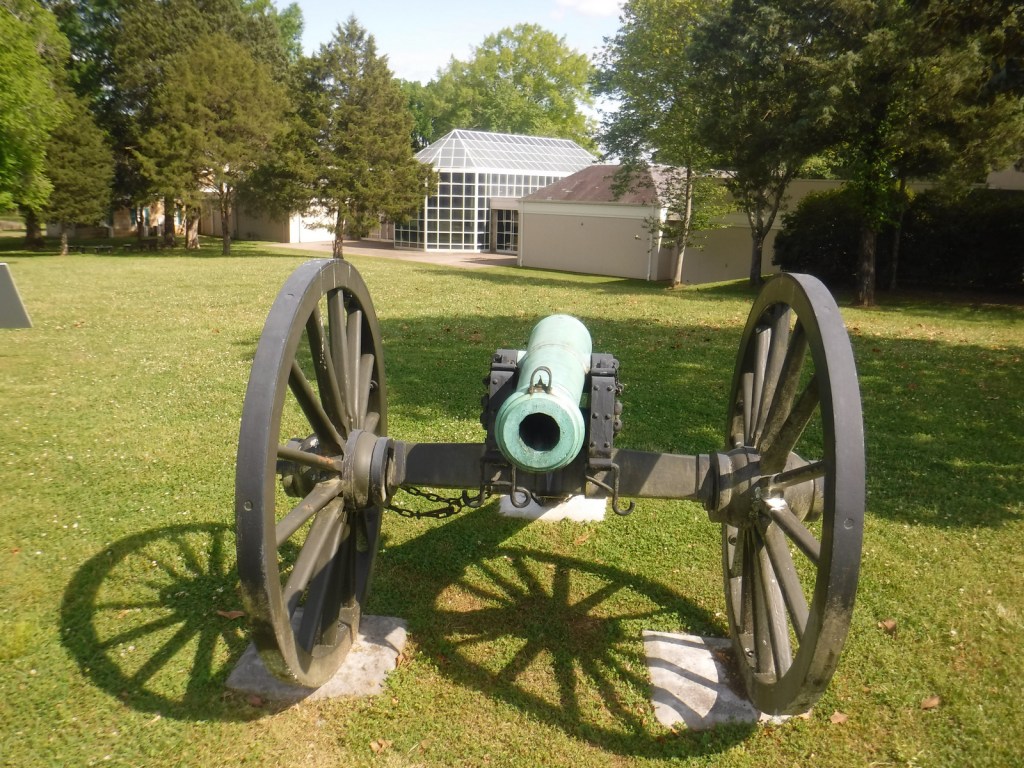
Museums, film, driving tour, Point Park, Ochs Memorial Observatory, Cravens House, cannons

Must-Do Activity

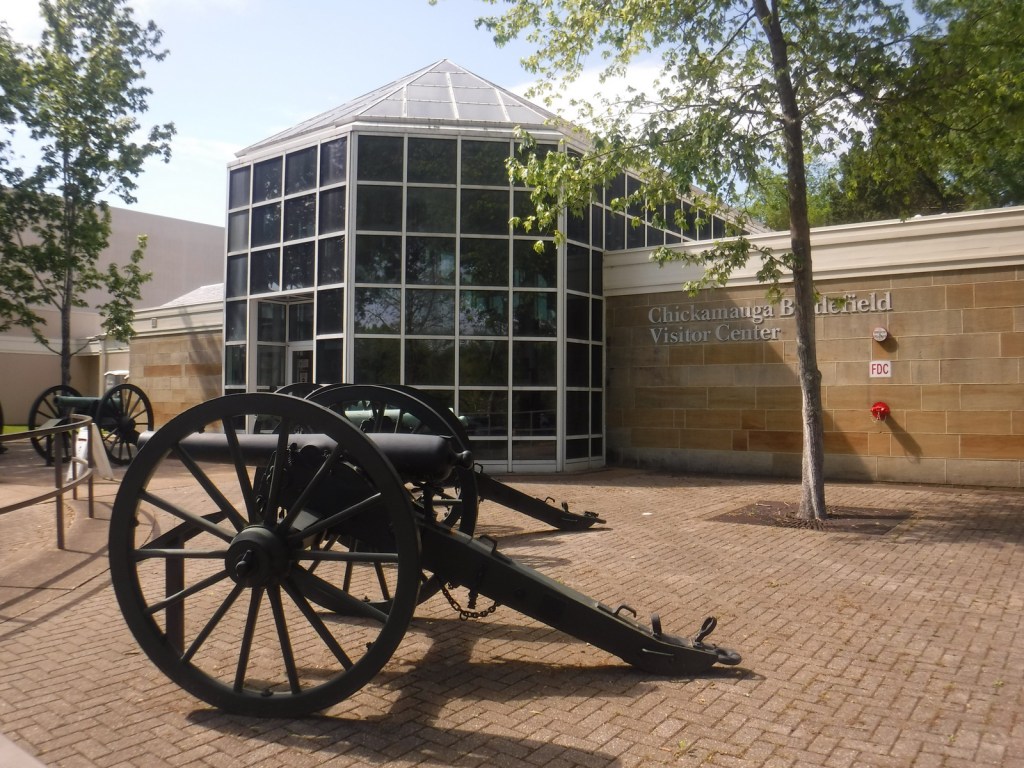
Point Park sits on top of Lookout Mountain offering awesome views of the city of Chattanooga and Moccasin Bend on the Tennessee River.  It is also the home of Ochs Memorial Observatory and museum, one reason Point Park charges an admission fee.  The nearby National Park Service (NPS) visitor center displays the 30×13-foot painting The Battle of Lookout Mountain by James Walker.  At the Chickamauga battlefield, a seven-mile long driving tour explains what happened there on September 20, 1863.  The National Military Park also entails seven small military reservations and the Phelps Monument along the road atop Missionary Ridge, east of Chattanooga.

Best Trail

There are miles of trails atop Lookout Mountain and Ochs Memorial Observatory is only accessible by trail (and many stair steps).  It contains a museum dedicated to the Civil War and American Indians, specifically the Cherokee who passed through Moccasin Bend (which has its own three-mile loop trail) on the Trail of Tears in 1838.

Instagram-worthy Photo

The entrance to Point Park is designed to look like the Army Corps of Engineers insignia.

Peak Season

Summer

Hours

https://www.nps.gov/chch/planyourvisit/hours.htm

Fees

$10 per person to enter Point Park or America the Beautiful pass

Road Conditions

All roads paved, but there is limited free parking available at the NPS visitor center near Point Park.

Camping

Cloudland Canyon State Park in Georgia is about 20 miles southwest of Chattanooga, Tennessee.

Related Sites

Fort Donelson National Battlefield (Tennessee-Kentucky)

Shiloh National Military Park (Tennessee-Mississippi)

Kennesaw Mountain National Battlefield Park (Georgia)

Explore More – Why did President Abraham Lincoln consider capturing Chattanooga (a town of only 2,500) as important as Atlanta?

Cedar Creek and Belle Grove National Historical Park

Overview

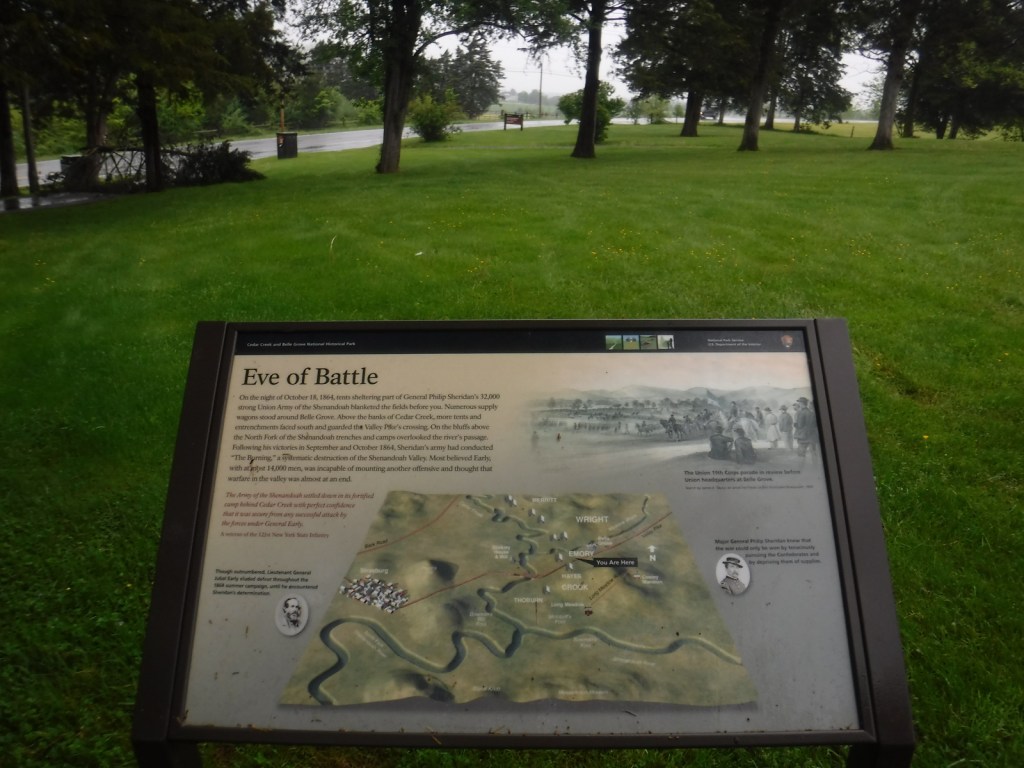
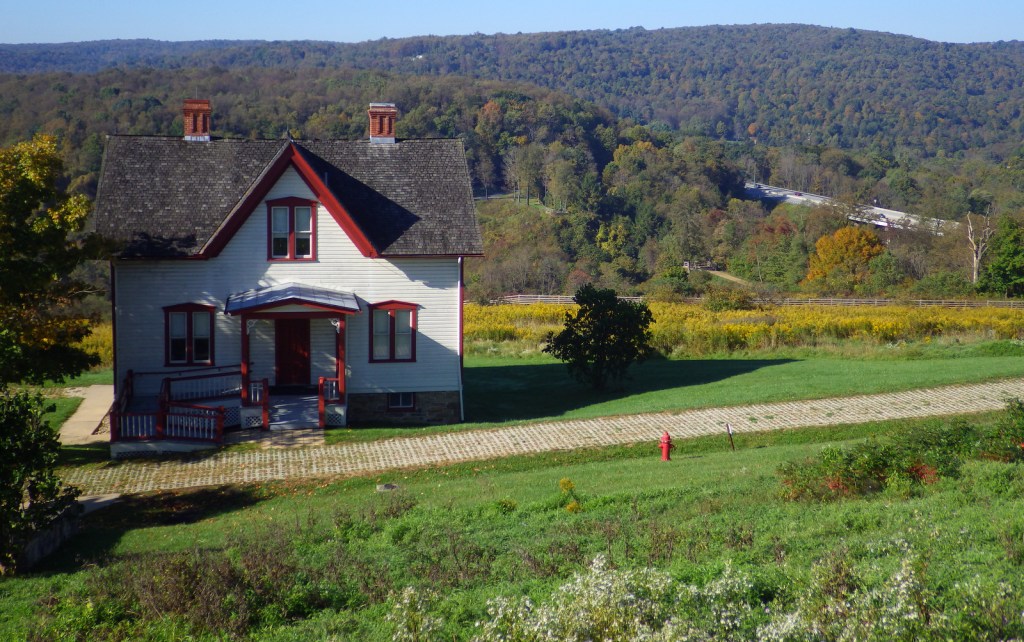
The Shenandoah Valley was the Confederate States of America’s “breadbasket” in the 1860s and thus had strategic importance during the Civil War.  This led to numerous skirmishes and the fight that took place on October 19, 1864 is commemorated at Cedar Creek and Belle Grove National Historical Park.  Little of the land within this 3,700-acre park established in 2002 is owned by the federal government, but the National Park Service (NPS) has done a significant amount of work to improve its interpretive signage since our first visit in 2016.

Highlights

Morning Attack Trails, driving tour, Hupp’s Hill Museum, Belle Grove historic plantation

Must-Do Activity

If you need the stamp for your NPS passport, stop at the Visitor Contact Station located in a strip mall in Middletown, Virginia.  There you can pick up a free guide to help you follow the driving tour focused on the October 19, 1864 battle fought at Cedar Creek.  There is also a free app available on the park’s website.  Managed by a non-profit that organizes an annual reenactment of the battle, Hupp’s Hill Civil War Park has a museum (fee).  You can also pay to take a tour of the manor house at Belle Grove.

Best Trail

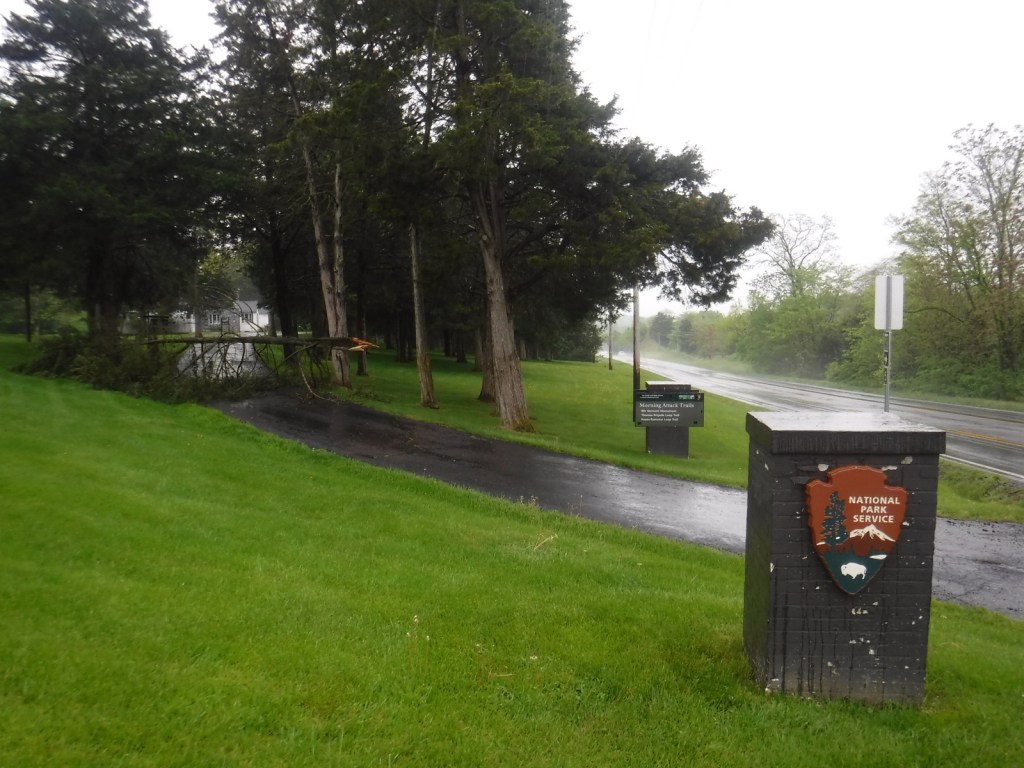
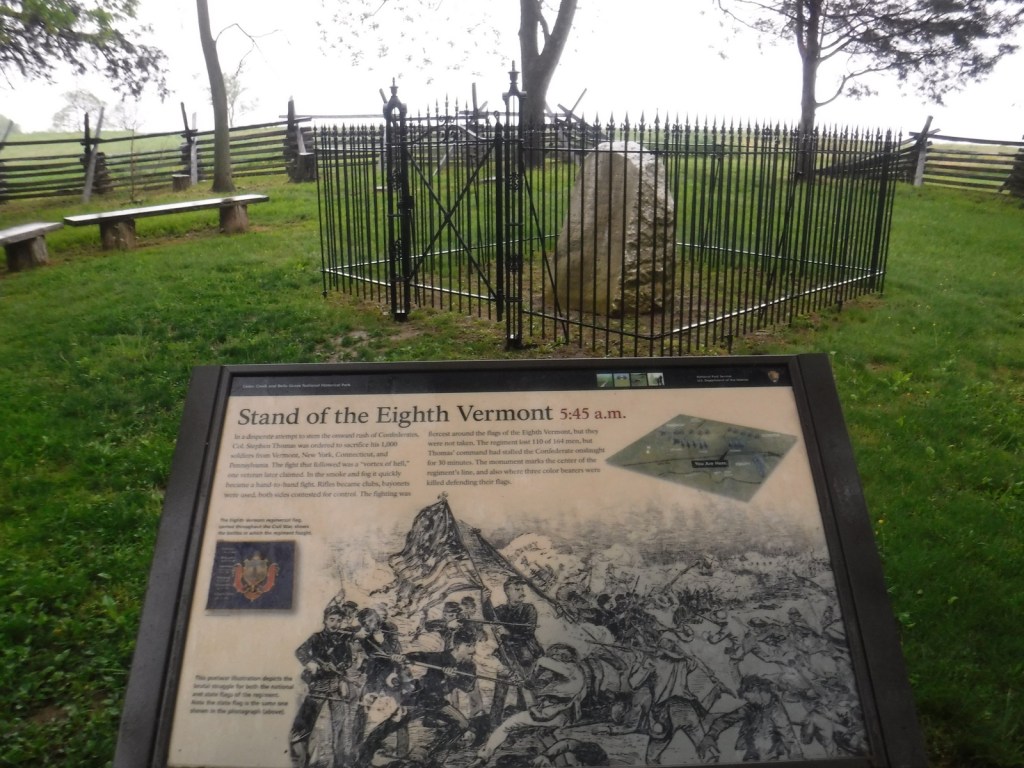
The Morning Attack Trails are located next to the NPS Headquarters off Highway 11 with interpretive signage placed on the 300-yard long 8th Vermont Monument Trail, 0.6-mile Thomas Brigade Loop, and 0.7-mile Hayes-Ramseur Loop.

Instagram-worthy Photo

Available for guided tours (fee) between April and December, the manor house at Belle Grove plantation dates back to 1797.  Union General Philip Sheridan used the house as his headquarters in 1864 and most of his 31,600 troops camped on the property.

Peak Season

Fall

Hours

https://www.nps.gov/cebe/planyourvisit/hours.htm

Fees

Admission charged for guided tours of Belle Grove manor house and entrance to Hupp’s Hill Museum.

Road Conditions

Some of the roads on the driving tour are unpaved and not recommended for buses or RVs.

Camping

None

Related Sites

Gettysburg National Military Park (Pennsylvania)

Harpers Ferry National Historical Park (West Virginia-Maryland-Virginia)

Shenandoah National Park (Virginia)

Explore More – Belle Grove was owned by Isaac Hite, Jr. and his wife Nelly, who was the sister of which U.S. President?
Johnstown Flood National Memorial

Overview

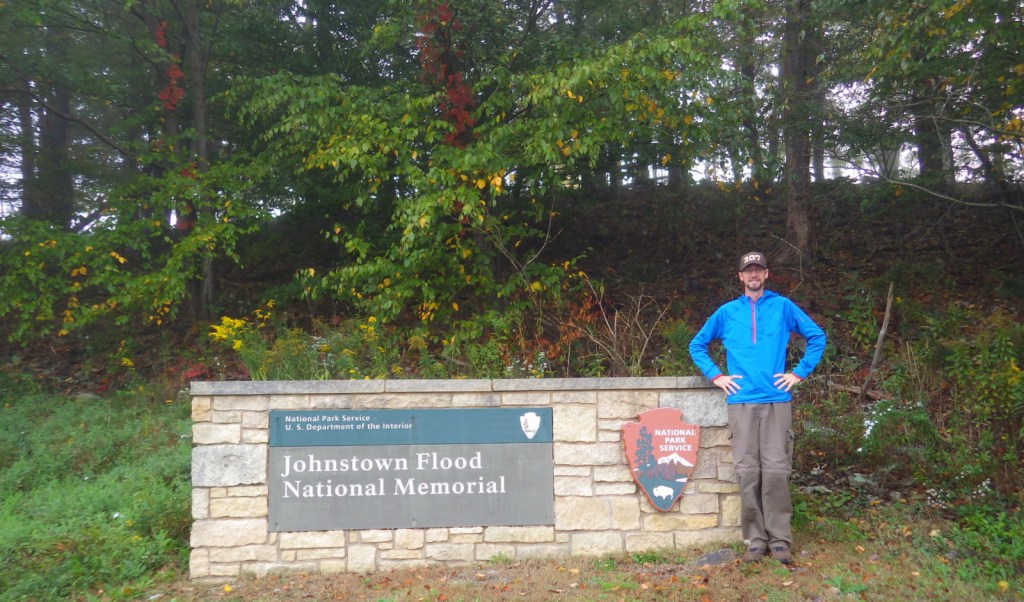
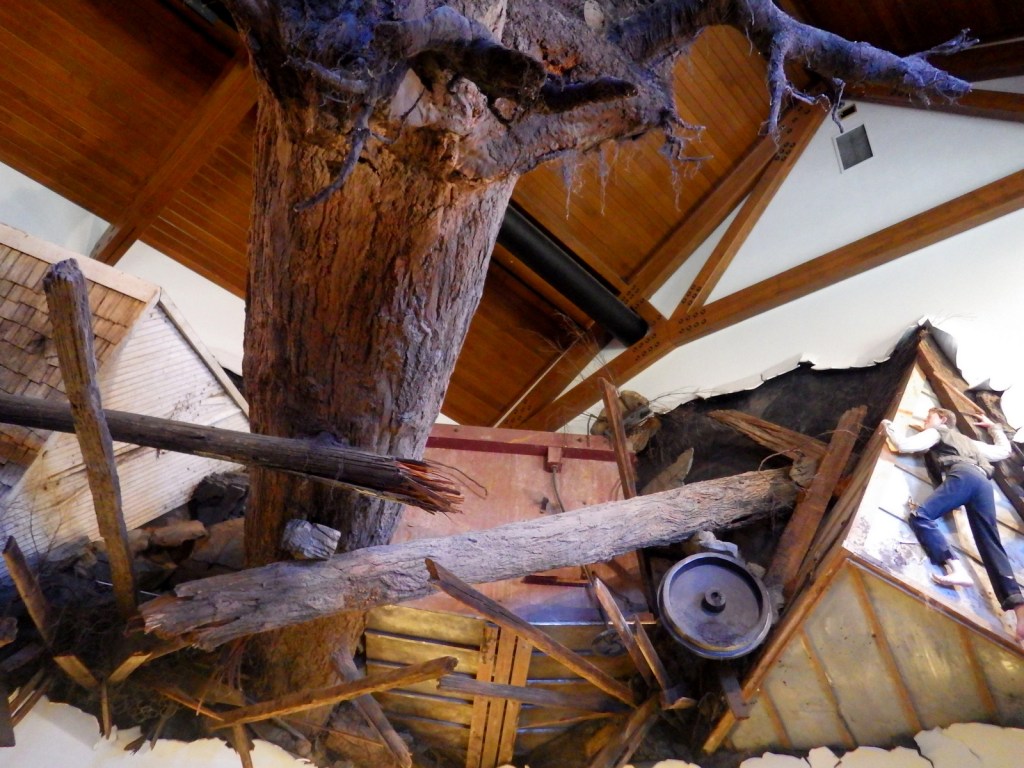
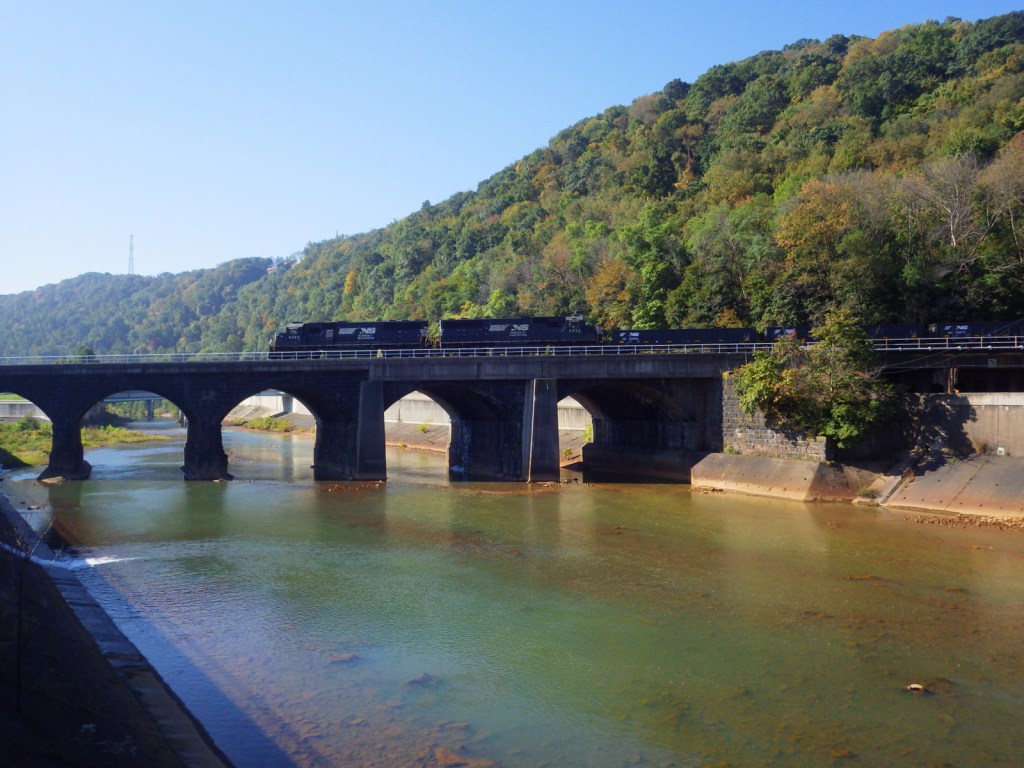
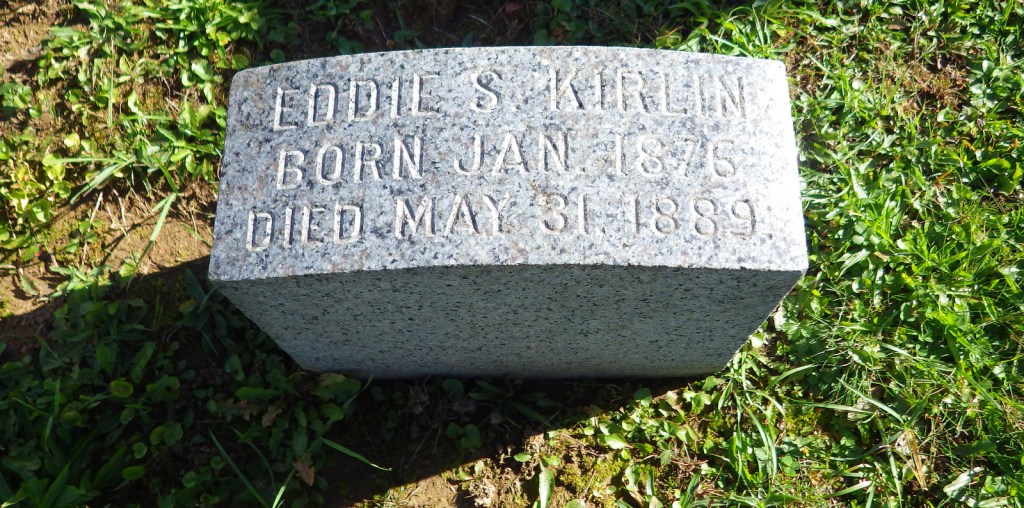
May 31, 1889 was the infamous day when a dam broke sending a 40-foot wall of water downstream, leveling multiple towns and killing more than 2,200 people.  The earthen South Fork Dam was designed for a lower lake level, was poorly maintained since 1853, and was completely ignored by the South Fork Fishing and Hunting Club (with wealthy members such as Andrew Carnegie and Andrew Mellon).  Clara Barton’s newly formed American Red Cross sent a staff of 50 doctors and nurses to assist with recovery efforts, which took years.

Highlights

Museum, film, South Fork Fishing and Hunting Club Historic District, Grandview Cemetery

Must-Do Activity

Start your visit at the National Park Service (NPS) museum at the dam site in South Fork, Pennsylvania.  The 35-minute film shown there is not appropriate for young children.  A driving tour leads around the dry lakebed to the South Fork Fishing and Hunting Club Historic District.  Much of the Little Conemaugh River downstream is not accessible by roads, but be sure to drive downstream to Johnstown to visit the Grandview Cemetery and, if you have time, the Johnstown Flood Museum (admission fee). Every year since 1989 on the anniversary, the NPS lights 2,209 luminaria in memoriam.

Best Trail

There is a trail that follows a portion of the Little Conemaugh River and leads to Staple Bend Tunnel, part of Allegheny Portage Railroad National Historic Site.

Instagram-worthy Photo

A memorial to the unidentified victims of the May 31, 1889 flood stands in Grandview Cemetery in Johnstown, Pennsylvania.

Peak Season

Summer

Hours

https://www.nps.gov/jofl/planyourvisit/hours.htm

Fees

None, except at the unaffiliated Johnstown Flood Museum in Johnstown, Pennsylvania

Road Conditions

The main access roads are paved, but some of the smaller roads to the Little Conemaugh River may not be.

Camping

Prince Gallitzin State Park offers a campground with showers 20 miles northwest of Altoona, Pennsylvania.

Related Sites

Flight 93 National Memorial (Pennsylvania)

Fort Necessity National Battlefield (Pennsylvania)

Allegheny Portage Railroad National Historic Site (Pennsylvania)

Explore More – Where did the miles of barbwire that wrapped around the flood debris originate?

Colorado National Monument

Overview

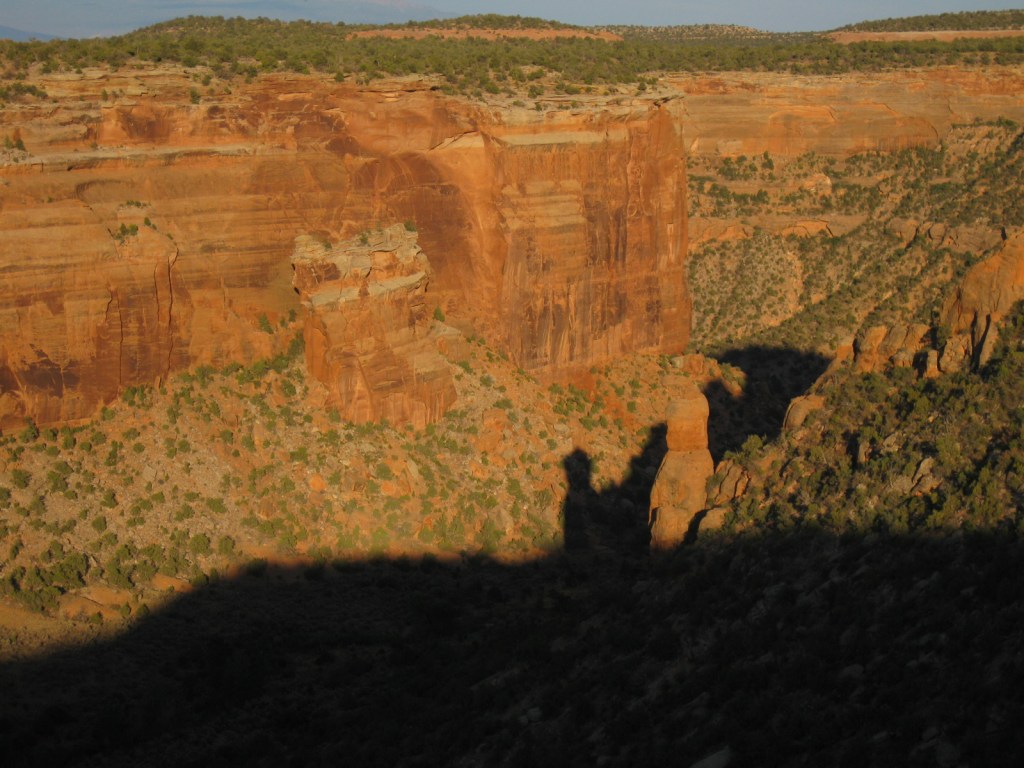
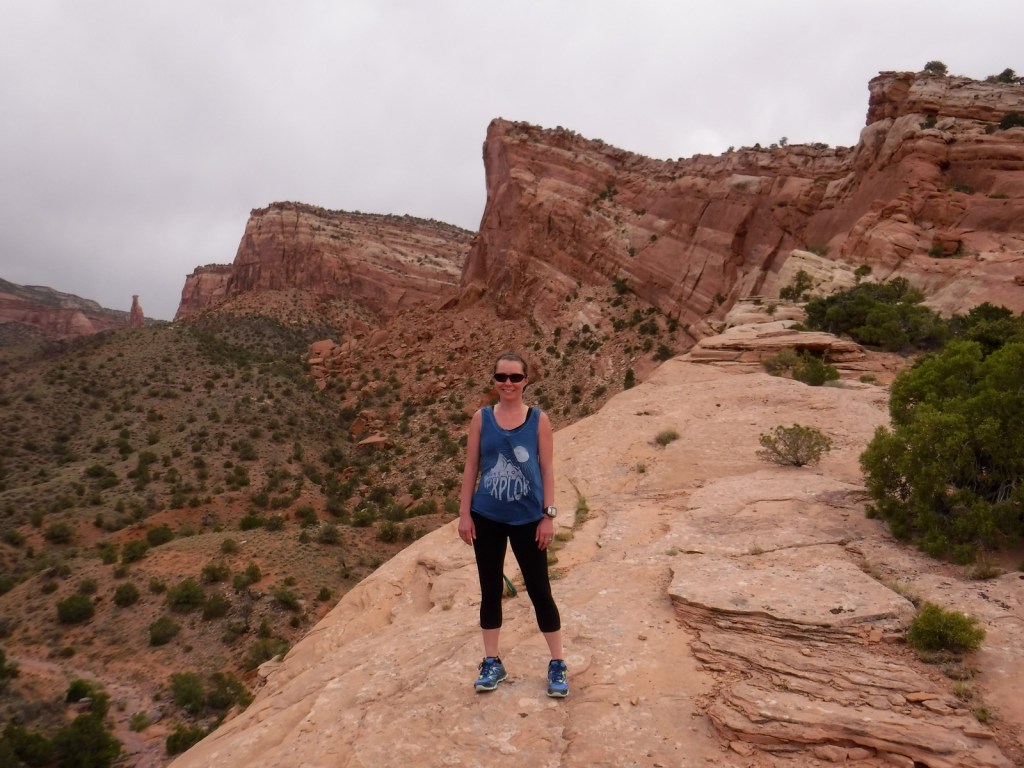
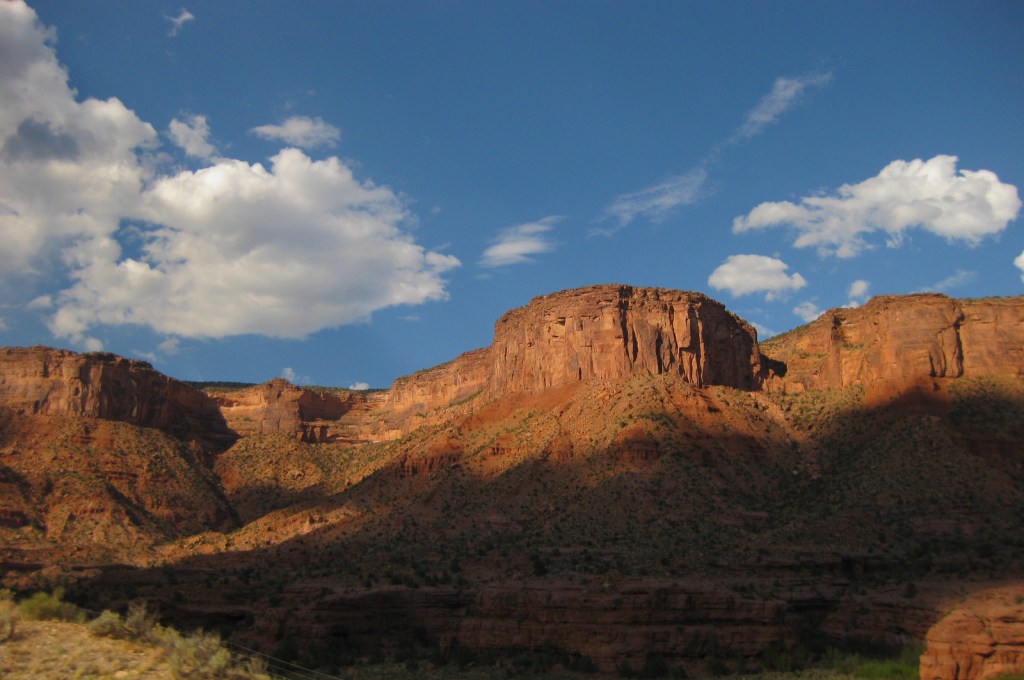
The name Colorado translates from Spanish as “red colored” and Colorado National Monument is exactly that.  From the numerous overlooks along Rim Rock Drive, the farm-dotted Colorado River Valley stretches out to the Book Cliffs and the evergreen forests of Grand Mesa.  But your attention will be drawn to the red rock formations in the foreground, like Independence Monument topped by an improbably placed American flag.  Do not miss a visit to neighboring McInnis Canyons National Conservation Area (held by the Bureau of Land Management), which has been proposed to be combined with Colorado National Monument to form a new National Park.

Highlights

Museum, film, Rim Rock Drive, Serpents Trail, Independence Monument View, Liberty Cap Trail

Must-Do Activity

Enjoy the stellar scenery and hiking while watching the cliffs for raptors, especially during the golden hours when the red rocks really shine.  While Interstate 70 offers easy access to the National Monument on the way to Arches National Park, we recommend heading south along twisty Highway 141, passing through stunning Dolores Canyon.

Best Trail

There are many great (and steep) canyon hikes in this area, including the former roadbed of Serpents Trail, once known as the “Crookedest Road in the World” until closed to vehicles following a highway reroute in 1950.

Instagram-worthy Photo

Sunrise and sunset are the best times for photography at the numerous overlooks along 23-mile Rim Rock Drive.

Peak Season

Summer

Hours

https://www.nps.gov/colm/planyourvisit/hours.htm

Fees

$25 per vehicle or America the Beautiful pass

Road Conditions

All roads paved

Camping

From Saddlehorn Campground you can see the lights of Grand Junction, Colorado and Interstate 70, but up here you feel like all of that is a million miles away.  Free backcountry camping permits are also available.

Related Sites

Mesa Verde National Park (Colorado)

Black Canyon of the Gunnison National Park (Colorado)

Canyonlands National Park (Utah)

Explore More – John Otto petitioned hard for the creation of Colorado National Monument in 1911 and served as its caretaker for 26 years at what ridiculously low salary?