Tag Archives: driving tour

Mississippi Road Trip Itinerary

30,030,893 acres

Statehood 1817 (20th)

Capital: Jackson

Population: 2,961,279 (34th)

High Point: Woodall Mountain (807 feet)

Best time of year: Spring

We recently published our guidebook 50 States of Great: Road Trip Guide to America, so we decided to start a new type of blog post where we create a travel itinerary for all 50 states, in addition to our usual National Forest and National Park entries.  After starting with KansasGeorgia, Idaho, Rhode Island, Minnesota, Hawai’i, Arizona, LouisianaSouth Dakota, Indiana, and Montana, we decided to do another state in the deep south.  We made an ambitious seven-day plan starting in the south on the Gulf Coast and then zigzagging across the state with plenty of options to extend the trip.

Day 1

Gulf Islands National Seashore (click here for our blog post)

You will have to take a ferry to enjoy the white sand beaches of West Ship Island, which are considered some of the best in the U.S.  If you are stuck on the mainland, at least check out the visitor center and hiking trails just off Interstate 10. 

Biloxi

Biloxi has beaches, a lighthouse, casinos, and the Maritime and Seafood Industry Museum.  I still want to see the Patriarch Oak, estimated to be more than 2,000 years old and located at Mary Mahoney’s Old French House seafood restaurant.

De Soto National Forest (click here for our blog post)

Tuxachanie National Recreation Trail runs 12 miles through De Soto National Forest with the path from its western trailhead following an old logging railroad right off Highway 49.  Near the far eastern end of the trail is a lakeside World War II Prisoner of War camp with a pond.

Optional stop at Mississippi Sandhill Crane National Wildlife Refuge

Some sandhill cranes migrate to this forested spot for the winter, but a small population lives there year-round.  There are trails, interpretive signs, and a visitor center.

Day 2

Natchez National Historical Park (click here for our blog post)

National Park Service (NPS) rangers or volunteers are on location at the William Johnson House, Melrose Estate, and the Forks of the Road where hundreds of thousands of slaves were sold in the 1800s.  The William Johnson House tells the story of a slave freed at age 11 who apprenticed to a barber, and became a successful businessman before his murder.
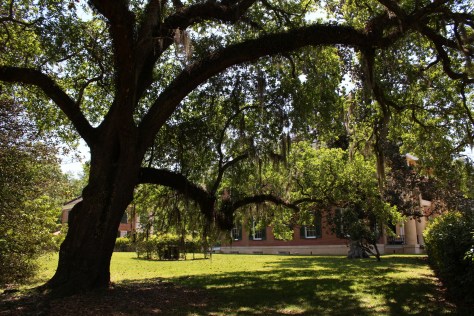
Grand Village of the Natchez Indians State Historic Site

These historic mounds offer a free museum and film inside an air-conditioned building (which is important on a muggy summer day). 

Optional stop at Homochitto National Forest (click here for our blog post)

There is a nice campground with showers on Clear Springs Lake, accessed by a paved road four miles south of Highway 84.  A one-mile trail circles the lake, which has a picnic shelter built by the Civilian Conservation Corps (CCC) in 1935 that is listed on the National Register of Historic Places.

Day 3

Natchez Trace Parkway (click here for our blog post)

This paved road runs 444 miles from the Mississippi River to Nashville, Tennessee, including 309 miles in Mississippi.  The trace (or trail) started as an American Indian footpath and was heavily used in the 1800s by “Kaintuck” flatboatmen returning from New Orleans who left the Mississippi River at Natchez and continued on foot north.  At several roadside pullouts, you can still follow portions of the “sunken” trail worn down by travelers over the centuries.  Popular stops along the way include the boardwalk at Cypress Swamp outside Jackson and its three free campgrounds.

Optional stop at Natchez Trace National Scenic Trail (click here for our blog post)

Paralleling the parkway, this trail exists in five segments totaling 67 miles in length.  One of the longest sections is located north of Jackson (Miles 108-130).  There are also eight miles of the original trace around the free Rocky Springs Campground (Mile 58) accessing Owens Creek Waterfall and a historic town site.

Day 4

Jackson

The capital city is home to the Mississippi Civil Rights Museum, Museum of Mississippi History, and Mississippi Agriculture and Forestry Museum.  The Mississippi Museum of Natural Science is a 73,000-square-foot facility situated in a 300-acre forest with 2.5 miles of trails that also boasts a 200-seat theater and many aquariums, including “The Swamp” where alligators reside inside a large greenhouse. 

Medgar and Myrlie Evers Home National Monument (click here for our blog post)

In Jackson, the National Park Service manages the former home of a prominent Civil Rights Leader who was assassinated in his driveway in 1963.  Across the street, there is a sidewalk through Myrlie’s Garden, a community garden where interpretive signs on the wooden fence tell the story of the Evers family.

Optional stop at Bienville National Forest (click here for our blog post)

There are several lakes here open to the public, including 50-acre Marathon Lake (which got its name a lumber company that closed in 1929).  The lake was built in the 1950s for recreation in a former logging camp and now has 34 campsites (with water and electric hook-ups), a boat ramp, a swimming area, and a 1.7-mile trail that circles it. 

Day 5

Vicksburg National Military Park (click here for our blog post)

The numerous failed attempts to take Vicksburg by force are evidenced by the 17,000 soldiers buried in the National Cemetery here.  Following a 46-day bombardment, the city finally surrendered on July 4, 1863.  The best part of visiting the park is walking through the partially-reconstructed U.S.S. Cairo, an ironclad gunboat which was carefully salvaged from the Yazoo River during the 1960s.

Optional stop at Delta National Forest (click here for our blog post)

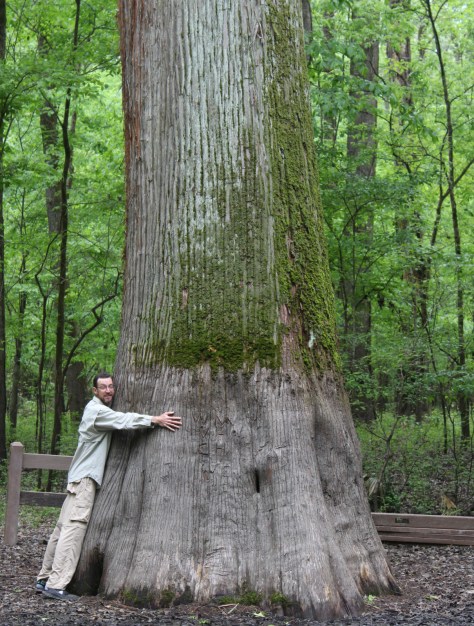
Delta National Forest is seasonally flooded for wildlife, but it was dry enough to walk up to the Kay Cypress Tree even when other trails were underwater during our April visit.  The tree is more than ten feet in diameter even above the widely fluted base common to baldcypress.  It is located across from Blue Lake on unpaved Fire Tower Road.
Day 6

Emmett Till Historic Intrepid Center (ETHIC)

Located in a former cotton gin near the site of Emmett Till’s torture and murder on the farm of “J.W.” Milam in Glendora.  Established in 2005, there is an atmosphere to the museum that bears the full weight of history, heightened by the short introductory video showing Emmett Till’s family members’ recollections of the events of 1955. 

Emmett Till and Mamie Till-Mobley National Monument (click here for our blog post)

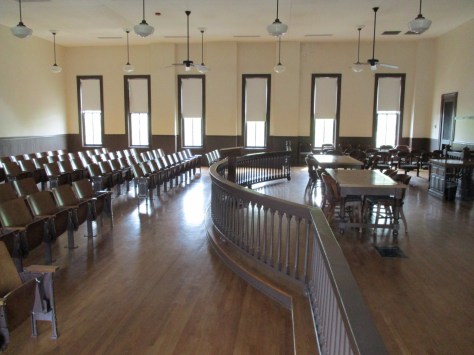
The National Park Service operates out of the Emmett Till Interpretive Center, located in a strip mall opposite the Tallahatchie County Second District Courthouse in Sumner.  It has limited hours, but the courtroom where the September 1955 trial was held was unlocked when we visited on a Tuesday morning.
Optional stop at a Blues Museum

The Yazoo-Mississippi Delta (or simply “the Delta”) is a distinct section of western Mississippi renowned for its blues musicians.  There is plenty to learn and listen to at the Delta Blues Museum in Clarksdale, GRAMMY Museum Mississippi in Cleveland, and B.B. King Museum and Delta Interpretive Center in Indianola.  Spend the night in the area to go to a bar for live music in the evening. 

Optional stop at Belzoni Catfish Museum and Welcome Center

At its peak in 1993, this region produced 461-million pounds of catfish annually (about 60% of U.S. production) and still hosts the World Catfish Festival every April.  The best part is that Belzoni has catfish sculptures spread around town, painted to represent different occupations like a fireman and nurse. 

Day 7

Brices Cross Roads National Battlefield Site (click here for our blog post)

The National Park Service site here is tiny with no facilities and only a couple interpretive signs, but a local battlefield commission owns 1,400 acres with walking trails.  The nearby Mississippi Final Stands Interpretive Center is located five miles east of the battlefield in Baldwyn. 

Tupelo National Battlefield (click here for our blog post)

Two cannons and a monument mark this one-acre National Park Service site surrounded by the city of Tupelo.  Its visitor center is combined with the one for the Natchez Trace Parkway just outside Tupelo.

Optional stop at Elvis Pressley Birthplace and Museum

In Tupelo, the house where Elvis grew up is a main attraction.  The grounds are open 24 hours and the museum is open seven days a week. 

Optional stop at Tishomingo State Park

Tishomingo State Park is located just off the Natchez Trace Parkway (Milepost 304) northeast of Tupelo.  The park’s sandstone and limestone rock formations represent the furthest southwest extent of the Appalachian Plateau.  The park opened in 1939, after its infrastructure was built using local rock by the Civilian Conservation Corps (CCC).  Several structures remain from that period, including a spectacular swinging bridge over Bear Creek.

Day 8+

Holly Springs National Forest (click here for our blog post)

Chewalla Lake Recreation Area is the most developed site offering a swimming beach and campground, plus fishing and boating opportunities.  A 2.3-mile trail at the 260-acre lake passes an overlook and a reconstructed Choctaw burial mound.  In the northeast corner off Highway 72, a short trail accesses Baker’s Pond, the source of the Wolf River.  Further south, Lake Tillatoba is a fee-free primitive site managed by Tombigbee National Forest.

Shiloh National Military Park (click here for our blog post)

An important railroad crossroads in Corinth made it a strategic spot during the Civil War.  In April 1862, two days of intense fighting across the border in Tennessee resulted in 23,746 soldiers killed, wounded, captured, or missing, and the Confederates abandoned the field and Corinth.  There were an additional 7,000 casualties when they failed to recapture the town in October 1862, which is the focus of the museums in town.

Apron Museum

Iuka is home to the Apron Museum that has collected thousands of vintage aprons, plus it has a gift shop with quilts, crafts, and, of course, aprons for sale.  Nearby, a restored wooden covered bridge is also worth a look-see and a drive across.

Learn more about Mississippi’s Most Scenic Drive, Wonderful Waterfall, Top State Park, and other categories in our travel guidebook 50 States of Great: Road Trip Guide to America.
Katahdin Woods and Waters National Monument

Katahdin Woods and Waters National Monument

Managed by National Park Service

Established 2016

87,564 acres

Website: nps.gov/kaww

Overview

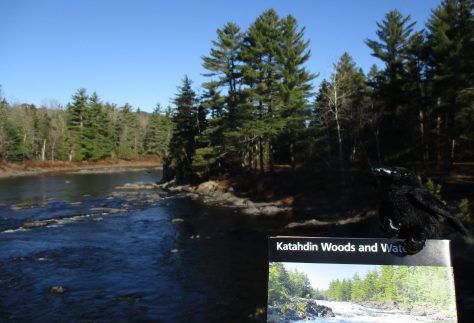
Central Maine is an ecological transition zone between boreal and broadleaf deciduous forests that provides habitat for Canada lynx, black bear, moose, and beaver.  The waters are home to brook trout and Atlantic salmon, which are being reestablished with cooperation between government agencies and the Penobscot and other Wabanaki Nations.  The official northern terminus of the Appalachian National Scenic Trail, Katahdin means “greatest mountain” in the Penobscot language and is the name of the 5,269-foot peak outside National Monument boundaries in neighboring Baxter State Park.  This undeveloped landscape was purchased by the businesswoman Roxanne Quimby beginning in 2001 with the plan to turn it into a National Park.  It was donated to the National Park Service to mark the centennial of its creation and, despite some controversy, was established by President Barack Obama. 

Learn more about the other 137 National Monuments in our book Monumental America: Your Guide to All 138 National Monuments. It is now available for sale on Amazon.com.

Highlights

Tekαkαpimək Contact Station, Patten Lumbermen’s Museum, Katahdin Loop Road, Barnard Mountain, Stair Falls

Must-Do Activity

Opened in 2025 near the south entrance, the Tekαkαpimək Contact Station is seasonally open Friday through Sunday in a building inspired by Wabanaki culture.  The National Park Service no longer works out of the Patten Lumbermen’s Museum (but it is still worth a visit).  The 17-mile-long Katahdin Loop Road in the southern section of the National Monument is the most developed with picnic areas, vault toilets, and overlooks.  The unpaved loop road is accessed from the east by miles of unpaved road and has no access to Baxter State Park.  About 30 miles of the International Appalachian Trail runs through Katahdin Woods and Waters National Monument with lean-tos dispersed along the route.  Other than hiking, visitors enjoy stargazing, birding, leaf peeping in the fall, canoeing the East Branch of the Penobscot River with portages around its many waterfalls.  In the winter, there are opportunities for cross-country skiing, snowshoeing, and snowmobiling. 

Best Trail

From the Haskell Gate at the end of New River Road, it is 3.5 miles out-and-back to Stair Falls on the East Branch of the Penobscot River.  The first part follows an old road and the International Appalachian Trail before branching north at a signed junction to access the water and is also open to bicycles.  The only trailhead accessed from a paved road is the 13.6-mile Seboeis Riverside Trail that starts outside the National Monument off Grand Lake Road.     

Photographic Opportunity

One of the best views of Katahdin is from the top of Barnard Mountain, accessed by a two-mile one-way hike with 725 feet of elevation gain. 

Peak Season

Summer

Hours

https://www.nps.gov/kaww/planyourvisit/basicinfo.htm

Fees

None

Road Conditions

Every road within the National Monument is unpaved, so watch for potholes and logging trucks.  The north and south entrances have gates that close seasonally.

Camping

Reservations are required to car camp at designated sites within Katahdin Woods and Waters National Monument and can be made online at Recreation.gov

Related Sites

Appalachian National Scenic Trail (Maine to Georgia)

Saint Croix Island International Historic Site (Maine)

White Mountain National Forest (New Hampshire, Maine)

Nearest National Park

Acadia

Explore More – When did Katahdin Woods and Waters National Monument receive official recognition as a Dark Sky Sanctuary?

Learn more about the other 137 National Monuments in our book Monumental America: Your Guide to All 138 National Monuments

Brices Cross Roads National Battlefield Site

Brices Cross Roads National Battlefield Site

Mississippi

Managed by National Park Service

Established 1929

1 acre

Website: nps.gov/brcr

Overview

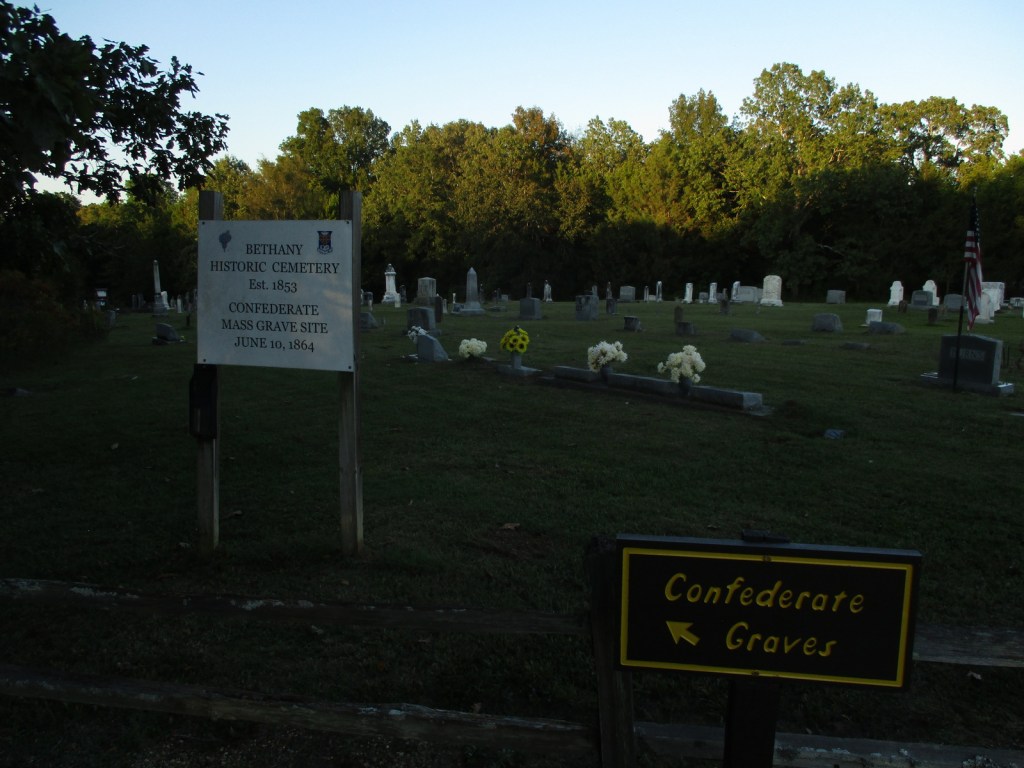
During General Sherman’s “march to the sea” in 1864, he dispatched troops under Brigadier General Samuel D. Sturgis to northern Mississippi to protect the 151-mile Nashville & Chattanooga Railroad line from Major General Nathan Bedford Forrest’s Confederate cavalry.  The two sides clashed on June 10 at this site in northern Mississippi, when a larger Union force of 8,100 men was routed by 3,500 Confederates.  However, Sherman’s supply line remained intact during his march towards Atlanta.

Highlights

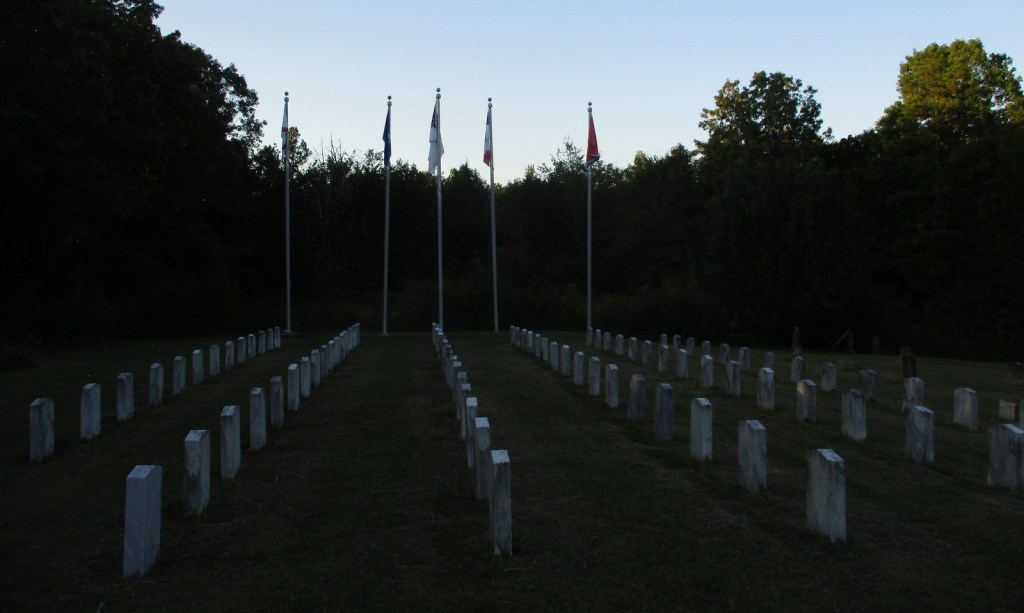
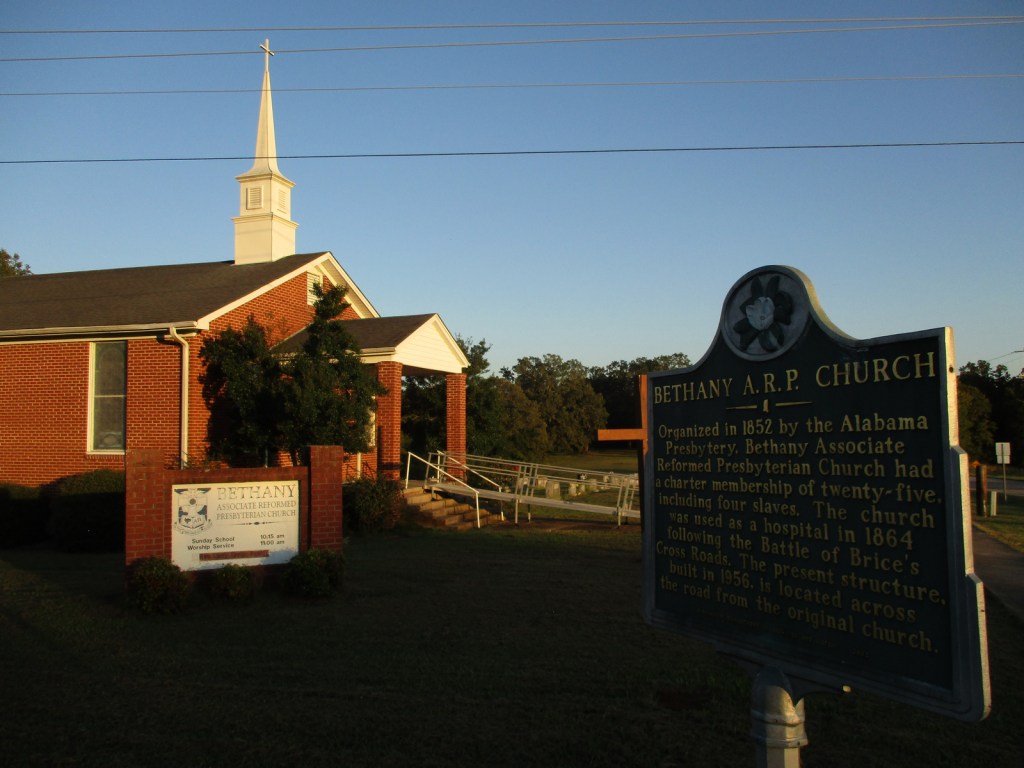
Bethany Church Cemetery, Mississippi Final Stands Interpretive Center

Must-Do Activity

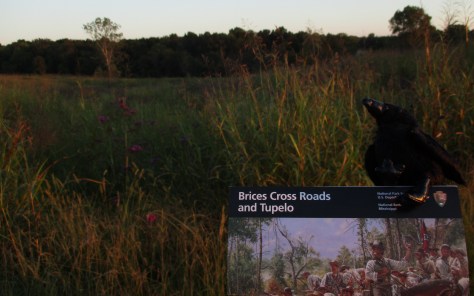
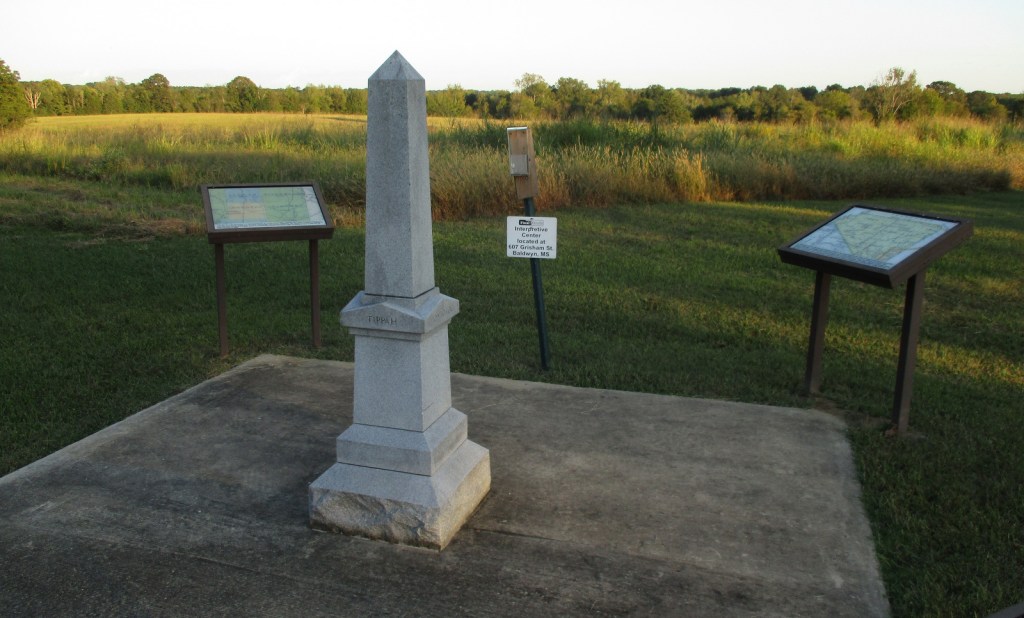
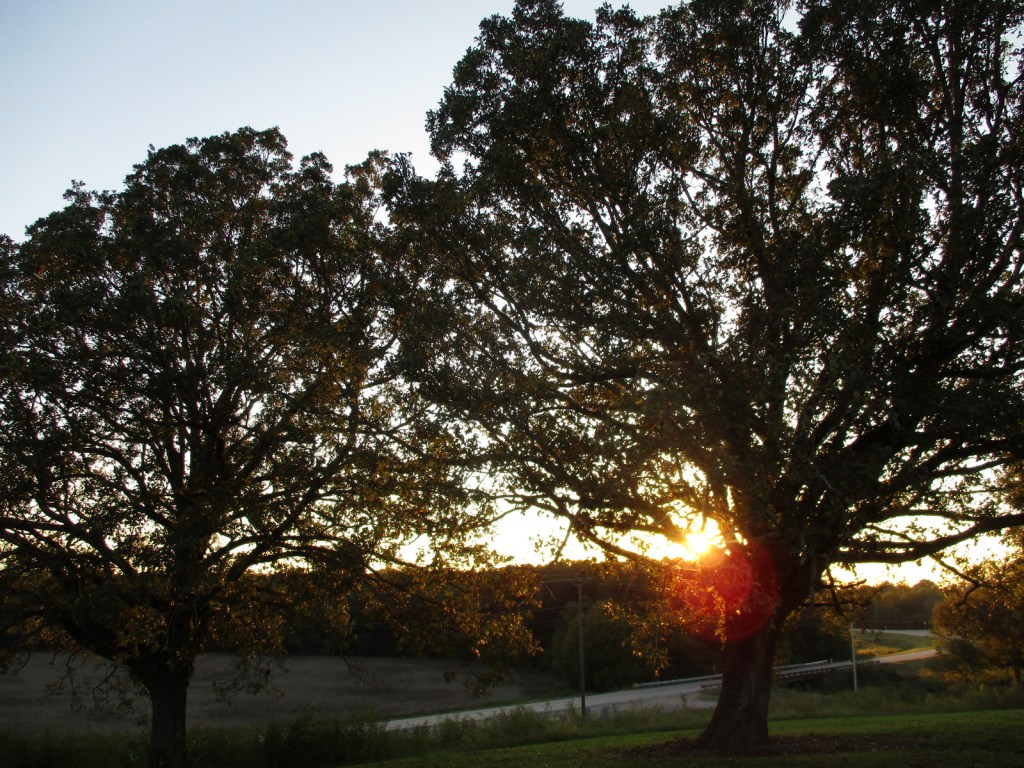
The National Park Service site here is tiny with no facilities and only a couple interpretive signs, but a local battlefield commission owns 1,400 acres with walking trails.  The nearby Mississippi Final Stands Interpretive Center is located five miles east of the battlefield in Baldwyn.  For a passport stamp, stop at the Natchez Trace Parkway visitor center outside Tupelo.  We arrived at Brices Cross Roads National Battlefield Site near sunset, but we were still able to explore the small park at the four-way stop at the crossroads of Highway 370. 

Best Trail

A local battlefield commission owns 1,400 acres with miles of walking trails, with the longest located at Log Cabin Knoll.

Instagram-worthy Photo

A monument was erected where the Brice home once stood, used as a place to treat the wounded of both armies during the battle.

Peak Season

Spring and fall

Hours

The Battlefield Site is never closed, but Mississippi Final Stands Interpretive Center is closed every Sunday, Monday, and most holidays.

Fees

None for Brices Cross Roads National Battlefield Site, but $7 per person at Mississippi Final Stands Interpretive Center.

Road Conditions

Park on the shoulder of the paved highway to access the site.

Camping

J.P. Coleman State Park is located east of Corinth and Tombigbee State Park is near Tupelo.

Related Sites

Holly Springs National Forest (Mississippi)

Tupelo National Battlefield (Mississippi)

Shiloh National Military Park (Tennessee-Mississippi)

Explore More – Who was the Colonel that commanded several regiments of United States Colored Troops (USCT) instrumental in the defensive actions that protected the Union Army’s retreat across the Tishomingo River?

South Dakota Road Trip Itinerary

48,519,040 acres

Statehood 1889 (40th)

Capital: Pierre

Population:  886,667 (46th)

High Point: Black Elk Peak (7,242 feet)

Best time of year: Summer

Last year we published our guidebook 50 States of Great: Road Trip Guide to America, so we decided to start a new type of blog post where we create a travel itinerary for all 50 states, in addition to our usual National Forest and National Park entries.  After starting by jumping around to KansasGeorgia, Idaho, Rhode Island, Minnesota, Hawai’i, Arizona, and Louisiana, we chose one of our favorite states to visit.  Just in time for summer (and the Custer State Park chip flip), we made an ambitious seven-day plan starting in the east near Sioux Falls and following Interstate 90 west, with plenty of options to extend the trip. See for yourself why South Dakota made it on our Top 10 States for State Parks and Top 10 States for National Park Service Sites list.

Day 1

Palisades State Park

Start your trip near Sioux Falls, where pink formations of quartzite rock rise above muddy Split Rock Creek below.  It is a great spot for a picnic, and you might get to watch rock climbers across the creek repelling down the steep cliffs. 

Optional stop at Falls Park

Not only is Sioux Falls the largest city in the state, it is also home to Falls Park where the Big Sioux River tumbles down 100 feet of rosy quartzite in a series of photogenic cascades. 

Day 2

Corn Palace

Not far off Interstate 90 in Mitchell is a great wonder of human creativity dating back to 1892.  Each year a new theme is chosen by artists who design images to decorate the outside of the building completely with organic materials.  By the end of the summer, the face of this unique building is covered with 275,000 ears of corn in a variety of colors.  Be sure to go inside the building to see pictures of past palaces, turn a millstone to grind our own cornmeal, and learn fun facts. 

Dignity sculpture

Also on Interstate 90, there is a new 50-foot sculpture of a Native American woman wearing a traditional star quilt entitled Dignity of Earth and Sky.

State Capitol Building

Visit inside the capitol to learn why the tiny town of Pierre (pronounced “peer”) was chosen as the state’s capital city in 1889 and how the building was constructed starting in 1905.

Optional stop at Fort Pierre National Grassland (click here for our complete blog post)

Look online for the publication South Dakota Fishing Guide to the National Grasslands, which provides information on 41 fishing ponds in the National Grassland.  Originally built in 1934, Richland Dam was renovated in 2014 and now features handicapped-accessible fishing and a concrete boat ramp.  Fishing ponds are generally open December 1 to August 31 to avoid overlap with hunting season.

Day 3

Badlands National Park (click here for our complete blog post)

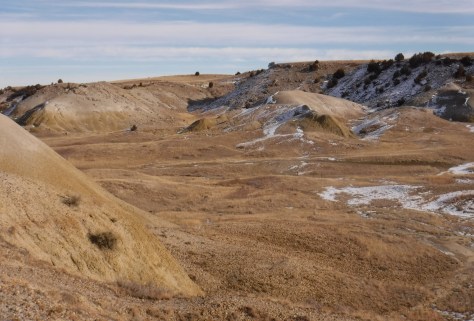
Beyond the geologic formations and hiking trails, this is a good place to camp at the developed Cedar Pass Campground, free Sage Creek Primitive Campground (which can be crowded in the summer), or backpacking out with the bison.  Bighorn sheep are also common, and porcupines, surprising for as treeless as it is.  Prairie dog towns make for an endless variety of entertainment and provide habitat for burrowing owls, prairie rattlesnakes, and endangered black-footed ferrets that have been reintroduced throughout South Dakota. 

Optional stop at Minuteman Missile National Historic Site (click here for our complete blog post)

Outside Badlands National Park on Interstate 90, a small museum and ranger-guided tours of the Delta-01 launch control facility.  Tours have very limited space and a nominal fee, but are no longer solely first-come-first served thanks to an online reservation system. 

Day 4

Wall Drug

Perhaps the greatest roadside attraction in the entire world, famous since 1936 for its “Free Ice Water” road signs.  Today Interstate 90 is inundated with Wall Drug billboards for miles in each direction.  Ice water is still free and the café still offers a cup of coffee for only five cents, as well as the best soft-serve ice cream we have ever tasted.  In the Wall Drug Backyard, you can even ride atop a ten-foot-tall jackalope; and do not leave without a free bumper sticker.

Optional stop at the National Grasslands Visitor Center

This serves as the main interpretive site for all 20 National Grasslands (plus Midewin National Tallgrass Prairie).  The exhibit hall is still under reconstruction following a flood that forced a relocation into a temporary trailer for years, but the theater is reopened showing a short film. 

Optional stop at the South Dakota Air & Space Museum

Admission is free to this museum (currently closed for construction) seven miles east of Rapid City on Interstate 90.  It sits next to Ellsworth Air Force Base, but you do not have to pass through military security to enter.  An impressive B-1B Lancer sits out front alongside other historic aircraft, with many more located inside the hangars.

Day 6

Mount Rushmore National Memorial (click here for our complete blog post)

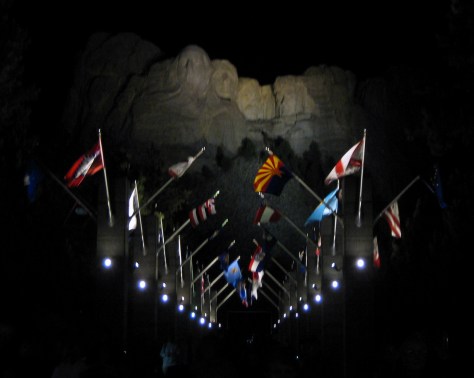
This icon of South Dakota is inspiring to see during the day, but for the full patriotic effect do not miss the night lighting ceremony offered May to September. 

Needles Highway

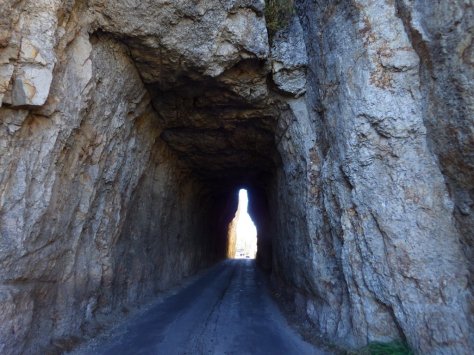
The 14-mile-long Needles Highway was completed in 1922 and is known for its narrow, one-lane tunnels that run straight through mountainsides and the natural arch aptly named the Needle’s Eye (Custer State Park admission required).  Trails leave from along its length to access the Cathedral Spires, Black Elk Peak, Sylvan Lake, and Little Devil’s Tower.  To the northeast, the Highway 16A section of the Peter Norbeck Scenic Highway utilizes more one-lane tunnels and fascinating corkscrew turns called “pigtail bridges” to connect Custer State Park with Mount Rushmore National Memorial (no admission fee required when simply driving through).

Optional stop at Crazy Horse Memorial

Under construction since 1948, this privately-funded monument continues to be carved and blasted to this day.  In addition to the 563-foot-tall memorial to the legendary fighter and leader of the Oglala Lakota, the site also has the Indian Museum of North America full of outstanding artwork and artifacts.  Special tours can be booked up to the 87-foot-tall head of Crazy Horse, plus, a laser-light show runs nightly in the summer.  There is a pretty good view from the highway if you do not want to pay the admission fee.

Day 5

Custer State Park

World famous for its Buffalo Roundup every September, this park has so much more than bison (see Needles Highway above).  Visitors can see bighorn sheep, mountain goats, pronghorn, elk, mule deer, white-tailed deer, coyotes, turkeys, golden eagles, and you might even get nose-to-nose with one of the feral burros that roam free and love handouts. You may find yourself stuck waiting out a “bison jam” as the large ungulates cross a road. 

Wind Cave National Park (click here for our complete blog post)

The interior of Wind Cave is a constant 53°F, so bring a jacket if you sign up for the Natural Entrance Tour, which involves entering a vapor lock revolving door and descending stairs.  On the Candlelight Tour you carry lightweight metal candle-lanterns, just like 19th-century tourists.  It is only offered in the summer and explores an unlit section of the cave.  There are several good trails that traverse the prairie and canyons and we enjoy backpacking (free permit required) on Highland Creek Trail where we always see bison.

Optional stop at Black Hills National Forest (click here for our complete blog post)

Surrounding Custer State Park and Mount Rushmore and spilling into the state of Wyoming, it is home to a fun hike to the state’s high point at 7,242-foot tall Black Elk (formerly Harney) Peak rising in the center of the beautiful Black Elk Wilderness.  We also recommend Old Baldy Trail and Buzzards Roost Trail.

Day 7

Jewel Cave National Monument (click here for our complete blog post)

Currently, Jewel Cave ranks third worldwide with over 160 miles in mapped passages, and based on air flow estimates the cave is less than 10% mapped.  The namesake jewels are actually boxy calcite formations, which crystalized out of water in a manner similar to the way a bathtub ring forms.  The Wild Caving Tour and Lantern Tour are our favorite ranger-guided tour options.

Optional stop at Buffalo Gap National Grassland (click here for our complete blog post)

The only developed site of this sprawling area is located at French Creek Agate Beds, where there is a campground and rockhounding is legal for Fairburn agate (the official State Gem of South Dakota), rose quartz, and banded jasper.

Day 8+

George S. Mickelson Trail

This flat trail runs 109 miles from Deadwood to Edgemont along the former Burlington Northern rail line, but you can choose to hike as far as you like (day-use fee).  Like many rails-to-trails projects, this route is wide enough to accommodate bikes and includes many bridges and tunnels, like those near the Mystic Trailhead.

Spearfish Canyon Nature Area

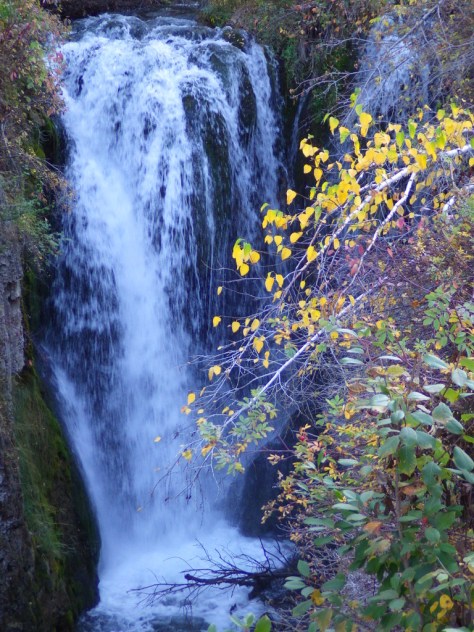
A scenic byway follows Highway 14A south of Interstate 90 past roadside Bridal Veil Falls and Spearfish Falls.  The limestone cliffs of the canyon are sprinkled with ponderosa pine trees and the creek is lined by deciduous trees that add to the beauty when changing colors in late-September (around Buffalo Roundup weekend).  It is free to park at 30-foot-tall Roughlock Falls (pictured below), but this small park can get congested. 

Geographic Center of the Nation

Belle Fourche is home to a 21-foot-wide monument with a visitor center and museum at the site designated by the National Geodetic Survey as the center of the 50 states after Alaska and Hawai‘i were added in 1959.

Petrified Wood Park in Lemmon

A free park filled with locally gathered petrified wood and other geological specimens. The “world’s largest collection” also has a free museum constructed out of petrified wood that is open from Memorial Day to Labor Day.

Missouri National Recreational River (click here for our complete blog post)

In southeast South Dakota, the river’s lower segment runs 59 miles from the Gavins Point Dam to Ponca State Park, plus a 39-mile stretch was added from the Fort Randall Dam to Niobrara State Park, and includes 20 miles of the Lower Niobrara River (which is itself designated a National Scenic River upstream in Nebraska). 

Learn more about South Dakota’s Most Scenic Drive, Top State Park, and other categories in our travel guidebook 50 States of Great: Road Trip Guide to America.
Amache National Historic Site

Amache National Historic Site

Colorado

Managed by National Park Service

Established 2024

410 acres

Website: nps.gov/amch

Overview

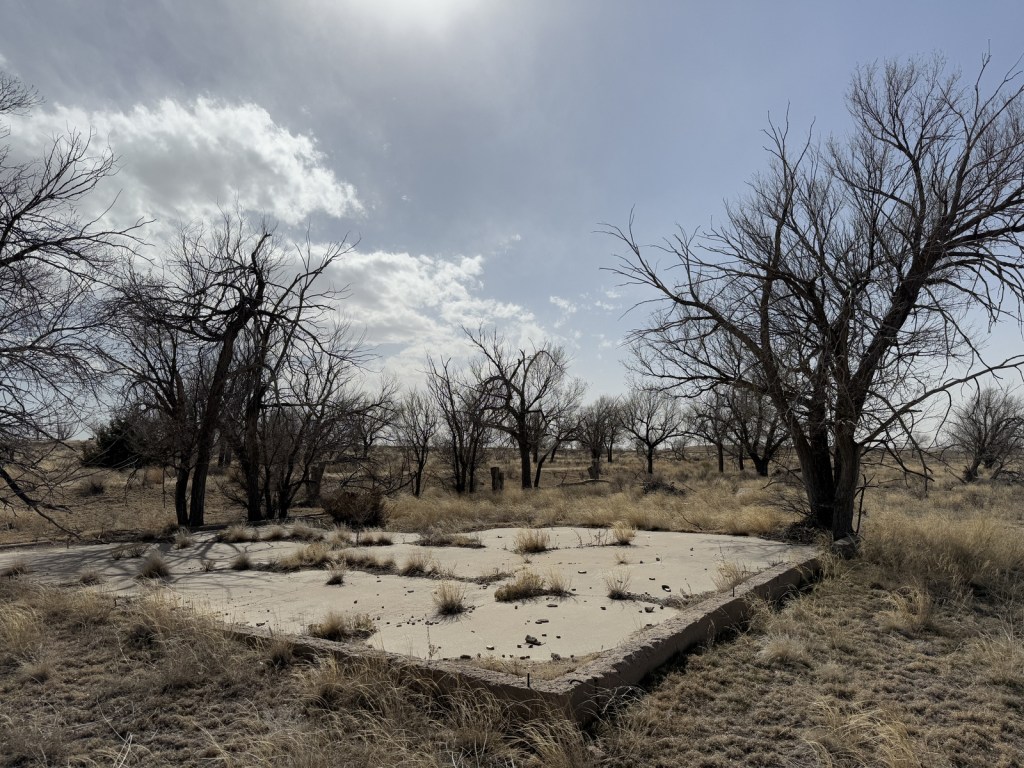
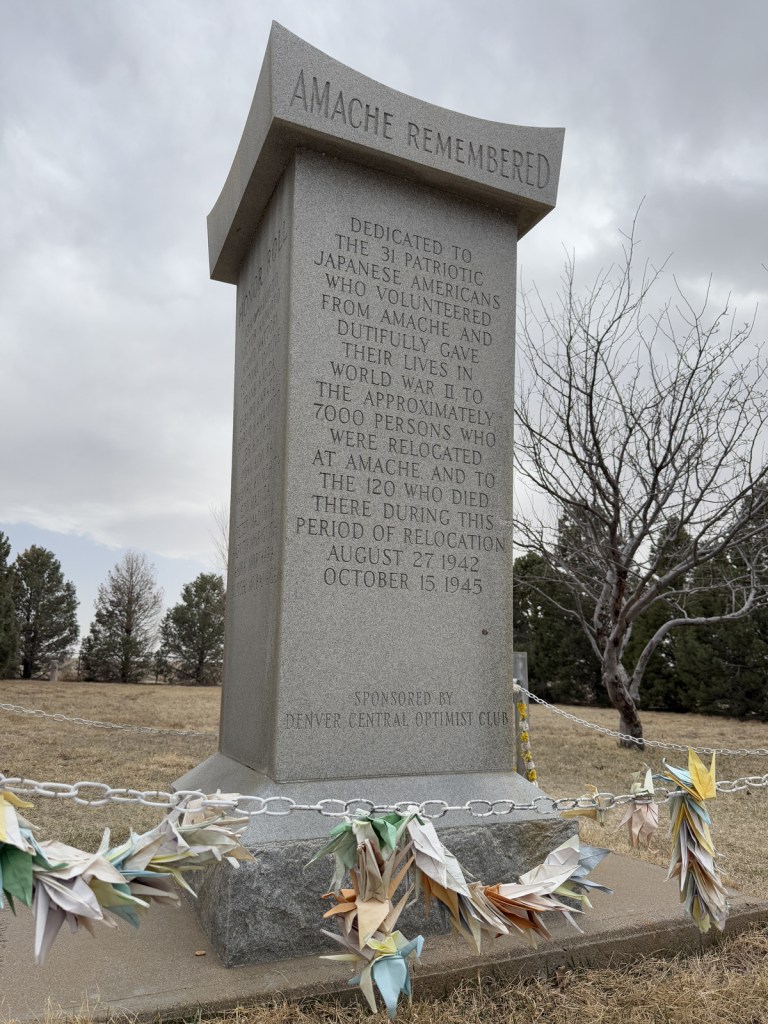
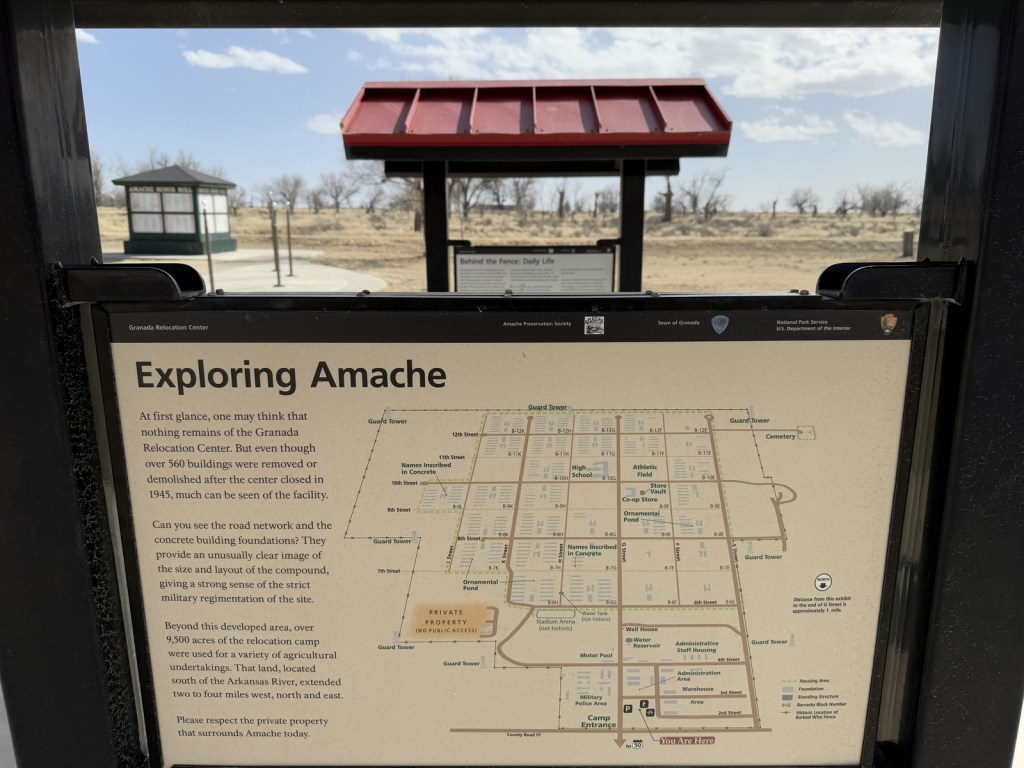
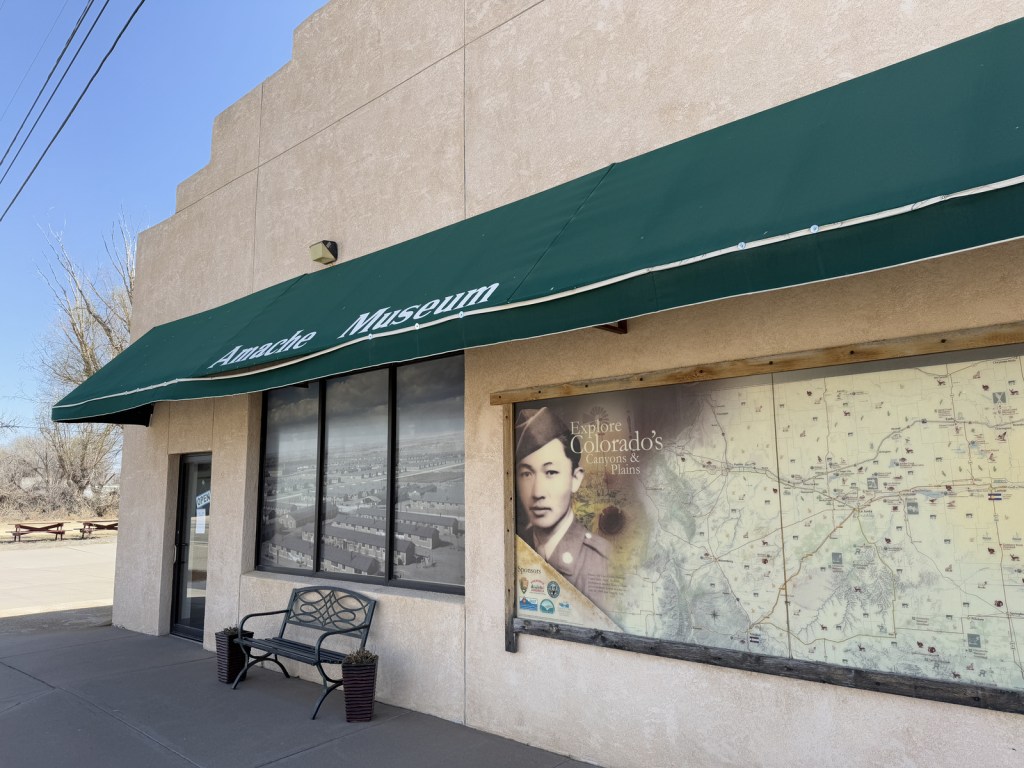
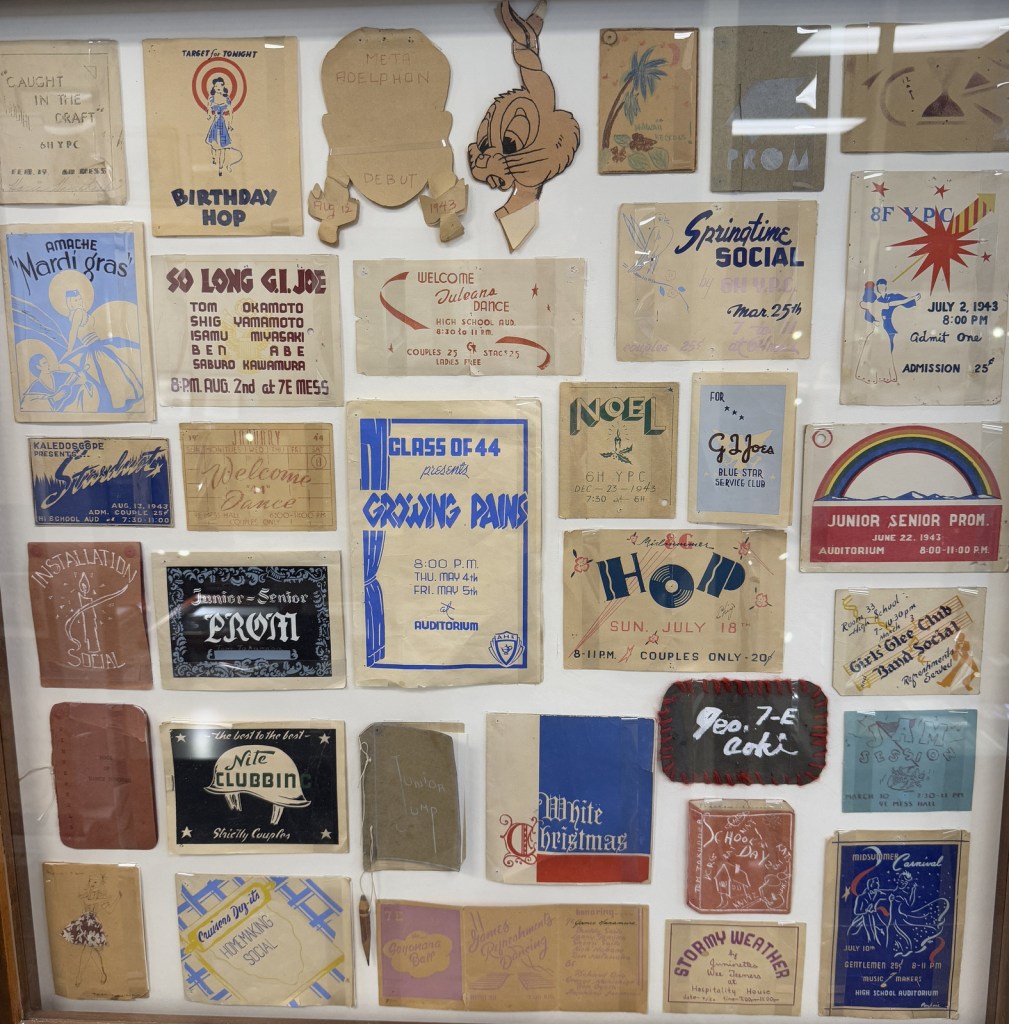
Added to the National Park Service (NPS) system on February 15, 2024, Amache National Historic Site is the fifth unit dedicated to remembering the sad story of the forced internment of 110,000 Japanese-Americans during World War II.  Operated between 1942 and 1945, at its peak the Granada Relocation Center in southeast Colorado housed 7,310 incarcerees making it the state’s tenth largest city at the time.  Although it does not have a visitor center, the site of the internment camp is more developed than other new NPS sites since it was previously added to the National Register of Historic Places in 1994 and then designated a National Historic Landmark in 2006.  Learn more about the history of these camps by checking out the Related Sites below and watching some of our Top 10 World War II Films or reading one of the Top 10 World War Novels

Highlights

Amache Museum, water tower, barracks, guard tower, cemetery, Recreation Hall

Must-Do Activity

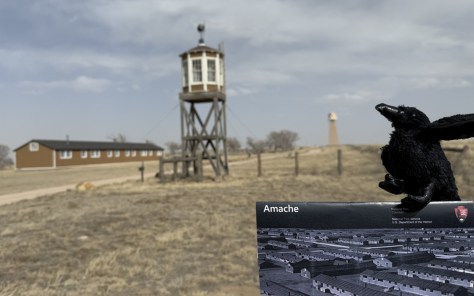
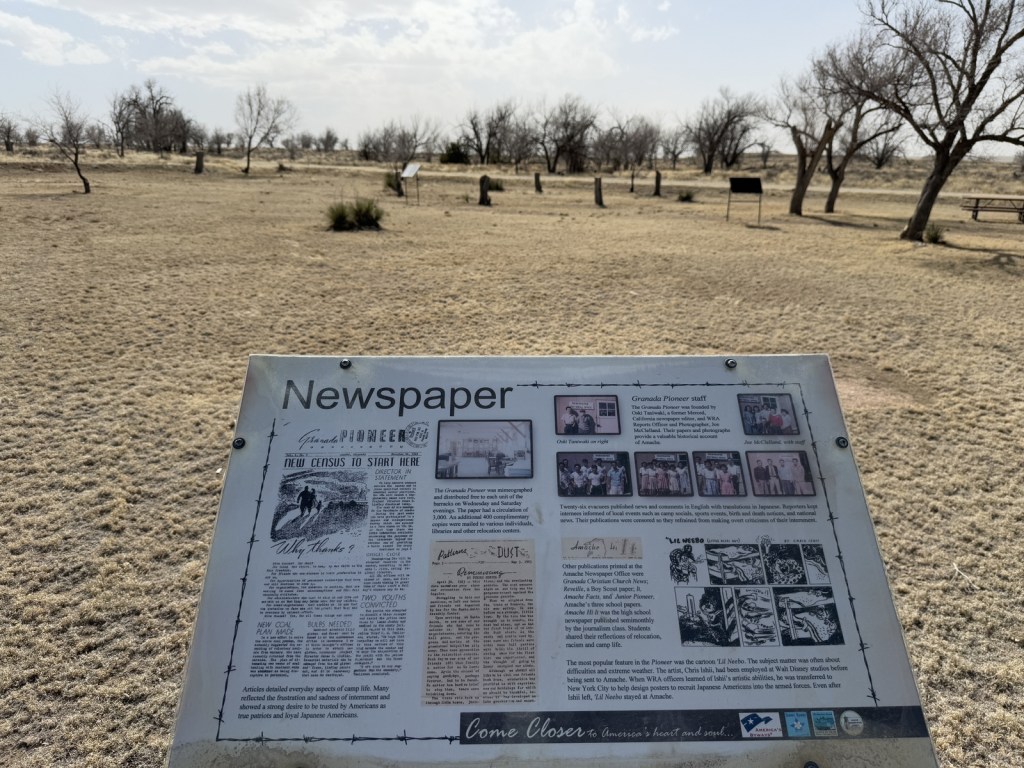
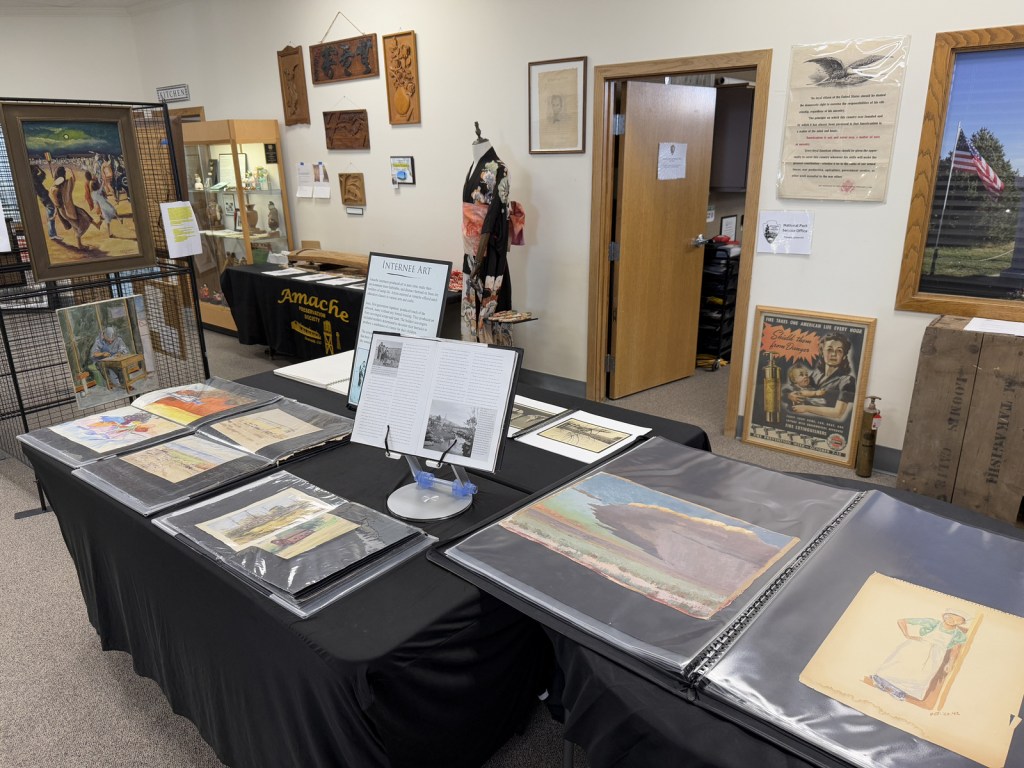
Start at the excellent Amache Museum in Granada, which is run by local high school students and has free admission (donations accepted).  Be sure to pick up a map of the driving tour or visit the website (https://amache.org/driving-tour-map-podcasts) to listen to the audio recordings at each stop (there is smartphone coverage on site).  Drive the route in order or skip around, but make it a point to see Stop 4 (guard tower and barracks), Stop 8 (cemetery), and the Rec Hall.  Starting in June 2025, ranger-led tours will be offered at 10 a.m. on the first and third Friday of the summer months.

Best Trail

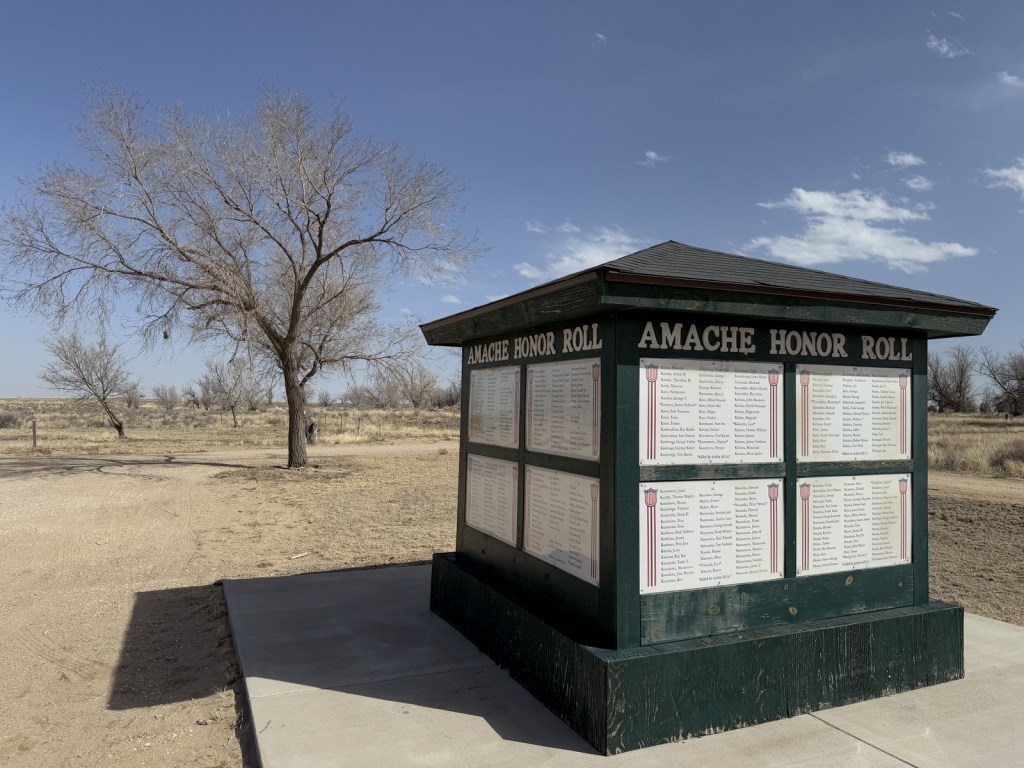
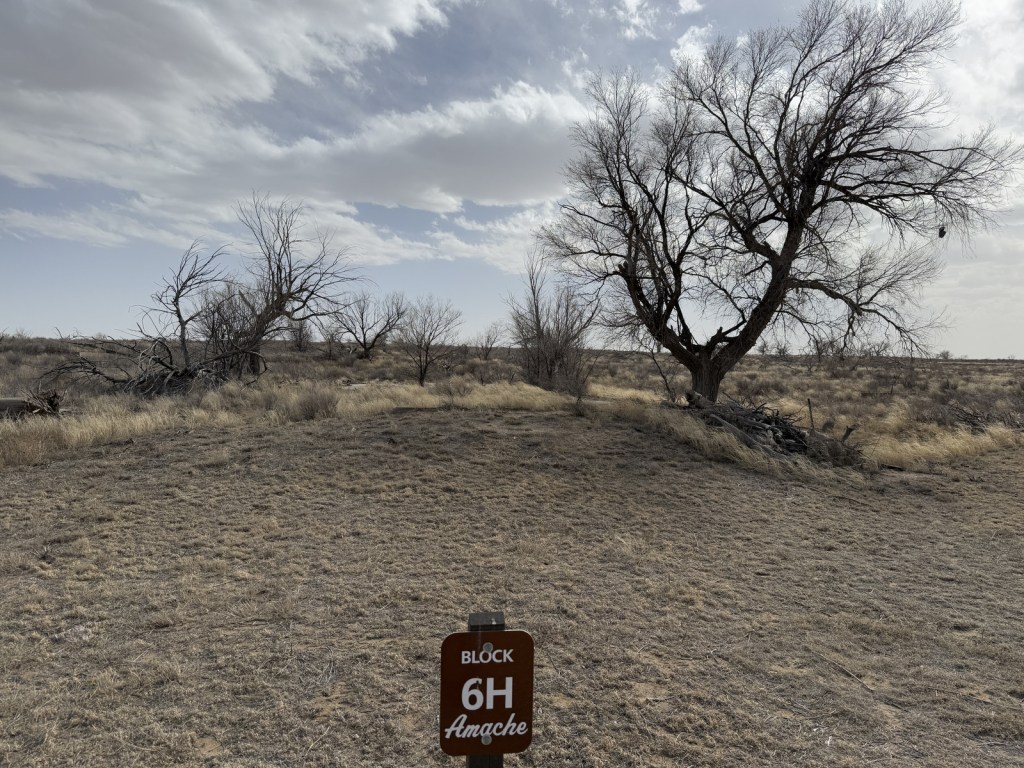
There is a short loop trail with many interpretive signs at the picnic area when you first arrive at the site by the Honor Roll square structure.  There is also an off-trail walk to the old koi pond at Stop 2 that you can navigate if you listen to the directions on the audio recordings.

Photographic Opportunity

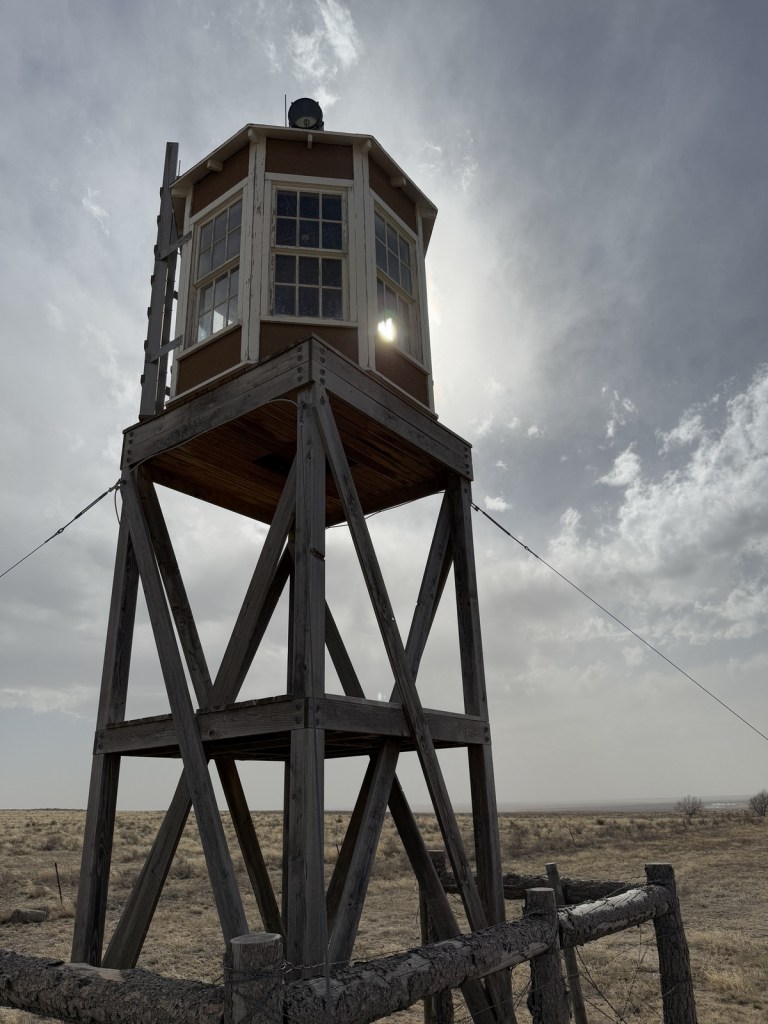
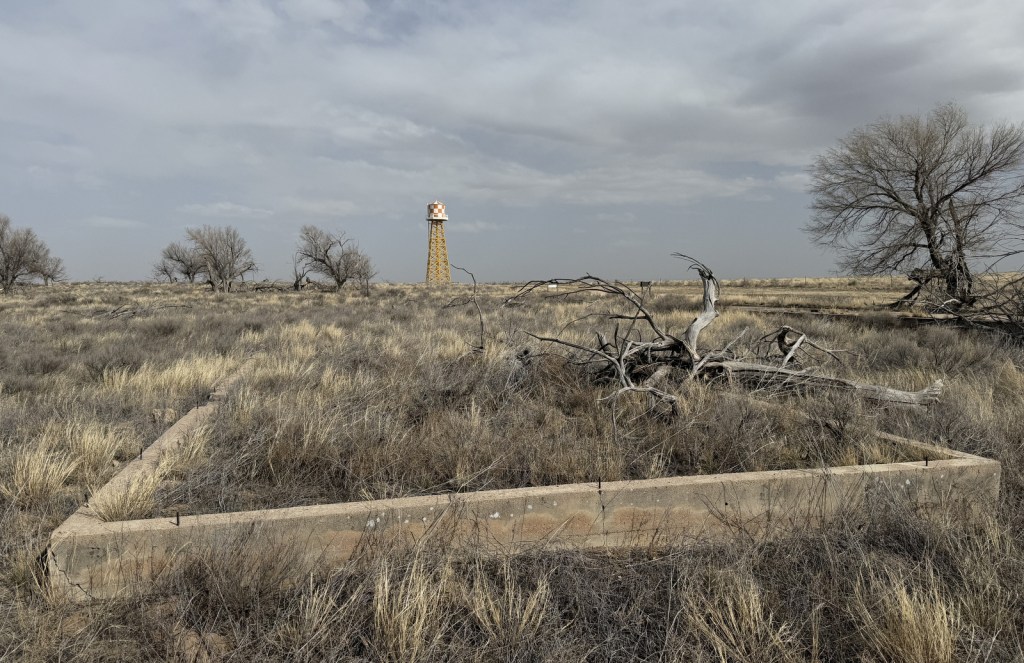
The reconstructed barracks and guard tower at the south end of the site are two of the only structures standing above the open prairie.  They are near the water tower, which is worth a short detour to see.

Peak Season

Spring and fall

Hours

https://www.nps.gov/amch/planyourvisit/basicinfo.htm

Amache Museum: https://amache.org/visitor-information/

Fees

None; donations accepted at Amache Museum

Road Conditions

Roads through the site are gravel, but they seemed to be in good condition and seemingly passable even when wet.

Camping

Most of the southeast corner of Colorado is privately-owned agriculture land, so to find dispersed camping drive to Comanche National Grassland or Cimarron National Grassland.

Related Sites

Manzanar National Historic Site (California)

Tule Lake National Monument (California)

Minidoka National Historic Site (Idaho)

Nearest National Park

Great Sand Dunes

Explore More – Most of the 10,000 acres dedicated to Granada Relocation Center was for agriculture, so how many acres were used for residential and administrative buildings?