Tag Archives: canyon

Yellowstone National Park

Wyoming, Montana, Idaho

Managed by National Park Service

Established 1872

2,221,766 acres

Website: nps.gov/yell

Overview

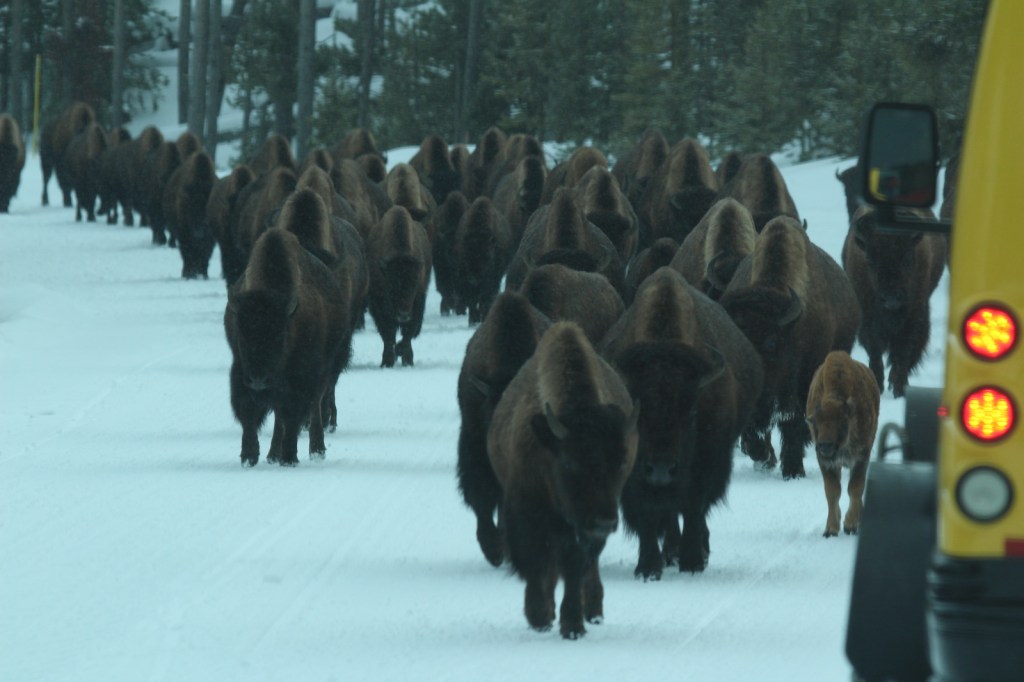
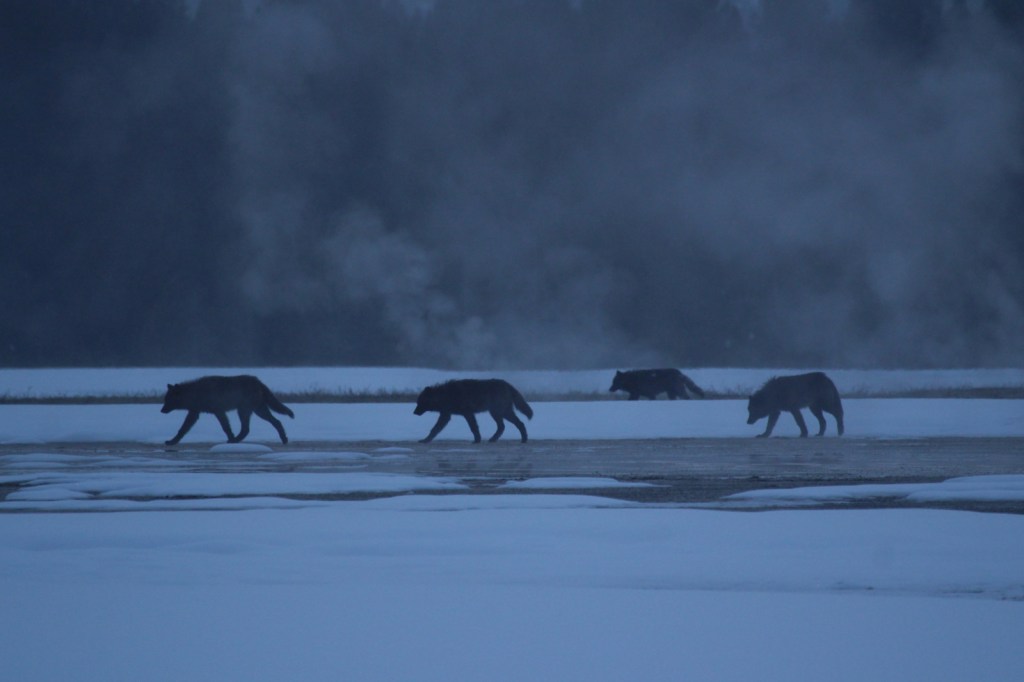
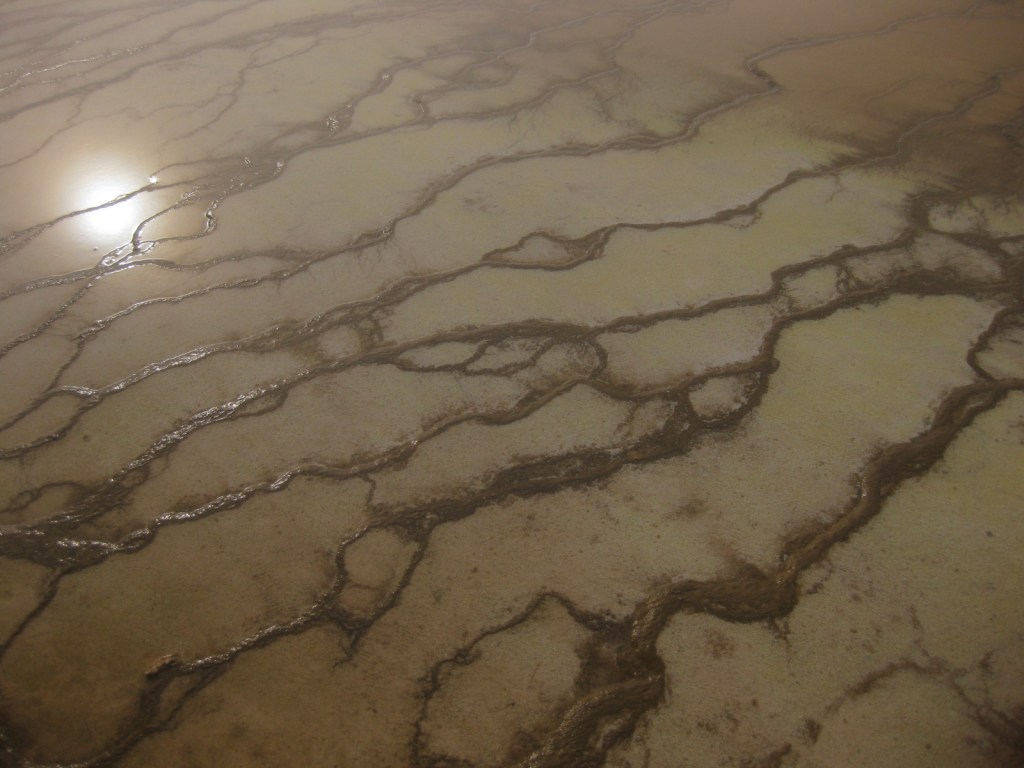
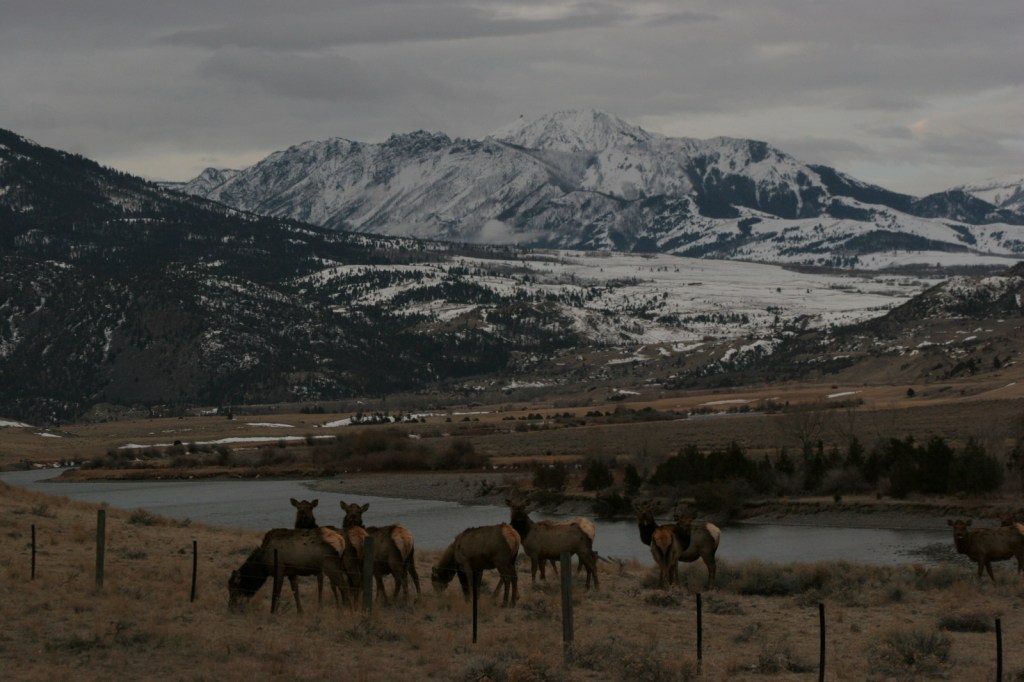
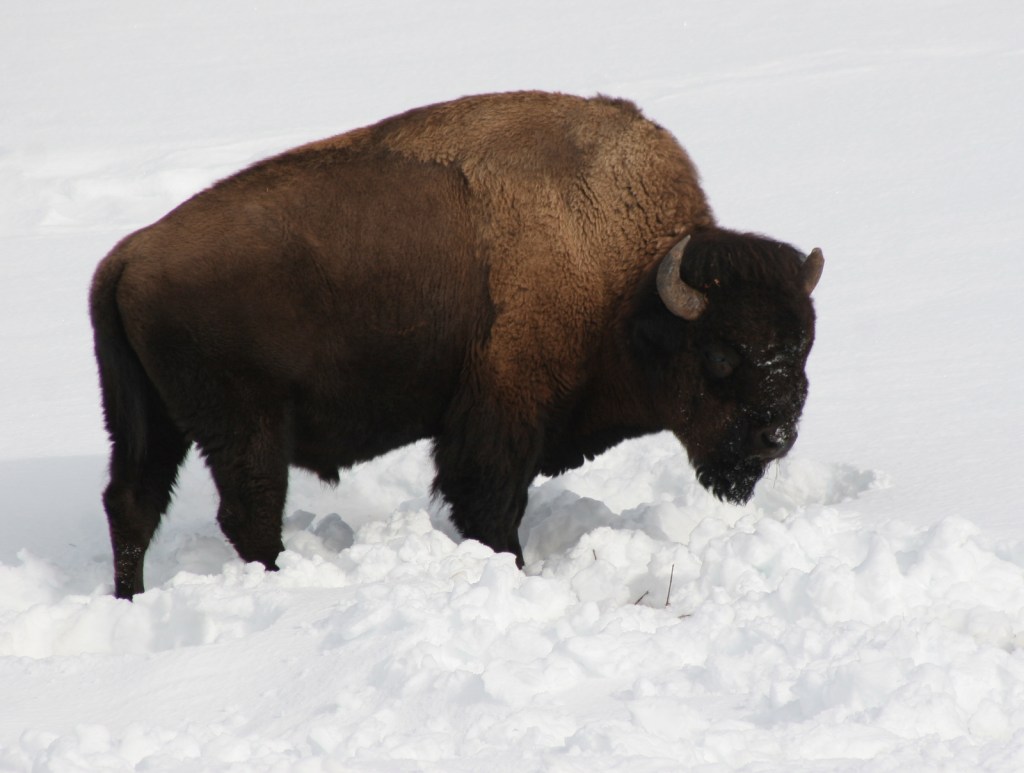
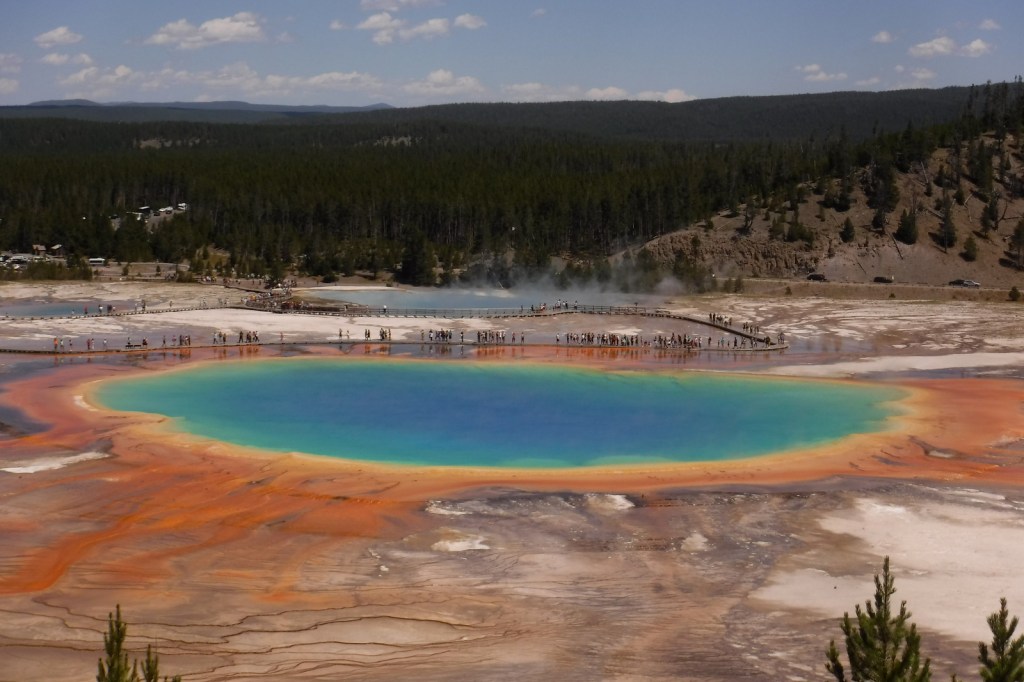
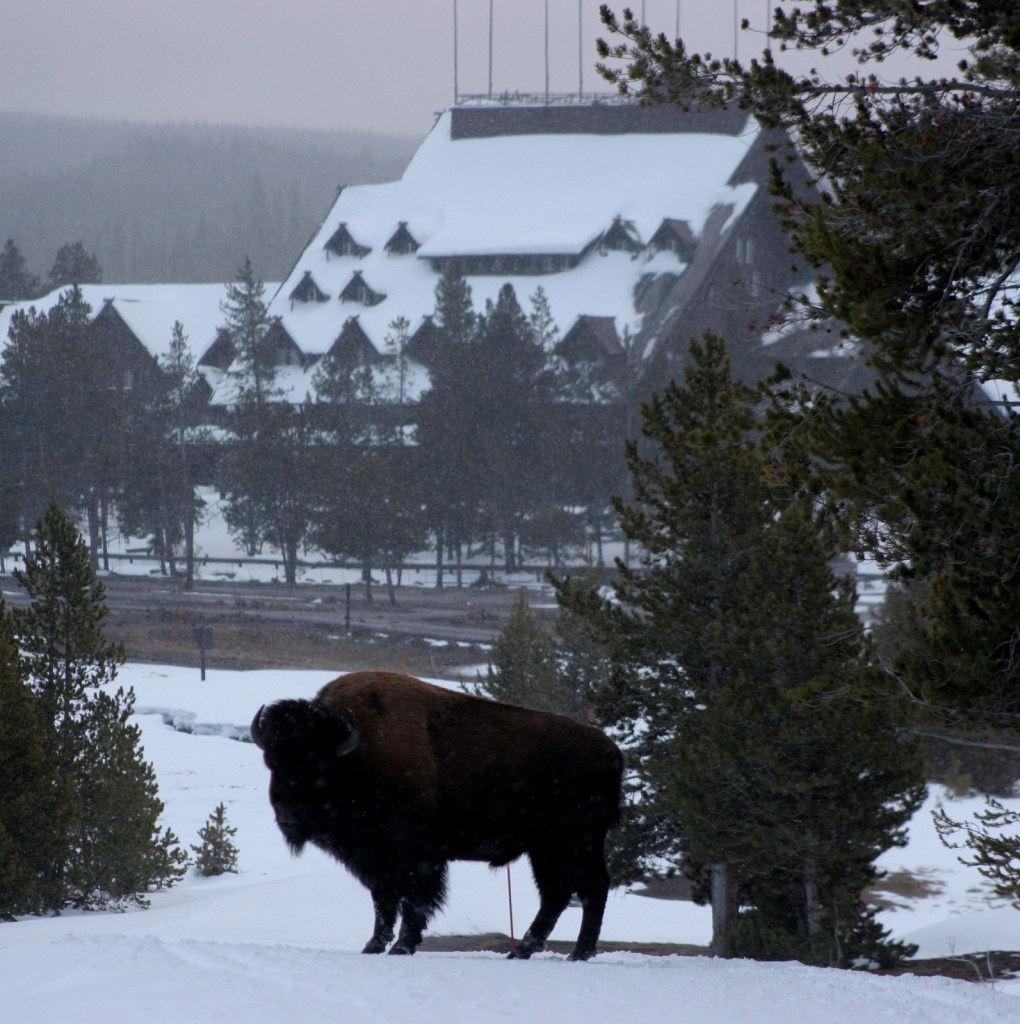
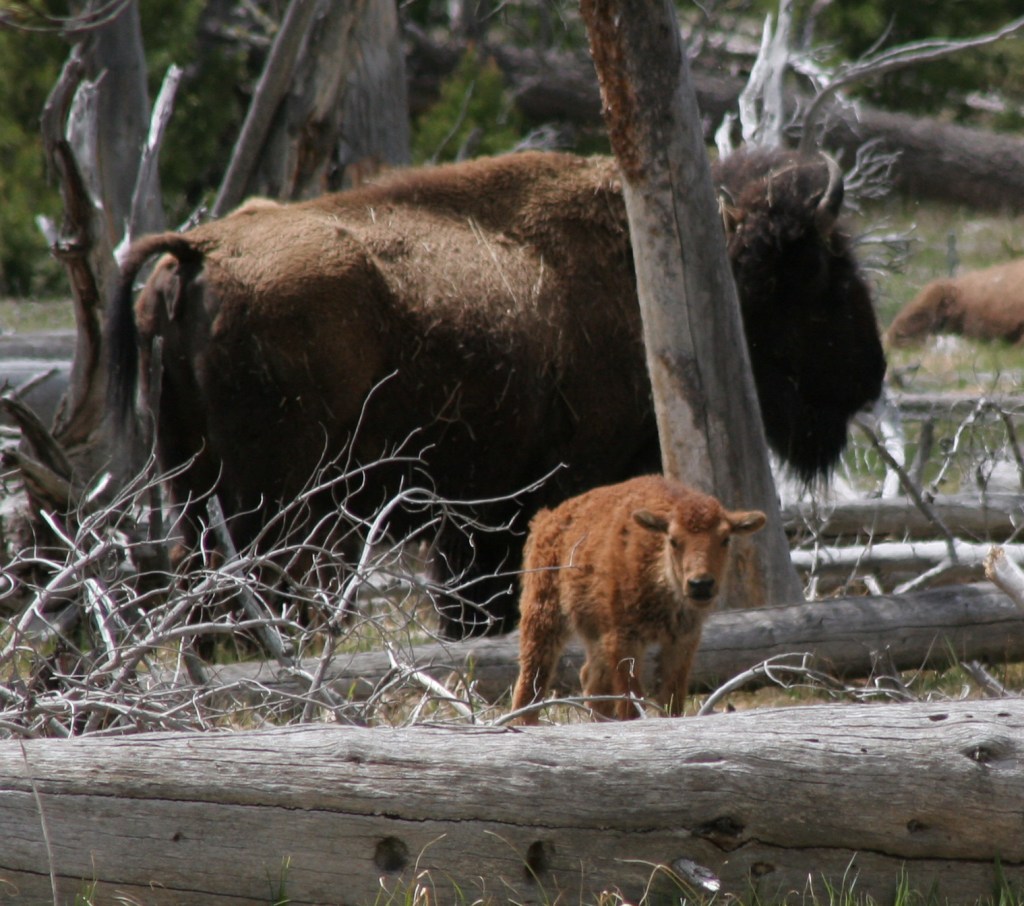
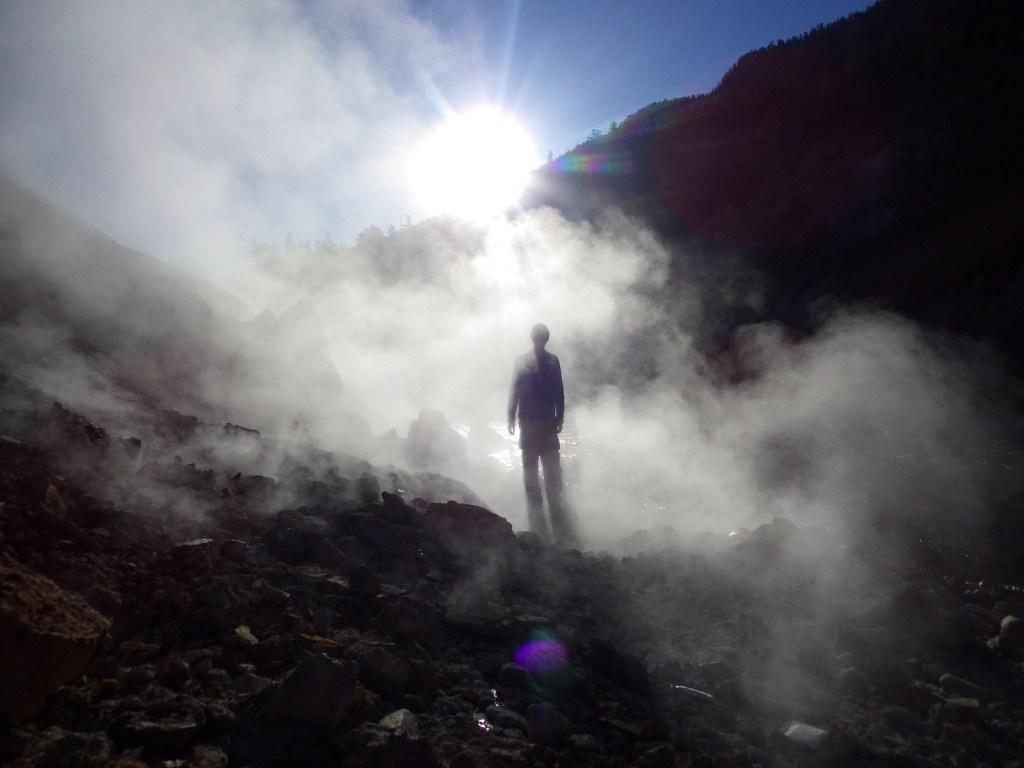
The geothermal features here inspired the creation of the world’s first official “National Park” in 1872.   Most of Yellowstone is actually a supervolcano where the magma heats up underground water producing 10,000 hot springs, fumaroles, and mudpots on the surface, as well as 300 geysers.  Incredibly, over 50% of the geysers in the world occur within this one park, which is equally famous for its wildlife diversity, including grizzly bears, bison, gray wolves, and elk.

Learn more about how to visit this National Park in the expanded second edition of our guidebook A Park to Yourself: Finding Solitude in America’s 63 National Parks

Yellowstone3

Highlights

Old Faithful geyser, Grand Prismatic Spring, Norris Geyser Basin, Mammoth Hot Springs, Grand Canyon of the Yellowstone, countless waterfalls, wildlife in Lamar Valley, Mt. Washburn, Continental Divide National Scenic Trail

Must-Do Activity

The most famous geyser here is Old Faithful, which can shoot water up to 185 feet in the air.  Since the occurrence of several earthquakes it is no longer as consistent as its name suggests, but its eruptions can be accurately predicted every 60 to 110 minutes throughout the day.  Arrive early to get a seat or take the trail up the nearby hill to watch it from above.  Afterwards, hike the boardwalks through colorful Upper Geyser Basin.

Best Trail

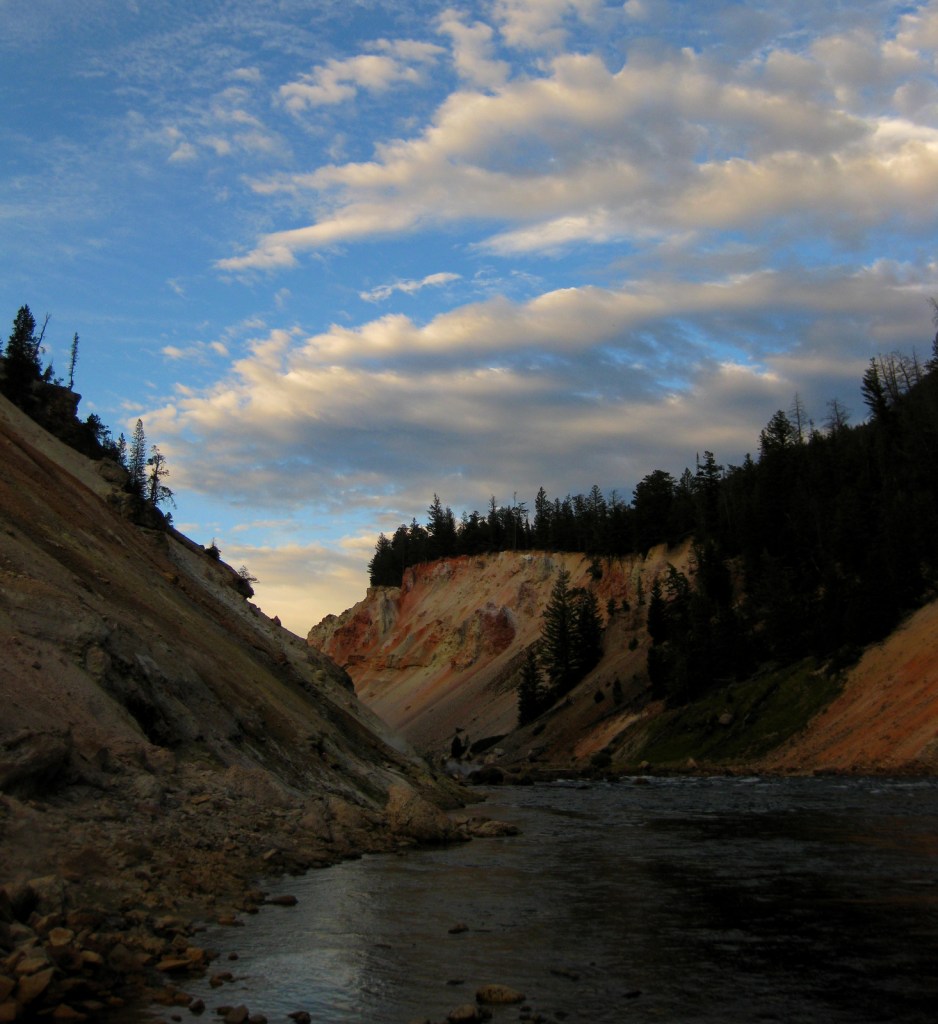
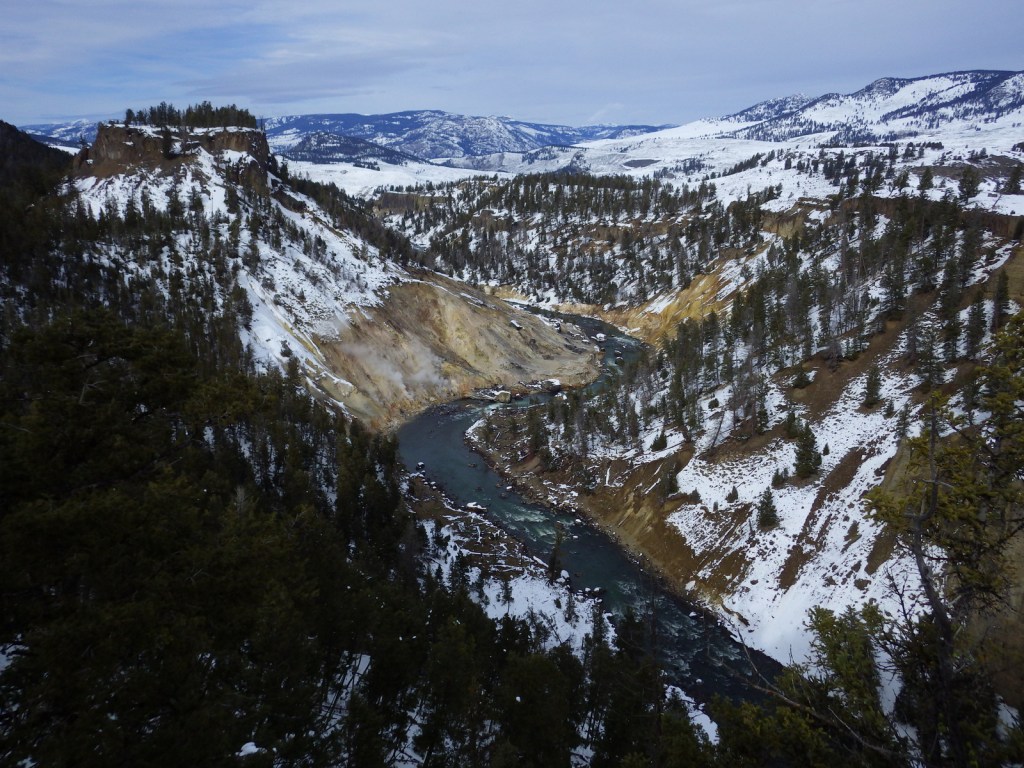
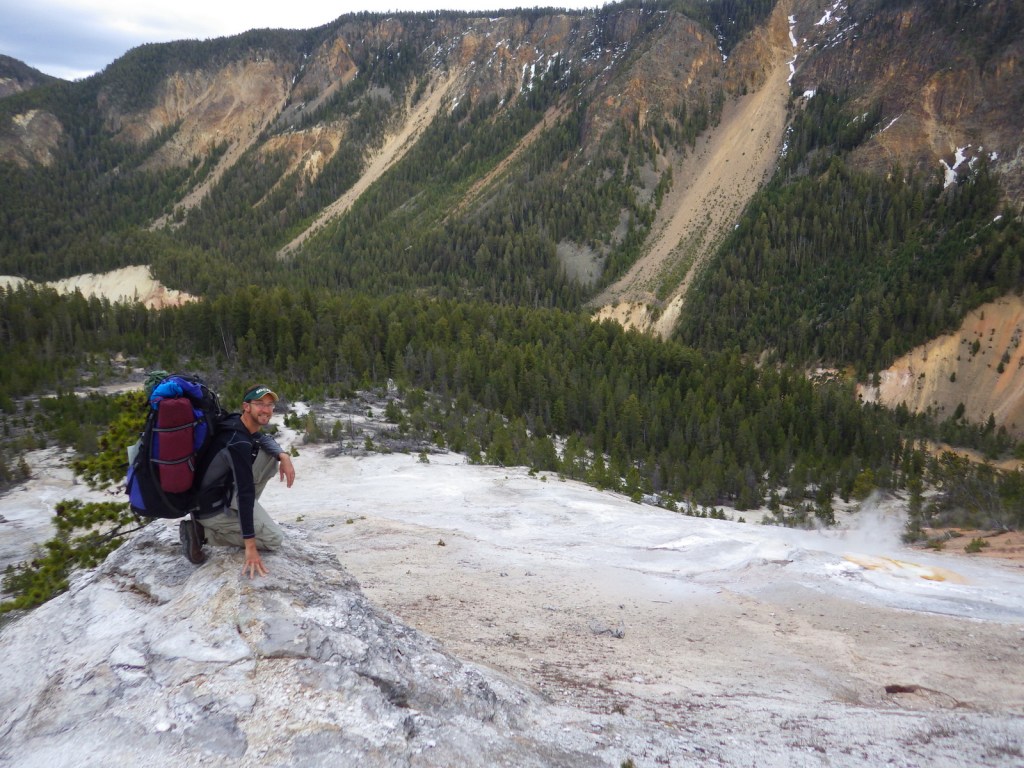
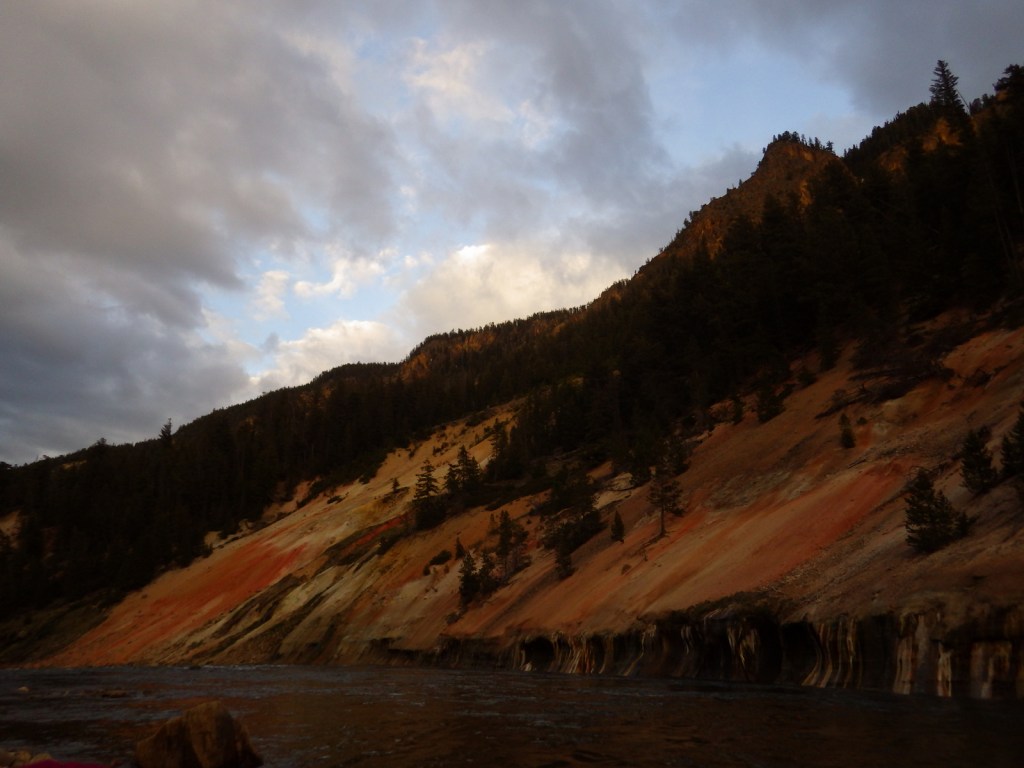
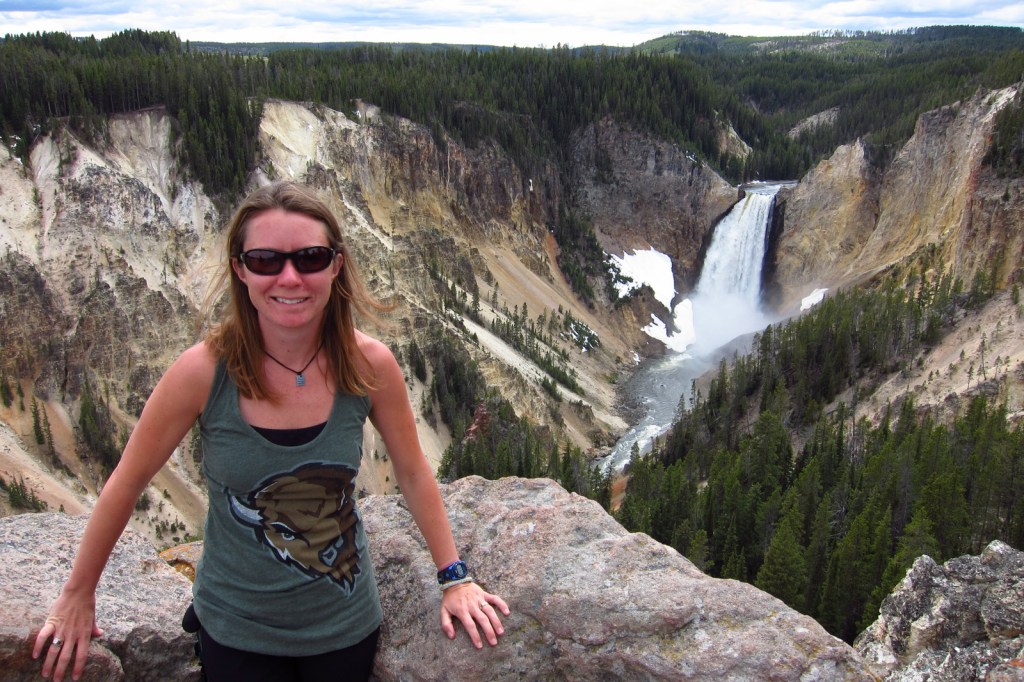
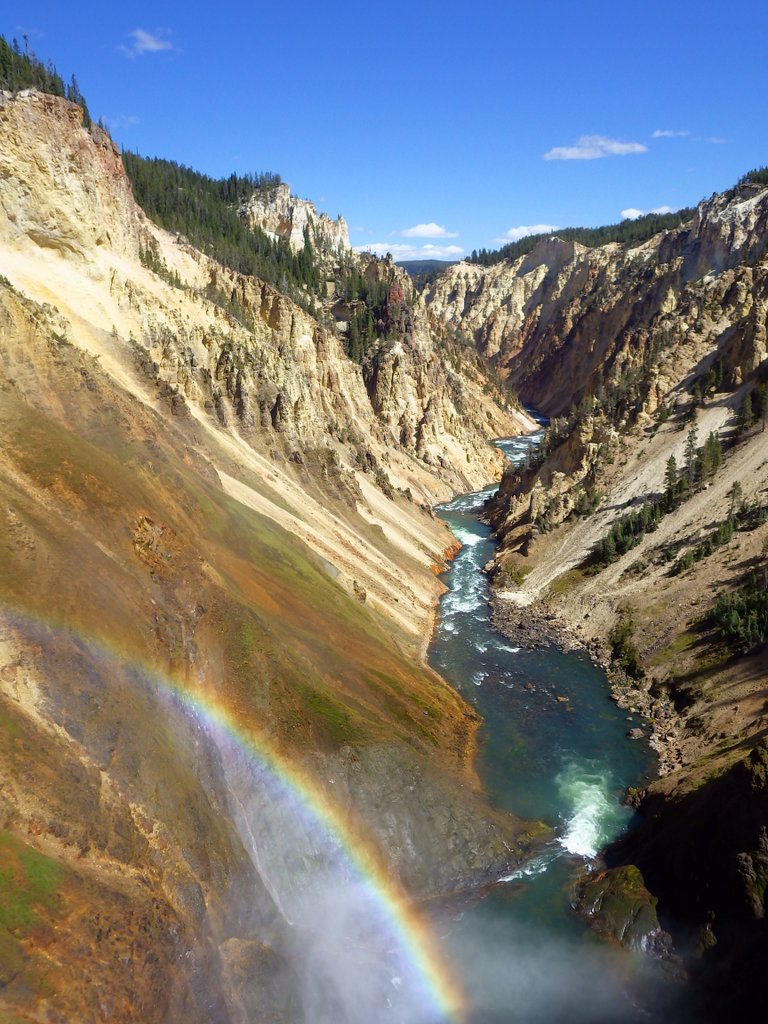
A hike into the Grand Canyon of the Yellowstone on Glacial Boulder Trail is one way to find the solitude lacking at the drive-up overlooks (you should still hike to the Brink of Lower Falls with the crowds).  Instead of staying in the packed campgrounds, consider getting a permit to backpack camp in the canyon.

Instagram-worthy Photo

The trail is steep, but paved down to the Brink of Lower Falls on the Yellowstone River for unforgettable view of the canyon, especially on sunny days when a rainbow appears in the spray.
2015YellowstoneNP4

Peak Season

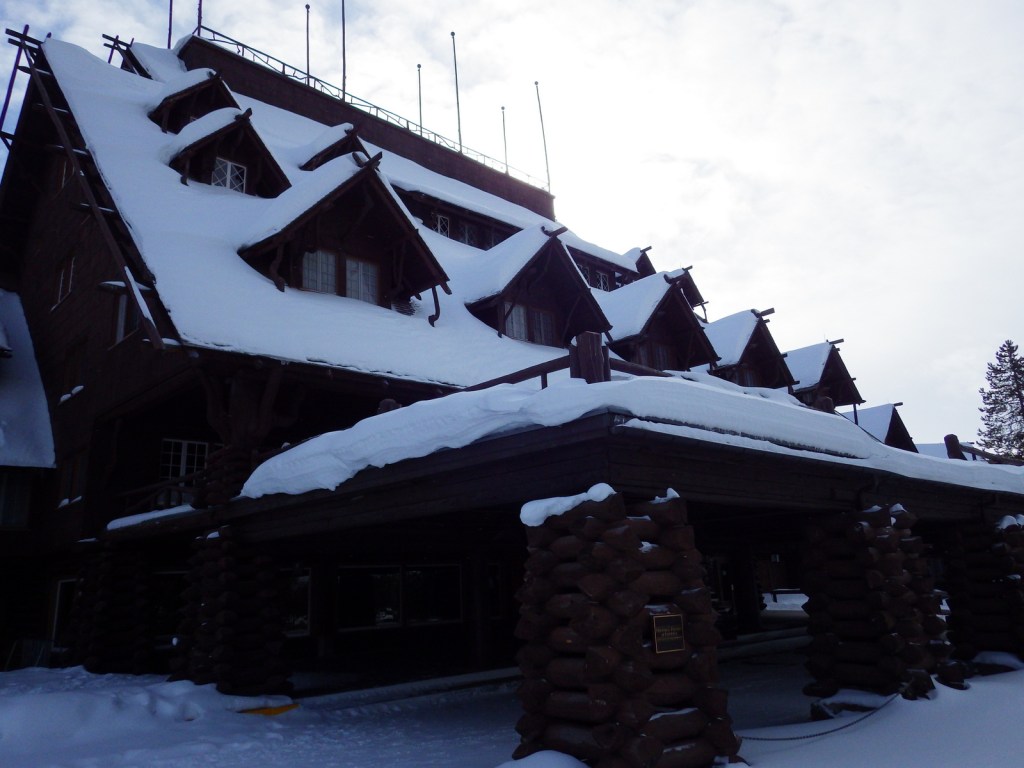
Summer, but Old Faithful Village can seem busy in the winter with all the snowmobiles during the day.

Hours

https://www.nps.gov/yell/planyourvisit/hours.htm

Fees

$35 per vehicle or America the Beautiful pass

Road Conditions

Very few roads are not paved, but the majority close for seven months in the winter.

Camping

There are many campgrounds in the park, but they fill up quickly the summer (especially at primitive Slough Creek).  The surrounding National Forests offer campgrounds and dispersed sites as well.  We have enjoyed backpacking at designated campsites in the park with a permit, especially in the Grand Canyon of the Yellowstone.

Related Sites

Grand Teton National Park (Wyoming)

Gallatin National Forest (Montana)

Fossil Butte National Monument (Wyoming)
LR YELL
This design we created to celebrate Yellowstone National Park is available on a variety of products at Cafe Press and Amazon.

Explore More – How many of the park’s 4-million annual visitors arrive in June, July, and August?

Know someone who loves National Parks? Gift them our travel guidebook A Park to Yourself: Finding Solitude in America’s 63 National Parks

Capitol Reef National Park

Overview

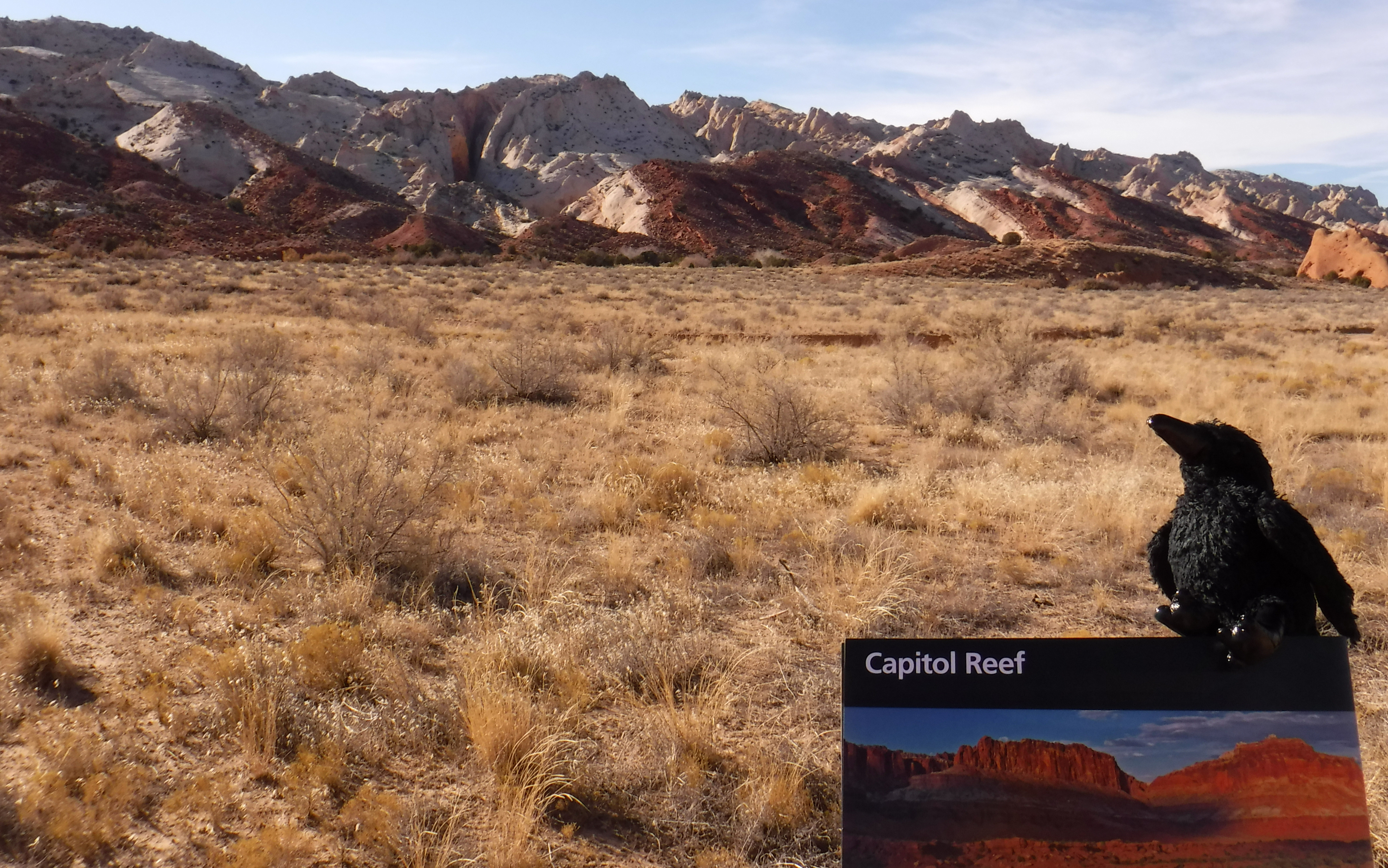
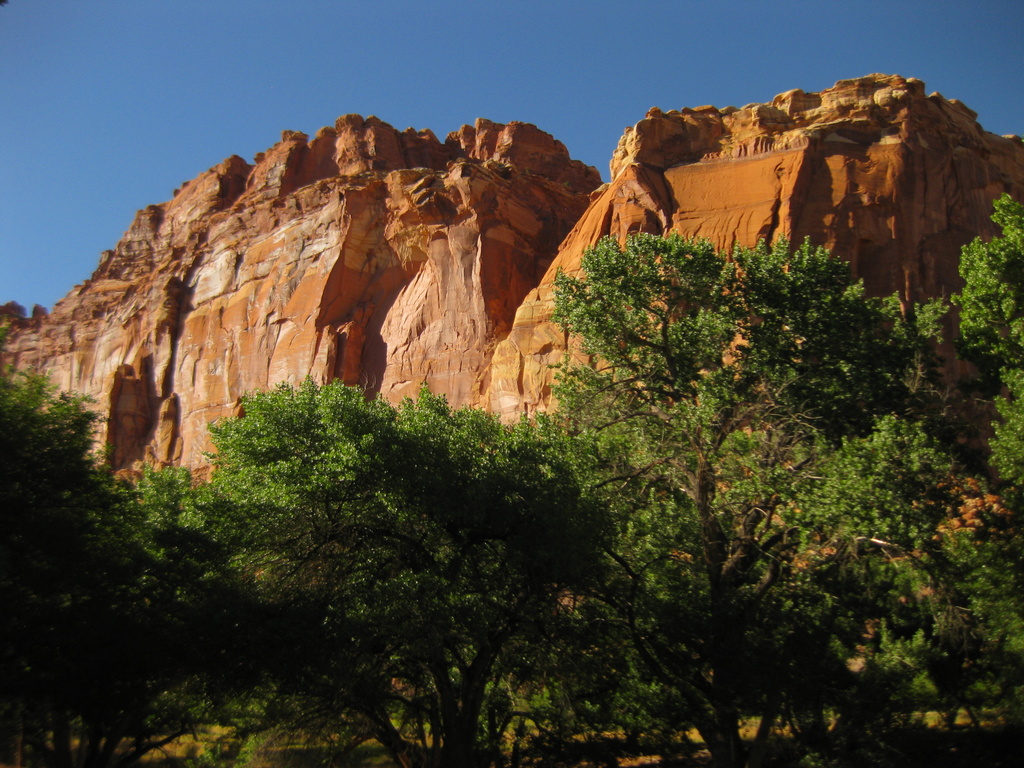
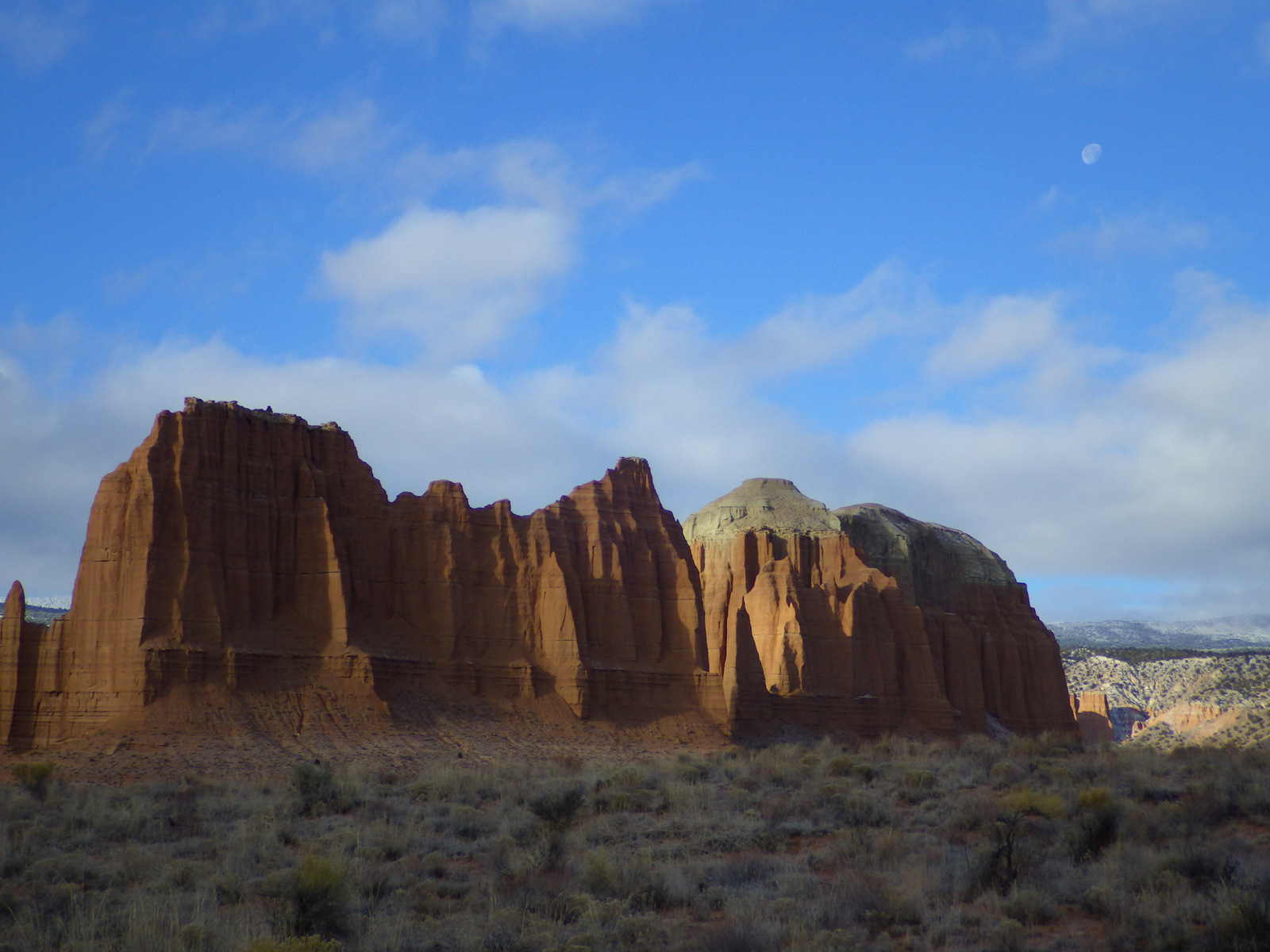
Amongst the phenomenal National Parks of southern Utah, sometimes Capitol Reef gets overlooked.  Stretching along the geologic warp of Waterpocket Fold, Capitol Reef National Park is colorful in the extreme.  Driving the miles of dirt roads that crisscross the park may be the best way to explore its hidden treasures and no visit should be completed without some back road driving, even if it is the easy drive down Caineville Wash Road to the Temple of the Sun and the Temple of the Moon.

Capitol2.JPG

Highlights

Fruita Historic District, Hickman Bridge, Grand Wash Trail, Strike Valley Overlook

Must-Do Activity

After exploring the Fruita Historic District and Grand Wash Trail, drive across Highway 24 to the petroglyphs and the trailhead for the steep one-mile hike to Hickman Bridge, a massive stone formation cut into a gorgeous canyon.  Be aware, this is the busiest part of the park because it is one of the few places with paved roads.

Best Trail

Leaving from Strike Valley Overlook, the all-day trek through Upper Muley Twist Canyon offers many unnamed arches, slickrock slopes, narrow passages, sheer cliffs, and stunning views as it winds 10 rugged miles to form a lollipop loop.

Instagram-worthy Photo

Strike Valley Overlook offers an amazing perspective on Waterpocket Fold, but requires a high clearance vehicle to drive the last three miles after a long drive down Notom-Bullfrog Road or Burr Trail Road.

N 2015CR9

Peak Season

Spring and Fall

Hours

https://www.nps.gov/care/planyourvisit/hours.htm

Fees

The only fee is on the paved Scenic Drive south of the Fruita Historic District, but the NPS accepts the America the Beautiful pass for that.

Road Conditions

Most of the dirt roads (like Notom-Bullfrog and Caineville Wash) are passable to any vehicle, but high clearance is needed on the last bit to Strike Valley Overlook and to cross the Fremont River on the Cathedral Loop.  However, there is not much infrastructure in this rugged and dry National Park, so you need to be well-prepared in case of emergency.

Camping

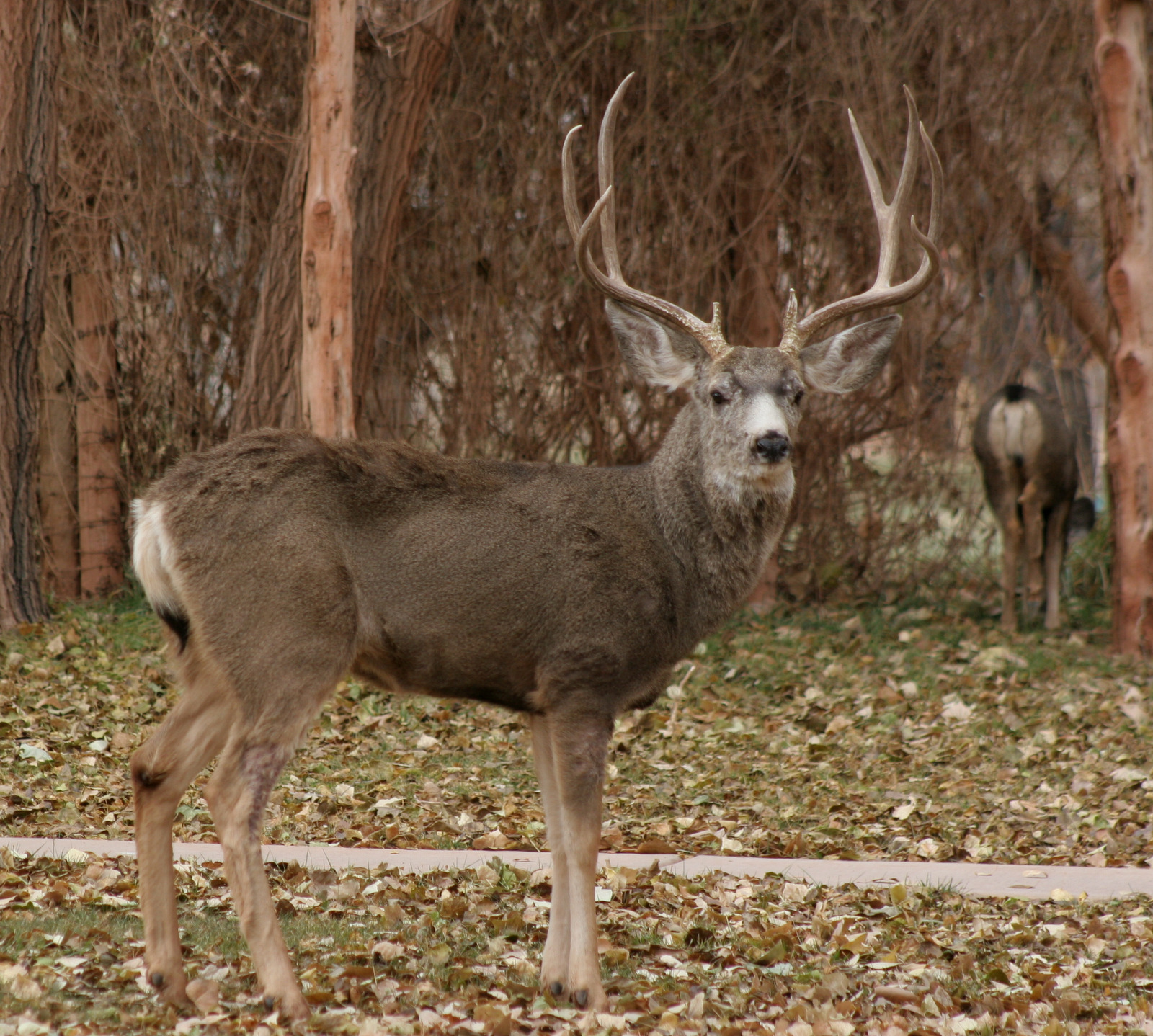
The Fruita Historic District offers camping along the Fremont River, close encounters with mule deer, and free apple picking in the fall.  Dry sites are free at Cedar Mesa and Cathedral Valley Campgrounds.

N 590-April Utah 497
The trail climbs steeply one-mile to Hickman Bridge.

N 2013CapitolReef
Fruita Historic District

November Utah 709
Mule deer near the campground in Fruita Historic District.

Heading into Grand Wash in Canyonlands National Park
Grand Wash Trail

Sun hitting the walls
The Walls of Jericho catch the morning light in Cathedral Valley.

By the arch
Brimhall Natural Bridge.

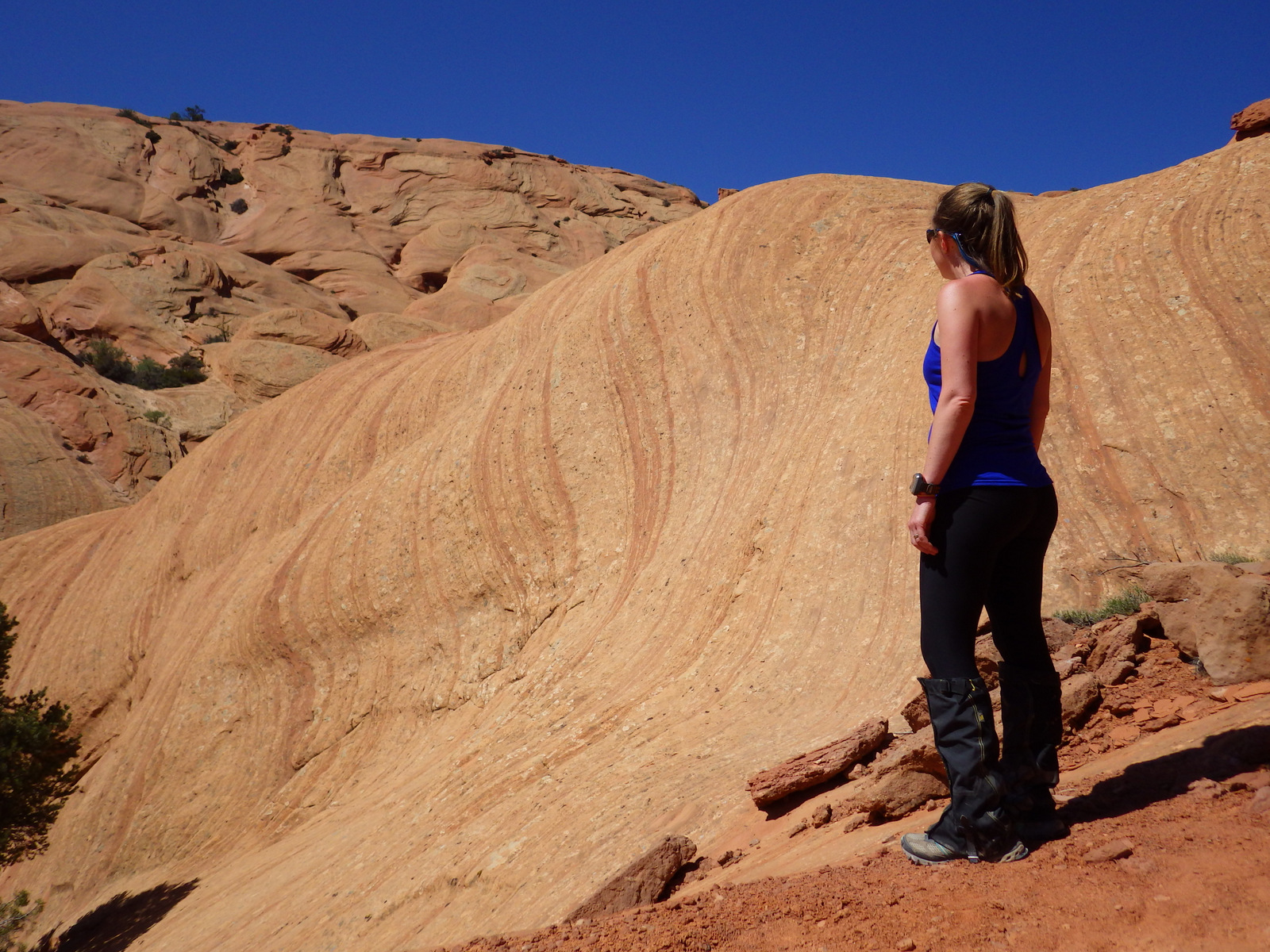
Tiff checking out some cool sandstone
Upper Muley Twist Canyon offers many unnamed arches, slickrock slopes, narrow passages, sheer cliffs, and stunning views.

LR CARE.jpg
This design we created to celebrate Capitol Reef National Park is available on a variety of products at Cafe Press and Amazon.

Explore More – Why is the park named Capitol Reef?

1WonsTiny2

WONDON WAS HERE …TWICE …THRICE

We are a participant in the Amazon Services LLC Associates Program, an affiliate advertising program designed to provide a means for us to earn fees by linking to Amazon.com and affiliated sites.

Buffalo National River

Overview

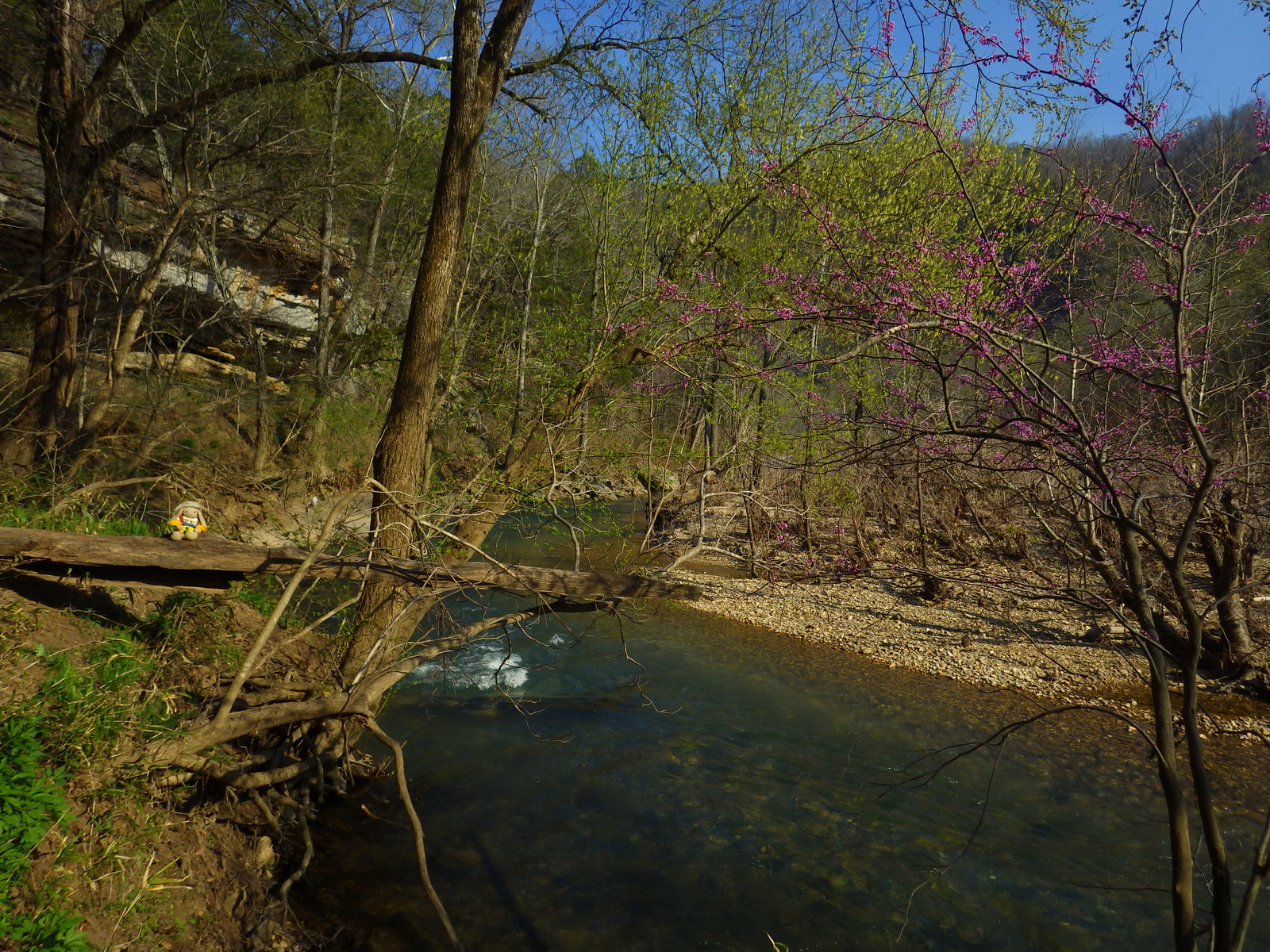
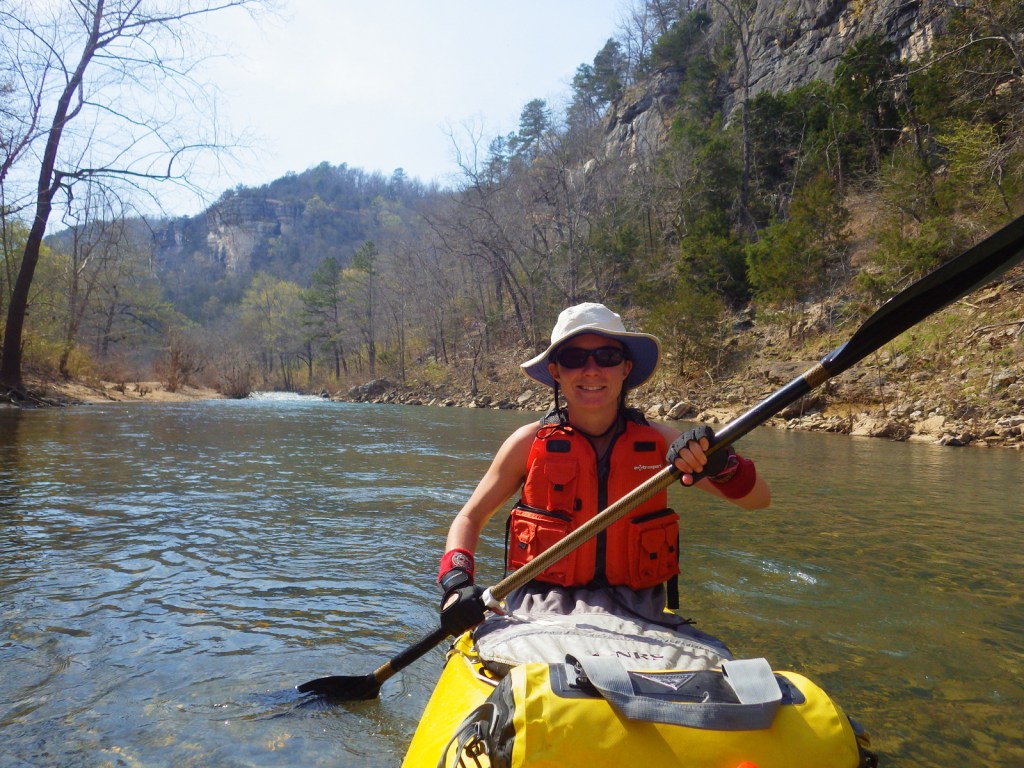
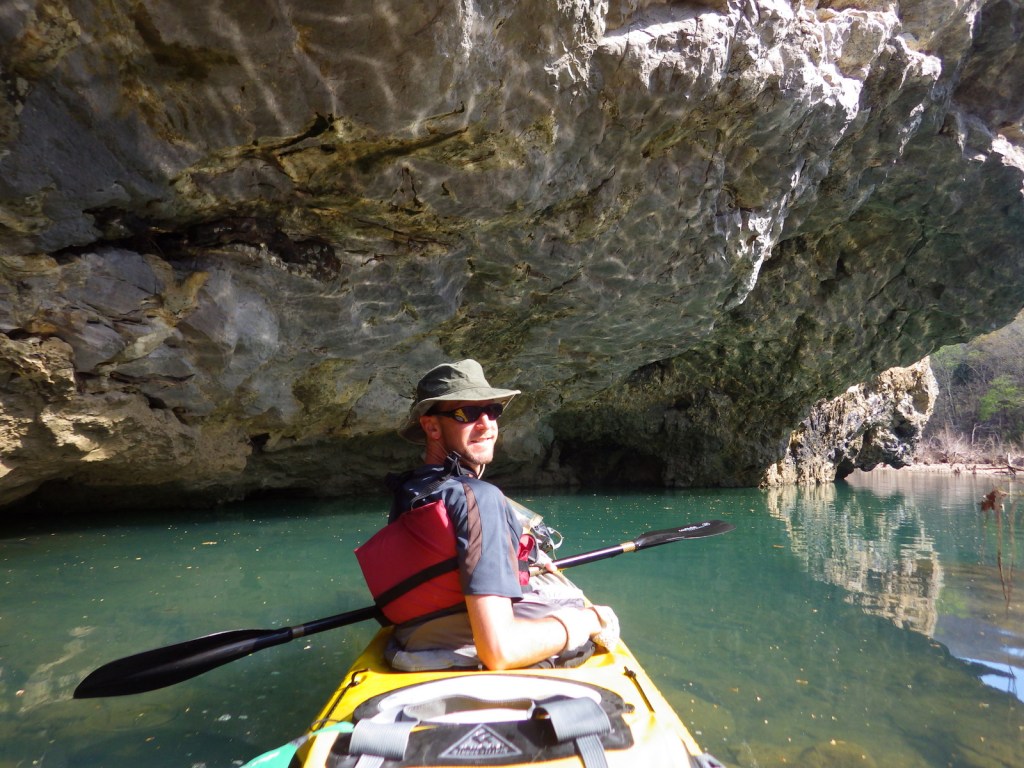
Designated as the nation’s first National River by Congress in 1972, the free-flowing Buffalo River winds 135 miles across northern Arkansas.  It is noted for its sandstone bluffs and tall waterfalls, as well as its three designated wilderness areas.  Multiple concessionaires rent canoes and offer shuttle service for those who wish to float the river during the high spring flows.  There are many hiking trails to be found in this National Park Service site and in the adjoining Ozark National Forest.

Buffalo

Highlights

Boxley Valley Historic District, Hemmed-in Hollow, elk herd, Ponca Wilderness, canoeing

Must-Do Activity

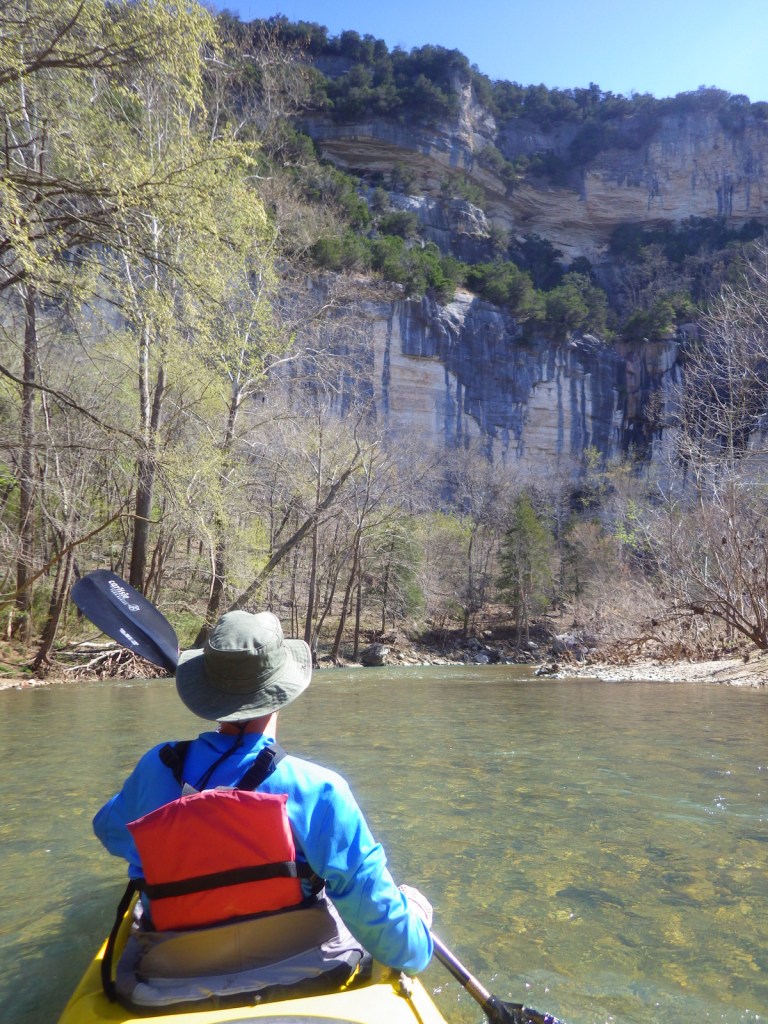
Steel Creek to Pruitt Landing is a 22-mile float through Class I rapids on the Buffalo River through the Ponca Wilderness past rock bluffs up to 500 feet tall.  Wildflowers and birds abound in the spring, the only time the upper river is deep enough to float.  Numerous outfitters provide rental gear, guides, and car shuttles.

Best Trail

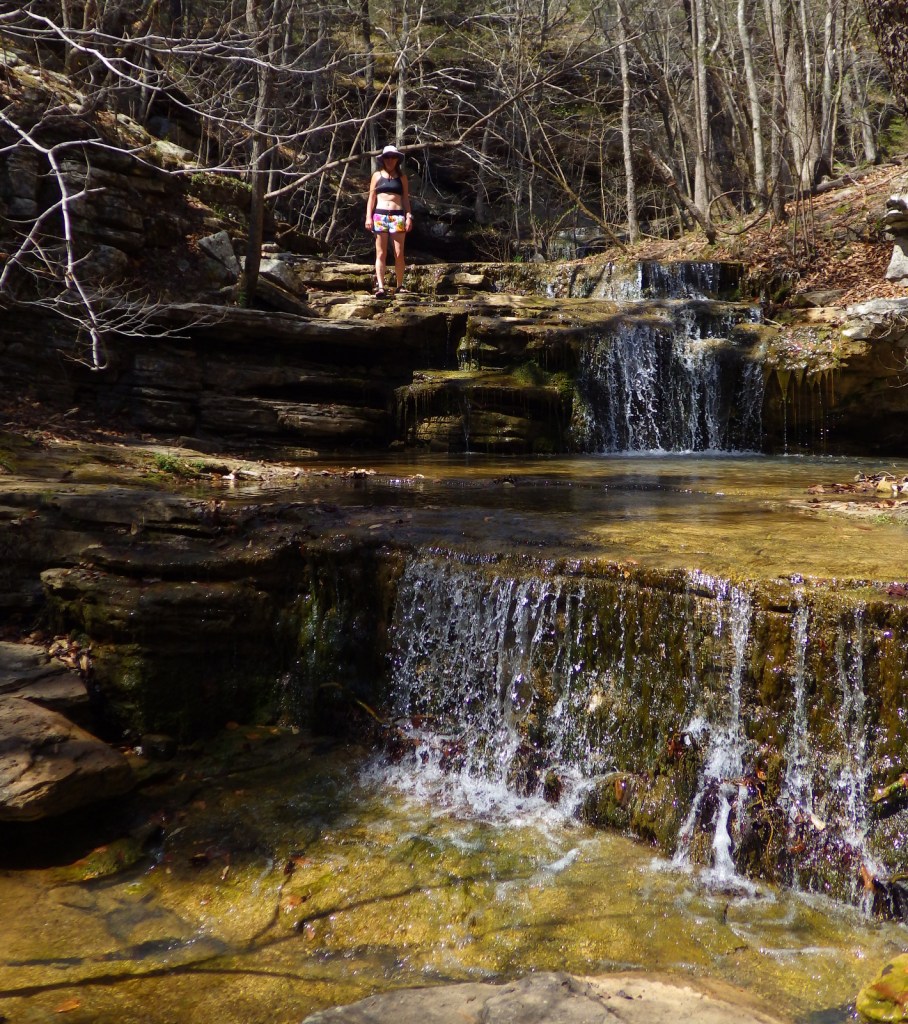
A short 1.5-mile roundtrip hike from a river pulloff, Hemmed-In-Hollow is a 210-foot tall waterfall, also accessible on a much more strenuous trek starting on top of the bluff in Compton, Arkansas.

Instagram-worthy Photo

While not technically within the National River boundaries, Hawksbill Crag is an image that shows up on many tourism advertisements for Arkansas.  Go in early November for fall colors.

Tiff on the edge of the famous point in the Buffalo National Forest

Peak Season

The water flows best in the spring and is often not deep enough for paddlers in the river’s upper reaches other times of year.

Hours

https://www.nps.gov/buff/planyourvisit/hours.htm

Fees

None

Road Conditions

Many of the dirt roads are steep due to the park’s rugged backcountry nature and may require high-clearance vehicles when muddy.

Camping

Twelve campgrounds accessible by car, with Tyler Bend and Buffalo Point Campgrounds offering showers.  Backcountry sites are mostly reached by canoe or kayak.

2016ARbuffalo4

Explore More – Why is a river in the forests of northern Arkansas named for buffalo (or bison)?

1Wons

WONDON WAS HERE

Organ Pipe Cactus National Monument

Organ Pipe Cactus National Monument

Arizona

Managed by National Park Service

Established 1937

330,688 acres

Website: nps.gov/orpi

Overview

“The green desert” is home to dense stands of saguaros, ocotillos, and its namesake organ pipe cacti.  The monument’s 330,689 acres sit on the Mexican border of Arizona and were recognized as a UNESCO International Biosphere Reserve in 1976.  The park has a reputation for being dangerous, which it can be for NPS Law Enforcement due to its border location, but tourists should encounter no problems while enjoying the beautiful landscape.

Know someone who loves exploring new National Monuments? Gift them our book Monumental America: Your Guide to All 138 National Monuments that is available for sale on Amazon.com.

Organ

Highlights

Ajo Mountain Loop, Alamo Canyon, birding, earn an “I Hike For Health” pin

Must-Do Activity

The namesake cactus is more common further south and shares this landscape with 27 other species of cacti, including the famous saguaro.  To see the cacti at their best, I recommend driving the 21-mile dirt road Ajo Mountain Loop in the evening before turning in for the night at the campground.

Best Trail

The National Park Service (NPS) runs a shuttle some mornings to Senita Basin from where you can hike back to the visitor center (with an optional side trip to the abandoned Victoria Mine).

Photographic Opportunity

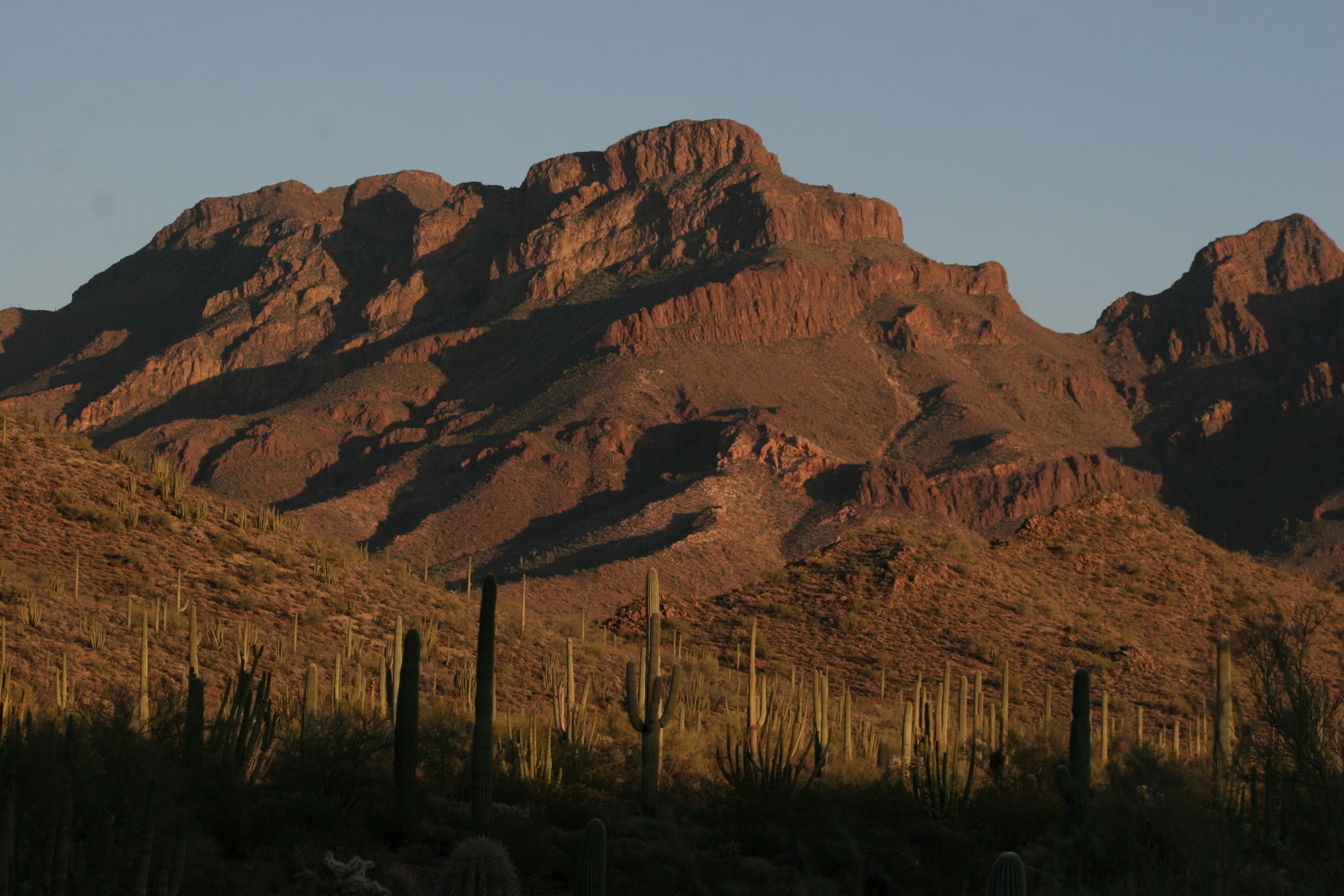
The park’s Ajo Mountains are mostly volcanic rhyolite and their jagged outlines photograph well in the twilight hours with the famous saguaro cactus silhouetted in the foreground.

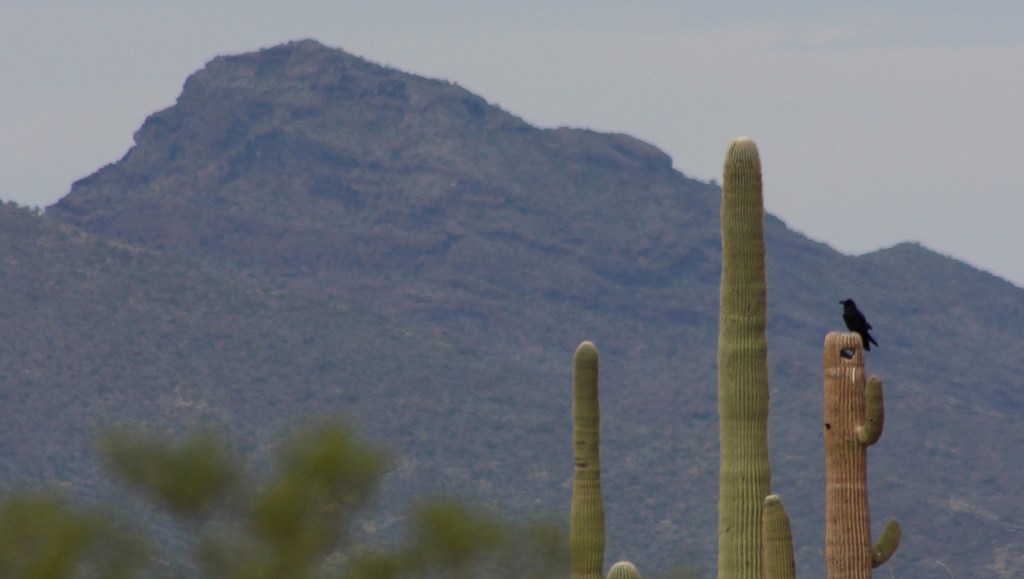
Saguaros and Diaz Peak

Peak Season

Anytime but summer when temperatures regularly soar above 100°F.

Hours

https://www.nps.gov/orpi/planyourvisit/hours.htm

Fees

$25 per vehicle or America the Beautiful pass

Road Conditions

The highway is paved to Kris Eggle Visitor Center and Twin Peaks Campground, but most of the dirt roads are passable for all vehicles.

Camping

The park has the very nice Twin Peaks Campground (with solar showers) where you can pick up free hiker shuttles that allow for one-way trips back to your tent.  There are also a couple dry campsites (permit required) on Alamo Canyon Road.  A permit is required for backcountry camping.

Related Sites

Coronado National Memorial (Arizona)

Chiricahua National Monument (Arizona)

Tumacácori National Historical Park (Arizona)

Nearest National Park

Saguaro

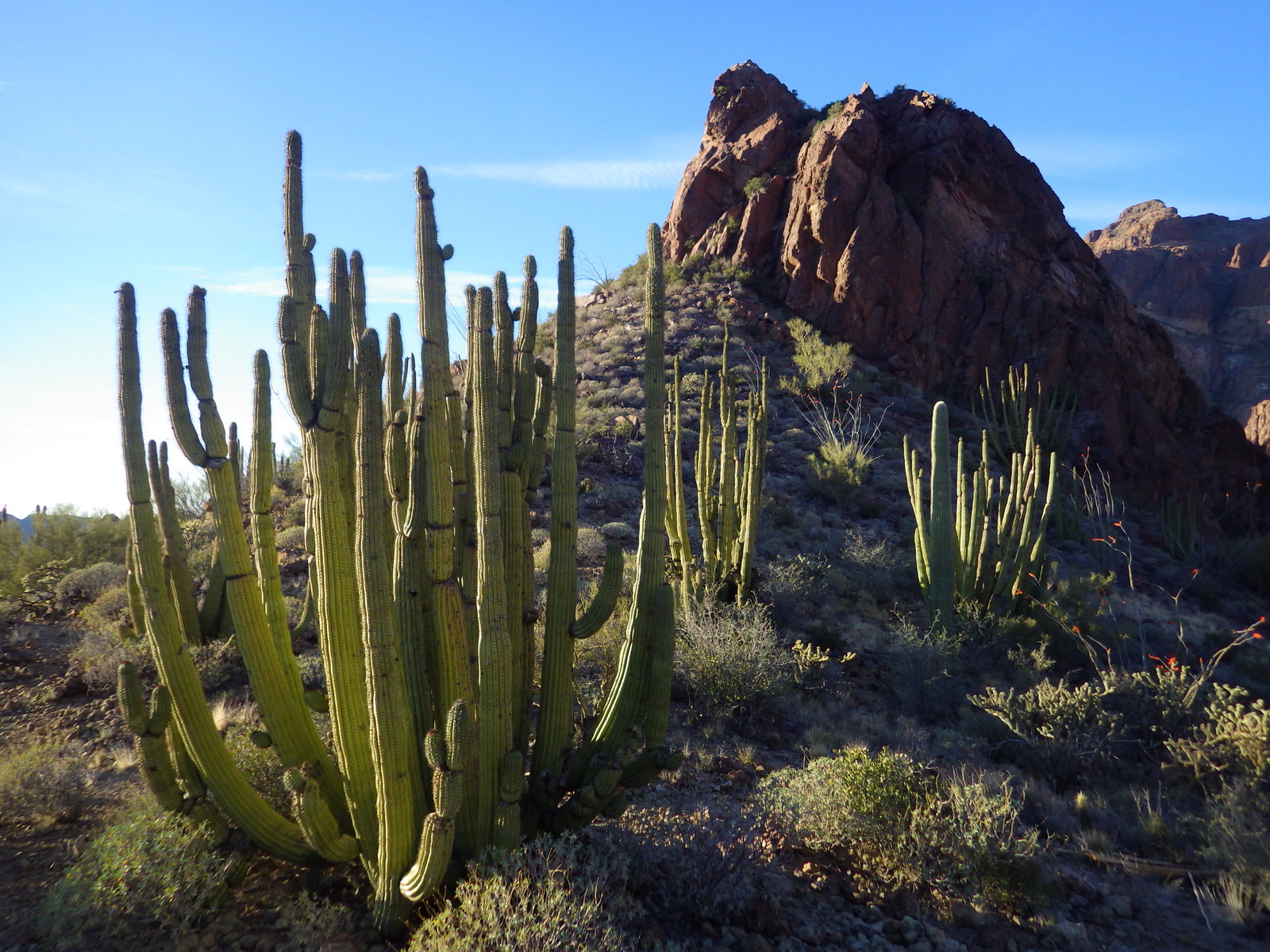
Lots of organ pipes
Organ pipe cacti
A cristate formation on an organ pipe
An organ pipe cactus with a unique cristate formation.
Sunset on the Green Desert
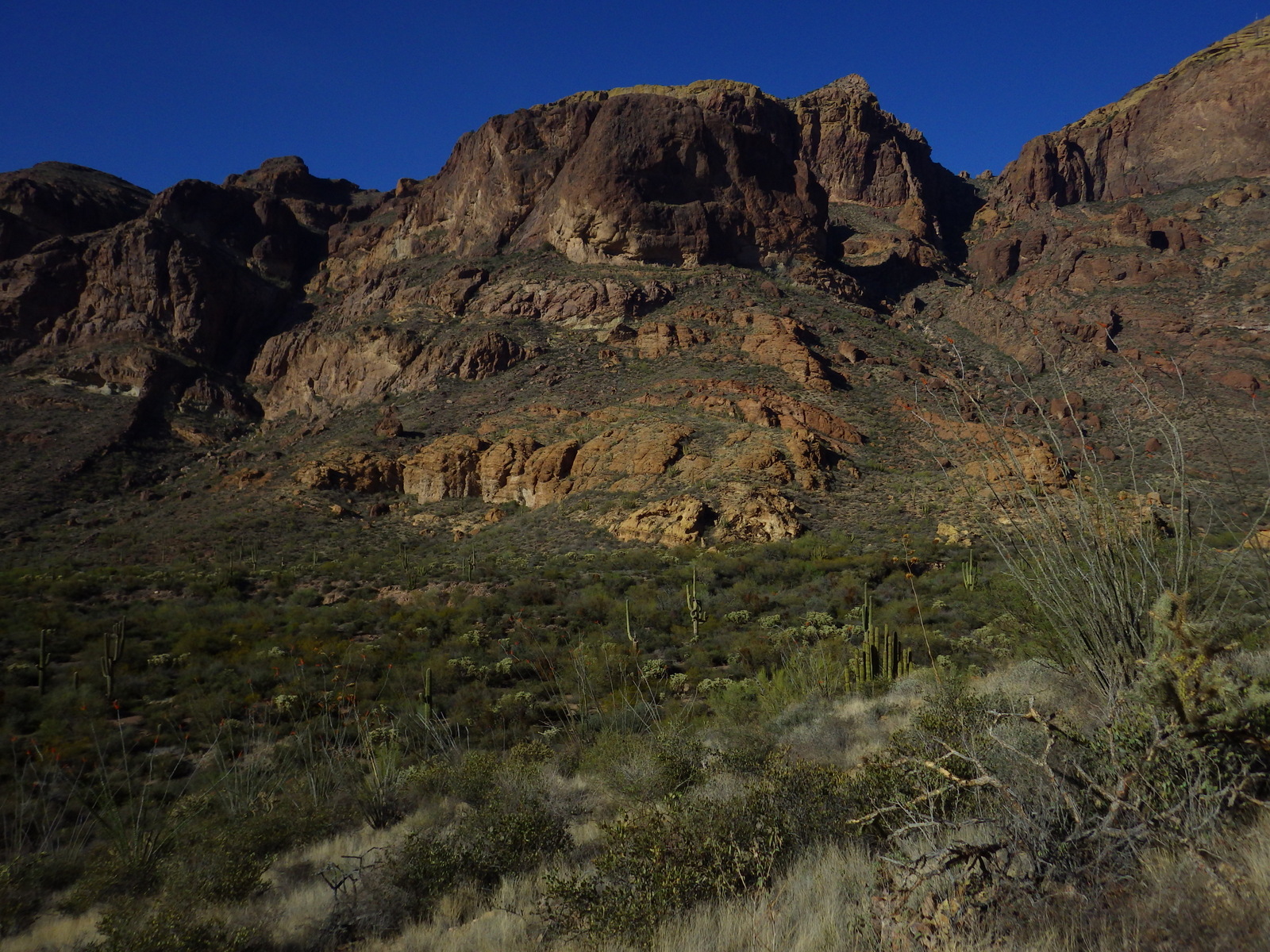
Estes Canyon
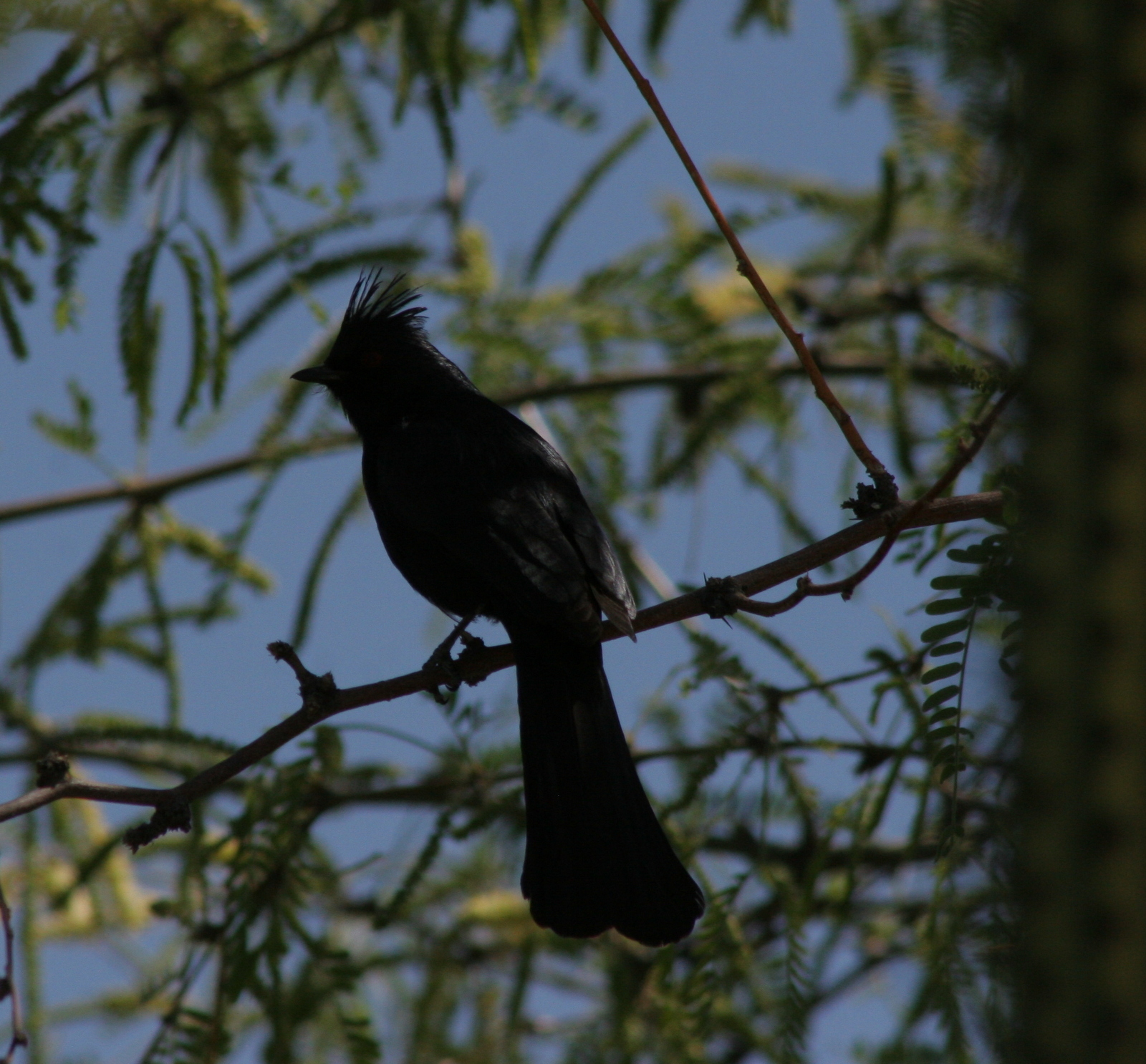
Phainopepla
We saw unique bird species like this phainopepla, in addition to Scott’s orioles, Gila woodpeckers, black-throated sparrows, and, of course, ravens.
The border wall under construction in January 2020
It is a steep 2-hour long scramble up to this arch
Raven about the park in the Sonoran Desert

Explore More – Why is the Visitor Center named for Park Ranger Kris Eggle?

Learn more about the other 137 National Monuments in our book Monumental America: Your Guide to All 138 National Monuments