Tag Archives: beach

Manistee National Forest

Manistee National Forest

Michigan

Managed by U.S. Forest Service, Eastern Region

1,331,673 acres (540,322 federal/ 791,351 other)

Website: https://www.fs.usda.gov/r09/huron-manistee

Overview

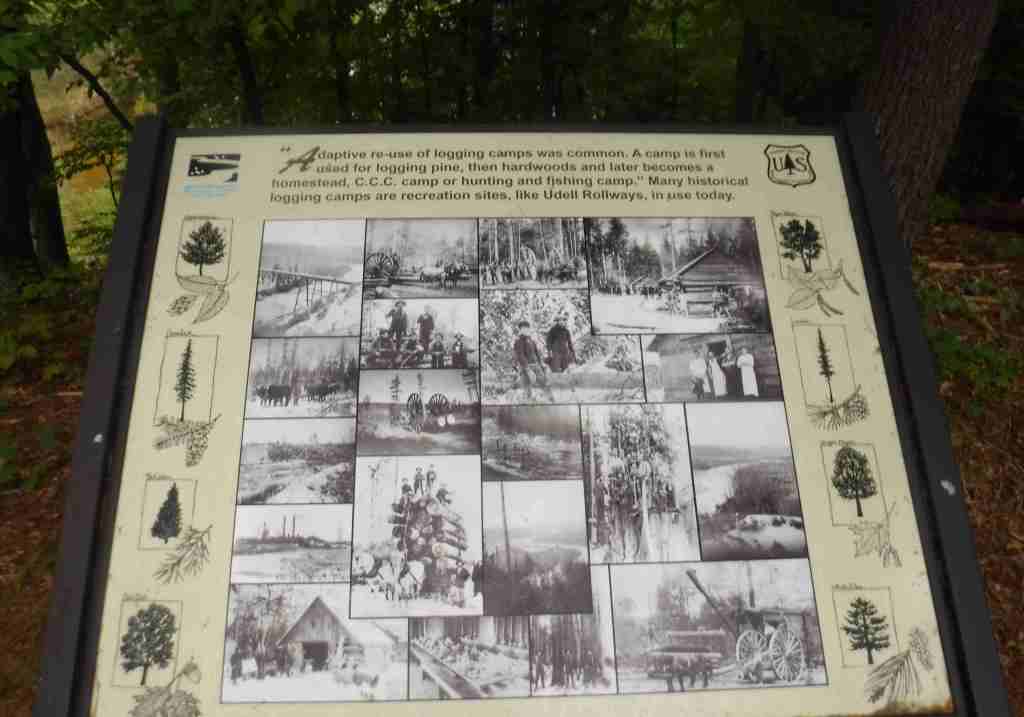
Even though they are on opposite sides of Michigan’s Lower Peninsula, Manistee and Huron National Forests have been co-managed since 1945.  Only seven years earlier, Manistee National Forest was created from tax-forfeited lands and purchases of logged forests unsuitable for farming, so it is remains a mosaic of private and public lands.  Much of this area was replanted by the Civilian Conservation Corps (CCC) and many of those trees are now very large.  It contains the highest point on Michigan’s Lower Peninsula, 1,706-foot Briar Hill, which has no marked trails to the summit and obstructed views from the top.  It is also home to Caberfae Peaks Ski Resort, which receives high accumulations of lake-effect snow and is one of the oldest ski resorts in the U.S. opened in 1938. 

Highlights

Pere Marquette National Scenic River, Nordhouse Dunes, Newaygo Prairies, Caberfae Winter Sports Area, Udell Rollways, Briar Hill, Manistee River Trail, North Country National Scenic Trail

Must-Do Activity

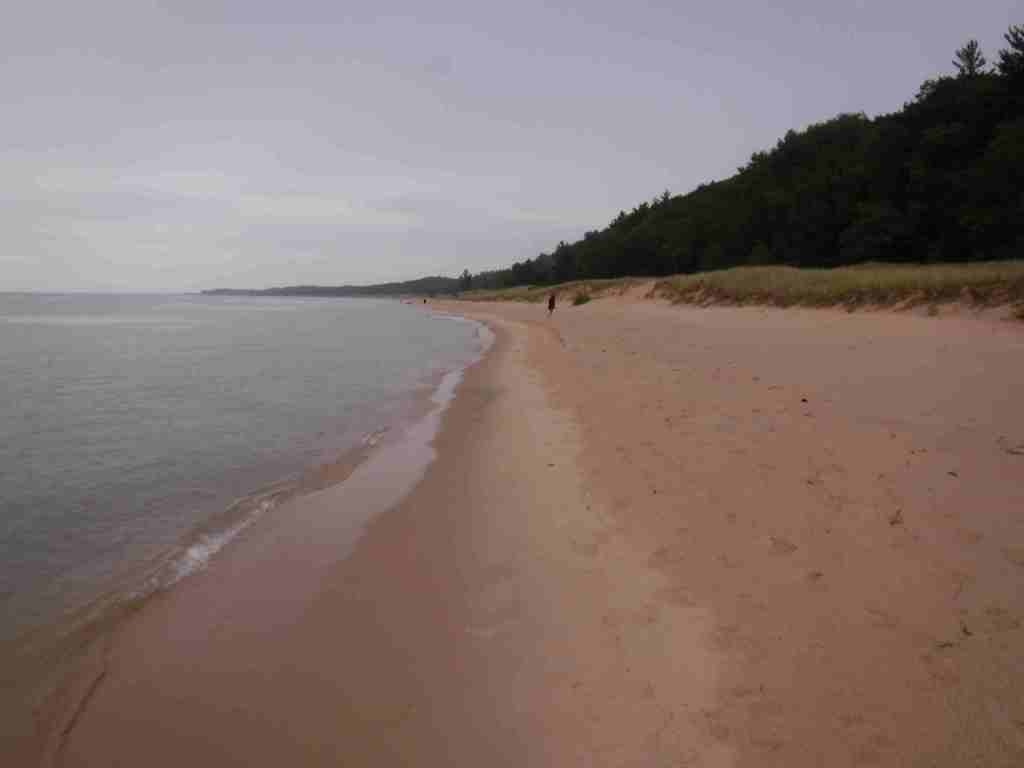
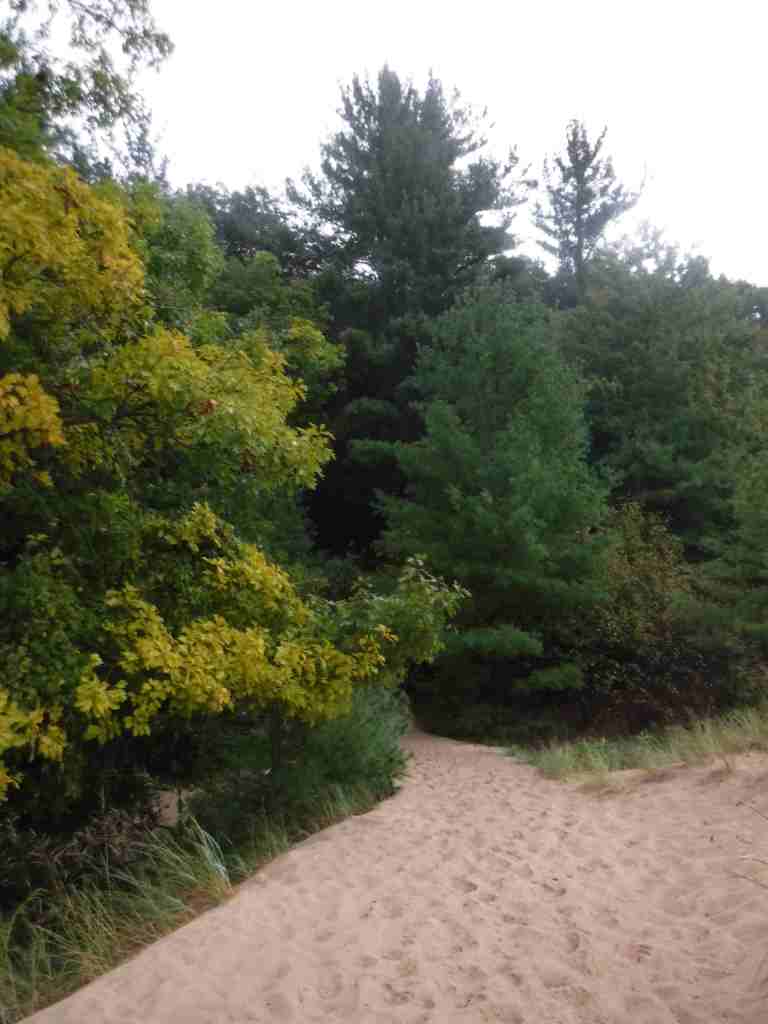
Manistee National Forest is popular for hiking, fishing, camping, boating, snowmobiling, cross-country skiing, and hunting.  The National Forest’s primary visitor attractions are the Nordhouse Dunes along Lake Michigan and Loda Lake National Wildflower Sanctuary, a 1,000-acre area set aside in 1938 to grow native plants.  The 6,270-acre sand dunes complex around Big Sable Point on Lake Michigan was formed 3,500 years ago and reaches 140 feet in height above lake level.  The southern portion is contained within Ludington State Park and the northern half is managed by the Forest Service. 

Best Trail

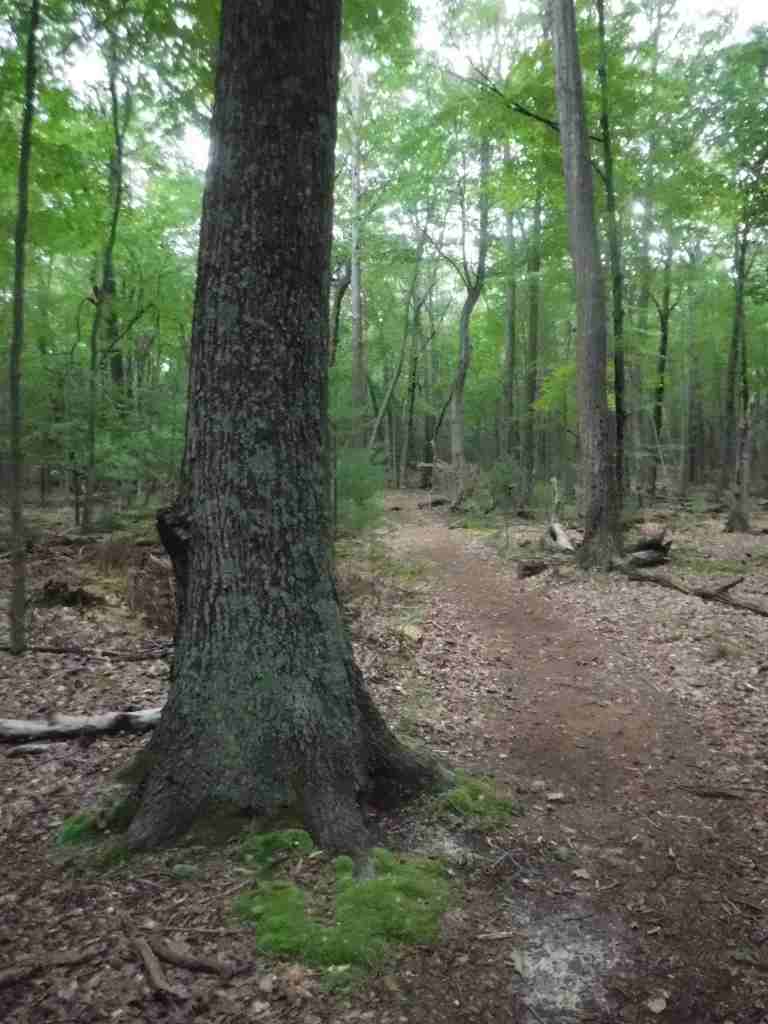
We accessed the Nordhouse Dunes from the Arrowhead Trailhead (fee), nine miles on paved West Forest Trail Road from Highway 31.  We hiked a 2.7-mile loop by connecting the Middle Trail to the Arrowhead/ Nipissing Trail then following the shoreline back.  We passed dozens of backpackers camping on the beach, mostly ignoring the requirement to stay 400 feet from Lake Michigan and 100 feet from trails.  The North Country National Scenic Trail passes through Manistee National Forest and can be connected with the 11-mile-long Manistee River Trail to make a 23-mile loop.

Watchable Wildlife

The Nordhouse Dunes encompass the largest area of freshwater interdunal ponds in the world, home to the federally endangered pitcher’s thistle.  On the Lake Michigan shoreline, the dune grass provides habitat for endangered piping plovers.  More common species are white-tailed deer, coyote, red fox, porcupine, and raccoon, and the occasional black bear and bobcat.  A variety of gamefish are found in the Manistee River, Lake Michigan, and smaller ponds.

Photographic Opportunity

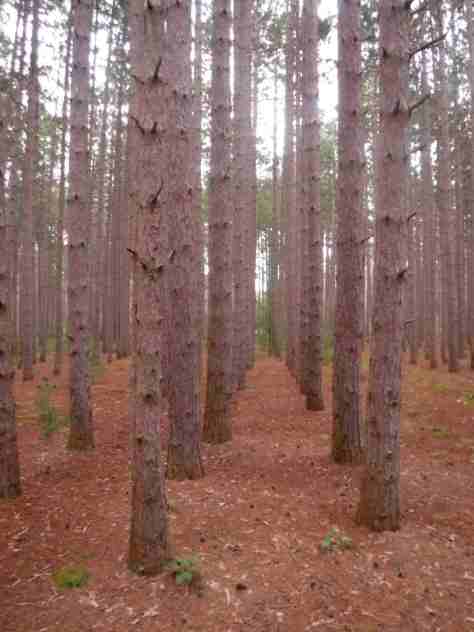
The rows of trees in the red pine plantations make for some interesting photographic subjects.
Peak Season

Summer

Fees

There is a $5 day use fee (or $15 for a week) to park at trailheads for the Nordhouse Dunes Wilderness with automated fee collection station available at Nurnberg Trailhead, or you can hang an America the Beautiful pass in your vehicle.

Road Conditions

The main roads are paved from Highway 31 to access the Nordhouse Dunes Wilderness; Nurnberg Trailhead in the southeast corner is open year round and Lake Michigan Recreation Area in the north is gated in the offseason. 

Camping

There is a 102-site campground near the trailhead within Lake Michigan Recreation Area, but dispersed car camping is allowed to the east on the sandy side roads off West Forest Trail Road.  It seems that backpackers in the Nordhouse Dunes area ignore the requirement to stay 400 feet from the lake and 100 feet from trails. 

Wilderness Areas

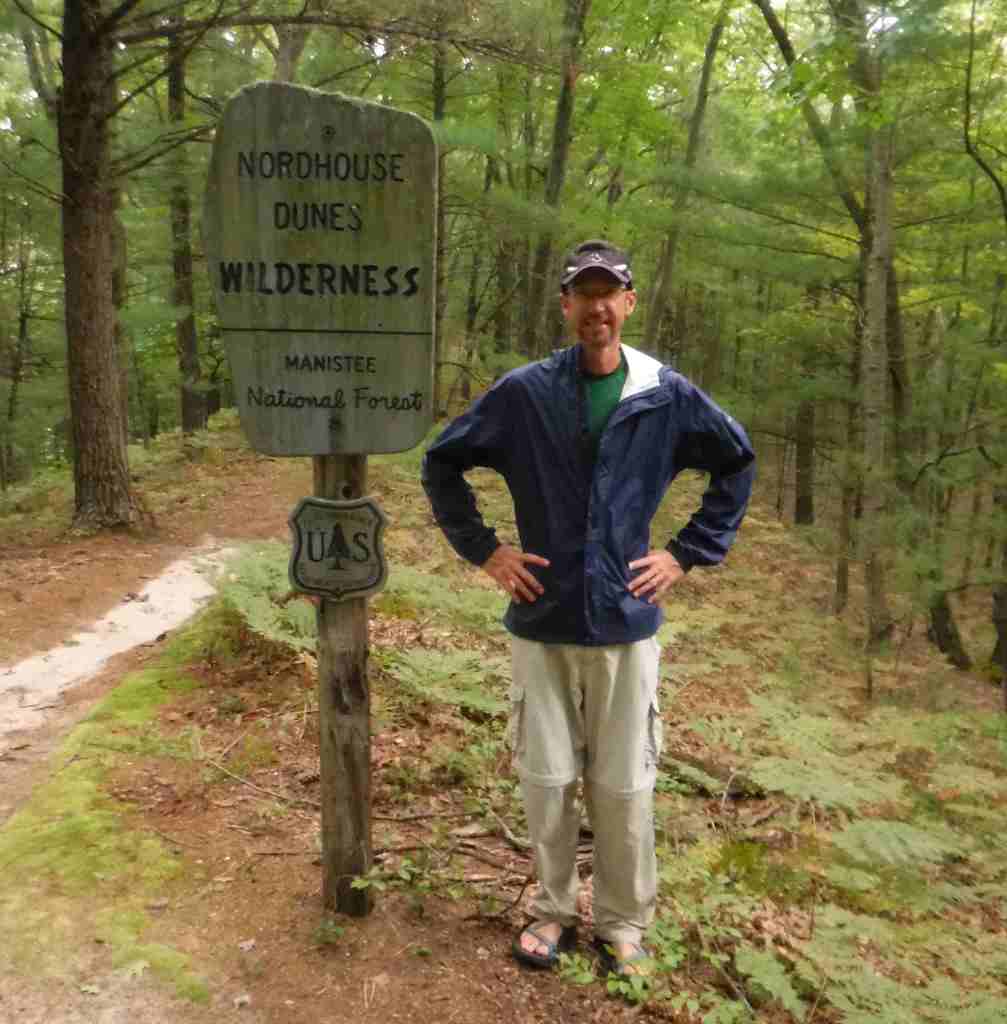
Nordhouse Dunes Wilderness

Related Sites

Huron National Forest (Michigan)

Sleeping Bear Dunes National Lakeshore (Michigan)

River Raisin National Battlefield Park (Michigan)

Nearest National Park
Indiana Dunes

Conifer Tree Species

red pine, jack pine, eastern white pine, eastern hemlock, arborvitae, tamarack, black spruce

Flowering Tree Species

northern red oak, black oak, white oak, red maple, paper birch, yellow birch, American beech, black cherry, green ash, bigtooth aspen, sassafras, witch hazel    

Explore More – How is the Ojibwe word Manistee translated into English?

Learn more about this and the 154 other National Forests in our new guidebook Out in the Woods

Los Padres National Forest

Los Padres National Forest

California

Managed by U.S. Forest Service, Pacific Southwest Region

1,963,836 acres (1,762,767 federal/ 201,069 other)

Website: http://www.fs.usda.gov/r05/lospadres

Overview

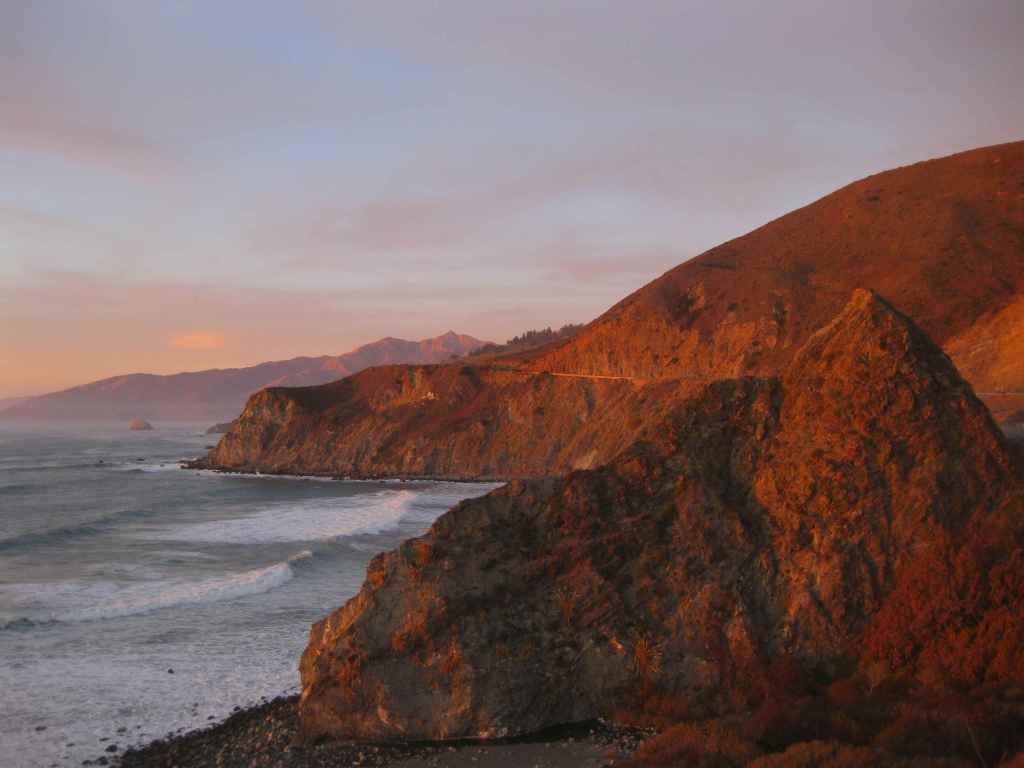
Los Padres National Forest stretches more than 200 miles from Monterrey south beyond Santa Barbara.  It contains most of Big Sur, a name that conjures images of craggy cliffs dropping precipitously into white-capped ocean waves.  This sparsely inhabited stretch of coastline is known as much for its historic bohemians as its coast redwood trees.  It is home to multiple rare tree species with limited native ranges, especially those that can tolerate serpentine soils.  As the only National Forest in California that touches the Pacific Ocean, a road trip down scenic Highway 1 should be on everyone’s bucket list, including stops at Julia Pfeiffer Burns State Park, Bixby Creek Bridge, Hearst Castle State Park, and the elephant seal rookery at Piedras Blancas.  We have hiked many trails here since Scott taught for three years at Cal Poly State University in San Luis Obispo.

Highlights

Big Sur, Sykes Hot Springs, Salmon Creek Falls, Jade Cove, Cuesta Ridge Botanical Area, Figueroa Mountain, Mt. Pinos, Knapp’s Castle, Seven Falls, Sespe Hot Springs

Must-Do Activity

Los Padres National Forest is 48% designated Wilderness, so the recommended activity is to hike into those natural areas.  The Matilija Wilderness is in the Santa Ynez Mountains that loom above the coastal city of Santa Barbara, home to a university, art museum, and historic Presidio built in 1782.  If you go to hike to the ruins of Knapp’s Castle in the National Forest, also make a quick stop at Chumash Painted Cave State Historic Park, which contains colorful pictographs dating back to the 1600s.  Another popular U.S. Forest Service trailhead located closer to town goes either to Inspiration Point or Seven Falls, the latter a better choice on foggy days, which are common on the coast.

Best Trail

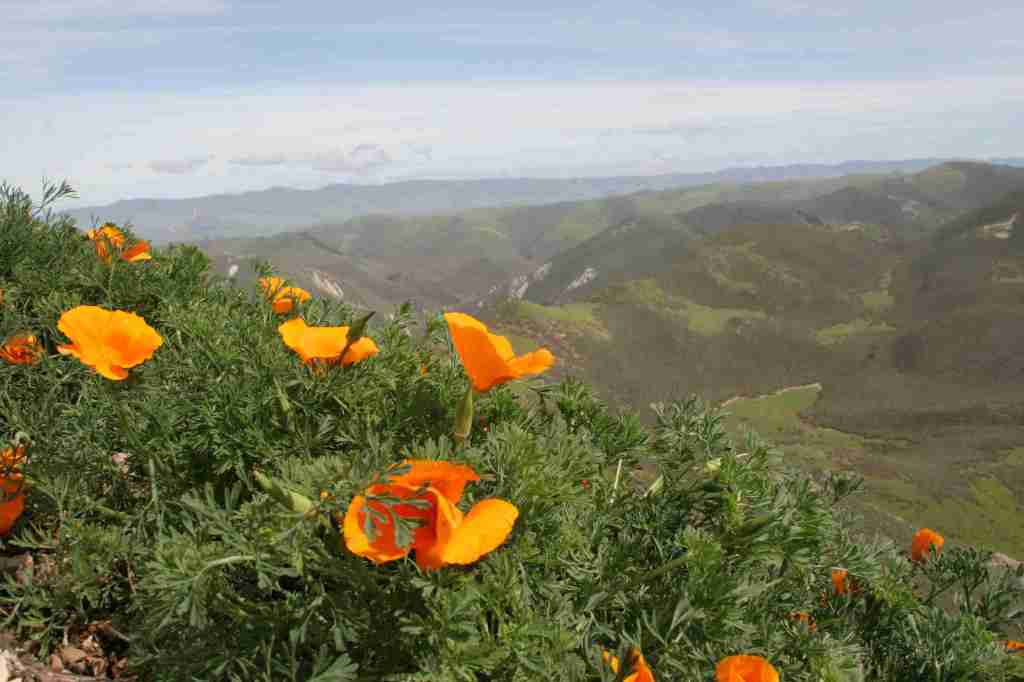
There are 323 miles of incredible hiking trails throughout Los Padres National Forest, including a few that access hot springs.  Our favorite trails are in the Santa Lucia Mountains that tower above Big Sur.  One pinnacle accessible by trail is Cone Peak at 5,155 feet in elevation.  The access road is typically closed in the winter, but when it is open the trail is only 2.3 miles to the summit with a vertical gain of 1,400 feet.  Do not expect any shade since multiple fires have burned most of the mountain, although there are still a few surviving examples of the rare Santa Lucia fir tree.  Although some areas are no longer vegetated, the plentiful sunshine above the fog belt means there are often incredible displays of wildflowers along the trail early in summer, including lupine, sticky monkeyflower, and yucca. 

Watchable Wildlife

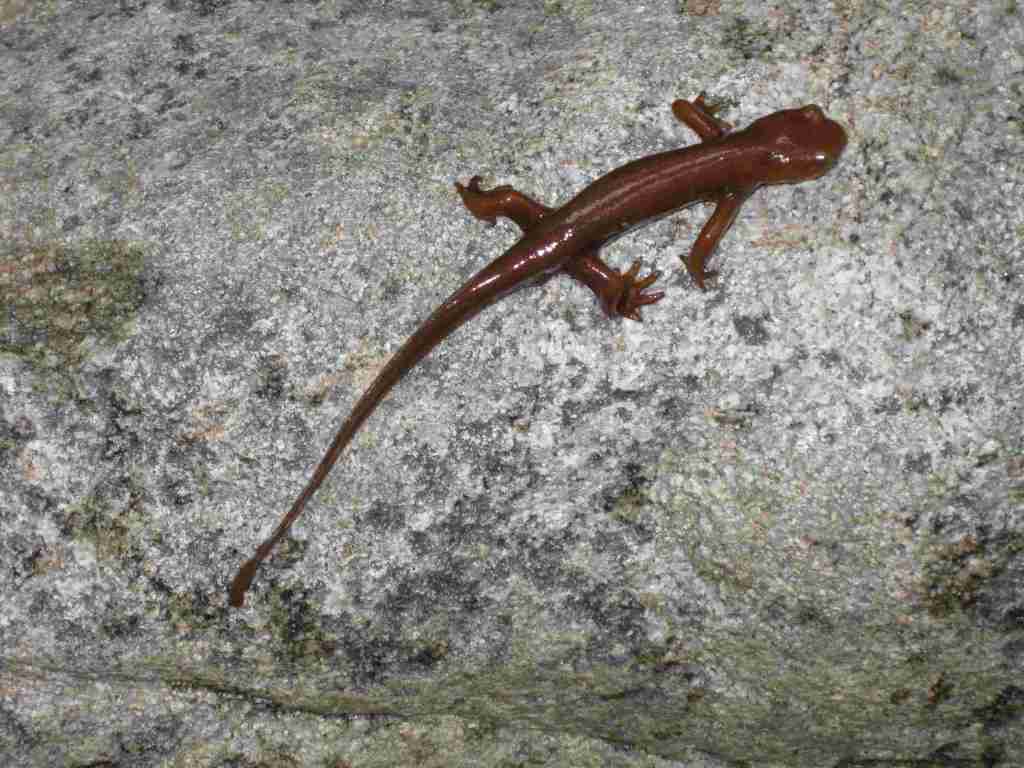
There is a wide range of wildlife found here from sea level up to 8,847 feet in elevation, and the most famous is the reintroduced California condor that nests in the Sespe Condor Sanctuary.  Other birds include barn owls, great horned owls, red-tailed hawks, bald eagles, California quail, and California scrub jays.  Coyotes, black bears, bobcats, mountain lions, black-tailed deer, bighorn sheep, and raccoons are common large mammals.  Species of concern include the foothill yellow-legged frog and California mountain kingsnake.  Look for California newts and banana slugs in the moist understory of coast redwood forests.

Photographic Opportunity

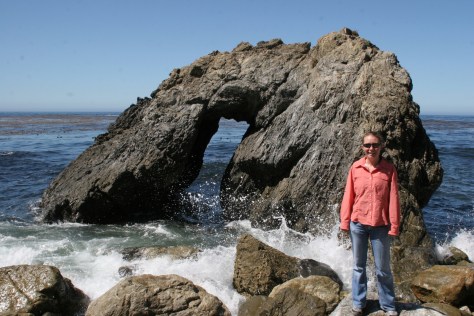
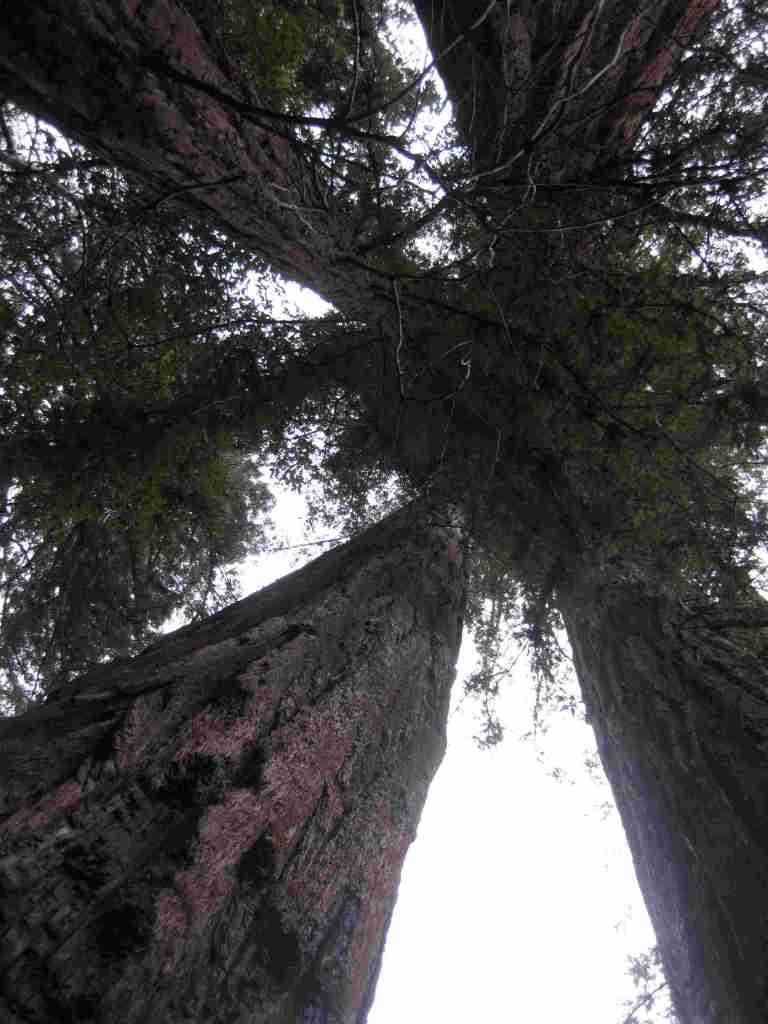
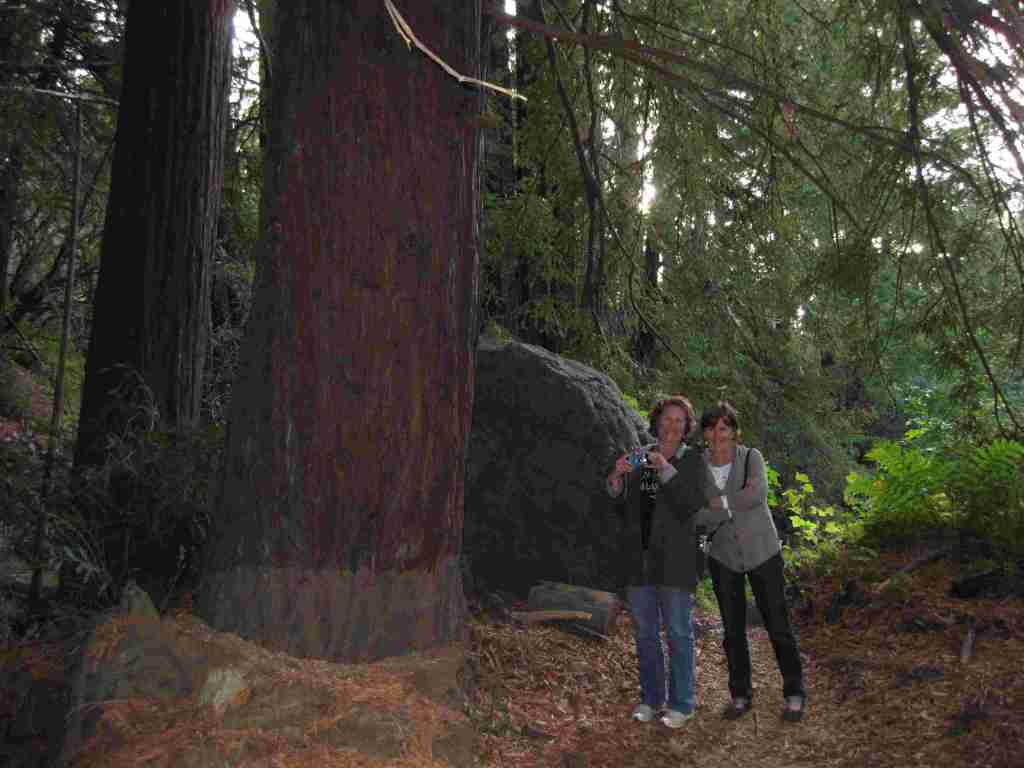
Even if you are not spending the night at Kirk Creek Campground, you can park and walk down the trail to the south that goes past redwood trees to the beach where there is a sea arch and tidepools. 

Peak Season

Fall and winter

Fees

$5 per vehicle Adventure Pass (or America the Beautiful pass) required at most trailheads

Road Conditions

There are some steep unpaved roads in Los Padres National Forest, which can be impassable in wet or snowy conditions.  Portions of the unpaved Tassajara Road to Chews Ridge are narrow and steep, requiring a four-wheel-drive vehicle to reach Tassajara Hot Springs.

Camping

A night spent listening to the ocean waves breaking far below the U.S. Forest Service’s clifftop Kirk Creek Campground is enchanting, which is why it made it on our list of Top 10 Campgrounds in National Forests.  There are 11 campgrounds in total, and a free campfire permit is required if you use a camp stove (which can be obtained online). Sespe Hot Springs is a popular ten-mile one-way backpacking destination.

Wilderness Areas

Chumash Wilderness

Dick Smith Wilderness

Garcia Wilderness

Machesna Mountain Wilderness

Matilija Wilderness

San Rafael Wilderness

Santa Lucia Wilderness

Sespe Wilderness

Silver Peak Wilderness

Ventana Wilderness

Related Sites

Angeles National Forest (California)

Muir Woods National Monument (California)

Point Reyes National Seashore (California)

Channel Islands National Park (California)

Nearest National Park
Pinnacles

Conifer Tree Species

coast redwood, Monterey pine, Coulter pine, gray pine, Jeffrey pine, ponderosa pine, limber pine, bigcone Douglas-fir, Sargent cypress, Monterey cypress, white fir, Santa Lucia fir

Flowering Tree Species

coast live oak, California black oak, tanoak, western redbud, Pacific madrone, manzanita

Explore More – What is the name of the nomadic group that lived in Big Sur dating back 5,500 years ago?

George Washington Birthplace National Monument

George Washington Birthplace National Monument

Virginia

Managed by National Park Service

Established 1930

662 acres

Website: nps.gov/gewa

Overview

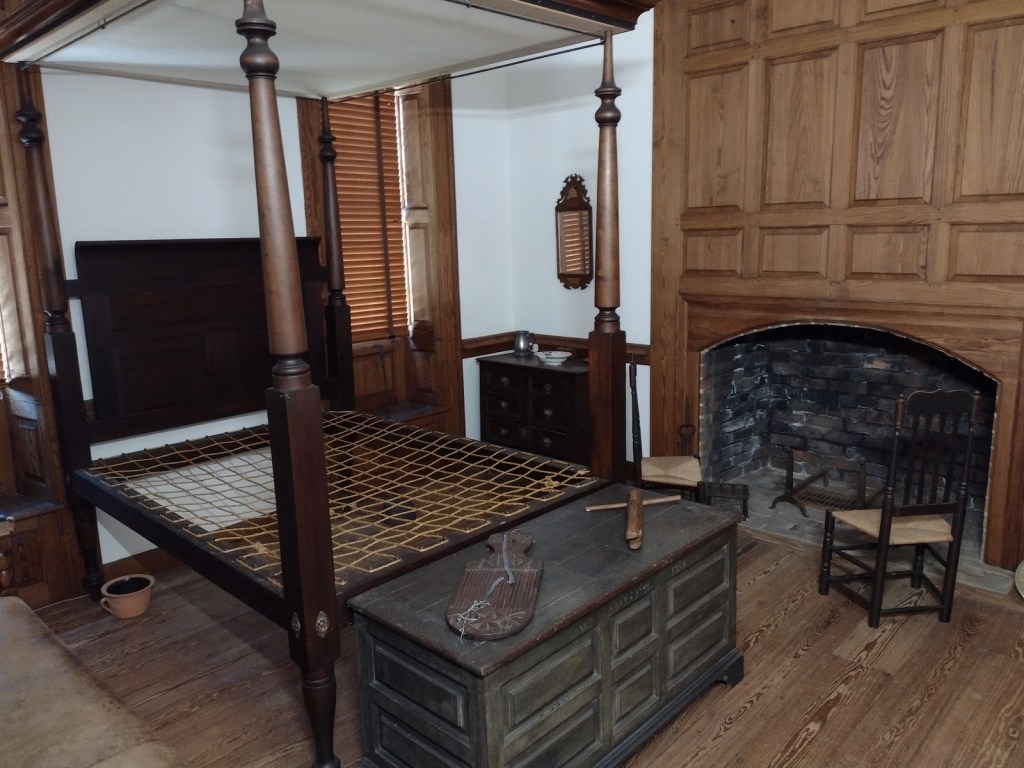
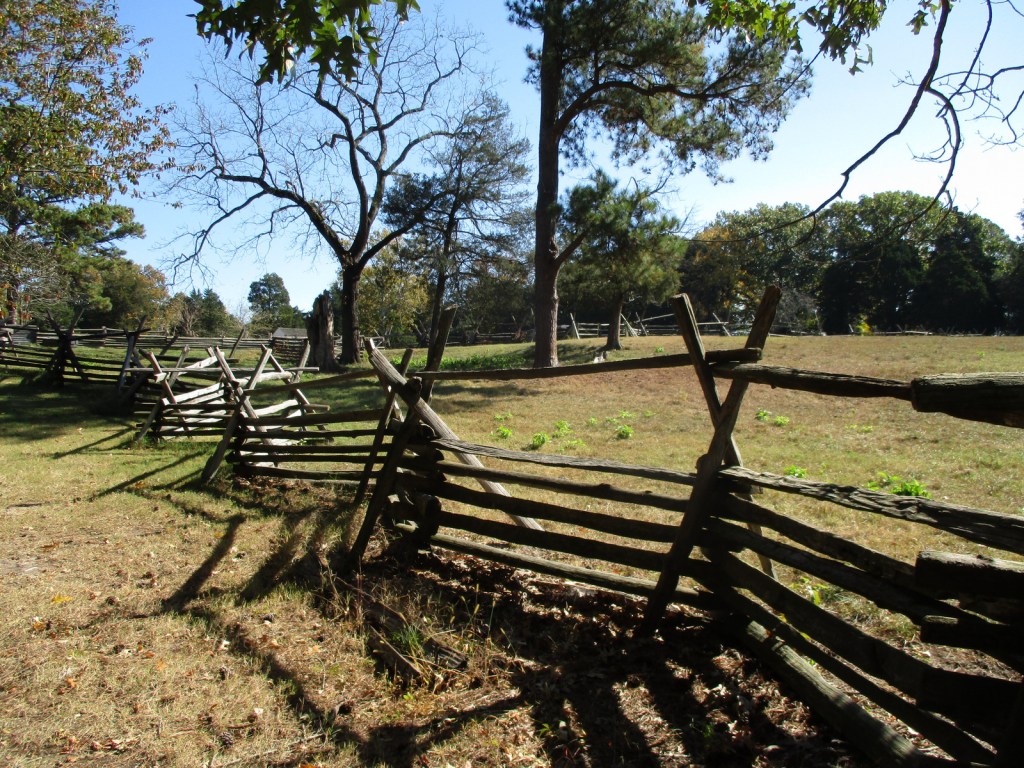
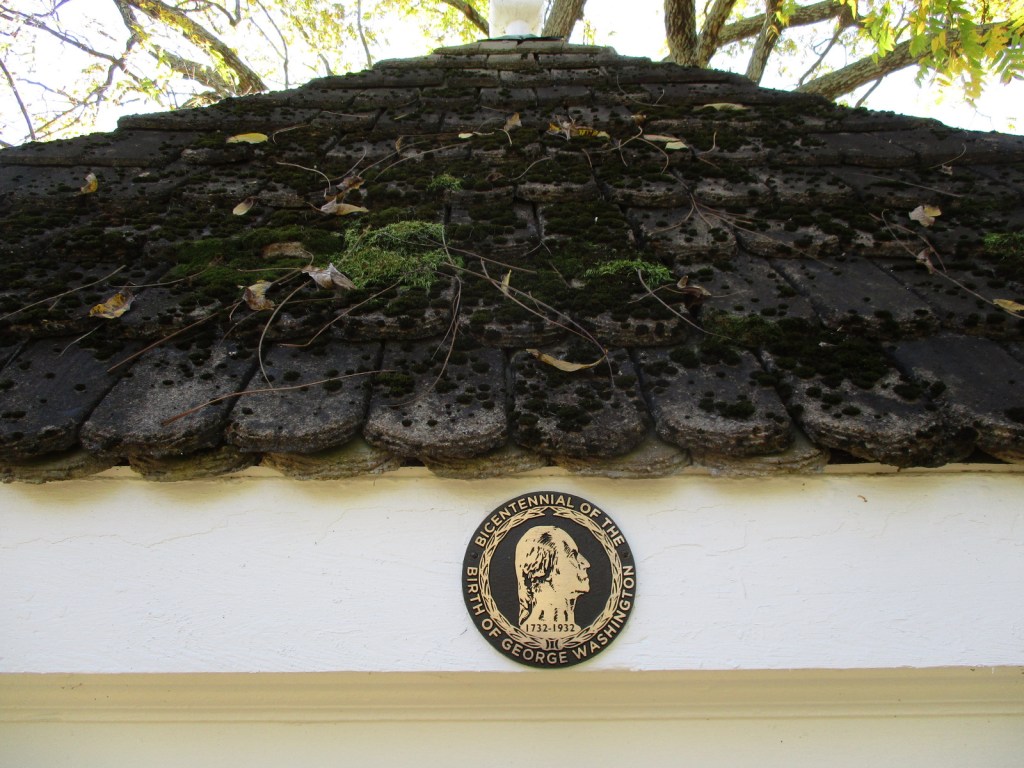
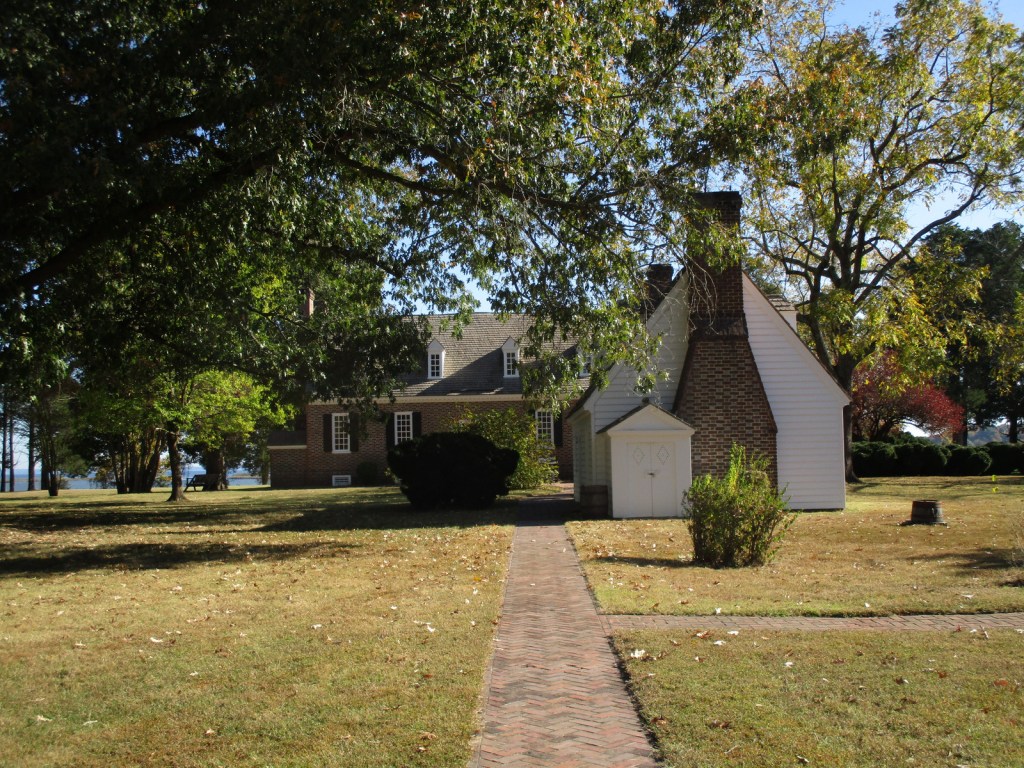
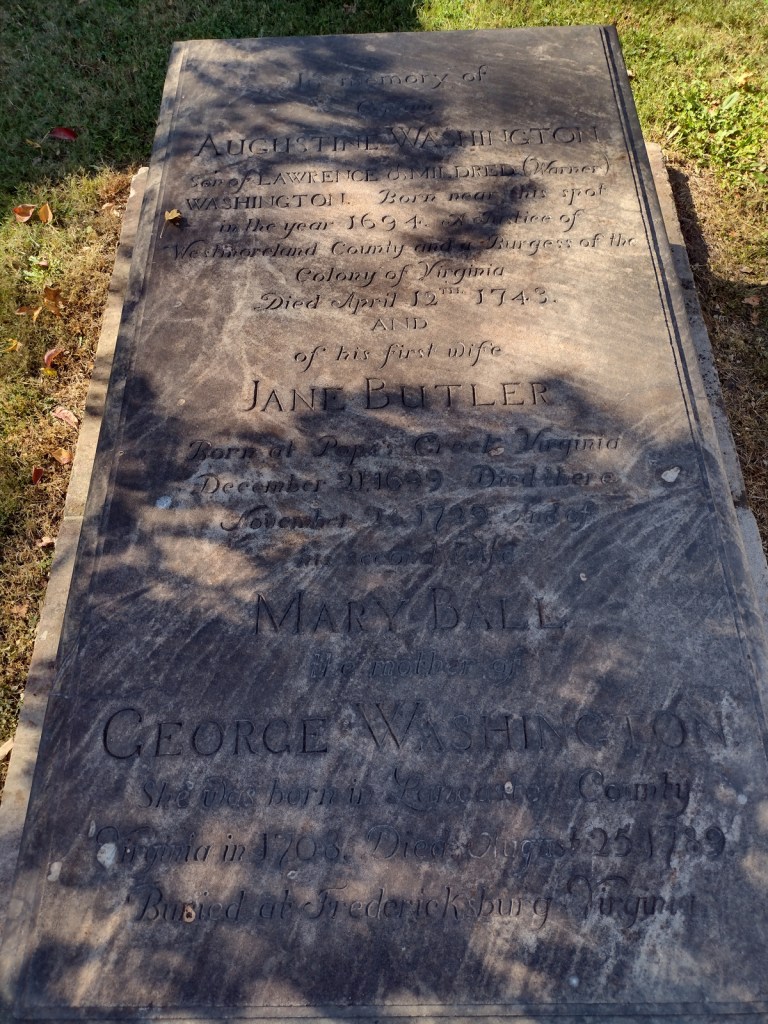
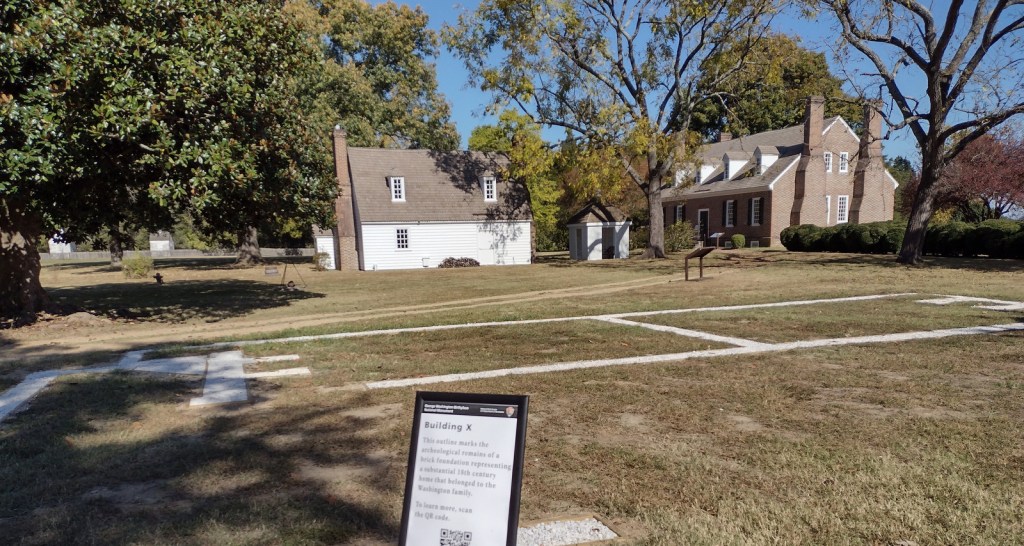
George Washington’s great-grandfather John first came to Virginia in 1657 and later settled this slave plantation on Popes Creek.  The future general and president was born on the property in 1732 in a house that burned down whose foundation is now outlined in the ground by crushed oyster shells.  The current Memorial House was constructed to celebrate the bicentennial of his birth, although the architect had no idea of the original house’s layout.  Those interested in the first U.S. President should combine this free tour with an expensive visit to his mansion at Mount Vernon located 68 miles north. 

Learn more about the other 137 National Monuments in our newest travel guidebook Monumental America: Your Guide to All 138 National Monuments.  It is now available for sale on Amazon.com.

Highlights

Memorial Obelisk, film, Memorial House, Family Burial Ground, Nature Trail, Dancing Marsh Loop Trail

Must-Do Activity

After passing the Memorial Obelisk on the drive in, your first stop should be the visitor center to watch the 15-minute film, see artifacts from the burned-down house, and find out about a tour.  The hour-long ranger-guided walking tour covers about a half-mile on a gravel pathway to the Memorial House with frequent interpretive stops.  In the summer, the house also has open hours for dropping in before and after the tour.  There may be living history demonstrations at the colonial herb and flower garden, farm workshop, and colonial revival kitchen.  It is worth a short drive to the tidewater beach on the Potomac River and a stop along the way at the Washington Family Burial Ground that has replicas of gravestones.

Best Trail

From the Memorial House, it is less than a mile to walk Dancing Marsh Loop Trail including open views on the footbridge across Popes Creek and the boardwalk through the marsh.  This trail connects with the one-mile Nature Trail loop for a longer walk, and that is also accessible from the picnic area parking lot.

Photographic Opportunity

Originally constructed in 1896 by the War Department on the site where Memorial House now stands, the 50-foot-tall Memorial Obelisk is made of Vermont granite at one-tenth scale of the Washington Monument 70 miles to the north in Washington, D.C.

Peak Season

Spring and fall

Hours

https://www.nps.gov/gewa/planyourvisit/hours.htm

Fees

None

Road Conditions

All roads are paved, but be aware there is a toll to cross the bridge into Virginia on Highway 301 southbound from Maryland. 

Camping

There is no camping at the National Monument, so the nearest campground is seven miles southeast at Westmoreland State Park, which offers RV sites with hookups.

Related Sites

Washington Monument (District of Columbia)

Valley Forge National Historical Park (Pennsylvania)

Colonial National Historical Park (Virginia)

Nearest National Park

Shenandoah

Explore More – How many generations of George Washington’s forebears are buried on the property?

Learn more about this and the other 137 National Monuments in our book Monumental America: Your Guide to All 138 National Monuments

Louisiana Road Trip Itinerary

27,650,496 acres

Statehood 1812 (18th)

Capital: Baton Rouge

Population: 4,657,757 (25th)

High Point: Driskill Mountain (535 feet)

Best time of year: Winter and spring

Last year we published our guidebook 50 States of Great: Road Trip Guide to America, so we decided to start a new type of blog post where we create a travel itinerary for all 50 states, in addition to our usual National Forest and National Park entries.  After starting by jumping around to KansasGeorgia, Idaho, Rhode Island, Minnesota, Hawai’i, and Arizona, we headed back to the south for Louisiana.  Just in time for Mardi Gras, we made an ambitious seven-day plan starting in New Orleans, with plenty of options to extend the trip.

Day 1

Café du Monde

Eating beignets is a great way to start your trip to Louisiana, and this is the most touristy place to get them, located on the Riverwalk in New Orleans.

National WWII Museum

It is easy to spend an entire day here (fee) because of all the interactive exhibits and informational touchscreen kiosks.  You do not even have to leave for lunch, since the Soda Shop and American Sector Restaurant & Bar are on site.  We recommend you purchase a ticket including the 4-D film Beyond All Boundaries and the submarine experience based on the final mission of the USS Tang.  This is our vote for #1 museum in the entire U.S.

French Quarter

Every American needs to visit the French Quarter at least once in their life (although whether that’s during the wildness of Mardi Gras is up to you), and it is walkable from the National WWII Museum.  Consider stopping by iconic Lafayette Square, Old Ursuline Convent Museum, or the New Orleans Pharmacy Museum.

Ghost Tour

We have heard rave reviews about the ghost tours offered in New Orleans, and hope to attend one someday to compare it to the others we have done.

Optional stop at Mardi Gras World Museum

Visit this warehouse (fee) where floats are made for Mardi Gras parades, situated right along the Mississippi River.

Optional stop at Bayou Segnette State Park

We camped here and it felt like we were off in the wild while still within the city’s suburbs.

Day 2

New Orleans Jazz National Historical Park

The New Orleans Jazz Museum (fee) is located in the old U.S. mint building right in the heart of the historic French Quarter.  Check the online schedule for musical performances put on by the National Park Service (NPS) and enter the free visitor center shared with Jean Lafitte National Historical Park and Preserve.

Go out to lunch in New Orleans

Louisiana is famous for its Cajun food, including gumbo, étouffée, jambalaya, po’boys, and red beans and rice.

Jean Lafitte National Historical Park and Preserve (click here for our blog post)

Make sure you visit the 24,000-acre Barataria Preserve to experience the bayous of Louisiana, whether you hike or take a boat tour (fee).  South of downtown New Orleans off Highway 45, keep your feet dry by hiking the boardwalks on the Bayou Coquille Trail.  In addition, this park includes three Acadian Cultural Centers spread throughout southwestern Louisiana.

Optional stop at Chalmette Battlefield

Another part of Jean Lafitte National Historical Park and Preserve encompasses the land where Andrew Jackson led the defeat of the British to retain New Orleans for the U.S. after the end of the War of 1812.

Day 3

Baton Rouge

Check out the art-deco capitol building where you might see white pelicans floating on the lake next door.  We read that the pelican on the state flag is supposed to be a brown pelican (the official state bird) even though the artist made it white so it stood out against the blue background.  Also consider visiting the Old State Capitol, Old Governor’s Mansion, or USS Kidd destroyer ship

Optional drive along the Lake Ponchartrain Causeway

Not the most direct route between New Orleans and the capital city, this 23.8-mile causeway is considered the longest continuous bridge over water in the world.  It is free to drive northbound, but don’t attempt it when it’s smoky or foggy, as it becomes very dangerous to drive.

Optional stop at LSU Tigers game

Louisiana State University is located in Baton Rouge and they are famous for their tailgating scene and raucous fans who support their perennially excellent football, women’s basketball, and gymnastics teams.

Day 4

Cat Island National Wildlife Refuge

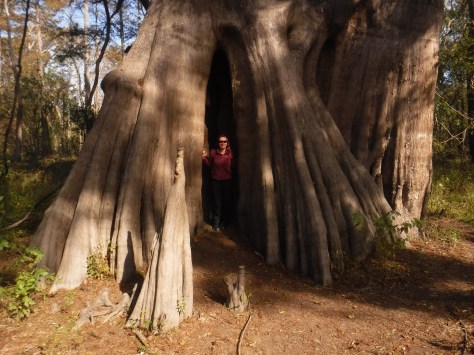
Northwest of Baton Rouge, the largest of all baldcypress trees in the U.S. is found at the end of a flat, half-mile trail, where there is a new boardwalk built around the tree to protect its roots.  This area is located down six miles of dirt road full of potholes (and is sometimes flooded). 
Optional stop at Atchafalaya National Wildlife Refuge

Louisiana is home to 24 National Wildlife Refuges, many found in its southern half where bayous are full of alligators and mostly uninhabited by humans, like this one west of Baton Rouge.

Day 5

Creole Nature Trail All-American Road

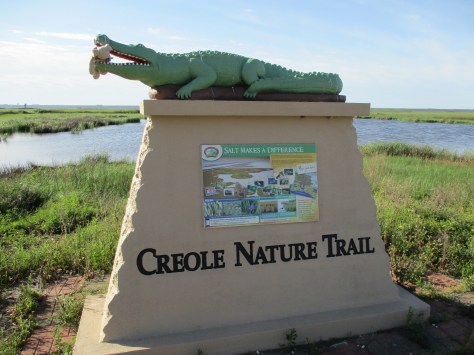
In southwest Louisiana, this route traverses 180 miles of pavement around Calcasieu Lake and the Gulf of Mexico coastline.  Much of the state’s oceanfront is inaccessible swamp, but in this corner of the state there are 26 miles of beautiful sandy beaches where ocean waves and seashells await.  Consider spending the night in Holly Beach.

Sabine National Wildlife Refuge

Further inland, there are 700,000 acres of wetlands that attract waterfowl to Sabine National Wildlife Refuge, while the surrounding area is used by farmers to grow rice and raise crawfish. 

Optional stop at Tabasco Brand Factory Tour and Museum

Before you head west, consider a stop in Avery Island where they have been bottling Tabasco Hot Sauce for over 150 years.

Day 6

Kisatchie National Forest (click here for our blog post)

There are eight parcels that constitute the sprawling 603,360-acre Kisatchie National Forest, which has over 40 developed recreation sites and 100 miles of trails.  It encompasses lakes for boating and swimming, plus baldcypress-lined bayous for canoeing and fishing.  Old-growth longleaf pine forests can be accessed by the paved Longleaf Trail Scenic Byway, just off Interstate 49.  A 1.5-mile interpretive loop at Longleaf Vista is a good place to start.

Red Dirt National Wildlife Management Preserve

Camping is allowed in this area next to the 8,700-acre Kisatchie Hills Wilderness where you can backpack along trails.  Kisatchie National Forest also offers several lakefront camping areas elsewhere.  Lake Fausse Pointe, Lake Bistineau, and Chicot State Parks all have campgrounds with lake access, as well cabins available for rent.

Optional stop at Creole Nature Trail Adventure Point

The Creole Nature Trail Adventure Point is a self-guided audio tour and starts off Interstate 10 in Sulphur, where a museum has hands-on displays that introduce visitors to local wildlife and Cajun culture. 

Day 7

Poverty Point National Monument (click here for our blog post)

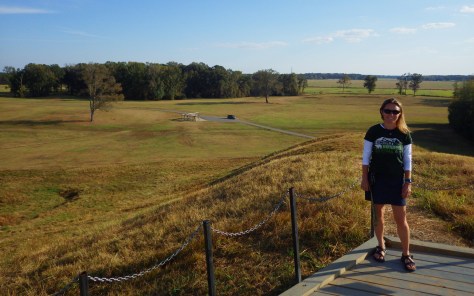
Settled 3,700 years ago by hunter-gatherers, this ancient city with a population estimated at 1,500 was situated along Bayou Macon in northeast Louisiana.  The inhabitants constructed several mounds, the most impressive is 72-feet-tall in the shape of a bird, which required approximately 15-million basket-loads of soil to complete. 

Optional stop at Cane River Creole National Historical Park (click here for our blog post)

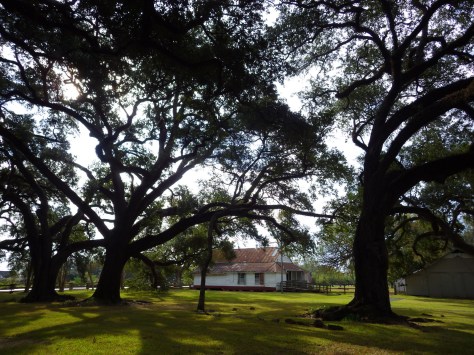
Oakland Plantation survived the Civil War intact, but in the wake of Reconstruction tenant farming created a new form of indentured servitude.  Self-guided tours of the site take you through the mule barn, several cottages, and an old general store that still looks open for business along Highway 494.  Slave/tenant quarters are also preserved at Magnolia Plantation downstream, but the main house is closed to the public. 

Optional stop at Sci-Port Discovery Center in Shreveport

This science museum in northwest Louisiana is great for kids and adults with hands-on exhibits, a planetarium, and IMAX theater.

Day 8+

Rayne Frog Festival or Mudbug Madness

Festivals dedicated to celebrating and eating frogs and crawfish; it does not get any more Louisiana than that!  Also, consider arriving during one of the many music festivals dedicated to jazz, zydeco, or other regional musical styles.

Port Hudson State Historic Site

An annual battle reenactment takes place at the site of a siege during the Civil War; further north, another Civil War reenactment is held at Pleasant Hill.

J.C. “Sonny” Gilbert Wildlife Management Area

This forested Wildlife Management Area is located between Monroe and Alexandria in central Louisiana.  It includes Rock Falls, which at 17 feet in height is the tallest waterfall in the state, accessible on a seven-mile trail.

Learn more about Louisiana’s Most Scenic Drive, Top State Park, and other categories in our new travel guidebook 50 States of Great: Road Trip Guide to America.

Fort Matanzas National Monument

Fort Matanzas National Monument

Florida

Managed by National Park Service

Established 1924

300 acres

Website: nps.gov/foma

Overview

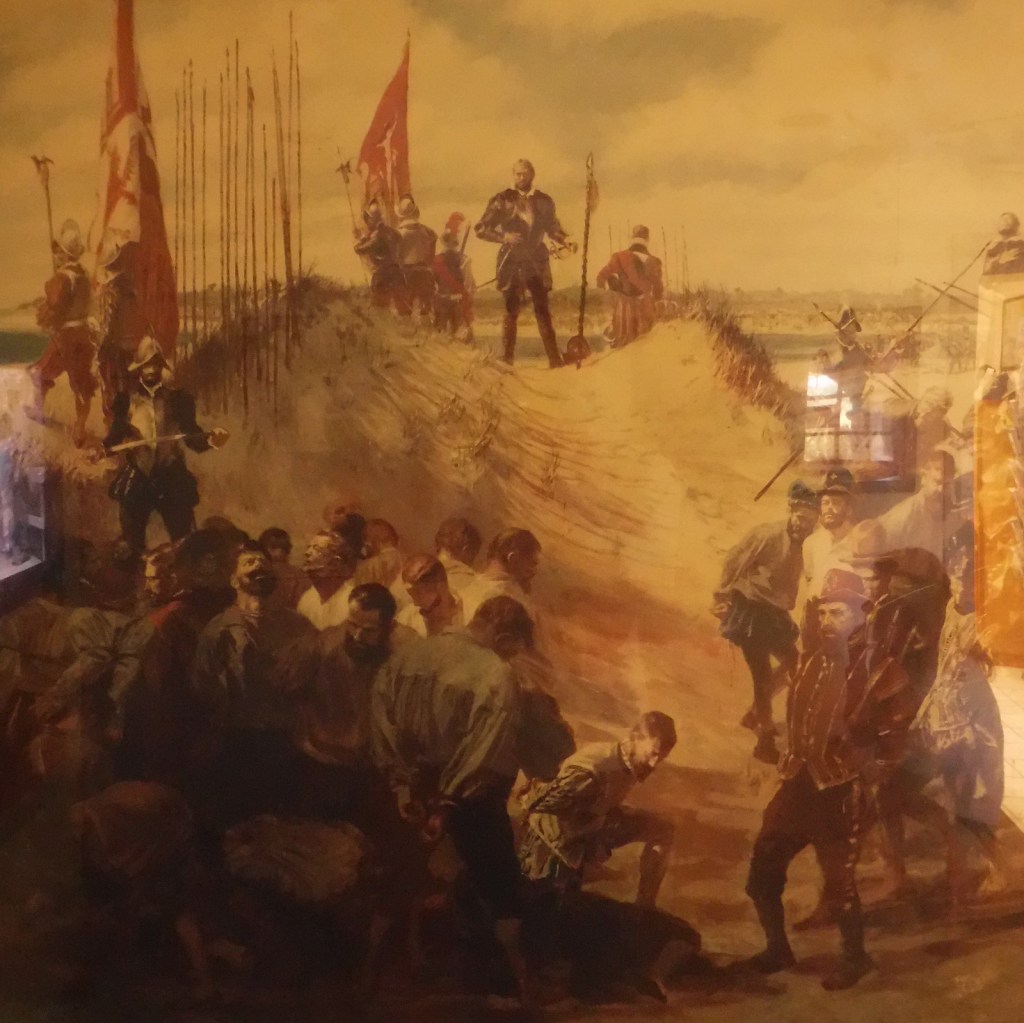
After a failed American settlement by persecuted French Protestants (Huguenots) in 1562, two years later a group of 200 soldiers, artisans, and a few women established a colony at the mouth of the St. Johns River (east of present-day Jacksonville, Florida).  Led by René de Goulaine de Laudonnière, they hurriedly assembled the triangular Fort Caroline, named for King Charles IX.  In 1565, Jean Ribault arrived with 600 more settlers and soldiers.  After learning the Catholic Spanish had established a base to the south at St. Augustine, Ribault set sail for a surprise attack, only to be shipwrecked by a hurricane.  The unprotected Fort Caroline was easily captured by the Spanish, who executed 140 of its 200 inhabitants.  The Spanish then killed nearly 250 French marooned at Matanzas Inlet, which gained its name from these “slaughters.”  Following a British siege in 1740, the Spanish began construction of Fort Matanzas on Rattlesnake Island to guard the southern entrance to the city of St. Augustine where they had built Castillo de San Marcos.  Only two years later, Fort Matanzas’ cannons successfully repelled British ships and today you can take a free ferry to tour inside the restored 50-foot-square structure.

Learn more about the other 137 National Monuments in our book Monumental America: Your Guide to All 138 National Monuments. It is now available for sale on Amazon.com.

Highlights

Museum, film, boat ride, Fort Matanzas, Nature Trail

Must-Do Activity

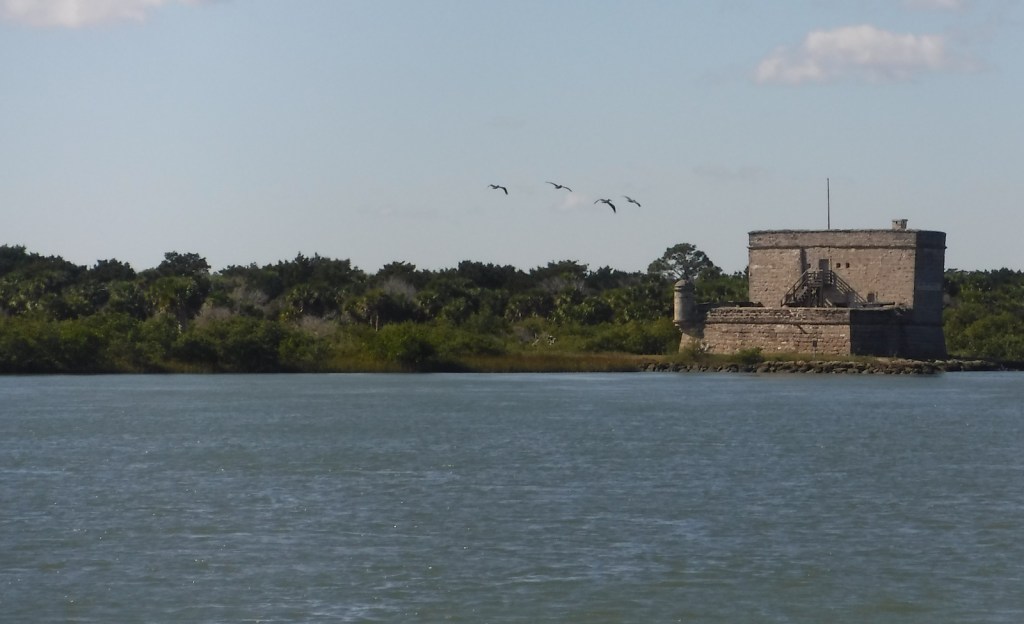
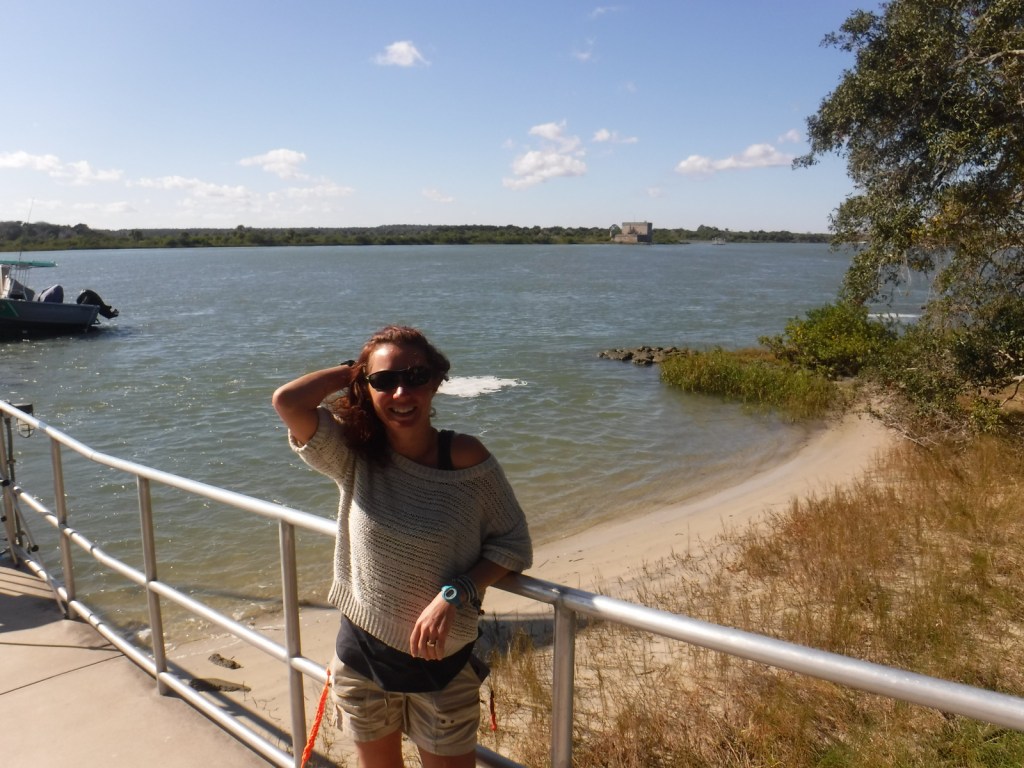
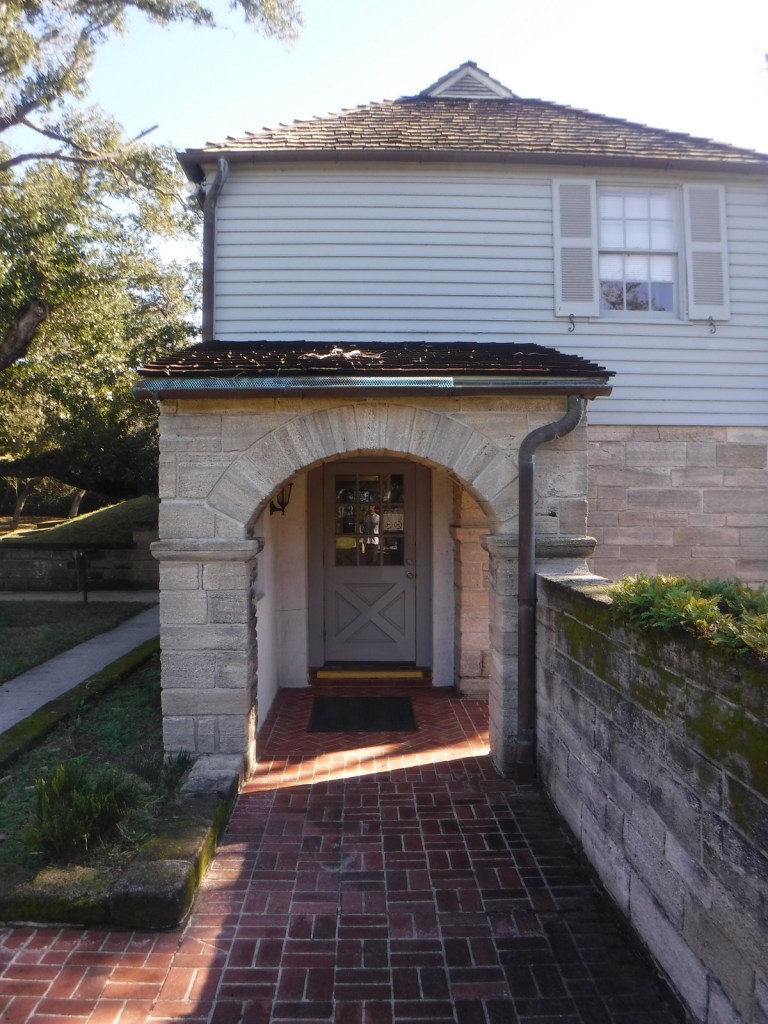
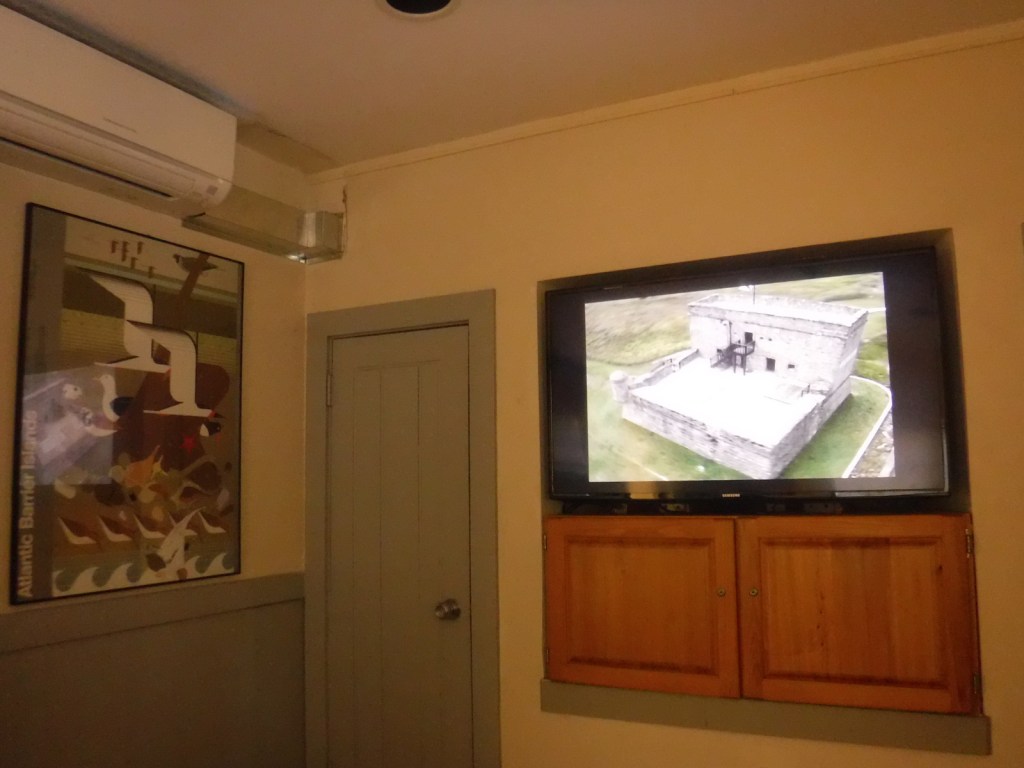
We have tried three times to visit the fort here, but in 2016, 2019, and 2024 the dock was damaged by a hurricane so the National Park Service (NPS) ferry was not running to Rattlesnake Island.  Good news is there is an eight-minute film and you can see the small fort from the visitor center.  There are also hiking trails, boardwalks, and sandy beaches to explore at the southern tip of Anastasia Island, which are accessible by car.  Only 40 miles to the north, the NPS administers Fort Caroline National Memorial as a unit of Timucuan Ecological and Historic Preserve, where you can enter a one-third scale reconstruction of the triangular structure (and no ferries are involved). 

Best Trail

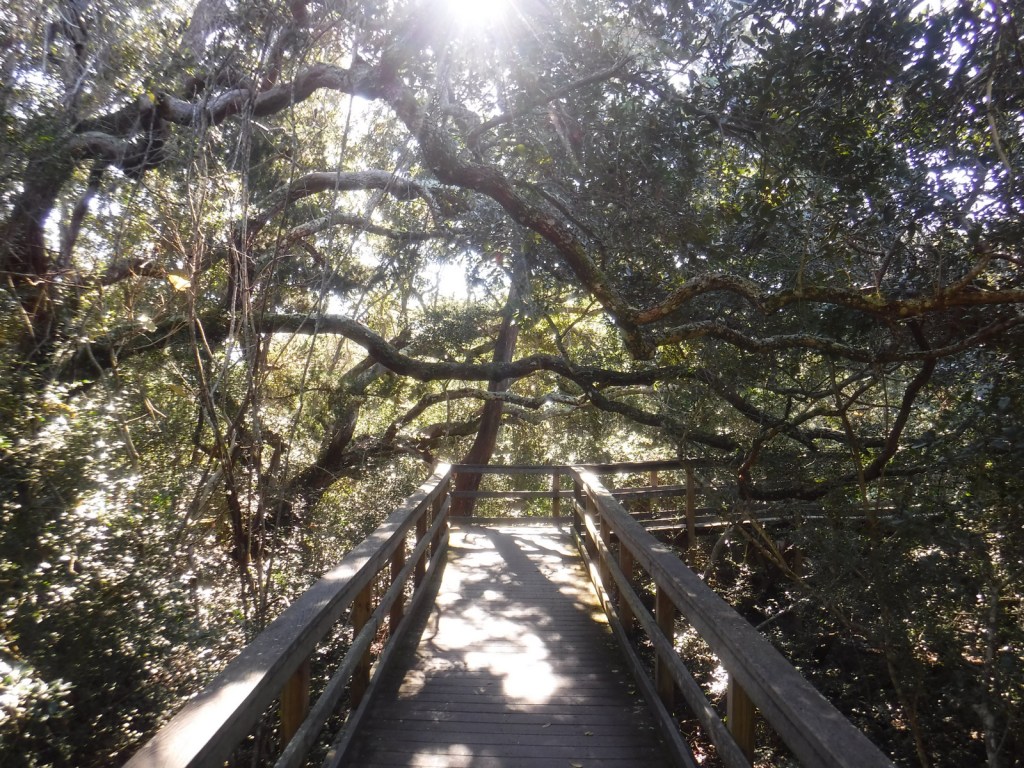
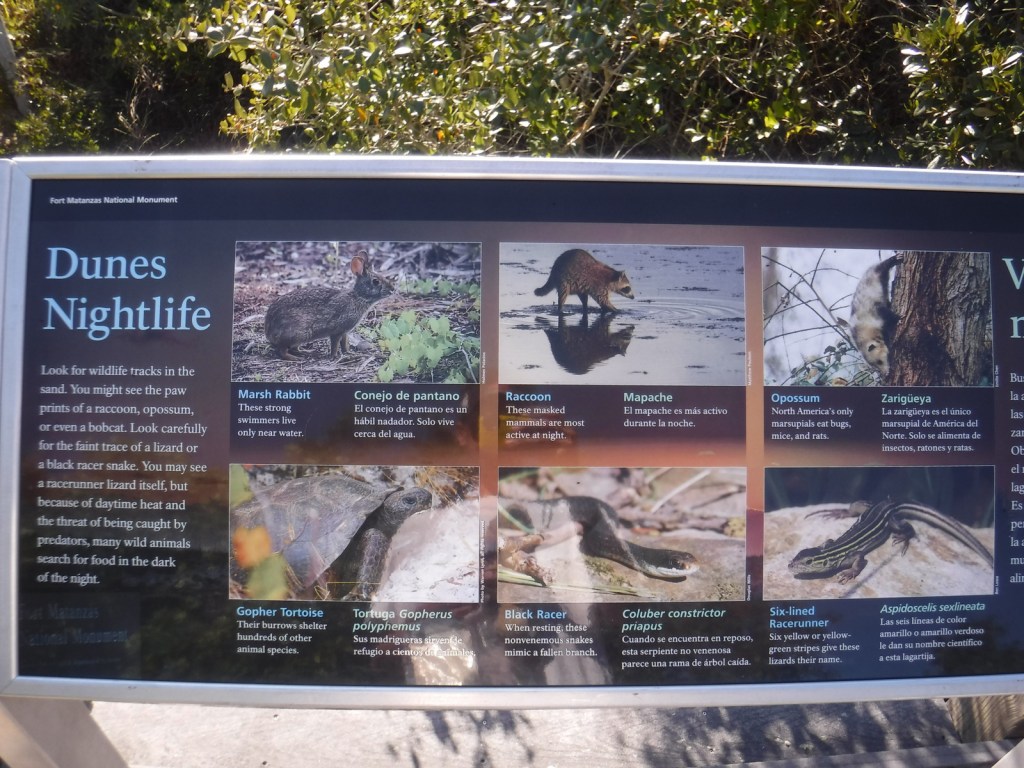
The half-mile Coastal Hammock Trail has signs introducing some of the tree and shrub species found in the maritime forest.

Photographic Opportunity

Southern live oak trees stretch their twisted branches above the picnic area in the parking lot of the visitor center.

Peak Season

Spring

Hours

https://www.nps.gov/foma/planyourvisit/hours.htm

Fees

The visitor center, trails, and NPS ferry are free, but there is a parking fee for beach access on the Atlantic Ocean side across Highway A1A from the visitor center entrance road.

Road Conditions

The road to the parking lot is paved from Highway A1A.

Camping

The NPS does not run a campground, but Anastasia State Park does south of St. Augustine.

Related Sites

Castillo de San Marcos National Monument (Florida)

Fort Caroline National Memorial (Florida)

Canaveral National Seashore (Florida)

Explore More – What species of endangered sea turtles nest on the barrier islands protected within Fort Matanzas National Monument?

Learn more about the other 137 National Monuments in our book Monumental America: Your Guide to All 138 National Monuments