Top 10 Museums in National Parks

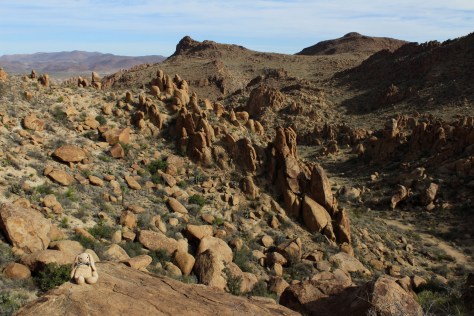
We recently published our expanded 2nd edition of our guidebook to the 63 National Parks (available on Amazon), so we thought it would be a good time to rank our favorite museums in the parks.  The National Parks typically stick with the “go outside and play” philosophy, but these selected parks do a great job of interpreting human and natural history inside a museum.  Our photograph options are limited and mainly include Wondon the Traveling Bunny (who has his own blog).  We will rank our Top 10 museums in other National Park Service (NPS) units in a future list (check out all our Top 10 Lists here). 

Know someone who loves National Parks? Gift them our travel guidebook A Park to Yourself: Finding Solitude in America’s 63 National Parks

10. Great Smoky Mountains National Park (Tennesee-North Carolina)

Sugarlands Visitor Center has a nice natural history museum, plus the historic structures at Cataloochee, Elkmont, and Cades Cove serve as outdoor museums.

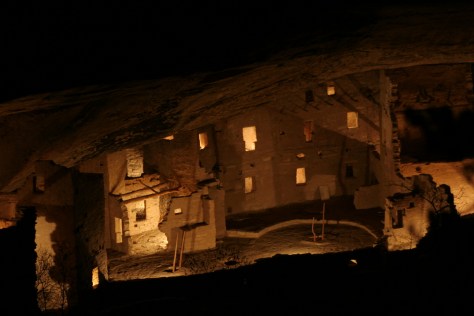
9. Mesa Verde National Park (Colorado)

If this is your first visit, after you buy your tour tickets at the park entrance head directly to the Chapin Mesa Museum that overlooks the ruins of Spruce Tree House.

8. Great Basin National Park (Nevada)

Great Basin Visitor Center is in Baker, outside the park boundaries, but it is worth a stop to see a cross-section of Prometheus, a nearly 5,000-year-old bristlecone pine tree.

7. Everglades National Park (Florida)

Ernest F. Coe Visitor Center is home to an excellent museum interpreting the natural history of the “river of grass.”

6. Cuyahoga Valley National Park (Ohio)

Boston Store and Canal Visitor Centers both have excellent hands-on exhibits and, taking a page from Parks Canada, you can play dress-up, too.

5. Gateway Arch National Park (Missouri)

Part of the reason this became a National Park in 2018 was due to the opening of its new museum beneath the arch, but do not miss a visit inside the colorful Old Courthouse.

4. Denali National Park and Preserve (Alaska)

There are great exhibits on wildlife at Denali Visitor Center near the park entrance and Eielson Visitor Center at Mile 66 on the main park road (only accessible by bus).
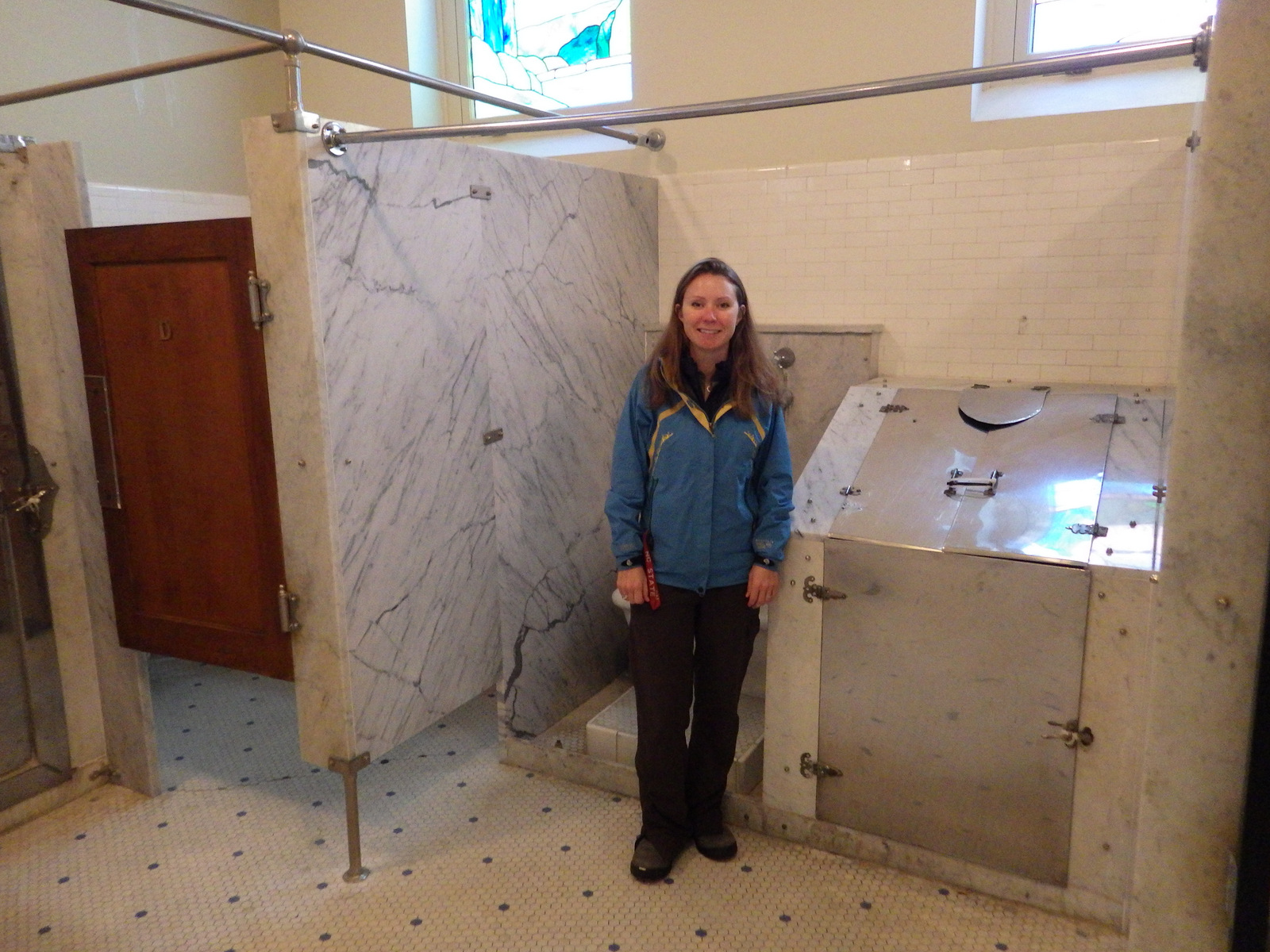
3. Hot Springs National Park (Arkansas)

Fordyce Bathhouse on Central Avenue is now entirely a museum with multiple stories of exhibits and plenty of stories to tell.

2. Mammoth Cave National Park (Kentucky)

There is an excellent interpretive museum inside the visitor center for the world’s longest cave.

… and finally our #1 museum in a National Park:

1. Yellowstone National Park (Wyoming-Montana-Idaho)

Learn all about the Yellowstone Supervolcano at Old Faithful and Canyon Village Visitor Centers, but also check out the Museum of the National Park Ranger near Norris Junction.

Honorable Mentions

Wind Cave National Park (South Dakota)

It can be easy to miss the museum that is downstairs from the park bookstore and tour ticket booth, so do not make that rookie mistake.

Wrangell-St. Elias National Park and Preserve (Alaska)

The Main Park Visitor Center is located on the Richardson Highway, but the main attraction requires you to brave the drive to McCarthy and cross the pedestrian bridge to the Kennecott ghost town.

Know someone who loves National Parks? Gift them our travel guidebook A Park to Yourself: Finding Solitude in America’s 63 National Parks

Whiskeytown-Shasta-Trinity National Recreation Area

Overview

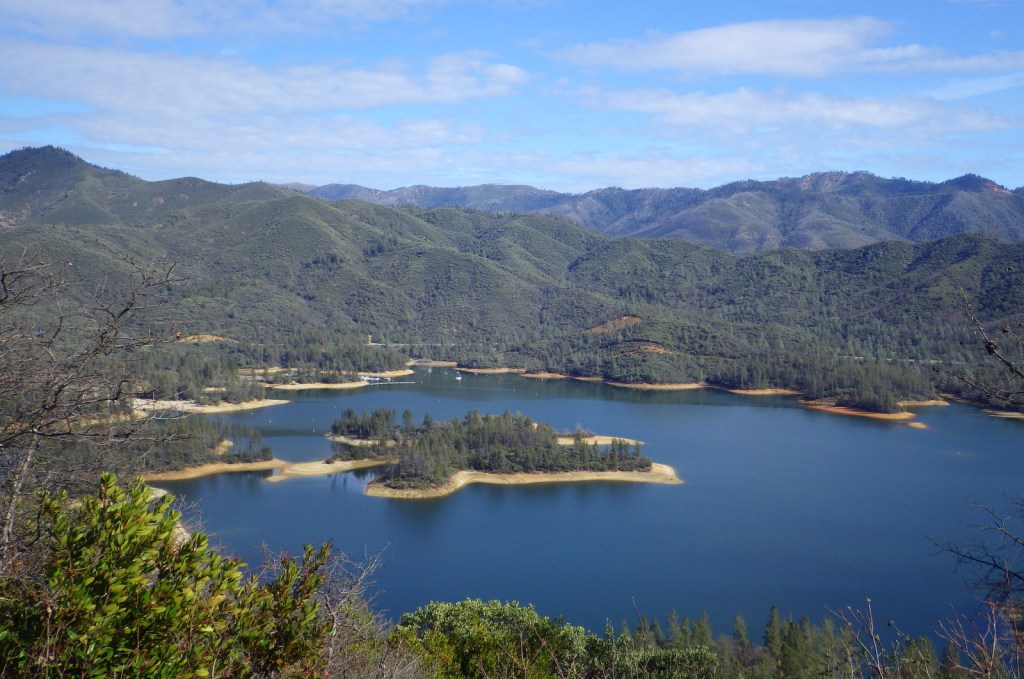
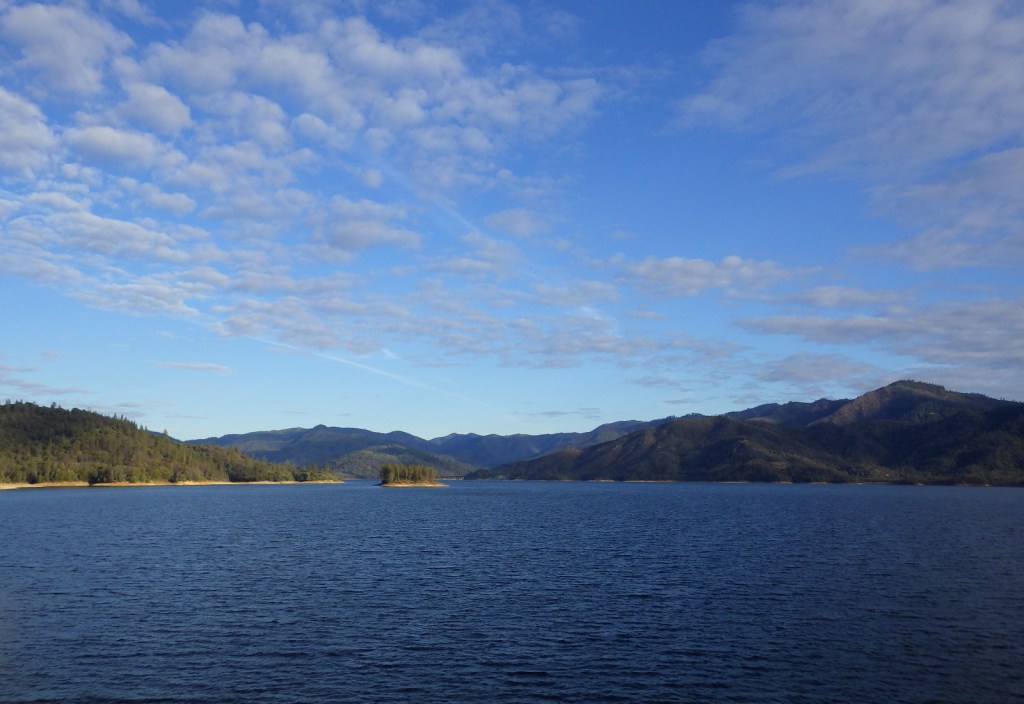
Whiskeytown-Shasta-Trinity National Recreation Area is co-managed by the National Park Service (NPS) and the U.S. Forest Service.  The NPS is in charge of Whiskeytown Lake, a reservoir west of Interstate 5, about 230 miles north of San Francisco, California.  Camping, hiking, gold panning, fishing, boating, and swimming are popular activities, but watch out for poison-oak.

Highlights

Waterfall Challenge, Camden House, gold panning, lake recreation opportunities

Must-Do Activity

Pick up an official Waterfall Challenge Passport at the NPS visitor center along with information on the four waterfall hiking trails.  Tower House Historic District includes the Camden House built in 1852 by a Gold Rush prospector, with seasonal tours offered by the NPS (it was temporarily closed in 2019 after the Carr Fire).  You can even pan for gold (with a $1 permit).

Best Trail

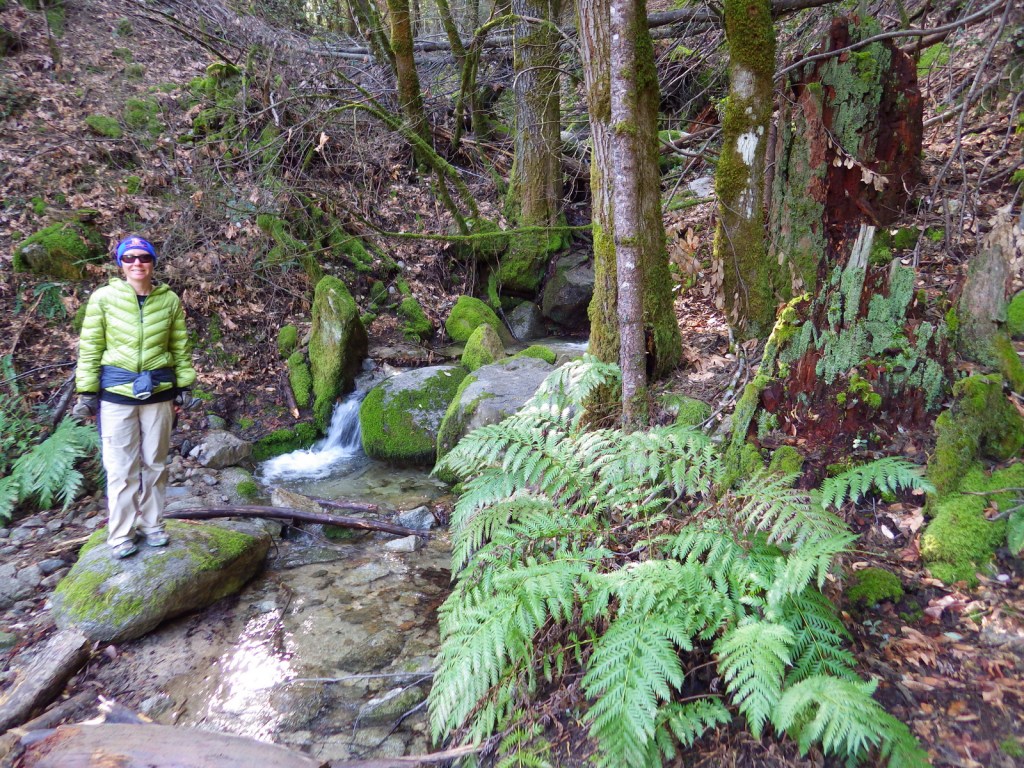
Whiskeytown Falls, Boulder Creek Falls, Brandy Creek Falls, and Crystal Creek Falls are accessible by hiking a total of 11 miles, but it may take longer depending on your choice of trails and road closures.  The trails are steep and poorly marked in some places.

Instagram-worthy Photo

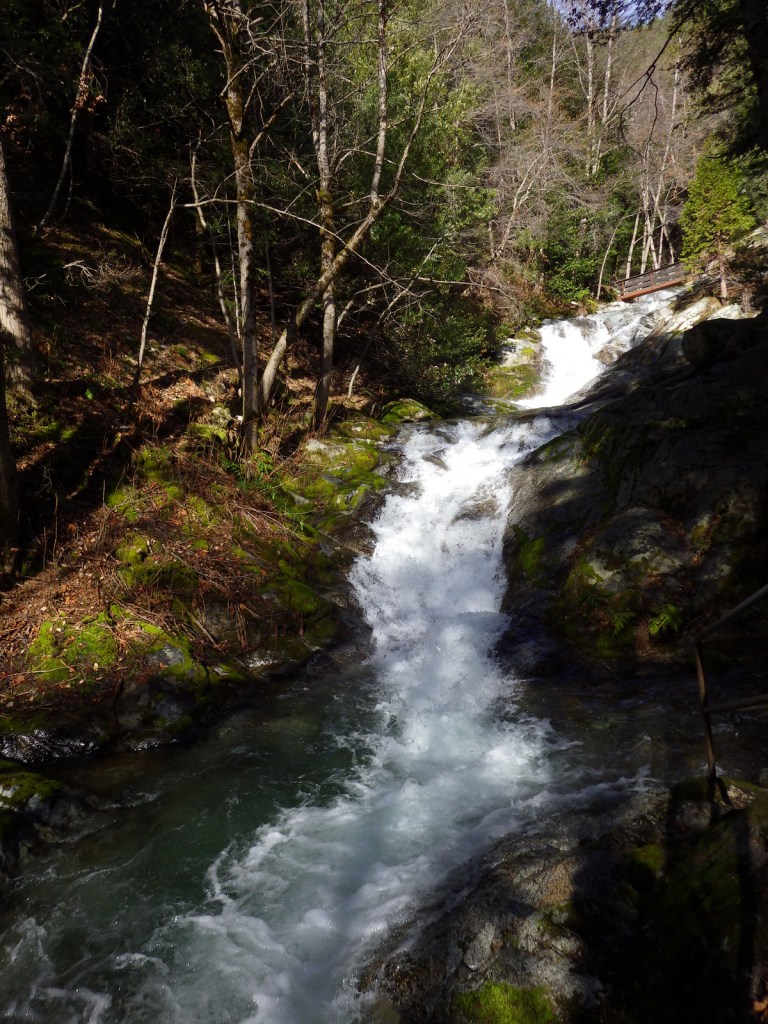
Whiskeytown Falls is 220 feet tall and is accessible on a 3.4-mile roundtrip trail, but we thought the most photogenic waterfall was Crystal Creek Falls.

Peak Season

Summer

Hours

https://www.nps.gov/whis/planyourvisit/hours.htm

Fees

$25 per vehicle or America the Beautiful pass

Road Conditions

Highway 299 on the north side Whiskeytown Lake is paved and accesses Oak Bottom Campground.  Some of the gravel access roads are rough, but passable even with passenger vehicles.

Camping

There are eight campgrounds around the lake, some tent-only, but RVs are allowed at Oak Bottom and Brandy Creek Campgrounds.

Related Sites

Lava Beds National Monument (California)

Lassen Volcanic National Park (California)

Oregon Caves National Monument and Preserve (Oregon)

Explore More – In what year was the Central Valley Project begun that years later formed the 3,200-acre Whiskeytown Lake?

Harriet Tubman Underground Railroad National Historical Park

Overview

This relatively undeveloped section of Maryland’s Eastern Shore might still be recognizable to Harriet Tubman, who was born here as Araminta “Minty” Ross in 1822.  After her own solo escape to Philadelphia using the Underground Railroad network in 1849, she returned thirteen times to conduct approximately 70 people north, as well as to provide detailed instructions that enabled another 70 to find freedom.  During the Civil War, Tubman served as a Union spy and became the first woman to lead an armed U.S. military assault.

Highlights

Museum, Blackwater National Wildlife Refuge, Bucktown Village Store

Must-Do Activity

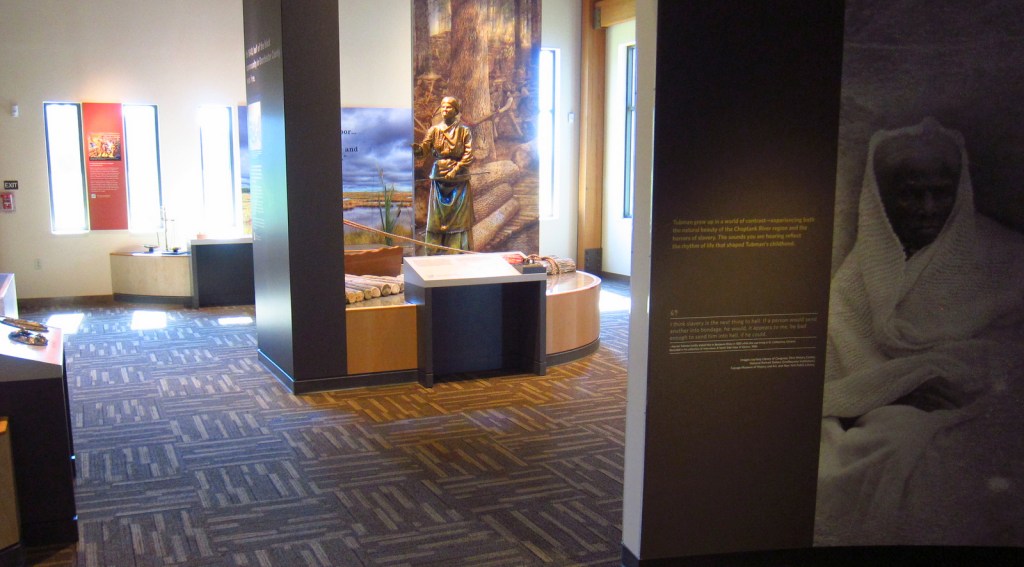
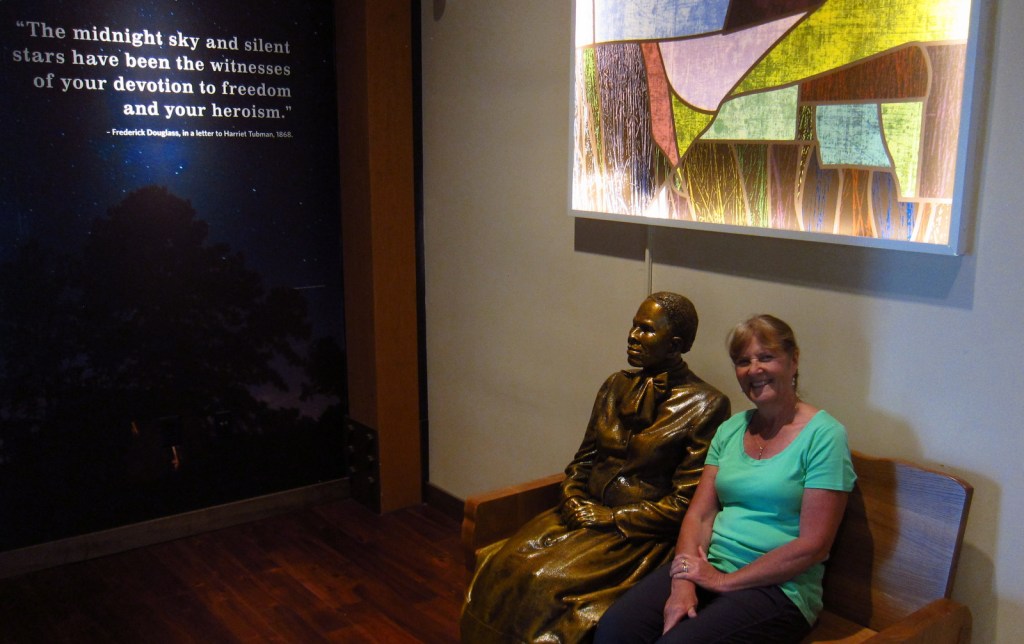
Harriet Tubman lived a hard life, as described in the exhibits at Harriet Tubman Underground Railroad State Park (museum opened in March 2017), managed in association with the National Park Service.  Pick up a map at the museum, then make as many stops as you wish along the 125-mile long Harriet Tubman Underground Railroad Byway, which offers a free downloadable audio guide.  You will definitely be inspired by the story of this brave conductor on the Underground Railroad.

Best Trail

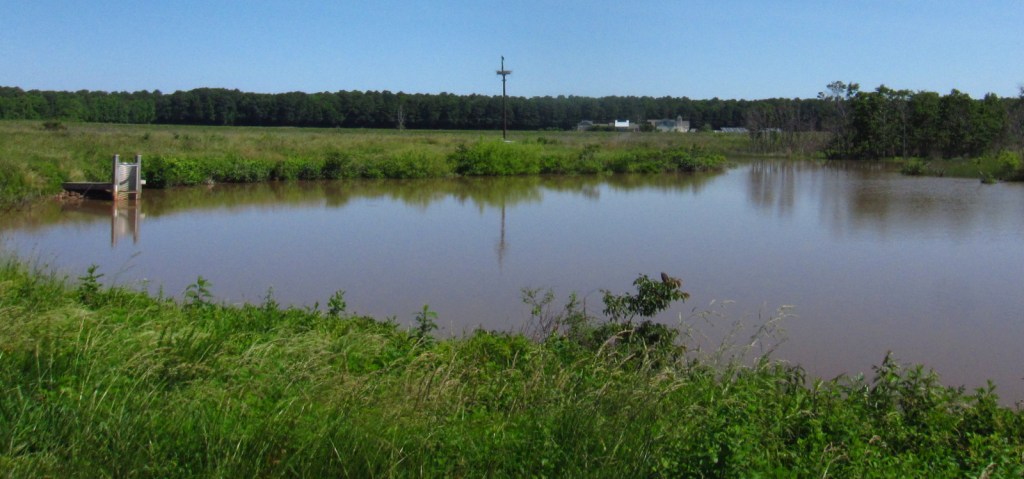
Near the museum at Harriet Tubman Underground Railroad State Park, 28,000-acre Blackwater National Wildlife Refuge is a great place to see ospreys and overwintering birds. The Key Wallace loop trail is 2.7 miles long.

Instagram-worthy Photo

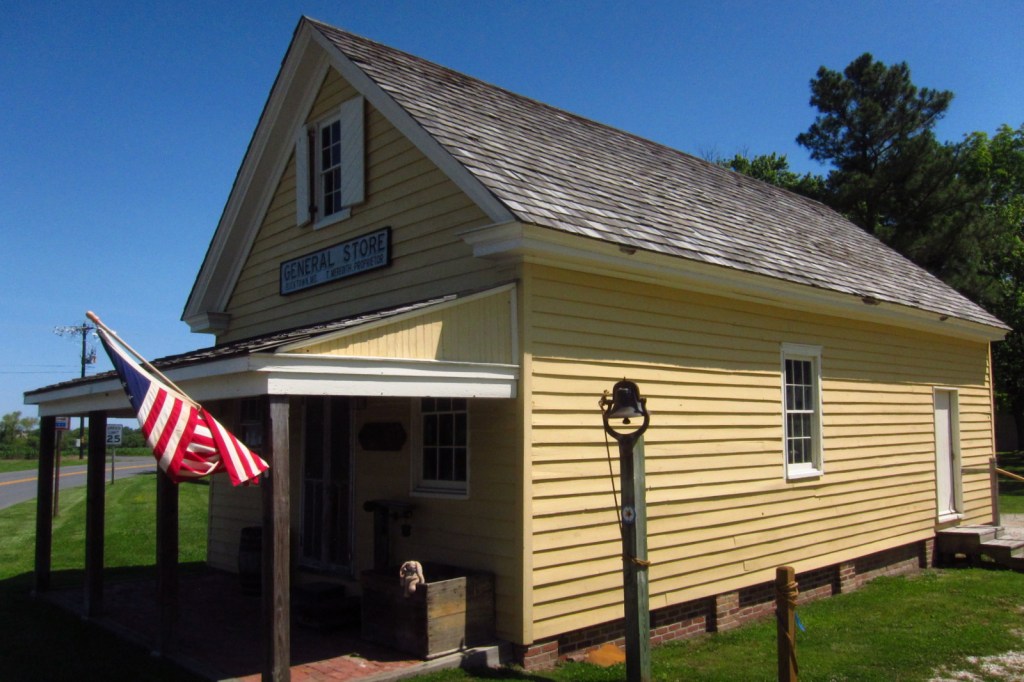
Bucktown Village Store has been restored to its 1800s appearance and is open to visitors.  Harriet Tubman accomplished amazing feats despite suffering seizures throughout her life from a skull fracture suffered at the Bucktown Village Store during her youth (see the photo below for the full story). 

Peak Season

Summer

Hours

https://www.nps.gov/hatu/planyourvisit/hours.htm

Fees

None, except at Blackwater National Wildlife Refuge, which is only $3 per vehicle and accepts America the Beautiful passes.

Road Conditions

All major roads are paved on the 125-mile long Harriet Tubman Underground Railroad Byway and the driving route is well-maintained through Blackwater National Wildlife Refuge. 

Camping

There are developed campgrounds at the northern end of Assateague Island National Seashore on Maryland’s Atlantic Coast.

Related Sites

Frederick Douglass National Historic Site (District of Columbia)

Assateague Island National Seashore (Maryland-Virginia)

First State National Historical Park (Delaware)

Explore More – Before it became a National Historical Park, when was Harriet Tubman Underground Railroad National Monument established?

Acadia National Park

Overview

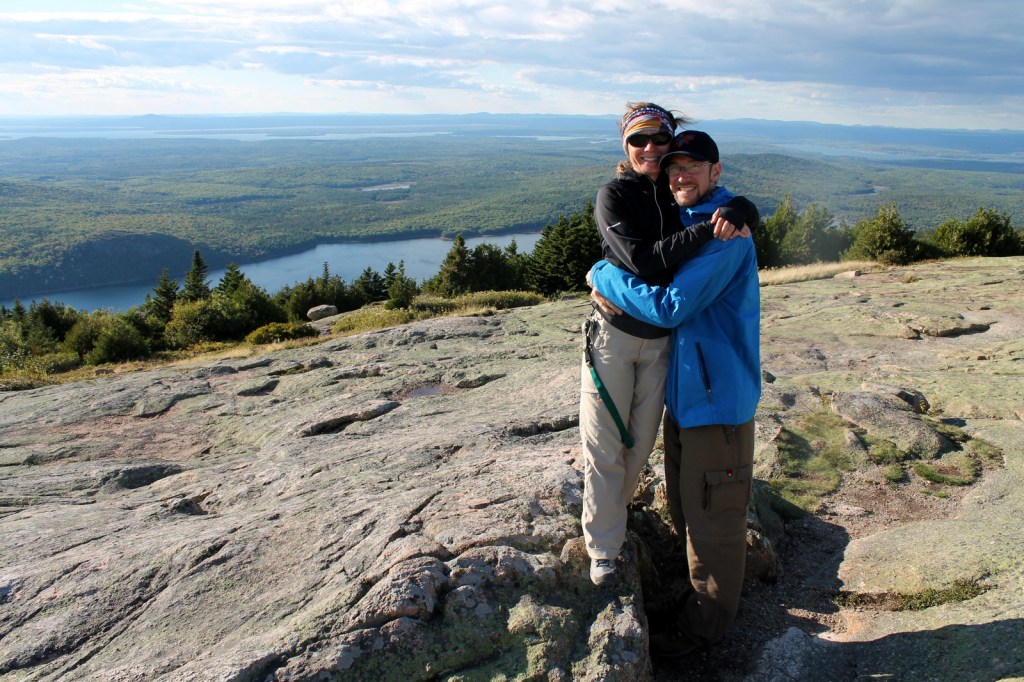
Acadia National Park in Maine is famous for its 45 miles of Carriage Roads and watching a sunrise from atop 1,530-foot tall Cadillac Mountain.  We recommend you plan your visit around attending a Star Party to view the night sky through dozens of telescopes.  We visited on a September weekend, and even though it was not yet leaf-peeping season, the main park road across Mount Desert Island was jam packed and parking spaces were difficult to come by.  [This is also one of 50 National Parks covered in our new guidebook]

Highlights

Cadillac Mountain, Precipice Trail, Bass Harbor Head Lighthouse

Must-Do Activity

If you don’t like crowds, then visit on a weekday and avoid Cadillac Mountain, Bar Harbor, Precipice Trailhead, Thunder Hole, Jordan Pond House, and Bass Harbor Head Lighthouse.  We preferred our time spent on the Schoodic Peninsula with its nice campground and unoccupied overlooks across the bay towards busy Mount Desert Island.

Best Trail

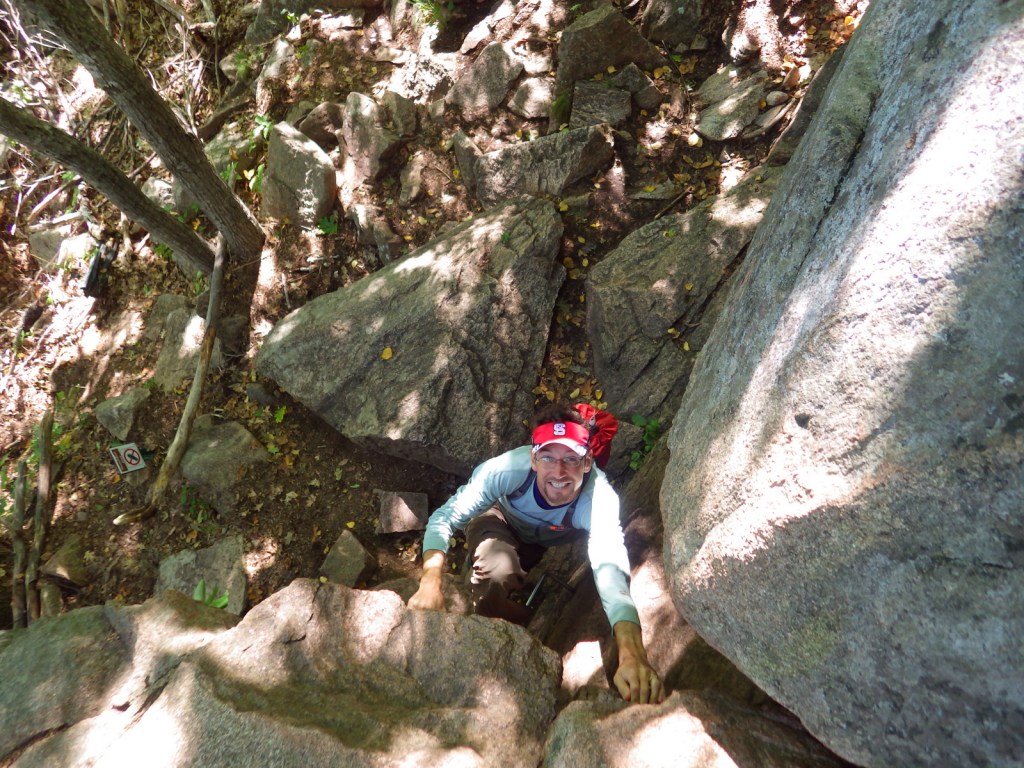
Iron rungs and ladders assist those who wish to climb the aptly named Precipice Trail.  The trail provides awesome Atlantic Ocean views from the cliffs on the way up to Champlain Mountain.  A 2.5-mile loop can be formed when combined with Champlain North Ridge and Orange & Black Trails.  Other “ladder trails” in the park include the Beehive and Perpendicular Trails.

Instagram-worthy Photo

Photographers hang out for hours waiting for sunset on the rocks below Bass Harbor Head Lighthouse.

Peak Season

Summer and fall

Hours

https://www.nps.gov/acad/planyourvisit/hours.htm

Fees

$30 per vehicle or America the Beautiful pass

Road Conditions

Most roads paved with the notable exception of the one that summits Schoodic Head.

Camping

There are several campgrounds in the park and we enjoyed our stay in the forested Schoodic Peninsula Campground, which opened in 2016.

Related Sites

Appalachian National Scenic Trail (Maine to Georgia)

Saint Croix Island International Historic Site (Maine)

Marsh-Billings-Rockefeller National Historical Park (Vermont)

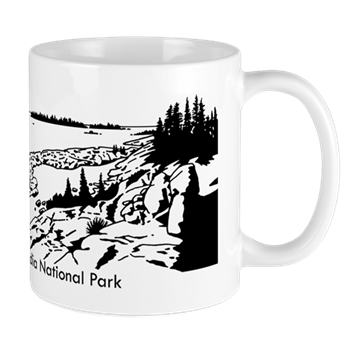
This design we created to celebrate Acadia National Park is available on a variety of products at Cafe Press and Amazon.

Explore More – What was the original name of this park when it was created on February 26, 1919 (the same day as Grand Canyon National Park)?

We are a participant in the Amazon Services LLC Associates Program, an affiliate advertising program designed to provide a means for us to earn fees by linking to Amazon.com and affiliated sites.

Top 10 Guidebooks to National Parks

Every major travel publisher (Fodors, Moon, Lonely Planet) has a guidebook to America’s National Parks, which all say the same things about where to go.  We recently published our first book to offer alternatives for those readers seeking to have unique National Park adventures.  You might guess where that one ended up on our Top 10 list, but we also recommend the following guidebooks. 

Know someone who loves National Parks? Gift them our travel guidebook A Park to Yourself: Finding Solitude in America’s 63 National Parks

10. Wildlife Watching in America’s National Parks: A Seasonal Guide by Gary W. Vequist & Daniel S. Licht (2013)

Tips abound in 12 chapters that cover the best spot to see wildlife each month of the year with excellent color photos.

9. 10 Best of Everything: National Parks: 800 Top Picks From Parks Coast to Coast by National Geographic (2011)

Brief descriptions of parks in a variety of categories introduce readers to units in the National Park Service (NPS) system beyond the 62 National Parks.

8. 50 Great American Places: Essential Historic Sites Across the U.S. by Brent D. Glass (2016)

A historian chooses his top 50 iconic American spots to visit, many of which are in the NPS system.

7. Uncle John’s Bathroom Reader Plunges into National Parks by Toney Allman, Jahnna Beecham, et al. (2007)

Beyond the funny stories, this book is actually full of interesting tidbits of information on National Parks that you might not learn anywhere else.

6. Ancient America: Fifty Archaeological Sites to See for Yourself by Kenneth L.  Feder (2016)

Many NPS units focus on archaeology and this succinct guide provides a solid background on many of the best sites spread across the country.

5. The West Less Traveled: The Best and Lesser Known Parks, Monuments, and Natural Areas by Jan Bannan (1996)

Out-of-print guide focused not solely on units in the NPS system that contains good detail on geology and ecology.

4. Guide to the National Park Areas: Eastern States by David L. Scott & Kay W. Scott (2004)

Out-of-print two-volume set includes all NPS units at the time, with great information for RV campers.

3. Your Guide to the National Parks: The Complete Guide to all 59 National Parks by Michael Joseph Oswald (2017)

An ambitious and in-depth exploration of the National Parks, including great detail on hiking trails and full-color maps.

2. Complete National Parks of the United States by National Geographic (2016)

Provides a brief description of all 400+ units in the NPS system, plus some of the affiliated sites.

1. A Park To Yourself: Finding Adventure in America’s National Parks by Scott Sink & Tiff Sink (2019)

As far as we know, our guidebook was the first one to include Indiana Dunes National Park, established February 15, 2019.

Honorable Mentions

National Parks: A Kids Guide to America’s Parks, Monuments, and Landmarks by Erin McHugh (2012)

This full-color, graphic-oriented children’s book is perfect for anyone collecting the 56 quarters in the U.S. Mint’s America the Beautiful collection.

Guide to the National Parks of the USA by National Geographic (2016)

Of the major publishers, National Geographic does the best job of summarizing each park, plus they include color photographs.

Know someone who loves National Parks? Gift them our travel guidebook A Park to Yourself: Finding Solitude in America’s 63 National Parks