Salt River Bay National Historical Park and Ecological Preserve

Overview

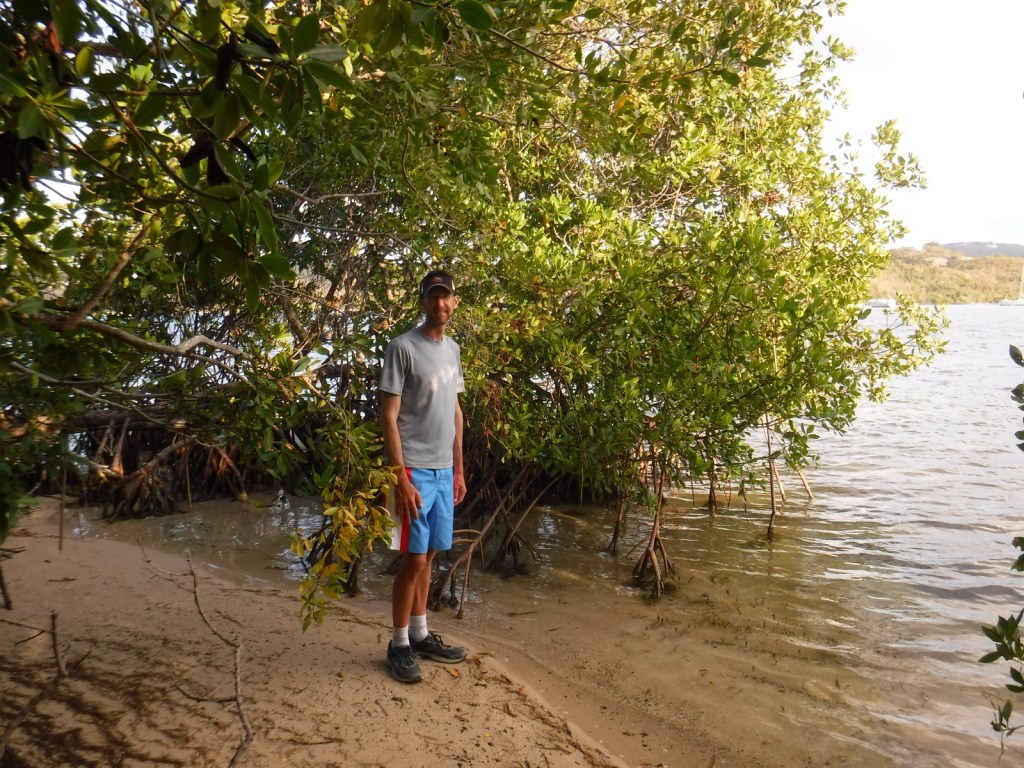
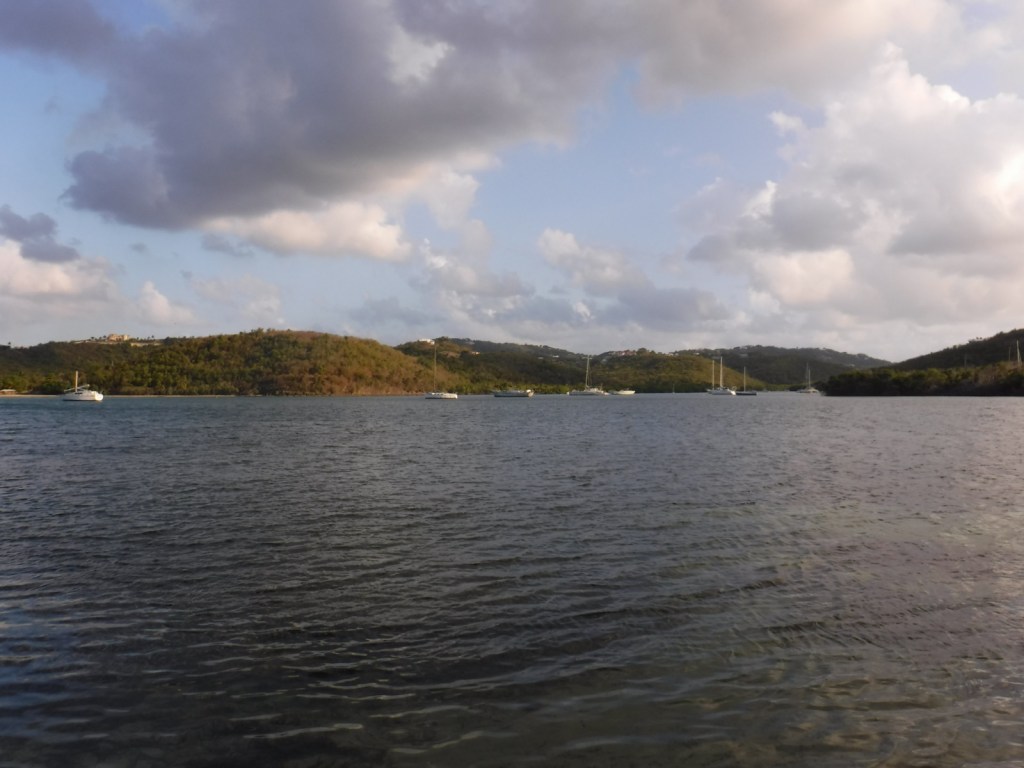
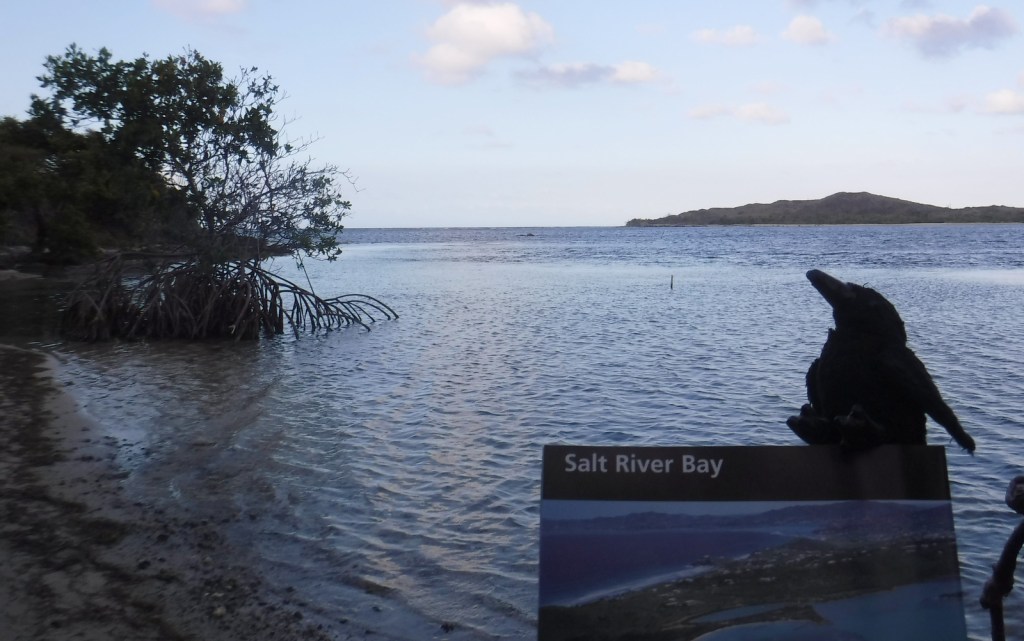
When the U.S. Virgin Islands chose a National Park Service (NPS) site for their quarter (see below) in the America the Beautiful coin collection they selected this undeveloped park, which we would rank worst of the five NPS units there.  Established in 1992, it contains the only place in the United States where Christopher Columbus’s men set foot 500 years ago (although that is now underwater).  The region is still recovering after Hurricanes Irma and Maria did extensive damage in 2017, including the removal of the NPS contact station here.
Highlights

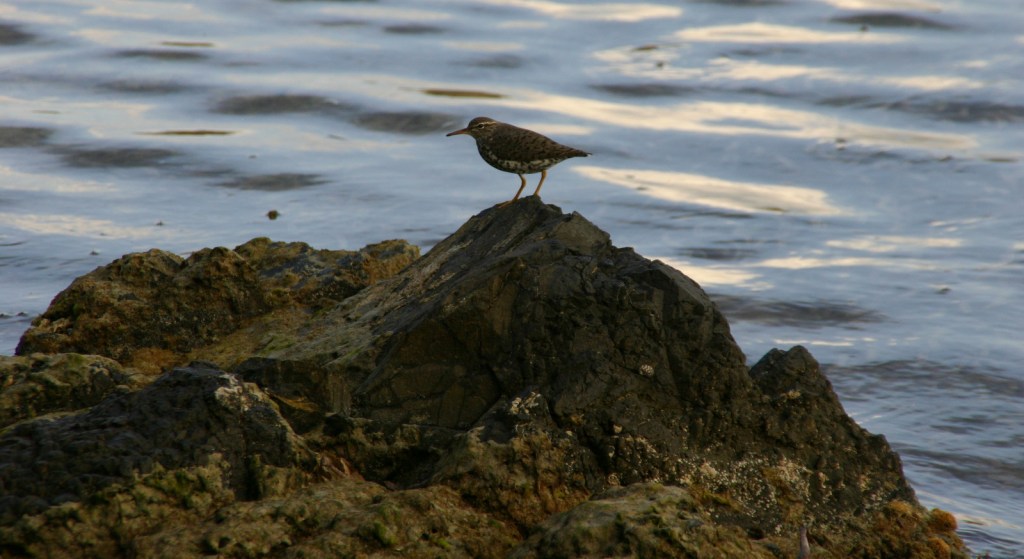
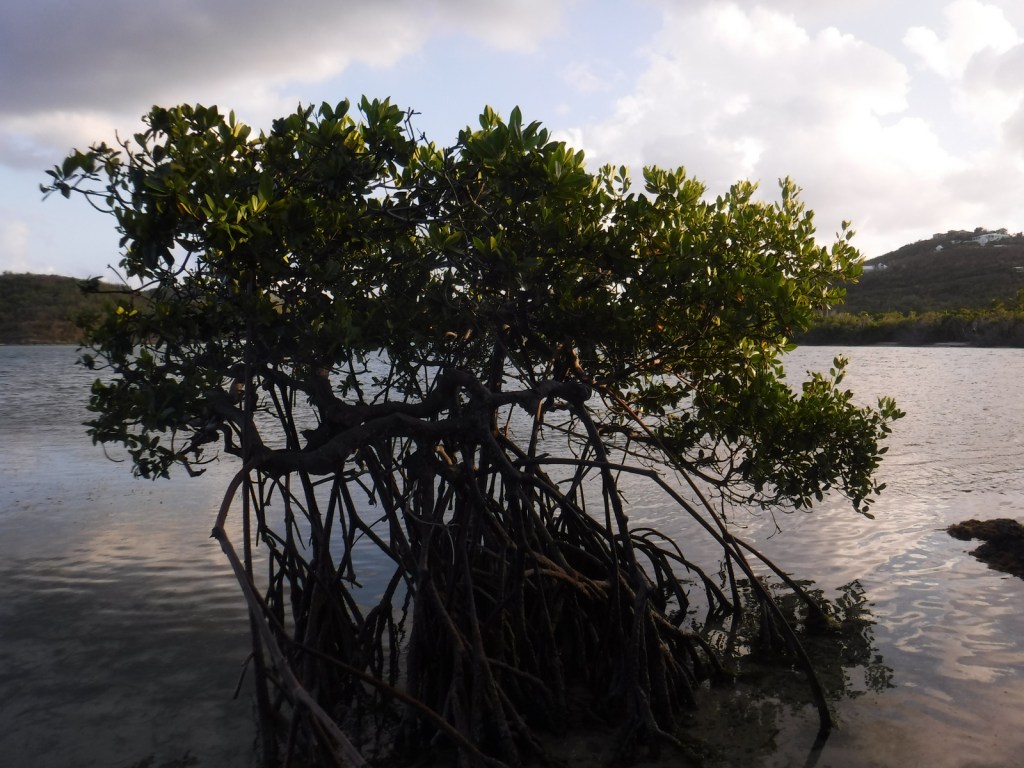
Mangroves, bioluminescent bay

Must-Do Activity

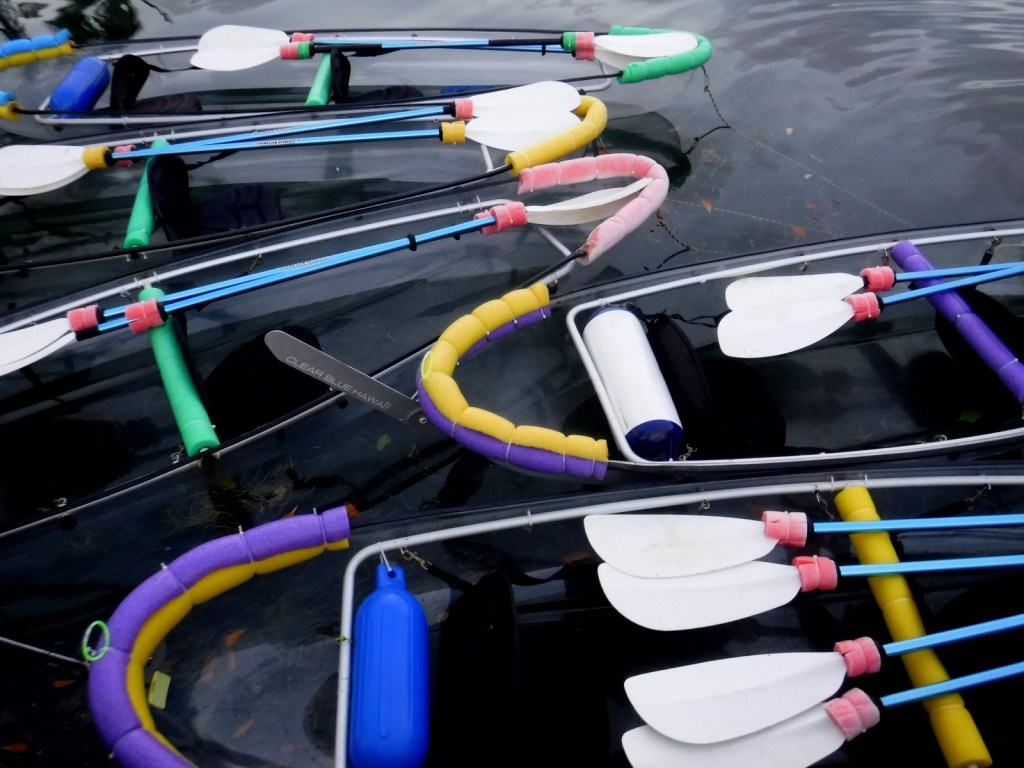
On St. Croix Island, the NPS has exhibits about this park at Christiansted National Historic Site, including descriptions of the western hemisphere’s first violent resistance by natives to European encroachment in 1493.  The park is completely undeveloped, including the archaeological sites.  The must-do activity is a kayaking trip after dark to Mangrove Lagoon to see the bioluminescent organisms there.  Plan your trip around a new moon when the darkness helps them show up better.  Do not bother bringing your waterproof camera, since it is nearly impossible to capture on film.

Best Trail

None

Instagram-worthy Photo

The long roots of mangroves help protect the shore from storm damage and provide a safe hiding place for small fish.

Peak Season

Spring

Hours

https://www.nps.gov/sari/planyourvisit/hours.htm

Fees

None, except for guided tours of the bioluminescent bay

Road Conditions

Access roads paved

Camping

There is no official campground, but locals have semi-permanent camps set up on the beach within Salt River Bay National Historical Park and Ecological Preserve and other parts of the island.  We found the best deals on St. Croix Island were available through Airbnb.

Related Sites

Buck Island Reef National Monument (U.S. Virgin Islands)

Christiansted National Historic Site (U.S. Virgin Islands)

Virgin Islands National Park (U.S. Virgin Islands)

Explore More – This park contains the only Taino ballcourt in the Caribbean built before Columbus’s arrival; when was it discovered?

We are a participant in the Amazon Services LLC Associates Program, an affiliate advertising program designed to provide a means for us to earn fees by linking to Amazon.com and affiliated sites.

Assateague Island National Seashore

Overview

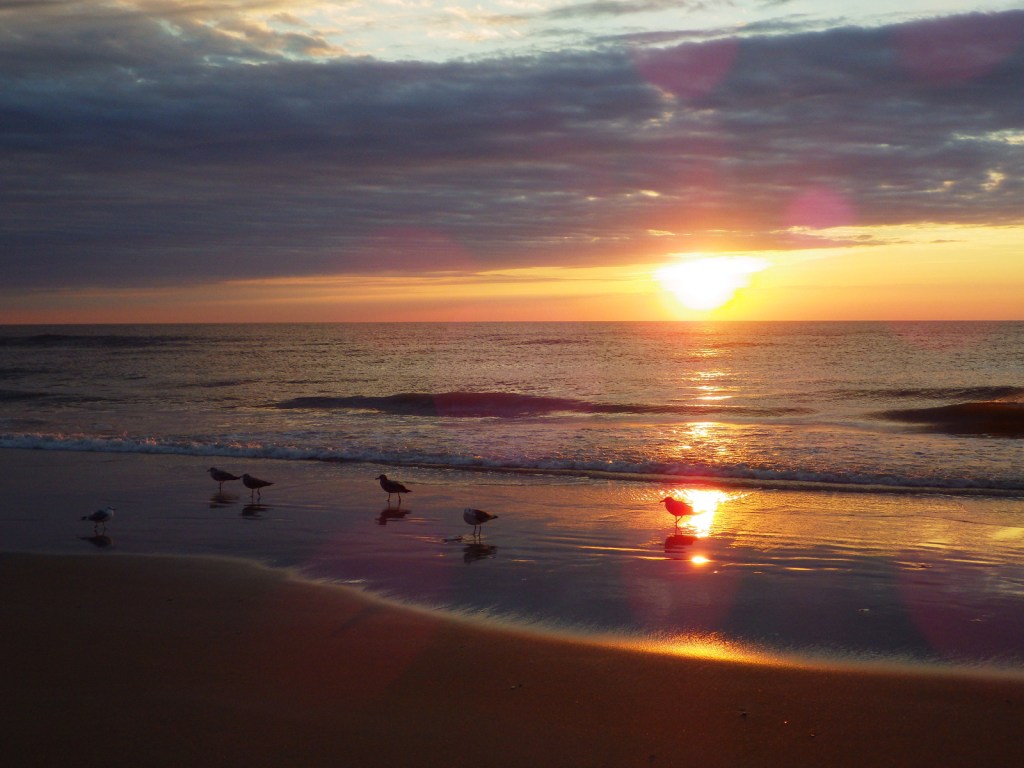
Assateague Island National Seashore was authorized in 1963, twenty years after neighboring Chincoteague National Wildlife Refuge was established to protect migratory birds, like the greater snow goose.  In combination with Assateague State Park they protect a 37-mile stretch of undeveloped shoreline that crosses the border of Maryland and Virginia (and is very close to Delaware).  The National Park Service (NPS) manages the National Seashore and the U.S. Fish and Wildlife Service manages the National Wildlife Refuge, but there is also an NPS visitor center at the refuge.

Highlights

Museum, film, Assateague Lighthouse, wildlife, kayaking, swimming, beachcombing

Must-Do Activity

Assateague Island’s most renowned residents are its wild ponies, purported to have swum ashore from a wrecked Spanish galleon.  Every year since the 1700s, the Chincoteague Volunteer Fire Company has herded the ponies that live on Assateague Island for an auction to raise funds for firefighting.  This annual event was chronicled in the classic children’s book Misty of Chincoteague by Marguerite Henry (which made our Top 10 NPS Novels list).  The ponies can often spotted by hikers on the Woodland Trail, a three-mile loop hike.  Nearby there is also a free NASA visitor center at Wallops Flight Facility where they launch rockets.
Best Trail

We mentioned the Woodland Trail above, but this park is all about walking the beach, especially the 10 miles of wild beach only accessible by foot within Chincoteague National Wildlife Refuge.

Instagram-worthy Photo

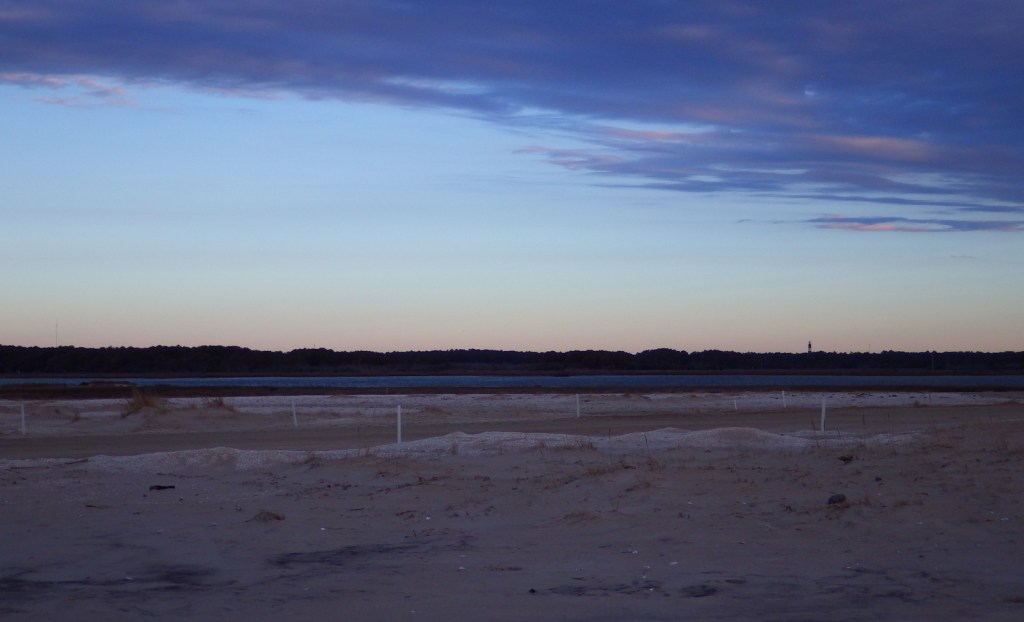
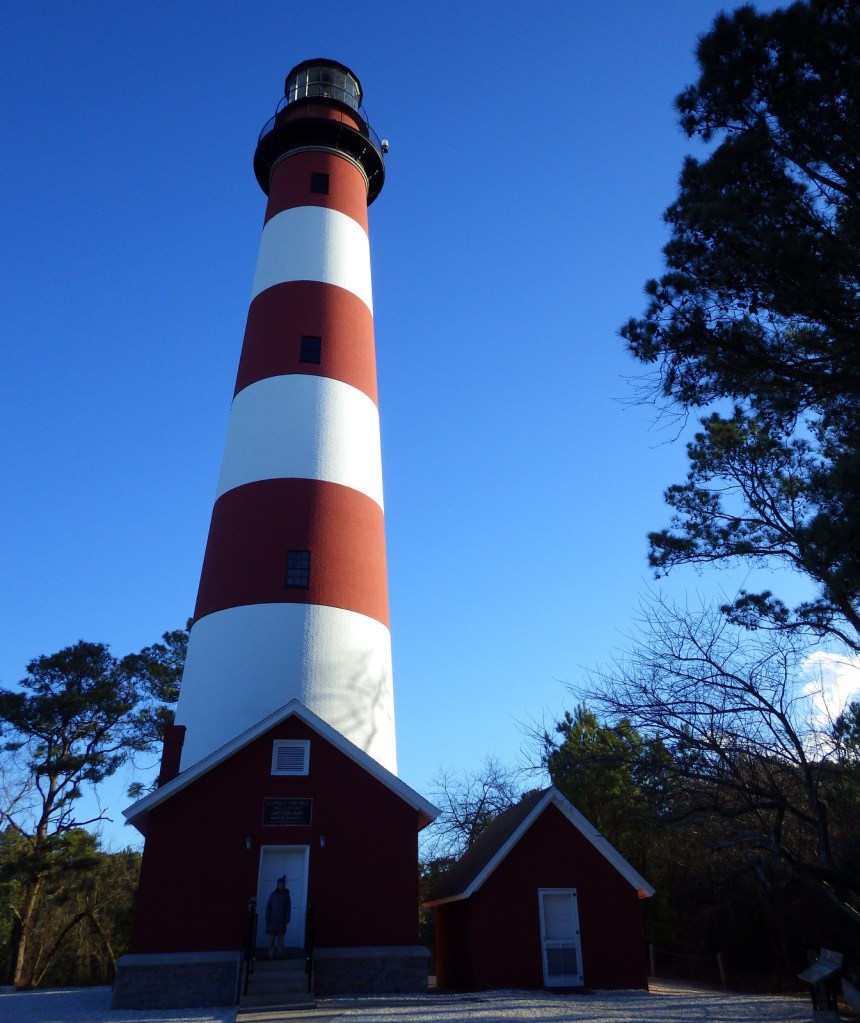
The first Assateague Lighthouse was built in 1833, while the structure seen today was completed in 1867.

Peak Season

Summer

Hours

https://www.nps.gov/asis/planyourvisit/hours.htm

Fees

$25 per vehicle or America the Beautiful pass

Road Conditions

The access roads are paved, but with a permit you can drive 13 miles of beach on the Maryland side and five miles on the Virginia side.  It takes about 1.2 hours to drive the highways between the north and south bridges to Assateague Island.

Camping

On the Maryland side, the NPS operates two campgrounds with cold showers, but the one in Assateague State Park offers hot showers.  Two oceanside backpacking camps and four bayside kayak-in camps are also available by permit.

Related Sites

Harriet Tubman Underground Railroad National Historical Park (Maryland)

First State National Historical Park (Delaware)

Cape Hatteras National Seashore (North Carolina)

Explore More – Not just a safe haven for wild ponies, where in the National Seashore do seahorses anchor to underwater grasses?

Top 10 Natural Bridges/Arches at NPS Sites

Although they look similar and are often listed together, arches are primarily wind formed, while natural bridges are carved by flowing water (though few still have water running beneath them).  The burnt-orange sandstone of southern Utah is famous for its numerous holes in the rock, as evidenced by the list below.  However, there are some other notable instances of these geologic features located throughout the National Park Service (NPS) system.  Click here to see all of our Top 10 Lists.

10. Channel Islands National Park (California)

A ferry ride out to Anacapa Island will swing by Arch Rock rising out of the Pacific Ocean

9. Zion National Park (Utah)

310-foot Kolob Arch is tucked against a cliff, so it is hard to see and harder to photograph

8. Golden Spike National Historic Site (Utah)

You can drive right up to the natural limestone Chinese Arch

7. Capitol Reef National Park (Utah)

Brimhall Natural Bridge is not easy to get to (it may require a swim), but it is incredible

6. Pictured Rocks National Lakeshore (Michigan)

It is a challenging eight miles roundtrip to kayak through Petit Portal on Lake Superior

5. Canyonlands National Park (Utah)

Seeing Druid Arch and Angel Arch requires two long day hikes, but both are worth the effort

4. Big South Fork National River and Recreation Area (Tennessee-Kentucky)

It is an easy two-mile hike to see the massive Twin Arches (which are actually natural bridges)

3. Natural Bridges National Monument (Utah)

Three impressive natural bridges, including the 268-foot span of 220-foot tall Sipapu Bridge, which is second only to…

2. Rainbow Bridge National Monument (Utah)

290-foot tall Rainbow Bridge (the largest natural bridge in the world) is surrounded by Glen Canyon National Recreation Area

…and finally the #1 NPS site for natural bridges or arches:

1. Arches National Park (Utah)

This park contains 2,500 wind-carved holes ranging in size from a minimum of three feet to 290-foot wide Landscape Arch (the fifth longest span in the world)

Honorable Mentions

Bryce Canyon National Park (Utah)

No surprise that you can also find these impressive geologic features in the fifth National Park in southern Utah

Big Bend National Park (Texas)

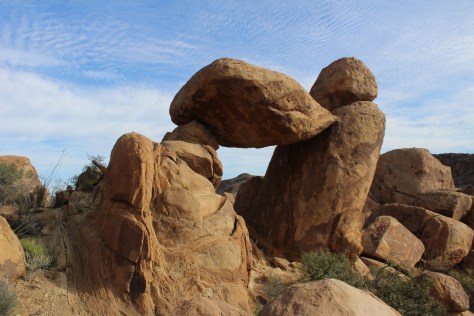
Balanced Rock does not technically count as either an arch or a natural bridge, but it is neat

Hawai‘i Volcanoes National Park (Hawai‘i)

Holei Sea Arch still exists but its access trail was destroyed by lava flows

Apostle Islands National Lakeshore (Wisconsin)

The sea caves were formed by wave action on Lake Superior

Natural Bridges National Monument

Natural Bridges National Monument

Utah

Managed by National Park Service

Established 1908

7,636 acres

Website: nps.gov/nabr

Overview

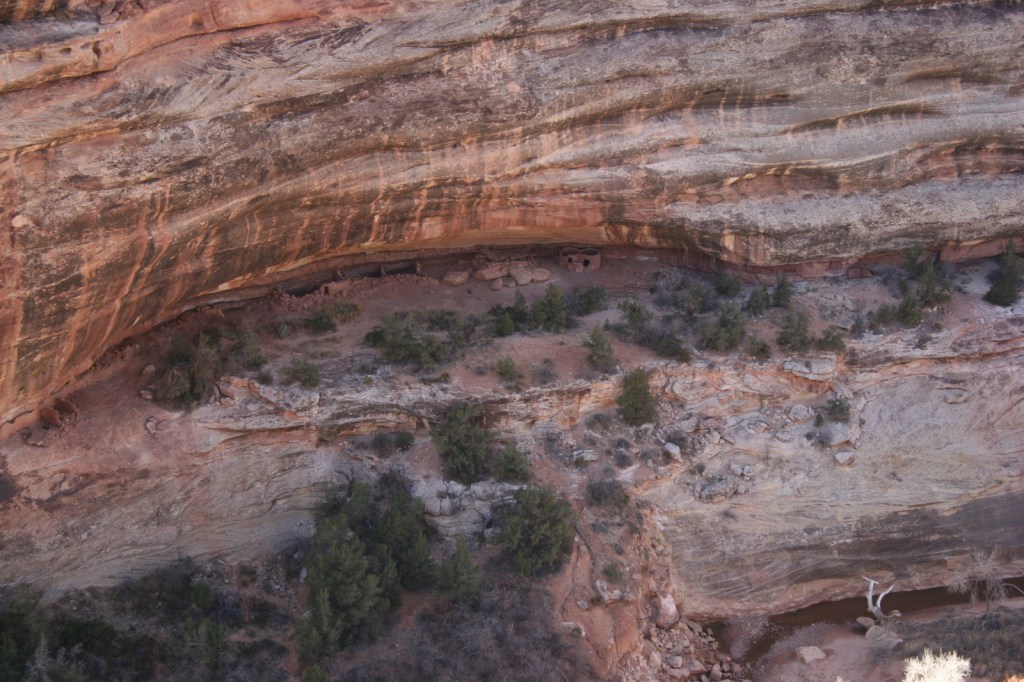
South of Canyonlands National Park is isolated Natural Bridges National Monument.  First established by President Theodore Roosevelt in 1908, it was not accessible by road until uranium mining developed this part of Utah in the 1950s.  As you may recall from our post on Arches National Park, bridges are created by flowing water, unlike arches that are primarily carved by wind.

Know someone who loves exploring new National Monuments? Gift them our book Monumental America: Your Guide to All 138 National Monuments that is available for sale on Amazon.com.

Highlights

3 huge natural bridges, scenic views, ruins, hiking, stargazing

Must-Do Activity

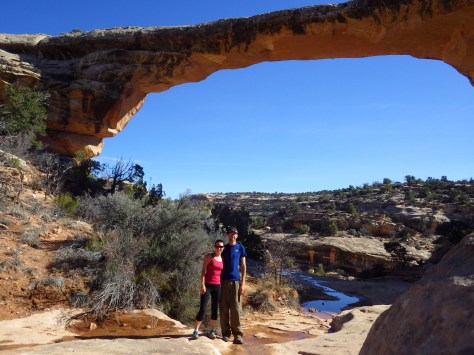
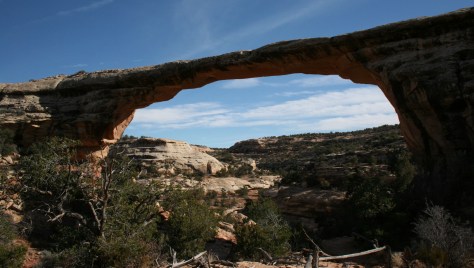
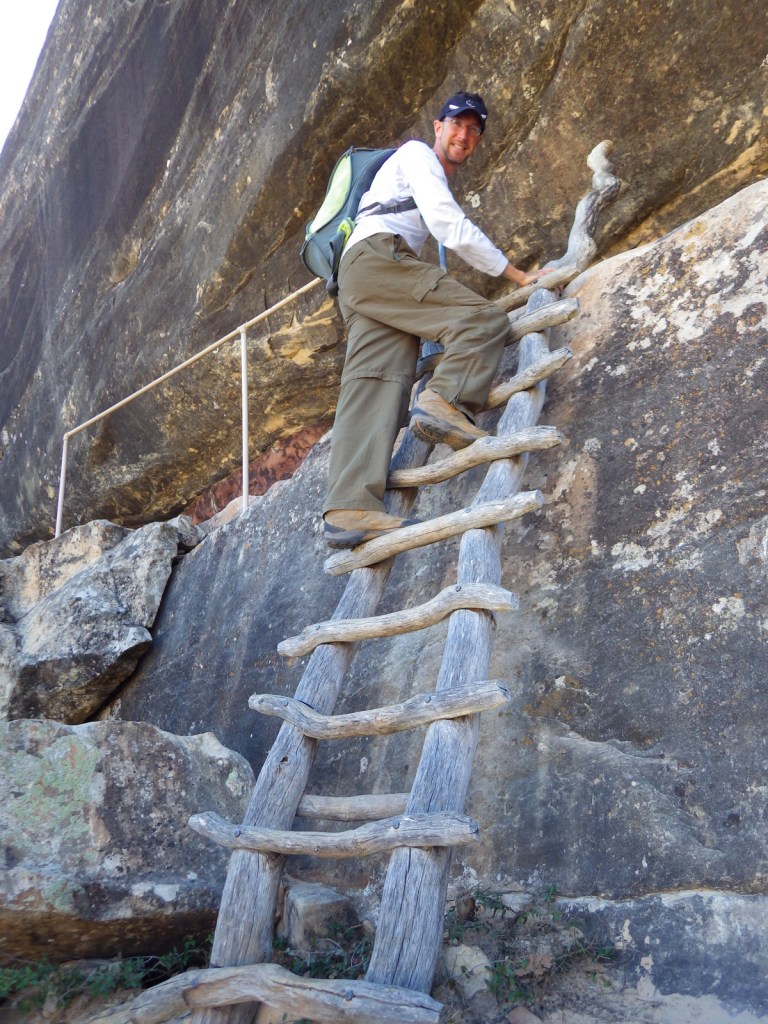
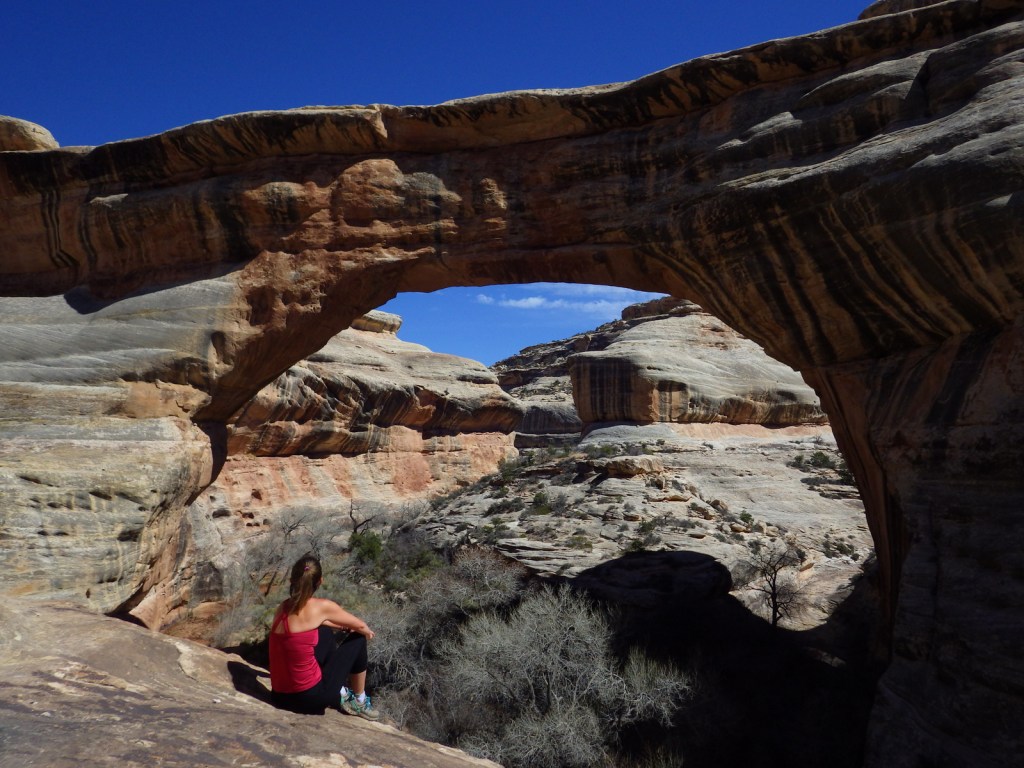
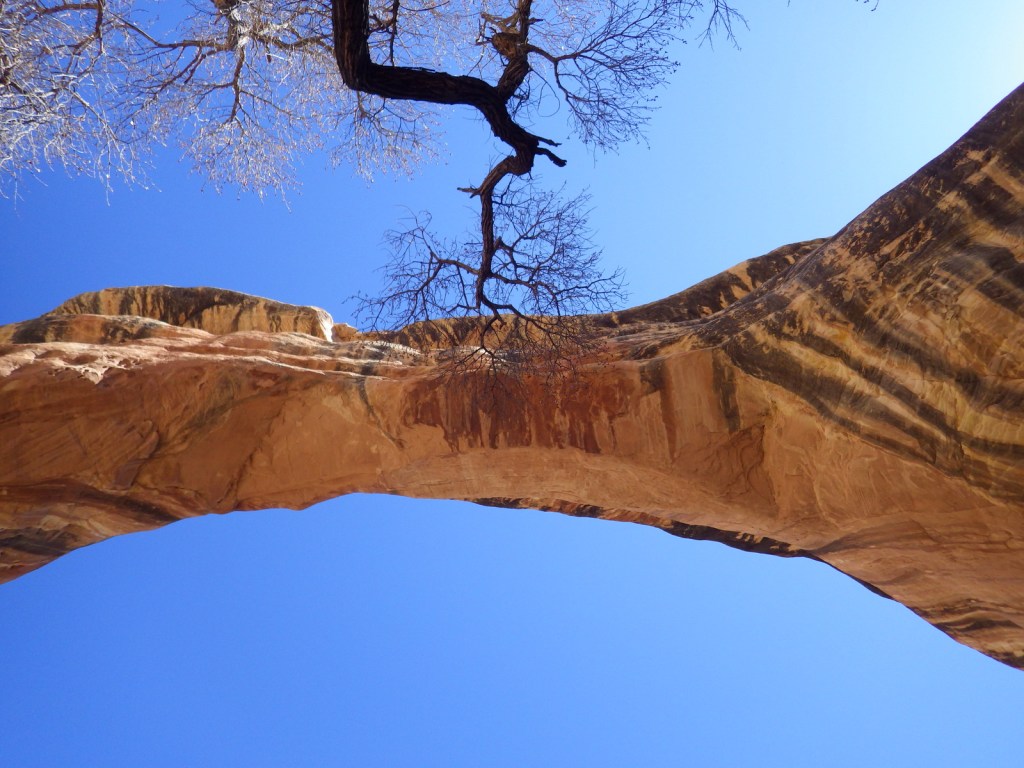
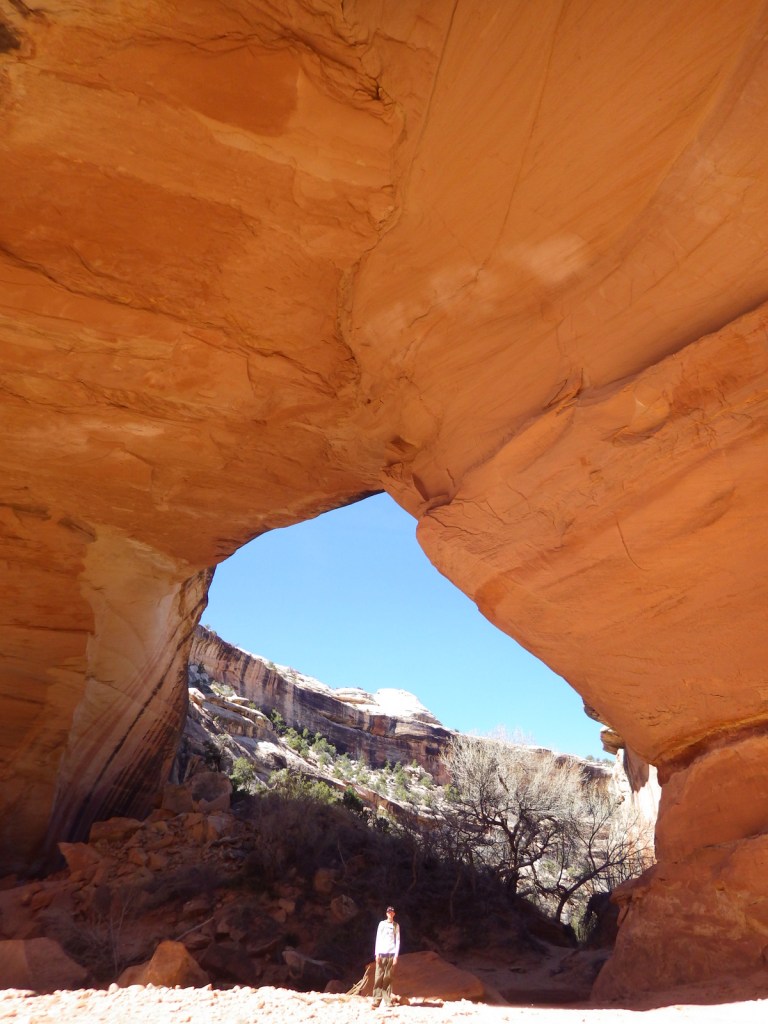
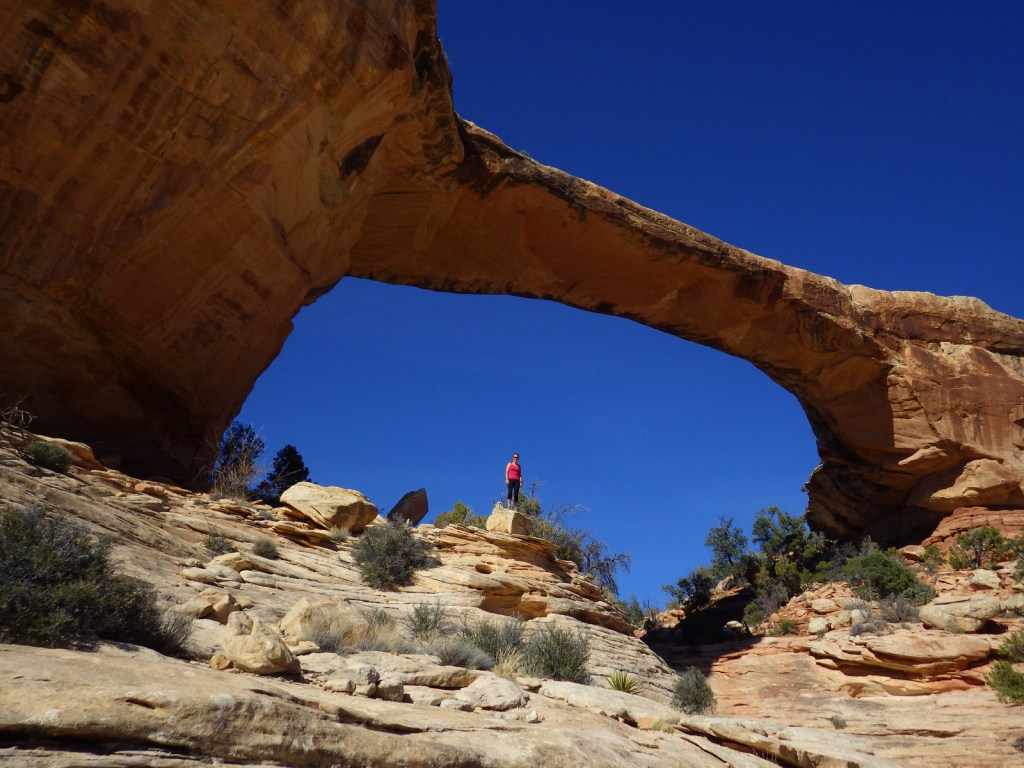
The monument is home to 220-foot tall Sipapu Bridge, which is second only to Glen Canyon’s Rainbow Bridge as the largest in the world.  Kachina Bridge, at 210 feet and growing, may catch up to it someday.  Perhaps the most visually striking of the three standing bridges is the 180-foot span of Owachomo Bridge that is only nine feet thick at its center.  Handicap accessible overlooks are available along Bridge View Drive.

Best Trail

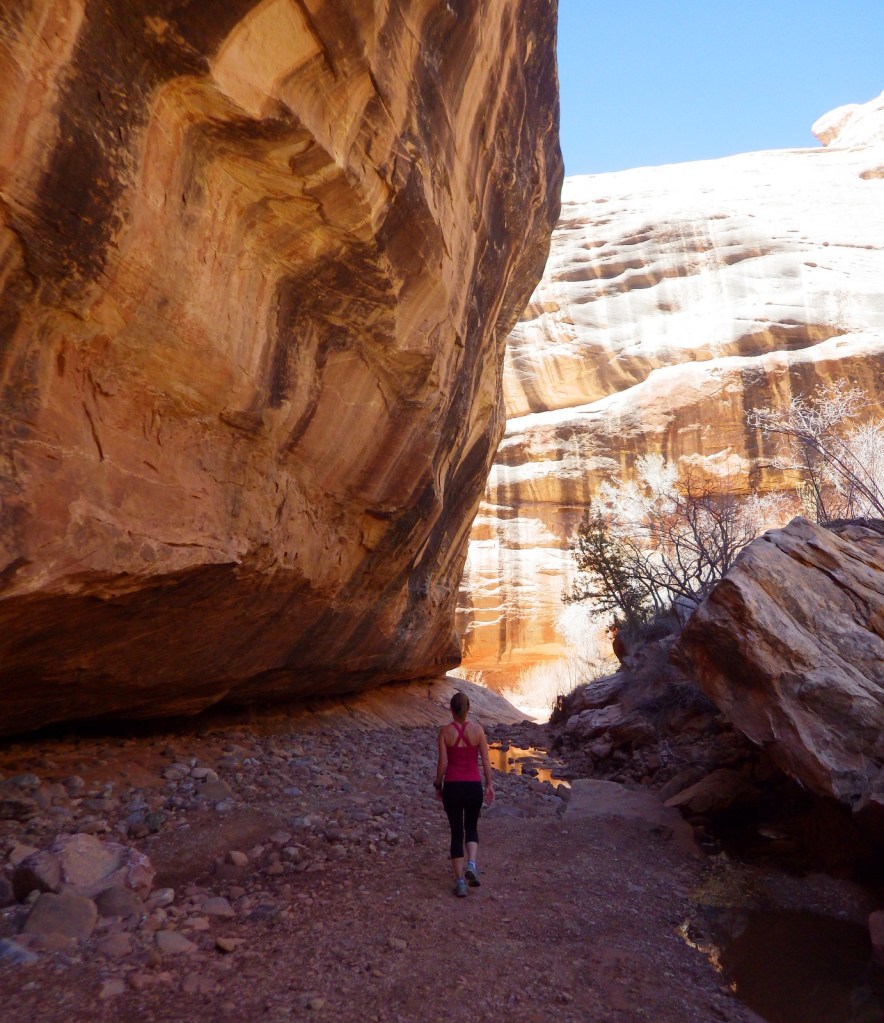
A nine-mile loop hike connects all three natural bridges, which are also accessible by shorter trails from the rim drive.  Do not attempt this rugged trek if you are not prepared; it is a rocky canyon bottom at high elevation with little shade.

Instagram-worthy Photo

Owachomo Bridge is the oldest of the three standing natural bridges in the National Monument.

Peak Season

Summer

Hours

https://www.nps.gov/nabr/planyourvisit/hours.htm

Fees

$20 per vehicle or America the Beautiful pass

Road Conditions

All roads paved

Camping

The secluded nature of this region and its elevation of 6,500 feet were factors in naming it the first International Dark Sky Park in 2007.  If you make it out this far, you might want to spend the night under the stars at the campground.

Related Sites

Rainbow Bridge National Monument (Utah)

Bryce Canyon National Park (Utah)

Capitol Reef National Park (Utah)

Nearest National Park

Canyonlands

Explore More – In 1992, how many tons of rock fell from Kachina Bridge (the youngest of the three)?

Learn more about the other 137 National Monuments in our book Monumental America: Your Guide to All 138 National Monuments

Frederick Law Olmsted National Historic Site

Overview

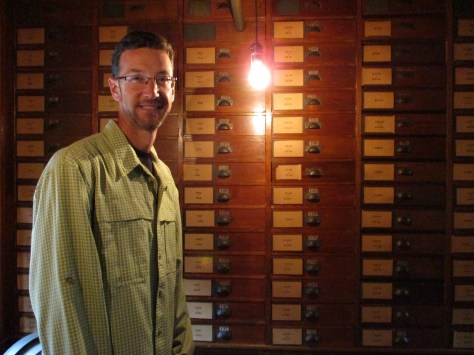
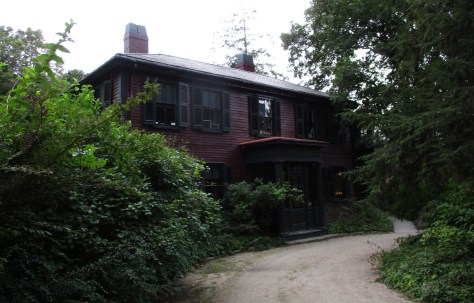
Frederick Law Olmsted, Sr. (1822-1903) is considered the founder of American landscape architecture.  His most famous designs include New York City’s Central Park and the Biltmore Estate in North Carolina, but he also created the protective ramada for Casa Grande Ruins National Monument in Arizona.  This seven-acre site outside Boston, Massachusetts was authorized in 1979 to preserve his house and the Olmsted Archives for future researchers.

Highlights

Museum, film, office tour, Olmsted Archives

Must-Do Activity

In 1883, Frederick Law Olmsted, Sr. moved to Brookline, Massachusetts to establish the world’s first landscape design office.  Self-guided exhibits and a short film inside his home (called Fairsted) are a good place to start before a ranger-guided tour of his office space full of historical artifacts and documents.  Occasionally, rangers lead tours of some of Olmsted’s parks in “The Emerald Necklace” of Boston.

Best Trail

There is a short path on the property and you can also walk to nearby Brookline Reservoir.

Instagram-worthy Photo

Relax on the veranda of Fairsted before or after your tour, which is especially nice when it is raining like during our visit.

Peak Season

Summer

Hours

https://www.nps.gov/frla/planyourvisit/hours.htm

Fees

None

Road Conditions

All roads are paved, but the parking lot is small and street parking in the surrounding neighborhood may be necessary.  It is a bit of a walk from the Brookline Hills Subway Station.

Camping

Wompatuck State Park south of Boston has the nearest large campground, but camping is also allowed in parts of Boston Harbor Islands National Recreation Area.

Related Sites

Boston National Historical Park (Massachusetts)

Adams National Historical Park (Massachusetts)

Longfellow House – Washington’s Headquarters National Historic Site (Massachusetts)

Explore More –Frederick Law Olmsted’s 1865 report was influential in the protection of which “crown jewel” of the National Park Service System?