Introduction to our new guidebook to National Monuments

We are excited to announce the publication of our newest guidebook Monumental America: Your Guide to All 138 National Monuments.  It is now available for sale on Amazon.

In our previous post, we promised to share the Introduction to the book, which is included in the post below.

Check out our Amazon.com Author Page and Shop tab for all four of our U.S. travel guidebooks, plus our coloring book and other products!

Introduction

While numerous guidebooks exist for the United States of America’s National Parks, this is the first ever volume dedicated to recreation in all 138 National Monuments.  Altogether, they cover 18.4-million acres of public land across 33 states and territories, plus 759-million acres of ocean in the five expansive Marine National Monuments created since 2006.  Only 40 National Monuments have an entry fee, while the others provide free opportunities to learn about history or enjoy the outdoors.  The mission of this guidebook is to introduce readers to the diversity of National Monuments by providing information on what makes each of them worthy of protection and how to go about experiencing what they have to offer. 

National Monuments feature internationally recognized icons like the Statue of Liberty, as well as overlooked places that even locals rarely visit.  They protect fossil quarries, historic homes of important Americans, caves open for exploration, sites significant to the Civil Rights Movement, volcanic wonders, relics of indigenous cultures, old military forts, and whitewater rafting spots.  Select National Monuments have visitor centers and guided tours, while others are undeveloped wildlands encompassing everything from deserts to glaciers, including wetlands, sand dunes, and coastlines that provide habitat for countless species of wildlife.  Whatever you are interested in, there is a new adventure out there waiting.

Monumental America is a culmination of our extensive travels seeking out the most spectacular trees, wildlife, waterfalls, caves, rivers, arches, houses, ruins, forts, and civil rights sites in National Monuments.  Less than 80 of the 138 National Monuments are managed exclusively by the National Park Service, while others fall under the jurisdiction of the U.S. Forest Service, Bureau of Land Management, U.S. Fish and Wildlife Service, National Oceanic and Atmospheric Administration, and Department of Defense, as well as some state agencies and tribal governments.  The federal agencies provide a plethora of information on their websites, including maps, updated hours and entry fees, and current road conditions.

We focused on hiking in this book as a way to explore each National Monument without needing any special equipment or skills.  America’s National Monuments offer a variety of other recreational opportunities to enjoy the outdoors: camping, backpacking, picnicking, wildlife watching, birding, photography, hunting, fishing, swimming, whitewater rafting, boating, kayaking, canoeing, stand-up paddleboarding, horseback riding, mountain biking, road biking, rock climbing, caving, rockhounding, four-wheeling, scenic driving, snowshoeing, and cross-country skiing, not to mention the more extreme sports like hang gliding and ice climbing.  National Monuments have something for everyone.

History

Most National Monuments have been created unilaterally by the U.S. President under the authority of the Antiquities Act of 1906 without Congressional approval.  The Antiquities Act states that the president may set aside “historic landmarks, historic and prehistoric structures, and other objects of historic or scientific interest.”  President Theodore Roosevelt was the first to utilize this power to protect small cultural sites like Gila Cliff Dwellings and vast wildernesses like the Grand Canyon.  The legality of this executive action has been questioned and debated for over a century. 

While Roosevelt was a Republican, the last member of that party to create a new National Monument in the western U.S. was President Herbert Hoover when in 1933 he set aside 10,288 acres of the Black Canyon of the Gunnison in Colorado.  Smaller historic sites, like Kentucky’s Fort Nelson in 2018, have continued to be preserved by executives of both political parties.  Many of our treasured 63 National Parks started as National Monuments, including all three in Arizona, five of nine in California, four of five in Utah, and, most recently, White Sands in New Mexico after nearly 90 years as a National Monument. On the other end of the spectrum, South Carolina’s Reconstruction Era National Historical Park (established in 2019) was a National Monument for only two years.

Less often, National Monuments are established through congressional bills that go through both the Senate and House of Representatives, such as George Washington Birthplace in Virginia, Hagerman Fossil Beds in Idaho, Grand Portage in Minnesota, Newberry Volcanic in Oregon, and Mill Springs Battlefield in Kentucky. 

While Wyoming boasts the first National Monument ever established at Devils Tower, in 1950 it became the first state to block any future U.S. President from unilaterally designating new National Monuments larger than 5,000 acres after residents protested the creation of Jackson Hole National Monument (now part of Grand Teton National Park).  Congress did use their authority to make 8,198-acre Fossil Butte National Monument in the state in 1972. 

On December 1, 1978, President Jimmy Carter utilized the Antiquities Act to set aside 56-million acres within 17 National Monuments across Alaska.  His actions led many Alaskans to protest and Fairbanks residents to burn the president in effigy.  Two years later, with the congressional passage of the Alaska National Interest Lands Conservation Act (ANILCA), most of the land was redesignated under different categories, mainly as National Parks and National Preserves.  Later, Congress effectively created a 5,000-acre limit on presidential National Monument designations in Alaska, which has been respected in the decades since.

The court system has continually approved the U.S. President’s ability to use the Antiquities Act in this way, although it has not always been popular, especially with industries based on natural resource extraction. Recently, Bears Ears and Grand Staircase–Escalante National Monuments in Utah have been the subject of political ping-pong as their boundaries have been adjusted.  There is a long history of abolishing and redesignating National Monuments, which we highlighted in the introduction for each state.

Monumental America is organized alphabetically by state and each of the 138 National Monuments features the same categories for ease of navigation, starting with the total acreage and the year each was officially designated.

When To Visit

These are the preferred seasons to visit for the best weather.  Some places are snowed-in most of the year while others get unbearably hot in the summer, and a few are pleasant year-round.  It is worthwhile to check online before making a trip since many of the historic sites are closed seasonally and only open certain days of the week.

How It Got Its Name

When we started writing this book, we were unsure of the pronunciation of some of the names of the National Monuments, so we enjoyed learning the history and etymology of why each of them got their specific moniker.

Why It Was Created

Some National Monuments were established to protect a small historic site, while others preserve thousands of acres of undeveloped public land.  We provided some basic background information as to why each place was deemed worthy of its special designation, plus a basic history of the site.

What To See

Presented in list form, these are the places that we frequently came across in our research of a particular National Monument.  They may not be the busiest spots, or include everyone’s personal favorite, but they do tend to be more developed for visitation. 

How To Visit

National Monuments vary greatly in size and development for recreation, so we provided a basic introduction on how most visitors approach their first trip, although there is no wrong way to do it. 

How Much Does It Cost

98 National Monuments have no entry fee!  We noted this at the beginning of each chapter, although we still covered relevant costs for guided tours and ferries, if applicable.  Most admission fees apply at sites managed by the National Park Service where it may save money to purchase an annual America the Beautiful Pass (and if you qualify for discounted senior, access, and military cards you also receive half-off on all tours and campsites). 

Where To Hike

A few National Monuments have extensive trail networks, so we chose one hike that is reasonably easy and provides a good introduction to the area.  Not every site has designated trails, though, and a hike may instead involve city sidewalks or cross-country exploration. 

What To Photograph

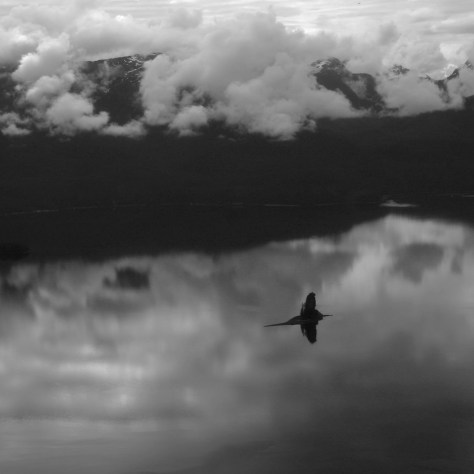
In this book we used black-and-white photography in homage to Ansel Adams, who did so much with his stunning imagery to popularize Canyon de Chelly and other National Monuments that later became National Parks.  We selected one original photograph for the 127 National Monuments we have personally visited (not including four Marine National Monuments, three fly-in sites in Alaska, two that are closed to public access in Arizona and Texas, and two new ones in Maine and Pennsylvania). 

How Are The Roads

Not all roads in National Monuments are paved, so we explained which ones actually require a high-clearance vehicle and should be avoided by RVs, as well as covering seasonal road closures.

Where To Camp

Most National Monuments managed by the National Park Service do not allow camping and some of the undeveloped areas do not have any campgrounds.  In these cases, we researched where to stay at nearby State Parks or private campgrounds with RV hookups.  There are often dispersed primitive options for car camping on back roads managed by the U.S. Forest Service and Bureau of Land Management.  Backpacking is a popular activity in some National Monuments, so we clarified if permits are required and where to get them.

We have posts on many National Monuments and other public lands with color photographs on our travel website (RavenAboutTheParks.com).

We hope that Monumental America provides inspiration for your own monumental explorations.

Adventure on! 

–Scott and Tiff

We published Monumental America: Your Guide to All 138 National Monuments!

We are excited to announce the publication of our newest guidebook Monumental America: Your Guide to All 138 National Monuments.  It is now available for sale on Amazon.

The mission of our guidebook is to introduce readers to the diversity of National Monuments by providing information on what makes each of them worthy of protection and how to go about experiencing what they have to offer.  National Monuments cover a broad range of sites of historic and geologic interest from as small as 0.07 of an acre up to 2.2-million acres in size.  

While numerous guidebooks exist for the United States of America’s National Parks, this is the first ever volume dedicated to recreation in all 138 National Monuments.  Altogether, they cover 18.4-million acres of public land across 33 states and territories, plus 759-million acres of ocean in the five expansive Marine National Monuments created since 2006.  Only 40 National Monuments have an entry fee, while the others provide free opportunities to learn about history or enjoy the outdoors.

National Monuments feature internationally recognized icons like the Statue of Liberty, as well as overlooked places that even locals rarely visit.  They protect fossil quarries, historic homes of important Americans, caves open for exploration, sites significant to the Civil Rights Movement, volcanic wonders, relics of indigenous cultures, old military forts, and whitewater rafting spots.  A select few National Monuments have visitor centers and guided tours, while others are undeveloped wildlands encompassing everything from deserts to glaciers, including wetlands, sand dunes, and coastlines that provide habitat for countless species of wildlife.  

Whatever you are interested in, there is a new adventure out there waiting!

Please keep your eye out for our next post with the Introduction to our new guidebook. Check out our entire selection of U.S. travel guidebooks on our Amazon.com Author Page.

We are a participant in the Amazon Services LLC Associates Program, an affiliate advertising program designed to provide a means for us to earn fees by linking to Amazon.com and affiliated sites.

Kiowa National Grassland

Kiowa National Grassland

New Mexico

Managed by U.S. Forest Service, Southwestern Region

137,131 acres

Website: https://www.fs.usda.gov/r03/cibola/recreation/kiowa-national-grasslands-0

Overview

Kiowa National Grassland encompasses two discrete units in northeast New Mexico, the eastern one bordering Texas and Oklahoma’s Rita Blanca National Grassland.  This patchwork of public and private lands is administered together with the larger Cibola National Forest and Black Kettle National Grassland.  Elevations range from 4,500 up to 6,300 feet in the western unit where La Frontera del Llano Scenic Byway (NM 39) runs north to south.  Shortgrass prairie is the dominant cover type, with sand sagebrush and pinyon-juniper woodland mostly found in the west.  Ponderosa pines are dispersed on wetter hill faces and riparian areas support Fremont cottonwoods and willows. 

Highlights

Mills Canyon, Santa Fe National Historic Trail

Must-Do Activity

Melvin Mills (an attorney, territorial legislator, and entrepreneur) established the Mills Orchard and Ranch along the Canadian River in 1881.  Flash flooding devastated the orchard in 1904, leading to the ranch’s abandonment a decade later.  In 2005, the U.S. Forest Service and National Park Service collaborated to restore three ranch buildings, and for their efforts they won the Windows on the Past Award for historic preservation.  There are also interpretive signs and a free campground at the bottom of Mills Canyon, located nine miles down unpaved Mills Canyon Road.

Best Trail

A three-mile stretch of the Santa Fe National Historic Trail’s Cimarron Route is marked by rock posts 17 miles north of Clayton, and it is open for walking and horseback riding.  There are interpretive signs along the route and wagon ruts remain visible. 

Watchable Wildlife

An introduced herd of Barbary sheep are thriving in the Mills Canyon area.  The Canadian River supports largemouth bass and channel catfish.  Nomadic Naturalists blog reported seeing swift foxes, spiny softshell turtles, black-chinned sparrows, and pinyon jays on their visit.

Photographic Opportunity

Mills Canyon was cut by the Canadian River through sedimentary rocks ranging in age from 200-million to 90-million years old. 

Peak Season

Summer

Fees

None

Road Conditions

Past Mills Canyon Rim Campground, the unpaved Mills Canyon Road #600 is not recommended for trailers or passenger vehicles as it switchbacks down into Mills Canyon.  A high-clearance vehicle is also recommended for the two-track paralleling the Santa Fe National Historic Trail’s Cimarron Route.

Camping

Both the Mills Canyon Rim Campground (6 campsites) and Mills Canyon Campground (12 sites) are free with vault toilets, but no water.  Dispersed camping is allowed in the eastern unit around the Santa Fe National Historic Trail.

Related Sites

Cimarron National Grassland (Kansas)

Bent’s Old Fort National Historic Site (Colorado)

Comanche National Grassland (Colorado)

Fort Union National Monument (New Mexico)

Nearest National Park

Great Sand Dunes

Explore More – As an attorney, Melvin Mills’ work often involved outlaws, American Indians, and politicians; who saved his life when he was nearly hanged by an angry mob?

Jimmy Carter National Historical Park

Jimmy Carter National Historical Park

Georgia

Managed by National Park Service

Established 1987 National Historic Site, 2021 National Historical Park

71 acres

Website: nps.gov/jica

Overview

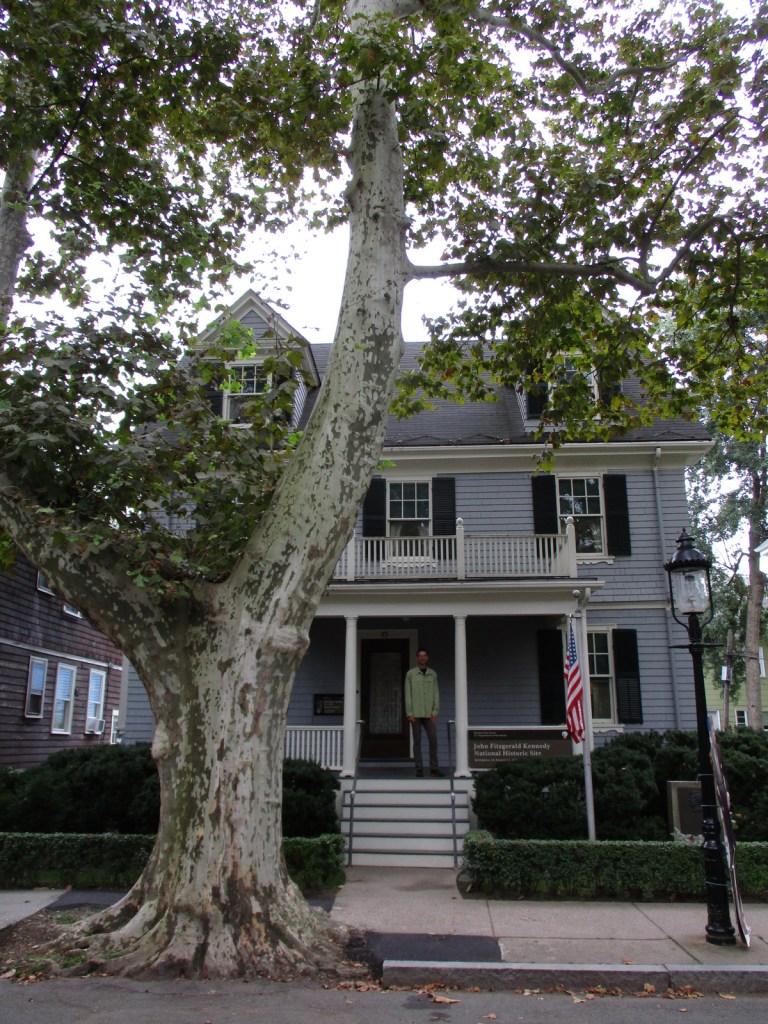
Jimmy Carter was the 39th U.S. President (1977-1981) and the first to reach the age of 100 before he passed away on December 29, 2024.  Following his presidency, he and his wife (Rosalynn) returned to their hometown of Plains and cemented their legacy as diplomats and humanitarians, mostly through their work with the Carter Center in Atlanta (he was awarded a Nobel Peace Prize in 2002).  Up until the end, Jimmy Carter taught Sunday school at Maranatha Baptist Church, which is open to the public.  The National Historical Park encompasses Jimmy’s boyhood farm, high school, and the old Plains railroad depot.  It also includes his residence since 1961, which continues to be closed but will eventually be turned into a museum by the National Park Service (NPS).  In July 2025, the Carter Gardens and Burial Site of Jimmy and Rosalynn Carter opened to the public.

Highlights

Plains High School, film, train depot, boyhood farm, burial site, Carter Gardens

Must-Do Activity

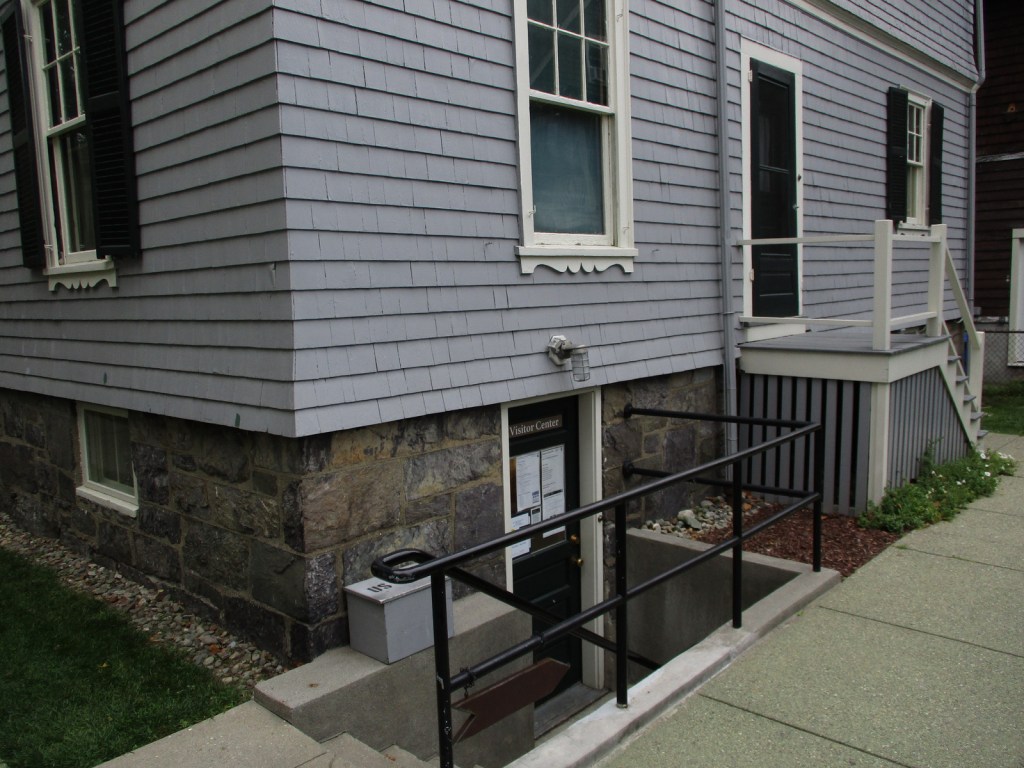
The best place to start a visit is the NPS visitor center and museum in the former Plains High School, which is full of artifacts and information on the Carters.  Next, drive or walk to the main street, where the train depot that shut down in 1951 was turned into Jimmy’s presidential campaign headquarters.  While downtown, check out the shops for souvenirs and try some boiled peanuts or soft-serve peanut-flavored ice cream.  There are several other sites of interest around Plains, including the boyhood home, burial site, Carter Gardens, Maranatha Baptist Church, and peanut statue (see Photographic Opportunity).

Best Trail

A half-mile trail winds through the boyhood farm where Jimmy lived starting at age four.  Farm animals and seasonal crops are raised here, including peanuts.  You can take a self-guided tour through his boyhood home, which was restored to its appearance before electricity was installed in 1938.

Photographic Opportunity

While not part of the official National Historical Park, when you drive up Buena Vista Road to see Maranatha Baptist Church, you pass the 13-foot-tall Jimmy Carter peanut statue built during the 1976 presidential election to support the former peanut farmer.

Peak Season

Spring and fall

Hours

https://www.nps.gov/jica/planyourvisit/hours.htm

Fees

None

Road Conditions

Paved parking is available at the high school, train depot, and boyhood farm (located about three miles west of town). 

Camping

About 30 miles away in each direction are campgrounds at Georgia Veterans State Park and Providence Canyon State Park (which is featured on a U-Haul super graphic). 

Related Sites

Andersonville National Historic Site (Georgia)

Cumberland Island National Seashore (Georgia)

Ocmulgee Mounds National Historical Park (Georgia)

Nearest National Park

Great Smoky Mountains

Explore More – According to an urban legend, why was a hole cut in the back of the Jimmy Carter peanut statue by the U.S. Secret Service?

Montana Road Trip Itinerary

93,149,312 acres

Statehood 1889 (41st)

Capital: Helena

Population: 1,084,225 (43rd)

High Point: Granite Peak (12,807 feet)

Best time of year: Summer

After we published our guidebook 50 States of Great: Road Trip Guide to America in 2023, we decided to start a new type of blog post where we create a travel itinerary for all 50 states, in addition to our usual public land entries.  After starting with Kansas, Georgia, Idaho, Rhode Island, Minnesota, Hawai’i, Arizona, Louisiana, South Dakota, and Indiana, we decided to head back west to Montana.  There are so many great trails in the state’s National Forests that we had a difficult time narrowing it down.  We made an ambitious seven-day plan starting in southeast Montana on Interstate 90, with enough options to easily extend the trip into three weeks or more.

Day 1

Little Bighorn Battlefield National Monument (click here for our blog post)

The best time to visit the National Monument is around June 25, the anniversary of Custer’s Last Stand when a reenactment of the battle is held on private land bordering the National Park Service site.

Makoshika State Park

It is illegal to remove dinosaur fossils from these badlands, but there are many on display at the visitor center, in addition to nearby museums (plus reservations can be made to dig on private land).  The few campsites are in high demand to spend the night in these colorful canyons where caprocks rise high above juniper trees. 

Optional stop at Pompeys Pillar National Monument

A sandstone monolith on the Yellowstone River has been a place for humans to record their passing for 11,000 years.  The most famous inscription was left by Captain William Clark on July 25, 1806, the sole on-site evidence of the Corps of Discovery’s three-year journey.

Optional stop at Bighorn Canyon National Recreation Area (click here for our blog post)

This underappreciated gem in the National Park Service system features gorgeous scenery and abundant wildlife, including bighorn sheep and wild horses.  The highlight is across the state line in Wyoming where Devil Canyon Overlook sits atop cliffs that drop over 1,000 feet straight down to the level of the narrow reservoir. 

Day 2

Gallatin National Forest (click here for our blog post)

Gallatin Petrified Forest is only accessible by trail, either from a short two-mile one-way jaunt or by backpacking the 27-mile Gallatin Divide-Devils Backbone Trail.  Earthquake Lake Geologic Area stretches along Highway 287 to commemorate the events that occurred around midnight on August 17, 1959, when a deadly magnitude 7.5 earthquake hit West Yellowstone.

Custer National Forest (click here for our blog post)

Some of the National Forest’s miles of hiking trails access the Crazy Mountains and Hellroaring Plateau.  The two-mile Glacier Lake Trail steadily climbs 1,100 feet then drops into a bowl containing a stunning reservoir that straddles the Wyoming-Montana border.

Optional drive on Beartooth All-American Road

Custer National Forest is famous for its stretch of Highway 212 that climbs from the prairie around the town of Red Lodge up to 10,947 feet at Beartooth Pass across the Wyoming border in Shoshone National Forest.  The road follows the southern border of the giant 943,626-acre Absaroka-Beartooth Wilderness, which contains the highest point in Montana.

Optional stop at Yellowstone National Park (click here for our blog post)

Located mostly in Wyoming and partly in Montana and Idaho, you could easily spend an entire summer in the world’s first National Park and not see all the thermal features, lakes, waterfalls, wildlife, and hiking trails.

Day 3

Lewis & Clark Caverns State Park

Once a U.S. National Monument, the state now runs a campground here and offers guided tours through a limestone show cave where bats live in the summer.

Beaverhead National Forest (click here for our blog post)

The free Potosi Campground is situated near the trailhead for Upper Potosi Hot Springs where a 0.8-mile trail leads past the uphill side of a clear 100°F pool with room for about six adults.

Optional stop at Chico Hot Springs

If you leave Yellowstone National Park north through Gardiner on Highway 89, consider stopping at this developed hot springs (fee) that offers live music poolside on some nights (especially if the park’s Boiling River was closed).  In business since 1897, even Teddy Roosevelt stopped to rest here.

Day 4

Bannack State Park

East of Lemhi Pass on the Idaho border (which is also the Continental Divide National Scenic Trail through there), Bannack State Park preserves more than 50 buildings from a gold rush town that was the territorial capital in 1864. 

Big Hole National Battlefield (click here for our blog post)

The site of a surprise attack by the U.S. Army on the morning of August 9, 1877, where Nez Perce warriors forced the troops to retreat, capturing a Howitzer cannon and allowing women and children to escape toward the newly created Yellowstone National Park.  Part of the widespread Nez Perce National Historical Park, a small visitor center here overlooks the battlefield and a paved road accesses trails through it.

Bitterroot National Forest (click here for our blog post)

Blodgett Creek Trail leads 12.6 miles one-way to Blodgett Lake, but you do not have to go that far to appreciate its incredible beauty. 

Optional stop at Elkhorn Hot Springs

In the Pioneer Mountains, about ten miles north of Highway 278 is the privately owned Elkhorn Hot Springs (fee), a great place to relax after hiking.  There is free dispersed camping to the north in Beaverhead National Forest.

Day 5

Travelers’ Rest State Park

Follow in the footsteps of the Lewis and Clark expedition by driving the Lolo Trail (Highway 12), soaking at Lolo Hot Springs, or walking around Travelers’ Rest State Park (still a great place to camp). 

Missoula

Do as the University of Montana students do and float tubes down the Clark Fork River through town.  In the summer, look for webcam-famous Iris the Osprey in the parking lot near the football stadium.  The Historical Museum at Fort Missoula preserves buildings dating back to 1877, including an Alien Detention Center used during World War II.

Lolo National Forest (click here for our blog post)

Outside Missoula, there are many trails in Rattlesnake National Recreation Area and Blue Mountain Recreation Area, plus the Aerial Fire Depot and Smokejumper Center, Ninemile Historic Remount Depot, and Savenac Historic Tree Nursery Area.

Optional stop at Grant-Kohrs Ranch National Historic Site (click here for our blog post)

This working ranch commemorates the nineteenth-century lifestyle of cattle barons and cowboys.  Free guided tours are offered inside the large ranch house, and a self-guided walking tour enters 15 buildings with displays on the history of barbwire, branding irons, and much more. 

Day 6

National Bison Range

Established in 1908 under President Theodore Roosevelt and now run by the Confederated Salish and Kootenai Tribes.  Start at the visitor center, then take the 19-mile Red Sleep Mountain Drive to see mule deer, white-tailed deer, elk, pronghorns, bighorn sheep, and the namesake bison. 

Flathead National Forest (click here for our blog post)

Jewel Basin Hiking Area is famous among backpackers, and further south so is Holland Lake, which has several campgrounds.  The steep Holland-Gordon Trail passes Holland Falls as it climbs 2,100 feet in 5.8 miles to Upper Holland Lake and continues into “the Bob” (Bob Marshall Wilderness).  Flathead National Forest contains more than 2,800 miles of hiking trails, including 38 miles of the Pacific Northwest National Scenic Trail and a stretch of the Continental Divide National Scenic Trail.

Optional stop at Mission Mountains Wilderness

Located within Flathead National Forest, a popular trail accesses multiple mountain lakes; it is only 1.5 miles one-way to Glacier Lake, but we recommend continuing to Turquoise Lake.  It borders the Mission Mountains Tribal Wilderness (permits required). 

Day 7

Glacier National Park (click here for our blog post)

Waterton-Glacier International Peace Park’s renowned Going-to-the-Sun Road was built to cross the park from east to west in the 1920s (reservations are required to drive it between 7 a.m. and 3 p.m. in the summer).  At its highest point at 6,646-foot Logan Pass, the road crosses the Continental Divide National Scenic Trail.

Optional stop at Kootenai National Forest (click here for our blog post)

In the state’s northwest corner, incredible views await at Blue Mountain Trail, Skyline National Recreation Trail, Scenery Mountain Lookout Trail, Ross Creek Scenic Area of old-growth western redcedar trees, and Kootenai Falls (located in a county park on the side of Highway 2).

Day 8+

Helena National Forest (click here for our blog post)

Meriwether Lewis named the Gates of the Mountains on July 19, 1805, and today a two-hour jet boat tour on the Missouri River provides history on the Corps of Discovery, American Indian pictographs, the Mann Gulch Fire, and the collapse of Hauser Dam.  A trail through Refrigerator Canyon is less than ten feet wide at its narrowest point, where towering 200-foot limestone cliffs keep it cool and breezy throughout the summer. 

Great Falls

North of Helena on Interstate 15 is the Lewis and Clark Interpretive Center (fee), which is managed by the U.S. Forest Service on the banks of the Missouri River.

Upper Missouri River Breaks National Monument (click here for our blog post)

This 375,000-acre National Monument preserves a stretch of the Missouri River that still looks much the way it did when Lewis and Clark explored it.  Start your journey by paying for permits at the Bureau of Land Management interpretive center in historic Fort Benton, where you can launch your canoe or kayak to access 149 miles of the river.  There are developed boat camps with vault toilets along the route, or you can pick your own spot near one of the Corps of Discovery campsite markers.

Deerlodge National Forest (click here for our blog post)

It includes portions of the Boulder Mountains, Flint Creek Range, and Elkhorn Mountains, as well as part of the Anaconda-Pintler Wilderness.  Our favorite hike is Haystack Mountain National Recreation Trail off Interstate 15, where a climb of 2,000 feet ends at a mountaintop boulder field with panoramic views and the remnants of a fire lookout tower.

Lewis & Clark National Forest (click here for our blog post)

Backpacking is a major draw with trails in the Snowy Mountain Range and parts of the Scapegoat and Bob Marshall Wilderness areas, which provide crucial habitat for grizzly bears.  It encompasses one of the most famous formations along the Continental Divide National Scenic Trail, the 15-mile long Chinese Wall (a 1,000-foot-tall cliff composed of five-million-year-old limestone). 

Learn more about Montana’s Most Scenic Drive, Wonderful Waterfall, Top State Park, and other categories in our travel guidebook 50 States of Great: Road Trip Guide to America.