Category Archives: Utah

Ashley National Forest

Ashley National Forest

Utah, Wyoming

Managed by U.S. Forest Service, Intermountain Region

1,402,656 acres (1,382,346 federal/ 20,310 other)

Website: https://www.fs.usda.gov/ashley

Overview

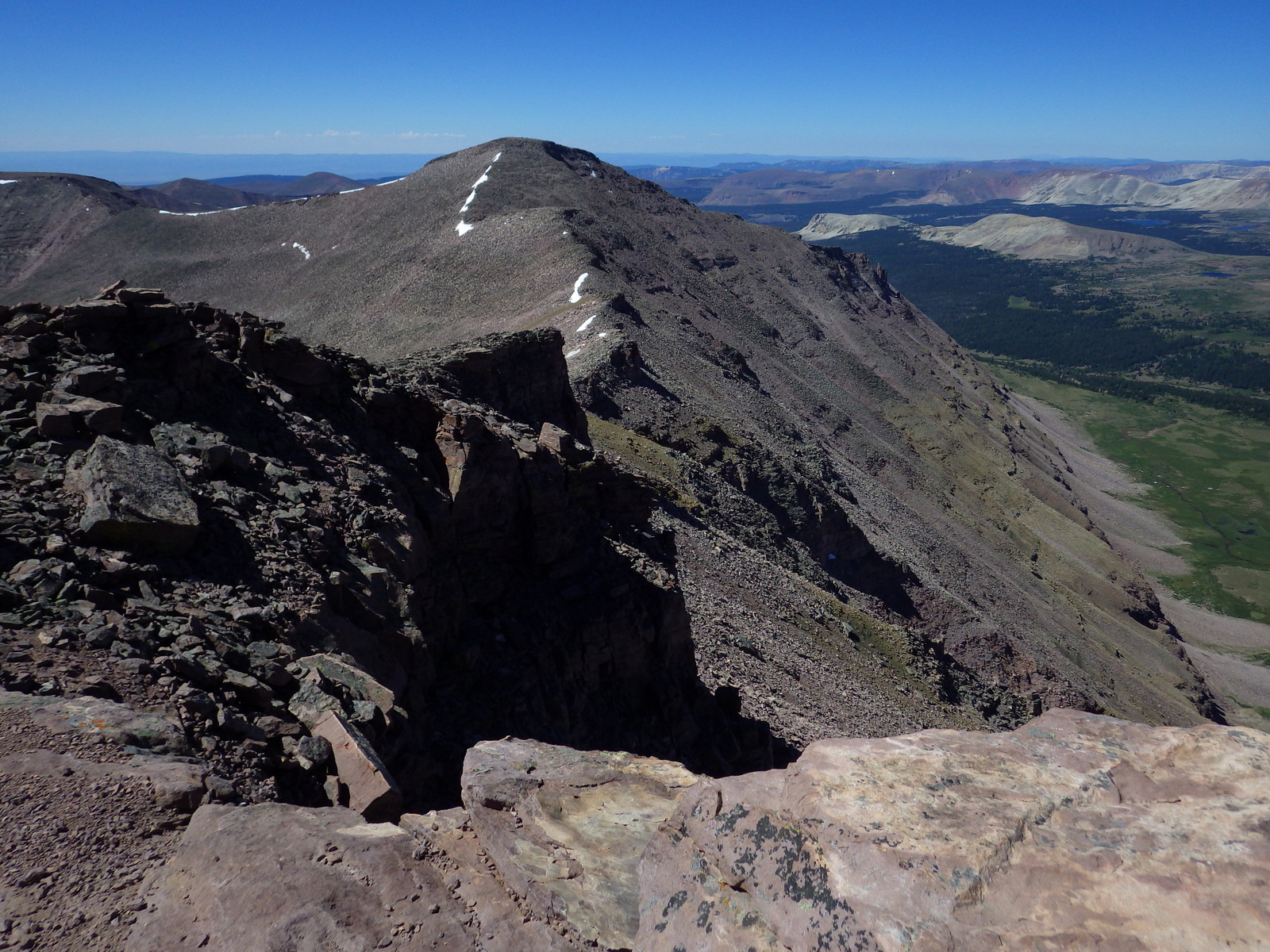
Ashley National Forest is located on the Utah-Wyoming border and includes the High Uintas Wilderness and Flaming Gorge National Recreation Area (which we will discuss in our next blog post).  The Uinta Mountains are a popular destination for campers, hikers, mountain bikers, horseback riders, and anybody who is into magnificent mountain peaks and picturesque lakes.  It is one of the few east-west running ranges in North America and includes the highest point in Utah: 13,528-foot tall Kings Peak.  In 2019, Congress set aside 173,475 acres of the National Forest as the Ashley Karst National Recreation and Geologic Area, the first such designation in the U.S.

Highlights

Flaming Gorge National Recreation Area, Red Cloud Loop Scenic Backway, Flaming Gorge-Uinta Scenic Byway, Indian Canyon Scenic Byway, Outlaw ATV Trail, Moon Lake, Strawberry Peak, Swett Ranch, Kings Peak, Highline Trail

Must-Do Activity

The High Uintas Wilderness is a premier backpacking destination with numerous lakes and 545 miles of trails.  The Wilderness is actually found in both the Wasatch and Ashley National Forests, but not Uinta National Forest.  Even if that makes sense to you, you will probably still need a good map to navigate your way to the highest point in Utah.  Summiting Kings Peak is a minimum 30 miles roundtrip from the Henrys Fork Trailhead in Wasatch National Forest to the north, and even further from the southern trailheads.

Best Trail

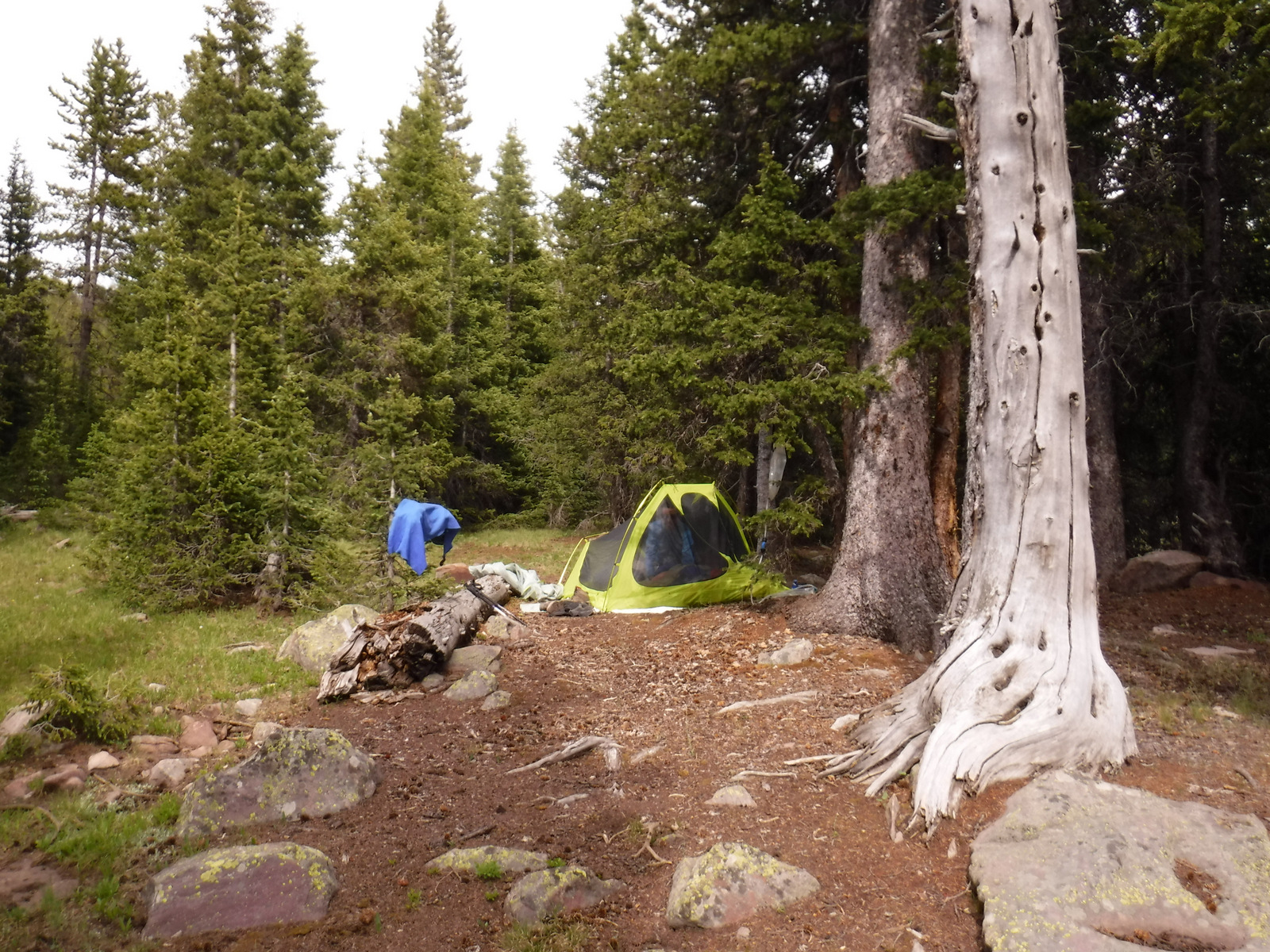
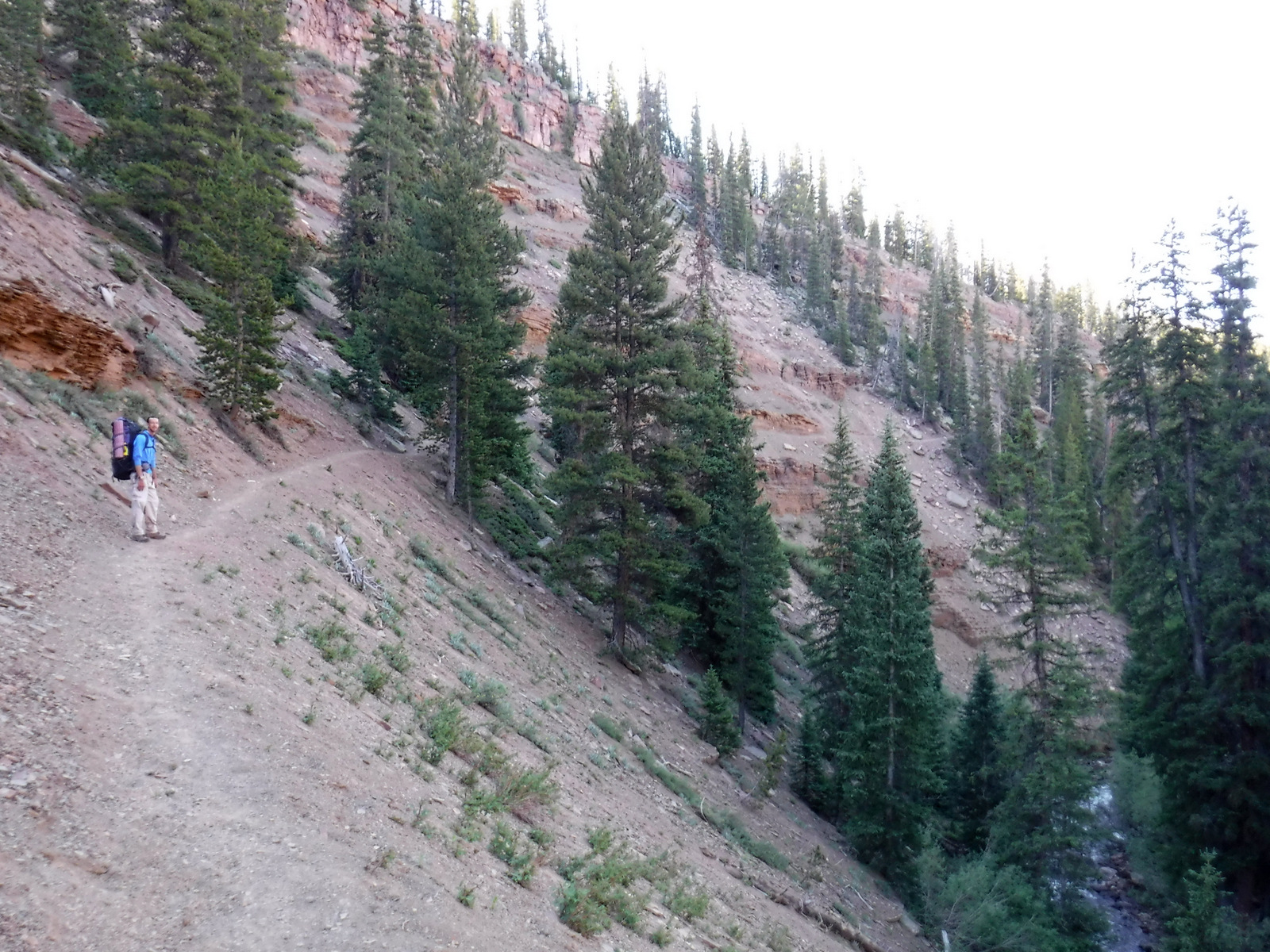
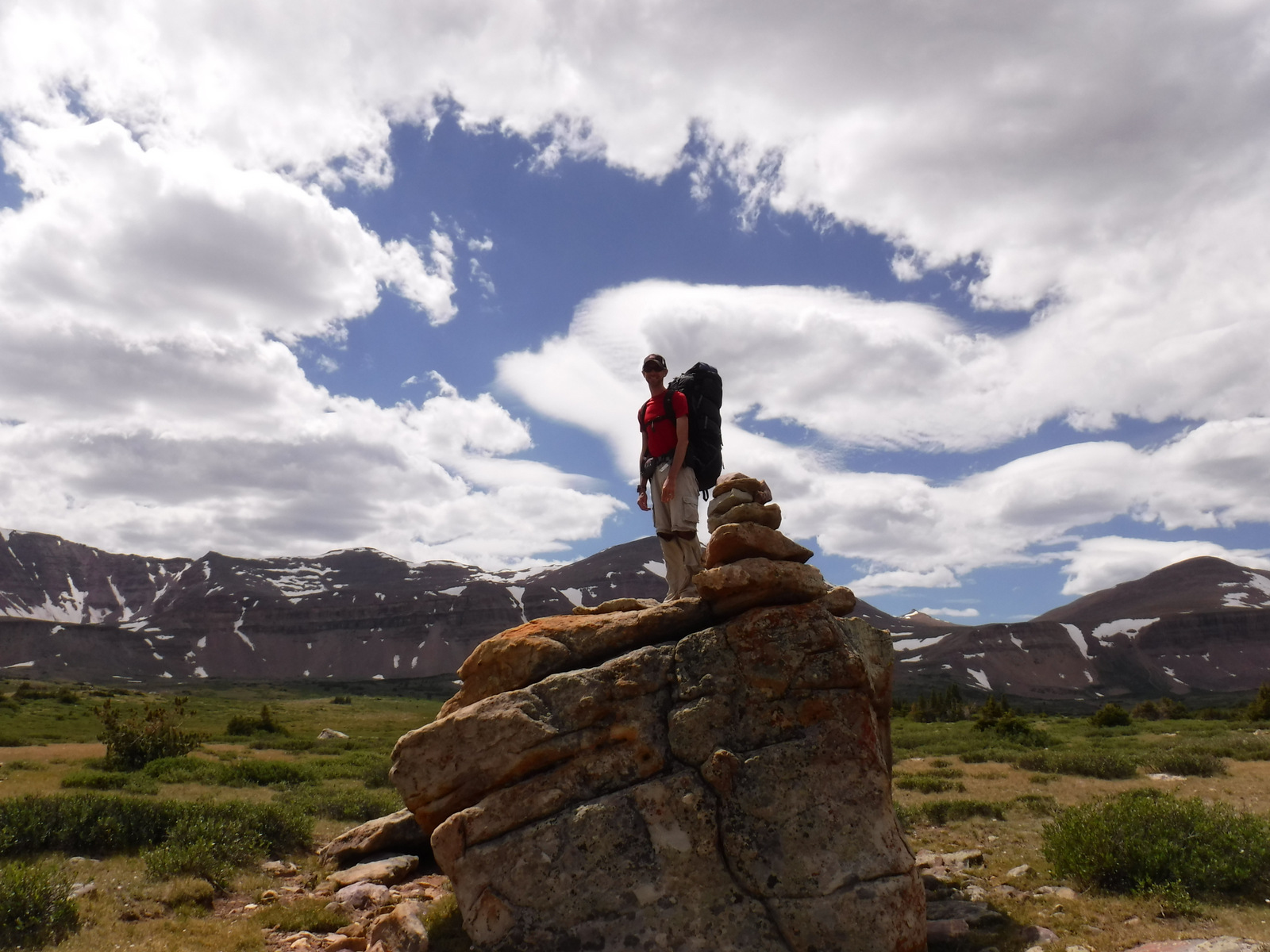
We backpacked into the High Uintas Wilderness on a 41-mile lollipop loop leaving from the Uinta Canyon Trailhead.  The first portion along the Uinta River Trail was flat, then started climbing when we split off on the Chain Lakes-Atwood Trail to cross Roberts Pass and Trail Rider Pass into Painter Basin, a beautiful area that sits below Kings Peak.  At more than 90 miles in length, the Highline Trail runs east-west through the area and is accessible from many side-trails, including the ones we were on.

Watchable Wildlife

Flaming Gorge Reservoir is known for its large population lake trout, as well as kokanee salmon, rainbow trout, brown trout, smallmouth bass, channel catfish, and burbot.  The reservoir also hosts a large nesting colony of ospreys, as well as many other raptors.  In the mountains, watch for moose, elk, mule deer, mountain goats, and black bears.

Instagram-worthy Photo

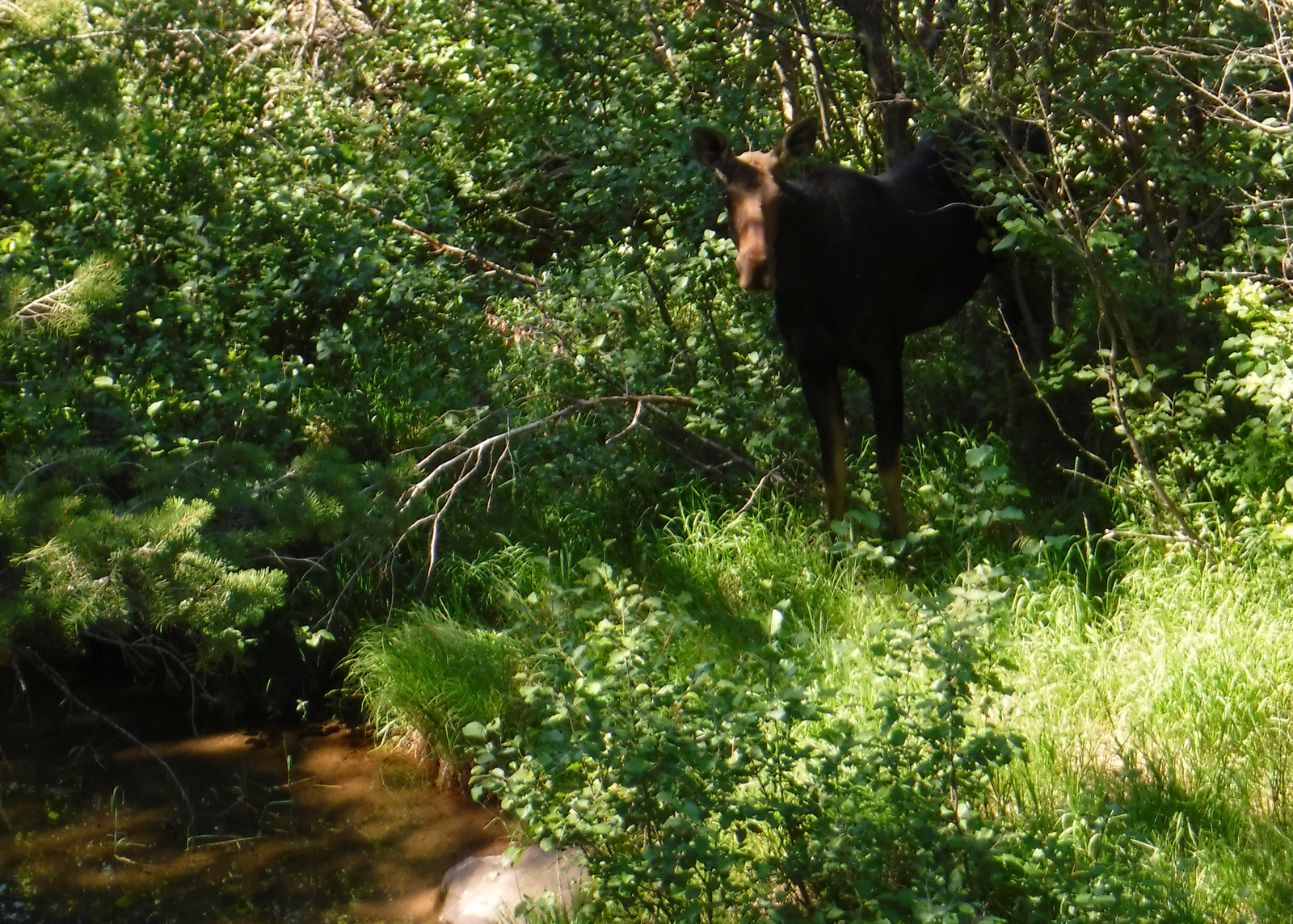
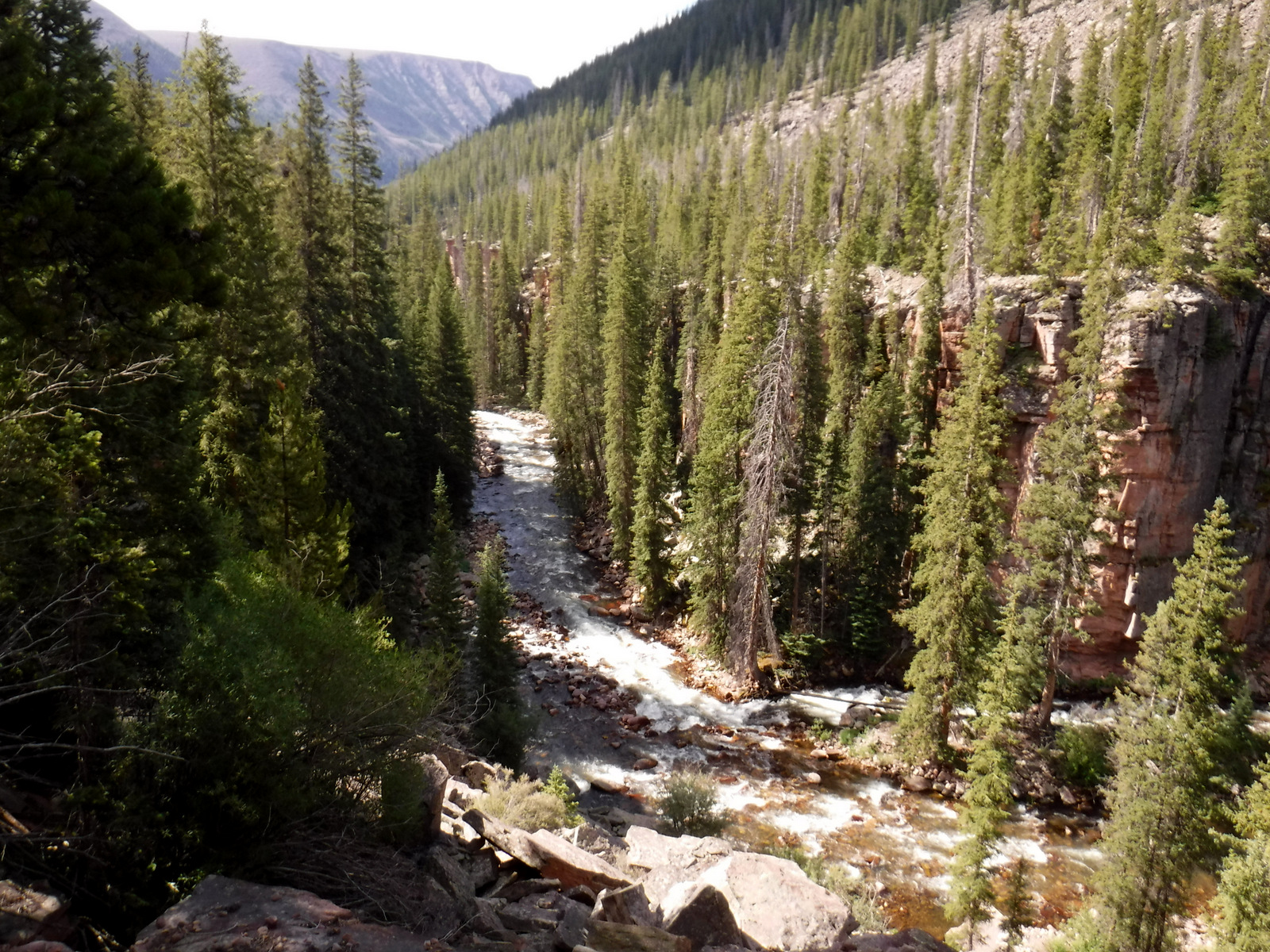
Leaving from the Uinta Canyon Trailhead, after about an hour of walking the Uinta River Trail reaches a bridge across its namesake.  The river is popular with fisherman and we spotted a moose grazing near the water.

Peak Season

Summer

Fees

Every boat launch and day-use area in Flaming Gorge National Recreation Area requires a recreation pass ($5 per day, $15 per week) or America the Beautiful pass, but there is no charge to drive the Flaming Gorge-Uinta Scenic Byway or cross the dam.  We did not encounter any fees in the rest of Ashley National Forest, except in campgrounds.

Road Conditions

The 82-mile Flaming Gorge-Uinta Scenic Byway is paved the whole way, but there are many unpaved roads off it including access to popular Red Canyon and Sheep Creek National Geological Area.  Many roads are closed seasonally, like Red Cloud Loop and Spirit Lake Scenic Backways.

Camping

There are numerous campgrounds on and off the lake in Flaming Gorge National Recreation Area, mostly open May to September, although Dripping Springs is open year round.  There are also campgrounds near most of the trailheads that access the High Uintas Wilderness.  We found dirt roads off Highway 191 to be packed with dispersed campers and RVs in mid-July 2020.

Wilderness Areas

High Uintas Wilderness (also in Wasatch National Forest)

Related Sites

Dinosaur National Monument (Utah-Colorado)

Timpanogos Cave National Monument (Utah)

Fossil Butte National Monument (Wyoming)

Nearest National Park

Arches (Utah)

Conifer Tree Species

lodgepole pine, limber pine, ponderosa pine, pinyon pine, Douglas-fir, subalpine fir, white fir, Engelmann spruce, Rocky Mountain juniper

Flowering Tree Species

quaking aspen, blue elderberry, Gambel oak, bigtooth maple, boxelder, western birch, red osier dogwood, narrowleaf cottonwood, sagebrush

Explore More –Ashley National Forest is named after whom?

Hovenweep National Monument

Overview

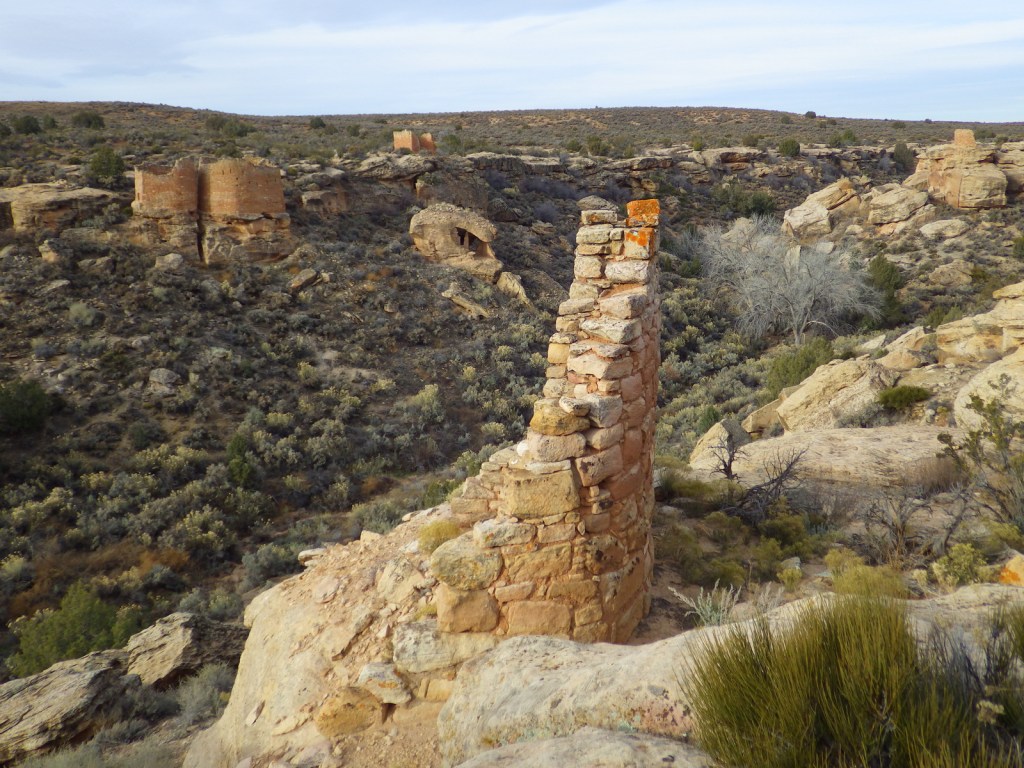
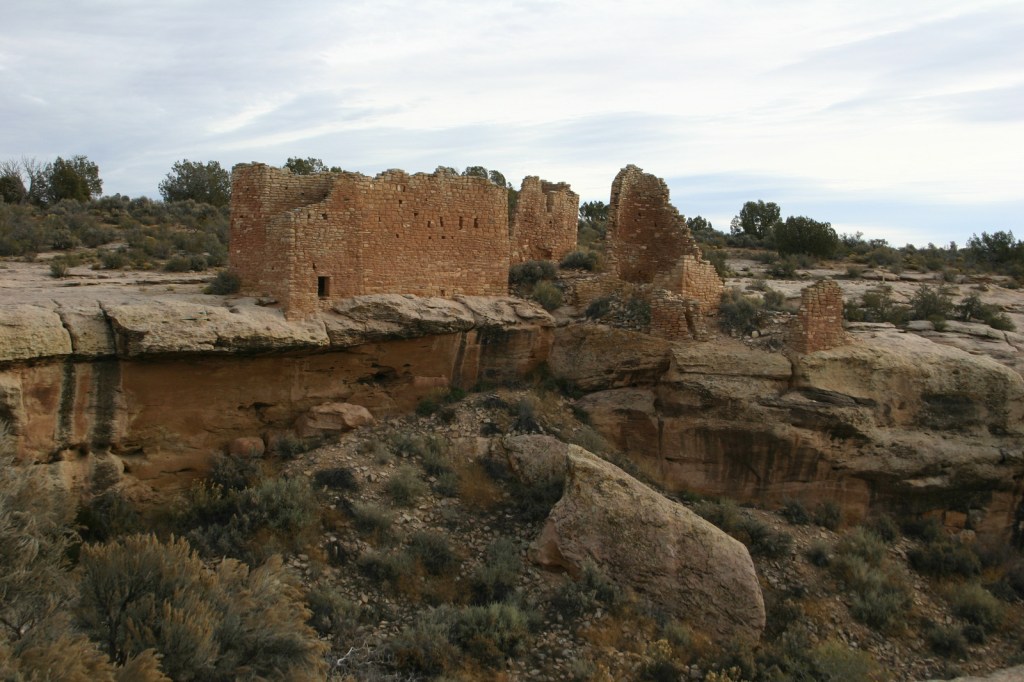
Partially surrounded by Canyons of the Ancients National Monument (run by the Bureau of Land Management), Hovenweep National Monument occupies a remote area on the southern Utah-Colorado border.  Established in 1923, it is composed of six units, the largest of which has a National Park Service (NPS) visitor center on the rim of Little Ruin Canyon, the location of the variable architectural styles of Square Tower Group. 

Highlights

Square Tower Group, Holly Group, Cajon Group, Hackberry Group, Cutthroat Castle Group

Must-Do Activity

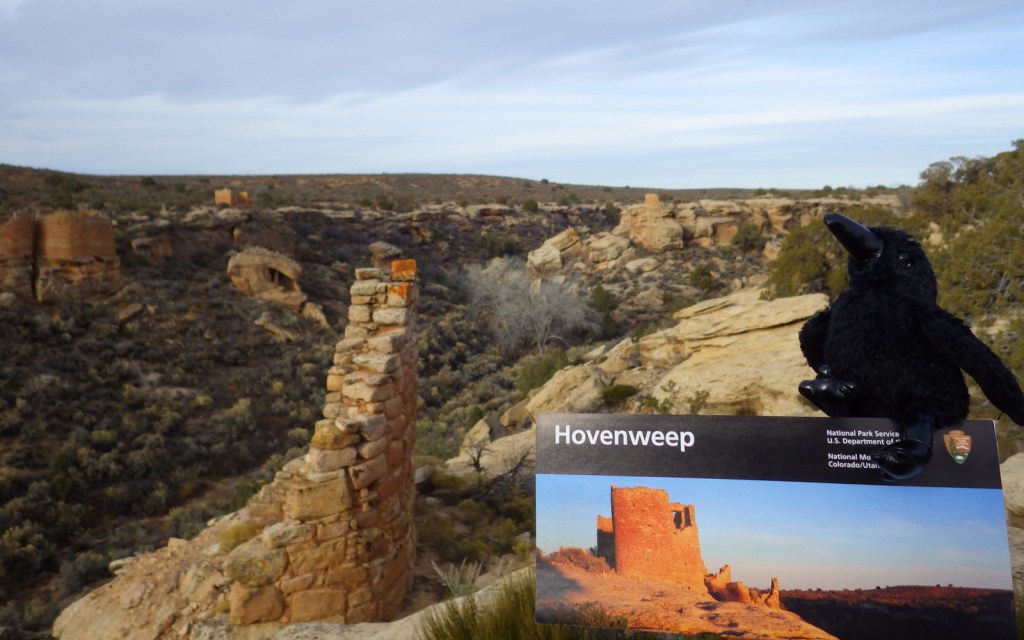
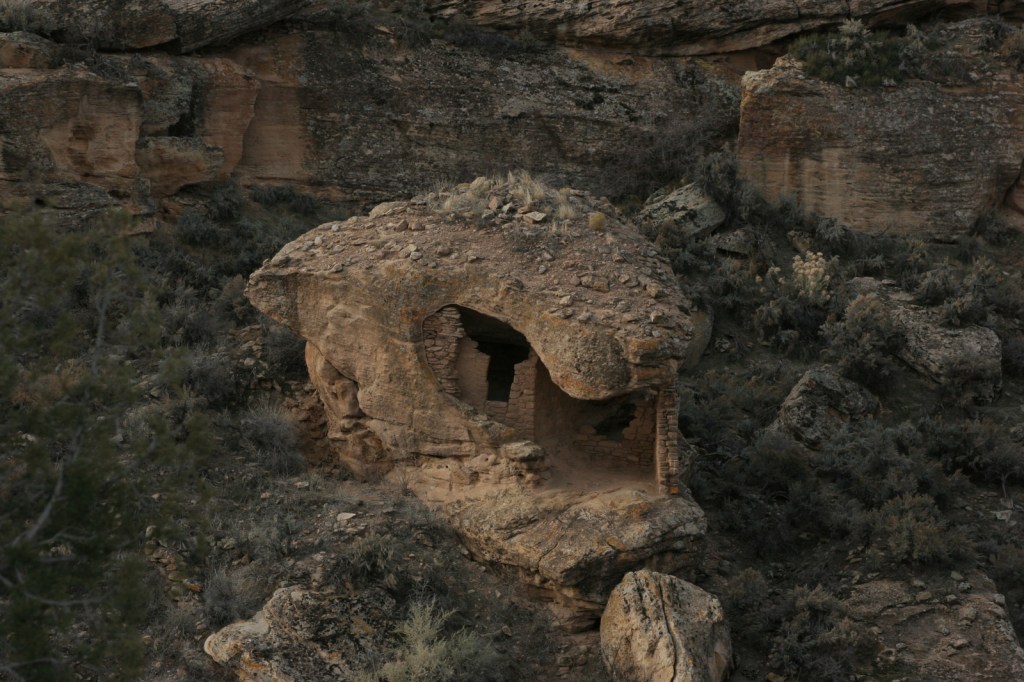
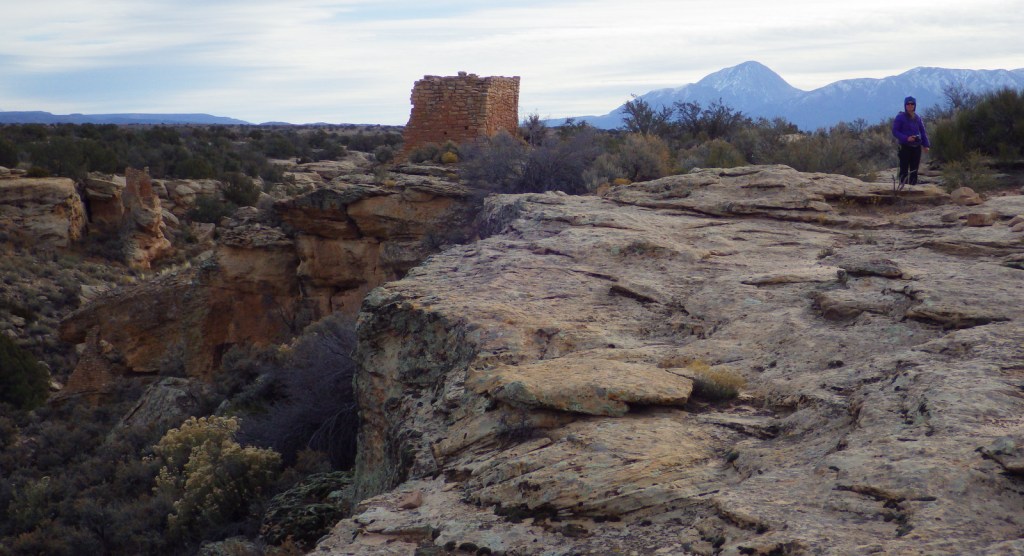
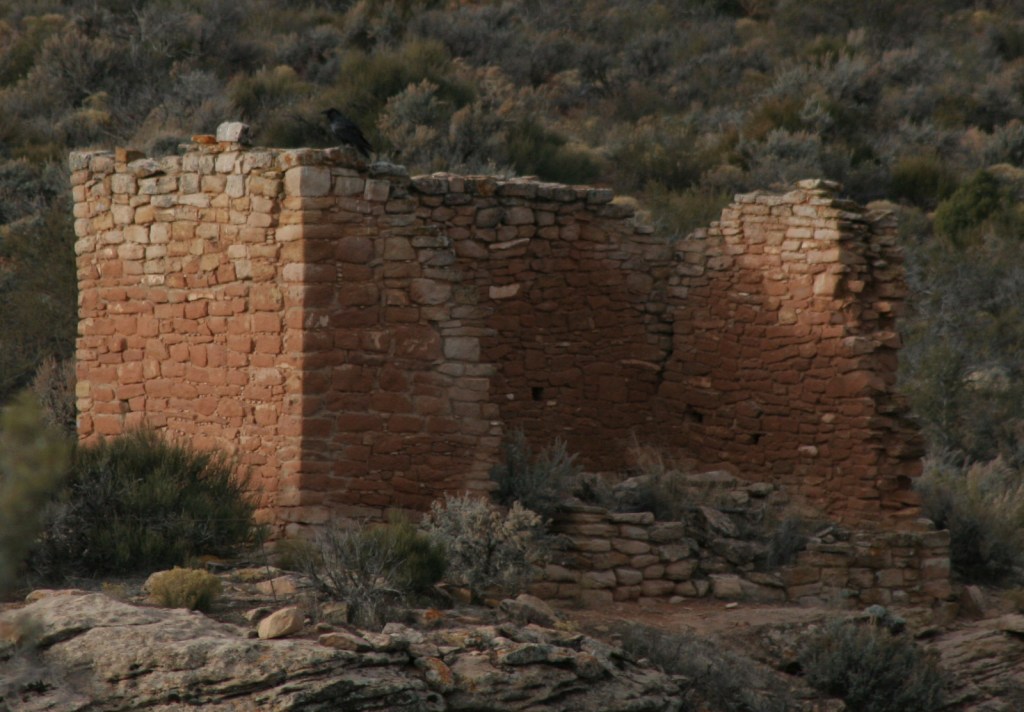
At Square Tower Group a two-mile loop hike takes visitors past an impressive collection of structures that date back to the 1200s, the same period that Ancestral Puebloans inhabited nearby Mesa Verde National Park.  The variety of building styles in this narrow canyon is remarkable, from Square Tower and Hovenweep Castle to Twin Towers and the unique Eroded Boulder House.  There is almost no shade to be found on the sagebrush plain of Cajon Mesa, so visiting in the heat of summer may not be as enjoyable.  The good news is that it makes for boundless vistas, especially to the south where Sleeping Ute Mountain looms.

Best Trail

The loop trail at Square Tower Group is paved and wheelchair accessible to the first overlook at Stronghold Point, but then gets much rougher over its two miles, especially at the end where it drops into Little Ruin Canyon.  A four-mile one-way trail connects this area to the Holly Group of ruins.

Instagram-worthy Photo

Little Ruin Canyon has one of the highest density collections of ruins anywhere in the southwest U.S., including the cool Eroded Boulder House, a part of the Square Tower Group.

Peak Season

Spring and fall

Hours

https://www.nps.gov/hove/planyourvisit/hours.htm

Fees

$20 per vehicle or America the Beautiful pass

Road Conditions

Despite its remote location, roads are paved to Square Tower Group, but accessing most of the other units requires driving or hiking rough dirt roads.  Further east in Colorado’s Canyons of the Ancients National Monument, visitors can drive well-maintained roads to the Escalante Ruins and Lowry Pueblo, as well as the two trailheads for Sand Canyon.

Camping

The NPS runs a 30-site campground (for a fee) at its visitor center near Square Tower Group.  Dispersed camping is allowed in many parts of Canyons of the Ancients National Monument.

Related Sites

Yucca House National Monument (Colorado)

Natural Bridges National Monument (Utah)

La Sal National Forest (Utah)

Nearest National Park

Canyonlands

Explore More – Hovenweep is a Ute-Paiute word that translates as what?

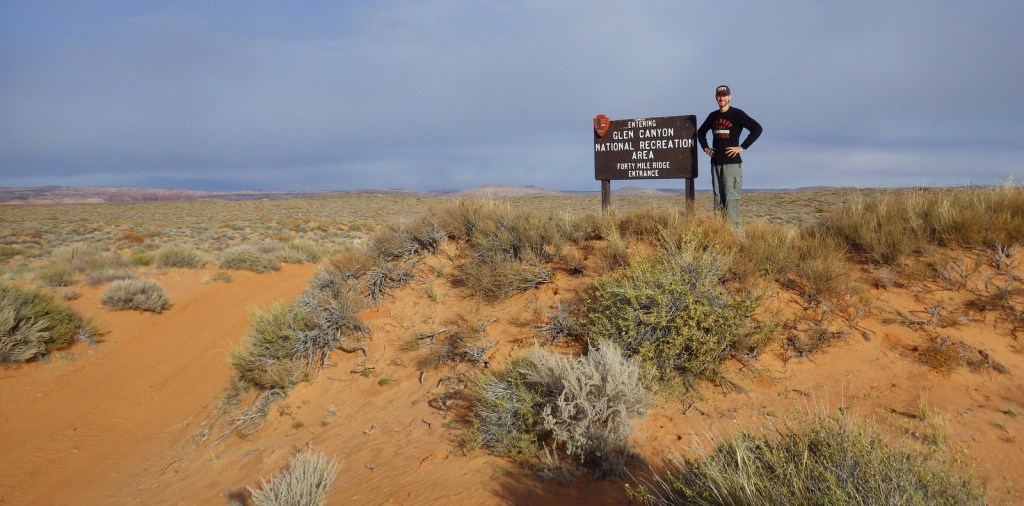
Glen Canyon National Recreation Area

Overview

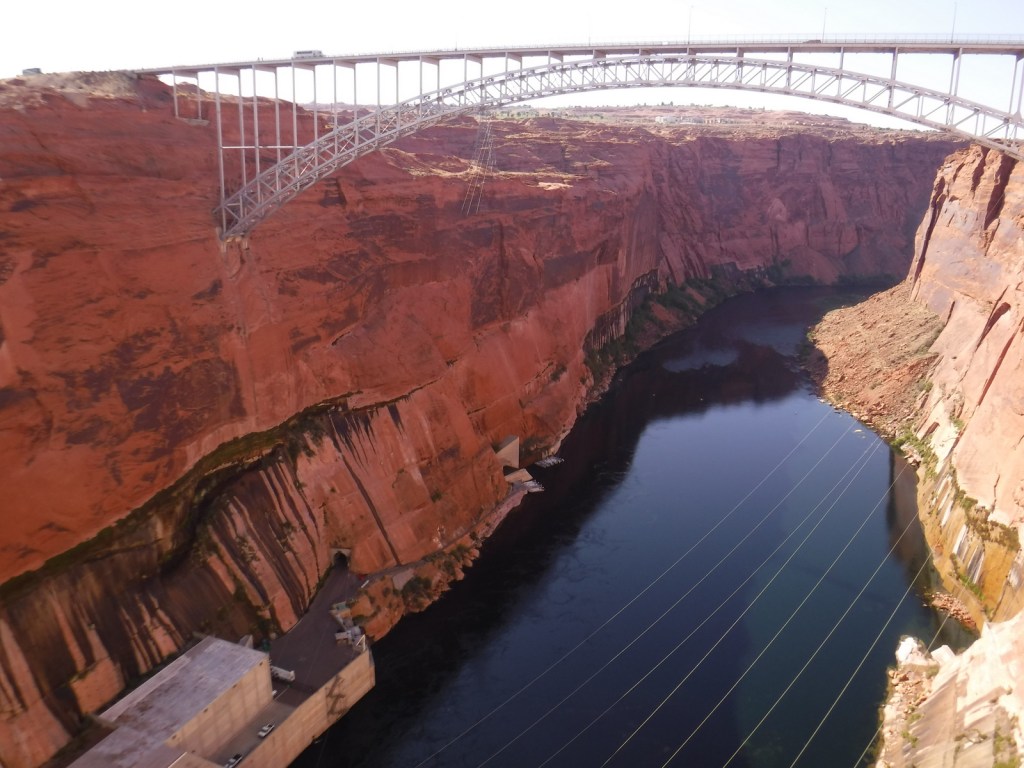
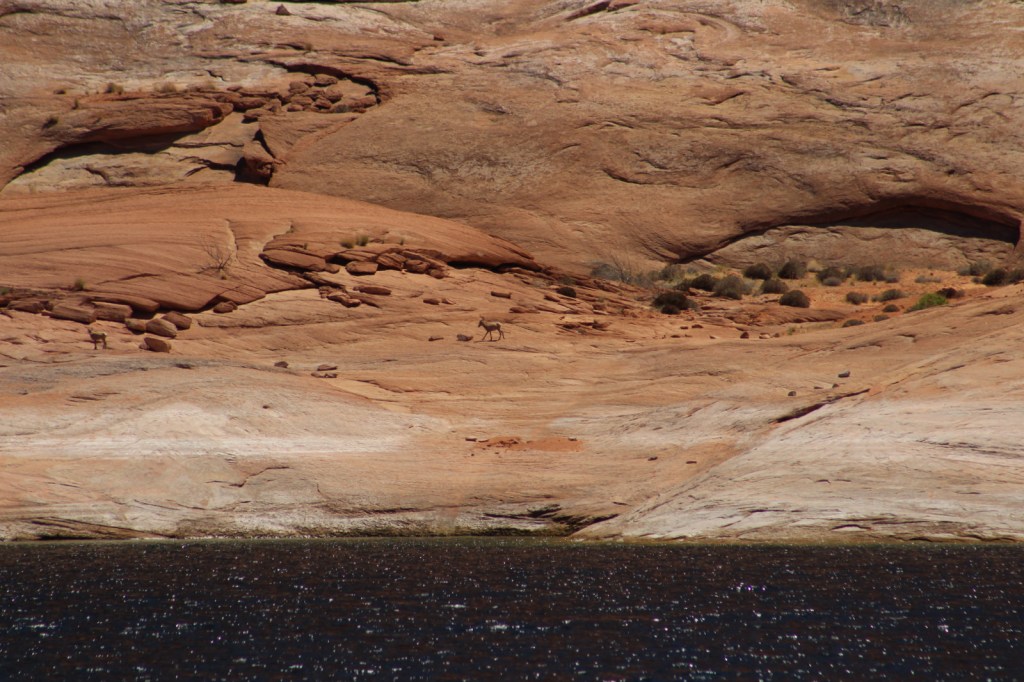
Glen Canyon National Recreation Area encompasses 1.2-million acres surrounding the snaky shoreline of Lake Powell, named for geologist John Wesley Powell who led a mapping expedition down the Colorado River in 1869.  The reservoir was formed by the Glen Canyon Dam, which was built between 1956-63 to store water for the Southwestern U.S. and generate hydroelectricity.  The damming was controversial because it destroyed archaeological sites, submerged scenic canyons, and altered the flow of the Colorado River into Grand Canyon National Park

Highlights

Horseshoe Bend Overlook, Lake Powell, Glen Canyon Dam, Cathedral Wash, Lees Ferry, Hole-in-the-Rock

Must-Do Activity

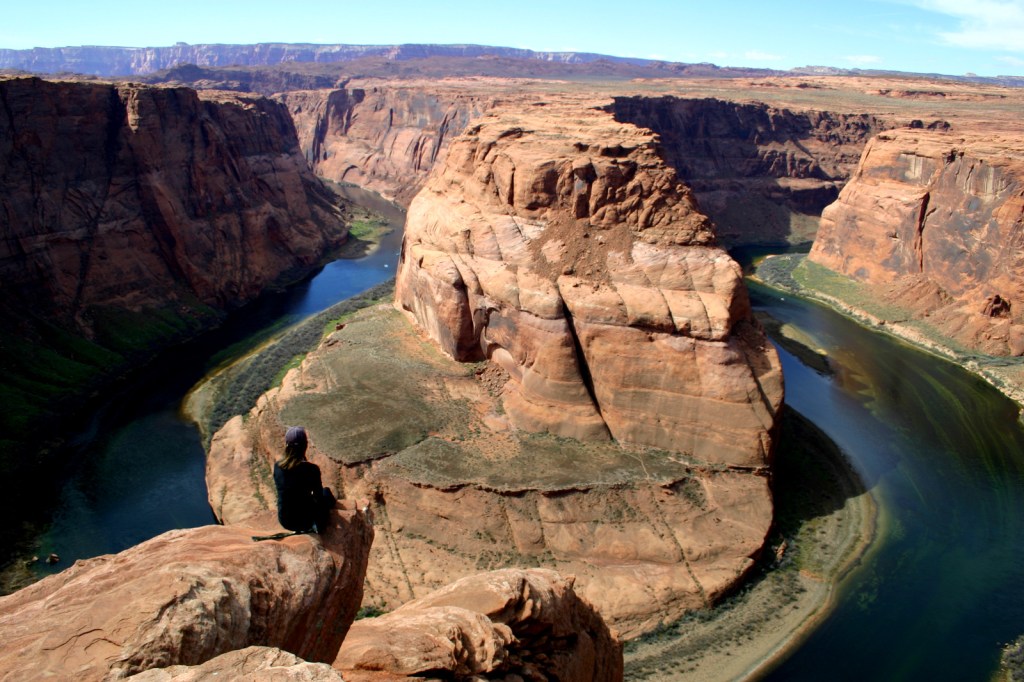
The National Park Service (NPS) run Carl Hayden Visitor Center in Page, Arizona is a good place to start a visit, where you can purchase tickets for a dam tour.  The meandering lake has about 2,000 miles of shoreline (mostly in Utah) with plenty of coves to explore and spend the night aboard a houseboat (rentals available).  If you do not want to attempt navigation there are many commercial boat trips, including an all-day cruise to Rainbow Bridge National Monument.  If you plan to stay on land, be sure to walk out to Horseshoe Bend Overlook, hike through the high desert landscape, or drive some of the hundreds of miles of dirt roads.

Best Trail

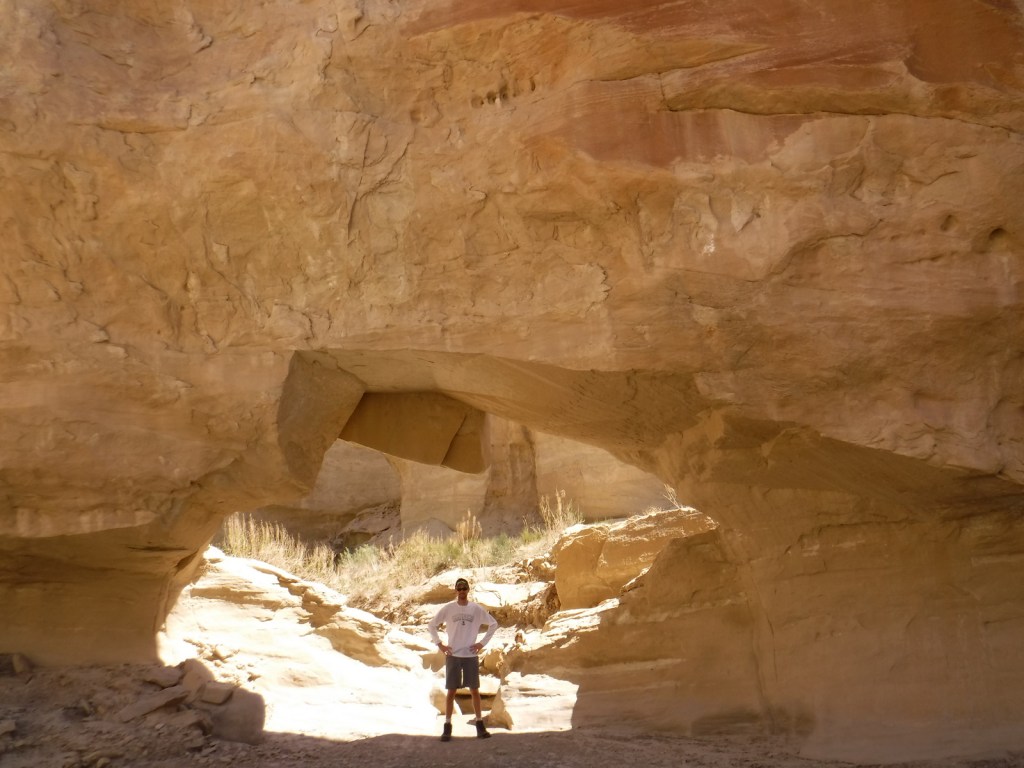
Wiregrass Canyon is located east of Big Water, Utah and the rocky trail passes hoodoos and two natural bridges.

Instagram-worthy Photo

You might want to bring your “selfie stick” to iconic Horseshoe Bend Overlook, a short 0.7-mile one-way hike from the parking area on Highway 89 outside Page, Arizona.

Peak Season

Spring and fall

Hours

https://www.nps.gov/glca/planyourvisit/hours.htm

Fees

Parking is now $10 at Horseshoe Bend Overlook (no NPS passes accepted), but many other sites are free. There is a $30 per vehicle entrance fee at some marinas (NPS passes accepted), in addition to charges for the dam tour and guided boat tours.

Road Conditions

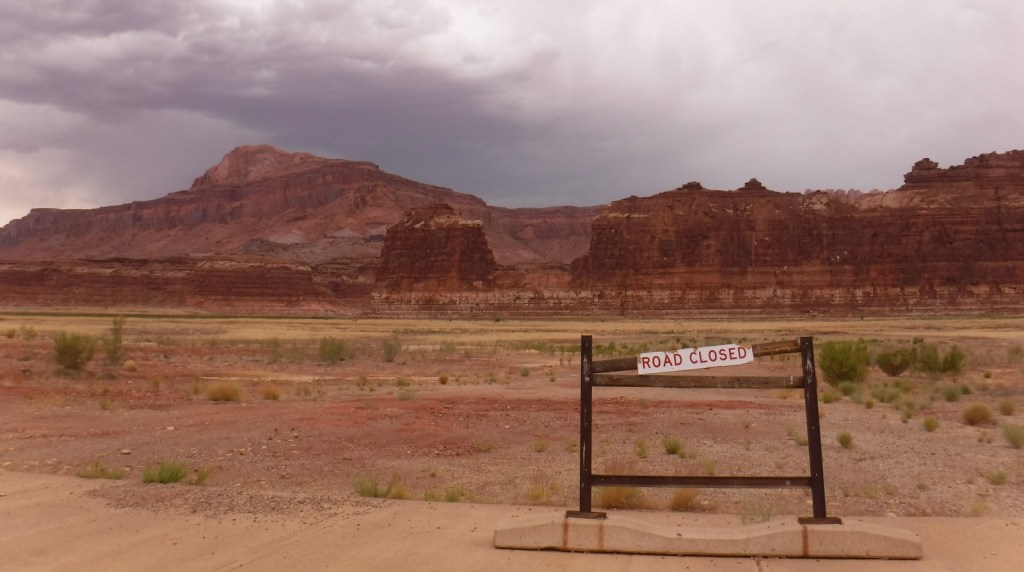
This park is famous for its backcountry 4×4 roads (like Hole-in-the-Rock Road) and flash floods, so check with a park ranger before attempting anything unpaved.  A fee is charged to ferry across the lake between Halls Crossing and Bullfrog Marina.

Camping

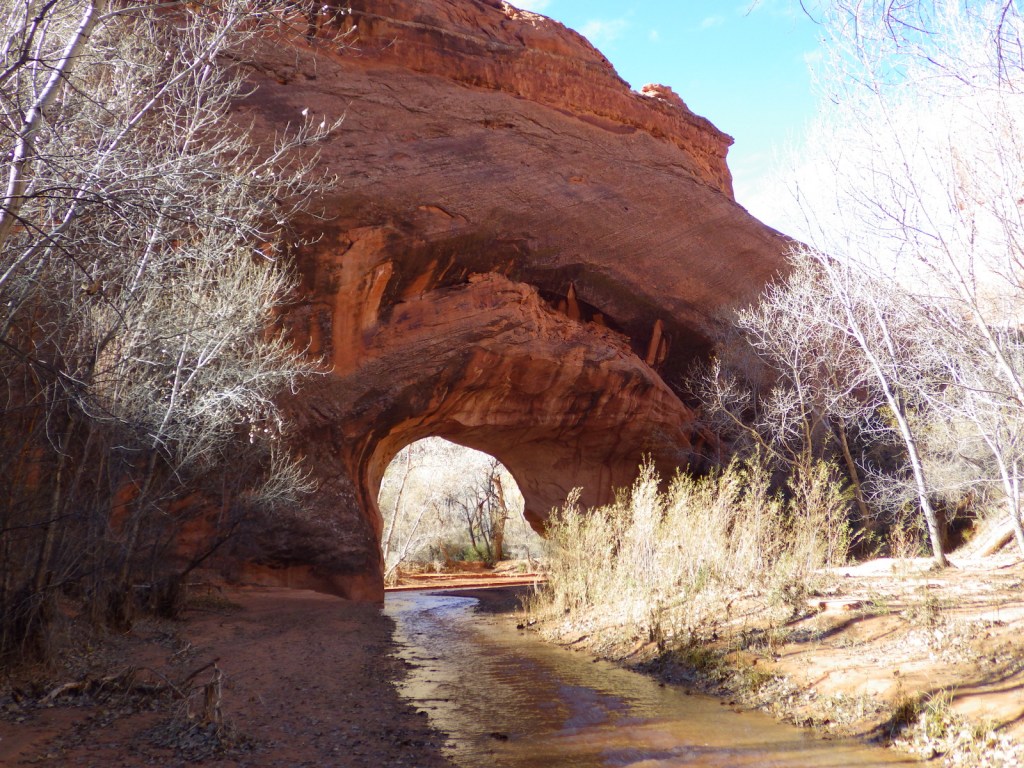
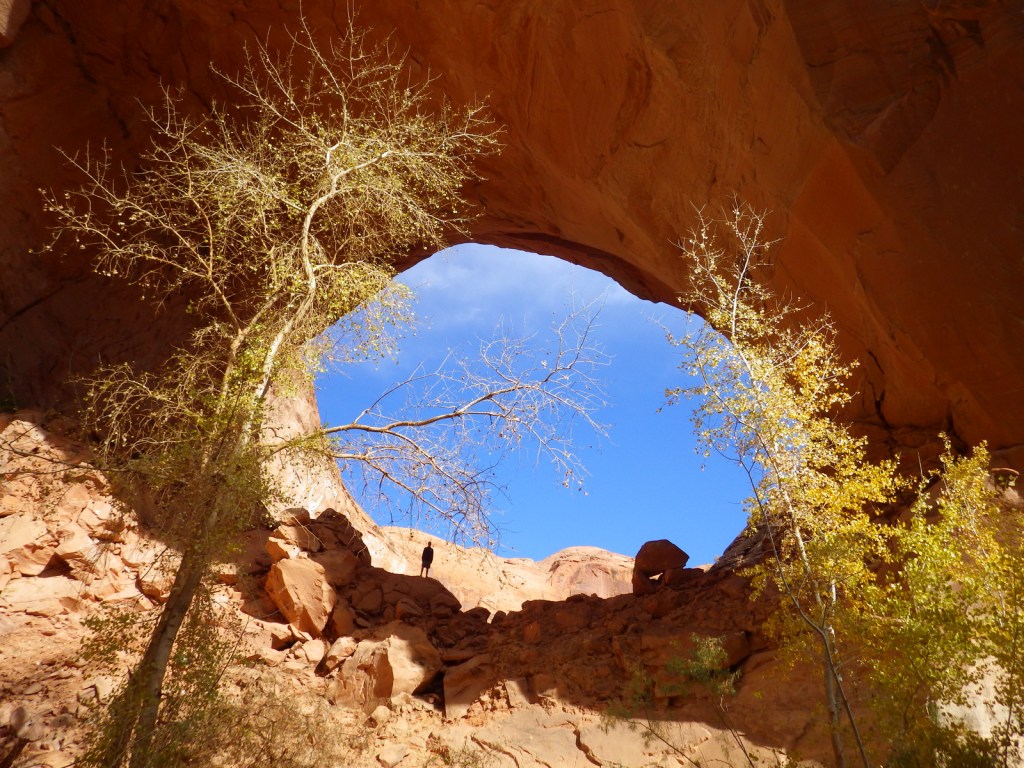
There are several developed campgrounds (mostly near marinas), but free primitive camping is allowed along most dirt roads.  A permit is required for overnight camping in the beautiful Coyote Gulch area, which is popular with backpackers.

Related Sites

Lake Mead National Recreation Area (Nevada-Arizona)

Canyon de Chelly National Monument (Arizona)

Capitol Reef National Park (Utah)

Explore More – Lake Powell is well known for its “bath tub ring,” so when did the reservoir last reach its high-water mark?

Colorado National Monument

Overview

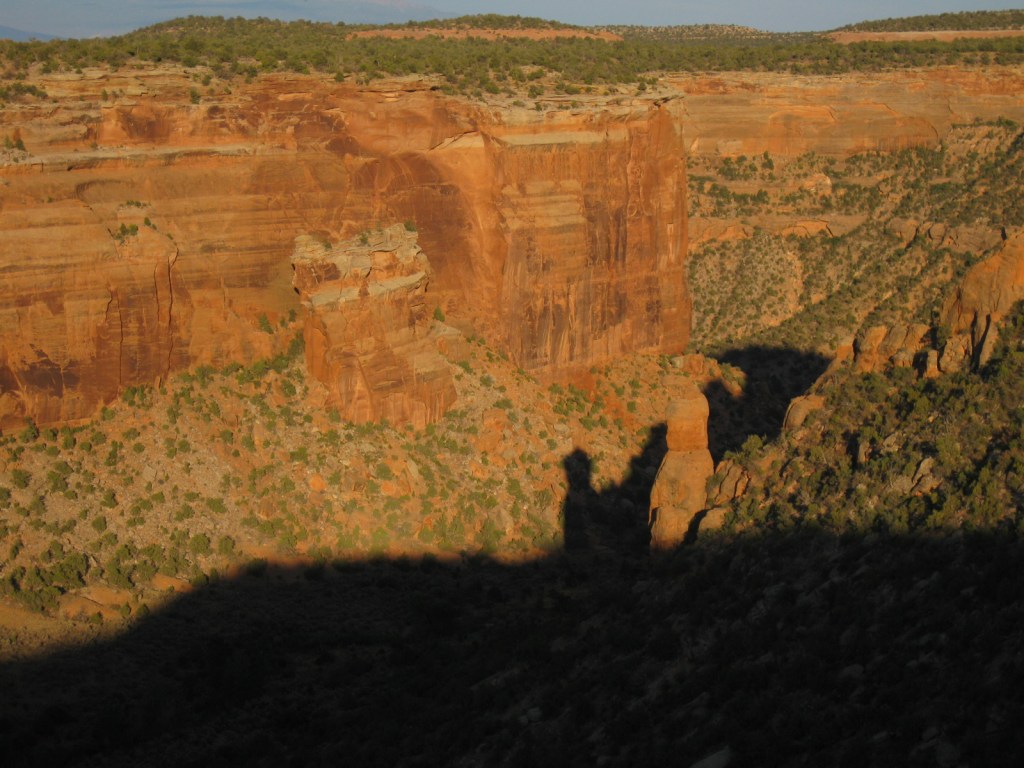
The name Colorado translates from Spanish as “red colored” and Colorado National Monument is exactly that.  From the numerous overlooks along Rim Rock Drive, the farm-dotted Colorado River Valley stretches out to the Book Cliffs and the evergreen forests of Grand Mesa.  But your attention will be drawn to the red rock formations in the foreground, like Independence Monument topped by an improbably placed American flag.  Do not miss a visit to neighboring McInnis Canyons National Conservation Area (held by the Bureau of Land Management), which has been proposed to be combined with Colorado National Monument to form a new National Park.

Highlights

Museum, film, Rim Rock Drive, Serpents Trail, Independence Monument View, Liberty Cap Trail

Must-Do Activity

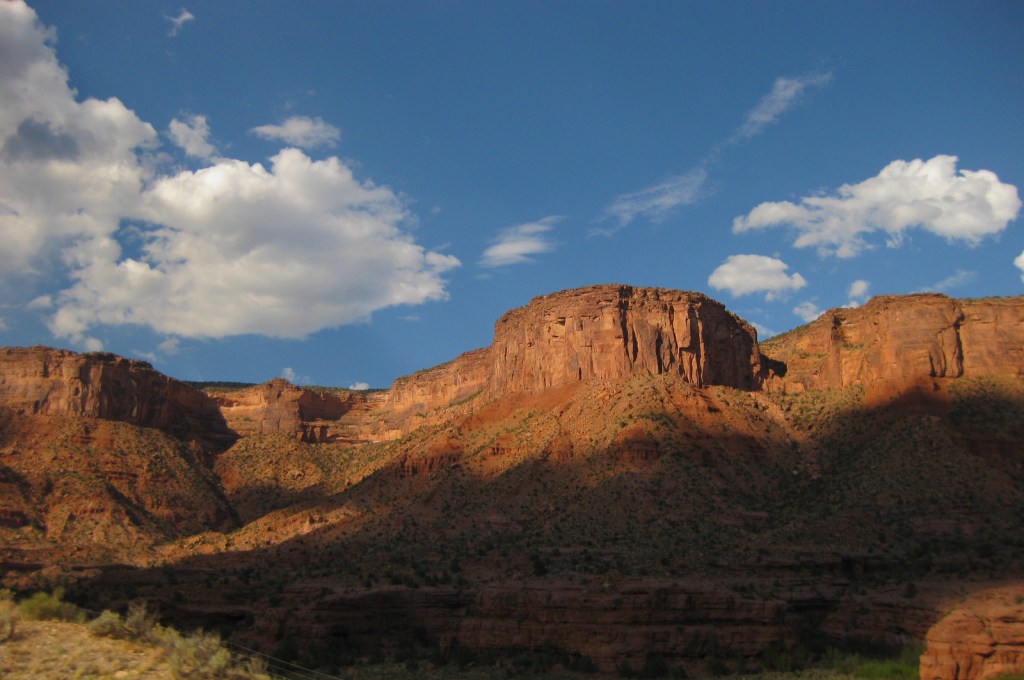
Enjoy the stellar scenery and hiking while watching the cliffs for raptors, especially during the golden hours when the red rocks really shine.  While Interstate 70 offers easy access to the National Monument on the way to Arches National Park, we recommend heading south along twisty Highway 141, passing through stunning Dolores Canyon.

Best Trail

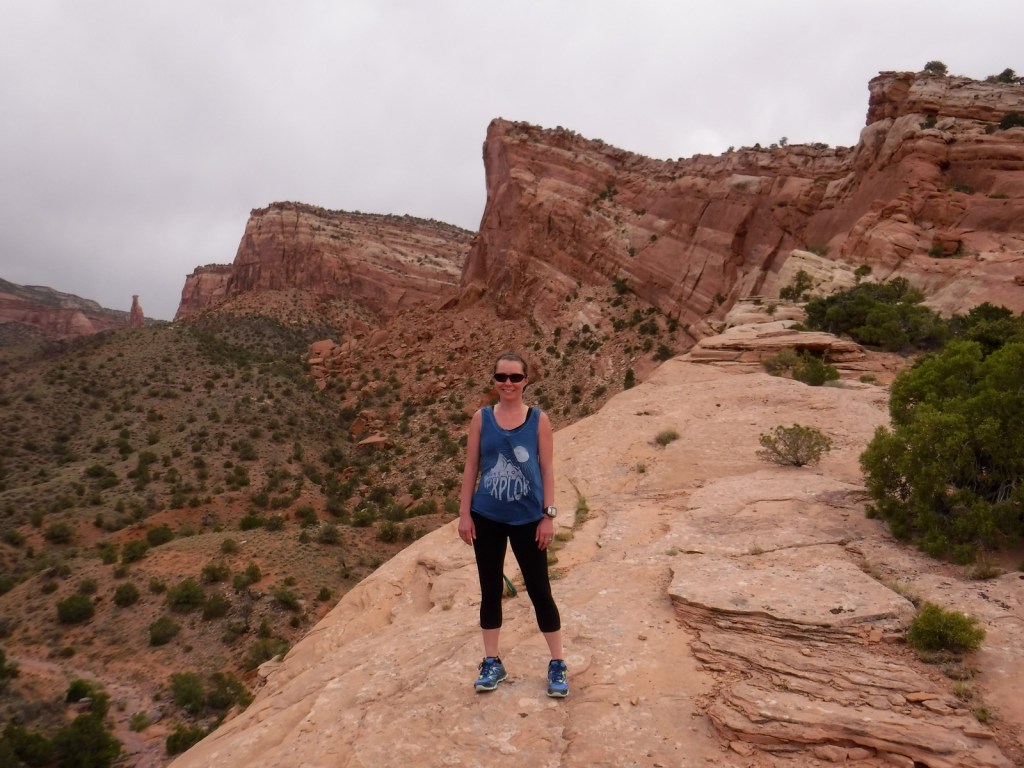
There are many great (and steep) canyon hikes in this area, including the former roadbed of Serpents Trail, once known as the “Crookedest Road in the World” until closed to vehicles following a highway reroute in 1950.

Instagram-worthy Photo

Sunrise and sunset are the best times for photography at the numerous overlooks along 23-mile Rim Rock Drive.

Peak Season

Summer

Hours

https://www.nps.gov/colm/planyourvisit/hours.htm

Fees

$25 per vehicle or America the Beautiful pass

Road Conditions

All roads paved

Camping

From Saddlehorn Campground you can see the lights of Grand Junction, Colorado and Interstate 70, but up here you feel like all of that is a million miles away.  Free backcountry camping permits are also available.

Related Sites

Mesa Verde National Park (Colorado)

Black Canyon of the Gunnison National Park (Colorado)

Canyonlands National Park (Utah)

Explore More – John Otto petitioned hard for the creation of Colorado National Monument in 1911 and served as its caretaker for 26 years at what ridiculously low salary?

Natural Bridges National Monument

Overview

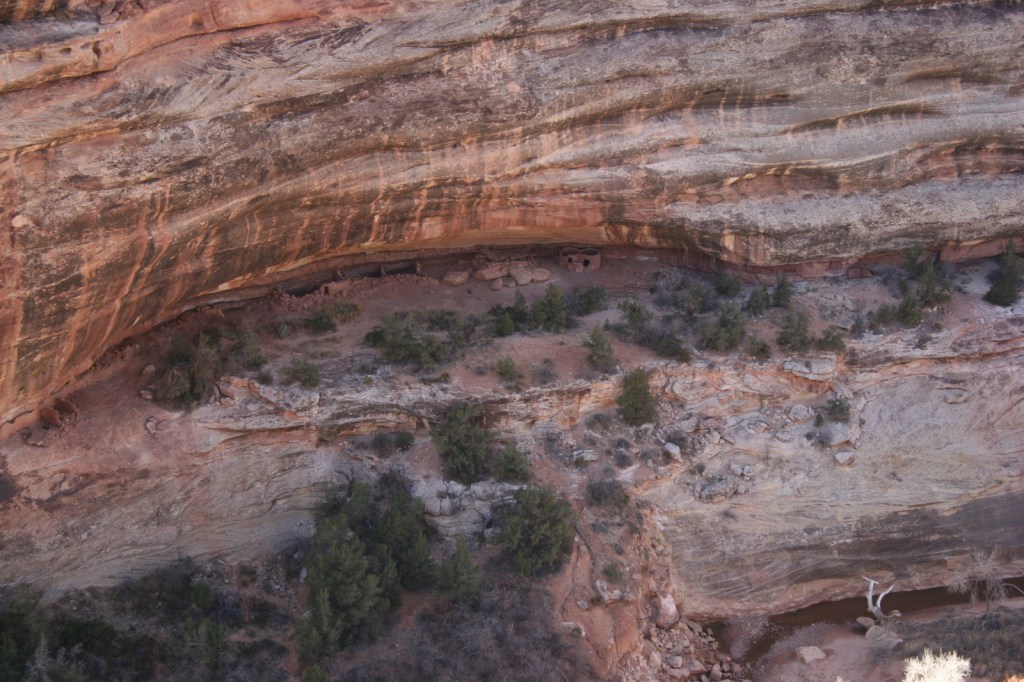
South of Canyonlands National Park is isolated Natural Bridges National Monument.  First established by President Theodore Roosevelt in 1908, it was not accessible by road until uranium mining developed this part of Utah in the 1950s.  As you may recall from our post on Arches National Park, bridges are created by flowing water, unlike arches that are primarily carved by wind.

Highlights

3 huge natural bridges, scenic views, ruins, hiking, stargazing

Must-Do Activity

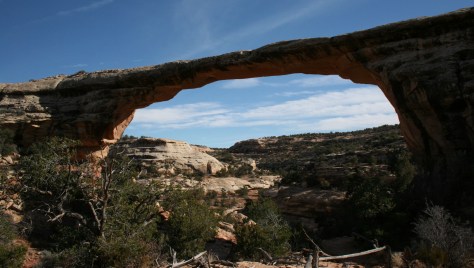
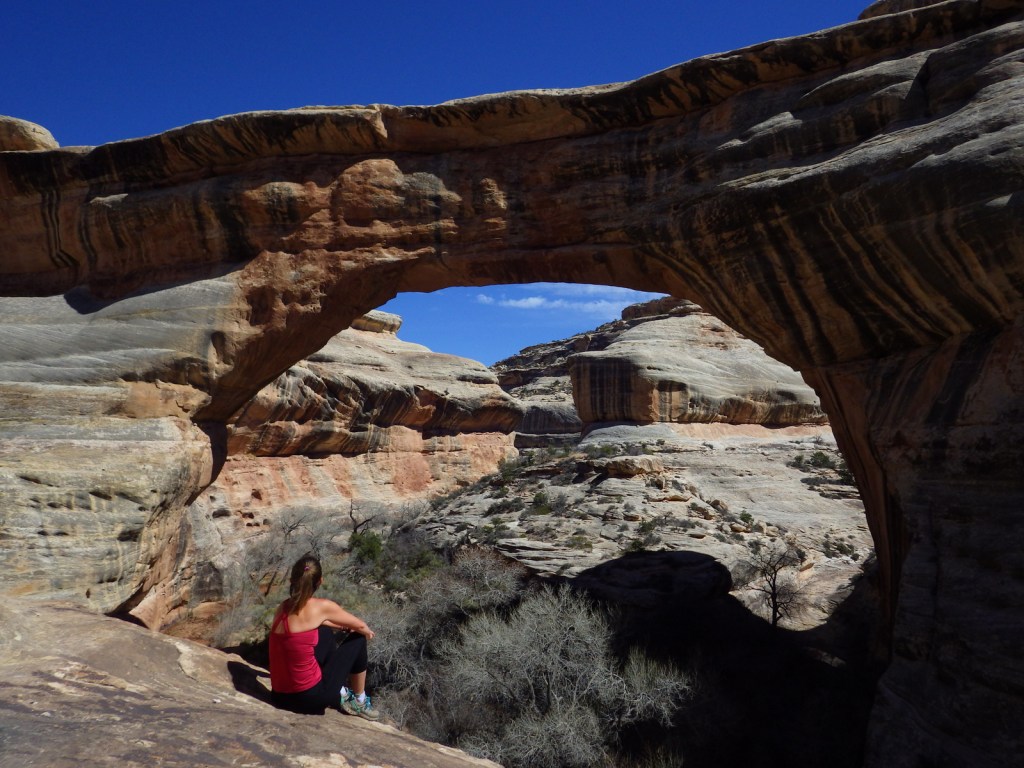
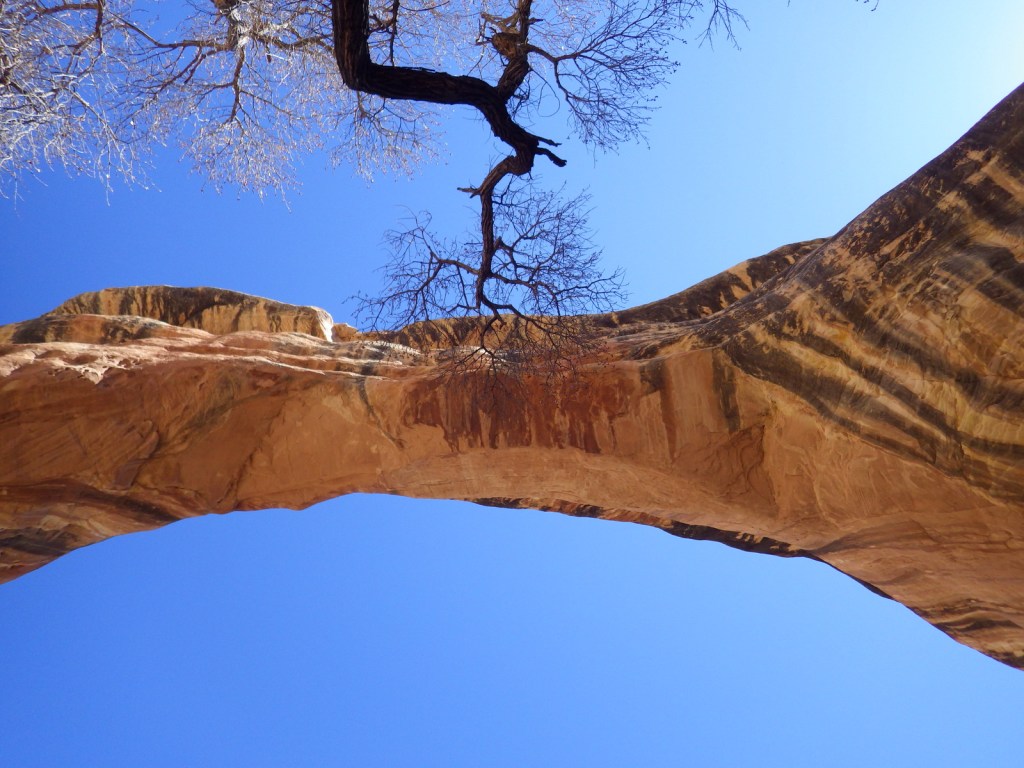
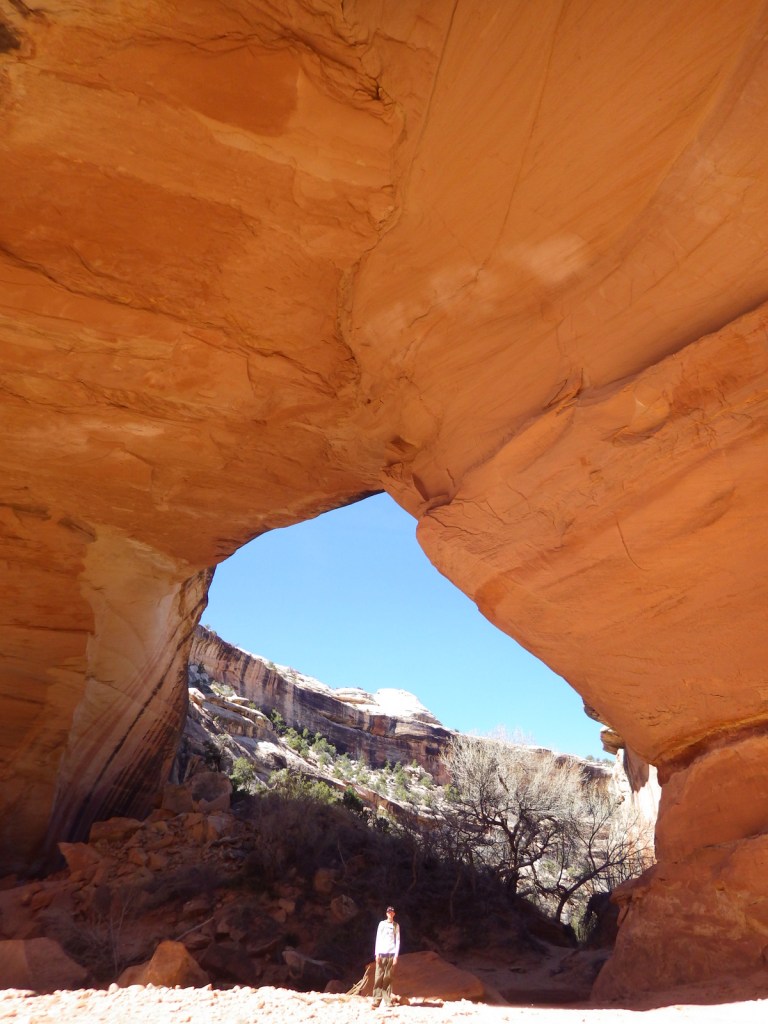
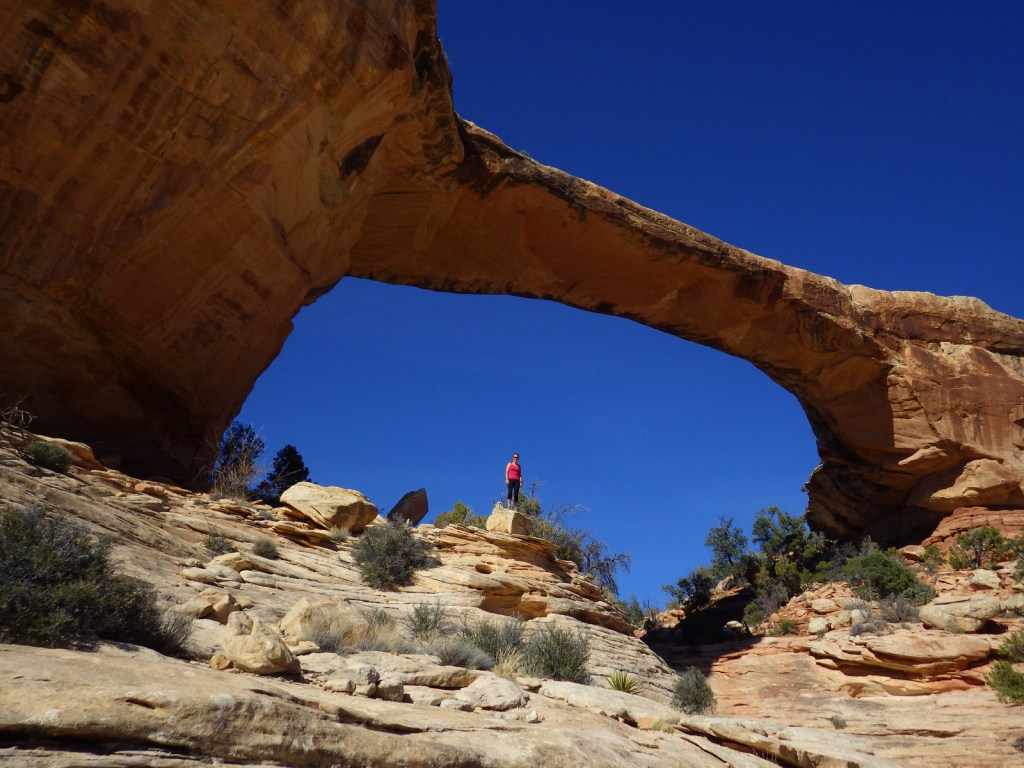
The monument is home to 220-foot tall Sipapu Bridge, which is second only to Glen Canyon’s Rainbow Bridge as the largest in the world.  Kachina Bridge, at 210 feet and growing, may catch up to it someday.  Perhaps the most visually striking of the three standing bridges is the 180-foot span of Owachomo Bridge that is only nine feet thick at its center.  Handicap accessible overlooks are available along Bridge View Drive.

Best Trail

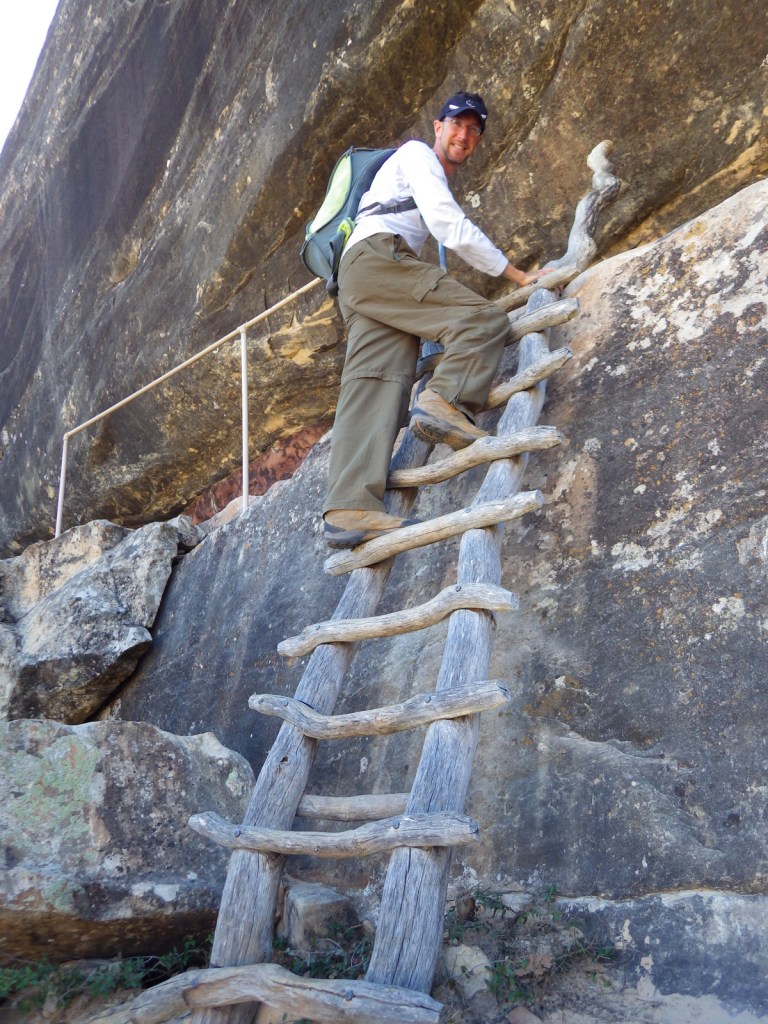
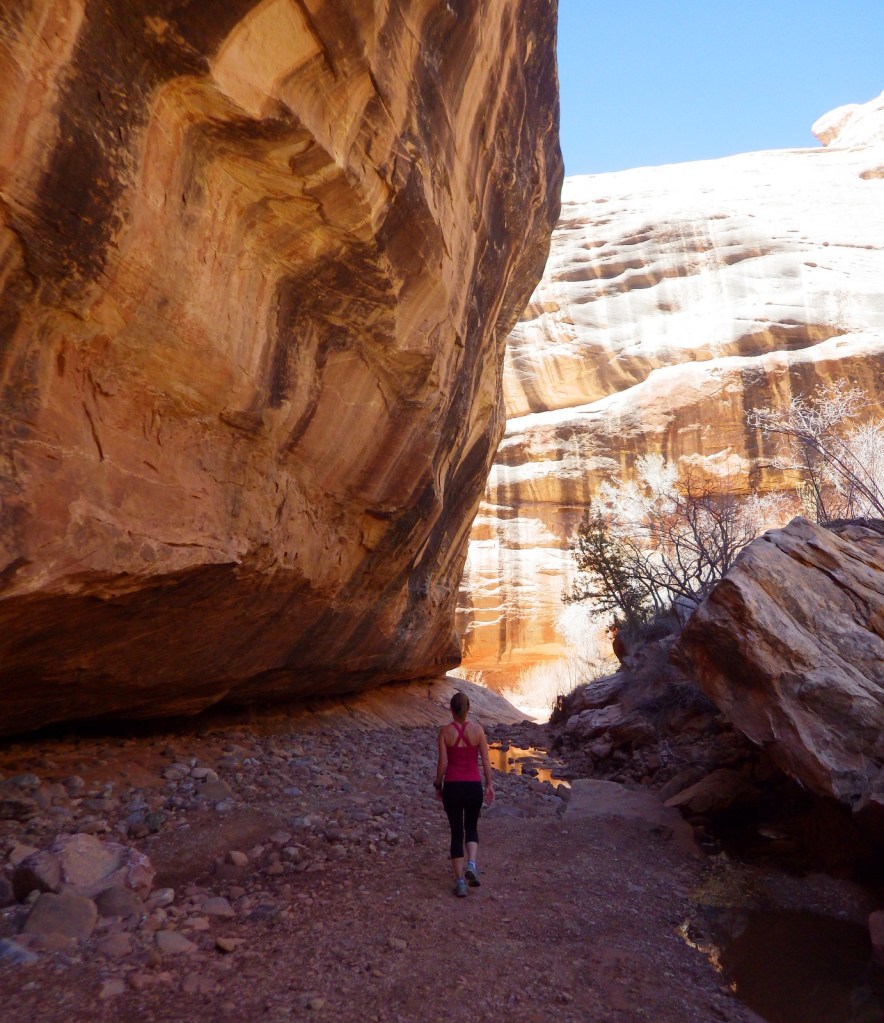
A nine-mile loop hike connects all three natural bridges, which are also accessible by shorter trails from the rim drive.  Do not attempt this rugged trek if you are not prepared; it is a rocky canyon bottom at high elevation with little shade.

Instagram-worthy Photo

Owachomo Bridge is the oldest of the three standing natural bridges in the National Monument.

Peak Season

Summer

Hours

https://www.nps.gov/nabr/planyourvisit/hours.htm

Fees

$20 per vehicle or America the Beautiful pass

Road Conditions

All roads paved

Camping

The secluded nature of this region and its elevation of 6,500 feet were factors in naming it the first International Dark Sky Park in 2007.  If you make it out this far, you might want to spend the night under the stars at the campground.

Related Sites

Rainbow Bridge National Monument (Utah)

Bryce Canyon National Park (Utah)

Capitol Reef National Park (Utah)

Explore More – In 1992, how many tons of rock fell from Kachina Bridge (the youngest of the three)?