Category Archives: Mississippi

Mississippi Road Trip Itinerary

30,030,893 acres

Statehood 1817 (20th)

Capital: Jackson

Population: 2,961,279 (34th)

High Point: Woodall Mountain (807 feet)

Best time of year: Spring

We recently published our guidebook 50 States of Great: Road Trip Guide to America, so we decided to start a new type of blog post where we create a travel itinerary for all 50 states, in addition to our usual National Forest and National Park entries.  After starting with KansasGeorgia, Idaho, Rhode Island, Minnesota, Hawai’i, Arizona, LouisianaSouth Dakota, Indiana, and Montana, we decided to do another state in the deep south.  We made an ambitious seven-day plan starting in the south on the Gulf Coast and then zigzagging across the state with plenty of options to extend the trip.

Day 1

Gulf Islands National Seashore (click here for our blog post)

You will have to take a ferry to enjoy the white sand beaches of West Ship Island, which are considered some of the best in the U.S.  If you are stuck on the mainland, at least check out the visitor center and hiking trails just off Interstate 10. 

Biloxi

Biloxi has beaches, a lighthouse, casinos, and the Maritime and Seafood Industry Museum.  I still want to see the Patriarch Oak, estimated to be more than 2,000 years old and located at Mary Mahoney’s Old French House seafood restaurant.

De Soto National Forest (click here for our blog post)

Tuxachanie National Recreation Trail runs 12 miles through De Soto National Forest with the path from its western trailhead following an old logging railroad right off Highway 49.  Near the far eastern end of the trail is a lakeside World War II Prisoner of War camp with a pond.

Optional stop at Mississippi Sandhill Crane National Wildlife Refuge

Some sandhill cranes migrate to this forested spot for the winter, but a small population lives there year-round.  There are trails, interpretive signs, and a visitor center.

Day 2

Natchez National Historical Park (click here for our blog post)

National Park Service (NPS) rangers or volunteers are on location at the William Johnson House, Melrose Estate, and the Forks of the Road where hundreds of thousands of slaves were sold in the 1800s.  The William Johnson House tells the story of a slave freed at age 11 who apprenticed to a barber, and became a successful businessman before his murder.
Grand Village of the Natchez Indians State Historic Site

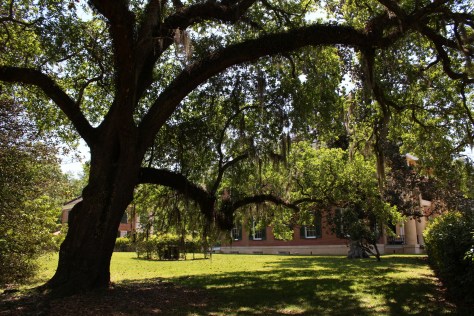
These historic mounds offer a free museum and film inside an air-conditioned building (which is important on a muggy summer day). 

Optional stop at Homochitto National Forest (click here for our blog post)

There is a nice campground with showers on Clear Springs Lake, accessed by a paved road four miles south of Highway 84.  A one-mile trail circles the lake, which has a picnic shelter built by the Civilian Conservation Corps (CCC) in 1935 that is listed on the National Register of Historic Places.

Day 3

Natchez Trace Parkway (click here for our blog post)

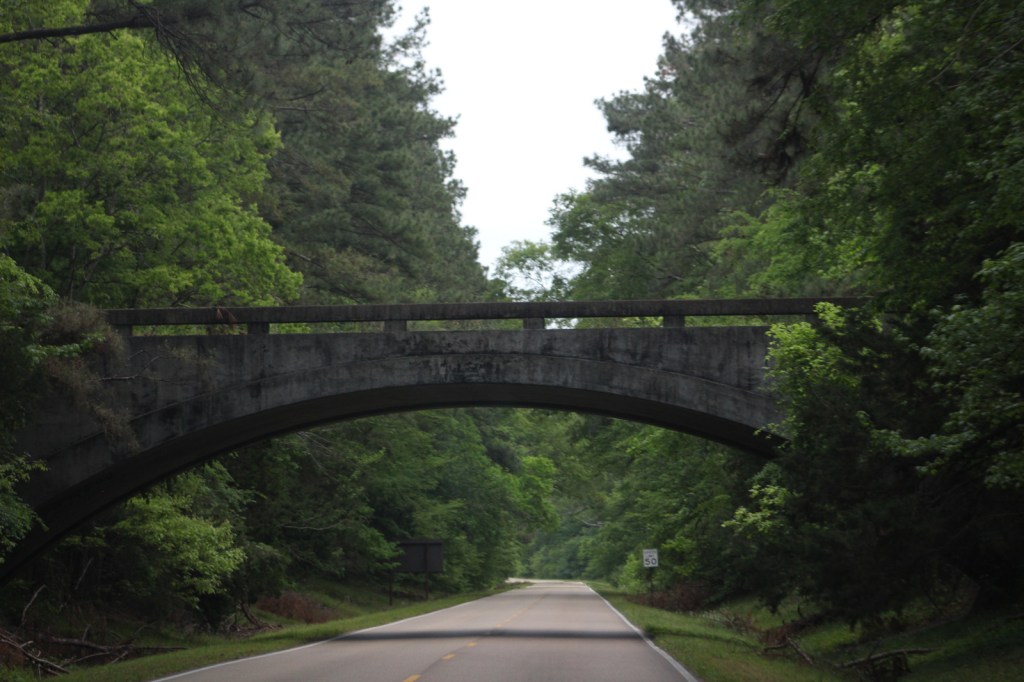
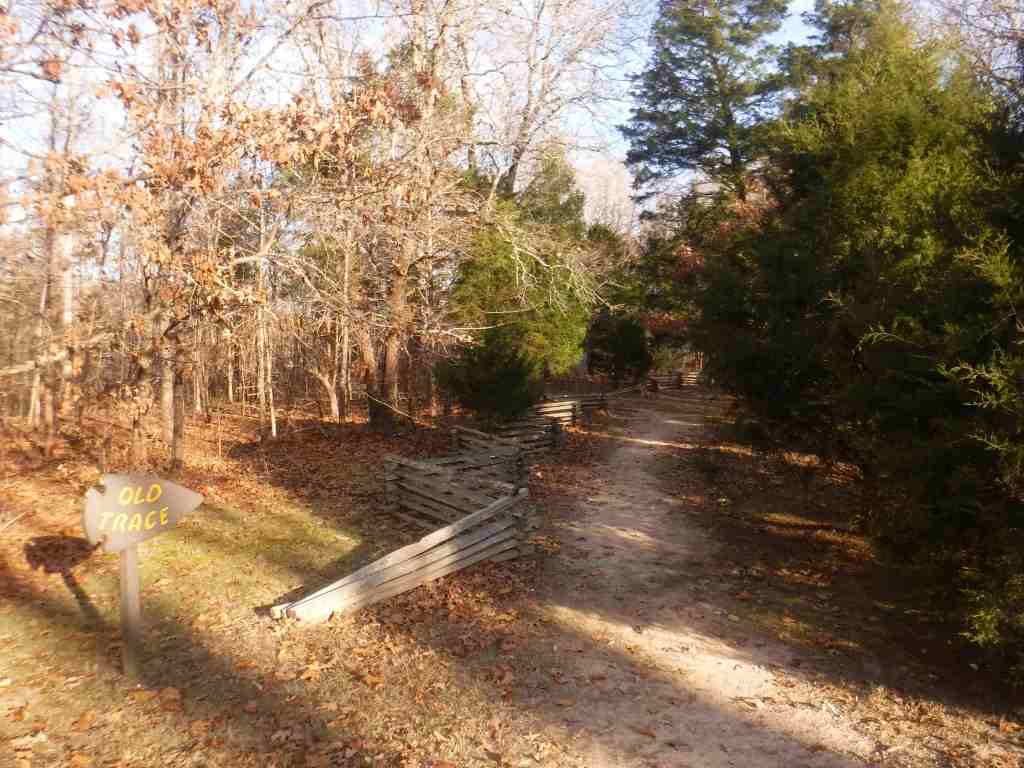
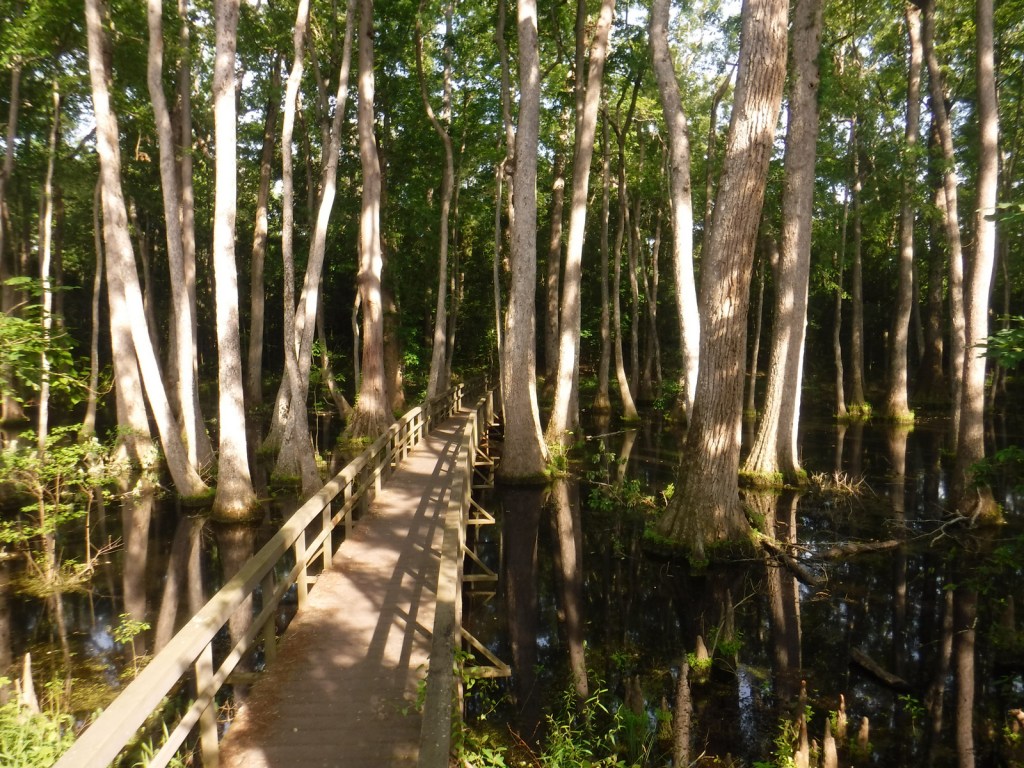
This paved road runs 444 miles from the Mississippi River to Nashville, Tennessee, including 309 miles in Mississippi.  The trace (or trail) started as an American Indian footpath and was heavily used in the 1800s by “Kaintuck” flatboatmen returning from New Orleans who left the Mississippi River at Natchez and continued on foot north.  At several roadside pullouts, you can still follow portions of the “sunken” trail worn down by travelers over the centuries.  Popular stops along the way include the boardwalk at Cypress Swamp outside Jackson and its three free campgrounds.

Optional stop at Natchez Trace National Scenic Trail (click here for our blog post)

Paralleling the parkway, this trail exists in five segments totaling 67 miles in length.  One of the longest sections is located north of Jackson (Miles 108-130).  There are also eight miles of the original trace around the free Rocky Springs Campground (Mile 58) accessing Owens Creek Waterfall and a historic town site.

Day 4

Jackson

The capital city is home to the Mississippi Civil Rights Museum, Museum of Mississippi History, and Mississippi Agriculture and Forestry Museum.  The Mississippi Museum of Natural Science is a 73,000-square-foot facility situated in a 300-acre forest with 2.5 miles of trails that also boasts a 200-seat theater and many aquariums, including “The Swamp” where alligators reside inside a large greenhouse. 

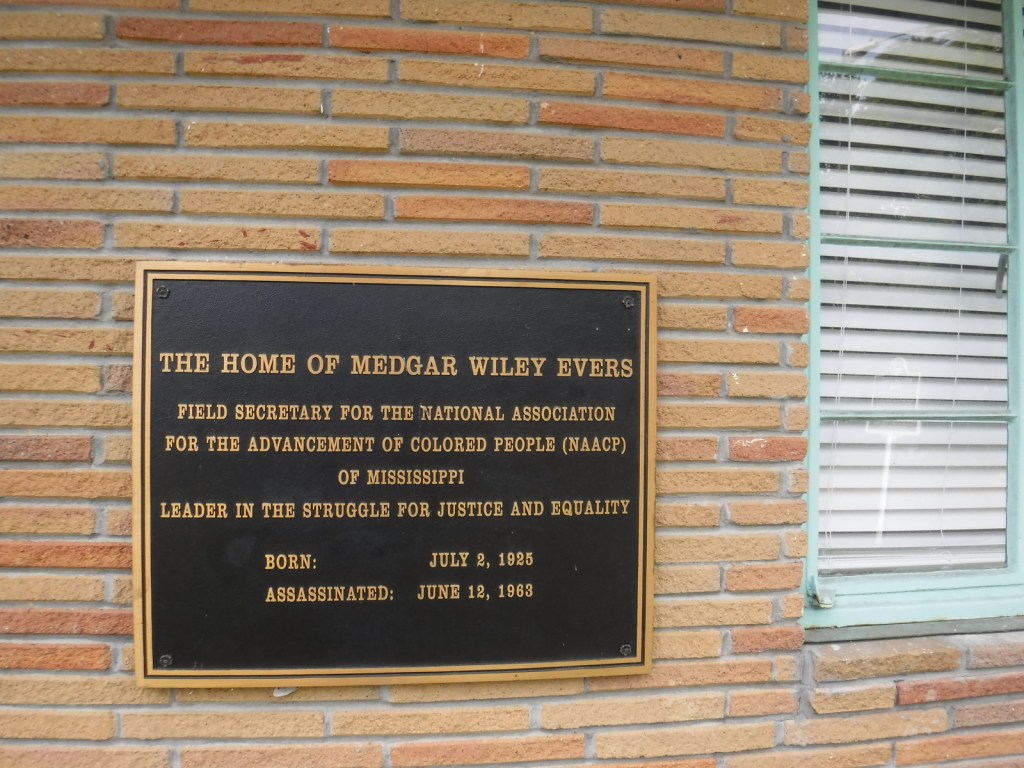
Medgar and Myrlie Evers Home National Monument (click here for our blog post)

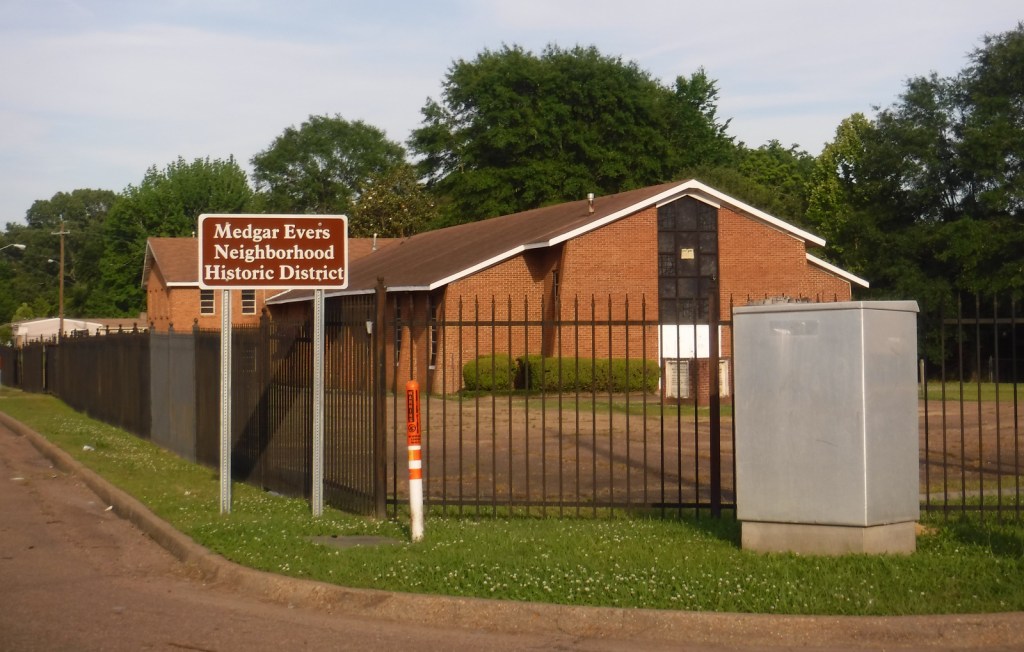
In Jackson, the National Park Service manages the former home of a prominent Civil Rights Leader who was assassinated in his driveway in 1963.  Across the street, there is a sidewalk through Myrlie’s Garden, a community garden where interpretive signs on the wooden fence tell the story of the Evers family.

Optional stop at Bienville National Forest (click here for our blog post)

There are several lakes here open to the public, including 50-acre Marathon Lake (which got its name a lumber company that closed in 1929).  The lake was built in the 1950s for recreation in a former logging camp and now has 34 campsites (with water and electric hook-ups), a boat ramp, a swimming area, and a 1.7-mile trail that circles it. 

Day 5

Vicksburg National Military Park (click here for our blog post)

The numerous failed attempts to take Vicksburg by force are evidenced by the 17,000 soldiers buried in the National Cemetery here.  Following a 46-day bombardment, the city finally surrendered on July 4, 1863.  The best part of visiting the park is walking through the partially-reconstructed U.S.S. Cairo, an ironclad gunboat which was carefully salvaged from the Yazoo River during the 1960s.

Optional stop at Delta National Forest (click here for our blog post)

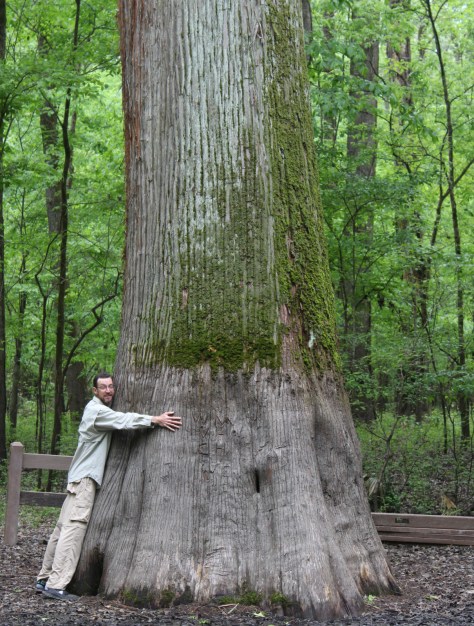
Delta National Forest is seasonally flooded for wildlife, but it was dry enough to walk up to the Kay Cypress Tree even when other trails were underwater during our April visit.  The tree is more than ten feet in diameter even above the widely fluted base common to baldcypress.  It is located across from Blue Lake on unpaved Fire Tower Road.
Day 6

Emmett Till Historic Intrepid Center (ETHIC)

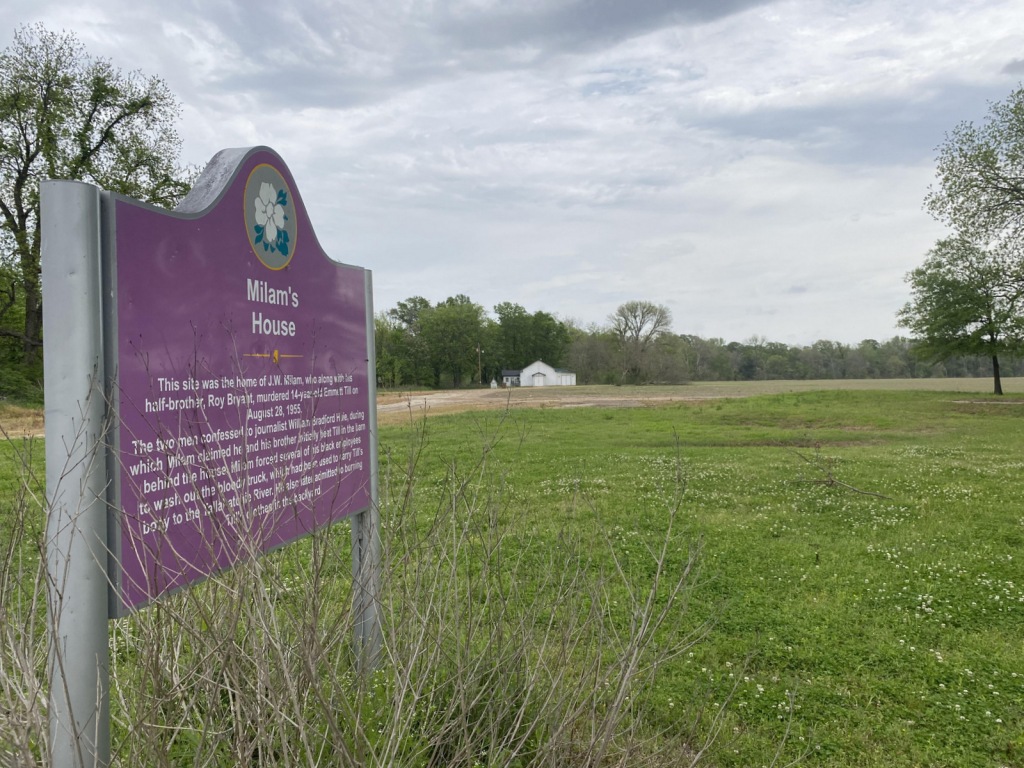
Located in a former cotton gin near the site of Emmett Till’s torture and murder on the farm of “J.W.” Milam in Glendora.  Established in 2005, there is an atmosphere to the museum that bears the full weight of history, heightened by the short introductory video showing Emmett Till’s family members’ recollections of the events of 1955. 

Emmett Till and Mamie Till-Mobley National Monument (click here for our blog post)

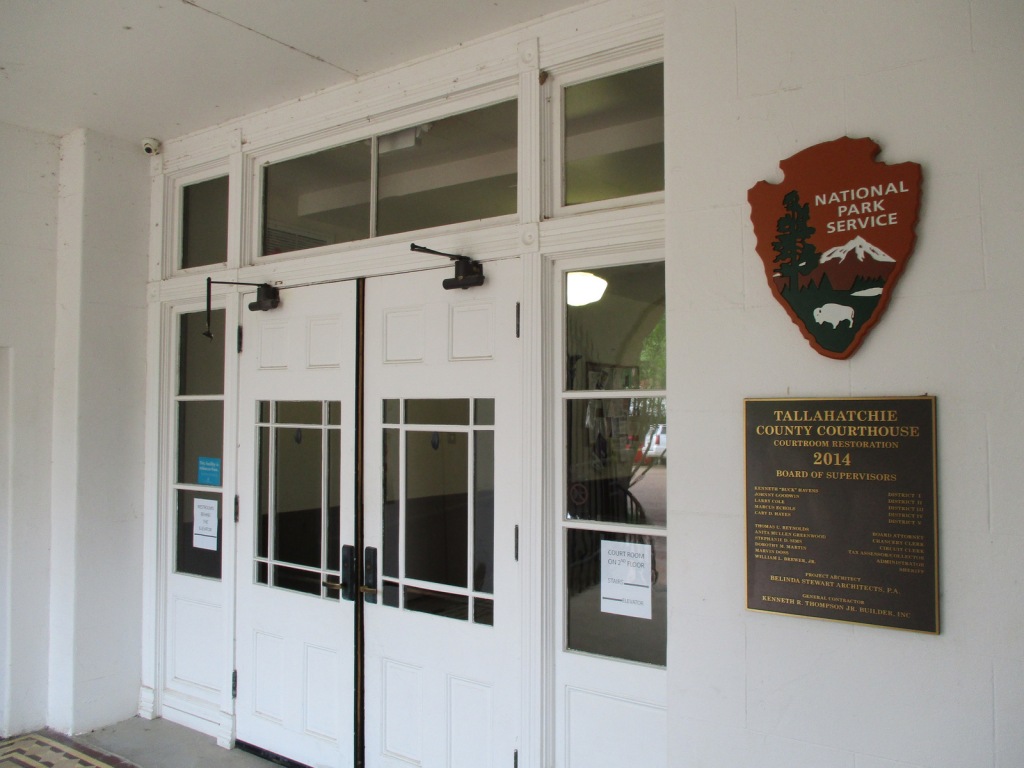
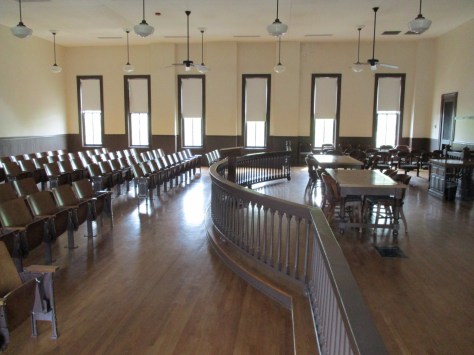
The National Park Service operates out of the Emmett Till Interpretive Center, located in a strip mall opposite the Tallahatchie County Second District Courthouse in Sumner.  It has limited hours, but the courtroom where the September 1955 trial was held was unlocked when we visited on a Tuesday morning.
Optional stop at a Blues Museum

The Yazoo-Mississippi Delta (or simply “the Delta”) is a distinct section of western Mississippi renowned for its blues musicians.  There is plenty to learn and listen to at the Delta Blues Museum in Clarksdale, GRAMMY Museum Mississippi in Cleveland, and B.B. King Museum and Delta Interpretive Center in Indianola.  Spend the night in the area to go to a bar for live music in the evening. 

Optional stop at Belzoni Catfish Museum and Welcome Center

At its peak in 1993, this region produced 461-million pounds of catfish annually (about 60% of U.S. production) and still hosts the World Catfish Festival every April.  The best part is that Belzoni has catfish sculptures spread around town, painted to represent different occupations like a fireman and nurse. 

Day 7

Brices Cross Roads National Battlefield Site (click here for our blog post)

The National Park Service site here is tiny with no facilities and only a couple interpretive signs, but a local battlefield commission owns 1,400 acres with walking trails.  The nearby Mississippi Final Stands Interpretive Center is located five miles east of the battlefield in Baldwyn. 

Tupelo National Battlefield (click here for our blog post)

Two cannons and a monument mark this one-acre National Park Service site surrounded by the city of Tupelo.  Its visitor center is combined with the one for the Natchez Trace Parkway just outside Tupelo.

Optional stop at Elvis Pressley Birthplace and Museum

In Tupelo, the house where Elvis grew up is a main attraction.  The grounds are open 24 hours and the museum is open seven days a week. 

Optional stop at Tishomingo State Park

Tishomingo State Park is located just off the Natchez Trace Parkway (Milepost 304) northeast of Tupelo.  The park’s sandstone and limestone rock formations represent the furthest southwest extent of the Appalachian Plateau.  The park opened in 1939, after its infrastructure was built using local rock by the Civilian Conservation Corps (CCC).  Several structures remain from that period, including a spectacular swinging bridge over Bear Creek.

Day 8+

Holly Springs National Forest (click here for our blog post)

Chewalla Lake Recreation Area is the most developed site offering a swimming beach and campground, plus fishing and boating opportunities.  A 2.3-mile trail at the 260-acre lake passes an overlook and a reconstructed Choctaw burial mound.  In the northeast corner off Highway 72, a short trail accesses Baker’s Pond, the source of the Wolf River.  Further south, Lake Tillatoba is a fee-free primitive site managed by Tombigbee National Forest.

Shiloh National Military Park (click here for our blog post)

An important railroad crossroads in Corinth made it a strategic spot during the Civil War.  In April 1862, two days of intense fighting across the border in Tennessee resulted in 23,746 soldiers killed, wounded, captured, or missing, and the Confederates abandoned the field and Corinth.  There were an additional 7,000 casualties when they failed to recapture the town in October 1862, which is the focus of the museums in town.

Apron Museum

Iuka is home to the Apron Museum that has collected thousands of vintage aprons, plus it has a gift shop with quilts, crafts, and, of course, aprons for sale.  Nearby, a restored wooden covered bridge is also worth a look-see and a drive across.

Learn more about Mississippi’s Most Scenic Drive, Wonderful Waterfall, Top State Park, and other categories in our travel guidebook 50 States of Great: Road Trip Guide to America.

Natchez Trace Parkway

Natchez Trace Parkway

Mississippi-Alabama-Tennessee

Managed by National Park Service

Established 1938

52,302 acres

Website: nps.gov/natr

Overview

The Natonal Park Service (NPS) administers the Natchez Trace Parkway, a two-lane All-American Road that extends 444 miles from Natchez, Mississippi to Nashville, Tennessee.  The trace started as a game trail that was utilized as an American Indian footpath.  Some of the mound builder sites protected here were inhabited when Hernando de Soto led the first Europeans into this area in 1540.  The Natchez Trace was heavily used in the 1800s by “Kaintuck” flatboatmen returning from New Orleans who left the Mississippi River from Natchez, Mississippi and continued on foot north to Kentucky and beyond.  Today you can still follow portions of the sunken trail worn down by travelers for centuries.  The parkway began as a Civilian Conservation Corps (CCC) project during the Great Depression and the final two segments were completed in 2005.

Highlights

Rocky Springs, Owens Creek Waterfall, Emerald Mound, Mount Locust, Chickasaw Village, Meriwether Lewis Monument and Gravesite, Cypress Swamp Walk, Witch Dance Horse Trail, Natchez Trace National Scenic Trail

Must-Do Activity

Near Tupelo, the Parkway Visitor Center at Milepost 266 is a must-do stop to learn the history of the trace, and it also serves as the NPS contact station for tiny Brices Cross Roads National Battlefield Site and Tupelo National Battlefield.  There are numerous roadside informational pullouts and trailheads along the route, so use the NPS app or pick up an official “unigrid” map.  You can easily spend days exploring, but at a minimum we recommend you check out Emerald Mound, Mount Locust, Cypress Swamp, and Meriwether Lewis Monument and Grave Site.

Best Trail

Our favorite trail is the Cypress Swamp Walk at Milepost 122, where a boardwalk crosses a scenic tupelo-baldcypress swamp.  The Natchez Trace National Scenic Trail (click here for our blog post) does not follow the entire 444-mile parkway, but exists in five segments totaling 67 miles in length.  There are also 15 miles of equestrian trails at Witch Dance (Milepost 233.2) in Tombigbee National Forest.

Photographic Opportunity

Not far from Natchez National Historical Park, Emerald Mound (a short detour at Milepost 10.3) is the second-largest American Indian ceremonial mound in the U.S.  It stands 35 feet tall and 770 by 435 feet at its base. 

Peak Season

Spring and fall

Hours

https://nps.gov/natr/planyourvisit/hours.htm

Fees

None

Road Conditions

The entire 444-mile Natchez Trace Parkway is paved from Natchez, Mississippi to Nashville, Tennessee with commercial traffic prohibited and a maximum speed limit of 50 miles per hour.  There is a detour from Milepost 181 to 204 due to ongoing construction.  Watch for bicycles and white-tailed deer on the road.

Camping

There are three free NPS campgrounds (at Milepost 54, 193.1, and 385.9) along the route, as well as those in sites like Mississippi’s Tishomingo State Park.  The three NPS campgrounds have water and bathrooms (but no RV hookups), plus there are also five bike-only campsites along the route.  Jeff Busby Campground closed in June 2025 for repairs.

Related Sites

Natchez National Historical Park (Mississippi)

Tupelo National Battlefield (Mississippi)

Brices Cross Roads National Battlefield Site (Mississippi)

Vicksburg National Military Park (Mississippi)

Nearest National Park

Hot Springs

Explore More – When were Ackia Battleground National Monument and Meriwether Lewis National Monument disbanded and added to the Natchez Trace Parkway?

Brices Cross Roads National Battlefield Site

Brices Cross Roads National Battlefield Site

Mississippi

Managed by National Park Service

Established 1929

1 acre

Website: nps.gov/brcr

Overview

During General Sherman’s “march to the sea” in 1864, he dispatched troops under Brigadier General Samuel D. Sturgis to northern Mississippi to protect the 151-mile Nashville & Chattanooga Railroad line from Major General Nathan Bedford Forrest’s Confederate cavalry.  The two sides clashed on June 10 at this site in northern Mississippi, when a larger Union force of 8,100 men was routed by 3,500 Confederates.  However, Sherman’s supply line remained intact during his march towards Atlanta.

Highlights

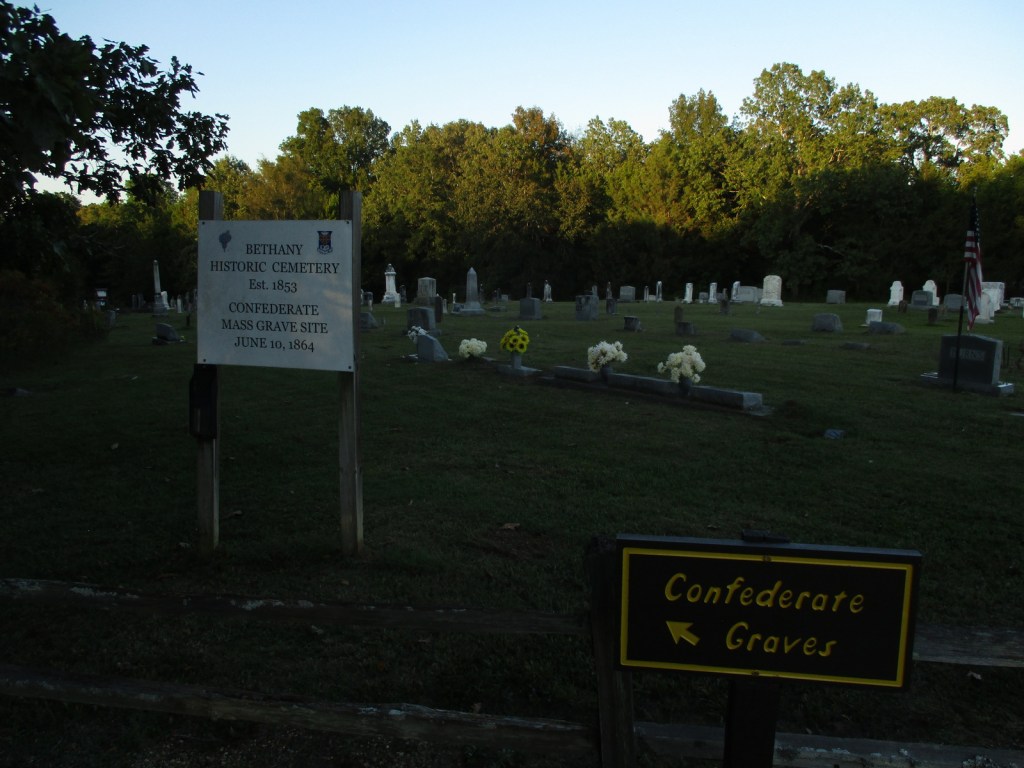
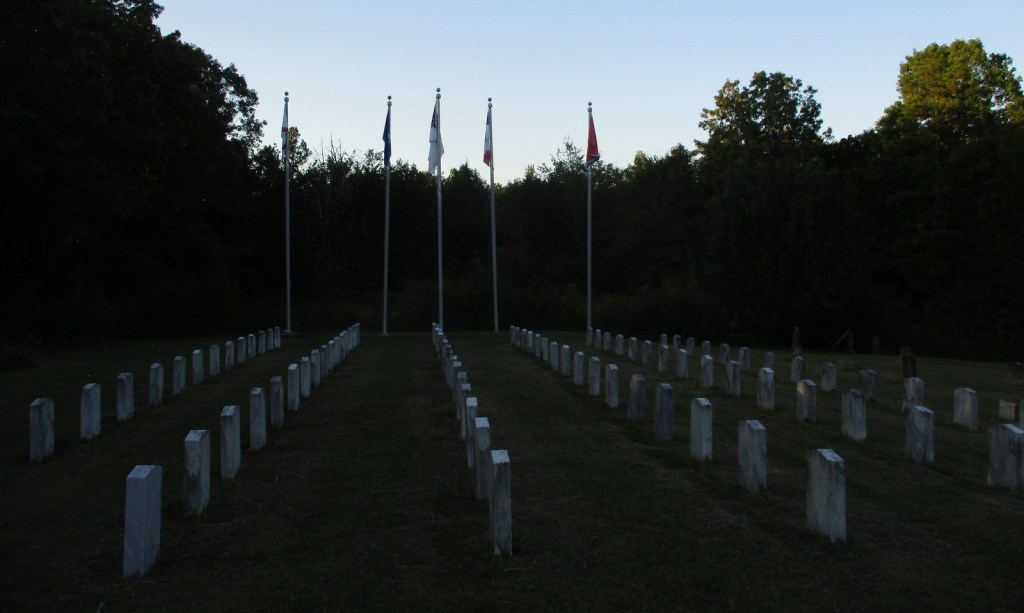
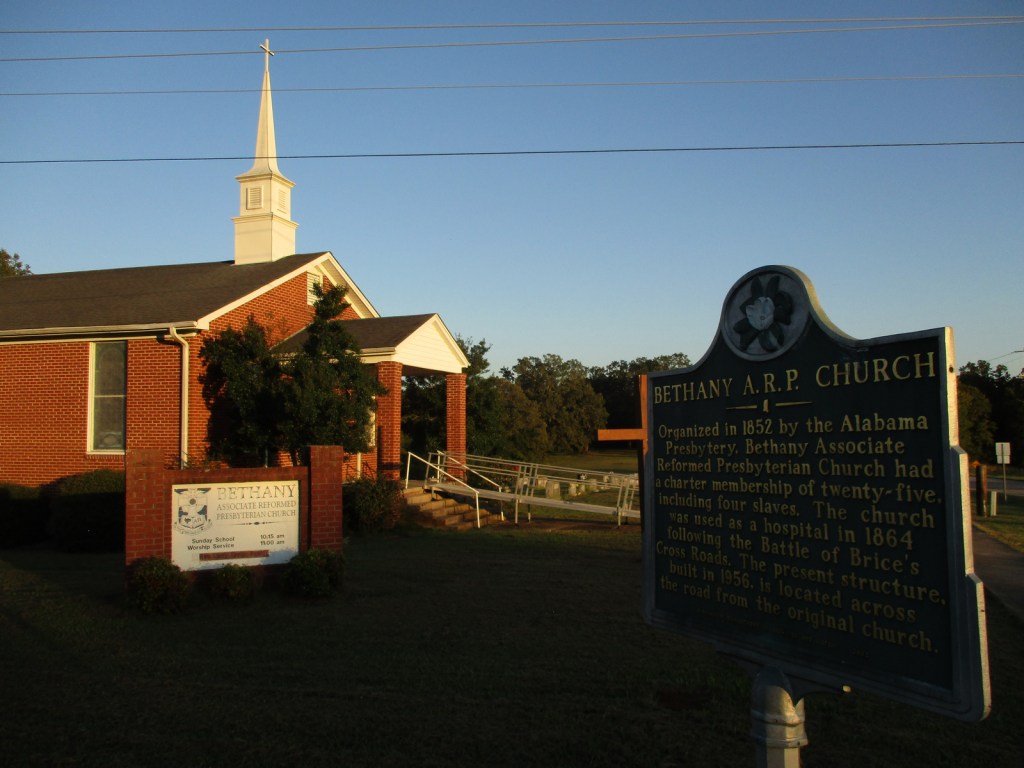
Bethany Church Cemetery, Mississippi Final Stands Interpretive Center

Must-Do Activity

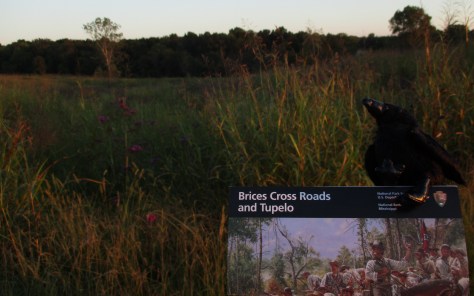
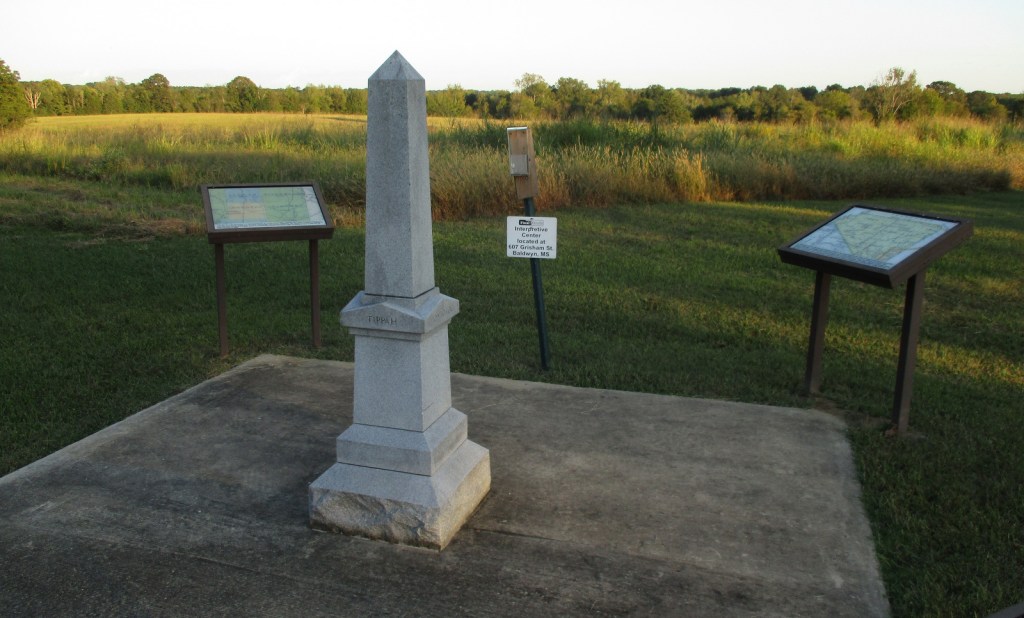
The National Park Service site here is tiny with no facilities and only a couple interpretive signs, but a local battlefield commission owns 1,400 acres with walking trails.  The nearby Mississippi Final Stands Interpretive Center is located five miles east of the battlefield in Baldwyn.  For a passport stamp, stop at the Natchez Trace Parkway visitor center outside Tupelo.  We arrived at Brices Cross Roads National Battlefield Site near sunset, but we were still able to explore the small park at the four-way stop at the crossroads of Highway 370. 

Best Trail

A local battlefield commission owns 1,400 acres with miles of walking trails, with the longest located at Log Cabin Knoll.

Instagram-worthy Photo

A monument was erected where the Brice home once stood, used as a place to treat the wounded of both armies during the battle.

Peak Season

Spring and fall

Hours

The Battlefield Site is never closed, but Mississippi Final Stands Interpretive Center is closed every Sunday, Monday, and most holidays.

Fees

None for Brices Cross Roads National Battlefield Site, but $7 per person at Mississippi Final Stands Interpretive Center.

Road Conditions

Park on the shoulder of the paved highway to access the site.

Camping

J.P. Coleman State Park is located east of Corinth and Tombigbee State Park is near Tupelo.

Related Sites

Holly Springs National Forest (Mississippi)

Tupelo National Battlefield (Mississippi)

Shiloh National Military Park (Tennessee-Mississippi)

Explore More – Who was the Colonel that commanded several regiments of United States Colored Troops (USCT) instrumental in the defensive actions that protected the Union Army’s retreat across the Tishomingo River?

Medgar and Myrlie Evers Home National Monument

Medgar and Myrlie Evers Home National Monument

Mississippi

Managed by National Park Service

Established 2019

0.74 acres

Website: nps.gov/memy

Overview

In the early 1960s, Medgar Evers served as a field secretary for the National Association for the Advancement of Colored People (NAACP) and became a target for racial hatred in Jackson, Mississippi.  After Medgar was slugged while aboard a bus and almost run over by a car, the Evers family home was firebombed on May 28, 1963.  Then just before midnight on June 11, Medgar was assassinated in his driveway by a sniper from a vacant lot across the street.  Medgar died the next morning and his wife Myrlie moved the family to California where she continued as a civil rights advocate (and was eventually elected as Chair of the NAACP).  The family rented the property for 30 years before donating it to Tougaloo College who restored the house and sold it to the National Park Service (NPS) in 2020.

Learn more about the other 137 National Monuments in our book Monumental America: Your Guide to All 138 National Monuments. It is now available for sale on Amazon.com.

Highlights

Evers’ House, Myrlie’s Garden

Must-Do Activity

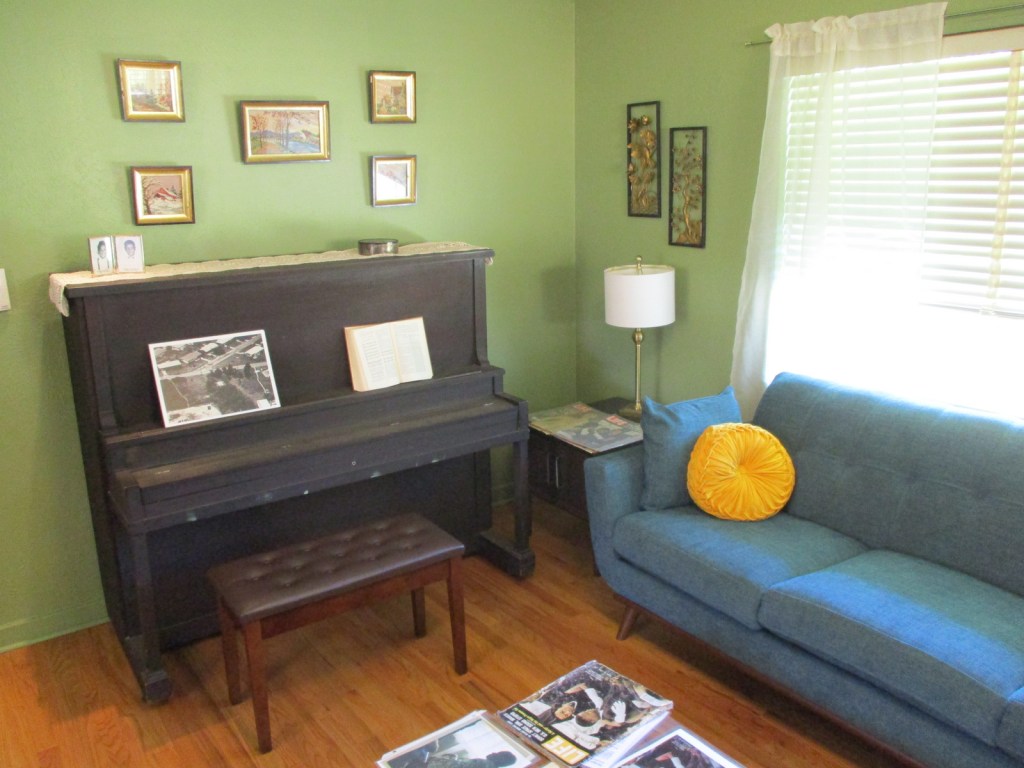
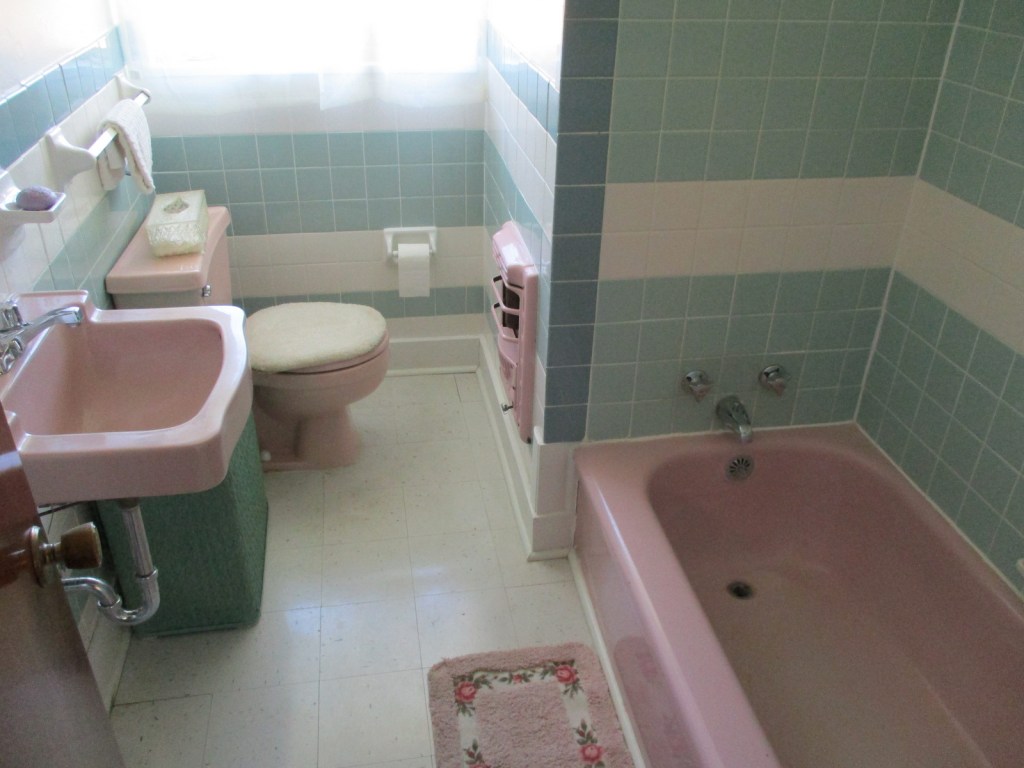
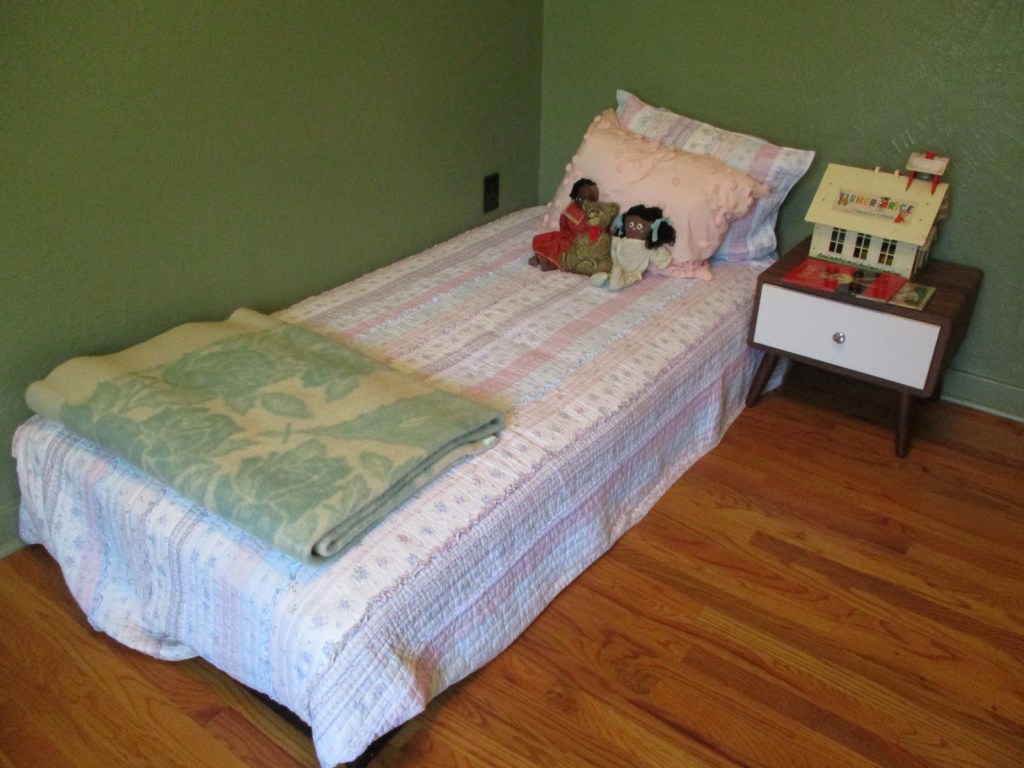
In 1956, the Evers family chose this new house because it did not have a front door, but rather an entrance on the side off the covered carport for security.  After you enter the house from the back door, be sure to find where the bullet hole is still in the wall to the kitchen.  You will also notice that the children’s beds were on the floor below the window level for safety, and Medgar trained them to crawl to the bathroom in case of an attack.  There is a four-page Junior Ranger booklet for the site that can be completed during a short visit, which takes a serious yet positive tone for this important civil rights site.  Still, it made it on our list of the Top 10 Most Depressing National Park Service Sites.

Best Trail

There is a sidewalk through Myrlie’s Garden, a community garden less than one-tenth of a mile from the house where interpretive signs on the wooden fence tell the life story of the Evers.

Photographic Opportunity

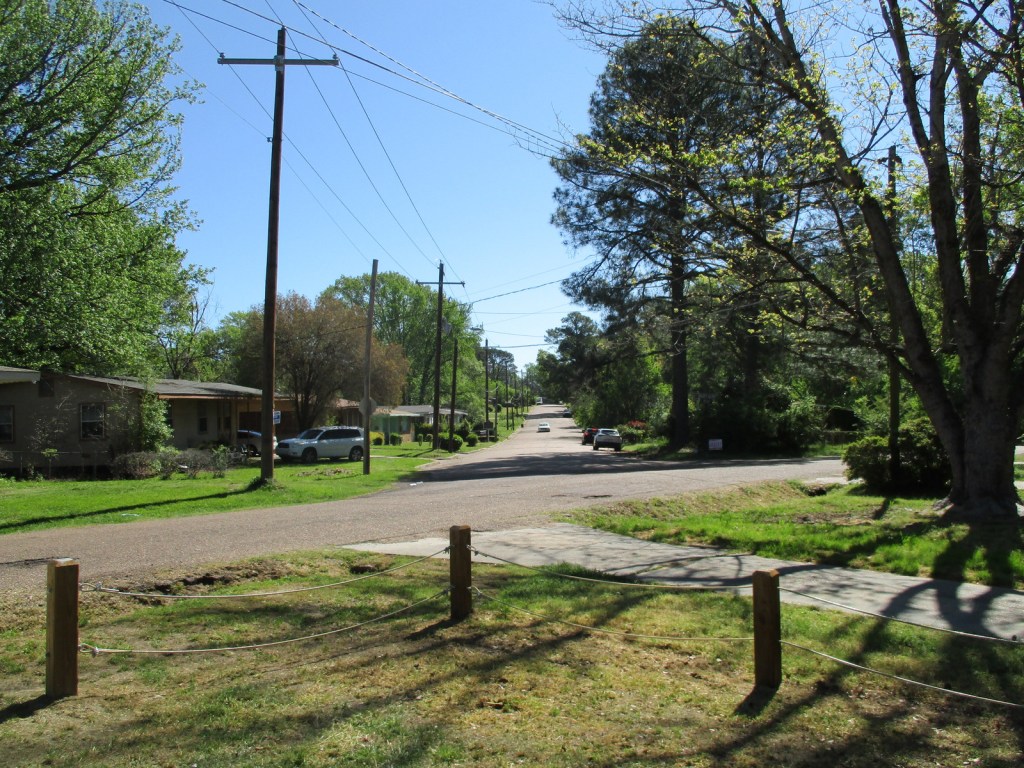
In Jackson’s Elraine Subdivision, the Evers’ house is one of 36 ranch-style houses built as the first planned middle-class subdivision for African Americans in Mississippi after World War II.

Peak Season

Spring and fall

Hours

Closed Sundays and Mondays, and noon to 1 p.m. for lunch

https://www.nps.gov/memy/planyourvisit/hours.htm

Fees

None

Road Conditions

There is street parking available in the neighborhood, but rangers prefer that you park at Myrlie’s Garden and walk over.

Camping

There are three free NPS campgrounds along the 444-mile Natchez Trace Parkway, which runs through Jackson, Mississippi.  To the east on Interstate 20, Bienville National Forest also has camping options.

Related Sites

Emmett Till and Mamie Till-Mobley National Monument (Mississippi-Illinois)

Natchez Trace National Scenic Trail (Mississippi-Alabama-Tennessee)

Birmingham Civil Rights National Monument (Alabama)

Explore More – The assassin Byron De La Beckwith was immediately caught, then set free after two deadlocked trials, so how many years later was he finally convicted?

Learn more about the other 137 National Monuments in our book Monumental America: Your Guide to All 138 National Monuments

Emmett Till and Mamie Till-Mobley National Monument         

Emmett Till and Mamie Till-Mobley National Monument         

Mississippi, Illinois

Managed by National Park Service

Established 2023

5.7 acres

Website: nps.gov/till

Overview

In 1955, 14-year-old Emmett “Bo” Till left Chicago to visit family in Mississippi, where he whistled at Carolyn Bryant, a white woman who ran the Bryant’s Grocery & Meat Market in the town of Money.  A few nights later on August 28, Carolyn’s husband (Roy Bryant) and his half-brother (John William “J.W.” Milam) abducted Emmett Till from his relatives’ house.  They took Emmett to Milam’s farm where he was tortured and killed according to their admission in Look magazine a year later.  After Till’s body was recovered at Graball Landing and sent back to Chicago for a funeral, a five-day trial took place in Sumner’s Tallahatchie County Courthouse where Bryant and Milam were acquitted of the crime.  It is probably not a coincidence that the National Monument was proclaimed by President Joe Biden following the release of the 2022 film Till.  Not open to the public but also part of the National Monument in Illinois, the Roberts Temple Church of God in Christ in the Chicago neighborhood of Bronzeville is where Mamie Till-Mobley insisted on an open-casket funeral service so the public could see the terrible results of the murder.  Historians believe the outcry over this lynching of a 14-year-old boy helped lead to the Civil Rights Act of 1957.

Highlights

Emmett Till Interpretive Center, Tallahatchie County Courthouse, Emmett Till Historic Intrepid Center (ETHIC), Black Bayou Bridge, Graball Landing, Greenwood statue, Bryant’s Grocery site

Must-Do Activity

Emmett Till Historic Intrepid Center (ETHIC) is located in a former cotton gin near the site of Emmett Till’s torture and murder on the farm of “J.W.” Milam in Glendora, Mississippi.  Established in 2005, there is an atmosphere to the museum that bears the full weight of history, heightened by the short introductory video showing Emmett Till’s family members’ recollections of the events of 1955.  Inside, there is a recreation of the Bryant’s Grocery & Meat Market storefront, as well as a coffin with the prop used in the film Till depicting Emmett’s shockingly disfigured head.  The museum also has artifacts highlighting the Mississippi Delta’s history with slavery, indigenous people, and blues music (specifically Sonny Boy Williamson II).  Although not part of the National Monument, we recommend a half-hour drive south to Money to see the ruins of Bryant’s Grocery & Meat Market with a restored gas station next door, part of the Mississippi Freedom Trail.

Best Trail

From ETHIC, drive or walk to the Black Bayou Bridge where Emmett “Bo” Till’s body was dumped into the Black Bayou tied to a heavy fan from the cotton gin.  We were grateful to get a personal tour from Tamita Davis who helps run ETHIC.  It is also a short drive down a dirt road to Graball Landing on the Tallahatchie River where there is a small interpretive sign explaining it as the site Till’s body was recovered.

Instagram-worthy Photo

The National Park Service operates out of the Emmett Till Interpretive Center, located in a strip mall opposite the Tallahatchie County Second District Courthouse in Sumner, Mississippi.  It has limited hours, but the courtroom where the September 1955 trial was held was unlocked when we visited on a Tuesday morning. 

Peak Season

Spring and fall

Hours

In Sumner, the Emmett Till Interpretive Center is open to the public Tuesday through Saturday 12-5, while the Tallahatchie County Courthouse is open to the public on Mondays when the center is closed.  In Glendora, Emmett Till Historic Intrepid Center (ETHIC) is open Monday through Saturday 10-5.

Fees

$12 per adult at ETHIC, $5 donation recommended at Emmett Till Interpretive Center

Road Conditions

Paved roads lead to the Tallahatchie County Courthouse in Sumner and Emmett Till Historic Intrepid Center (ETHIC) in Glendora, where a gravel road in good shape leads to Graball Landing.

Camping

To the south, Delta National Forest offers online reservations for campsites (September through March when the forest is not seasonally flooded).

Related Sites

Medgar and Myrlie Evers Home National Monument (Mississippi)

Birmingham Civil Rights National Monument (Alabama)

Freedom Riders National Monument (Alabama)

Pullman National Historical Park (Illinois)

Explore More – A statue of Emmett Till was added in 2022 to Greenwood, Mississippi’s Rail Spike Park, but what city in Colorado has his statue alongside one of Dr. Martin Luther King, Jr.?