Category Archives: itinerary

Arizona Road Trip Itinerary

72,700,211 acres

Statehood 1912 (48th)

Capital: Phoenix

Population: 7,151,502 (14th)

High Point: Mt. Humphreys (12,643 feet)

Best time of year: Winter and spring

Last year we published our guidebook 50 States of Great: Road Trip Guide to America, so we decided to start a new type of blog post where we create a travel itinerary for all 50 states, in addition to our usual National Forest and National Park entries.  After starting with KansasGeorgiaIdahoRhode Island, Minnesota, and Hawai‘i we decided to do a state in the southwest.  Arizona probably needs two separate itineraries, with the southern deserts being a great destination in the winter and the high-elevation northern part of the state better in the summer (see Day 8+).  We made an ambitious seven-day plan starting in the south, with plenty of options to extend the trip.  Scott grew up in Arizona, so he could have easily made this a four-week itinerary and still left out many good options. 

Day 1

Organ Pipe Cactus National Monument (click here for our blog post)

On the Mexican border sits 330,689 acres of undeveloped Sonoran Desert recognized as a UNESCO International Biosphere Reserve in 1976.  Its namesake cactus is more common further south and shares this landscape with 27 other species of cacti, including the famous saguaro.  The park’s jagged Ajo Mountains are mostly volcanic rhyolite and to see them at their best, we recommend driving the 21-mile dirt road loop in the evening before turning in for the night at the excellent Twin Peaks Campground, run by the National Park Service (NPS).

Optional stop at Casa Grande Ruins National Monument (click here for our blog post)

Arizona has 19 National Monuments (more than any other state), so if you flew into Sky Harbor Airport in Phoenix start with the one located right off Interstate 10.

Optional stop at Kofa National Wildlife Refuge

Desert bighorn sheep can be seen in this remote part of southwest Arizona south of Quartzsite.  Cibola and Imperial National Wildlife Refuges along the Colorado River are good spots for birding.

Day 2

Titan Missile Museum

Southwest of Tucson, Arizona in a nondescript stretch of desert are the remains of an underground Intercontinental Ballistic Missile (ICBM) silo built in 1963, during the height of the Cold War.  The nuclear warhead and rocket fuel was long ago removed from the site, but otherwise everything has been preserved.  A tour guide takes you below ground in the original elevator to explain the steps required to unleash this devastating weapon. 

Coronado National Forest (click here for our blog post)

The Catalina Highway ascends from Tucson through multiple life zones from saguaro-dotted desert to ponderosa pine forests at more than 9,000 feet in elevation.  The expansive vistas along the drive are worth the many switchbacks, with Windy Point Vista is an especially beautiful wayside in the pinyon-juniper woodland zone.  At the base of the Santa Catalina Mountains, also within Coronado National Forest, tram rides are available through beautiful Sabino Canyon Recreation Area.

Optional stop at Saguaro National Park (click here for our blog post)

If you didn’t get your fill of cacti the first day, you will at this park with separate sections east and west of Tucson.  If you only have time for one, we recommend the eastern Rincon Mountain District.
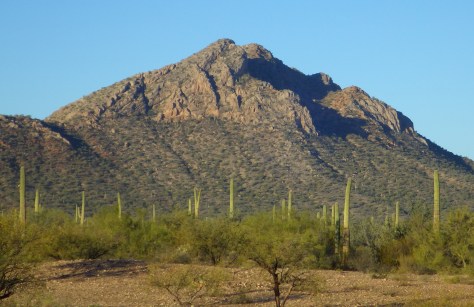
Optional stop at Tumacácori National Historical Park (click here for our blog post)

South of Tucson in Tubac, San Cayetano de Tumacácori is a Spanish mission founded in 1691 by Padre Kino and abandoned in 1848.  It became a National Monument in 1908 when it was restored to its ruined state based on photographs dating from 1868.

Day 3

Kartchner Caverns State Park

The highly decorated cave was not discovered until 1974, when its location was kept a tight secret while efforts were made to preserve it for future visitors.  There are two guided tours on paved trails offered, and if you space out your reservations far enough you can take a hike on the 2.4-mile Foothills Loop Trail in between.

Bisbee

The copper mining center of Bisbee was once the largest city between El Paso and San Francisco.  The well-maintained Victorian architecture and flights of steep staircases give this border town a unique atmosphere. 

Optional stop at Coronado National Memorial (click here for our blog post)

The park does not actually contain a statue or large memorial to Coronado.  It does have a steep three-quarter mile trail to a 600-foot long limestone cave bearing Coronado’s name, which visitors can explore on their own with flashlights.

Day 4

Chiricahua National Monument (click here for our blog post)

Tucked away in the southeastern corner of Arizona, millions of years of erosion left behind a spectacular collection of rhyolite rock formations that rise above surrounding evergreen trees.  All the trails are good, but we recommend an all-day hike through Echo Canyon to the Heart of Rocks Loop where you will find formations resembling camels, ducks, and anything else you can imagine. 

Salt River Canyon

Start driving north and be sure to stop for photos where U.S. Highway 60 drops steeply into this gorgeous canyon between Globe and Show Low.

Optional stop at Wilcox Playa Wildlife Area

In the winter, sandhill cranes stay in large numbers in the wetlands south of Wilcox and Interstate 10.

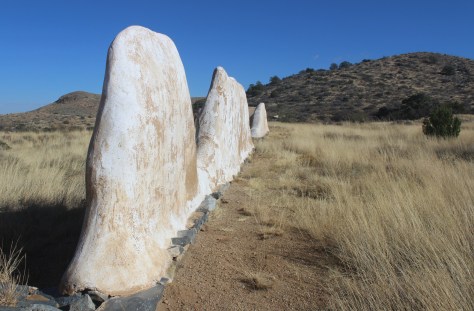
Optional stop at Fort Bowie National Historic Site (click here for our blog post)

To visit the NPS visitor center, the literal “must-do activity” is to hike 1.5 miles from the trailhead.  You do pass interpretive signs, a cemetery, and ruins along the way.
Day 5

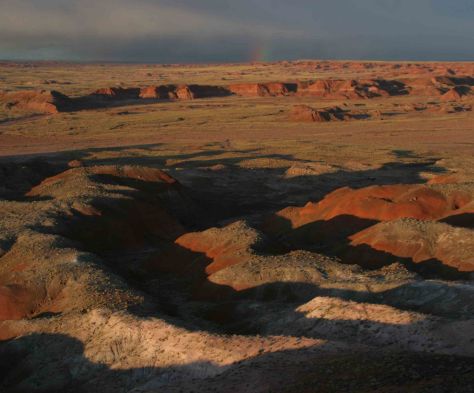
Petrified Forest National Park (click here for our blog post)

A paved walkway behind the Rainbow Forest Museum is a great place to start, as NPS rangers give guided tours there throughout the day.  It is worth a hike to Agate House and a connection to the Giant Logs Trail to see more petrified wood, but be sure to bring water with you in the summer since there is no shade.
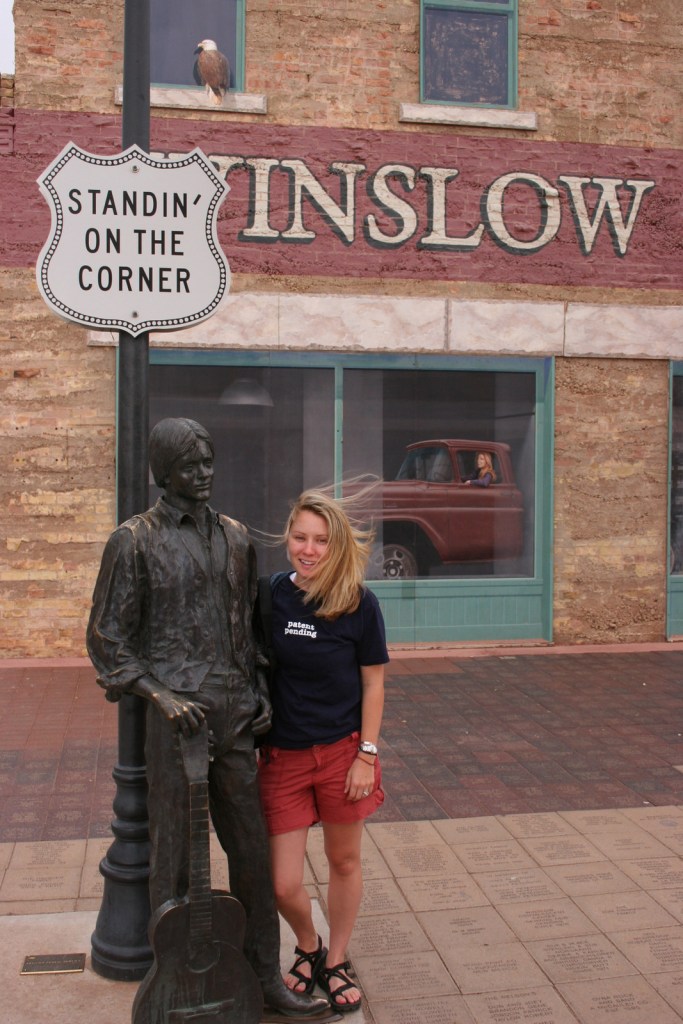
“Standin’ on the corner” statue in Winslow

Jackson Browne and Glenn Frey probably could not have guessed when they penned the 1970s anthem “Take It Easy” that it would inspire a statue in an Arizona town on historic Route 66.  Perhaps even more fitting is the mural behind it that shows the reflection of a girl driving a flatbed truck.  Located off Interstate 40, Winslow is a great place “to loosen your load.”
Cameron Trading Post

As a kid, Scott’s family would always spend the night at the hotel here before taking friends and family to the Grand Canyon National Park.  Try the mutton stew or Indian taco in the restaurant at this historic spot.

Optional stop at Meteor Crater

There is a good museum at this big, round hole in the ground along Interstate 40.  It is definitely worth seeing once in your life.

Optional stops at Sunset Crater Volcano, Walnut Canyon, and Wupatki National Monuments (click here for our blog posts)

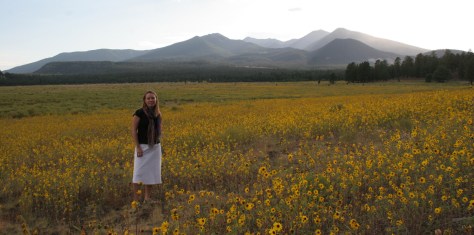
Heading north from Flagstaff, a 36-mile loop drive through Sunset Crater Volcano National Monument to adjacent Wupatki National Monument passes by the red-hued cinder cone through ponderosa pine forests and sunflower-filled meadows on its way to an arid, rocky high desert region that is dotted with Sinagua ruins from around AD 1100.  Nearby cliff dwellings were built in Walnut Canyon National Monument around the same time by another group of Sinagua.  To get up close with the cliff dwellings inside shallow limestone caves requires a hike down 200 stairs on the one-mile loop Island Trail. 
Day 6

Grand Canyon National Park (click here for our blog post)

Visit the South Rim of the park from the less busy eastern entrance and stop at the Watchtower and other scenic views along the way.  It is worth spending a few nights here and hiking (or riding a mule) to the bottom of the canyon, but that is not for everyone.  If you come in the summer, consider a trip to the North Rim or remote Toroweap (online permit required).

Optional stop at Little Colorado River Gorge Navajo Tribal Park

A nice overlook above a canyon along Highway 64 on the way into Grand Canyon National Park.

Day 7

Sedona

Famous for art galleries and New Age mysticism, the red rock city of Sedona offer plenty of stores and restaurants.  Be sure to leave some time to explore some unpaved roads and hiking trails in the surrounding area.
Coconino National Forest (click here for our blog post)

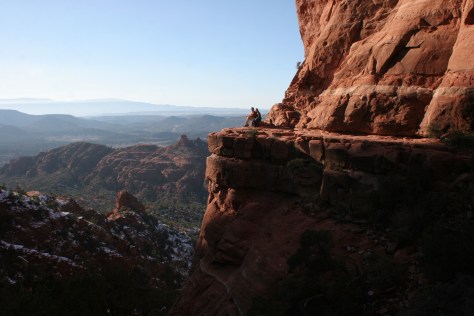
There are numerous trails in the National Forest around Sedona, where sandstone buttes (like Bell Rock and Cathedral Rock) dominate the landscape.  The shady West Fork Trail in Oak Creek Canyon is perfect on hot summer days, though in the winter it is also beautiful covered in snow and ice.

Optional stop at Sycamore Canyon Wilderness

This designated Wilderness (55,937 acres) is shared between three National Forests: Coconino, Kaibab, and Prescott.  The easiest way in is on the Parsons Trail located outside Clarkdale, west of Sedona.  The trailhead is accessed by driving the dirt Forest Road 131 for 10.5 miles from where it splits off near Tuzigoot National Monument.

Optional stop at Tuzigoot National Monument (click here for our blog post)

The Sinagua pueblo at Tuzigoot had about 110 rooms and is estimated to have housed 200 to 300 people.  You can walk inside portions of the ruin, including a section with a reconstructed roof.

Day 8+

Montezuma Castle National Monument (click here for our blog post)

If you are driving back south on Interstate 17 to Phoenix, this cliff dwelling makes a nice stop to break up the trip.

Tonto National Monument (click here for our blog post)

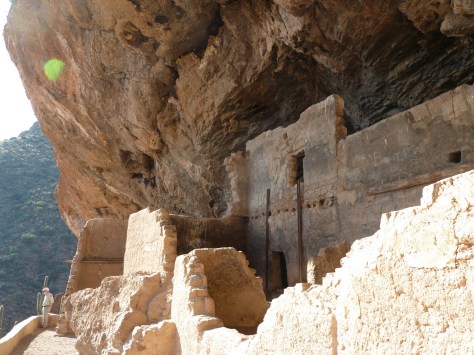
These cliff ruins east of Phoenix are worth the hike up to, as are many parts of Tonto National Forest, especially the Flat Iron, Hieroglyph Canyon, and Weaver’s Needle.
Hubbell Trading Post National Historic Site (click here for our blog post)

This is a unique NPS site with livestock (sheep, horses, turkeys) and a hands-on play area for children, as well as the original dusty store which allows visitors to travel back into the late-1800s.  There are frequent Navajo rug weaving demonstrations and tours inside the Hubbell Home are available for a fee. 

Canyon de Chelly National Monument (click here for our blog post)

In the heart of the Navajo Nation in northeast Arizona lies this picturesque National Monument.  Humans have inhabited this area for 4,500 years, leaving behind numerous pictographs and the dramatic ruins of Ancestral Puebloan cliff dwellings.

Navajo National Monument (click here for our blog post)

Visitors can reserve spots on the ranger-led day hike to Betatakin cliff dwelling or the 20-person backpacking trips to Keet Seel that are offered twice per month in the summer.  The latter is a strenuous trip covering 17 miles total with numerous stream crossings and all water must be carried in.  The hardest part is at the end, when a 1,000 foot climb awaits, but it is worth it to be one of the few who get to see Keet Seel, the 150-room ruin that is second in size only to Cliff Palace at Mesa Verde National Park.

Monument Valley Navajo Tribal Park

On the border of Arizona and Utah, entrance into Monument Valley Navajo Tribal Park allows you to see the iconic Mitten Buttes in person, which have served as a backdrop for countless films.  You can even pitch your tent at The View Campground overlooking the red rock formations. 

Havasupai Reservation

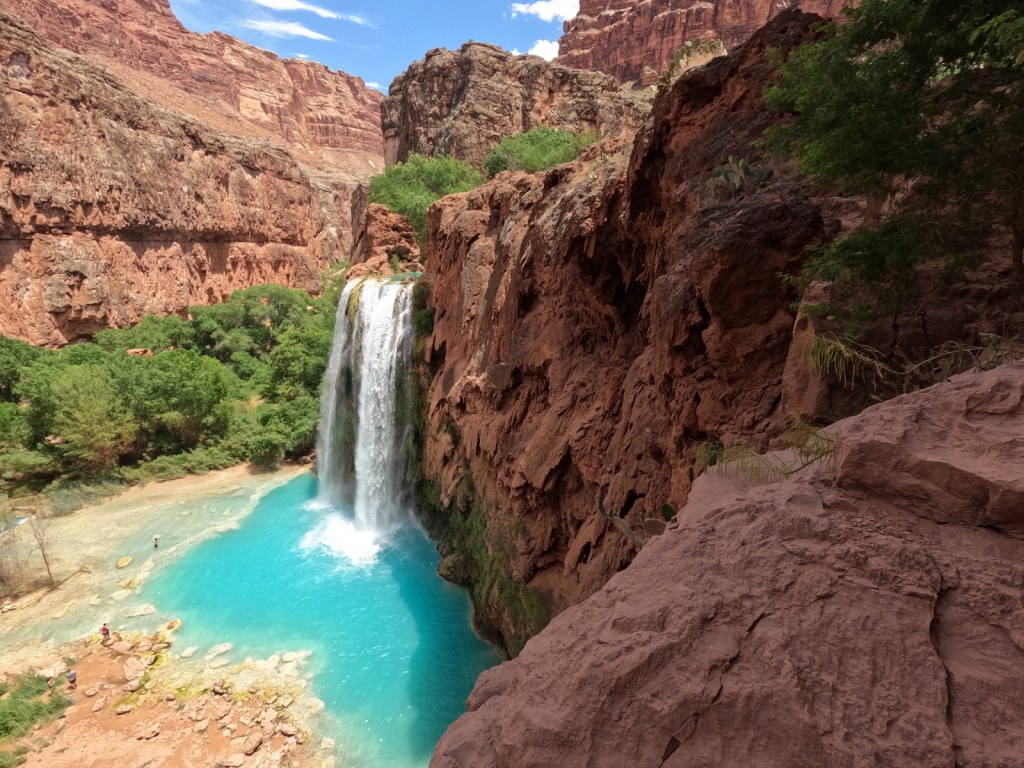
It is hard to argue against Mooney Falls and the other waterfalls in Havasu Canyon as being the most outstanding in the state, but it can be difficult (and expensive) to obtain one of the limited reservations available to visit the Havasupai Reservation that borders Grand Canyon National Park.
Baaj Nwaavjo I’tah Kukveni – Ancestral Footprints of the Grand Canyon National Monument (click here for our blog post)

The newest of Arizona’s 19 National Monuments includes the pictographs in Snake Gulch, part of Kaibab National Forest.

Pipe Spring National Monument (click here for our blog post)

Retention ponds keep this area green in the hot summer months where ducks paddle and dragonflies buzz through the humid air.  When a NPS ranger is present, you can walk around inside Winsor Castle, a Mormon fort that dates back to 1870. 

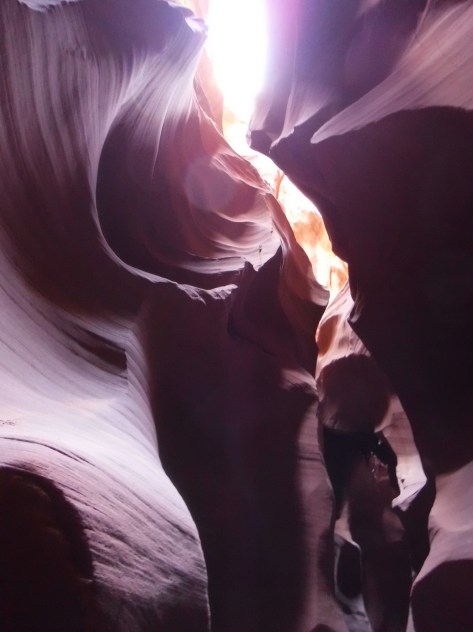
Antelope Canyon

Guided tours are required to access these beautiful slot canyons located on private land on the Navajo Nation
Glen Canyon National Recreation Area (click here for our blog post)

You might want to bring your “selfie stick” to iconic Horseshoe Bend Overlook, a short 0.7-mile one-way hike from the parking area on Highway 89 outside Page.

Lake Mead National Recreation Area (click here for our blog post)

At Arizona Hot Springs, pools are formed by sandbags in a narrow canyon.  It is accessible from Liberty Bell Trailhead by a 6.5-mile out-and-back hike through a beautiful arroyo down to Black Canyon (now the upper reaches of Lake Mohave formed by a dam) on the Colorado River.  The trail is closed during the hot summer months, but you can still access it by boat from Willow Beach Marina or just downstream from the Hoover Dam (with a special permit).  Further south on Lake Mohave, stop at Emerald Cove for incredible photographs.

Learn more about Arizona’s Most Scenic Drive, Wonderful Waterfall, Top State Park, and other categories in our new travel guidebook 50 States of Great: Road Trip Guide to America.

Hawai‘i Trip Itinerary

4,110,483 acres

Statehood 1959 (50th)

Capital: Honolulu

Population: 1,455,271 (40th)

High Point: Mauna Kea (13,803 feet)

Best time of year: Year-round in the tropics or whenever you can see volcanic activity

We recently published our guidebook 50 States of Great: Road Trip Guide to America, so we decided to start a new type of blog post where we create a travel itinerary for all 50 states, in addition to our usual National Forest and National Park entries.  After starting with KansasGeorgiaIdahoRhode Island, and Minnesota, we decided to do the newest state and the only one in the tropics.  We have spent eight weeks visiting five Hawaiian Islands over four trips, mostly camping in a tent.  Hawai‘i is the largest state when you include territorial waters and there is a lot to explore, so we made an ambitious 16-day plan starting on the Big Island of Hawai‘i, with plenty of options to extend the trip (especially if you island hop on airplanes).

Day 1 (Big Island)

Hawai‘i Volcanoes National Park (click here for our blog post)

Your only chance to see lava flowing in Hawai‘i is here, an easy drive south from the airport in Hilo.  2023 eruptions of Mauna Loa and Kilauea attracted tourists and volcanologists from around the globe.  During the day you can typically view smoking Halema‘uma‘u Crater (a lake of magma at 2,400°F), but it is more spectacular after dark.  Bring warm clothes as eruptions create windy, rainy conditions with high temperatures in the 50°s.  Numerous hiking trails and backpacking opportunities mean you can easily spend several days exploring this National Park, which also has camping options.

Day 2 (Big Island)

Lava Trees State Monument

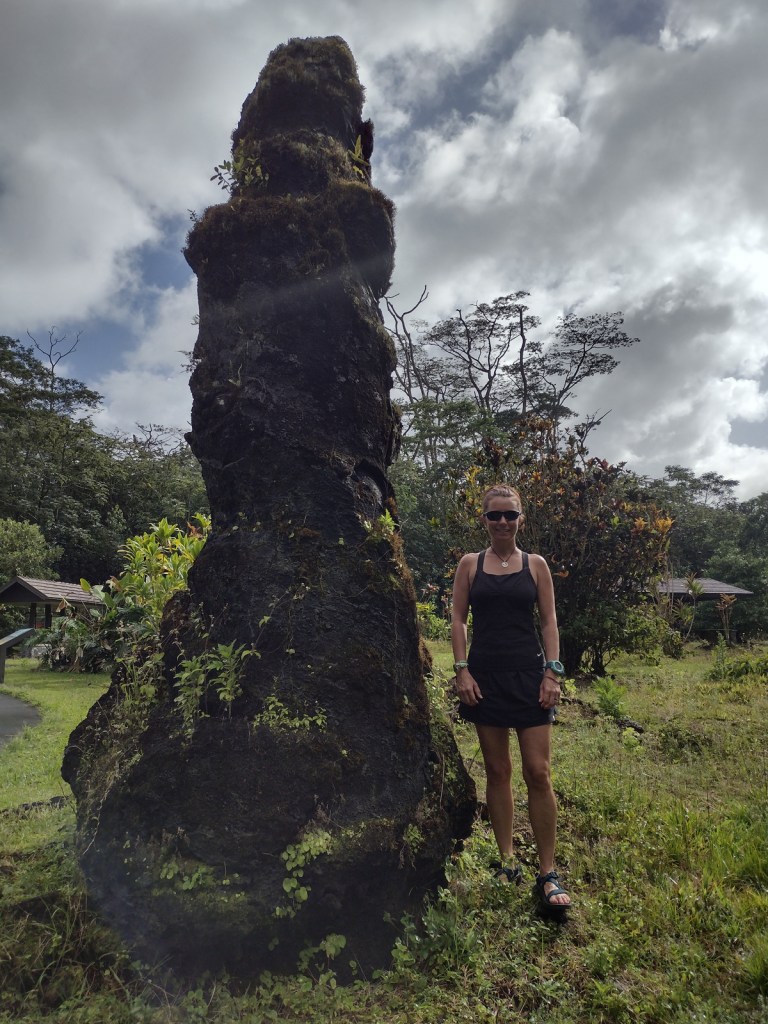
Amid lush greenery, hollow casts of trees were preserved by black lava rock, some over ten-feet-tall with live saplings growing from their crevices.  There are also lava tree casts in Hawai‘i Volcanoes National Park.

Punalu‘u Black Sand Beach

Sea turtles often come to rest onshore at this crunchy beach composed of jagged pieces of volcanic rock.

Southernmost Point in the U.S.A.

If you do not have a Jeep it is a little bit of a walk to this often windy beach that has a small marker noting its significance as the southernmost point of the 50 states.

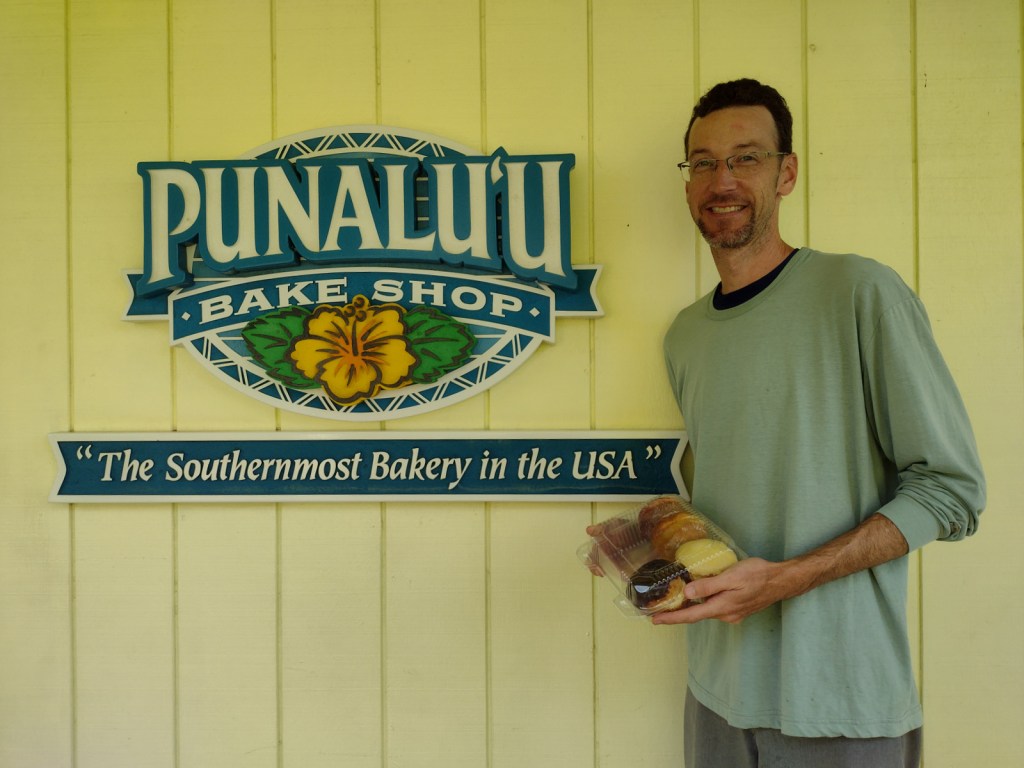
Optional stop at Punalu‘u Bake Shop

Everything we tried is tasty here at the Southernmost Bakery in the U.S.A., but we highly recommend the lilakoi malasadas (a traditional Portuguese pastry with a tropical fruit filling).

Optional stop at Kahuku Unit of Hawai‘i Volcanoes National Park

Fewer crowds and plenty of hiking trails can be found in this former cattle ranch disconnected from the rest of the National Park.

Day 3 (Big Island)

Pu‘uhonua o Honaunau National Historical Park (click here for our blog post)

Home to a reconstructed village that provides a glimpse into the daily life of the indigenous people hundreds of years ago.  It is also a good place to watch for breaching humpback whales in the winter months.  Swimming is not allowed here, but it is adjacent to the popular…

“Two-Step” Snorkeling Area

This easy-to-access coral reef has limited parking and is very popular, so plan to arrive early or walk over from the parking lot at Pu‘uhonua o Honaunau National Historical Park.

Optional stop at Kailua-Kona

If you need to do some shopping, this resort town is the place to do it.  Many visitors to the Big Island never leave this touristy area full of restaurants and shops.

Day 4 (Big Island)

Kealakekua Bay State Historical Park

One of the best snorkeling spots on the Big Island can be reached by a steep hiking trail or by paddling across the bay in a rental kayak.

Keauhou Bay

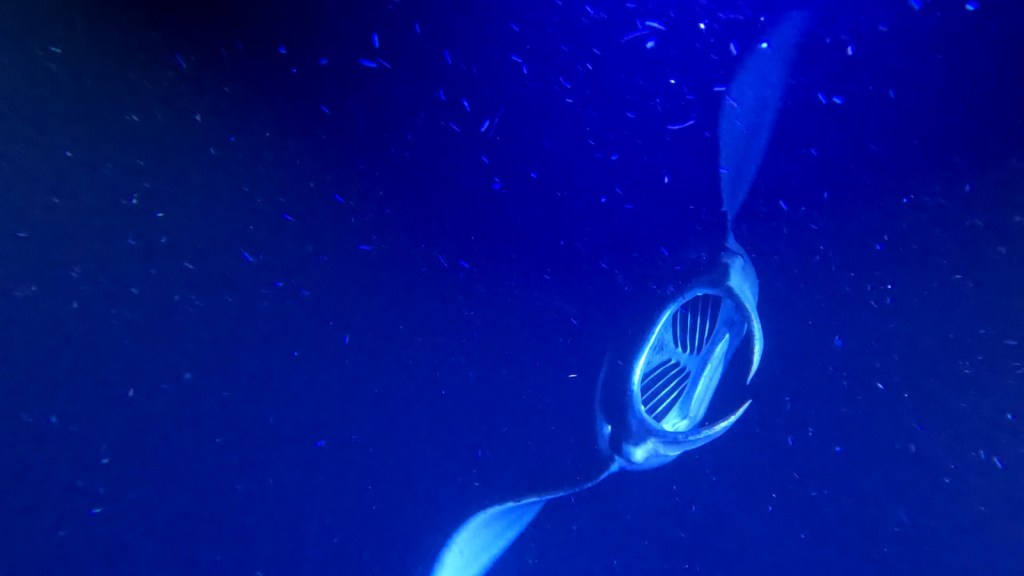
After dark, an amazing experience is to take a guided snorkel or scuba dive with the manta rays that feed in Keauhou Bay, often coming within inches of your face and hitting you with their six-foot wingspan.

Optional stop at Painted Church

Only open Thursday through Sunday, the interior décor inside this historic chapel is worth seeing

Day 5 (Big Island)

Kaloko-Honokohau National Historical Park (click here for our blog post)

It is a short walk to a shallow, protected area that attracts green sea turtles to this National Historical Park established in 1978, the same year the turtles were federally listed as a threatened species. 

Pu‘ukohola Heiau National Historic Site (click here for our blog post)

Start your visit to this sacred site at the visitor center and check out the metal artwork that tells the story of the demi-god Maui.  Then walk the interpretive trail for views of several heiau, including the submerged Hale o Kapuni Heiau dedicated to the shark gods.  You can also park across Highway 270 and walk to the site of John Young’s homestead.

Mauna Kea

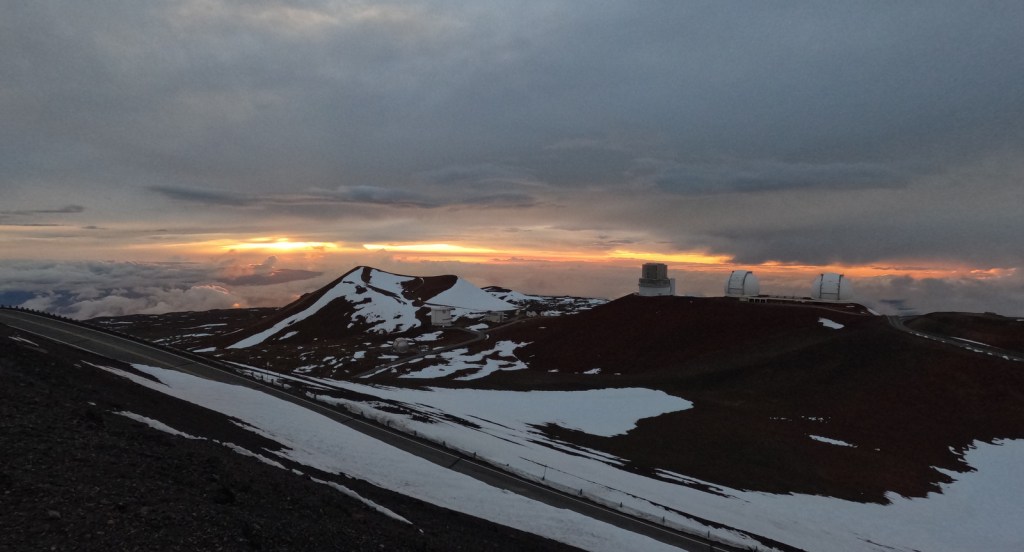
It is free to drive to the highest point in Hawai‘i, but you are only allowed up the steep, unpaved road during daylight hours and if you have a four-wheel-drive vehicle or come on a guided tour.

Optional stop at Hawai‘i Wildlife Center

Pick up your own red-footed booby stuffie and “I love boobies” T-shirt at the gift shop for this bird rehabilitation center on the north shore of the Big Island. 

Day 6 (Big Island)

Kaumana Caves

Parking is free, but bring along a flashlight if you want to explore these lava tubes west of Hilo.

Mokupāpapa Discovery Center

This free museum in downtown Hilo is run by NOAA as the official visitor center for the remote western Hawaiian Islands where the agency manages Papahānaumokuākea Marine National Monument.

Rainbow Falls

Legend says the misty rainbow at the base of this waterfall is actually the tapa cloth of the goddess Hina, left behind when she hid in a cave behind the falls from the monster lizard Mo‘o before it was slain by her heroic son Maui.  Later in her life, Hina escaped to the moon where you can still see her face today. 

Optional stop at Akaka Falls State Park

A short hike takes you to an overlook of a beautiful 442-foot-tall waterfall.  You can avoid the State Park entry fee by parking along the road just outside the gate.

Day 7 (Maui)

‘Iao Valley State Monument

It will take most of the day to fly from the Big Island and settle into your place on Maui, but not far from the airport is this lush green area with an interesting volcanic rock formation.

Optional stop at La Perouse Bay

Swim offshore to watch dolphins diving or stay dry on a guided boat tour.

Day 8 (Maui)

Haleakalā National Park (click here for our blog post)

The thing to do at Haleakalā National Park is drive up the curvy entrance road in the pitch dark to catch a sunrise from 10,000 feet.  It is like a party atmosphere in the chilly air waiting for the guest of honor, though we thought the sunsets were prettier and much less crowded.  Several tours drive visitors to the summit for sunrise then provide bicycles to coast back down the switchbacks outside the park boundaries.  It is worth spending the whole day to hike Sliding Sands Trail into the colorful crater and overnight in Hosmer Grove Campground.

Day 9 (Maui)

The Road to Hana

On the east side of Maui, the annual rainfall typically exceeds 400 inches making for a lush tropical rainforest along the curvy road to Hana.  This route is well known for its one-lane bridges (we counted 53), several of which provide good spots to photograph one of the countless waterfalls seen along the way. 

Kipahulu District of Haleakalā National Park

At the end of the paved road, swimming in the seven sacred freshwater pools of ‘Ohe‘o Gulch is a major attraction, though sometimes closed due to flooding.  We hiked the two-mile Pipiwai Trail to the 400-foot cascades of Waimoku Falls in a steady downpour.  You can also make reservations for the campground run by the National Park Service, but make sure you have a good rainfly for your tent.

Day 10 (Maui)

Honolua Bay Marine Preserve

The best snorkeling spot on Maui is located right along the highway.

Nakalele Blowhole

This lava tube that spouts water at certain tide levels is a short walk from the road.

Optional stop at Lahaina

Still recovering from deadly wildfires in 2023, this tourist town is home to a huge banyan tree that survived burning.  The entire western side of the island is a good place to watch for breaching humpback whales in the winter months.

Day 11 (Oahu)

Bishop Museum

After flying into Honolulu, immerse yourself in history and culture at this museum founded in 1889.  The natural science wing has a three-story simulated volcano, which is a hit with kids.

Iolani Palace or Queen Emma Summer Palace

Hawai‘i is also the only state in the U.S. with royal palaces, two on Oahu and the oldest on the Big Island dating back to 1838.

Luau

If you have not already attended a luau at this point, Honolulu offers many opportunities to do so.

Optional stop at Atlantis Submarine

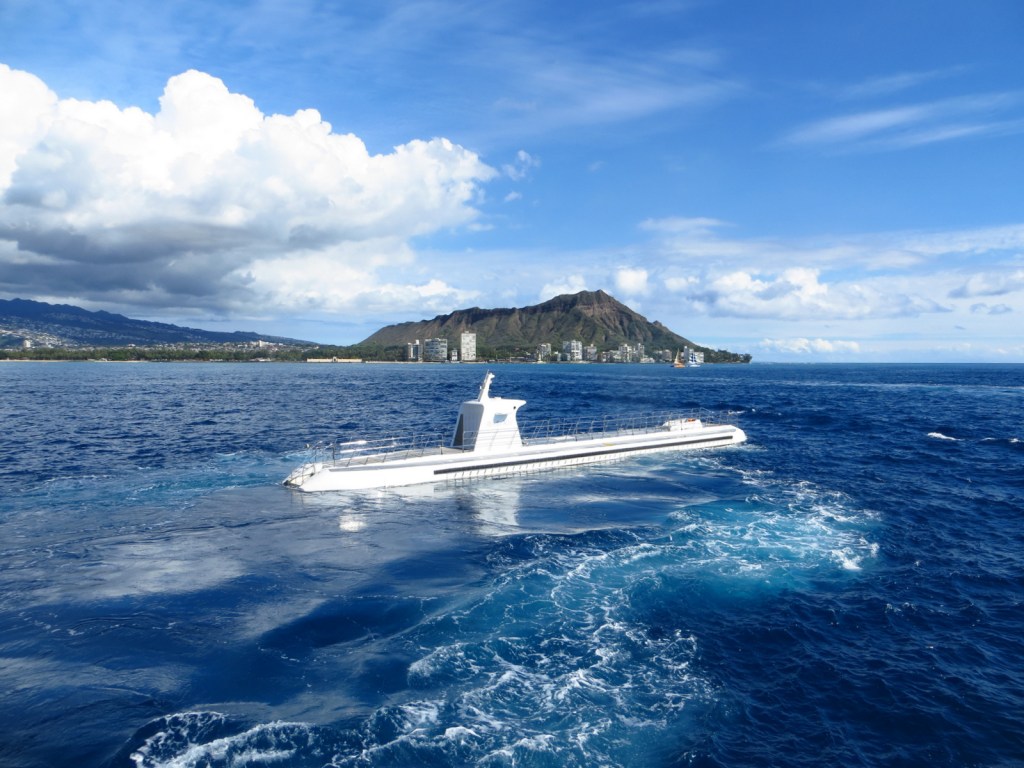
If you have never been underwater in a submarine, consider paying to dive 100 feet deep to see shipwrecks and fish off the coast of famous Waikiki Beach.

Optional stop at Leonard’s Bakery

Right in downtown Honolulu, it is worth waiting in line to try malasadas from this historic bakery.

Day 12 (Oahu)

Pearl Harbor National Memorial (click here for our blog post)

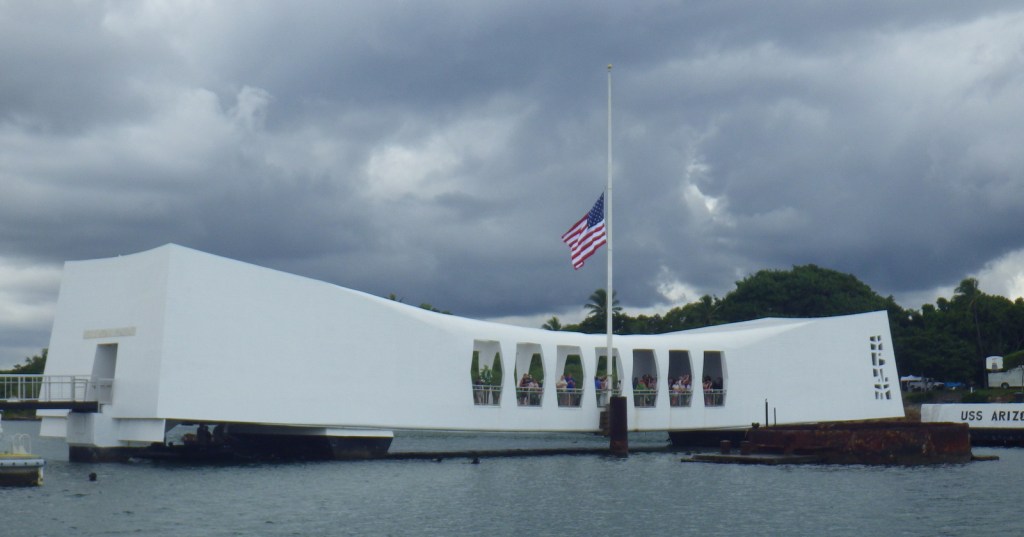
Take a ferry to the U.S.S. Arizona Memorial (reservations available through an online ticketing system).  The 184-foot-long memorial structure was dedicated in 1962, built on top of the battleship where many are still entombed and the names of 1,102 sailors and Marines that died on board can be found in the chapel on one end.  Tickets can also be purchased to tour the nearby U.S.S. Bowfin submarine and U.S.S. Missouri battleship, where Japanese military officers signed surrender documents officially ending World War II on September 2, 1945. 

Aloha Stadium Swap Meet and Marketplace

The best place to find souvenirs on Oahu is at these outdoor vendor tents surrounding the closed down football stadium (admission $2 per adult)

Optional stop at Pearl Harbor Aviation Museum

Near the U.S.S. Missouri on Ford Island, this museum is accessible by shuttle bus from Pearl Harbor.

Optional stop at U.S. Army Museum of Hawaii

This free museum near Waikiki Beach is housed inside the former Ft. DeBussey, a good option on rainy days

Day 13 (Oahu)

Hanauma Bay Nature Reserve

Timed entry tickets are required at this popular snorkeling spot near Honolulu and often sell out in minutes.  On the North Shore of Oahu, Sharks Cove is a free spot where most visitors wade in the shallow water, but you can see the fish much better while snorkeling.

Diamond Head State Monument

Timed entry tickets are also required for this internationally-recognizable landmark standing 760 feet above bustling Waikiki Beach.  The volcanic crater has a busy paved trail with stairs through a narrow, lit tunnel to a lookout with World War II-era fortifications.

Optional stop at Koko Head

If you cannot get a reservation for Diamond Head, opt instead for climbing the more than 1,000 railroad ties that form an uneven stairway to the top of this peak overlooking Hanauma Bay.

Optional stop at Byodo-in Temple

This scale-model of a structure in Japan is set against the steep Ko‘olau Range on the wet, windward side of Oahu.  It is incredibly photogenic and admission prices are reasonable. 

Day 14 (Oahu)

Lyon Arboretum

Managed by the University of Hawai‘i, make a free online reservation to enjoy a self-guided tour through the greenery and then pay to park next door for a short hike to beautiful Manoa Falls.

Dole Pineapple Plantation

Famous for the Dole Whip (pineapple soft serve ice cream), it is also worth the price to explore the world’s largest garden maze and take a 20-minute train tour aboard the Aloha Express. 

Optional stop at Ka’ena Point

You may see an endangered Hawaiian monk seal on the hike to this undeveloped westernmost point on Oahu where Laysan albatrosses and other birds nest in the winter.

Day 15 (Oahu)

Polynesian Cultural Center

Tickets are not cheap, but include interactive experiences you cannot get elsewhere.  Run by the Mormon/LDS church and staffed by BYU-Hawaii students, it is known for its luau and Ha: Breath of Life evening show with impressive dancing and fireknife twirling.

Optional stop at Matsumoto’s General Store

Try the world-famous shave ice at this iconic spot on the North Shore, before or after watching surfers take on the waves.  Further south on Oahu, a few other popular spots for shave ice include Island Snow, Kokonuts, Waiola, and Uncle Clay’s House of Pure Aloha.

Day 16 (Molokai)

Kalaupapa National Historical Park (click here for our blog post)

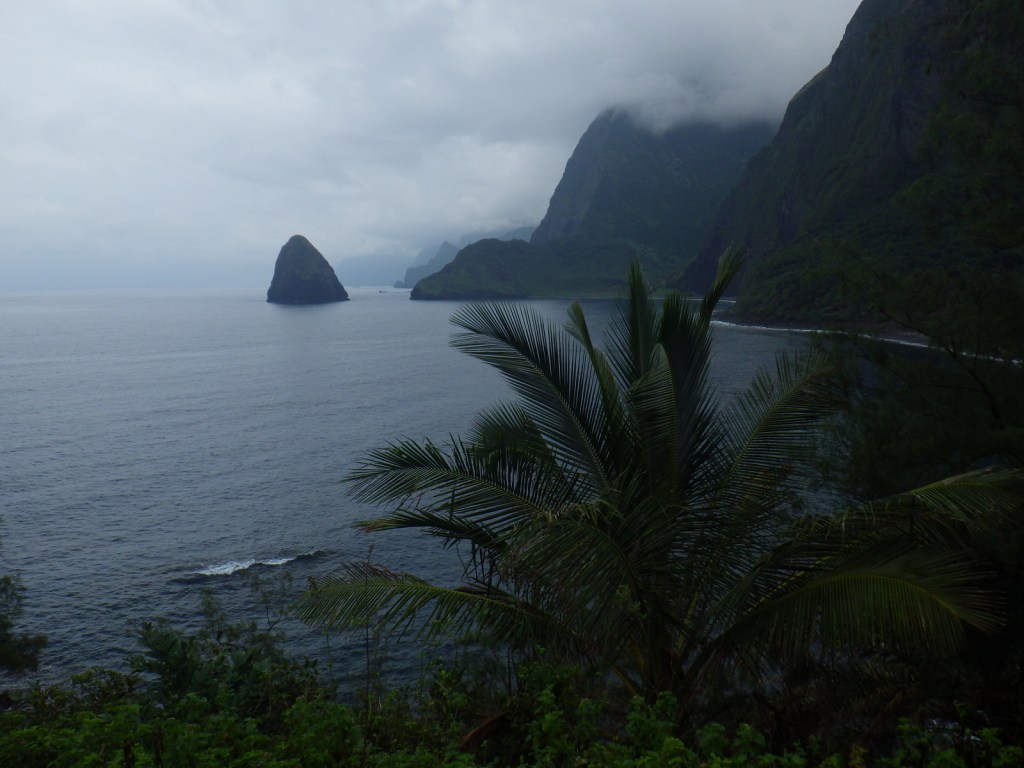
On the island of Molokai, this isolated peninsula was selected by King Kamehameha V in 1865 as a quarantine area for those suffering from Hansen’s disease (also known as leprosy).  There are still no roads to the settlement, so you will have to get the necessary permits through Father Damien Tours to fly, hike, or ride mules into the restricted-access park (nobody under age 16 is allowed).  We recommend hiking down the 1,600-foot-high cliffs or riding a mule on the same trail to the bottom for the four-hour bus tour, then flying out.

Day 16+ (Kauai)

Napali Coast State Wilderness Park

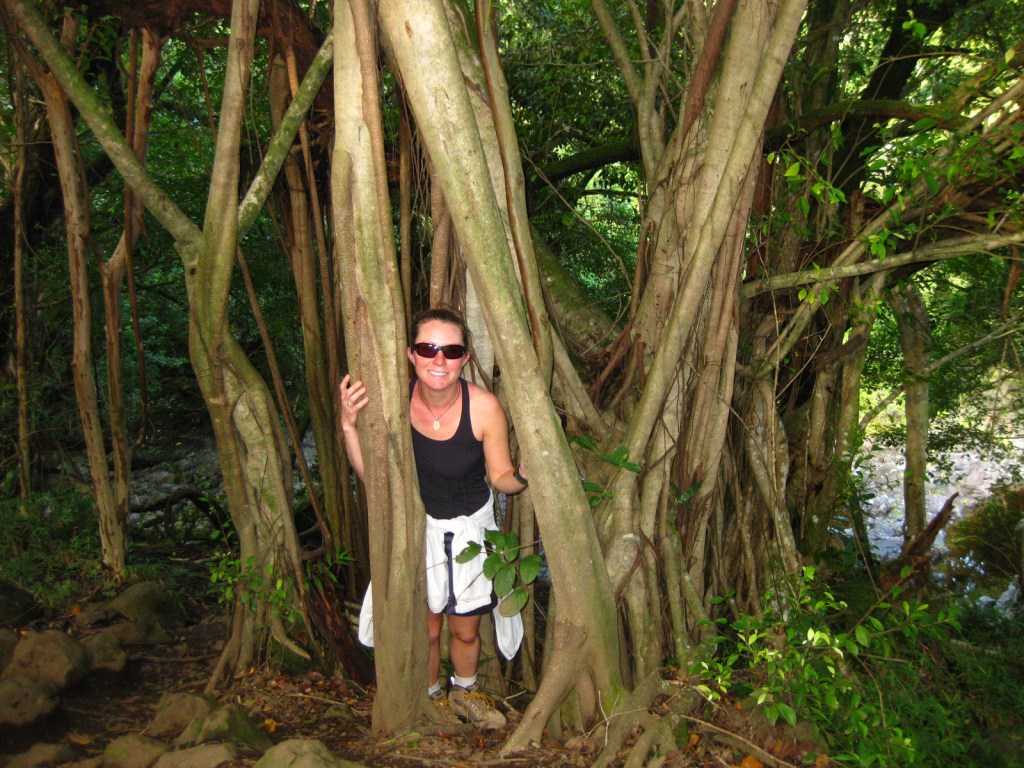
On the west side of Kauai, the only access to the idyllic Kalalau Valley is via an 11-mile one-way treacherous trail along the stunningly beautiful Napali Coast.  Permits are limited to 60 people per night and sell out months in advance.  Two nights is the minimum amount of time we would recommend staying in this paradise, and we also suggest the side trail to 300-foot Hanakapi‘ai Falls. 

Salt Pond Beach Park

Salt Pond has a beautiful sandy beach protected by a reef inhabited by many varieties of fish (including the humahumanukanukaapua’a).  County Park camping permits must be purchased at an office in Lihue prior to your stay, but they cost a reasonable $3 per person per night.  Unfortunately, feral chickens provide a wakeup call every morning before sunrise (and sometimes around midnight just for fun).  Camping is also permitted at Anini Beach County Park, one of the best spots on Kauai to see sea turtles.

Canal Tubing

Several outfitters take tubers down the old irrigation canals through historic tunnels, but arrive prepared for the chilly water.

Waimea Canyon State Park

A paved road accesses the colorful “Grand Canyon of Hawai‘i” that is 3,600 feet deep with many hiking trails, including one to the top of 800-foot Waipo‘o Falls. 

Koke‘e State Park

Alkalai Swamp is the wettest spot on the planet (averaging 452 inches of rain per year).  All of that precipitation takes time to drain, so it naturally creates a swamp with plant and animal species unique to the island.  There is boardwalk within the swamp, but to access that we hiked miles of muddy, slick trails in December.

Learn more about Hawai‘i’s Most Scenic Drive, Wonderful Waterfall, Top State Park, and other categories in our new travel guidebook 50 States of Great: Road Trip Guide to America.

Minnesota Road Trip Itinerary

50,961,114 acres

Statehood 1858 (32nd)

Capital: St. Paul

Population: 5,706,494 (22nd)

High Point: Eagle Mountain (2,302 feet)

Best time of year: Summer for the state fair and access to the northern lakes

We recently published our guidebook 50 States of Great: Road Trip Guide to America, so we decided to start a new type of blog post where we create a travel itinerary for all 50 states, in addition to our usual National Forest and National Park entries.  After starting with KansasGeorgia, Idaho, and Rhode Island, we decided to do a state that is part Midwest and part North Woods.  We made an ambitious seven-day plan starting in the southern Minnesota, with plenty of options to extend the trip.

Day 1

SPAM Museum

Located in the small town of Austin, this free museum is full of interactive exhibits and photo opportunities, but the best part is that it does not take itself too seriously.  Even if you do not like to eat the canned “spiced ham” product, you will come to appreciate its significance to World War II history and pop culture, as well as its amazing gift shop with more branded products than you can imagine.

Niagara Cave or Mystery Cave

Niagara Cave is a privately-owned show cave named for its 60-foot-tall underground waterfall that is only viewable on guided tours.  Not far away, Forestville/Mystery Cave State Park contains the state’s longest cave (47 degrees year round) which also offers guided tours.

Optional stop at Pipestone National Monument (click here for our blog post)

If you come into the state from the southwest corner, consider a stop at a spot that people have come for 2,000 years to mine the red quartzite rock (also known as catlinite).  The soft sedimentary stone is relatively easy to carve into smoking pipes and effigies.  April through October, you can watch American Indian carvers at the National Park Service (NPS) museum demonstrate how to sculpt this soft yet durable stone into hollow pipes and other beautiful ornaments, some of which you can buy in the gift shop.

Optional stop at Laura Ingalls Wilder Museum

Fans of the author’s “Little House” series of books will want to see a replica of the Ingalls’ home in Walnut Grove and some of the family’s historic heirlooms.

Day 2

Mall of America

Indoor shopping malls are still thriving in the Twin Cities (Minneapolis-St. Paul) metropolitan area, perhaps due to the cold and snowy winter weather.  The most famous is the Mall of America with its indoor amusement park and 520 stores, making it the largest mall in the western hemisphere (and eleventh largest in the world).

Mississippi National River and Recreation Area (click here for our blog post)

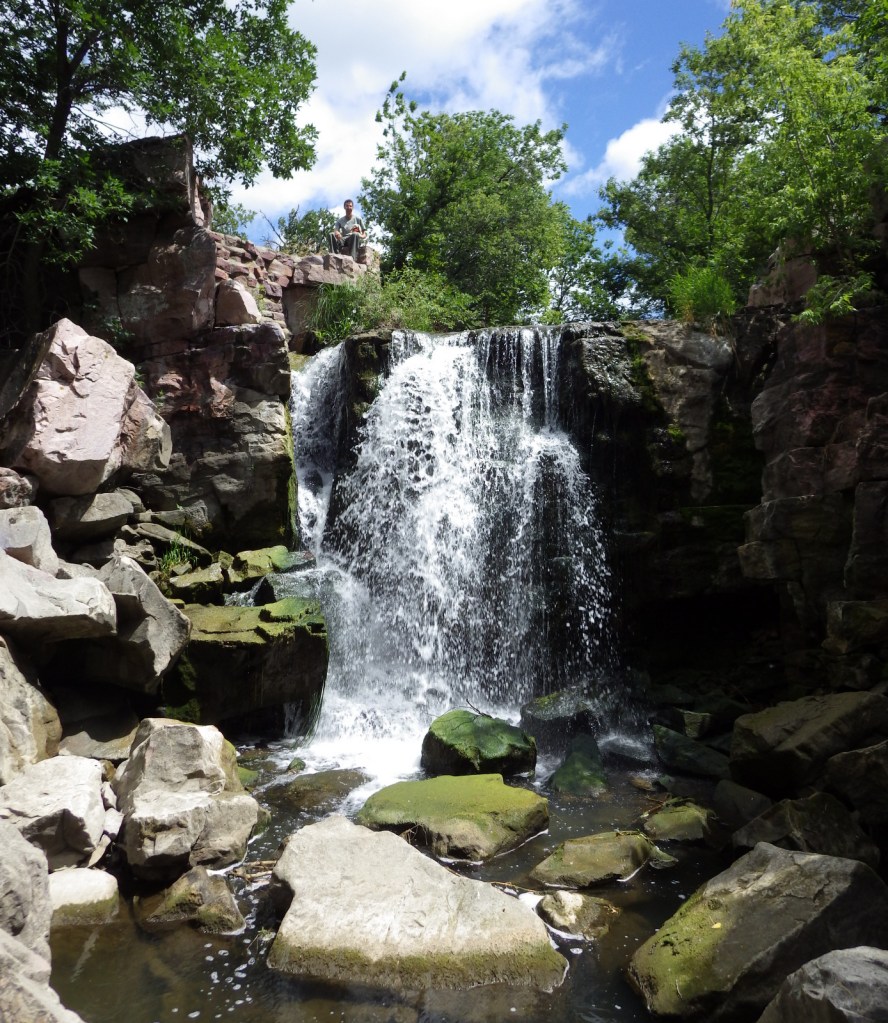
This park follows 72 miles of the great river’s course through Minnesota, from busy metropolitan sections in the Twin Cities to secluded stretches of water where it reaches its confluence with the Saint Croix National Scenic Riverway.  In downtown Minneapolis, Minnehaha Regional Park contains its namesake falls celebrated in Henry Wadsworth Longfellow’s Song of Hiawatha.  Nearby, St. Anthony Falls is the only true waterfall along the entire length of the Mississippi River, now controlled by a lock and dam.  

Optional stop at University of Minnesota Golden Gophers’ football game

We saw wild turkeys wandering around this beautiful campus that sits on a bluff east of the Mississippi River.  Nobody seems to be exactly sure what a golden gopher is (possibly a thirteen-lined ground squirrel), but their mascot Goldie is the cutest in all of college football.  Huntington Bank Stadium has one of the best pregame areas with plenty of photo ops and a pep rally held outside the hockey arena, plus we got free Culver’s custard, a clear bag giveaway, and Mystic Lake casino provided free towels and “spinny video thing.”  The football team typically schedules their home opener on the Thursday before Labor Day during the Minnesota State Fair.

Day 3

Minnesota State Fair

You will need all day to visit America’s best state fair that is held annually the 12 days before Labor Day, welcoming more than two-million visitors annually.  The fair has the standard carnival rides, butter sculptures, farm animals, and artwork, as well as stages where musicians, comedians, and magicians perform throughout the day.  Some of the unique food offerings include hotdish-on-a-stick, poutine, fried cheese curds, pronto pup, fried pickles, pork chop-on-a-stick, and fried buckeyes (chocolate and peanut butter candy).  Since it started in 1979, Sweet Martha’s Cookie Jar has been overfilling buckets of fresh-baked chocolate chip cookies for customers, making up to 200,000 cookies an hour.  To wash all that down, you might want to visit one of the stands offering all-you-can-drink milk.

Optional stop at Hell’s Kitchen restaurant

If you are still hungry after the Minnesota State Fair then you probably didn’t do it right, but we will make one of our rare restaurant recommendations for this unique spot in downtown Minneapolis with interesting décor and really good food (try the poutine or walleye bites).

Day 4

Paul Bunyan Expressway

The legendary giant lumberjack Paul Bunyan is a big deal in Minnesota and he has statues honoring him in many towns along the Paul Bunyan Expressway.  The 18-foot-tall statues in Bemidji were originally built in 1937 to honor these larger-than-life heroes and continue to be an essential roadside attraction.  In Brainerd, Paul Bunyan Land is an entire amusement park built around a 26-foot-tall talking statue of Paul and 19-foot Babe, the latter refurbished after it blew over in a 2006 windstorm.

Chippewa National Forest (click here for our blog post)

The Lost 40 is 144 acres of old-growth red and white pine forest that was never logged due to a surveying error that mapped the area as part of Coddington Lake in 1882.  The oldest tree here is more than 250 years old and can be seen on an easy one-mile loop trail with interpretive signs.  The trailhead is located east of Blackduck on well-signed back roads that are also popular for snowshoeing in the winter.  Nearby, Camp Rabideau is perhaps the best preserved Civilian Conservation Corps (CCC) camp left from the 1930s, with free guided tours in the summer.

Optional stop at Itasca State Park

Lake Itasca is considered the headwaters of the Mississippi River and is located just west of Highway 71 at the beginning of the 2,069-mile-long Great River Road that goes all the way to Louisiana.

Day 5

Roadside Sculptures

Driving north on Highway 71, there is seemingly another great roadside attraction located every few miles.  We saw the statues of Uncle Dan Campbell in Big Falls, Jack Pine Savage in Littlefork, the world’s largest crow in Belgrade, and a giant black duck in the town of Blackduck.  Right outside Voyageurs National Park, which surrounds Lake Kabetogama, was our favorite—a giant walleye with a saddle for riding.  If Kabetogama seems like a mouthful, rest assured that everyone, including park rangers, simply calls it “Lake Kab.”

Voyageurs National Park (click here for our blog post)

The park is famous for its manmade destinations, including Kettle Falls Hotel, Hoist Bay Resort, and the unique sculptures at Ellsworth Rock Gardens.  Try to get out on one of Minnesota’s 10,000 lakes via a ranger-led tour or take your own boat to one of the shoreline campsites inaccessible by car (permit required).  Reservations can be made for the ranger-guided North Canoe Voyage that lets passengers paddle a 26-foot canoe, just like the French-Canadian “voyageurs” of old. 

Day 6

Kawishiwi Falls in Ely

The little town of Ely is the gateway to the Boundary Waters Canoe Area Wilderness (see below), but even if you are just passing through be sure to make the short hike to Kawishiwi Falls below the dam on Garden Lake.

International Wolf Center in Ely

Gray wolves (called timber wolves regionally) reside in the North Woods and while a few lucky travelers might hear them howling, your best bet to see one is at the Wolf Center.  It also has a section dedicated to Sigurd Olson, a talented local author and naturalist.

Optional stop at United States Hockey Hall of Fame in Eveleth

As seen on the side of U-Haul trailers, Eveleth is home to this museum and shrine to American ice hockey players.

Day 7

North Shore Scenic Drive

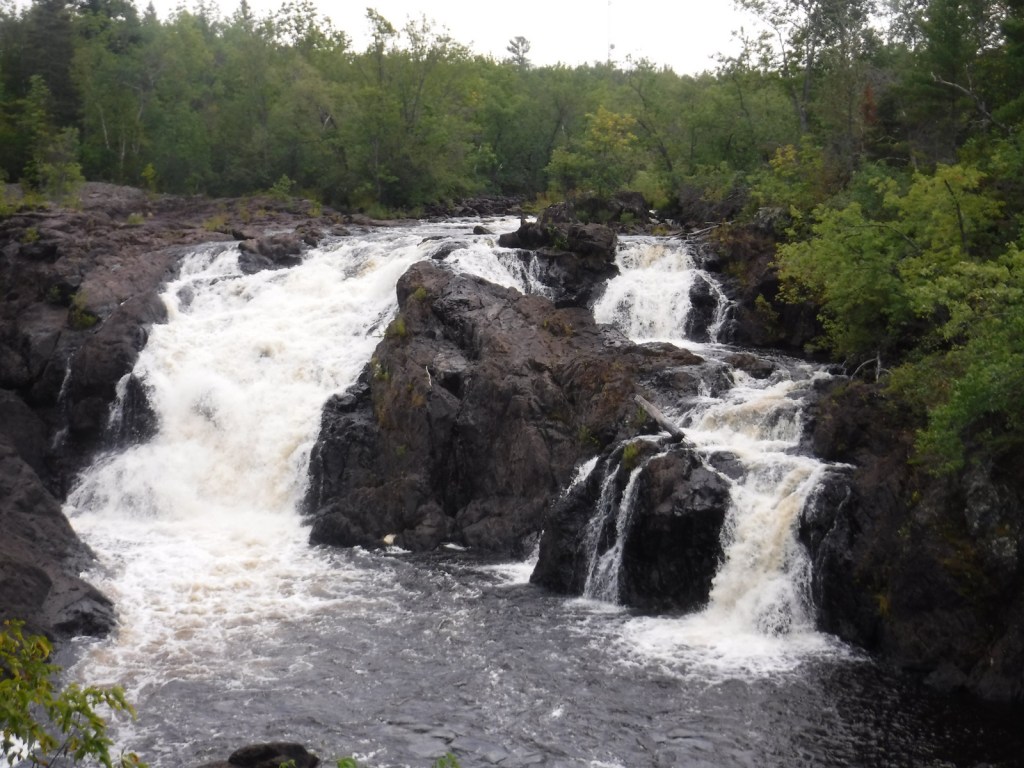
The northwest shore of Lake Superior is a beautiful stretch of cliffs and waterfalls.  This 148-mile drive starts at the Canadian border near Grand Portage National Monument and passes on its way to Duluth several nice State Parks, including Grand Portage, Gooseberry Falls, Split Rock Lighthouse, Tettegouche, Temperance River, Cascade River, and Judge C. R. Magney State Parks

Grand Portage National Monument (click here for our blog post)

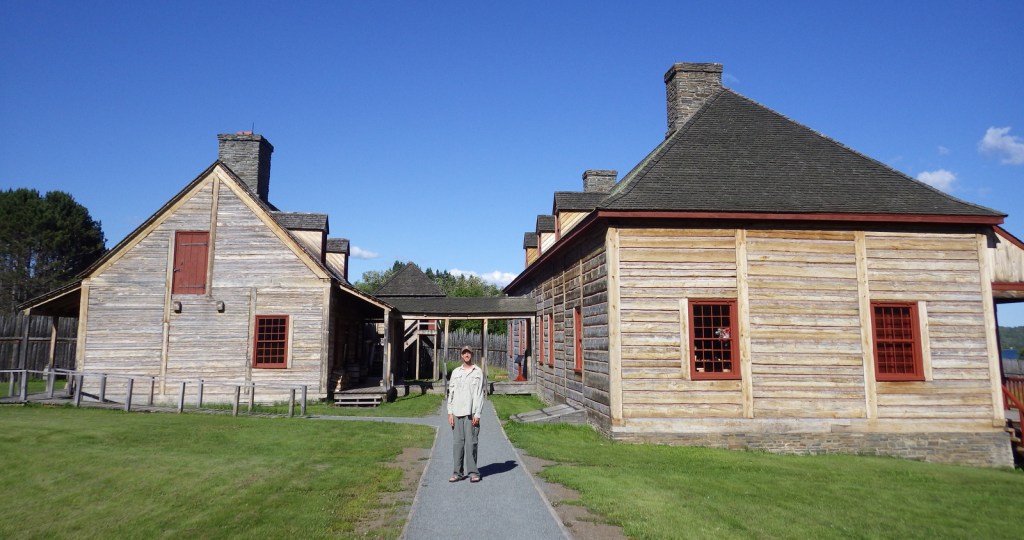
French-Canadian voyageurs had to walk their canoes and goods along an eight-mile-long portage to bypass the rapids on the Pigeon River.  In 1784, the end of the trail on the edge of Lake Superior became the site of the North West Company headquarters where they held an annual rendezvous, where today visitors can walk around the reconstructed buildings and talk with the costumed reenactors during the summer.

Optional stop at Two Harbors

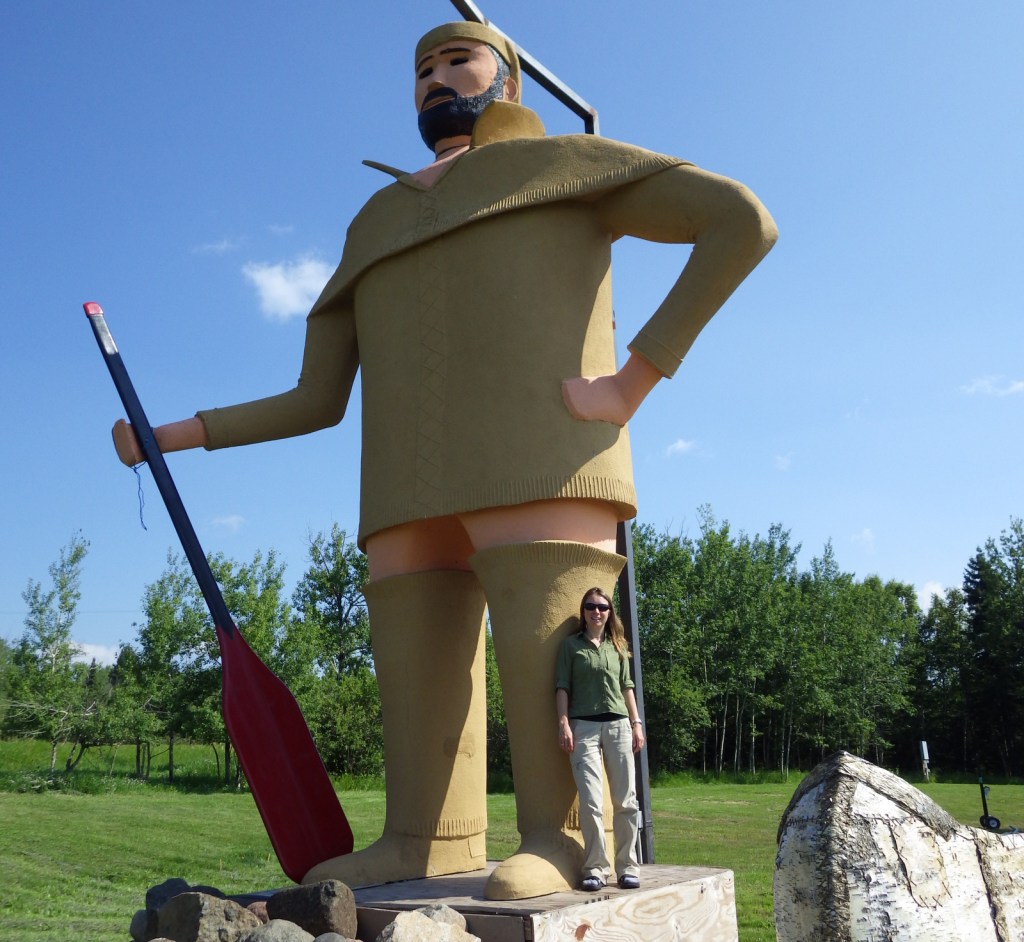
North of Duluth, the North Shore Scenic Drive passes through the town of Two Harbors where there is a giant rooster at Weldon’s Gifts and a huge statue of Pierre the Voyageur outside the Earthwood Inn.  If you press the speaker button at the statue’s base, Pierre will tell you all about the history of the region, but he never explains why he is not wearing any pants. 

Day 8+

Superior National Forest

In addition to encompassing the state’s highest mountain, Superior National Forest also offers scenic drives on the Gunflint Trail (County Road 12), Fernberg Road (State Route 169), and Echo Trail (County Road 116).  Vermilion Gorge Trail is an easy 1.5-mile one-way hike to a narrow canyon cut through Canadian Shield rock in the small community of Crane Lake (on the east side of Voyageurs National Park).  Not far away down a dirt road, a short trail leads to Vermilion Falls where the same river cuts a narrow channel through the rock. 

Boundary Waters Canoe Area Wilderness

Permits for the peak season can be hard to come by for the world’s premiere destination for backcountry canoeing, so plan ahead.  This one-million-acre preserve has more than 1,000 lakes with over 1,500 miles of canoe routes and 2,200 designated backcountry campsites.  In addition to its famous water routes with numerous portages, a few overland trails exist like the 12-mile Angleworm Trail and the 39-mile Kekekebic Trail, an official part of the North Country National Scenic Trail.

Learn more about Minnesota’s Most Scenic Drive, Wonderful Waterfall, Top State Park, and other categories in our new travel guidebook 50 States of Great: Road Trip Guide to America.