All posts by Raven About The Parks

Little River Canyon National Preserve

Overview

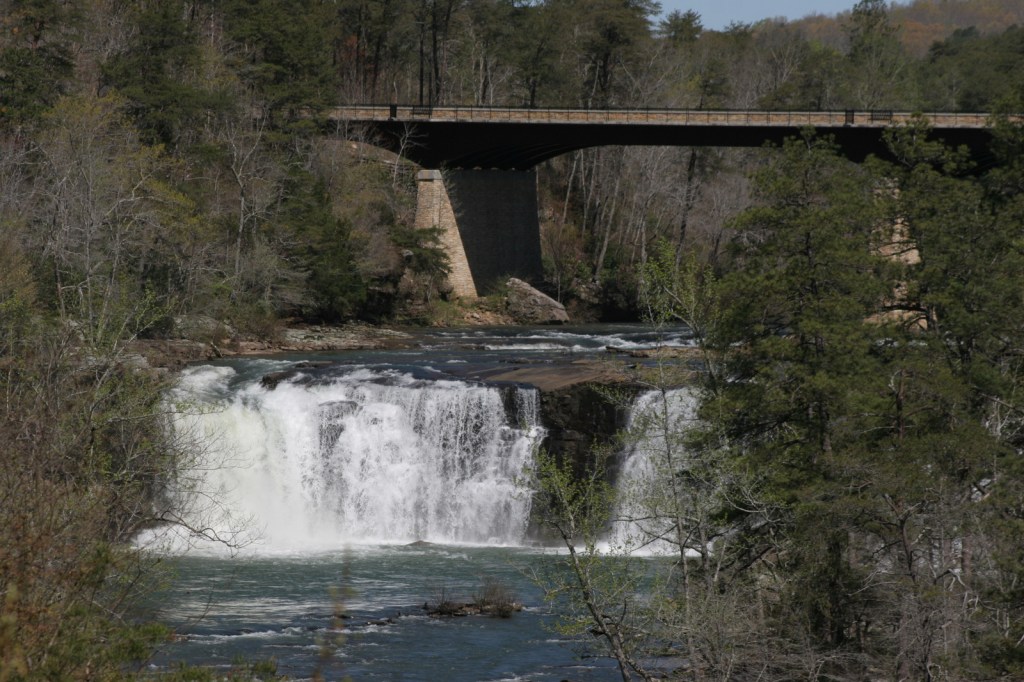
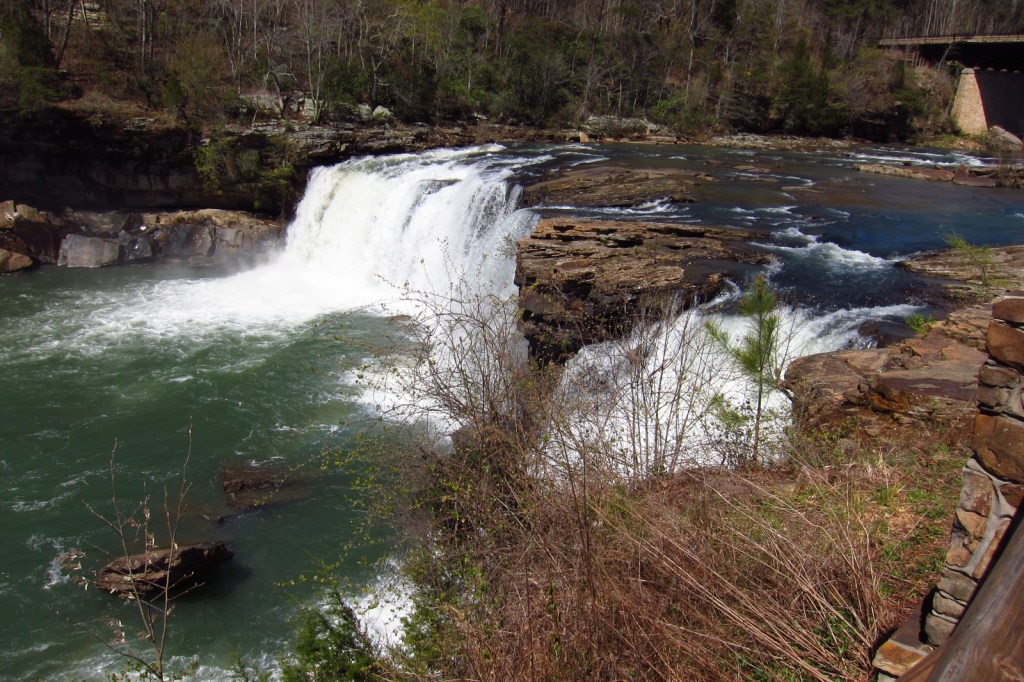
Authorized in 1992, Little River Canyon National Preserve covers about 14,000 acres in northeast Alabama.  Elevations range from 1,900-foot tall Lookout Mountain down to 650-foot Weiss Lake reservoir, as the Little River plunges from the Cumberland Plateau.  With cliffs up to 600 feet in height, this unique gorge contains several endemic species of plants and animals.  Only the southern half of the preserve is readily accessible by roads, with DeSoto State Park offering the best way to see the northern section.

Highlights

Little River Falls, Canyon Mouth, Graces High Falls

Must-Do Activity

Start your visit at the Little River Canyon Center on Highway 35, then make the short drive to the parking area for 45-foot tall Little River Falls.  From there, drive Highway 176 for 11 miles along the west side of the canyon, which has nine scenic overlooks, including one for seasonal Graces High Falls.

Best Trail

There are a few short trails in the preserve, many of which drop steeply from the rim to the riverside.  At the southern end near the intersection of Highways 273 and 275 is Canyon Mouth, a flat trail that follows alongside the Little River.  There is better hiking and even more waterfalls in nearby DeSoto State Park.

Instagram-worthy Photo

Graces High Falls is 133 feet tall, making it the tallest (aboveground) waterfall in Alabama, but it only flows in the spring and after large rain events.

Peak Season

Spring

Hours

https://www.nps.gov/liri/planyourvisit/hours.htm

Fees

None except at Canyon Mouth ($15 per day or America the Beautiful pass)

Road Conditions

All roads paved

Camping

De Soto State Park offers camping, in addition to excellent hiking trails to several waterfalls.  There are also three backcountry campsites in Little River Canyon National Preserve available from February through September with a permit.

Related Sites

Russell Cave National Monument (Alabama)

Horseshoe Bend National Military Park (Alabama)

Tuskegee Airmen National Historic Site (Alabama)

Explore More – How many endemic species of caddisflies are found in Little River Canyon and nowhere else on Earth?

Grand Teton National Park

Wyoming

Managed by National Park Service

Established 1929

310,000 acres

Website: nps.gov/grte

Overview

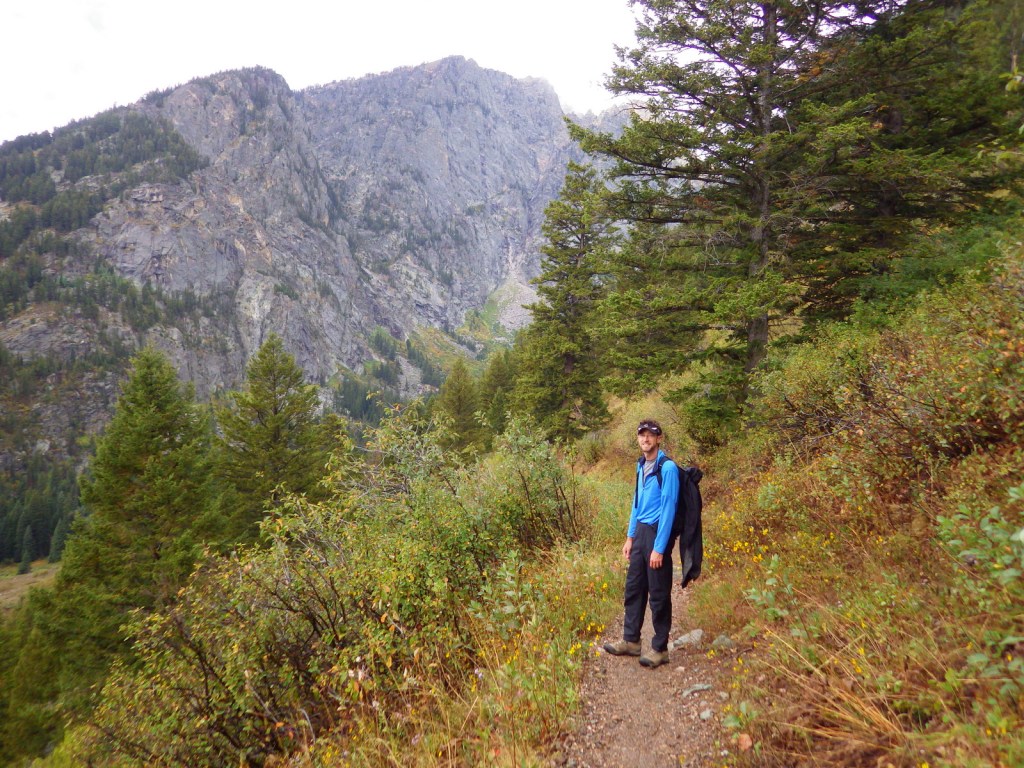
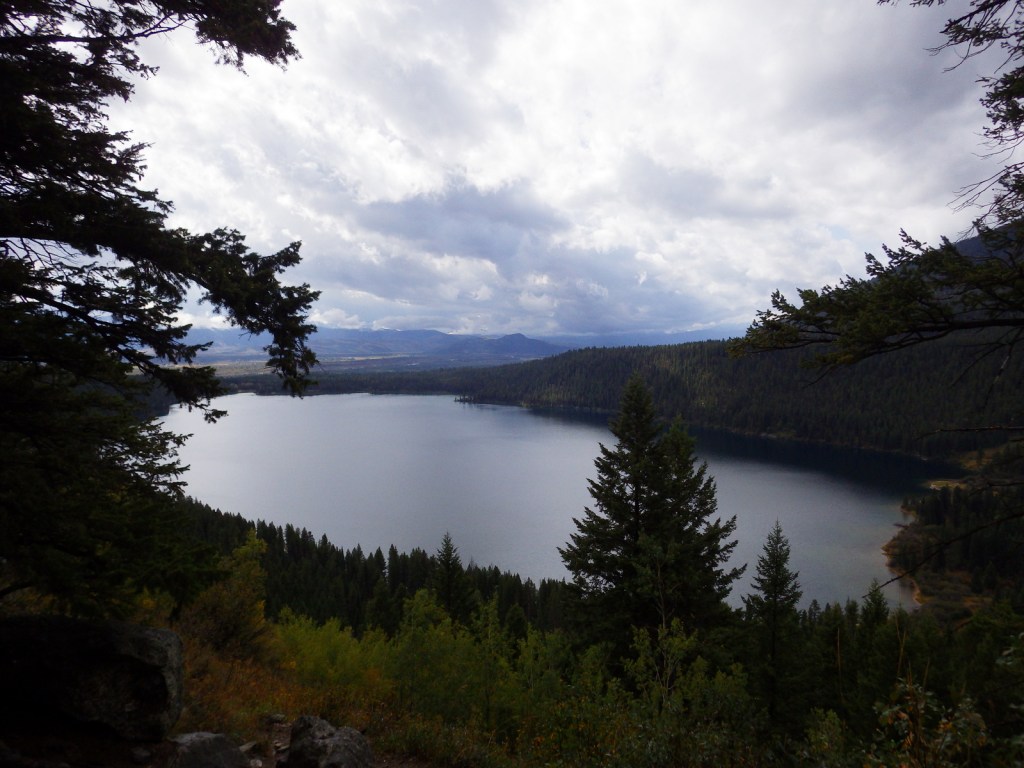
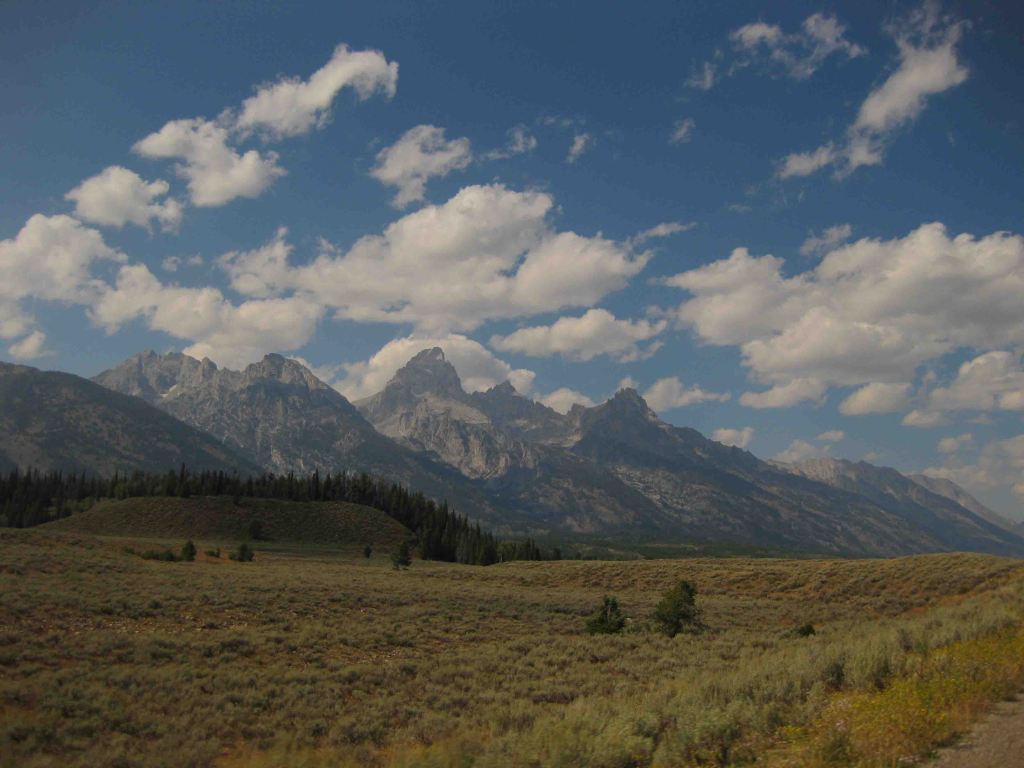
Just south of Yellowstone National Park, is one of the most recognizable skylines in the United States, topped by 13,772-foot tall Grand Teton Peak.  The Teton Mountains were established as a National Park in 1929, but the rest of the park has a strange history.  Land in the Jackson Hole valley was bought up by the Rockefeller family and attempted to be donated to the U.S. government for decades.  In 1943, President Franklin D. Roosevelt created Jackson Hole National Monument under the Antiquities Act, but it did not include the Rockefeller holdings.  It was not until 1950 that a deal was struck merging everything into Grand Teton National Park as we know it today.  Part of that negotiation was a requirement that in the future no land in Wyoming would ever be established as a National Monument under the Antiquities Act.

Learn more about how to visit this National Park in the expanded second edition of our guidebook A Park to Yourself: Finding Solitude in America’s 63 National Parks

Highlights

Jenny Lake, Inspiration Point, Jackson Lake Lodge, Oxbow Bend Turnout, Mormon Row

Must-Do Activity

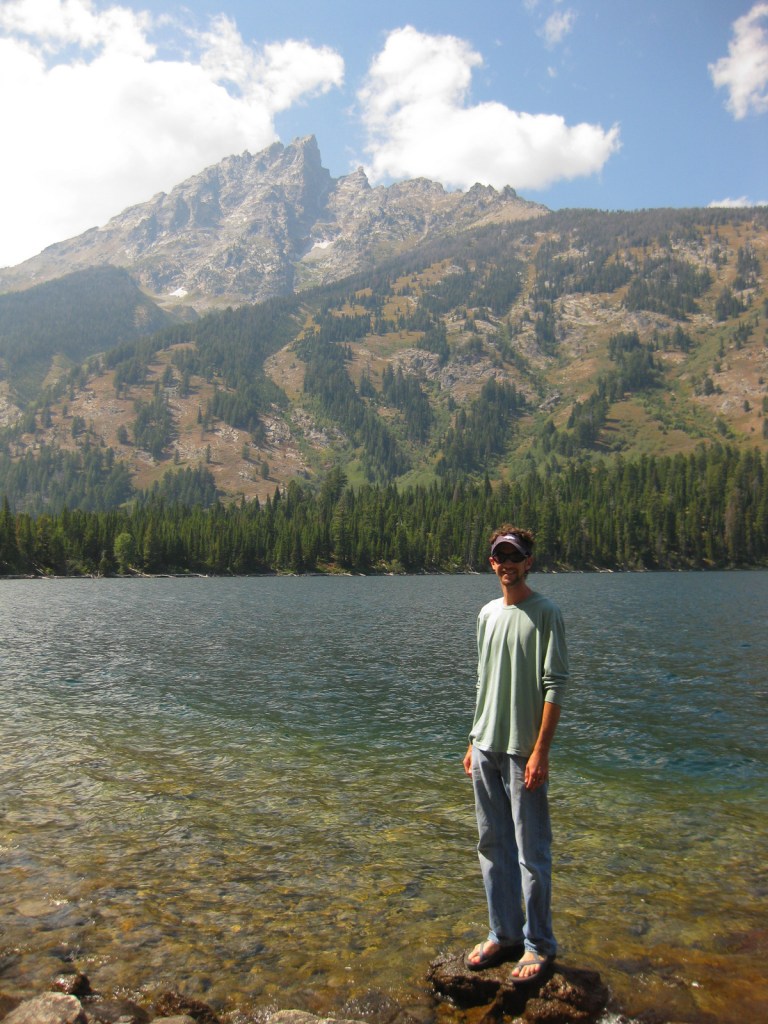
One of our favorite places in the park is Jenny Lake, which sparkles below 12,325-foot Teewinot Peak.  This is the trailhead for Cascade Canyon, but there are plenty of activities other than hiking, which include boating, horseback riding, mountain climbing, whitewater rafting, or cross-country skiing in the winter. 

Best Trail

You can hike around Jenny Lake to the lake to Hidden Falls and the waterfalls of Cascade Canyon, or you can take the shortcut aboard a shuttle boat (fee).  This popular trail can get very busy in the summer, which is true of most of the trails in the park.

Instagram-worthy Photo

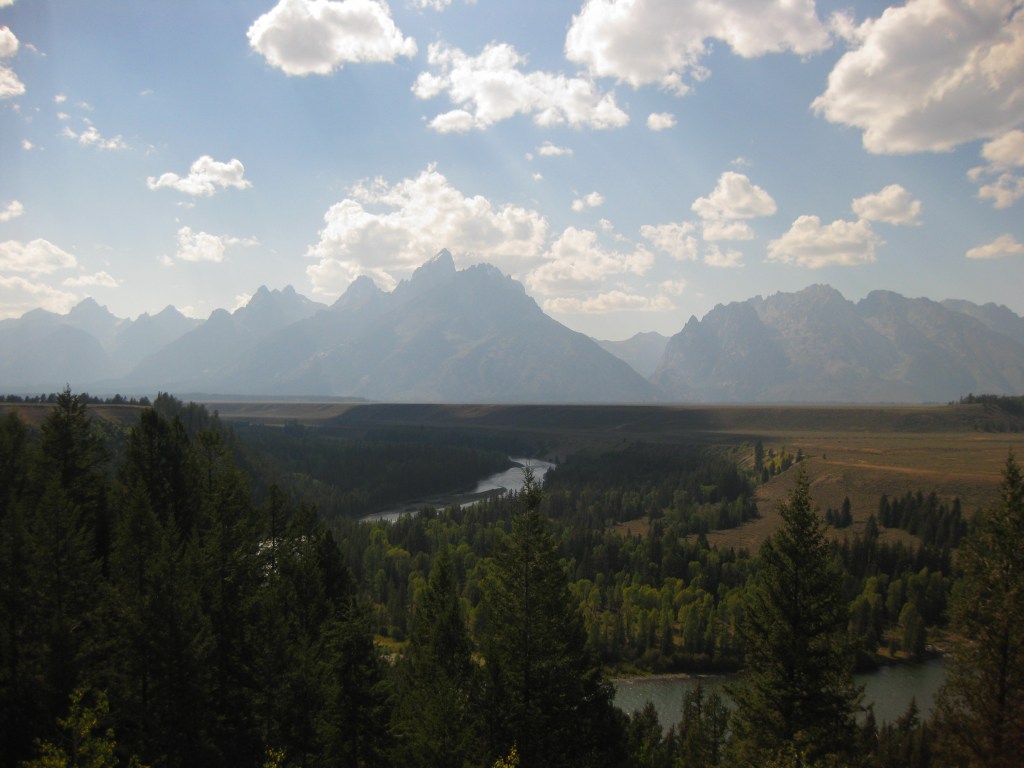
Oxbow Bend Turnout is found along Highway 89/191/287, north of Moran Junction Entrance Station.  It overlooks a curve in the Snake River towards the Teton Mountain Range, which is why we chose it for our original logo design (see below).

Peak Season

Summer

Hours

https://www.nps.gov/grte/planyourvisit/hours.htm

Fees

$35 per vehicle or America the Beautiful pass

Road Conditions

The only main road that are not paved is the short segment that connects Phelps Lake with Jackson Hole Ski Area, but there are other rough gravel roads that follow the Snake River.

Camping

The first-come, first-served tent-only campsites at Jenny Lake or Signal Mountain are usually full, so you can always try Gros Ventre Campground which has 350 sites and rarely fills up.  Reservations for sites with hook-ups are accepted at Colter Bay RV Park and Headwaters at Flagg Ranch, which is just north of the park boundaries on the John D. Rockefeller Jr. Memorial Parkway.

Related Sites

Yellowstone National Park (Wyoming-Montana-Idaho)

Fossil Butte National Monument (Wyoming)

Devils Tower National Monument (Wyoming)

This design we created to celebrate Grand Teton National Park is available on a variety of products at Cafe Press and Amazon.

Explore More – How did the valley of Jackson Hole (and the city of Jackson) get its name?

Know someone who loves National Parks? Gift them our travel guidebook A Park to Yourself: Finding Solitude in America’s 63 National Parks

Top 10 Waterfalls in the 63 National Parks

Who doesn’t love a beautiful waterfall?  America’s 63 National Parks are full of some of the prettiest examples of flowing water in the world (dry Death Valley even has Darwin Falls).  A few can be seen from drive-up overlooks, while others require a hike, but they are all worth the effort.  Niagara Falls is in the nation’s oldest State Park and photogenic Havasu Falls is actually outside of Grand Canyon National Park, so they did not even make the list.  We will release a ranking of the other National Park Service units, but first check out our Top 10 National Parks for waterfalls (click here to see all our Top 10 lists).

Know someone who loves National Parks? Gift them our travel guidebook A Park to Yourself: Finding Solitude in America’s 63 National Parks

10. Rocky Mountain (Colorado)

Not known for its waterfalls, this park has Alberta Falls, Calypso Cascades, Ouzel Falls, Fern Falls, Bridal Veil Falls, and many others.

9. Katmai (Alaska)

Brooks Falls is not the highest waterfall, but it does bring together brown bears and salmon.

8. Mount Rainier (Washington)

Silver, Cougar, Narada, and Comet Falls are just some of the countless cascades fed by melting glaciers.

7. Cuyahoga Valley (Ohio)

Brandywine Falls is the most spectacular, but don’t miss Blue Hen or Bridal Veil Falls either.

6. Haleakalā (Hawai‘i)

180-foot tall Falls at Makahiku and 400-foot Waimoku Falls are both seen along the Pīpīwai Trail.

5. Shenandoah (Virginia)

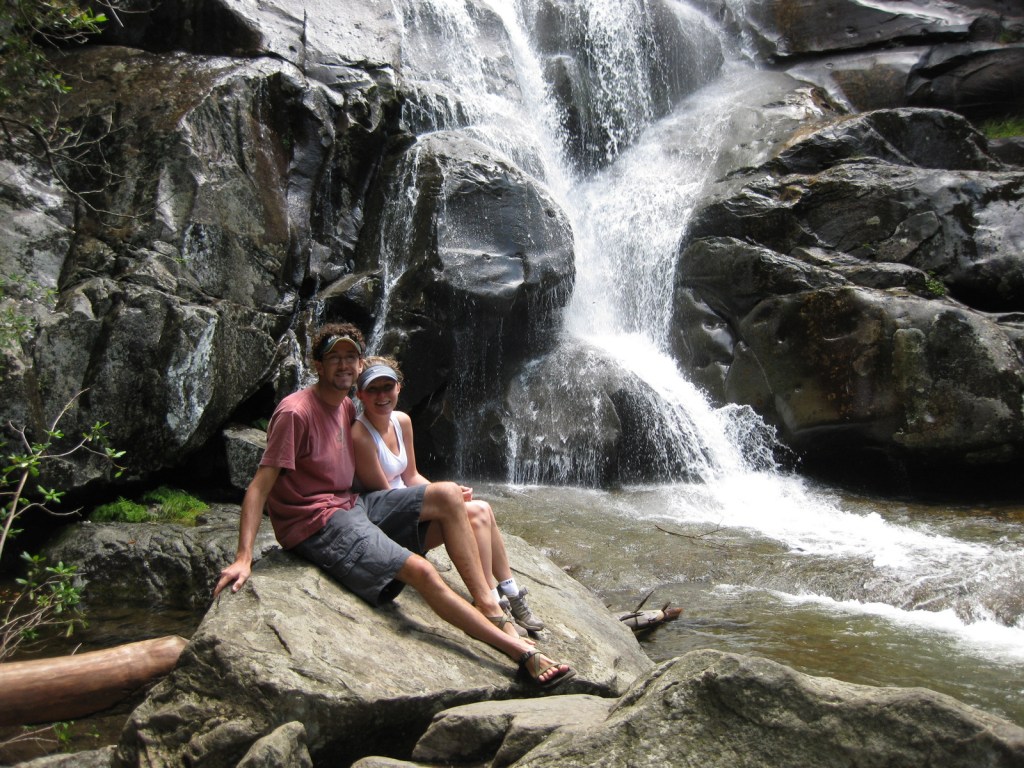
A hike is required to access any of the park’s cascades, including the numerous falls along the 8.2-mile Cedar Run/Whiteoak Circuit.

4. Kings Canyon (California)

Mist Falls lives up to its name and is worth the hike, plus check out Roaring River Falls at the end of a half mile trail.

3. Great Smoky Mountains (Tennessee-North Carolina)

Ramsey Cascades tops our list of the numerous falls you can hike to in this incredible park.

2. Yosemite (California)

There are countless massive waterfalls in Yosemite Valley, plus a couple great ones in Hetch Hetchy.

…and finally our #1 waterfall in a National Park:

1. Yellowstone (Wyoming-Montana-Idaho)

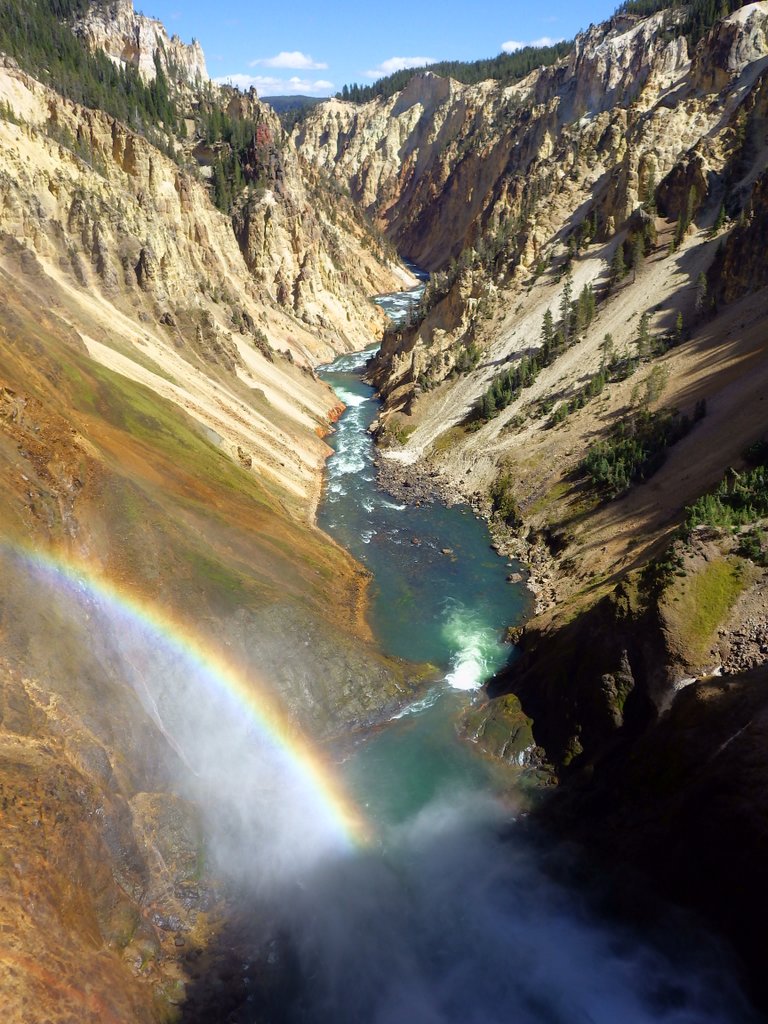
Lower Falls of the Yellowstone River is our favorite waterfall, whether viewed from the brink or Artist’s Point.

Honorable Mentions

Olympic (Washington)

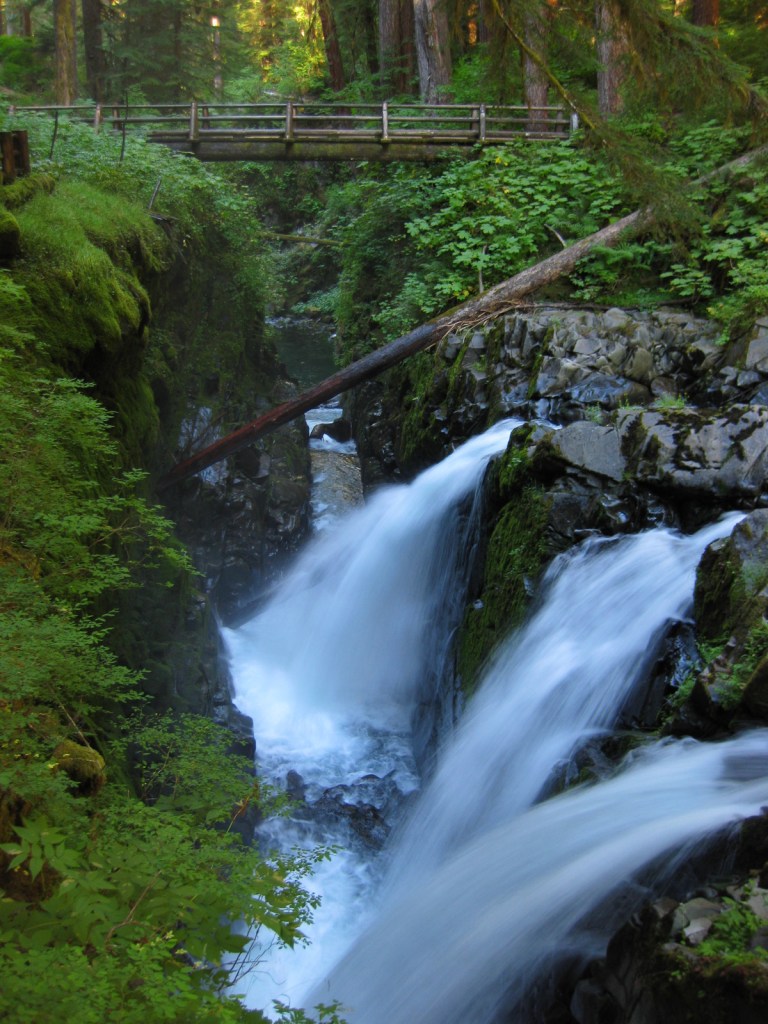
You might expect bigger waterfalls in the wettest place in North America, but Sol Duc Falls and Elwha Falls are still worth checking out.

Grand Teton (Wyoming)

Hidden Falls is a great stop on the popular hike to Inspiration Point and into Cascade Canyon.

Glacier Bay (Alaska)

Summer snowmelt feeds the numerous unnamed cascades in Glacier Bay, much like Kenai Fjords National Park.

Know someone who loves National Parks? Gift them our travel guidebook A Park to Yourself: Finding Solitude in America’s 63 National Parks

John Muir National Historic Site

Overview

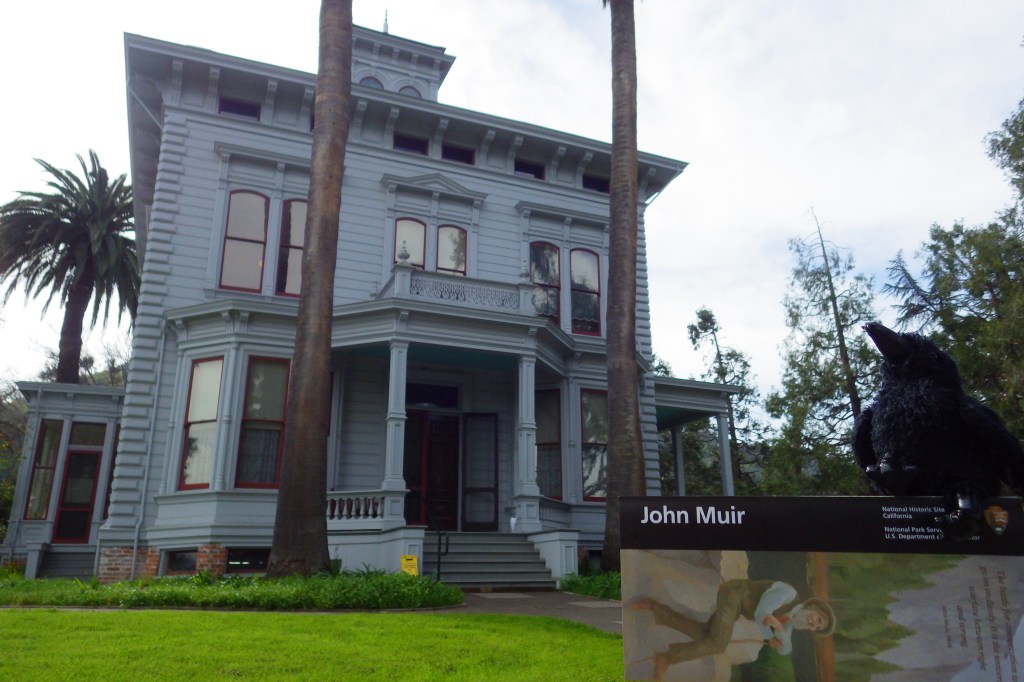
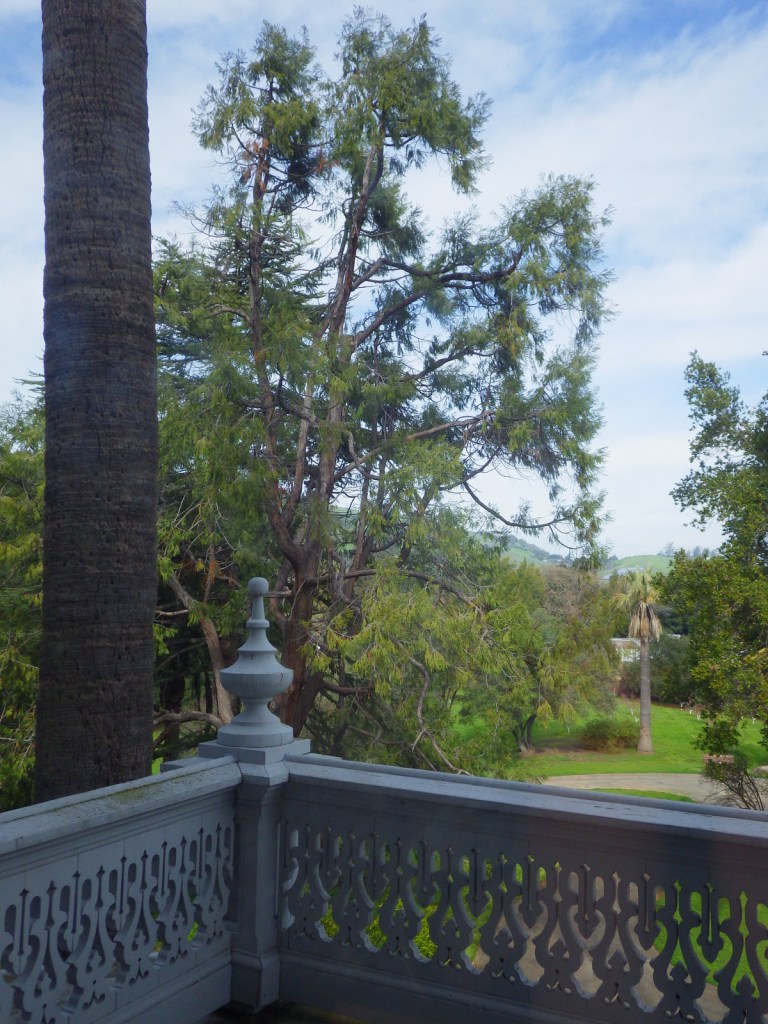
Martinez, California is now a bustling suburb of San Francisco, but it was once home to a fruit ranch managed by the famous 19th-century preservationist John Muir.  The house where he did most of his writing between 1890 and his death in 1914 is now backed by a freeway.  Classic non-fiction accounts of his outdoor adventures are still in print and include The Yosemite, Travels in Alaska, and Our National Parks.  His work as co-founder of the Sierra Club helped inspire elected officials to preserve huge sections of public land for the enjoyment of future generations.

Highlights

House tour, film, Mount Wanda, Juan Bautista de Anza National Historic Trail museum

Must-Do Activity

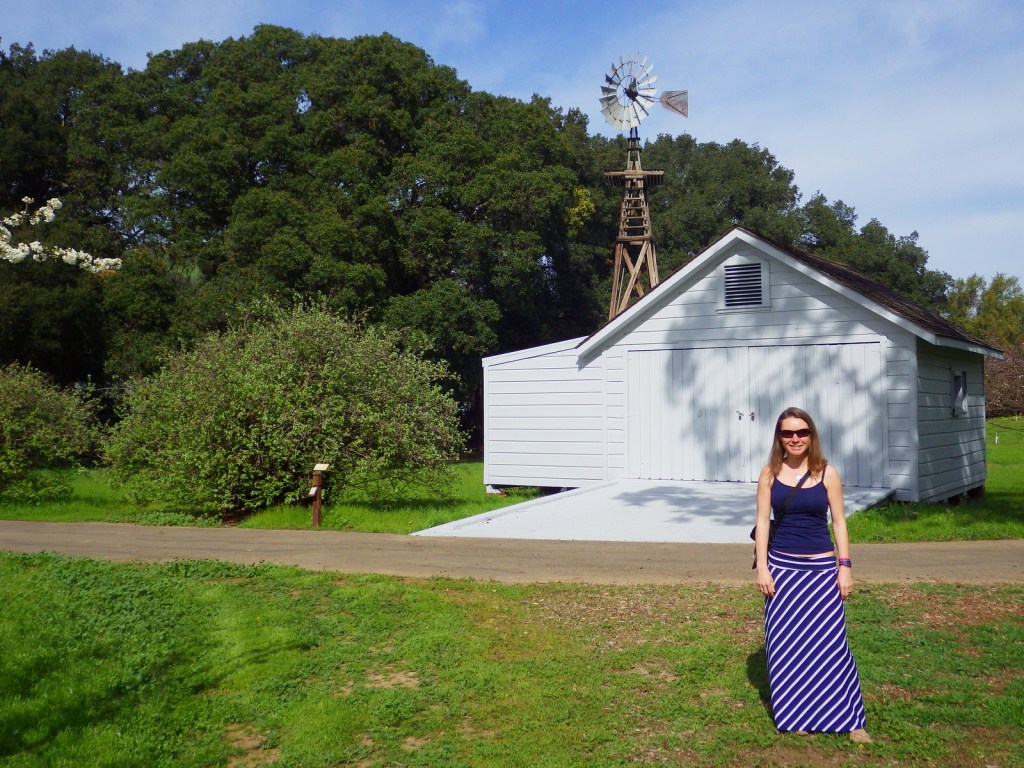
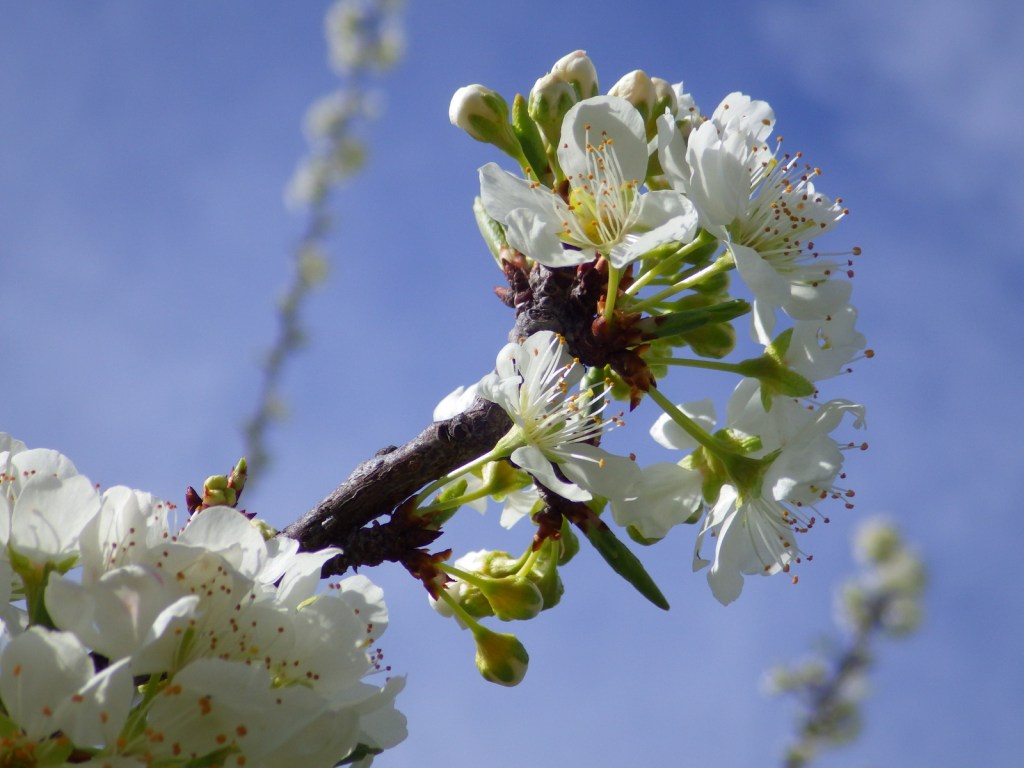
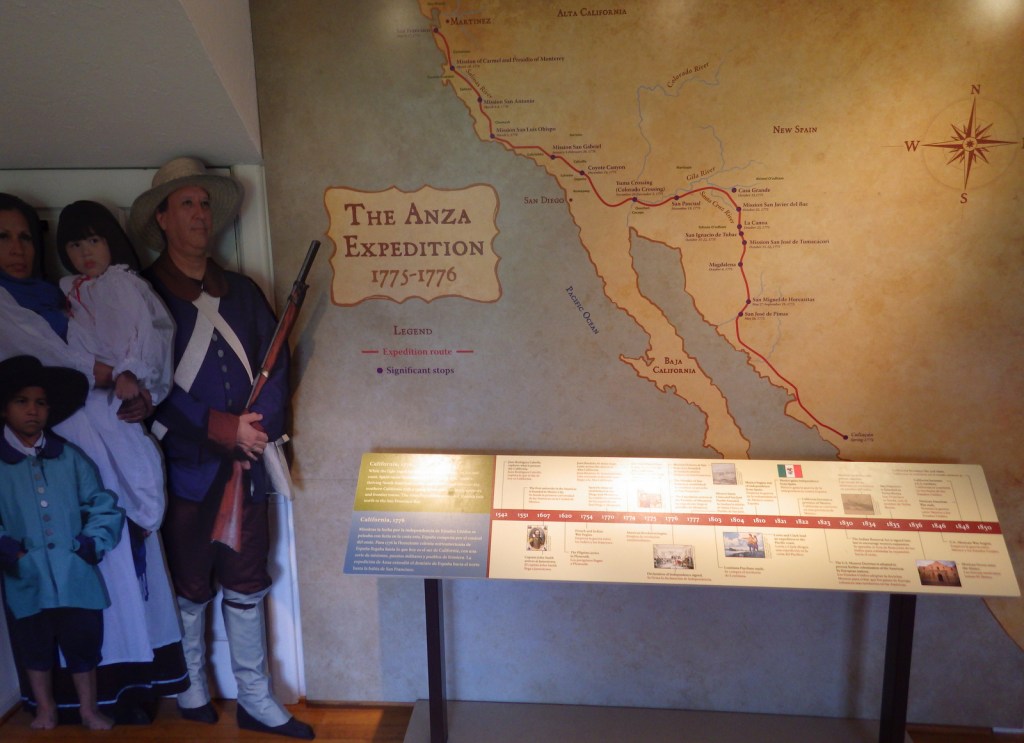
Start your visit by watching the well-produced interpretive film A Glorious Journey (20 minutes).  Ranger-guided tours are the only way to step inside Muir’s 14-room Victorian house (free ticket required).  After the tour you can walk through what remains of the fruit orchards.  Also check out an adobe house on the property that is now a museum dedicated to the 1,200-mile Juan Bautista de Anza National Historic Trail.

Best Trail

Off site is located a 326-acre portion of John Muir National Historic Site around Mount Wanda, named for one of Muir’s daughters.  A one-mile trail leads to the summit and full-moon hikes are guided by park rangers in the summer months.

Instagram-worthy Photo

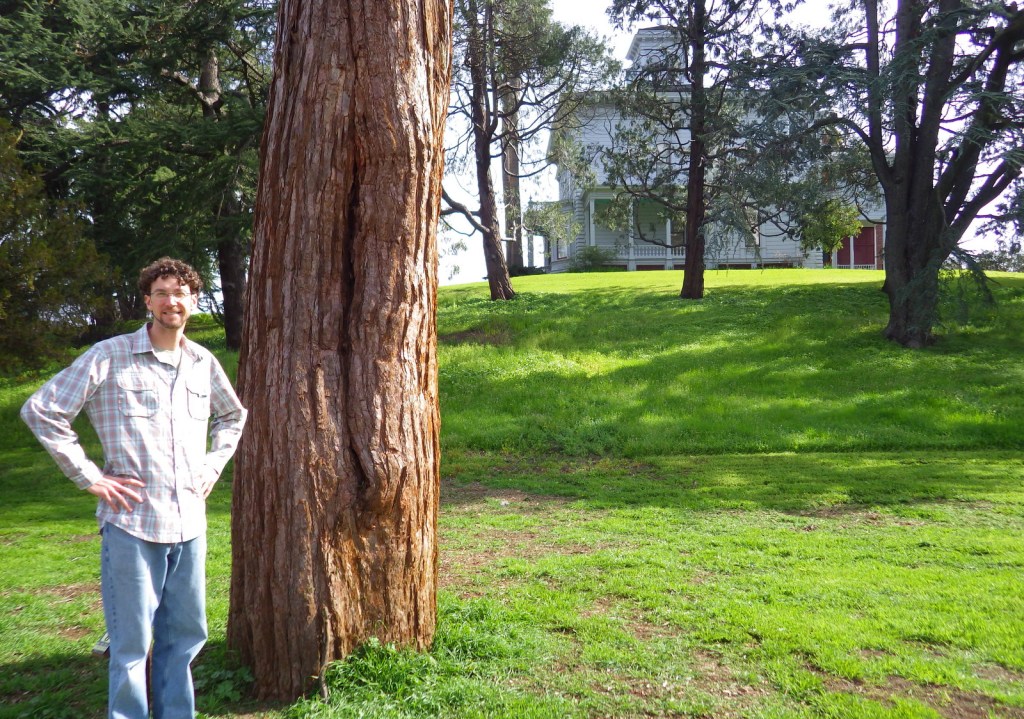
Muir planted a giant sequoia tree from the Sierra Nevada here and it is quite large after a century of growth.

Peak Season

Summer

Hours

https://www.nps.gov/jomu/planyourvisit/hours.htm

Fees

None

Road Conditions

All roads are paved, though there is limited parking in the small NPS lot.  Be aware that traffic can be heavy in the San Francisco Bay Area.

Camping

There is no camping nearby, but perhaps you can follow in Muir’s footsteps and head for Yosemite National Park in the Sierra Nevada.

Related Sites

Muir Woods National Monument (California)

Glacier Bay National Park and Preserve (Alaska)

Rosie the Riveter/World War II Home Front National Historical Park (California)

Explore More – What did John Muir call his second-floor writing room where he composed some of the most influential works of his time?

We are a participant in the Amazon Services LLC Associates Program, an affiliate advertising program designed to provide a means for us to earn fees by linking to Amazon.com and affiliated sites.

Top 10 Civil War Non-Fiction Books

This past summer, we covered the many National Park Service (NPS) sites dedicated to remembering the Civil War, the bloodiest conflict in American history with the greatest outcome (freedom for the country’s enslaved people).  We previously ranked our Top 10 novels and films about the war, but for the non-fiction list we widened the time frame to include antebellum and postbellum works (click here to see all our Top 10 lists).

10. Raising the Hunley: The Remarkable History and Recovery of the Lost Confederate Submarine by Brian Hicks and Schuyler Kropf (2002)

The discovery of the wreck of the world’s first submarine is a fascinating story.

9. Andrew Johnson by Annette Gordon-Reed (2011)

After Abraham Lincoln’s assassination, President Andrew Johnson had impossible shoes to fill.

8. Incidents in the Life of a Slave Girl by Harriet Jacobs (1861)

One of many heart-wrenching, first-hand accounts of slavery published by abolitionist groups before the Civil War.

7. West from Appomattox: The Reconstruction of America after the Civil War by Heather Cox Richardson (2007)

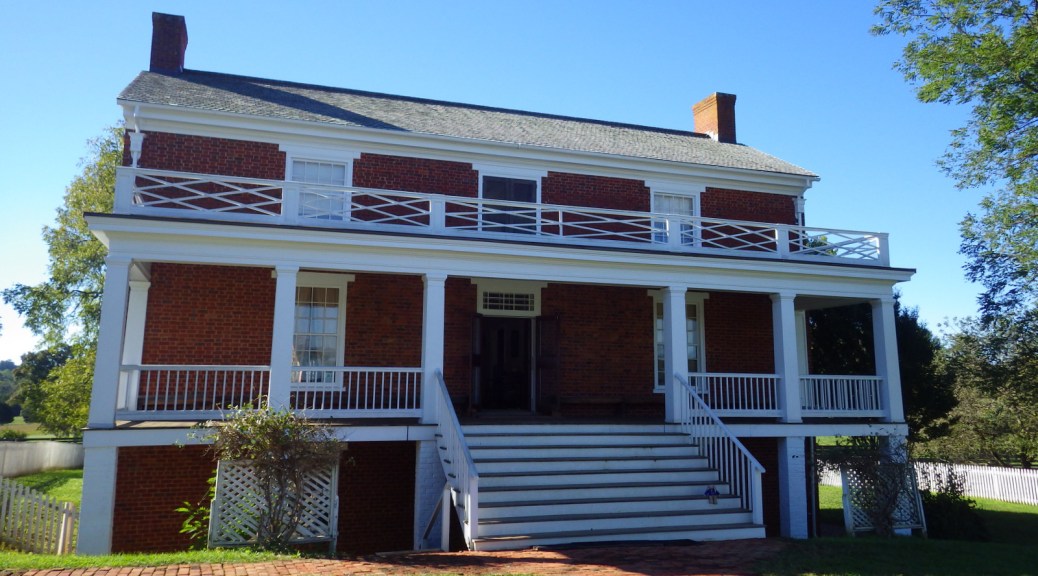
An in-depth look at the history of the country after General Lee surrendered at Appomattox Court House.

6. Black Reconstruction in America by W.E.B. DuBois (1935)

A seminal work on the period of Reconstruction following the Civil War.

5. Company Aytch by Samuel Watkins (1882)

An interesting autobiography from a soldier in the Confederate Army.

4. Narrative of the Life of Frederick Douglass: An American Slave by Frederick Douglass (1845)

Frederick Douglass was an escaped slave who became an impassioned voice for freedom before and after the war.

3. A Diary from Dixie by Mary Chestnut (1905)

A lengthy narrative of one woman’s experiences living in the south during the Civil War.

2. Up from Slavery by Booker T. Washington (1901)

Autobiography of Booker T. Washington, the founder of Tuskegee Institute who was born into slavery.

…and finally our #1 non-fiction book about the American Civil War:

1. Team of Rivals: The Political Genius of Abraham Lincoln by Doris Kearns Goodwin (2005)

One of the best history books ever written, it tells the story of the competing egos within President Lincoln’s Cabinet.

Honorable Mentions

Southern Lady, Yankee Spy: The True Story of Elizabeth Van Lew, a Union Agent in the Heart of the Confederacy by Elizabeth R. Varon (2003)

There are so many excellent histories of this period, but this biography is especially interesting.

Harriet Tubman: The Road to Freedom by Catherine Clinton (2004)

Any biography of Harriet Tubman is worth reading.

We are a participant in the Amazon Services LLC Associates Program, an affiliate advertising program designed to provide a means for us to earn fees by linking to Amazon.com and affiliated sites.