All posts by Raven About The Parks

Raven About The Parks in the newspaper

Today we had our first ever article published in the Wyoming Tribune-Eagle, the local daily in our hometown of Cheyenne, Wyoming. It talks about our recent travels across the U.S.A. hiking in all 155 National Forests! Here is the link and the entire article:

Article 2

Article 3

Article 4

Local author close to hiking in all 155 National Forests

We stopped to catch our breath after coming over 11,115-foot Lester Pass in the Wind River Range, when we heard a soft, mournful wail from our left. My wife and I came to an abrupt stop, looked at each other wide-eyed as new voices joined with the first – wolves howling in the faint light diffused by leaden skies. Sound carried far in the treeless alpine bowl and we determined the wolves were a mile away behind a rocky ridge. They soon quieted, but not before awakening awe to the untrammeled beauty surrounding us. This experience was one of many that we had while backpacking for eight days in Wyoming’s Bridger National Forest and reinforced why we seek out wild places.
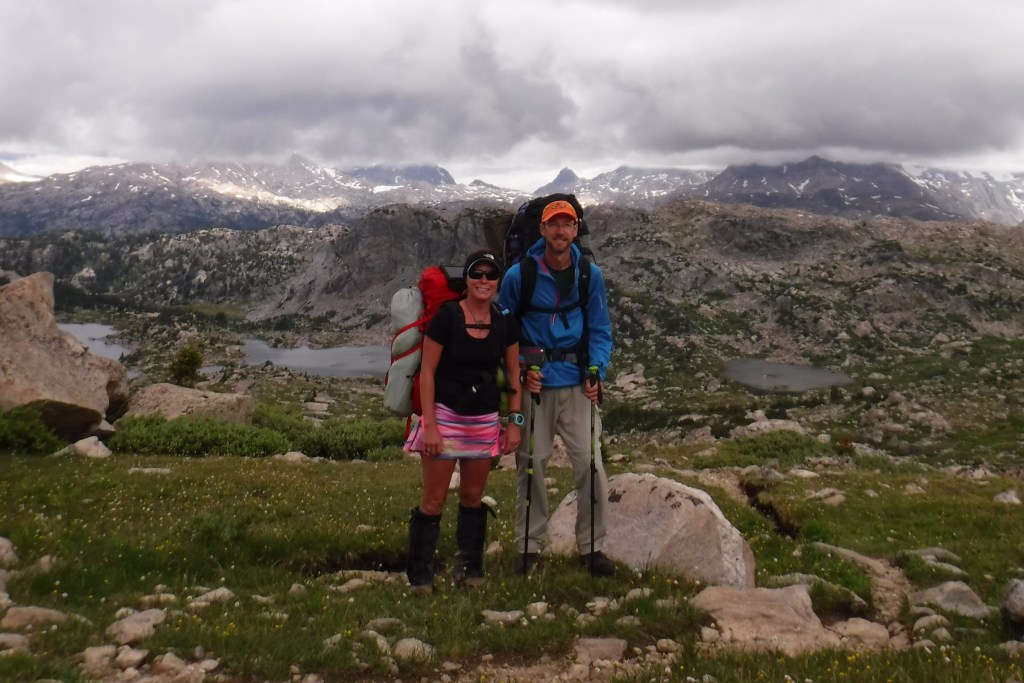
Scott and Tiff backpacking near Lester Pass in Wyoming’s Wind River Range

That was in the summer of 2020 when a global pandemic had us (and many others) looking for places to vacation far from crowds. We had previously discussed visiting all 155 National Forests in the U.S.A. and figured now would be a good time to start seriously pursuing that goal. Some of our favorite memories as a couple were hiking and camping in these publicly owned lands. After all, our first date was in Arizona’s Coronado National Forest and it was love at first hike. In 2009, we returned to that trail for our wedding ceremony. My wife, Tiff, was still working full-time at Cheyenne Regional Medical Center, so she would not be able to accompany me to all 40 states that have National Forests, but I could complete the mission with some help from my recently retired mother.

Up to 2020 our travels mainly focused on exploring 367 of the 423 units in the National Park Service (NPS) system. We created a travel website (RavenAboutTheParks.com) about NPS sites and published a guidebook focused on the value of seeking solitude in the National Parks. It is much easier to find space in National Forests, which are less crowded and less regulated. To this day, my beloved mother still doesn’t know the difference between a National Park and a National Forest, so part of our motivation was to bring our love of the forests and their history to others.

History

The U.S. Forest Service was established in 1905 during the Theodore Roosevelt administration, and his good friend and fellow conservationist Gifford Pinchot was named the agency’s first head. Their aim was to protect federal lands from unlawful timber cutting and bring the millions of acres of Forest Reserves into one cohesive system. Yellowstone Park Timberland Reserve in northwest Wyoming was the first established in 1891. It was divided and renamed on numerous occasions and now goes by Shoshone National Forest.

Even though they share a designation, National Forests are extremely diverse in the ecosystems they protect and the ways they’re managed. Tonto National Forest in Arizona is primarily desert with more cacti than trees. Delta National Forest in Mississippi is flooded most of the year to provide wildlife habitat. Many forests have private inholdings within their boundaries, and some, like South Carolina’s Sumter National Forest, include more private acreage than federal. Timber harvesting is still a major component of some National Forests, but has mostly disappeared in other regions.

In contrast to the NPS, National Forests are managed by the U.S. Forest Service in the Department of Agriculture, not the Department of Interior. They offer much more freedom for hunting, dispersed camping, driving ATVs, fishing, and other outdoor activities. Additionally, there is no admission fee to enter a National Forest, except at developed campgrounds, some busy trailheads, and a few scenic drives. Even there you can typically use your annual America the Beautiful Pass to cover the day-use fee; plus, Senior, Military, and Access Passes give a 50% discount on campsites.

Tiff backpacking in the Snow Range within Medicine Bow National Forest in Wyoming

Our Objectives

In addition to creating memories like the one described above in the Wind Rivers, our major objective of visiting all 155 National Forests is to publish a guidebook. Each forest will get its own chapter with a brief overview, name origin, list of popular spots, and description of nearby points of interest. We will also highlight one tree species and a hiking trail that will give readers a good introduction to what that National Forest is all about. I will even put my Ph.D. in forestry to good use by including pertinent information on ecology and dendrology.

Our first priority when deciding to hike in all the National Forests was to decide just how many there really are. To expedite management many forests were combined in the 1970s, like our own Medicine Bow-Routt National Forest. We considered those two different forests and even went so far as to split Idaho Pandhandle National Forest into its original three units to add up to 155 forests. Unlike some lists, we did not include Lake Tahoe Basin Management Area, Land Between the Lakes National Recreation Area, nor the 20 National Grasslands that are also managed by the U.S. Forest Service.

At the start of our efforts we determined that we already had hiked and traveled enough to write about 55 National Forests in places we previously lived, including Alaska, Arizona, California, North Carolina, and Wyoming. That left 100 more to go. Of course, that did not stop us from returning to a few favorites along the way, like Black Hills, Bridger, Gila, Medicine Bow, Nebraska, and Roosevelt National Forests.
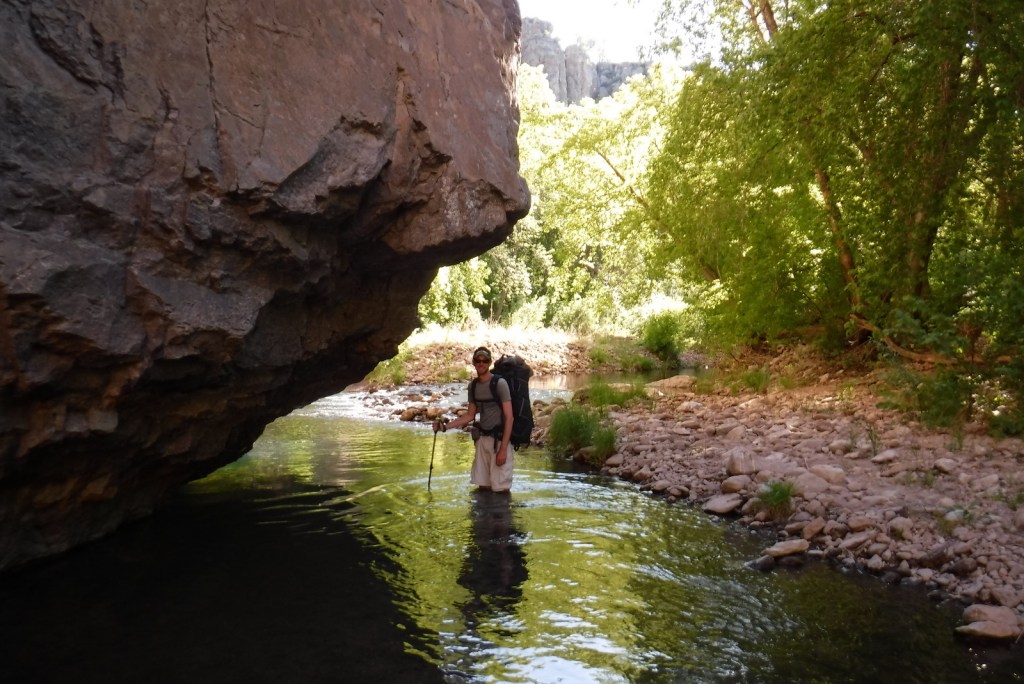
Scott backpacking Gila National Forest in New Mexico

Our Journey

On August 17, 2020, my adventurous 68-year-old mother and I embarked on a four-week camping trip along the west coast to hike in 31 National Forests. In April 2021, we got together again to drive 10,000 miles from Texas to New Hampshire visiting another 34 forests. My wife and I have made shorter trips throughout the past year, including a recent two-week jaunt through Minnesota, Wisconsin, and Michigan, to bring our current total to 152 National Forests, three short of our goal.

Due to wildfires, we were unable to enter California’s Angeles and Mendocino National Forests last summer. Dodging fires has been a major hurdle throughout our journey and we have had to change plans to avoid closed areas. We are currently planning to drive to California in mid-November and have tickets to fly to Puerto Rico to visit El Yunque National Forest in early December.

While we often discuss our National Forests by number, we do not aim to “collect” them, but rather to have the unique experiences that only they can provide. We hope to lay the foundation for exploration so more people can go to the forests and have amazing experiences. After all, memories last longer the sooner they are made.

We will continue to share our journey through these last three National Forests over the next few weeks.

Also, check out our just released coloring book: A Page to Yourself: Color and Discover America’s National Parks

We are a participant in the Amazon Services LLC Associates Program, an affiliate advertising program designed to provide a means for us to earn fees by linking to Amazon.com and affiliated sites.
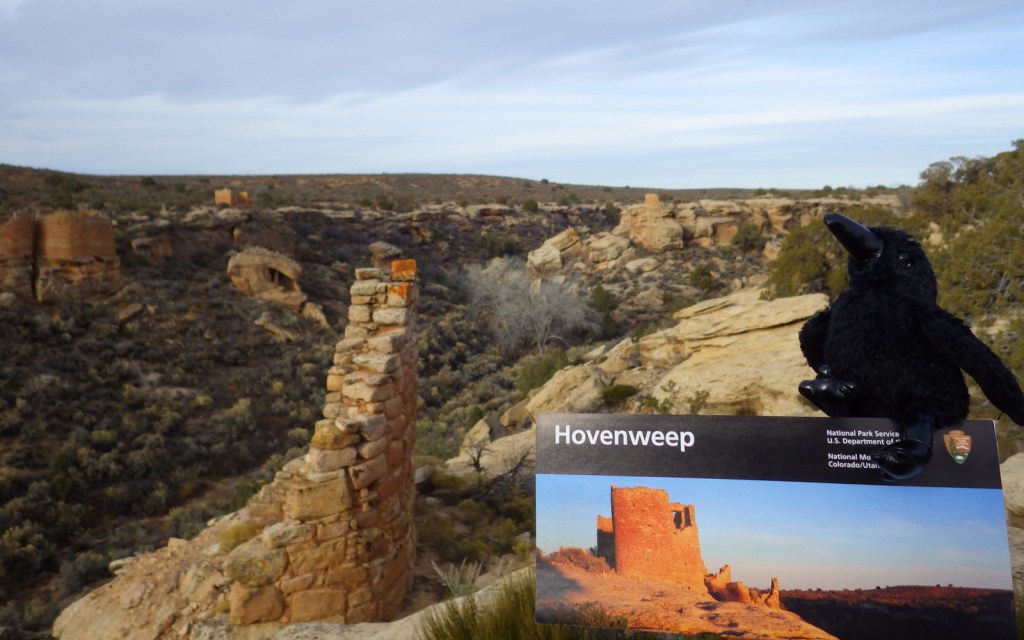
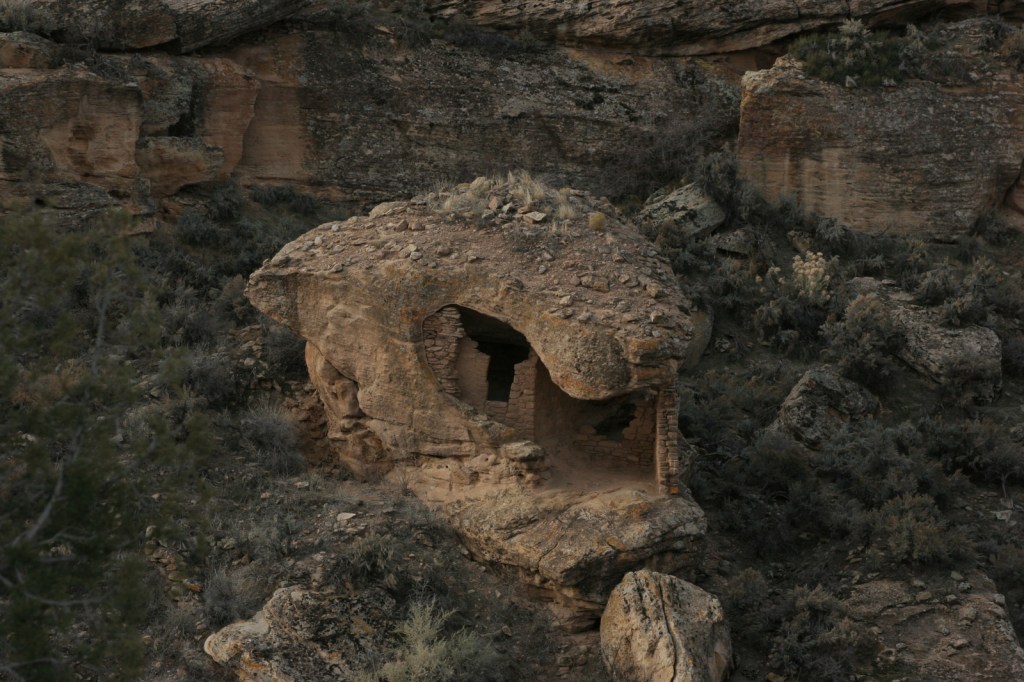
Hovenweep National Monument

Overview

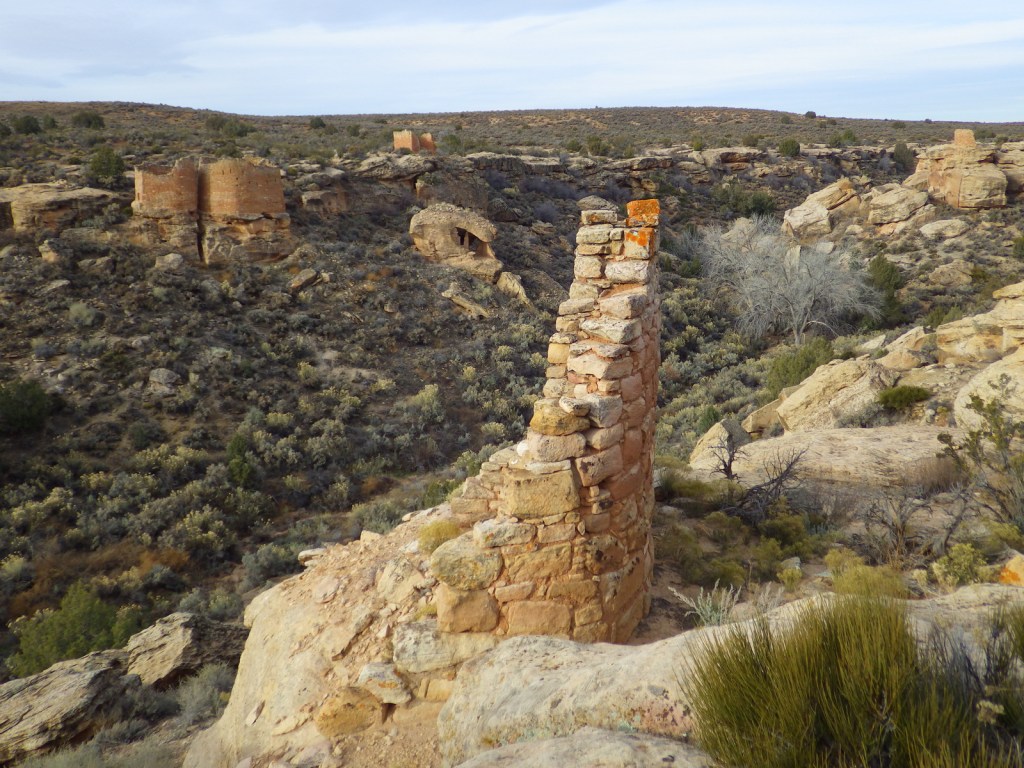
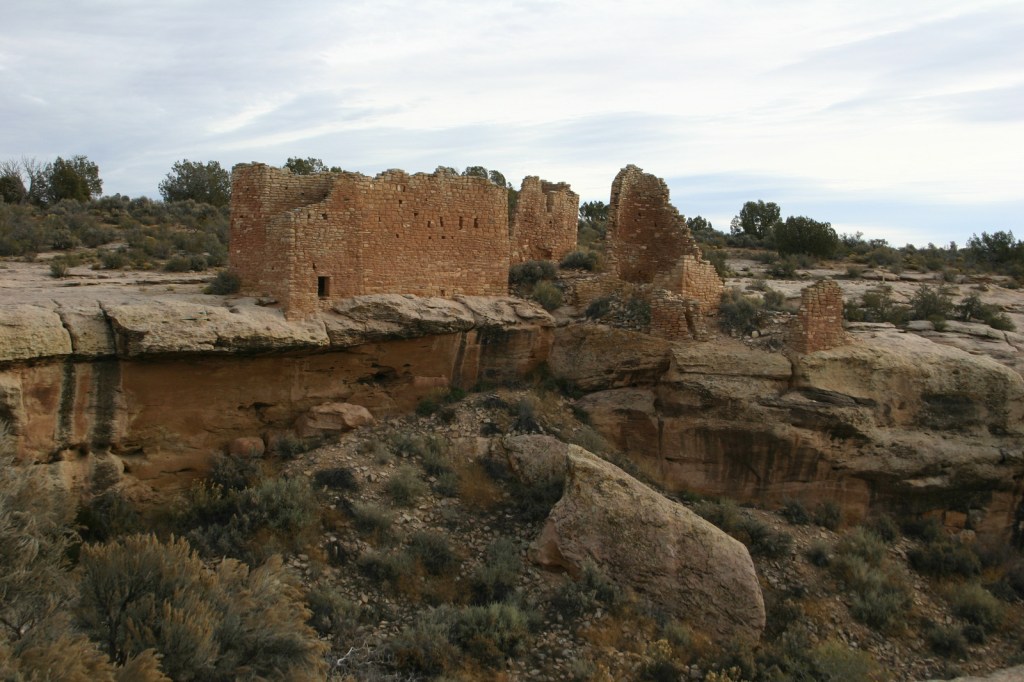
Partially surrounded by Canyons of the Ancients National Monument (run by the Bureau of Land Management), Hovenweep National Monument occupies a remote area on the southern Utah-Colorado border.  Established in 1923, it is composed of six units, the largest of which has a National Park Service (NPS) visitor center on the rim of Little Ruin Canyon, the location of the variable architectural styles of Square Tower Group. 

Highlights

Square Tower Group, Holly Group, Cajon Group, Hackberry Group, Cutthroat Castle Group

Must-Do Activity

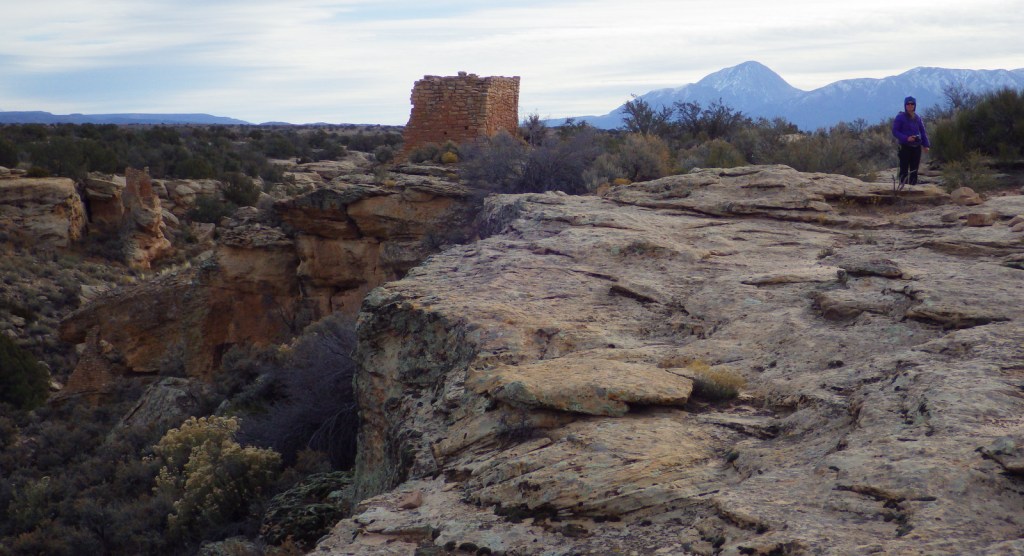
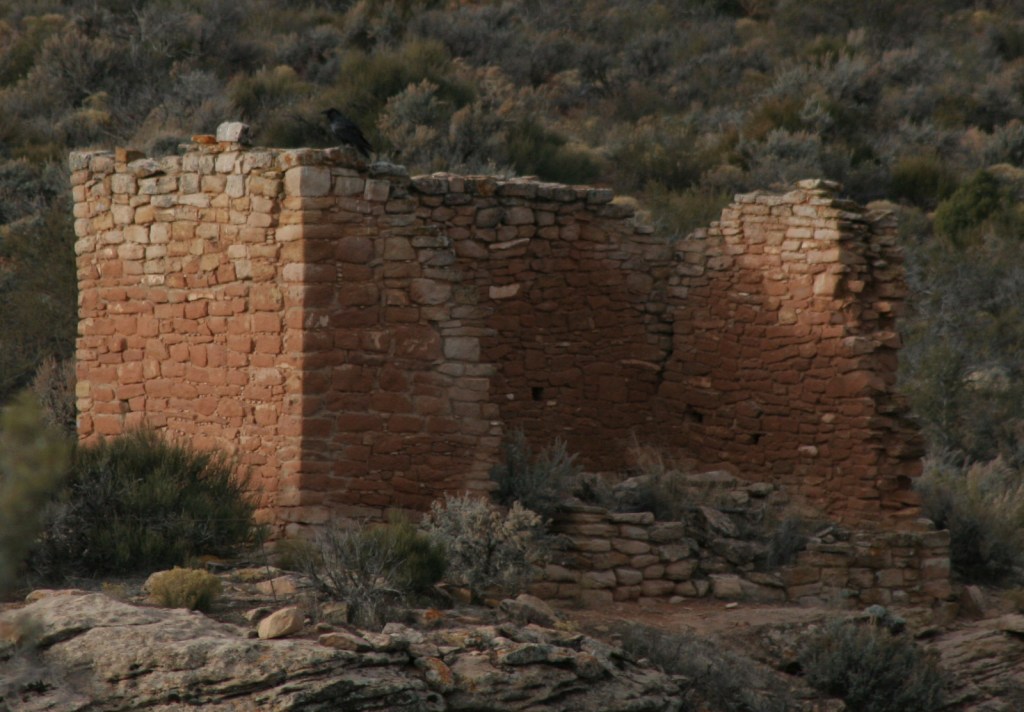
At Square Tower Group a two-mile loop hike takes visitors past an impressive collection of structures that date back to the 1200s, the same period that Ancestral Puebloans inhabited nearby Mesa Verde National Park.  The variety of building styles in this narrow canyon is remarkable, from Square Tower and Hovenweep Castle to Twin Towers and the unique Eroded Boulder House.  There is almost no shade to be found on the sagebrush plain of Cajon Mesa, so visiting in the heat of summer may not be as enjoyable.  The good news is that it makes for boundless vistas, especially to the south where Sleeping Ute Mountain looms.

Best Trail

The loop trail at Square Tower Group is paved and wheelchair accessible to the first overlook at Stronghold Point, but then gets much rougher over its two miles, especially at the end where it drops into Little Ruin Canyon.  A four-mile one-way trail connects this area to the Holly Group of ruins.

Instagram-worthy Photo

Little Ruin Canyon has one of the highest density collections of ruins anywhere in the southwest U.S., including the cool Eroded Boulder House, a part of the Square Tower Group.

Peak Season

Spring and fall

Hours

https://www.nps.gov/hove/planyourvisit/hours.htm

Fees

$20 per vehicle or America the Beautiful pass

Road Conditions

Despite its remote location, roads are paved to Square Tower Group, but accessing most of the other units requires driving or hiking rough dirt roads.  Further east in Colorado’s Canyons of the Ancients National Monument, visitors can drive well-maintained roads to the Escalante Ruins and Lowry Pueblo, as well as the two trailheads for Sand Canyon.

Camping

The NPS runs a 30-site campground (for a fee) at its visitor center near Square Tower Group.  Dispersed camping is allowed in many parts of Canyons of the Ancients National Monument.

Related Sites

Yucca House National Monument (Colorado)

Natural Bridges National Monument (Utah)

La Sal National Forest (Utah)

Nearest National Park

Canyonlands

Explore More – Hovenweep is a Ute-Paiute word that translates as what?

Top 10 States for National Park Service Sites

When it comes to the distribution of the 423 units in the National Park Service (NPS) system, not all 50 states are represented equally.  For example, seven states (plus Washington, D.C.) contain 39% of NPS sites and our top-ranked state alone holds nine of the special places designated as one of the nation’s 63 National Parks.  On the other hand, Connecticut, Vermont, New Hampshire, and Delaware only have one NPS site apiece (as did Rhode Island until 2014 and Illinois until 2015).  To maximize your vacation time, head to one of these ten best states for NPS sites.  Click here to see all of our Top 10 Lists.

10. New Mexico (15 NPS units, 2 National Parks)

Spotlight Parks: Carlsbad Caverns National Park, Bandelier National Monument

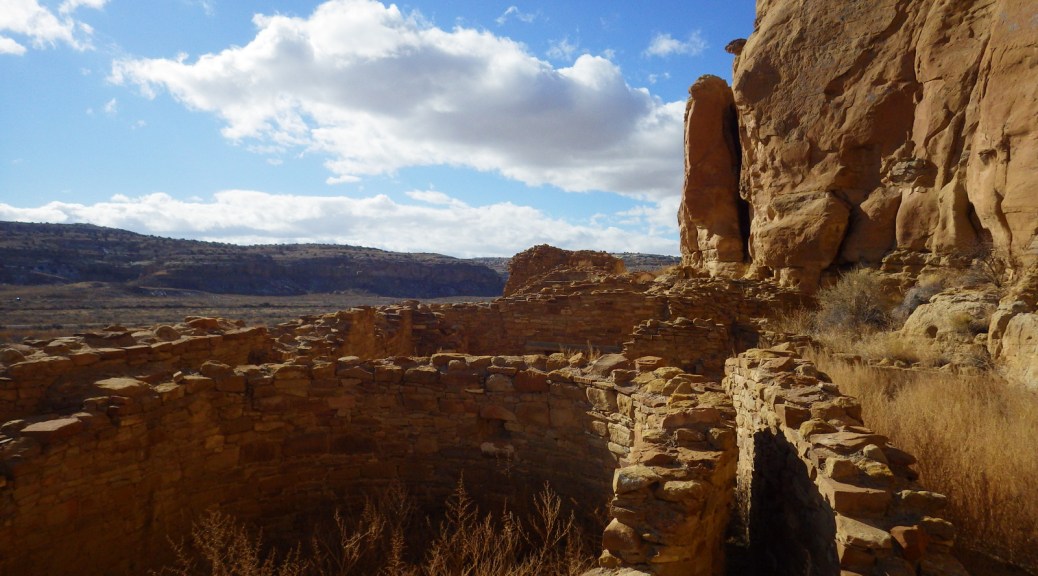
Hidden Gems: Chaco Culture National Historical Park, White Sands National Park

The prettiest cave in the NPS system, impressive ruins, and so much more

9. Pennsylvania (17 NPS units, 0 National Parks)

Spotlight Parks: Independence National Historical Park, Valley Forge National Historical Park, Gettysburg National Military Park

Hidden Gems: Steamtown National Historic Site, Fort Necessity National Battlefield

Similar to New York (23 NPS units), Pennsylvania focuses on its history, especially in Philadelphia

8. South Dakota (6 NPS units, 2 National Parks)

Spotlight Parks: Mount Rushmore National Memorial, Badlands National Park

Hidden Gems: Jewel Cave National Monument, Wind Cave National Park, Minuteman Missile National Historic Site

Head underground to fully enjoy the Black Hills, plus go wildlife watching on scenic drives. Click here to view our 7-Day Road Trip Itinerary.

7. Colorado (13 NPS units, 4 National Parks)

Spotlight Parks: Rocky Mountain National Park, Colorado National Monument, Mesa Verde National Park

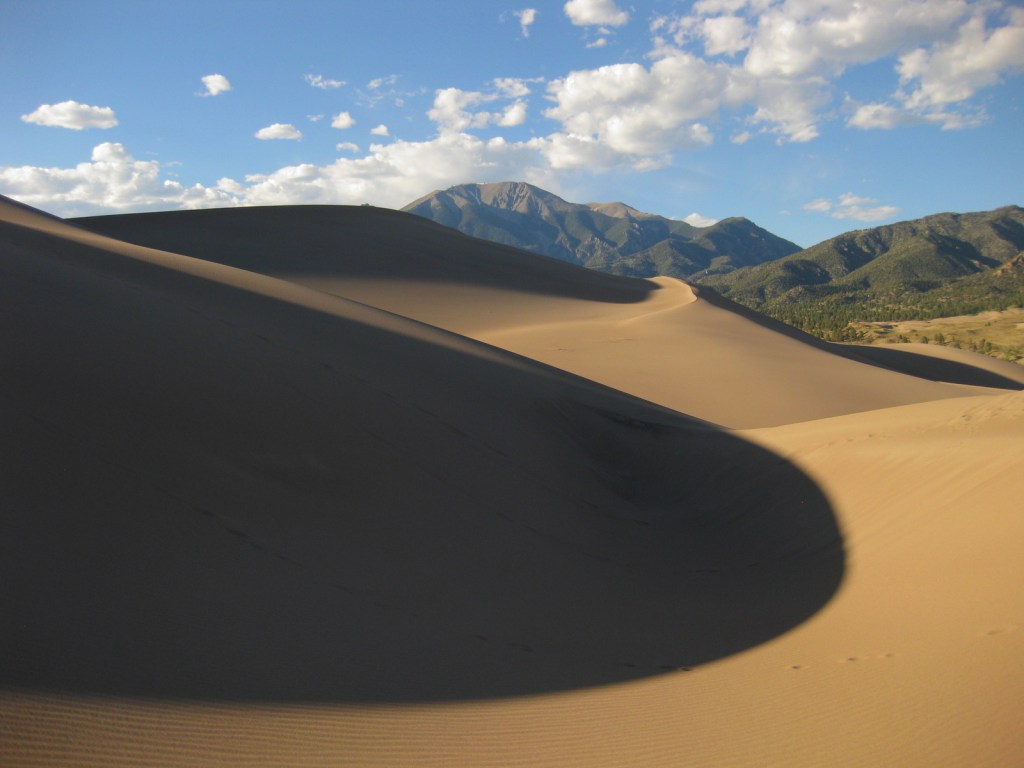
Hidden Gems: Great Sand Dunes National Park and Preserve, Dinosaur National Monument

Incredible natural beauty awaits in this mountainous state

6. Florida (11 NPS units, 3 National Parks)

Spotlight Parks: Everglades National Park, Castillo de San Marcos National Monument

Hidden Gems: Dry Tortugas National Park, Gulf Islands National Seashore

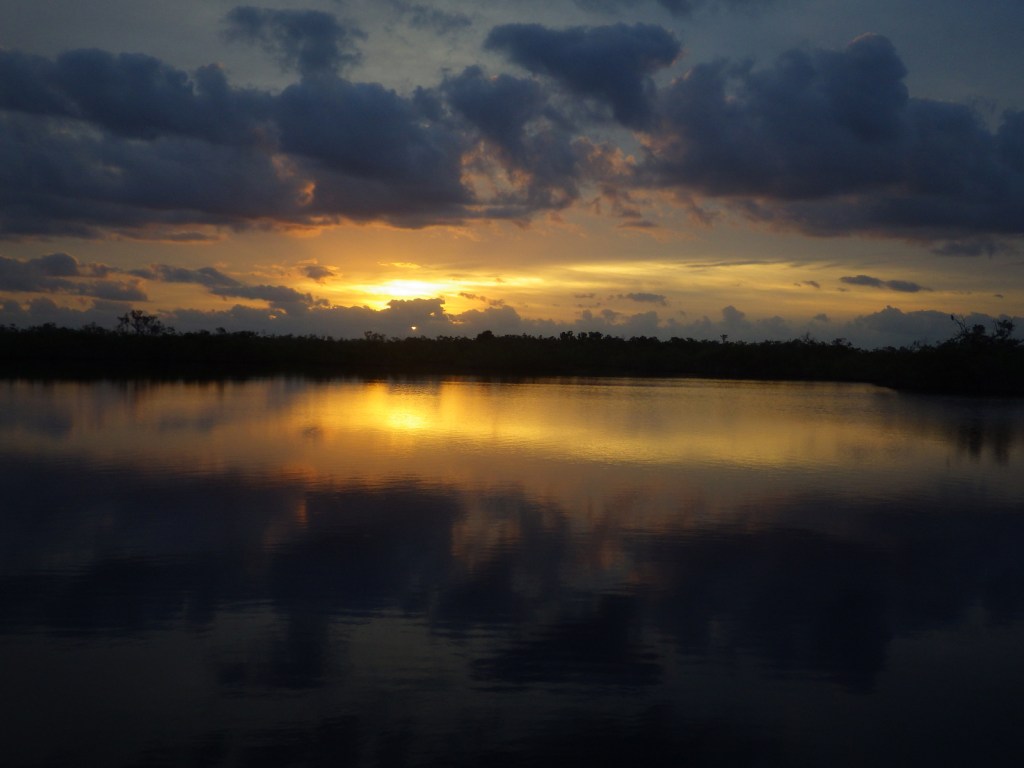
Head for the coastline to enjoy this state’s beaches, wildlife, and historic forts

5. Arizona (22 NPS units, 3 National Parks)

Spotlight Parks: Grand Canyon National Park, Canyon de Chelly National Monument, Saguaro National Park

Hidden Gems: Organ Pipe Cactus National Monument, Lake Mead National Recreation Area, Chiricahua National Monument

Visiting one of the natural wonders of the world is just the tip of the iceberg in Arizona. Click here to view our 7-Day Road Trip Itinerary.

4. Hawai‘i (8 NPS units, 2 National Parks)

Spotlight Parks: Haleakalā National Park, Pearl Harbor National Memorial, Hawai‘i Volcanoes National Park

Hidden Gems: Kalaupapa National Historical Park, Pu‘uhonua o Honaunau National Historical Park

Majestic volcanic scenery and some fascinating cultural sites. Click here to view our 14-Day trip Itinerary.

3. Alaska (23 NPS units, 8 National Parks)

Spotlight Parks: Denali National Park and Preserve, Klondike Gold Rush National Historical Park, Katmai National Park and Preserve, Glacier Bay National Park and Preserve

Hidden Gems: Wrangell-St. Elias National Park and Preserve, Kenai Fjords National Park

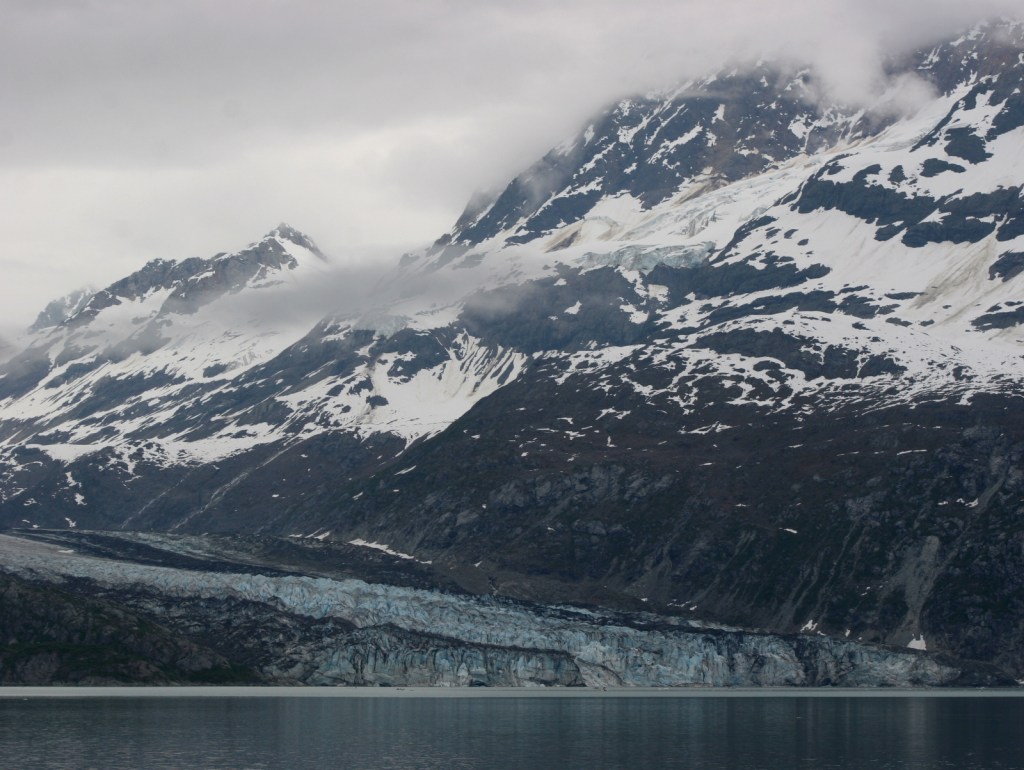
Unparalleled natural beauty and some of the most remote places on the planet

2. Utah (13 NPS units, 5 National Parks)

Spotlight Parks: Arches National Park, Bryce Canyon National Park, Zion National Park

Hidden Gems: Capitol Reef National Park, Timpanogos Cave National Monument, Golden Spike National Historical Park, Natural Bridges National Monument

Red rock spectacles are only one aspect of this diverse state of mountains and deserts

…and finally the #1 state for National Park Service sites:

1. California (27 NPS units, 9 National Parks)

Spotlight Parks: Yosemite National Park, Golden Gate National Recreation Area, Joshua Tree National Park, Sequoia National Park

Hidden Gems: Death Valley National Park, Lava Beds National Monument, Devils Postpile National Monument, Rosie the Riveter/World War II Home Front National Historical Park

The most National Parks (9 of 63) of any state, plus many interesting historic sites

Honorable Mentions

District of Columbia (23 NPS units, 0 National Parks)

Spotlight Parks: Lincoln Memorial, Ford’s Theatre National Historic Site, National Mall

Hidden Gems: Theodore Roosevelt Island National Memorial, Belmont-Paul Women’s Equality National Monument

Washington, D.C. has the greatest concentration of NPS sites anywhere in the country

U.S. Virgin Islands (5 NPS units, 1 National Park)

Spotlight Parks: Virgin Islands National Park, Buck Island Reef National Monument

Hidden Gems: Christiansted National Historic Site, Virgin Islands Coral Reef National Monument

These three small tropical islands include one of the nation’s best National Parks

Hamilton Grange National Memorial

Overview

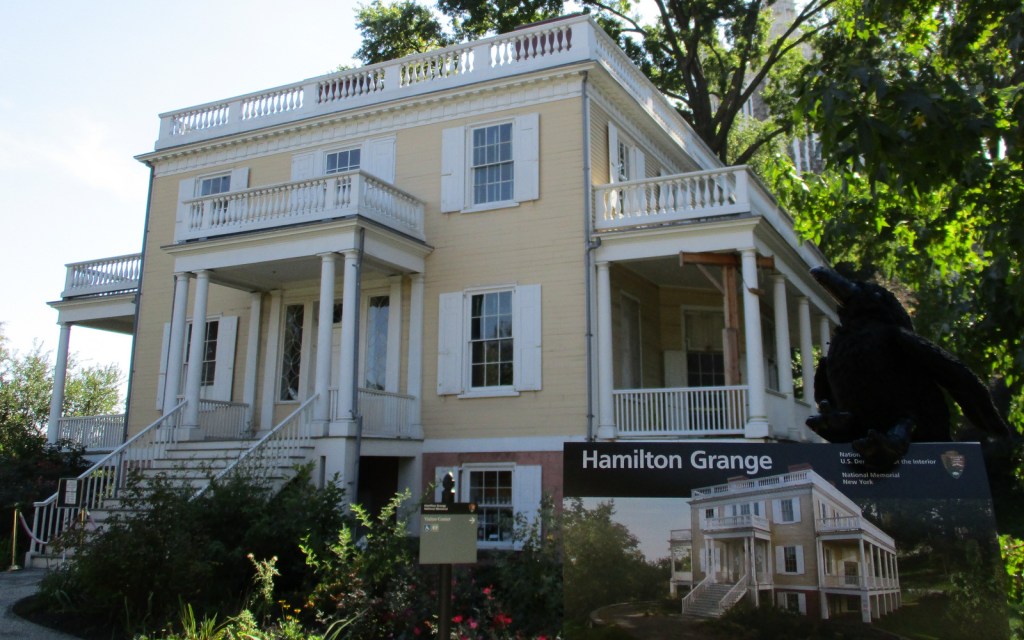
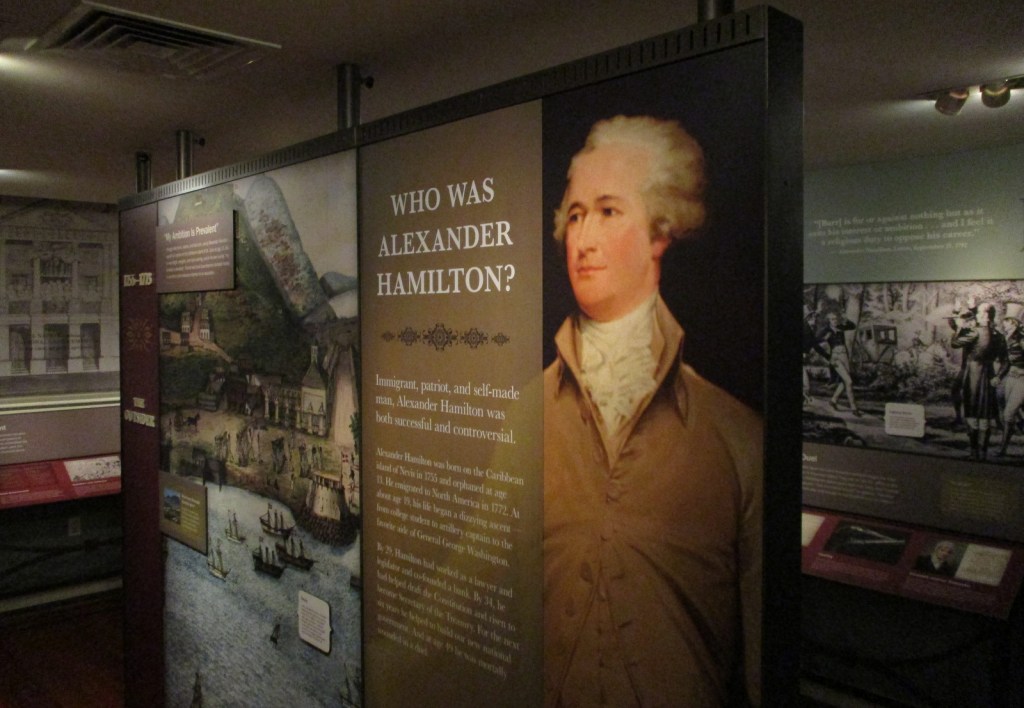
Anyone who has watched the musical Hamilton is familiar with the life story of Alexander Hamilton.  Hamilton Grange National Memorial is the only National Park Service (NPS) site dedicated to this “founding father.”  It is also the only one of 45 National Memorials built by the person it honors.  What you may not know is that his historic home in New York City has been moved twice, once in 1889 and again in 2008.

Highlights

Museum, tour, statue at St. Luke’s Episcopal Church

Must-Do Activity

The Grange gets its name from the Hamilton family’s ancestral home in Scotland.  Built in 1802 on a 32-acre estate in Upper Manhattan, Hamilton only lived there two years before being shot and killed in an infamous duel with Aaron Burr.  Today you enter the home through the basement where the NPS runs a museum.  Access upstairs is available on guided tours or during daily “open house” hours, but you must leave large items in lockers.

Best Trail

None

Instagram-worthy Photo

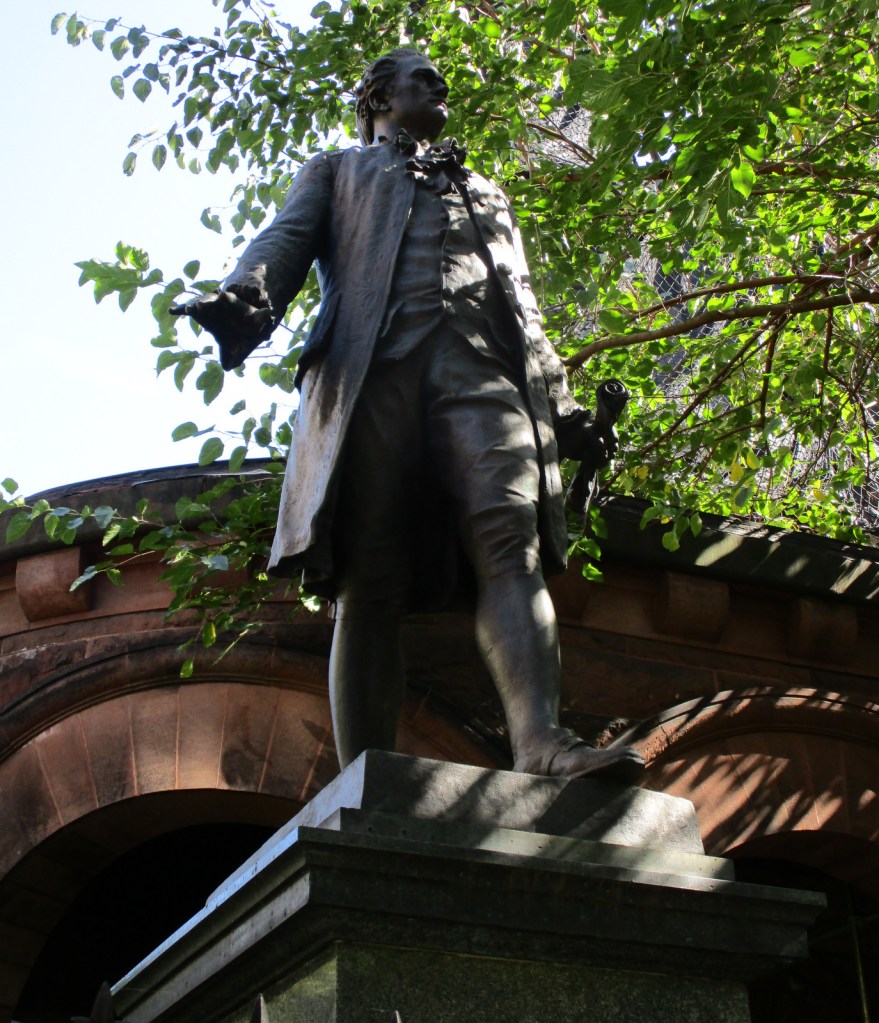
The Grange was tucked between St. Luke’s Episcopal Church and an apartment building until 2008 when the NPS moved it to St. Nicholas Park, part of the original 32-acre estate.  A statue of Alexander Hamilton still stands where the house resided for more than a century.

Peak Season

Summer

Hours

https://www.nps.gov/hagr/planyourvisit/hours.htm

Fees

None

Road Conditions

It is easiest not to drive into New York City, instead opt to take public transportation.

Camping

None

Related Sites

African Burial Ground National Monument (New York)

Federal Hall National Memorial (New York)

Saint Paul’s Church National Historic Site (New York)

Explore More – After resuming his law practice in 1795, Hamilton represented free and enslaved African Americans and defended a newspaper editor sued for slander by which future president?

We released our new National Parks coloring book!

Just in time for the holidays—we released our first coloring book available on Amazon.com! It is based on the 50 logos we created for our National Parks guidebook, many of which can be seen on our Shop page. It also includes the overview and wildlife information from the guidebook. It would make a great gift for any age!

We are a participant in the Amazon Services LLC Associates Program, an affiliate advertising program designed to provide a means for us to earn fees by linking to Amazon.com and affiliated sites.