In this Expanded 2nd Edition of A Park to Yourself, we sort through the enormous amount of information about National Parks to select the best trails, guided tours, photography spots, and wildlife viewing areas. America’s 63 National Parks are busier than ever, so we help you decide what places are worth the crowds and where you can find solitude. We identify the peak months of visitation and the busiest places in each park, whether you are attracted to those spots or want to avoid them altogether.
Whether you are looking to camp, backpack, or stay in a lodge, we cover the options, both inside and outside of the park. We also include insider tips and nearby attractions to help you make the most of your vacation.
We are a participant in the Amazon Services LLC Associates Program, an affiliate advertising program designed to provide a means for us to earn fees by linking to Amazon.com and affiliated sites.
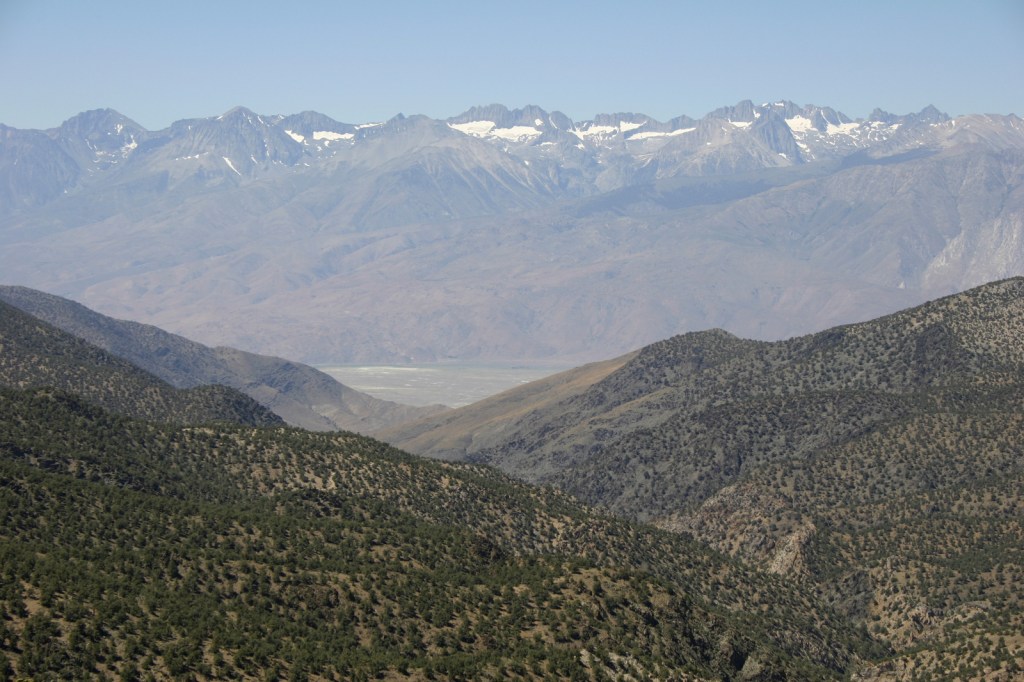
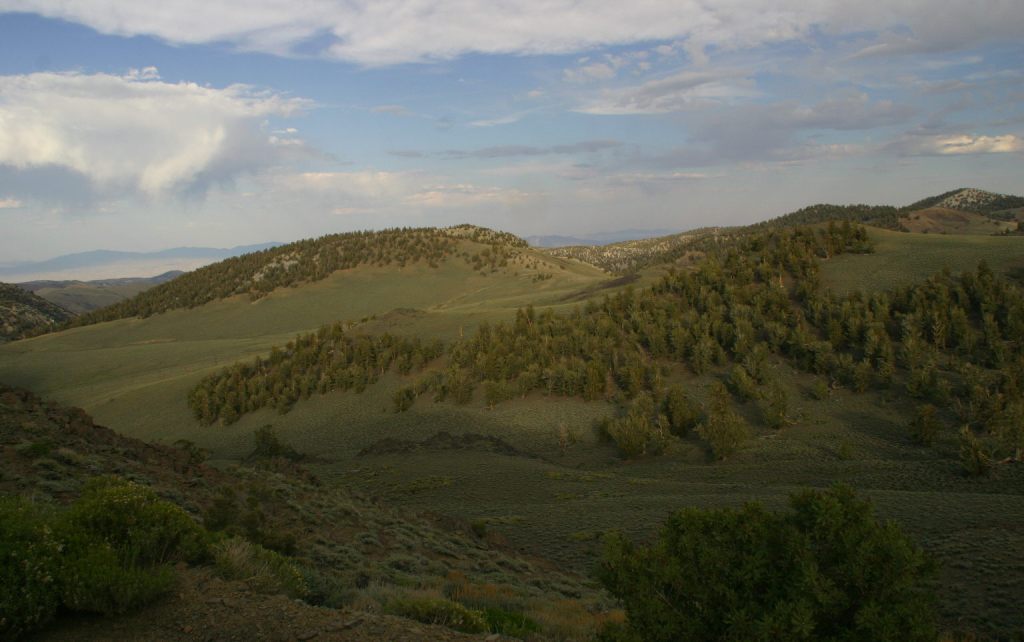
Ruby Mountains National Forest was established on May 3, 1906 and two years later it was joined with Independence National Forest to create Humboldt National Forest. In 1995, Humboldt and Toiyabe National Forests combined their 6.3-million acres to become the largest National Forest outside Alaska. Spread across separate mountain ranges that rise above the Great Basin Desert, Humboldt National Forest consists of the more northeasterly sections of the two National Forests. Much of its acreage in the Snake Range was claimed as part of Great Basin National Park in 1986, but it still encompasses 12,050-foot Mt. Moriah.
Highlights
Lamoille Canyon Scenic Byway, Ruby Mountains, Success Loop Drive, Angel Lake, Currant Mountain, Santa Rosa Range, Three Day Creek Trail, Ruby Crest National Recreation Trail
Must-Do Activity
The Ruby Mountains south of Interstate 80 near Elko are perhaps the most accessible area, with roads dead-ending at the gorgeous Angel Lake Campground and after 12 miles on the paved Lamoille Canyon Scenic Byway. West of Elko on Interstate 80, the Bureau of Land Management (BLM) runs an excellent visitor center dedicated to the California National Historic Trail. Colorful displays and sculptures make this one of the best government-run museums in the country and admission is free. It is situated near where the Hastings Cutoff reconnected with the main California Trail following the Humboldt River. The Hastings Cutoff skirted the eastern edge of the Ruby Mountains and was utilized by the infamous Donner party in 1846. This same route that crossed Overland Pass was later part of the Pony Express Trail.
Best Trail
Starting at the end of Lamoille Canyon Scenic Byway, the 43-mile-long Ruby Crest National Recreation Trail passes Dollar and Lamoille Lakes as it steeply climbs to Liberty Pass. You do not need to hike far to appreciate the beauty of the glacier-carved valley ringed by jagged alpine peaks. The trail ends at Harrison Pass where a road still uses the same route that the Bidwell-Bartleson party took in 1841. There are long stretches of the trail that do not have access to water, including a ten-mile section from North Furlong Lake to Overland Lake.
Watchable Wildlife
More than 85% of Nevada is federally-owned land run mostly by the military and BLM. That acreage also includes Ruby Lake and Sheldon National Wildlife Refuges, two of several large refuges in the state. The lakes there and in Humboldt National Forest provide habitat for trout and other fish, as well as migratory birds like Canada geese and white pelicans. Chukars and Himalayan snowcocks are two introduced Asian bird species that have become popular targets for hunters. The steep mountains provide thermals for soaring raptors like red-tailed hawks, Swainson’s hawks, and turkey vultures. Due to the extreme elevation gradients in the basin and range topography, mammals include desert dwellers like kangaroo rats and alpine residents like American pikas, in addition to the more commonly seen mule deer and coyotes.
Instagram-worthy Photo
At the end of the 12-mile paved Lamoille Canyon Scenic Byway, you are surrounded by jagged mountains and at the beginning of the 43-mile-long Ruby Crest National Recreation Trail.
Peak Season
Summer
Fees
$5 day-use fee at Angel Lake
Road Conditions
Lamoille Canyon Scenic Byway is paved and the unpaved road to Angel Lake Campground is in good shape.
Camping
The gorgeous Angel Lake Campground made our list of the Top 10 Campgrounds in National Forests, plus there are two designated campgrounds and a couple dispersed campsites along Lamoille Canyon Scenic Byway.
Best time of year: Summer for mountain access and whitewater rafting
We recently published our guidebook 50 States of Great: Road Trip Guide to America, so we decided to start a new type of blog post where we create a travel itinerary for all 50 states, in addition to our usual National Forest and National Park entries. After starting with Kansas and Georgia, we decided to do a western state. We made an ambitious seven-day plan starting in the northern panhandle of Idaho, with plenty of options to extend the trip.
Located right off Interstate 90, this white-painted, timber-frame church dates back to 1850 (making it the oldest building standing in the state). It was constructed by Coeur d’Alene Indians and Catholic missionaries without using nails and visitors can admire the wooden pegs used instead. There is a parking fee, plus separate admission to the museum.
St. Joe National Forest
Part of the larger Idaho Panhandle National Forest, this area encompasses the famous Route of the Hiawatha bicycling trail that follows the former Milwaukee Railroad grade, dropping 1,000 feet in 13 miles. Due to its 200-foot-tall trestles and a 1.6-mile-long unlit tunnel, a flashlight and helmet are required, as are permits available only at Lookout Pass Ski Area, which also offers equipment rentals and shuttles.
Home to the 173-acre Settler’s Grove of Ancient Cedars, it is part of Idaho Panhandle National Forest that also contains 240-acre Hobo Cedar Grove Botanical Area and 20-acre Roosevelt Grove of Ancient Cedars (technically in neighboring Washington).
An excellent film is shown at the main National Park Service visitor center in Spalding on the Nez Perce Indian Reservation. Nearby, check out interpretive signs at Heart of the Monster and historic buildings of Spalding.
Highway 12 follows the beautiful Clearwater River providing access points for the dusty Lolo Motorway (a section of the Nez Perce National Historical Trail) and its many scenic overlooks. It is worth the short, flat hike to soak in Jerry Johnson Hot Springs.
Day 3
Hells Canyon National Recreation Area
Hells Canyon is considered the deepest in the nation when measured nearly 8,000 feet from river level to the top of 9,383-foot He Devil Mountain. We did a daytrip combination whitewater rafting and jet boat tour that was a blast with stops to see petroglyphs, McGafee Cabin, and Kirkwood Ranch, which can also be accessed via the Snake River National Recreation Trail in Payette National Forest.
Optional stop at Payette National Forest
Fast-flowing Goose Creek Falls is accessed on an incredibly steep 3.3-mile, out-and-back trail. Dispersed camping is allowed nearby on the shores of Brundage Reservoir, which has views to the north of the 8,292-foot-tall Black Tip. The picturesque town of McCall on Payette Lake is home to a Forest Service smokejumper base where tours are available by reservation.
The headquarters of the Peregrine Fund is home to a California condor, red-tailed hawk, American kestrel, Swainson’s hawk, turkey vulture, western screech owl, and Harris’ hawk, in addition to exotic species like the harpy eagle and ornate hawk-eagle.
A different kind of “bird of prey” is on display in this hangar next to the small Nampa Airport, with military artifacts and aircraft, some of which still fly on special occasions.
South of Boise, this 484,873-acre area was established in 1993 because of its dense population of nesting raptors due to huge numbers of ground squirrels and other small burrowing mammals. It is run by the Bureau of Land Management, so dispersed camping is allowed.
South of Interstate 84, this is a fun spot for kids with sandcastle building, swimming, camping, sandboarding (rentals available), and stargazing at night around the park’s observatory.
Day 5
Idaho City
This gold rush town was briefly the largest settlement in the Pacific Northwest with a population of 7,000. It subsequently burned down and was rebuilt four times in 1865, 1867, 1868, and 1871. Today it retains its Wild West charm with saloons, antique shops, and a couple of parlors where you can try delicious huckleberry ice cream.
Follow the Ponderosa Pine Scenic Byway (Highway 21) 131 miles northeast through Idaho City and Lowman, where the road follows the South Fork of the Payette River past the campgrounds at Kirkham and Bonneville Hot Springs (reservations recommended) and up to 7,056-foot Banner Summit at the boundary with Challis National Forest (click here for our blog post).
The jagged Sawtooth Mountains live up to their name, rising majestically above the Salmon River Valley. There are numerous campgrounds, including several on Redfish Lake, which is a gateway for backpackers into the beautiful Sawtooth Wilderness. The Sawtooth Scenic Byway runs 116 miles from Stanley south to Shoshone, through Galena Pass and the ski resort towns of Ketchum and Sun Valley.
In the 1800s, this massive lava flow proved a major obstacle to avoid for immigrants on the Oregon Trail. Most of today’s highways follow in their tracks, going around and not through the 62-mile-long Great Rift. In 1969, the National Monument truly earned its lunar moniker by serving as a field school on volcanic geology for NASA Apollo astronauts. There are several short lava tubes found here, including Boy Scout Cave that retains ice well into the blazing hot summer months.
Day 6
Shoshone Falls
Twin Falls is home to this impressive cascade that drops 212 feet down the Snake River canyon. Its mist can form a brilliant rainbow, especially when the river is flowing strong in the spring before much of its water is diverted for agriculture.
Situated directly beneath a bridge on Interstate 84, this is one of seven units in Thousand Springs State Park. Malad Gorge contains an awesome waterfall known as the Devil’s Washbowl and a beautiful volcanic rock canyon lined with natural springs.
This collection of granite spires served as a rest stop along the California National Historic Trail. At the height of the gold rush in 1852, some 50,000 emigrants passed this site in a single year, many leaving their names painted in axle grease (still legible on Camp Rock and Register Rock). Today the National Reserve is a popular destination for rock climbers, and it also has 78 primitive campsites and 30 miles of hiking and equestrian trails.
Numerous mammal fossils from the Pliocene Epoch are on display at the National Park Service visitor center located on the main drag in the small town of Hagerman. Scenic overlooks of the Snake River and Oregon Trail are located further south, but there is no public access to the fossil beds.
Most of the 13,000 Japanese-Americans imprisoned in central Idaho were from Oregon, Alaska, and Washington (specifically Bainbridge Island where a memorial stands today). There is a new visitor center completed in 2020 with a large museum space and a small theater that shows an excellent film. A 1.6-mile interpretive trail loops past historic structures, including the Hermann House, root cellar, baseball field, barracks, and mess hall.
Located in a six-story building in downtown Pocatello, the museum offers more than one mile of displays, many of them light-hearted and downright hilarious (especially if you like puns). It was established by Don Aslett who started a janitorial services company while studying at nearby Idaho State University. The museum has a reasonable admission fee, and it is easy to spend two hours or more perusing the 10,000 artifacts and pieces of artwork inside.
A 15-foot-long model spud sits out front, providing an excellent photo opportunity. The museum has a collection of exhibits on cultivating the state’s principal crop and also boasts the world’s largest potato chip.
Even though the signs still read Cache National Forest, Minnetonka Cave offers one of the few developed cave tours offered by the U.S. Forest Service. In the 1930s, 444 stairs were installed to allow large groups to visit, and guides make multiple stops on this steep, out-and-back tour to allow you to catch your breath at this high elevation.
Day 8+ optional swing through eastern Idaho
Targhee National Forest
Mesa Falls Scenic Byway provides overlooks of both the 114-foot Upper Falls and 65-foot Lower Falls on the Henrys Fork of the Snake River. Palisades National Recreation Trail may be the most popular trail in Idaho as it leads to two beautiful mountain lakes located at 5,700 and 6,750 feet in elevation.
Salmon National Forest
Salmon National Forest includes a significant section of the 2.4-million-acre Frank Church-River of No Return Wilderness (the second largest Wilderness in the contiguous U.S.). Many multi-night rafting trips on the Salmon National Wild and Scenic River begin around the small town of North Fork. This upper 46-mile segment of the river is designated Recreational, so it only requires a self-issued permit. Those wishing to raft the 79-mile section west of Corn Creek Campground must enter a lottery, but out-of-state travelers typically go with a guide.
An Interpretive Center in Challis celebrates the mining history of this region with audiovisual programs and gold panning stations making this a great place to bring children. The State Park also includes the Challis Bison Kill Site where animals were stampeded off a cliff by American Indians.
In 1816, Thomas and Nancy Lincoln moved their two children, Sarah and Abraham, from Hodgenville, Kentucky to a 160-acre farm in southern Indiana. The future-President Abraham Lincoln lived there 14 years until he turned 21 and the family relocated to Illinois. In 1818, his mother Nancy Hanks Lincoln died of milk poisoning because a dairy cow had eaten white snakeroot plant, and visitors can learn more about the poison tremetol in the Memorial Visitor Center and stop at her memorial stone in the pioneer cemetery (although her exact burial place is unknown).
Highlights
Museum, film, Abraham Lincoln Hall, U.S. Post Office, cemetery, spring, Living Historical Farm, Cabin Site Memorial
Must-Do Activity
Start at the Memorial Visitor Center to visit the museum inside and use the U.S. Post Office if needed. If the weather is nice, take a walk past the pioneer cemetery to the Cabin Site Memorial where a bronze casting of sill logs and the fireplace hearthstones are at the site of the Lincoln’s cabin begun in 1829. The Living Historical Farm has costumed interpreters in the summer that depict homestead life at an authentic cabin and several outbuildings that were moved here from other parts of Indiana.
Best Trail
It is about one mile roundtrip to walk from the museum to the Living Historical Farm and then return on the Trail of Twelve Stones. There is a parking area closer to the Cabin Site Memorial, if you do not wish to walk the entire way. The Boyhood Nature Trail offers an additional one-mile loop through the forest.
Instagram-worthy Photo
The five relief panels on the outside of the Memorial Visitor Center were created from Indiana limestone by E.H. Daniels to depict different periods in Abraham Lincoln’s life. The building was constructed in the 1940s by the state of Indiana and given to the National Park Service when they took over the site in 1962.
U.S. Post Office inside memorialAbraham Lincoln HallWhite snakeroot plantMarker for Nancy Hanks Lincoln, although her exact gravesite is unknownCabin Site Memorial
Explore More – How many step-siblings did Abraham Lincoln gain when his father wed the widow Sarah Bush Johnston from Kentucky in 1819?
Southern Indiana’s Hoosier National Forest was created in 1935 from cutover and abandoned farm land. Six years later an additional 88 acres of old-growth forest was purchased that became Pioneer Mothers Memorial Forest, which has never been cut and is used to study natural succession. A 0.8-mile trail runs through the woods and accesses the Indiana Pioneer Mothers Memorial and Lick Creek Settlement Site. The latter was a community of free African-Americans led by the Quaker Jonathan Lindley from 1819 to 1865, and located nearby is an archaeological site where there was a stockaded village in the 1300s.
Highlights
Pioneer Mothers Memorial Forest, Monroe Lake, Hickory Ridge Lookout Tower, German Ridge Lake, Lick Creek Settlement Site, Sundance Lake, Potts Creek Rockshelter Archeological Site, Lake Tarzian, Rickenbaugh House, Tipsaw Lake, Buzzard Roost Overlook, Clover Lick Barrens, Hardin Ridge Recreation Area, Birdseye Trail, Hemlock Cliffs Trail
Must-Do Activity
There are 266 miles of trails in Hoosier National Forest, including the 36.3-mile Terrill Ridge Trail that enters the Charles C. Deam Wilderness (Indiana’s one and only) and the 24.1 miles of trails around German Ridge Lake. Horse camps provide access to miles of bridle trails, including the 48.7-mile Hickory Ridge Trail. Many of the National Forest’s trails are old roads (even in the Wilderness), so while hiking watch for evidence of house foundations, fences, domestic plants, and cemeteries.
Best Trail
Hemlock Cliffs Trail is a 1.2-mile loop through a sandstone canyon that passes two unique waterfalls. Tall eastern hemlock trees surround both waterfalls that you can walk behind where the cliffs are undercut by erosion in this crumbly sedimentary rock. The falls only flow seasonally, but when they do the trail is often muddy and slippery, so take caution.
Watchable Wildlife
In 1972, wild turkeys were reintroduced to 6,000 acres around Clover Lick Barrens, an area of prairie vegetation. Other birds of interest include red-shouldered hawks, sharp-shinned hawks, scarlet tanagers, and pileated woodpeckers. Timber rattlesnakes and copperheads are two venomous snake species found here. Mammals include fox squirrels, raccoons, and white-tailed deer, which attract hunters in season.
Instagram-worthy Photo
Southern Indiana is known for its Karst topography, which often forms limestone caves, as well as some beautiful Swiss-cheese formations that can be seen along the Hemlock Cliffs Trail.
Peak Season
Summer
Fees
None
Road Conditions
Road access is paved to the pullout for the Pioneer Mothers Memorial Forest, and the unpaved road to Hemlock Cliffs Trailhead was a good enough for our mini-van.
Camping
There are horse camps at Shirley Creek, Blackwell, Hickory Ridge, and Youngs Creek, in addition to other campgrounds dispersed throughout Hoosier National Forest.
American beech, tulip-poplar, basswood, Ohio buckeye, white ash, green ash, American elm, winged elm, black walnut, white oak, northern red oak, black oak, chinquapin oak, rock chestnut oak, post oak, blackjack oak, sugar maple, red maple, ironwood, sassafras, black cherry, black gum, black walnut, honeylocust, Kentucky coffeetree, flowering dogwood, redbud, basswood, sycamore, mockernut hickory, shagbark hickory, pawpaw, slippery elm, butternut, hophornbeam, sweetgum, mountain laurel
Explore More – Who was Charles C. Deam, the namesake for the only Wilderness in Indiana (designated in 1982)?
Learn more about this and the 154 other National Forests in our new guidebook Out in the Woods
Start your U.S. National Forests, National Parks, and National Monuments adventure here!