Tag Archives: wildflowers

Lake Clark National Park and Preserve

Lake Clark National Park and Preserve

Alaska

Managed by National Park Service

Established 1978 National Monument, 1980 National Park

4,030,025 acres

Website: nps.gov/lacl

Overview

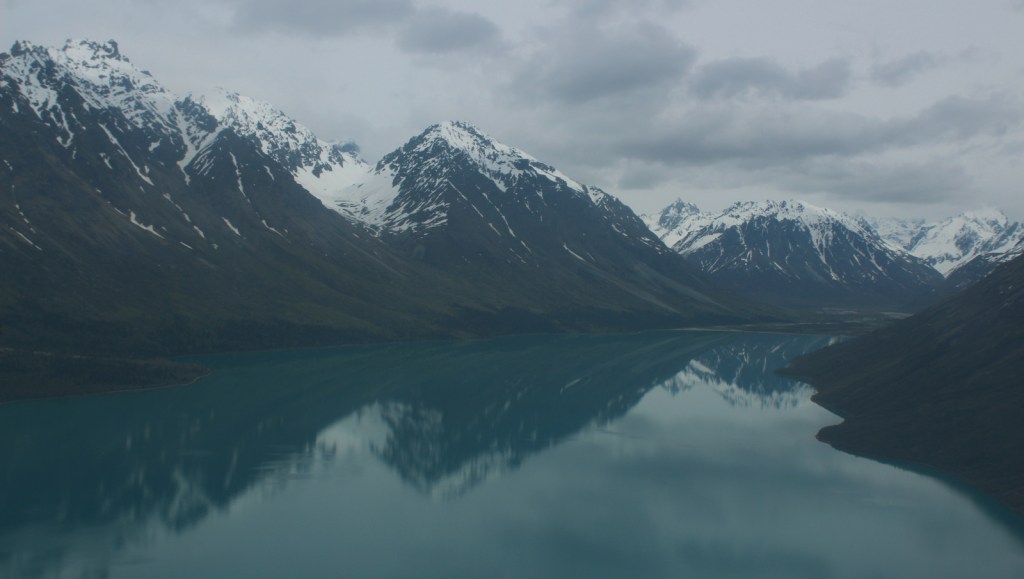
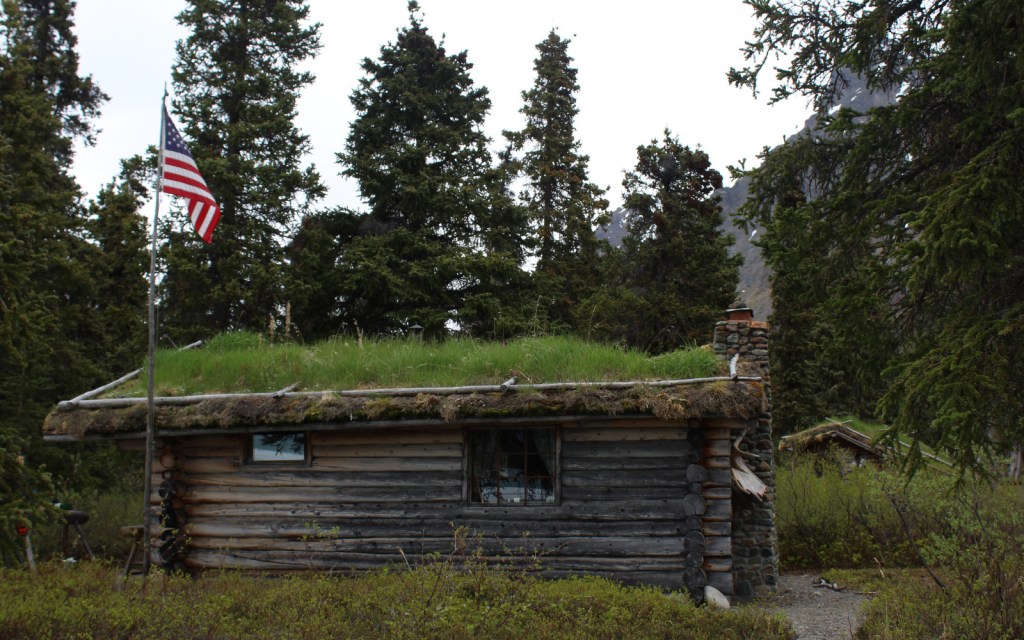
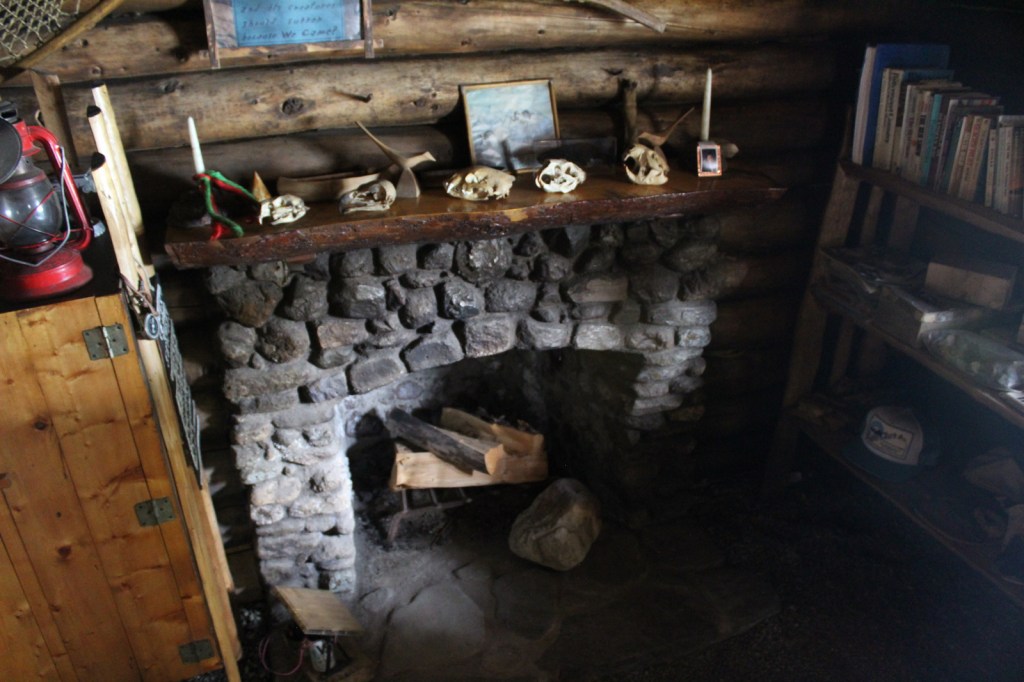
Lake Clark National Park and Preserve is inaccessible by road and receives only about 15,000 visitors annually.  It sits at the northern end of the massive Alaska Peninsula southwest of Anchorage, home to the twin 10,000-foot volcanoes Redoubt and Iliamna.  Cloaked in the whitest of snow, on a clear day they dominate the skyline view from a boat bobbing in Cook Inlet or a vehicle driving the Sterling Highway.  Behind the mountains lies massive Lake Clark itself, as well as the Twin Lakes made famous in the film Alone in the Wilderness and the book One Man’s Wilderness that both documented Richard “Dick” Proenneke’s cabin building and backcountry lifestyle (see our list of the Top 10 Non-Fiction Books Set in a National Park and Alaska).  Many visitors take flightseeing tours and never step foot on the ground, but that does not make their experience any less extraordinary. 

Learn more in the expanded 2nd edition of our guidebook to the National Parks— A Park to Yourself: Finding Solitude in America’s 63 National Parks.

Highlights

Redoubt Volcano, Iliamna Volcano, Port Alsworth, Lake Clark, Richard Proenneke Historic Site, Double Glacier

Must-Do Activity

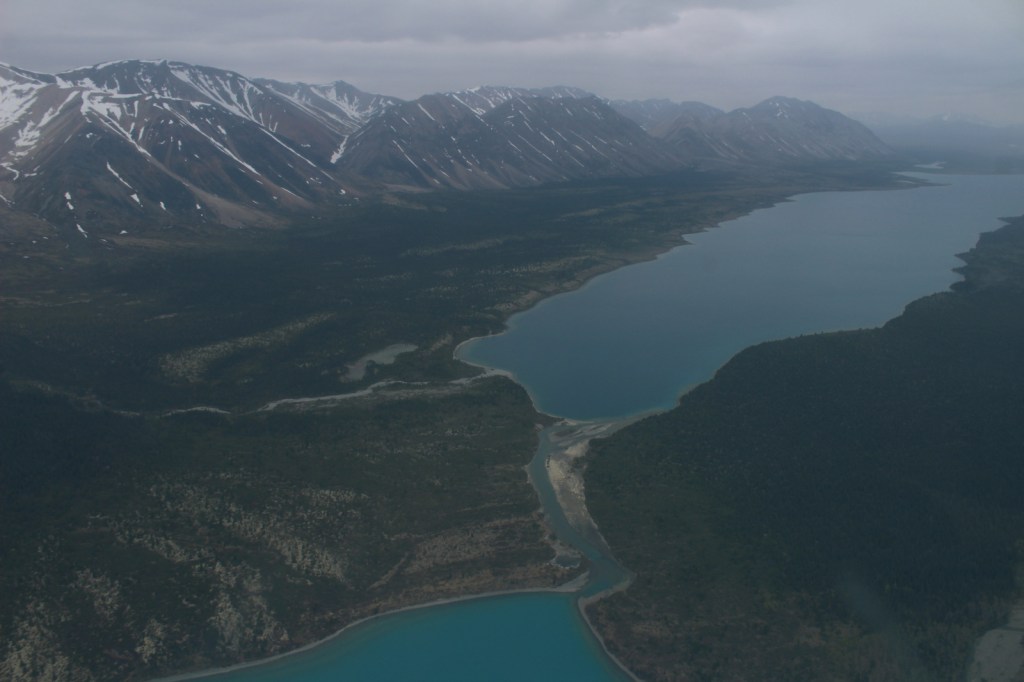
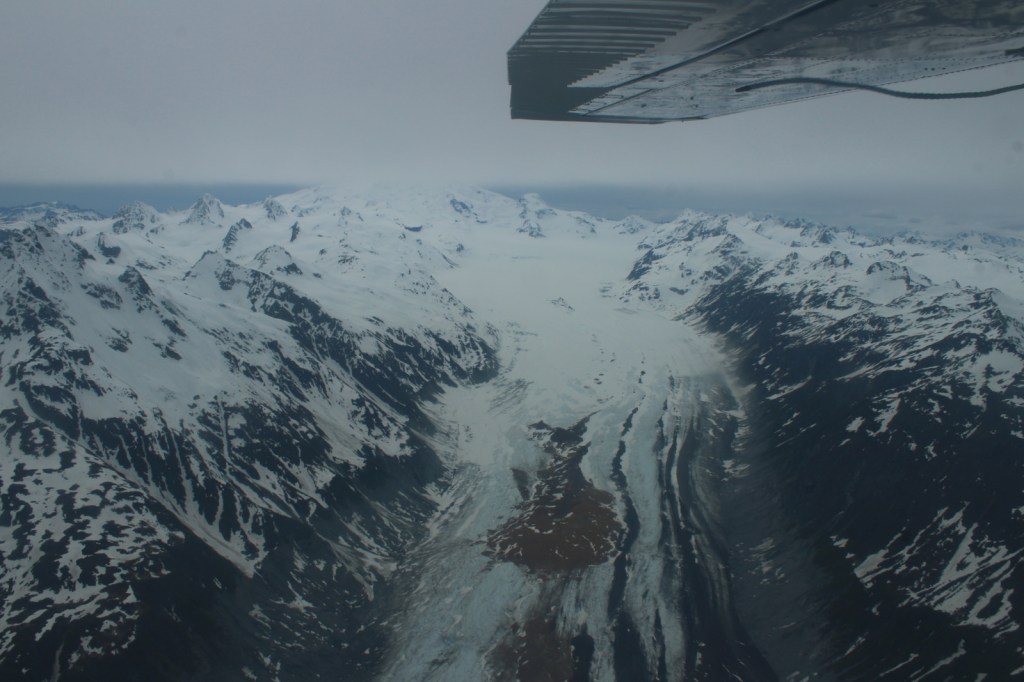
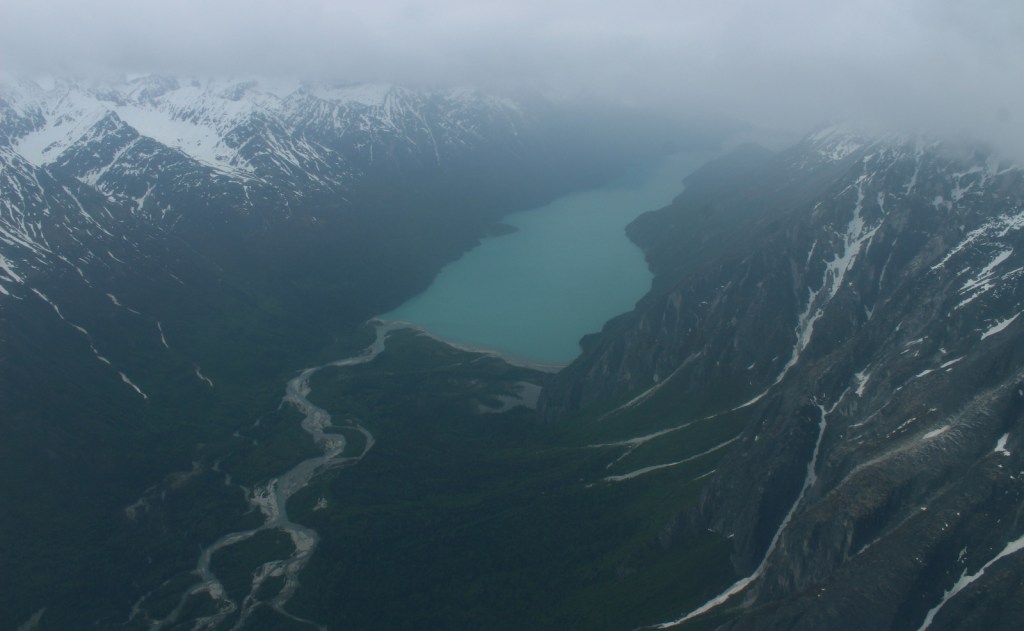
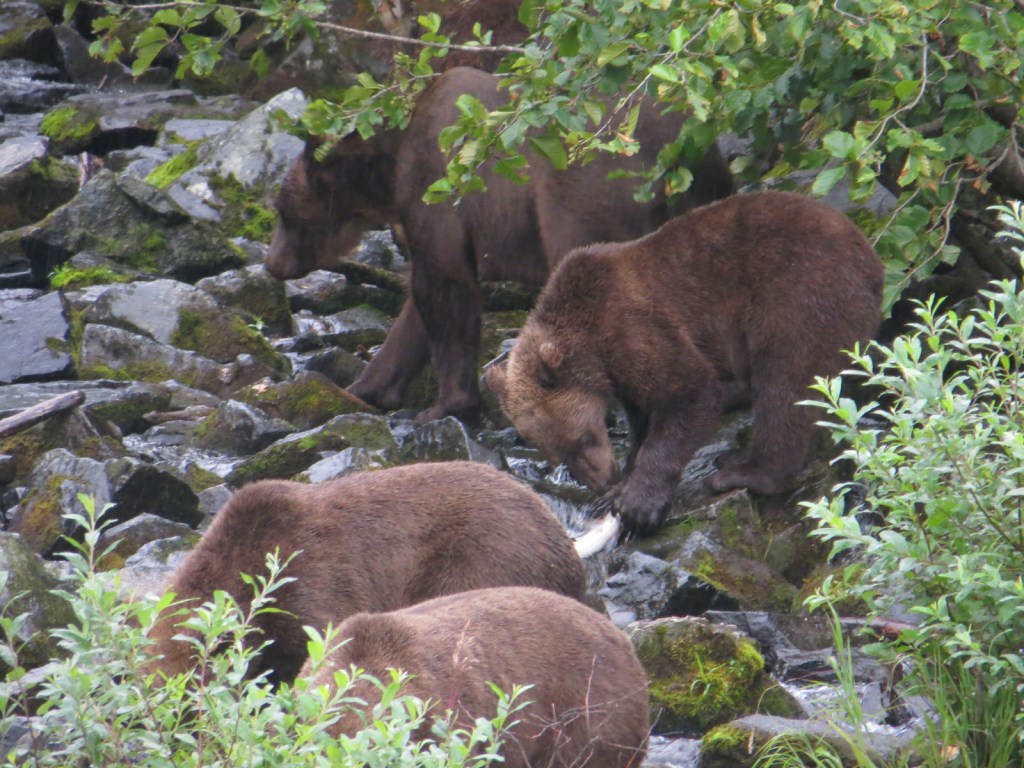
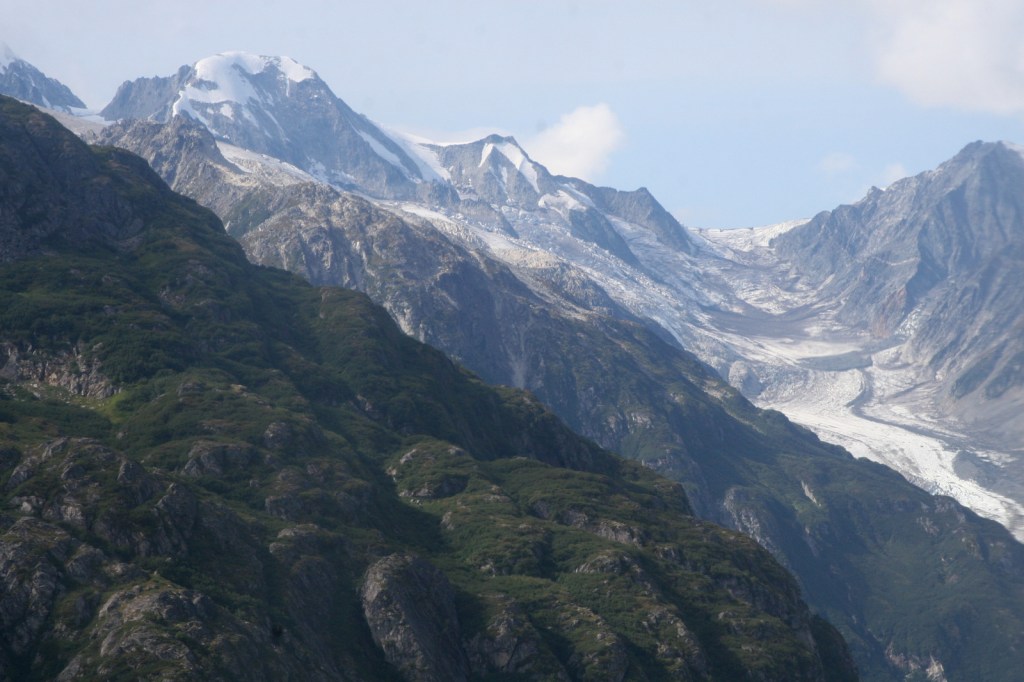
You can easily see the twin 10,000-foot volcanoes (Redoubt and Iliamna) within the park from Anchorage or Homer on a clear day, but getting to them is no easy task.  Your best bet is to take a float plane charter service and land on one of the big, glacier-fed lakes.  While you are over there try to do some salmon fishing; that is why the brown bears and bald eagles like it here.  The park’s visitor center is in Port Alsworth on Lake Clark, and another popular destination is Richard Proenneke Historic Site on Twin Lakes.  The park’s best attraction may be the massive glaciers that cling to the peaks of the Alaska and Aleutian Ranges and the Chigmit and Neacola Mountains.  Flying over a jagged glacial field offers a unique perspective on these giant rivers of ice and the boulder strewn valleys where gray, milky streams follow the wide pathways left by receded glaciers. 

Best Trail

At the park’s visitor center in Port Alsworth, 2.5-mile Tanalian Falls Trail is the only officially maintained trail and a popular destination for backpackers.  At Richard Proenneke Historic Site, we hiked the scenic and steep Teetering Rock Trail less than a mile up to its namesake boulder that moves when you push on it.

Instagram-worthy Photo

Viewed from above, Double Glacier appears cracked and fissured like the skin on the back of a human hand.  Rocky debris in lines of black accentuate the frozen white that hint at the slow flow of the ice river down the valley.  Deeper crevasses reflect a cerulean shade that bewilders the eye in this otherwise monochrome landscape.

Peak Season

Summer

Hours

https://www.nps.gov/lacl/planyourvisit/hours.htm

Fees

None, but it is expensive to access by airplane. We took Kachemak Air Service to Twin Lakes and Talon Air Service to Double Glacier and Big River Lakes/Wolverine Creek.

Road Conditions

Essentially, there are no roads in Lake Clark National Park and Preserve.

Camping

No designated campgrounds exist within the park, so backcountry campers must come prepared with everything they need, plus the supplies required to wait an extra week for pickup should the weather turn bad.

Related Sites

Katmai National Park and Preserve (Alaska)

Chugach National Forest (Alaska)

Kenai Fjords National Park (Alaska)

Explore More – Before this area was a National Park, when did Richard “Dick” Proenneke arrive at Twin Lakes to begin building his cabin?

We are a participant in the Amazon Services LLC Associates Program, an affiliate advertising program designed to provide a means for us to earn fees by linking to Amazon.com and affiliated sites.

Moosalamoo National Recreation Area

Moosalamoo National Recreation Area

Vermont

Managed by U.S. Forest Service, Eastern Region

15,875 acres

Website: https://www.fs.usda.gov/recarea/gmfl/recreation/recarea/?recid=64903&actid=29

Overview

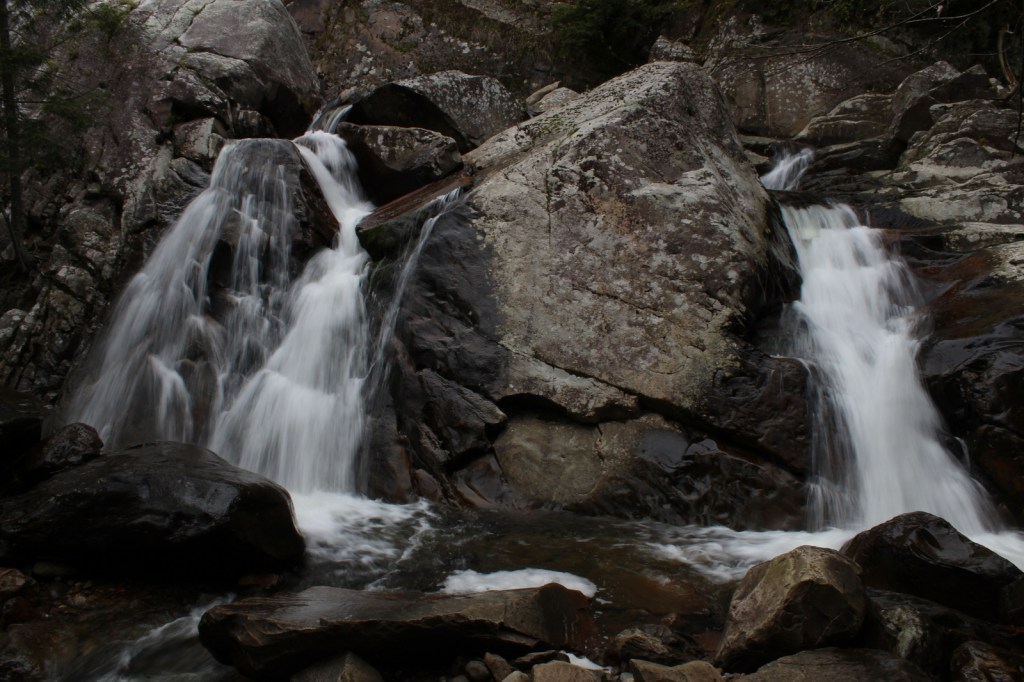
Created by the New England Wilderness Act of 2006, Moosalamoo National Recreation Area is located in the northern portion of Vermont’s Green Mountain National Forest.  Moosalamoo (pronounced moose-ah-la-moo) comes from the Abenaki word for a moose call.  Recreation here is centered around water, with the Falls of Lana on Sucker Brook, a hike-in campground on Silver Lake, and boating on Sugar Hill Reservoir formed by Goshen Dam.  There are 70 miles of hiking trails, which are also open to mountain bikers, equestrians, and cross-country skiers in the winter.  Blueberry picking is a fun activity in the fall along trails and in cultivated fields at Blueberry Hill Inn in Goshen.

Highlights

Falls of Lana, Silver Lake, Voter Brook Overlook, Sugar Hill Reservoir , Robert Frost Interpretive Trail, Goshen Trail, Chandler Ridge-Leicester Hollow Loop, Mt. Moosalamoo Trail

Must-Do Activity

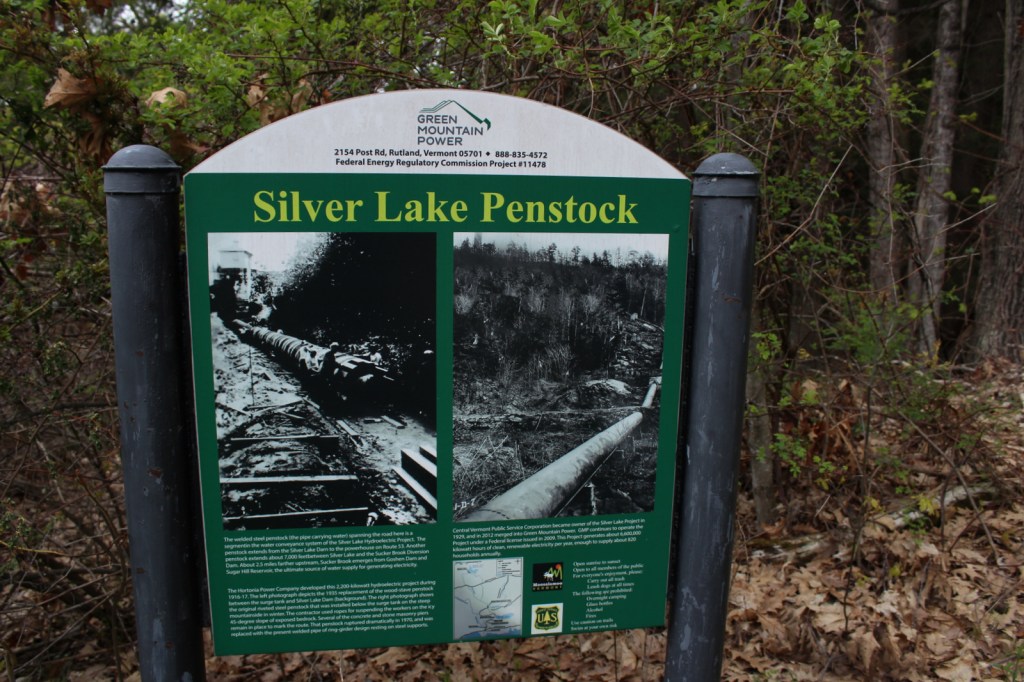
A short, steep hike from Silver Lake South Trailhead takes you underneath a welded steel penstock (or water pipe) that is part of a hydroelectric project.  From here, carefully go left down the rocks on an unmarked route to the base of the Falls of Lana.  The trail continues to the Rattlesnake Cliffs (closed seasonally due to raptor nesting) and Silver Lake, which has a backcountry campground.  Another popular hike climbs about 1,500 feet in 2.5 miles to the top of Mt. Moosalamoo, with an additional 0.2-mile sidetrip to the South Vista.

Best Trail

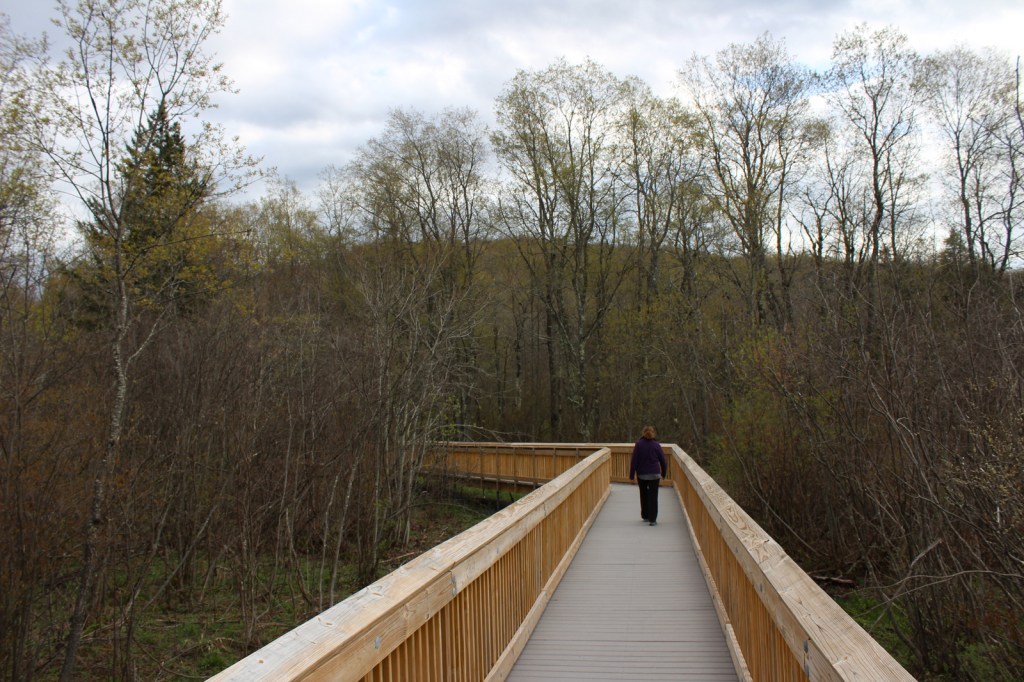
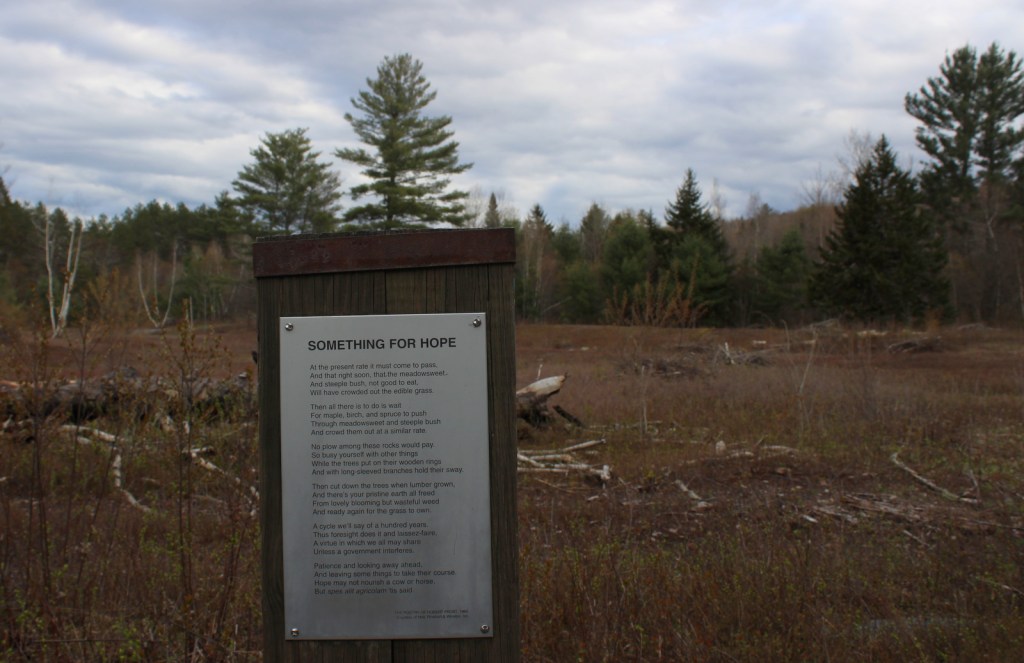
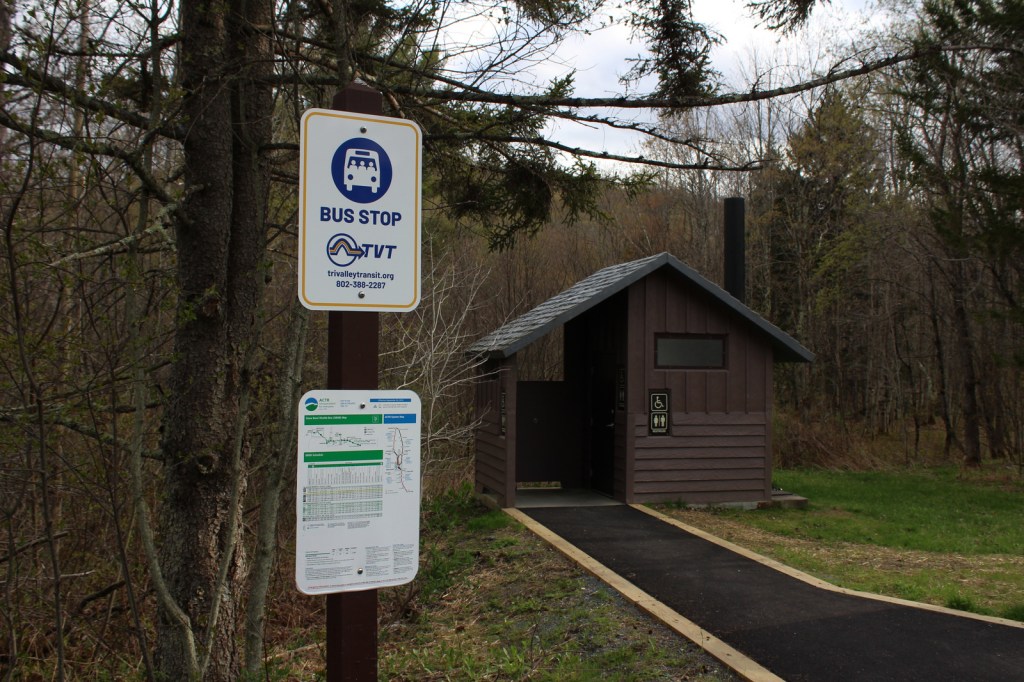
Robert Frost, a four-time Pulitzer Prize winner in poetry, spent his summers at the Bread Loaf School of English, which he cofounded.  On Highway 125, the Robert Frost Interpretive Trail is a handicap accessible boardwalk with posted poems by the author that also connects into the Crosswalk, North Star, Afternoon Delight, and Sundown Trails.  Look for evidence of beavers near the ponds and the South Branch of the Middlebury River, as well as blueberries and huckleberries growing in old fields (maintained with prescribed fire).  Unique to Forest Service trailheads, this one is a bus stop on the Tri-Valley Transit route.

Instagram-worthy Photo

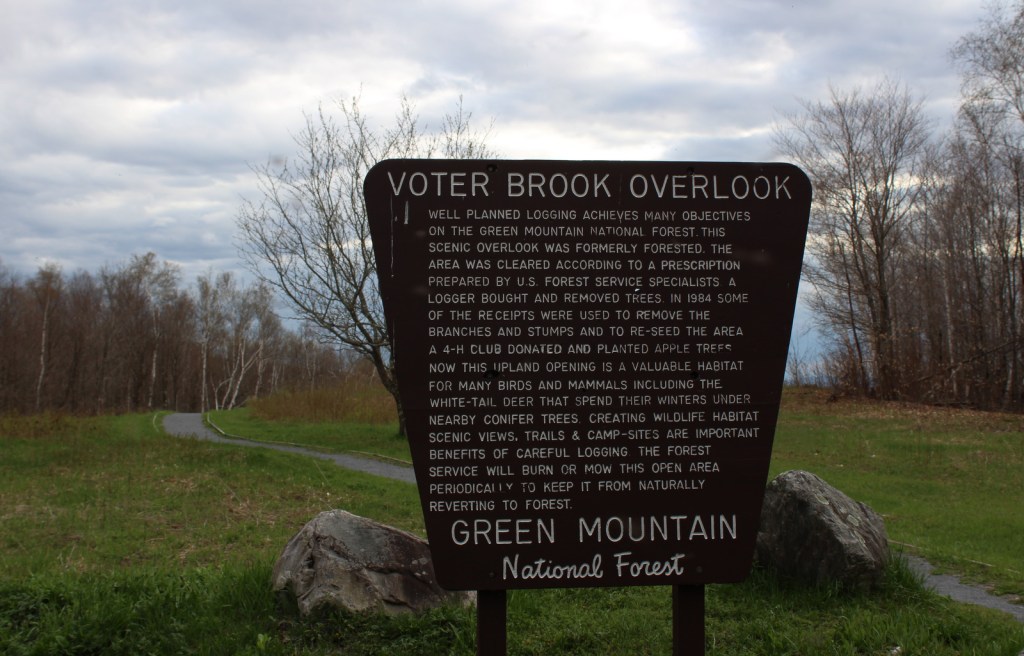
Voter Brook Overlook was clearcut and planted with apple trees to provide a nice viewshed in this otherwise dense hardwood forest.

Peak Season

Summer

Fees

None

Road Conditions

All the gravel roads we drove were in good shape during the spring and we were so impressed by one new road culvert we stopped to take a photo (see below).

Camping

Open from Memorial Day through Labor Day, Moosalamoo Campground has 18 campsites located at the base of the Mt. Moosalamoo Trail, near Voter Brook Overlook.  There are a couple dispersed campsites also on the road, but we had one of our worst nights camping here with college kids blasting music late and another group waking us up before sunrise.  The backpacking campground at Silver Lake is nice, or you can stay at Branbury State Park on Lake Dunmore.

Related Sites

Green Mountain National Forest (Vermont)

White Rocks National Recreation Area (Vermont)

Marsh-Billings-Rockefeller National Historical Park (Vermont)

Saint-Gaudens National Historical Park (New Hampshire)

Nearest National Park

Acadia

Explore More – Although his name is not Lana, the Falls of Lana are named for which U.S. Army General who served in the 1848 Mexican-American War?

Cimarron National Grassland

Cimarron National Grassland

Kansas

Managed by U.S. Forest Service, Rocky Mountain Region

116,319 acres (108,176 federal/ 8,143 other)

Website: https://www.fs.usda.gov/psicc

Overview

Following the devastating “Dust Bowl,” several Congressional Acts in the 1930s allowed the federal government to purchase and restore damaged agricultural lands in the Great Plains.  Most of the 20 National Grasslands have their origin in these times, which is why they are often a patchwork of federal and private ownership.  Cimarron National Grassland is no exception, although its fairly contiguous swath of government land in the southwest corner of Kansas represents the largest parcel of public land in the entire state.  Today recreation is one of the multiple uses of this landscape, that also includes cattle grazing and oil/gas drilling.  There are 200 stock ponds here (a few stocked with gamefish), plus the Cimarron River, which even when appearing dry often flows a foot below the surface.  Cimarron is a Spanish word for a feral horse, like an American mustang.

Highlights

Point of Rocks, Cimarron Overlook, Middle Spring, Cottonwood Picnic Area, Cimarron Recreation Area, Turkey Trail, Companion Trail, Santa Fe National Historic Trail

Must-Do Activity

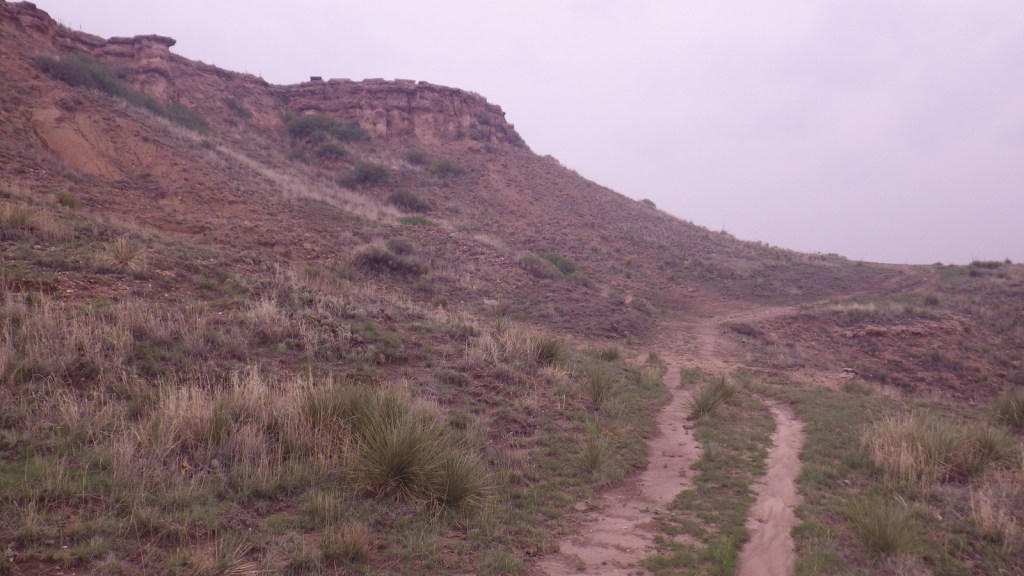
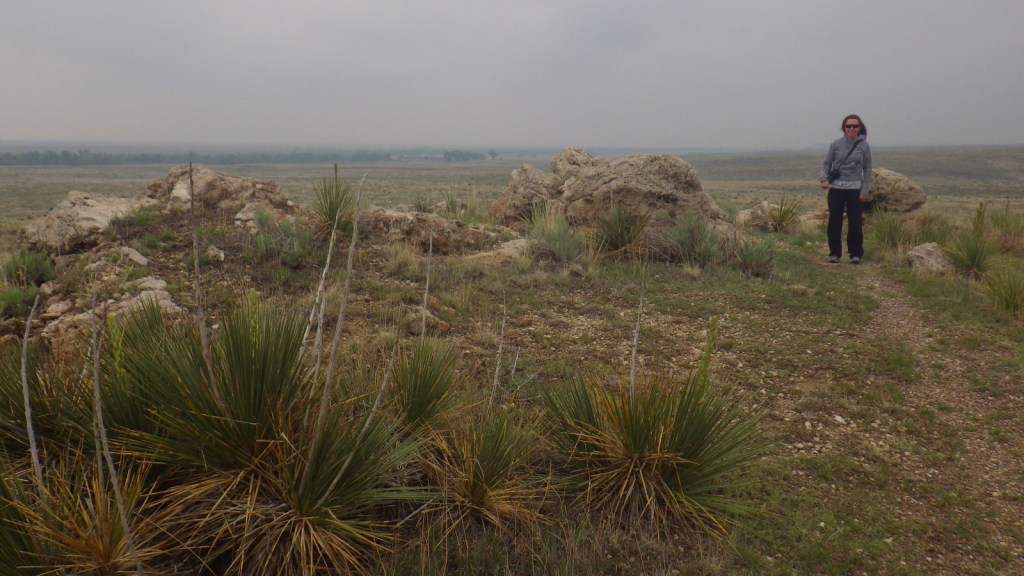
Point of Rocks is the third-highest point in Kansas and was a major landmark on the Cimarron Route of the Santa Fe National Historic Trail that later became a permanent settlement.  There are no buildings left here, but the parking lot offers interpretive signs and a great view across the Cimarron River.  A steep trail from the top accesses the Companion Trail that parallels the Santa Fe National Historic Trail for 19 miles through the National Grassland.  A mile back towards Highway 27, Middle Spring is on the National Register of Historic Places as one of only three reliable water sources along the Cimarron Route. 

Best Trail

The Turkey Trail is open to OHVs and connects 10.5 miles from Cottonwood Picnic Area to Cimarron Recreation Area, where the Cimarron River Trail continues east for another ten miles or so.

Watchable Wildlife

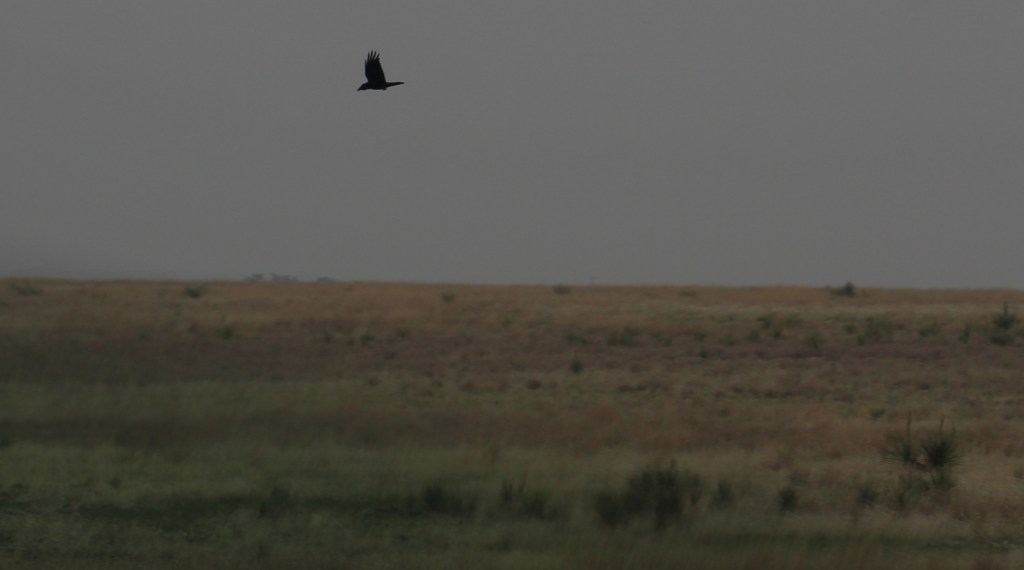
Cimarron National Grassland is one of the best places in Kansas for birdwatching with more than 360 species identified.  There are two lesser prairie-chicken leks with permanent blinds set up for watching spring mating rituals.  During our short visit we spotted ravens, turkey vultures, shrikes, redwing blackbirds, mourning doves, meadowlarks, red-headed woodpeckers, barn swallows, kingbirds, Bullock’s orioles, canvasbacks, and some variety of hawk.  Based on the signs there are also mountain plovers and burrowing owls, which inhabit the burrows of prairie dogs and can imitate the sound of a prairie rattlesnake.  When we arrived at the smoke-obscured overlook for Point of Rocks we startled a group of four mule deer, and we also read that elk were reintroduced here at one point.

Instagram-worthy Photo

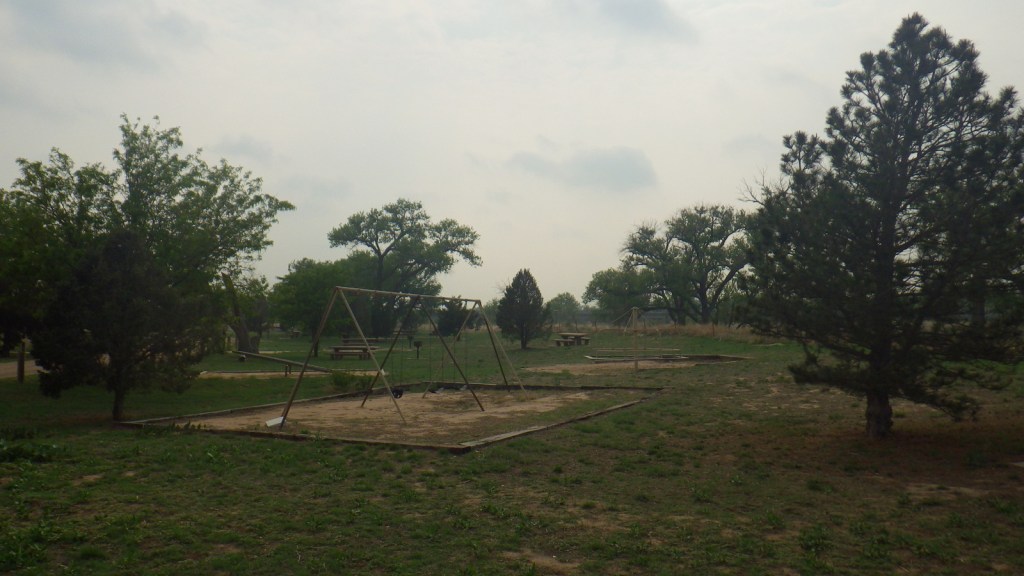
Cottonwood Picnic Area is fenced off from river access, but it has picnic tables and a playground with old-school equipment like teeter-totters.  There is also a fun table with metal seats from old tractors and two old tractors unearthed in 2003 after being buried to stabilize the river bank following floods in the 1930s.

Peak Season

Spring

Fees

None

Road Conditions

Paved Highway 27 cuts north-south through the National Grassland bisecting the unpaved Sea of Grass Auto Tour, which we found to be in good shape at least for the three miles to Point of Rocks.

Camping

Cimarron Recreation Area offers 14 campsites, fishing ponds, and a corral for horses, plus dispersed camping is allowed in most of the National Grassland.

Related Sites

Tallgrass Prairie National Preserve (Kansas)

Fort Larned National Historic Site (Kansas)

Nicodemus National Historic Site (Kansas)

Nearest National Park

Great Sand Dunes

Explore More – Passed in 1937, what Congressional Act requires 25% of revenue generated by the National Grasslands to be returned to the county for schools and roads?

Flathead National Forest

Flathead National Forest

Montana

Managed by U.S. Forest Service, Northern Region

2,628,720 acres (2,404,925 federal/ 223,795 other)

Website: https://www.fs.usda.gov/flathead

Overview

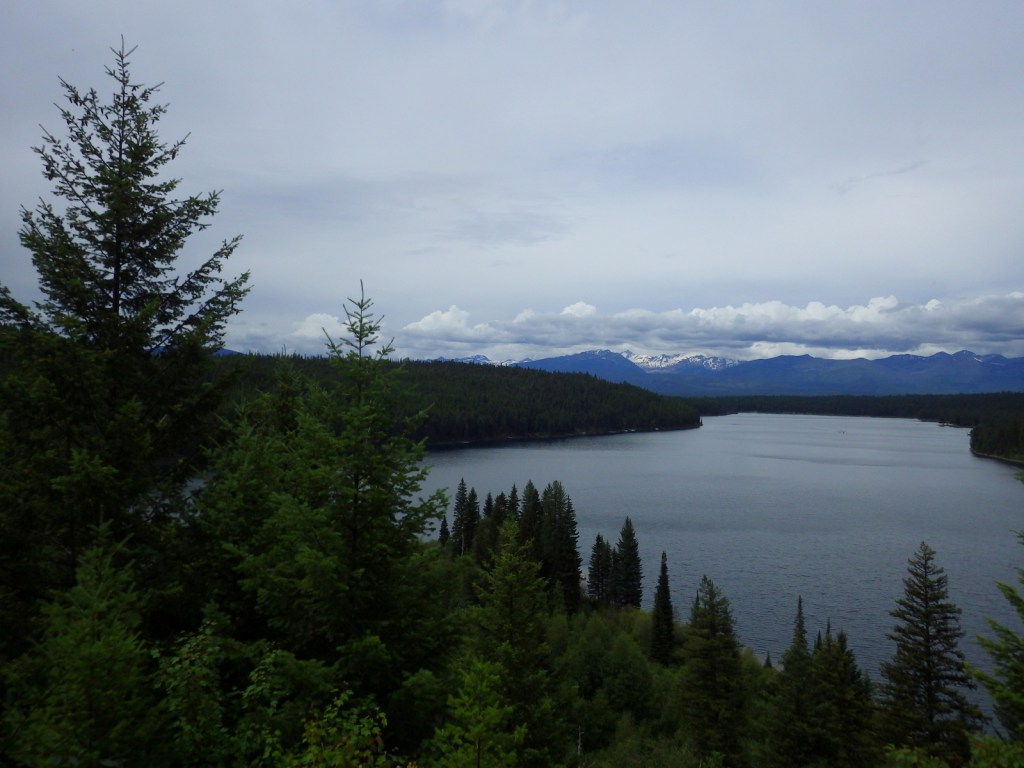
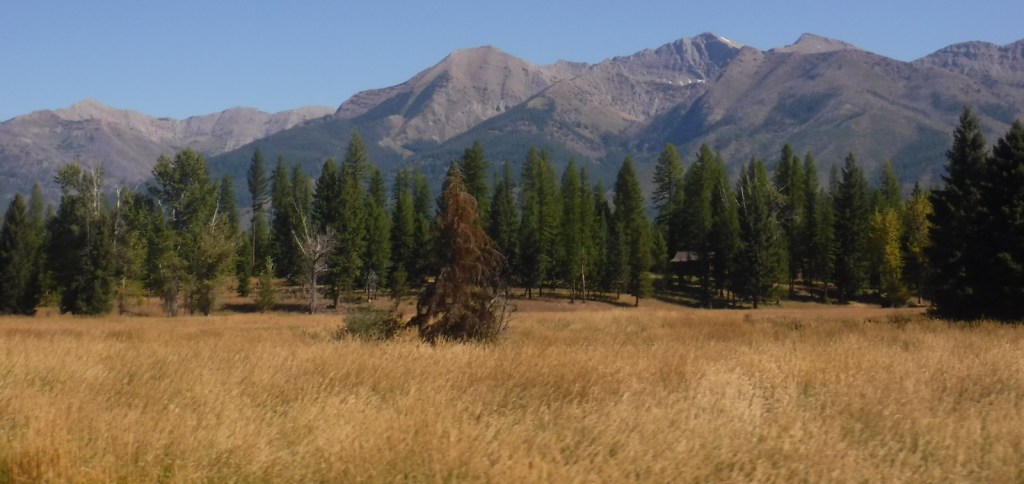
Flathead National Forest borders the entire south and west sides of Glacier National Park, providing important wildlife habitat in the Great Bear and Bob Marshall Wilderness areas.  It also borders the Flathead Indian Reservation, with the Mission Mountains Tribal Wilderness neighboring the beautiful Mission Mountains Wilderness (see Best Trail).  Flathead National Forest is known for great hiking and backpacking, especially from trailheads off Highway 83 east of Flathead Lake.  The National Forest contains most of the extensive Flathead National Wild and Scenic River, with the South Fork known for one particular four-mile stretch of rapids up to Class V.  The 564-foot-tall Hungry Horse Dam created a 34-mile-long reservoir with many boat ramps and campgrounds.

Highlights

Hungry Horse Reservoir, Holland Lake, Martin Falls, Glacier Lake, Big Salmon Falls, Flathead National Wild and Scenic River, Coram Experimental Forest, Jewel Basin, Danny On Memorial National Recreation Trail, Pacific Northwest National Scenic Trail, Continental Divide National Scenic Trail

Must-Do Activity

Near the town of Kalispell, Jewel Basin Hiking Area (stock prohibited) is famous among backpackers, but further south so is Holland Lake.  Several campgrounds surround the lake, including the free Owl Creek Packer Camp used by stock trailers.  From there the steep Holland-Gordon Trail climbs 2,100 feet in 5.8 miles one-way to Upper Holland Lake and continues into “the Bob” (Bob Marshall Wilderness).  A shorter option is a 3.2 mile-roundtrip that ascends only 550 feet to pretty Holland Falls.

Best Trail

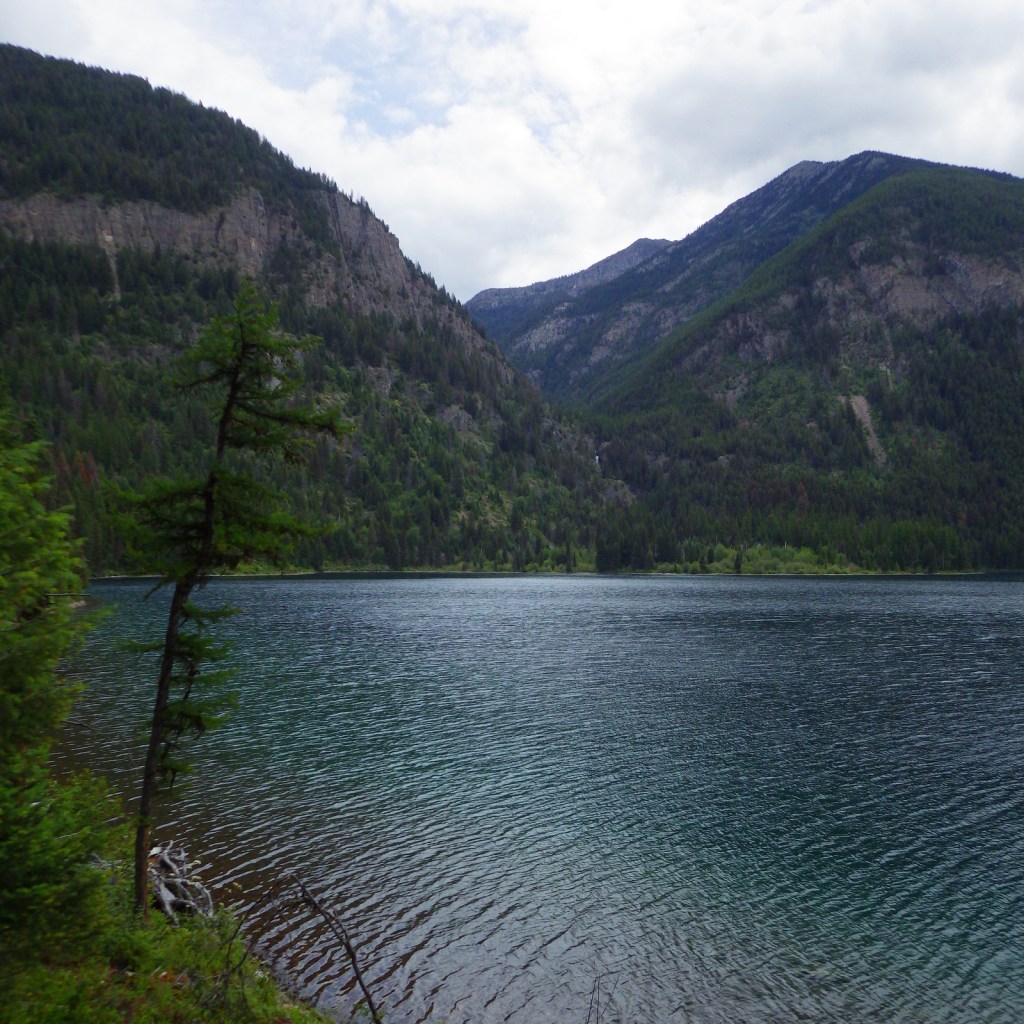
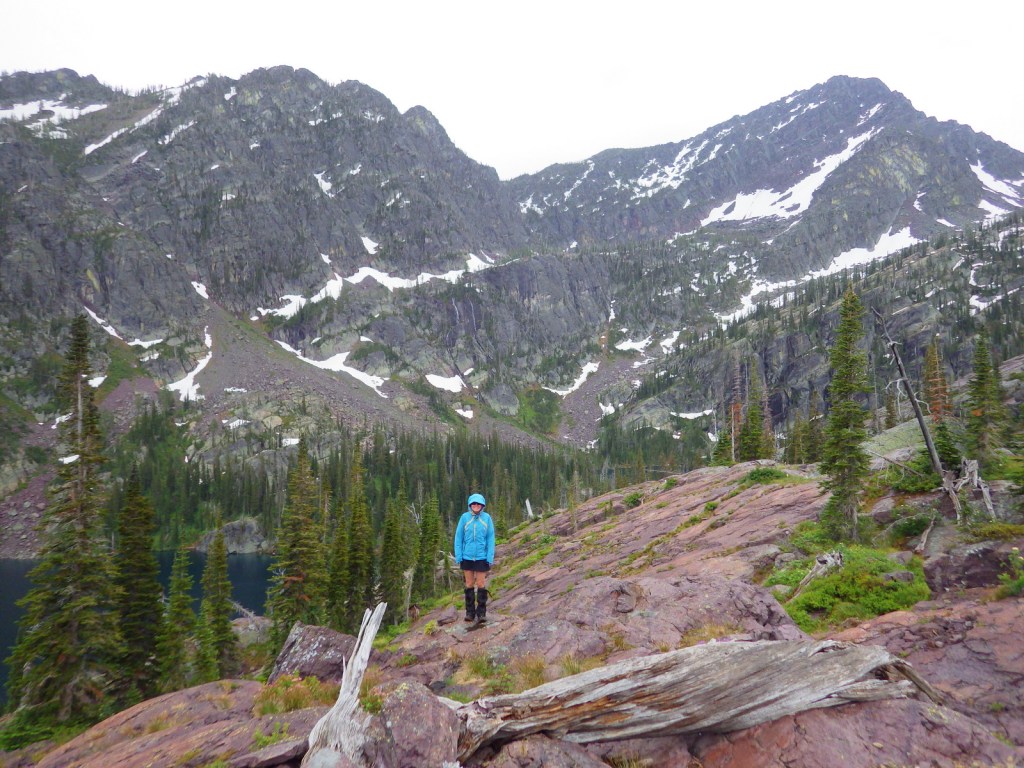
Flathead National Forest contains more than 2,800 miles of hiking trails, including 38 miles of the Pacific Northwest National Scenic Trail and a shorter stretch of the Continental Divide National Scenic Trail (which is mostly to the east in Lewis and Clark National Forest).  Accessible from Highway 83 in the southwest corner of Flathead National Forest is Glacier Lake Trailhead.  A long, good dirt road leads to the edge of the Mission Mountains Wilderness and a popular trail that accesses multiple mountain lakes.  It is only 1.5 miles one-way to Glacier Lake, but we continued on to Turquoise Lake for an 11.6-mile out-and-back hike with a cumulative elevation gain of 2,460 feet.  Both destinations are great for backpacking with stunning alpine scenery, but keep in mind that this is grizzly bear country and come prepared.

Watchable Wildlife

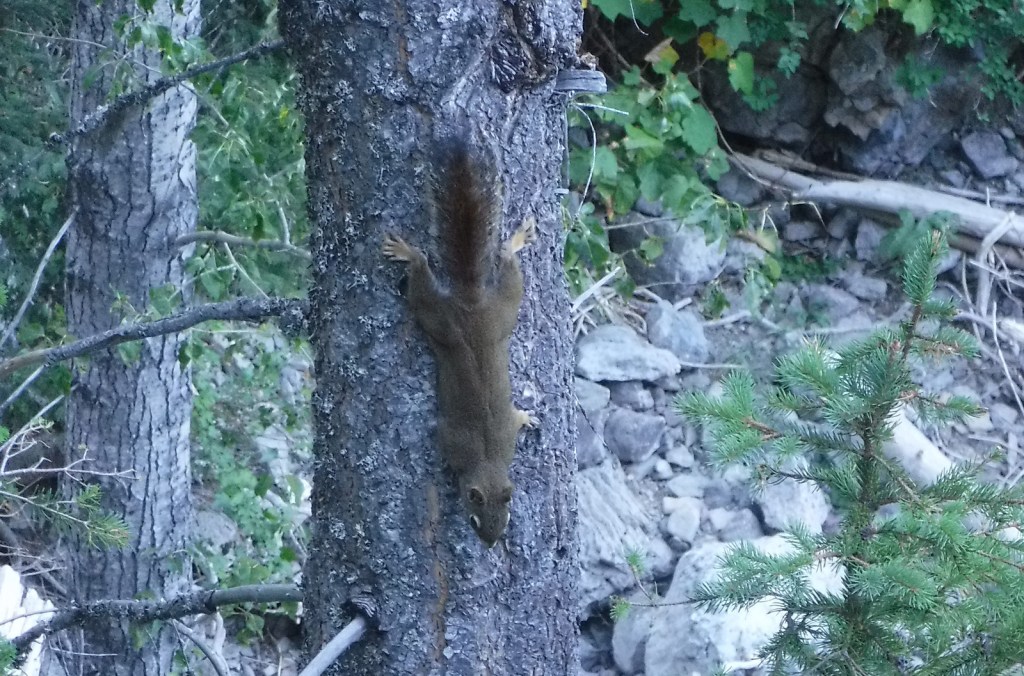
The most talked about species of wildlife found here is the grizzly bear, whose population primarily resides in the 1.5-million-acre Bob Marshall-Great Bear-Scapegoat Wilderness complex.  Other large mammals include black bear, Canada lynx, bobcat, mountain lion, coyote, wolverine, and beaver, as well as ungulates like moose, elk, mountain goat, bighorn sheep, and white-tailed deer.  Prominent birds include bald eagles, ospreys, ruffed grouse, dusky grouse, white pelicans, and trumpeter swans.  Fishermen are drawn to the lakes and rivers for a variety of species, including the bull trout.

Instagram-worthy Photo

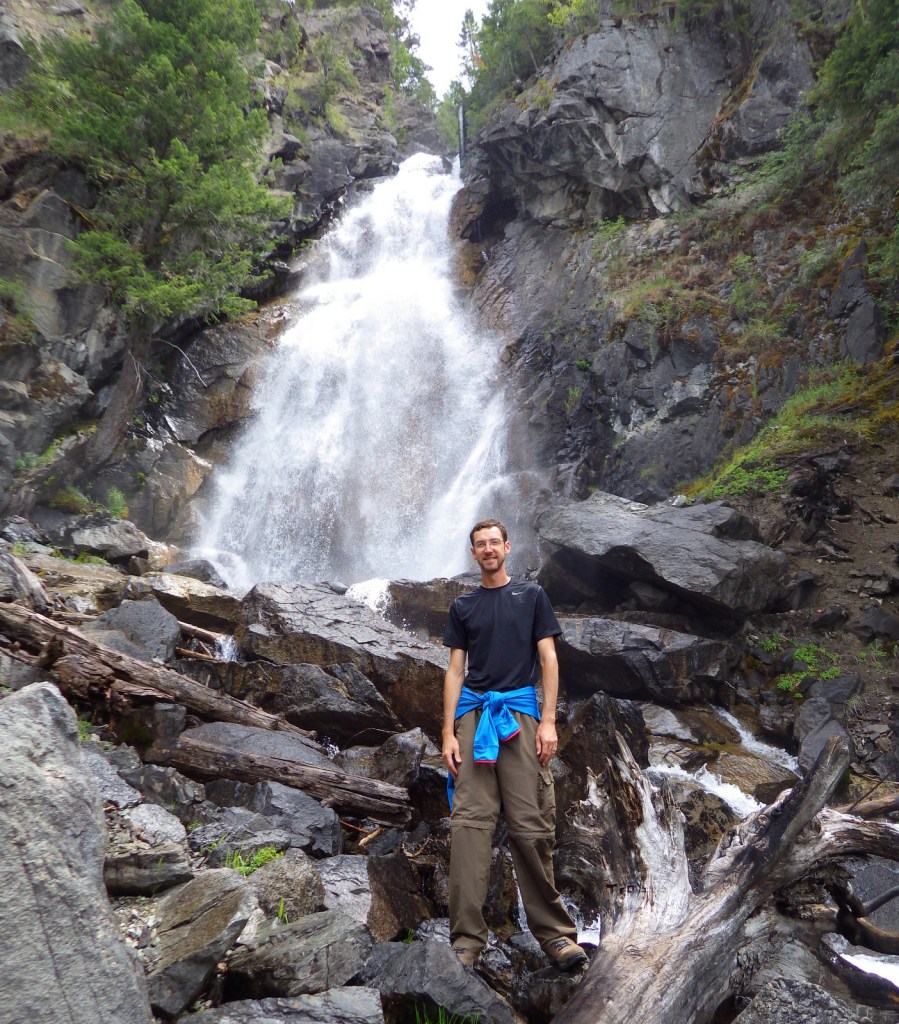
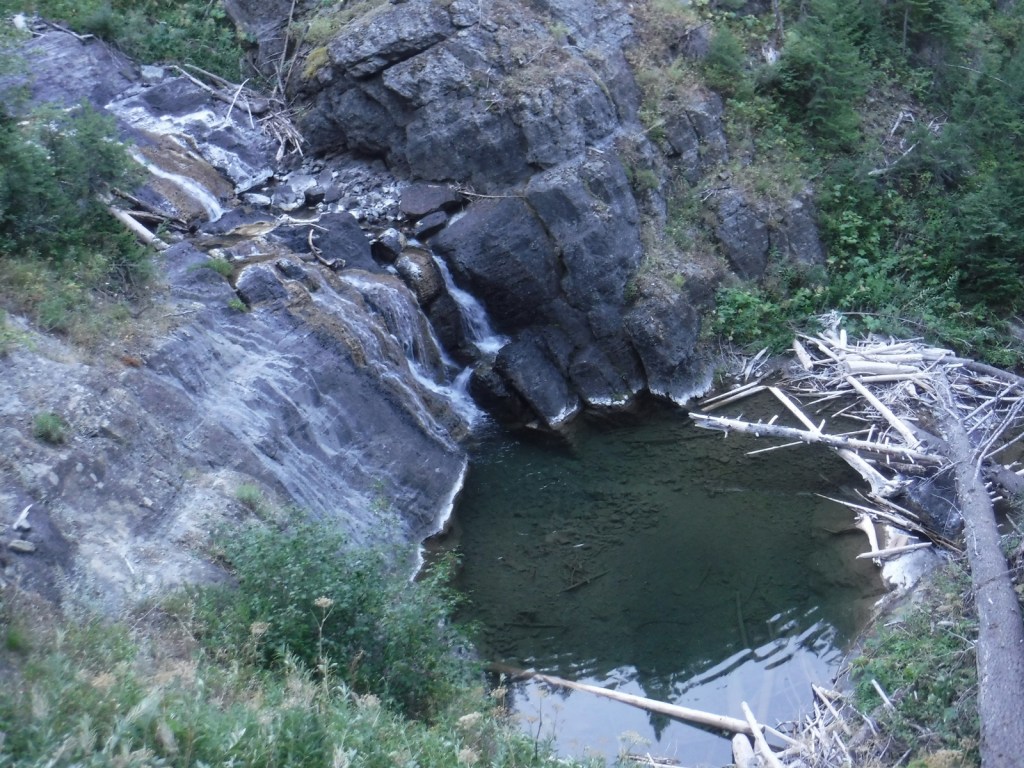
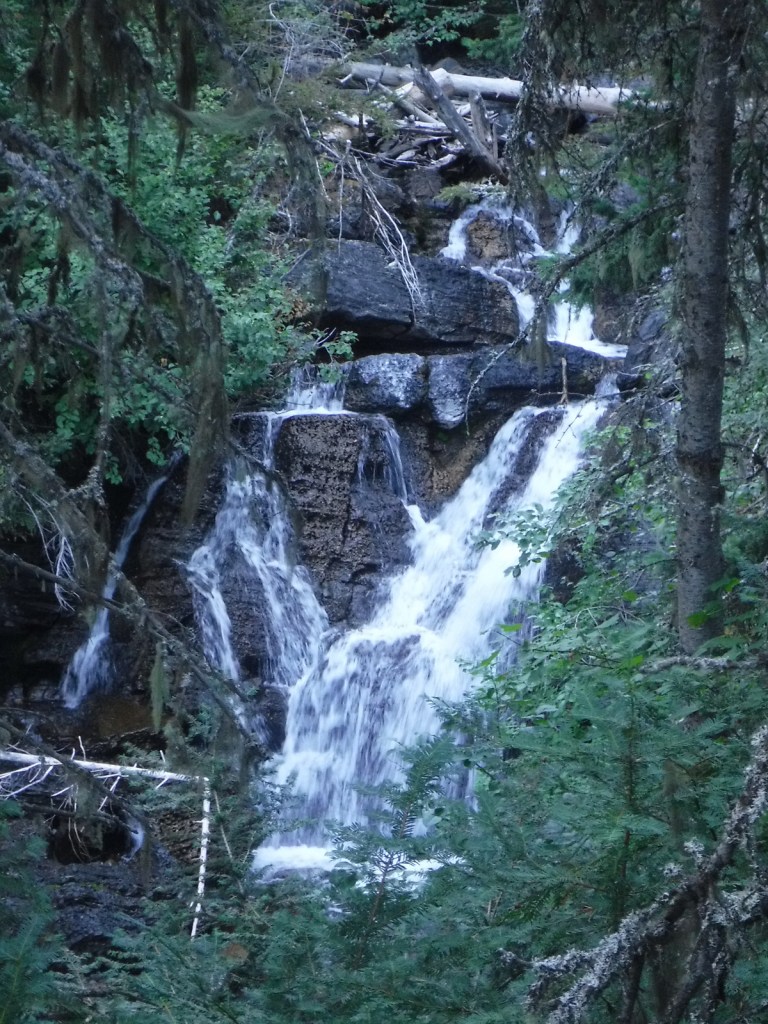
The steep terrain on the western flank of the Bob Marshall Wilderness creates numerous waterfalls, such as Barrier, Big Salmon, Dean, and Needle Falls.  Holland Falls is a short 3.2-mile roundtrip hike that ascends only 550 feet from Holland Lake.

Peak Season

Summer

Fees

None?

Road Conditions

The National Forest contains 1,700 miles of roads, so there are probably some rough ones out there, but we never had a problem accessing the major trailheads in a passenger vehicle.

Camping

Flathead National Forest has 31 campgrounds and 14 cabins available for rent.  Several campgrounds surround Hungry Horse Reservoir and Holland Lake, including the free Owl Creek Packer Camp used by stock trailers. 

Wilderness Areas

Bob Marshall Wilderness (also in and Lewis and Clark National Forest)

Great Bear Wilderness (also in Lewis and Clark National Forest)

Mission Mountains Wilderness

Related Sites

Lolo National Forest (Montana)

Grant-Kohrs Ranch National Historic Site (Montana)

Nez Perce National Historical Park (Idaho-Oregon-Washington-Montana)

Nearest National Park

Glacier

Conifer Tree Species

ponderosa pine, lodgepole pine, whitebark pine, Douglas-fir, Engelmann spruce, subalpine fir, western larch, alpine larch

Flowering Tree Species

quaking aspen, paper birch, sagebrush

Explore More – Coram Experimental Forest is an 800-acre area managed for what commercial tree species?

Learn more about this and the 154 other National Forests in our new guidebook Out in the Woods

We are a participant in the Amazon Services LLC Associates Program, an affiliate advertising program designed to provide a means for us to earn fees by linking to Amazon.com and affiliated sites.

Finger Lakes National Forest

Finger Lakes National Forest

New York

Managed by U.S. Forest Service, Eastern Region

16,259 acres (16,259 federal/ 0 other)

Website: https://www.fs.usda.gov/main/gmfl/home

Overview

America’s newest National Forest was formally established in 1985.  Its existence is the result of the federal government purchasing abandoned farmland in the 1930s on the Backbone Ridge between Seneca and Cayuga Lakes.  Management shifted from the Soil Conservation Service to the Forest Service in 1954, but it did not become Finger Lakes National Forest for another 30 years.  According to Iroquois legend, the Finger Lakes were formed when the Great Spirit laid hands on the land to bless it and the finger imprints filled with water.  Visitors come for hiking and bird watching, and, in addition, two acres next to Blueberry Patch Campground are managed for blueberry picking in the late summer.

Highlights

Camp Fossenvue, Seneca Lake, Blueberry Patch Recreation Site, Backbone Trail, Gorge Trail, Interlocken Trail, No Tan Takto Trail, Burnt Hill Trail, North Country National Scenic Trail

Must-Do Activity

Although it is the second smallest National Forest in the U.S., Finger Lakes National Forest has 38 miles of trails (including a spur of the North Country National Scenic Trail).  In 1996, the former Camp Fossenvue at Caywood Point on the shores of Seneca Lake was given to the National Forest.  The camp was founded in 1875 by seven women and was considered radical for its time by allowing women to engage in outdoor recreation and inviting notable suffragettes like Susan B. Anthony.  The Boy Scouts purchased the property in 1924 and later sold it to the Trust for Public Land.  The lake is accessed from the parking lot off State Route 414 by walking down a steep, half-mile-long gravel road with a 30% grade in places. 

Best Trail

The Gorge Trail is three miles out-and-back between trailheads on Burnt Hill Road and Mark Smith Road, crossing the Backbone Ridge.  The hike follows a pretty creek through a second growth forest of eastern hemlocks and various hardwood trees to access the Gorge Ponds and the 12-mile long Interlocken Trail, which is popular with cross-country skiers in the winter.  On a rainy afternoon in May, we saw several red newts on the trail and a mix of wildflowers, such as May-apples.

Watchable Wildlife

The first red newts we had ever seen were on the Gorge Trail, crawling through the duff on a rainy May afternoon.  These bright-orange amphibians are hard to miss among the green plants and brown decaying organic matter, but watch your step as they were right in the middle of the trail.  Finger Lakes National Forest also has white-tailed deer, gray squirrels, raccoons, coyotes, and bobcats, as well as 160 species of birds.  There are blueberry patches and old fruit tree orchards within the forest, which are good places to look for foraging animals.  Seneca Lake reaches 630 feet in depth and is home to many types of gamefish.

Instagram-worthy Photo

The sole remaining cabin at Camp Fossenvue is named the “Queen’s Castle” for Elizabeth Smith Miller, but no entry is permitted to the structure built in 1899 and placed on the National Register of Historic Places a century later.

Peak Season

Summer

Fees

None

Road Conditions

There are several unpaved roads in the National Forest, including Burnt Hill Road and Mark Smith Road, but we found all of them to be in good condition.

Camping

On Backbone Ridge, Blueberry Patch Campground is developed for vehicles under 24 feet in length and offers vault toilets.  Nearby, the Backbone Horse Campground has five campsites for horse trailers and six additional sites for all users.  Free dispersed camping is allowed throughout the forest (except in pastures from May 15 to October 31 due to cattle grazing) with one shelter available at the south end of the Interloken Trail. 

Wilderness Areas

None

Related Sites

Women’s Rights National Historical Park (New York)

Harriet Tubman National Historical Park (New York)

Home of Franklin D. Roosevelt National Historic Site (New York)

Nearest National Park

Cuyahoga Valley

Conifer Tree Species

eastern hemlock, eastern white pine

Flowering Tree Species

northern red oak, shagbark hickory, black walnut, witch-hazel, sugar maple, white ash, yellow birch, gray dogwood, black willow, elderberry, azalea

Explore More – Fossenvue is an anagram of what three-word phrase?

Learn more about this and the 154 other National Forests in our new guidebook Out in the Woods

We are a participant in the Amazon Services LLC Associates Program, an affiliate advertising program designed to provide a means for us to earn fees by linking to Amazon.com and affiliated sites.