Tag Archives: wildflowers

Saguaro National Park

Saguaro National Park

Arizona

Managed by National Park Service

Established 1933 National Monument, 1994 National Park

91,716 acres

Website: nps.gov/sagu

Overview

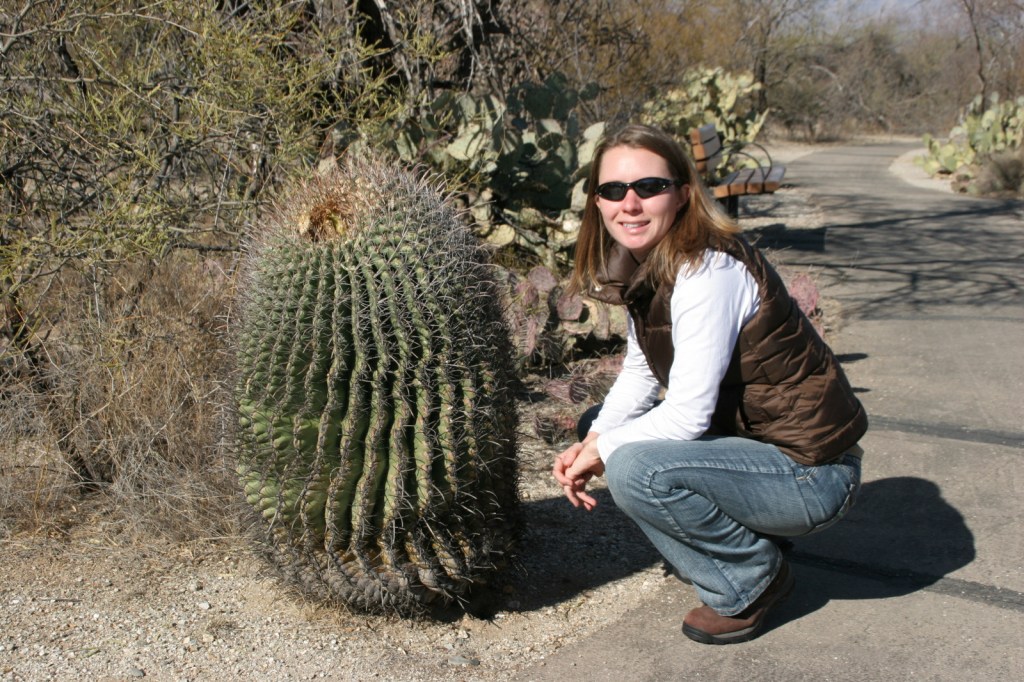
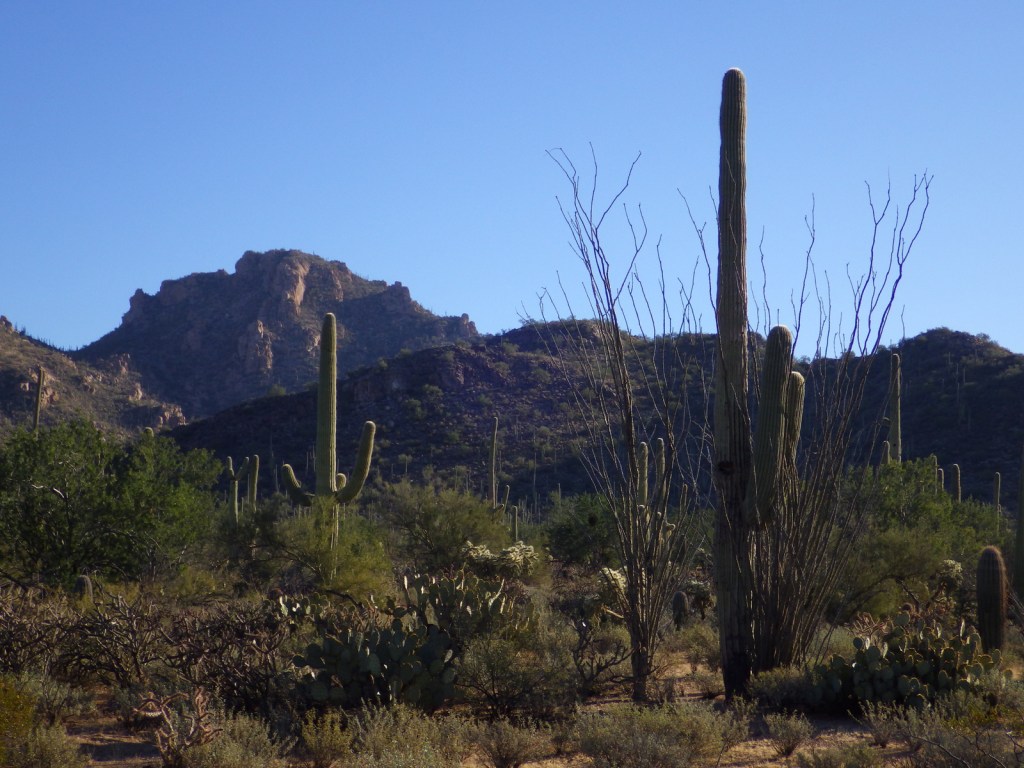
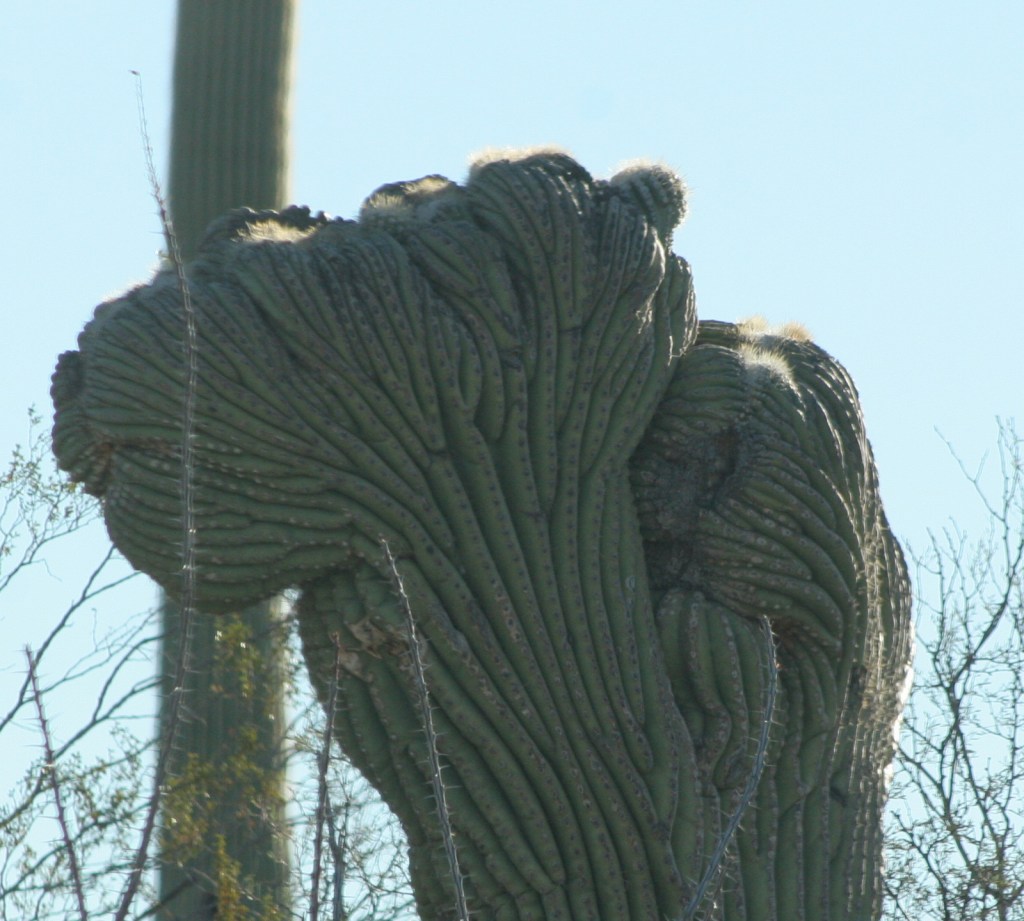
The only U.S. National Park within the expansive Sonoran Desert is divided into two separate districts east and west of Tucson, Arizona.  Its namesake cactus can reach 50 feet in height and weigh more than 16,000 pounds when swelled with water during the rainy season.  Saguaros do not typically branch their first arms until age seventy-five and they can live over 200 years.  They share their home with other cacti that have cuddly names like teddybear cholla, hedgehog, barrel, staghorn cholla, and prickly pear.

Know someone who loves National Parks? Gift them our travel guide A Park to Yourself: Finding Solitude in America’s 63 National Parks

Highlights

Cactus Forest Drive, Desert Ecology Trail, Scenic Bajada Loop Drive, Desert Discovery Nature Trail

Must-Do Activity

There are National Park Service (NPS) visitor centers in both the Rincon Mountain District and Tucson Mountain District.  In each district, opportunities for visitors include scenic drives, handicap-accessible nature trails, and more strenuous hiking options.  Much of the wildlife is nocturnal in the hot desert, but watch for unique species like javelinas, ringtails, kangaroo rats, roadrunners, phainopeplas, desert tortoises, Gila monsters, and western diamondback rattlesnakes.

Best Trail

Hikers can find great overlooks of the surrounding mountains along the short Ridge View Trail in the eastern Rincon Mountain District of the park.

Instagram-worthy Photo

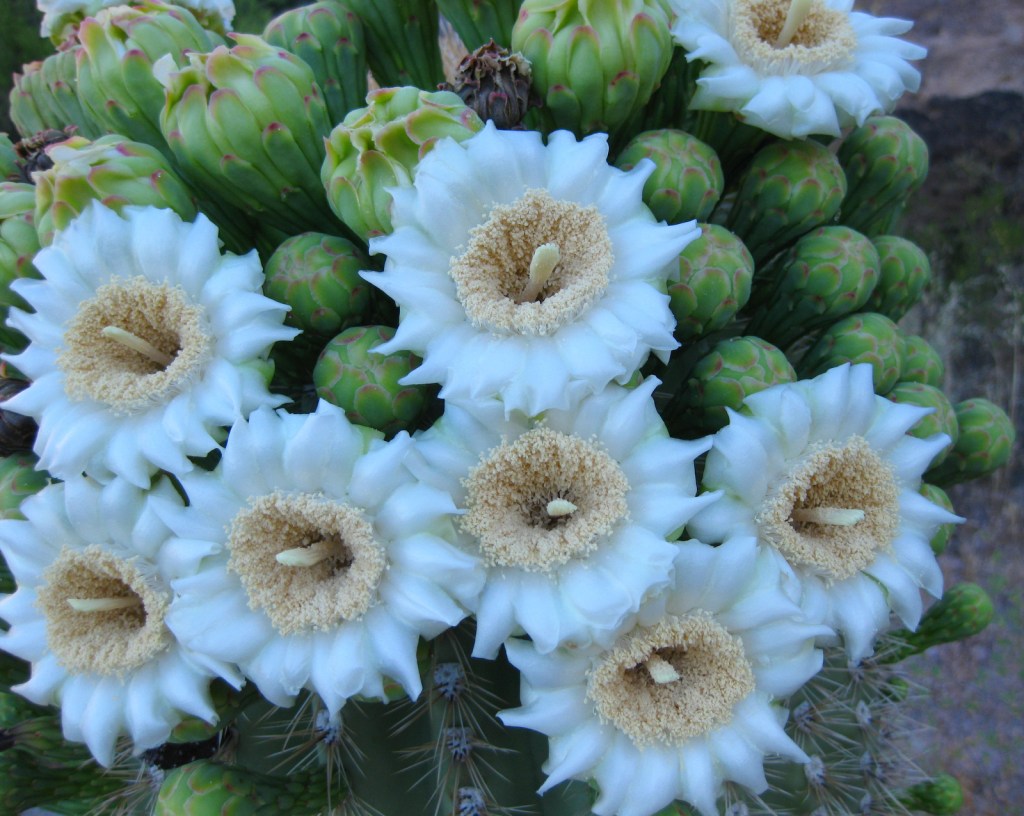
Winter is a great time to come to Saguaro National Park due to mild temperatures, but to see the desert in bloom the spring is best.  Saguaros typically bloom in early June, though their large white blooms are hard to photograph at the top of the tall cacti where moths, bats, and other pollinators can find them.
Peak Season

Spring

Hours

https://www.nps.gov/sagu/planyourvisit/hours.htm

Fees

$25 per vehicle or America the Beautiful pass

Road Conditions

In the Rincon Mountain District the Cactus Forest Drive is all paved, but in the Tucson Mountain District the Scenic Bajada Loop Drive is mostly a graded gravel road.

Camping

Only backcountry camping in designated sites (with a permit) is allowed in the National Park, but campgrounds are available at Tucson Mountain County Park just outside the western district and throughout Coronado National Forest which borders the eastern district.

Related Sites

Organ Pipe Cactus National Monument (Arizona)

Tumacacori National Historical Park (Arizona)

Chiricahua National Monument (Arizona)

This design we created to celebrate Saguaro National Park is available on a variety of products at Cafe Press and Amazon.

Explore More – Tohono O’odham Indians utilized saguaro fruit for jam, syrup, and wine; at what age do the cacti start flowering?

Know someone who loves National Parks? Gift them our travel guide A Park to Yourself: Finding Solitude in America’s 63 National Parks

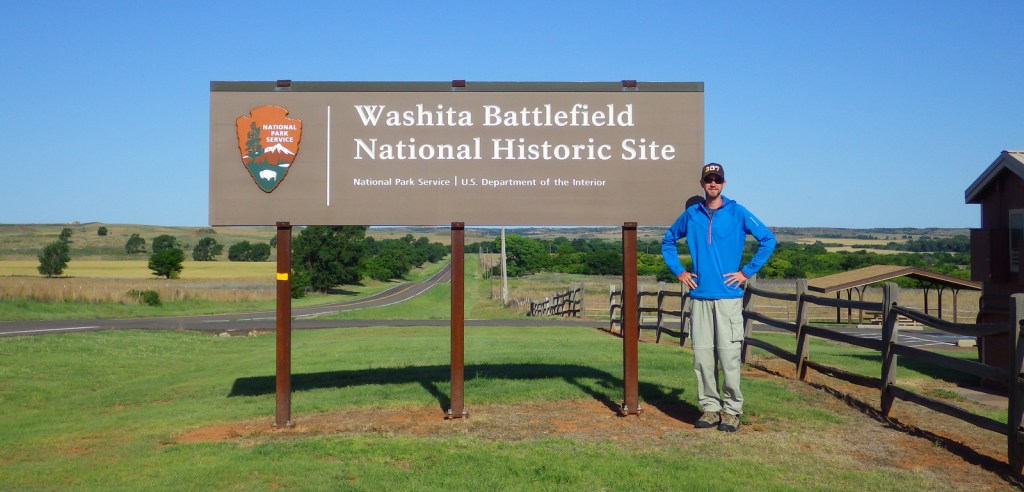
Washita Battlefield National Historic Site

Overview

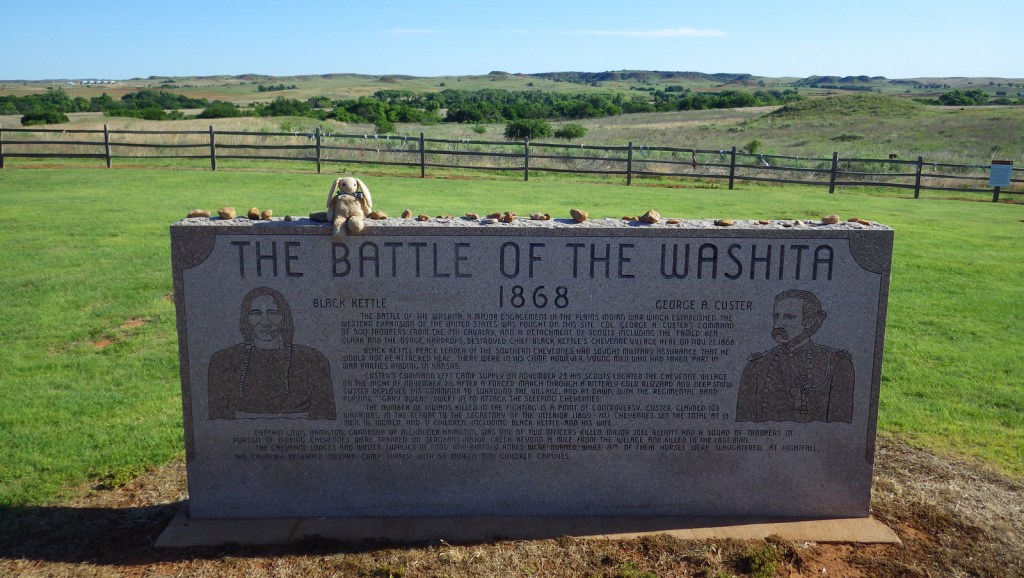
Many retaliatory acts occurred in the aftermath of the 1864 Sand Creek Massacre in Colorado, leading the U.S. Army to launch a campaign against the Cheyenne, Arapaho, and Kiowa following the signing of several peace treaties.  In November 1868, after unsuccessfully seeking protection at Fort Cobb, Cheyenne Chief Black Kettle and Arapaho Chief Big Mouth returned to their winter villages in the Washita River Valley.  The very next day a surprise attack was launched by Lieutenant Colonel George Custer, capturing 53 and killing thirty to sixty Cheyennes, including Black Kettle and his wife.  Under Major General Philip Sheridan’s policy of “total war,” approximately 800 horses were then slaughtered and the village burned. 

Highlights

Museum, film, interpretive trail

Must-Do Activity

The events that took place the morning of November 27, 1868 in western Oklahoma have been described either as a battle or a massacre.  A small National Park Service (NPS) visitor center with exhibits on the events is shared with the U.S. Forest Service’s Black Kettle National Grassland.  Located just down the road on Highway 47 is a self-guided walking tour of the prairie battlefield. 

Best Trail

The 1.4-mile hiking trail through the battlefield leaves from an overlook of the historic site down to the Washita River where trees grow.

Instagram-worthy Photo

The vegetation is typical of Oklahoma prairie with grasses, yucca, and Indian blanket (in bloom in late May).

Peak Season

Summer

Hours

https://www.nps.gov/waba/planyourvisit/hours.htm

Fees

None

Road Conditions

All roads paved

Camping

There are private campgrounds in Cheyenne, Oklahoma, or you can head 25 miles southeast to Foss State Park.

Related Sites

Black Kettle National Grassland (Oklahoma-Texas)

Sand Creek Massacre National Historic Site (Colorado)

Little Bighorn Battlefield National Monument (Montana)

Chickasaw National Recreation Area (Oklahoma)

Explore More – When was this National Historic Site authorized by Congress?

Whitman Mission National Historic Site

Overview

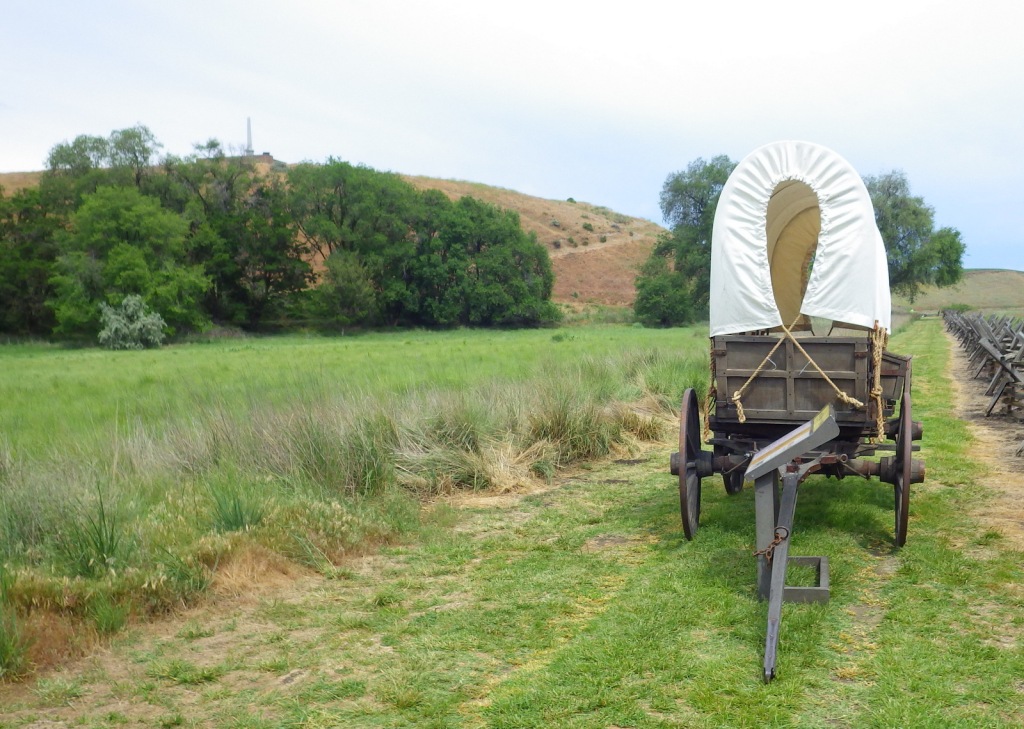
While there was some limited European settlement on the west coast prior to her journey, the popularization of the Oregon Trail for families can be traced to publication of the letters of Narcissa Whitman after her journey in 1836.  While in the Black Hills she wrote, “It is astonishing how well we get along with our wagons where there are no roads.  I think I may say it is easier traveling here than on any turnpike in the States.”  Narcissa came with her doctor husband and other Protestants to establish missions among the American Indians.  The Whitmans did much to open the west to emigrant families and you can visit their graves at this 138-acre National Park Service (NPS) site in Walla Walla, Washington.

Highlights

Museum, film, millpond, Whitman Memorial, Oregon National Historic Trail

Must-Do Activity

The Whitmans set up near Waiilatpu, which translates to “place of the people of the rye grass.”  The main Oregon Trail would eventually detour south of their mission, but the couple would still care for stragglers, even adopting 10 children.  Following a devastating 1847 measles epidemic they and eleven others were killed by grieving Cayuse families who blamed the doctor for poisoning them.  News of the November 29 attack and subsequent retaliations spurred Congress to create the Oregon Territory within the year. 

Best Trail

A self-guided interpretive trail leads up to an overlook of Waiilatpu from atop the Whitman Memorial hill.  The trail passes a restored millpond and the Great Grave where 13 victims were buried in 1847, including Narcissa Whitman and her husband.

Instagram-worthy Photo

A portion of the Oregon Trail passed through Waiilatpu until rerouted south after 1844.

Peak Season

Summer

Hours

https://www.nps.gov/whmi/planyourvisit/hours.htm

Fees

None

Road Conditions

All roads paved

Camping

There is not an NPS campground, but private campgrounds are located in Walla Walla, Washington.

Related Sites

Fort Vancouver National Historic Site (Washington)

Lake Chelan National Recreation Area (Washington)

Lewis and Clark National Historical Park (Oregon-Washington)

Explore More – In addition to those killed in the attack at Whitman Mission on November 29, 1847, how many others were held hostage for a month until their ransom was paid?

Haleakalā National Park

Overview

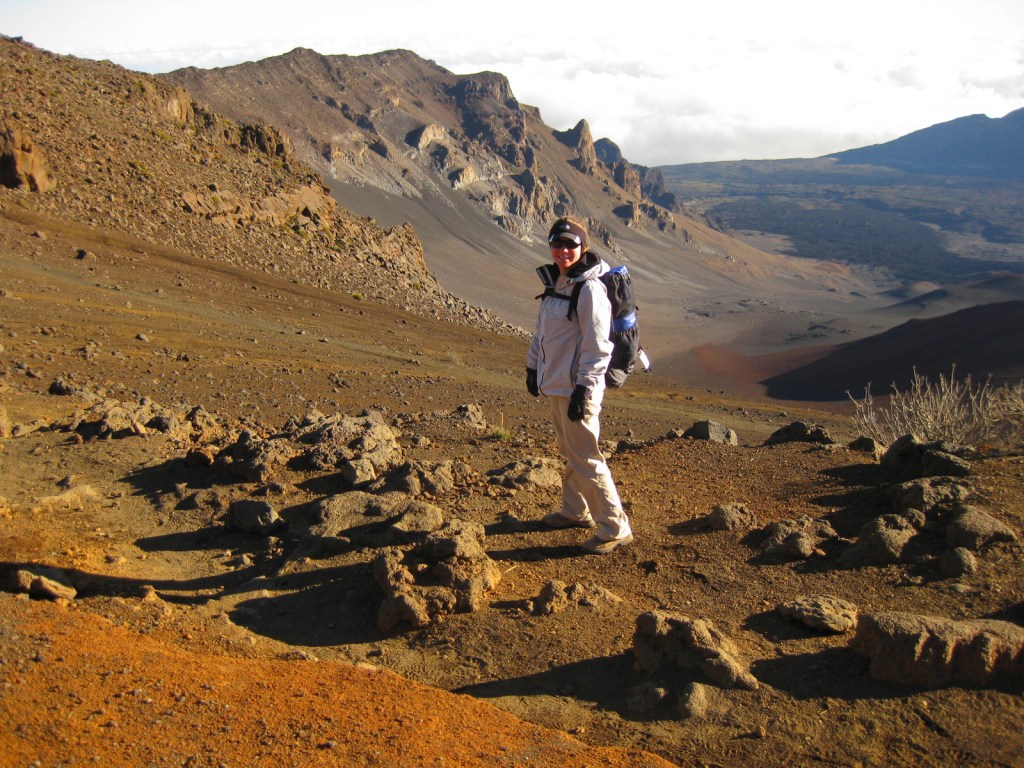
On the tropical island of Maui, Haleakalā National Park is accessible by two memorable roads.  One road climbs from sea level up to 10,023 feet overlooking Haleakalā Crater, which has almost no vegetation.  To the east, a lush tropical rainforest thrives in the Kīpahulu District located at the end of the winding road to Hana.  Both districts offer great hiking opportunities and free campgrounds. There is much more information about this park in our National Park guidebook, available on Amazon.

Highlights

Haleakalā Crater, Sliding Sands Trail, Hosmer Grove, ‘Ohe‘o Gulch pools, Waimoku Falls

Must-Do Activity

The thing to do at Haleakalā National Park is drive up the curvy entrance road in the pitch dark to catch a sunrise from 10,000 feet.  Haleakalā translates to “the house of the sun” so it is kind of a big deal here.  It is like a party atmosphere in the chilly air waiting for the guest of honor.  Of course, we were up there one morning, though we thought the sunsets were prettier and much less crowded.  Several tours drive visitors to the summit for sunrise then provide bicycles to coast back down the switchbacks outside the park boundaries.

Best Trail

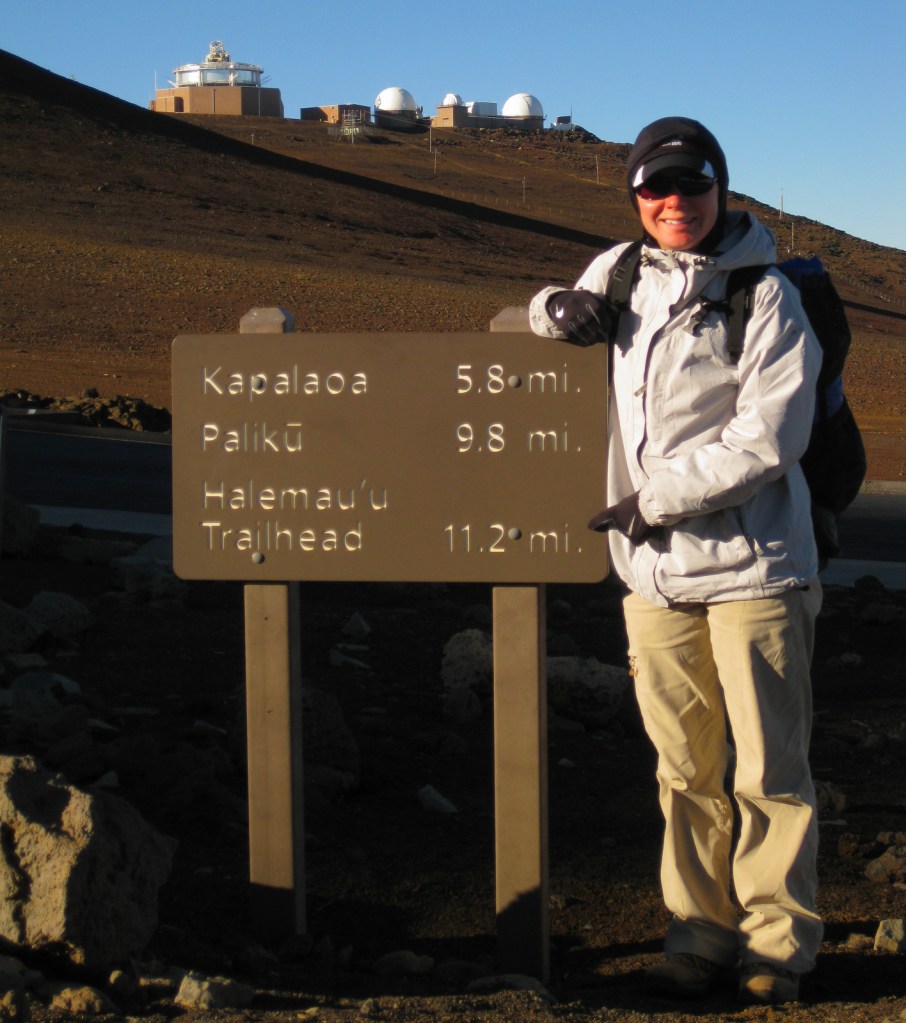
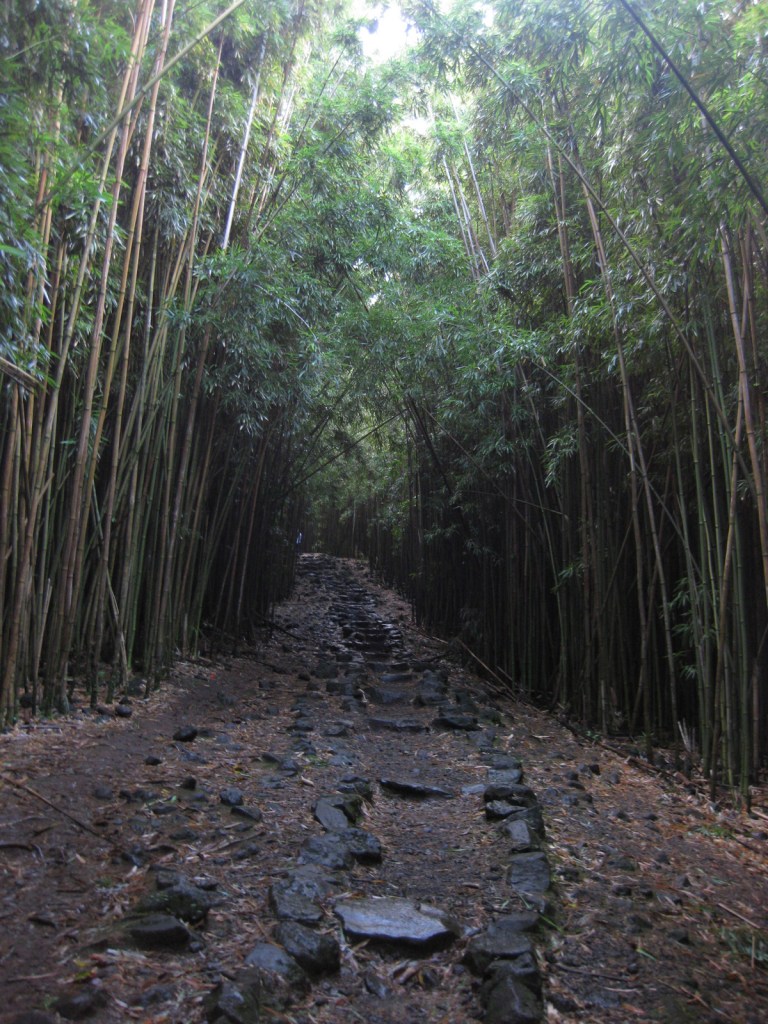
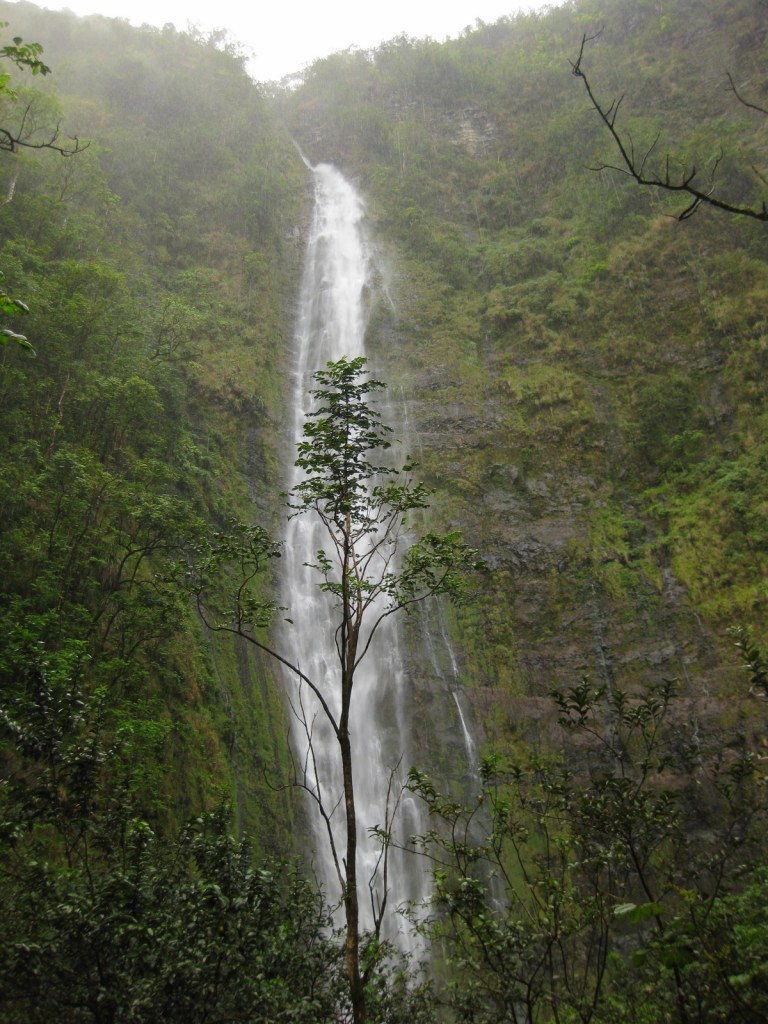
In the Kīpahulu District, we hiked the two-mile Pipiwai Trail to the 400 foot cascades of Waimoku Falls in a steady downpour.   The trail offers some protection from rain under sprawling banyan trees and incredibly dense bamboo thickets.  Like many of the plant and animal species found throughout Hawai‘i, the banyan and bamboo are not native to the islands, but have thrived on this isolated landmass 2,400 miles from the nearest continent. 

Instagram-worthy Photo

Silversword (‘ahinahina) plants grow all along the Sliding Sands Trail that accesses the bottom of the 2,000 foot deep crater.

Peak Season

Year round, though summer might be slightly warmer at 10,000 feet in elevation.

Hours

https://www.nps.gov/hale/planyourvisit/hours.htm

Fees

$30 per vehicle or America the Beautiful pass

Road Conditions

All roads are paved, but the road to the summit is full of switchbacks and bicyclists.  The curvy road to Hana is well known for its one-lane bridges, of which we counted 53 before we reached the Kīpahulu District.

Camping

The two National Park Service campgrounds here are free, a big savings in a place that can be expensive to visit.  There is a lottery for three hike-in cabins and permits available for wilderness backpacking campsites.

Related Sites

Kalaupapa National Historical Park (Hawai‘i)

Hawai‘i Volcanoes National Park (Hawai‘i)

Kaloko-Honokōhau National Historical Park (Hawai‘i)

This design we created to celebrate Haleakalā National Park is available on a variety of products at Cafe Press.

Explore More – How much annual precipitation does the Kīpahulu District receive (making it one of the wettest places on Earth)?

We are a participant in the Amazon Services LLC Associates Program, an affiliate advertising program designed to provide a means for us to earn fees by linking to Amazon.com and affiliated sites.

Big Thicket National Preserve

Overview

When most people think of Texas they do not think of the bayou, but since 1974 this unique ecosystem and eight others were preserved in several units in the southeastern portion of the state.  The Big Thicket once covered 3.5-million acres, however, now only 112,000 acres is protected by the National Park Service (NPS) in 15 remnant sections.  Here you can also discover longleaf pine savannah, saltwater estuaries, and wetlands harboring carnivorous plants.  Understandably, the region is noted for its high biodiversity, highlighted by 85 tree species, 20 orchids, and wildlife as dissimilar as alligators and roadrunners.

Highlights

Kirby Nature Trail, Pine Island Bayou, Cooks Lake Paddling Trail, Neches River, birding

Must-Do Activity

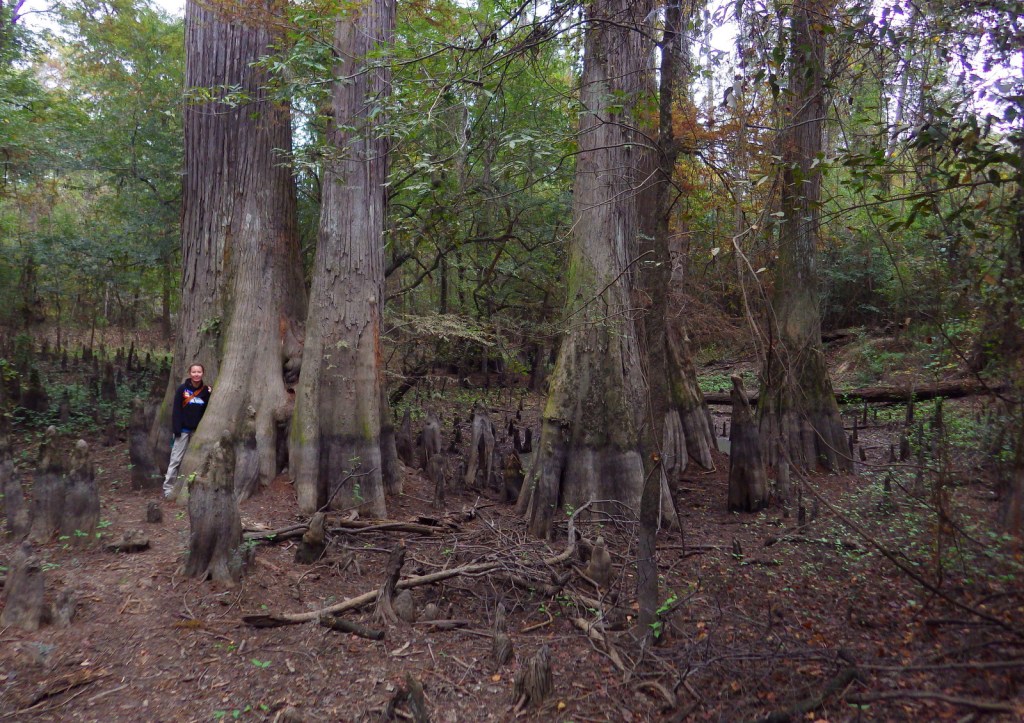
We recommend you start by learning about the nine different ecosystems within the preserve at the NPS visitor center located eight miles north of Kountze, Texas.  The best way to get to know Big Thicket National Preserve is on the water.  Motorboats are allowed in most units, but paddling is preferred for exploring the shallow bayous.  Lined with baldcypress trees, Pine Island Bayou is best explored by kayak or canoe, as is the Cooks Lake Paddling Trail (a five mile loop).  It is also possible to float the park’s 80 miles of the Neches River depending upon the amount of water released from B.A. Steinhagan Lake.

Best Trail

There are 40 miles of hiking trails, but it may be best to start with the Kirby Nature Trail near the NPS visitor center in Kountze, Texas.  Also located in the Turkey Creek Unit, the short Pitcher Plant Trail is best in the spring when the carnivorous plants bloom in the wet savanna.

Instagram-worthy Photo

Inside the NPS visitor center located eight miles north of Kountze, Texas, you can pose with a giant-sized pitcher plant model.

Peak Season

Fall and spring to avoid peak mosquito season.

Hours

https://www.nps.gov/bith/planyourvisit/hours.htm

Fees

None

Road Conditions

The main access roads are paved, but some boat launches may be dirt.

Camping

The NPS offers free backcountry permits, but the nearest campgrounds are at Village Creek State Park and B.A. Steinhagan Lake (managed by the U.S. Army Corps of Engineers).

Related Sites

Jean Lafitte National Historical Park and Preserve (Louisiana)

Big Cypress National Preserve (Florida)

Everglades National Park (Florida)

Explore More – In addition to pitcher plants, how many other carnivorous plant species are found in Big Thicket National Preserve?