Most of the 63 National Parks in snowy areas close their roads over the winter, but this allows for a variety of different recreation opportunities, including snowshoeing, cross-country skiing, snowmobiling, dog sledding, and snow biking. There are several National Parks that are actually best to visit in winter to avoid the heat (like Everglades and Saguaro), but this ranking focuses on those where snow adds to the experience. Click here to see all of our Top 10 Lists.
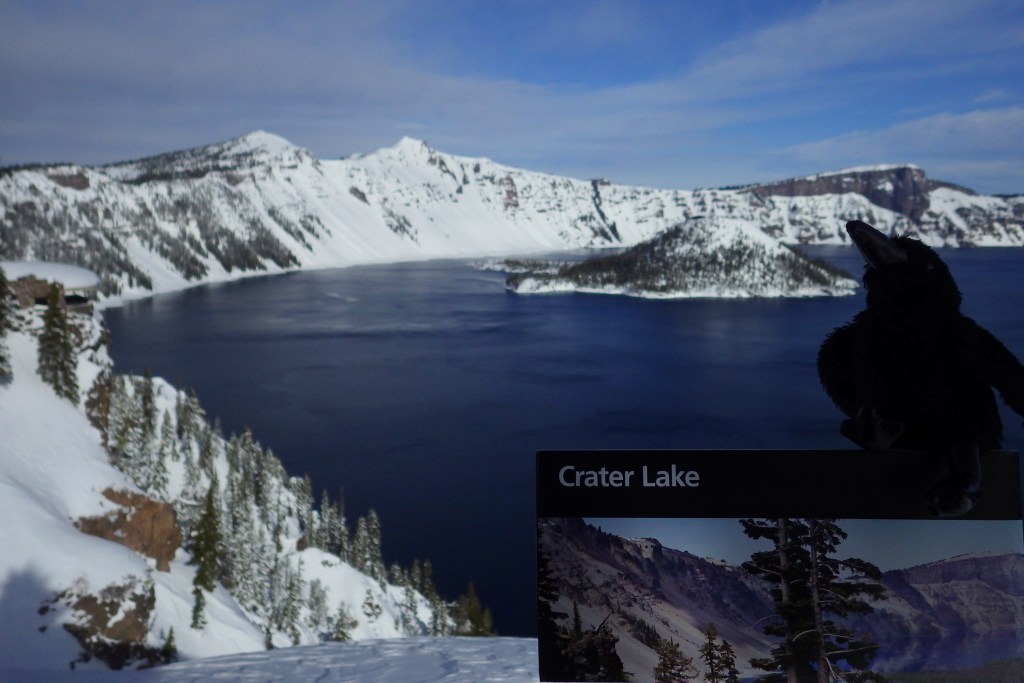
Formed by a cataclysmic volcanic eruption about 8,000 years ago, Crater Lake National Park protects a nearly round caldera about five miles in diameter. It is the deepest lake in the country at 1,943 feet, which is a major reason why in 1902 it was named the sixth National Park in the U.S. When we first visited back in July 2010 most of Rim Drive was still closed due to snow, but in July 2014 there was little snow to be found anywhere.
For Learn more in our guidebook to the National Parks, A Park to Yourself: Finding Adventure in America’s National Parks (available on Amazon).
Highlights
Rim Village, Cleetwood Trail, Cloudcap Overlook, Castle Crest Wildflower Trail, Mount Scott
Must-Do Activity
That very first view you get from the rim is so overwhelming that it is worth whatever effort you have to put in to arrive there. Bring a coat, though, since at this high elevation we are pretty sure it can snow any month of the year. Crater Lake has no inlets or outlets and its crystal-clear waters were fish free until some were introduced in the early 1900s. The only way to get on the water is to hike down the steep one-mile Cleetwood Trail to a boat run by a park concessionaire. Make sure you have purchased your ticket beforehand or you will be hiking back up to get one.
Best Trail
We enjoyed the short but colorful Castle Crest Wildflower Trail, as well as the Pinnacles Overlook Trail where fossilized fumaroles mimic the conical shape of conifers.
Instagram-worthy Photo
Pictures truly do not do Crater Lake justice, but stop along Rim Drive to get a closer look at Wizard Island and the Phantom Ship, the only two islands that emerge from the lake.
$30 per vehicle or America the Beautiful pass, but no entry fee in winter
Road Conditions
While some roads are closed most of the year, the National Park Service (NPS) plows the main entry road year round. Bring your snowshoes!
Camping
The NPS manages two campgrounds in summer (although smaller Lost Creek only allows tent camping), or you can head to the neighboring National Forests for developed and dispersed campsites.
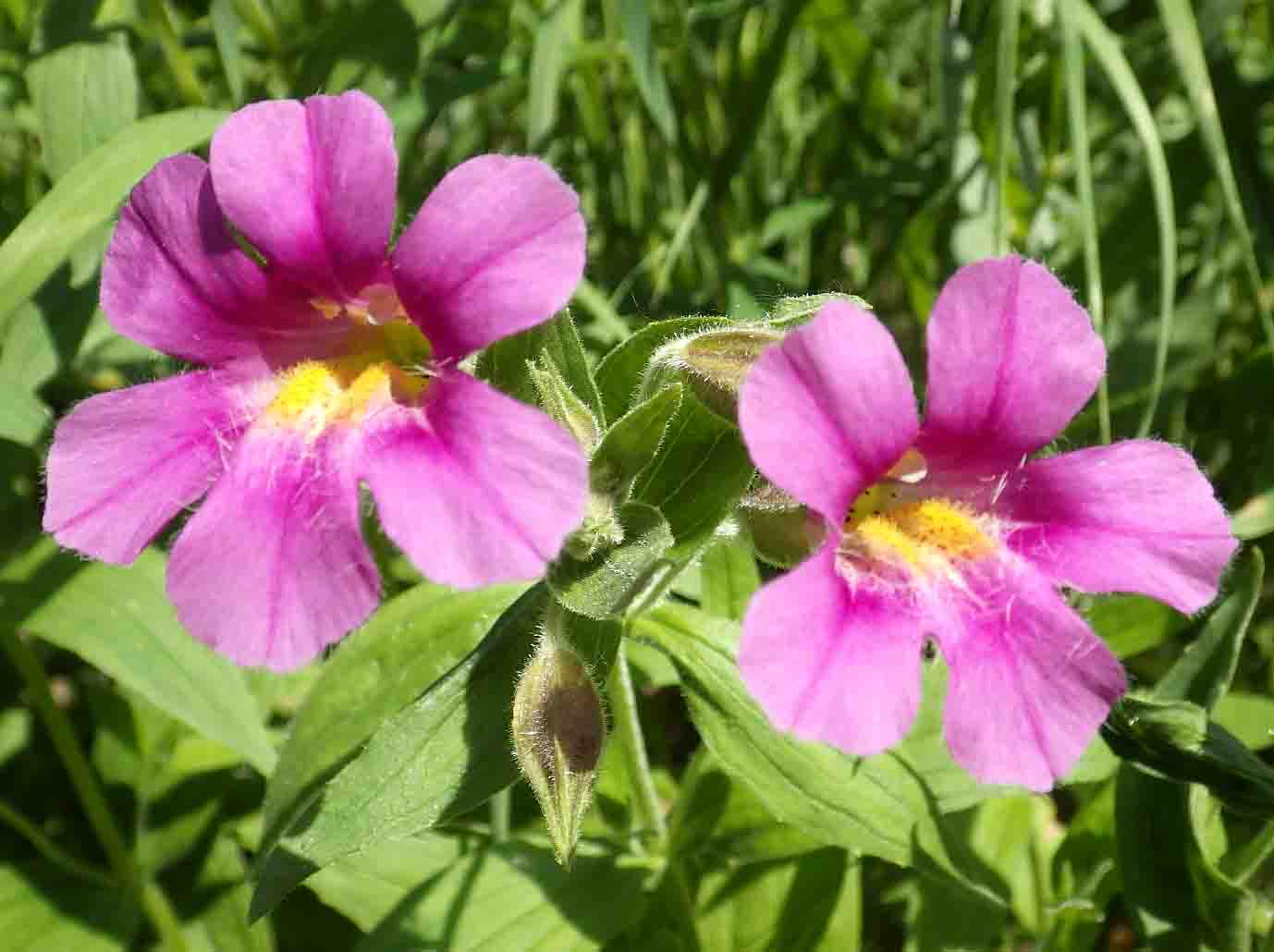
Scott and Tiff at Crater Lake in July 2014July 2010MonkeyflowersScott’s PeakThat isn’t sky – it is water!Pinnacles Overlook TrailGolden-mantled ground squirrelSunsetView from an airplane
This design we created to celebrate Crater Lake National Park is available on a variety of products at Cafe Pressand Amazon.
Explore More – What was the name of the vast volcano that existed here before it collapsed nearly 7,700 years ago?
We are a participant in the Amazon Services LLC Associates Program, an affiliate advertising program designed to provide a means for us to earn fees by linking to Amazon.com and affiliated sites.
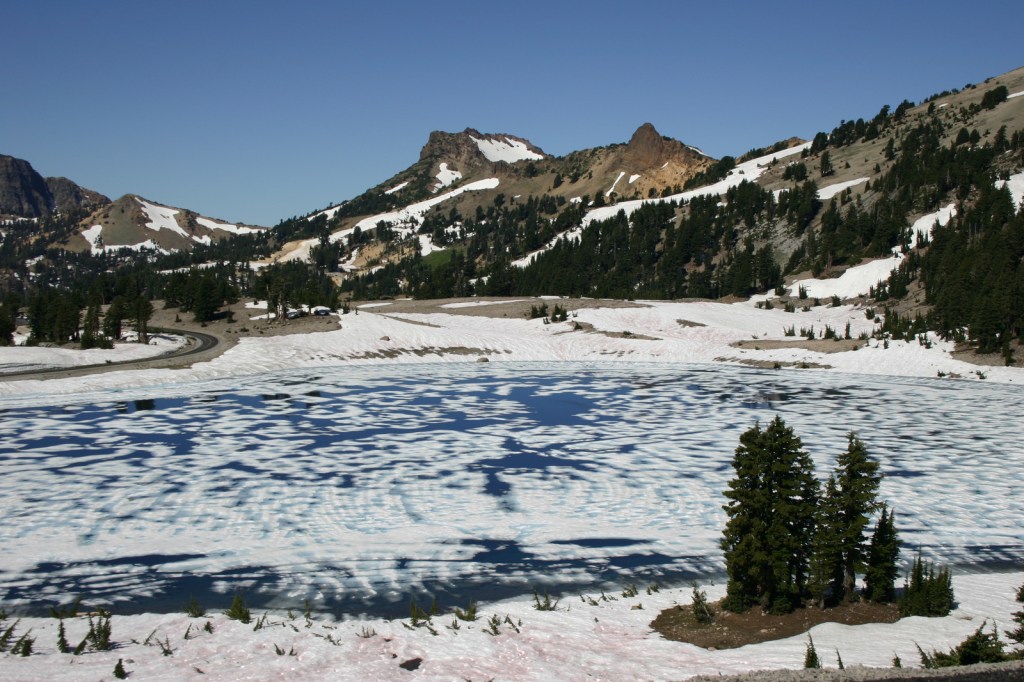
Lassen Peak is the southernmost volcano in the Cascade Mountain Range that also includes Mount Rainier, Mount Saint Helens, and Mount Hood. Lassen Peak last erupted from 1914 to 1917, prompting its creation as a National Park. Access is limited during the long winters, but you can go cross-country skiing and snowmobiling in adjacent Lassen National Forest.
Learn more in our guidebook to the National Parks, A Park to Yourself: Finding Adventure in America’s National Parks (available on Amazon).
Highlights
Bumpass Hell, Lassen Peak Trail, Sulphur Works, Manzanita Lake
Must-Do Activity
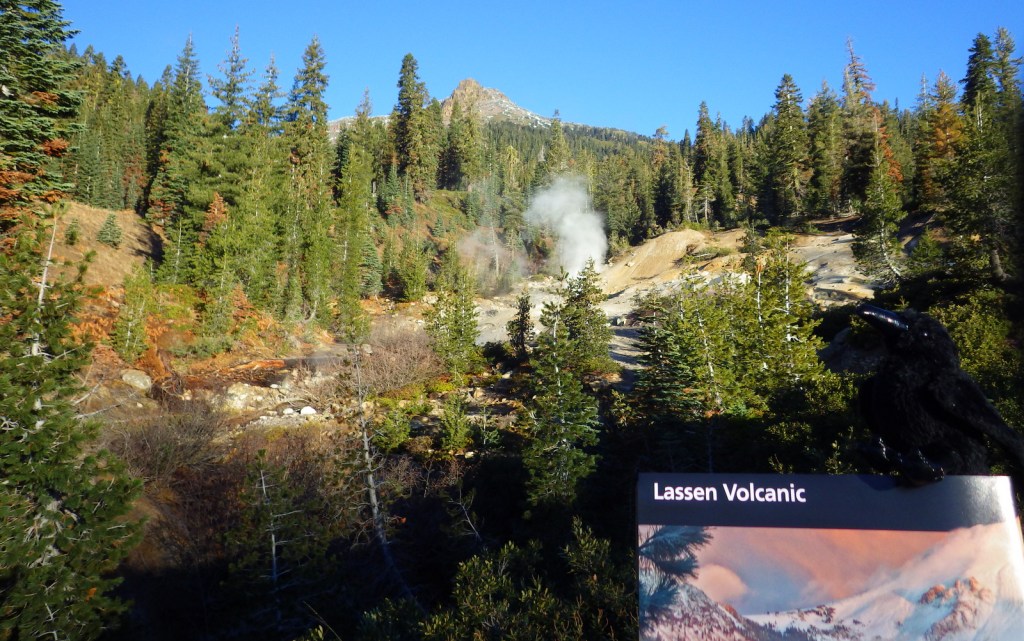
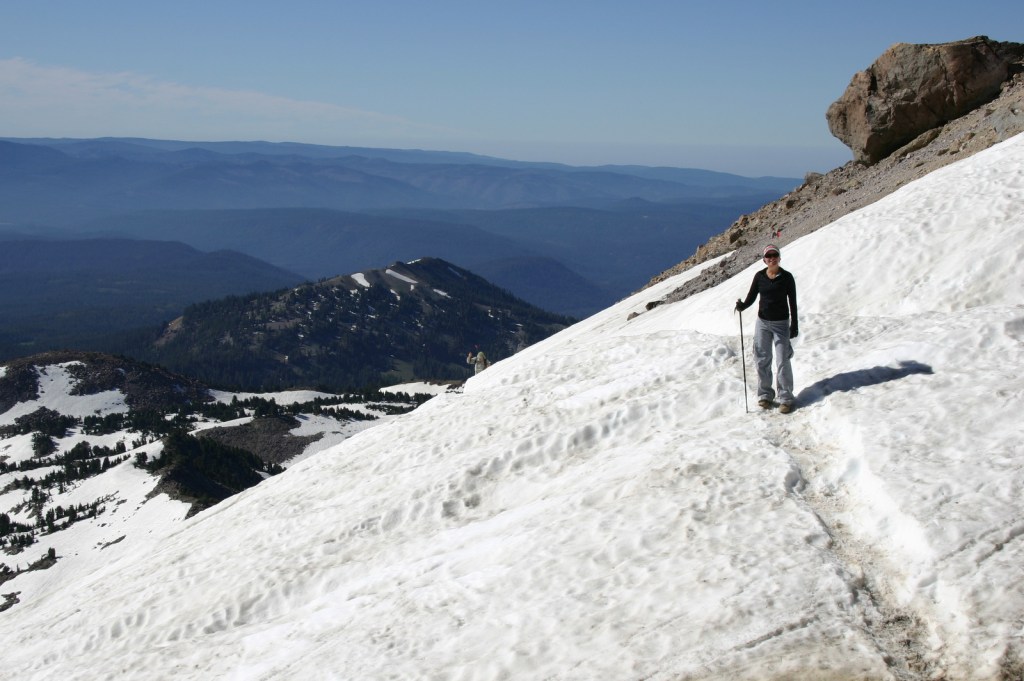
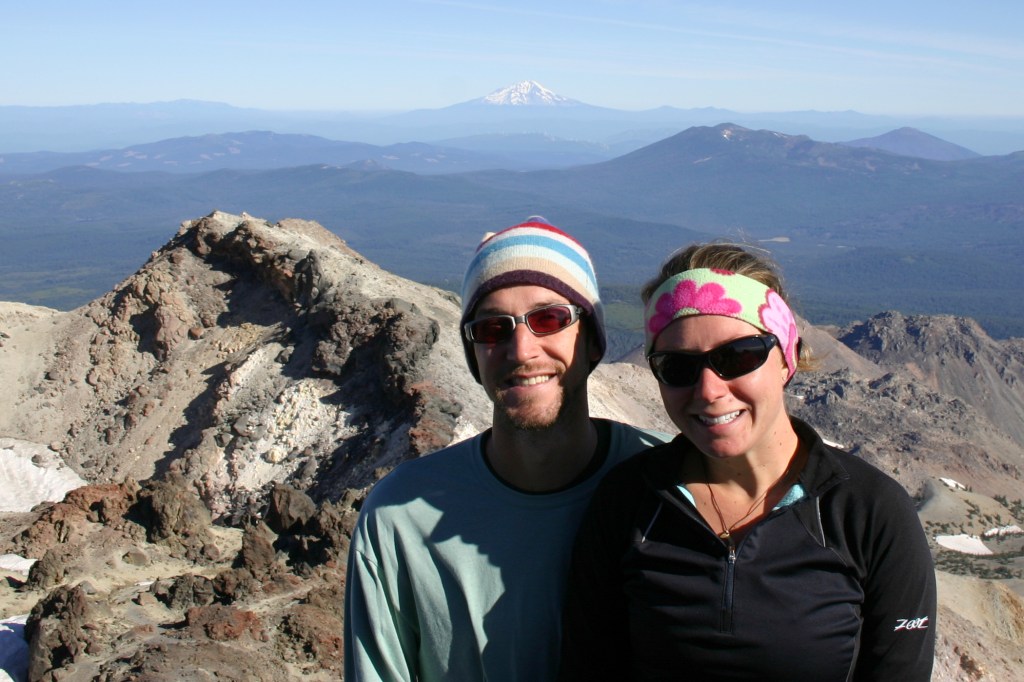
Many hikers make it to the 10,457-foot summit of the dormant volcano for fantastic views of Lake Almanor and Mount Shasta. If you are not up for a 2,000 foot elevation gain, then make sure to take the flatter trail to Bumpass Hell, a colorful collection of geysers, fumaroles, and hot springs that is like a miniature Yellowstone National Park. June may be a little early to visit after heavy snow years, so aim for late-July or August instead.
Best Trail
In the park’s remote northeast corner, a hike to the well-named Painted Dunes is worth the effort. From that point you can climb up the shifting trail to the top of the cinder cone for great views of the colorful lava bed, turquoise Butte Lake, and snow-covered Lassen Peak. Expect to get a lot of jagged cinders in your shoes unless you come prepared. If you continue your ramble you can hook up with the 2,663-mile long Pacific Crest Trail which cuts through the park.
Instagram-worthy Photo
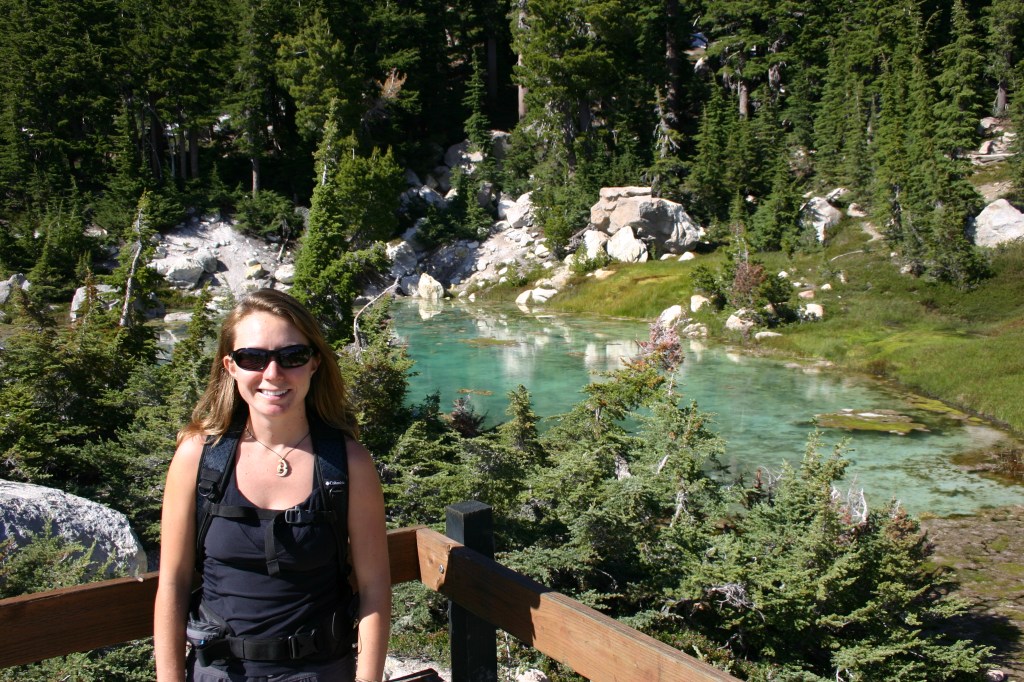
There is a great view down into Bumpass Hell as you approach it from the trail. Note the snowbanks lasting into late August.
Even if the paved road across the park’s high country is closed in early summer, try making it down the dirt road to Butte Lake (at a lower elevation) in the northeast corner of the park.
Camping
There are seasonal campgrounds within the park, or try finding a dispersed campsite on the dirt roads of surrounding Lassen National Forest.
Explore More – More than 400,000 year ago, much of the western half of the National Park was one large composite volcano estimated to have been 11 miles in diameter and how many feet in elevation?
We are a participant in the Amazon Services LLC Associates Program, an affiliate advertising program designed to provide a means for us to earn fees by linking to Amazon.com and affiliated sites.
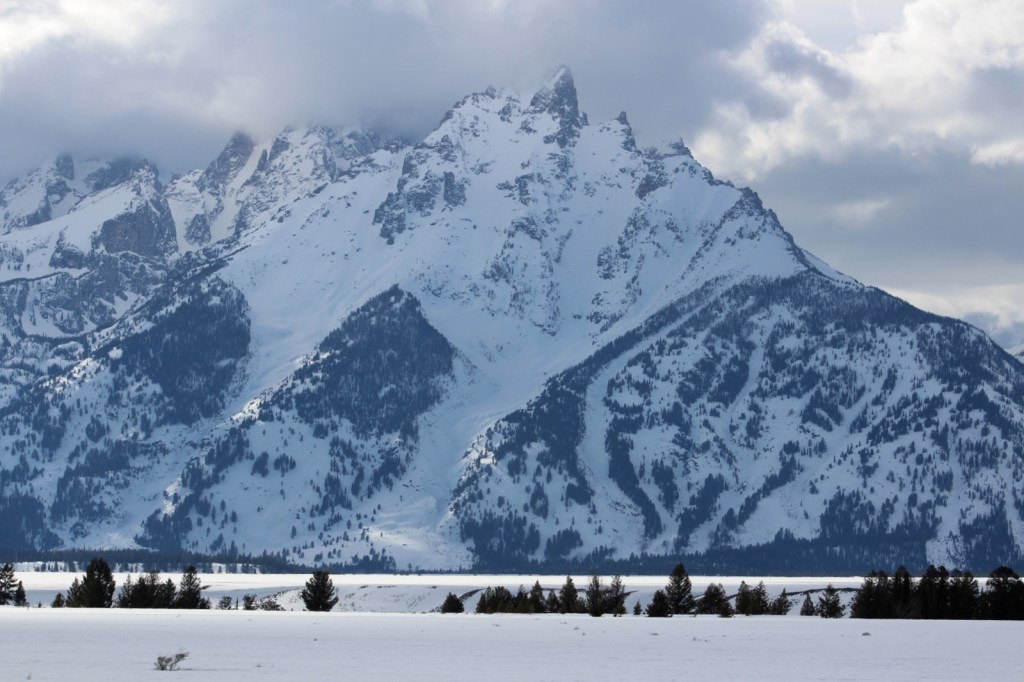
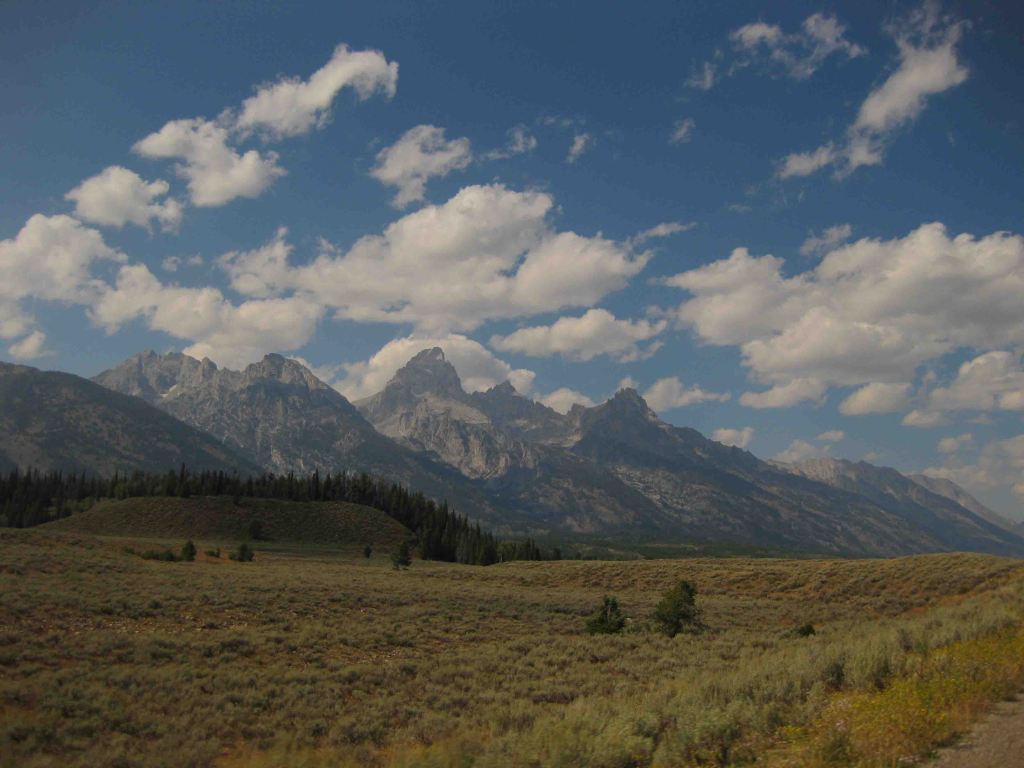
Just south of Yellowstone National Park, is one of the most recognizable skylines in the United States, topped by 13,772-foot tall Grand Teton Peak. The Teton Mountains were established as a National Park in 1929, but the rest of the park has a strange history. Land in the Jackson Hole valley was bought up by the Rockefeller family and attempted to be donated to the U.S. government for decades. In 1943, President Franklin D. Roosevelt created Jackson Hole National Monument under the Antiquities Act, but it did not include the Rockefeller holdings. It was not until 1950 that a deal was struck merging everything into Grand Teton National Park as we know it today. Part of that negotiation was a requirement that in the future no land in Wyoming would ever be established as a National Monument under the Antiquities Act.
Jenny Lake, Inspiration Point, Jackson Lake Lodge, Oxbow Bend Turnout, Mormon Row
Must-Do Activity
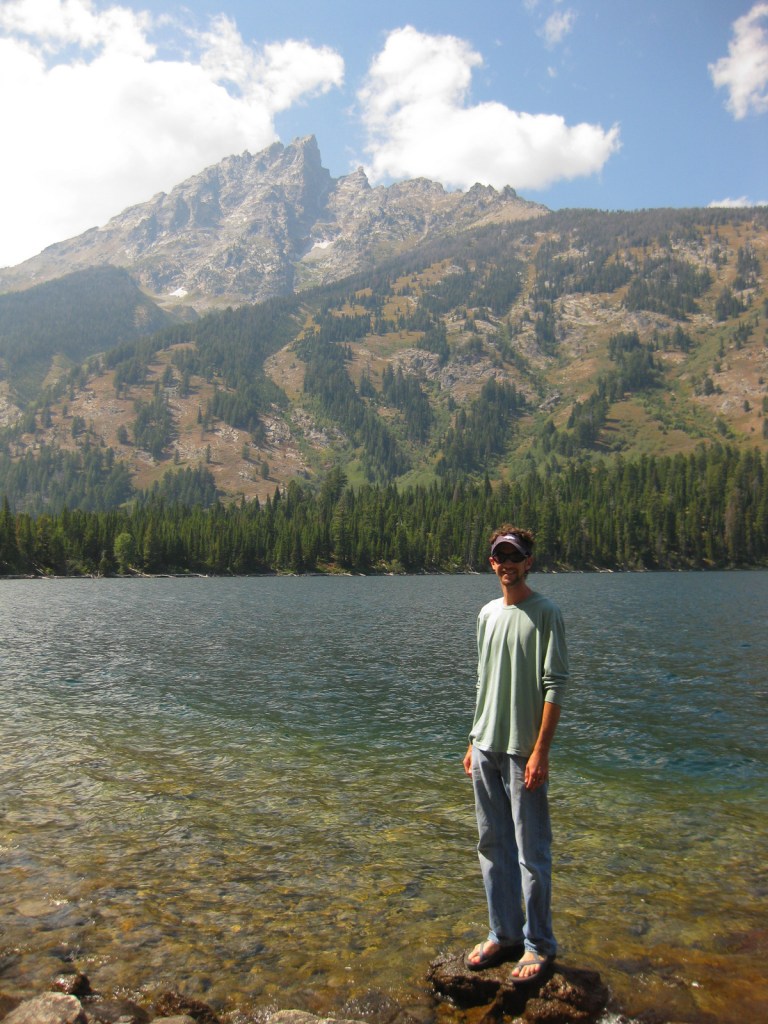
One of our favorite places in the park is Jenny Lake, which sparkles below 12,325-foot Teewinot Peak. This is the trailhead for Cascade Canyon, but there are plenty of activities other than hiking, which include boating, horseback riding, mountain climbing, whitewater rafting, or cross-country skiing in the winter.
Best Trail
You can hike around Jenny Lake to the lake to Hidden Falls and the waterfalls of Cascade Canyon, or you can take the shortcut aboard a shuttle boat (fee). This popular trail can get very busy in the summer, which is true of most of the trails in the park.
Instagram-worthy Photo
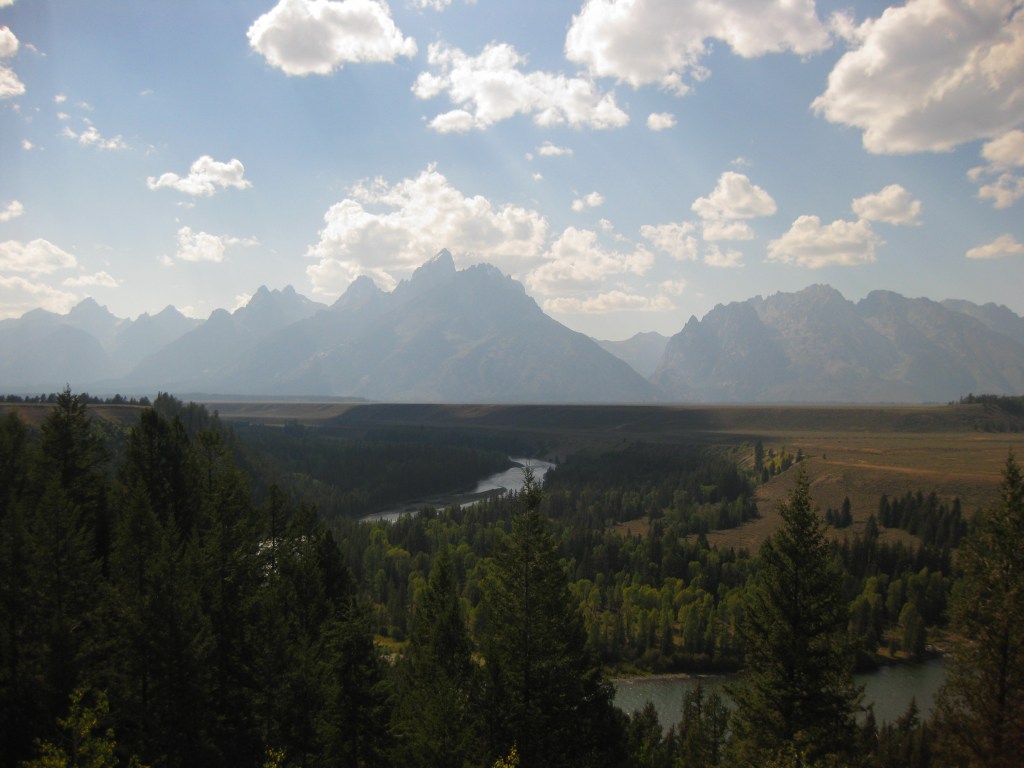
Oxbow Bend Turnout is found along Highway 89/191/287, north of Moran Junction Entrance Station. It overlooks a curve in the Snake River towards the Teton Mountain Range, which is why we chose it for our original logo design (see below).
The only main road that are not paved is the short segment that connects Phelps Lake with Jackson Hole Ski Area, but there are other rough gravel roads that follow the Snake River.
Camping
The first-come, first-served tent-only campsites at Jenny Lake or Signal Mountain are usually full, so you can always try Gros Ventre Campground which has 350 sites and rarely fills up. Reservations for sites with hook-ups are accepted at Colter Bay RV Park and Headwaters at Flagg Ranch, which is just north of the park boundaries on the John D. Rockefeller Jr. Memorial Parkway.
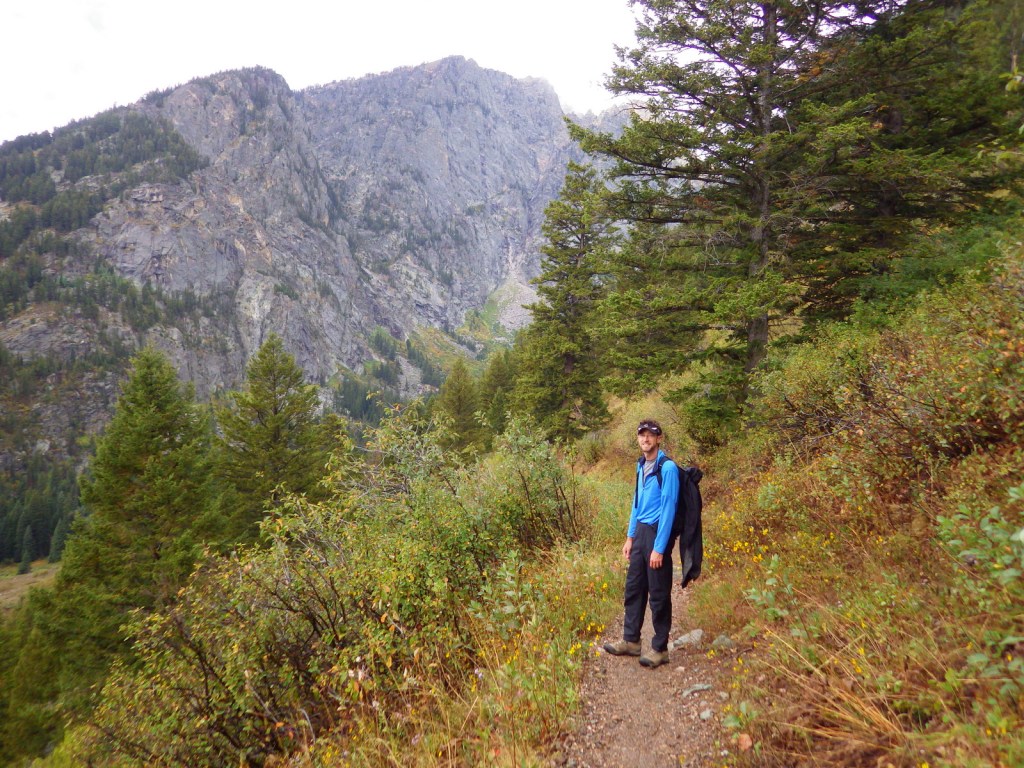
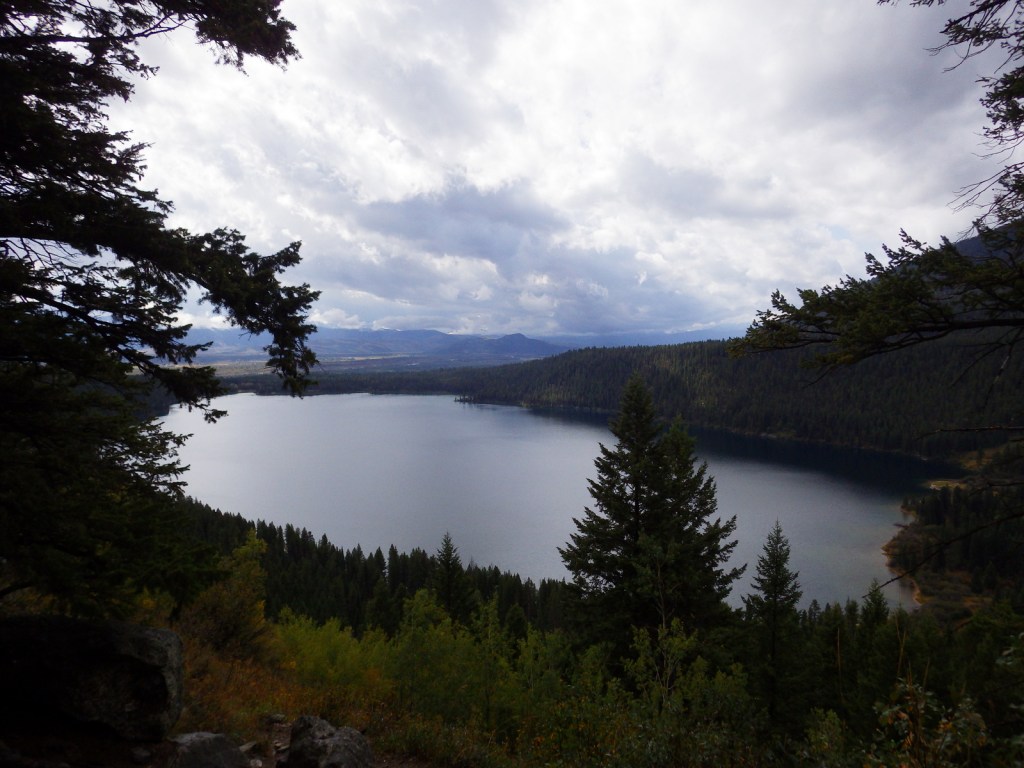
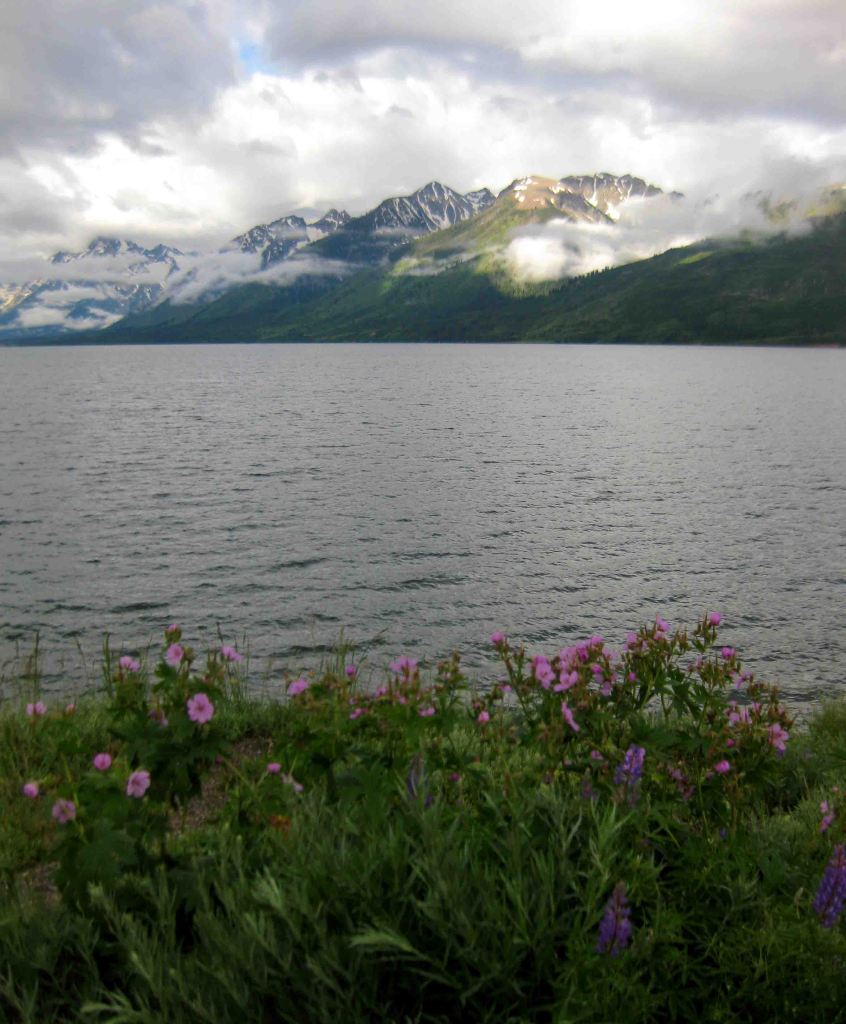
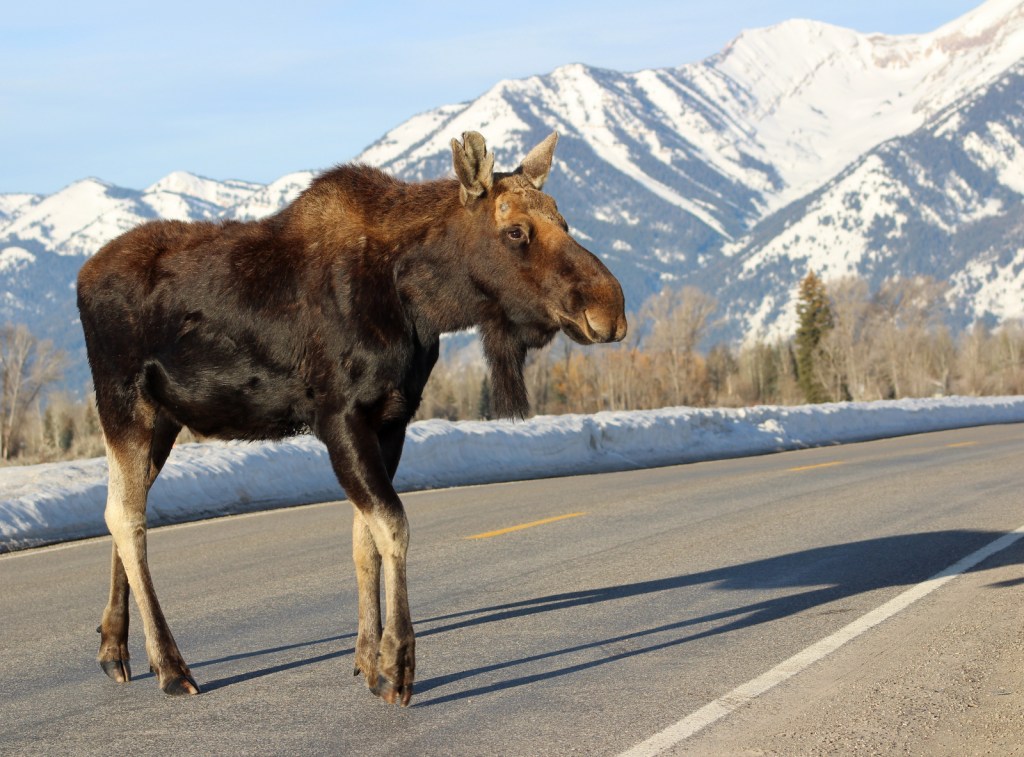
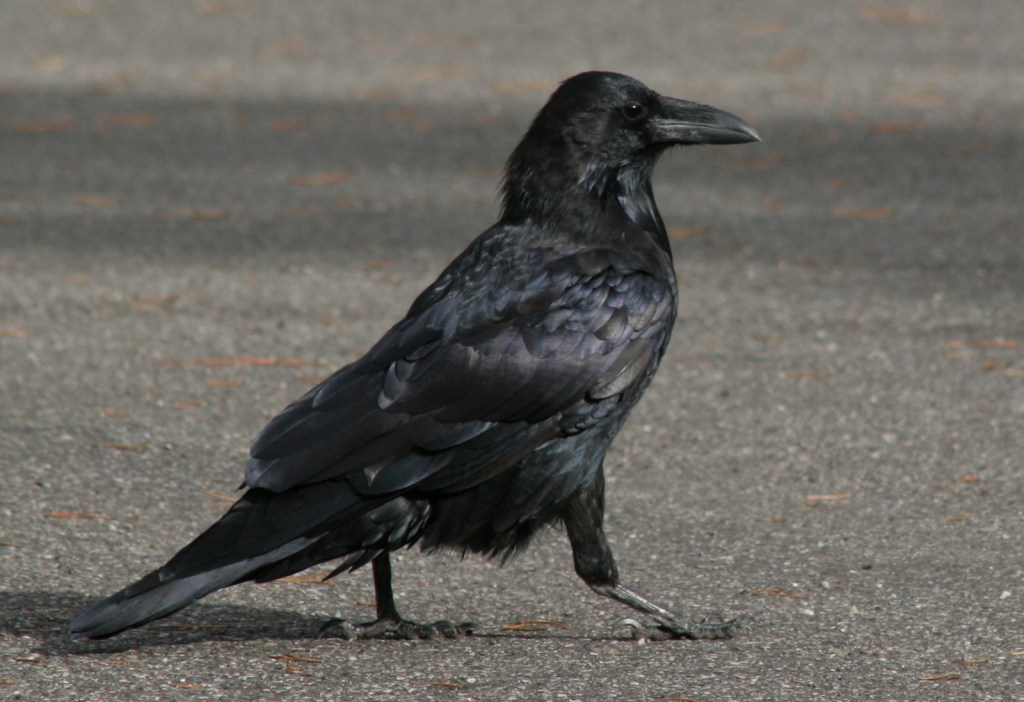
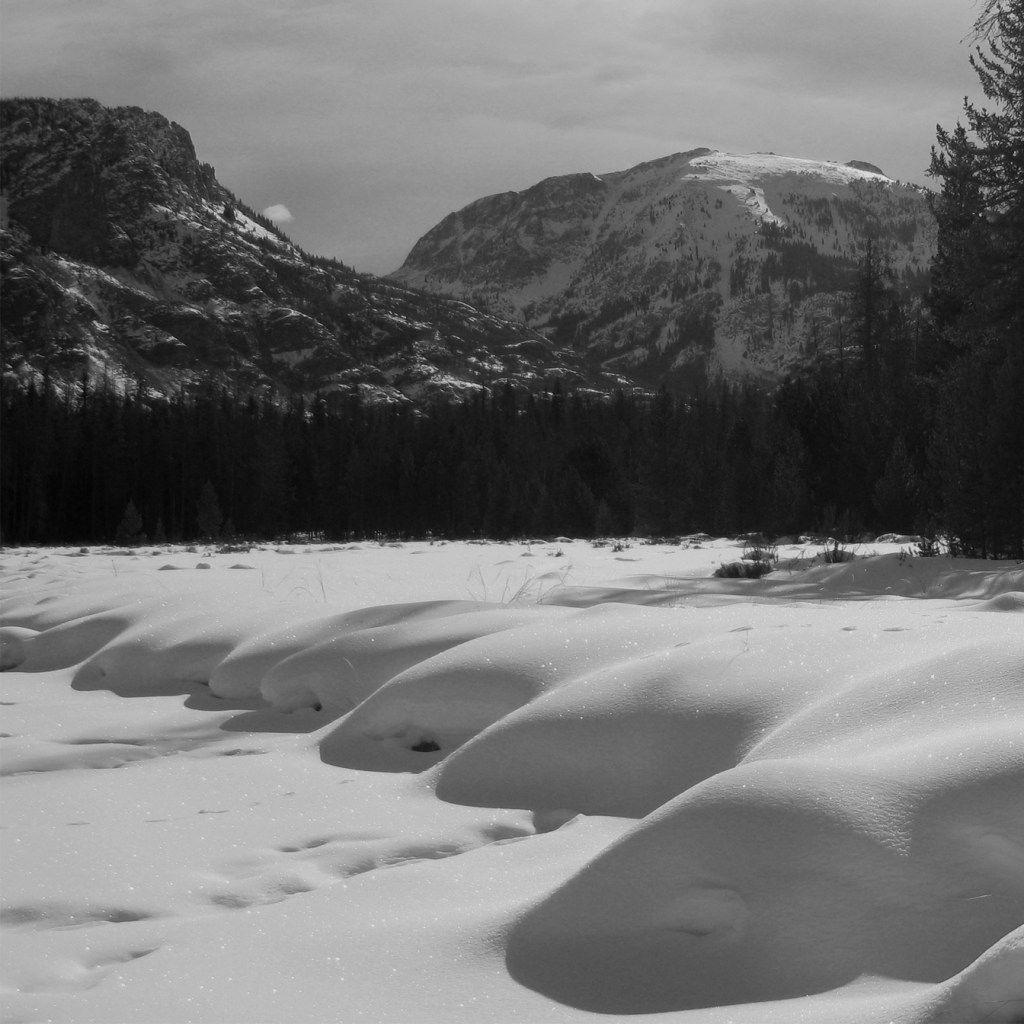
Scott on the trail into Death CanyonPhelps LakeMormon RowScott at Jenny LakeJackson LakeMoose crossing the Moose-Wilson RoadView from Jackson Lake LodgeWinter in the parkRaven about the park
This design we created to celebrate Grand Teton National Park is available on a variety of products at Cafe Press and Amazon.
We wanted to demonstrate how our new guidebook (A Park to Yourself: Finding Adventure in America’s National Parks) is different from this website, so we are providing a sample chapter for Rocky Mountain National Park in Colorado. Here is a link to the Raven About The Parks blog post on the park.
The holidays are coming up, so order A Park to Yourself now on Amazon!
39. Rocky Mountain National Park
Colorado
265,795 acres
Established 1915
4,590,493 visitors in 2018
Overview
This truly is a National Park for
all seasons. In the summer, it is worth
the extra time it takes to drive 11 miles up the unpaved curves of one-way Old
Fall River Road to Alpine Visitor Center at 11,796 feet, then back down Trail
Ridge Road. Elk bulls spar and bugle in
the autumn, when aspen trees briefly turn the mountainsides gold. Winter is a wonderful time for outdoor
recreation here if you are prepared for the icy conditions, even on a short
1.6-mile trip up to Gem Lake just outside of Estes Park, Colorado.
Peak Visitation Months
July (20%) August (18%) June (16%)
September (15%)
Busiest Spots
Bear Lake Trailhead, Alluvial Fan,
Alpine Visitor Center, Longs Peak
Worth The Crowds
Bear Lake Trailhead is the busiest
area in the park. Its huge parking lot
fills up early year round, but a hiker shuttle is available during the
summer. While the trail starts above
9,000 feet elevation, it is only 1.1 miles with a steady ascent up to stunning
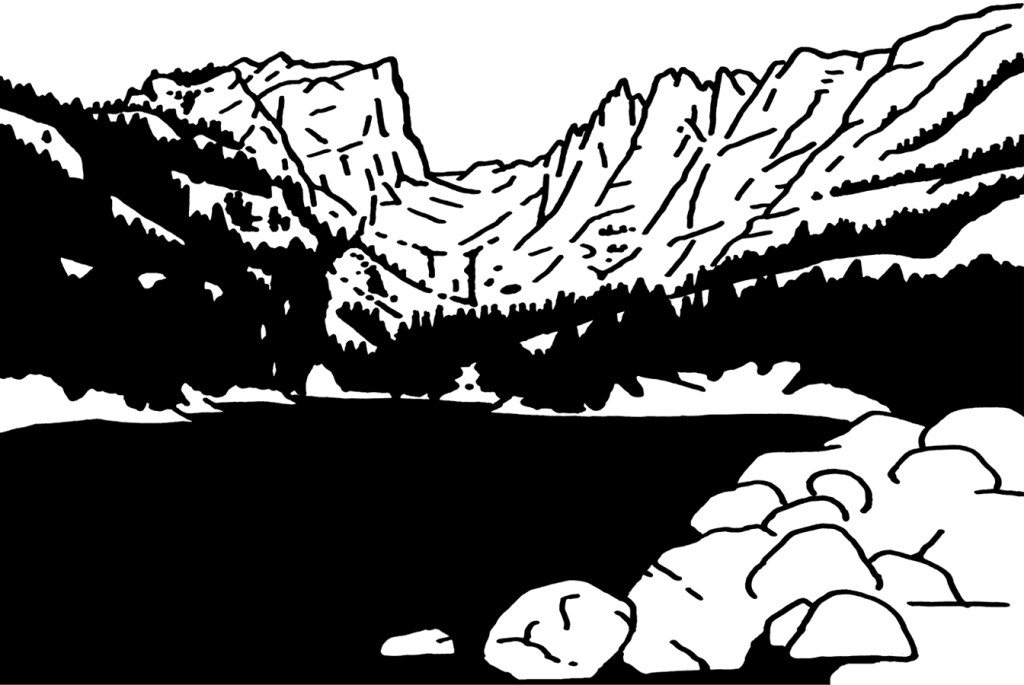
Dream Lake ringed by jagged peaks. From
there, you can continue on to Emerald Lake or take the long loop around to Lake
Haiyaha and Alberta Falls. Even in the
winter, these trails are generally packed enough that snowshoes are not
required.
A Park To Yourself
The western side of the park is
generally less busy throughout the year, but even less so in the winter when it
is cut off after Trail Ridge Road closes each October. Snowshoeing past Adams Falls up the East
Inlet valley is breathtaking when the snow sparkles in the sun and the river
gurgles deep under foot. There are
majestic mountain views once the forest opens up into a spectacular
meadow. Better yet, there is never a fee
required to park at the East Inlet or North Inlet Trailheads.
Iconic Photograph
Around Memorial Day each year, all
48 miles of Trail Ridge Road open to vehicles.
Its high point is at 12,183 feet, the highest elevation reached by a
fully-paved road in the United States.
For much of its length, jagged black mountaintops lined in pure white
snow surround the visitor on all sides.
Our favorite view is looking southwest towards the Gorge Lakes and Mount
Ida from the overlooks at Rock Cut or Forest Canyon parking areas.
Scott’s Favorite Trail
Starting at the small parking lot
at Poudre Lake, it is a steady climb five miles one-way to Mount Ida at 12,880
feet. After a mile, it is less a trail
and more following cairns along the Continental Divide. Needless to say, above timberline there are
first-class views of surrounding mountains.
Elk and bighorn sheep are commonly spotted on the route. From the top you look down on the colorful
Gorge Lakes and far across to Trail Ridge Road.
Tiff’s Favorite Trail
The Dunraven Trailhead is in
Roosevelt National Forest, northeast of Estes Park. From there a trail drops to the canyon bottom
then follows the North Fork of the Big Thompson River 4.4 miles before it
enters the National Park, and backpack camping is allowed without a permit
along this length. The views open up on
the Mummy Range before the trail ends around Lost Lake. You can continue to explore the other lakes
past there, but overnight stays in this area require a permit from the National
Park Service.
Bonus Winter Trail
In the winter months, the road off
Highway 7 to Wild Basin shuts down, but it is still plowed for those entering
on foot. Adding the two mile road length
to any hiking distance makes it about eight miles roundtrip to Calypso
Cascades, which continues to flow beneath the snow and ice. Snowshoes are recommended as this trail sees
much less use than those around Bear Lake.
Camping
There are multiple campgrounds
within the park, but only Glacier Basin is open year round. Several National Forests surround the park
and provide opportunities for dispersed camping, although near Grand Lake it
does get crowded during the summer.
Backpacking
Backpacking permits are required and
designated sites are reservable, including on the Continental Divide National
Scenic Trail. You must still pay the
National Park entry fee, but there is no additional charge to get a permit to
park at the Bowen/Baker Trailhead and camp in the Never Summer Wilderness
outside the park boundaries.
Getting Around
Most of the park roads are paved and
the two-mile long dirt road to Wild Basin Trailhead is well-maintained. A hiker shuttle operates from Beaver Meadows
Visitor Center in the summer. Old Fall
River Road typically does not open until July, but this 11-mile long one-way
dirt road makes a great loop when connected with Trail Ridge Road (open late-May
to October).
Nearby Public Lands
There are no National Park Service
units near this park, but it does border Arapaho National Recreation Area on
the west side. If you are flying in or
out of Denver International Airport, a short detour from Interstate 70 takes
you to Rocky Mountain Arsenal National Wildlife Refuge, which contains bison,
white-tailed deer, pronghorns, prairie dogs, and other animals.
Insider Tip
Estes Park is the gateway town to
the eastern portion of the park. There
are often elk grazing in its neighborhoods and golf courses. While there, we recommend the ghost tour of
the Stanley Hotel, which inspired Stephen King’s The Shining.
Wildlife
In the summer, most of the elk
herds head to high elevation, but other times of year they walk through the
town of Estes Park and congregate near the eastern entrance stations. Rock Cut is a great spot to watch the spastic
wanderings of yellow-bellied marmots and American pikas. Mule deer are found throughout the park, but
moose are more common on the west side.
We commonly see bighorn sheep on Highway 34 through Big Thompson Canyon,
but have never spotted one within the park, even at Sheep Lakes where they come
to lick salt.
Journal Entry
March 2013
We never thought we would have an entire National Park campground to ourselves, but that is exactly what we found at Timber Creek one beautiful March weekend. The ranger could not recall the last campers they had stayed there and it took some work to excavate a site from almost three feet of snow, but it was worth it. Sitting around the campfire that night, the silence was palpable until abruptly pierced by the eerie cries of coyotes that echoed up the valley. Snow camping is not for the faint of heart, but with proper planning we were well prepared for the 15°F temperatures that met us in the morning. On a clear day, the winter scenery in the Rocky Mountains is unsurpassed.
We are a participant in the Amazon Services LLC Associates Program, an affiliate advertising program designed to provide a means for us to earn fees by linking to Amazon.com and affiliated sites.
Start your U.S. National Parks, National Forests, and National Monuments adventure here!



























 Raven About The Parks