Tag Archives: skiing

Carson National Forest

Carson National Forest

New Mexico

Managed by U.S. Forest Service, Southwestern Region

1,490,468 acres (1,391,674 federal/ 98,794 other)

Website: https://www.fs.usda.gov/carson

Overview

Carson National Forest is spread across the Sangre de Cristo Mountains that run 200 miles from northern New Mexico into southern Colorado’s Rio Grande and San Isabel National Forests.  In 1982, the Pennzoil Corporation donated the Valle Vidal Unit (about 100,000 acres) to the Forest Service.  A decade earlier, the Taos Pueblo successfully lobbied to return sacred Blue Lake to the tribe and remove it from Carson National Forest. 

Highlights

Enchanted Circle Scenic Byway, Wheeler Peak, Clayton Pass, Vista Grande, Brazos Ridge Overlook, Canjilon Lakes, Lobo Peak, Echo Amphitheater, Cabresto Lake, Pot Creek Cultural Site, Amole Canyon, Devisadero Loop Trail, Continental Divide National Scenic Trail, Columbine-Twining National Recreation Trail

Must-Do Activity

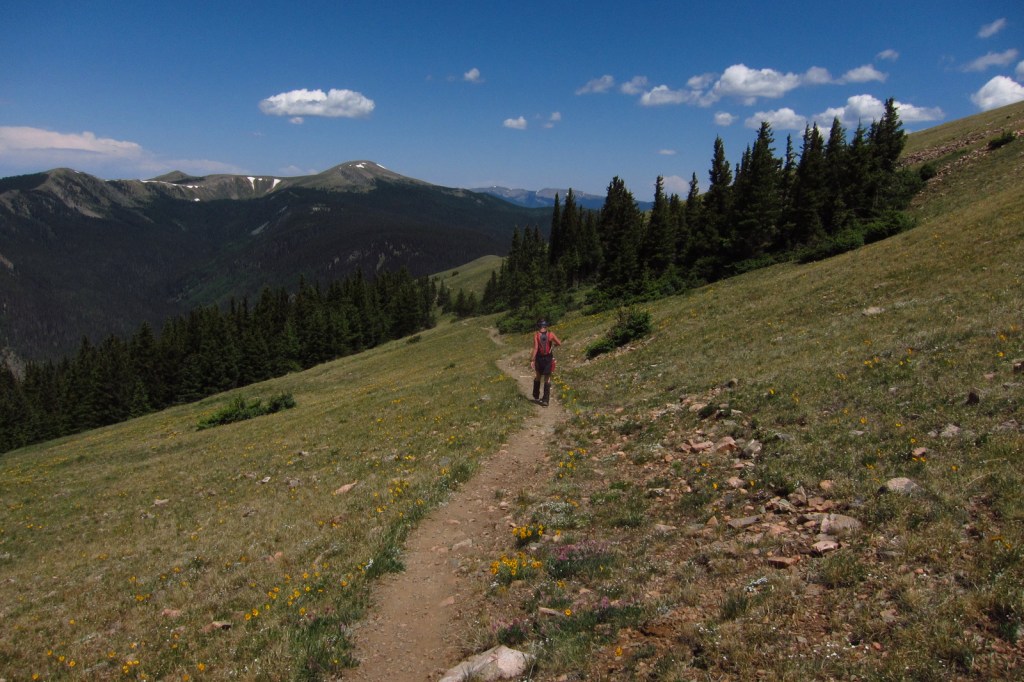
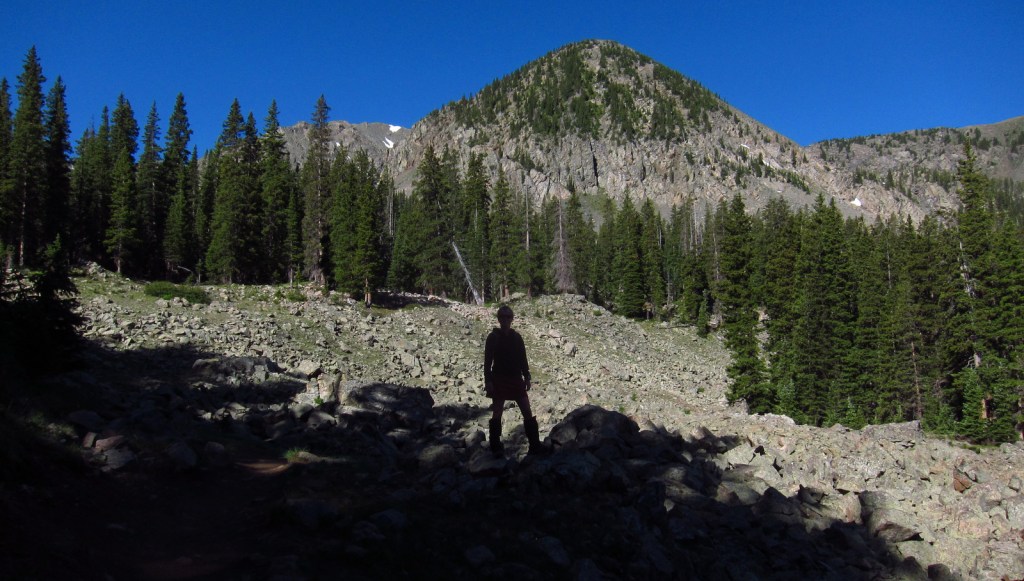
The National Forest contains New Mexico’s highest point (13,161-foot Wheeler Peak) near Taos Ski Valley, one of several ski resorts found here.  The gravel parking lot fills up early on summer weekends, as those looking to summit want to finish before afternoon thunderstorms.  If a 14-mile roundtrip hike with 3,771 feet of elevation gain sounds too strenuous, there are plenty of other trails around Taos Ski Valley listed below.

Best Trail

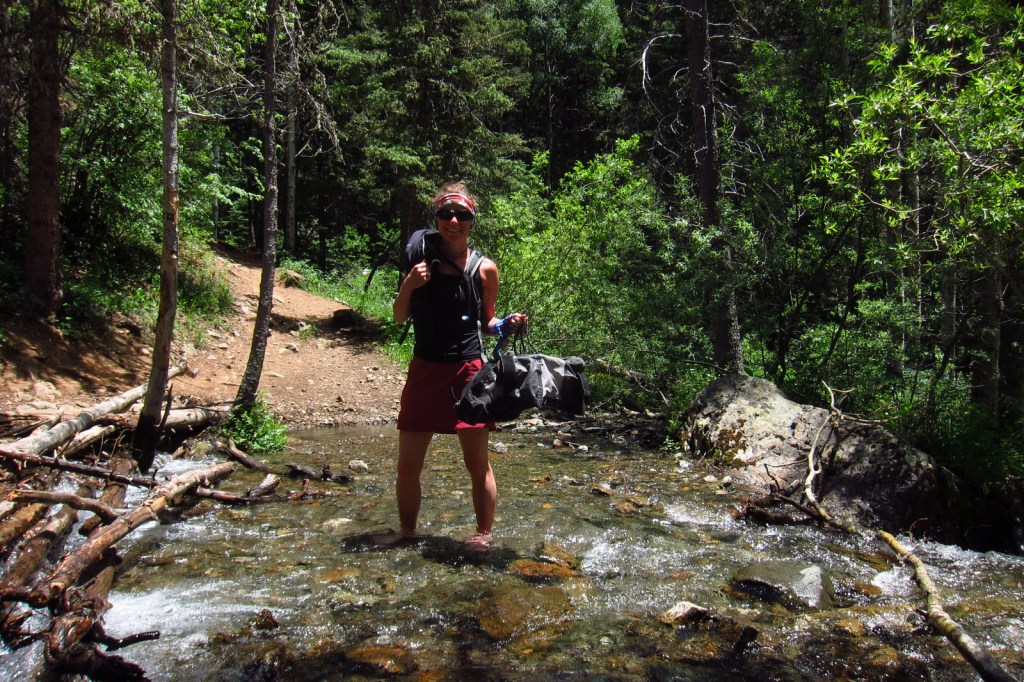
There is an extensive trail system that spiders out from Taos Ski Valley, including several that follow canyon streams and access small mountain lakes.  We recommend the Bull of the Woods Trail if you want to avoid the crowds summiting Wheeler Peak.  Other hiking options in the area include Williams Lake, Long Canyon, Lobo Peak, and Goose Lake.

Watchable Wildlife

Mule deer, elk, pronghorn, and bighorn sheep are large ungulates found in Carson National Forest.  Its carnivores include black bears, coyotes, red foxes, bobcats, and mountain lions.  The National Forest’s lakes and 400 miles of rivers and streams are mostly stocked with native trout species.

Instagram-worthy Photo

Alpine views abound on the hike up to 13,161-foot Wheeler Peak, the highest point in New Mexico.

Peak Season

Summer

Fees

None

Road Conditions

State Highway 150 is paved to Taos Ski Valley except for the very end, which is a good gravel road (as is FR 597 north of Red River).

Camping

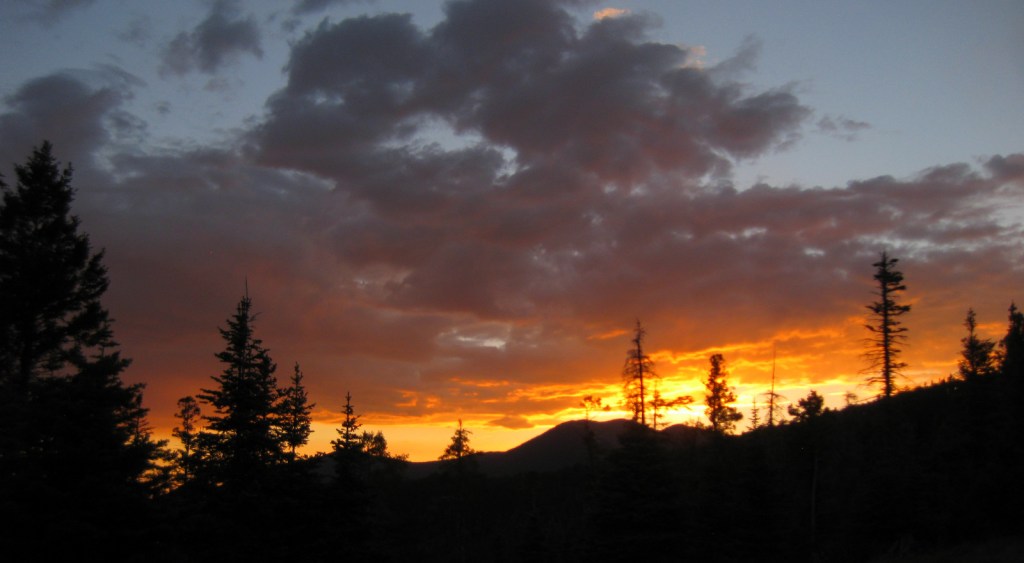
There are many great places to camp in Carson National Forest, with notable areas being Elephant Rock Campground, Hopewell Lake Campground, and several campgrounds around the Canjilon Lakes.  We set up a dispersed camp near a high mountain pass on FR 597 above the town of Red River in the summer.

Wilderness Areas

Chama River Canyon Wilderness (also in Santa Fe National Forest)

Cruces Basin Wilderness

Latir Peak Wilderness

Pecos Wilderness (also in Santa Fe National Forest)

Wheeler Peak Wilderness

Related Sites

Pecos National Historical Park (New Mexico)

Bandelier National Monument (New Mexico)

Fort Union National Monument (New Mexico)

Nearest National Park

Great Sand Dunes

Conifer Tree Species

Engelmann spruce, limber pine, Rocky Mountain bristlecone pine, two-needle pinyon pine, ponderosa pine, Douglas-fir, white fir, subalpine fir

Flowering Tree Species

Gambel oak, quaking aspen, bigtooth maple, boxelder, New Mexico locust, Fremont cottonwood, netleaf hackberry

Explore More – Who was the U.S. President that pushed through Congress the Taos Pueblo appeal to return Blue Lake?

Learn more about Carson and the 154 other National Forests in our new guidebook Out in the Woods

We are a participant in the Amazon Services LLC Associates Program, an affiliate advertising program designed to provide a means for us to earn fees by linking to Amazon.com and affiliated sites.

Angeles National Forest

Angeles National Forest

California

Managed by U.S. Forest Service, Pacific Southwest Region

694,175 acres (668,887 federal/ 25,288 other)

Website: https://www.fs.usda.gov/angeles

Overview

Angeles National Forest is registered as a California Historical Landmark since it became the first protected woodland in the state as the San Gabriel Timberland Reserve in 1891.  It serves as a major recreation destination north of the Los Angeles metropolitan area with 697 miles of hiking trails, several lakes, and two alpine ski areas.  Most of the shrub and tree species are adapted to periodic fire and about one-quarter of the National Forest burned in the 2009 Station Fire and an additional 115,796 acres in the 2020 Bobcat Fire.

Highlights

San Gabriel Mountains National Monument, Saint Francis Dam Disaster National Memorial and Monument, Angeles Crest Highway, Crystal Lake Recreation Area, Mt. Wilson Observatory, Bouquet Reservoir, Mt. Baldy, San Antonio Falls, Gabrielino National Recreation Trail, High Desert National Recreation Trail, Pacific Crest National Scenic Trail

Must-Do Activity

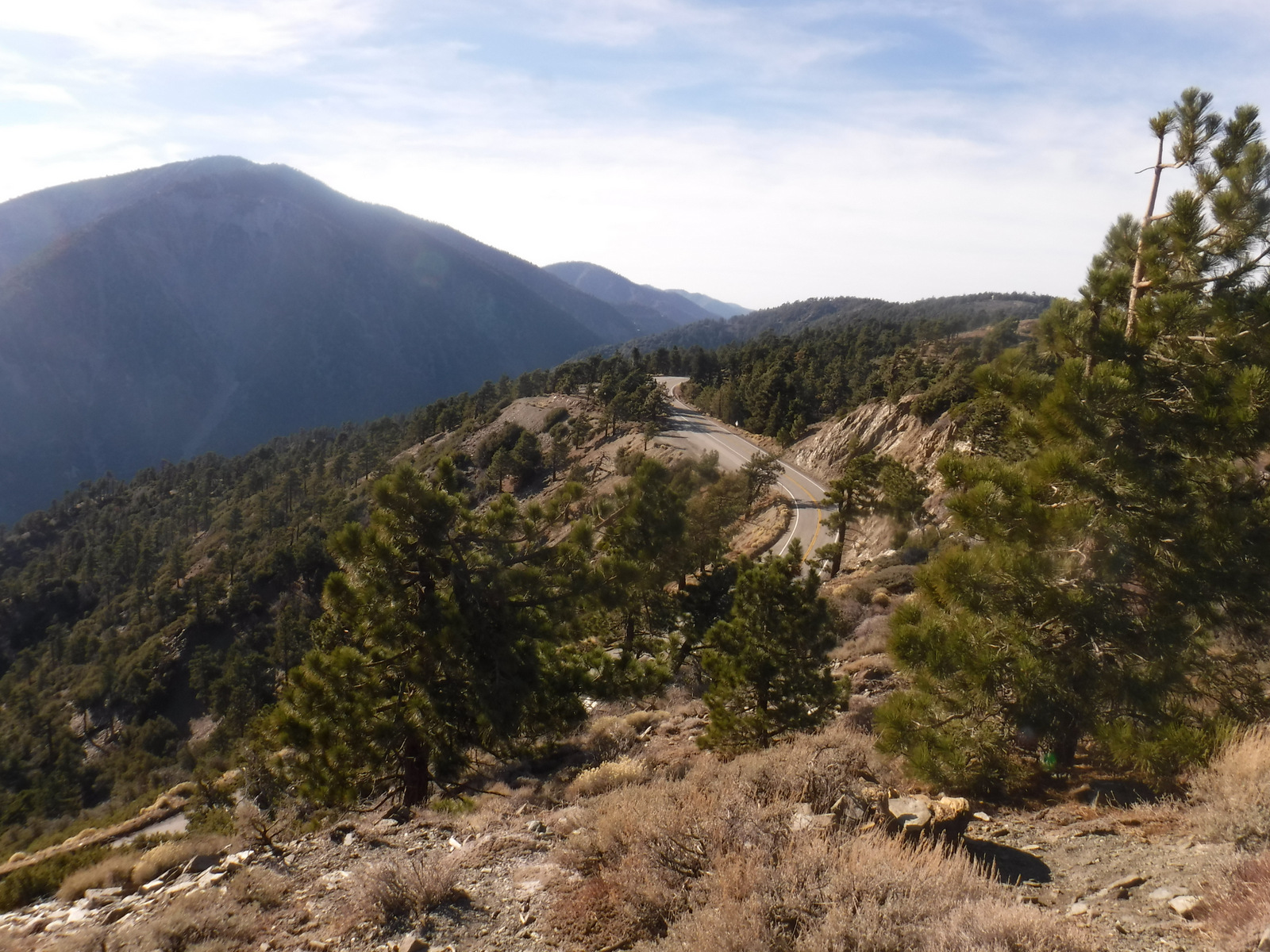
Angeles Crest Highway (Highway 2) cuts through the San Gabriel Mountains National Monument, established in 2014.  Coming from the east, a good place to start is the Big Pines Visitor Center or the Grassy Hollow Visitor Center, both of which have short interpretive trails with signs identifying local species.  Further west, Saint Francis Dam Disaster National Memorial and Monument (est. 2019) commemorates the tragedy that cost at least 431 people their lives in 1928.  Watch in the coming weeks for blog posts specifically detailing these two National Monuments.

Best Trail

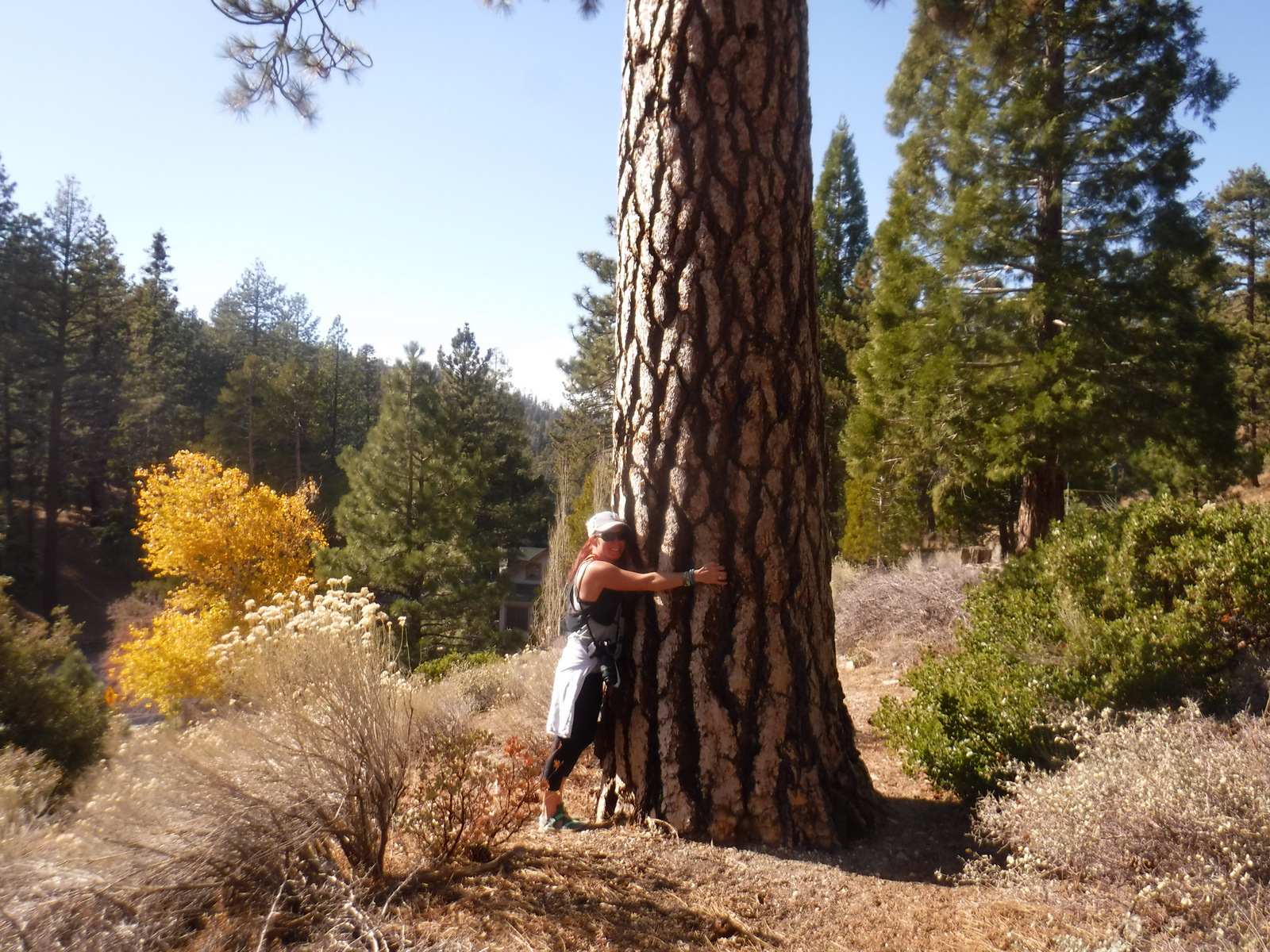
Across from Inspiration Point on Highway 2, there is a parking lot for Lightning Ridge Nature Trail.  The half-mile loop trail offers great panoramas of the surrounding mountains.  It even includes a portion of the 2,600-mile Pacific Crest National Scenic Trail.  Along the trail, my wife and I stopped to sniff the orange, platy bark of a Jeffrey pine for its pleasant vanilla scent, which brought back memories of our time spent living in California. 

Watchable Wildlife

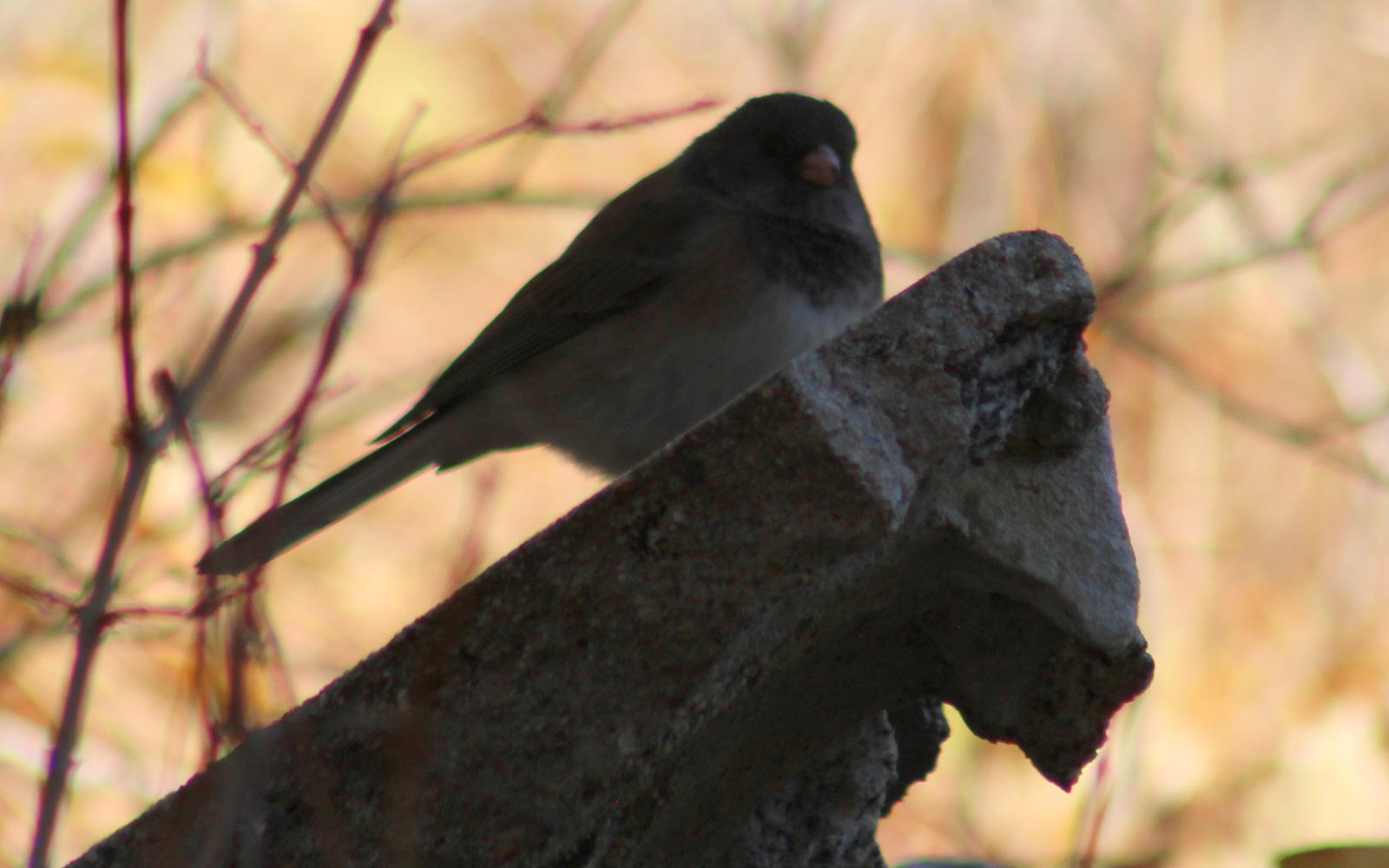
On our November visit, we first saw a western gray squirrel with an incredibly poofy tail atop the Big Pines Visitor Center.  On the Big Pines Interpretive Trail, we spotted dark-eyed juncos and Steller jays flitting about.  Despite its proximity to the city, there are even black bears, mountain lions, and bobcats in this National Forest.  You are more likely to come across coyotes, gray foxes, or mule deer.

Instagram-worthy Photo

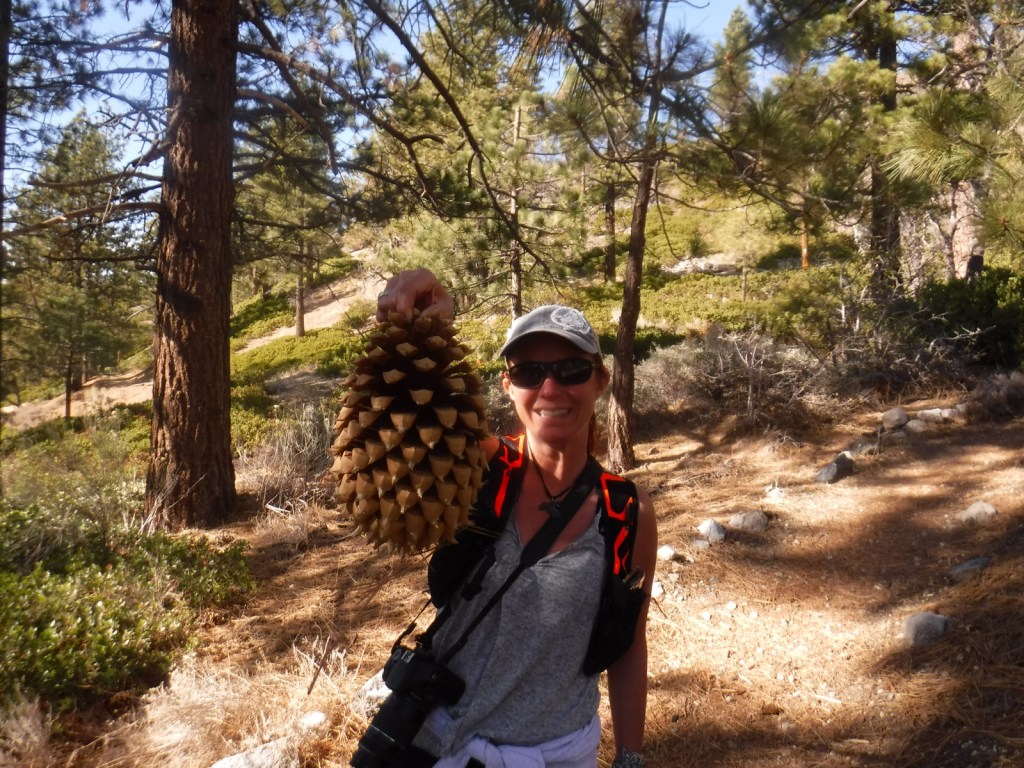
Many species commonly found in this National Forest are endemic to this region and grow nowhere else on Earth, including Coulter pine (famous for its massive pinecones that weigh up to 11 pounds).

Peak Season

Spring and fall

Fees

An Adventure Pass is required to park at many trailheads.  The Forest Service also accepts all America the Beautiful Passes, which can be also used at National Park Service sites.

Road Conditions

The paved Angeles Crest Highway cuts through San Gabriel Mountains National Monument and it used to go through to Glendale, but closed due to damage from the 2020 Bobcat Fire.

Camping

There are many campgrounds in the National Forest, but we did not see any great places to do dispersed car camping when we drove through different portions of it (although we did not drive any dirt roads which is where they typically are found).

Wilderness Areas

Cucamonga Wilderness (also in San Bernardino National Forest)

Magic Mountain Wilderness

Pleasant View Ridge Wilderness

San Gabriel Wilderness

Sheep Mountain Wilderness (also in San Bernardino National Forest)

Related Sites

Pinnacles National Park (California)

Santa Monica Mountains National Recreation Area (California)

César E. Chávez National Monument (California)

Nearest National Park

Channel Islands (California)

Conifer Tree Species

incense-cedar, bigcone Douglas-fir, Jeffrey pine, Coulter pine, knobcone pine, gray pine, lodgepole pine

Flowering Tree/Shrub Species

California black oak, canyon live oak, California walnut, serviceberry, western mountain-mahogany, California coffeeberry, cup-leaf ceonothus, flannel bush, Parry’s manzanita

Explore More – How long are the Gabrielino and High Desert National Recreation Trails?

Top 10 National Parks for Winter Recreation

Most of the 63 National Parks in snowy areas close their roads over the winter, but this allows for a variety of different recreation opportunities, including snowshoeing, cross-country skiing, snowmobiling, dog sledding, and snow biking.  There are several National Parks that are actually best to visit in winter to avoid the heat (like Everglades and Saguaro), but this ranking focuses on those where snow adds to the experience.  Click here to see all of our Top 10 Lists.

10. Lassen Volcanic (California)

Winter lasts so long in this park, you might find you need snowshoes in July

9. Grand Teton (Wyoming)

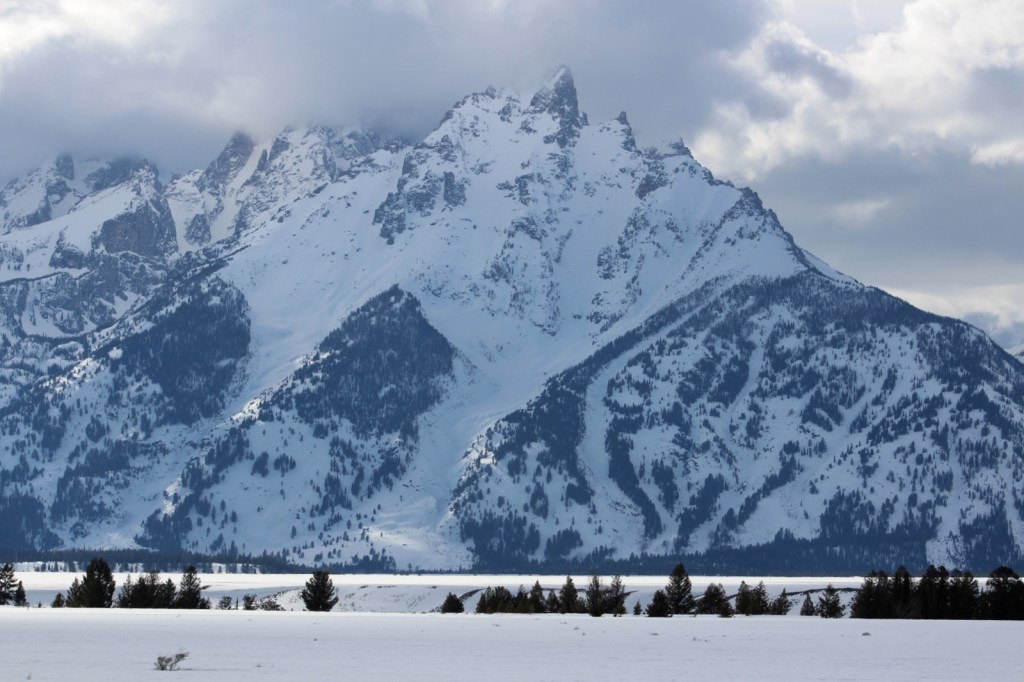
When the park roads close, they become cross-country skiing and moose traveling routes

8. Mount Rainier (Washington)

Plows make sure the popular snow play area at Paradise is always accessible

7. Bryce Canyon (Utah)

It snows often at 7,000 feet in elevation, making the hoodoo formations even more beautiful

6. Denali (Alaska)

Dog sledding is how the National Park Service (NPS) rangers get around during the long winter

5. Voyageurs (Minnesota)

Ice fishing is such a draw when these lakes freeze over that the NPS even maintains an ice road

4. Rocky Mountain (Colorado)

It is possible that the trailhead at Bear Lake is actually busier in the winter (also try the Wild Basin area)

3. Crater Lake (Oregon)

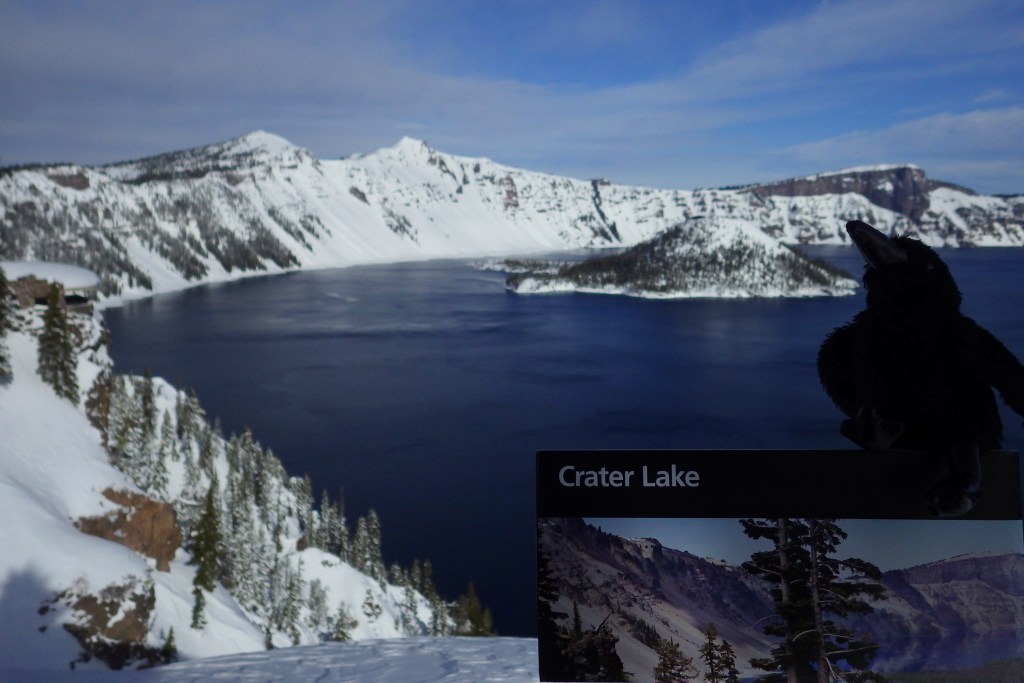
The lake is never prettier than when surrounded by snow and the entry road is plowed year round

2. Sequoia (California)

The orange bark of giant sequoia seems to glow when surrounded by snow

…and finally the #1 National Park Service site for winter recreation:

1. Yellowstone (Wyoming-Montana-Idaho)

Take a snow coach or snowmobile to the Winter Lodge at Old Faithful for a “bucket-list” experience

Honorable Mentions

Acadia (Maine)

The park’s 45 miles of carriage roads are ideal cross-country ski routes

Mesa Verde (Colorado)

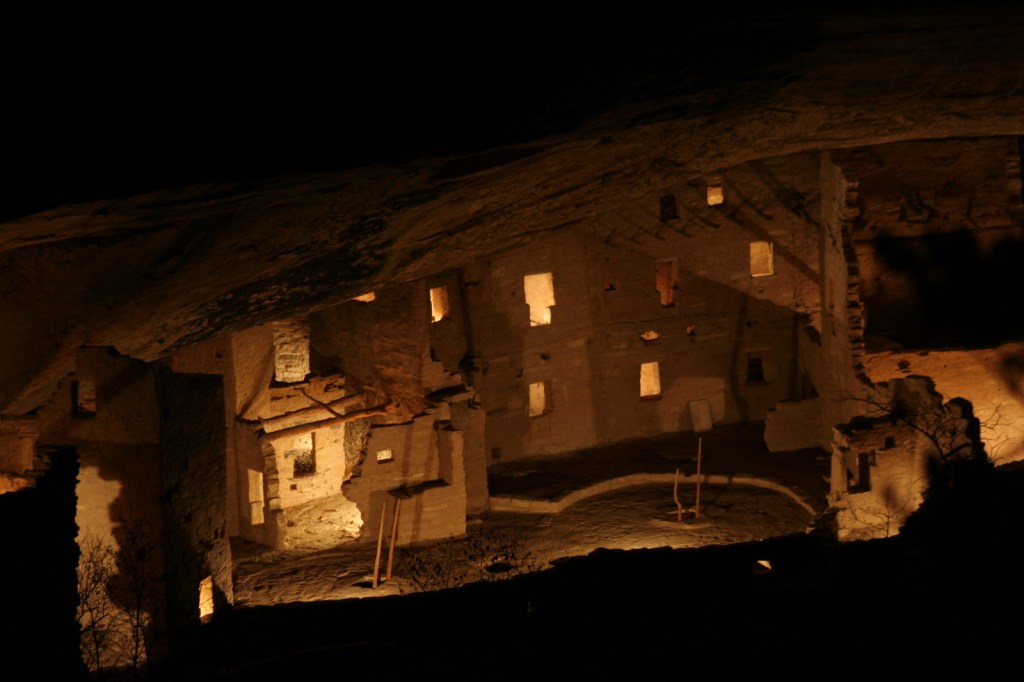
Tours end in the winter, but we included it specifically for the one night in December when the NPS lights luminaries in the ruins

Kenai Fjords (Alaska)

There is a public use cabin located down the road to Exit Glacier open to snowmobilers by reservation

Badlands (South Dakota)

Nothing in this park really closes in the winter, but we think the formations are even prettier in snow

We are a participant in the Amazon Services LLC Associates Program, an affiliate advertising program designed to provide a means for us to earn fees by linking to Amazon.com and affiliated sites.
Crater Lake National Park

Overview

Formed by a cataclysmic volcanic eruption about 8,000 years ago, Crater Lake National Park protects a nearly round caldera about five miles in diameter.  It is the deepest lake in the country at 1,943 feet, which is a major reason why in 1902 it was named the sixth National Park in the U.S.  When we first visited back in July 2010 most of Rim Drive was still closed due to snow, but in July 2014 there was little snow to be found anywhere.

For Learn more in our guidebook to the National Parks, A Park to Yourself: Finding Adventure in America’s National Parks (available on Amazon).

Highlights

Rim Village, Cleetwood Trail, Cloudcap Overlook, Castle Crest Wildflower Trail, Mount Scott

Must-Do Activity

That very first view you get from the rim is so overwhelming that it is worth whatever effort you have to put in to arrive there.  Bring a coat, though, since at this high elevation we are pretty sure it can snow any month of the year.  Crater Lake has no inlets or outlets and its crystal-clear waters were fish free until some were introduced in the early 1900s.  The only way to get on the water is to hike down the steep one-mile Cleetwood Trail to a boat run by a park concessionaire.  Make sure you have purchased your ticket beforehand or you will be hiking back up to get one. 

Best Trail

We enjoyed the short but colorful Castle Crest Wildflower Trail, as well as the Pinnacles Overlook Trail where fossilized fumaroles mimic the conical shape of conifers.

Instagram-worthy Photo

Pictures truly do not do Crater Lake justice, but stop along Rim Drive to get a closer look at Wizard Island and the Phantom Ship, the only two islands that emerge from the lake.

Peak Season

Late summer

Hours

https://www.nps.gov/crla/planyourvisit/hours.htm

Fees

$30  per vehicle or America the Beautiful pass, but no entry fee in winter

Road Conditions

While some roads are closed most of the year, the National Park Service (NPS) plows the main entry road year round.  Bring your snowshoes!

Camping

The NPS manages two campgrounds in summer (although smaller Lost Creek only allows tent camping), or you can head to the neighboring National Forests for developed and dispersed campsites.

Related Sites

Oregon Caves National Monument and Preserve (Oregon)

John Day Fossil Beds National Monument (Oregon)

Mount Rainier National Park (Washington)

This design we created to celebrate Crater Lake National Park is available on a variety of products at Cafe Press and Amazon.

Explore More – What was the name of the vast volcano that existed here before it collapsed nearly 7,700 years ago?

We are a participant in the Amazon Services LLC Associates Program, an affiliate advertising program designed to provide a means for us to earn fees by linking to Amazon.com and affiliated sites.

Cuyahoga Valley National Park

Overview

If you did not know there was a National Park in Ohio it is understandable since Cuyahoga Valley National Park was not officially designated until 2000.  It is centered around the historic Ohio and Erie Canal, which opened in 1827 to connect Akron to the port of Cleveland on Lake Erie.  Cuyahoga is an American Indian word meaning “crooked” and you will see why if you walk or bike down the 19-mile Towpath Trail where mules once pulled line boats through a series of locks (be sure to stop at Canal Visitor Center at Lock 38).  If you plan it right, you can take your bike on board the Cuyahoga Valley Scenic Railroad for a cheap one-way ride.

Learn more in our guidebook to the National Parks, A Park to Yourself: Finding Adventure in America’s National Parks (available on Amazon).

Highlights

Brandywine Falls, Lock 38, Hunt Farm, Everett Road Covered Bridge, Gorge Parkway

Must-Do Activity

In the park’s southern end near Akron-Canton, you will find a great blue heron rookery and beaver marsh along the crooked Cuyahoga River.  In the central section, you must stop to see the cascades of Brandywine Falls (see it depicted below in our original logo).  Closer to Cleveland, discover the Bedford Reservation along Gorge Parkway, including beautiful Bridal Veil Falls.  For a little culture in the outdoors, look up the summer schedule for Blossom Music Center or Porthouse Theatre.  Fall is an especially popular time to visit when the leaves change, but with over 100 miles of trails within the park, there is plenty to explore in every season.

Best Trail

We highly recommend a hike on the two-mile Ledges Loop Trail where mossy sandstone cliffs are cloaked by a dense forest of hemlock and hardwood trees.  Once a popular destination on the trail, Ice Box Cave is closed to protect the resident bat population, but similar spots nearby still offer a chance for exploration.

Instagram-worthy Photo

In the southern end of the park, Everett Road Covered Bridge has been rebuilt to demonstrate this once common construction method.

Peak Season

Fall

Hours

https://www.nps.gov/cuva/planyourvisit/hours.htm

Fees

None

Road Conditions

All roads paved

Camping

There is no official campground in the park, but there are a variety of other lodging options including the historic Inn at Brandywine Falls.
Related Sites

Allegheny Portage Railroad National Historic Site (Pennsylvania)

James A. Garfield National Historic Site (Ohio)

First Ladies National Historic Site (Ohio)

This design we created to celebrate Cuyahoga Valley National Park is available on a variety of products at Cafe Press and Amazon.

Explore More – Who manages the Hale Farm and Village where costumed re-enactors bring history to life?

We are a participant in the Amazon Services LLC Associates Program, an affiliate advertising program designed to provide a means for us to earn fees by linking to Amazon.com and affiliated sites.