Tag Archives: Scenic Byway

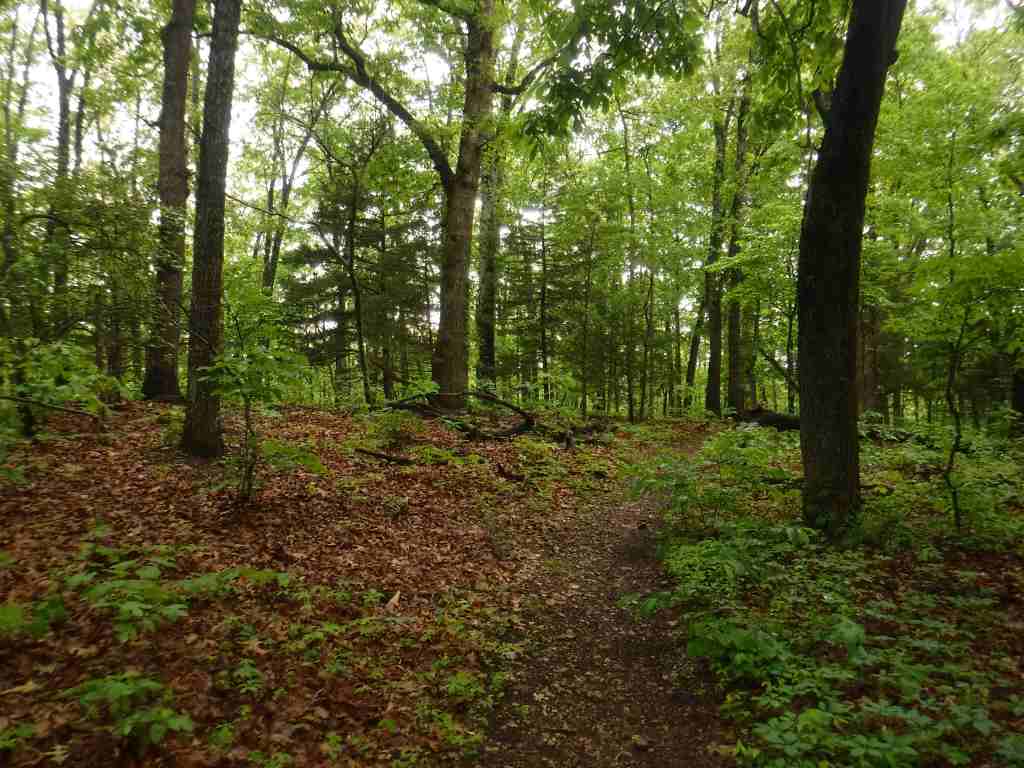
Mark Twain National Forest

Mark Twain National Forest

Missouri

Managed by U.S. Forest Service, Eastern Region

3,012,464 acres (1,491,840 federal/ 1,520,624 other)

Website: https://www.fs.usda.gov/r09/marktwain

Overview

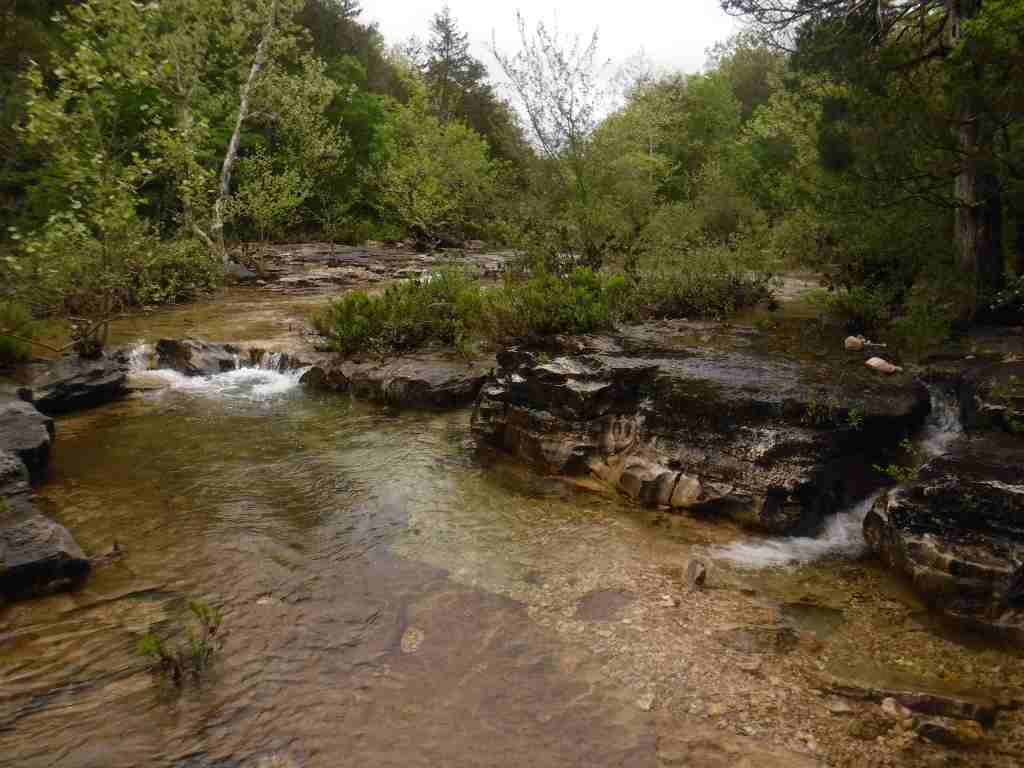
In the 1970s, the more northerly Clark National Forest in Missouri was administratively combined with Mark Twain National Forest, encompassing 11% of the state’s forests across 29 counties.  Much of the forest was planted by the Civilian Conservation Corps (CCC), with their work still visible at the Rolla Ranger Station and Winona Ranger Station Historic Districts.  Spread across nine separate units throughout southern Missouri’s Ozark Mountains, Mark Twain National Forest’s Karst topography is full of caves, sinkholes, streams, and springs.  Greer Spring is the second largest in Missouri with a daily flow of 222-million gallons as it drains 1.25 miles into the Eleven Point National Scenic River.  Greer Spring is accessible by a one-mile trail downhill from Highway 19, but no fishing or wading is allowed.

Highlights

Glade Top Trail Scenic Byway, Blue Buck Knob Scenic Byway, Greer Spring, Table Rock Lake, Council Bluff Recreation Area, Overcup Oak Sink, Silver Mine Recreation Area, Bellevue Trail, Cedar Creek Trail, Devil’s Backbone Trail, Ridge Runner National Recreation Trail, Big Piney Trail, Ozark Trail

Must-Do Activity

Most trails in Mark Twain National Forest are open to hikers, mountain bikers, and equestrians, including Ridge Runner National Recreation Trail that totals 33 miles.  Two areas at Chadwick and Sutton Bluff are designated for ATV, UTV, and motorcycle use.  Fishing is a popular activity on the Eleven Point National Scenic River and numerous lakes, like Noblett Lake and Table Rock Lake.  There are so many recreation areas spread around this massive National Forest, it is impossible to cover them all here.  We recommend you start with one of the spots listed under Highlights above.

Best Trail

Mark Twain National Forest has several long trails that explore its 78,000 acres of Wilderness areas, including sections of the 350-mile Ozark Trail.  Northeast of Branson, Hercules-Glades Wilderness protects 12,413 acres of forested hillsides, limestone outcroppings, and glades of native grasses.  There are three trailheads on the edge of the Wilderness, but we chose Blair Ridge because of its paved access 5.3 miles off Highway 160.  From a small roadside parking area, the trail follows a ridgeline for 1.2 miles to some excellent backpacking campsites that overlook the countryside before it drops 600 feet in the next mile.  At that point the trail intersects with Coy Bald Trail, which can be taken a short distance to a small scenic waterfall on Long Creek.

Watchable Wildlife

The Ozark Mountains provide habitat for common eastern species like white-tailed deer, wild turkeys, gray squirrels, cottontail rabbits, red foxes, and raccoons.  You may also encounter venomous copperheads, timber rattlesnakes, and pygmy rattlesnakes.  The oak savannahs are home to several endemic plants, as well as prickly pear cacti and animals more associated with the Southwest U.S., like roadrunners, collared lizards, scorpions, and tarantulas.  Gamefish include smallmouth bass, largemouth bass, rock bass, walleye, and rainbow trout.

Photographic Opportunity

Between Jefferson City and Columbia, Pine Ridge Recreation Area accesses Cedar Creek Trail, which has multiple trailheads and four loops totaling 36 miles.

Peak Season

Spring and fall

Fees

There are day use fees at several sites, including $5 at Noblett Lake and $2 at Blue Hole Trailhead and North Fork Recreation Area

Road Conditions

Many of the curvy back roads in Mark Twain National Forest are paved, such as Blair Ridge that led to a trailhead 5.3 miles off Highway 160.  There are likely some rough unpaved roads in the Ozarks, so check road conditions before departing.

Camping

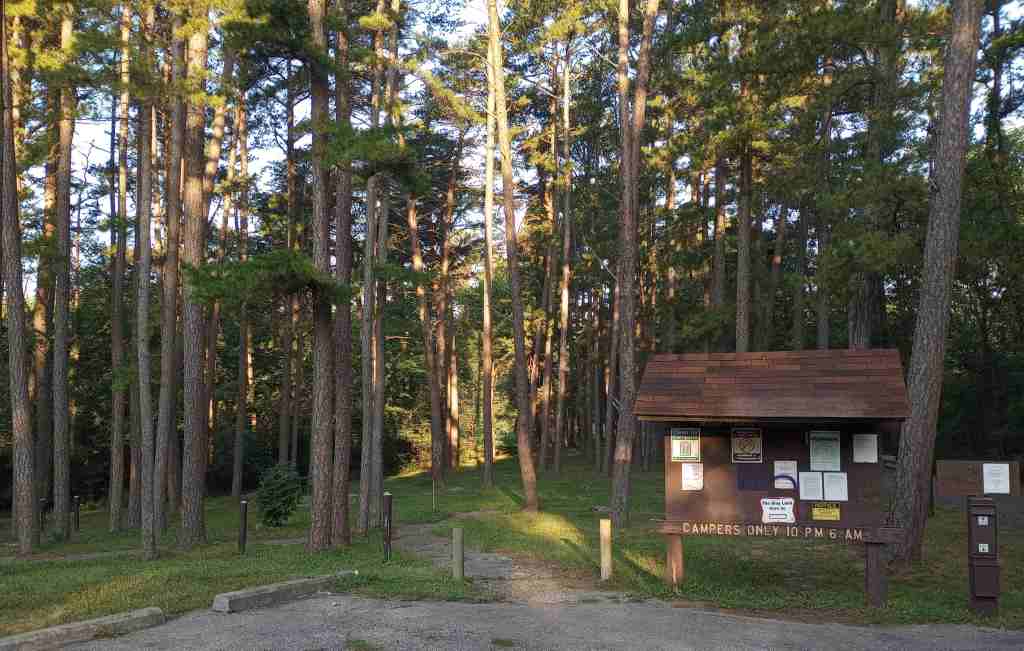
There are numerous campgrounds in Mark Twain National Forest, although it can be harder to find good dispersed campsites due to the proximity to private land.  In the northernmost area outside Columbia, we paid to camp in the quiet Pine Ridge Recreation Area.  On the edge of the Hercules-Glades Wilderness at the Hercules Tower (with restrooms) and Coy Bald Trailheads, there are a handful of car camping sites for free. 

Wilderness Areas

Bell Mountain Wilderness

Devils Backbone Wilderness

Hercules-Glades Wilderness

Irish Wilderness

Paddy Creek Wilderness

Piney Creek Wilderness

Rockpile Mountain Wilderness

Related Sites

Ozark National Scenic Riverways (Missouri)

George Washington Carver National Monument (Missouri)

Ozark National Forest (Arkansas)

Nearest National Park
Gateway Arch

Conifer Tree Species

shortleaf pine, eastern redcedar

Flowering Tree Species

sweetgum, water tupelo, sugar maple, red maple, boxelder, honeylocust, Ohio buckeye, red buckeye, black cherry, sassafras, persimmon, Kentucky coffee tree, black gum, blackjack oak, Nuttall oak, overcup oak, white oak, black oak, scarlet oak, post oak, black hickory, shagbark hickory, mockernut hickory, bitternut hickory, brookside alder

Explore More – Mark Twain National Forest’s Greer Spring is the second largest natural spring in Missouri, so which one is in first place?

Learn more about this and the 154 other National Forests in our new guidebook Out in the Woods

Manti National Forest

Manti National Forest

Utah

Managed by U.S. Forest Service, Intermountain Region

735,358 acres

Website: https://www.fs.usda.gov/r04/manti-lasal

Overview

Manti Forest Reserve dates back to 1903, becoming a National Forest four years later and expanded in 1915 with the addition of Nebo National Forest.  Despite being separated by more than 100 miles, Manti and La Sal National Forests were combined in 1949, an early example of improved bureaucratic efficiency by the Forest Service.  Due to this longstanding association, it can be difficult to find information for the more northerly Manti National Forest alone.  Manti National Forest covers much of the Wasatch Plateau and also manages the busy Maple Canyon Trail system (technically in Uinta National Forest).

Highlights

Energy Loop, Skyline, Eccles Canyon, Drive Scenic Backway, Stuart Guard Station National Historic Site, Electric Lake, Nelson Mountain, Maple Canyon, Fish Creek National Recreation Trail, Left Fork of Huntington Creek National Recreation Trail

Must-Do Activity

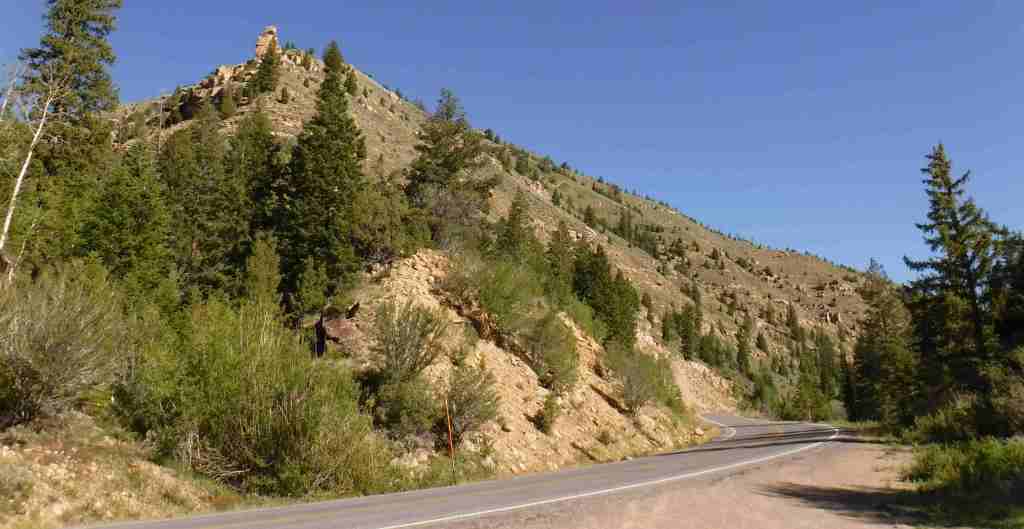
Many visitors to Manti National Forest drive the Energy Loop, named for Utah’s coal country, which partially follows the paved Huntington and Eccles Canyons Scenic Byway.  Campgrounds, historic sites, reservoirs, trails, and trout streams are all accessible along the 86-mile drive.  The more adventurous can take on the unpaved Skyline Drive Scenic Backway that climbs the Wasatch Plateau.  This 58-mile route has many side roads popular with ATV and OHV drivers, and it is open to snowmobiles in the winter. 

Best Trail

Easily accessible from the Energy Loop drive, the six-mile long Left Fork of Huntington Creek National Recreation Trail follows the canyon gaining 847 feet in elevation.  It can be completed one-way downhill from Miller Flat Trailhead by leaving a vehicle at Forks of Huntington Campground.  Despite a wildfire on the south canyon wall and subsequent erosion, the creek remains a good fishing spot, especially the lower half-mile that has interpretive signs on hydrology for children.  The trail can also be joined with Horse Canyon, Scad Valley, and Mill Canyon Trails to form longer loops, but a vehicle shuttle would still be necessary to avoid walking the highway.  Nearby, Fish Creek National Recreation Trail is ten miles long and open to travel by foot, horse, and bicycle.

Watchable Wildlife

The Wasatch Plateau rises from 5,000 to over 10,000 feet in elevation, and its vertical escarpments and subalpine lakes support a diversity of habitats.  Huntington Creek is one of the premiere fly-fishing streams in Utah.  Joe’s Valley is a 1,200-acre reservoir that offers fishing for splake, and allows motor boats (as does Electric Lake).  Large mammals found here include black bears, mountain lions, bobcats, coyotes, elk, mule deer, and pronghorns.  Birds of Manti National Forest include bald eagles, golden eagles, northern goshawks, turkey vultures, wild turkeys, common ravens, and various species of owls and woodpeckers. 

Photographic Opportunity

Fremont cottonwood trees are named for explorer John C. Fremont and this riparian species is an indicator of permanent subsurface water, with trunks that can reach more than four feet in diameter.

Peak Season

Spring and fall

Fees

None

Road Conditions

The Huntington and Eccles Canyons Scenic Byway is paved, but the Skyline Drive Scenic Backway is not.  Check the Forest Service website for updates on road conditions and closures. 

Camping

There are several designated campgrounds along Huntington and Eccles Canyons Scenic Byway, plus dispersed camping is allowed along most of the unpaved roads.  Maple Canyon Campground is a popular destination with online reservations available May through October.

Wilderness Areas

None

Related Sites

Fishlake National Forest (Utah)

La Sal National Forest (Utah)

Timpanogos Cave National Monument (Utah)

Nearest National Park
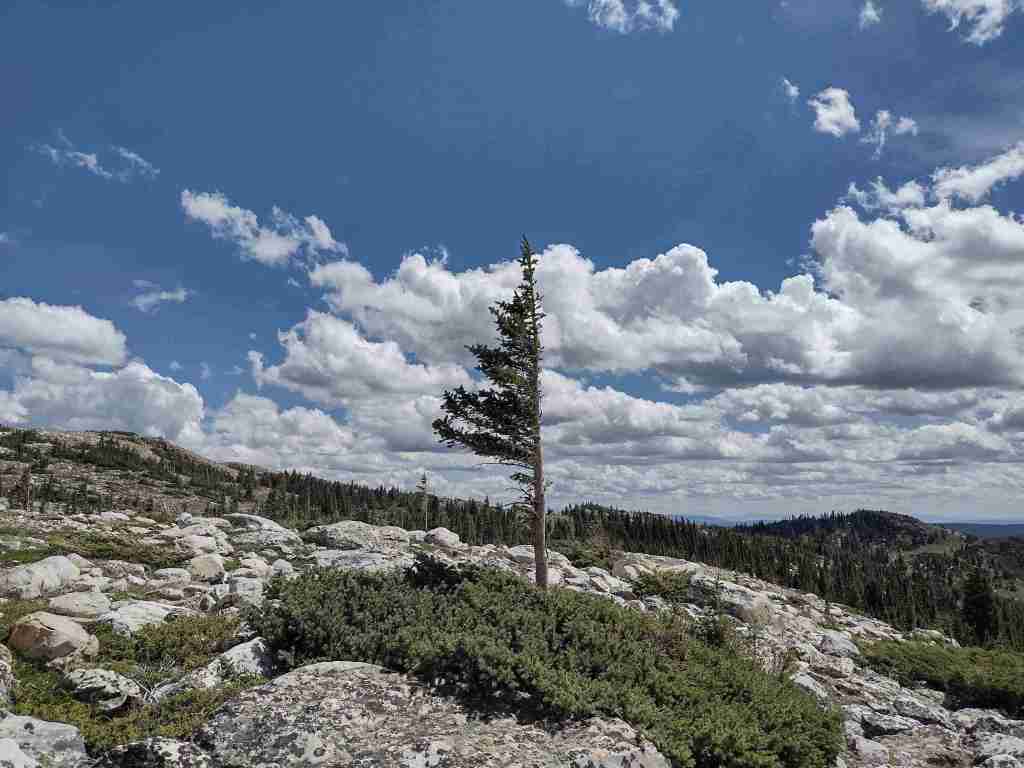
Capitol Reef

Conifer Tree Species

subalpine fir, white fir, Engelmann spruce, Douglas-fir, ponderosa pine, limber pine, Rocky Mountain juniper

Flowering Tree Species

Fremont cottonwood, quaking aspen, manzanita, sagebrush

Explore More – In 1849, Brigham Young sent 225 settlers to the San Pitch (now Sanpete) Valley; where did they get the name Manti?

Learn more about this and the 154 other National Forests in our new guidebook Out in the Woods

Malheur National Forest

Malheur National Forest

Oregon

Managed by U.S. Forest Service, Pacific Northwest Region

1,541,723 (1,465,287 federal/ 76,436 other)

Website: https://www.fs.usda.gov/r06/malheur

Overview

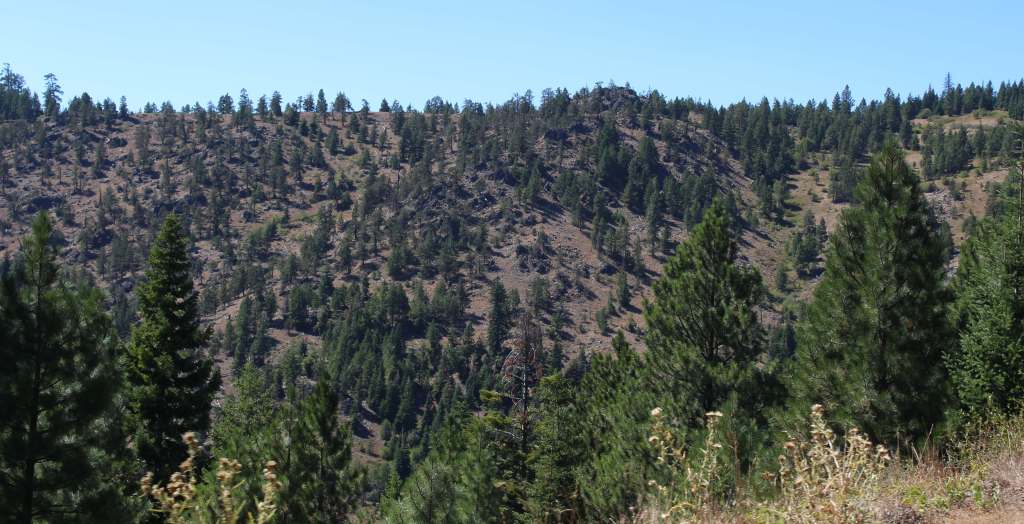
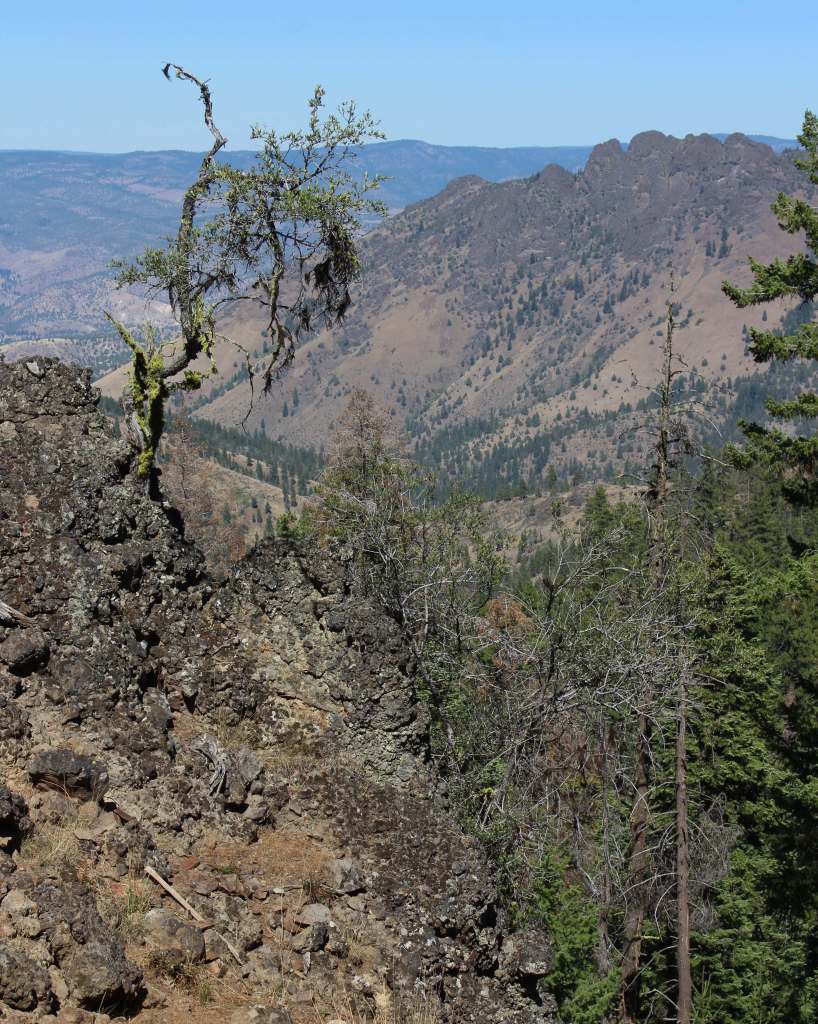
In central Oregon, Malheur National Forest encompasses the Strawberry Range and Aldrich Mountains that run into the Blue Mountains.  Much of its area is high desert, with grasslands, sagebrush, and juniper the predominant vegetation.  Malheur National Forest contains the “Humongous Fungus,” a honey fungus (Armillaria solidipes) that spans 2,200 acres and is considered the largest known organism by area in the world.  It is located mostly underground, high on a ridgeline immediately west of Clear Creek (44.4731°N 118.4816°W).

Highlights

Journey Through Time Scenic Byway, Cedar Grove Botanical Area, Yellowjacket Reservoir, Indian Rock-Vinegar Hill Scenic Area, Swick Old Growth Interpretive Site, Rosebud Creek, Arch Rock, Magone Lake, Tamarack Creek Trail, McClellan Mountain Trail

Must-Do Activity

The northeast corner of the National Forest includes the 4,000-acre Indian Rock-Vinegar Hill Scenic Area with its beautiful alpine meadows that bloom high in the Greenhorn Mountains.  For geology enthusiasts, Arch Rock is an easy hike to a 15-foot opening in soft ashflow tuff, Tex Creek has a natural bridge, and fossilized shells are found around Rosebud Creek.

Best Trail

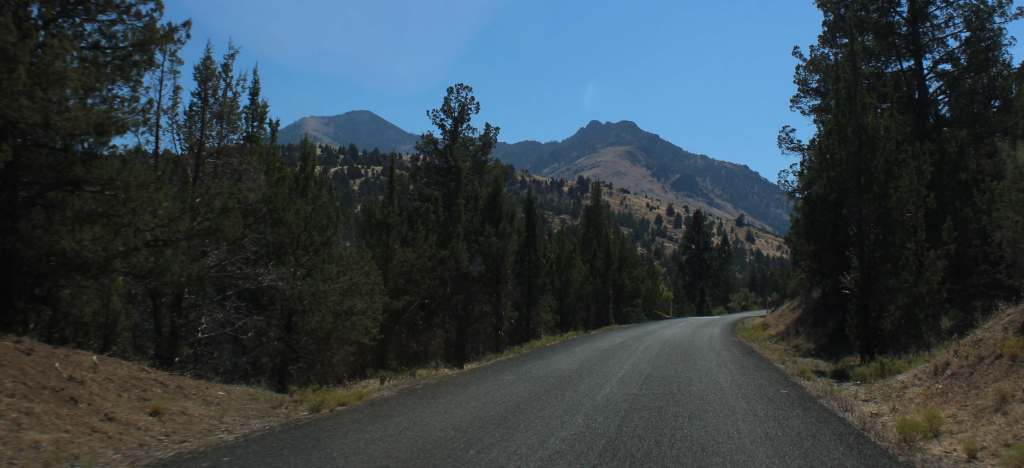
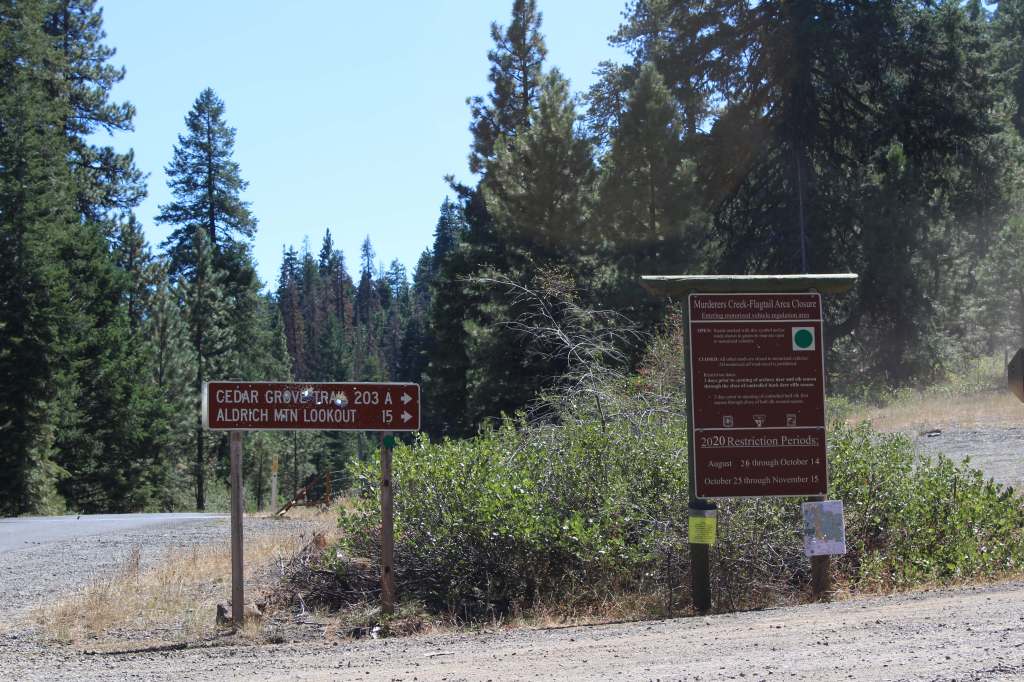
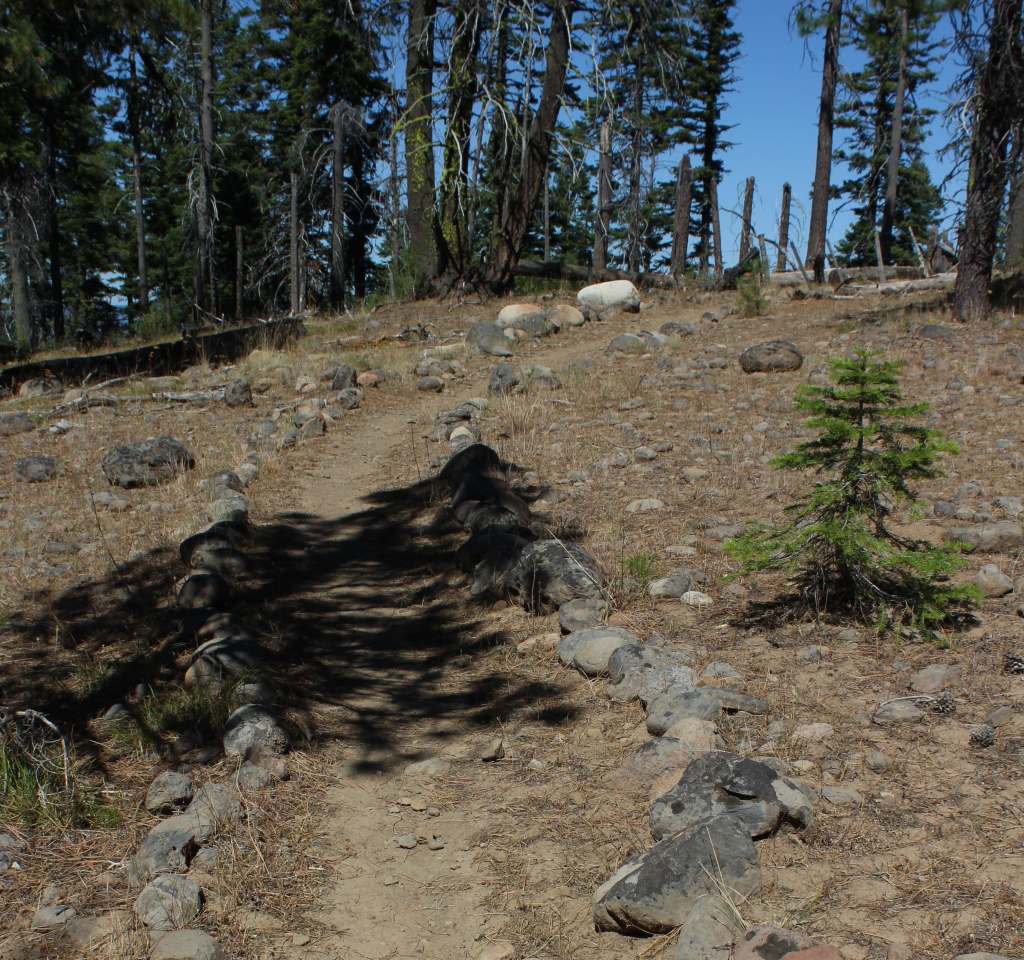
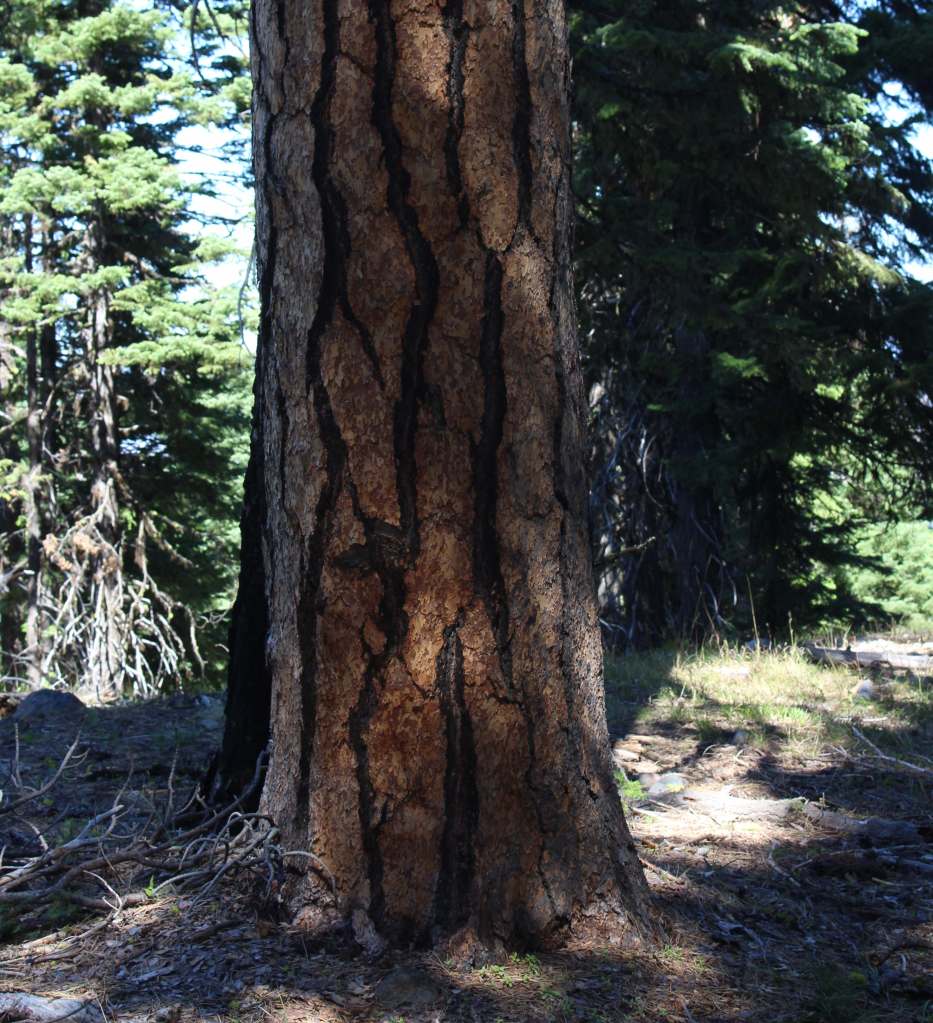
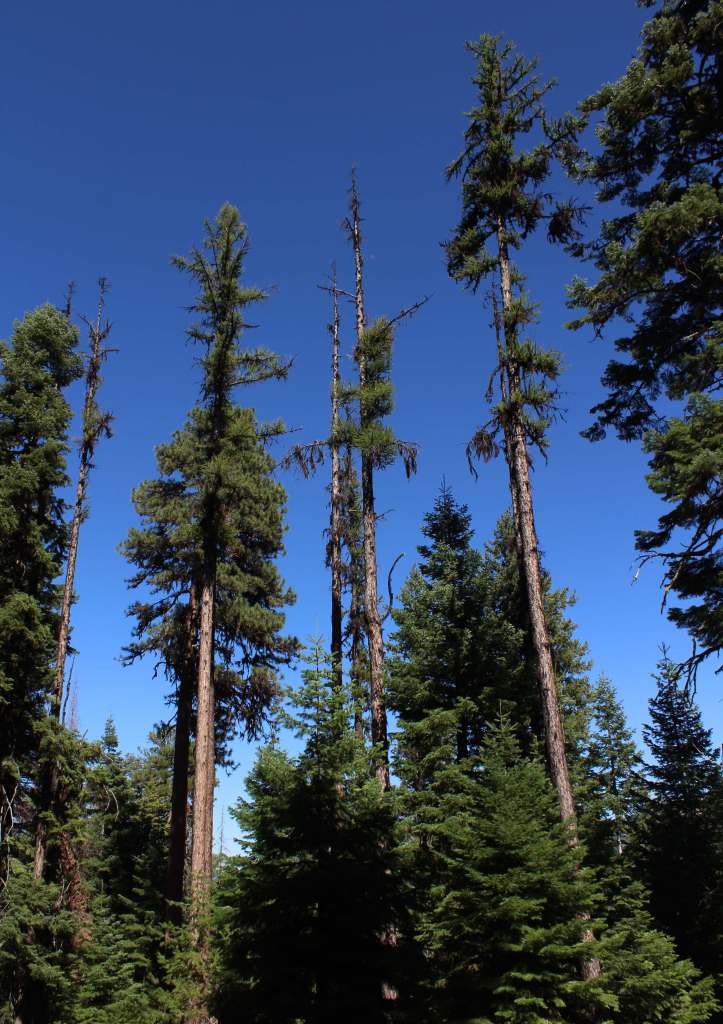
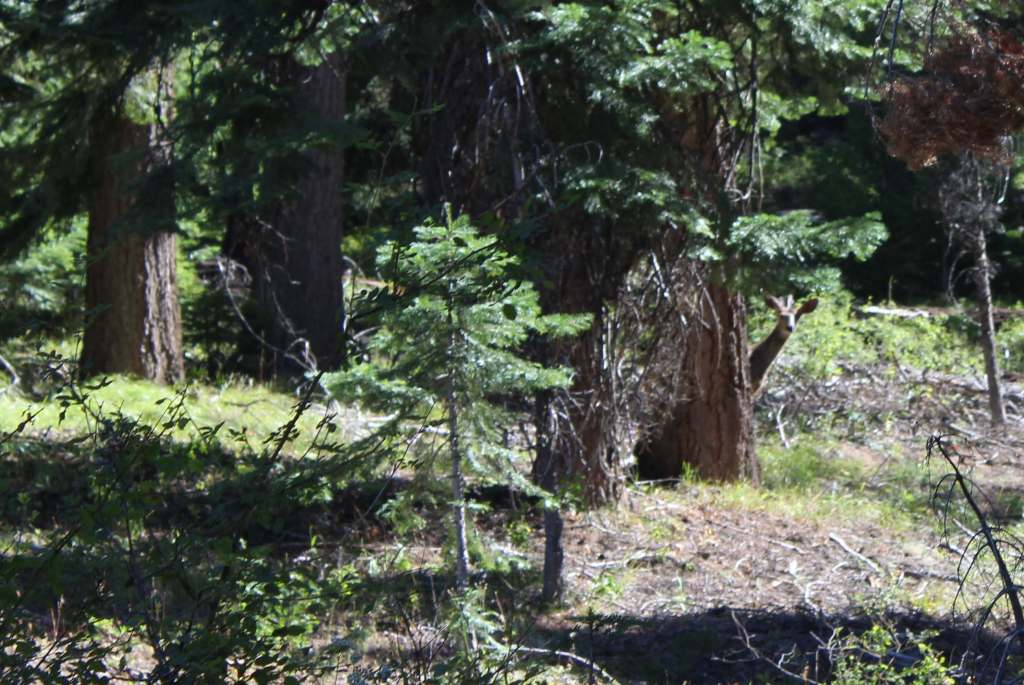
In the Aldrich Mountains, Cedar Grove Botanical Area preserves the only stand of yellow-cedars found east of the Cascade Range.  Some of these trees are more than 300 years old, hanging on for life along Buck Cabin Creek where a fire recently burned more than half of the 60-acre stand.  Access is by a National Recreation Trail, which drops precipitously into the grove, making for a strenuous hike out.  The trail is lined with plant identification placards and was pocked with deer hoofprints when we visited.  The trailhead is well-marked, located 5.5 miles down a dirt road after climbing ten miles on paved Forest Road 21 south of Highway 26.  Check conditions before departing, as some roads may be closed within the Rail Ridge Fire area.

Watchable Wildlife

Elevations in Malheur National Forest range from 4,000 feet up to the top of 9,038-foot Strawberry Mountain.  Elk, pronghorn, and mule deer are large ungulates found here.  Carnivorous mammals include black bears, coyotes, mountain lions, and bobcats that roam the high desert environment.  Large birds frequently seen are bald eagles, Canada geese, mallards, and whistling swans.  Streams and lakes found throughout the National Forest support a variety of gamefish, including trout.  To the south, Malheur National Wildlife Refuge encompasses 185,000 acres of marshes, meadows, and man-made ponds that provide habitat crucial for bird nesting and migration. 

Photographic Opportunity

I did my M.S. research project on yellow-cedar (Callitropsis nootkatensis), so I had to visit Cedar Grove Botanical Area.  The trees are a popular ornamental species best known for their drooping branches and shallow root systems that allow them to survive in extremely wet soils.  Found from sea level up to 7,000 feet, they regularly live more than 1,000 years, growing slowly with chemicals compounds that prevent wood rot.

Peak Season

Summer

Fees

None

Road Conditions

Highway 395 runs north-south through the National Forest, while Highway 26 runs east-west.  The dirt roads we drove to access Cedar Grove Botanical Area were in good condition, although dry and dusty at the end of the summer.

Camping

There are numerous campgrounds in Malheur National Forest; none take reservations and some have fees that apply from May through October.  Some campgrounds are free, like Cane Crossing, Crescent, and Elk Creek, and dispersed camping is also allowed.

Wilderness Areas

Monument Rock Wilderness (also in Whitman National Forest)

Strawberry Mountain Wilderness

Related Sites

John Day Fossil Beds National Monument (Oregon)

Newberry National Volcanic Monument (Oregon)

Fremont National Forest (Oregon)

Nearest National Park
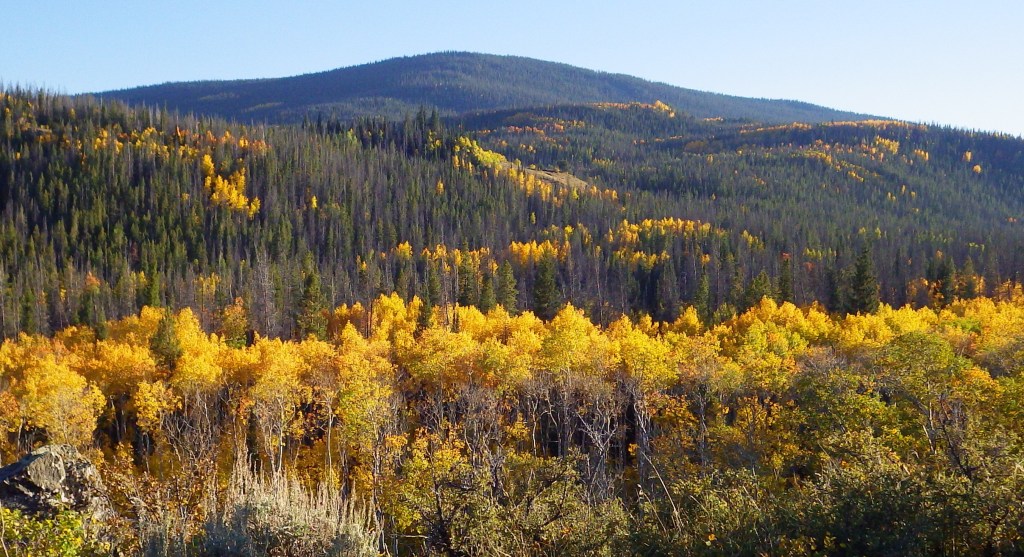
Crater Lake

Conifer Tree Species

ponderosa pine, Douglas-fir, grand fir, white fir, yellow-cedar, western juniper

Flowering Tree Species

curlleaf mountain mahogany, sagebrush

Explore More – The Malheur River is named for the French word for “misfortune;” why was it given that name?

Learn more about this and the 154 other National Forests in our new guidebook Out in the Woods

Mississippi Road Trip Itinerary

30,030,893 acres

Statehood 1817 (20th)

Capital: Jackson

Population: 2,961,279 (34th)

High Point: Woodall Mountain (807 feet)

Best time of year: Spring

We recently published our guidebook 50 States of Great: Road Trip Guide to America, so we decided to start a new type of blog post where we create a travel itinerary for all 50 states, in addition to our usual National Forest and National Park entries.  After starting with KansasGeorgia, Idaho, Rhode Island, Minnesota, Hawai’i, Arizona, LouisianaSouth Dakota, Indiana, and Montana, we decided to do another state in the deep south.  We made an ambitious seven-day plan starting in the south on the Gulf Coast and then zigzagging across the state with plenty of options to extend the trip.

Day 1

Gulf Islands National Seashore (click here for our blog post)

You will have to take a ferry to enjoy the white sand beaches of West Ship Island, which are considered some of the best in the U.S.  If you are stuck on the mainland, at least check out the visitor center and hiking trails just off Interstate 10. 

Biloxi

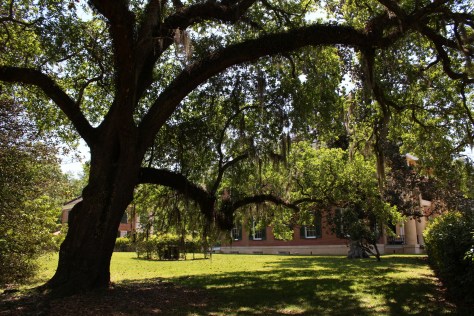
Biloxi has beaches, a lighthouse, casinos, and the Maritime and Seafood Industry Museum.  I still want to see the Patriarch Oak, estimated to be more than 2,000 years old and located at Mary Mahoney’s Old French House seafood restaurant.

De Soto National Forest (click here for our blog post)

Tuxachanie National Recreation Trail runs 12 miles through De Soto National Forest with the path from its western trailhead following an old logging railroad right off Highway 49.  Near the far eastern end of the trail is a lakeside World War II Prisoner of War camp with a pond.

Optional stop at Mississippi Sandhill Crane National Wildlife Refuge

Some sandhill cranes migrate to this forested spot for the winter, but a small population lives there year-round.  There are trails, interpretive signs, and a visitor center.

Day 2

Natchez National Historical Park (click here for our blog post)

National Park Service (NPS) rangers or volunteers are on location at the William Johnson House, Melrose Estate, and the Forks of the Road where hundreds of thousands of slaves were sold in the 1800s.  The William Johnson House tells the story of a slave freed at age 11 who apprenticed to a barber, and became a successful businessman before his murder.

Grand Village of the Natchez Indians State Historic Site

These historic mounds offer a free museum and film inside an air-conditioned building (which is important on a muggy summer day). 

Optional stop at Homochitto National Forest (click here for our blog post)

There is a nice campground with showers on Clear Springs Lake, accessed by a paved road four miles south of Highway 84.  A one-mile trail circles the lake, which has a picnic shelter built by the Civilian Conservation Corps (CCC) in 1935 that is listed on the National Register of Historic Places.

Day 3

Natchez Trace Parkway (click here for our blog post)

This paved road runs 444 miles from the Mississippi River to Nashville, Tennessee, including 309 miles in Mississippi.  The trace (or trail) started as an American Indian footpath and was heavily used in the 1800s by “Kaintuck” flatboatmen returning from New Orleans who left the Mississippi River at Natchez and continued on foot north.  At several roadside pullouts, you can still follow portions of the “sunken” trail worn down by travelers over the centuries.  Popular stops along the way include the boardwalk at Cypress Swamp outside Jackson and its three free campgrounds.

Optional stop at Natchez Trace National Scenic Trail (click here for our blog post)

Paralleling the parkway, this trail exists in five segments totaling 67 miles in length.  One of the longest sections is located north of Jackson (Miles 108-130).  There are also eight miles of the original trace around the free Rocky Springs Campground (Mile 58) accessing Owens Creek Waterfall and a historic town site.

Day 4

Jackson

The capital city is home to the Mississippi Civil Rights Museum, Museum of Mississippi History, and Mississippi Agriculture and Forestry Museum.  The Mississippi Museum of Natural Science is a 73,000-square-foot facility situated in a 300-acre forest with 2.5 miles of trails that also boasts a 200-seat theater and many aquariums, including “The Swamp” where alligators reside inside a large greenhouse. 

Medgar and Myrlie Evers Home National Monument (click here for our blog post)

In Jackson, the National Park Service manages the former home of a prominent Civil Rights Leader who was assassinated in his driveway in 1963.  Across the street, there is a sidewalk through Myrlie’s Garden, a community garden where interpretive signs on the wooden fence tell the story of the Evers family.

Optional stop at Bienville National Forest (click here for our blog post)

There are several lakes here open to the public, including 50-acre Marathon Lake (which got its name a lumber company that closed in 1929).  The lake was built in the 1950s for recreation in a former logging camp and now has 34 campsites (with water and electric hook-ups), a boat ramp, a swimming area, and a 1.7-mile trail that circles it. 

Day 5

Vicksburg National Military Park (click here for our blog post)

The numerous failed attempts to take Vicksburg by force are evidenced by the 17,000 soldiers buried in the National Cemetery here.  Following a 46-day bombardment, the city finally surrendered on July 4, 1863.  The best part of visiting the park is walking through the partially-reconstructed U.S.S. Cairo, an ironclad gunboat which was carefully salvaged from the Yazoo River during the 1960s.

Optional stop at Delta National Forest (click here for our blog post)

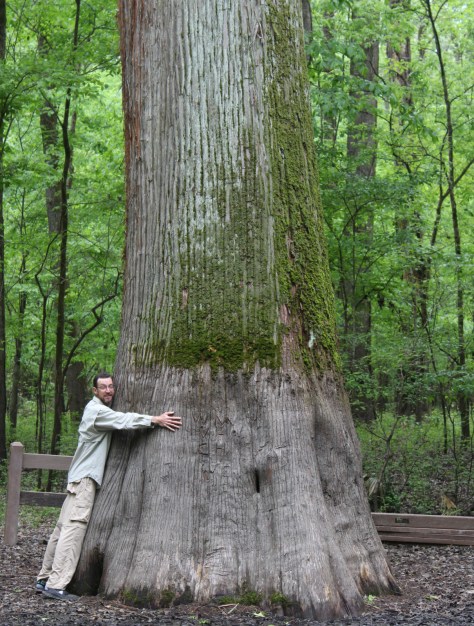
Delta National Forest is seasonally flooded for wildlife, but it was dry enough to walk up to the Kay Cypress Tree even when other trails were underwater during our April visit.  The tree is more than ten feet in diameter even above the widely fluted base common to baldcypress.  It is located across from Blue Lake on unpaved Fire Tower Road.

Day 6

Emmett Till Historic Intrepid Center (ETHIC)

Located in a former cotton gin near the site of Emmett Till’s torture and murder on the farm of “J.W.” Milam in Glendora.  Established in 2005, there is an atmosphere to the museum that bears the full weight of history, heightened by the short introductory video showing Emmett Till’s family members’ recollections of the events of 1955. 

Emmett Till and Mamie Till-Mobley National Monument (click here for our blog post)

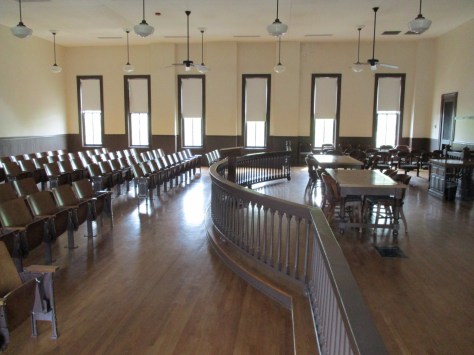
The National Park Service operates out of the Emmett Till Interpretive Center, located in a strip mall opposite the Tallahatchie County Second District Courthouse in Sumner.  It has limited hours, but the courtroom where the September 1955 trial was held was unlocked when we visited on a Tuesday morning.

Optional stop at a Blues Museum

The Yazoo-Mississippi Delta (or simply “the Delta”) is a distinct section of western Mississippi renowned for its blues musicians.  There is plenty to learn and listen to at the Delta Blues Museum in Clarksdale, GRAMMY Museum Mississippi in Cleveland, and B.B. King Museum and Delta Interpretive Center in Indianola.  Spend the night in the area to go to a bar for live music in the evening. 

Optional stop at Belzoni Catfish Museum and Welcome Center

At its peak in 1993, this region produced 461-million pounds of catfish annually (about 60% of U.S. production) and still hosts the World Catfish Festival every April.  The best part is that Belzoni has catfish sculptures spread around town, painted to represent different occupations like a fireman and nurse. 

Day 7

Brices Cross Roads National Battlefield Site (click here for our blog post)

The National Park Service site here is tiny with no facilities and only a couple interpretive signs, but a local battlefield commission owns 1,400 acres with walking trails.  The nearby Mississippi Final Stands Interpretive Center is located five miles east of the battlefield in Baldwyn. 

Tupelo National Battlefield (click here for our blog post)

Two cannons and a monument mark this one-acre National Park Service site surrounded by the city of Tupelo.  Its visitor center is combined with the one for the Natchez Trace Parkway just outside Tupelo.

Optional stop at Elvis Pressley Birthplace and Museum

In Tupelo, the house where Elvis grew up is a main attraction.  The grounds are open 24 hours and the museum is open seven days a week. 

Optional stop at Tishomingo State Park

Tishomingo State Park is located just off the Natchez Trace Parkway (Milepost 304) northeast of Tupelo.  The park’s sandstone and limestone rock formations represent the furthest southwest extent of the Appalachian Plateau.  The park opened in 1939, after its infrastructure was built using local rock by the Civilian Conservation Corps (CCC).  Several structures remain from that period, including a spectacular swinging bridge over Bear Creek.

Day 8+

Holly Springs National Forest (click here for our blog post)

Chewalla Lake Recreation Area is the most developed site offering a swimming beach and campground, plus fishing and boating opportunities.  A 2.3-mile trail at the 260-acre lake passes an overlook and a reconstructed Choctaw burial mound.  In the northeast corner off Highway 72, a short trail accesses Baker’s Pond, the source of the Wolf River.  Further south, Lake Tillatoba is a fee-free primitive site managed by Tombigbee National Forest.

Shiloh National Military Park (click here for our blog post)

An important railroad crossroads in Corinth made it a strategic spot during the Civil War.  In April 1862, two days of intense fighting across the border in Tennessee resulted in 23,746 soldiers killed, wounded, captured, or missing, and the Confederates abandoned the field and Corinth.  There were an additional 7,000 casualties when they failed to recapture the town in October 1862, which is the focus of the museums in town.

Apron Museum

Iuka is home to the Apron Museum that has collected thousands of vintage aprons, plus it has a gift shop with quilts, crafts, and, of course, aprons for sale.  Nearby, a restored wooden covered bridge is also worth a look-see and a drive across.

Learn more about Mississippi’s Most Scenic Drive, Wonderful Waterfall, Top State Park, and other categories in our travel guidebook 50 States of Great: Road Trip Guide to America.

Natchez Trace Parkway

Natchez Trace Parkway

Mississippi-Alabama-Tennessee

Managed by National Park Service

Established 1938

52,302 acres

Website: nps.gov/natr

Overview

The Natonal Park Service (NPS) administers the Natchez Trace Parkway, a two-lane All-American Road that extends 444 miles from Natchez, Mississippi to Nashville, Tennessee.  The trace started as a game trail that was utilized as an American Indian footpath.  Some of the mound builder sites protected here were inhabited when Hernando de Soto led the first Europeans into this area in 1540.  The Natchez Trace was heavily used in the 1800s by “Kaintuck” flatboatmen returning from New Orleans who left the Mississippi River from Natchez, Mississippi and continued on foot north to Kentucky and beyond.  Today you can still follow portions of the sunken trail worn down by travelers for centuries.  The parkway began as a Civilian Conservation Corps (CCC) project during the Great Depression and the final two segments were completed in 2005.

Highlights

Rocky Springs, Owens Creek Waterfall, Emerald Mound, Mount Locust, Chickasaw Village, Meriwether Lewis Monument and Gravesite, Cypress Swamp Walk, Witch Dance Horse Trail, Natchez Trace National Scenic Trail

Must-Do Activity

Near Tupelo, the Parkway Visitor Center at Milepost 266 is a must-do stop to learn the history of the trace, and it also serves as the NPS contact station for tiny Brices Cross Roads National Battlefield Site and Tupelo National Battlefield.  There are numerous roadside informational pullouts and trailheads along the route, so use the NPS app or pick up an official “unigrid” map.  You can easily spend days exploring, but at a minimum we recommend you check out Emerald Mound, Mount Locust, Cypress Swamp, and Meriwether Lewis Monument and Grave Site.

Best Trail

Our favorite trail is the Cypress Swamp Walk at Milepost 122, where a boardwalk crosses a scenic tupelo-baldcypress swamp.  The Natchez Trace National Scenic Trail (click here for our blog post) does not follow the entire 444-mile parkway, but exists in five segments totaling 67 miles in length.  There are also 15 miles of equestrian trails at Witch Dance (Milepost 233.2) in Tombigbee National Forest.

Photographic Opportunity

Not far from Natchez National Historical Park, Emerald Mound (a short detour at Milepost 10.3) is the second-largest American Indian ceremonial mound in the U.S.  It stands 35 feet tall and 770 by 435 feet at its base. 

Peak Season

Spring and fall

Hours

https://nps.gov/natr/planyourvisit/hours.htm

Fees

None

Road Conditions

The entire 444-mile Natchez Trace Parkway is paved from Natchez, Mississippi to Nashville, Tennessee with commercial traffic prohibited and a maximum speed limit of 50 miles per hour.  There is a detour from Milepost 181 to 204 due to ongoing construction.  Watch for bicycles and white-tailed deer on the road.

Camping

There are three free NPS campgrounds (at Milepost 54, 193.1, and 385.9) along the route, as well as those in sites like Mississippi’s Tishomingo State Park.  The three NPS campgrounds have water and bathrooms (but no RV hookups), plus there are also five bike-only campsites along the route.  Jeff Busby Campground closed in June 2025 for repairs.

Related Sites

Natchez National Historical Park (Mississippi)

Tupelo National Battlefield (Mississippi)

Brices Cross Roads National Battlefield Site (Mississippi)

Vicksburg National Military Park (Mississippi)

Nearest National Park
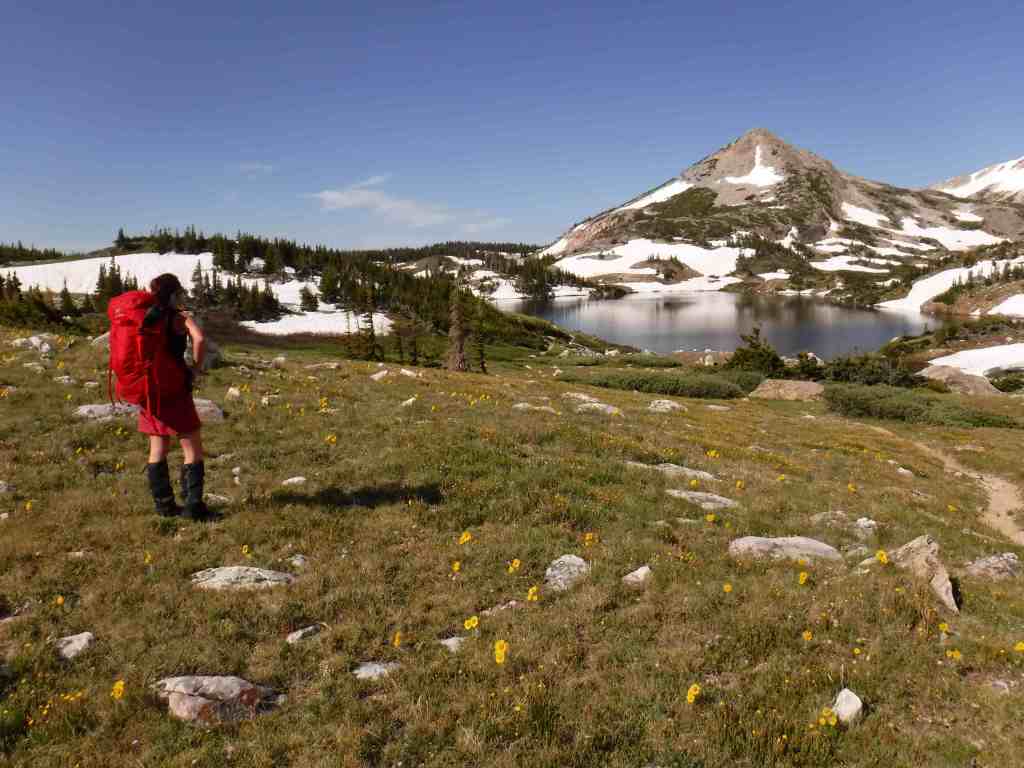
Hot Springs

Explore More – When were Ackia Battleground National Monument and Meriwether Lewis National Monument disbanded and added to the Natchez Trace Parkway?